14 Times of Year When Famous National Parks Are Completely Empty

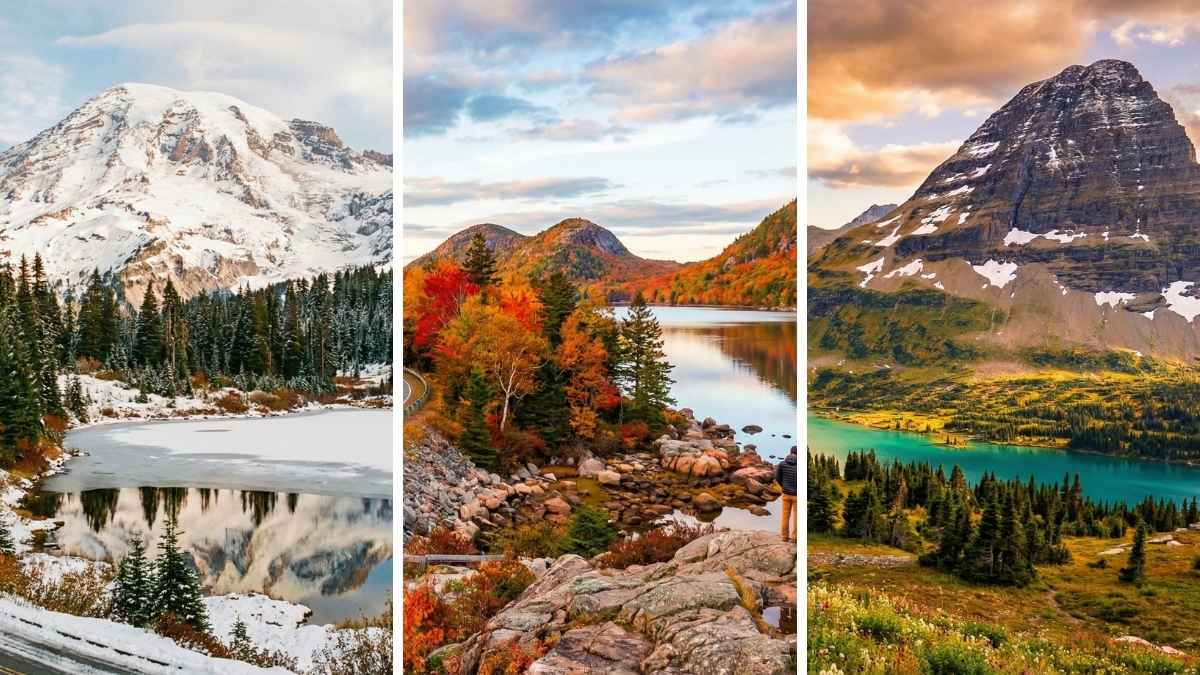
Silent trails, empty viewpoints, and landscapes that feel entirely your own—that’s the rare magic of off-season National Parks. While most travelers chase crowds and checklists, these fleeting windows reveal the parks as they truly are: vast, unhurried, and breathtakingly intimate.
The air is crisper, the light sharper, and every detail—from whispering winds to wildlife moving undisturbed—becomes impossible to ignore. Timing is everything, and knowing when the world steps away lets you experience wonder without distraction.
These moments transform a simple visit into a private encounter with nature’s grandeur, leaving memories far richer than any crowded snapshot could capture.
1. Mid-January (Post–New Year) — Yellowstone National Park
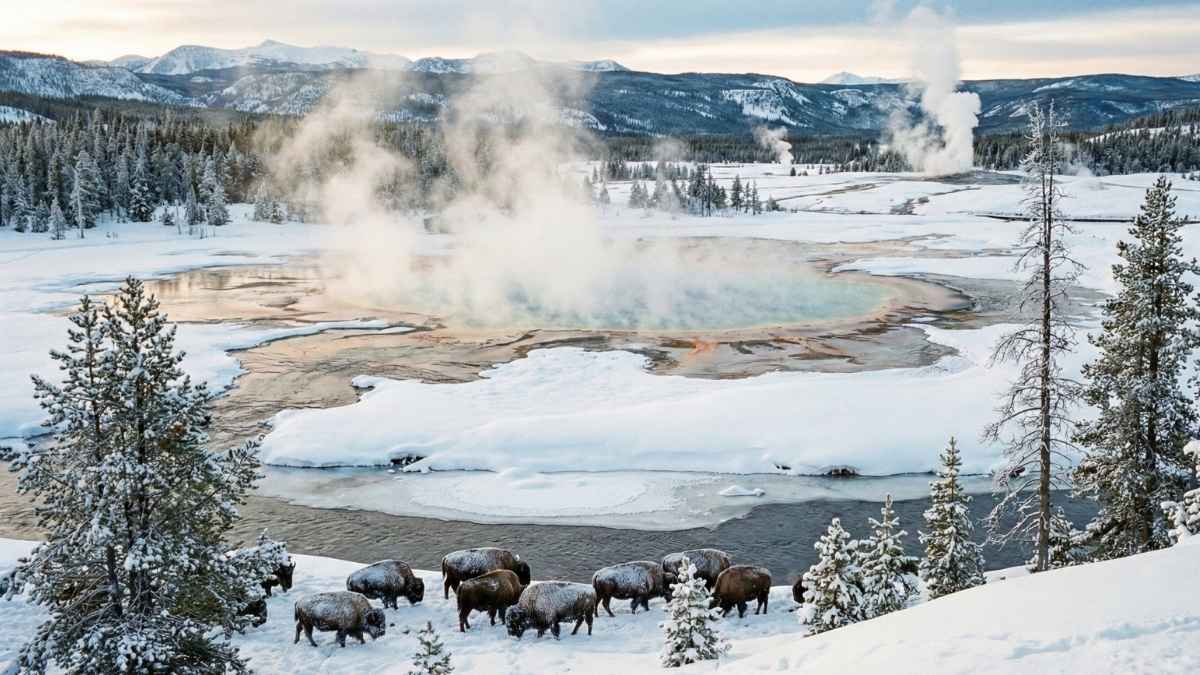
Yellowstone in mid-January feels like the park has slipped into a private, frozen world. Once holiday travelers head home, the crowds drop off sharply, leaving geyser basins steaming in near silence. Roads are quiet, boardwalks feel personal, and wildlife sightings often feel accidental rather than staged.
What surprises most visitors is how alive the park still feels despite the cold. Bison move slowly through snow-covered valleys, wolves are easier to spot against the white landscape, and geothermal features glow vividly against frost-coated ground. The absence of people changes the rhythm of the park—you stop rushing, start noticing.
This is also when Yellowstone feels most cinematic. Snow muffles sound, steam drifts lazily into pastel skies, and popular overlooks that are packed in summer feel almost forgotten. It’s not about checking attractions off a list—it’s about absorbing the atmosphere.
Quick Info
- Best Months to Visit: Mid to late January
- Crowd Level: Extremely low
- Weather: Very cold, heavy snow
- Access Notes: Snowcoach or snowmobile required
- Best For: Wildlife viewing, photographers, solitude seekers
2. Late February — Yosemite National Park
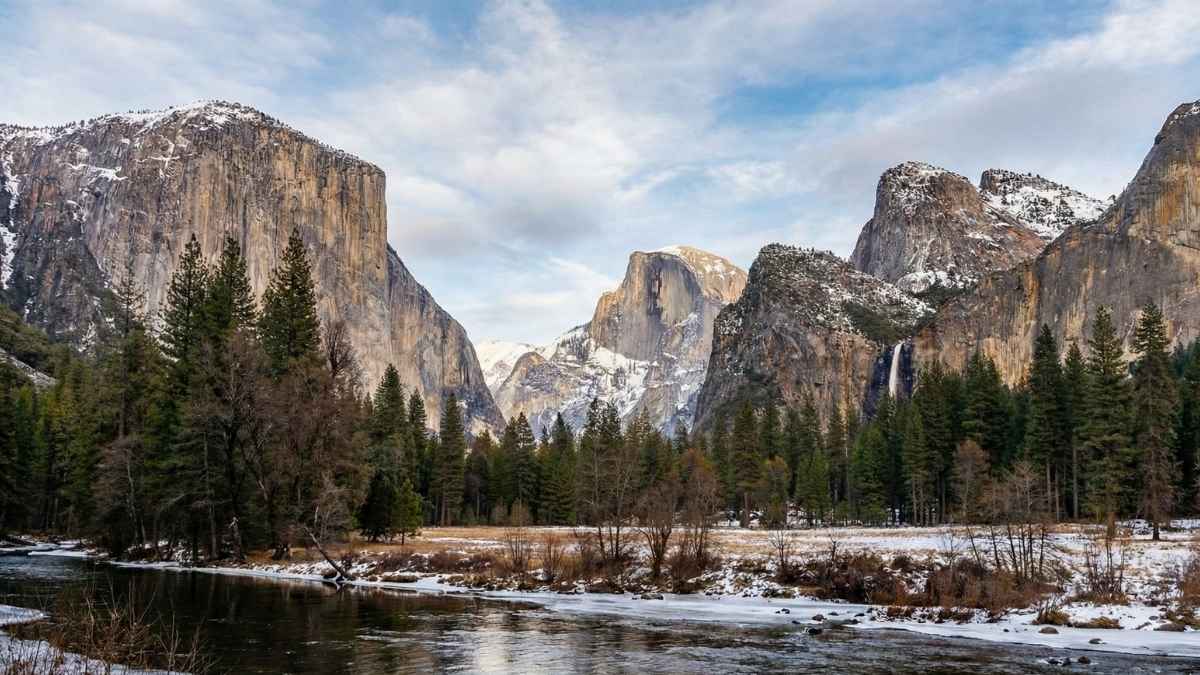
Late February in Yosemite sits in a rare sweet spot. Snow still blankets the valley, but daylight starts to stretch longer, and winter storms become less frequent. Visitor numbers drop dramatically after Presidents’ Day, leaving iconic views nearly empty.
Waterfalls—often weak or dry in late summer—begin showing early signs of life as snow melts during sunny afternoons. The granite walls feel even more dramatic framed by snow, and reflections along the Merced River appear with almost no one around to disturb them.
Walking through Yosemite Valley during this time feels unrushed and deeply calming. You’re not competing for parking or viewpoints, and the silence gives the park a quiet confidence that summer crowds tend to overpower.
Quick Info
- Best Months to Visit: Late February
- Crowd Level: Very low after holiday weekends
- Weather: Cold but increasingly stable
- Access Notes: Tire chains may be required
- Best For: Snowy landscapes, peaceful hiking, photography
3. Early December — Grand Canyon National Park
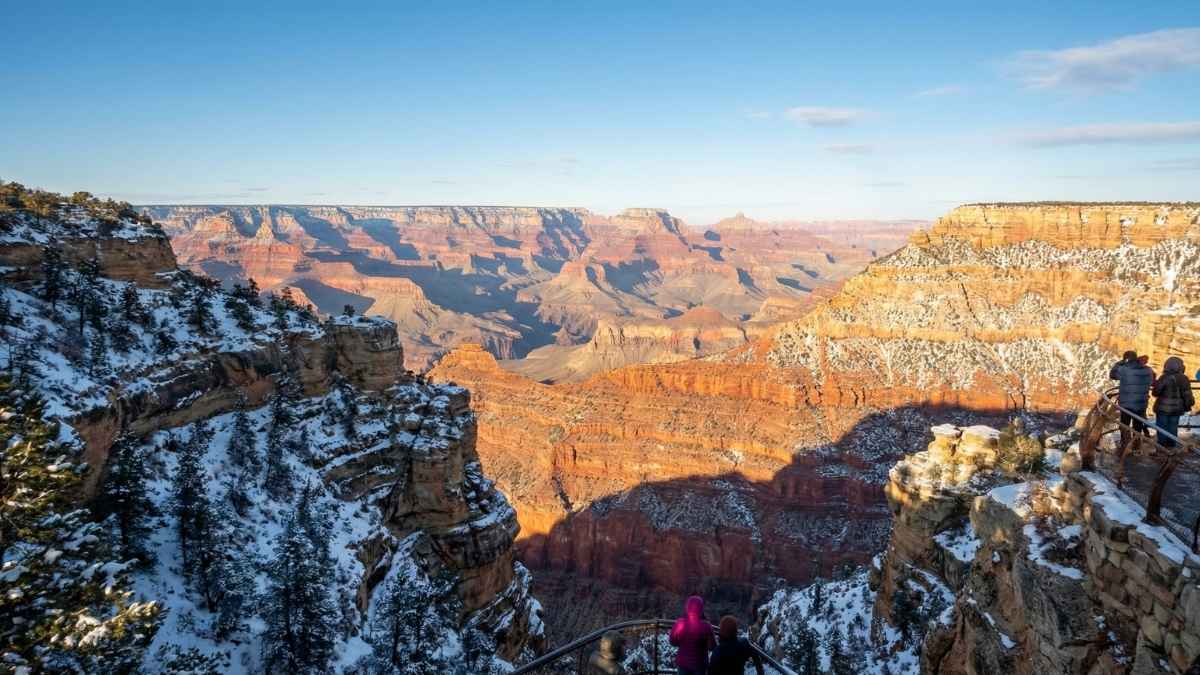
Early December transforms the Grand Canyon into a place most people never expect. Snow dusts the rim, temperatures cool dramatically, and tour buses disappear almost overnight. What remains is a canyon that feels vast, still, and deeply personal.
The colder air sharpens visibility, making layers of red rock appear more defined than during hazy summer months. Sunrises and sunsets feel slower, softer, and far less interrupted. You can stand at popular viewpoints alone, listening to the wind instead of conversations.
This is also one of the rare times when the South Rim feels contemplative rather than busy. Trails are quiet, lodges are calm, and the scale of the canyon becomes easier to absorb without constant motion around you.
Quick Info
- Best Months to Visit: Early December
- Crowd Level: Very low before holiday travel
- Weather: Cold, occasional snow
- Access Notes: North Rim closed; South Rim open
- Best For: Scenic overlooks, quiet hikes, photography
4. Early March — Rocky Mountain National Park
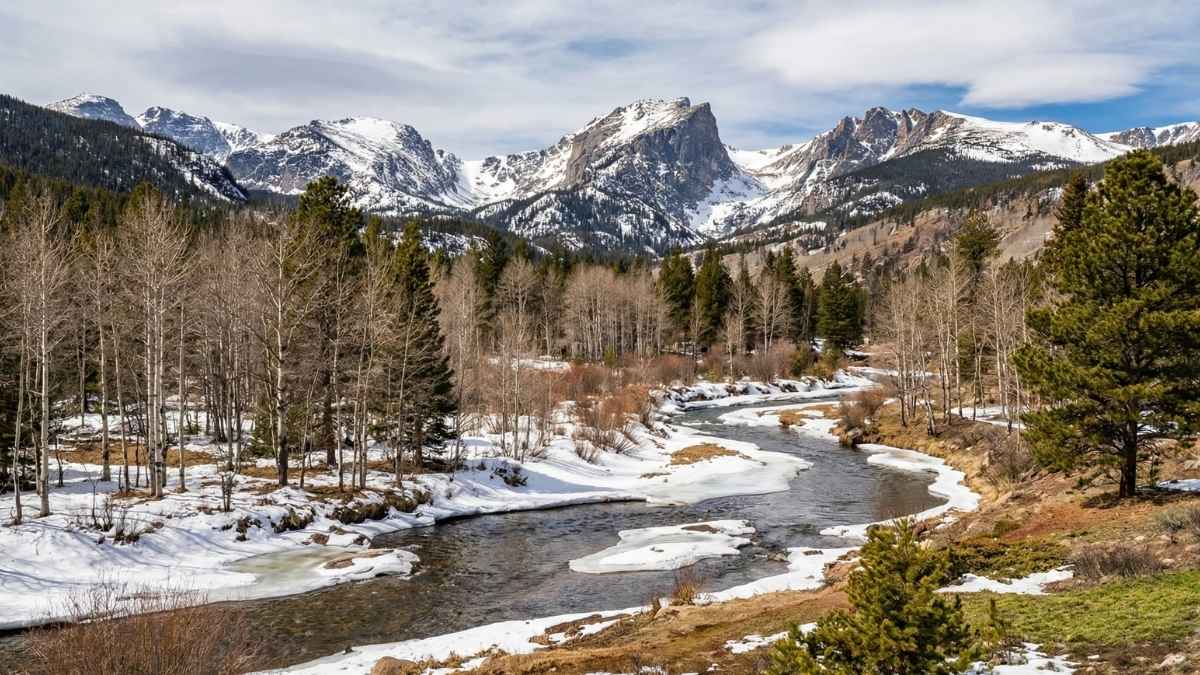
Early March sits right between winter’s depth and spring’s arrival, which keeps crowds away but leaves the park stunningly intact. Snow still covers much of the landscape, but sunshine becomes more frequent, making the cold feel manageable rather than harsh.
Wildlife activity quietly increases during this time. Elk herds move through valleys, and tracks crisscross snowy meadows. With fewer visitors, animal behavior feels natural and undisturbed, offering more authentic sightings.
Trails remain quiet, viewpoints are uncrowded, and the sense of space feels amplified. It’s the kind of visit where you spend more time standing still than moving, simply taking in how open everything feels.
Quick Info
- Best Months to Visit: Early March
- Crowd Level: Very low
- Weather: Cold with sunny days
- Access Notes: Trail Ridge Road is closed
- Best For: Wildlife viewing, winter hiking, peaceful exploration
5. Late October — Acadia National Park
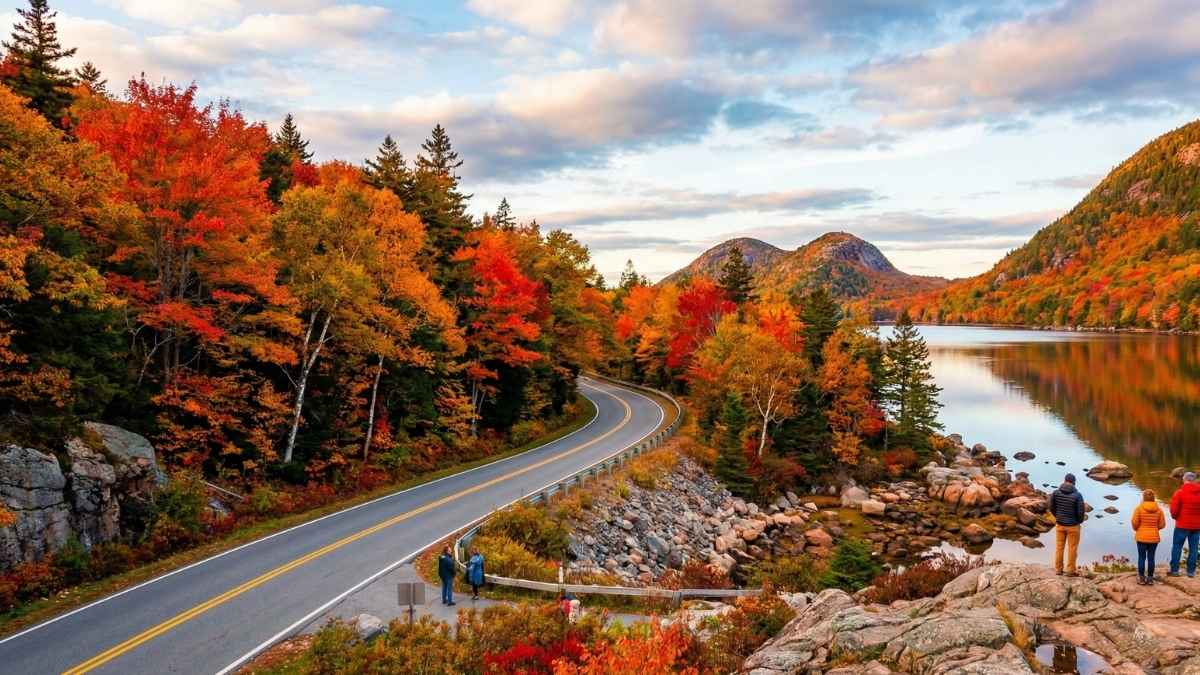
Once fall foliage peaks and drops, Acadia enters a calm phase most visitors miss. Late October brings crisp air, empty carriage roads, and coastal views that feel untouched. Hotels quiet down, parking becomes effortless, and trails feel almost private.
The ocean plays a bigger role during this time. Waves crash louder, winds carry the scent of salt, and rocky shorelines feel more dramatic without summer crowds. Sunrise spots that are usually packed become serene moments instead of events.
Acadia’s charm doesn’t disappear after peak fall—it simply softens. The park becomes less about chasing color and more about soaking in its rugged coastal character.
Quick Info
- Best Months to Visit: Late October
- Crowd Level: Very low after foliage season
- Weather: Cool, breezy, unpredictable
- Access Notes: Some services close for the winter
- Best For: Coastal scenery, quiet hiking, reflective visits
6. Mid-February — Bryce Canyon National Park
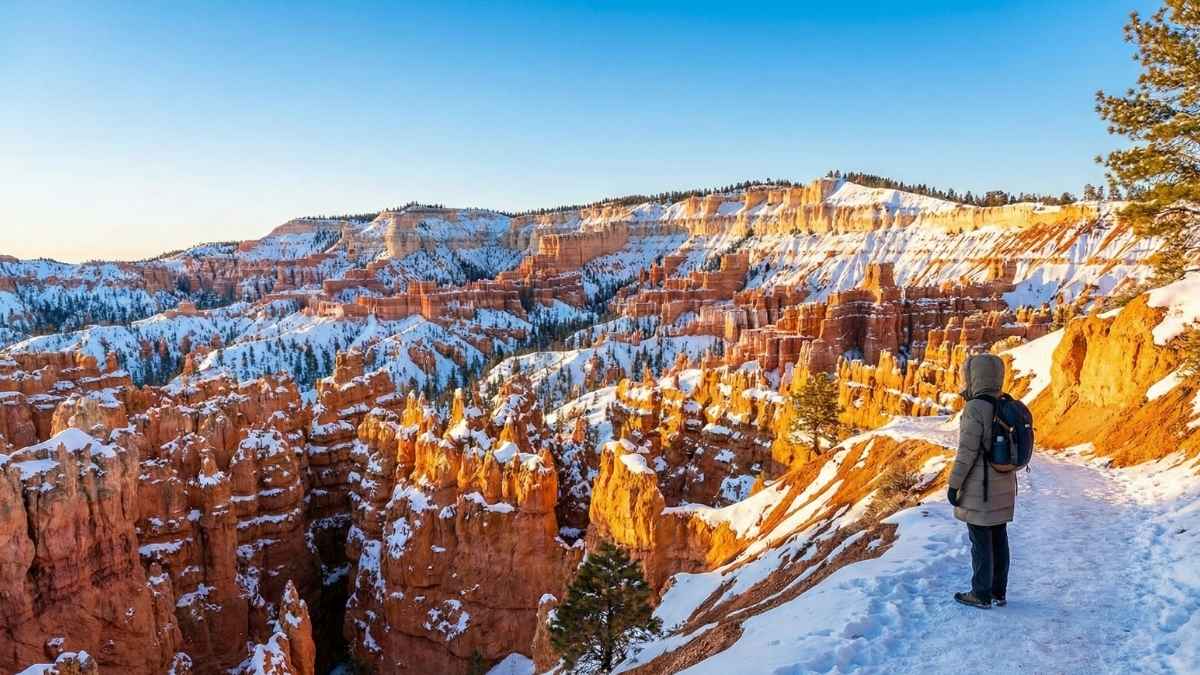
Bryce Canyon in mid-February is a study in quiet contrasts. Hoodoos rise dramatically from snow-dusted amphitheaters, and trails that are usually crowded feel almost untouched. The cold keeps most visitors away, which makes the park feel like it belongs to whoever is brave enough to venture out.
One of the magical aspects is how light interacts with the snow and red rock. Early mornings and late afternoons create shadows and highlights that seem to make the formations glow. Even short hikes feel immersive because the usual distractions—the chatter, the crowds—are gone.
Walking among frost-covered spires, it’s easy to feel completely isolated from the outside world. You notice details often missed in summer: the crunch of snow underfoot, distant wildlife tracks, and the soft hiss of the wind moving through the canyon.
Quick Info
- Best Months to Visit: Mid-February
- Crowd Level: Extremely low
- Weather: Cold, snow likely
- Access Notes: Some trails may be icy; microspikes recommended
- Best For: Photography, solitude, winter hiking
7. Early April — Great Smoky Mountains National Park
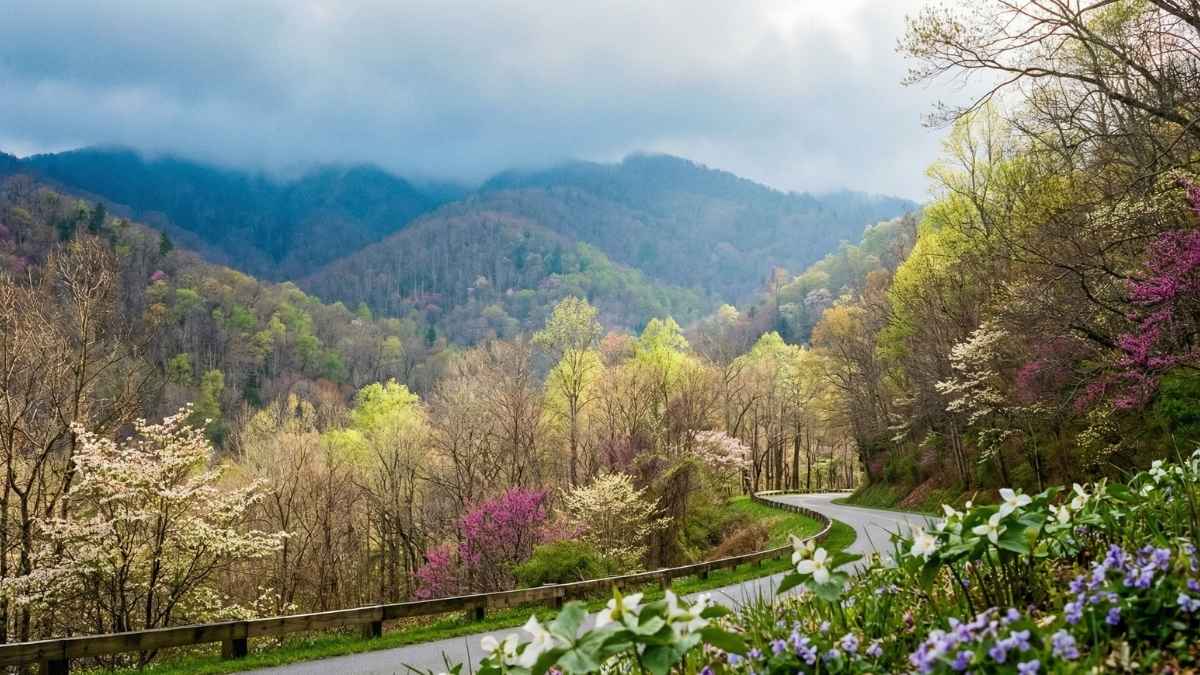
Early April is the perfect gap between the winter quiet and spring break crowds in the Smokies. Trails begin showing signs of new growth, wildflowers peek out, but most overlooks remain blissfully empty.
The park’s famous mist takes on a softer, more intimate quality during this time. Hikes along old-growth forests feel almost secret, with birdsong and running streams filling the spaces normally crowded by hikers. It’s a slower pace that allows visitors to fully notice details like budding trees and early blooms.
This timing also works well for exploring historic sites within the park. Homesteads, old cabins, and trails that often feel bustling in warmer months can be explored in a way that feels reflective rather than rushed.
Quick Info
- Best Months to Visit: Early April
- Crowd Level: Low before spring break
- Weather: Cool, variable; occasional rain
- Access Notes: Roads are mostly open; higher elevations may still have snow
- Best For: Hiking, wildflowers, quiet nature walks
8. Late November — Zion National Park
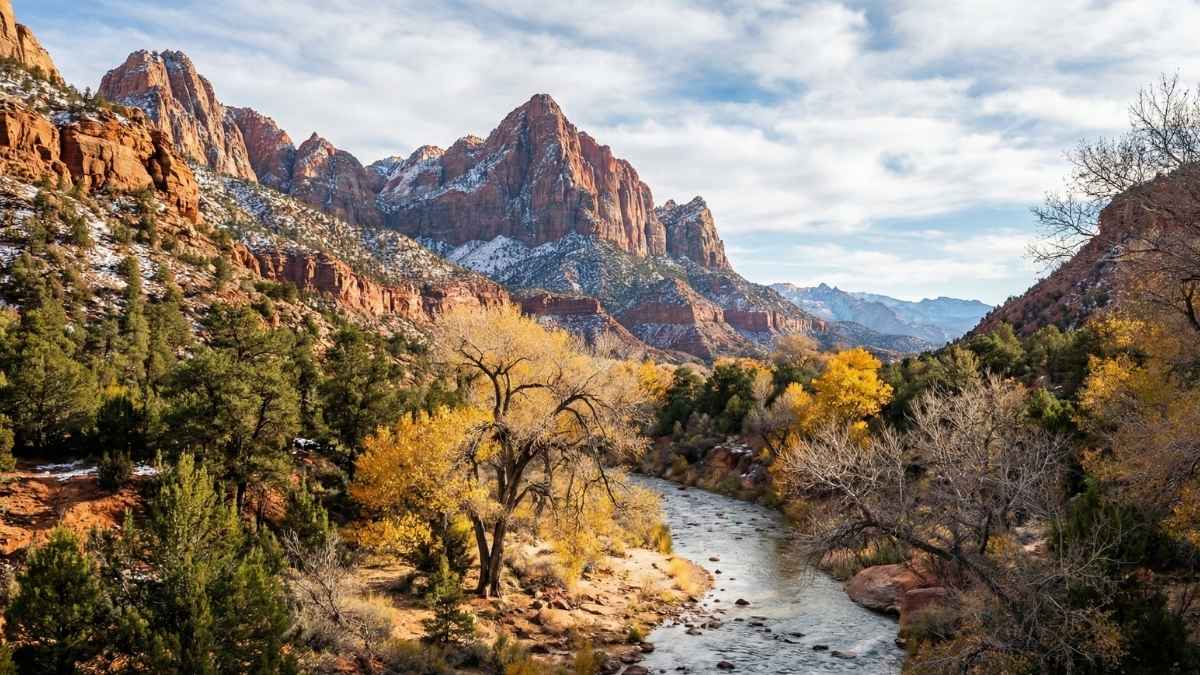
Late November is one of Zion’s most overlooked windows. After the fall foliage and Thanksgiving surge, the park quickly empties, leaving dramatic sandstone cliffs and narrow canyons nearly to yourself.
Canyoneering and short hikes feel completely different without traffic on trails or crowded shuttle buses. Lower temperatures mean fewer hikers attempt longer routes, so even popular areas feel intimate. Sunrise and sunset also take on a warmer, gentler hue against the red rock cliffs, enhancing the park’s cinematic feel.
With clear skies and crisp air, photography opportunities are abundant, and natural sounds dominate. The absence of crowds allows visitors to notice the subtleties of the park’s geology, the way sunlight hits different formations, and the small, quiet wildlife that thrives undisturbed.
Quick Info
- Best Months to Visit: Late November
- Crowd Level: Very low
- Weather: Cool, generally dry
- Access Notes: Shuttle system still in operation; some services reduced
- Best For: Hiking, photography, peaceful canyon exploration
9. Early January — Olympic National Park
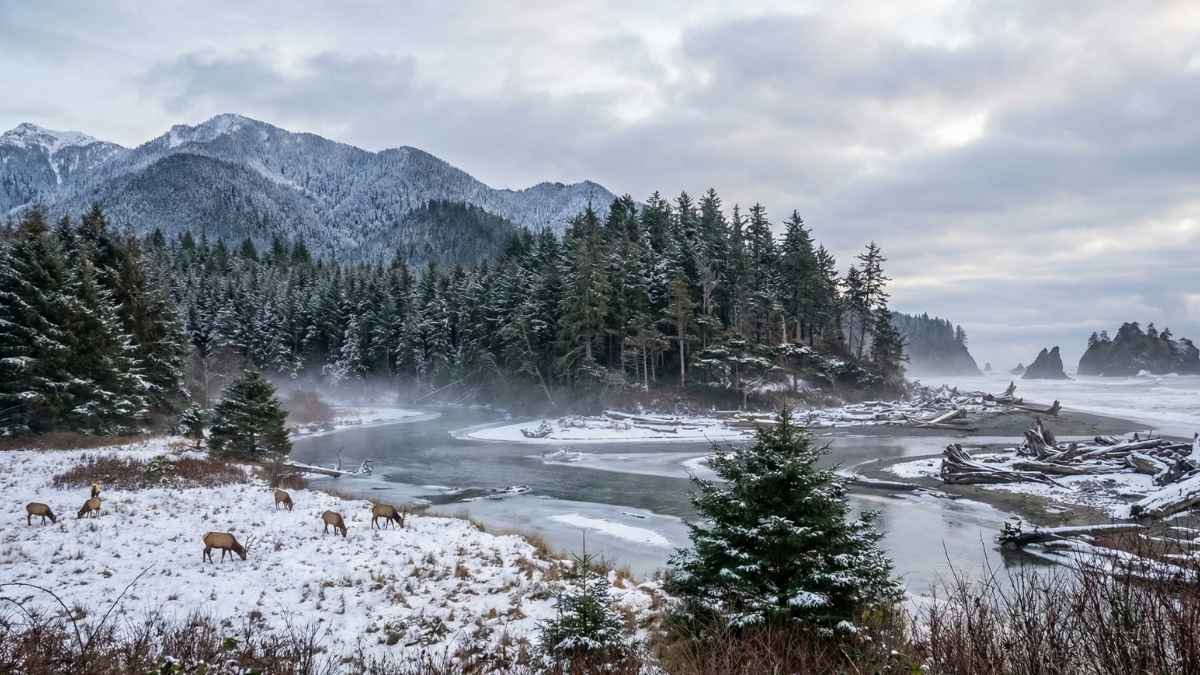
Early January in Olympic National Park is the definition of off-season magic. Coastal areas are stormy, forests glisten with frost, and mountain trails are largely deserted. You can walk on beaches or hike old-growth trails and feel like the park is entirely yours.
The mix of winter storms and calm days creates ever-changing landscapes. Rainforests are vibrant and dripping, rivers rush with seasonal meltwater, and snow dusts peaks and valleys alike. It’s an immersive experience that demands you slow down and engage with your surroundings.
Wildlife viewing can be surprisingly rewarding at this time. Roosevelt elk, black-tailed deer, and seabirds are active, and with so few visitors, they behave naturally. Every moment feels like a private scene from a nature documentary.
Quick Info
- Best Months to Visit: Early January
- Crowd Level: Extremely low
- Weather: Cold, wet, variable; coastal storms likely
- Access Notes: Some mountain roads may be closed
- Best For: Rainforest hikes, coastal exploration, wildlife spotting
10. Late August — Glacier National Park
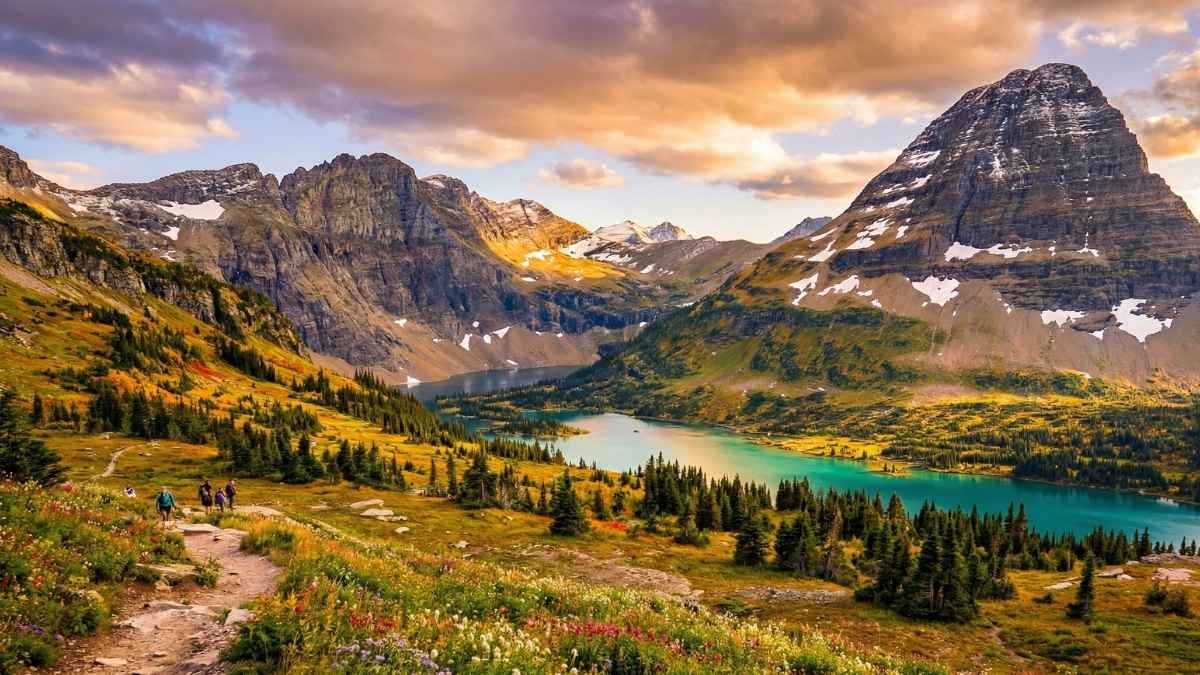
Late August hits a lull in Glacier National Park that many miss. Summer crowds thin as families return home for school, leaving trailheads and overlooks surprisingly open. The park still shines in warm light, with clear skies and fully flowing waterfalls.
This timing is ideal for short hikes that usually require patience to enjoy. Iconic lakes, alpine meadows, and rugged peaks become far more accessible without the shoulder-to-shoulder summer crowds. Wildlife encounters are easier too, as animals move more freely without constant human presence.
Late August also offers a beautiful combination of late-summer flora and early hints of autumn color. Trails feel alive yet peaceful, and you get the rare opportunity to experience Glacier at your own pace, soaking in both the scale and serenity.
Quick Info
- Best Months to Visit: Late August
- Crowd Level: Low
- Weather: Warm, mostly stable; occasional rain
- Access Notes: Most roads and trails open; Glacier Express shuttle running
- Best For: Hiking, wildlife, peaceful lake views
11. Early December — Mount Rainier National Park
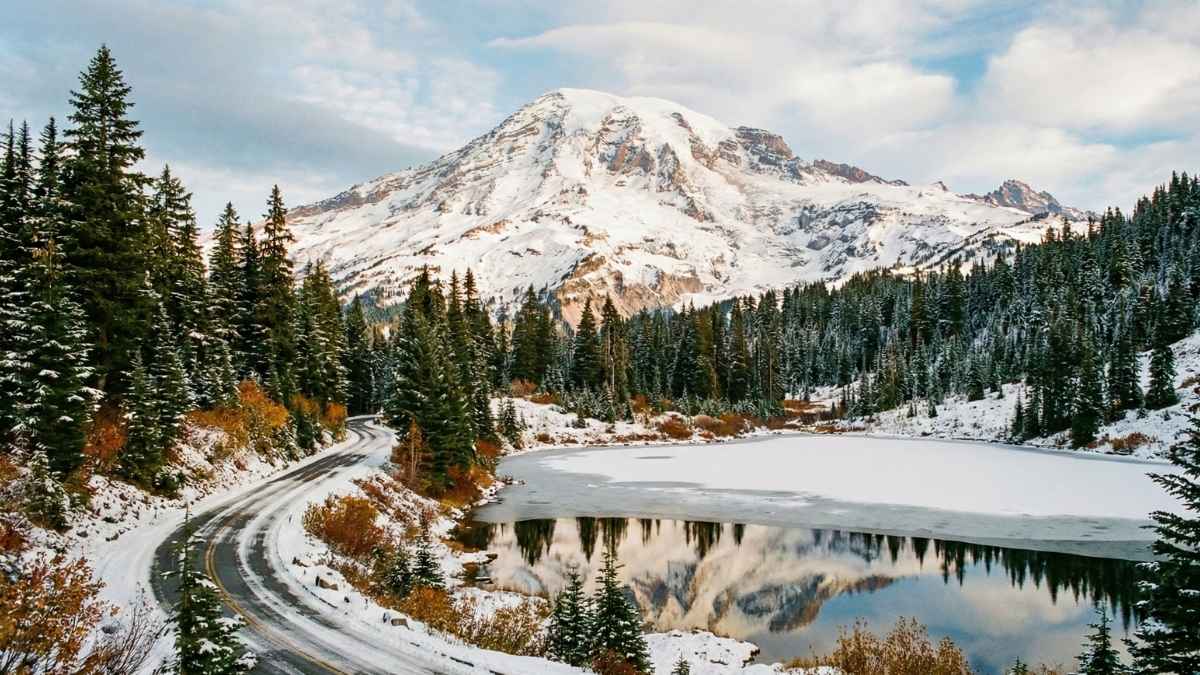
Mount Rainier in early December is where the mountains quietly assert themselves. Most tourists have already left, leaving the snow-dusted forests and icy meadows eerily serene. The usual hum of visitors fades, replaced by the soft crunch of snow underfoot and the whisper of wind through fir trees.
Hiking at this time feels almost ceremonial. Trails that are crowded in summer, like the Nisqually Vista Loop, become intimate journeys. You notice details often missed in busier months—the way sunlight glints off frozen streams, or the distant echo of a waterfall through the silent forest.
The park’s dramatic presence is amplified by the winter light. Early mornings bring soft golden glows over the glaciers, while sunsets cast warm hues across snow-capped peaks. With few people around, the scale and grandeur of Rainier truly hit home.
Quick Info
- Best Months to Visit: Early December
- Crowd Level: Very low
- Weather: Cold, snowy, occasionally icy
- Access Notes: Some trails and roads may be closed; microspikes recommended
- Best For: Snow hikes, photography, peaceful mountain views
12. Late March — Grand Teton National Park
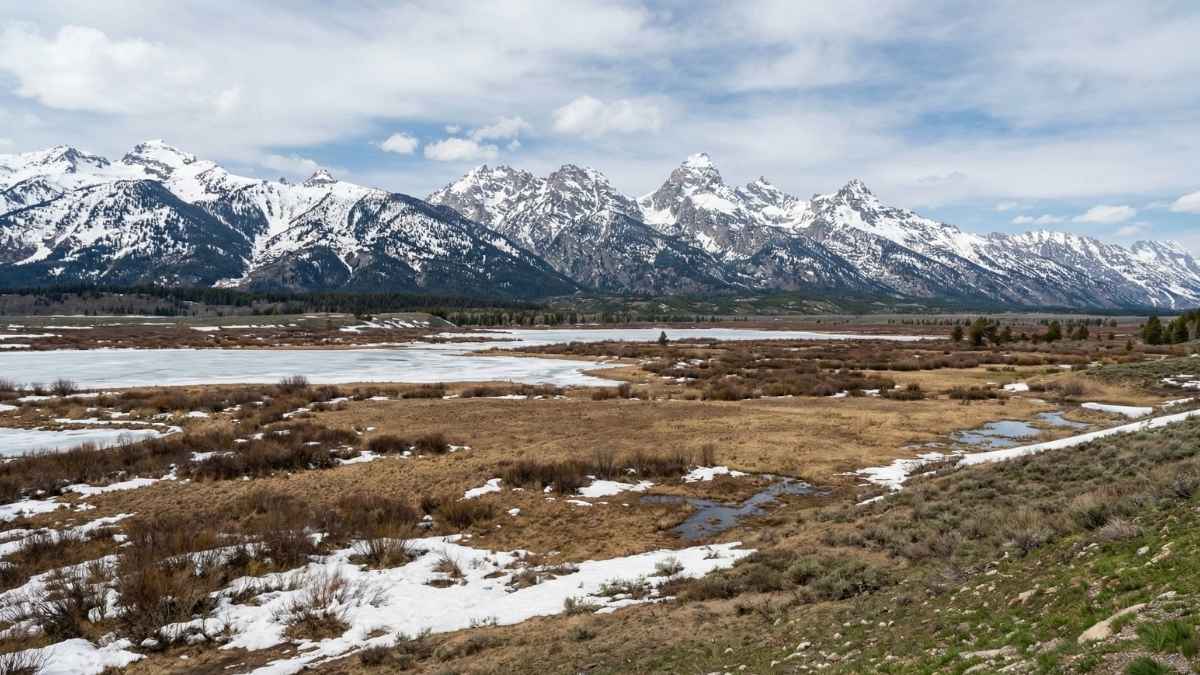
Late March in Grand Teton is a liminal period, hovering between winter’s retreat and spring’s arrival. Snow still blankets higher elevations, while valley floors start thawing. The park is surprisingly empty, which allows visitors to explore iconic spots without the usual rush.
Wildlife comes alive during this time. Moose wander the wetlands, and early migratory birds begin to return. Fewer visitors mean these sightings feel intimate, almost accidental, like being let in on a secret. Trails that normally feel like a series of crowded viewpoints instead become moments of solitude.
The light at this time of year has a crisp clarity. Mountains gleam under blue skies, and the Snake River sparkles as it winds through the landscape. You get a sense of the park’s scale and quiet power that can be hard to experience during busier months.
Quick Info
- Best Months to Visit: Late March
- Crowd Level: Low
- Weather: Cold, variable; snow still likely
- Access Notes: Some higher-elevation trails closed; check road conditions
- Best For: Wildlife viewing, serene hikes, landscape photography
13. Mid-September — Arches National Park
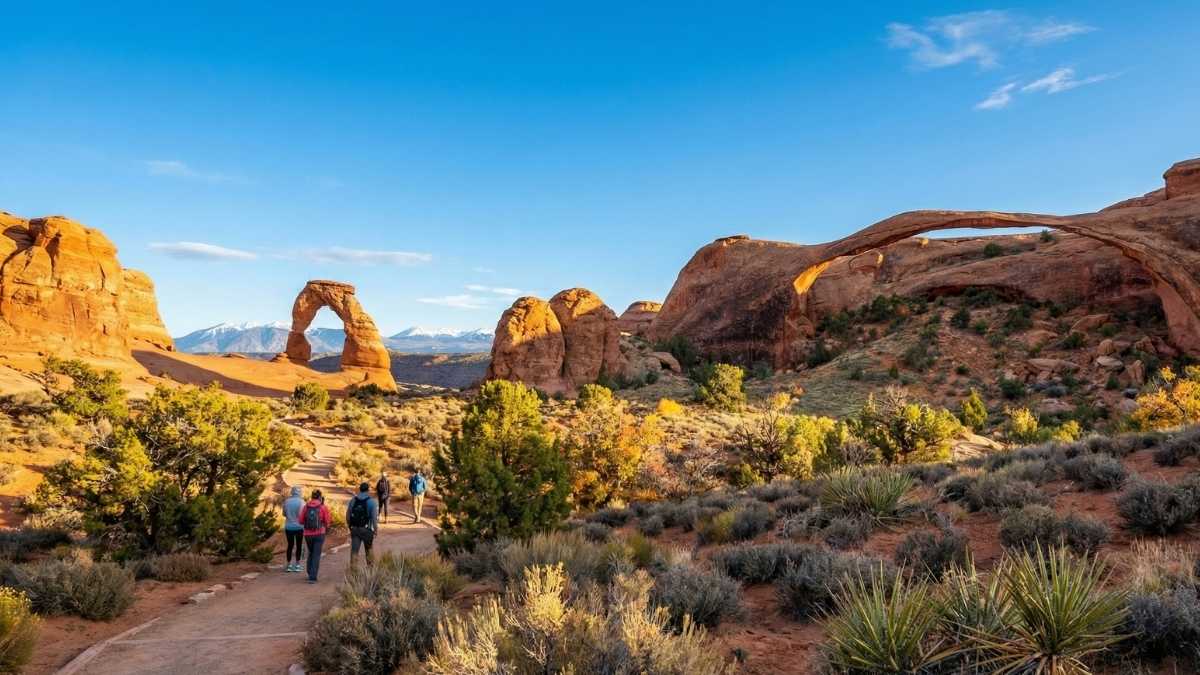
Mid-September in Arches is a hidden gem for visitors who want the park to themselves. The intense summer heat eases, and many families have already returned home, leaving sandstone arches and desert trails almost completely deserted.
Hiking here feels like stepping into a different world. The sandstone glows in warm afternoon light, shadows carve intricate patterns, and quiet moments between arches allow you to soak in the park’s surreal beauty without interruptions. Even the popular Delicate Arch area feels private.
Sunsets and sunrises take on a rare intimacy. Colors deepen across the desert floor, and the silence amplifies every gust of wind and call of a distant bird. You start to notice the small details—the textures of rock, the desert flora, and the vastness of the open sky.
Quick Info
- Best Months to Visit: Mid-September
- Crowd Level: Very low
- Weather: Warm, mostly dry
- Access Notes: Roads and trails open; less need for shuttle or permits
- Best For: Photography, quiet hikes, desert solitude
14. Early February — Joshua Tree National Park
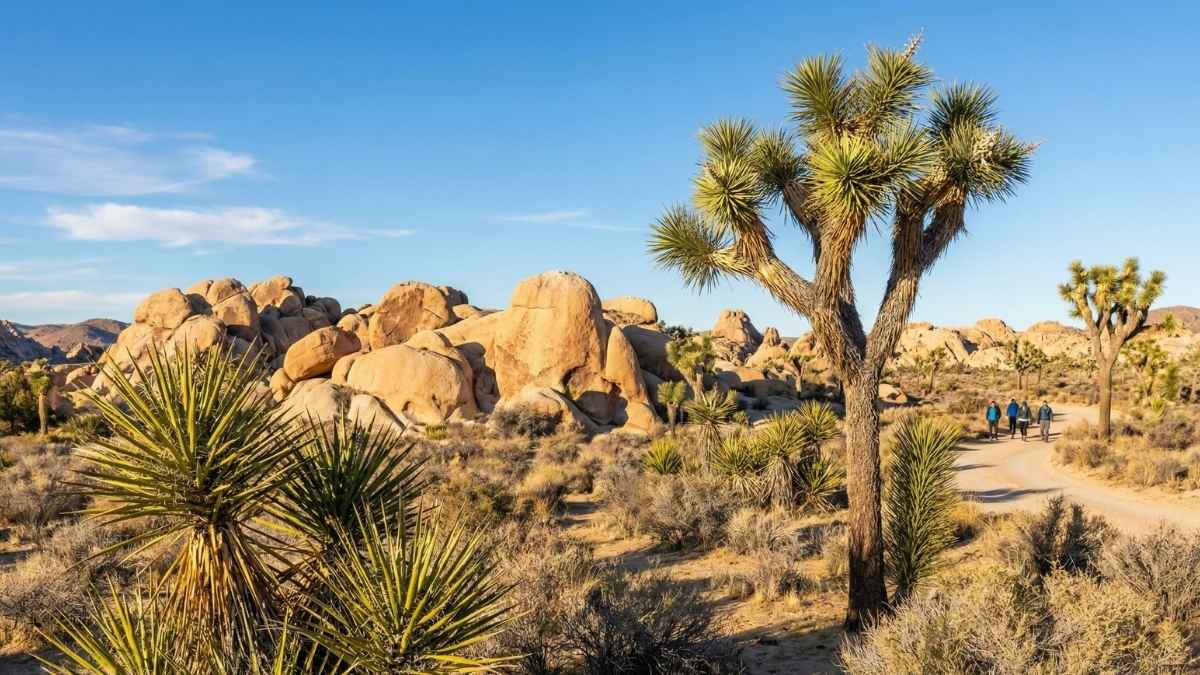
Joshua Tree in early February offers a rare combination of desert clarity and solitude. The crowds of the holiday season have disappeared, and the park’s iconic yuccas and rock formations take on a stark, almost ethereal presence under cool, clear skies.
Daytime temperatures are mild, making even longer hikes comfortable, while the mornings and evenings carry a crisp chill. Without the usual throngs, trails, and climbing areas feel personal, letting you explore hidden corners that many visitors overlook entirely.
The desert light is extraordinary. Long shadows stretch across sand and rock, colors pop in vivid contrast, and sunsets become moments of pure immersion. It’s a time to slow down, pay attention to small details, and feel connected to the desert in a way that summer never allows.
Quick Info
- Best Months to Visit: Early February
- Crowd Level: Extremely low
- Weather: Mild days, cool nights; mostly clear
- Access Notes: Most trails and climbing areas open
- Best For: Hiking, rock climbing, photography, quiet desert exploration