
Your Feet Hurt Before Noon: 9 Walking Mistakes That Are Aging You Faster

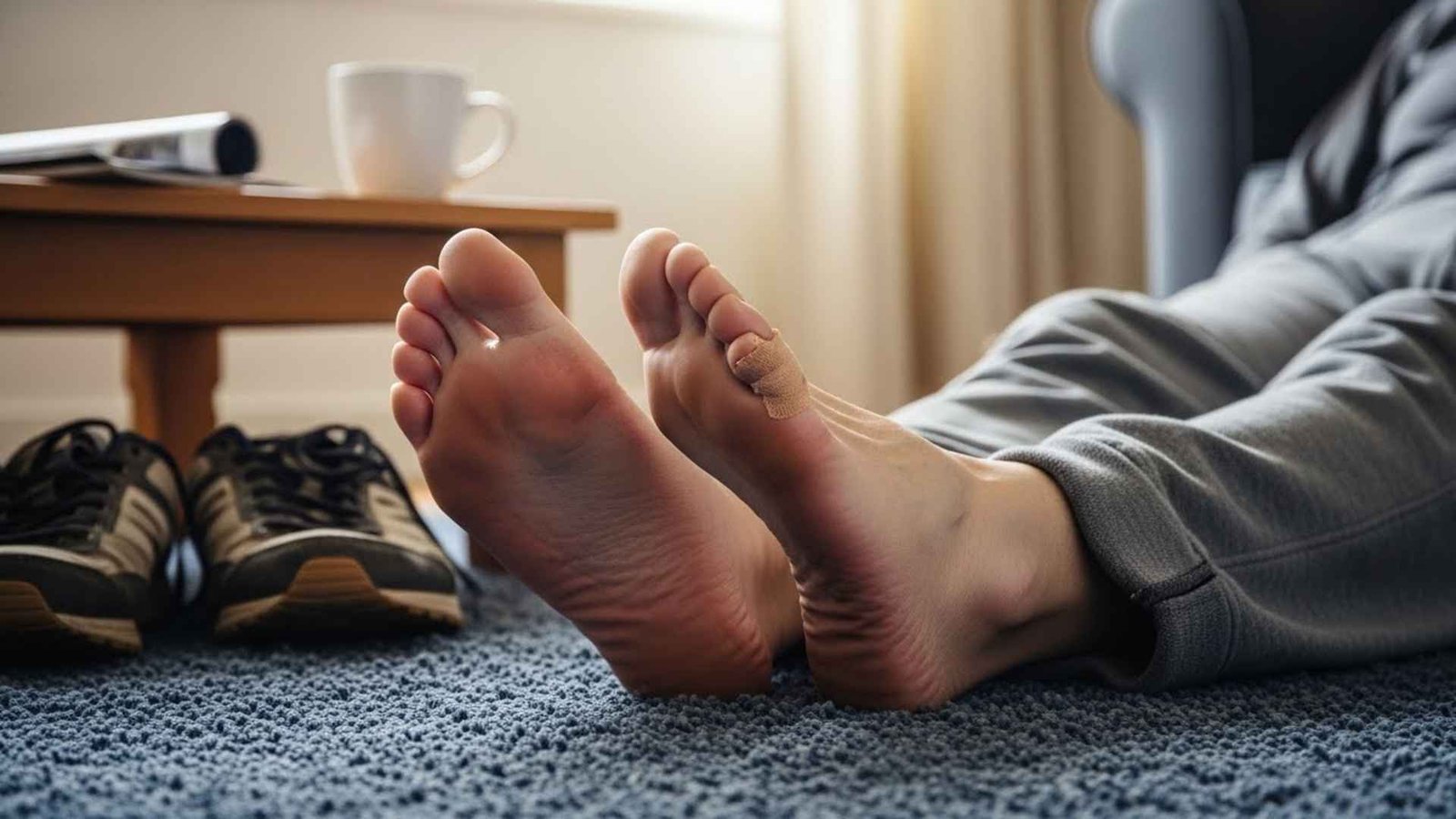
Let’s be honest for a second. We’ve all been told that walking is the “easy” exercise. It’s the thing you do when you want to get healthy but aren’t ready to train for a triathlon. It’s supposed to be simple, right? You just put one foot in front of the other.
But here’s the thing that nobody really talks about: if your feet hurt by lunchtime, or if your lower back feels tight after a “relaxing” stroll, your body is trying to tell you something. That pain isn’t just “getting older.” It’s a check-engine light.
It turns out, walking is actually a pretty complex mechanical feat. When you take a step, you’re processing forces equal to hundreds of tons over the course of a day. If your mechanics are slightly off—even just a tiny bit—that force doesn’t just disappear. It gets absorbed by your knees, your hips, and your spine. This creates a phenomenon called “structural aging.” Basically, you might be walking to get fit, but if you’re making these specific mistakes, you’re actually speeding up the wear and tear on your body.
I’ve dug through the research (so you don’t have to), and we need to talk about nine specific habits that are turning this healthy activity into a mechanism for aging. Let’s fix them.
The Foundation
Why Your Shoes Are Lying to YouWalking on “Dead” Shocks
Shoes act like furniture but die like tires. Most shoes rely on foam (EVA) that suffers “fatigue failure” after just 300–500 miles. The air cells collapse, even if they look new!
When the shoe stops absorbing shock, YOU absorb it.
Your body reflexively stiffens muscles to protect bones, jamming force into your joints and plantar fascia.
If you walk 3 miles a day, your shoes are toast in about 5 months. Treat them like tires—they have a strict mileage limit.
Take the liner out and stand on it. If your toes spill over the edge, the shoe is crushing your foot’s ability to widen and absorb shock.
1. Walking on “Dead” Shocks
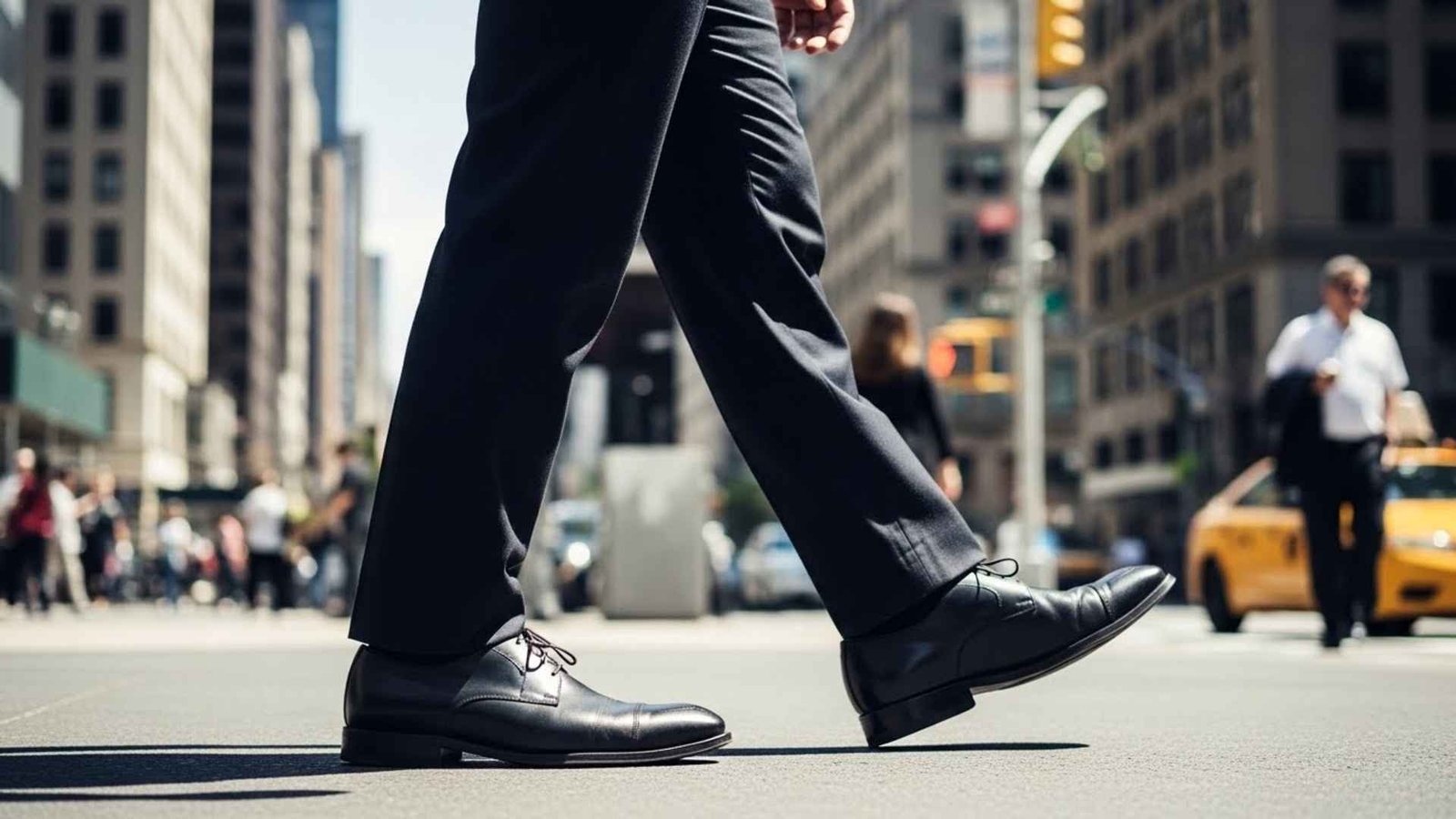
We treat shoes like they’re furniture—we keep them until they look broken. But visually, a shoe can look perfect while being structurally dead on the inside.
Most walking shoes are made of foam (EVA) that acts like a spring. Every time you step, you compress that spring. Research shows that after about 300 to 500 miles, that foam loses significantly its ability to absorb shock. It suffers from “fatigue failure.” The air cells inside collapse.
Here’s why this matters: When your shoe stops absorbing the shock, you start absorbing it. Your body senses the hardness and reflexively stiffens your muscles to protect your bones. This stiffness jams the force right into your joints and your plantar fascia.
The Fix:
- Track the Miles, Not the Months: If you walk 3 miles a day, your shoes are toast in about 5 months. Treat them like tires—they have a mileage limit.
- The Splay Test: Take the liner out of your shoe and stand on it. If your toes spill over the edge, your shoe is crushing your foot’s natural ability to widen and absorb shock.
2. The “Tech Neck” Hunch

Look around next time you’re out. You’ll see it everywhere: people walking while staring down at their phones, or just walking with their head permanently tilted forward.
Your head weighs about 10 to 12 pounds. That’s like a bowling ball. When it’s stacked perfectly on your neck, it’s fine. But for every inch your head moves forward, the load on your spine doubles. At a 60-degree angle (the “texting” pose), your head exerts 60 pounds of force on your cervical spine.
Why It Ages You: Walking like this forces you into a shallow breathing pattern because your chest is collapsed. Plus, when your head is down, your brain loses its reference to the horizon. You start shuffling because your body is afraid of falling.
The Fix:
- The Horizon Scan: Keep your eyes on the horizon, about 20 feet ahead. This naturally pulls your head back.
- The Chin Tuck: Before you walk, pull your chin straight back like you’re making a double chin. It resets your head position over your shoulders.
The Mechanics (Stop Fighting Your Own Body)

3. Overstriding (The Braking Habit)
This is the most common mistake I see when people try to “power walk.” You think, I want to go faster, so I’ll take bigger steps.
Big mistake.

When you reach your leg far out in front of you, your heel hits the ground ahead of your body. Mechanically, you are literally hitting the brakes with every step. You’re sending a shockwave backward up your leg, into your knee and hip.
The Aging Effect: This straight-leg landing prevents your muscles from absorbing the impact, so your knee joint takes the hit. It’s a fast track to knee osteoarthritis.
The Fix:
- Push, Don’t Reach: Speed comes from your back foot, not your front foot. Focus on pushing off the ground behind you.
- Increase Your Cadence: Take shorter, quicker steps. Ideally, your foot should land underneath you, not way out in front.
4. The Sleeping Giant (Glute Amnesia)

We sit all day. As a result, our glutes (the biggest muscles in the body) literally forget how to do their job. This is called “gluteal amnesia.”
When your glutes are asleep, your lower back and hamstrings have to take over. If you ever get back pain after a walk, this is usually why. Your back is trying to move your legs because your hips checked out.
The Fix:
- The Poke Test: Seriously, next time you walk, put your hands on your glutes. Are they firming up when you push off? If not, you’re just falling forward, not walking.
- The Bridge: Do a quick set of glute bridges on the floor before you head out to “wake up” the connection.
5. The Pendulum Problem (No Arm Swing)

You might think your arms are just along for the ride, but they are actually your engine’s timing belt. Your arm swing connects to the opposite leg through a sling of fascia across your back.
If you hold your arms stiff, or keep them in your pockets, you kill that rotation. Your spine gets stiff, and your balance suffers.
The Fix:
- Pocket-to-Chin: Your hands should trace an arc from your hip pocket up toward your chest. Keep your elbows bent at 90 degrees and let them swing naturally.
The Environment & Mindset
The Concrete Trap
Concrete gives nothing back. It returns impact energy straight into your cartilage.
Walk on dirt, grass, or trails for at least 20% of your walking to save your joints.
The “Stroll” Trap
Shopping speed vs. Anti-aging speed. Brisk walkers have markers of being 16 years younger!
Move fast enough to answer a question, but not fast enough to sing “Happy Birthday.”
Ankle Weight Myth
A mechanical disaster. It creates torque on your knee and drags your foot down, causing trips.
Put weight in a backpack. It builds bone density and improves posture by pulling shoulders back.
The Fear Shuffle
Tiny steps and not lifting feet becomes a self-fulfilling prophecy for tripping.
Walk quietly but lift your feet. Pretend you’re stepping over a small log with every step.
6. The Concrete Trap
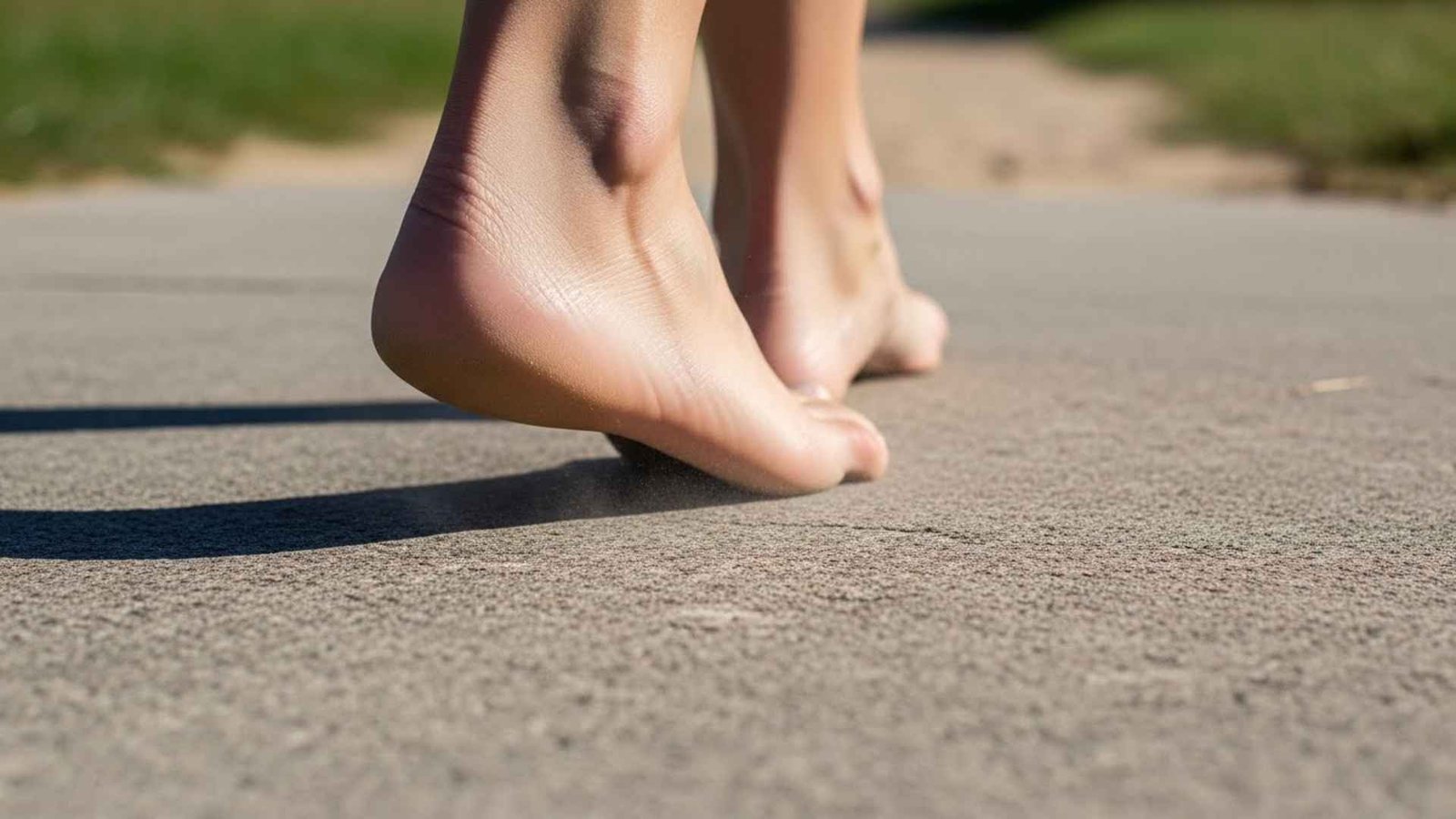
We evolved to walk on dirt, grass, and sand—surfaces that give a little. Concrete gives nothing. It returns almost all that impact energy right back into your cartilage.
The Fix:
- The 80/20 Rule: Try to find trails, grass, or even a cinder track for at least 20% of your walking. It gives your joints a break and forces your stabilizing muscles to actually work.
7. The “Stroll” Trap

There’s a massive difference between “shopping speed” and “anti-aging speed.”
A massive study of over 400,000 people found that brisk walkers have significantly longer telomeres (a marker of biological age) than slow walkers. The difference was equivalent to being 16 years younger biologically. If you’re just shuffling along, you aren’t sending the signal to your body to stay young.
The Fix:
- The Talk Test: You should be moving fast enough that you can answer a question, but you couldn’t sing “Happy Birthday” without gasping.
8. The Ankle Weight Myth
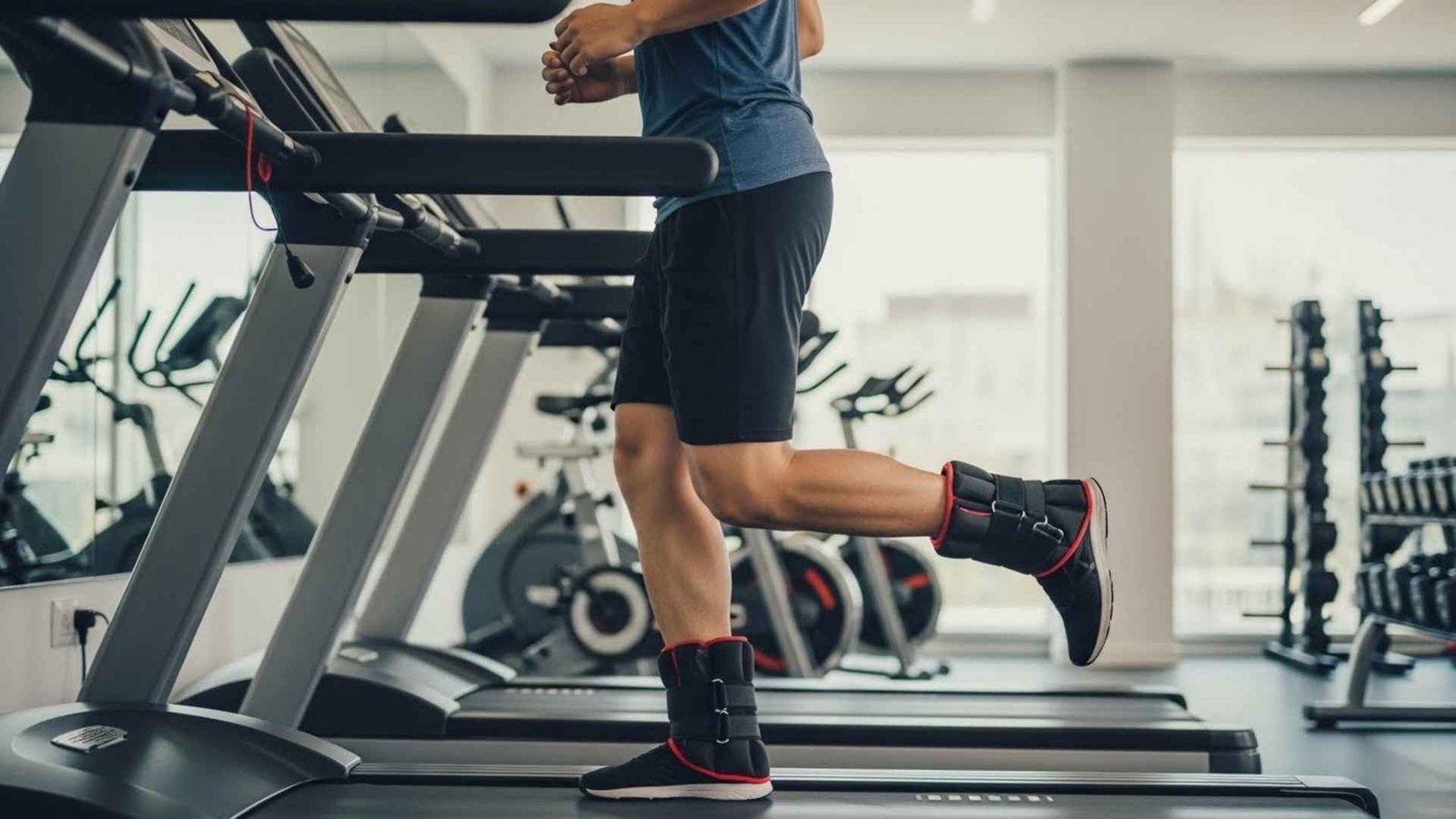
Please, if you take one thing away from this: ditch the ankle weights.
I know it feels like a “hack” to burn more calories, but mechanically, it’s a disaster. Putting weight at the end of your leg (a long lever) creates massive torque on your knee joint. It also drags your foot down, altering your swing and increasing the risk of tripping.
The Fix:
- Ruck It: If you want to add weight, put it in a backpack (this is called “rucking”). It keeps the load close to your center of gravity, builds bone density, and pulls your shoulders back—improving your posture instead of ruining it.
9. The Fear Shuffle

As we get older, or after a slip, we naturally start to shorten our steps and shuffle. We look down. We get quiet.
But shuffling is a self-fulfilling prophecy. By taking tiny steps and not lifting your feet, you actually increase your risk of tripping on a crack in the sidewalk. You lose the mobility in your hips, and you start walking “old” before your time.
The Fix:
- Ninja Walking: Try to walk quietly, but lift your feet. Pretend you’re stepping over a small log with every step. It forces you to engage your core and hip flexors.
Gear That Actually Helps (No Gimmicks)
You can’t buy perfect mechanics, but you can buy tools that make the transition easier. I’m usually skeptical of “health gadgets,” but a few things genuinely support the biomechanics we just discussed. Think of these as your support staff—they handle the wear and tear so your joints don’t have to.
1. TrailBuddy Trekking Poles
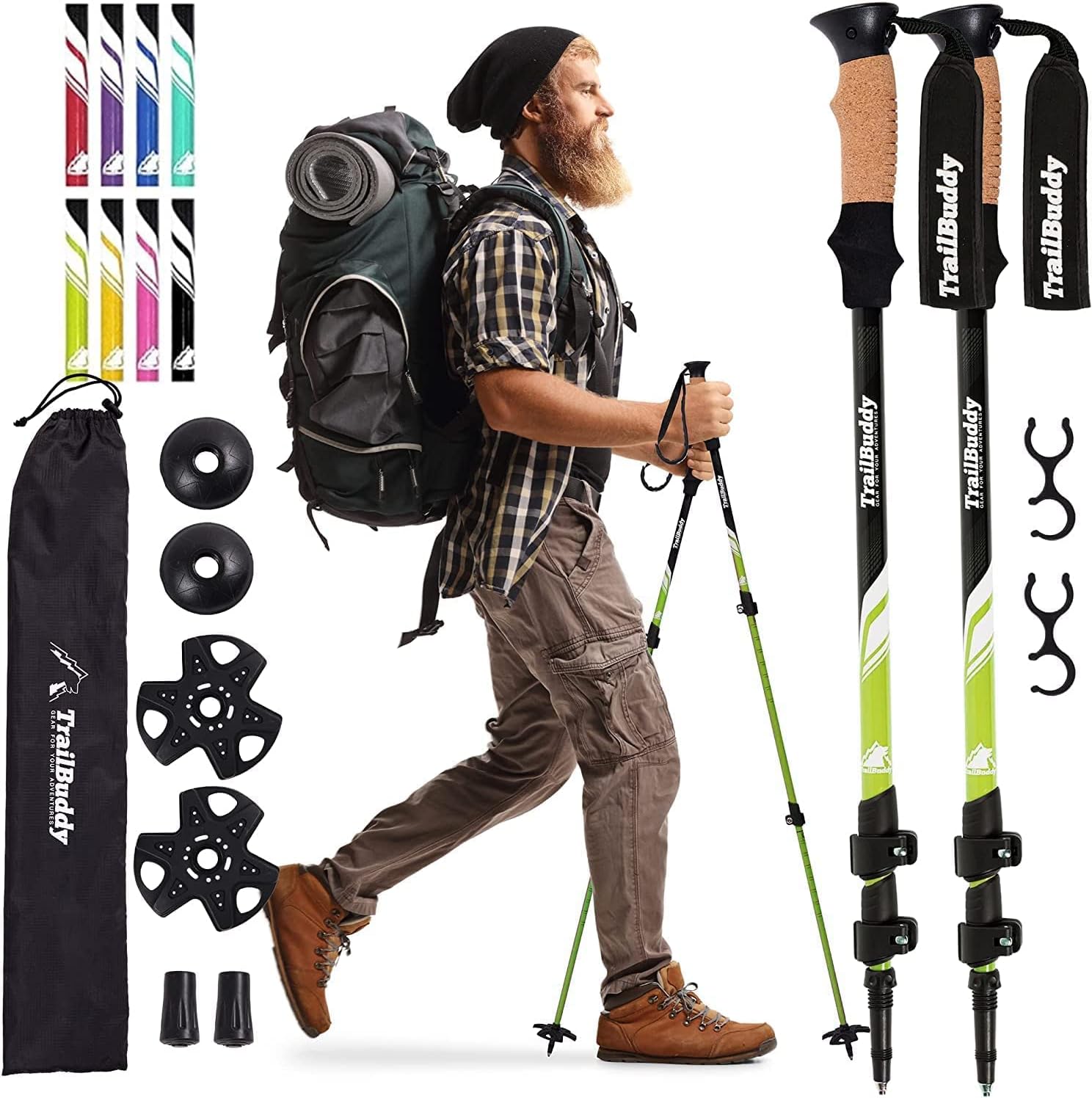
If you struggle with the “Tech Neck” hunch or just feel unstable, these are a game-changer. Using poles forces you to engage your arms (fixing Mistake #5) and naturally keeps your chest lifted. Plus, they take a massive load off your knees on downhills.
2. PowerStep Pinnacle Arch Support Insoles

Remember Mistake #1 about “dead” shoes? If you aren’t ready to buy a new pair of sneakers yet, these are the next best thing. They provide a rigid arch support that prevents your foot from collapsing (over-pronating) when you get tired, keeping your knees aligned.
3. Renpho Shiatsu Foot Massager

Walking on concrete (Mistake #6) beats up the intrinsic muscles of your feet. This machine is basically a reset button. It uses heat and kneading to wake up those dormant foot muscles and increase blood flow after a long walk. It’s a bit of a splurge, but cheaper than a podiatrist.
4. Sockwell Graduated Compression Socks

If your legs feel heavy or swollen after a walk, your circulation is struggling against gravity. These socks use graduated compression to help push blood back up to your heart. Unlike the ugly medical ones, these are made of merino wool, so they regulate temperature and actually look like normal hiking socks.
5. YogaToes Gel Toe Separators

Most shoes squeeze our toes together, which kills our balance and stability. Wear these for 15 minutes while you’re watching TV after your walk. They gently force your toes back into their natural splayed position, undoing the damage of the day and helping you find that wide, stable base we need.







Like what I read. Some things I already do. Will incorporate what I can improve on. I have progressive MS and still walk. I will improve my walking. I use Thai Chi as a daily exercise. I would like to save this article as a good reference. Thank you. I am 85 years.
We are glad you like it and applying things mentioned in the article.