
Your Doctor Isn’t Listening: 11 Symptoms They’re Dismissing as ‘Just Age’ (But Aren’t)


You know that sinking feeling. You’re sitting on the crinkly paper of the exam table, explaining to your doctor that you’re just not you lately. Maybe you’re forgetting names more often, or you’re so tired by 2 PM that you have to lie down. You’re worried.
And then, without looking up from the computer, the doctor says the phrase that drives me absolutely crazy:
“Well, at your age, slowing down is to be expected.”
It feels like a door slamming shut, doesn’t it? It’s dismissive. It’s frustrating. And honestly? It’s often scientifically wrong.
This phenomenon has a name—medical ageism—and it’s a silent epidemic. It’s not that doctors are trying to be mean; it’s that they are often trained to view aging as a slide into decline rather than a phase of life to be managed. They use “age” as a mental shortcut. When a 30-year-old has brain fog, it’s a “medical mystery” to be solved. When a 75-year-old has it, it’s “just aging.”
But here’s the truth I want you to hold onto: Suffering is not a natural requirement of getting older.
In this report, we’re going to flip the script. We’re going to look at the actual biology behind 11 common symptoms that get brushed off, and I’m going to give you the tools to make your doctor listen.
Let’s get specific. Here are the 11 symptoms most commonly tossed into the “aging” bin that actually have treatable roots.
We’re all terrified of the “A-word”—Alzheimer’s. So when we forget a name, we panic. And doctors, unfortunately, often confirm that fear or dismiss it as “normal decline.”
But the brain is a high-performance machine that runs on very specific fuel. If the fuel line is pinched, the engine stutters. That’s not the same as the engine failing.
The “Imposter” Culprits:
- Vitamin B12 Deficiency: This is huge. B12 helps build the insulation (myelin) around your nerves. As we age, our stomachs get worse at absorbing B12 from food. If your levels drop, your brain literally slows down. You might feel foggy, confused, or even paranoid. The kicker? A “normal” test result in the US (above 200 pg/mL) can still be too low for your brain. You want to be above 400-500 pg/mL.
- NPH (Normal Pressure Hydrocephalus): I call this the “Walking, Wet, and Wacky” disorder. It’s a buildup of fluid in the brain. It causes a magnetic walk (feet stuck to the floor), bladder issues, and memory loss. It looks exactly like dementia, but it can often be reversed with a simple shunt surgery. Nearly 700,000 Americans have it, but less than 20% are diagnosed.
2. Deep Fatigue: It’s Not Just “Slowing Down”

If you used to walk three miles and now you can barely manage one because you’re wiped out, that is not aging. That is your body shouting that it’s not getting enough oxygen or fuel.
- The Hidden Anemia: About one-third of anemia cases in older adults are labeled “unexplained.” But they’re often due to low-level inflammation or kidney issues. Even mild anemia increases your risk of falling.
- The “Stiff Heart”: Sometimes the heart muscle gets stiff (diastolic dysfunction). It pumps okay, but it doesn’t fill up with blood properly. You don’t get chest pain; you just get exhausted trying to carry groceries.
3. Dizziness: The “Loose Crystal” Problem

If you feel wobbly, don’t just buy a cane. Ask about your ears.
- BPPV: Inside your inner ear, there are tiny calcium crystals that tell your brain which way is up. Sometimes, these crystals get knocked loose and roll into the wrong canal. It makes the world spin. The cure isn’t pills—it’s a 5-minute head maneuver (the Epley maneuver) that a physical therapist can do to roll the crystals back in place.
Please, I’m begging you—don’t accept incontinence as your new normal.
- The Silent UTI: In older adults, a urinary tract infection often doesn’t burn. Instead, it causes delirium (sudden confusion). If mom suddenly starts acting strange or aggressive, check her urine before checking her into a home.
5. Joint Stiffness: It Might Not Be Arthritis
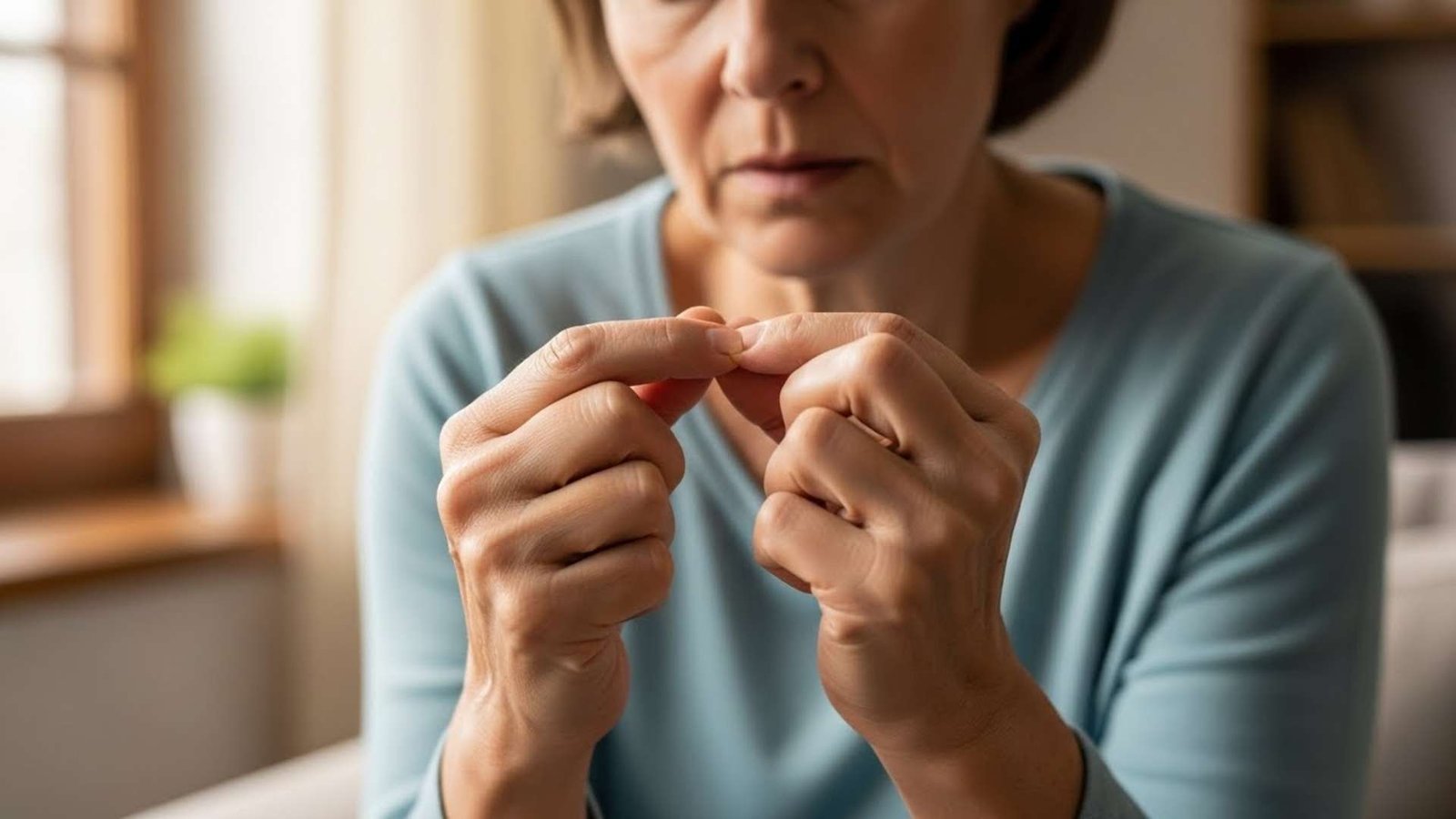
Arthritis aches. But if you wake up one morning and feel like you’ve been poured in concrete—specifically in your shoulders and hips—and it takes an hour to loosen up, that might be Polymyalgia Rheumatica (PMR). It’s an inflammatory condition almost exclusive to people over 50. The amazing thing? A low dose of steroids usually fixes the pain almost overnight. I’ve seen people go from bedbound to gardening in three days.
6. Weak Legs: Check Your Meds

Feeling like your legs are heavy lead weights?
- Statin Issues: Cholesterol drugs (statins) are great, but in some people, they attack muscle cells. If your weakness started after you began a new medication or a higher dose, connect the dots.
- Vitamin D: We often think of Vitamin D for bones, but it’s crucial for muscle strength, too. Severe deficiency causes deep bone pain and muscle weakness.
7. The “Grumpy Old Man” Syndrome (Depression)

Depression isn’t normal. In fact, studies show older adults are often happier than younger ones. If you feel flat, apathetic, or like you just don’t care anymore, that’s pathological.
- Thyroid Check: An underactive thyroid in seniors often looks like “apathetic depression.” You aren’t sad; you’re just metabolically turned off. Thyroid meds can turn the lights back on.
8. Sudden Confusion: The Emergency

Rule of thumb: Dementia takes years. Delirium takes hours. If confusion comes on suddenly, it’s a medical emergency.
- Dehydration: Your thirst mechanism breaks down as you age. You can be significantly dehydrated without feeling thirsty. This shrinks blood volume to the brain and causes instant fog.
9. Hearing Loss: The Wax Blockade

Before you spend thousands on hearing aids, get someone to look in your ears.
- Earwax Impaction: Up to 57% of nursing home residents have impacted wax blocking their ear canals. It causes hearing loss, which leads to social isolation, which mimics dementia. Remove the wax, and the “dementia” often improves.
Constipation isn’t just about fiber.
- The Meds: Blood pressure pills (calcium channel blockers) and painkillers often paralyze the gut. We often treat this by adding a laxative, instead of changing the blood pressure pill.
11. Sleep Issues: You Still Need 8 Hours

The myth that “old people need less sleep” is dangerous. You need the sleep; you just might have trouble staying asleep.
- Nocturia (Peeing at night): If you wake up 4 times to pee, it might not be your bladder. It might be Sleep Apnea. When your throat closes, your heart gets stressed and signals your kidneys to dump fluid. Treating the apnea can stop the peeing.
Tools for Independence (Not Just Gadgets)
While advocating for your health at the doctor’s office is step one, we also have to deal with the day-to-day reality of living in a body that’s changing. I’ve scoured Amazon for a few tools that aren’t just “gadgets”—they are practical, dignity-preserving solutions to some of the specific physiological hiccups we’ve talked about, like dehydration, medication management, and sensory changes.
These small investments can sometimes be the bridge between feeling “frail” and feeling capable.
1. AUVON 7-Day AM/PM Pill Organizer (Large)

We talked about the “Prescribing Cascade”—managing meds is the best way to stop it. This isn’t your standard flimsy drugstore box. It has huge, rainbow-colored compartments that are easy to see and even easier to open (great if your hands are stiff). It separates day and night doses clearly, helping you avoid that panic of “did I take my blood pressure pill this morning?”
2. Motion Sensor Plug-in LED Night Lights (Warm White)

Falls often happen at night when rushing to the bathroom (thanks, nocturia). Instead of fumbling for switches in the dark, these plug-ins detect your movement and gently light up the floor. I specifically recommend “warm white” over “cool blue” light—blue light can wake your brain up and ruin your sleep, whereas warm light is gentler on your eyes at 3 AM.
3. Debrox Earwax Removal Aid Kit
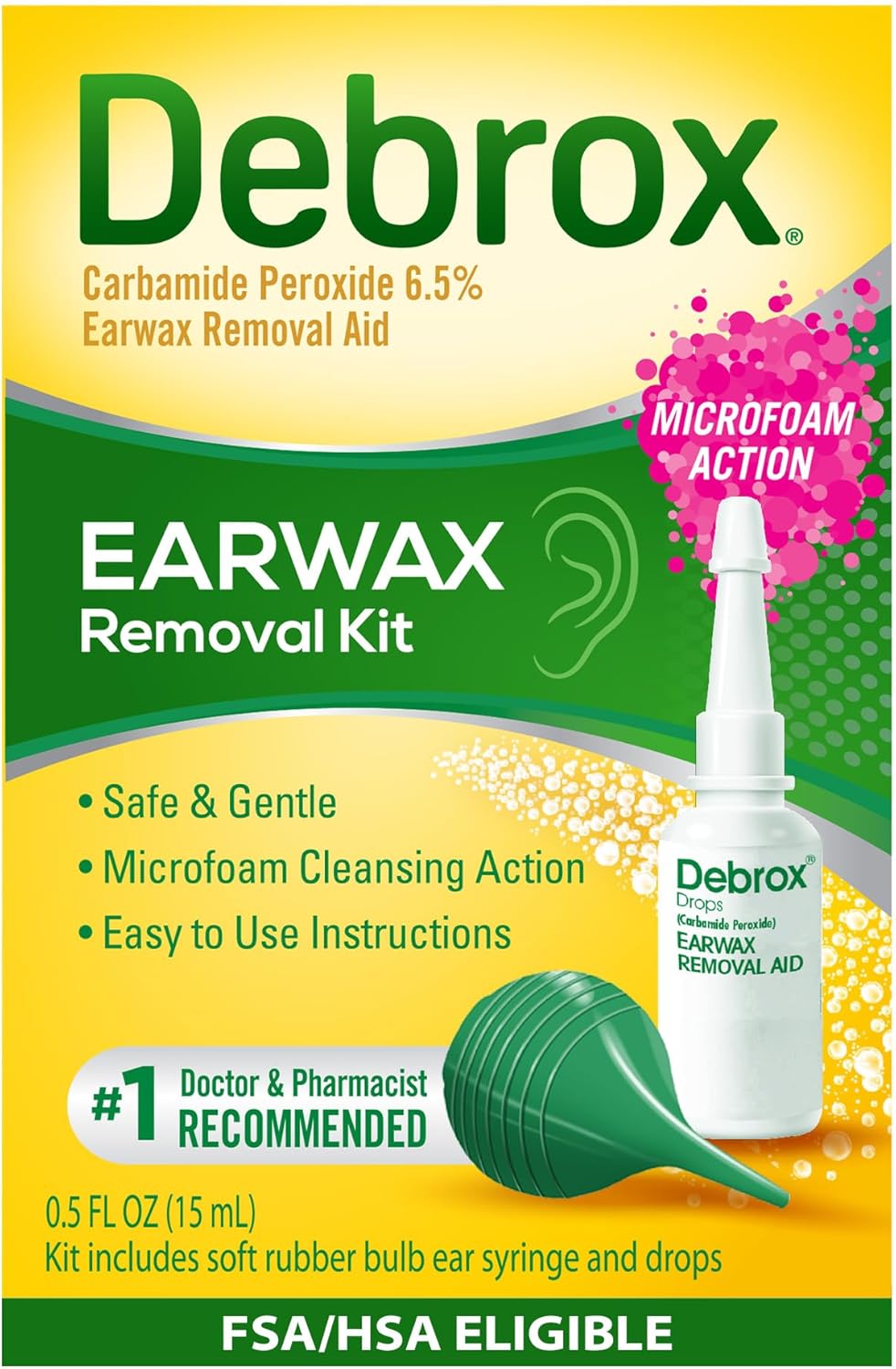
Before you accept hearing loss as “just aging,” try cleaning the pipes. This is the exact type of kit many doctors recommend for home use. It uses safe drops to soften the wax and a bulb syringe to flush it out. It’s a cheap, easy way to potentially restore your hearing (and your sanity) if wax impaction is your culprit.
4. Automatic Electric Jar Opener (Robotwist or similar)

Weakness in the hands can be demoralizing—it feels like you’re losing independence. This tool is a game-changer. You just set it on the lid, press a button, and it twists the jar open for you. No wrestling, no pain. It handles everything from pickle jars to pasta sauce, preserving your energy for things that actually matter.
5. 32oz Water Bottle with Time Markers

Since your thirst mechanism is fading (remember, by the time you’re thirsty, you’re already dehydrated), you can’t rely on instinct anymore. You need data. This bottle has time markers printed right on the side (e.g., “8 AM,” “10 AM”). It turns hydration into a simple schedule rather than a guessing game, keeping your brain fog at bay.