Former Gate Agent Reveals: 14 Things Airlines Don’t Want You to Know About Delays and Cancellations


You’re standing at Gate B12, the fluorescent lights are humming, and your phone buzzes with that dreaded notification: Flight delayed. Then, ten minutes later, the gate agent picks up the microphone with that “I have bad news” voice.
It’s easy to get angry at the person behind the counter. They’re the face of the airline, right? But after talking to folks who’ve actually worn that polyester uniform, you start to realize that the person standing between you and your vacation is often just as trapped as you are. They’re navigating ancient software, corporate pressure to lie about why the plane isn’t moving, and a regulatory landscape that shifted beneath our feet in 2025.
If you want to survive the modern airport experience without losing your mind—or your savings—you need to know what’s happening behind that podium. Here are 14 things the airlines really don’t want you to know, along with a survival guide for the “new” world of 2025 travel.
1. The “Fault” Game: Why They Love the W-Word
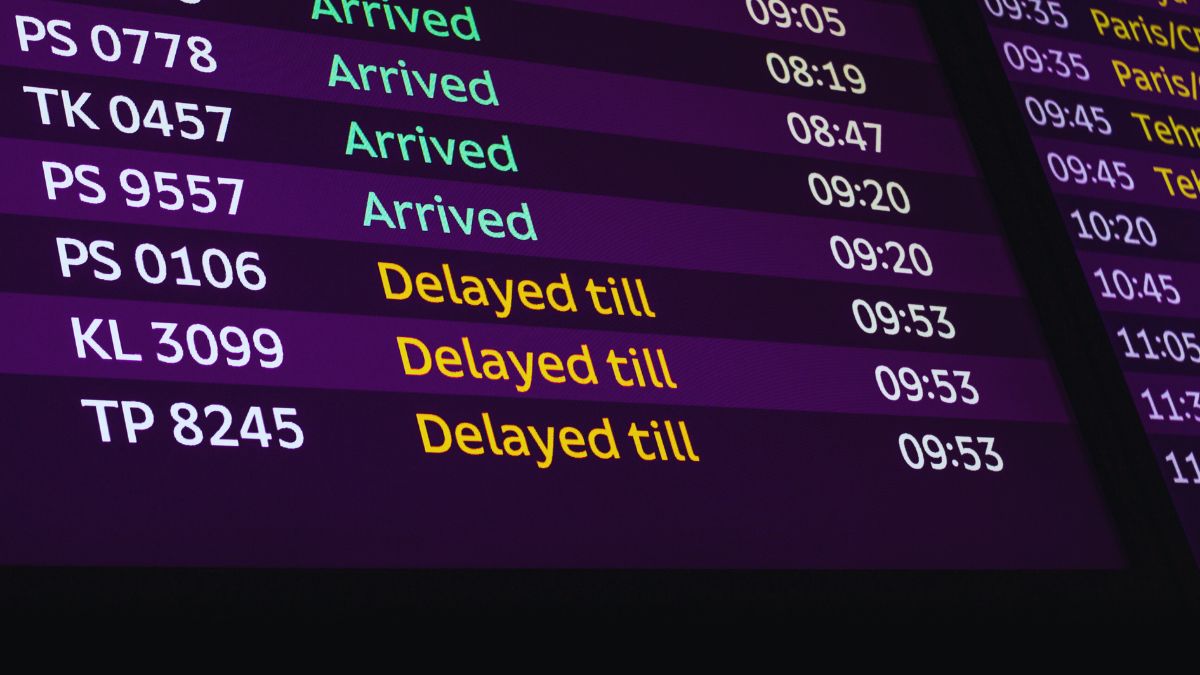
The biggest secret in the industry is the distinction between a “controllable” and “uncontrollable” delay. If a pilot is sick or a engine part breaks, that’s on the airline. They owe you. But if it’s “Weather” or “Air Traffic Control (ATC),” they are legally off the hook for hotels and meals.
Here’s the kicker: airlines have a huge incentive to label a mechanical issue as a weather delay. I’ve heard of agents being coached to blame “downstream weather” even when the plane is sitting there with a leaking hydraulic line. Why? Because it saves the company millions in hotel vouchers. If they tell you it’s weather, and you see other planes taking off, start asking questions.
2. The Honest Truth About Dishonest Labeling

Expanding on that, staff sometimes feel immense pressure to “code” a delay in a way that protects the company’s bottom line. In 2025, with the Department of Transportation (DOT) pulling back on some consumer protections, this has only gotten worse. If an agent tells you “ATC is holding us,” but your weather app shows clear skies at both ends, they might be using a legal loophole. They’d rather you be mad at the government than demand a $200 hotel voucher because their 20-year-old Airbus finally gave up the ghost.
3. Your “Nice” Factor Is a Real Metric
Honestly, gate agents have a tiny window of “rule-bending” authority, and they reserve it for the people who don’t treat them like garbage. If you come at them screaming, they will stick to the literal text of the manual. But if you’re the person who asks how their day is going? They might “find” a seat on a competitor flight that “wasn’t showing up” a second ago. They call it “discretionary rebooking,” but we just call it being a decent human being.
4. The Interline Agreement Trap
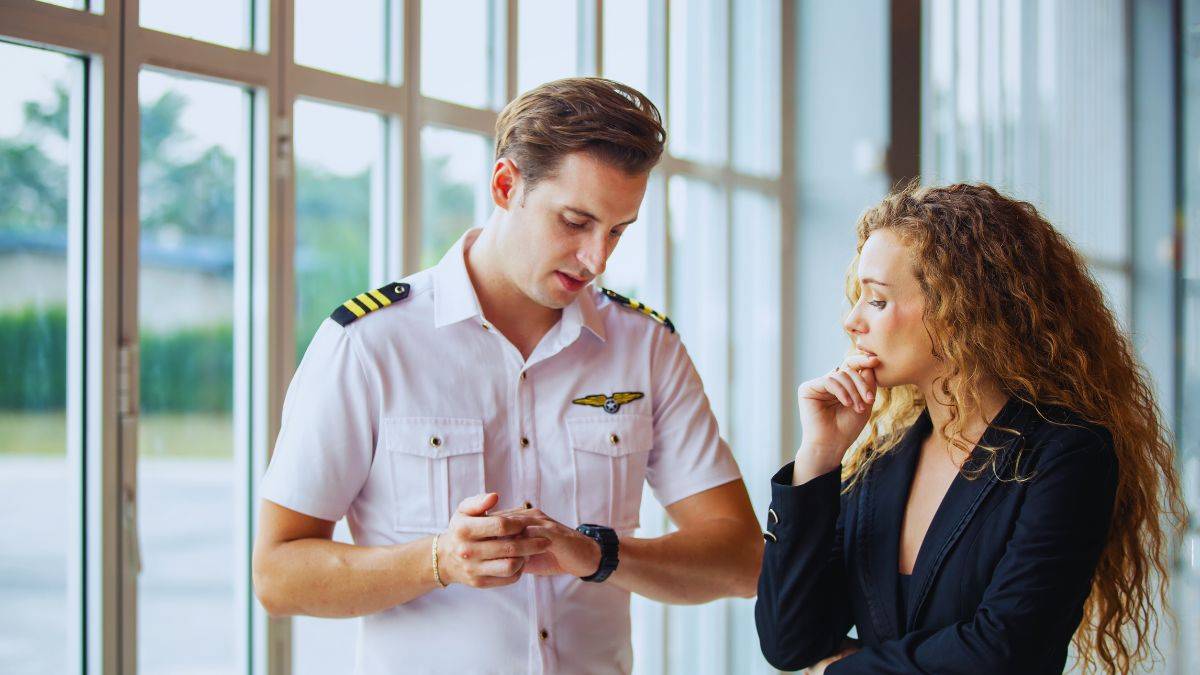
When a flight cancels, you’ll see people pointing at a competitor’s plane and yelling, “There’s a flight to Chicago right there! Put me on it!” The agent can’t just do that. They are limited by “interline agreements.” For example, Delta and American have a deal to help each other out, but they might not have a deal with a low-cost carrier like Spirit or Frontier.
If there’s no agreement, the agent’s computer literally won’t let them issue the ticket. They aren’t being stubborn; the software just won’t let them “talk” to the other airline.
5. Task Saturation: They Aren’t Just Ignoring You

You see an agent typing furiously and not looking up. You think they’re being rude. In reality, they are likely “ball-deep” in SABRE code. They are scanning manifests, coordinating with ramp agents about bag weights, and trying to hit the “D0” metric—which is industry speak for departing at exactly zero minutes past the scheduled time. If they miss that window, they get grilled by management. Their focus isn’t a lack of empathy; it’s a survival mechanism to keep their job.
6. The Myth of Gate Authority

We think the gate agent is the captain of the terminal. They aren’t. Most big decisions—like holding a flight for connecting passengers or canceling a leg—are made by people in a windowless “Operations Control Center” hundreds of miles away. The agent is just the messenger. Screaming at them to “hold the plane” is like screaming at a waiter because the restaurant ran out of steak. They didn’t make the call, and they can’t change it.
7. Technical Debt: The 1980s Are Calling

Most airlines are still running on software from the Reagan era. Systems like SABRE require agents to type in literal terminal commands—stuff that looks like the Matrix. It’s not a point-and-click interface. When you ask for a complex reroute, the agent has to perform a technical dance that takes serious skill. Newer systems like “Qik” are easier but actually less flexible, meaning the “old-timers” who know the code are actually your best bet for a creative solution.
8. The 90-Minute Window

If you show up at the gate 30 minutes before departure with a seating problem, you’re probably out of luck. But if you get there 90 minutes early, you’ve hit the sweet spot. This is the window before the “rush” happens. The agent has the time and the system access to fix “screwy” itineraries or seating errors before their brain gets fried by the boarding process.
9. The $10-an-Hour Reality

This is the part that really hurts: the person managing a $100 million aircraft and 200 stressed-out souls is often making less than a fast-food manager. High turnover and low wages mean the person you’re talking to might have only been on the job for three weeks. They might not even know the hacks yet. A little patience goes a long way when you realize they’re struggling to pay rent while you’re trying to get to Maui.
10. The “Red-Eye” Is Not for You
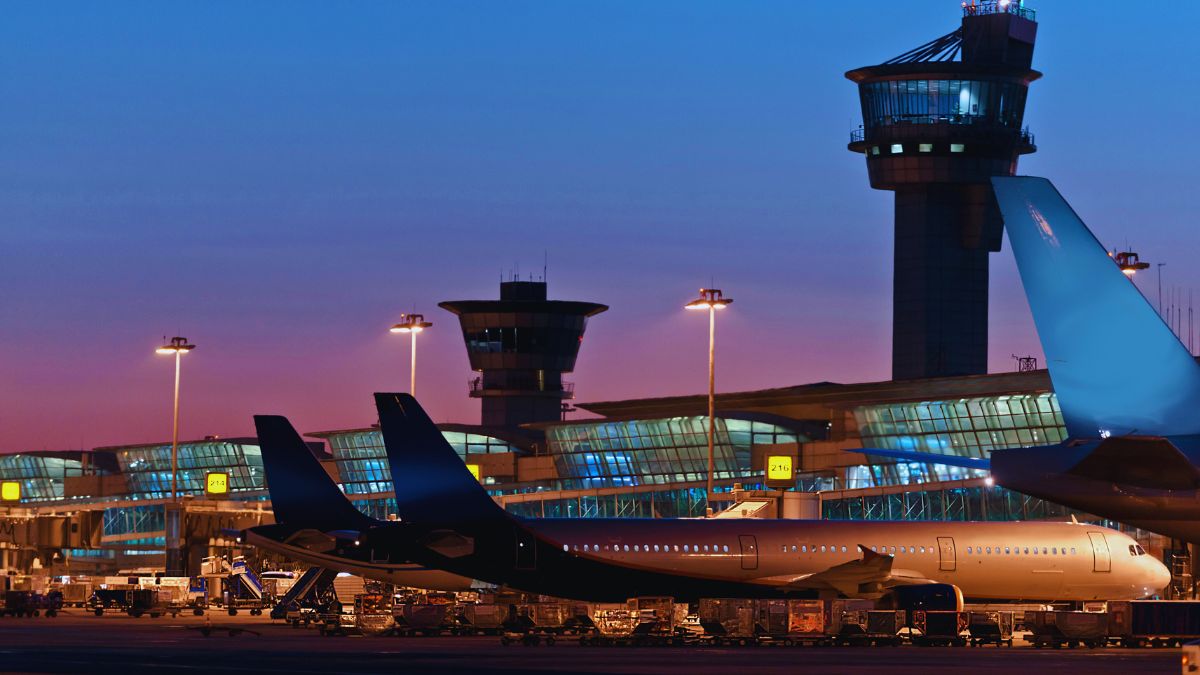
We think late-night flights are for our convenience. Nope. They’re usually “repositioning” flights. The airline needs that plane in New York by 6 AM, so they sell tickets on the 11 PM flight from LA to pay for the fuel. The crew on these flights is often exhausted and just as ready to be done as you are.
11. The Pilot “Sick Call” Protocol
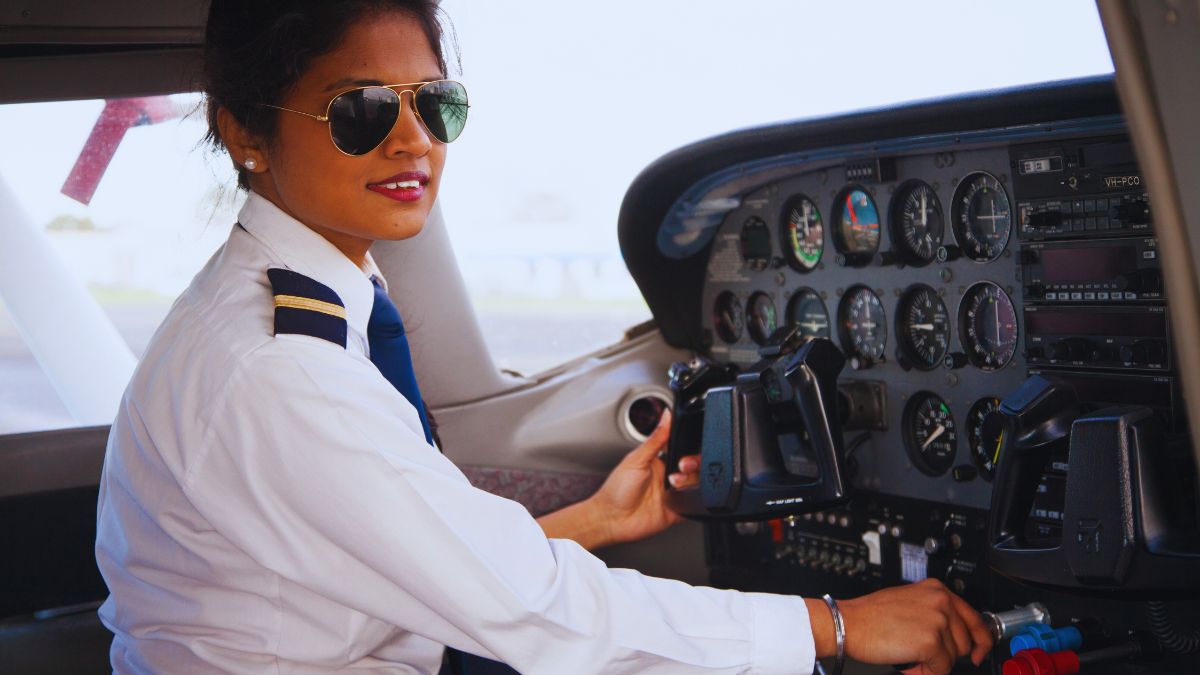
If a pilot calls in sick, they aren’t just taking a “mental health day.” They are legally forbidden from flying—even as a passenger on another airline—for a specific window. The rules are incredibly strict because a fatigued or ill pilot is a safety risk. If your flight is canceled because of a sick pilot, don’t be mad at the pilot. Be mad at the airline for not having enough “reserve” pilots on standby to cover the shift.
12. “Timing Out”: The Ticking Clock

Every crew member has a “clock.” Once they start their shift, they can only work a certain number of hours before the FAA legally mandates they stop. If you’re sitting on the tarmac and the pilot says, “We’ve timed out,” they aren’t being lazy. If they pushed back and took off, they’d be breaking federal law and risking their license. It usually happens because a two-hour maintenance delay pushed them right past their legal limit.
13. The Cargo Hold’s Quiet Passengers
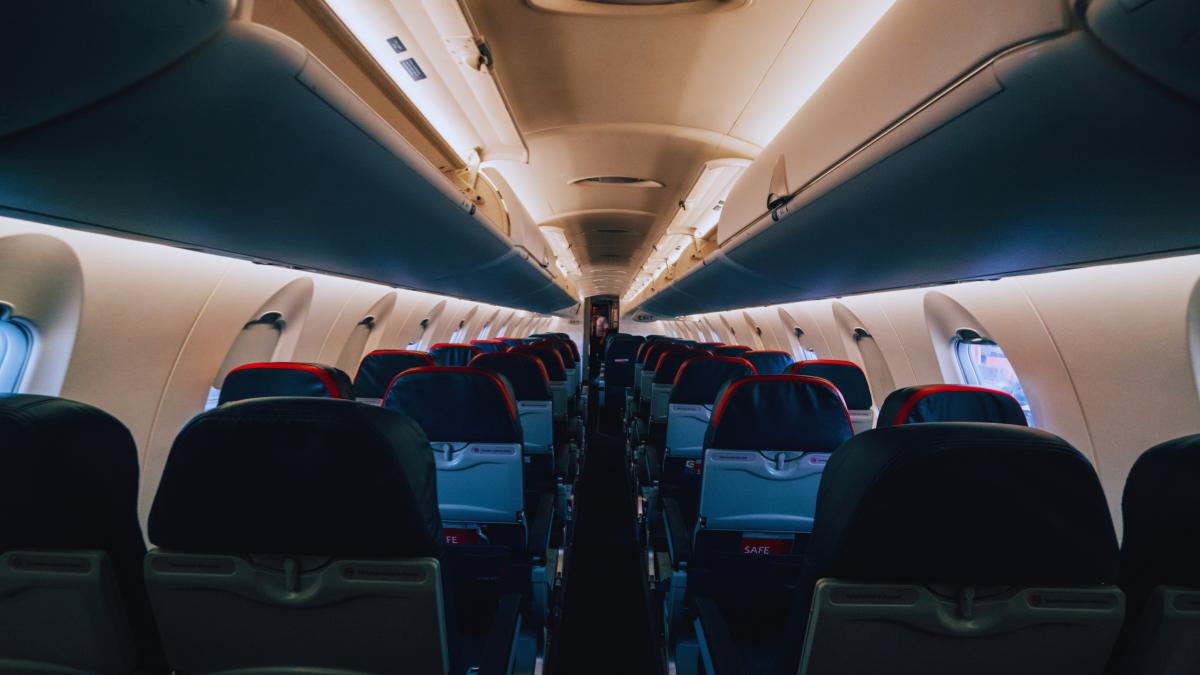
This is a bit morbid, but airlines don’t really broadcast that they frequently transport human remains. It’s common for a flight to have one or two corpses in the cargo hold. Ground handlers even have a nickname for the specialized compartments: “corpse cupboards.” And since live animals are also down there, things can get… messy. Luggage leaks are real, folks.
14. Coffee, Tea, and Bacteria
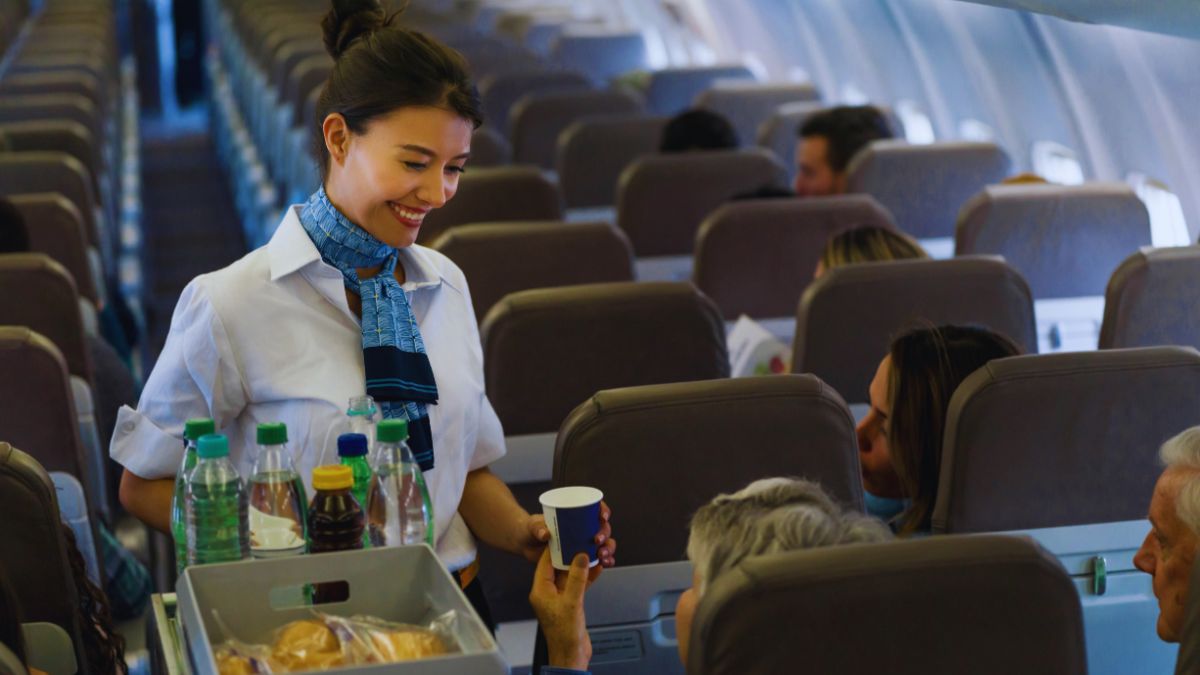
Flight attendants almost never drink the hot water on a plane. Why? Because the lines and tanks for that water are almost never cleaned. A study a few years back found that about 15% of aircraft water systems had “unpleasant” bacteria. Stick to the bottled stuff or the canned soda. Your stomach will thank you later.
The 2025 Reality Check: What Changed?
Now, look, I hate to be the bearer of bad news, but 2025 has been a rough year for passenger rights in the U.S. We had a brief moment where things were looking up, but then the Department of Transportation (DOT) took a sharp turn toward “deregulation.”
First off, they officially scrapped the plan that would have forced airlines to pay you cold, hard cash for delays. In Europe, if you’re delayed 3 hours, you get hundreds of Euros. Here? You get a “sorry” and maybe a $10 meal voucher if you’re lucky. The government’s logic is that airlines should “compete” on service rather than being forced by law. Personally, I think that’s a bit like saying “fast food places should compete on not giving people food poisoning,” but here we are.
Travel Updates 2025
And then there’s the “Airbus Exception.” In late 2024 and through 2025, a bunch of Airbus planes needed emergency maintenance on their elevator computers. Because this was a safety directive, the DOT ruled that airlines don’t have to provide hotels or meals for these specific delays. It’s considered “outside their control.” So if you’re flying an A321 and it gets pulled for a “software update,” you’re likely on your own for the night.
Performance: Who’s Actually Landing on Time?
If you’re booking a flight and have the choice, some airlines are objectively doing better than others. Based on the 2025 stats from the Bureau of Transportation Statistics, the gap is pretty wild.
✈️ Airline Reliability
Your Survival Strategy: The 1-3-1 Rule
So, the government isn’t coming to save you. What do you do? You use the 1-3-1 Rule. This is the strategy seasoned travelers use the second they hear a “bing” on their phone.
1: Use One Pro Tracking App
Stop relying on the airline’s app. They usually wait to tell you a flight is canceled until they’ve already tried to rebook the “important” people. Download Flighty or FlightAware. These apps often know a plane is delayed before the gate agent does because they track the actual “incoming” aircraft. If your plane is still in Denver and you’re in Chicago, you’re not leaving in 20 minutes.
3: Hit Three Channels at Once
This is where people mess up. They stand in the line at the gate and wait. Do not do this. You need to multi-task:
- The Physical Line: Stay in the line, but keep your phone out.
- The App: Try to rebook yourself in the airline’s app while you wait.
- The Phone: Call the airline. But here’s the pro hack: Call the international number. If the U.S. line has a 4-hour wait, call the airline’s office in Singapore or the UK. They can access the same reservation system, they speak English, and there’s usually zero wait.
1: Check One Resource
Pull up the DOT Airline Customer Service Dashboard. It shows exactly what the airline promised to do (vouchers, hotels, etc.). When you finally get to the agent, don’t say “Please help me.” Say, “According to your commitment on the DOT dashboard, I’m entitled to a meal voucher for this 4-hour delay.” It changes the conversation from a plea to a demand.
A Final Thought
At the end of the day, air travel has become a “democratized” experience. It’s cheaper than it was in the “Golden Age,” but it’s a lot more chaotic. The person behind the gate is just a human being trying to navigate a system that’s designed to prioritize networks over individuals.
So next time you’re stuck, remember: Speed beats patience. Kindness beats screaming. And knowing the secrets of the gate might just be the difference between sleeping in a King-sized bed or a cold airport chair.
Safe travels. You’re going to need them. I’ve added the updated rebooking guide below—keep it on your phone. You never know when you’ll need to call Singapore at 2 AM.
Updated Rebooking Hotlines (2025 Version):
- American Airlines: +1-888-718-4745 (Direct Human Line)
- Delta Airlines: Use the “Virtual Agent” via the QR code at the gate—it bypasses the physical line.
- United: Look for the “Agent on Demand” kiosks—they are essentially a video call to a less-busy airport.
Need More Help Staying Sane? Look Into These
1. Bose QuietComfort Ultra Headphones

If you’ve ever sat at a gate during a mass cancellation, you know the sound: constant announcements, crying kids, and the low-level hum of anxiety. These are basically a “mute” button for the world. They’re the gold standard for long flights because the noise cancellation is so aggressive it can actually make a rumbling engine sound like a distant whisper. Plus, they’re light enough to wear for 10+ hours without your ears feeling like they’re in a vice.
2. Anker Nano Power Bank (10,000mAh)
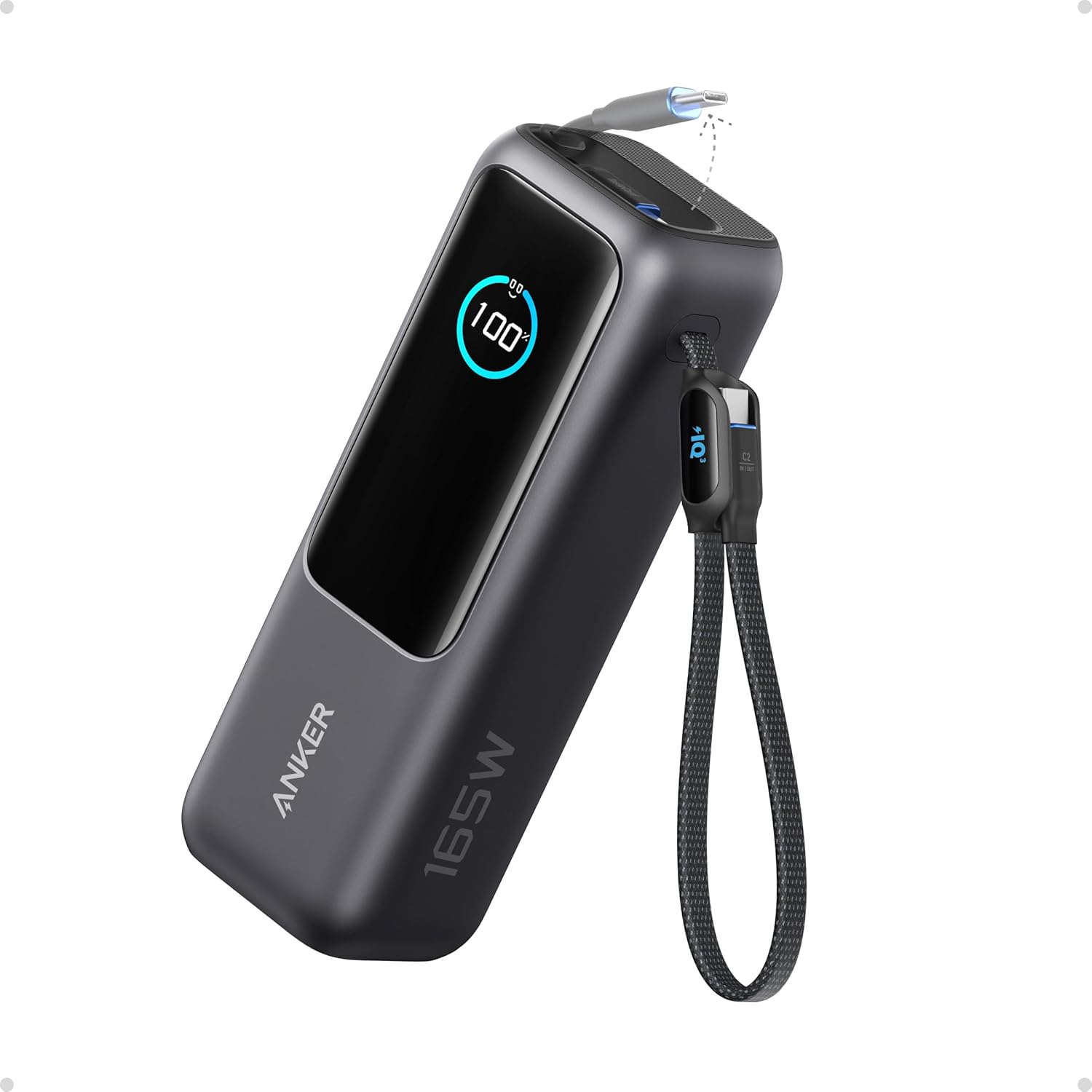
Remember that “1-3-1” rule? You can’t hustle to a line, call international customer service, and refresh your app simultaneously if your phone dies. Airport charging stations are always full (and honestly, a bit sketchy). This little brick is about the size of a candy bar, has a built-in USB-C cable so you don’t have to hunt for one, and packs enough juice to charge a modern iPhone twice. It’s the lifeline you need when you’re on hold with London at 3 AM.
3. Cabeau Evolution Earth Neck Pillow

If you end up being one of the people stuck overnight because of an “Airbus Exception” delay, you’ll be glad you have this. Unlike those cheap beads-filled pillows they sell at the Hudson News for $35, this one is high-density memory foam that actually supports your neck so your head doesn’t bob around while you’re trying to nap in a terminal chair. It even shrinks down to half its size in a carry-bag so it doesn’t take up your whole backpack.
4. Apple AirTags (4-Pack)
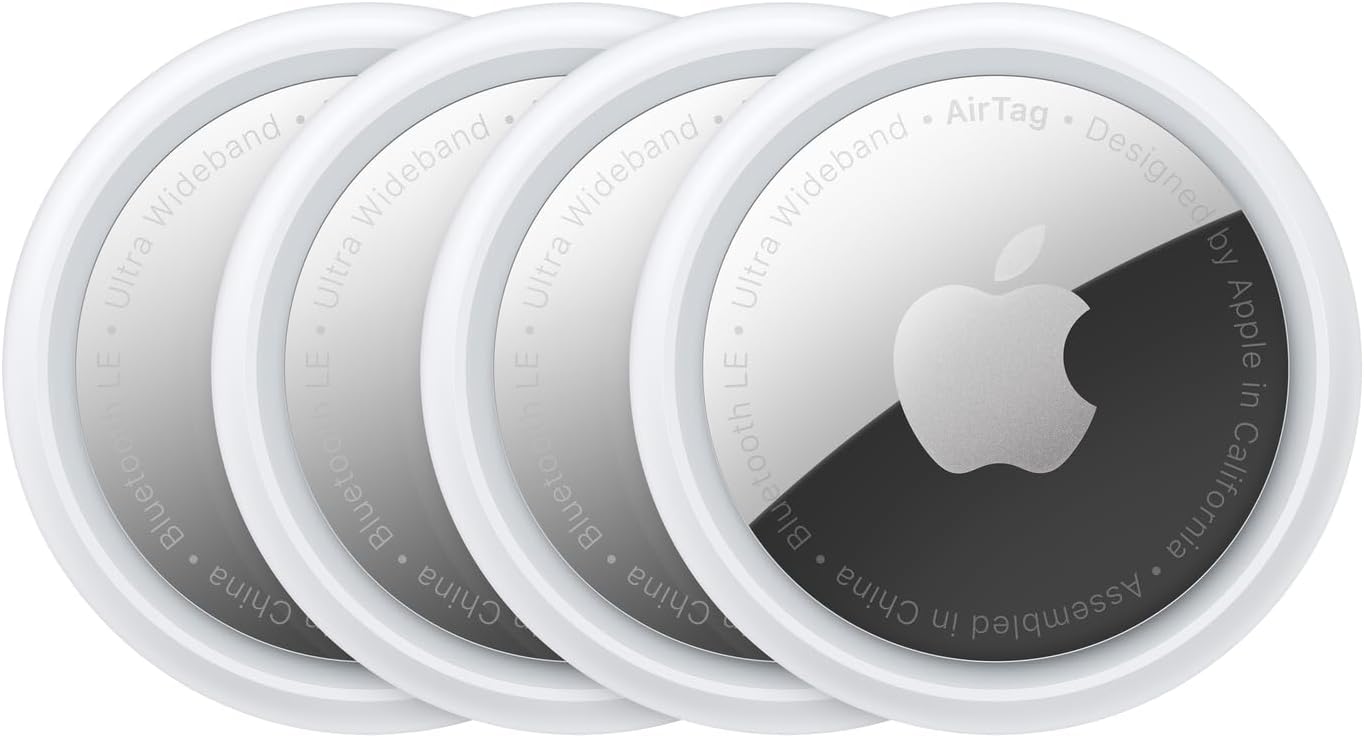
Given what we know about the “cargo hold realities” and how often bags are left behind when flights are full, these are non-negotiable. Tucking one into your checked luggage means you aren’t guessing where your bag is when it doesn’t come out on the carousel. You can literally show the agent your phone and say, “I know the bag is still in Dallas,” which makes them much more likely to help you quickly.
5. Twelve South AirFly Pro

Since we talked about how airlines are still using tech from the 80s, you shouldn’t be surprised when your seat has an old-school headphone jack. This little dongle plugs into that jack and lets you use your own high-end Bluetooth headphones with the in-flight movie system. It’s a small thing, but being able to actually hear the movie over the engine noise without using those terrible, thin plastic headphones the airline gives out makes a huge difference.