
Stop Being a Cruise Amateur: 22 Shore Excursion Traps Costing You Hundreds

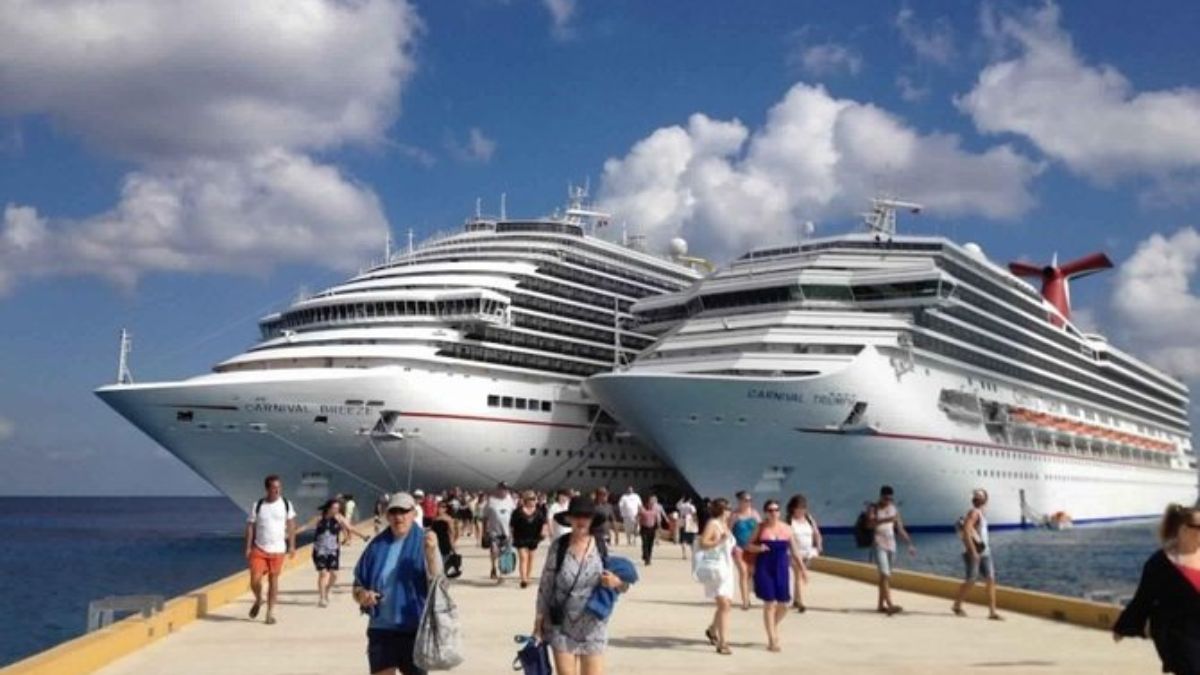
You’re standing on your balcony, a cold drink in your hand, watching the ship get ready to pull away from some sun-drenched pier in Cozumel or Nassau. Suddenly, you see them: the “pier runners.” Two people, usually still in flip-flops, sprinting down the concrete like their lives depend on it while the rest of the ship cheers (or jeers) from above. It’s funny until it’s you. But honestly, the real tragedy isn’t just missing the ship; it’s how much money most people throw away before they even step off the gangway.
The cruise industry is a masterclass in psychology. They’ve built these billion-dollar floating cities that are, quite literally, designed to get into your pockets. Don’t get me wrong—I love a good cruise. There’s something magical about waking up in a new country every morning. But if you’re booking everything through the “official” channels without a second thought, you’re basically a walking ATM for the cruise line. We’re talking about markups that would make a luxury car dealer blush.
Here’s the thing: most cruisers are “amateurs” not because they’re new, but because they’ve bought into the fear. The fear of being left behind, the fear of “unvetted” locals, the fear of the unknown. I want to pull back the curtain on that. I want to talk to you like we’re grabbing a coffee and I’m telling you all the secrets I’ve picked up so you can stop overpaying and start actually experiencing these places. Here are the 22 traps that are costing you hundreds—maybe even thousands—of dollars.
1. The Convenience Premium (The Middleman Markup)
When you walk up to that shiny Shore Excursions desk on the ship, you aren’t just buying a tour; you’re paying for a massive chain of middlemen. The cruise line doesn’t actually own the snorkeling boats or the zip-lines in the jungle. They’re just resellers. They find a local guy who charges, say, $70 for a tour, and then they slap a 30% or 40% markup on top of it for the “convenience” of booking through them.
And it’s not just a few bucks. If you’re a family of four, that $30 markup per person adds up to $120 for a single day. Over a seven-day cruise with four ports, you’ve basically handed over the price of an extra person’s ticket just to have someone else click a button for you. You can find the exact same tours, often with the exact same operators, by looking at independent sites or booking directly. It’s like buying a candy bar at the hotel minibar instead of the shop next door—it’s the same chocolate, just twice the price.
2. The “On-Time Guarantee” Psychological Anchor

This is the big one. The cruise lines hammer this into your head: “If you book with us, the ship waits. If you book with a local, you’re on your own.” It’s a powerful psychological anchor that keeps people tethered to overpriced tours. But here’s a secret from the industry: missed ship incidents due to independent tours are incredibly rare. These local operators aren’t stupid; their entire livelihood depends on getting you back to that ship. If they let a group miss their departure, word spreads on the internet like wildfire, and their business is dead by Tuesday.
But even more than that, independent tours are usually more aware of the time than the official ones. Because they know the ship won’t wait for them, they tend to build in huge buffers. They’ll get you back two hours early just to be safe. Meanwhile, the big “official” buses are often the ones rolling in at the last second because they know they have the “guarantee.” You’re paying a premium for a safety net you almost certainly won’t need.
3. The Over-Programming Fatigue
We get so excited when we see the itinerary. “Oh, we’re in six ports in seven days! Let’s book a six-hour tour in every single one!” That’s the “Amateur Trap” of over-scheduling. By day four, you aren’t an adventurer anymore; you’re a zombie. You’re being herded off the ship at 7:00 AM, sitting on a bus, and walking through ruins in 90-degree heat when all you really want to do is sit by the pool.
And think about the waste of money. You’ve already paid for the food, the pools, and the entertainment on the ship. When you spend $150 a day to stay off the ship for eight hours, you’re paying for two vacations at once and enjoying neither. Sometimes the best “excursion” is staying on the nearly empty ship and having the spa and the pool all to yourself. That’s a pro move that saves you money and actually leaves you feeling like you had a vacation.
4. The One-Day Distance Deception

Some landmarks are “must-sees,” but they’re located hours away from the port. Think of Petra in Jordan or Marrakech in Morocco. The cruise line will happily sell you a “day trip” to these places. But what they don’t emphasize is that you’re going to spend six or seven hours of that day sitting on a cramped bus. You’ll get maybe two or three hours at the actual site, usually during the hottest, most crowded part of the day.
It’s an expensive way to see the inside of a bus. For a place like Petra, experts will tell you that you can’t possibly do it justice in a few hours. You’re paying $300 or more for a rushed, subpar experience. If you really want to see those bucket-list spots, you’re better off booking a cruise that overnights in that port or just planning a separate land trip where you can actually breathe and take it in.
5. The Large-Scale Bus Logistics Sink

Official ship excursions love the “motor coach.” It’s efficient for them because they can shove 50 people into one vehicle. But for you, it’s a time-sucking nightmare. You have to wait for all 50 people to get off the ship. Then you wait for that one person who forgot their sunscreen. Then you wait for the bus to navigate through narrow streets that a smaller van could zip through.
By the time you actually get to your destination, you’ve lost an hour just to “logistics.” Independent tours often use small vans or private cars. They can move faster, park closer, and get you to the sites before the “herd” arrives. It’s the difference between being a traveler and being part of a cargo shipment. When you book a smaller group, you’re buying back your most precious resource: time.
6. The Ship Time vs. Local Time Confusion

This trap is sneaky because it uses your own technology against you. When you’re sailing through the Mediterranean or the Caribbean, you’re constantly crossing time zones. Your smartphone is smart—too smart. It sees a local cell tower and automatically updates to local time. But the ship might stay on “Ship Time” (the time of the port you started in).
If you’re off the ship and your phone says it’s 4:00 PM, but Ship Time is 5:00 PM and “all aboard” was 4:30 PM… well, you’re now a pier runner. Amateurs rely on their phones. Pros wear a cheap analog watch set to Ship Time or keep their phone on airplane mode. Missing the ship because of a clock error is a $1,000 mistake you don’t want to make.
7. The Geographic Disorientation of Mega-Ports
Large ports like Athens, Barcelona, or Marseille are massive. They aren’t just a pier; they’re industrial complexes that can stretch for miles. An amateur just tells a taxi driver “Take me to the cruise ship.” But if there are five ships in port and three different terminals, you might get dropped at the wrong one.
And look, being at the wrong dock twenty minutes before departure is a recipe for a heart attack. You need to know your specific berth or terminal number. Local drivers don’t always know where your specific ship is tucked away. Taking a photo of the sign at the end of the pier before you leave is a free way to save yourself a very expensive headache later.
8. The Public Transit Vulnerability

I’m all for being thrifty, but relying on a local bus or train to get you back from a city two hours away is playing Russian Roulette with your vacation. A rail strike in Italy or a bus breakdown in Mexico doesn’t care that your ship is leaving at 6:00 PM. If you’re on a ship tour and the bus breaks down, they send a new bus. If you’re on the local train and it stops, you’re on your own.
But here’s how you do it right: if you want to use public transit, do it for things near the port. If you’re going deep into the country, hire a private driver or book a tour. The money you save on a $10 train ticket isn’t worth the $2,000 you’ll spend on a last-minute flight and a hotel to catch the ship at the next port.
9. The Pre-Booking Window Opportunity Cost
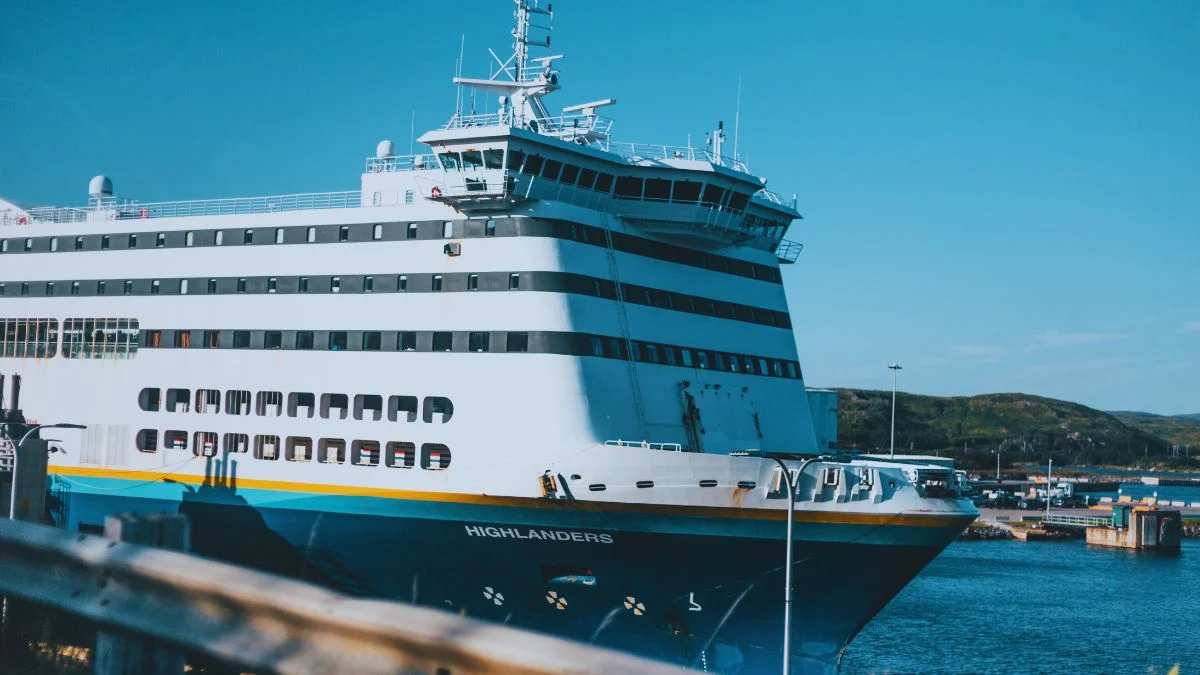
The “I’ll just see what’s available when I get on the ship” mentality is a budget-killer. By the time you board, the best-value tours—the ones that are actually worth the money—are usually sold out. You’re left with the “bottom of the barrel” options that are overpriced and uninspiring.
And it’s not just about availability; it’s about the “early bird” discounts. Most lines offer 10% to 20% off if you book through their app weeks before you sail. If you wait until you’re standing at the excursion desk, you’re paying the full “sucker price.” A little bit of homework a month before your trip can save you hundreds.
10. The “Cellular at Sea” Satellite Trap

This one isn’t strictly a “shore” excursion trap, but it happens the moment you get near the coast. When your ship is sailing, it uses a satellite network called “Cellular at Sea.” It is eye-wateringly expensive. I’m talking $15 for a single megabyte of data. People get off the ship, forget to turn off their data, and their phone starts downloading emails and updates in the background.
By the time they realize it, they’ve racked up a $200 bill just for being within sight of land. Honestly, just keep your phone on airplane mode. Use the ship’s Wi-Fi if you must, or wait until you get to a local cafe with free Wi-Fi. That “Hundred-Dollar Email” is a classic amateur mistake that’s easy to avoid.
11. The “All Aboard” vs. “Sailing” Semantic Error
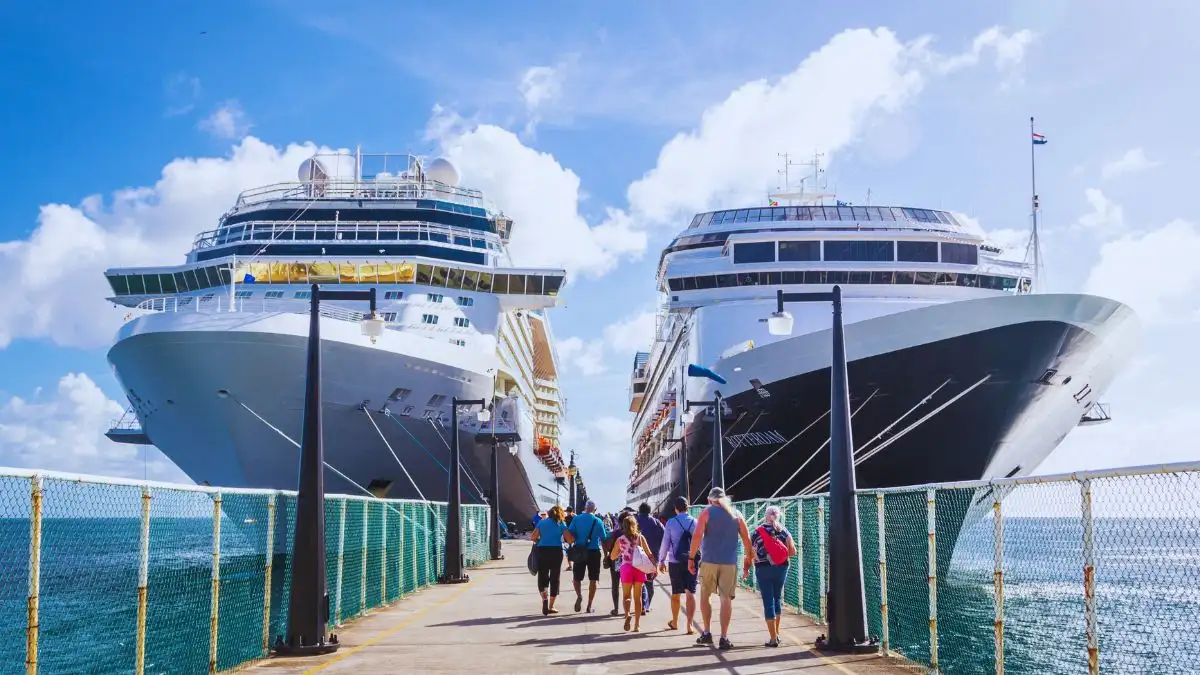
This is a linguistic trap that leaves people standing on the pier. The itinerary says the ship “sails” at 6:00 PM. An amateur thinks that means they should be back by 5:55 PM. But the “All Aboard” time is usually 30 to 60 minutes before sailing. That’s when the gangway is pulled, the manifest is checked, and the captain starts the engines.
And trust me, they won’t lower that gangway back down just for you. Once it’s up, it’s up. You need to treat the “All Aboard” time as your absolute deadline, not the “Sailing” time. I always aim to be back on the ship an hour before the “All Aboard” time. It gives me time to grab a snack, watch the pier runners from safety, and not have a panic attack.
12. The Visa and Documentation Oversight
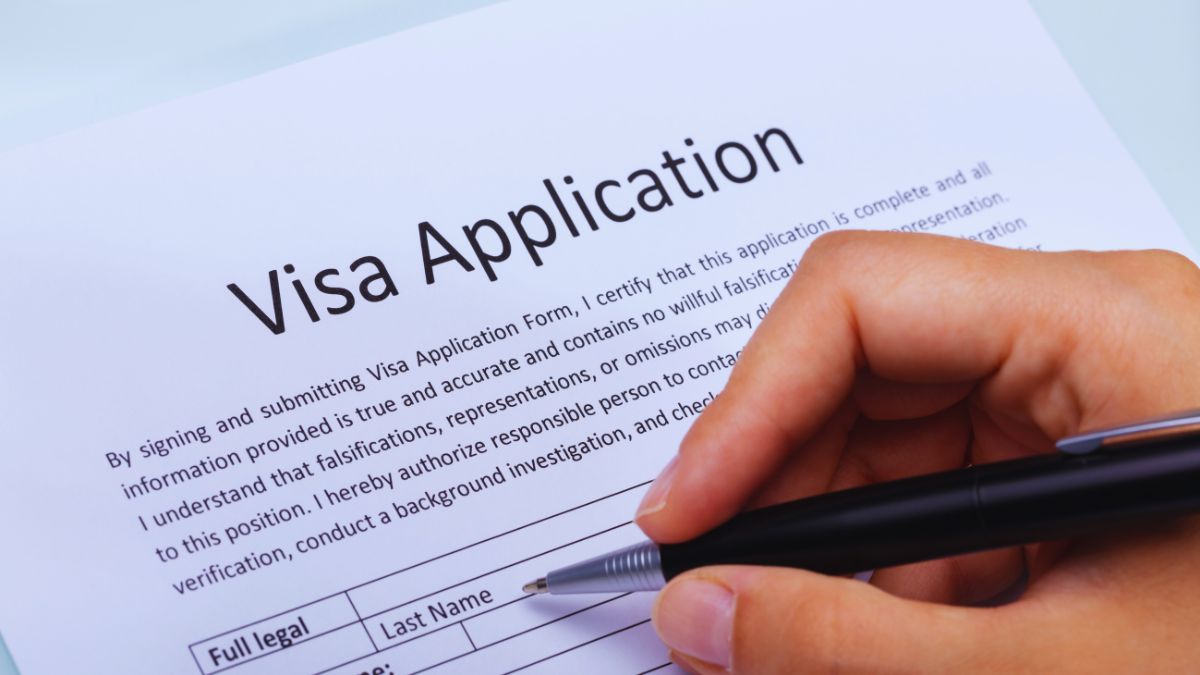
If you’re booking a ship tour, they often handle the “group visa” for you. But if you’re wandering off on your own in places like Vietnam, Turkey, or Jordan, you are the one responsible for your paperwork. Amateurs assume the cruise ticket is a universal passport. It’s not.
Imagine paying $200 for an independent private guide, only to get to the immigration booth and realize you don’t have the right visa or you left your physical passport in the cabin safe. You’ve just lost your excursion money and your day in port. Always check the specific entry requirements for every single country on your route, even if you’re only there for six hours.
13. The Prescription and Medical Accessory Trap

This sounds minor until it happens to you. You’re on a beautiful beach excursion, you trip, and your only pair of prescription glasses snaps in half. Or you realize you left your daily heart medication back on the ship. Now, instead of snorkeling, you’re spending $100 on taxis and four hours in a foreign pharmacy or optometrist.
It’s a “time trap” that ruins a vacation. I’ve seen people lose an entire day of a $5,000 trip over a $20 pair of backup glasses they forgot to pack. Carry a “port bag” with your essentials: a backup pair of glasses, a two-day supply of meds, and a basic first-aid kit. It costs nothing but saves everything when things go sideways.
14. The Insurance Evasion Liability
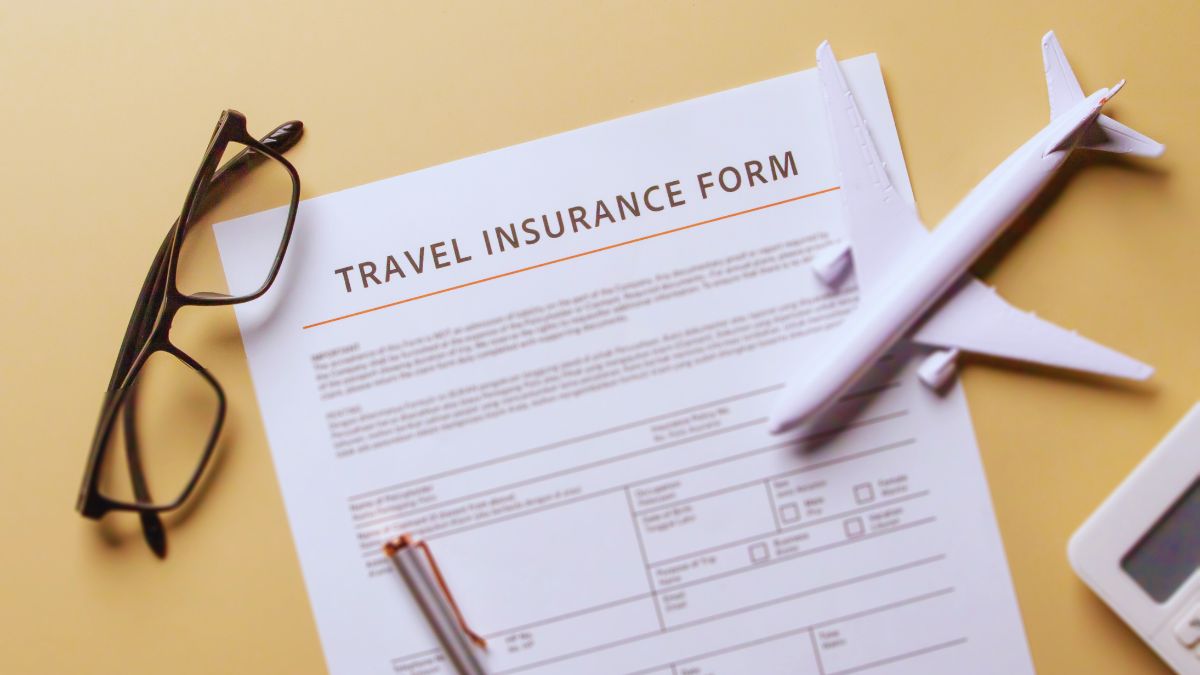
“I’m healthy, I don’t need travel insurance.” Famous last words. If you have a medical emergency on an excursion—say, a bad fall while hiking a glacier in Alaska—the bill for a private hospital or an evacuation can be $50,000 or more. The cruise line isn’t going to pay that for you.
And it’s not just the big stuff. Good insurance covers you if the ship skips a port due to weather and your non-refundable independent tour is lost. It’s the ultimate “peace of mind” buy. For about $100, you protect yourself from a financial disaster that could literally cost you your home. That’s not being dramatic; medical costs in the Caribbean for tourists are no joke.
15. The Luxury Marketing Misnomer

Cruise lines love words like “Exclusive,” “Private,” and “Luxury.” They’ll sell you an “Exclusive Beach Day” for $150. But when you get there, you realize it’s the same public beach everyone else is on, you just have a slightly better chair and a lukewarm buffet. Amateurs pay for the adjective; pros look at the actual inclusions.
But if you look closely, you can often book the “luxury” version of a tour yourself for the price of the “standard” ship tour. In places like Santorini, a “private” catamaran for four people can actually cost less per person than the crowded ship catamaran with 50 people. Don’t let the marketing fluff blind you to the math.
16. The Cabin Location Noise Trap
This affects your excursions more than you think. If you book a room directly under the pool deck or next to the elevators, you’re going to hear chairs scraping and people talking at 6:00 AM. If you aren’t sleeping, you aren’t going to enjoy that eight-hour hike in the morning. You’ll be tired, grumpy, and more likely to make mistakes.
It’s the “hidden cost” of a bad room. A pro checks the deck plans before booking to make sure they’re sandwiched between other cabins—not under a nightclub or over the galley. A good night’s sleep is the foundation of a good port day. Don’t pay for a balcony if you’re going to be too exhausted to ever use it.
17. The Day One Buffet Chaos

Everyone boards the ship and immediately heads to the buffet. It’s crowded, it’s loud, and it’s stressful. You’re trying to plan your week while someone is bumping into you with a plate of fries. It sets a “hurry up and wait” tone for the whole trip.
But almost every ship has a main dining room or a smaller cafe open for lunch on embarkation day. It’s quiet, it’s seated, and it’s free. You can sit down, look over your port guides, and make smart decisions without the buffet madness. Starting your cruise with a calm meal instead of a scrum is a mental win that leads to better planning.
18. The Cultural Dress Code Non-Compliance

This is a classic “amateur” move. You book a tour of the Vatican or a beautiful mosque in Istanbul, and you show up in a tank top and shorts. Because you didn’t read the fine print about “modest dress,” they refuse to let you in. You’ve just wasted $150 and your only chance to see a world wonder.
And it’s so easy to avoid. Just carry a light scarf or wear pants with zip-off legs. These religious sites don’t care how much you paid for your cruise; they care about their traditions. A little bit of cultural respect goes a long way and keeps your excursion from becoming a total loss.
19. The “Invisible Sun” UV Trap

The sun near the equator or reflected off the white sand of a Caribbean beach is a different beast. Even on a cloudy day, the UV rays are hammering your skin. Amateurs only put on sunscreen when they “feel” hot. By then, the damage is done.
In scientific terms, the UV rays are literally breaking your DNA. Your body responds by pumping blood to the area to try and fix it—that’s the red burn. A bad burn on day two can ruin the rest of your excursions. You’ll be in pain, you won’t want to go in the water, and you’ll be hiding in the cabin. Use the “invisible sun” rule: if you’re outside, you’re wearing SPF 50. Period.
20. The Motion Sickness Kinetic Conflict

If you’re booking a boat-based excursion—like a catamaran or a snorkel trip—don’t wait until you feel sick to take your medicine. Motion sickness is a conflict between your eyes and your inner ear. Once your brain decides you’ve been “poisoned” by the movement, it’s very hard to stop the nausea.
The pro move is to take your Dramamine or ginger at least an hour before you get on the small boat. And once you’re on, look at the horizon. Don’t look at your phone or a book. If you spend your $150 snorkel trip staring at a barf bag, you’ve basically paid for the world’s most expensive stomach flu.
21. The “Recommended Retailer” Kickback Ring

The ship will give you a “Port Map” with “Guaranteed” shops. Amateurs think this means the cruise line has vetted them for quality. What it actually means is that those shops paid a fee to be on that map. They’re often overpriced because they have to cover the cost of the “kickback” they pay to the cruise line.
If you walk just one or two blocks away from the “recommended” strip, you’ll find local boutiques with better prices and more authentic goods. The “guarantee” from the cruise line usually only covers things like “it’s real gold,” which is fine, but you’re paying a massive premium for it. Shop where the locals shop, not where the map tells you to.
22. The Port Day Ship-Stay Paradox

The final trap is thinking you have to get off the ship in every port. If you’ve been to Cozumel four times, do you really need to go again? When 3,000 people leave the ship, the vessel becomes a private yacht. There are no lines for the slides, the hot tubs are empty, and you can actually get a seat at the bar.
By staying on board, you save the $100 you would have spent on a mediocre lunch and a taxi. You get to enjoy the “luxury” you actually paid for in peace. It’s one of the best secrets in cruising: the best day on the ship is often a port day.
At the end of the day, cruising is what you make of it. You can follow the crowd, pay the markups, and stay an “amateur.” Or, you can do a little research, embrace a bit of independence, and treat your vacation like the adventure it’s meant to be. Honestly, the world is too big and your hard-earned money is too precious to spend it on a bus ride to a gift shop. So, next time you’re in port, walk past the “official” line, take a deep breath, and go find the real story. You’ll save a fortune, and I promise you, the memories will be much, much better.
Gear Up Like a Pro: Essentials That Save the Day
1. Thinksport SPF 50+ Mineral Sunscreen

If you’re heading to the Caribbean or any reef-heavy port, this stuff is the gold standard. It’s mineral-based (zinc oxide), which means it reflects the rays rather than absorbing them into your skin, and it’s 100% reef-safe so you won’t get side-eyed by the locals for damaging the coral.
2. Dramamine All Day Less Drowsy

Don’t let a catamaran ride turn into a nightmare. This formula uses Meclizine, which is way less likely to leave you face-down on your stateroom bed for four hours than the original stuff. Take it an hour before the boat leaves the pier.
3. Pelican Marine Waterproof Phone Pouch

You’re going to want photos of those sea turtles, but one drop in the salt water and your $1,000 phone is a paperweight. This Pelican pouch is IP68 rated, meaning it can handle being submerged, and it actually floats so it won’t sink to the bottom of the ocean if you drop it.
4. Anker Nano Power Bank (10,000 mAh)

Between taking videos and using GPS to find your way back to the port, your battery will die faster than you think. This Anker bank is roughly the size of a candy bar, but it’ll charge your phone twice. Plus, it has a built-in cable so you don’t have to carry a tangled mess in your pocket.
5. Osprey Ultralight Stuff Pack

Carrying a heavy backpack in the humidity is a nightmare. This Osprey pack weighs almost nothing and folds down into its own pocket. It’s perfect for carrying your water, sunscreen, and that “backup pair of glasses” we talked about, then disappearing into your luggage once you’re back on the ship.