
I Flew 200+ Times Last Year: These 15 TSA Line Hacks Save Me 3 Hours Every Trip

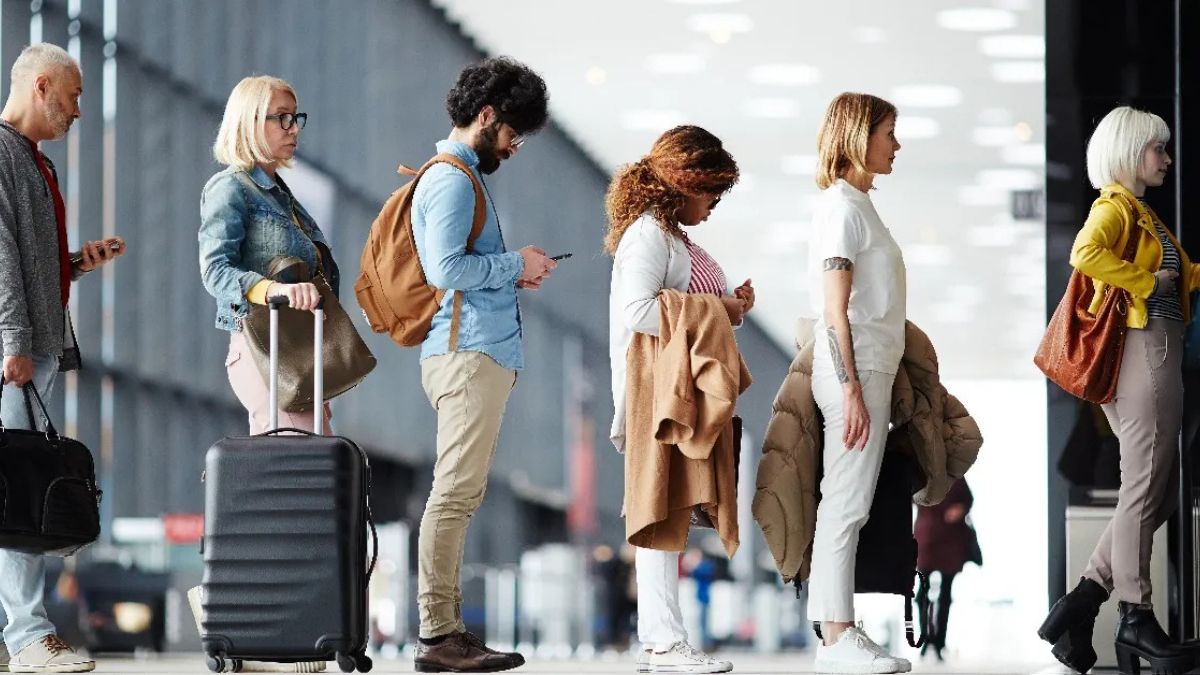
You know that specific kind of panic? The one where you’re standing in a security line that looks like a slow-moving metal snake, clutching your boarding pass with sweaty palms, and watching the clock tick down while a guy three people ahead of you tries to argue that his giant jar of organic almond butter isn’t a liquid? Honestly, it’s the worst. It’s that feeling of being completely out of control, just a tiny cog in a giant, slow-moving machine.
I call it the “Airport Tax.” It’s the mental and physical toll we all pay just to get where we’re going. But after flying over 200 times last year, I’ve realized that most of us are paying way too much. I managed to reclaim about three hours of my life on every single trip—not because I have a private jet or some secret government clearance, but because I stopped guessing and started looking at the airport like a game of strategy.
Aviation security isn’t just about X-rays and ID checks; it’s a fascinating mix of advanced technology, behavioral science, and your own body’s weird stress hormones. If you understand how the board is laid out, you can move through the terminal like you own the place. And I’m going to show you exactly how to do it.
The Geography of Speed: Why Your Airport Choice Is Your First Move
First, let’s look at where you start. Not all airports are created equal, and your choice of hub is actually your first “hack.” National average wait times for security and passport control have actually dropped slightly recently—going from about 29 minutes down to around 27. But that’s a broad average that hides some pretty wild extremes.
Think about it this way: if you’re in Southern California, picking John Wayne (SNA) over LAX isn’t just a “nice thought”—it literally saves you an average of 20 minutes just at passport control alone. That’s enough time to actually sit down and eat a real meal instead of a soggy terminal sandwich.
The real hero here is Palm Beach. They were recognized as the most improved airport recently, slashing their combined clearance time by over 29 minutes. On the flip side, Newark has become a bit of a slog, with wait times jumping up significantly in a single year. If you’re flying out of a hub like JFK, you’re basically walking into a final boss battle, so you need a plan.
The Biology of Stress: Meet the “Bossy Messenger”
Why does everyone at the security bin look so confused? It’s not because they’re “clueless”—it’s biological. When you see a massive queue, your brain’s “alarm system,” called the HPA axis, kicks in. It signals your adrenal glands to dump a hormone called cortisol into your system.
I like to think of cortisol as a “Bossy Messenger.” In a real emergency—like being chased by a bear—it’s great! It triggers the release of sugar into your bloodstream to give your muscles a burst of energy so you can run. But in an airport, you’re not running; you’re standing still.
High cortisol levels actually mess with your “hippocampus,” which is the part of your brain that handles memory and navigation. This is why you suddenly forget where you put your passport or why you feel so clumsy trying to get your shoes off. Your brain is literally under a cloud of stress. For kids, this can even become “toxic stress” if they don’t have a calm adult to buffer the experience. If the brain is exposed to long periods of this, it can develop a low threshold, making travel even more daunting in the future.
The 15 Hacks: Your Deep-Dive Guide to Beating the Clock
Here is the full, detailed framework I use to stop the clock and start enjoying the lounge.
1. TSA Reserve: The Appointment You Didn’t Know You Could Make
Most people think security is a first-come, first-served chaos pit. But in 2025, you can actually book your spot in line. It’s a free program called TSA Reserve (or CLEAR Spot Saver, depending on the airport). You go online up to three days before your flight, enter your details, and pick a time slot. When you arrive, you just show a QR code and walk into a dedicated lane that bypasses the general crowd. It’s currently a “secret weapon” at hubs like Denver, LAX, Minneapolis, Orlando, Phoenix, and Seattle. It turns an unpredictable 45-minute wait into a guaranteed 10-minute breeze.
2. The 3-3-3 Packing Rule: Decoding the Scanner’s Mind
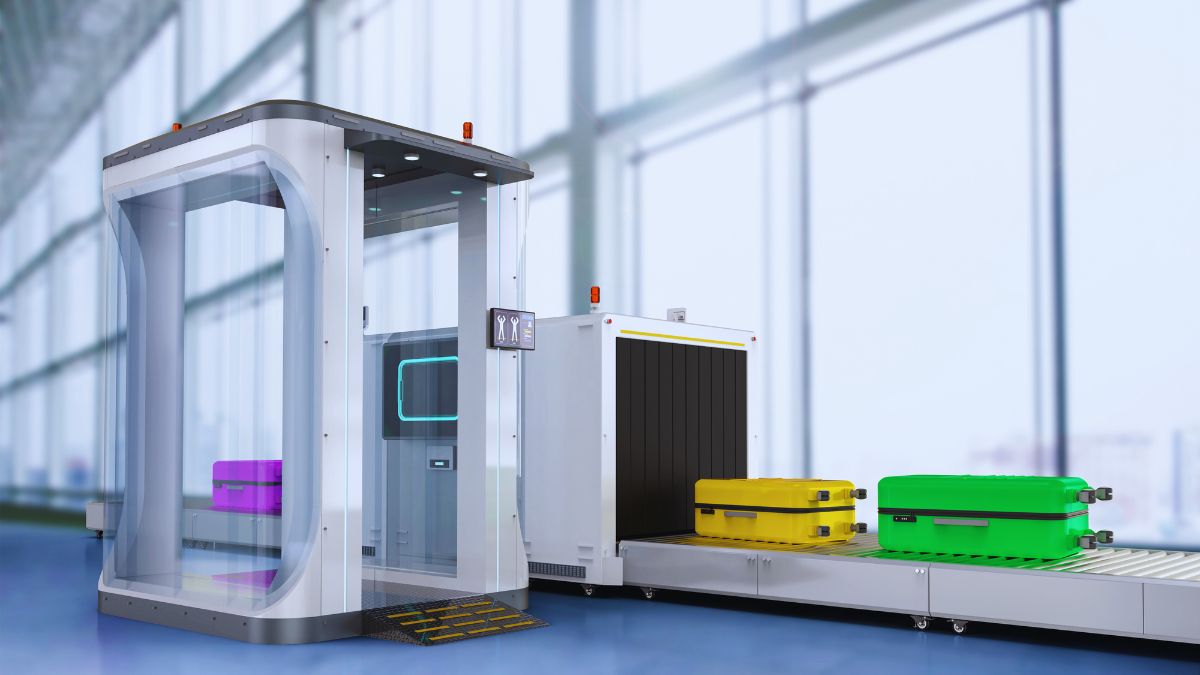
This is the ultimate wardrobe strategy. You pack exactly three tops, three bottoms, and three pairs of shoes. The key is that every single piece has to match everything else. Why does this save time? Because the new Computed Tomography (CT) scanners are looking for “clutter.” When your bag is packed with a simple, organized capsule wardrobe, the 3D X-ray can see through it instantly. If your bag is a tangled mess of 15 shirts and random electronics, the machine flags it for a manual search. Simple bags move through the belt 30% faster.
3. Ditch the Physical ID: The Rise of the Digital Wallet
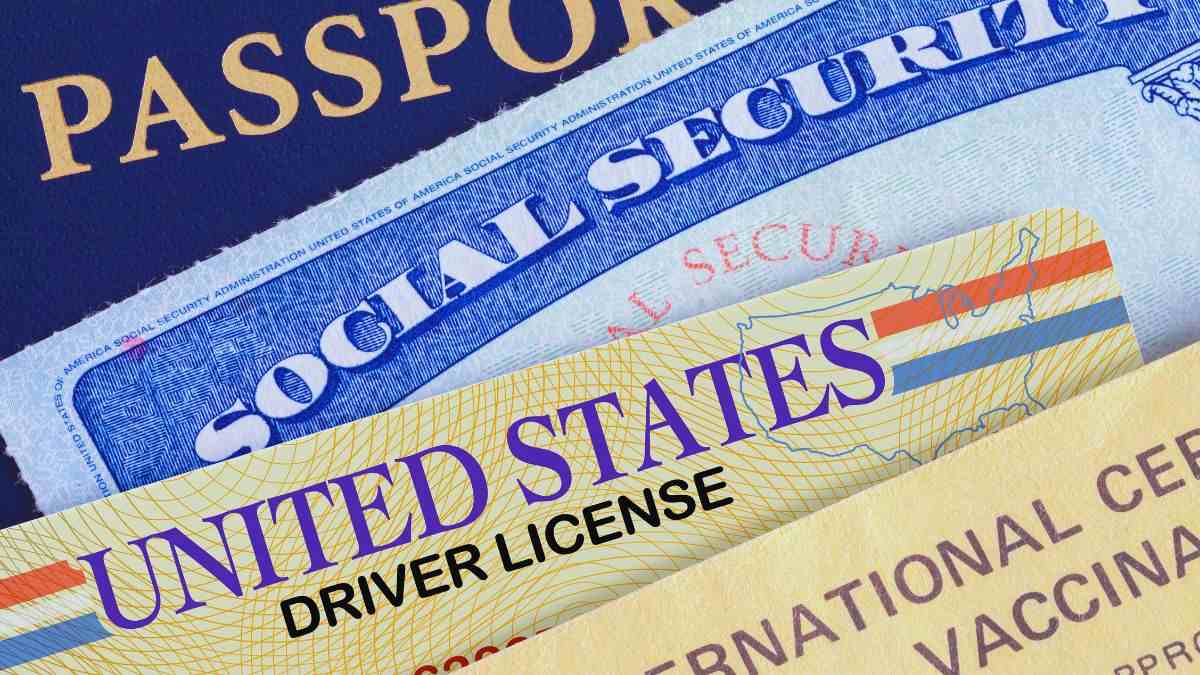
Over 250 airports now accept Digital IDs or Mobile Driver’s Licenses (mDLs) in your Apple, Google, or Samsung Wallet. This is a massive time-saver because you don’t have to go fishing for your wallet or worry about dropping your card. You just tap your phone or scan a QR code at the podium. It’s also way more private—the TSA only sees the specific verification data they need, not your home address or organ donor status. States like Arizona, California, Maryland, and New York are already fully integrated.
4. Carry-On Only is Mandatory: Bypassing the Carousel Trap
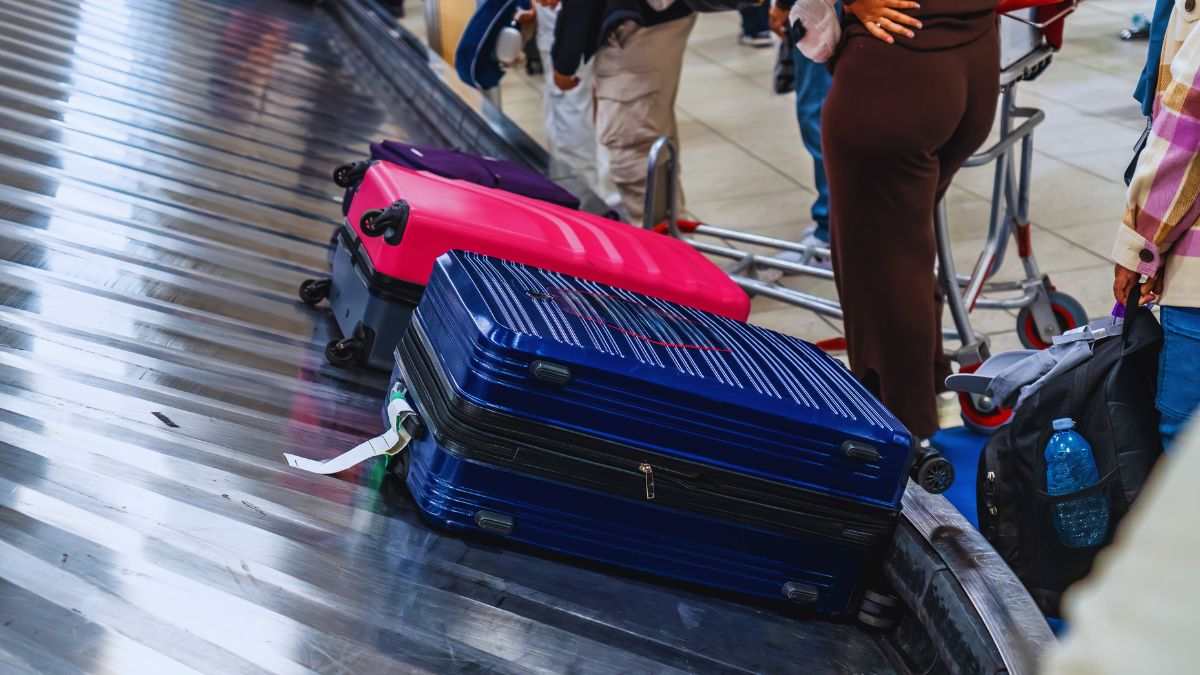
Checking a bag is a trap. Period. In 2024, over 36 million bags were mishandled globally. That’s a lot of lost luggage. But even if they don’t lose it, you’re looking at an average of 45 minutes of your life wasted at a baggage carousel. When you fly carry-on only, you walk off the plane and straight into your Uber. You’re at your hotel having a drink while everyone else is still staring at a piece of black rubber waiting for their suitcase to appear.
5. Touchless ID: Let Your Face Be Your Passport
If you fly Delta, United, or Alaska, you need to opt into “Touchless ID” in their apps. This technology uses facial recognition at the bag drop and the security checkpoint. You don’t have to show a boarding pass or an ID. You just look at a camera, it confirms you are who you say you are, and the gates open. It’s available at major hubs like Atlanta, Chicago O’Hare, LAX, and JFK. It feels like living in the future, and it removes that awkward “where did I put my phone?” scramble at the podium.
6. The “Empty Bag” Protocol: Preventing the Terminal-Level Event
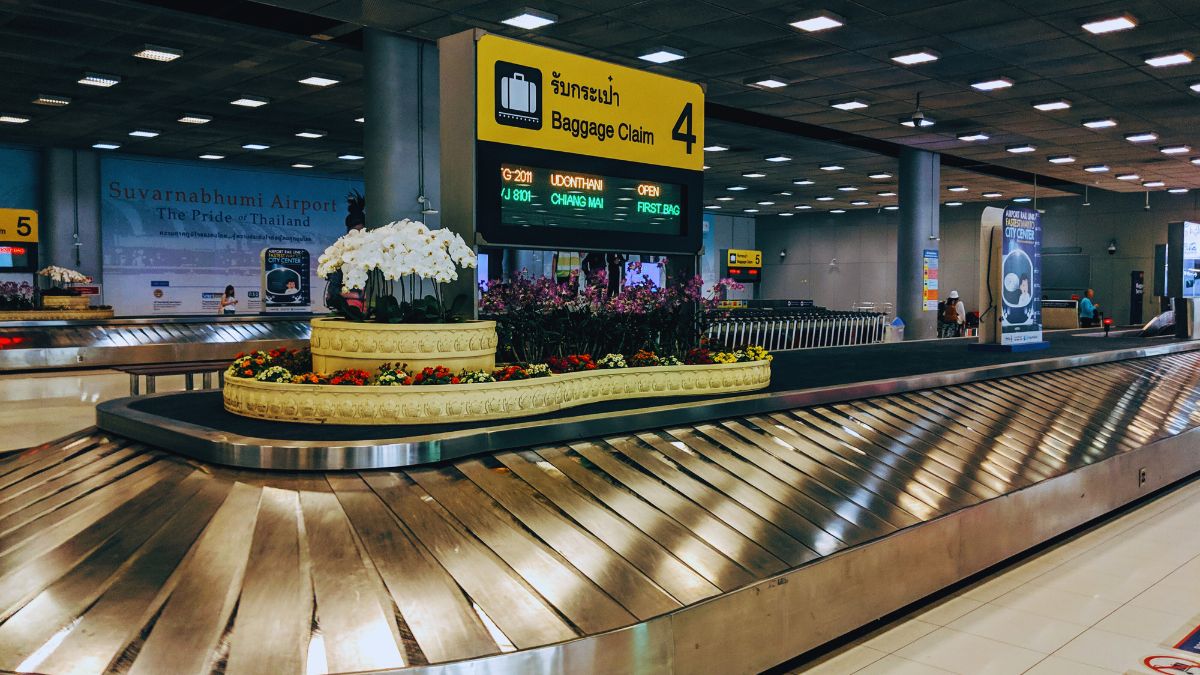
This sounds too simple to be a hack, but it’s a pro move. Before you pack for a trip, dump your bag out completely. I’ve seen so many people get stopped—and even fined—because they had a forgotten pocketknife or a bottle of water hidden in a side pocket from a camping trip months ago. Starting from a “zero baseline” ensures that when your bag hits that X-ray, there are zero surprises. A single flagged item can add 20 minutes of “secondary screening” to your trip.
7. Modular Toiletry Systems: The Logic of Magnetic Capsules
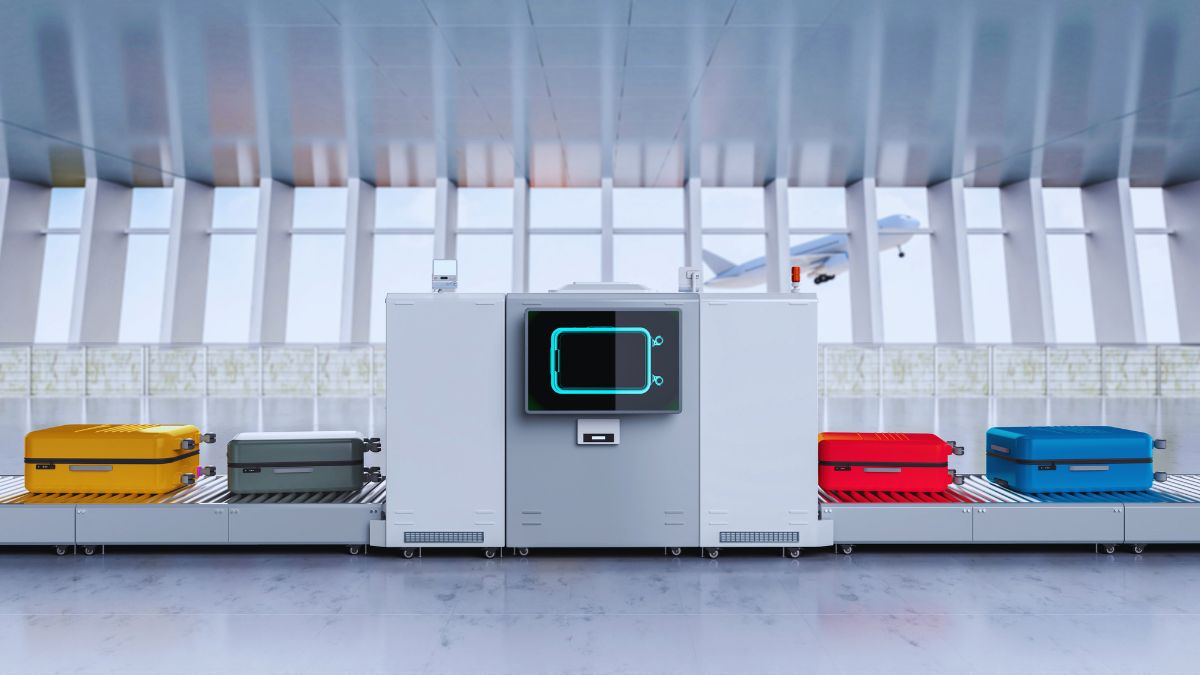
Stop using random plastic baggies that leak and look like a mess. Invest in magnetic, leak-proof capsules (like the ones from Cadence). They’re TSA-compliant and snap together into a neat, solid block. When the CT scanners see a clearly defined, organized block of liquids, they’re much less likely to trigger an alarm. Plus, because they’re magnetic, they stay at the top of your bag for easy access if an officer does want to see them.
8. Verify Your KTN: Don’t Lose PreCheck Over a Typo

Your Known Traveler Number (KTN) is the only thing standing between you and the PreCheck lane. If there is a single typo in your airline reservation, that “TSA PRE” logo won’t show up on your boarding pass, and you’ll be stuck in the long line. Check your airline profile 24 hours before you fly. Statistics show that 99% of PreCheck travelers wait less than 10 minutes. If you aren’t in that 99%, it’s usually because of a data entry error.
9. Hydration Logistics: The Empty Bottle Trick

Airport water is expensive, and standing in line at a terminal shop is a waste of time. Bring a high-quality reusable bottle, but keep it empty through security. Once you’re on the “airside,” head to a refill station. Pro Tip: Don’t be “that person” who recaps their bottle right at the fountain. Step to the side to finish packing your bag so you don’t block the next person. This saves you $10 and at least 5 minutes of retail queueing.
10. The 5-4-3-2-1 Grounding Trick: Managing the “Thousand-Yard Stare”
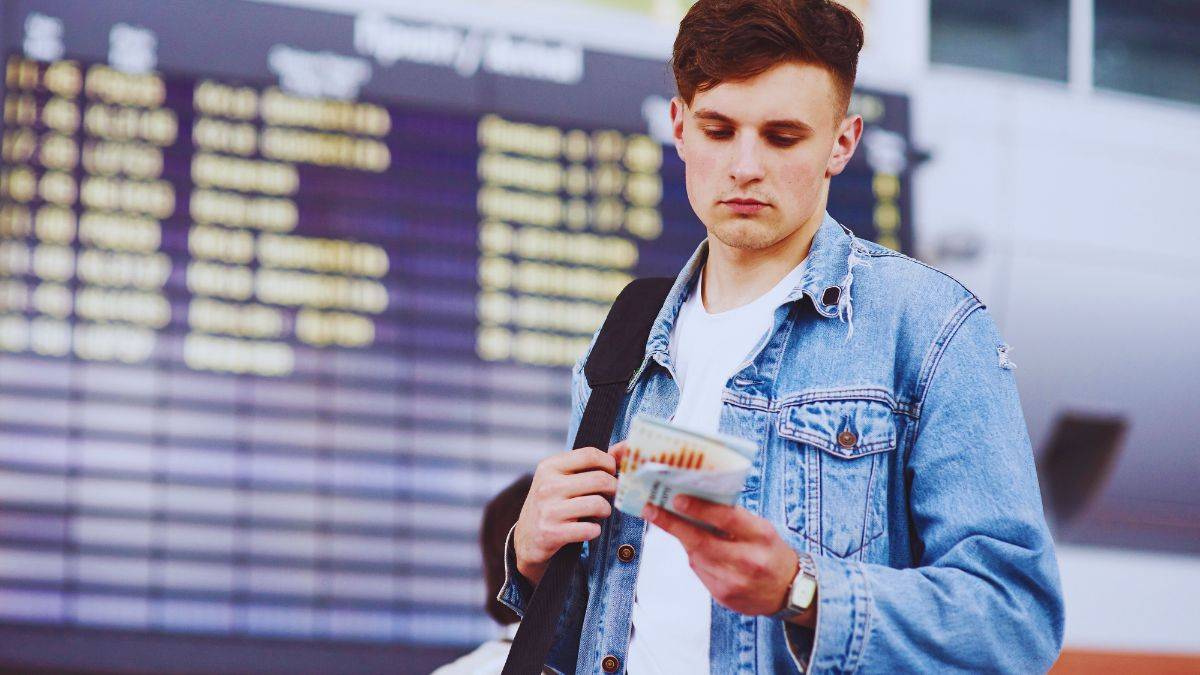
TSA officers are trained to look for people who seem “off” or overly stressed. If you feel your heart racing, use this sensory trick to lower your cortisol: Name 5 things you see, 4 you can touch, 3 you hear, 2 you smell, and 1 you taste. It settles your heart rate and prevents that “thousand-yard stare” that can actually flag you for extra behavior-based screening. You want to look like a “baseline” traveler—calm, focused, and normal.
11. Families on the Fly: Seeking the Specialized Lanes
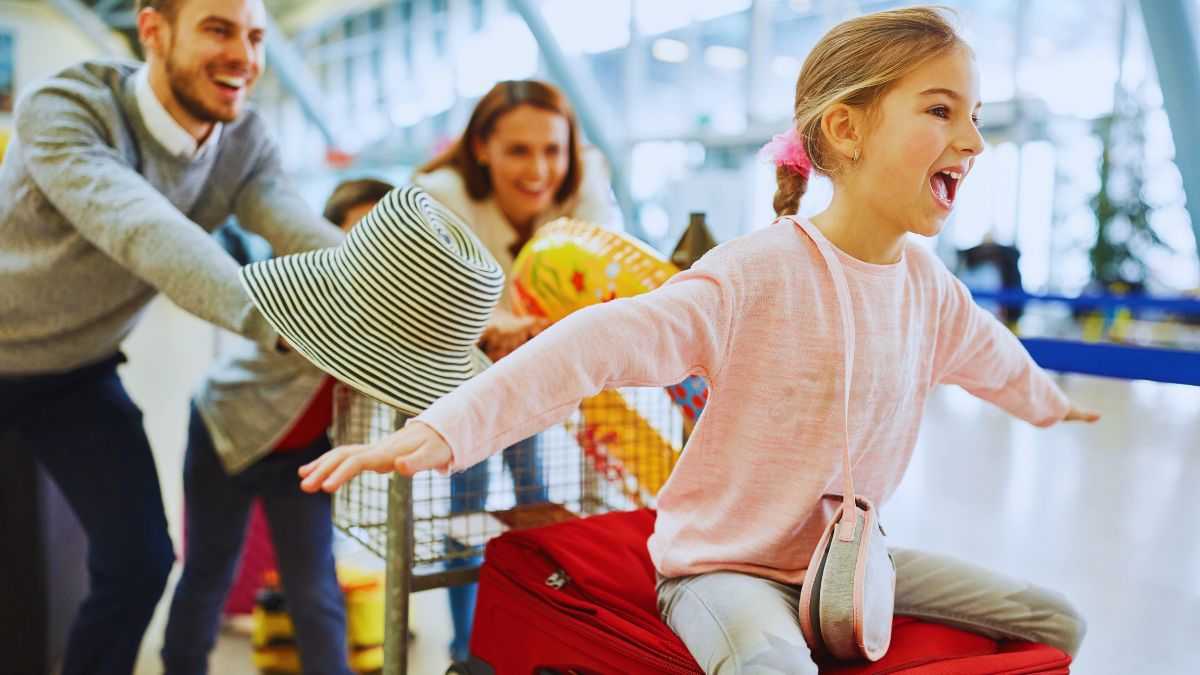
If you’re traveling with kids under 12, don’t just pick the shortest line. Look for the “Families on the Fly” lanes. Hubs like Tampa, Orlando, Salt Lake City, and Jacksonville have these dedicated paths. They’re staffed by officers who are specifically trained to handle strollers, diaper bags, and the general chaos of pediatric travel. It keeps the “business pros” from getting frustrated behind you and gives you the breathing room you need to get the kids through safely.
12. Left Lane Bias: The Sociological Shortcut
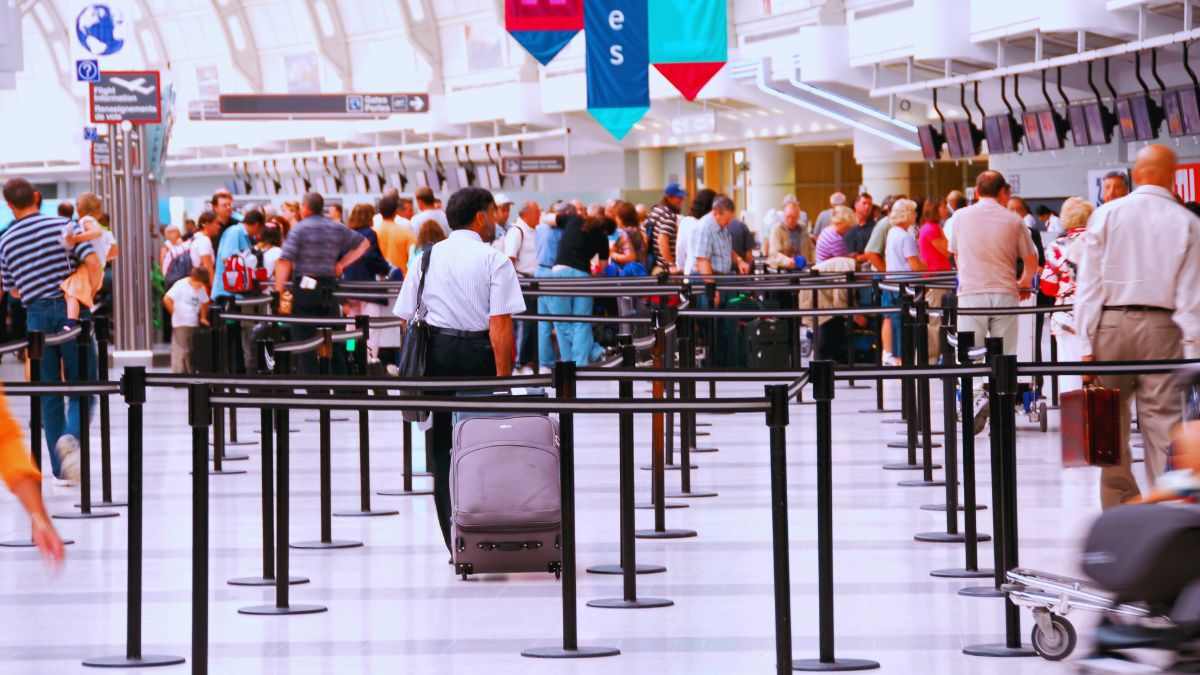
Here’s a weird bit of human psychology: about 90% of people are right-handed, and because of that, they naturally drift toward the right-hand lines. They also tend to follow the “herd” into the center lanes because they’re the first ones they see. If you proactively look for the furthest lane to the left, it is almost always shorter or moves faster because fewer people have the instinct to walk that far.
13. Gift and Holiday Logistics: The Unwrapped Protocol

If you’re traveling for the holidays, never wrap your gifts. The TSA’s technology is designed to see through items, but if a wrapped box looks even slightly suspicious, an officer is legally required to rip that paper off to check the contents. It’s a heartbreaking waste of time and effort. Instead, use gift bags and tissue paper. It allows for a quick visual inspection and ensures your presents stay pretty until you reach your destination.
14. Priority Boarding: Winning the Bin Space War
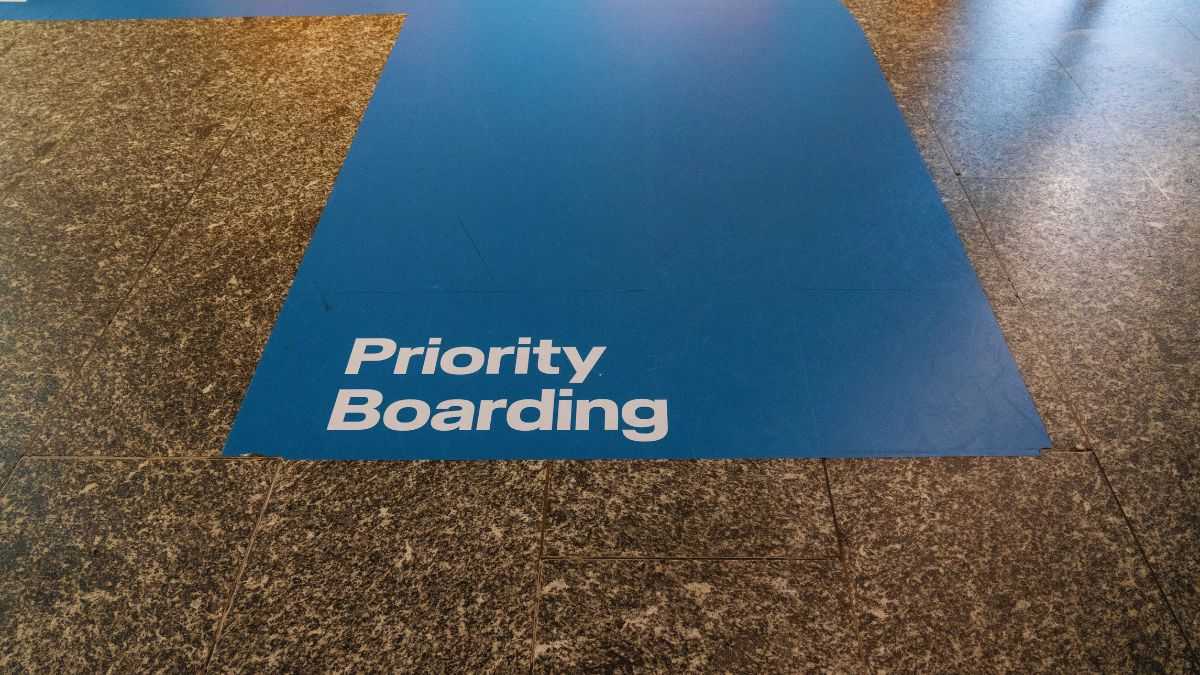
This isn’t just a perk for your ego; it’s a logistical necessity. Use an airline credit card to get into an early boarding group (Group 1 or 2). This ensures you get overhead bin space for your carry-on. If you’re in Group 9, you’ll likely be forced to “gate-check” your bag, which means you’ll be waiting at the baggage claim carousel at your destination, completely defeating the purpose of flying carry-on only.
15. TSA Cares: Personalized Support for the Non-Obvious

If you have a medical condition, a disability, or even just severe travel anxiety, you can call the TSA Cares helpline (855-787-2227) at least 72 hours before your flight. They will arrange for a dedicated passenger support specialist to meet you and escort you through the entire screening process. It’s a free, incredibly under-utilized service that takes the uncertainty out of the checkpoint for anyone who needs a little extra help.
The 2025 Reality Check: Shoes and REAL ID
Look, the rules are always changing. For instance, in July 2025, the TSA officially ended the “shoes-off” policy for most passengers in standard lanes, thanks to those new 3D scanners. But keep in mind, they can still ask you to take them off if the alarm goes off.
And the big one: May 7, 2025. That is the hard deadline for REAL ID. If your driver’s license doesn’t have that little star in the corner by then, you’re going to need your passport just to fly to the next state over. Don’t let that be the thing that ruins your trip.
At the end of the day, travel is always going to have its messy moments. That’s the nature of security. But when you stop being a passenger and start being a professional traveler, those three hours you save? They belong to you. Use them for a better meal, a longer sleep, or just to breathe.
Pro Traveler Logistics ✈️
Need More Help For A Smoother Trip? Look Into These
1. Bagsmart Clear TSA Approved Toiletry Bags (3-Pack)

These are a total lifesaver for the “Liquids Logic” hack. They are exactly the right size to meet regulations, and because they are completely transparent, the officers can see everything at a glance. It keeps your bag organized and ensures you aren’t that person holding up the line while digging through a dark backpack.
2. Gonex Compression Packing Cubes

If you’re serious about the “Carry-On Only” rule, you need these. They use an extra zipper to squeeze the air out of your clothes, which means you can fit two weeks of outfits into a standard carry-on. Plus, they keep your bag “clean” and organized, which the new 3D scanners absolutely love.
3. Etekcity Digital Hanging Luggage Scale

There is nothing that ruins a “smooth” trip faster than an unexpected $100 overweight fee at the counter. I use this every single time I pack. It’s tiny, lightweight, and gives you an exact reading so you know you’re good to go before you even leave for the airport.
4. Cadence Magnetic Leak-Proof Toiletry Capsules

These are a bit of a pro-level investment, but they are incredible. They snap together into a neat, solid block that stays at the top of your bag. They never leak, and the magnetic quality keeps them from rolling around. Orderly items like these move through the CT scanners 30% faster.
5. HYDAWAY Collapsible Silicone Water Bottle
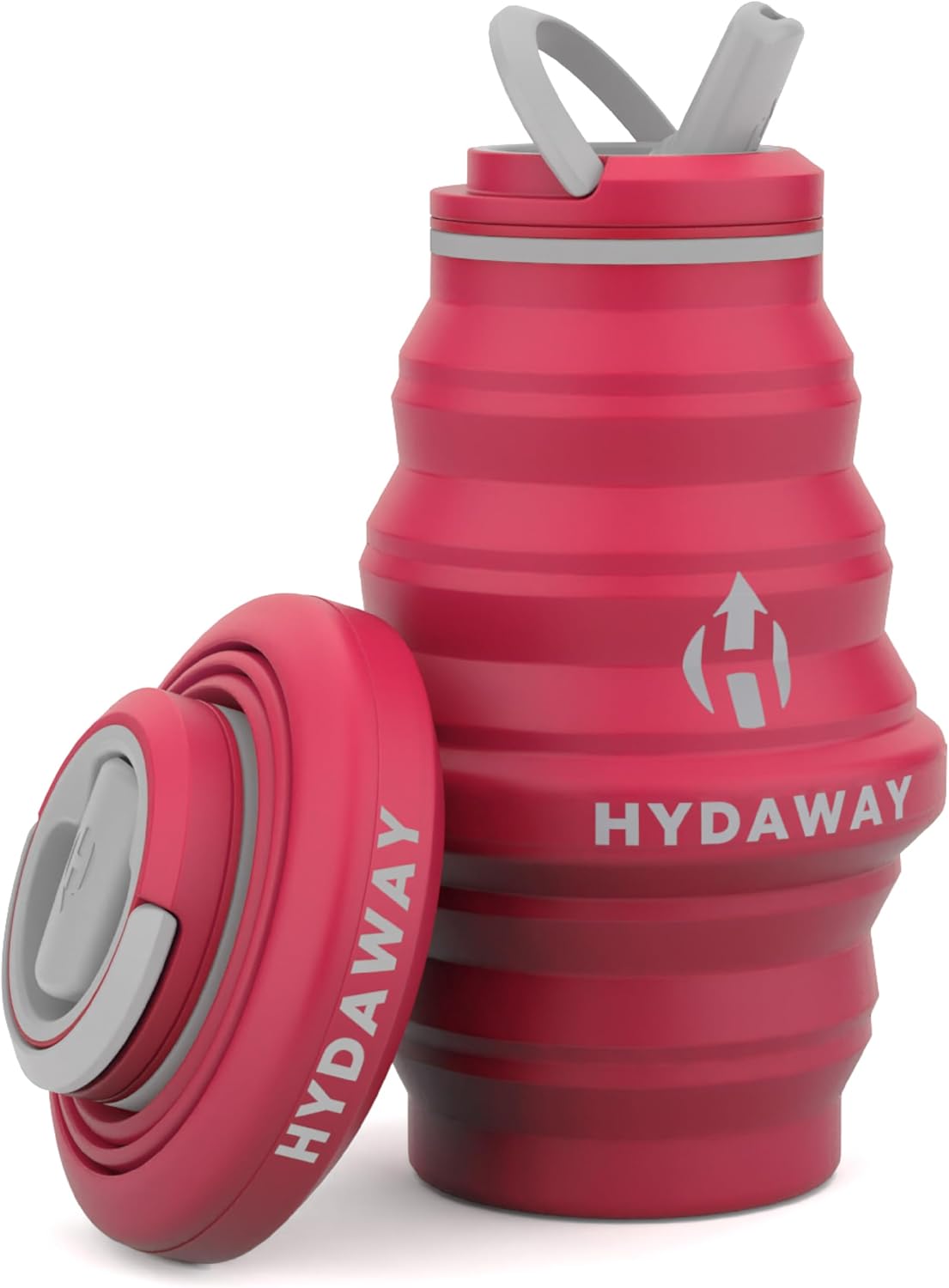
This is the ultimate “Airport Tax” dodger. You keep it rolled up in your pocket through security, fill it up at a fountain, and then collapse it down again once you’re done. It saves you from the $9 plastic bottles and fits perfectly into even the most crowded carry-on.






Tops, oi how we suffered on Texas tour.
Return trip fun.