Nutritionist Reveals 12 Food Combinations That Double Nutrient Absorption After 50

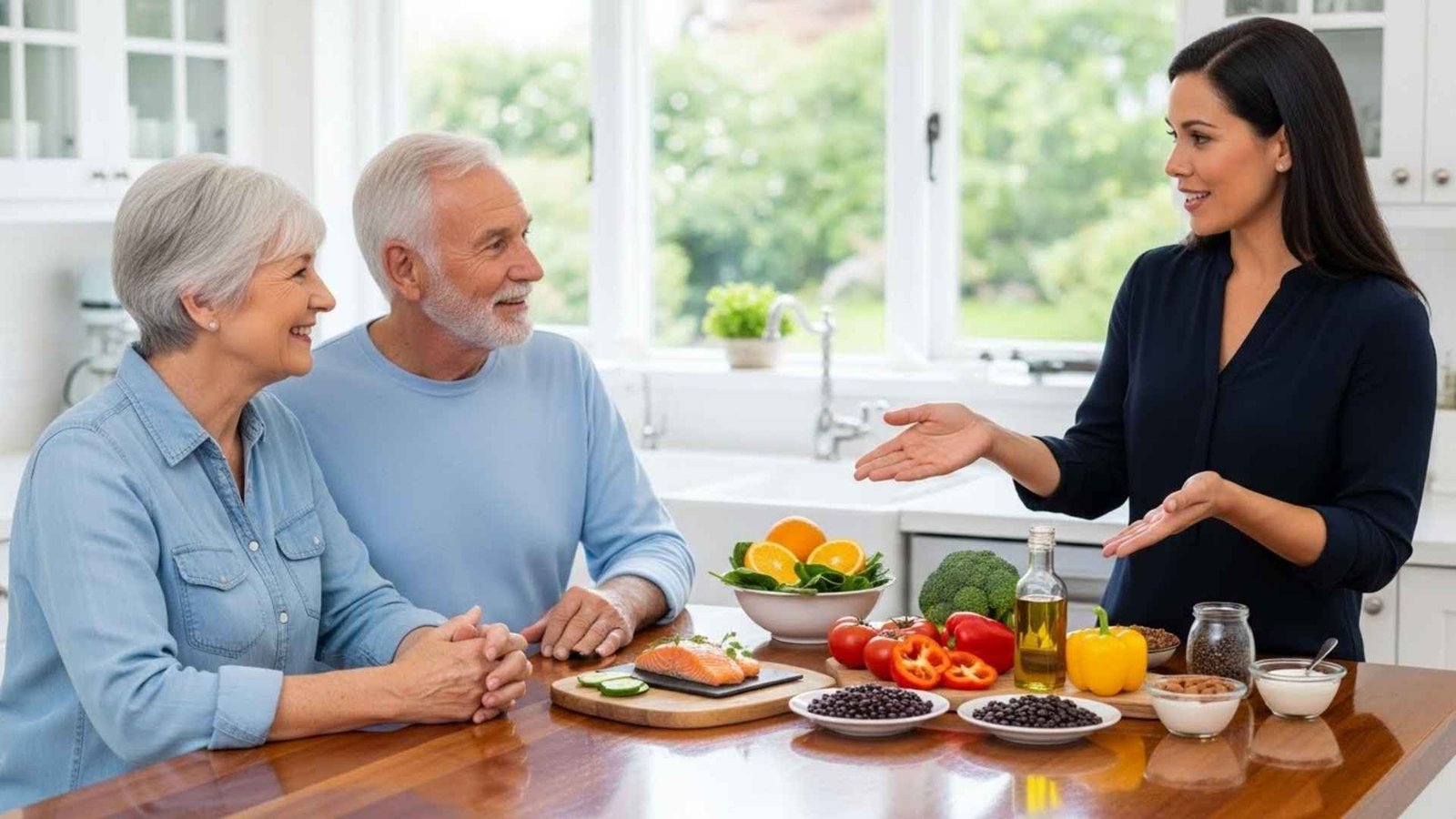
We’ve all heard that “you are what you eat.” But that’s only half the story. The truth? You are what you absorb. As we cross into our 50s and beyond, our bodies undergo a bit of a biological paradox. We need fewer calories because our metabolism slows down, but we actually need more nutrients to keep our muscles and bones from fading away.
This struggle has a fancy name: the “anorexia of aging”. Our appetite drops, our sense of taste changes, and suddenly, we’re just not getting the fuel we need. Global data shows that while severe hunger is dropping, malnutrition among the elderly is actually on the rise in wealthy countries.
So, how do we fix a sponge that isn’t soaking up the water? We use “food synergy.” It’s basically the buddy system for your dinner plate. Here are 12 “power couples” that literally change the chemistry of your meal.
1. The Iron Key: Spinach and Lemon
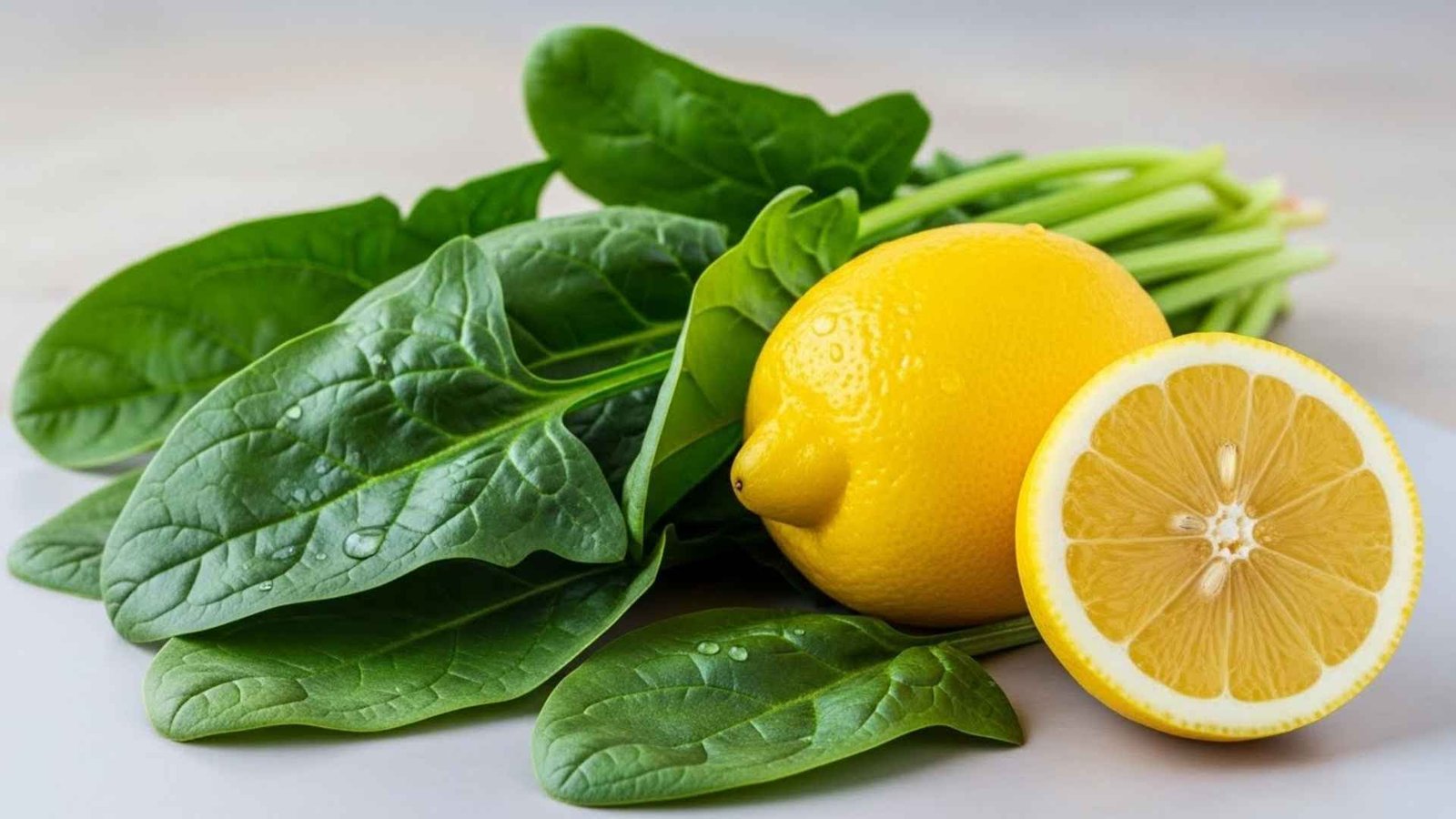
If you’re eating spinach for iron, you might be wasting your time. Plant iron (non-heme) is stubborn. It’s chemically “locked”. But when you add Vitamin C—like a squeeze of lemon or a few strawberries—it acts like a key. It converts the iron into a form your gut actually recognizes, boosting absorption by up to 300%.
- Try this: Squeeze lemon onto your lentil soup or toss some sliced bell peppers into your bean chili.
2. The Inflammation Fighter: Turmeric and Black Pepper
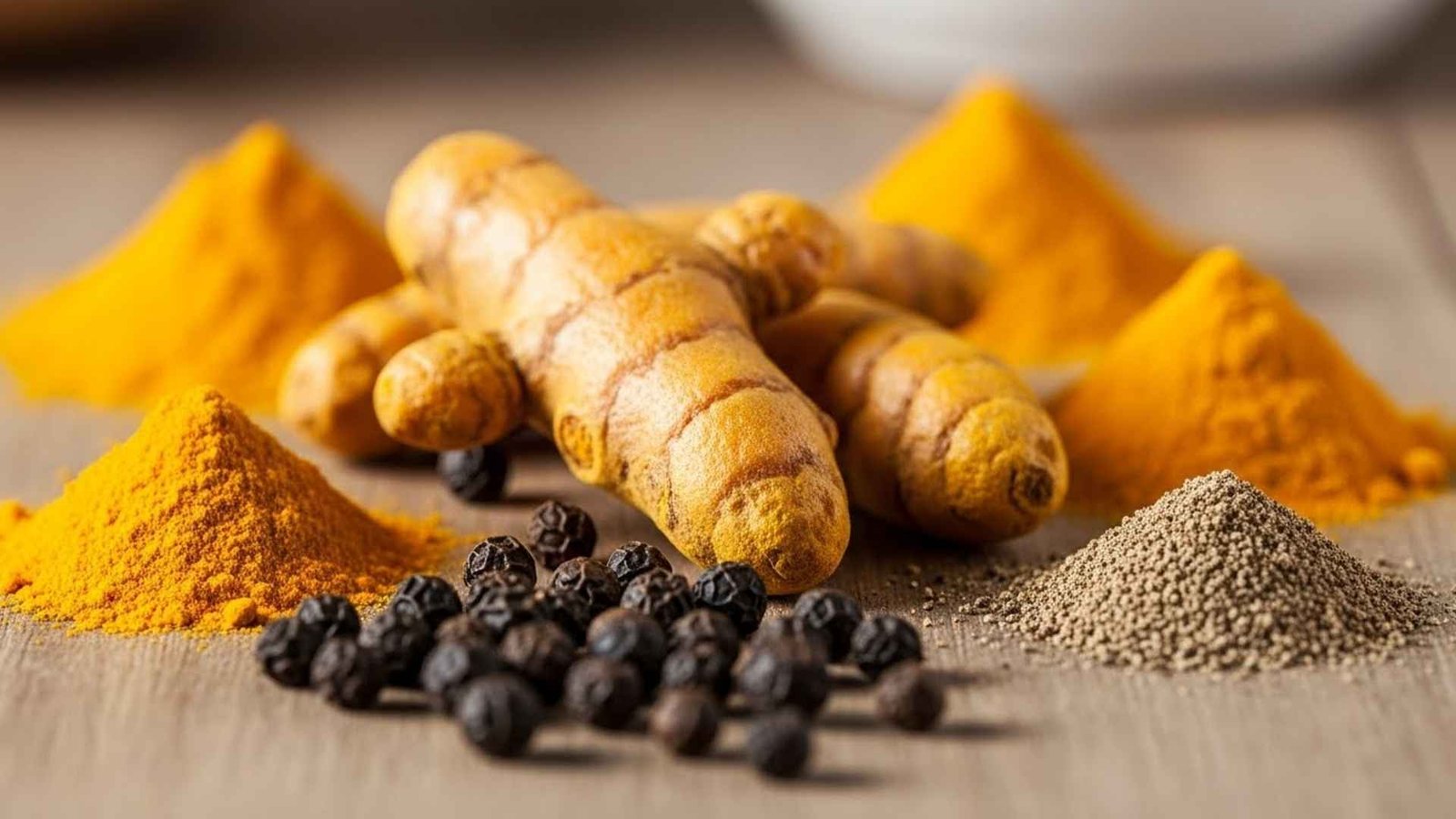
Turmeric is amazing, but your liver wants to kick it out of your body as fast as possible. Black pepper contains a compound called piperine that basically tells your liver to “hold on a second”. Adding just a pinch of black pepper can increase the bioavailability of turmeric’s active ingredient (curcumin) by a mind-blowing 2000%.
- Try this: Sprinkle black pepper on your curry or even into your “golden milk” latte.
The Bone Relay
Think of calcium like a baton in a relay race. Vitamin D is the first runner. It picks up the calcium from your gut and hands it off to your bloodstream. Without Vitamin D, you only absorb about 10–15% of your calcium. With it? That number jumps to 40%.
- Try this: Salmon (Vitamin D) with a side of broccoli (Calcium).
The Traffic Cop
K2 tells it where to go!
Now, once that calcium is in your blood, it needs to know where to go. Vitamin D3 gets it in, but Vitamin K2 is the traffic cop that tells it: “Go to the bones, stay out of the arteries”. This is huge for avoiding “arterial stiffness” as we age.
- Try this: Eggs (D3) paired with sauerkraut or aged cheese (K2).
5. The Micelle Vehicle: Avocado and Carrots
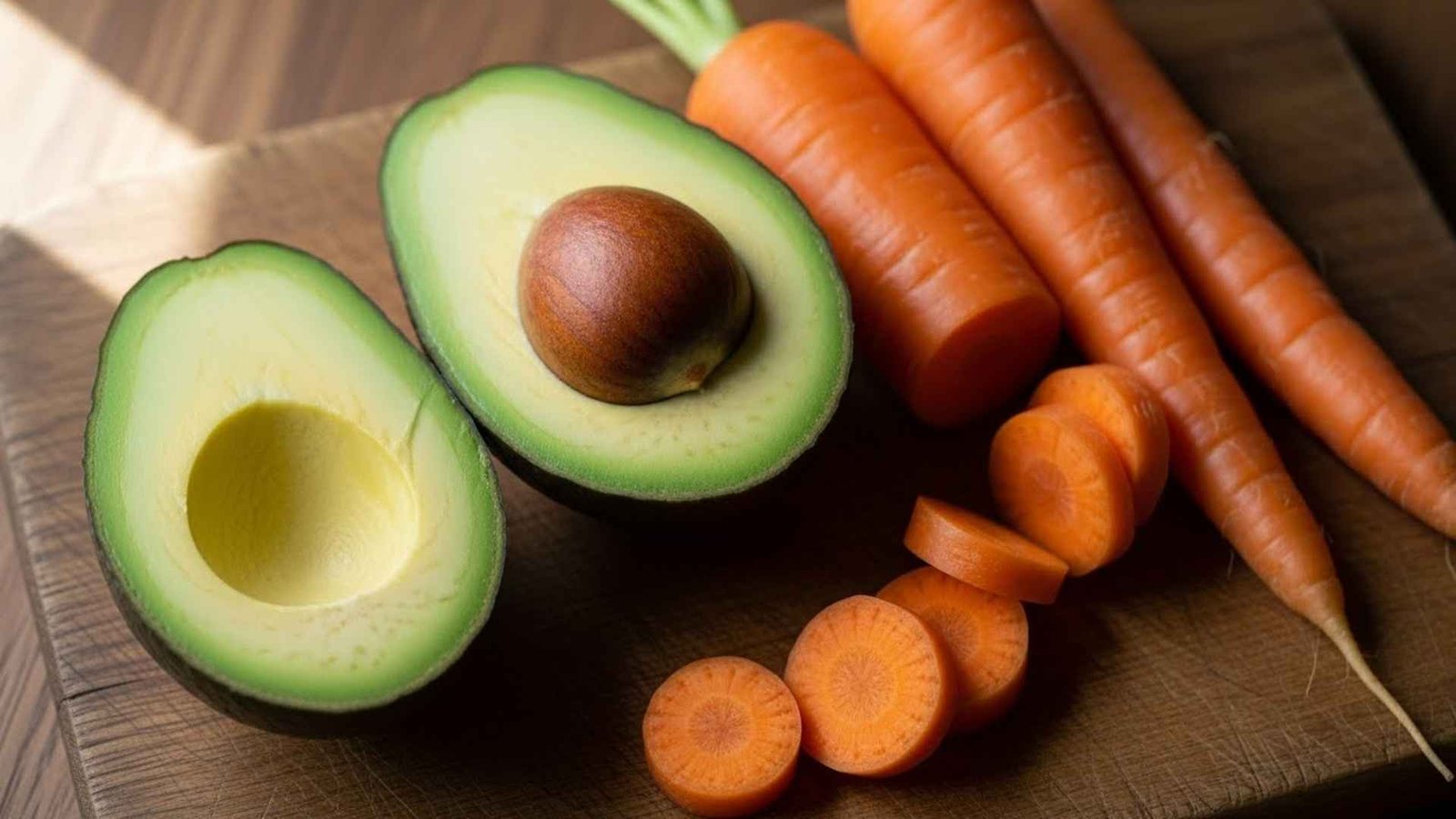
Vitamins A, D, E, and K are “fat-soluble.” That means they literally need a ride on a fat molecule to get into your system. If you eat a plain carrot, you miss out on the beta-carotene. Add some avocado or olive oil, and your absorption shoots up by 3 to 9 times.
- Try this: Drizzle olive oil over your roasted sweet potatoes or add walnuts to your kale salad.
6. The Silent Partners: Salmon and Almonds
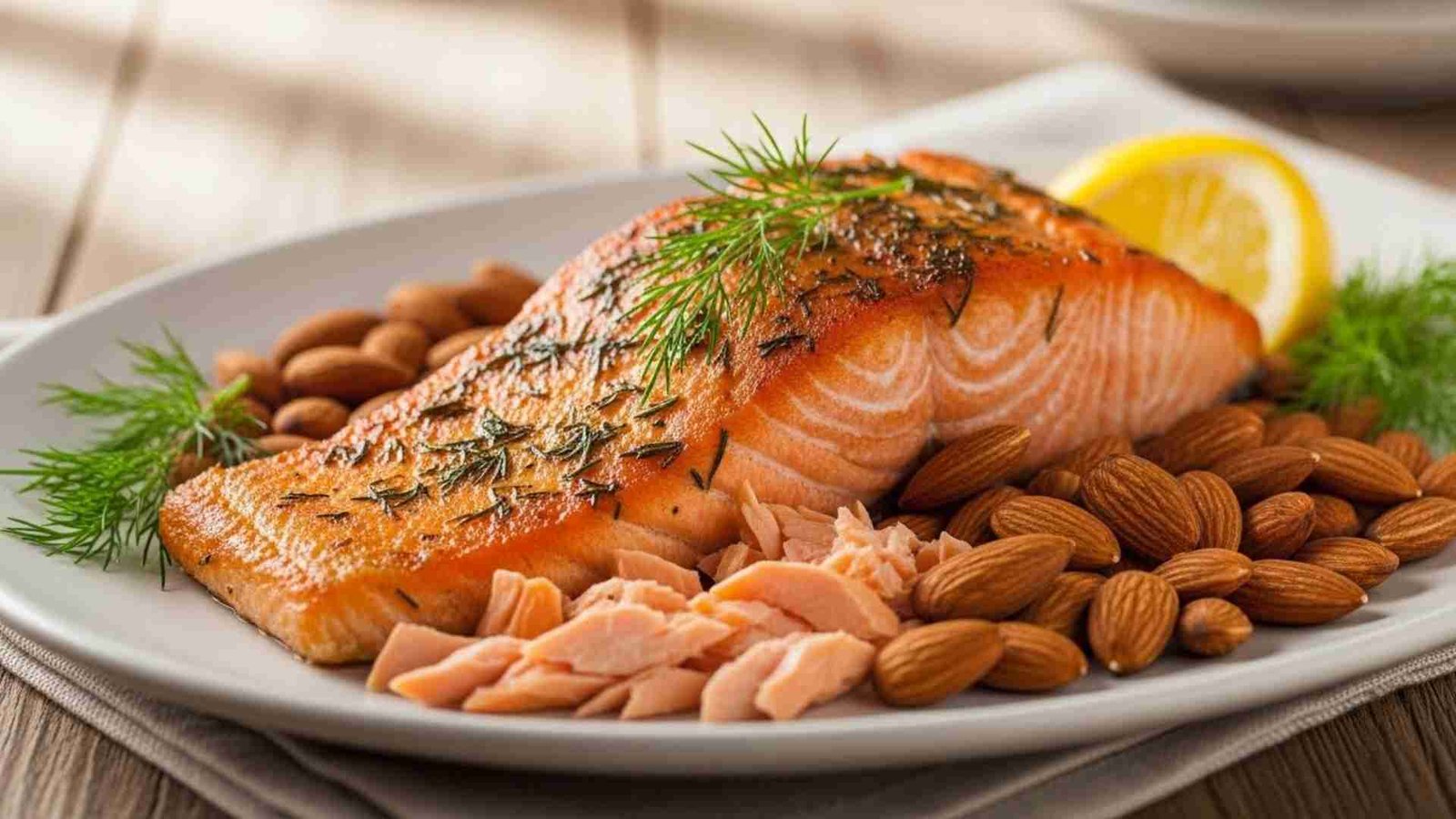
This is the duo no one talks about. Magnesium is the cofactor that “turns on” Vitamin D in your body. If you’re low on magnesium (and 67% of us are), that Vitamin D supplement you’re taking might just be sitting there, inactive.
- Try this: Crust your salmon with crushed almonds or pumpkin seeds.
7. The Sulforaphane Secret: Broccoli and Mustard Seeds
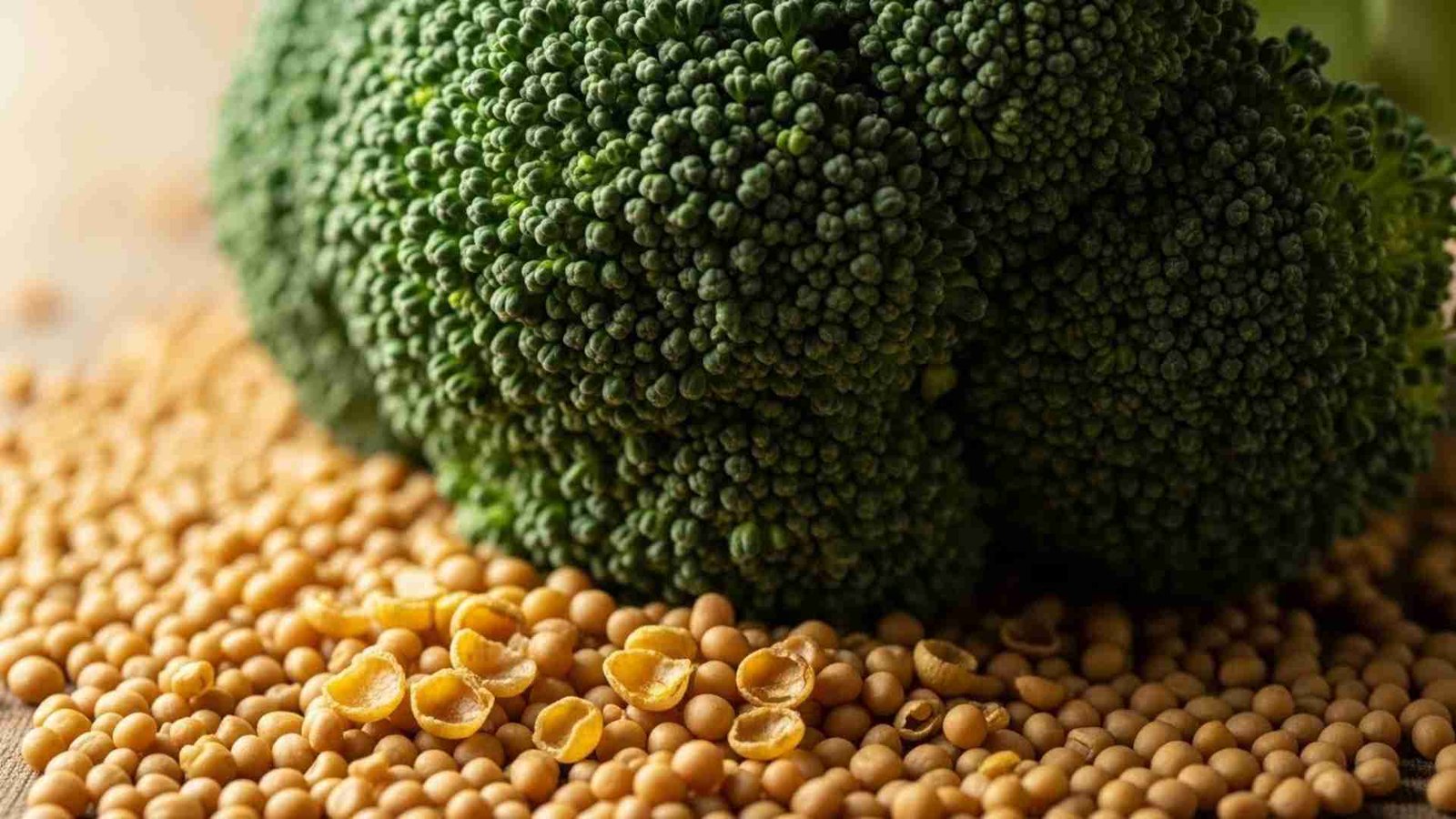
Broccoli has a “superpower” compound called sulforaphane that fights inflammation. But here’s the problem: the enzyme that activates it (myrosinase) is destroyed when you cook the broccoli. Adding a tiny bit of raw mustard seeds or radish “rescues” the reaction, boosting the benefit by 400%.
- Try this: Sprinkle ground mustard seeds on your steamed broccoli.
8. The Mineral Hack: Chickpeas and Garlic
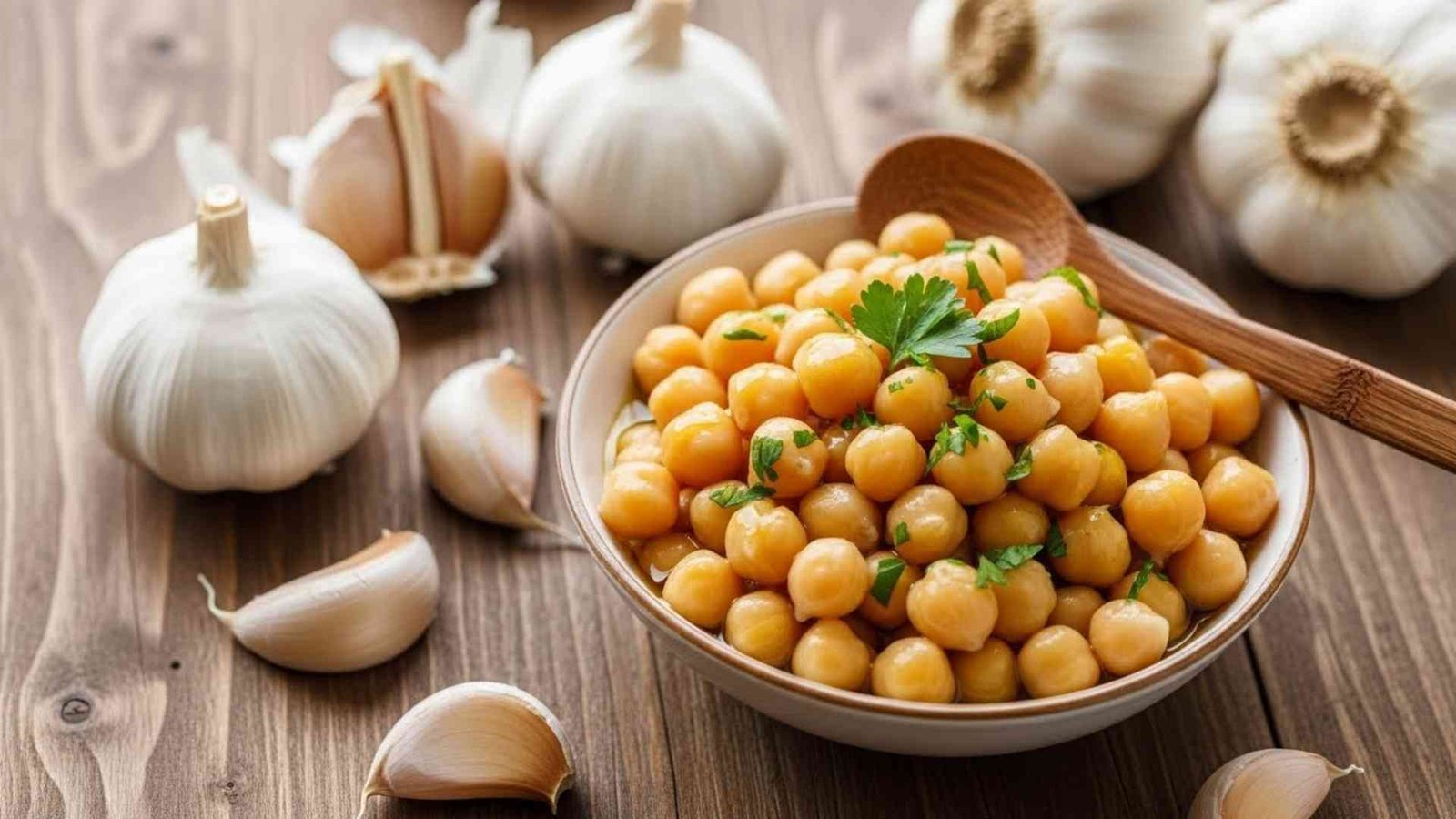
Legumes and grains have “phytates”—compounds that act like magnets, sticking to zinc and preventing you from absorbing it. But sulfur-rich foods like garlic and onions “chelate” the minerals, keeping them soluble and ready for your body to take in.
- Try this: Garlic dressing on your chickpea salad or sautéed onions in your bean stew.
9. The Synbiotic Duo: Yogurt and Bananas
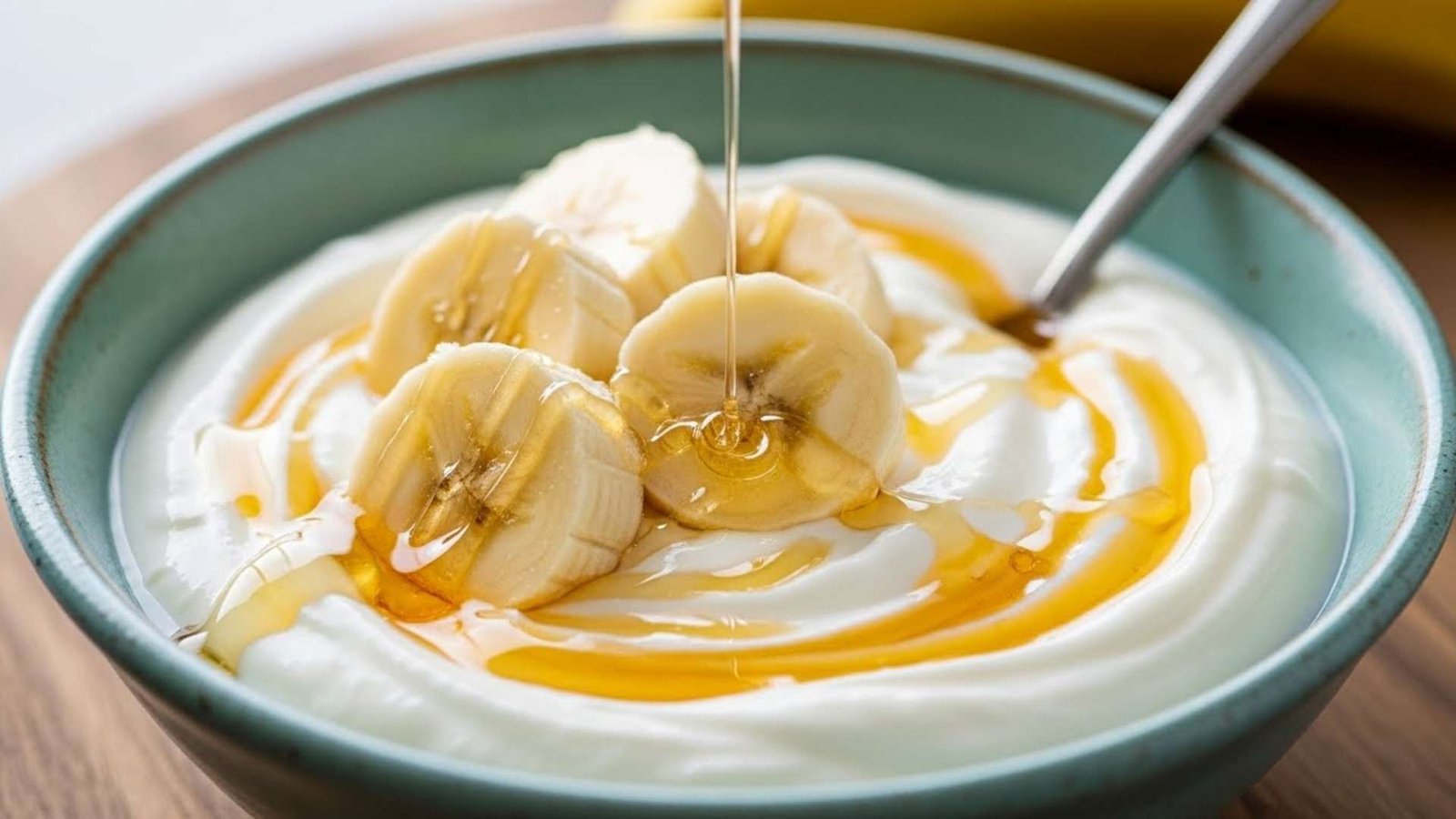
You’ve heard of probiotics (the good bugs), but they need to eat, too. Prebiotics (like the fiber in bananas) are the “food” that helps those bugs thrive in your gut. This pairing improves your immune system and actually helps you absorb more calcium.
- Try this: Sliced bananas or berries on your Greek yogurt.
10. The “Protein Scissors”: Kiwi and Steak
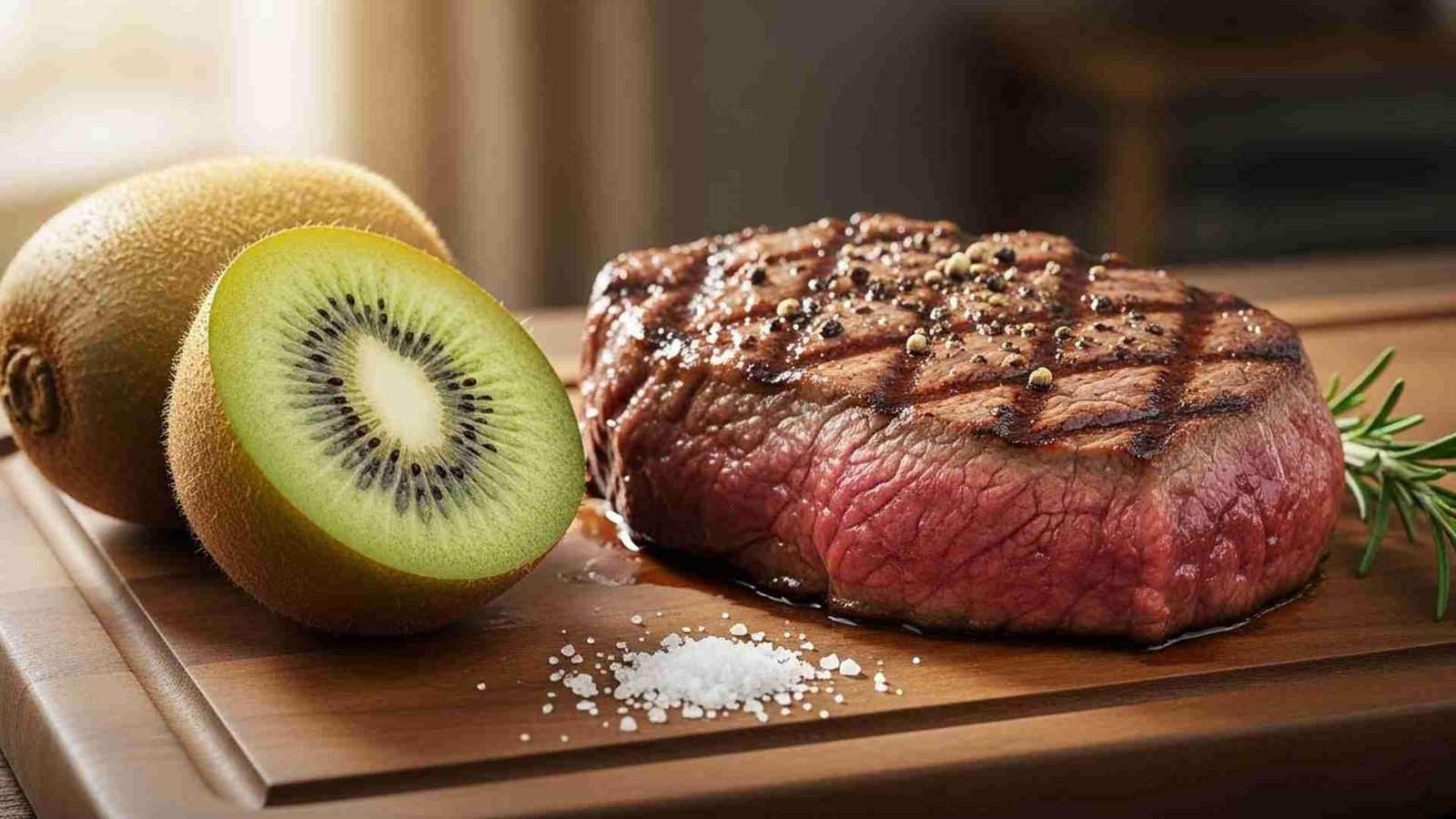
As we get older, our stomach acid can weaken, making it harder to break down big protein molecules. Kiwi and papaya contain natural enzymes (like papain) that act like tiny scissors, pre-digesting the protein so it’s easier on your gut.
- Try this: Use mashed papaya as a marinade for tougher cuts of meat.
11. The Triple Threat: Green Tea, Lemon, and Pepper
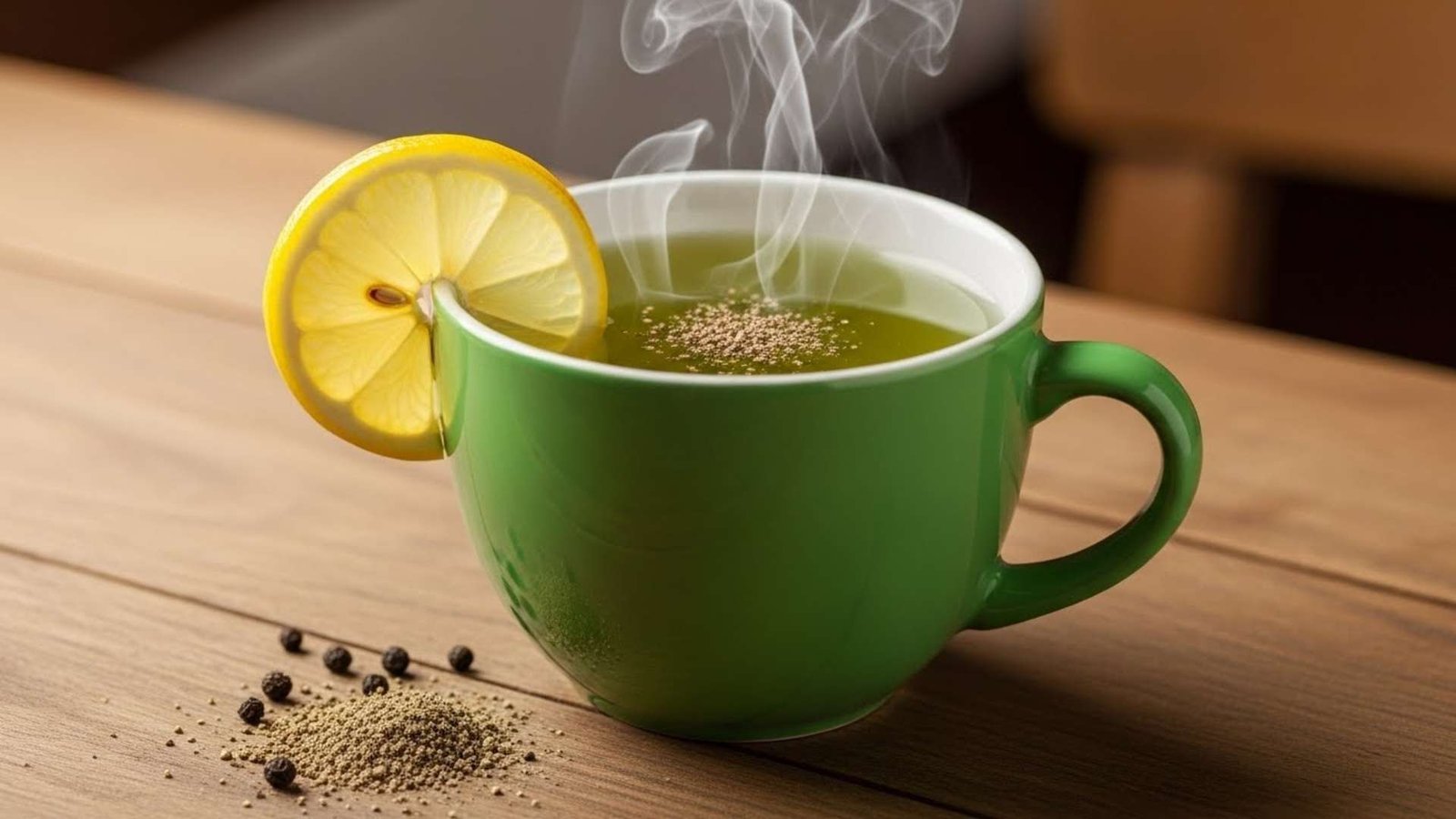
Green tea is packed with antioxidants (EGCG), but they are super unstable in your gut. Vitamin C from a lemon stabilizes them, and a pinch of black pepper slows down their breakdown in the liver. Combined, you get 10 times the antioxidant power.
- Try this: Squeeze lemon and a tiny crack of pepper into your morning green tea.
12. The Steady Release: Apples and Peanut Butter
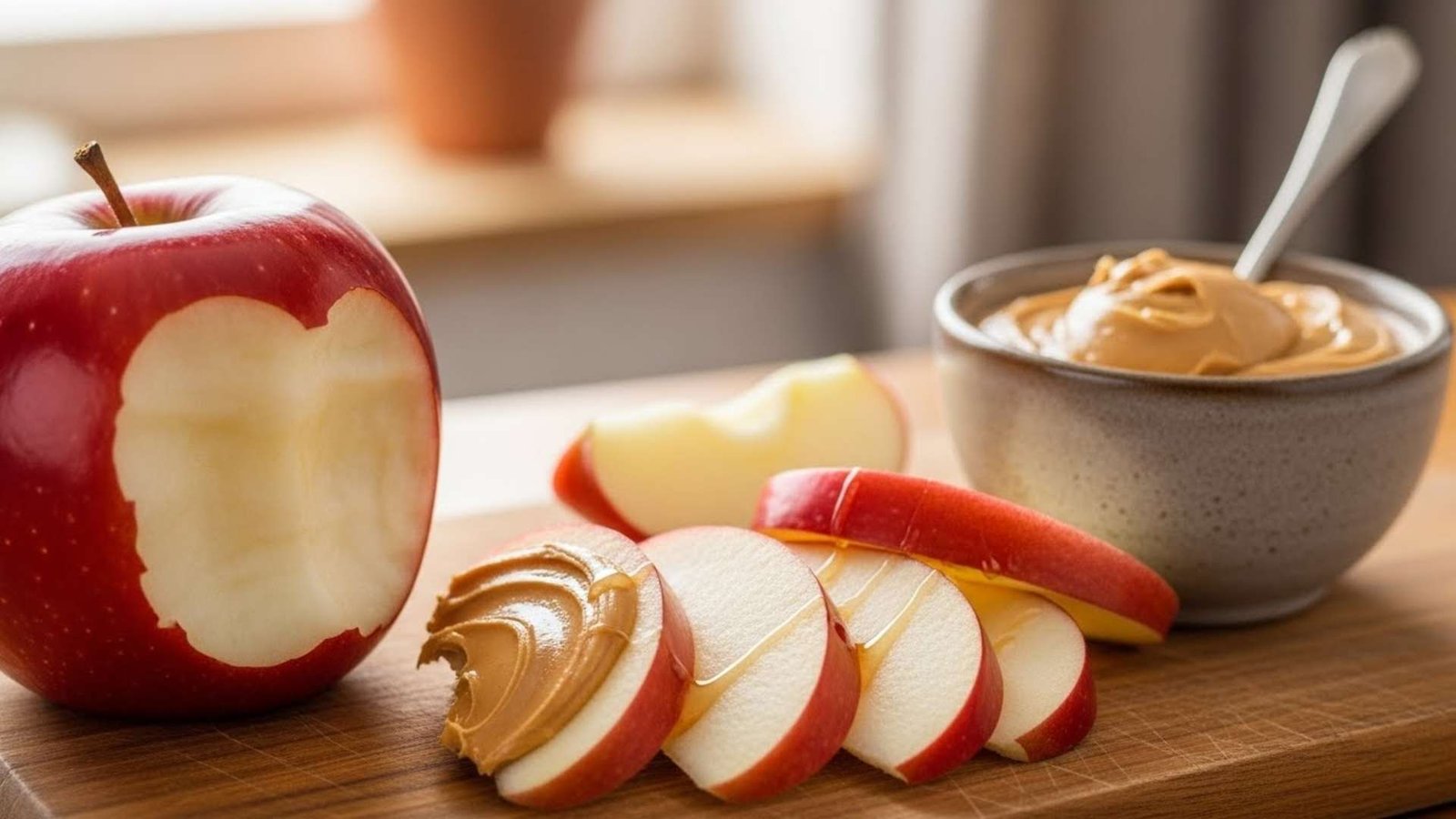
Eating fruit alone can cause a blood sugar spike, especially as our insulin sensitivity changes after 50. Pairing those carbs with a healthy fat or protein (like nut butter) slows down digestion, giving you steady energy instead of a crash.
- Try this: Apple slices with almond butter or oatmeal with a side of eggs.
Need A Little Hand Turning This Science Into Supper? Check These Out
Look, I know that upgrading your whole diet sounds like a lot of work. But sometimes the right gear or a specific “partner” supplement makes the habit stick without you even trying. Whether it’s a pan that naturally adds minerals to your sauce or a steamer that keeps your veggies from going “bland and beige,” these are the little helpers that make the science we just talked about actually work in your real life. Honestly, it’s about making the healthy choice the easiest one in the room so you can spend less time worrying and more time actually enjoying your meal.
1. Lodge 10.25-Inch Cast Iron Skillet

Remember how we talked about getting more iron? One of the oldest tricks in the book is cooking in cast iron. It naturally leaches small amounts of mineral iron into your food, especially if you’re simmering something acidic like a tomato sauce. It’s a “buy it for life” piece of gear that actually gets better—and more non-stick—the more you use it.
2. KitchenAid Universal Stainless Steel Steamer Basket

Since boiling is the “nutrient-killer” for Vitamin C and B-complex, a good steamer is your best friend. This one is collapsible, so it fits into almost any pot you already own. It keeps your broccoli and spinach out of the water, preserving those water-soluble vitamins and keeping that “al dente” crunch that makes healthy eating actually taste good.
3. NOW Foods Vitamin D-3 & K-2 (120 Capsules)

This is that “Bone Relay” team in a bottle. If you’re one of the many people over 50 who isn’t getting enough sun or fermented K2, this supplement does the heavy lifting for you. It uses the MK-7 form of K2, which stays in your body longer to make sure that calcium actually finds its way to your bones instead of hanging out in your arteries.
4. Doctor’s Best High Absorption Magnesium Glycinate

If you’re taking Vitamin D, you need magnesium to “turn it on.” Most people miss this step. This specific version is “chelated,” which is just a fancy way of saying it’s much easier on your stomach and way more likely to be absorbed than the cheap stuff you find at the grocery store. It’s the silent partner your metabolism has been asking for.
5. OXO Good Grips Swivel Peeler

I included this because, let’s be honest, prepping whole veggies can be a literal pain if your hands get stiff. This peeler has a big, cushioned, non-slip handle that’s much easier to grip than those tiny metal ones. Since we want to keep the skin on our carrots and potatoes for the fiber, having a sharp, ergonomic tool makes the “scrub-and-prep” process feel a lot less like a chore.