
Hotel Managers Confess: 18 Check-In Mistakes That Get You the Worst Room Every Time

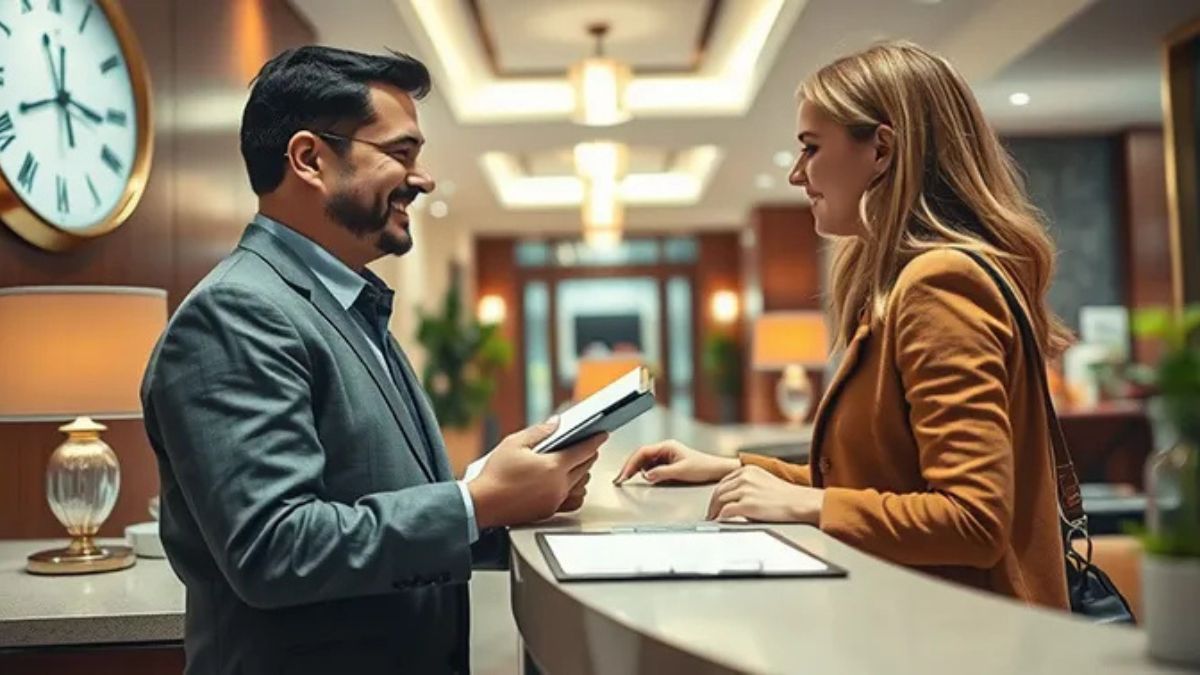
You’ve been traveling for eight hours, your back is a knot of tension, and all you want is to open your hotel room door and collapse onto a cloud-like bed. But then you turn the key, push the door open, and your heart sinks. You’re staring at a brick wall. Or worse, you’re right next to the ice machine, and it sounds like a gravel truck is unloading in your bathroom.
Honestly, we’ve all been there. We tend to think of hotel rooms as a game of luck, like a travel version of roulette. But here’s the thing: after talking to folks who have spent years behind the front desk, I’ve realized it’s almost never just “bad luck.” There is a very real, very human logic happening on the other side of that counter.
Think about it this way. The person checking you in is the gatekeeper of your happiness for the next few days. They have a screen full of options, and while the computer suggests where to put you, the human has the final “enter” key. If you’ve ever wondered why you keep getting the room with the flickering light and the view of the dumpster, it might be because of a few small—but massive—mistakes you’re making during those first seven seconds of meeting the staff.
Before we dive into the “what not to do,” let’s look at how the hotel sees you based on how you booked. It’s a bit of a cold, hard truth, but it matters.
Loyalty Elite
Direct Booking
Corporate
Expedia/Booking
The Invisible War: Algorithm vs. Human
We live in a world of autonomous digital agents and Property Management Systems (PMS). By 2026, many hotels are using AI that monitors everything from your consumption of towels to the most profitable time to hike your room rate. But the “human cushion” still exists. Even with all this tech, a front-desk agent can override a system assignment.
But they only do it for people they actually like. It’s the “norm of reciprocity”—a fancy way of saying if you’re cool to them, they feel a deep, subconscious need to be cool back to you. If you’re a nightmare? Well, the computer’s first choice (the one by the elevator) suddenly looks like a perfect fit for you.
Here are the 18 check-in mistakes that are practically begging the staff to give you the worst room in the house.
1. Staying on Your Phone During the Interaction

This is the ultimate “I don’t see you as a person” move. When you walk up to the desk with a phone pressed to your ear, nodding dismissively at the agent while you finish a conversation about your Q3 projections, you are signaling that the human in front of you is just a vending machine.
But unlike a vending machine, the agent has feelings. When you don’t engage, they don’t ask about your day, which means they don’t find out it’s your birthday or that you’re a light sleeper. They just click the first room the system suggests, which is usually the one no one else wanted, and hand you the key. You’ve essentially forfeited your right to a human touch.
2. Snapping Your ID or Credit Card onto the Counter
There is a specific sound an ID makes when it’s slapped onto a marble counter that triggers an instant “defense mode” in hotel staff. It’s a non-verbal gesture of superiority. It says, “Here is my tribute, now do your job, peasant.” It sounds harsh, but that’s exactly how it feels on the other side of the desk.
The mirror neuron system in our brains makes us mimic the energy we receive. If you come in with aggressive, “snappy” energy, the agent’s brain shifts from “How can I help this person?” to “How can I get this person away from me as fast as possible?” The fastest way to get you away is to put you in the first available room, which—you guessed it—is usually the one right next to the noisy service elevator.
3. The “Don’t You Remember Me?” Tactic
Look, I get it. You stayed here three years ago for a weekend wedding. But unless you’re a high-tier regular at a tiny boutique hotel, the agent has probably checked in ten thousand people since then. Forcing them to play a guessing game with your identity creates immediate social pressure and awkwardness.
Instead of making them feel guilty for not remembering you, just say, “It’s so good to be back!” It achieves the same goal of showing you’re a returning guest but does it without the “I’m testing you” vibe. When you put an agent on the spot, they get flustered, and flustered people make mistakes—like putting you in a room with two twin beds when you clearly needed a king.
4. Being Rude to Your Own Family in the Lobby

Agents are professional observers. They see how you treat the people who supposedly mean the most to you. If they see you snapping at your kids or speaking condescendingly to your spouse while you’re waiting in line, they make a snap judgment about your character.
It might seem unfair, but if you’re a “jerk” to your family, the staff assumes you’ll be a jerk to them the moment something goes wrong. To protect themselves, they’ll tuck you away in a corner of the hotel where you’re less likely to interact with anyone else. You get the “quiet” room, but it’s quiet because it’s three miles from the lobby and has a view of the HVAC unit.
5. Acting Like a Jerk When the Hotel is Overbooked

Here is a secret: hotels almost always overbook. They aim for 110% capacity because they expect a 10% no-show rate. But sometimes, everyone shows up. When that happens, the manager has to “walk” someone—which means paying for them to stay at a different hotel.
If you arrive and find out there’s no room, and you immediately start screaming? You just moved to the top of the “Walk List.” They would rather pay for you to be someone else’s problem than deal with your energy all night. The nice, calm guest who understands the situation? They’re the one the manager magically “finds” a cancelled suite for.
6. Screaming to Solve a Problem

We’ve been told that “the squeaky wheel gets the grease,” but in modern hospitality, the screaming wheel just gets the bare minimum. When you raise your voice, the agent’s goal becomes “de-escalation and removal.” They aren’t thinking about how to make your stay great; they’re thinking about how to get you to leave the lobby.
Smart complaining is an art. If there’s an issue, state it clearly, offer a solution, and ask for the person who can actually fix it. “Hey, the AC is making a weird rattling noise. Should I talk to maintenance or is there another room available?” That’s how you get an upgrade. Screaming just gets you a “we’ll send someone up” and a long wait.
7. The “Available Now” Early Check-In Trap
Checking in at 10 AM sounds like a win until you realize that the only rooms ready that early are the “last-sell” rooms. These are the rooms that stayed empty the night before because they’re the least desirable—small, noisy, or dated.
By demanding a room right this second, you’re forcing the agent to give you the bottom of the barrel. If you can wait until 3 PM, you’re giving the housekeeping team time to finish the “good” rooms—the ones on the high floors with the better views. Sometimes, a little patience is the difference between a parking lot view and a city skyline.
8. The Late-Night “Leftovers” Arrival
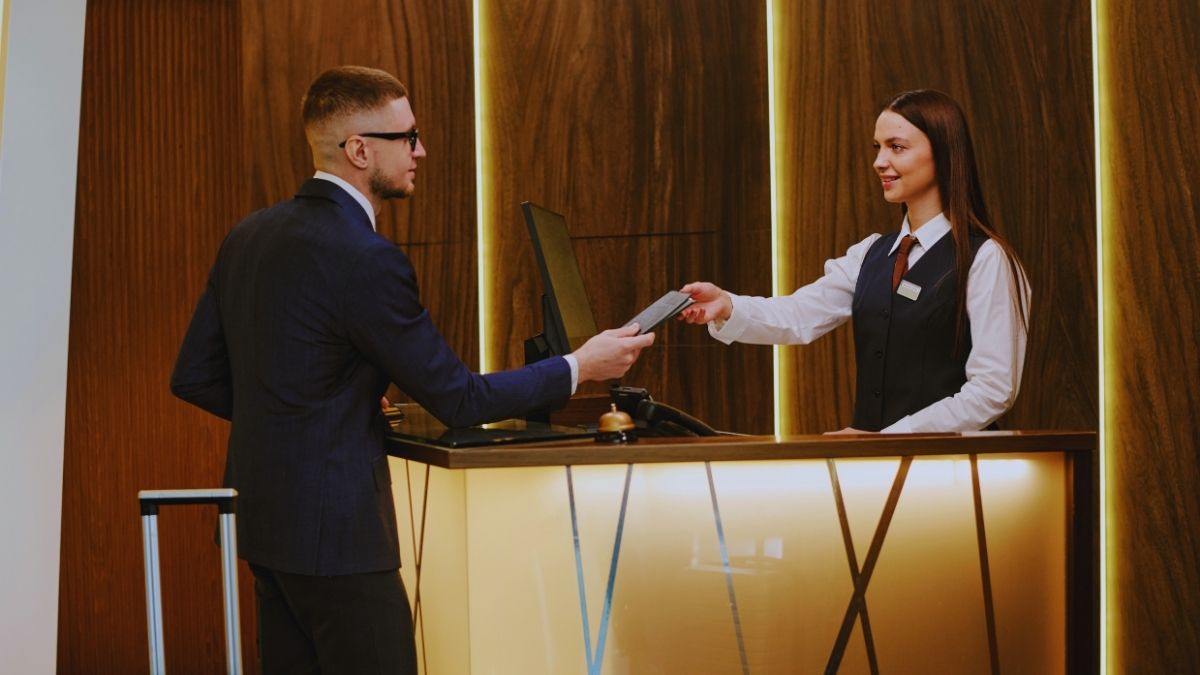
On the flip side, arriving at midnight is just as risky. By that time, the day shift has already handed out all the prime inventory. The people who arrived at 2 PM got the corner rooms and the refurbished suites.
The person checking you in at 1 AM is usually working with the scraps. If you know you’re going to be late, call ahead! Let them know so they can “pre-assign” a decent room for you. Otherwise, you’re getting the room right behind the front desk where you can hear every phone ring and every suitcase wheel all night long.
9. Claiming You’re “Flexible” Without Any Specifics
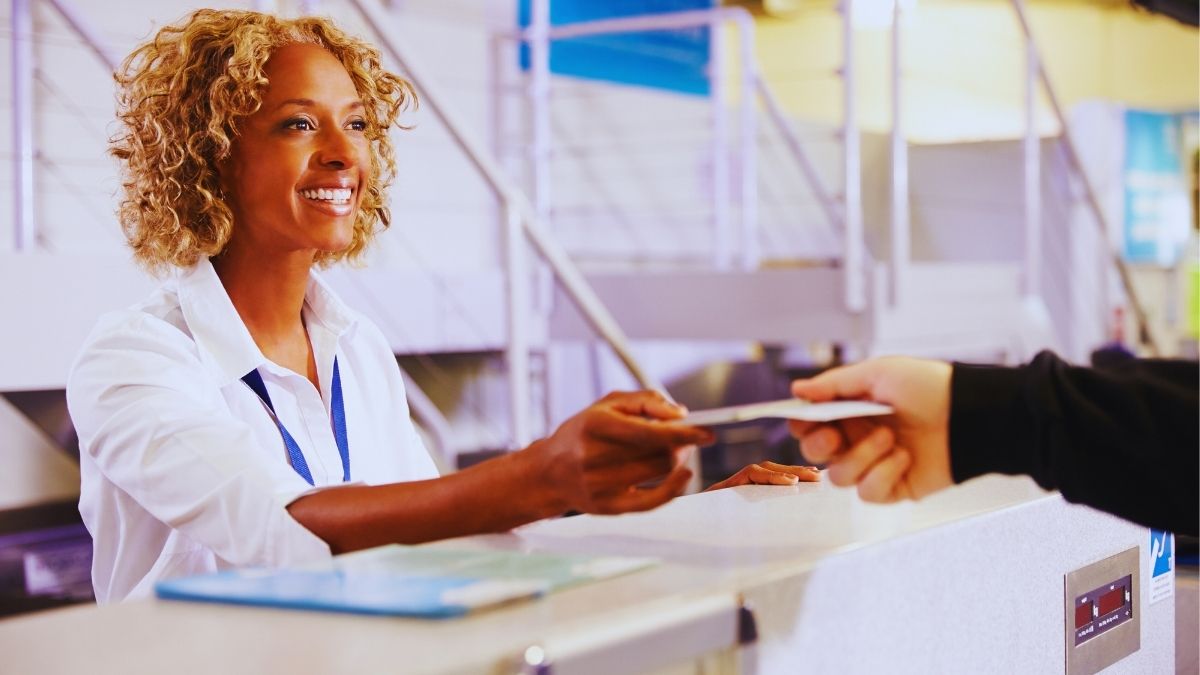
It sounds like you’re being easy-going when you say, “Oh, I’ll take anything, I’m not picky!” But to a front desk agent who is trying to “balance the house” (assigning rooms to fit everyone’s needs), this is actually unhelpful.
When you say you don’t care, they take you at your word and give you the room that is mathematically the most difficult to sell—the one with the weird layout or the one that’s a mile from the elevator. If you want a quiet room, say you want a quiet room. Being specific helps them help you.
10. Keeping a Special Occasion a Secret Until the Desk

Trying to drop “It’s our anniversary” at the check-in desk is a bit like trying to buy a suit five minutes before a wedding. It’s too late. The morning shift usually does the room assignments around 8 AM.
If you want the “anniversary magic,” put it in the reservation notes a week in advance. That gives the manager time to see it and flag a room with a better view for you. When you mention it at the desk, the agent might want to help, but their hands are tied because the good rooms are already assigned to people who spoke up earlier.
11. Refusing the Help of a Bellman
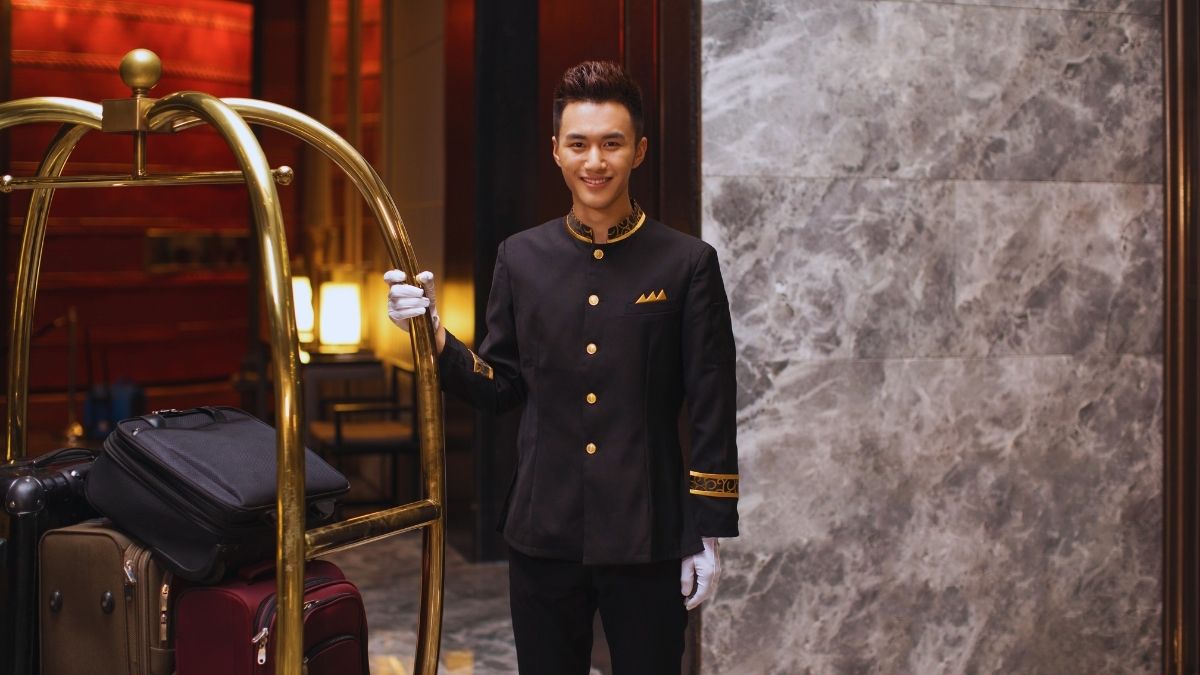
In many hotels, the bellman is the heart of the social ecosystem. When you brush them off with a “I’ve got it,” you might think you’re being self-sufficient, but in tipping-heavy cultures, you’re signaling that you’re a low-value guest who isn’t interested in the “experience.”
Bellmen and front desk agents talk. If you’re “cheap” or dismissive to the staff helping with bags, that word travels back to the desk. Suddenly, that late checkout you were going to ask for becomes “unavailable.” Hospitality is a web of relationships; don’t cut the threads before you’ve even seen your room.
12. Booking via a Third-Party Discount Site
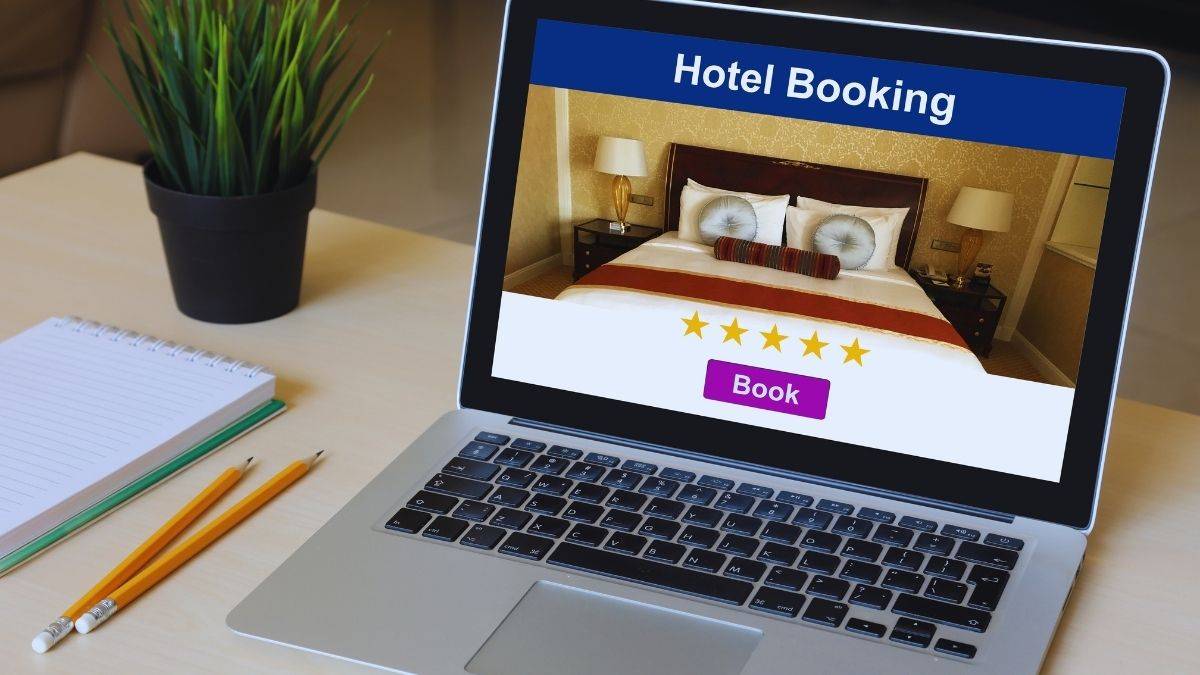
This is the single biggest technical mistake you can make. When you book through a site that offers a massive discount, the hotel is often losing 20-30% of that money to commission. They see you as a “value hunter,” not a “brand loyalist.”
Because the profit margin is so thin on these rooms, the hotel saves its best inventory for the people who book directly. If there are ten “Standard King” rooms and one of them is next to the laundry room, guess who’s getting it? The person who paid the least. You might save $20, but you’ll pay for it in sleep quality.
13. Having a Declining Credit Card at Check-In
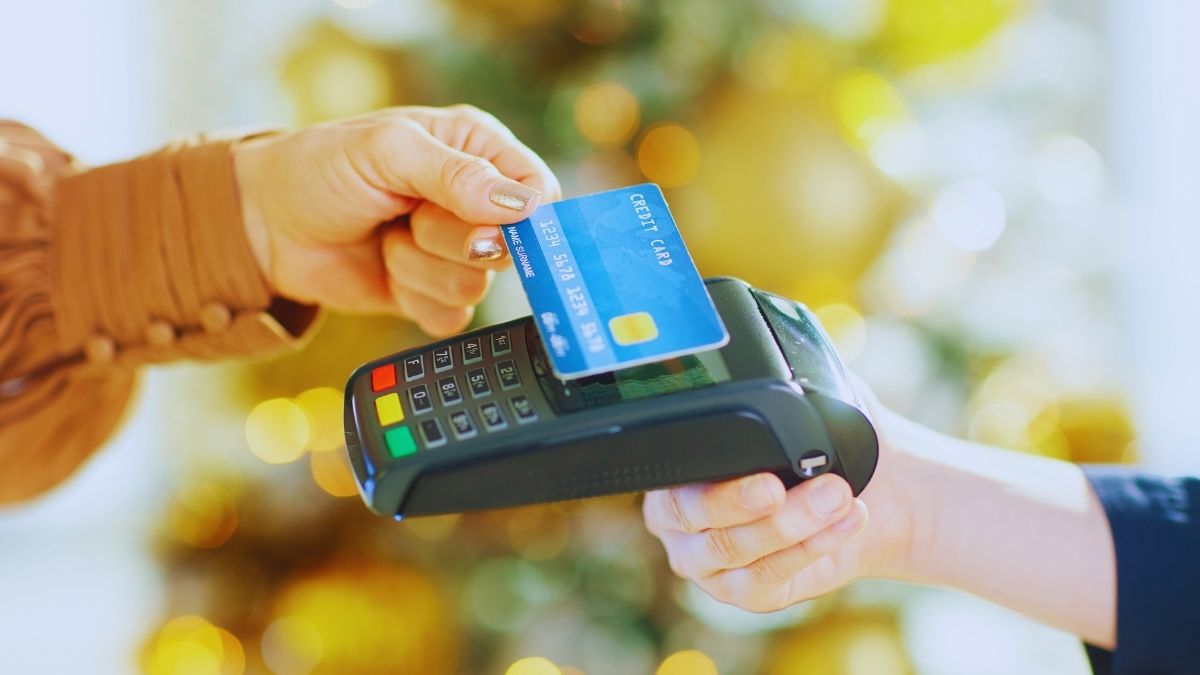
Nothing kills the “hospitable vibe” faster than the words Transaction Declined. It creates immediate administrative friction and casts a shadow of doubt over the entire stay. The agent now sees you as a potential financial risk rather than a guest.
Even if it’s just a bank error, the tension it creates often leads to a rushed, impersonal check-in. The agent just wants the paperwork finished so they can move on to the next person. In that rush, they aren’t looking for ways to “wow” you; they’re just looking for a room that works so they can get you out of the “alert” zone.
14. Not Joining the (Free) Loyalty Program
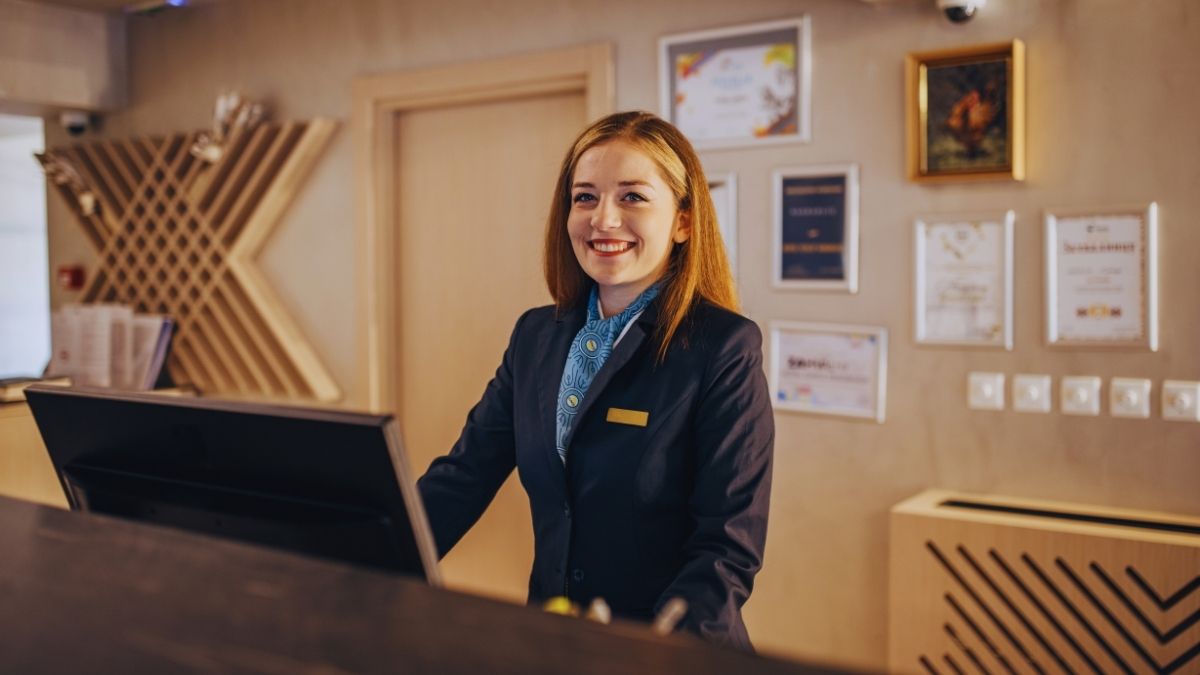
You don’t have to be a “Global Diamond Elite” member to get better treatment. Even a base-level membership means you have a profile in their system. It shows you’ve taken thirty seconds to say, “I value your brand.”
Without a loyalty number, the system’s “auto-assign” feature treats you like a random number. With it, the agent can see your preferences—like “high floor” or “extra pillows.” It’s the easiest way to ensure the computer doesn’t accidentally dump you in the noisiest room in the building.
15. Failing to Verify Your Identity

This sounds like a no-brainer, but people fight with front desk agents about showing their ID all the time. “But I’m a regular!” or “My name is on the reservation!” doesn’t matter. Security protocols are there for a reason—mostly to make sure no one else gets a key to your room.
When you resist these basic steps, you’re flagged as a “high-friction” guest. The priority shifts from comfort to compliance. The agent will give you your key, but they certainly won’t go out of their way to check if a suite is available for a free upgrade.
16. Using Discredited TikTok “Hacks”

We’ve all seen the videos. “Tell them you’re a travel influencer!” or “Pretend there’s a bug in the room to get a free night!” Let me tell you: the staff has seen them too. They know the scripts, and they know when they’re being played.
Trying to “hack” the system usually results in the opposite of what you want. Once an agent realizes you’re using a viral tactic, they lose all desire to be flexible with you. You’ll get exactly what you paid for, and not a single perk more. Authenticity wins every time over a fake “hack.”
17. Failing to Tip in a Tipping-Centric Culture
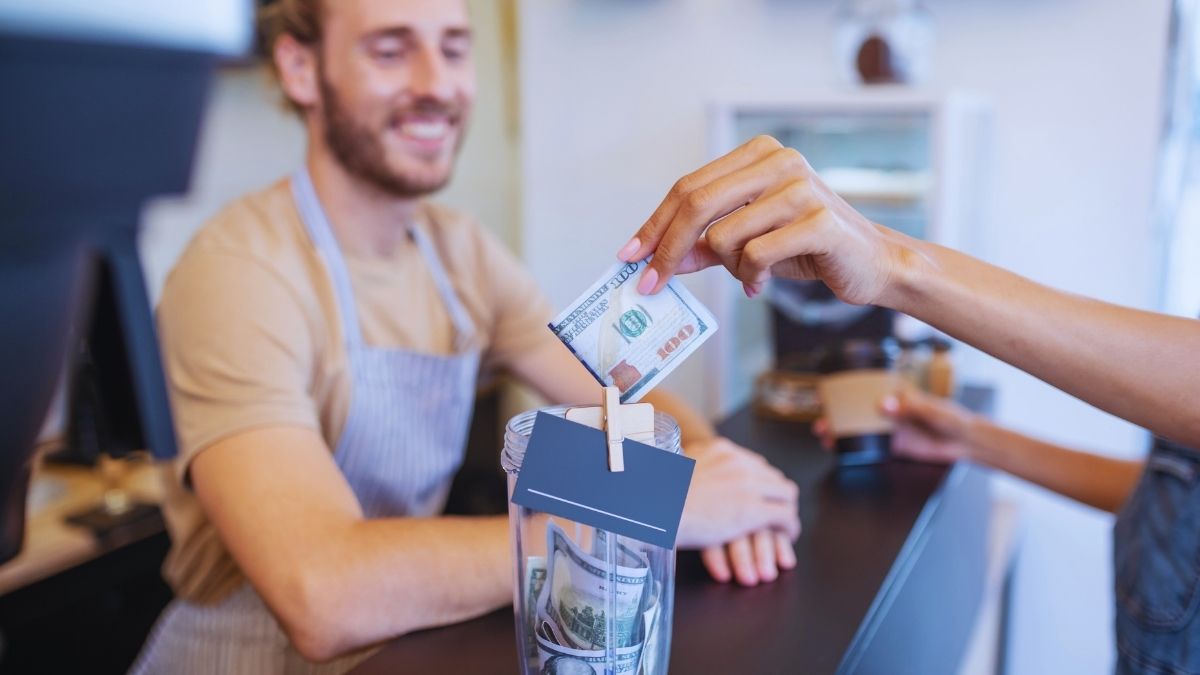
In places like Las Vegas, the “sandwich” method (slipping a $20 between your ID and card) is practically an official language. But even outside of Vegas, a small tip to an agent who goes out of their way for you is a massive gesture.
Front desk agents are rarely tipped, so when it happens, it stands out. It triggers that reciprocity we talked about. If they can’t get you a better room, they might suddenly “remember” they can waive your parking fee or give you free breakfast vouchers. It’s not a bribe; it’s an acknowledgement of their effort.
18. Not Booking Directly for Specific Needs
If you absolutely need a bathtub or a room far from the elevator, do not leave it to a “request” on a third-party site. Those notes often don’t even make it into the hotel’s system.
When you book direct, those specific needs become part of the contract. If you book through a discount site and then show up demanding a bathtub, the agent has to look at the “leftover” rooms to see if any have one. Usually, they don’t. You’re much more likely to get what you need when the hotel owns the data from the start.
The Geography of the “Worst Room”
So, where are these rooms exactly? And why are they so bad? Most of it comes down to “spatial volatility.” A room might be beautiful, but if it’s positioned poorly relative to the building’s “guts,” your stay is going to suck.
Near the Elevator
By the Ice Machine
Adjoining Room
Near Service Closet
The “Icky” Stuff No One Tells You
Even if you get a great room, there are some industry secrets that might make you want to bring your own cleaning supplies. Housekeepers are often timed—sometimes they only have 20 minutes to flip an entire room.
One of the biggest confessions? The drinking glasses. Sometimes, instead of washing them, they’re just polished with furniture polish to make them shine. And that ice bucket? Doctors warn it’s a norovirus goldmine. People use them for… things that aren’t ice when they’re sick. Always use a liner.
How to Actually “Beat” the System
The secret isn’t a hack. It’s just being a decent human being.
Think about the “primacy effect.” Those first seven seconds are everything. If you walk up, make eye contact, use the agent’s name (it’s on the badge!), and genuinely ask how their shift is going, you have already differentiated yourself from 90% of the people they’ve seen that day.
When you’re a “low-friction” guest, the agent wants to help you. They’ll look at the floor plan and think, “You know what? This nice person shouldn’t be next to the elevator. Let me move them to that corner room that just finished being cleaned.”
At the end of the day, hospitality is a human exchange. The computer handles the math, but the person behind the desk handles the magic. Treat them like a human, book direct when you can, and watch how many “bad luck” rooms suddenly disappear from your travel future.
Need More Help For A Stress-Free Stay? Look Into These
1. Addalock Portable Door Lock

Since we touched on those “behind-the-scenes” security concerns and the rare but annoying “key bomb,” having your own internal lock is a massive confidence booster. It’s a small, handheld piece of tempered steel that installs in seconds without tools, making it physically impossible for anyone to enter the room—even if they have a master key or a digital override. It’s the ultimate “do-it-yourself” security upgrade.
2. Manta Sleep Mask
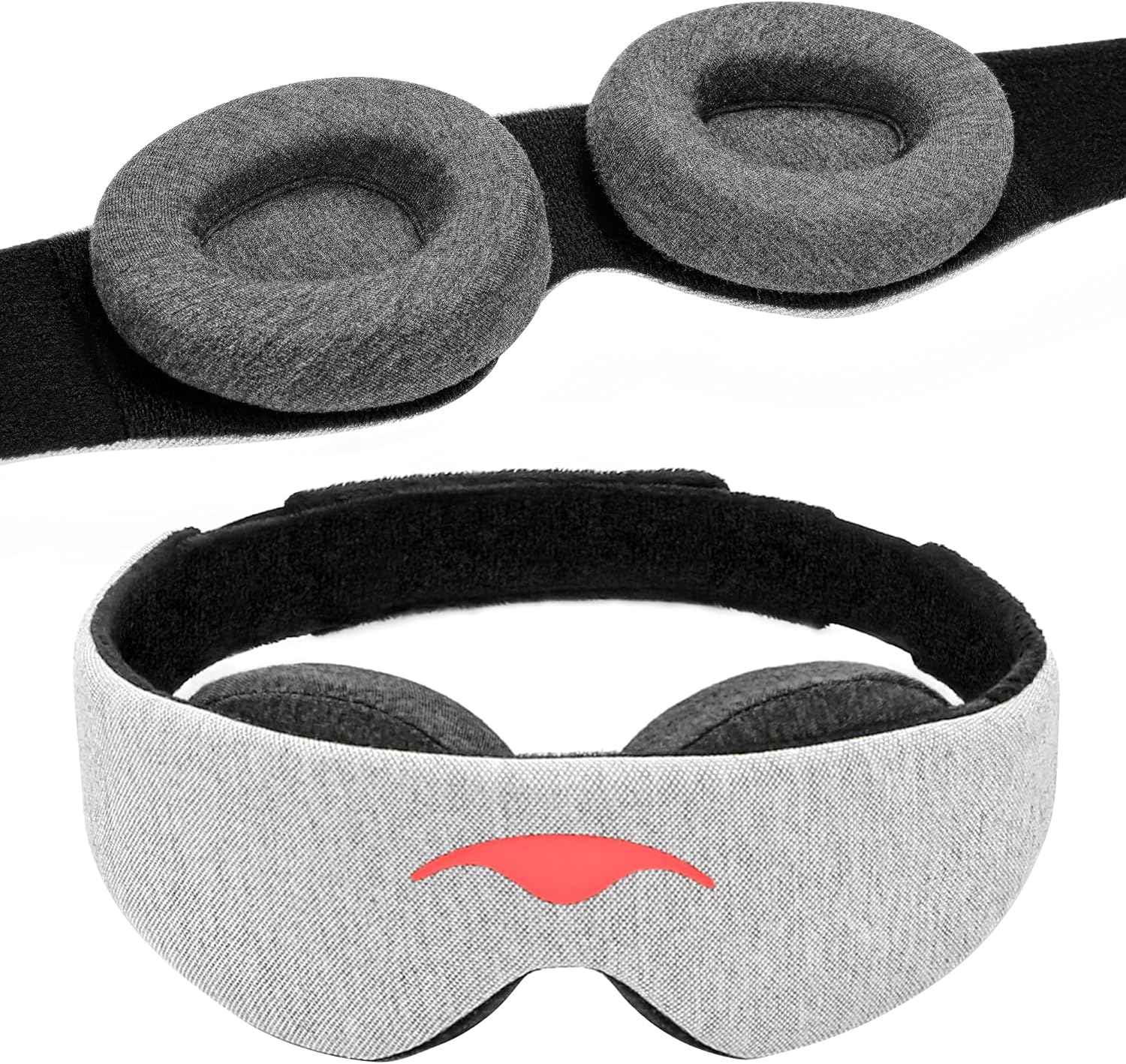
If you end up in a room with “light leakage” from thin curtains or a gap under the door that lets in that harsh hallway glow, this mask is the fix. Unlike the flat ones you get on planes, this has adjustable “cups” for your eyes, meaning it offers 100% blackout without putting any pressure on your eyelids or lashes. It’s basically like taking a dark, quiet cave with you wherever you go.
3. Loop Quiet 2 Ear Plugs

For those inevitable rooms located right next to the elevator chime or the service closet, these are a lifesaver. They are made of soft, flexible silicone and are designed specifically for side sleepers, so they won’t poke your inner ear while you’re on the pillow. They muffle about 24 decibels of noise, which is usually just enough to turn a rowdy hallway into a distant, ignorable hum.
4. EPICKA Universal Travel Adapter & Multi-Charger

Hotel outlets are notorious for being in the weirdest places—hidden behind a heavy nightstand or located five miles from the only desk. This compact hub allows you to charge up to six devices at once using a single outlet, including high-speed USB-C ports for your phone and laptop. It’s one of those “set it and forget it” tools that eliminates the frustration of “outlet hunting” in a poorly designed room.
5. Clorox Disinfecting Wipes (Travel Pack)

Remember what we said about housekeepers occasionally using furniture polish on glasses or the high-touch “germ magnets” like the TV remote? A quick thirty-second sweep of the faucet, the remote, and the light switches with these wipes can save you a lot of hygiene-related anxiety. They’re small enough to fit in a pocket and give you that “verified clean” feeling that a twenty-minute housekeeping flip might miss.