Travel Insurance Adjusters Admit: 16 Claims They Pray You Never File (But Should)


Look, I get it. We’ve all been there—standing in line at a rainy airport, clutching a lukewarm coffee, and wondering if that extra $80 we clicked on for “travel protection” was just a clever way for the airline to buy themselves a new espresso machine. Most of us treat travel insurance like a “break glass in case of emergency” tool. We think it’s only for the big, scary stuff, like a plane going down or ending up in a hospital in a country where we can’t even say “where does it hurt?”
But honestly? That is exactly what the insurance companies want you to think. They want you to believe the policy is a shield against catastrophe, when in reality, it’s a Swiss Army knife of little wins that could be putting thousands of dollars back in your pocket. In 2024, people in the U.S. spent a massive $5.56 billion on travel insurance.
That’s a 46% jump since 2019. We are buying it more than ever because the world feels a bit more “broken” lately—more delays, more cancellations, more chaos. But here is the secret: while we’re spending billions, we aren’t actually filing for what we’re owed. We’re leaving money on the table for the “small” things that adjusters secretly pray you never notice.
Think about the life of an insurance claims adjuster for a second. These folks are usually buried. I’m talking 100 to 150 files on their desk at any given time. They are measured on “cycle time”—basically, how fast can they get your file off their desk. The easiest way to close a file? Find a reason to say no. Recent data shows that 41% of providers are seeing denial rates of 10% or higher. Most of the time, it’s not because the claim was fake; it’s because the paperwork was slightly off or the traveler didn’t know the right “magic words” to use.
The Big Picture: Why We’re All So Stressed
Before we dive into the “Sweet 16” claims you should be filing, let’s look at why our brains go into meltdown mode when travel plans fail. There is actually a bit of science here. When your flight gets cancelled, a tiny part of your brain called the amygdala—think of it as your internal smoke detector—starts screaming. It floods your body with cortisol, the stress hormone. Cortisol is great if you’re running from a tiger, but it’s terrible when you’re trying to navigate a customer service line.
Research shows that just knowing you have a “Plan B” (like a solid insurance policy) can reduce that panic response by up to 60%. It lets the “boss” part of your brain—the prefrontal cortex—stay in charge. So, insurance isn’t just a financial safety net; it’s literally a chemical stabilizer for your mind.
The Numbers That Matter
Check out how much the travel world has changed in just five years. We’re spending more, but the “value” is only there if you know how to grab it.
Travel Reality Check
The “Sweet 16”: Claims They Hope You Never File
I’ve spent a lot of time digging through the fine print, and honestly, some of these benefits are wild. Here are the 16 things you should be looking for in your policy. I’ve broken them down into detail so you know exactly how to use them.
1. Financial Default and Carrier Insolvency

Think about that moment when a major airline or cruise line just… stops. They go bankrupt, the gates are locked, and you’re standing there with a useless ticket. Most people assume they’re just out of luck or have to wait for a credit card chargeback that might never come. But “Financial Default” coverage is a heavy hitter. It’s designed to reimburse you 100% of your prepaid costs if the company providing your travel literally ceases operations due to money issues.
The catch—and there’s always a catch—is that you usually have to buy your insurance within 10 to 21 days of making your very first trip deposit to get this. Adjusters love it when you wait until a month before your trip to buy insurance, because then they don’t have to cover this. If you buy it early, you’re protected from the airline going belly-up. It’s one of those “set it and forget it” wins that can save you five figures if a company like JetBlue or Carnival had a sudden meltdown.
2. Cancel for Any Reason (CFAR)

This is the absolute holy grail of travel insurance. Standard policies only let you cancel for “covered reasons” like getting sick or a family member passing away. But what if you just have a bad feeling? What if you’re scared of a political situation that hasn’t turned into a full riot yet? CFAR lets you walk away for literally any reason—even “I just don’t feel like going anymore.” It usually pays back 50% to 75% of your money, which is way better than the 0% you’d get otherwise.
Adjusters view this as a high-liability benefit because they can’t argue with it. If you have the upgrade, you just say “I’m not going,” and they have to send the check. The only rules are that you have to insure the entire cost of your trip and you have to cancel at least 48 to 72 hours before you’re supposed to leave. It adds about 40% to your premium, but for a $10,000 honeymoon, it’s the difference between a minor setback and a financial disaster.
3. Pet Care Kennel and Veterinary Fees

This is probably the most “human” benefit in the whole book, and almost nobody uses it. Imagine you’re stuck in London because of a 12-hour flight delay. Meanwhile, your dog, Buster, is sitting in a kennel back home, and they’re charging you $50 for every extra night. Many modern policies include a “Pet Care” provision that pays for those extra boarding fees if you’re delayed for a covered reason. Some even pay up to $100 a day.
But it gets even better. Some premium plans actually cover emergency vet bills (sometimes up to $2,500) if your pet gets sick while you’re traveling. Think about that: your insurance is protecting your “family” even when they aren’t on the trip with you. Adjusters pray you don’t file for this because it’s such a “small” amount that most people forget, but those $50 charges add up fast.
4. Search and Rescue (SAR)

For the adventurers out there, this one is literal life or death. If you’re hiking in the Alps or trekking through the jungles of Southeast Asia and you get lost, the bill for a search party can be astronomical. We’re talking thousands of dollars for helicopters, fuel, and specialized teams. Standard medical evacuation usually only kicks in once they find you and bring you to a road. SAR covers the cost of actually finding you.
Few people realize this is an optional add-on or a hidden perk in adventure plans. It covers the fuel and the personnel costs that the local police might charge you for. If you’re an “off the beaten path” traveler, you need to check if this is in your policy. Adjusters rarely see these claims, but when they do, the numbers are huge, so they definitely don’t want to remind you it exists.
5. Identity Theft Resolution and Restoration

Traveling is like a buffet for identity thieves. You’re using public Wi-Fi, swiping your card in sketchy terminals, and maybe carrying your Social Security card in your wallet (please don’t do that). If someone swipes your digital life while you’re on vacation, many comprehensive plans will actually pay for a “restoration” service. They give you a dedicated specialist to help fix your credit and cancel your cards.
More importantly, they often reimburse you for “expenses” related to the theft. This includes lost wages for the time you spent on the phone with banks, legal fees, and the cost of replacing government IDs. Some plans offer up to $25,000 for this. It’s a massive benefit that most people assume is only covered by their bank, but travel insurance often has better “restoration” perks than your credit card does.
6. Tarmac Delay Inconvenience Benefits

We’ve all lived through the “tarmac nightmare.” You’re sitting in seat 24B, the air conditioning is barely working, and the captain keeps saying “we’ll be moving in 15 minutes” for three hours. It is pure misery. Specific flight insurance products now offer a flat-fee payout—sometimes $200 or more—if you’re held on a tarmac for two hours or longer. The best part? You don’t need to keep receipts for a $20 airport burger to get it.
This is what’s called a “parametric” benefit. It’s triggered by data, not by your loss. Because the insurance company can see the flight data, they know you were stuck. Adjusters hate these because there’s no way to “negotiate” the payout. If you were stuck, you get paid. It’s basically “frustration money” to apologize for the universe being a jerk to you that day.
7. Missed Connection and Catch-Up Logistics

This is the “cruise saver” benefit. Imagine your flight to Miami is delayed by three hours. That’s not a huge deal normally, but it is a massive deal if your cruise ship just sailed away without you. The “Missed Connection” benefit doesn’t just say “sorry about that”; it actually pays for the economy fare you need to fly to the next port to rejoin your trip. It covers the hotel and meals you need while you wait for that next flight, too.
Most people think that if they miss the ship, the vacation is over. But if you have this benefit, the insurance company acts like a concierge to get you back on track. Adjusters know that most travelers will just give up and go home, so they don’t exactly shout from the rooftops that they’ll pay $500 or more to help you “catch up” to your itinerary.
8. Non-Medical Emergency Evacuation

We all know about medical evacuation—the helicopter ride to the hospital. But “Non-Medical” evacuation is for when the world goes crazy. If you’re in a city and a political coup breaks out, or a massive natural disaster makes the area unsafe, this benefit covers your extraction. You aren’t sick, but you’re in danger, and the insurance company will pay for the flight or the transport to get you to the nearest “place of safety.”
This is vital for anyone traveling to high-risk zones or places with unstable weather. It’s expensive for the insurer to coordinate, so they really hope you never have to use it. But in a post-pandemic, volatile world, this is the difference between being stranded in a dangerous situation and getting a ride home on the insurance company’s dime.
9. Pregnancy-Related Complications and Exceptions

If you look at most policies, they have a big, bold line that says “Pregnancy is not covered.” And that’s mostly true—they won’t pay for you to have a baby in Paris just because you wanted a French birth certificate. But what they do cover are “unforeseen complications.” If you experience pre-term labor or a sudden medical issue related to the pregnancy before a certain week (usually the 26th week), many plans treat it as a standard medical emergency.
This is a huge relief for “babymooners.” If a doctor says you can’t fly because of a sudden complication, that’s a covered reason to cancel your trip. Adjusters often find that pregnant travelers don’t even bother filing because they assumed the “pregnancy exclusion” was absolute. It’s not. If it’s a complication, file that claim.
10. Repatriation of Remains

This is the heaviest topic on the list, but it’s one that can literally bankrupt a family. If someone passes away while they are abroad, the cost and the red tape involved in bringing them home is a nightmare. We’re talking about $20,000 or more for specialized transport and legal filings. The “Return of Mortal Remains” benefit covers all of this, and the insurance company handles the logistics so the family doesn’t have to.
Honestly, this is the most important benefit you hope you never use. Adjusters realize that grieving families are rarely thinking about insurance claims, but this is a contractually obligated payout that saves the family from a massive financial burden during their worst moment. It’s a standard part of most comprehensive plans, yet it’s rarely discussed.
11. Cancel for Work Reasons (CFWR)

You’ve had your vacation approved for months. You’ve booked the flights, the hotels, and the tours. Then, two weeks before you leave, your boss comes into your office and says, “Sorry, we’re merging with another company/starting a huge project, and I need you here. I’m revoking your time off.” Most people think they just have to eat the cost and be “the good employee.” But with the CFWR add-on, you can get 100% of your money back.
This benefit is a corporate hack. It covers you if your employer cancels your leave or if you’re required to work during a corporate merger or acquisition. You just need a signed letter from your boss on company letterhead. Adjusters find these claims annoying because they are so “clean”—if the boss says you have to work, the insurer has to pay.
12. Rental Car Damage Protector

When you get to the rental car counter, the agent always tries to scare you into buying their “Collision Damage Waiver” for $30 a day. Over a two-week trip, that’s $420 extra! But many standalone travel insurance plans include “Primary” rental car coverage. This means they pay for any damage or theft of the car up to $75,000, and they pay first, before your own car insurance at home even finds out about it.
The adjusters at the rental counter hope you don’t know this, and your travel insurance adjuster hopes you don’t file because they’d rather you just use your own domestic policy. But if you have it in your travel plan, use it. It saves you a ton of money at the counter and protects your “no-claims bonus” on your regular car insurance back home.
13. Emergency Dental and Mouth Trauma

Most people see “Medical Coverage” on their policy and assume it’s for broken legs and heart attacks. But what if you trip on a cobbled street in Rome and chip your front tooth? Or what if a sudden tooth infection makes it impossible to eat? Most plans include a “sub-limit” (often $500 to $1,000) specifically for emergency dental treatment.
It has to be for pain relief or an injury—they won’t pay for a cleaning or a whitening—but for a sudden “oops” moment, it’s a lifesaver. Travelers almost always pay these bills out of pocket and never think to file. It’s a small win for the insurance company every time you forget that your “medical” plan includes your teeth, too.
14. Passport Replacement and Concierge Support

Losing your passport in a foreign city is a special kind of panic. You feel like a person without a country. While travel insurance won’t usually pay you “cash” for the lost passport, they will reimburse you for the cost of the replacement (often up to $225). But the real “hidden” perk is the concierge service. They will actually give you a person to help you find the nearest embassy and navigate the bureaucracy.
Adjusters know that most people will just pay the embassy fees and move on. But your policy likely includes a service that acts as a personal assistant during your crisis. Don’t just pay the fee; call the 24-hour hotline and make them earn their premium by doing the legwork for you.
15. Trip Inconvenience (Flat Fee Payouts)

This is a newer kind of benefit that is basically “frustration cash.” It’s for things that don’t necessarily cost you extra money but definitely ruin the vibe. For example, if a major attraction on your itinerary—like the Eiffel Tower or Disney World—is closed when you get there, some plans pay you a flat $200. If your flight is diverted to a different city, you get cash for the hassle.
Again, these don’t require receipts for lunch. They just require proof that the event happened. It’s the insurance company admitting that your vacation wasn’t what you paid for. Adjusters hope you don’t know about these because they are literally just giving you money for being annoyed.
16. Emergency Cash and Bail Bonds

This is for the absolute worst-case scenario. If you’re robbed and left with nothing—no phone, no cards, no cash—your 24-hour assistance can coordinate an emergency cash advance. They can work with your family back home to get money into your hands when you’re destitute. And in the event of a legal emergency, they can even help coordinate bail bonds where it’s legally allowed.
Travelers often feel like they’re totally alone when things go this wrong. But your insurance is more than a check; it’s a lifeline. Adjusters rarely deal with these because people are usually too busy panicking to read their policy, but it’s there, and it’s a powerful tool to have in your back pocket.
The “One Word” Rule: Primary vs. Secondary
If you check one thing on your policy today, make sure it’s this. The difference between “Primary” and “Secondary” coverage is the difference between getting a check in two weeks or arguing with your health insurance company for six months.
Think about it like this: a Primary policy is the friend who immediately pulls out their wallet and pays the tab. They don’t care who else is there. A Secondary policy is the friend who says, “I’ll help, but only after everyone else has chipped in.” For an adjuster, Primary claims are a breeze. Secondary claims require an “Explanation of Benefits” from your home insurance, which is a paperwork nightmare.
Primary vs Secondary
How to File Like a Forensic Investigator
If you want to actually get paid, you have to be more organized than the adjuster. Think of yourself as a detective for your own life. The first 24 hours after an incident are everything. If your bag is stolen, get a police report. If your flight is delayed, get a written statement from the airline. Adjusters love “third-party evidence.” They don’t want to hear your story; they want to see a professional’s signature.
And honestly? Don’t be a jerk on the phone. I know you’re frustrated, but the person on the other end is just trying to get through 150 files. If you’re polite and professional, they are much more likely to give you a favorable interpretation of those “gray area” policy terms. Keep it documented, keep it fast, and keep it friendly.
At the end of the day, travel insurance is just a contract. It’s a promise you paid for. Don’t let the complex language or the “adjuster’s mindset” intimidate you into leaving money on the table. You’ve worked hard for your vacation, and you’ve worked hard for the money you used to protect it. Go check that policy in your email. You might just find enough “hidden” benefits to pay for your next trip’s luggage—and hopefully, it’ll be a lot more exciting than a rainy airport sandwich. Safe travels!
Need More Help For Stress-Free Travel? Look Into These
1. Zoppen RFID Travel Wallet & Document Organizer

This thing is basically a filing cabinet for your pocket. It’s specifically designed to hold passports, boarding passes, and—most importantly for us—those tiny receipts you need to prove your “trip delay” expenses. It has RFID-blocking technology to keep your digital identity safe, which helps you avoid that whole “Identity Theft Restoration” claim in the first place. Plus, it’s made of eco-friendly materials and is light enough that you won’t even notice it in your carry-on.
2. Apple AirTag (4-Pack)

If you’re worried about the “Lost or Delayed Baggage” claim, these are a non-negotiable. You just toss one in each bag and you can track your luggage to within a fraction of a foot using the Find My app. It taps into a massive global network, so even if the airline has no idea where your bag is, you probably will. It’s the ultimate “third-party evidence” to show an adjuster exactly where your stuff ended up.
3. Anker Nano Power Bank (10K with Built-in USB-C Cable)

There is nothing scarier than being in a foreign country with 1% battery and needing to call your insurance company’s 24-hour hotline. This Anker charger is tiny, flight-approved, and has the cable built right in so you don’t have to untangle anything in the middle of a panic. It charges an iPhone 17 Pro in about 20 minutes, giving you enough juice to handle any emergency.
4. Surviveware Small Waterproof First Aid Kit

Remember those “Medical and Dental” claims? This kit is the best way to handle the minor stuff while documenting the major stuff. What makes it special is that every inner sleeve is labeled by purpose, so even if your brain is in “amygdala-overload,” you can find what you need in seconds. It’s rugged, 100% waterproof, and has extra space for those specific prescriptions your adjuster will want to see.
5. She’s Birdie: The Original Personal Safety Alarm
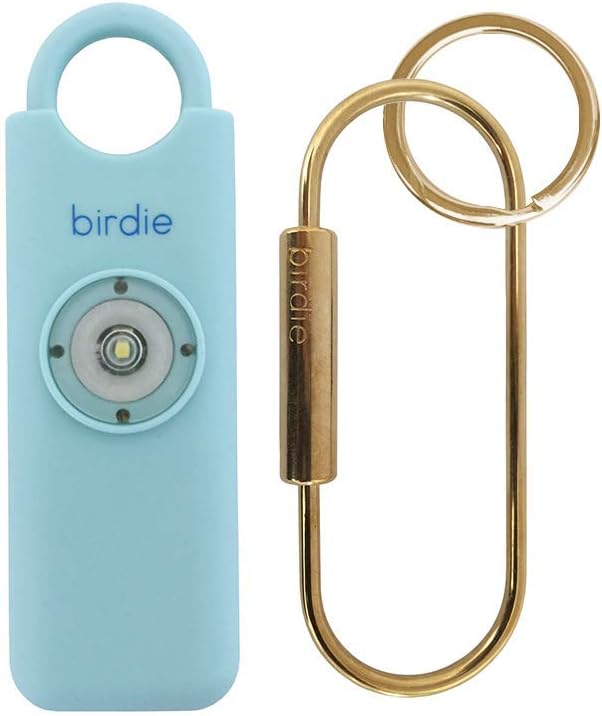
For the “Non-Medical Evacuation” or “Search and Rescue” vibes, this is a great preventative tool. It’s a tiny device you can clip to your keys or bag, and with one pull, it releases a piercing siren and flashing strobe light to deter trouble or signal for help. It’s an easy way to feel a little more empowered while you’re exploring those “off the beaten path” destinations.