Pilot’s Wife Spills: 18 First-Class Secrets That Economy Passengers Can Legally Use


You’re shuffling down that narrow aisle, your knees hitting every armrest, while you catch a glimpse of the lucky few in First Class stretching out with their warm towels and pre-flight champagne. It feels like a different world, right? Well, honestly, the gap between the “back of the bus” and the front cabin is mostly a matter of economics and clever engineering. Did you know the global market for aircraft cabin interiors is exploding? It’s projected to jump from about $29.7 billion in 2025 to nearly $69 billion by 2034. That’s a lot of money being spent on making seats thinner and cabins denser.
But here’s the thing—you don’t have to just sit there and take it. I’ve spent time looking into the “insider” world of pilots and their spouses—people like Hailey Frances and Laurie, who has over 20 years of experience as a pilot’s wife. They know the systems, the physics, and the legal loopholes. They know that while the airlines are busy unbundling every service to charge you for “extras,” there are still ways to reclaim your dignity. We’re going to talk about 18 secrets that can legally turn your economy experience into something that feels surprisingly premium.
The Industrial Reality of Your Seat
Before we dive into the hacks, we have to understand why we feel like sardines. Ever since the 1978 deregulation, airlines have prioritized low fares over your legroom. They use “cabin densification”—that’s industry-speak for packing more people in—and “slimline” seats to keep the profits up.
📊 2034 Market Forecast
It’s not just in your head, either. In the “Golden Age” of the 1950s, you had about six extra inches of legroom compared to what you get today. Now, airlines are using lightweight composites to save fuel, which is great for them, but it means your environment is more controlled and “compressed” than ever. To survive it, you need a strategy.
1. The Secret Armrest Release
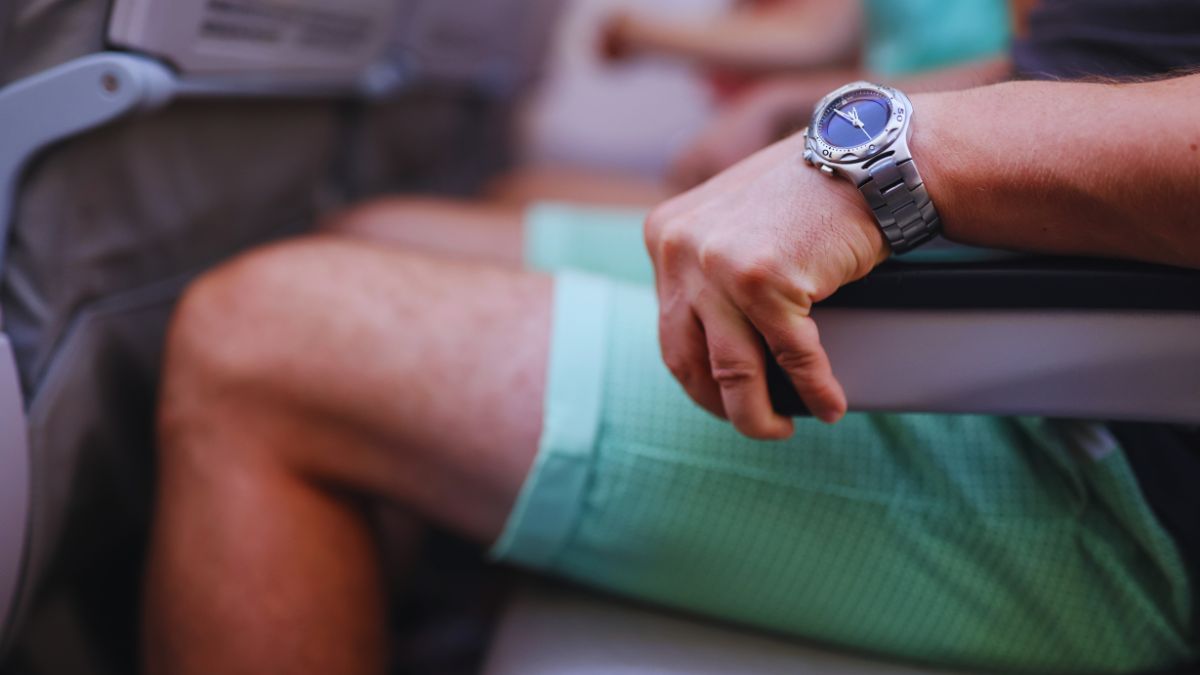
Look, there’s nothing worse than being pinned into an aisle seat by a reclined person in front of you. Most people think the aisle armrest is fixed in place for safety, but that’s only half true. There’s actually a “secret” button or lever hidden underneath the armrest, usually right near the hinge. If you slide your finger under there and press it, the armrest will pop up and sit flush with the seat back.
This little trick was actually designed as an accessibility feature to help people in wheelchairs move into their seats more easily, but it’s a total game-changer for everyone else. It gives you those precious extra inches of “wiggle room” and makes it ten times easier to stand up without performing a gymnastics routine. Just remember, the FAA usually wants those aisle armrests down during takeoff and landing for safety, so save the extra space for when you’re at cruising altitude.
2. The Sunday-Sunday Booking Rule
If you want to travel like the elite, you have to start by not overpaying for your ticket. The 2025 Air Hacks Report, which looked at billions of data points, confirms that Sunday is still the absolute best day to click “buy.” Honestly, if you book on a Sunday instead of a Friday or Monday, you could save about 6% on domestic flights and up to a massive 17-22% on international trips.
Think of it this way: that’s hundreds of dollars you’re keeping in your pocket that can go toward a better hotel or a fancy dinner once you land. It’s one of those weird industry quirks where the algorithms just seem to breathe a little easier over the weekend. Don’t fall for the “Tuesday at midnight” myth—the data shows Sunday is the winner for your wallet.
3. The August/September Cancellation “Sweet Spot”
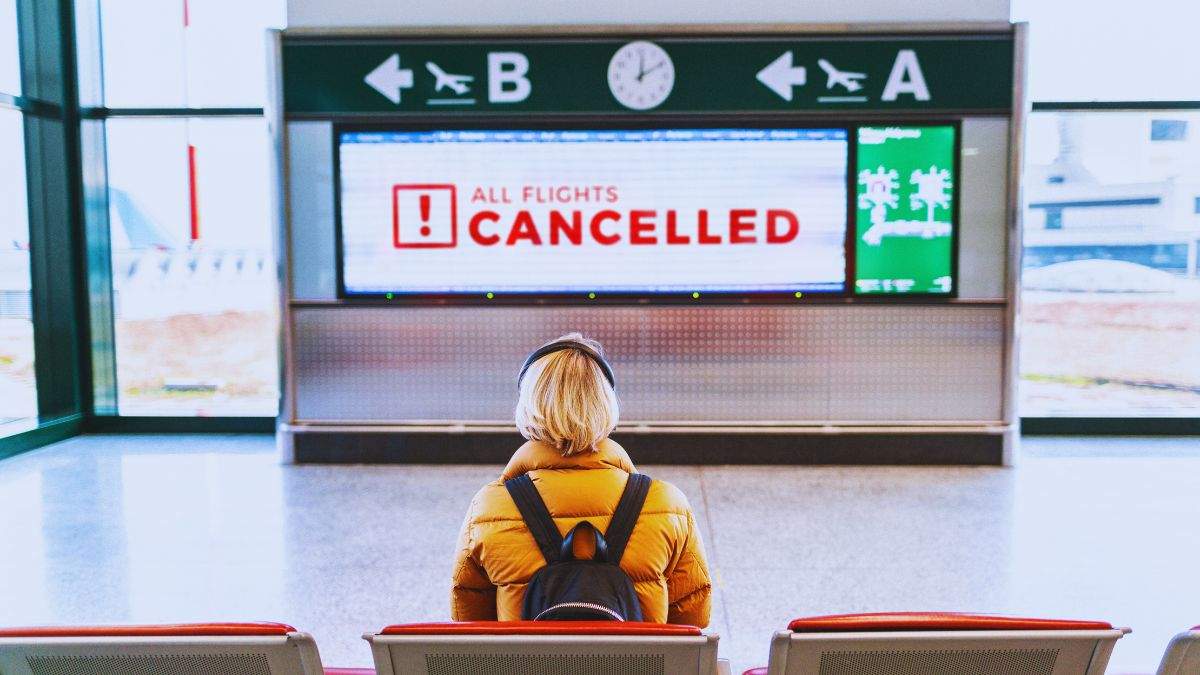
There is nothing less “First Class” than being stuck in an airport terminal because your flight was cancelled. If you have the flexibility, try to schedule your big trips in August or September. Research shows these months have the lowest cancellation rates in the industry—around 1.2%. It’s basically the smoothest time of the year to fly.
On the flip side, timing your actual departure matters just as much. Flights leaving after 9 p.m. are 57% more likely to be cancelled than those departing in the morning “safe window” between 9 a.m. and 3 p.m. By picking the right month and the right time of day, you’re essentially “buying” yourself the peace of mind that premium passengers pay thousands for.
4. The “Hello” Effect: Humanizing the Crew
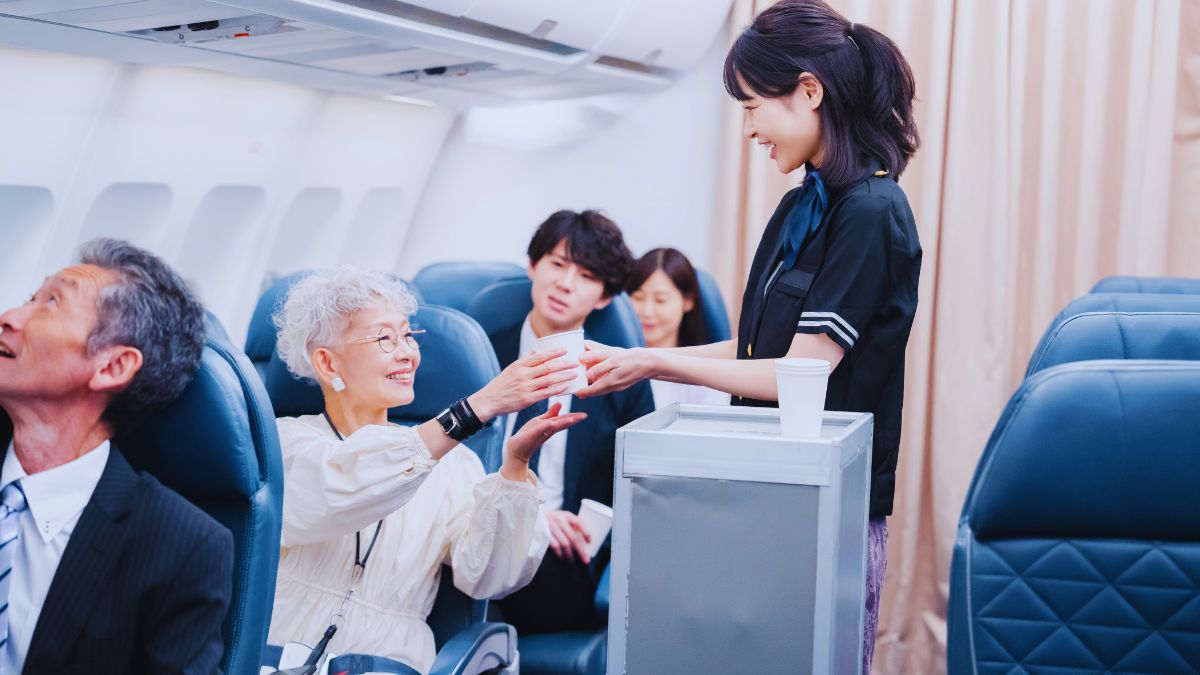
This might sound too simple to be true, but it’s probably the most powerful secret on this list. Flight attendants like Amanda Pleva have said that the most dehumanizing part of their job is being ignored by hundreds of people during boarding. When you walk onto that plane, make eye contact, give a genuine smile, and say “hello.”
It sounds like basic manners, because it is, but in a world where everyone is stressed and staring at their phones, being the one person who acknowledges the crew’s humanity goes a long way. This “First Class” attitude often gets returned. I’m talking about extra snacks, free drinks, or even a flight attendant quietly tapping you on the shoulder to move you to an empty row because they actually like you.
5. The “Operational Upgrade” Inquiry
Stop asking for “free upgrades.” It makes you look like a novice and usually gets a polite “no.” Instead, use the industry term: “Operational Upgrade,” or “OpUp.” An OpUp happens when the economy cabin is overbooked, and the airline has to move people to Business or First Class just to make the weight and balance work.
The trick is to wait until the very end of the boarding process. Once the gate agent isn’t being swamped by a hundred questions, politely ask if any operational upgrades are available. Using that specific terminology tells them you know how seat inventory works. If they need to move someone, they’re much more likely to pick the savvy person who was polite and waited their turn.
6. The “Ice-Only” Hydration Hack
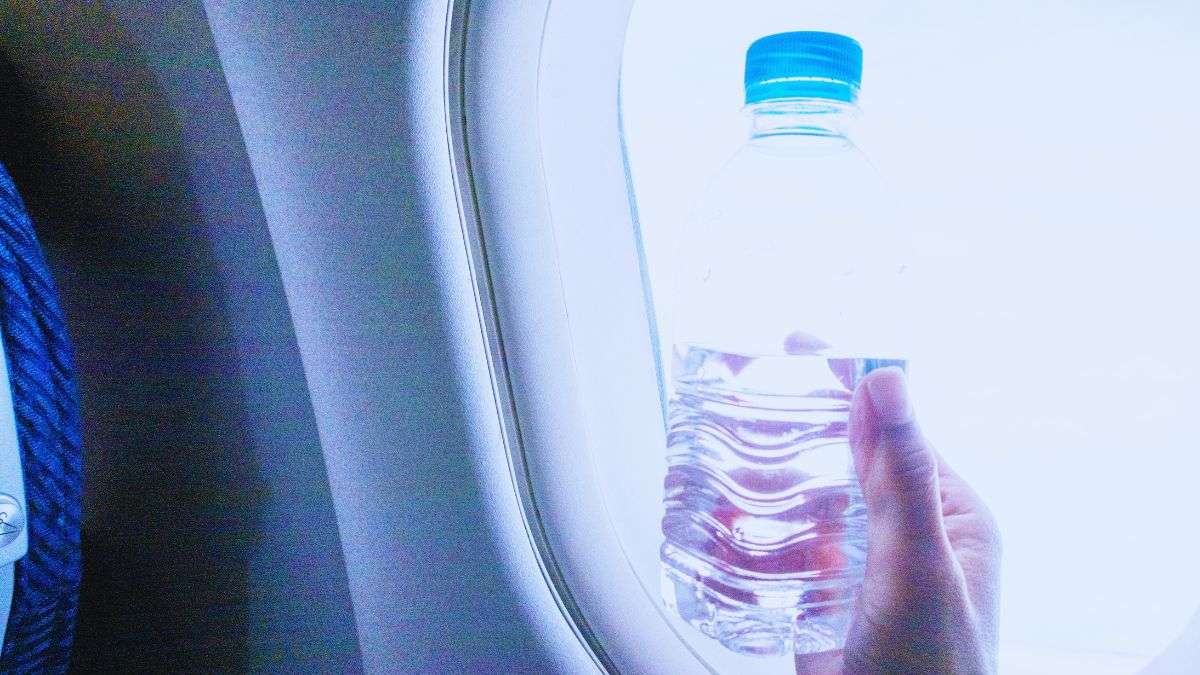
We all know airport water is overpriced, and the water on the plane… well, let’s just say flight attendants often avoid it. According to the EPA, about one in eight planes fail water safety standards. To get “First Class” hydration without the bacteria, fill a high-quality reusable bottle with solid ice before you go through security.
TSA rules allow solid ice as long as there’s no liquid sitting at the bottom of the bottle. Once you’re through security, just fill it up at a filtered water station in the terminal. You’ll have ice-cold, fresh water for the entire flight, saving you five bucks a bottle and keeping you hydrated in an environment that’s literally drier than the Sahara desert.
7. The Pilot’s Wife’s “Tetris” Packing System
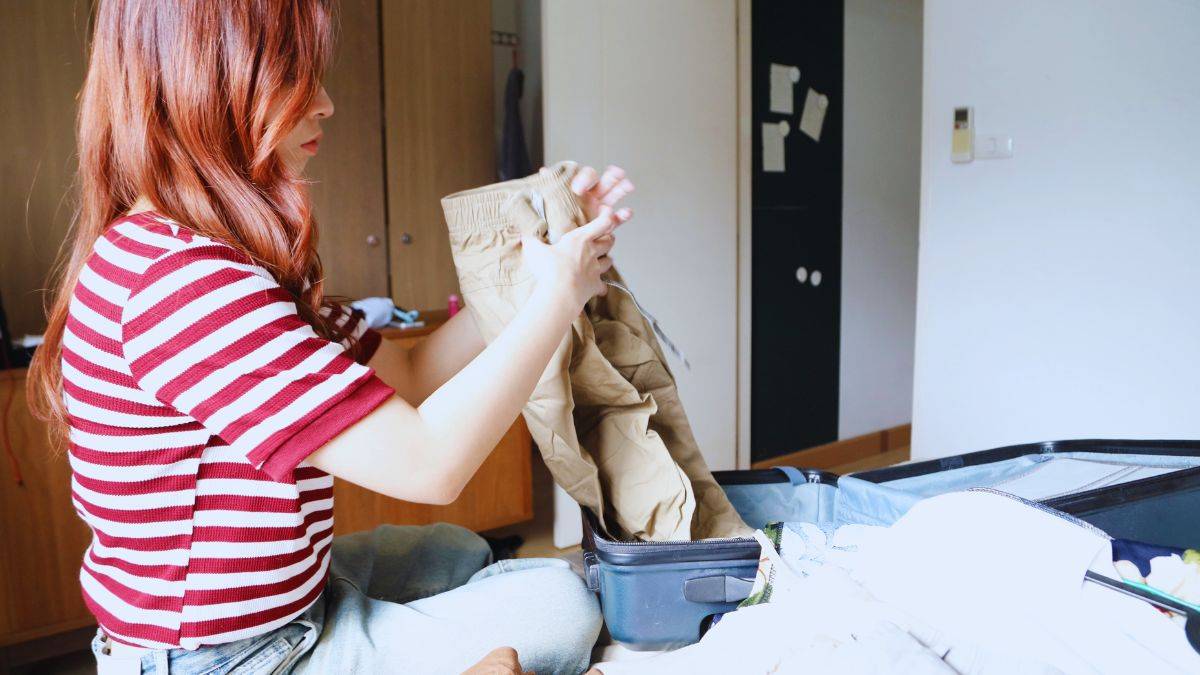
Laurie, who’s been a pilot’s wife for over two decades, swears by a very specific way of packing. She uses a “Roll vs. Fold Hybrid” method that essentially doubles the space in a carry-on. You roll the soft items like T-shirts and leggings, but you fold the structured items like blazers or jeans.
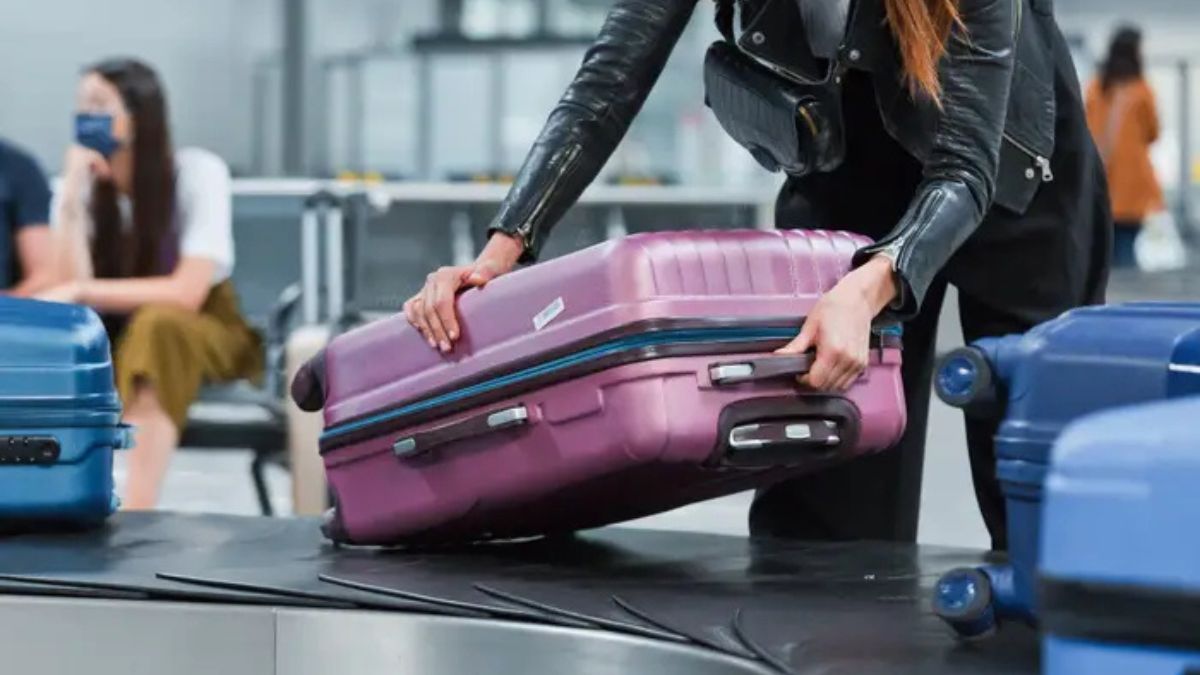
By “splitting and edging” your shoes (putting them along the edges of the suitcase) and using compression cubes, you can avoid checking a bag entirely. Premium travelers never wait at the luggage carousel; they’re already in their Uber while everyone else is staring at a moving belt. Plus, if the airline forces you to gate-check your bag, Laurie recommends having a compression cube with one change of clothes in your personal item just in case.
8. Acoustic Isolation: Creating the “Sleep Cocoon”
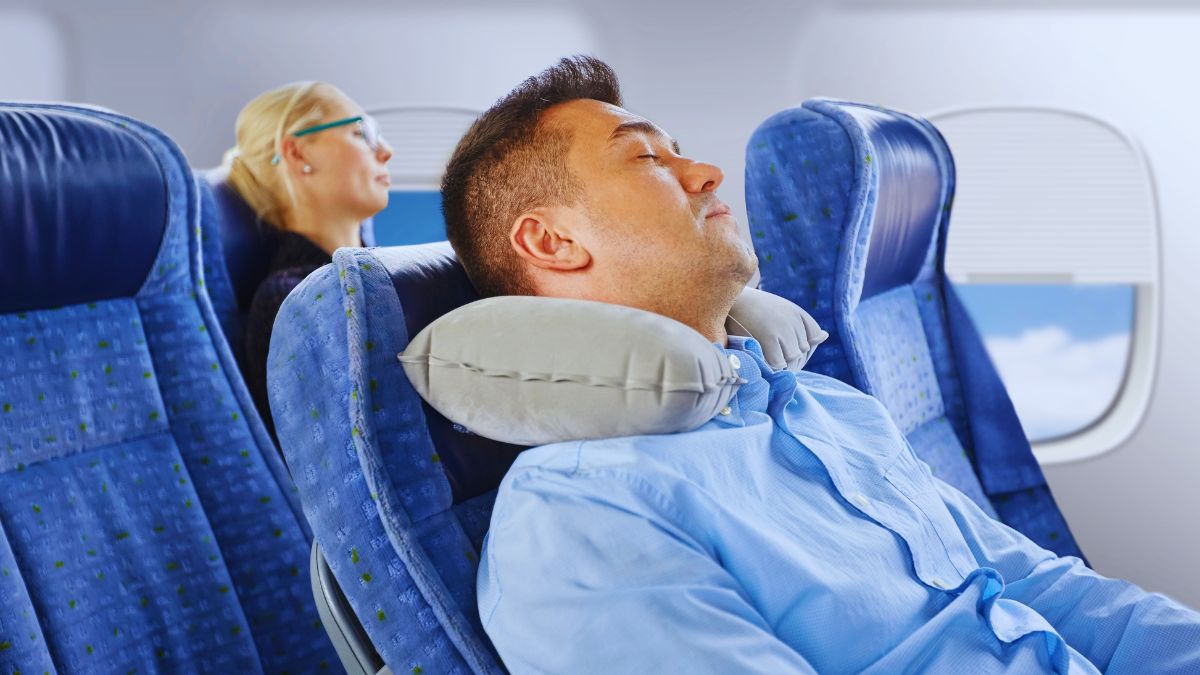
First Class isn’t just about the seat; it’s about the quiet. Economy is loud—about 85 decibels, which is like standing in the middle of heavy city traffic. That noise actually drains your energy and makes you feel more fatigued. To fix this, you need over-the-ear noise-canceling headphones.
When you pair these with a meditation track or a white noise app, you create what industry experts call a “sleep cocoon.” It actively cancels out the low-frequency drone of the engines. It’s the closest thing you can get to a private cabin in economy, and it’s honestly the only way to get real rest when you’re surrounded by a hundred other people.
9. The “Poor Man’s First Class” Strategy
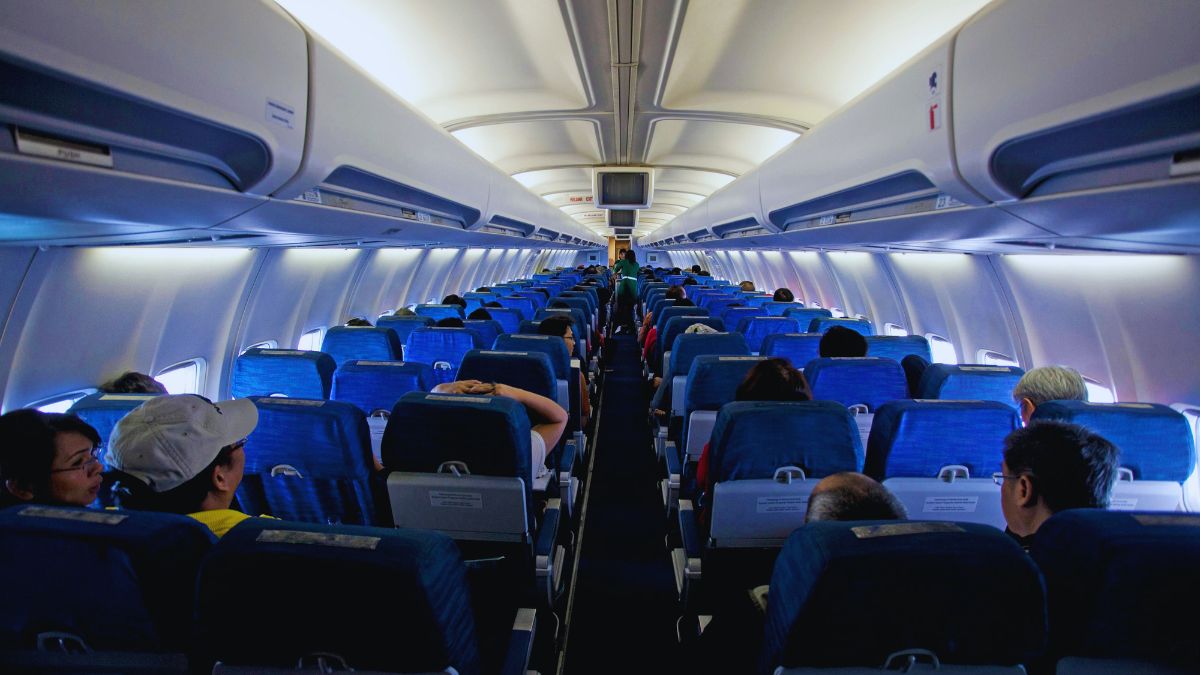
If you’re flying solo, don’t rush to board. Instead, hang back at the gate and be the very last person to get on the plane. As you walk down the aisle, keep your eyes peeled for a completely empty row. If you see one, and the “boarding complete” announcement hasn’t happened yet, you can usually snag it.
Once you’re in the air, you can lift all the armrests (using the secret button from Secret #1) and create a makeshift “lie-flat” bed across three seats. It’s not quite a suite on Emirates, but being able to stretch out horizontally is the ultimate luxury in coach. Just make sure to ask the crew politely before you make the move permanent.
10. The “Pillowcase Hack” for Extra Storage
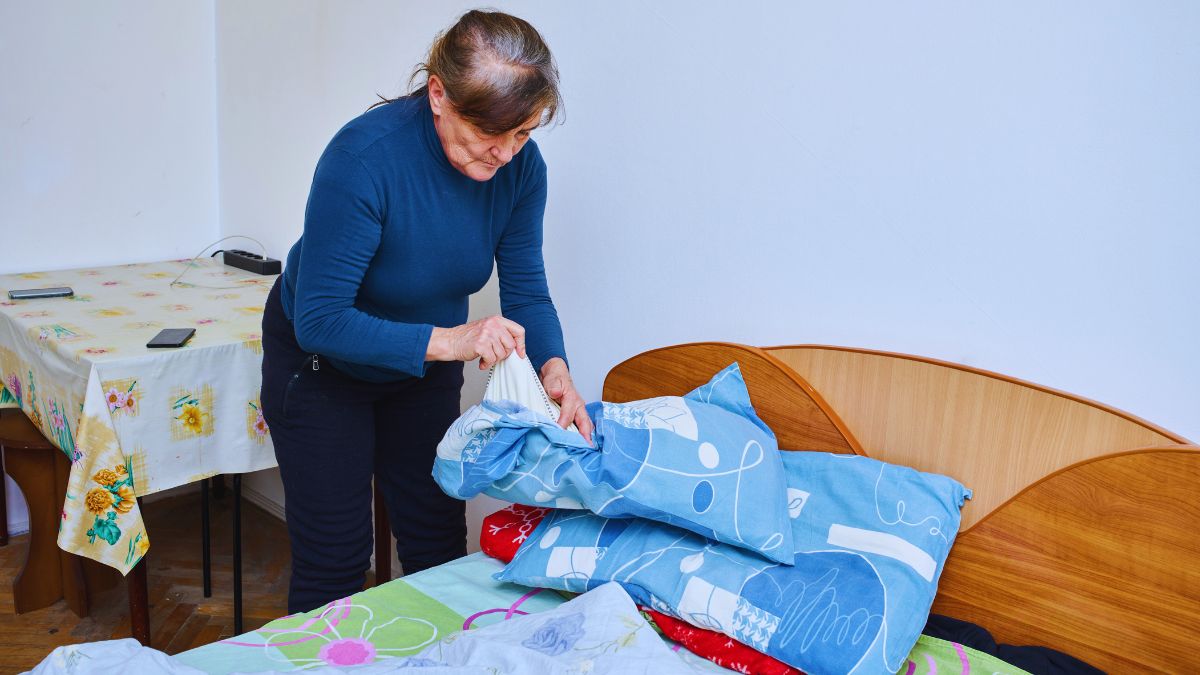
Airlines are getting stricter with bag fees, but they almost never count a pillow as a piece of luggage. Here’s the trick: take a standard pillowcase and stuff it full of your softest clothes—sweaters, socks, or even a light jacket.
You carry it on as your “personal pillow,” and nobody blinks an eye. It gives you extra storage for those souvenirs you bought, and it actually provides a much more comfortable, home-like pillow for the flight than those tiny, scratchy ones the airlines (sometimes) provide. It’s a legal, clever way to bypass the “one bag” rule.
11. The “Galley Snacking” Protocol
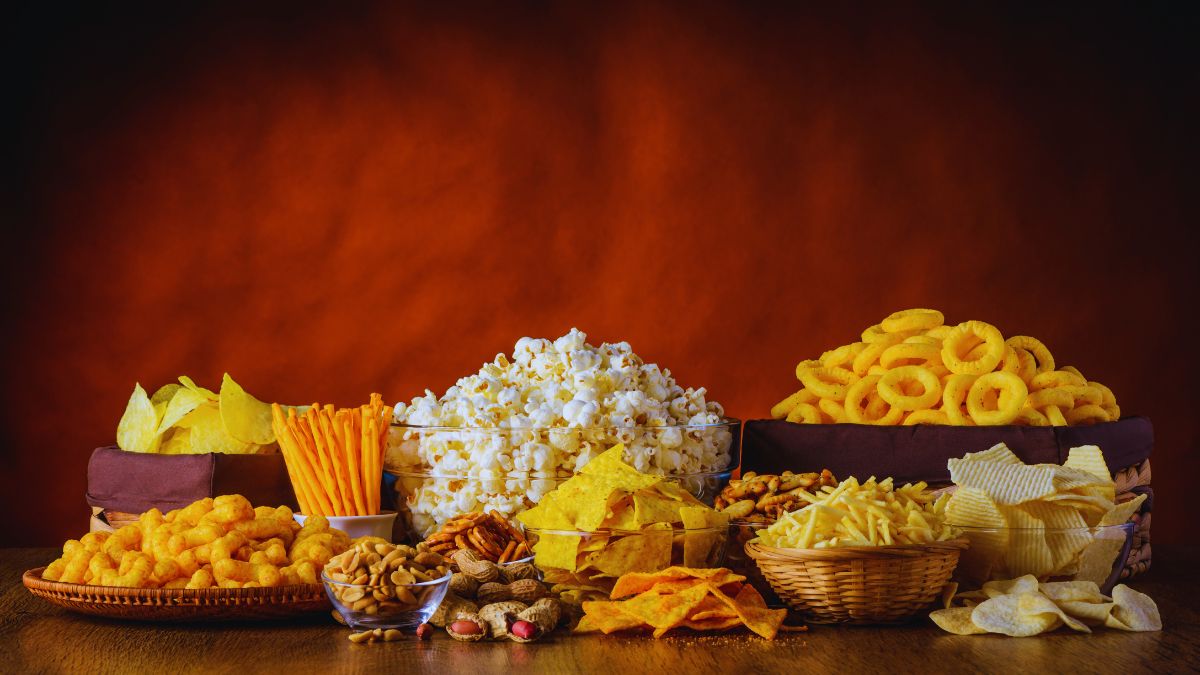
The snacks you get on the cart are just the tip of the iceberg. Airlines almost always have a “stash” of extra cookies, chips, and beverages kept in the galley for the crew. Between the main service runs, the cabin usually gets quiet. That’s your window.
Walk back to the galley—don’t use the call button, as that’s considered rude for non-emergencies—and ask the crew politely if they have any leftover snacks. Because you’re the one person who walked back and treated them like a human (see Secret #4), they’ll often hand over a handful of the “good stuff” that wouldn’t have been given out anyway.
12. Strategic “Umami” Catering

Science is pretty wild—when you’re at 30,000 feet, your taste buds actually go to sleep. Sensitivity to sweet and salty flavors drops by about 30% because of the low pressure and dry air. Think of it like someone turned the volume down on your favorite song to 70%.
The one flavor that actually survives (and even tastes better) at altitude is “umami”—that savory, meaty taste. This is why tomato juice is so popular on planes. If you’re bringing your own food, pick items rich in umami, like aged cheeses, mushrooms, or savory broths. It’ll actually taste like real food instead of cardboard.
13. The “Window-Seat Lean”
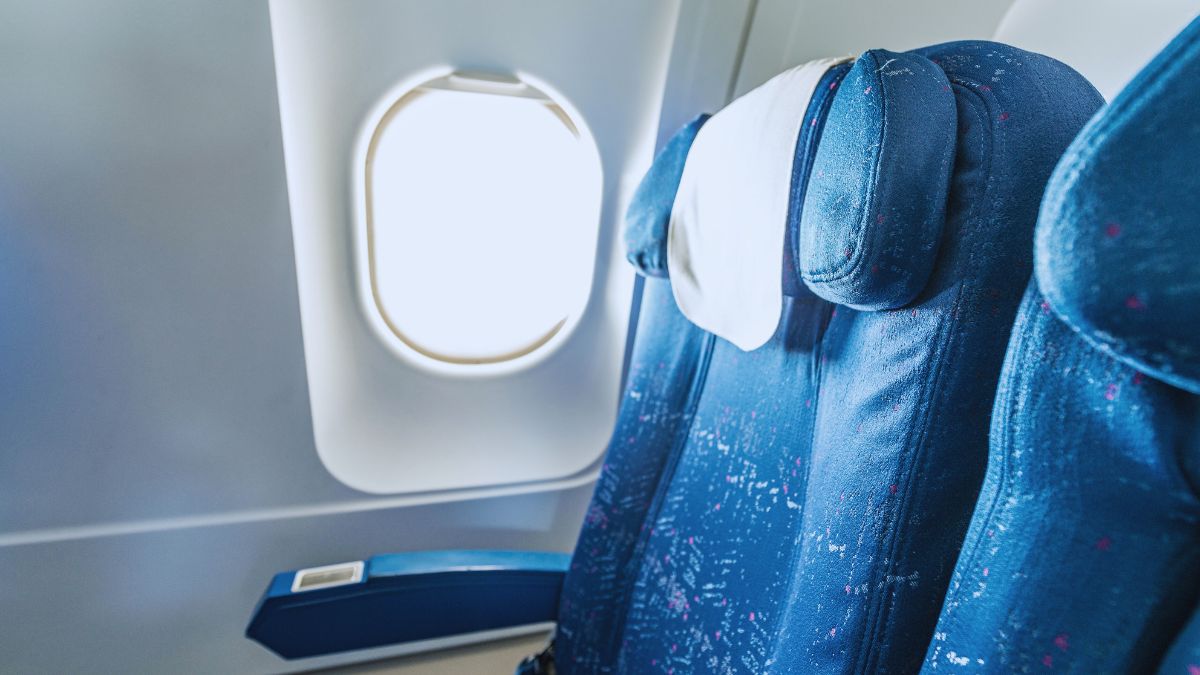
If you want to sleep, the window seat is mathematically superior every single time. It gives you a solid surface—the fuselage—to lean your head against. If you have a good neck pillow and a window seat, you can create a stable sleeping position that doesn’t involve your head flopping onto a stranger’s shoulder.
Beyond the support, the window seat protects you from the “aisle bump.” You won’t get hit by the beverage cart or have people climbing over you to get to the lavatory. It’s the only way to get a continuous block of sleep in economy, mimicking the privacy of a higher-class pod.
14. The “First Five” Seat Routine
First Class travelers have a routine, and you should too. The moment you sit down, do these five things: sanitize the tray table (it’s the dirtiest spot on the plane), organize your seat pocket with just the essentials you need (Kleenex, earbuds, book), adjust the air vent to its maximum (it circulates HEPA-filtered air), check for your life vest, and buckle your belt over your blanket.
That last bit is key. If the crew can see your seatbelt is fastened, they won’t wake you up during turbulence. This “colonization” of your tiny space reduces the stress of the environment and makes you feel more in control of your journey.
15. Leveraging the 2024 DOT Refund Rule
Knowledge is power. Under the latest Department of Transportation rules, if your flight is significantly delayed (3 hours for domestic, 6 hours for international), you are entitled to an automatic cash refund to your original payment method.
Airlines will try to offer you “vouchers” or “miles,” but you have the legal right to say no and take the cash. This gives you the flexibility to book a flight on a different airline immediately, just like a premium business traveler would. Never accept the voucher trap unless the value is significantly higher than the cash refund.
16. The “Pineapple Enzyme” Secret
Motion sickness can ruin even the most comfortable flight. Instead of relying on heavy drugs that make you feel like a zombie, try eating some pineapple before or during the flight. Pineapple contains an enzyme called bromelain, which is a natural stomach-settler.
It’s a trick used by frequent flyers to keep nausea at bay without the grogginess of Dramamine. Plus, the high water content helps with hydration. It’s a small dietary “hack” that keeps you feeling fresh and ready to go the moment you land.
17. The “Medical Equipment” Pre-Approval
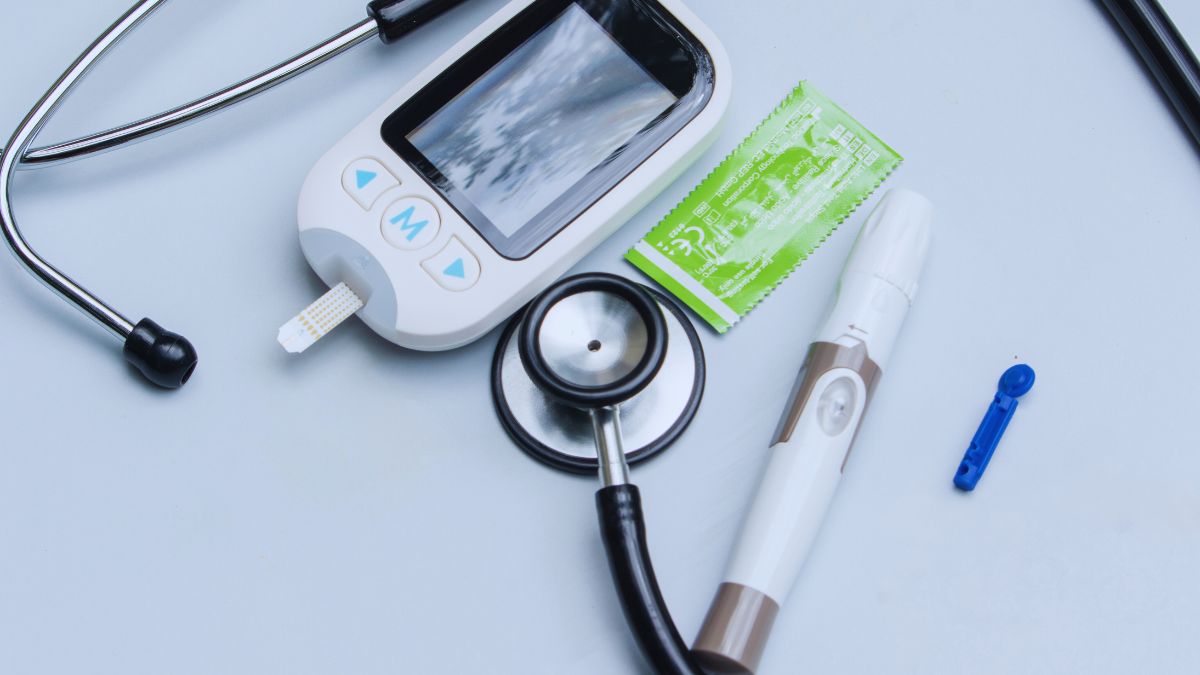
If you use a CPAP machine or other medical devices, you don’t have to worry about them taking up your carry-on space. Most airlines allow you to bring these in addition to your standard bag limit, provided you have the right documentation.
The secret is to get “pre-approval” or at least check the airline’s specific policy before you arrive. By knowing your rights, you ensure your essential health and comfort items are never gate-checked, keeping your most important gear right under your control throughout the flight.
18. The “Aspirational” Dress Code
Look, I’m not saying you need to wear a three-piece suit, but don’t show up in pajamas. Dressing in clean, professional layers—like a nice sweater and comfortable chinos—vastly increases your chances of an upgrade.
Gate agents are humans, and they are more likely to move someone into a premium cabin if they “look the part.” If there’s an operational need to move a passenger, they aren’t going to pick the person in the “I’m with Stupid” T-shirt. It’s about fitting the aesthetic of the cabin you want to be in.
Wrapping It All Up
The aviation world is changing, and honestly, the “sardine” feeling isn’t going away anytime soon. Airlines are projected to fill about 83.8% of all seats in 2026—that’s a record high. But by using these 18 secrets, you’re basically hacking a system that wasn’t designed for your comfort.
Whether it’s finding that hidden armrest button or knowing exactly when to ask for an “OpUp,” you have more power than the airline wants you to believe. So next time you’re heading to the airport, keep these in your back pocket. You might be sitting in 28B, but with a little insider knowledge, you can still have a First Class experience. Safe travels!
Need A Little More Help To Make That Flight Breeze By?
1. Everlasting Comfort Airplane Foot Hammock

If you’re worried about circulation or just hate having your legs dangle, this is a lifesaver. It uses premium memory foam and reinforced ribs to hoist your feet up, taking the pressure off your lower back and knees. It’s basically like having a recliner in a seat that doesn’t actually recline.
2. Soundcore by Anker Space A40 Earbuds

To create that “sleep cocoon” we talked about, you need these. They reduce noise by up to 98%—including that annoying engine drone—and the battery lasts for a staggering 50 hours. You could fly around the world and still have juice left.
3. BAGSMART Compression Packing Cubes (6-piece set)

This is how you master the pilot’s wife’s “Tetris” packing system. These cubes use a dual-zipper system to remove extra air and bulk, saving you about 30% more space in your carry-on. No more sitting on your suitcase to get it closed.
4. YETI Rambler 26 oz Water Bottle with Chug Cap

Perfect for the “ice-only” hydration hack. It’s double-wall vacuum insulated, meaning if you fill it with ice before security, it stays frozen solid for the entire flight. The Chug Cap makes it easy to sip without spilling during turbulence.
5. 100% Mulberry Silk Pillowcase (Standard)
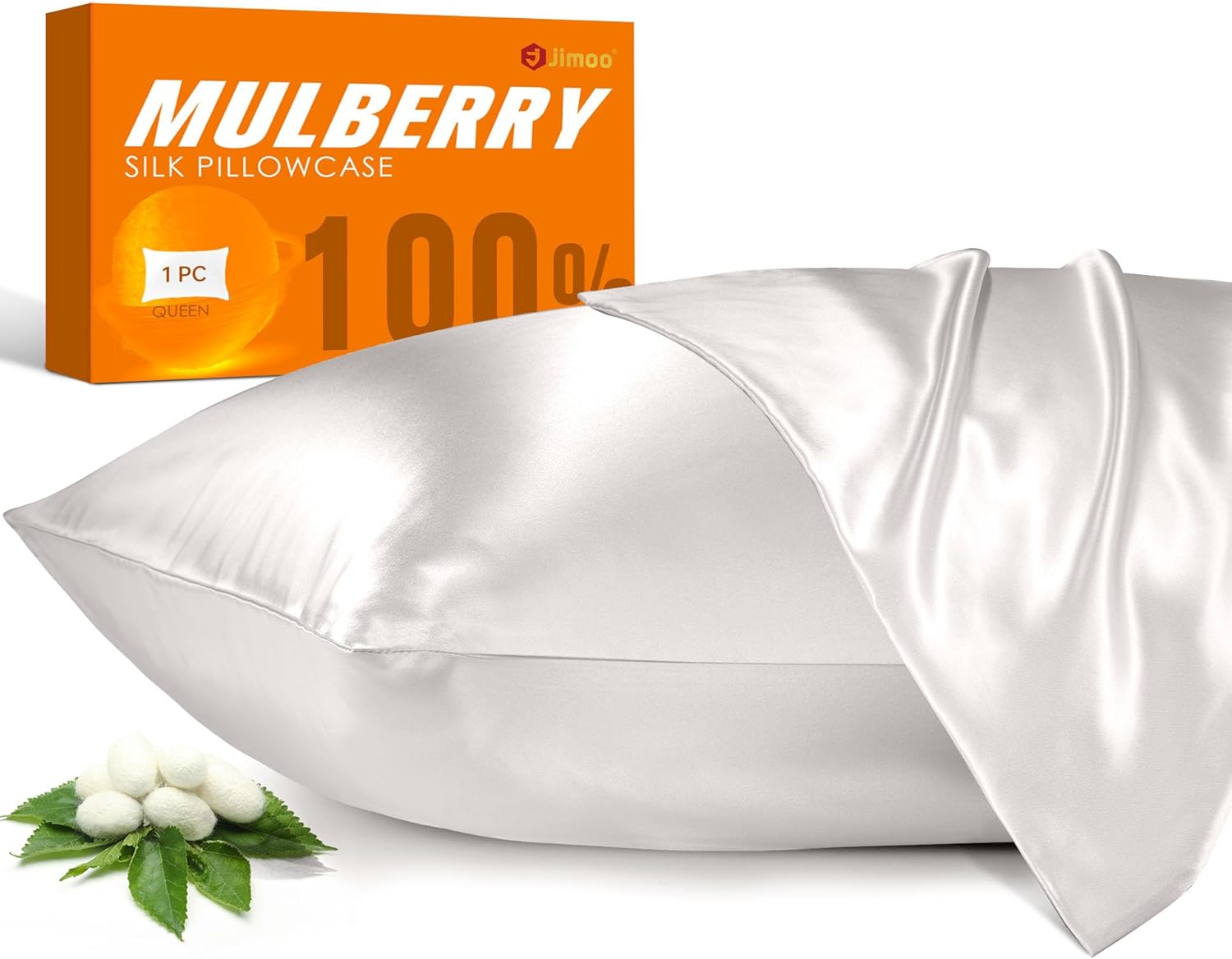
This is the secret to the pillowcase storage hack. It protects your skin from the dry cabin air and keeps your hair from looking like a bird’s nest when you wake up. Plus, you can stuff it with a sweater to create a home-quality pillow for the flight.