Baggage Handlers Confess: 16 Packing Mistakes That Guarantee Your Luggage Gets Lost

You know that moment at the baggage carousel? The one where the crowd starts to thin out, the belt stops with a mechanical groan, and you’re left standing there with that sinking feeling in your stomach? We’ve all been there. It’s that “oh no” realization that while you made it to Hawaii, your floral shirts might currently be enjoying a solo vacation in Helsinki.
Honestly, the underground world of an airport is like a high-speed, automated city that never sleeps. In 2024 alone, these systems handled a mind-blowing 5.3 billion passengers. That is a lot of suitcases. Most of the time, the robots and the handlers get it right—the mishandling rate actually dropped to 6.3 bags per 1,000 people recently—but when it goes wrong, it goes really wrong. We’re talking about 33.4 million bags getting lost, delayed, or damaged every year. That’s a $5 billion headache for the airlines and a total nightmare for us.
Before we dive into the “confessions” part, take a look at the actual numbers. It helps to see what we’re up against:
Look, I spent some time digging into what the people on the ramp—the ones actually tossing the bags—have to say. They aren’t trying to lose your stuff; they’re just working in a high-pressure environment where safety and on-time departures are the only things that matter. Here are the 16 mistakes they see every single day that basically guarantee your bag is going to have a bad time.
1. The “Ghost Tag” (Leaving Old Stickers On)
Honestly, it’s such a small thing, but leaving those old barcode stickers on your bag is like giving the airport’s robot brain a panic attack. These Automated Tag Readers are fast, but they aren’t always smart. They scan the first valid-looking barcode they see. If your bag still has a “ghost tag” from that trip to Tokyo three years ago, the system might accidentally send your bag to a sorting bin for Japan while you’re headed to New York.
Think about it this way: the machines are programmed to be efficient, not to guess. When a bag has two conflicting destinations, it gets kicked out of the automated line to wait for a human to fix it. But humans are busy, and if that “wait corner” is full, your bag is definitely missing its flight. Peel them off. Every single one. It takes ten seconds and saves you ten days of searching.
2. Relying on Those Flimsy Paper Tags
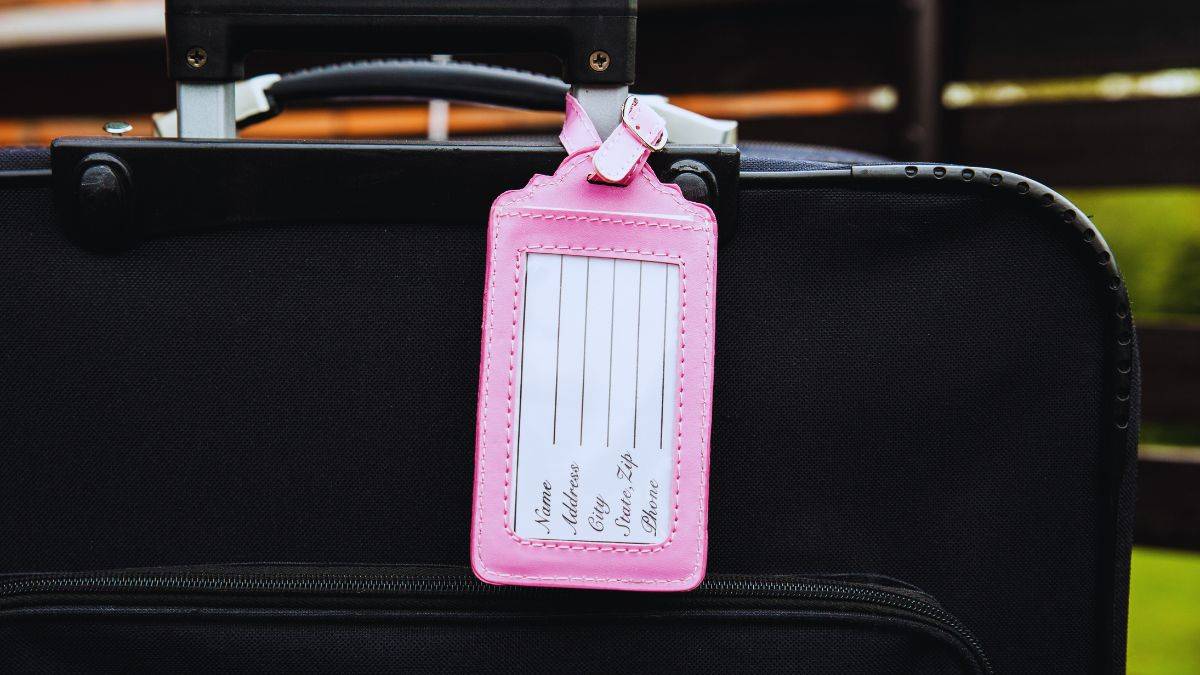
We’ve all done it—printed the tag at the kiosk, looped it through, and hoped for the best. But those thermal paper tags are designed for convenience, not for a 20-mile journey through a mechanical maze. Handlers see these things tear off all the time. Once that tag is gone, your bag becomes a “UFO”—an unidentified flying object—and there is no easy way to know where it belongs.
The guys on the ramp, like retired handler Roni Faida, will tell you that the second a tag rips, your bag is effectively invisible to the system. Without that barcode, the robots don’t know which plane to put it on. It’s essentially “game over” for that bag until someone manually opens it up to look for clues, which can take weeks.
3. The “Sea of Black” Suitcases
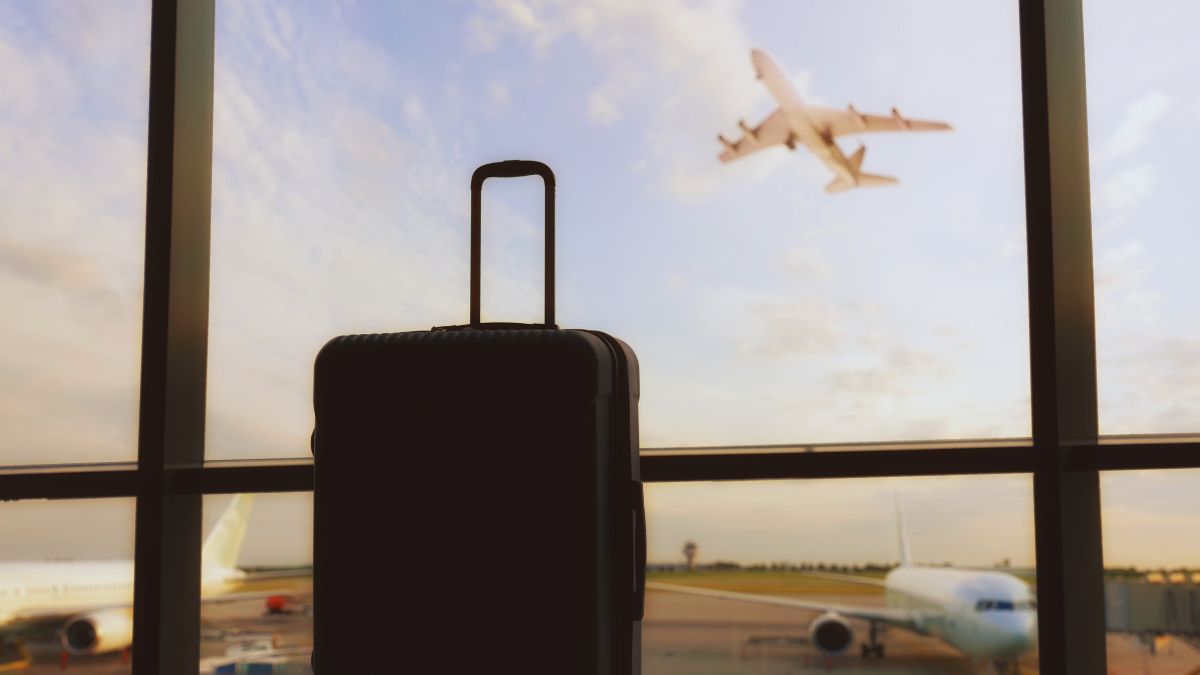
Walk into any airport and look around. It’s a literal ocean of black, rectangular boxes. This leads to what I call “accidental theft.” You’re tired, the other guy is tired, and you both have the exact same mid-sized black Samsonite. He grabs yours, walks out the door, and you’re left holding a bag full of someone else’s socks. It happens way more than you’d think.
Handlers recommend being a “basic bitch” with your gear but adding a “loud” identifier. But—and this is a big but—don’t just use a tiny ribbon. Use a vibrant, patterned cover or just buy a bag in a color that would make a neon sign jealous. It makes it easier for you to spot, and if a handler is looking for a “missing bag,” a bright yellow suitcase is a lot easier to find than “the black one.”
4. The Ribbon Trap (External Hack Failures)

I know, I just said to make your bag stand out, but be careful with how you do it. Tying long, flowing ribbons or loose straps to your handles is a recipe for disaster. Airport conveyor systems are full of “diverters”—mechanical arms that shove bags from one belt to another. Those ribbons get caught in the machinery like a scarf in an escalator.
When a ribbon gets snagged, one of two things happens: either the ribbon (and your ID tag) gets ripped off, or the entire bag gets jammed in the sorter. I’ve heard stories of handles being completely sheared off because a “cute” ribbon got caught in a junction. Keep it sleek. Use a colorful luggage tag that sits flat, or better yet, a unique suitcase design.
5. The Overstuffed “Suitcase Grenade”
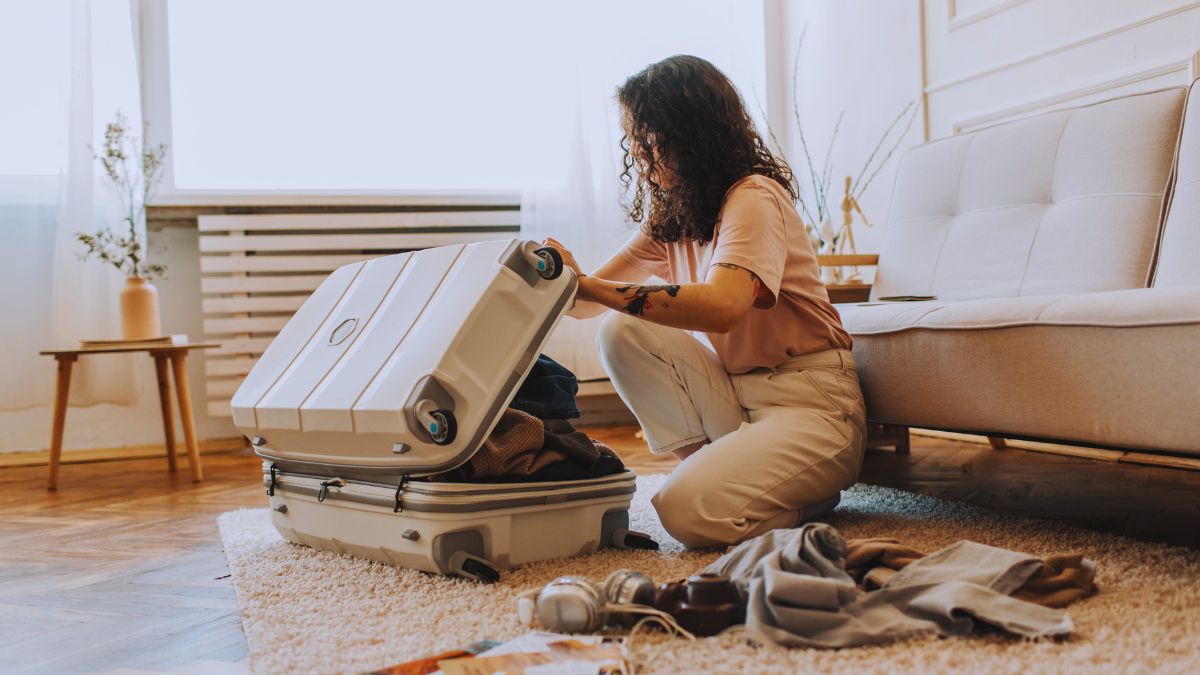
We’ve all done the “sit on the suitcase to zip it” move. But once that bag hits the ramp, it’s under immense pressure. When you overpack, you’re straining the zippers to their absolute limit. Then, you throw that bag into a cargo hold where it’s stacked under 1,000 pounds of other luggage, and the vibration of the plane does the rest.
Handlers call these “suitcase grenades.” One little bump or a bit of pressure from a bag on top, and the zipper gives way, scattering your underwear across the tarmac. Once your stuff is out of the bag, it’s almost impossible to get it all back together and onto the right flight. If the zipper is struggling at home, it’s not going to make it to the destination.
6. The 2-Wheel vs. 4-Wheel Debate

Look, handlers are human, and the cargo hold of a Boeing 737 is a cramped, hot, miserable place. If your bag has four high-quality “spinner” wheels, the handler can just roll it into place. It’s easy, it’s fast, and they’ll treat it with a bit more respect because it’s not breaking their back.
If your bag has two wheels, or worse, no wheels? It’s getting thrown. And I don’t mean a gentle toss; it’s getting launched 10 to 15 feet into the back of the bin to save time. They have to meet a 30-minute turnaround, and they aren’t going to crawl on their hands and knees to move a 50-pound bag without wheels. Spend the money on a 4-wheel spinner; your stuff will thank you.
7. Oddly Shaped or Curved Luggage
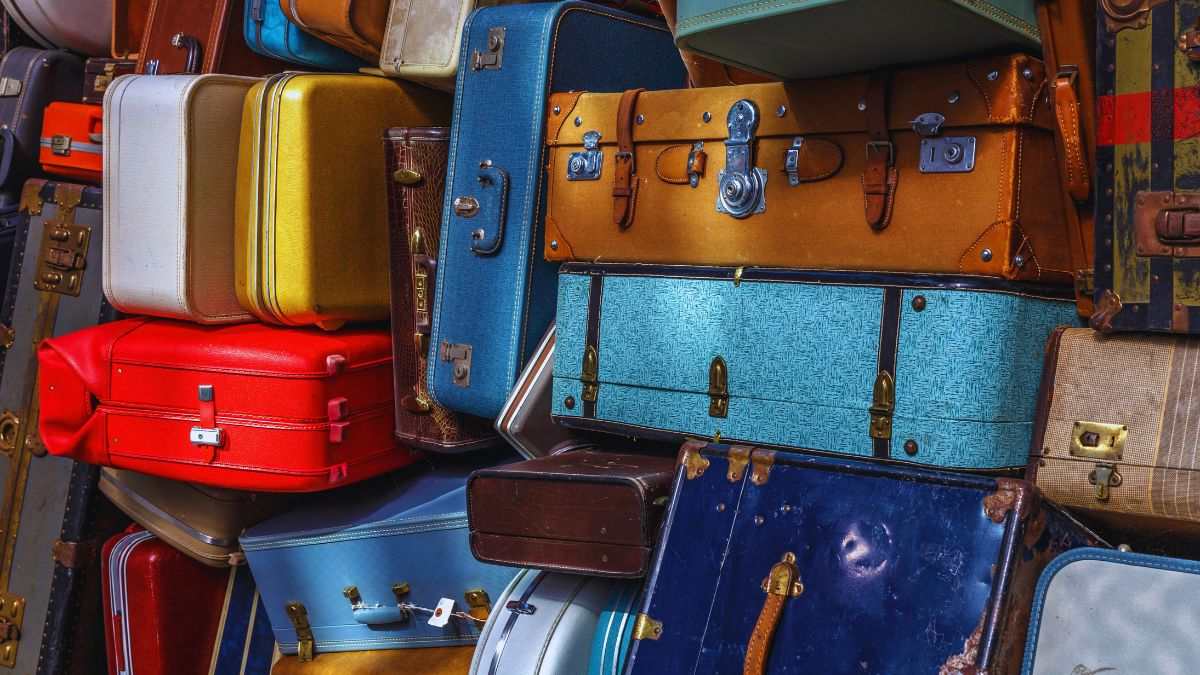
Luggage is designed to be stacked like bricks. When you bring a curved duffel or a weirdly shaped hard-shell bag, it messes up the “stack pattern” in the plane. These bags are the primary cause of “baggage avalanches” during flight. When the plane tilts, the weirdly shaped bag slides, and everything on top of it comes crashing down.
When a handler sees a bag that won’t stack, they usually end up putting it on the very top or in a corner where it might get squished. It also makes their job harder, and—honestly—if a bag is a pain to handle, it’s more likely to be handled roughly. Stick to the classic rectangular shape. It’s boring, but it’s safe.
8. The “Razor Blade” Handle
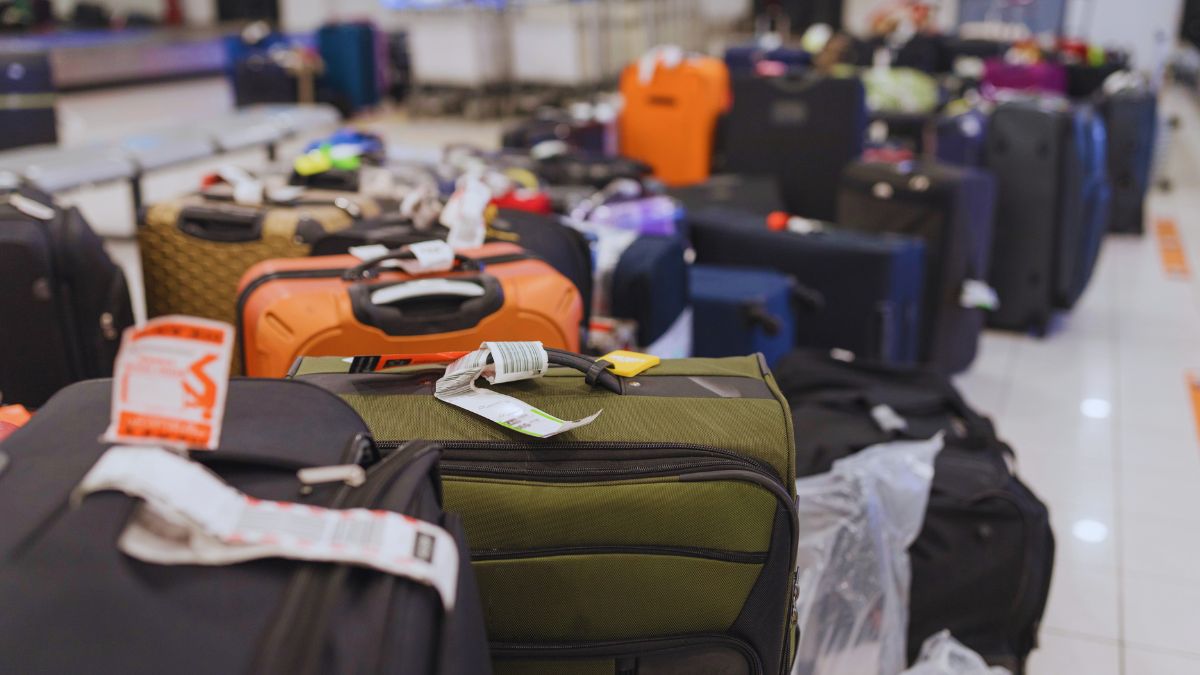
Suitcases have a metal strap inside the handle for support. Over time, the plastic around it can crack. If that metal is exposed, it’s incredibly sharp. A handler who gets their hand sliced open by your broken handle is going to be—understandably—very upset. More importantly, they might actually refuse to touch the bag for safety reasons.
If a bag is flagged as a safety risk because of an exposed metal strap, it’s staying on the ground. The airline isn’t going to risk a worker’s compensation claim for your $40 suitcase. If your handles are cracked or the wheels are missing chunks, it’s time to retire the bag. Don’t be the person who sends a “weaponized” suitcase through the system.
9. The Lithium Battery Fire Risk
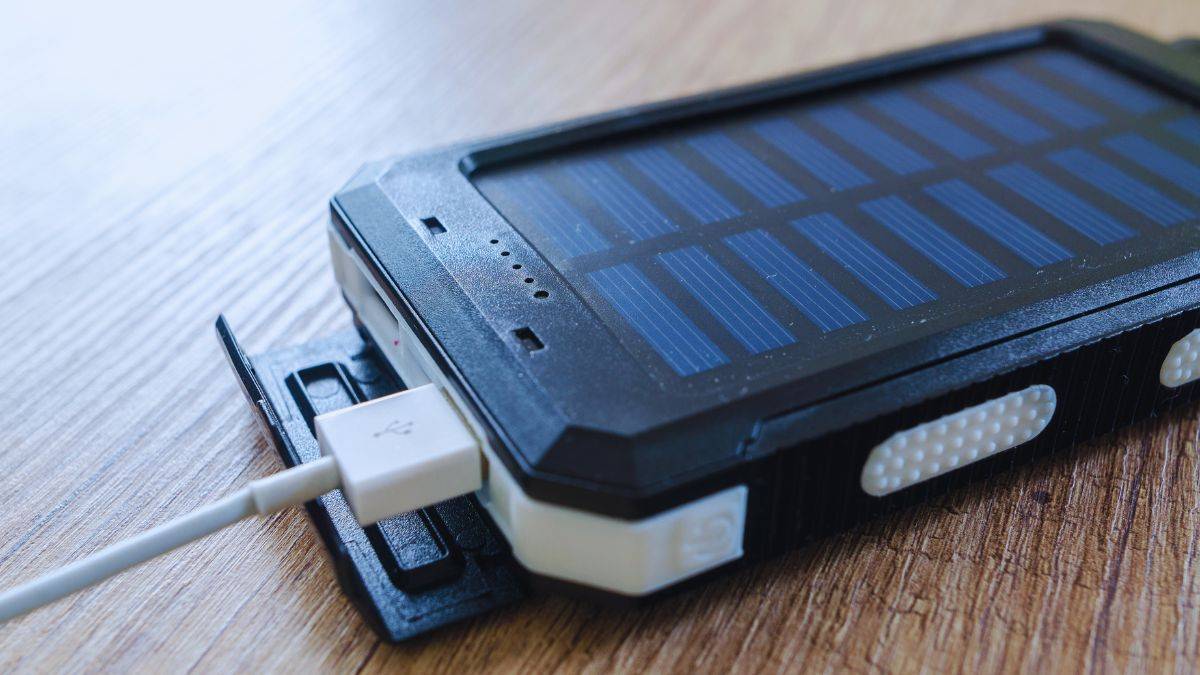
This one isn’t just about losing your bag; it’s about not crashing the plane. Lithium-ion batteries (the ones in your laptop, phone, or power bank) can spontaneously combust if they get crushed or overheated. If a fire starts in the cargo hold, the crew can’t get to it. It is a massive security risk.
If the TSA or a handler suspects there’s a lithium battery in your checked bag, they will pull it. They’ll open it, search it, and by the time they’re done, your plane will be halfway across the ocean. Always, always put your batteries and “smart bag” power banks in your carry-on. It’s not a suggestion; it’s a hard rule for a reason.
10. Checking the Family Jewels (And Electronics)
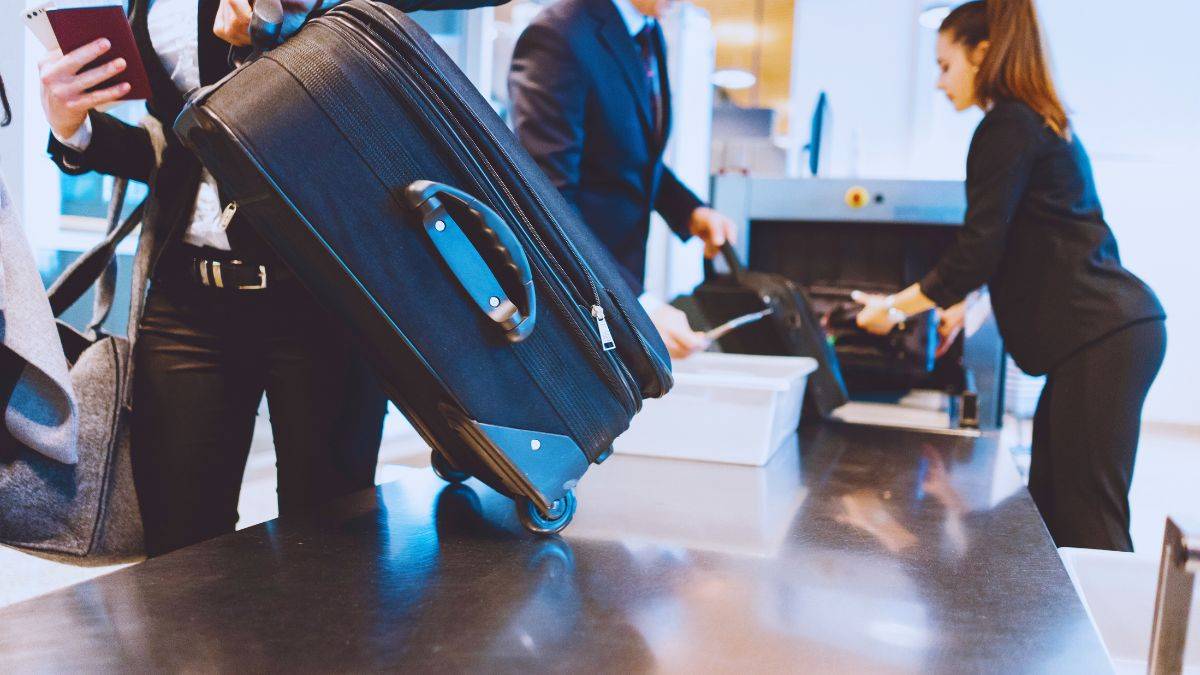
Never, ever check anything you aren’t prepared to lose forever. Airlines explicitly say in their contracts that they aren’t liable for cash, jewelry, or electronics in checked bags. Plus, the “kickers” on the belt system can launch a bag 5 to 6 feet in the air to switch tracks. That kind of impact is a death sentence for a laptop or an iPad.
There’s also the reality of pilferage. While 95% of bags are found, “damaged or pilfered” items rose to 18% last year. If you have a $3,000 rifle or expensive camera gear, there are specific ways to check those, but for your everyday tech? Keep it in your backpack. If the bag goes missing, you can buy new clothes, but you can’t replace the data on your hard drive.
11. The “Fragile Sticker” Myth
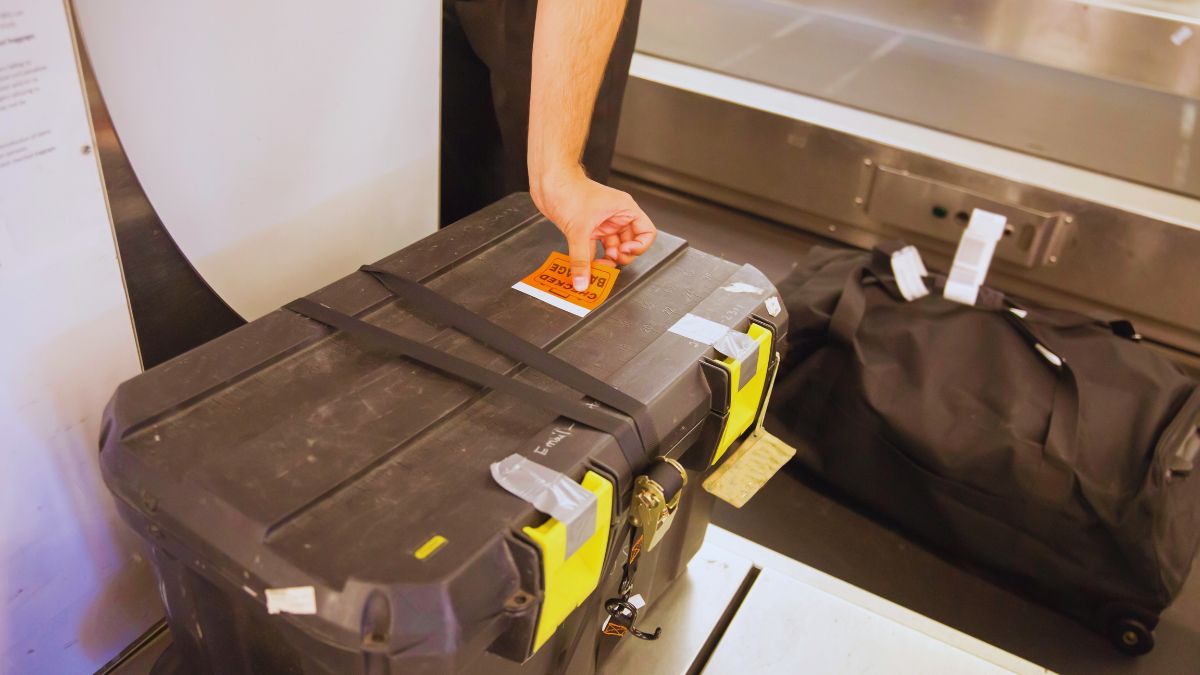
Here is a secret from the ramp: a “Fragile” sticker doesn’t mean your bag gets a velvet cushion. In fact, some disgruntled handlers call them “drop kick” stickers. While most handlers won’t intentionally break your stuff, they simply don’t have the time to treat one bag differently than the other 200 they have to load in 20 minutes.
If you want to protect something fragile, don’t rely on a sticker. Wrap it in soft clothes and make sure there is zero movement inside the bag. If the item can shift, the momentum during a belt stop will shatter it against the side of the suitcase. Snug is safe; stickers are just wishful thinking.
12. The Shaving Cream “Explosion”

Science is cool, except when it ruins your favorite suit. As an aircraft climbs, the air pressure in the hold drops. The air trapped inside a can of shaving cream or a bottle of shampoo stays at ground-level pressure. That pressure difference forces the air to expand, and “pop”—you’ve got a suitcase full of menthol-scented foam.
I’ve heard of handlers having to clean entire suitcases because a single can of shaving cream went off like a bomb. The fix is easy: put your liquids in a sealed, waterproof bag. Better yet, use a “dry bag” meant for camping. If something leaks, it stays in the bag and doesn’t become a wardrobe-wide disaster.
13. The “Last-Minute” Check-in
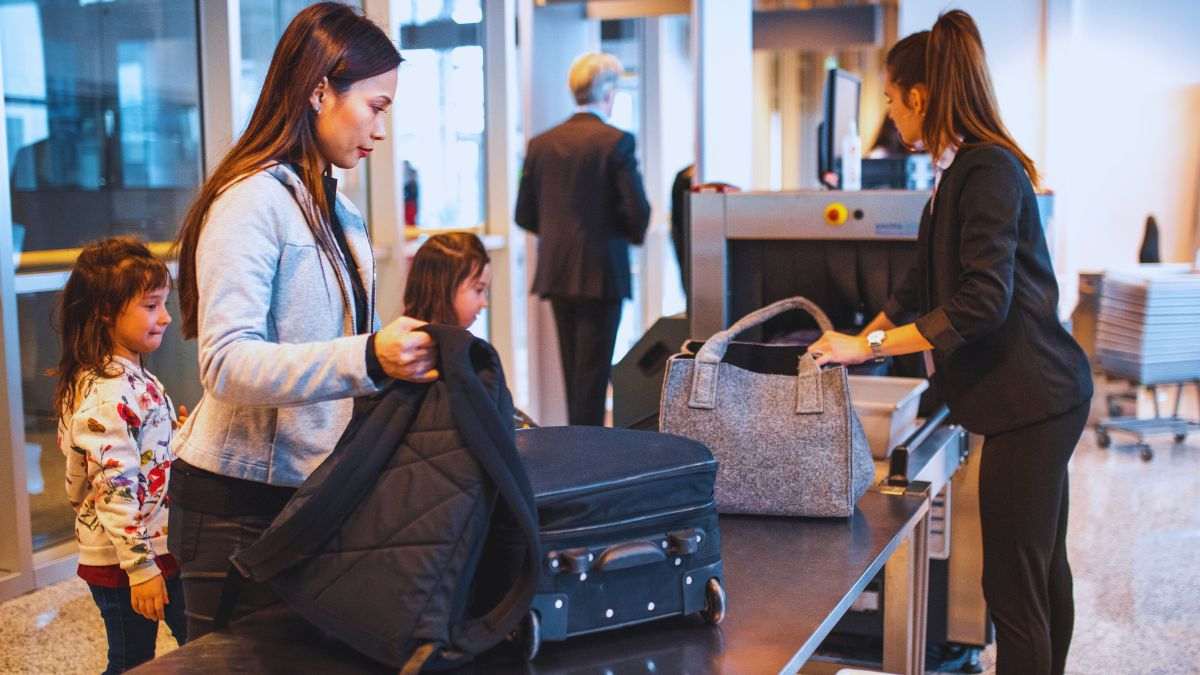
Airports usually have two big baggage “waves”—one at 60 minutes before the flight and another at 30 minutes. If you check in at the very last second, your bag misses the main sorting wave. It has to be hand-carried to the plane, and if the cargo door is already closed, your bag is staying behind.
The guys on the ramp will tell you that being “mostly late” is okay for you, but it’s a disaster for your luggage. If you want your bag to actually be under your feet when you fly, give it at least two hours to navigate the miles of conveyor belts. The “system” needs time to think.
14. Booking the “Sprinting” Layover
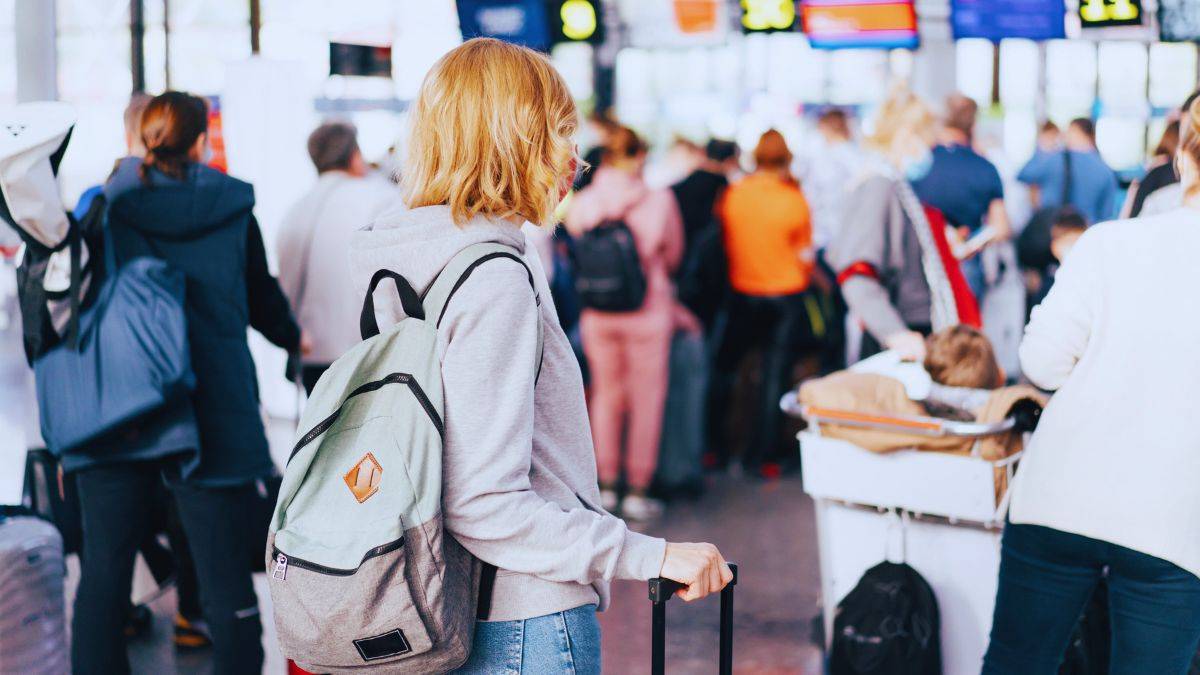
A 45-minute layover might be enough for you to run across the terminal, but it’s rarely enough for your bag. Transfer issues are the #1 cause of delayed luggage, accounting for about 41% of all “mishaps.” Your bag has to be unloaded, sorted, and re-loaded onto a different plane, often in a completely different terminal.
If you’re flying internationally, this is even more critical. International bags are six times more likely to be mishandled than domestic ones. Give yourself—and your bag—at least a two-hour window for transfers. It’s the difference between starting your vacation on time and spending your first day at the airport’s lost-and-found desk.
15. The “Anonymous” Bag (No Internal ID)
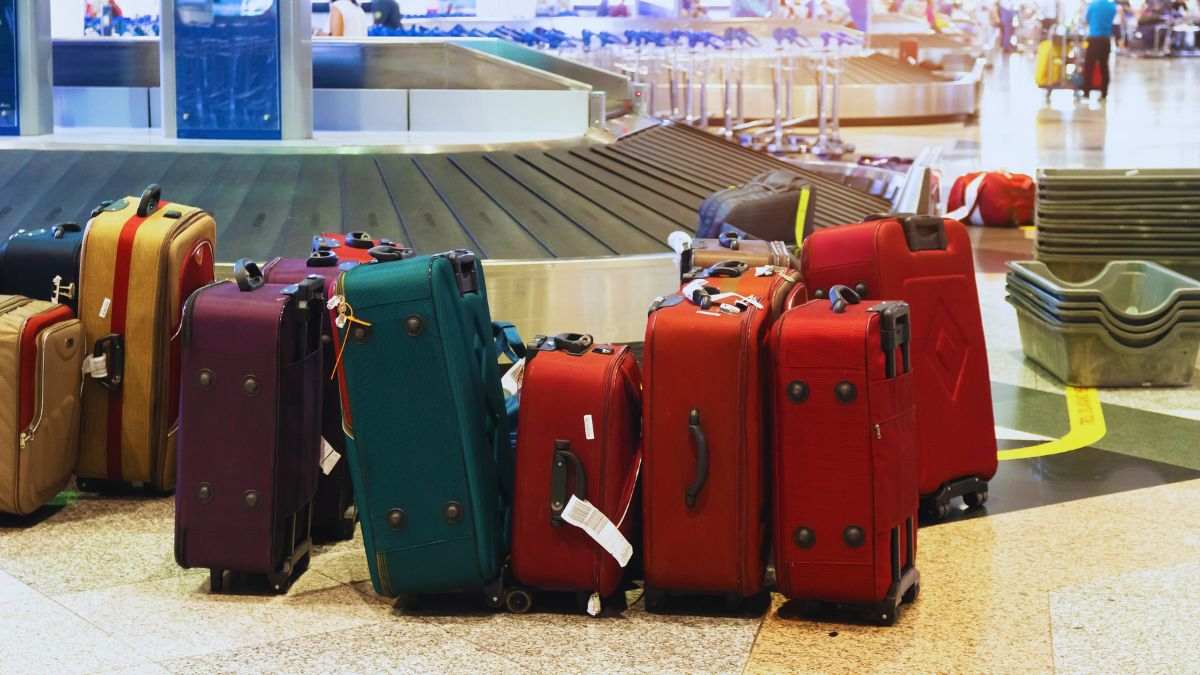
Luggage tags fall off. It’s a fact of life. When that happens, the “Baggage Resolutions” team opens the bag to look for clues. If all they see is a pile of generic t-shirts, they have no way to get it back to you. This is how bags end up at the “Unclaimed Baggage Center” in Alabama (which is a real place, by the way).
Place a business card or a copy of your itinerary right on top of your clothes before you zip up. If the external tag goes missing, the person who opens the bag will immediately see your name and phone number. It’s the ultimate fail-safe. If you don’t have a business card, just write your info on a piece of paper. Just give the system a chance to find you.
16. Forgetting the “Before” Photo
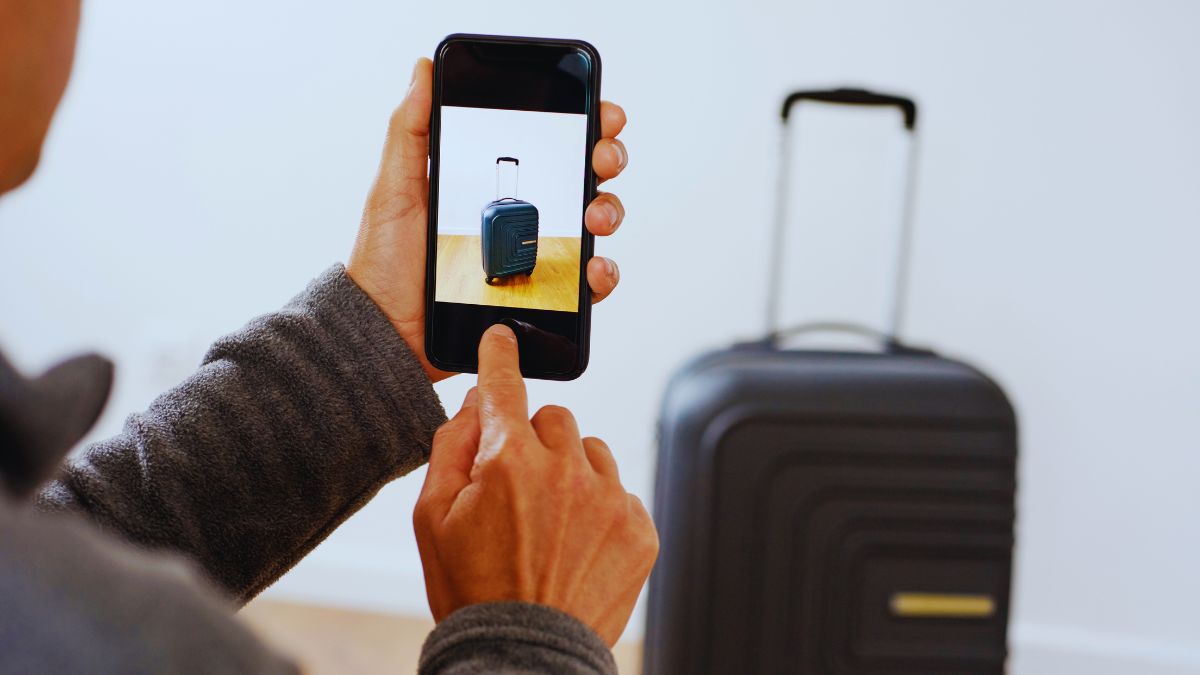
This isn’t really a packing mistake, but it’s a huge strategic one. Before you hand your bag over, take a quick photo of it on your phone. If it goes missing, showing a photo of a “bright blue hardshell with a scratch on the left” is a thousand times more helpful to a handler than saying “it’s blue.”
Also, if the bag comes back looking like it was chewed on by a dinosaur, that photo is your “exhibit A” for an insurance claim. Without a “before” photo, the airline can just say the damage was already there. It takes three seconds and can save you hundreds of dollars in repair costs.
Barcode vs. RFID: Why Your Bag is (Mostly) Safe
You might be wondering how the airport even keeps track of all this. Most use barcodes, which are fine, but they require “line of sight”—meaning a laser has to see it. The future is RFID (Radio Frequency Identification), which uses radio waves. It’s way more accurate because it can “see” through other bags.
Final Thoughts: Take Control of the Carousel
Look, at the end of the day, the baggage handling system is a marvel of engineering, but it’s not perfect. It’s a mix of high-tech robots and overworked humans. The 2025 SITA report shows we’re getting better—66% of mishandled bags are back with their owners within 48 hours—but why be part of that statistic at all?
If you remove those old stickers, invest in a 4-wheel bag, and throw a business card inside, you’ve already won half the battle. You’re moving from being a “target” of the system to being a manager of your own logistics. So next time you’re at the carousel, you can be the one walking away with your bag while everyone else is still staring at an empty belt.
Need A Little Help Getting Your Gear System-Ready?
1. Apple AirTag (4-Pack)

If you’re an iPhone user, this is the ultimate peace of mind. You just tuck one into a hidden pocket inside your bag, and you can see exactly where your luggage is on your phone—even if the airline claims they’ve “lost” it. It uses a massive network of other devices to ping its location, which is often way more accurate than the airport’s own tracking.
2. Aluminum Luggage Tags with Privacy Flap

Remember the “Ghost Tag” and “Flimsy Tag” mistakes? These solve both. They are made of reinforced aluminum so they won’t tear off like paper, and they have a clever little flap that hides your personal address from random strangers while you’re standing in line. Only your name is visible unless the flap is physically lifted, keeping you safe and your bag identifiable.
3. BAGSMART Compression Packing Cubes

To avoid that “suitcase grenade” situation where your bag bursts open under pressure, these cubes are a lifesaver. They help you organize everything into tight bundles and then use a secondary zipper to compress the air out. This keeps the internal pressure off your suitcase’s main zipper and ensures that if security has to open your bag, your clothes stay neatly contained instead of scattering everywhere.
4. Samsonite Freeform Hardside Spinner

If you’re still dragging a 2-wheel bag, handlers have confessed it’s much more likely to be thrown across the cargo hold. This 4-wheel spinner is built to be rolled, which ramp agents genuinely appreciate. It’s lightweight, incredibly durable, and has a textured shell that hides the scuffs and scratches that happen during the rough-and-tumble journey through the belt system.
5. Morfone Leak Proof Travel Bottles

Don’t let a “shaving cream explosion” or a shampoo leak ruin your trip. These silicone bottles are specifically designed to handle the atmospheric pressure changes that happen at 35,000 feet. They have a triple-layer leak-proof cap and a soft, squeezable body, ensuring that your toiletries stay inside the bottle and off your favorite vacation outfits.