Former TSA Officer Admits: 19 Security Line Mistakes That Get You ‘Randomly’ Selected Every Time

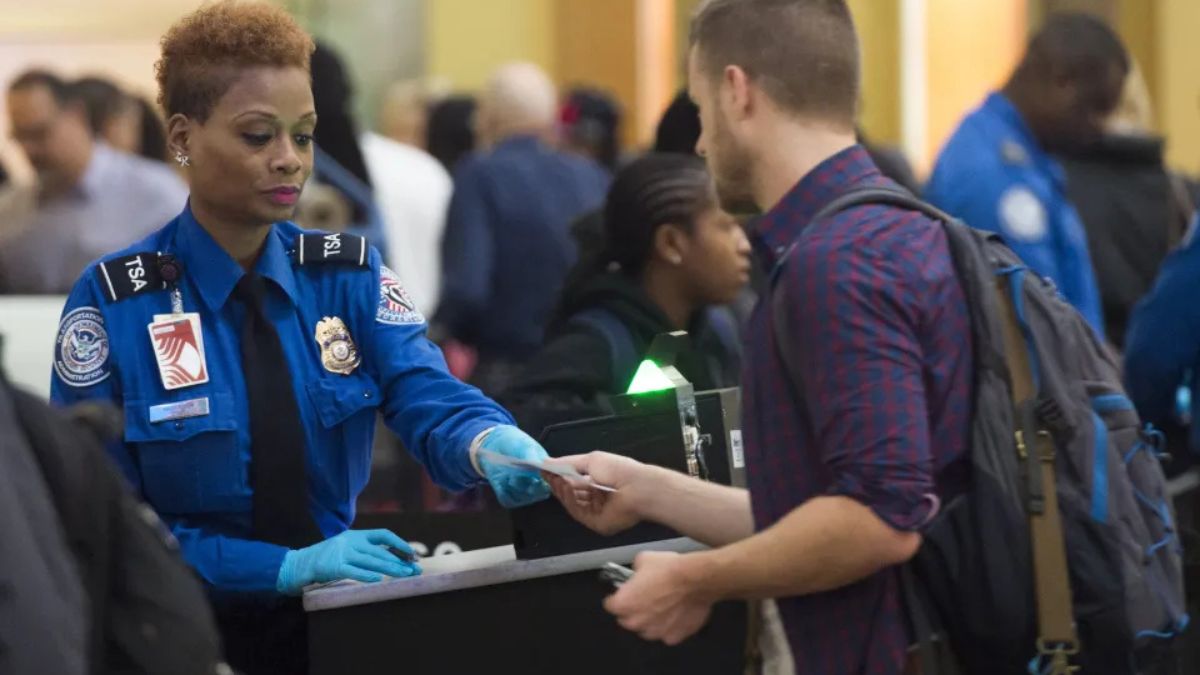
Standing in the middle of a terminal at 5:00 AM feels like being a tiny part of a massive, humning machine. We’ve all been there, shuffling along in our socks, clutching a boarding pass, and trying to remember if we actually finished that bottle of water. In 2024 alone, the TSA screened a record-breaking 904 million people. That’s nearly a billion souls moving through those gray bins, yet somehow, the “random” selection process still feels like a personal attack when that officer taps our shoulder.
Honestly, after talking to folks who’ve worn the uniform, it turns out that “random” is often just a polite word for “you tripped an algorithm or a sensor.” Whether it’s the way we booked our flight or the fact that we’re wearing a favorite lucky headband, there are specific triggers that turn a normal morning into a full-body pat-down. It isn’t always about catching a “bad guy”—it’s often just the way the physics of a scanner or the logic of a computer works. Let’s look at the actual numbers for a second to see the scale of what these officers are dealing with.
The 2024 Security Landscape by the Numbers
| Metric | The Data Point |
| Total Travelers Screened | 904 Million |
| Firearms Intercepted in Carry-ons | 6,678 (94% were loaded) |
| Daily Average of Firearms Found | 18.2 guns per day |
| TSA PreCheck Members | Over 20 Million |
| Peak Travel Day Throughput | 3.1 Million (Sunday after Thanksgiving) |
Look, 18 guns a day is a lot of hardware to find. It explains why the system is so twitchy. But for the rest of us just trying to get to a beach or a business meeting, we end up in the “SSSS” (Secondary Security Screening Selection) line because of small, avoidable blunders. Here are the 19 mistakes that basically guarantee a closer look.
1. Booking a One-Way International Flight
Algorithms love patterns, and a one-way ticket to London or Tokyo without a return date is a giant red flag. To a computer program, it looks like someone who doesn’t plan on coming back, which is a classic risk indicator for all sorts of trouble.
It doesn’t mean we’re doing anything wrong, but it does mean the Secure Flight system is going to slap that “SSSS” code on our boarding pass before we even reach the curb. If we have to fly one-way, we should just expect the extra search and arrive twenty minutes earlier.
2. Paying for a Ticket in Cold, Hard Cash
In an age where everything is digital, paying hundreds of dollars in cash for a flight is considered “unusual financial behavior.” It avoids the digital paper trail that credit cards provide, and the government really likes to know where travel money is coming from.
Since most of us haven’t used cash for a flight since the nineties, doing it now makes us a statistical outlier. That lack of a financial footprint is often enough to trigger a manual bag search or a more intensive interview.
3. Making a Last-Minute Dash for the Gate
Buying a ticket within 24 to 72 hours of departure is another behavior that trips the security alarm. Most leisure travelers plan weeks in advance, so a sudden, urgent booking suggests a lack of planning or a desperate need to move—both of which the system views with suspicion.
Look, sometimes life happens and we need to fly for a family emergency or a last-minute deal. But in the eyes of the screening algorithm, that urgency is a marker for potential risk, so we’re much more likely to be “randomly” selected.
4. Sharing a Name with Someone on the “List”
This one is pure bad luck, but it’s a reality for thousands of people. If someone’s name is “John Smith” or something similarly common, there is a decent chance they share a name with someone on the Terrorist Screening Database.
It’s called “name matching,” and it’s a total headache. If this keeps happening, we should apply for a Redress Number through the DHS TRIP program; it’s basically a way to tell the computer, “I’m the good John Smith, not the one you’re looking for.”
5. Frequent Travel to “High-Risk” Regions
If our passport is full of stamps from conflict zones or nations with strained diplomatic ties to the U.S., we are going to be a person of interest. It isn’t necessarily about where we’ve been, but who we might have talked to or what we might be bringing back.
Officers aren’t just looking at our bags; they’re looking at our travel history as a narrative. If that narrative includes a lot of time in high-risk areas, the “random” selection is actually a deliberate check to ensure our visit was strictly for business or tourism.
6. Ignoring the REAL ID Deadline
We’ve been hearing about it for years, but as of May 7, 2025, the star on our license actually matters. If we show up with a non-compliant ID, we aren’t just getting a dirty look—we’re getting additional screening or potentially being turned away.
Starting in early 2026, the TSA plans to charge a $45 fee for a service called ConfirmID to verify people who forget their IDs or have non-compliant ones. It’s an expensive way to spend forty-five bucks just because we didn’t visit the DMV.
7. Working Up a Serious Sweat in Line
This is one of the weirdest quirks of modern technology. The millimeter wave (mmW) scanners we stand in don’t actually see our skin; they see how radio waves reflect off water. If we’re sweating through our shirt because we’re nervous or just ran through the terminal, that moisture looks like a “mass” to the machine.
The scanner will put a red box on the “gingerbread man” avatar, usually in the armpits or groin area, which forces the officer to do a physical pat-down of that spot. It’s a cruel cycle: the more we sweat from the stress of security, the more likely we are to get searched.
8. The “Thick Hair” Problem
Textured hair, braids, buns, or dreadlocks are a frequent cause for secondary screening. The scanners can’t see through dense hair to the scalp, so if there is a pocket of air or moisture trapped in a bun, the machine flags it as an anomaly.
It feels invasive, but the officer usually has to do a manual “hair pat” to make sure nothing is hidden in the volume. Honestly, it’s a design flaw in the machines, but until the tech catches up, keeping hair loose or simple is the fastest way through.
9. Wearing an Underwire Bra
Metal is the obvious enemy of the old-school metal detectors, but even the new AIT scanners can be triggered by the thick metal wires in some bras. If the wire is substantial enough, it appears as a distinct, unidentifiable object on our person.
A lot of frequent fliers swear by sports bras or wire-free versions just for travel days. It’s about minimizing anything that could possibly look like a “non-metallic threat” to a computer program that is trained to be paranoid.
10. Heavy Jewelry and Body Piercings
Large bangles, chunky necklaces, and even some body piercings can cause the scanners to glitch. While small earrings are usually fine, anything that creates a “shielding” effect—meaning the scanner can’t see what’s behind the metal—will trigger an alarm.
The best move is to put the heavy jewelry in a carry-on pocket until we’re through the checkpoint. It’s much easier to put a necklace on at the gate than it is to deal with an officer asking about a piercing in a private screening room.
11. The Layered Clothing Trap
Bulky hoodies, heavy sweaters, and multiple layers of clothing make it impossible for the scanner to get a clear “read” on our body shape. The radio waves bounce around between the layers of fabric, creating a messy image that the software can’t verify as safe.
We might be asked to remove that “outer layer,” but even then, if we’re wearing three shirts, the machine might still complain. Light, form-fitting layers are the secret to a “green light” on the first try.
12. Forgetting “Benign” Items in Our Pockets
This is the number one reason for a “red box” on the scanner. We think our pockets are empty, but there’s a forgotten tissue, a gum wrapper, or a crumpled receipt in the corner. To a millimeter wave scanner, a wad of paper looks like a potential explosive.
Look, the machine doesn’t know the difference between a Kleenex and plastic explosive; it just sees an “organic mass.” Emptying every single pocket—even the little coin pocket in our jeans—is the only way to avoid that awkward pat-down.
13. Packing Spreadable Food (The Peanut Butter Rule)
Here’s a rule to live by: if you can spill it, spread it, spray it, or pour it, the TSA thinks it’s a liquid. Jars of peanut butter, jam, or even thick salsa are huge triggers for bag searches because they “conform to the shape of their container.”
We see people lose expensive jars of local honey or fancy spreads all the time. If it’s bigger than 3.4 ounces, it has to go in the checked bag. A peanut butter sandwich is fine, but the jar itself is a one-way ticket to a bag search.
14. Bringing Souvenir Snow Globes
They’re cute, but they are almost always full of more than 3.4 ounces of liquid. Because they are sealed, the TSA can’t “test” the liquid inside, so they are generally prohibited in carry-ons.
I’ve seen families devastated because a Disney snow globe had to be surrendered at the bin. If we’re buying one as a gift, we need to wrap it well and put it in our checked luggage. It’s just not worth the heartbreak at the checkpoint.
15. Stacking Books or Dense Electronics
X-rays have a hard time seeing through a thick stack of books or multiple laptops piled on top of each other. On the screen, they just look like a solid, opaque block of material, which is exactly how a battery-powered explosive would look.
The officer will almost always pull the bag aside to “de-clutter” it and run it through again. The trick is to lay books flat or spread them out, and always take out any electronic bigger than a cell phone unless we’re in a lane with the brand-new CT scanners.
16. Avoiding Eye Contact with Officers
The TSA has people called “Behavioral Observation” officers (the SPOT program) who aren’t looking at bags—they’re looking at us. If we’re staring at the floor, darting our eyes around, or acting overly evasive, they might pull us aside just to chat.
They’re trained to look for “tells” of stress or deception. Honestly, being a little nervous is normal, but acting like we’re hiding a secret is a great way to get a secondary interview. Just a friendly nod and a “good morning” usually does the trick.
17. Being Argumentative or “Difficult”
Look, nobody likes the security line. But being rude or confrontational with an officer is the fastest way to turn a routine check into a “retaliatory” pat-down. Officers have a lot of discretion, and if someone is being a jerk, they might find a reason to slow things down.
A former officer once admitted that their favorite tactic for “winning” an argument with a rude passenger was simply to work at half-speed. Being polite doesn’t just make the world better; it actually gets us to our flight faster.
18. Having Trace Chemicals on Our Hands
Sometimes we get flagged because of what we did before we left the house. Certain hand lotions, fertilizers, or even some heart medications contain nitrates or glycerin—the same stuff used in explosives.
When they swab our hands or our bag for “ETD” (Explosive Trace Detection), those chemicals can cause a false positive. If we’ve been gardening or have a medical condition that requires specific ointments, it’s worth giving the officer a heads-up before they start the swab.
19. Pure, Unadulterated Random Luck
And finally, sometimes we do everything right and still get the “beep.” The TSA builds a certain amount of pure randomness into the system to keep it unpredictable. This prevents someone from “gaming” the system by figuring out all the rules.
It’s frustrating, but it’s just the luck of the draw. If the computer picks us for a random check, no amount of PreCheck or Global Entry can save us. It’s just our turn to be the statistical check that keeps the whole system honest.
Separating Fact from Fiction
| The Myth | The Reality |
| Scanners give you cancer. | They use non-ionizing waves (like a weak cell phone signal), not X-rays. |
| Agents see you naked. | They only see a generic “gingerbread man” avatar with boxes on it. |
| PreCheck means no pat-downs. | PreCheck reduces the odds, but “SSSS” overrides all privileges. |
| The TSA is looking for drugs. | They are looking for bombs and weapons; drugs are a local police matter. |
At the end of the day, the secret to a stress-free flight isn’t just about knowing the rules—it’s about understanding the humanness of the whole thing. The officers are tired, the passengers are rushed, and the machines are doing their best to interpret radio waves.
Before the next trip, maybe check the license for that REAL ID star, and definitely put the peanut butter in the checked bag. Aviation security is a bit of a dance, and once we know the steps, we can stop worrying about the “random” tap on the shoulder and start focusing on where we’re actually going. Safe travels, and remember: it’s just a gingerbread man on the screen.