Airlines Hate When You Know This: 12 Legal Loopholes That Get You First-Class Treatment in Economy

You’re shuffled onto a plane like a sardine, your knees are practically touching your chin, and you have to walk through that “curtain of shame” past the people sipping champagne in giant pods. It’s enough to make anyone a bit cranky. They’ve spent billions of dollars on algorithms and “disaggregation” (a fancy word for stripping away everything until you’re left with just a metal seat) to see exactly how much you’re willing to pay for a little bit of dignity.
But when you know how the system actually works behind the scenes, you realize it’s not a brick wall—it’s a maze with several wide-open doors if you know where to look. I’m talking about legal loopholes that can land you a refund, a $2,000 check, or even a seat in the front of the plane for the price of a burger.
So, let’s grab a coffee and talk through the 12 legal loopholes that airlines really, really don’t want you to know.
1. The “Automatic Refund” Power Move
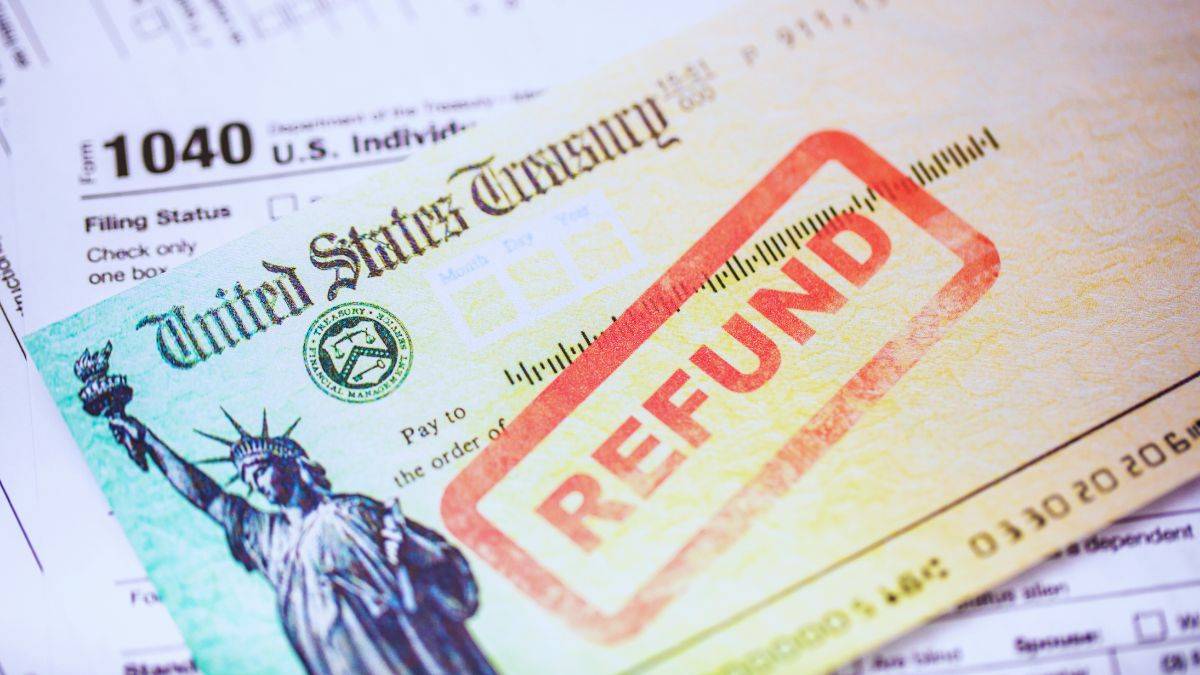
For years, if an airline canceled your flight, they’d try to trick you into taking a travel voucher that expires in a year. They’d hide the “refund” button behind ten different screens. But as of late 2024, the Department of Transportation (DOT) stepped in and changed the game. Now, if your flight is canceled or “significantly changed,” the airline is legally required to give you an automatic cash refund. No hoops. No phone calls.
But here’s the loophole: use this as leverage. If your flight is delayed more than three hours, you are now a creditor to the airline. You can walk up to the gate agent and say, “Look, I know I’m entitled to a full cash refund right now under the new DOT rule if I choose not to fly. What can you do to make me stay?” Suddenly, that agent is much more likely to find you a “soft upgrade” to Premium Economy or First Class just to keep your revenue on their books.
3+ Hours
6+ Hours
Any change
Any change
Downgraded
Downgraded
2. The EU261/UK261 “Better Than Free” Flight
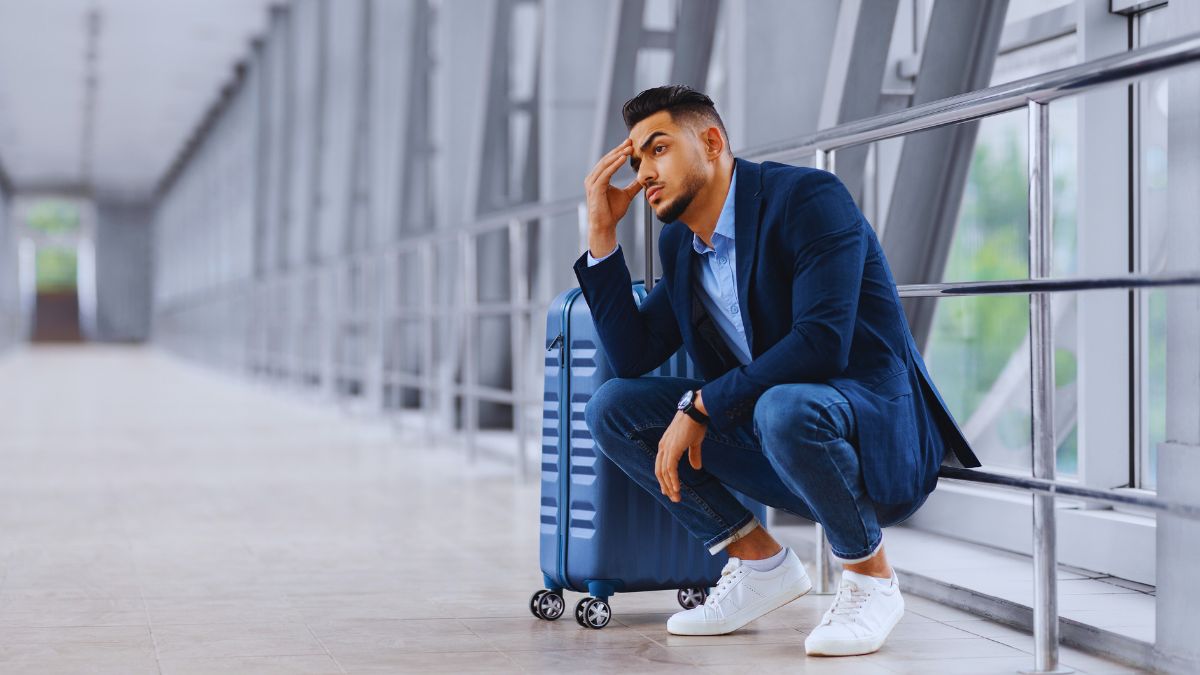
If you’re flying to, from, or within Europe or the UK, you’re covered by a law that is way more powerful than anything we have in the States. It’s called EU261 (or UK261). If your flight arrives at its destination more than three hours late for a reason within the airline’s control (like a crew shortage or a mechanical issue), they owe you cash. Not a voucher. Cold, hard cash—up to €600 ($650).
The loophole? You have to “endure” the delay. A 2024 court ruling clarified that if you see a long delay and just decide not to go to the airport, you lose the money. But if you show up, wait it out, and land late, that €600 often costs more than your original economy ticket. You basically got paid to fly.
3. The $2,150 Involuntary Bumping Jackpot
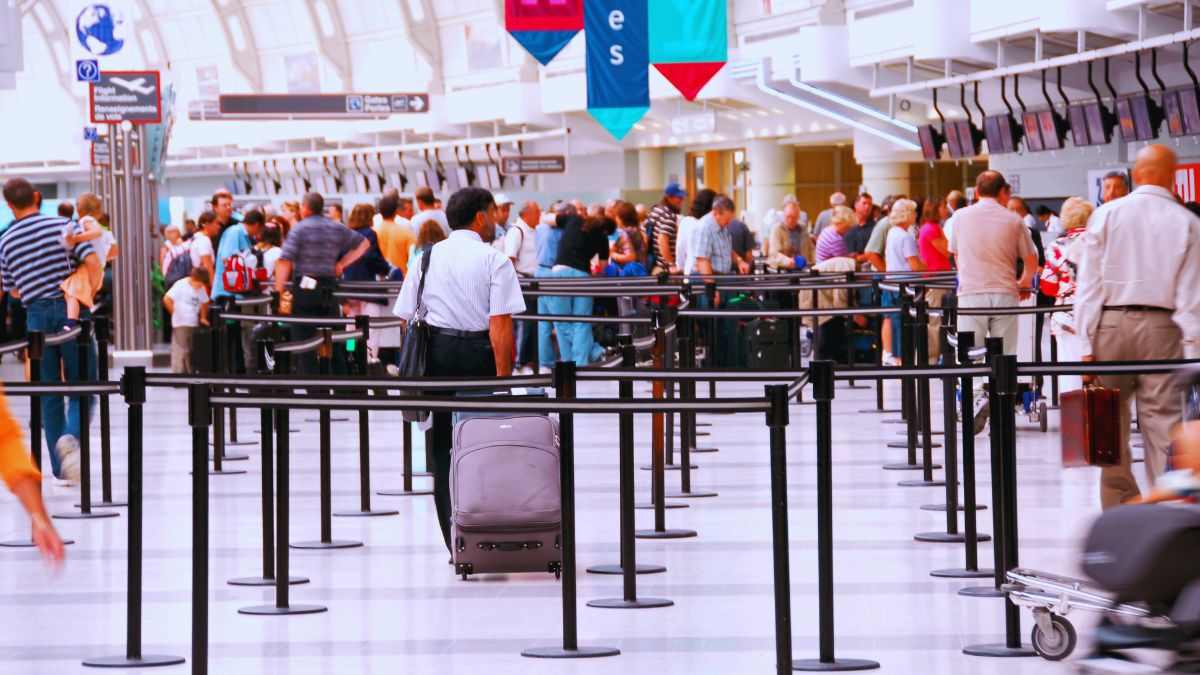
Airlines overbook flights on purpose. They assume about 5% to 15% of people won’t show up. But every now and then, everyone shows up. When that happens, the airline is in a legally vulnerable spot. Federal law (14 CFR Part 250) says they must ask for volunteers before they bump anyone.
Most people jump at the first $500 voucher offered. Don’t do that. Wait until the final boarding call. If they “involuntarily” bump you, they owe you 400% of your one-way fare, capped at $2,150 in cash. If you’re the last person standing, you can negotiate for everything: First Class on the next flight, lounge access, and a voucher that far exceeds the cash minimum.
4. Mathematical Arbitrage: The Bidding “Sweet Spot”
Many airlines now use “bid-to-upgrade” systems. You’ll see a little slider that lets you bid for a Business Class seat. They’ll usually label the lowest bids as “weak” to scare you into overpaying. Honestly, it’s a psychological trick.
The math says there’s a sweet spot. Take the retail price of the Business Class seat, subtract what you paid for Economy, and bid between 20% and 40% of that difference. If the cabin is mostly empty 72 hours before the flight, a bid just $10 or $20 above the absolute minimum often wins. Why? Because the airline would rather have your $300 than an empty seat that earns them $0 once the door closes.
5. Invoking “Rule 240” (The Ghost Regulation)
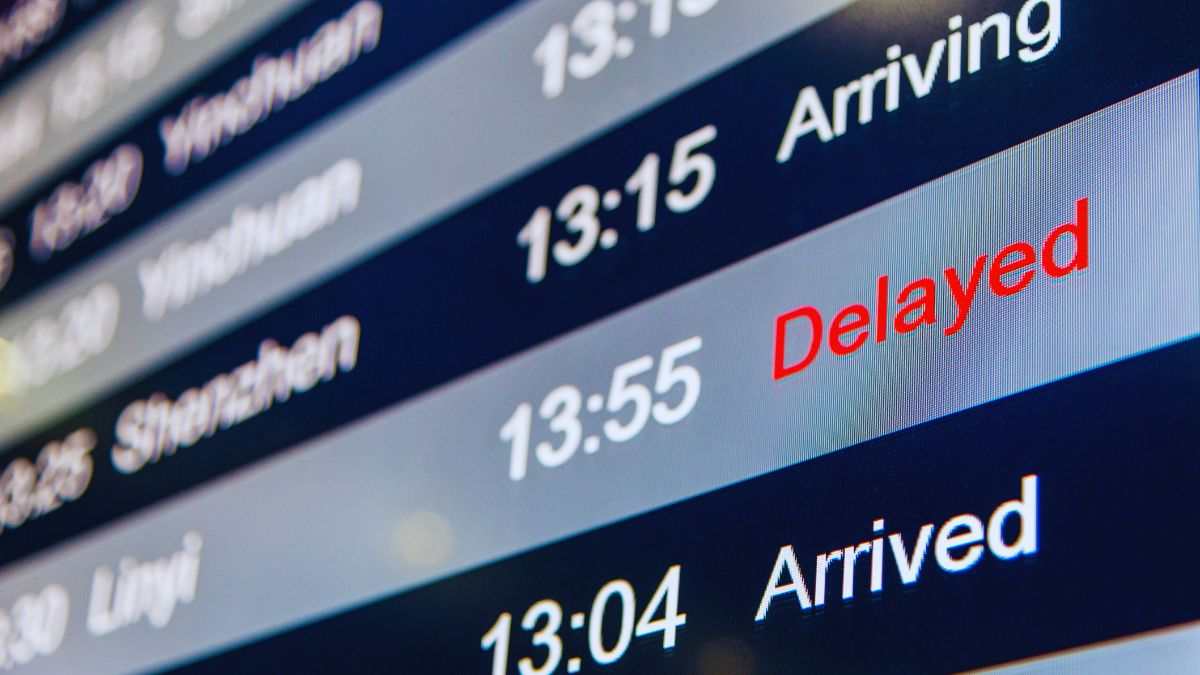
Back before 1978, there was a federal rule called Rule 240 that forced airlines to put you on a competitor’s flight if they were delayed. That rule is technically dead, but its ghost lives on in the “Contract of Carriage.” This is the massive legal document you “agree” to when you buy a ticket.
If your flight is canceled for a mechanical reason, the “magic words” are: “Please 240 me on another carrier.” Most legacy airlines (like Delta, United, and American) have clauses in their contracts saying they will move you to another airline if they can’t get you there on time. And if the only seat on the rival airline is in First Class? They often have to put you in it just to clear the “operational bottleneck” and avoid paying for your hotel.
6. The “Flat Tire” Grace Period
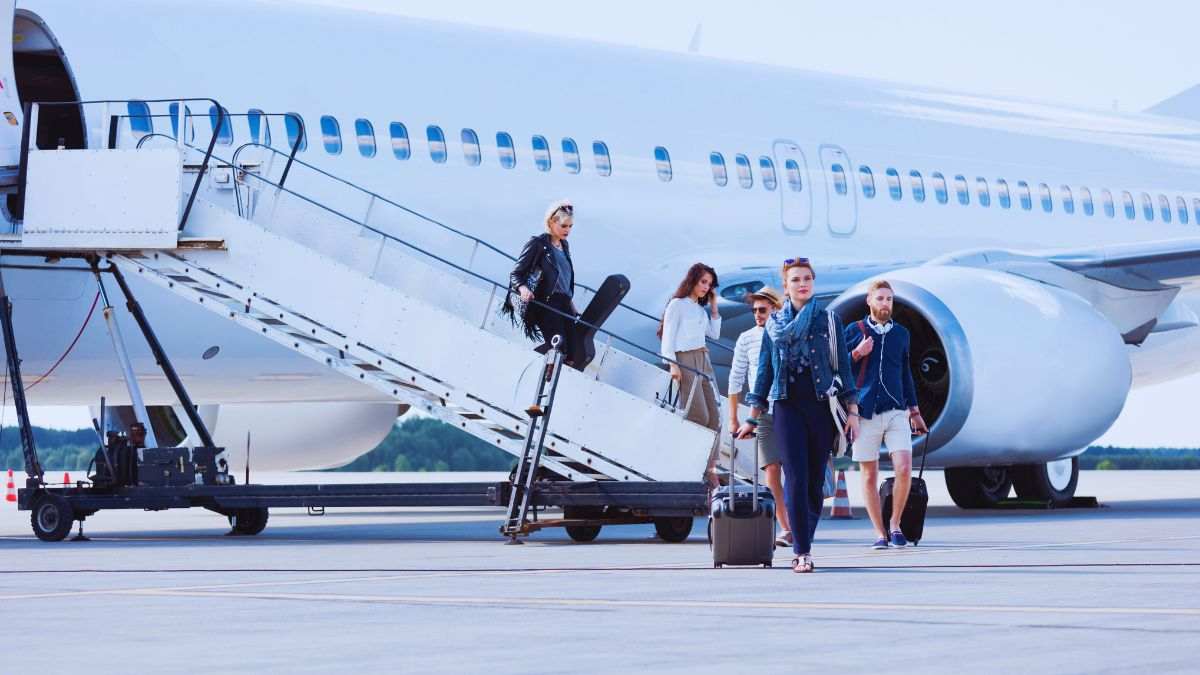
Airlines have a secret, unwritten rule called the “Flat Tire Rule.” It’s an operational safety valve. If you miss your flight but arrive at the airport within a certain window (usually two hours for American Airlines, and 30 minutes for Delta or United), agents can often rebook you on the next flight as a “standby” passenger for free.
They won’t advertise this because they want you to pay the “change fee” and the fare difference. But if you’re polite, look stressed, and have a credible reason (like a traffic accident or a train delay), you can effectively turn a cheap, rigid economy ticket into a flexible one.
7. Weight and Balance: The Accidental First-Class Seat
This one is mostly for regional jets or flights that aren’t very full. An airplane has to be perfectly balanced to take off safely. If a flight is “tail-heavy,” the pilots might tell the flight attendants they need to move people forward.
The loophole? Sit in the very last row. Flight attendants often look for the people in the back to move to the front (Business or First Class) to balance the plane. It’s an “Operational Upgrade” (OpUp) that has nothing to do with your status and everything to do with the laws of physics.
8. The “Second Tray” Economy
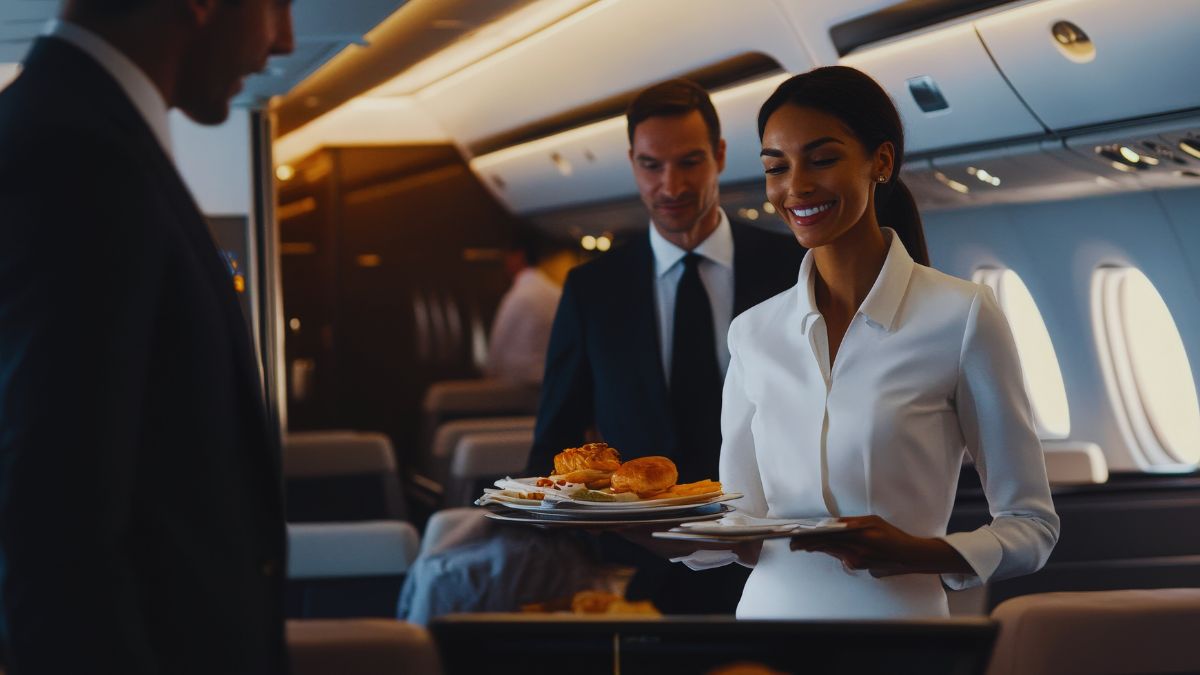
Did you know that international laws regarding food are incredibly strict? In countries like the U.S. or Australia, any “open” food on an international flight is treated as a biohazard. This means all those fancy, pre-heated Business Class meals that don’t get eaten can’t be saved or donated—they have to be incinerated or steam-sterilized when the plane lands.
It’s a total waste. But for the savvy traveler, it’s an opportunity. Once the main service is over, politely ask a flight attendant if there are any leftover Business Class meals or snacks. Since they’re literally going to be burned anyway, attendants are often happy to give them to a friendly passenger rather than throwing them in the trash.
9. Gate-Check Arbitrage
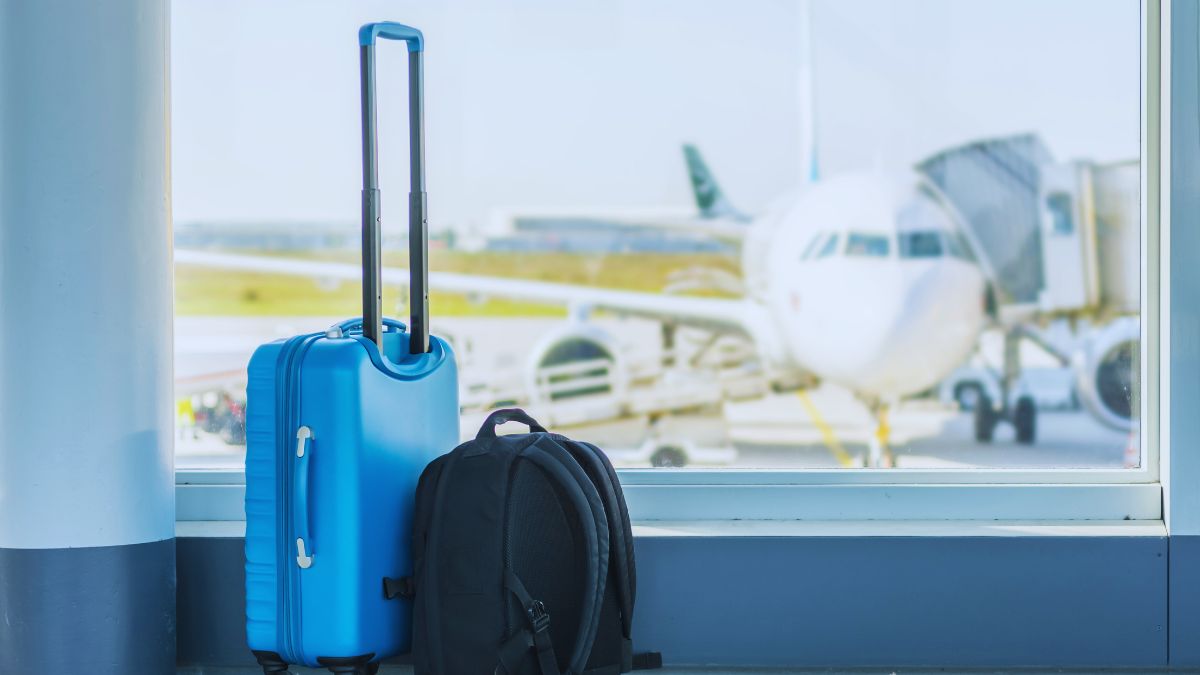
Airlines are charging $30, $60, sometimes more for checked bags. But they also hate delays. The biggest cause of boarding delays is “bin congestion”—people trying to shove giant suitcases into tiny overhead bins.
To speed things up, gate agents almost always offer to “gate-check” bags for free. If you arrive at the gate with a carry-on that you know won’t fit (or even one that will), you can often get it checked to your final destination for $0. The best part? Those bags often come out on the carousel with the priority-tagged luggage of the First Class passengers.
10. Jurisdictional Arbitrage: The Montreal Convention
While EU261 covers Europe, the Montreal Convention covers almost all other international flights. It’s a bit different because it doesn’t give you “automatic” money for a delay, but it makes the airline strictly liable for your damages.
If a delay causes you to miss a non-refundable hotel night, or if you have to buy a clean shirt because your bag is late, the airline has to pay you back—up to about $7,000. Most people don’t file these claims because they think they’re only entitled to a meal voucher. Keep your receipts. The law is on your side.
11. Accessibility Leverage (The ACAA)
The Air Carrier Access Act (ACAA) is a federal law that protects passengers with disabilities. It also happens to mandate specific seating. For example, airlines must provide “bulkhead” seats (which have the most legroom in Economy) to passengers traveling with service animals or those with certain physical needs.
If you have a legitimate need for extra space—like a fused leg or a service animal—you have a legal priority for those premium economy-style seats. If the airline fails to provide the mandated accommodation, they are in violation of federal law, and that usually triggers a very generous “service recovery” gesture (read: a huge voucher or an upgrade).
12. Churning the Elite Lifecycle
In 2025, airline loyalty isn’t about how much you fly; it’s about how you play the credit card game. This is called “Status Matching.” You can sign up for a card like the Amex Platinum, get entry-level status, and then immediately ask a rival airline to “match” it.
Airlines like Delta or Alaska will often grant you their elite status for 90 days just to try to win your business. This gives you First Class lounge access, priority boarding, and free “Extra Comfort” seats on an economy ticket for a flight you’ve never even flown before.
Why These Loopholes Matter (The Science Bit)
Look, I know some of this feels like “gaming the system,” but think about what flying does to your body. Science tells us that economy seating is basically a “low-grade conflict with gravity.” It compresses your spine and slows down your blood circulation. In the industry, they even call it “Economy Class Syndrome” because it significantly increases the risk of blood clots (DVT).
By using these loopholes, you aren’t just being “fancy.” You’re regulating physical strain and cognitive performance. You’re making sure you arrive at your destination as a human being, not a zombie.
A Quick Word of Warning: The “Skiplagging” Risk
You’ve probably heard of “Hidden City Ticketing” or Skiplagging. That’s where you book a flight from Dallas to New York with a layover in Charlotte, but you just get off in Charlotte because it’s cheaper than a direct flight.
It’s technically legal—a jury in 2024 and 2025 refused to find it illegal. But airlines hate it. They use AI now to flag people who do this. If you’re going to do it, you have to travel with carry-on only (otherwise your bag goes to New York) and you shouldn’t use your frequent flyer number, or they’ll delete all your miles. It’s a high-risk, high-reward move.
Final Thoughts
At the end of the day, airports don’t have to be stressful. They’re only as confusing as the airlines want them to be. The next time you’re standing at the gate and things start going sideways, don’t just sit there and take it. Remember you have rights. Remember the “magic words.”
You don’t need a million miles to be treated like a person. You just need to know the rules of the game. Now go grab that extra Business Class snack tray and enjoy the legroom. You’ve earned it.
Practical Gear to Mitigate the Physiological Toll of Economy Travel
While navigating legal loopholes is essential for system-level benefits, the physiological reality of the economy cabin often requires personal intervention. The following tools are engineered to counteract the spinal pressure, circulatory restrictions, and psychological stressors analyzed in this report, effectively bridging the comfort gap between service classes.
1. Trtl Flight Compression Socks

These socks provide gentle, graduated compression (15-21mmHg) to promote circulation in the lower legs, a critical intervention for reducing the swelling and DVT risk associated with “Economy Class Syndrome.
2. Trtl Travel Neck Pillow

Unlike traditional bulky pillows, this patented ergonomic support holds the head and neck in a stable position to relieve stress on the spine and muscles during upright sleep.
3. Apple AirTag (4-Pack)

These precision item trackers use the “Find My” network to provide real-time location data for checked luggage, significantly reducing the “situational anxiety” of potential baggage loss.
4. RFID Blocking Travel Document Organizer

A handcrafted leather organizer that not only keeps passports and boarding passes accessible but also incorporates RFID-blocking technology to safeguard personal data from electronic theft in high-traffic terminals.
5. Everlasting Comfort Airplane Foot Hammock

This portable memory-foam sling attaches to the tray table to elevate the feet, taking pressure off the lower back and knees while improving circulation on long-haul segments.