
Psychiatrist’s Technique: These 5 Hand Positions Eliminate Anxiety in 30 Seconds (Used in ERs)

You know that feeling? The one where your chest gets tight, your thoughts start spiraling like a browser with too many tabs open, and you feel like you’re about to vibrate right out of your skin?
Yeah. That one.
When you’re in that state—whether you’re sitting in an ER waiting room, about to give a presentation, or just doom-scrolling at 2 AM—people love to tell you to “just take a deep breath.” And honestly? Sometimes that’s the most annoying advice on the planet. When your body is screaming danger, breathing feels impossible.
But what if I told you the “off switch” for that panic isn’t in your lungs, but literally in the palm of your hand?
I’m going to walk you through a technique that sounds almost too simple to work. It’s used by ER doctors to stop panic attacks, it’s backed by some fascinating neuroscience, and you can do it right now, under the table, without anyone noticing.
Before we get to the how, we have to talk about the why. Because if you’re like me, you’re not going to try this unless you know it’s not just placebo magic.
There’s a concept in neuroscience called the Cortical Homunculus. It sounds like a Harry Potter spell, but it’s actually a map of your body inside your brain.
Here’s the wild part: Your brain doesn’t see your body the way it actually looks. If you drew a picture of a human based on how much brain power is dedicated to feeling each body part, you’d see a grotesque little creature with tiny legs, a small torso, and absolutely massive hands.
Think of it this way: Your hands are like fiber-optic cables with a direct, high-speed connection to your brain. They are densely packed with mechanoreceptors (fancy word for touch sensors).
When you are spiraling, your brain is stuck in a loop of abstract worry. But because so much of your brain is dedicated to your hands, focusing intensely on sensation in your fingers acts like a “signal jammer.” You are flooding the system with safe, neutral data (touch), which forces the brain to take resources away from the panic. It’s a biological hack called the Gate Control Theory—you’re literally closing the gate on the distress signal.
The Protocol: 5 Fingers, 5 Emotions
This technique comes from a Japanese practice called Jin Shin Jyutsu, but you’ll see versions of it used in modern somatic therapy and emergency medicine.
The idea is that each finger correlates to a specific emotional state. You don’t need to memorize this perfectly to get relief, but it helps to know what you’re targeting.
1. The Thumb: WORRY
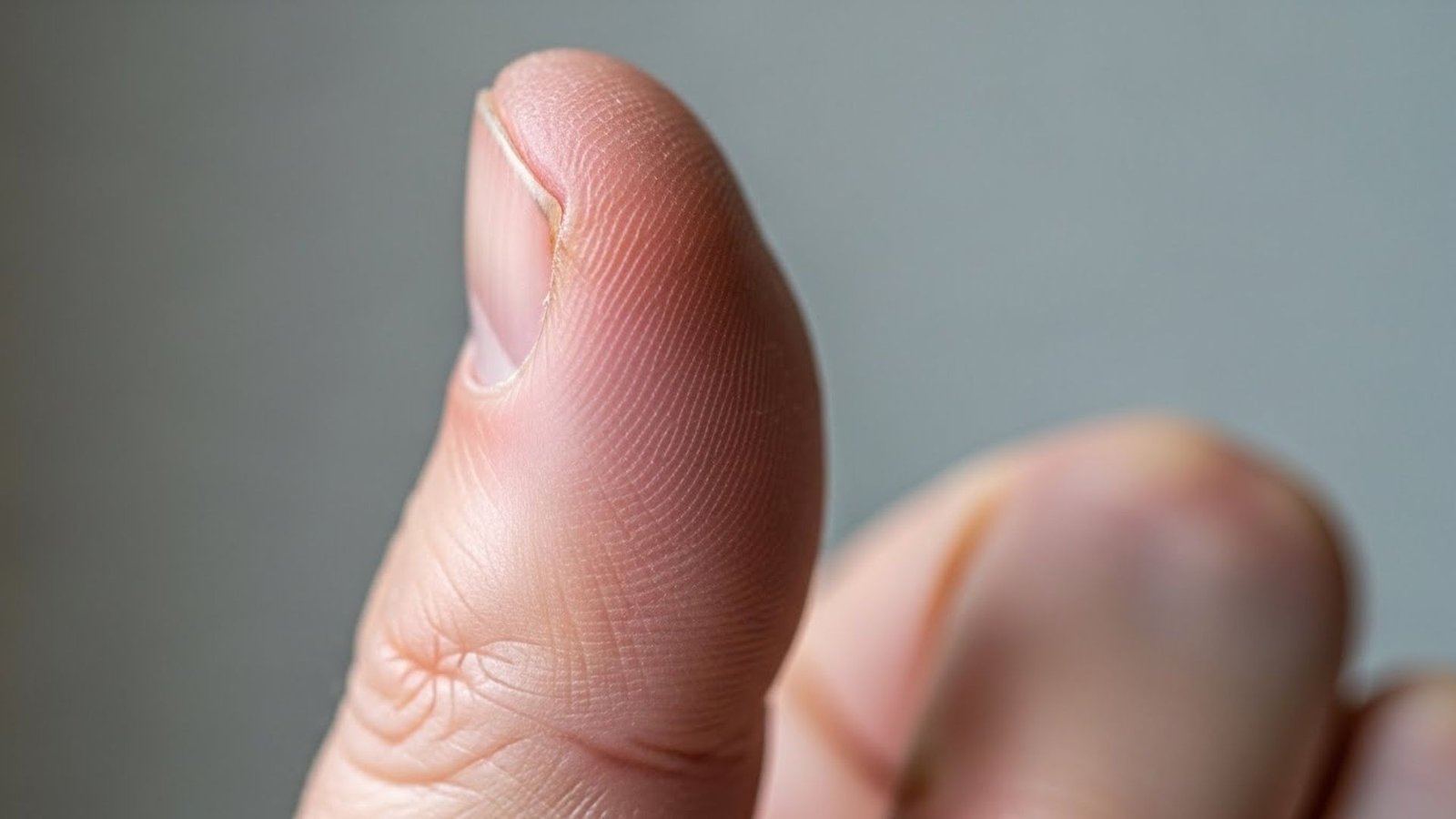
The Vibe: You’re obsessing over “what ifs.” You’re circular thinking. The Fix: Wrap your hand around your thumb. Hold it like you’re holding a handle. Why: Babies suck their thumbs for a reason. It connects to the vagus nerve stimulation in the palate, but holding it provides a similar “anchoring” sensation. It stops the spin.
2. The Index Finger: FEAR
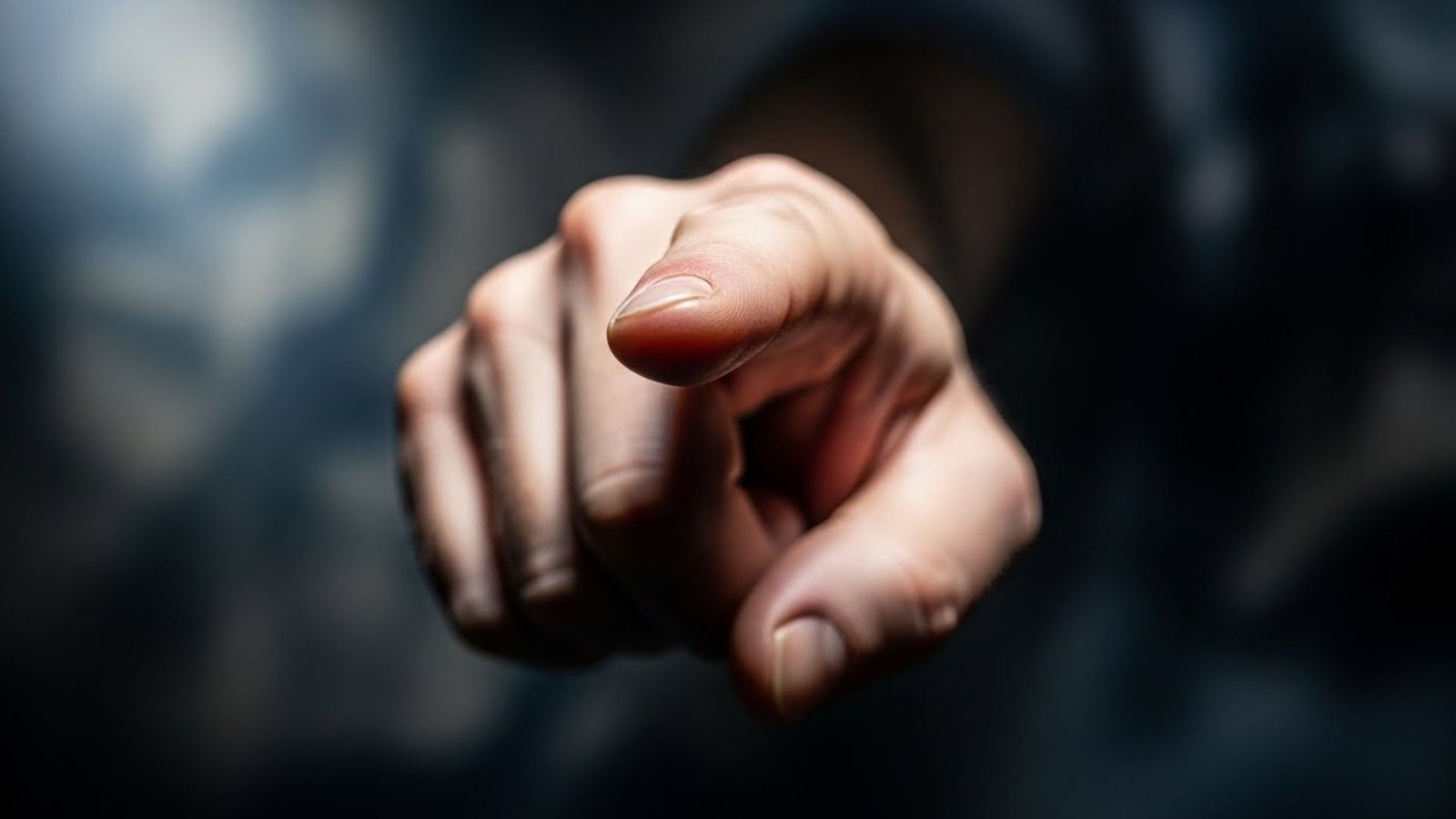
The Vibe: Terror. Panic. The “I can’t breathe” feeling. The Fix: Grip your index finger. The Insight: This is the finger we use to point and blame. It’s often associated with the kidneys and bladder—the organs that process the fluids of fear (adrenaline/cortisol). This is the go-to hold for an active panic attack.
The Vibe: Rage. Frustration. Irritability. The Fix: Hold the middle finger. The Mnemonic: Practitioners like to say, “Grip it, don’t flip it.” If you’re feeling snappy or resentful, this helps contain that explosive energy so it doesn’t burn you out.
4. The Ring Finger: SADNESS
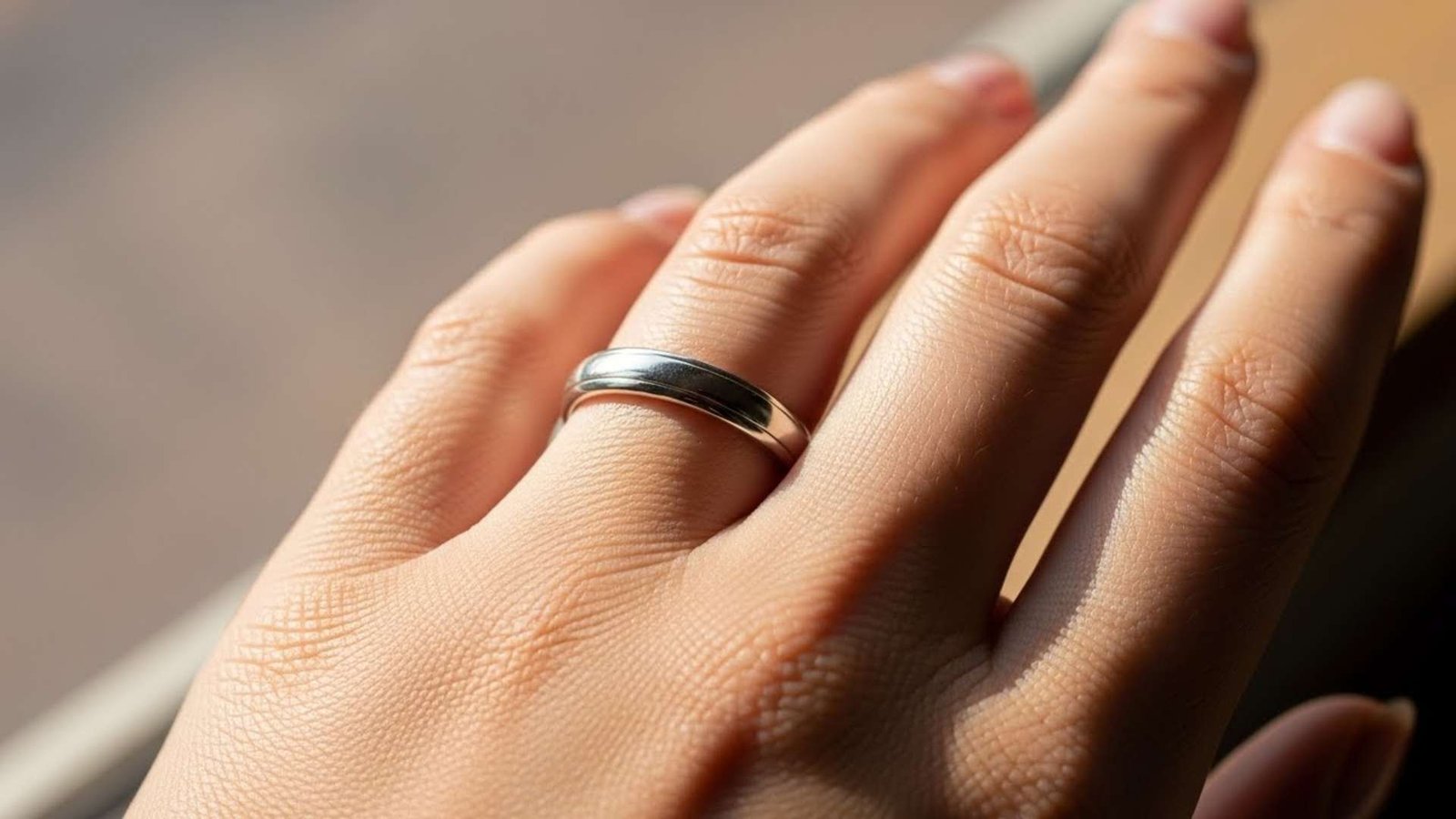
The Vibe: Grief. Heaviness. That feeling of a lump in your throat. The Fix: Gently hold the ring finger. The Connection: We wear wedding rings here for a reason—it’s associated with bonding and the heart. It helps with the breathing issues that often come with crying or grief.
5. The Pinky Finger: TRYING TOO HARD
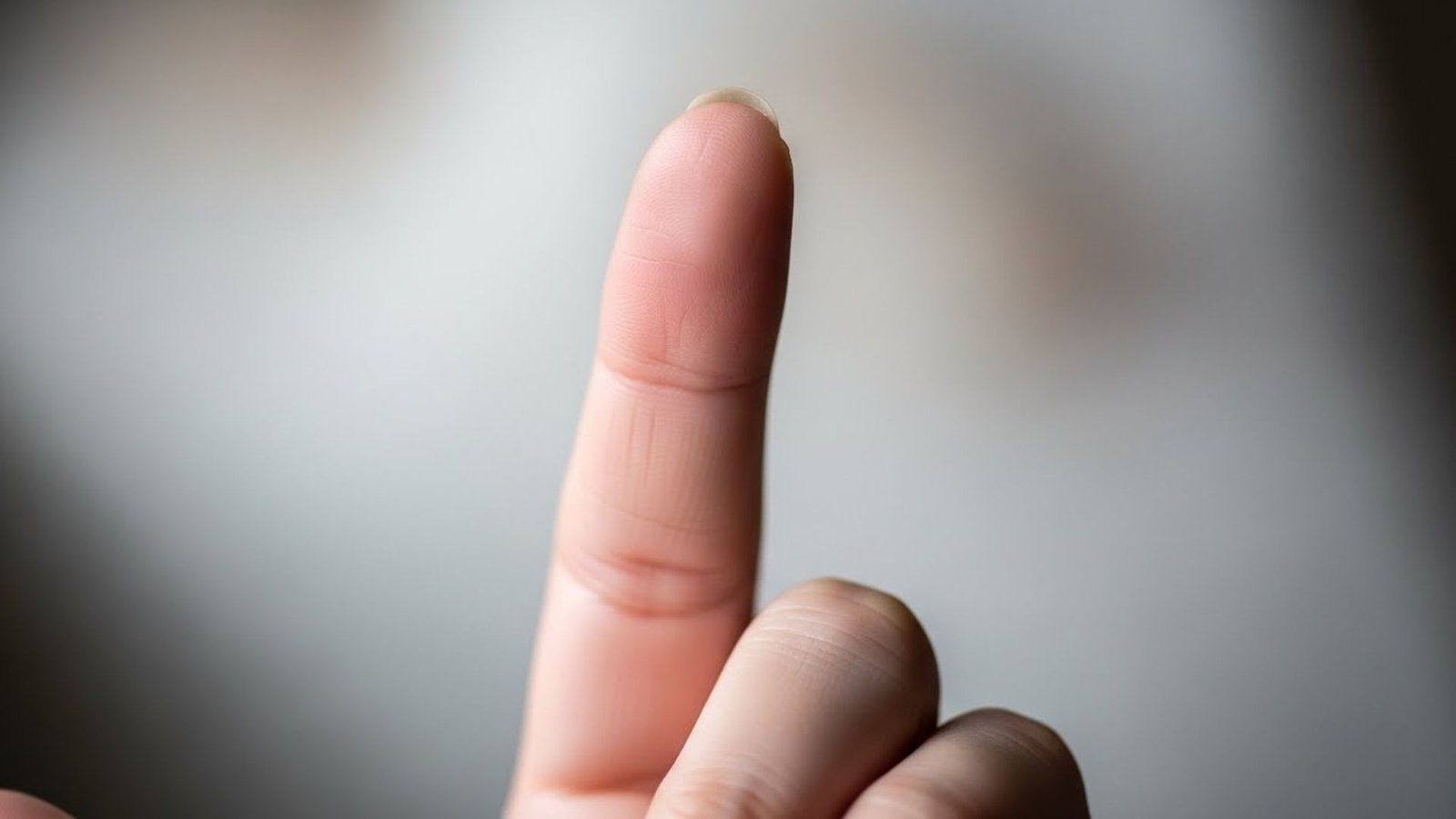
The Vibe: Insecurity. Nervousness. Imposter syndrome. Pretending you’re okay when you’re not. The Fix: Wrap up that little pinky. The Result: This is great for “jittery” nerves or performance anxiety. It calms the heart racing sensation.
How To Actually Do It (The “ER Protocol”)
You don’t need to meditate for 20 minutes. You can do this in a meeting, on the bus, or while pretending to listen to your aunt on the phone.
Choose the finger that matches how you feel. (If you don’t know, just start with the Thumb or Index finger).
Wrap your opposite hand around that finger.
Squeeze gently. You want to feel the pressure, but don’t cut off circulation. It’s a firm, reassuring hug for your hand.
Wait for the Pulse. This is the cool part. If you hold it for about 30–60 seconds, you will often feel a distinct, rhythmic throbbing in that finger. That’s not just your heartbeat; it’s a sign of vasodilation. Your parasympathetic nervous system (the “chill out” mode) is kicking in, opening up your blood vessels and warming your hands.
Switch if you need to, or move to the center of your palm for a final “grounding” press.
Need a Little Extra Help? Tools to Hack Your Nervous System
Look, we don’t always have the bandwidth to be our own therapist. Sometimes, when your brain is loud and your energy is low, you need a physical “pattern interrupt”—something tangible that forces your body to shift gears. Based on the science of sensory input and vagal tone we just talked about, here are a few tools that can amplify these techniques and signal safety to your nervous system.
1. Spiky Sensory Finger Rings

Think of these as the “lazy” version of the finger hold. You roll them up and down your fingers, and the tiny spikes provide intense (but not painful) tactile feedback. This floods that “somatosensory homunculus” we talked about with sensation, effectively jamming the anxiety signal even faster.
2. Mindful Breathing Necklace
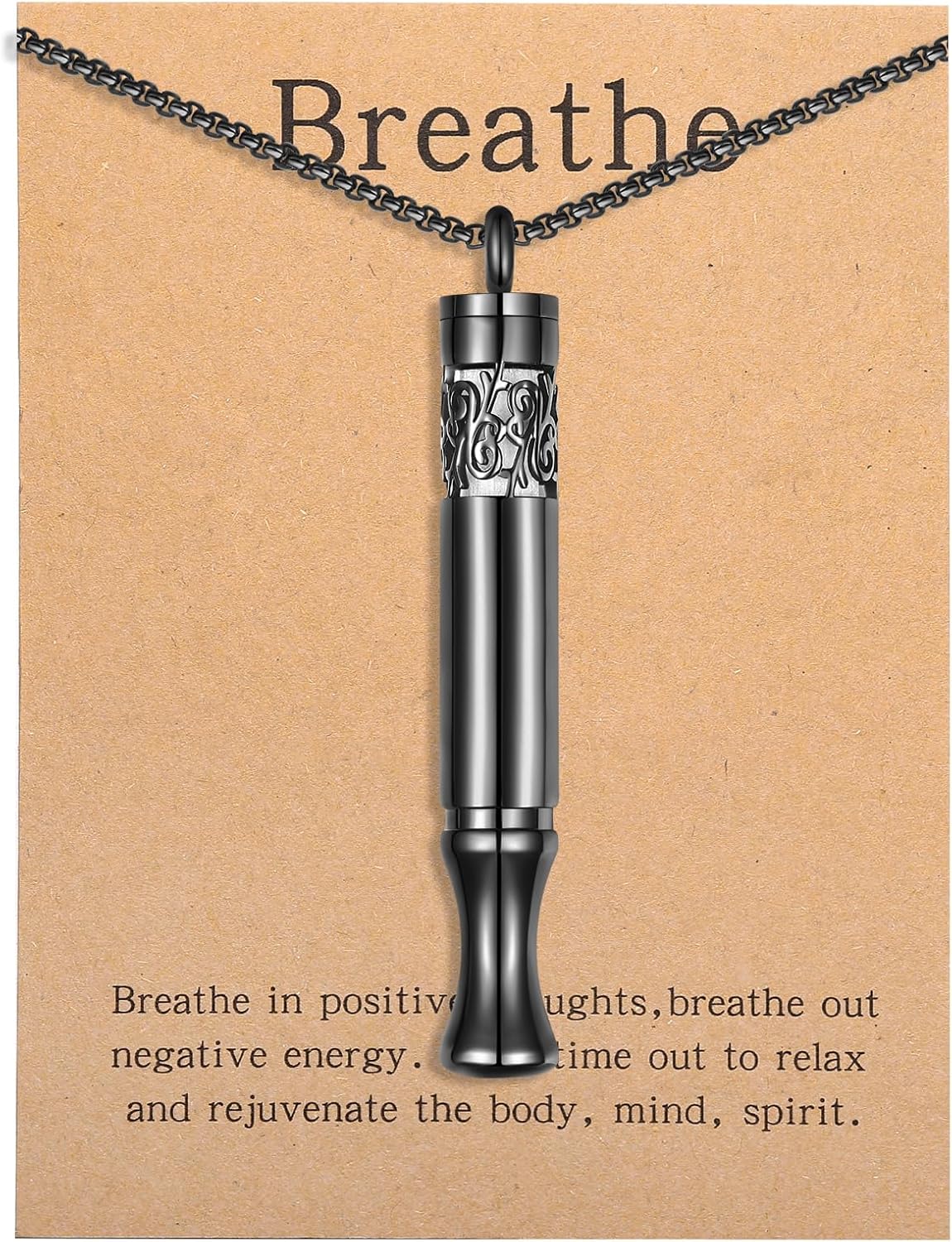
We mentioned that the “Quick Fix” relies on a long exhale to trigger the Vagus Nerve. These necklaces are designed with a narrow tube that physically slows down your exhale, forcing you into that optimal breathing rhythm without you having to count seconds. It’s a biological hack you can wear.
3. Electric Hand Massager with Heat

If holding your own hand feels like too much effort, let a machine do it. These devices use compression and heat to stimulate all the nerve endings in your hand at once. It’s basically a high-tech way to flood your brain with “safe touch” signals while you sit on the couch.
4. The Touch of Healing (Book)

If you’re the type of person who wants to know the why and the how in deep detail, this book by Alice Burmeister is the definitive guide to Jin Shin Jyutsu. It covers way more than just the 5 fingers and is a great resource if you want to turn this into a daily practice.
5. Weighted Blanket

Sometimes holding a finger isn’t enough—you need a whole-body hold. Weighted blankets mimic “Deep Pressure Stimulation,” which increases oxytocin (the calm hormone) and decreases cortisol (the stress hormone). It’s essentially a giant, full-body version of the safety signal we’re trying to create with our hands.