
Your Workday Now Has 3 Peaks: 7 Moves to Win Back Focus in 2026


Your workday used to have a simple shape. You started in the morning, worked through the afternoon, and stopped. Two peaks of energy, one before lunch and one after it, and then the day was done.
That shape is gone. For a growing number of workers, the day now has three peaks. A morning push, an afternoon stretch bent around meetings, and a third burst in the evening when the house is quiet and the inbox finally stops moving. Hubstaff calls it the triple-peak workday, and its 2026 Global Work Trends and Benchmarks Report finds roughly one in five weekdays now follows this pattern. Microsoft’s own research points the same way, with about 30% of workers showing a third spike of activity between 6 and 8 in the evening.
The report is built on anonymized data from more than 140,000 workers and 17,000 organizations, so this is not a survey about how people feel. It is a record of how time is actually spent. And the record tells a clear story. Meetings have quietly taken over the day. The average person now sits in a little more than twice as many meetings per year as two years ago. The typical organization runs almost six times as many.
That growth landed in the worst possible place. A full 26% of all meeting minutes fall in the 9 to 11 in the morning window, the hours most people do their sharpest thinking. Another 36% lands in the 1 to 5 in the afternoon window, when decisions and reviews are meant to happen. And 30% of all meeting minutes fall outside 9 to 6 altogether, which means nearly a third of meeting time now sits before the workday starts or after it ends.
Small wonder the average worker spends only about 39% of tracked time in deep focus, roughly two to three hours a day. The rest goes to meetings, messages and hopping between tools. The evening peak is often not a choice. It is overflow, the real work moved to the night because it had nowhere else to go.
This article shows you how to read the shape of your own day and gives you seven concrete moves to win it back. None of them asks you to work longer hours. Each one takes a piece of the day back from meetings and hands it to the work that matters.
1. Map Your Own Three Peaks Before You Change Anything

You cannot fix a day you have never looked at. Before you change a single meeting, spend one week watching your own pattern. This first move costs nothing but attention.
Each evening, write down three things. When did you do your hardest thinking today? When did meetings take over? And when did you log back on after dinner, if you did? Do it for five working days. By Friday, a shape will appear, and it will probably surprise you.
Most people find their three peaks quickly. Peak one is the morning, before the meetings start. Peak two is the afternoon, squeezed between calls. Peak three is the evening, after the house goes quiet. The question is whether you chose them or your calendar chose them for you.
Look for the telltale sign of an accidental third peak. If your evening work is the same work you meant to do at 10 in the morning, your day is not flexible. It is broken in the middle and patched at the end. Hubstaff puts it plainly. Deliberate triple-peak days are powerful, and a default third peak is a warning sign.
Write your map on one page: three blocks, with the hours each one covers and what actually happens inside it. That page is the baseline for every move that follows. Without it, you are guessing.
2. Protect Your Maker Mornings From Meetings
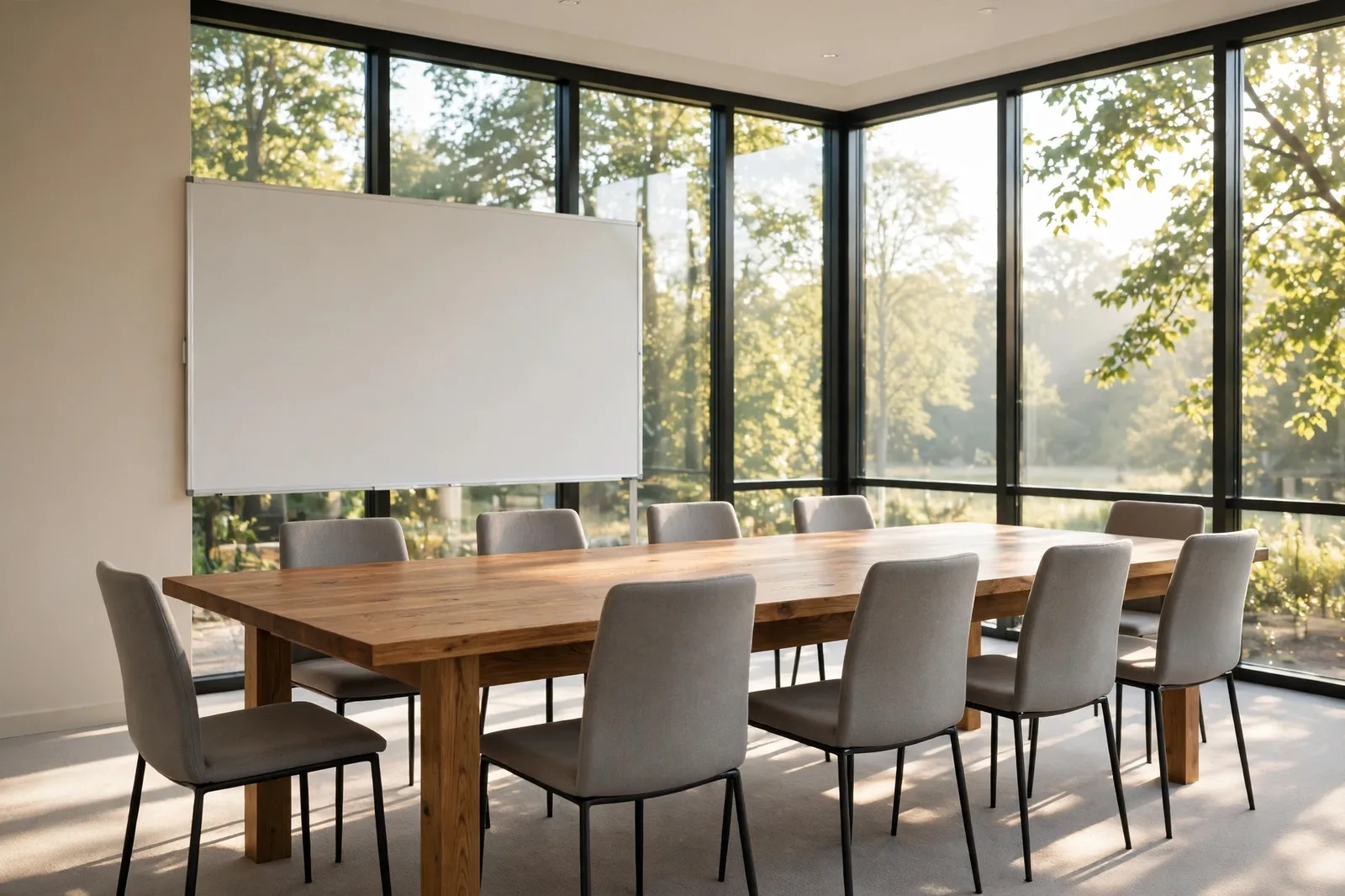
The 9 to 11 in the morning window is the most valuable real estate in your day. It is when most people think best, and it is also where 26% of all meeting minutes land. That is the single most fixable problem in this whole report.
Maker time is the name Hubstaff gives to those hours. It is time for making things: writing, coding, designing, planning, the work that needs a quiet brain and a long stretch. A status update does not need your sharpest hours. A report does.
Start small. Block 9 to 11 on two days a week and label the block clearly, for example “Focus: no meetings.” Do it before the week starts, because an empty slot gets booked and a named block gets respected. When someone asks for that slot, offer 11:30 or early afternoon instead. You are moving the meeting to hours that fit it better, not refusing it.
Hubstaff’s own guidance backs this up. Its 2026 meeting benchmarks recommend protecting two to three hour morning focus windows, especially for engineers, analysts, writers and other high-focus roles. The first hours of the day should be meeting-free by default.
Expect some pushback in week one. By week three, teams learn. Once colleagues see your mornings are guarded, they stop trying to book them. Two protected mornings can return four hours of your best thinking.
3. Audit Your Meeting Load Like a Budget

Meetings feel small one at a time. Added up, they are enormous. The average employee now attends about 25 meetings a month, and roughly 70% of them are recurring. Recurring meetings are the quiet culprit. They were set up once, for a reason that may no longer exist, and then they kept running forever.
Your load depends heavily on your role. Individual contributors average about five meetings a week, roughly four hours, or about 10% of their working time. Managers average about 13 meetings a week, roughly nine hours, or about 25% of their week. If you manage people, meetings are a quarter of your job before you have done any actual work.
Run the audit this week. Count by hand: how many meetings did you attend, how many were recurring, and how many ended with a clear decision? Most people find at least two recurring meetings that produce nothing an email could not have handled.
Then cut with a simple test. For each recurring meeting, ask three questions: what decision does it make, who needs to be in the room for that decision, and could it happen every two weeks instead of every week? A meeting that fails all three tests is a candidate to cancel. One that passes a test gets shortened. A 30 minute meeting can usually be 15 minutes if everyone knows the decision before they arrive.
One more number to keep in mind. Recurring meetings tend to run 7 to 10 minutes shorter than one-off meetings. Shorter is good, but short and pointless is still pointless. The audit is not about hating meetings. It is about spending your meeting budget on the ones that earn it.
4. Batch the Evening Peak Instead of Letting It Sprawl

Here is the part most advice gets wrong. The evening peak is not the enemy. A third peak can be a genuine gift: it is quiet, nobody books meetings at 8 in the evening, and your brain often does its most creative thinking once the pressure of the day lifts. The problem is not that the peak exists. The problem is that it has no edges.
An accidental evening peak sprawls. You answer one message at 7, then check the inbox at 8, then finish a slide at 9:30, and suddenly the whole evening has become work. Hubstaff’s State of the Workweek data shows how common this drift has become. About 71% of employees check work messages outside their working hours at least a few times a week, and 39% do it every day.
The fix is to batch it. Give the evening peak a start time, an end time, and one job, for example 8 to 8:45 spent planning tomorrow and clearing the one task that blocks someone else. When the time is up, the laptop closes. A peak with edges is a tool. A peak without edges is a leak.
Choose the job with care. Evening work should be light, planned work, not hard creative work you failed to do in the morning. Review tomorrow’s priorities. Draft the email that unblocks a colleague. Sketch the outline for the report. Save the heavy thinking for the maker morning you just protected. That split is what makes three peaks work instead of wearing you out.
Keep one evening a week completely free. No batch, no quick check, no just one message. A rhythm with no rest day is not a rhythm, and the report is clear that an unspoken third peak is a burnout risk, not a perk.
Sources: Hubstaff 2026 Global Work Trends and Benchmarks Report; Hubstaff, When Evening Work Is a Red Flag.
5. Shrink the Tool Sprawl That Eats Your Attention

Meetings are only half the story. The other half is the stack of tools you hop between all day: chat, email, docs, project boards, dashboards, and one more app someone added last quarter. Hubstaff names tool overload and context switching as one of the six big trends of 2026. Every switch costs attention, even when it feels instant.
Count your tools. List every work app you touched yesterday. Most people land between eight and fifteen, yet only three or four are truly needed every day. The rest get checked out of habit, not need.
The fix is boring and it works. Turn off notifications in everything except one channel. Pick one place where urgent messages live and tell your team what it is. Everything else gets checked twice a day, late morning and late afternoon. The messages will wait. Almost all of them were never urgent in the first place.
Close tabs with the same ruthlessness: one task, one tab, one window while you work. A dozen open tabs is a dozen open loops, and your brain keeps a little thread on each one. Researchers call that leftover thread attention residue. You feel it as fog, but it is really just too many open doors.
Other research agrees on the size of the hole this creates. Reclaim.ai found workers need 4.2 deep work sessions a week and get only 2.9. That gap is not a willpower problem. It is a design problem, and a smaller tool stack is one of the cheapest redesigns you can make.
6. Set a Focus KPI for Yourself, Not Just Your Boss

Companies track revenue, output, and hours. Almost nobody tracks focus. Hubstaff’s second big trend of 2026 is that focus time is becoming the new KPI, the core productivity metric worth watching. The idea is simple. If focus is the rarest resource on your team, measure it like one.
You do not need software. You need a notebook and a daily number. At the end of each day, write down how many uninterrupted 90 minute blocks you finished. A block counts only if you worked on one thing without switching. Two blocks is a good day. Three is a great one. Zero is a signal, not a failure.
Compare your number with the benchmark. The average worker gets about two to three hours of real focus a day, which is 39% of tracked time. If your number is below that, the moves above are your fix. Protect a morning, cut a meeting, batch the evening, then watch the number move. That is the whole point of a KPI: it turns a vague feeling of being busy into a number you can improve.
Share the number with your manager, too, if you trust them. A team that talks about focus time makes better calendar decisions than a team that only talks about hours worked.
Keep the tracking light. Five minutes at the end of the day, three numbers a week, one review on Friday. The moment tracking becomes a second job, you will quit doing it. A sticky note on your monitor beats a dashboard you never open.
7. Cap the Week Before the Week Caps You

The last move is the one leaders are finally starting to make, and you can make it for yourself first. Hubstaff’s report reads 50 plus hour weeks as a capacity planning problem, not a badge of effort. When managers, customer support and sales roles clock those hours structurally, week after week, it means the team has more work than people, not that the people are heroes.
That framing changes everything. A long week is not proof you care. It is proof the plan does not fit the team, and the same logic applies to your own calendar. If your three peaks add up to 55 hours every week, you do not have a productivity system. You have an overloaded one.
Set a hard weekly cap and treat it like a budget. Pick a number, say 45 hours, and count all three peaks toward it. When the week hits the cap, new work waits until Monday. That rule forces the choices that matter: which meeting gets cut, which task gets dropped, which deadline gets renegotiated?
Talk about the cap openly. Tell your manager what your three peaks look like and what the cap is. Most managers would rather hear “I am at capacity” on a Wednesday than discover it in a resignation letter. Capacity is a planning input, and giving it early is a kindness to everyone, including you.
Start next Monday. Write your cap on the same page as your three-peak map. At the end of the week, check two numbers: focus blocks and total hours. If focus went up and hours stayed under the cap, the system works. If hours crept over, something has to go, and now you know where to look.
Your workday has three peaks now, whether you planned them or not. Fighting the shape of the day is a losing battle. The win is in choosing the shape instead of drifting into it.
Start with the map. One week of watching and one page of notes will teach you more about your own day than most managers know about their teams. Then protect one morning. That single move returns more focus than any app ever will, because it gives your best hours back to your best work.
The rest follows from there: fewer meetings, a batched evening, fewer tools, a number you can track, and a week that ends when it should. None of it needs permission. All of it needs a decision, and the decision is yours to make this week.
Three peaks, seven moves, one day at a time. Your focus is still in there. Go and take it back.