11 Forgotten Mining Towns Now America’s Best Kept Secrets (Before Everyone Finds Out)

Gold once pulled people into the middle of nowhere with nothing but hope and grit—and when the rush ended, many towns were left to fade quietly. What’s surprising is how some of those places refused to disappear.
Weathered storefronts, mountain backdrops, and streets that still echo with stories now offer something rare: beauty without crowds, history without velvet ropes, and space to breathe again.
These towns aren’t chasing attention or trends; they’re quietly thriving, waiting for curious travelers who value authenticity over hype. Keep reading, because once these places hit everyone’s radar, the magic won’t feel quite the same.
1. Bisbee, Arizona
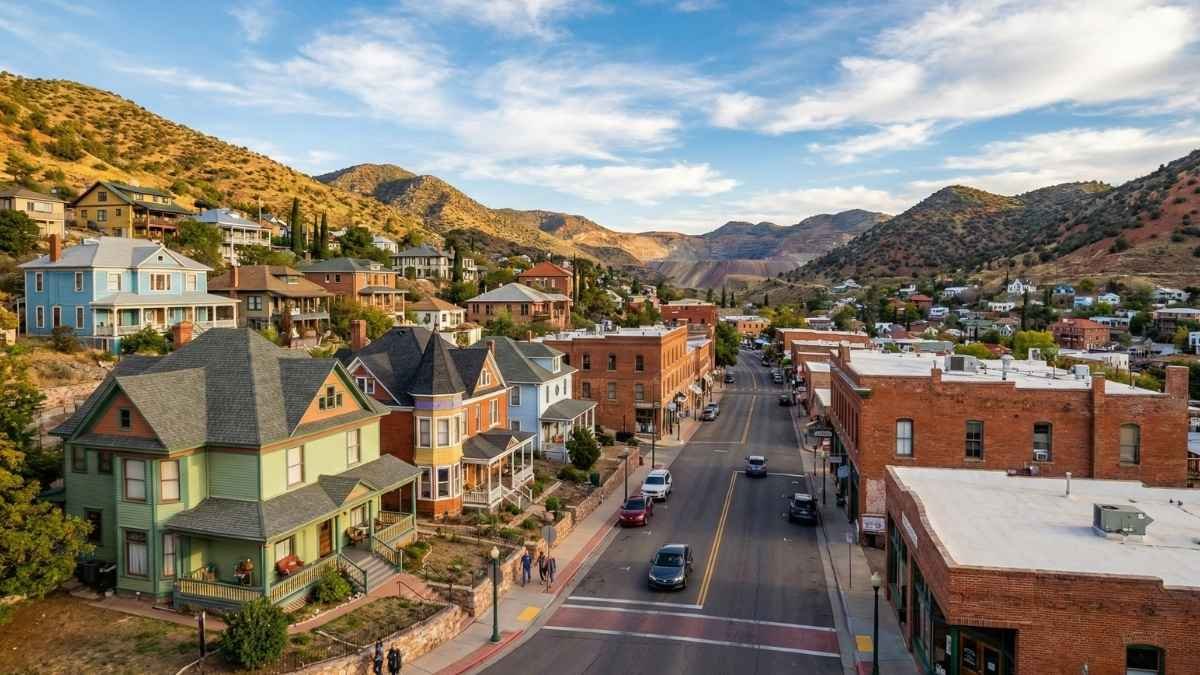
Bisbee doesn’t feel like a town you pass through—it feels like one you accidentally stay in longer than planned. Tucked into the Mule Mountains near the Mexican border, it replaced its copper-boom chaos with colorful staircases, crooked alleys, and restored Victorian homes clinging to the hillsides. Walking downtown feels layered, like every block quietly remembers a different era.
What sets Bisbee apart is its personality. Artists, retirees, remote workers, and longtime locals coexist without trying to impress anyone. There’s live music drifting from bars on random weeknights, old saloons turned into coffee shops, and just enough weirdness to keep things interesting without tipping into tourist-trap territory.
Despite its size, Bisbee feels culturally rich. Museums, galleries, and historic theaters anchor the town, while nearby desert landscapes offer hiking and wide-open quiet. It’s one of those places where history isn’t staged—it’s lived in, and that’s what keeps people coming back.
Quick Facts
- Best months to visit: October–April (cooler desert weather)
- Vibe: Artsy, historic, laid-back
- Notable feature: Queen Mine Tour
- Good for: Walkability, creative community, mild winters
- Crowds: Light to moderate, mostly weekends
2. Jerome, Arizona
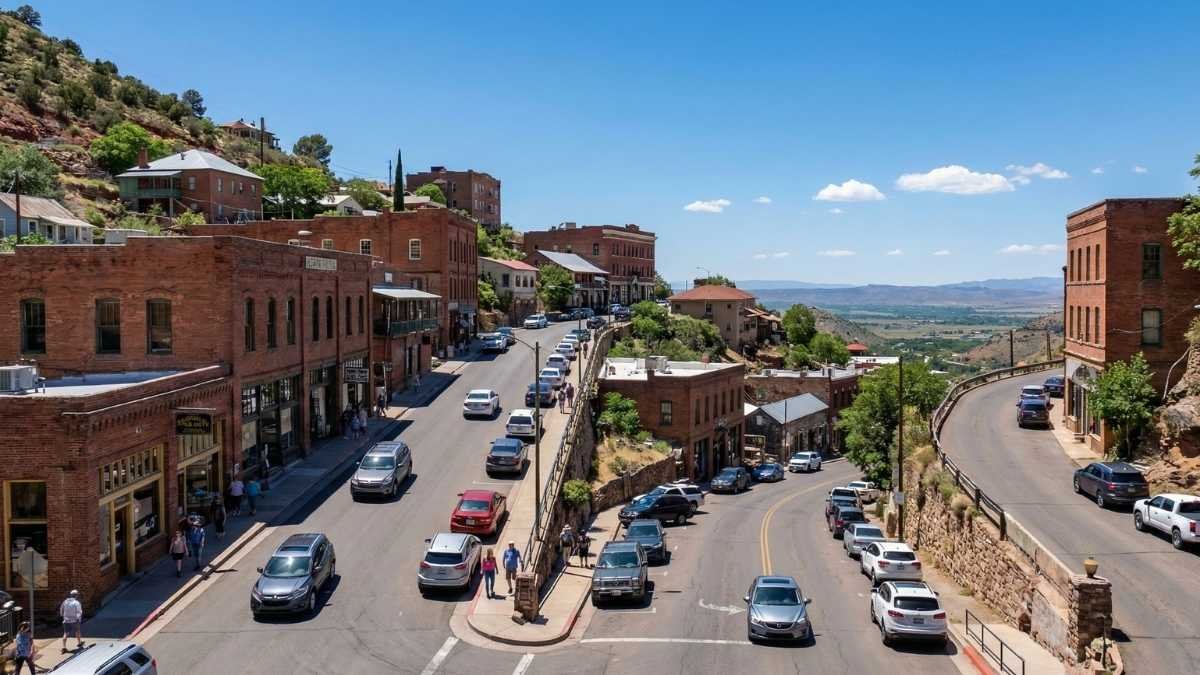
Jerome hangs onto Cleopatra Hill like it refuses to let go—and that stubbornness defines the town. Once known as “the wickedest town in the West,” this former copper mining hub reinvented itself as a dramatic hillside arts town with panoramic views over the Verde Valley.
The streets are steep, narrow, and unapologetically impractical—in a good way. Old hotels, saloons, and mansions now house galleries, wine tasting rooms, and cafés. Everything feels compact but layered, and the elevation gives Jerome cooler temperatures than most of Arizona, which surprises first-time visitors.
Jerome’s charm lies in its contrasts: quiet mornings, lively afternoons, and star-filled nights. It’s small but never dull, with a steady rhythm of creatives and travelers keeping it alive without overwhelming it. The town leans into its ghost stories, but it’s very much alive.
Quick Facts
- Best months to visit: March–May, September–November
- Vibe: Artsy, historic, dramatic
- Notable feature: Jerome Grand Hotel
- Good for: Views, weekend trips, wine culture
- Crowds: Moderate on weekends, calm midweek
3. Ouray, Colorado
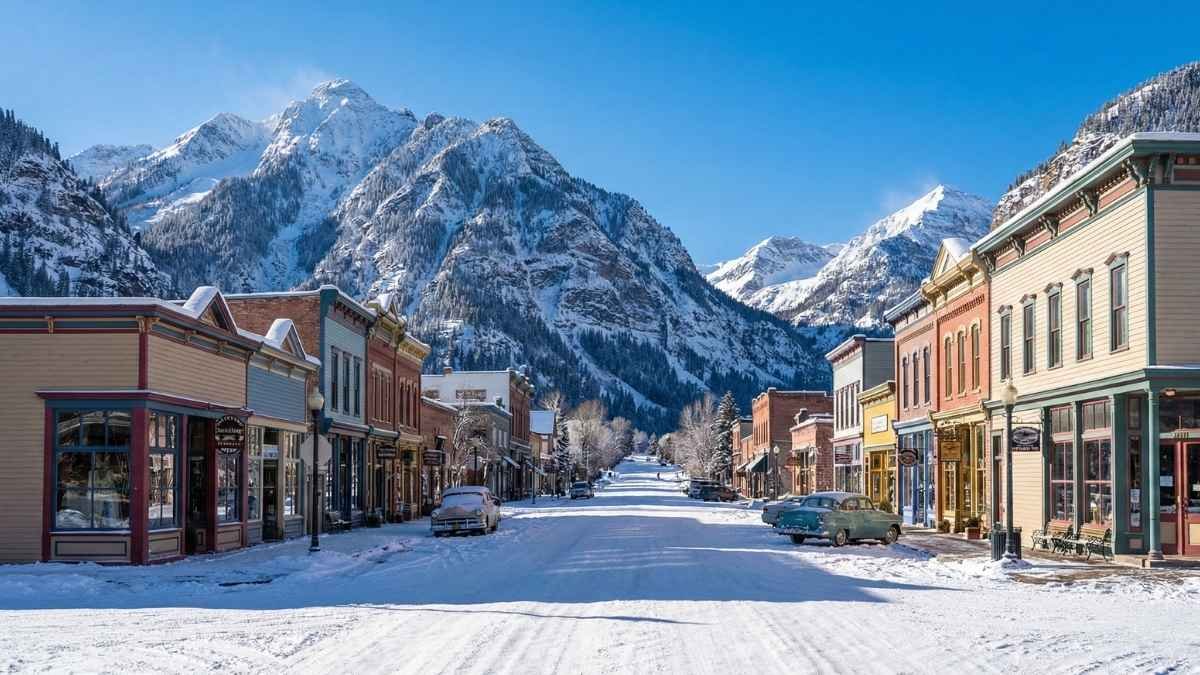
Surrounded by towering peaks, Ouray feels less like a town and more like a secret alpine bowl. Known as the “Switzerland of America,” this former mining settlement delivers jaw-dropping mountain scenery without the resort-town attitude.
The historic downtown is compact and walkable, lined with brick buildings from the late 1800s. Unlike many mountain towns, Ouray hasn’t been smoothed into sameness. It still feels rugged, independent, and rooted in its mining past, even as travelers soak in hot springs or head out on alpine hikes.
What really elevates Ouray is how easy it is to unplug here. No chain stores, limited nightlife, and endless outdoor access make it ideal for people who want beauty without distraction. It’s dramatic, but never flashy.
Quick Facts
- Best months to visit: June–September
- Vibe: Alpine, quiet, scenic
- Notable feature: Ouray Hot Springs
- Good for: Hiking, photography, mountain drives
- Crowds: Seasonal but manageable
4. Silverton, Colorado
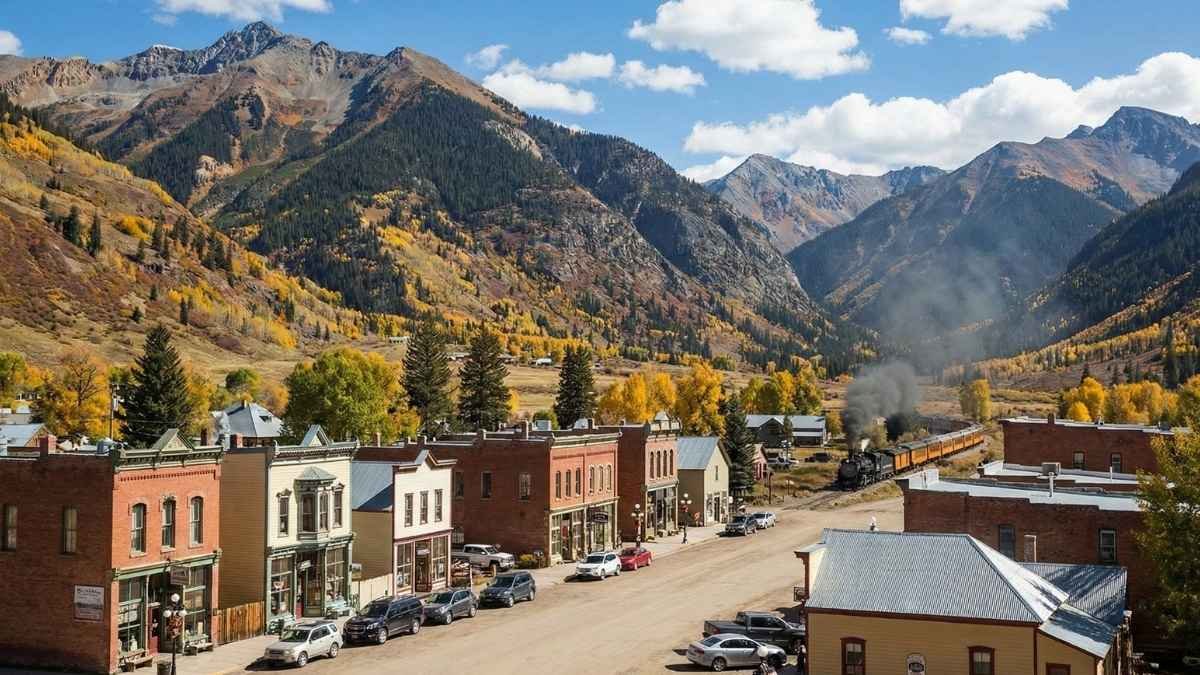
Silverton feels like it belongs to another century—and it’s proud of that. Sitting at over 9,000 feet, this former silver mining town is isolated, scenic, and refreshingly unpolished. One main street, wooden storefronts, and mountains rising straight from town give it a true Old West atmosphere.
The drive into Silverton alone is unforgettable, whether by the Million Dollar Highway or the historic narrow-gauge railroad. Once there, the pace slows down naturally. Shops close early, nights are quiet, and days revolve around hiking, jeeping, or simply soaking in the surroundings.
Silverton hasn’t chased growth, and that’s part of the appeal. It’s not trying to compete with nearby resort towns—it’s doing its own thing. Raw scenery and real history take center stage.
Quick Facts
- Best months to visit: July–September
- Vibe: Rugged, historic, outdoorsy
- Notable feature: Durango & Silverton Railroad
- Good for: Alpine adventure, history lovers
- Crowds: Summer-focused, quiet off-season
5. Wallace, Idaho
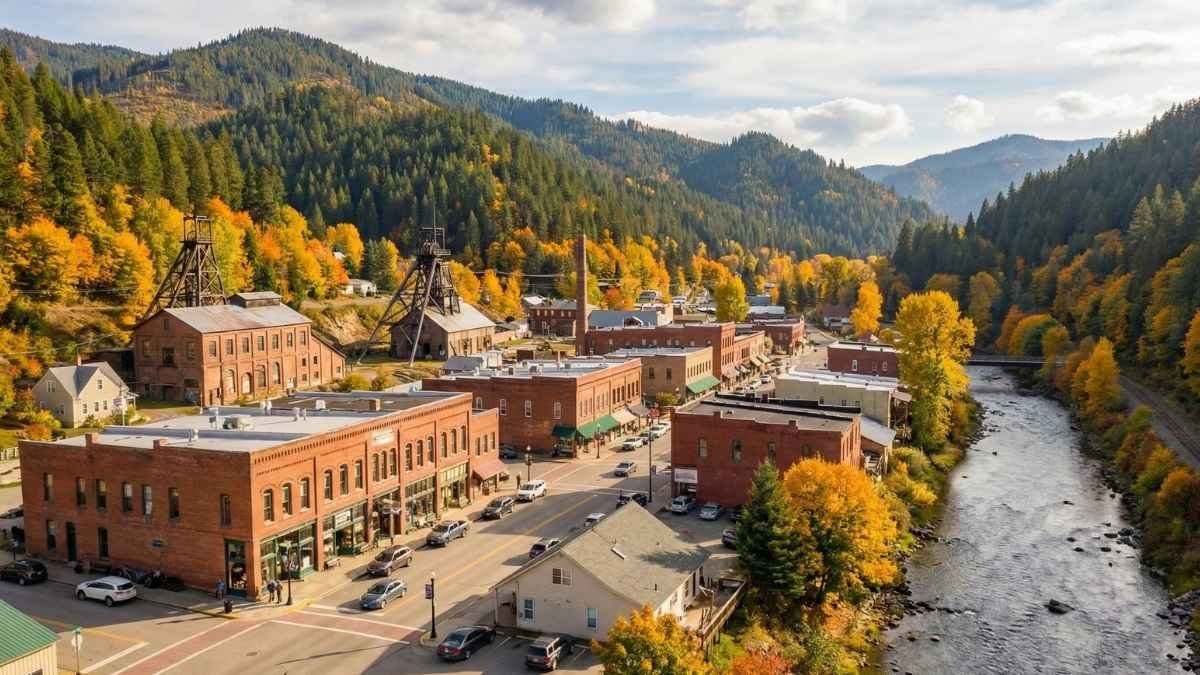
Wallace surprises people—and enjoys doing so. Once a booming silver mining town, it now blends well-preserved architecture with an unexpectedly lively cultural scene. The entire downtown is listed on the National Register of Historic Places, and it shows.
There’s a playful energy here. Museums, breweries, bike trails, and historic hotels coexist without clashing. The Route of the Hiawatha bike trail draws outdoor lovers, while the town’s quirky sense of humor keeps things light and welcoming.
Wallace feels livable, not frozen in time. It’s small but social, historic but flexible. A town that knows its past but isn’t trapped by it.
Quick Facts
- Best months to visit: June–September
- Vibe: Historic, friendly, outdoors-focused
- Notable feature: Route of the Hiawatha Trail
- Good for: Cycling, small-town life, history
- Crowds: Low, even in peak season
6. Virginia City, Nevada
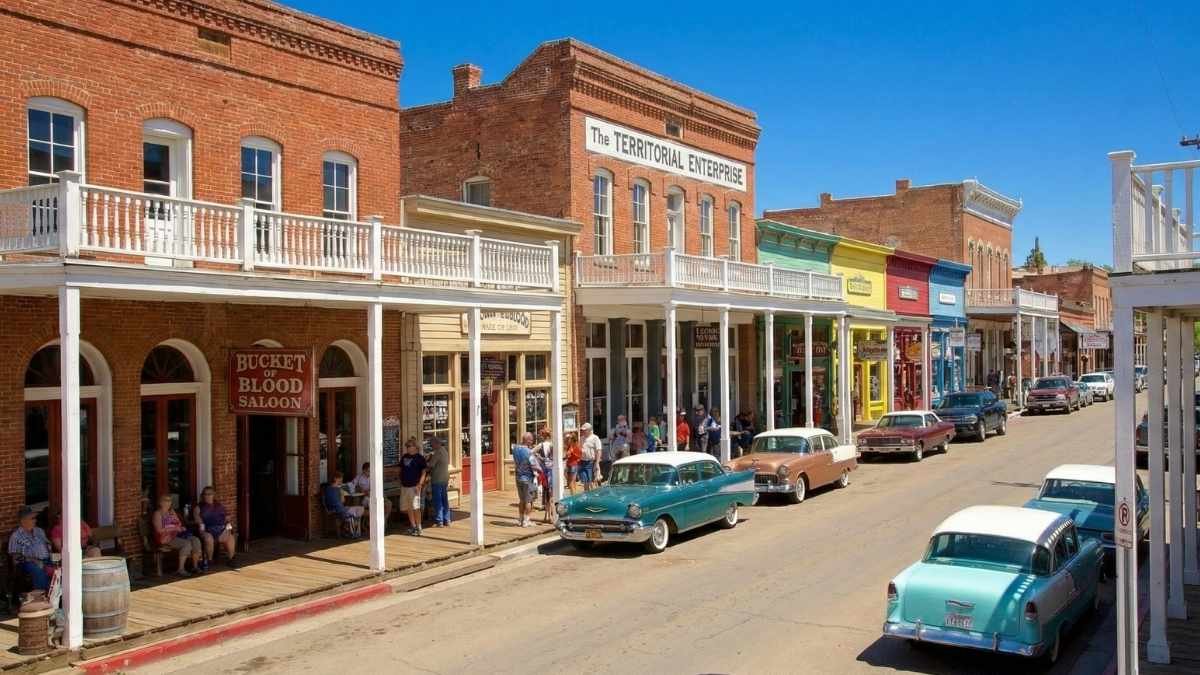
Virginia City wears its history loudly—and somehow still avoids feeling fake. Once one of the richest towns in America, thanks to the Comstock Lode, it now feels like a place that refused to disappear when the boom ended. Boardwalk sidewalks, saloons, and creaky wooden buildings line the streets, but unlike staged Old West attractions, this town still has locals who live and work here year-round.
What makes Virginia City compelling is how unapologetic it is. Ghost stories, old newspapers, and historic hotels aren’t dressed up for polish—they’re presented as-is. Some buildings lean, some signs are faded, and that’s exactly the point. It feels honest, a little rough around the edges, and fully aware of what it once was.
The setting helps too. Perched in the mountains above Reno, Virginia City offers big views and cooler air. It’s close enough for a day trip, yet far enough to feel like stepping into a parallel timeline where history didn’t quite let go.
Quick Facts
- Best months to visit: April–June, September–October
- Vibe: Old West, historic, gritty
- Notable feature: Comstock Lode history
- Good for: History buffs, photographers
- Crowds: Moderate weekends, light weekdays
7. Eureka, Nevada
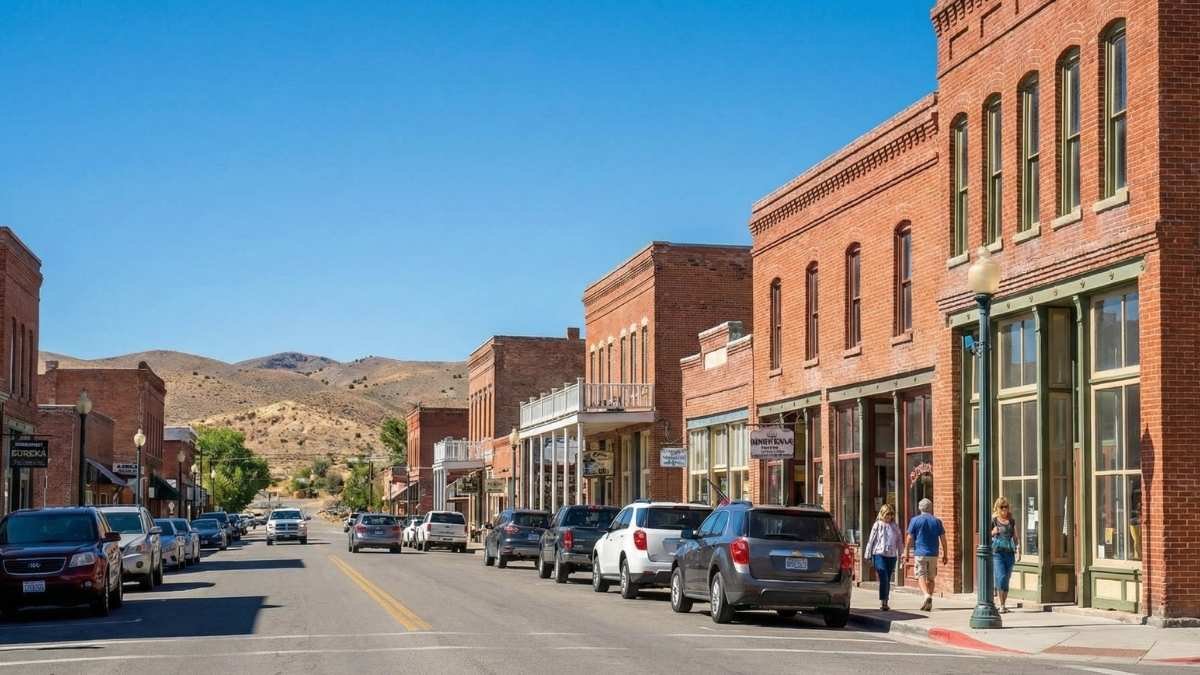
Eureka is quiet in a way that feels intentional. Once known as the “Pittsburgh of the West” due to its iron and silver output, the town today is calm, compact, and refreshingly untouched by tourism trends. Walking its streets feels almost private, like you’re seeing something most people skipped over.
The downtown is small but striking, anchored by stone buildings and a courthouse that feels far grander than the town’s current population suggests. Museums and old opera houses hint at a time when Eureka mattered deeply—and then chose to step back rather than reinvent itself for attention.
Surrounded by vast Nevada emptiness, Eureka appeals to people who enjoy stillness. No crowds, no rush, no pressure to do anything but slow down. It’s a town for listeners, not performers.
Quick Facts
- Best months to visit: May–October
- Vibe: Quiet, historic, remote
- Notable feature: Eureka Opera House
- Good for: Road trippers, solitude seekers
- Crowds: Very low
8. Deadwood, South Dakota
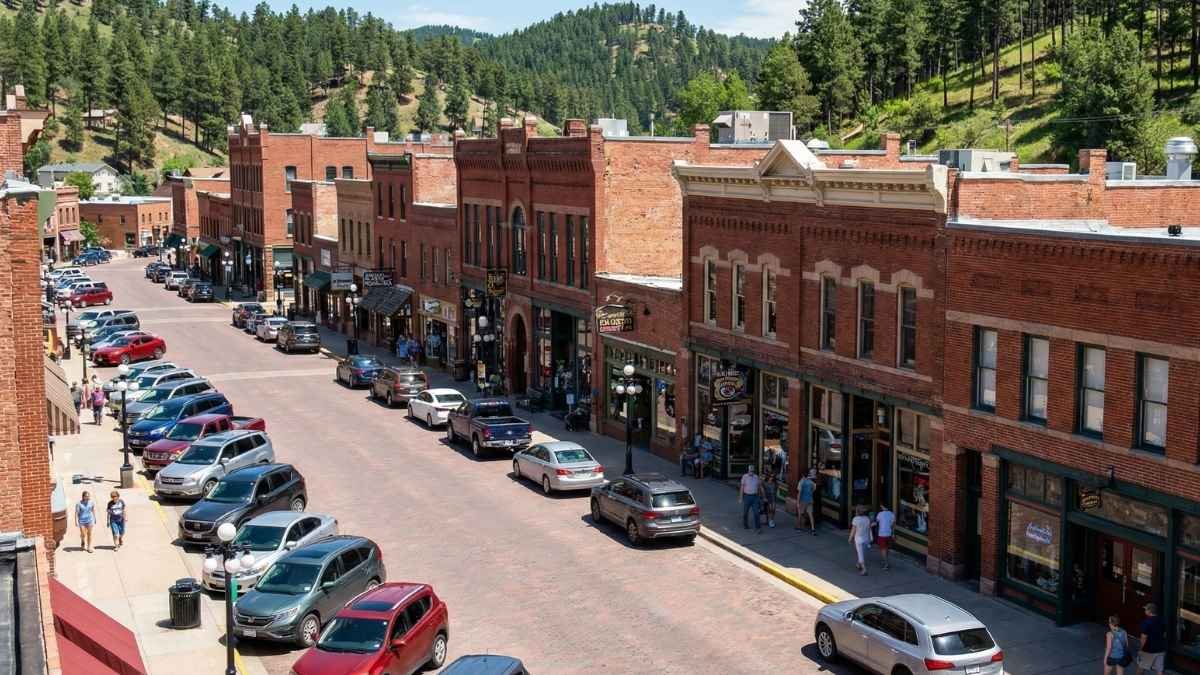
Deadwood doesn’t whisper its past—it tells it straight. Famous for outlaws, gamblers, and gunfights, this former gold rush town has leaned into its reputation while still evolving into a livable, walkable mountain community. The Black Hills setting gives it an immediate sense of place.
Yes, there are casinos and reenactments, but look past the main drag, and you’ll find neighborhoods, trails, and quiet corners that balance the spectacle. Historic cemeteries climb the hillsides, offering views that remind you why people stayed after the gold ran out.
Deadwood works because it doesn’t deny what it was, but it doesn’t get stuck there either. It’s part history, part modern mountain town, and surprisingly well-rounded because of it.
Quick Facts
- Best months to visit: May–September
- Vibe: Historic, lively, Western
- Notable feature: Mount Moriah Cemetery
- Good for: History fans, weekend trips
- Crowds: Moderate in summer
9. Philipsburg, Montana
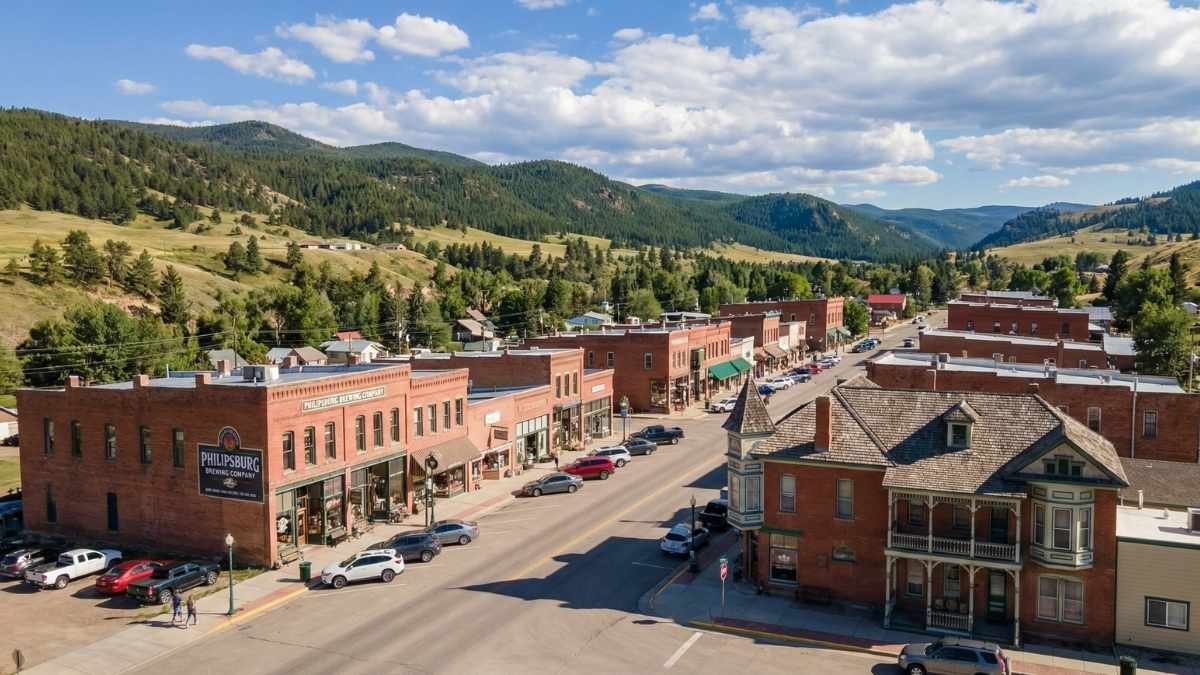
Philipsburg feels cheerful without trying too hard. Once a silver mining town, it now blends preserved history with a light, welcoming energy that makes people linger. Colorful storefronts, brick buildings, and mountain backdrops give it instant charm.
The town is known for simple pleasures—sapphire mining, local breweries, and small festivals that feel genuinely local. Nothing here feels overproduced. Instead, it feels like a place that quietly figured out how to stay relevant without growing too fast.
Philipsburg’s appeal lies in balance. Enough to do, but never overwhelming. Enough history to feel grounded, but plenty of fresh energy. It’s easy to feel at home here, even on a short visit.
Quick Facts
- Best months to visit: June–September
- Vibe: Friendly, colorful, relaxed
- Notable feature: Sapphire Gallery mining
- Good for: Couples, small families
- Crowds: Low to moderate
10. Leadville, Colorado
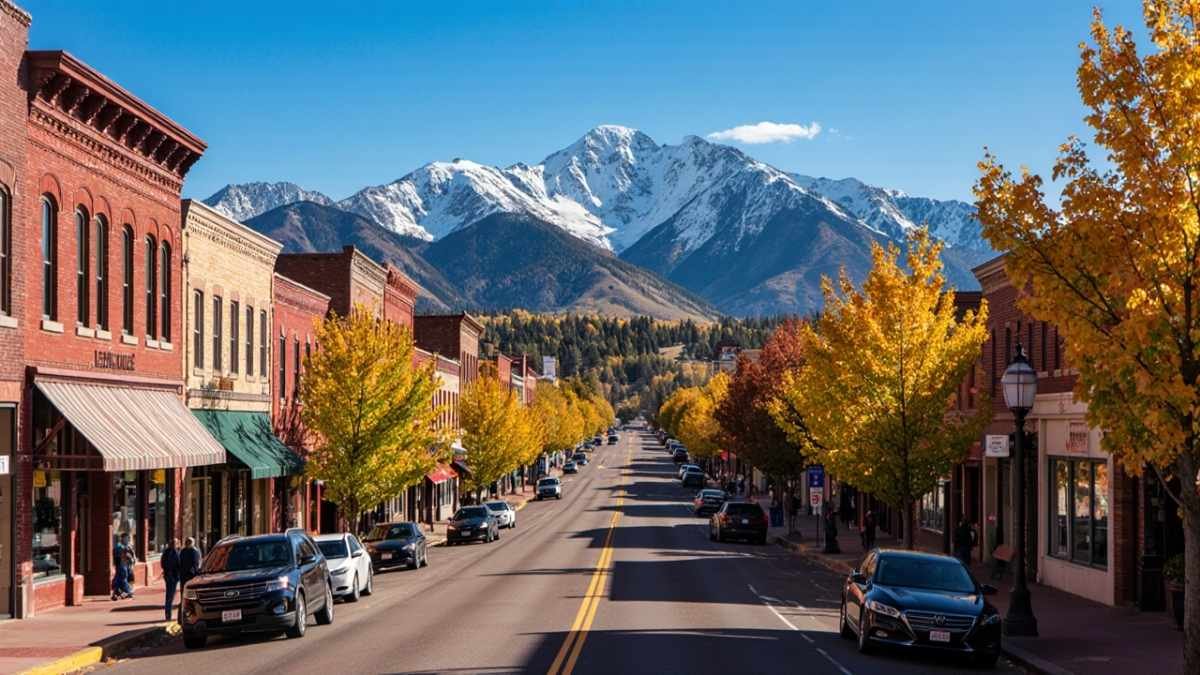
Leadville doesn’t soften itself for visitors—and that’s part of its strength. Sitting at over 10,000 feet, it’s one of the highest incorporated towns in the U.S., and the altitude shapes everything from the climate to the culture. This was once a booming silver town; today, it’s a tough, proud mountain community.
The historic downtown is wide and open, framed by some of Colorado’s tallest peaks. Old brick buildings, mining museums, and classic diners anchor the town, while outdoor adventure pulses just beyond the streets. Leadville attracts people who like their history real and their mountains serious.
It’s not flashy or polished, but it doesn’t need to be. Leadville feels earned, not curated.
Quick Facts
- Best months to visit: June–September
- Vibe: Rugged, authentic, high-altitude
- Notable feature: National Mining Hall of Fame
- Good for: Outdoor athletes, history lovers
- Crowds: Seasonal but spread out
11. Ely, Nevada
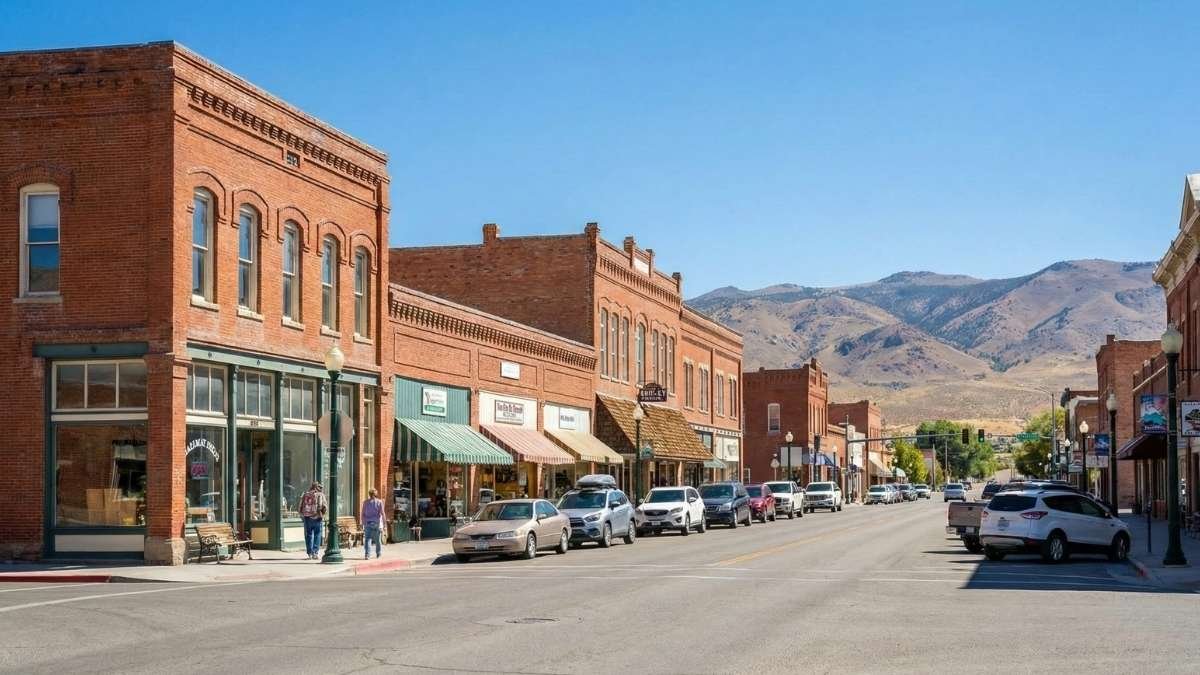
Ely sits far from everything—and that’s exactly its appeal. Once a major copper mining town, it now feels like a gateway to wide-open Nevada landscapes that most travelers never see. The isolation gives it a calm, grounded presence.
The town’s railroad history still runs deep, literally, with historic trains operating through the surrounding wilderness. Museums, murals, and preserved buildings tell Ely’s story without trying to reinvent it. There’s a sense of honesty here—no rush to impress.
Ely is for people who appreciate space, silence, and clear night skies. A place where distance feels like a feature, not a flaw.
Quick Facts
- Best months to visit: May–October
- Vibe: Remote, historic, grounded
- Notable feature: Nevada Northern Railway
- Good for: Train lovers, road trips
- Crowds: Minimal year-round