14 Dying USA Towns Millennials Are Secretly Reviving (Property Under $100K)

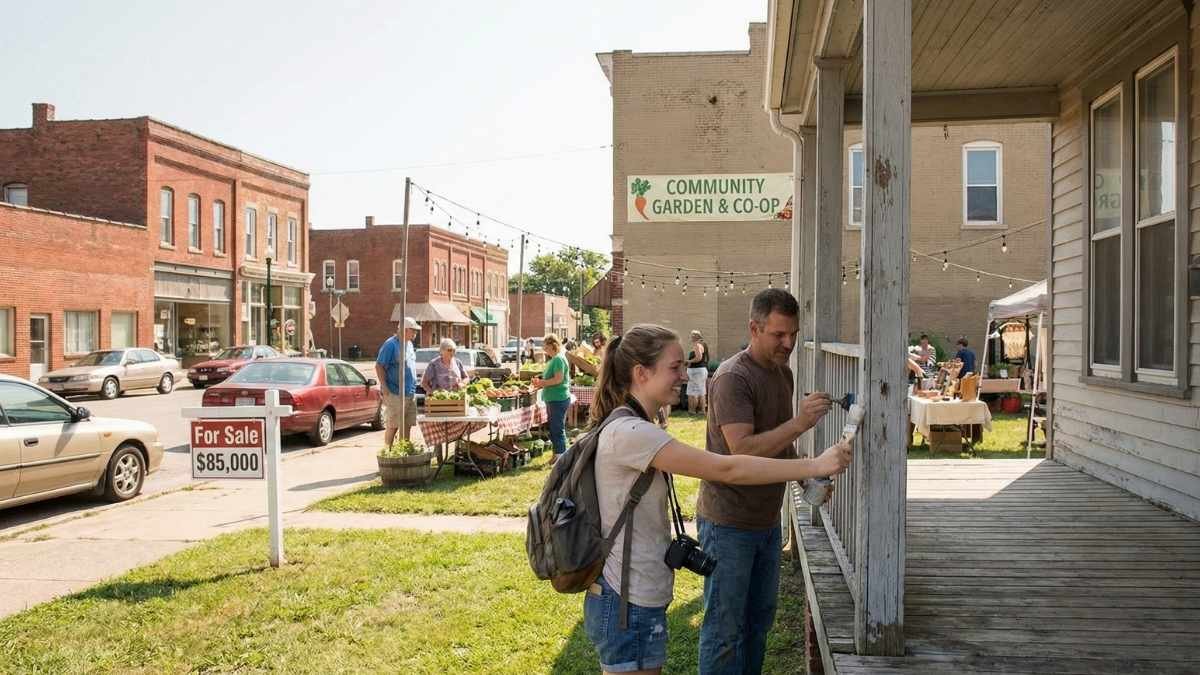
America has a habit of forgetting places long before they’re truly finished. Main streets go quiet, “For Sale” signs fade in the sun, and suddenly, entire towns are written off as lost causes. Yet beneath that silence, something unexpected is happening.
Younger buyers are showing up with laptops, long-term plans, and a refusal to overpay for life. They’re choosing space over status, ownership over rent, and potential over polish. The numbers make sense, the houses still stand strong, and the pace feels human again.
What looks like decline from the outside often feels like opportunity once you step in—and the stories unfolding ahead prove exactly why.
1. Pine Bluff, Arkansas
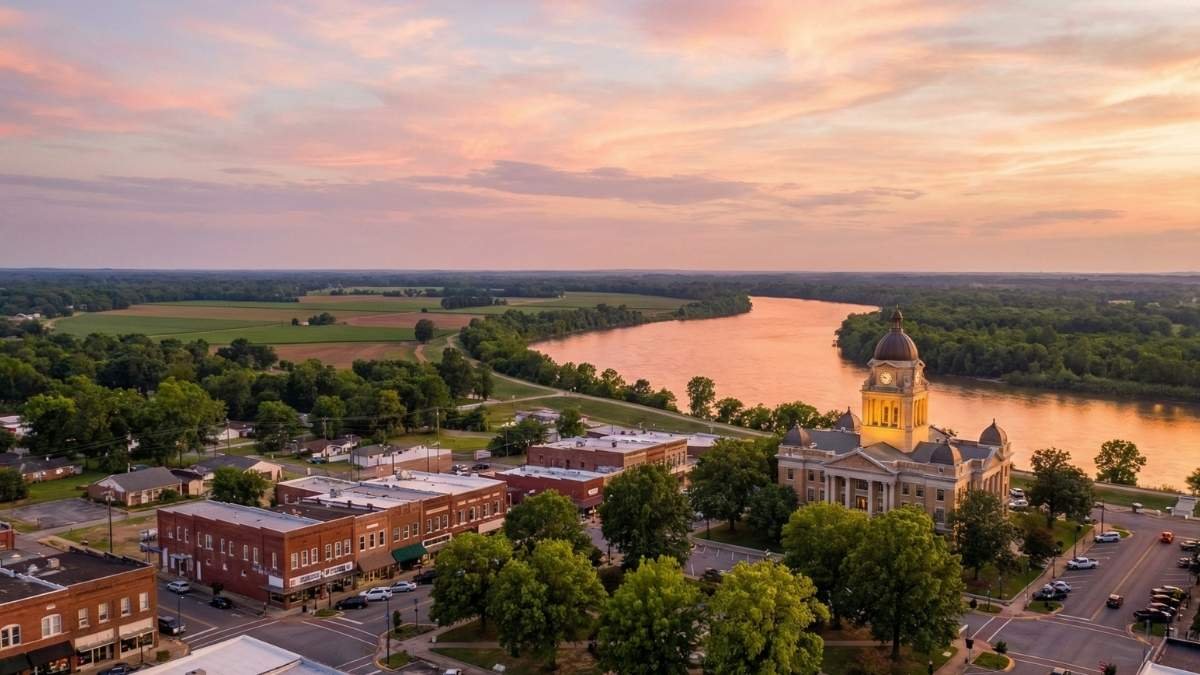
Once written off as a fading Delta town, Pine Bluff is quietly flipping its own narrative. Historic brick homes line wide streets that were built for a much larger population, which means buyers today get space, character, and solid construction at prices that feel almost unreal. Sub-$100K homes here aren’t fixer-upper myths—they’re real listings with porches, yards, and bones that last.
What’s driving the comeback is a mix of remote workers, creatives, and small-scale investors betting on location over hype. Pine Bluff sits close enough to Little Rock to stay connected, yet far enough to keep costs low. Downtown revitalization efforts, local art spaces, and community-driven businesses are slowly stitching life back into the core.
The appeal isn’t polish—it’s potential. Pine Bluff attracts people who see value where others only saw decline. That mindset is exactly what tends to spark long-term revival rather than short-lived buzz.
Helpful Details
- Best months to visit: March–May, October
- Typical home prices: $45K–$95K
- Vibe: Historic, quiet, grassroots revival
- Good for: Remote workers, first-time buyers, renovation projects
- Watch out for: Block-by-block variability
2. Cairo, Illinois
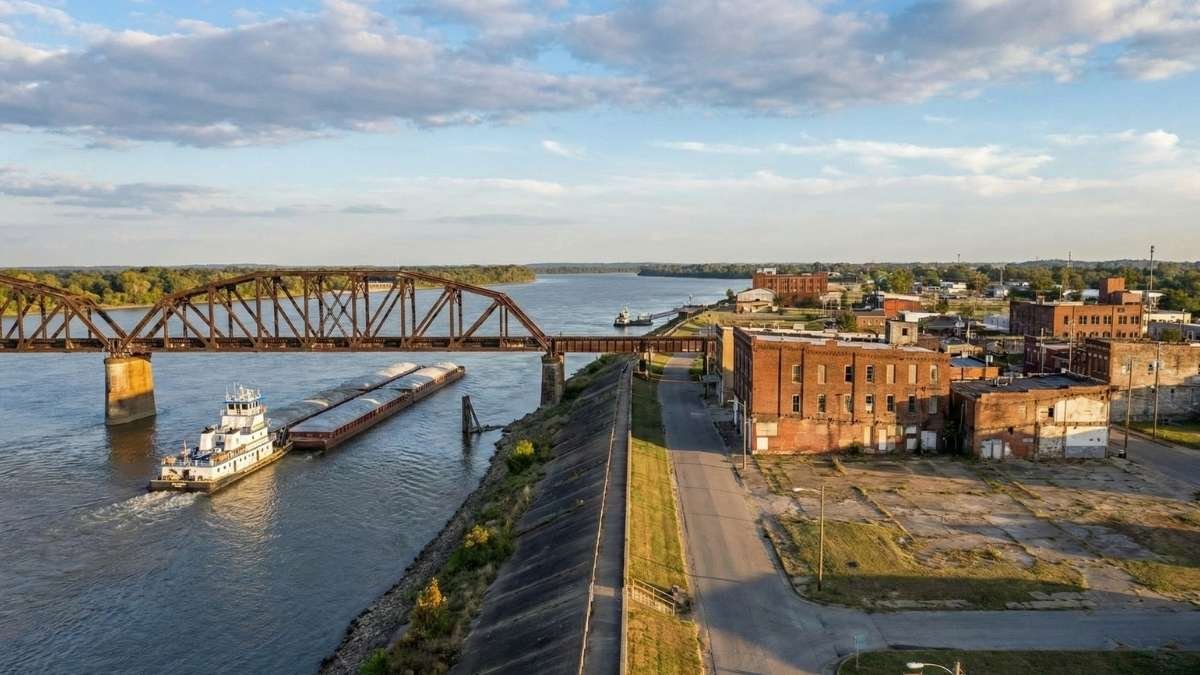
Cairo feels like a place frozen in time—and that’s part of the draw. Sitting at the confluence of two major rivers, the town has grand architecture that once symbolized wealth and power, now available for the cost of a used car. Mansions, not cottages, dominate the listings.
What’s surprising is the small but determined wave of new residents moving in to restore homes, open cultural spaces, and document the town’s layered history. Cairo isn’t bouncing back fast, but it is bouncing back intentionally, which matters. Slow revival often sticks.
This is not a place for trend-chasers. Cairo appeals to people who value history, solitude, and long-term bets. Those who stay aren’t waiting for permission to rebuild—they’re already doing it.
Helpful Details
- Best months to visit: April–June, September
- Typical home prices: $20K–$80K
- Vibe: Historic, quiet, deeply atmospheric
- Good for: Preservationists, artists, long-term investors
- Watch out for: Limited amenities, services still rebuilding
3. Decatur, Illinois
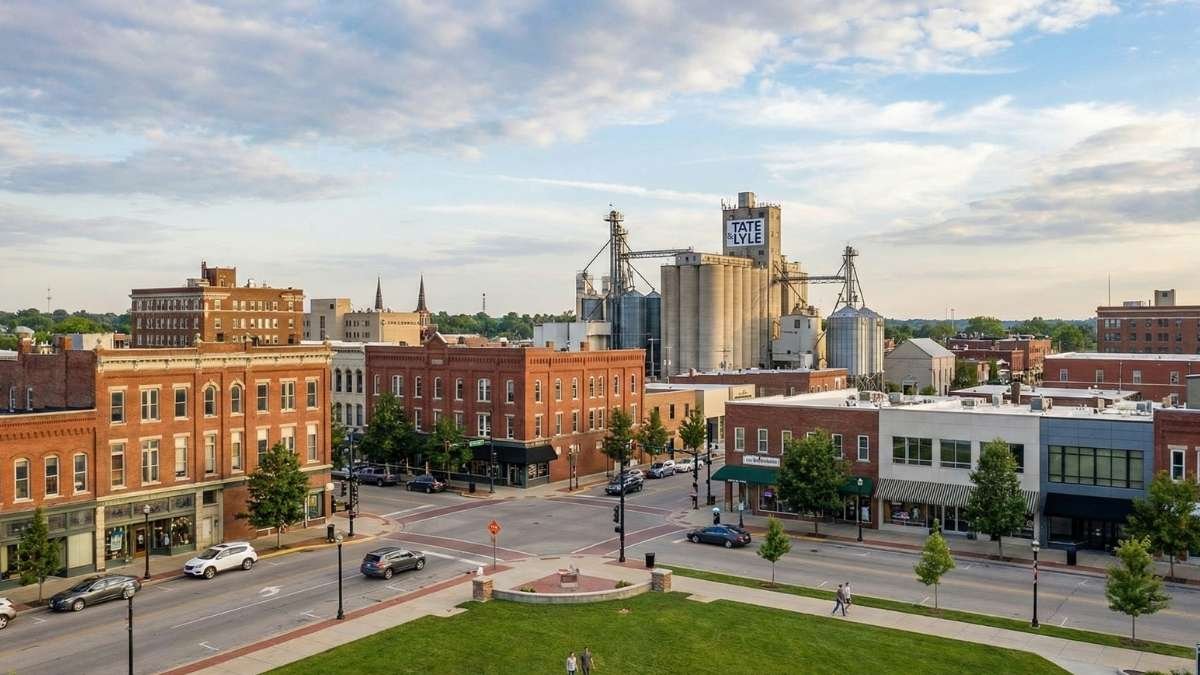
Decatur doesn’t look like a comeback story at first glance—and that’s exactly why it works. This is a functioning city with low-priced housing, not a ghost town. Hospitals, manufacturing, colleges, and rail access keep the economy moving while housing prices lag far behind national norms.
Millennials here aren’t chasing charm alone; they’re chasing stability without financial pressure. Neighborhoods filled with solid mid-century homes are being slowly refreshed, not flipped overnight. That creates a lived-in revival rather than a speculative one.
Decatur’s strength is balance. It offers urban basics, job access, and affordability in one package, which explains why people quietly stay once they arrive.
Helpful Details
- Best months to visit: May–June, September
- Typical home prices: $60K–$100K
- Vibe: Practical, grounded, low-stress
- Good for: Families, remote workers, career stability
- Watch out for: Not a tourist town—appeal is lifestyle-based
4. Elmira Heights, New York
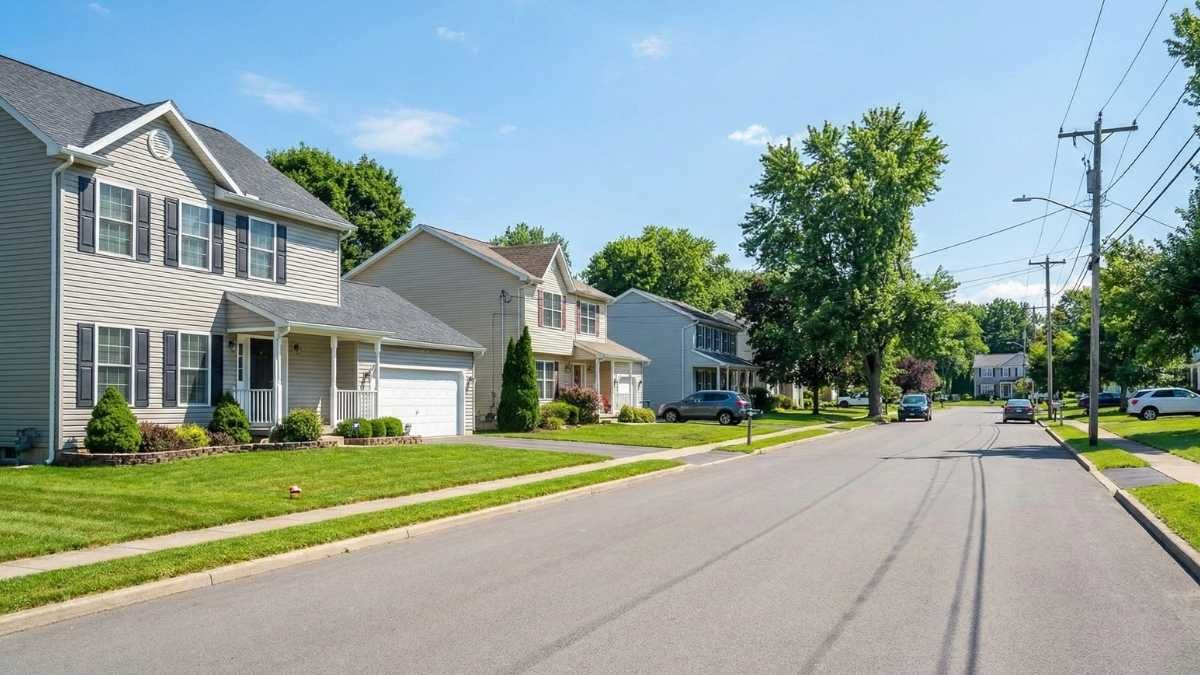
Elmira Heights benefits from something many struggling towns lack: location leverage. Nestled in New York’s Southern Tier, it offers access to nature, colleges, and regional hubs—without the price tag people associate with New York State.
The housing stock is a major draw. Well-kept older homes, walkable streets, and tree cover give the area a classic small-town Northeast feel, and prices remain surprisingly low. Younger buyers are moving in for space and staying for community.
Revival here feels calm and steady. It’s less about reinvention and more about restoration, which tends to age better over time.
Helpful Details
- Best months to visit: June–September
- Typical home prices: $70K–$100K
- Vibe: Cozy, traditional, quietly improving
- Good for: Nature lovers, remote workers, downsizers
- Watch out for: Winters can feel long
5. Oswego, New York
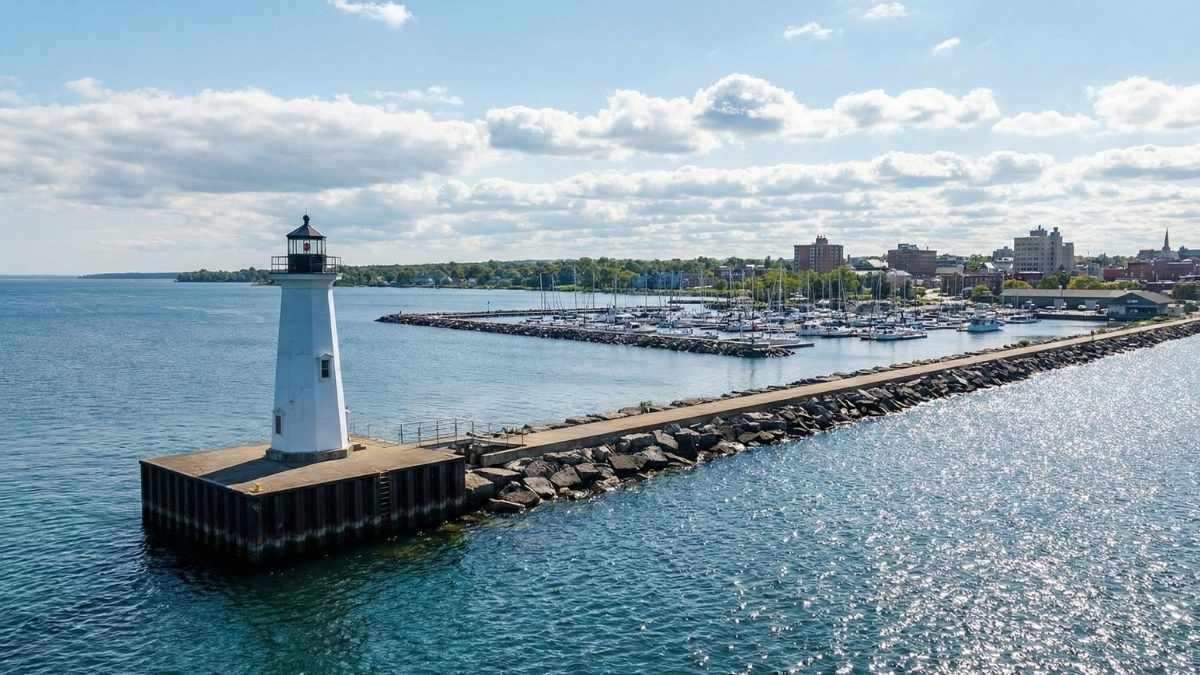
Oswego’s secret weapon is water. Sitting on Lake Ontario, the town offers lake views, historic neighborhoods, and a college-driven economy—all while keeping home prices under six figures in many areas.
The presence of SUNY Oswego injects youth, culture, and stability, which is why millennials are increasingly comfortable buying here rather than renting indefinitely. Cafés, local breweries, and waterfront improvements have shifted the town’s energy without erasing its identity.
Oswego feels like a place that already knows who it is. That confidence, paired with affordability, makes it one of the strongest long-term revival candidates on the list.
Helpful Details
- Best months to visit: July–September
- Typical home prices: $80K–$100K
- Vibe: Waterfront college town, lived-in charm
- Good for: Long-term living, rentals, quality of life
- Watch out for: Lake-effect snow
6. Endicott, New York
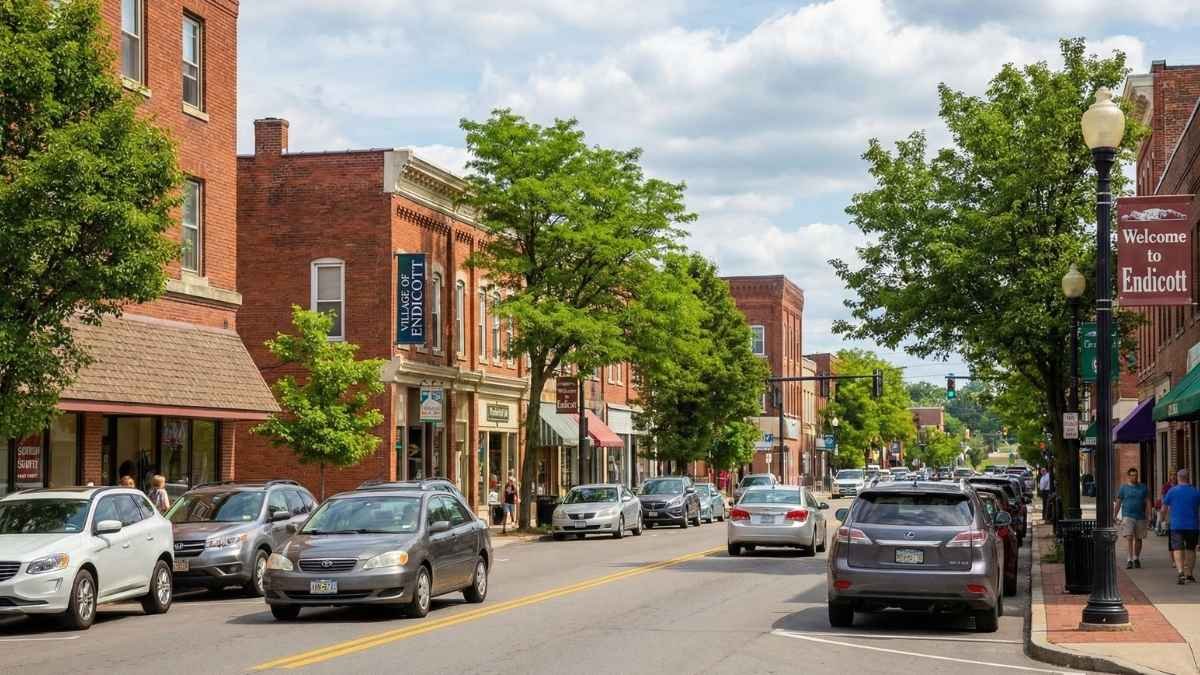
Endicott carries the bones of a former powerhouse. Once the birthplace of IBM, the town still has solid infrastructure, walkable neighborhoods, and sturdy early-20th-century homes that were built for professionals and engineers. Those homes now sell for prices that barely register as “New York.”
The revival here is subtle but real. Younger buyers are drawn to reliable utilities, proximity to Binghamton, and a growing interest in restoring older housing stock rather than tearing it down. Coffee shops, ethnic eateries, and small businesses are slowly refilling empty storefronts.
Endicott appeals to people who want value with credibility—a place that already worked once and has the framework to do it again.
Helpful Details
- Best months to visit: May–September
- Typical home prices: $65K–$95K
- Vibe: Old-industry town with quiet momentum
- Good for: Remote workers, restoration buyers
- Watch out for: Progress is steady, not flashy
7. Johnstown, Pennsylvania
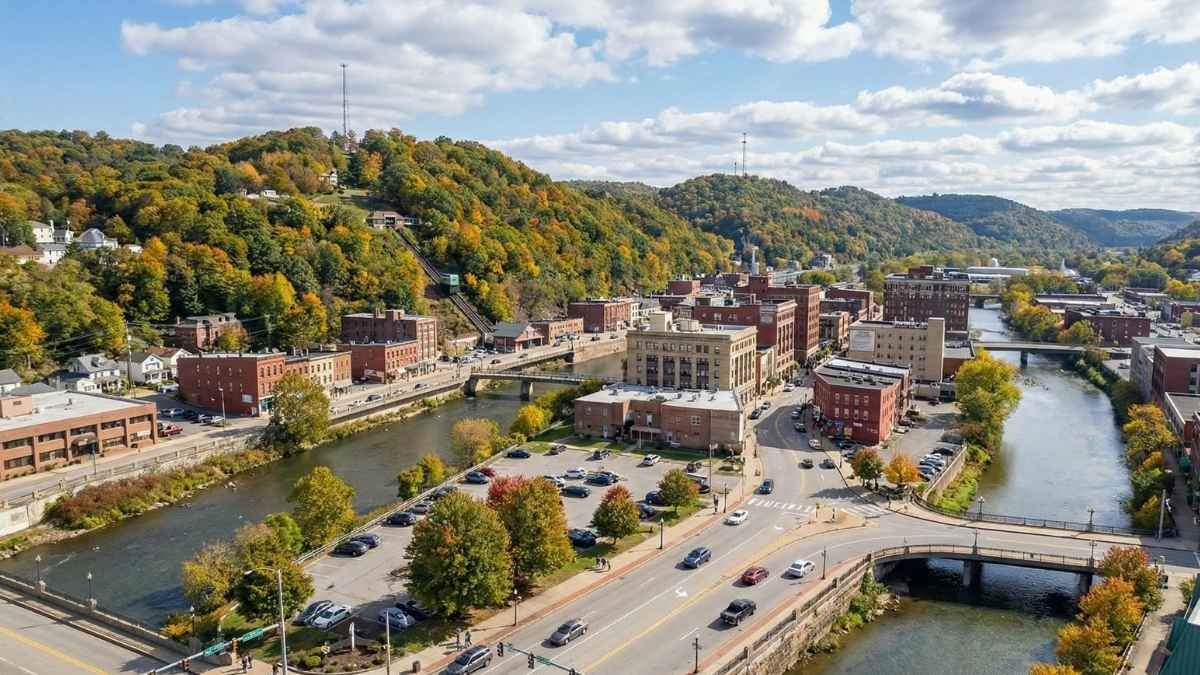
Johnstown has been counted out more times than most towns—and yet it remains. Nestled in the Allegheny Mountains, the town offers dramatic scenery, historic neighborhoods, and some of the most affordable housing in the Northeast.
Millennials moving here tend to value nature access and breathing room over urban buzz. Homes with character—stone foundations, deep porches, and original woodwork—are widely available under $100K, often move-in ready.
What makes Johnstown compelling is its resilience. The town knows how to rebuild, and that attitude still shows in community-led efforts and pride of place.
Helpful Details
- Best months to visit: May–October
- Typical home prices: $50K–$90K
- Vibe: Mountain town, historic, grounded
- Good for: Outdoor lovers, quiet lifestyles
- Watch out for: Smaller job market
8. Youngstown, Ohio
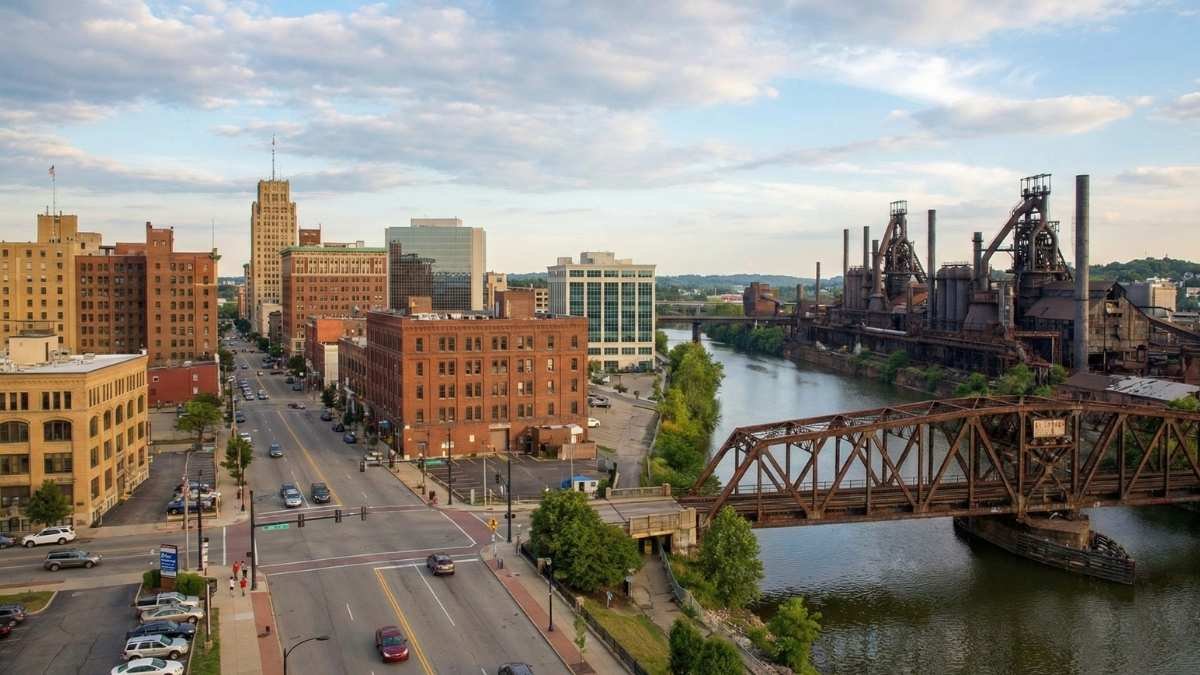
Youngstown’s story is well known—but what’s changing is who’s telling it. The city has become a testing ground for affordable urban living, drawing younger buyers priced out of larger Midwest metros.
Large homes, tree-lined streets, and strong neighborhood identities make it easy to settle in. Universities and healthcare anchor the economy, while community groups and local investors focus on targeted revival instead of citywide overhauls.
Youngstown works because expectations are realistic. People come for affordability and stay for the space, the pace, and the sense that effort still matters.
Helpful Details
- Best months to visit: April–June, September
- Typical home prices: $55K–$95K
- Vibe: Rust Belt city with renewed confidence
- Good for: Urban-minded buyers on a budget
- Watch out for: Neighborhood selection matters
9. Rolla, Missouri
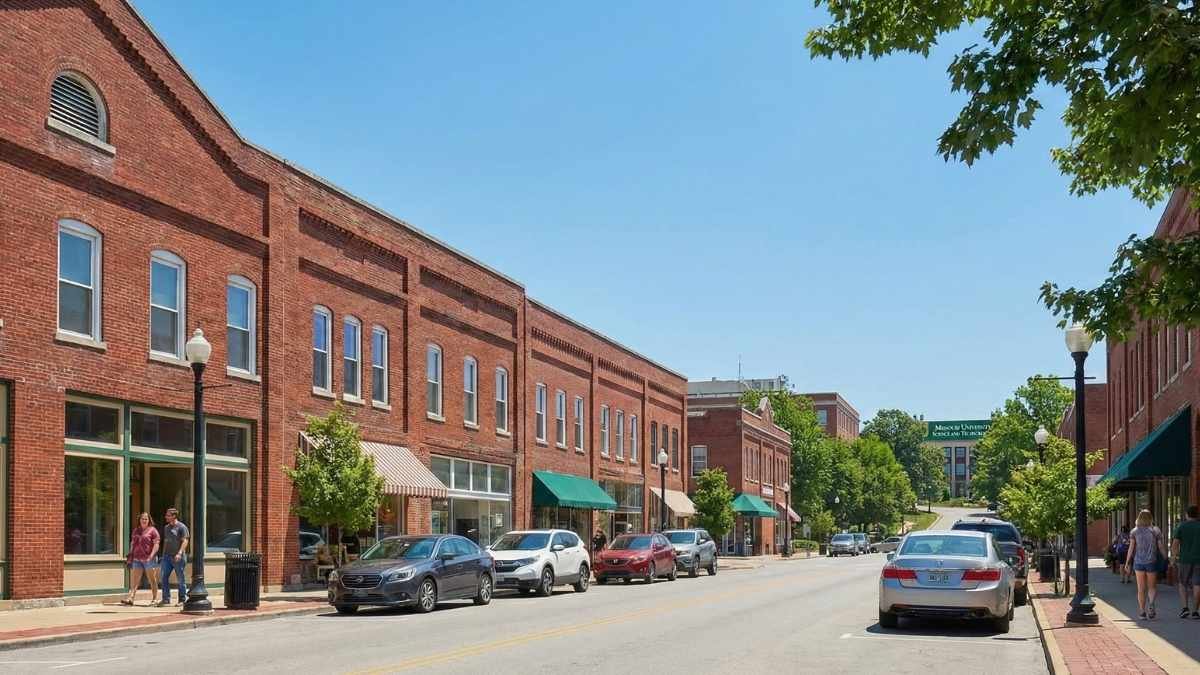
Rolla feels different from many dying towns because it never fully stopped functioning. Anchored by a major engineering university, the town maintains economic activity, cultural diversity, and rental demand, while housing prices remain surprisingly low.
Millennials here often arrive for school or work—and realize staying makes financial sense. Modest homes near campus and downtown are affordable, practical, and easy to rent if plans change.
Rolla’s strength lies in consistency. It doesn’t need reinvention; it needs recognition.
Helpful Details
- Best months to visit: April–June, September
- Typical home prices: $70K–$100K
- Vibe: College town, practical, stable
- Good for: Long-term value, rentals
- Watch out for: Limited nightlife
10. Massena, New York
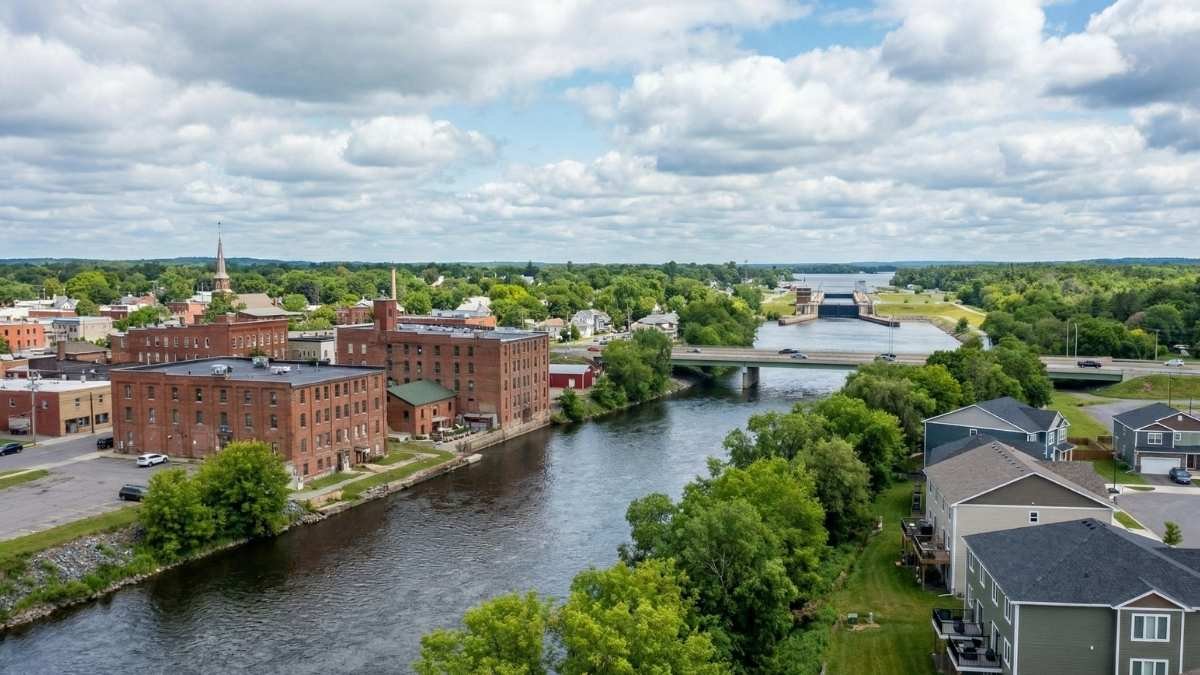
Massena sits near the Canadian border, where geography once made it industrially important—and now makes it quietly appealing. The town offers wide streets, large homes, and access to rivers and outdoor recreation, all at deeply affordable prices.
Younger buyers drawn to slower living find Massena appealing for its space and calm. Cross-border access, hydropower history, and nearby nature add layers of interest that most people overlook.
Massena isn’t trendy—and that’s exactly why the numbers still work.
Helpful Details
- Best months to visit: June–August
- Typical home prices: $45K–$85K
- Vibe: Border town, spacious, low-key
- Good for: Remote work, quiet living
- Watch out for: Harsh winters
11. Bath, New York
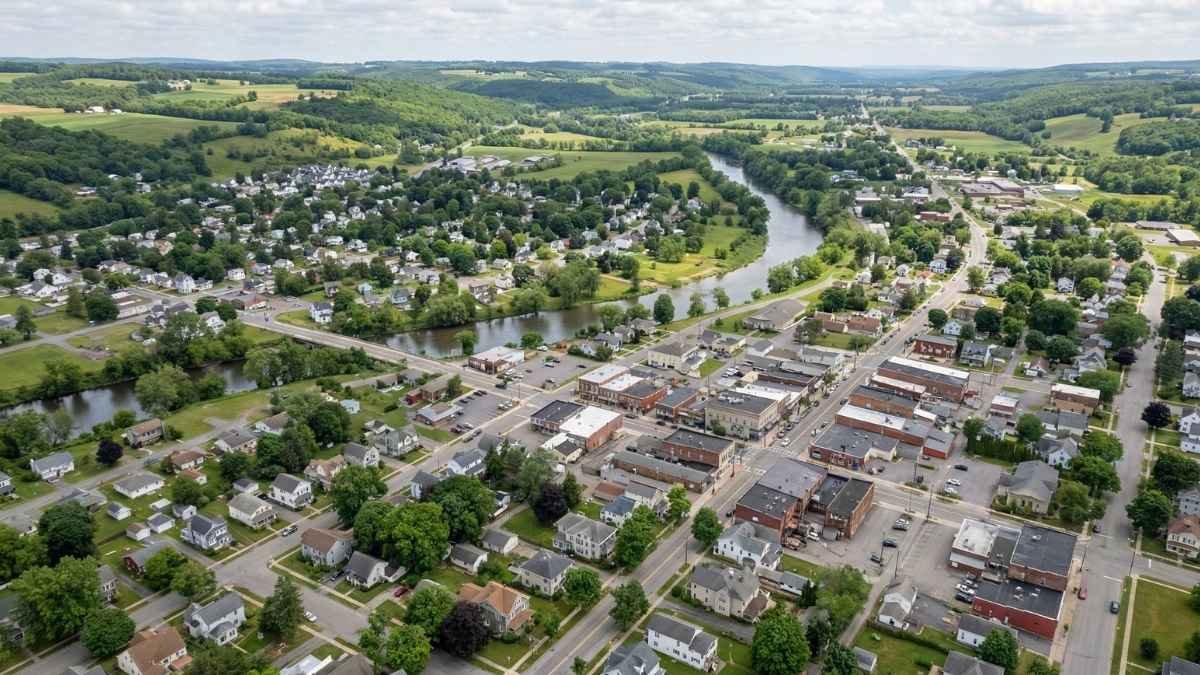
Bath doesn’t announce itself loudly, and that restraint works in its favor. The village has a clean, orderly feel, with historic homes that reflect a time when craftsmanship mattered more than speed. Prices remain low because the town never chased growth—and now that patience is paying off.
Younger buyers tend to settle here for peace, predictability, and affordability. Life moves at a manageable pace, and that’s a feature, not a flaw. Bath attracts people who want their home to be a retreat rather than a project.
This is revival through consistency, not reinvention.
Helpful Details
- Best months to visit: May–October
- Typical home prices: $65K–$95K
- Vibe: Calm, traditional, well-kept
- Good for: Remote work, downsizing
- Watch out for: Limited nightlife
12. Perry, New York
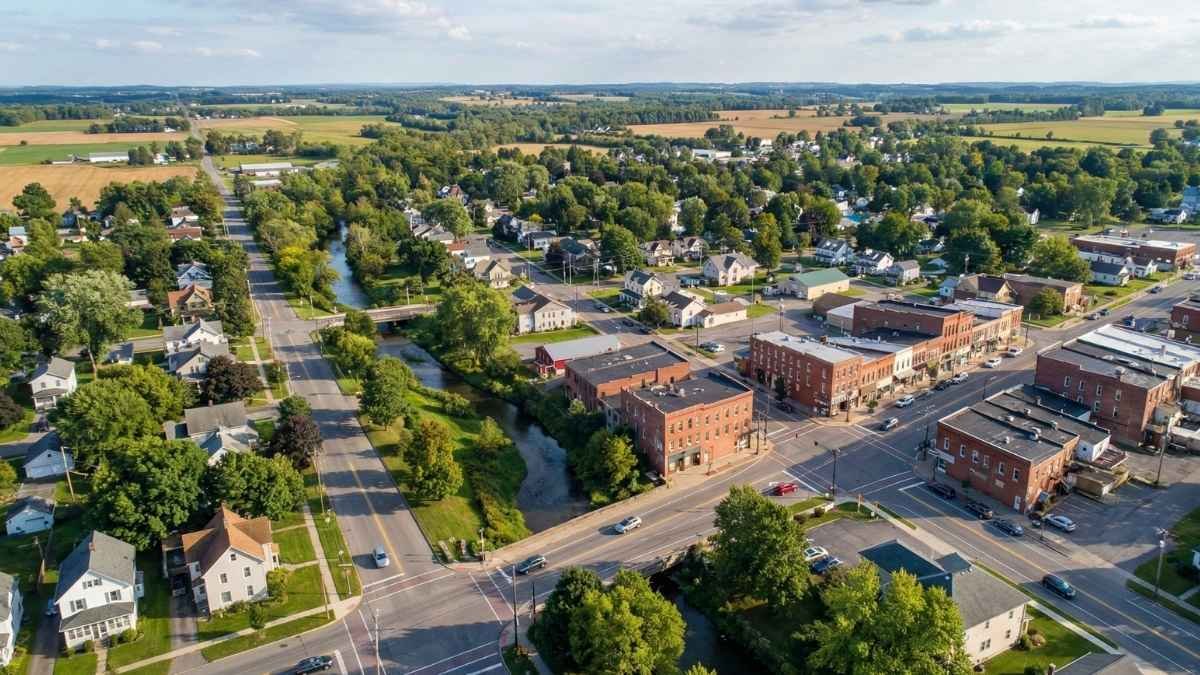
Perry feels compact in the best way. Streets are walkable, neighbors know each other, and housing costs reflect reality rather than speculation. The town benefits from proximity to larger Western New York hubs while maintaining its own identity.
Millennials moving here are often drawn to low ownership costs and manageable living. Homes are small-to-midsize, easy to maintain, and ideal for first-time buyers who want to build equity without stress.
Perry works because it’s simple—and simplicity is increasingly valuable.
Helpful Details
- Best months to visit: June–September
- Typical home prices: $60K–$90K
- Vibe: Small-town, practical, friendly
- Good for: First-time buyers, quiet lifestyles
- Watch out for: Limited job diversity
13. Ilion, New York
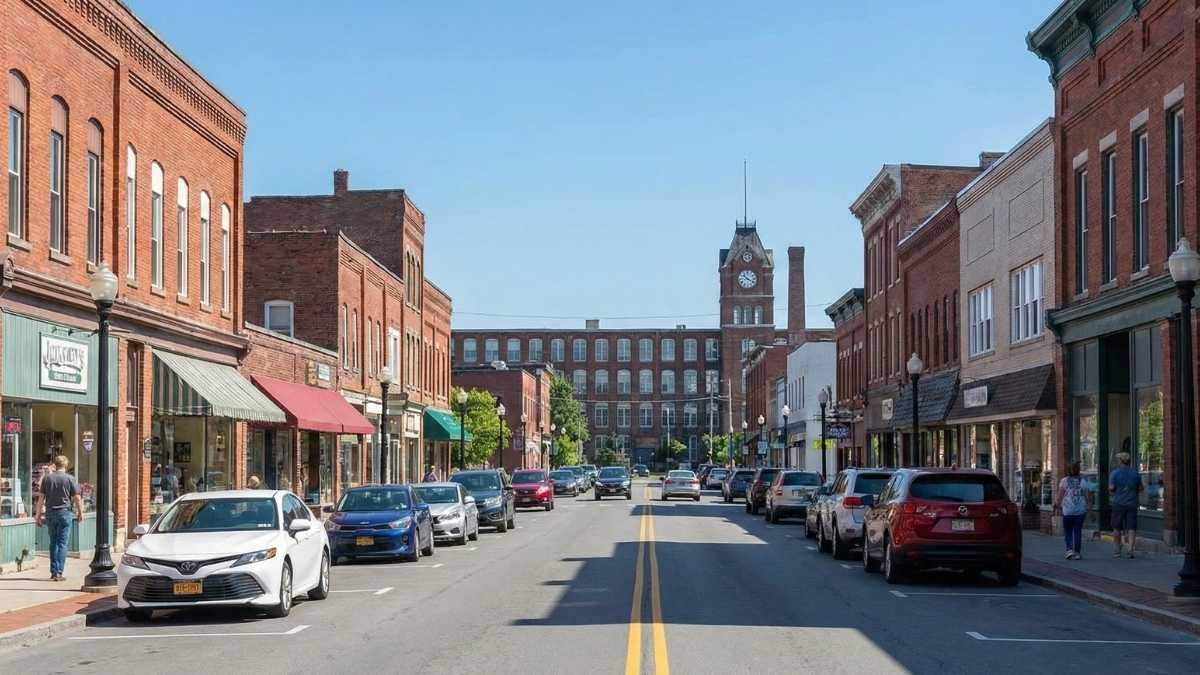
Ilion’s identity is tied to manufacturing history, and while those days have faded, the town still offers solid homes, dependable infrastructure, and a clear layout that makes daily life easy.
Younger residents are moving in not to chase growth, but to stabilize and stay. The appeal is straightforward: affordable houses, access to nearby cities, and a sense that effort still translates into results.
Ilion isn’t flashy. It doesn’t need to be.
Helpful Details
- Best months to visit: May–September
- Typical home prices: $55K–$85K
- Vibe: Grounded, no-frills, steady
- Good for: Long-term living, affordability seekers
- Watch out for: Smaller social scene
14. Ironwood, Michigan
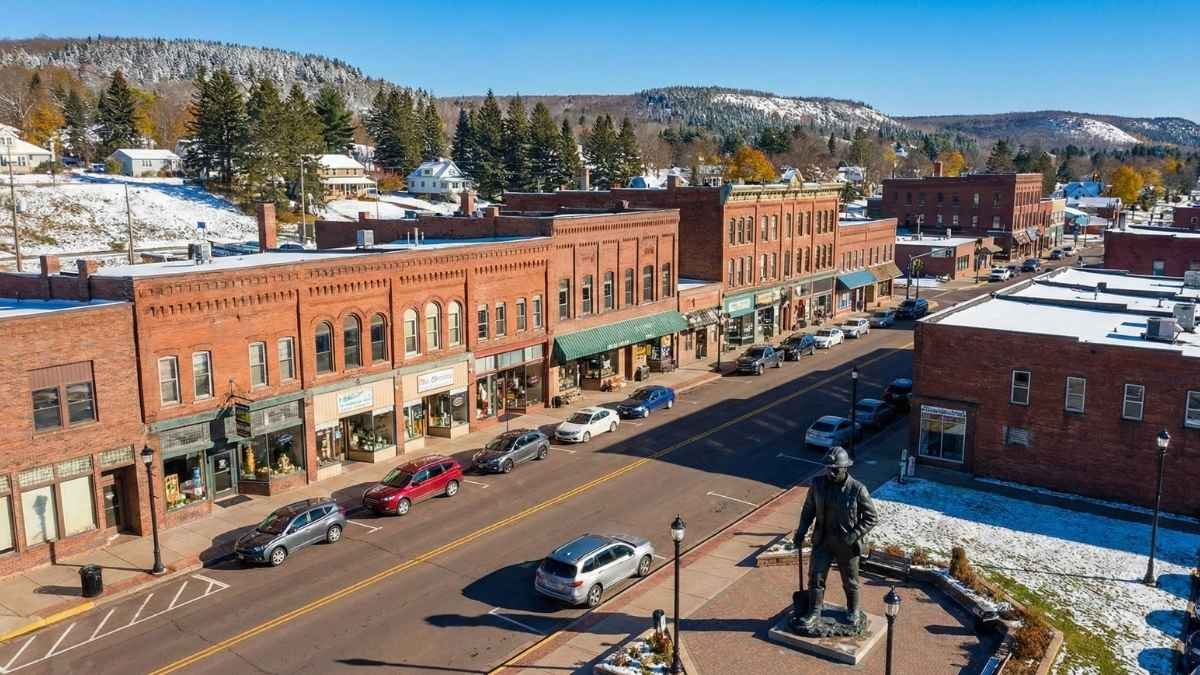
Ironwood closes the list on a different note. Tucked into the western edge of Michigan’s Upper Peninsula, the town offers extreme affordability paired with dramatic natural surroundings.
Homes here often sell well under $100K, and the trade-off is distance, not quality. Winters are serious, but so is the community. People who move to Ironwood tend to stay because they want a slower, more self-directed life.
This isn’t revival through numbers—it’s revival through commitment.
Helpful Details
- Best months to visit: June–September
- Typical home prices: $45K–$80K
- Vibe: Remote, outdoors-driven, resilient
- Good for: Nature lovers, off-grid-adjacent living
- Watch out for: Long winters, isolation