
Credit Card Insider: Stop Using Debit Cards Abroad—Here Are 8 Costly Mistakes You’re Making

You know that moment when you’re planning a big international trip, and you decide, “I’ll just use my debit card. It’s my own money, so I can’t overspend. It’s the safe choice, right?”
Honestly? That seemingly smart choice is actually one of the riskiest, most expensive mistakes you can make when traveling. We all assume that using our own cash is the most financially responsible move, but when you step onto foreign soil, the legal and financial rules change completely. The “safety” you feel when you tap your debit card quickly dissolves into fees, fraud liabilities, and massive inconvenience.
Look, using a debit card internationally is fundamentally exposing your checking account—your primary source of funds—to chaos. A credit card, on the other hand, means you’re spending the bank’s money first. If fraud hits, it’s the bank that deals with the immediate loss, not you.
If you want to protect your trip and your savings, you need to understand the eight reasons why your debit card should stay locked in your hotel safe.
1. The Catastrophic Liability Gap: The 60-Day Deadline Nightmare
This is the big one. It’s the difference between a minor inconvenience and losing all your money.
When you use a credit card, federal rules cap your fraud liability at $50, and virtually every card issuer gives you $0 fraud liability regardless of when you report the loss. Your risk is fixed and basically zero. Easy.
But debit cards? They play by a brutal set of rules. Your maximum liability depends entirely on how quickly you report the loss or fraudulent charge, and I mean fast.
Think about it: you’re jet-lagged, moving every few days, and maybe you don’t check your bank statement every morning. If you don’t report the fraud within two business days, your maximum liability jumps from $50 to up to $500.
And here’s the terrifying part: if you wait longer than 60 calendar days after your statement was sent showing the fraud? You face 100% liability for all losses. That means your entire checking account balance—your rent money, your savings, everything—is vulnerable. As a traveler, those deadlines are punitive. You’re penalized just for delayed discovery.
| Payment Type/Regulation | Timing of Report | Consumer Maximum Liability | Key Implication for Travelers |
| Debit Card (Regulation E) | Within 2 business days of learning of loss | $50 | Requires immediate action upon loss/theft. |
| Debit Card (Regulation E) | 3–60 calendar days after statement sent | Up to $500 | Severe penalty for delayed discovery of fraud. |
| Debit Card (Regulation E) | After 60 calendar days of statement sent | Unlimited (Potential loss of all funds) | Highest risk, as primary checking account is vulnerable. |
| Credit Card (Regulation Z) | Any time (within dispute window) | $50 (Generally $0 through Issuer Policy) | Maximum liability is fixed and low, regardless of timing. |
2. The Drain and Wait Dilemma (A Trip-Stopping Liquidity Crisis)

When debit card fraud strikes, it’s not just a potential future headache—it’s an immediate crisis.
If a fraudster charges $1,500 on your credit card, your available credit goes down, but your life funds are untouched. If that same fraudster charges $1,500 on your debit card, that money is instantly gone from your checking account.
Now you face the “drain and wait” dilemma. You have to call your bank, file a report, and then wait days or even weeks for a provisional credit while they investigate. And if you need that money right now—for a last-minute flight, a non-refundable hotel, or God forbid, an emergency medical expense—you’re stuck. That lack of liquidity can completely derail your trip.
A quick tip: This is also why you should never use a debit card for deposits or holds, like at car rental agencies or hotels. Those holds immediately freeze and deduct actual cash from your balance, unnecessarily reducing your liquid funds.
3. The 3% Tax: Paying Exorbitant Foreign Transaction Fees (FTF)
Okay, let’s talk fees. They stack up fast.
The Foreign Transaction Fee (FTF) is a completely unnecessary tax on travelers, usually ranging from 2% to 3% of every single international purchase you make. Guess what? Almost half of all U.S. credit cards still charge an FTF, and this fee is common on standard bank-issued debit cards, too.
Think about it: You’re spending $100 a day for a two-week trip. That’s $1,400 in spending. A 3% fee means you’ve handed over $42 just to access your own money. And that’s the low end of the fee story.
The smart move? Get a credit card that explicitly waives the FTF. You still get the zero-liability fraud protection and you start earning net positive rewards, not paying a net penalty.
4. The Triple Fee Stack: Getting Gouged at the ATM
Need cash for that incredible street market stall or a tip? Using a regular debit card at a foreign ATM is like stepping into a financial bear trap. You get hit with three fees, minimum.
- Your Bank’s ATM Fee: A flat fee from your home institution, typically $1 to $5 per withdrawal.
- The Foreign ATM Surcharge: The local ATM owner charges you a fee (another flat rate or percentage).
- The Foreign Transaction Fee (FTF): The 2% to 3% fee we just talked about, applied to the cash amount.
Look at Bank of America, for example. They charge a $5 fee plus a 3% transaction fee for most global withdrawals. If you pull out just $50, that $5 fee alone is 10% of your withdrawal!
This fee stack makes frequent, small, secure withdrawals financially stupid. You’re forced to pull out huge, risky sums of cash to make the fees seem worth it. But you don’t have to do this! We’ll get to the fix later, but certain specialty accounts reimburse all these ATM fees worldwide.
5. The Sneakiest Scam: Willfully Overpaying with DCC
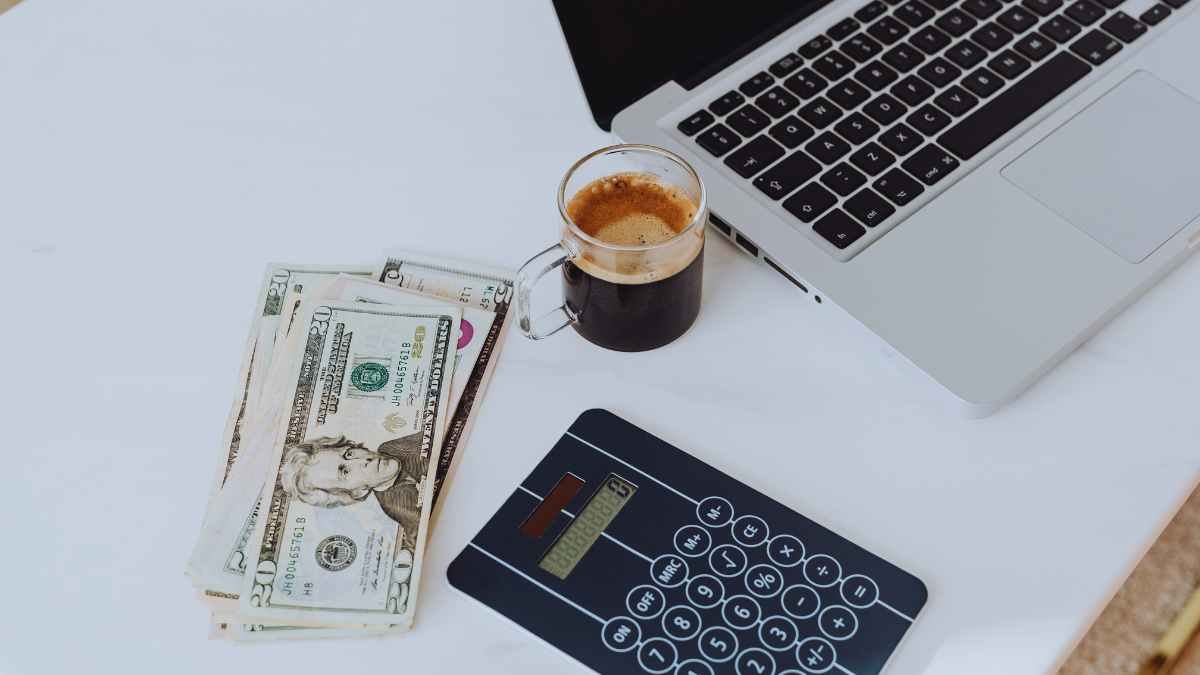
This is the most insidious mistake because it psychologically tricks you. It’s called Dynamic Currency Conversion (DCC).
Here’s how it works: When you go to pay at a merchant or ATM, the machine pops up a screen asking if you want to pay in the local currency (e.g., Euros) or your home currency (e.g., USD). Because you want to know exactly what you’re paying, you choose USD. Logical, right?
Wrong. That “convenience” comes with a massive hidden markup, a fee that typically ranges from 3% to 12% above the beneficial network exchange rate. They pocket that difference. If you just let your card network process the transaction in the local currency, the fee would be dramatically lower (maybe 0% if you have a no-FTF card!).
You’re willingly choosing to pay a huge premium for an illusion of clarity. The rule is absolute: Always decline the home currency option and choose the local currency.
6. The Hidden Markup: Accepting Inflated Retail Exchange Rates
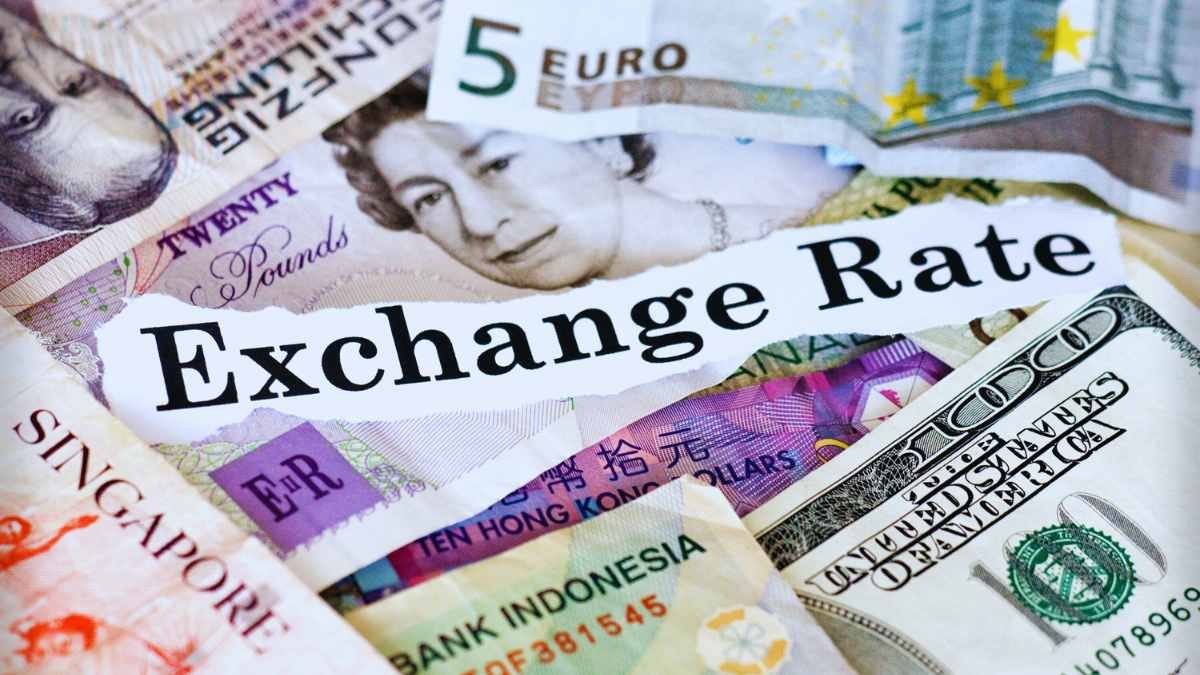
Even if you’re smart enough to avoid the FTF (Mistake 3) and DCC (Mistake 5), your standard bank still makes money off of you by giving you a bad exchange rate.
Banks and exchange services use the interbank rate (the true, wholesale rate) when trading large currencies with each other. You, the consumer, get the marked-up retail rate.
And that markup? Banks can add an average of 4% to 6% on top of the true mid-market rate just to make a profit. This hidden cost is built into nearly every standard currency conversion your debit card performs.
Think of it: you’re getting hit with the 4%–6% hidden markup, the 2%–3% FTF, the $5 flat ATM fee, and the ATM owner surcharge, all in one transaction!
Table 1: The Synergistic Layering of International Debit Card Fees
| Fee Type | Cost Range (Average) | Applied By | Mistake Correlated |
| Foreign Transaction Fee (FTF) | 2% – 3% of purchase amount | Card Issuing Bank/FI | Mistake 3 |
| International ATM Withdrawal Fee (Flat) | $1 – $5 per withdrawal | Card Issuing Bank/FI | Mistake 4 |
| Dynamic Currency Conversion (DCC) Markup | 3% – 12% of transaction amount | Merchant/DCC Provider | Mistake 5 |
| Currency Exchange Rate Markup | 4% – 6% above mid-market rate | Card Network/Issuing Bank | Mistake 6 |
7. The Veto: Getting Stranded by Unexpected Card Declines

You know that feeling when your card declines at the worst possible moment—maybe at a toll booth, or checking into your Airbnb? It’s even worse overseas.
Banks use complex fraud detection systems. When they see a card used for successive transactions in multiple unfamiliar countries in a short time—which is, you know, traveling—they often trigger an automatic fraud block. This instantly freezes your debit card and, critically, freezes your primary access to cash.
This risk is way higher if you forgot to call your bank ahead of time to tell them your travel dates (a super common oversight). Dealing with a frozen primary checking account from a different time zone, relying on spotty WiFi, is a panic nobody needs. Because credit cards are using a separate line of credit, temporary freezes are usually easier to resolve without that instant, cold dread of being stranded.
8. Still Relying on Dinosaur Technology (Magnetic Stripes)
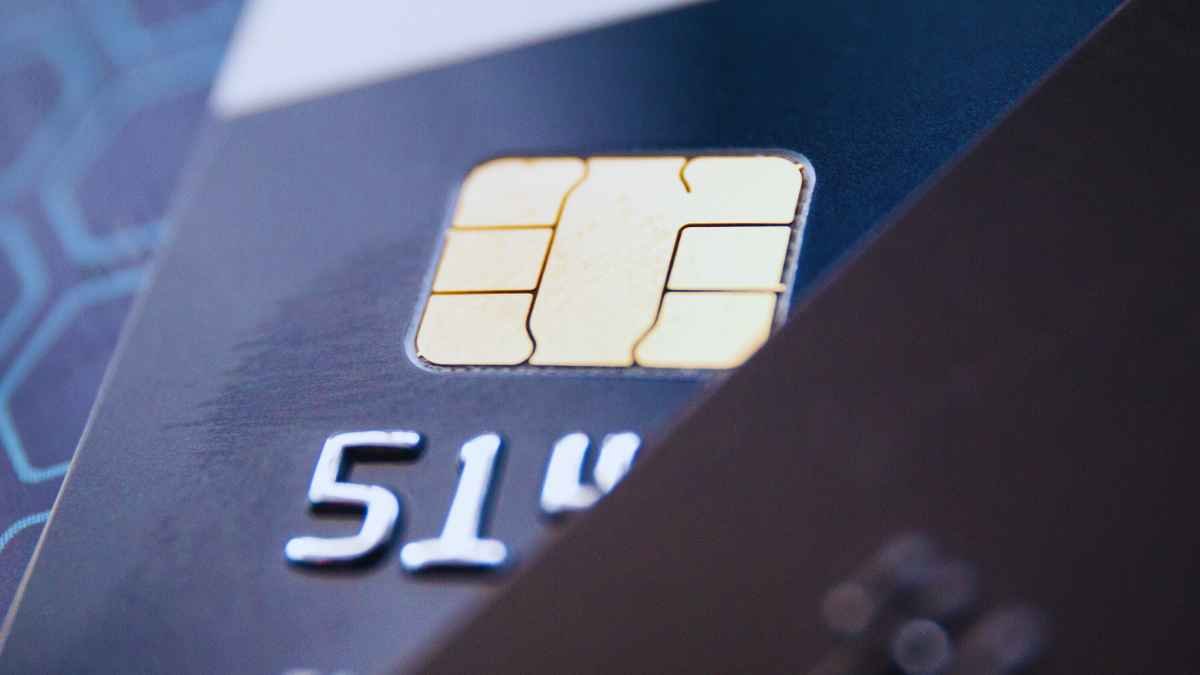
We live in an EMV (Europay, Mastercard, Visa) Chip-and-PIN world. It’s been the global security standard for decades. The chip generates a unique, encrypted signature for every transaction, making it incredibly hard to counterfeit. And honestly? It’s why card fraud has dropped “spectacularly” in countries that fully adopted it.
But the U.S. was slow to switch. Many older or standard U.S.-issued debit cards still rely heavily on the older, less secure magnetic stripe.
The problem is twofold: First, U.S. counterfeit fraud rates remain high compared to countries like France or Australia (where rates are around 0.1 basis points). Second, many international terminals—especially automated machines like train ticket kiosks, parking meters, and gas stations—are Chip-and-PIN only and will simply refuse your old magnetic stripe card. You could find yourself stranded because your payment technology is too old for the country you’re visiting.
The Intelligent Traveler’s Toolkit: Your Two-Card Solution
Stop treating your trip like a financial risk assessment and start seeing it as an opportunity. The solution isn’t complicated; it’s a two-card strategy focused on maximizing security and minimizing fees.
Strategy 1: The Credit Card Imperative (Zero-Risk Spending)
Your primary purchase method must be a credit card with zero Foreign Transaction Fees and EMV Chip-and-PIN capability.7 Use this card for all large purchases, hotel deposits, car rentals, and online bookings.
Why? It ensures you are protected by the superior fraud laws (Regulation Z) and the issuer’s $0 liability policy. Plus, you get rewards! Highly recommended options include the Chase Sapphire Preferred Card or Capital One Venture Rewards Credit Card.
Strategy 2: Specialized Debit or Alternative Account (Fee-Free Cash)
You need cash for tips, street food, and local markets. To neutralize that “Triple Fee Stack” (Mistakes 3, 4, and 6), use a specialized, separate account just for cash withdrawals. This isolates the funds so only a small amount is ever exposed.
The Golden Ticket: The Charles Schwab High Yield Investor Checking account is the gold standard because it charges no FTFs and, critically, offers unlimited global ATM fee reimbursements.24 No more $5 fees, no more surcharges.
Other great options include Capital One 360 Checking or a multi-currency account like Wise (formerly TransferWise), which gives you near mid-market exchange rates, avoiding that 4% to 6% bank markup.
Need More Help For Secure Travel? Look Into These Essential Tools.
1. Raytix RFID Money Belt

This keeps your cash, secondary cards, and passport hidden beneath your clothing, offering a critical layer of defense against pickpockets and physical theft. It also often includes RFID-blocking technology to prevent digital skimming.
2. The Ridge Minimalist Slim Wallet

Ditch the bulky, traditional leather wallet that broadcasts you’re an easy target. These metal, minimalist wallets are designed for front-pocket carry, inherently making them harder to steal, and many include RFID-blocking features as standard to stop digital theft.
3. Etekcity Digital Luggage Scale

You’re already fighting financial fees on currency conversion—don’t get hit by avoidable baggage fees at the check-in counter. This simple, inexpensive digital scale saves you the shock of a $100+ oversized baggage fine, neutralizing Mistake 8 (indirectly).
4. Sure Lock TSA Compatible Travel Luggage Locks

While your most valuable items (cards/passport) are concealed on your person, these simple locks secure your checked bags and main luggage while in transit or left briefly in a hotel or hostel room, providing general security against opportunists.
5. EnerCore CG11 Universal Travel Adapter

Keeping your phone, laptop, and specialized borderless bank app charged is crucial for dealing with any financial emergency or card decline. A robust universal adapter ensures you can plug in anywhere in the world and stay connected, preventing logistical issues.