16 Mind-Bending Psychology Books That Explain Why You Do What You Do (Finally)


Have you ever stopped to wonder why you just did what you did? Why did you choose the chocolate cake over the salad, even though you promised yourself you’d eat healthier? Why did you click ‘Buy Now’ on an item you don’t really need, or why do you keep repeating the same self-sabotaging behavior?
It’s a question that has plagued thinkers for millennia, and honestly, it’s one of the most fascinating puzzles of being human. The good news is, modern psychology has provided some truly eye-opening answers. We’re not always rational beings; we’re driven by hidden cognitive biases, social pressures, ingrained habits, and deep-seated emotional needs.
These 16 mind-bending psychology books are like a decoder ring for your own mind—they explain the ‘why’ behind your choices, reactions, and motivations. The insights they contain will immediately change how you see yourself and the world. Let’s start with the first five foundational texts that belong on every serious reader’s shelf.
1. “Thinking, Fast and Slow” — Daniel Kahneman

Kahneman’s groundbreaking work walks you straight into the hidden machinery of your mind—where one system acts fast, emotional, and reactive, while the other steps in slow, analytical, and deliberate. This book helps you finally understand why you jump to conclusions, misread situations, overspend, underestimate risks, or cling to gut feelings that aren’t always right. Kahneman unpacks cognitive biases in a way that feels less like a lecture and more like someone finally revealing the “secret settings behind your everyday decisions.” The standout value here is that it not only shows you your blind spots—it shows you how predictable they are. Readers often say they walk away from this book feeling like they’ve finally met their own brain for the first time.
The shorter second half of the book dives into how these mental systems shape things you normally don’t question—like confidence, risk, and choices. Kahneman also reveals how “logic can fail you without you noticing,” and why some errors aren’t random but baked into human nature. It’s one of those books you end up applying every single day.
2. “Thinking in Bets” — Annie Duke

Former professional poker champion Annie Duke gives you a perspective most of us never get: how to make better decisions in an uncertain world. She introduces the idea that life operates much more like poker than chess—meaning your outcomes are always a messy blend of luck and skill. Duke shows how we often judge decisions by results instead of reasoning, and that’s why we repeat mistakes. The book’s power lies in how Duke breaks down “why certainty is a trap” and how learning to think in probabilities can drastically change how you approach relationships, work, and even self-confidence.
In the second part, Duke dives deeper into separating emotion from decision-making and recognizing the stories we automatically create to protect our ego. She makes a convincing case that “better decisions start with better questions,” not perfect information. It’s practical, surprisingly fun, and genuinely mindset-shifting.
3. “The Paradox of Choice” — Barry Schwartz

If you ever felt overwhelmed by choosing a show to watch, a restaurant to try, or even something as small as toothpaste, Schwartz explains exactly why. He argues that the explosion of options in modern life doesn’t liberate us; it slowly chips away at our happiness. Through crystal-clear explanations and real research, Schwartz shows how too many choices lead to “decision fatigue, chronic second-guessing, and satisfaction that keeps slipping through your fingers.” His writing makes you stop and think about how often you confuse having more with having better.
The later chapters offer practical ways to cut through the noise and reclaim peace of mind. Schwartz also highlights how “being a satisficer instead of a maximizer” can genuinely boost your sense of well-being. It’s a simple shift, but one that changes your day-to-day life more than you’d expect.
4. “Games People Play” — Eric Berne

Berne lays out one of the most fascinating frameworks in psychology: Transactional Analysis, which reveals the hidden social “games” people unknowingly play in relationships, workplaces, and families. These aren’t games in the playful sense—they’re patterned interactions driven by unmet needs, old wounds, or ego-states from childhood. Berne exposes how these roles operate beneath the surface and why certain patterns repeat with different people. You begin to realize how much of your behavior is shaped by “scripts you didn’t even know you were following.” Readers often describe the experience as unsettling but deeply liberating.
The shorter follow-up sections break down specific games people use—like “Why Don’t You—Yes But” or “Now I’ve Got You”—and how to recognize when you’re being pulled into one. Berne makes you conscious of the subtle tactics in human interaction and shows you how “awareness becomes your exit route.”
5. “Predictably Irrational” — Dan Ariely

Ariely takes you on an entertaining and unexpectedly profound journey into why your decisions are rarely as logical as you believe. He runs quirky, real-world experiments that expose the irrational behaviors you perform daily without noticing—like overvaluing “free,” misjudging value, getting trapped by social pressure, or falling for subtle marketing cues. What makes this book stand out is how Ariely explains “the irrational rules that secretly run your life,” and he does it with storytelling that keeps you hooked from chapter to chapter. You learn how habits form, why temptation wins, and what makes willpower unreliable.
In the latter part of the book, Ariely offers practical ways to counter these irrational tendencies. He points out how “small tweaks in your environment can shift your behavior dramatically,” often more than motivation or discipline alone. It’s insightful, funny, and genuinely empowering.
6. “Thinking in Systems” — Donella Meadows
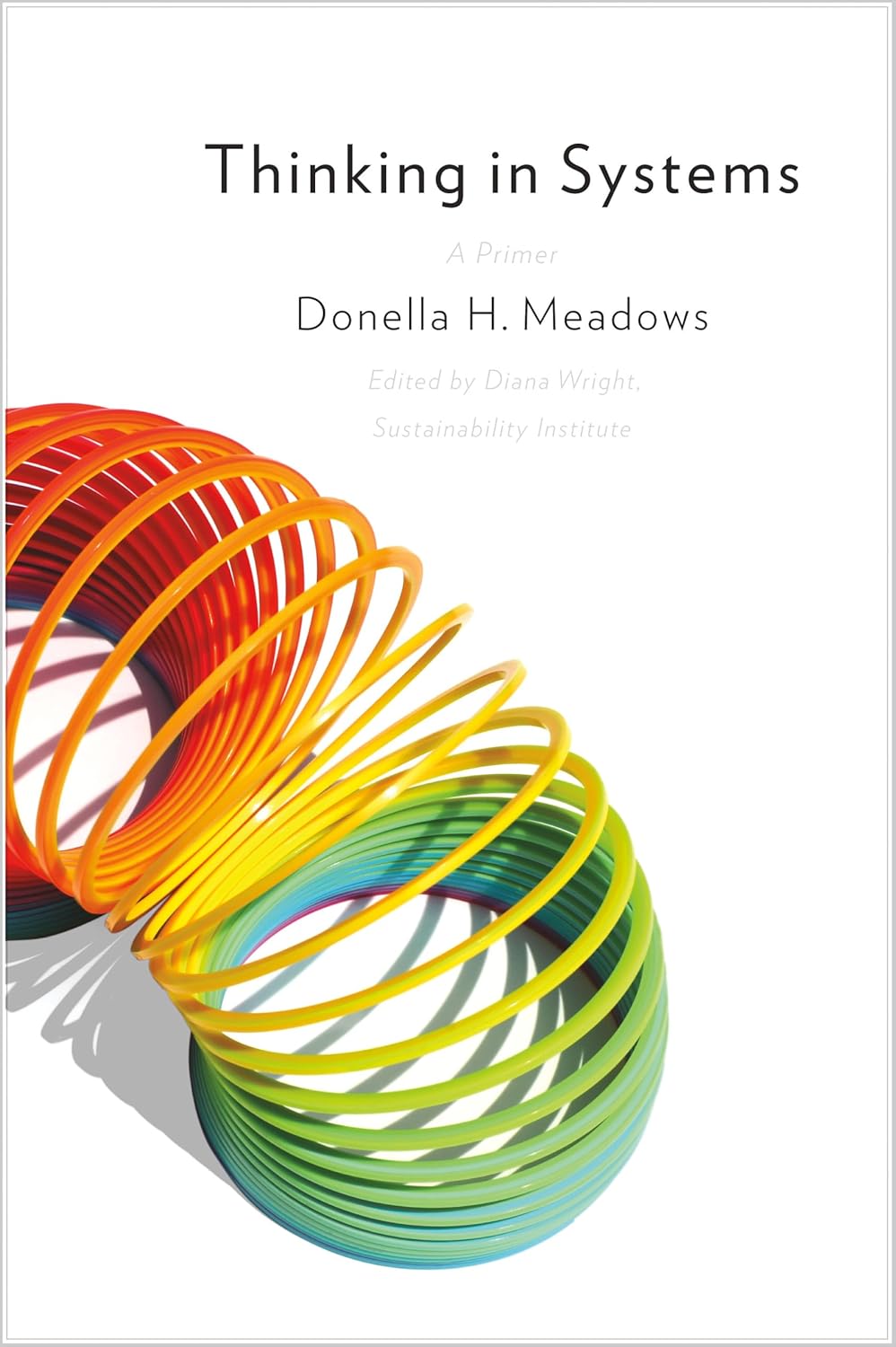
This book changes not just what you see—but how you see it. Meadows teaches you to recognize the hidden structures and feedback loops that drive outcomes in your personal life, workplace, society, and even relationships. Instead of chasing symptoms, she shows how real change happens when you adjust the underlying system, not the surface behavior. It’s one of those books that suddenly makes chaos feel organized because you start to understand why things unfold the way they do. Meadows breaks down complex concepts with warmth and clarity, making “systems thinking feel like common sense you never knew you were missing.” Many readers say it permanently shifts the way they interpret problems and choices.
The shorter portion of the book explores leverage points—small changes that create disproportionately large impacts. Meadows explains how “changing the rules changes the results,” giving you a powerful new lens for decision-making.
7. “The Antidote: Happiness for People Who Can’t Stand Positive Thinking” — Oliver Burkeman

Burkeman challenges the cultural obsession with relentless positivity and explains why chasing constant happiness often leaves people frustrated and exhausted. Instead, he introduces the idea that embracing uncertainty, accepting negative emotions, and letting go of rigid expectations leads to a deeper, more sustainable sense of peace. Burkeman’s humor and honesty make the book engaging, especially when he shows how avoiding discomfort only strengthens it. He invites you to rethink your relationship with control, failure, and the stories you tell yourself—ultimately revealing the “strength hidden inside the uncomfortable parts of life.” It’s refreshingly grounded and surprisingly uplifting.
In the second part, Burkeman highlights how ancient philosophies like Stoicism and Buddhism support this counterintuitive approach. He reinforces the idea that “acceptance outperforms forced optimism,” especially when dealing with stress or uncertainty.
8. “Mistakes Were Made (But Not by Me)” — Carol Tavris & Elliot Aronson

One of the most eye-opening books on self-justification and cognitive dissonance, this work explains why people double down on beliefs—even when evidence contradicts them. Tavris and Aronson reveal how the mind automatically rewrites memories, distorts logic, and reshapes narratives to protect your sense of self. You begin to recognize how people defend bad decisions, stay in unhealthy relationships, or deny wrongdoing—not out of malice, but because the brain is wired to maintain internal consistency. Their writing is sharp and clear, making “self-deception feel shockingly relatable.” Many readers walk away realizing how often they defend their identity rather than the truth.
The shorter portion offers insight into how to break free from self-justifying spirals. The authors show how “accountability and humility soften the brain’s defensive reflexes,” making room for growth.
9. “Flow: The Psychology of Optimal Experience” — Mihaly Csikszentmihalyi

Csikszentmihalyi explores one of the most powerful states humans can experience—flow, the deep focus that makes you lose track of time and feel fully alive. He explains how flow emerges at the intersection of skill and challenge, and why it leads to satisfaction far more lasting than passive pleasure. Through decades of research, he shows that the most fulfilled people aren’t those who avoid difficulty, but those who learn to channel their attention toward meaningful tasks. His insights into mastery, creativity, and concentration make “the science of fulfillment feel within reach.” It’s a book that motivates without the cliché motivational tone.
The shorter chapters detail how flow can be cultivated in everyday life. Csikszentmihalyi emphasizes that “attention is your most valuable resource,” and where it goes, your quality of life follows.
10. “Drive: The Surprising Truth About What Motivates Us” — Daniel H. Pink

Pink breaks down motivation into three core drivers—autonomy, mastery, and purpose—showing why traditional reward-and-punishment systems backfire more often than they succeed. He argues that humans aren’t wired to thrive under pressure or micromanagement; we perform best when we feel trusted, challenged, and connected to something meaningful. Through engaging examples and clear explanations, Pink reveals why “carrots and sticks often sabotage the very behavior they aim to encourage.” His framing of motivation feels both practical and deeply human.
The shorter follow-up sections outline how you can apply these principles in work, relationships, or personal growth. Pink highlights how “purpose fuels persistence,” especially in long-term goals.
11. “The Happiness Hypothesis” — Jonathan Haidt
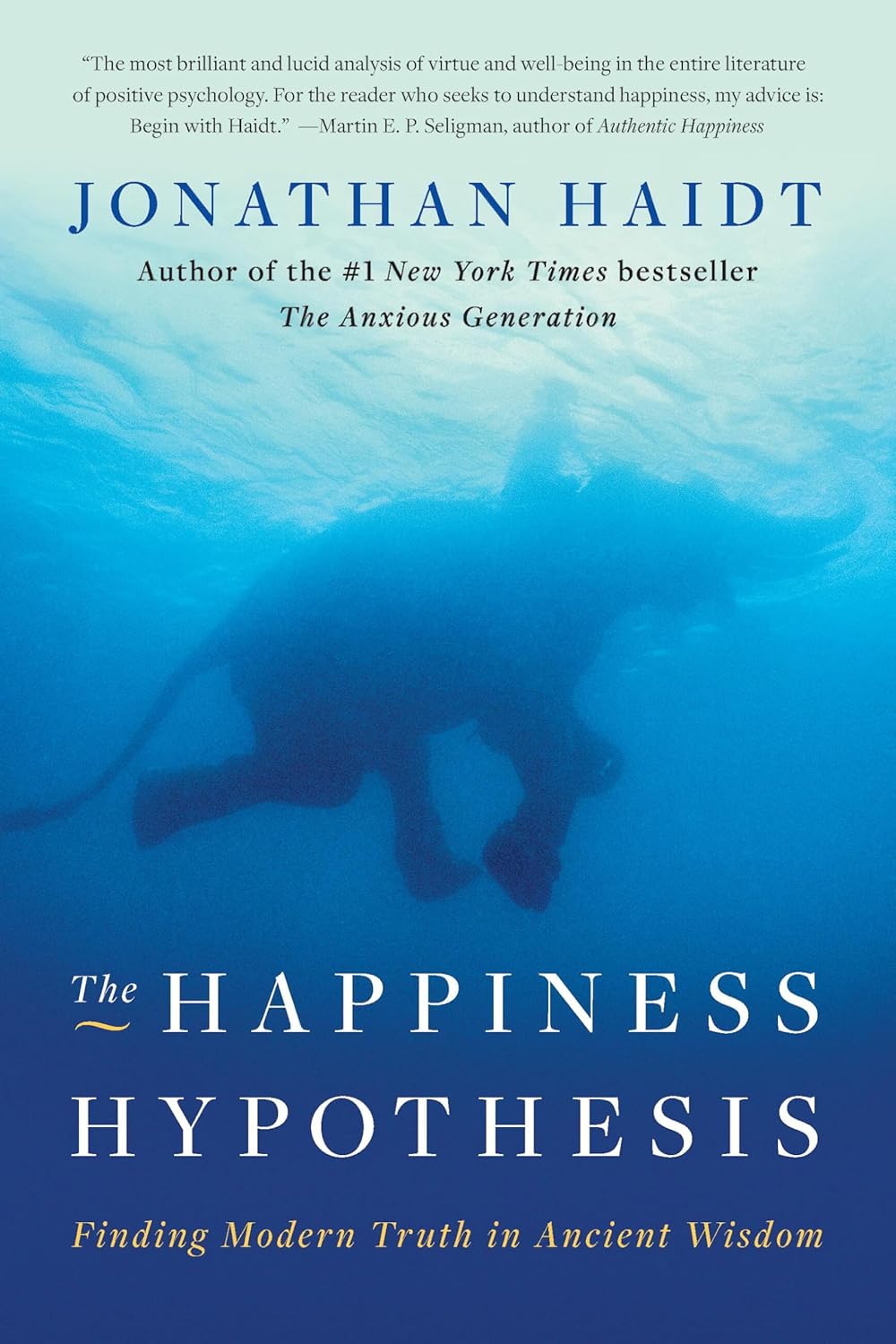
Haidt blends ancient wisdom with modern psychology to show why human behavior is often driven by forces deeper than logic. He uses the metaphor of the rider (reason) and the elephant (emotion) to explain why self-control fails, why relationships thrive or break down, and why morality often feels intuitive rather than rational. Haidt explores psychological principles through stories, research, and philosophy, making “the roots of human behavior feel both timeless and surprisingly practical.” It’s a book that helps you understand why your mind leans toward certain patterns—especially when you feel torn between what you want and what you should do.
Later chapters show how happiness comes from balancing relationships, purpose, and emotional understanding. Haidt emphasizes how “your mind is divided but doesn’t have to stay at war,” leading to a more grounded way of living.
12. “Influence: The Psychology of Persuasion” — Robert Cialdini

Cialdini’s classic breaks down the six psychological principles that influence human behavior: reciprocity, scarcity, authority, consistency, liking, and social proof. He uses decades of research to reveal how marketers, leaders, salespeople—and yes, even friends or family—use these triggers to shape your decisions without you noticing. What makes this book powerful is that Cialdini shows how “your mind reacts to certain cues automatically,” not because you’re weak, but because humans evolved to make quick judgments in complex situations. It’s an eye-opening look at everyday manipulation and why you’re more persuadable than you think.
In the shorter part, Cialdini explains how to defend yourself by recognizing these patterns. He highlights how “awareness turns persuasion into choice,” giving you more control over your reactions.
13. “Blink: The Power of Thinking Without Thinking” — Malcolm Gladwell

Gladwell explores the world of split-second decision-making and shows that your intuition is both more powerful—and more flawed—than you assume. Through memorable stories and surprising research findings, he explains how the brain rapidly processes information beneath the surface, often leading to insights that logic alone could never provide. At the same time, he exposes how bias, fear, and hidden assumptions can distort these snap judgments. His central point is that “your unconscious mind is constantly at work,” shaping choices long before you’re aware of them. It’s an engaging blend of storytelling and psychology.
The shorter concluding sections reveal when to trust your instincts and when they tend to mislead you. Gladwell stresses that “good intuition comes from training, not magic,” making it a skill you can sharpen.
14. “Stumbling on Happiness” — Daniel Gilbert

Gilbert examines why humans are so notoriously bad at predicting what will make them happy. Through wit and powerful research, he shows how memory, imagination, and perception distort your expectations about the future, leading you to chase things that often disappoint. Gilbert exposes the mental shortcuts and biases that keep you stuck in cycles—believing the next achievement, purchase, or milestone will finally bring satisfaction. His writing makes “the psychology of happiness feel more honest and less mysterious,” especially when he reveals how little control we truly have over our predictions.
In the shorter section, he explains how real happiness often stems from flexibility, rather than foresight. Gilbert reminds readers that “your future self is a stranger,” and that accepting this makes life far easier to navigate.
15. “The Upside of Irrationality” — Dan Ariely

Ariely continues his exploration of human irrationality, this time focusing on the emotional forces that drive motivation, work satisfaction, relationships, and the pursuit of meaning. He reveals why people sometimes work harder for personal projects than highly paid ones, why revenge feels rewarding even when irrational, and how emotions shape economic and social decisions. Ariely’s experiments shine a light on “the quirks that quietly steer your choices,” often in ways that seem illogical but are deeply human. His mix of humor and insight keeps the explanations engaging without sacrificing depth.
The shorter part of the book breaks down how to use these findings to create better habits and healthier decisions. Ariely highlights how “understanding your irrational side makes you more effective, not less,” especially when dealing with motivation or frustration.
16. “The Lucifer Effect: Understanding How Good People Turn Evil” — Philip Zimbardo

Zimbardo—best known for the Stanford Prison Experiment—dives into the dark side of human behavior, explaining how context and environment can turn ordinary people into perpetrators of harm. He challenges the idea that evil actions come only from “bad individuals,” showing instead how power, anonymity, group pressure, and systemic failures can shape behavior dramatically. The book forces you to confront the uncomfortable truth that “situations can change people more than personalities do.” Through real cases and psychological research, Zimbardo reveals how quickly morality can bend under pressure.
The shorter closing sections make a strong argument for personal vigilance and systemic reform. Zimbardo shows how “awareness and accountability protect your moral boundaries,” helping people stay grounded even in difficult environments.