15 Books Your 60-Year-Old Self Will Thank You for Reading Now


It’s a fantastic idea to invest in your future self today. When you hit your sixties, the currency you’ll value most isn’t money; it’s the quality of your accumulated wisdom, the health of your relationships, and the deep satisfaction of a life lived intentionally. You are essentially building a library of life-lessons for your older self, ensuring they have fewer regrets and a richer perspective.
This list isn’t just about reading; it’s about applying profound, practical wisdom that compounds over decades. We’ve handpicked books that provide frameworks for success in areas often overlooked in the daily hustle—things like focus, financial freedom, mortality, timeless effectiveness, and enduring inner peace.
Let’s dive into the first five essential reads that will serve as an extraordinary gift to your 60-year-old self.
1. “The Second Mountain” — David Brooks

Many people hit their 40s and 50s and start wondering whether the goals they’ve been chasing were ever truly theirs. Brooks breaks that quiet inner tension wide open. He explains how most of us spend the first part of life devoted to “success, achievement, and personal identity”, only to discover later that these things don’t deliver the meaning we expected. The book explores what he calls the second mountain — the stage where you begin prioritizing “relationships, service, community, and deeper purpose.” Readers often say this book gave them language for feelings they couldn’t articulate and pushed them toward a richer, more grounded definition of a good life.
Brooks doesn’t hand out clichés. He gives you a gentle nudge toward the parts of life you may have unintentionally sidelined — connection, generosity, and values that hold up a life rather than decorate it. It’s a book your future self will thank you for because it widens your perspective long before time forces you to.
2. “The Psychology of Money” — Morgan Housel

Most of us learn about money through trial and error — usually expensive, stressful error. Housel unravels why people make the financial choices they do, not through equations but through behavior. He explains why “your relationship with money is shaped by emotion far more than logic” and shows how small habits compound into huge outcomes. It’s deeply reflective, not preachy, which is refreshing in a genre full of rigid formulas. Many readers say this book gave them the financial mindset they wish they had in their 20s.
Housel’s greatest gift is helping you realize that “wealth is less about income and more about restraint, calm, and patience.” It’s a book that sets you up for the decades ahead — so your 60-year-old self isn’t digging out of avoidable mistakes but building on a foundation of wisdom.
3. “Emotional Intelligence 2.0” — Travis Bradberry & Jean Greaves

Life opens up in extraordinary ways when you learn how to manage emotions — your own and other people’s. This book breaks emotional intelligence down into practical, learnable skills rather than vague motivational talk. You get real strategies for “handling conflict, recognizing triggers, strengthening social awareness, and improving self-management.” The assessments and exercises help you understand how your emotional patterns shape your relationships, your decisions, and even your stress levels.
You walk away realizing that “emotional maturity is a skill set, not a personality trait.” Those who develop it early glide through midlife transitions more gracefully. It’s one of those books whose benefits multiply over decades.
4. “The 5 AM Club” — Robin Sharma

Sharma’s book isn’t really about waking up early — it’s about mastering your mornings so you can master your life. He shares how the early hours create space for “clarity, focus, and consistent progress on the things that actually matter.” By anchoring your day with movement, reflection, and growth, you build habits that naturally protect your mental health and productivity. Readers who swear by this book often describe it as a turning point that helped them redesign routines that were silently draining their energy.
Even if you never become a 5 AM person, the book’s deeper point stays with you: “you can reinvent your days before they start running you.” Your older self will be grateful you learned this sooner rather than later.
5. “The Courage to Be Disliked” — Ichiro Kishimi & Fumitake Koga

This book can genuinely rewire how you think about approval, responsibility, and freedom. Grounded in Adlerian psychology, it explains why so many of us stay trapped in patterns that please others but quietly suffocate our own potential. The conversational format between a philosopher and a frustrated young man makes the concepts surprisingly accessible. It challenges the belief that your past defines you and instead opens the door to “choosing a life driven by self-direction rather than anxiety about others’ opinions.”
Readers often call this book “liberating in a way few philosophies ever are.” It reshapes your sense of agency, which is something your 60-year-old self will deeply appreciate you cultivating now rather than later.
6. “The Mountain Is You” — Brianna Wiest
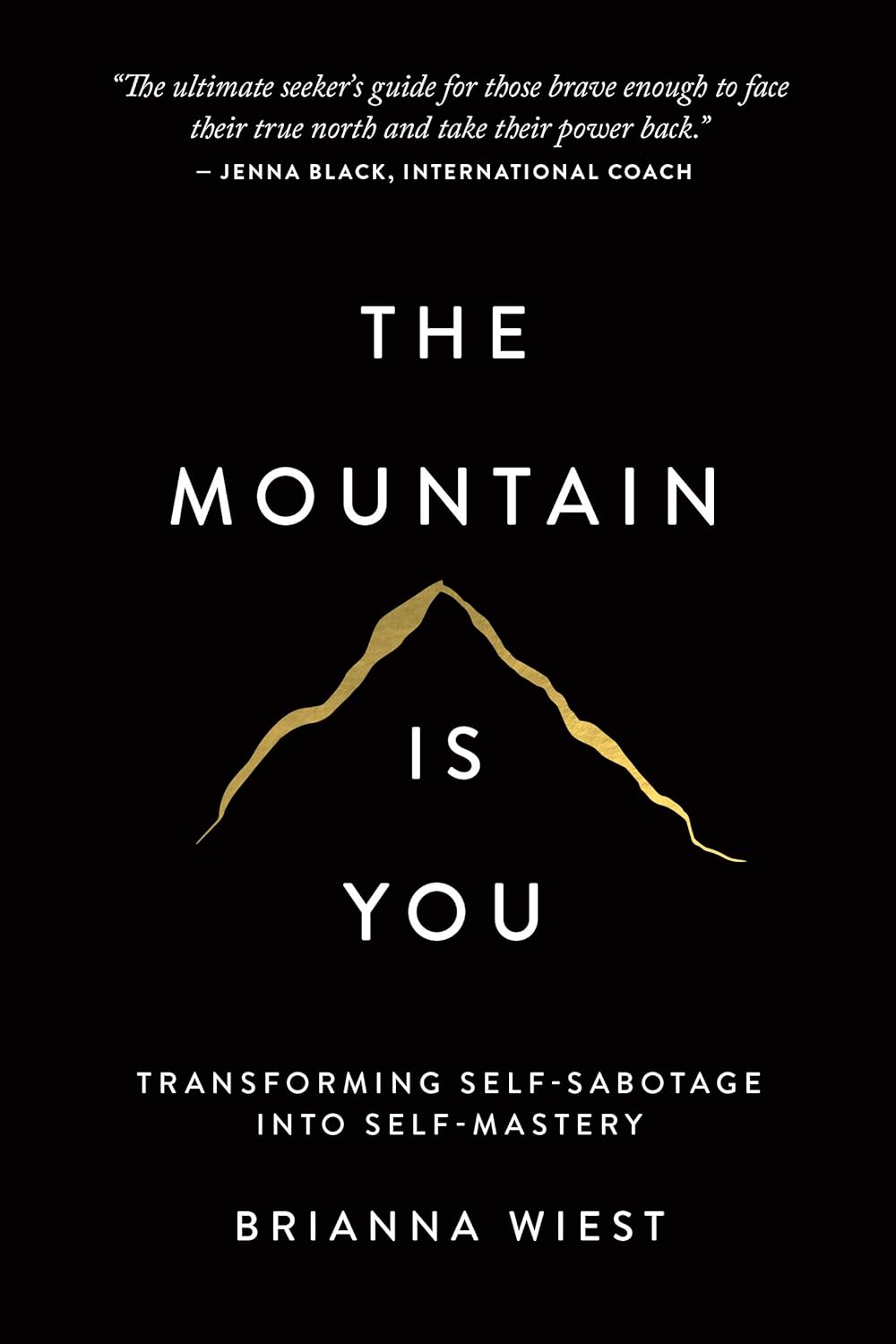
This book digs into the uncomfortable truth that many of us become our own biggest obstacles — not because we lack ability but because we unconsciously sabotage our growth. Wiest breaks down how emotional wounds turn into repeated patterns, even when we know they’re hurting us. She explains how “self-sabotage is often self-protection in disguise”, and how we can rewrite those internal scripts with compassion rather than judgment. For anyone heading into their later decades wanting emotional freedom, this book feels like a quiet but powerful reset.
Wiest offers concrete insights on recognizing your patterns and building healthier internal dialogue. It teaches you that “growth begins the moment you stop abandoning yourself”, a lesson that pays dividends decades down the road.
7. “The Art of Happiness” — Dalai Lama & Howard Cutler

This timeless classic blends psychology and spiritual wisdom to outline what truly creates lasting happiness — not fleeting pleasure, but deep emotional well-being. The Dalai Lama explains how “compassion, mental discipline, and inner peace” shape your quality of life more than any external achievement ever could. Cutler, a psychiatrist, translates those ideas into practical strategies for dealing with fear, anger, loneliness, and life’s unpredictability. It’s a gentle guide for building a calmer and more grounded existence as you age.
Many readers describe it as a mindset shift — a reorientation toward “cultivating happiness as a daily practice.” It’s a book that stays relevant no matter your age, but reading it earlier gives you a long runway to apply its wisdom.
8. “Designing Your Life” — Bill Burnett & Dave Evans

Created by Stanford professors, this book applies design thinking to real life, giving you tools to reimagine your career, relationships, and personal goals at any age. It challenges the idea that there’s only one “correct path” and instead shows how “life is a prototype — something to be tested, refined, and redesigned.” The exercises help you break down overwhelming decisions, remove perfectionism, and stay curious even when life doesn’t go according to plan.
What makes it powerful is its practicality. You end up creating multiple versions of your future and exploring them without fear. It teaches you that “you’re never stuck — you’re just between designs.”
9. “The Longevity Paradox” — Dr. Steven R. Gundry

Aging doesn’t have to mean decline — and Gundry breaks down the science behind why some bodies thrive deep into old age while others struggle much earlier. His research highlights how “your lifestyle shapes your cellular health” and how inflammation, gut bacteria, and long-term habits influence longevity. The book includes evidence-based tips for strengthening your immune system, protecting your brain, and building routines that support healthier aging.
Instead of fear-based health messaging, the book gives you control over your own long-term wellness. Your older self will benefit enormously from choices made today — because “aging well is something you build, not something that happens by luck.”
10. “The Midnight Library” — Matt Haig

On the surface, it’s a novel — but readers often walk away with life-changing introspection. The story explores the weight of regrets and the countless unlived versions of your life. Haig beautifully illustrates how “every choice closes one door but opens a completely different world”, reminding you that perfection is an illusion and regret is often based on incomplete stories we tell ourselves. It’s fiction that feels like therapy in soft disguise.
The book helps you release the fantasy of the “other life” you think you should have lived. Its message — “your life is enough, even when it feels messy” — is something your future self will be grateful you understood earlier.
11. “The Art of Thinking Clearly” — Rolf Dobelli

Dobelli’s book is a guide to all the mental traps and cognitive biases that quietly shape our decisions. Through short, sharp chapters, he reveals how “your brain loves shortcuts — even when they lead you in the wrong direction.” From confirmation bias to sunk-cost fallacy, the book shows how tiny errors in thinking accumulate into poor decisions over time. It’s one of those books that gently embarrasses you into becoming wiser.
Once you start noticing these mental habits, you can’t unsee them. The book helps you build a “cleaner, more rational thinking process”, something that significantly improves your choices in health, relationships, finances, and work.
12. “Ikigai: The Japanese Secret to a Long and Happy Life” — Héctor García & Francesc Miralles

Ikigai explores the Japanese concept of having a reason to get up every morning — a purpose that doesn’t need to be grand but must feel meaningful. The authors blend research, interviews, and cultural insights to show how “purpose, community, and gentle daily routines fuel longevity.” Okinawan centenarians describe how fulfillment comes from simplicity: shared meals, movement, meaningful work, and connection. The book encourages you to craft a life anchored in small joys that endure.
It’s a calming read that helps you reevaluate what actually makes life rich. By embracing “purpose-driven living”, you start aligning your days with values that will keep you emotionally vibrant for decades.
13. “Maybe You Should Talk to Someone” — Lori Gottlieb

Part memoir, part psychological exploration, this book follows therapist Lori Gottlieb as both a clinician and a patient. It offers a rare, intimate look at “how therapy helps people rewrite their stories and break lifelong patterns.” Through real sessions, Gottlieb shows the raw humanity behind our fears, grief, relationships, and self-sabotage. The book makes emotional growth feel accessible, not intimidating — especially for those who’ve avoided therapy or don’t know where to begin.
Readers often say it helped them understand themselves with more compassion. The book invites you to recognize that “healing isn’t linear — but it’s always possible.”
14. “Deep Work” — Cal Newport

In a world overflowing with distractions, Newport argues that the ability to focus deeply has become a rare superpower. He explains how “undistracted concentration creates faster learning, better creativity, and more meaningful achievements.” The book provides research-backed strategies to train your mind, build focus-rich routines, and reduce the mental clutter that drains your energy. It’s especially impactful for anyone who feels spread thin or constantly interrupted.
The true benefit of deep work shows up over decades, not days. Strengthening your ability to focus now ensures “a sharper mind and clearer priorities later in life.”
15. “Why We Sleep” — Matthew Walker

This book is one of the most eye-opening explorations of sleep science ever written. Walker reveals how “sleep is the foundation of memory, mental clarity, emotional balance, and longevity.” He explains how sleep affects everything from your immune system to your hormones, and why many health issues stem from chronic sleep deprivation. His research makes it impossible to treat sleep as optional ever again.
The takeaway is simple but life-changing: “sleep is the cheapest and most powerful investment in your future health.” Your 60-year-old self will thank you for prioritizing it long before it becomes a medical necessity.