Flight Attendants Are Begging You to Stop: 21 Airport Mistakes That Make You ‘That’ Passenger

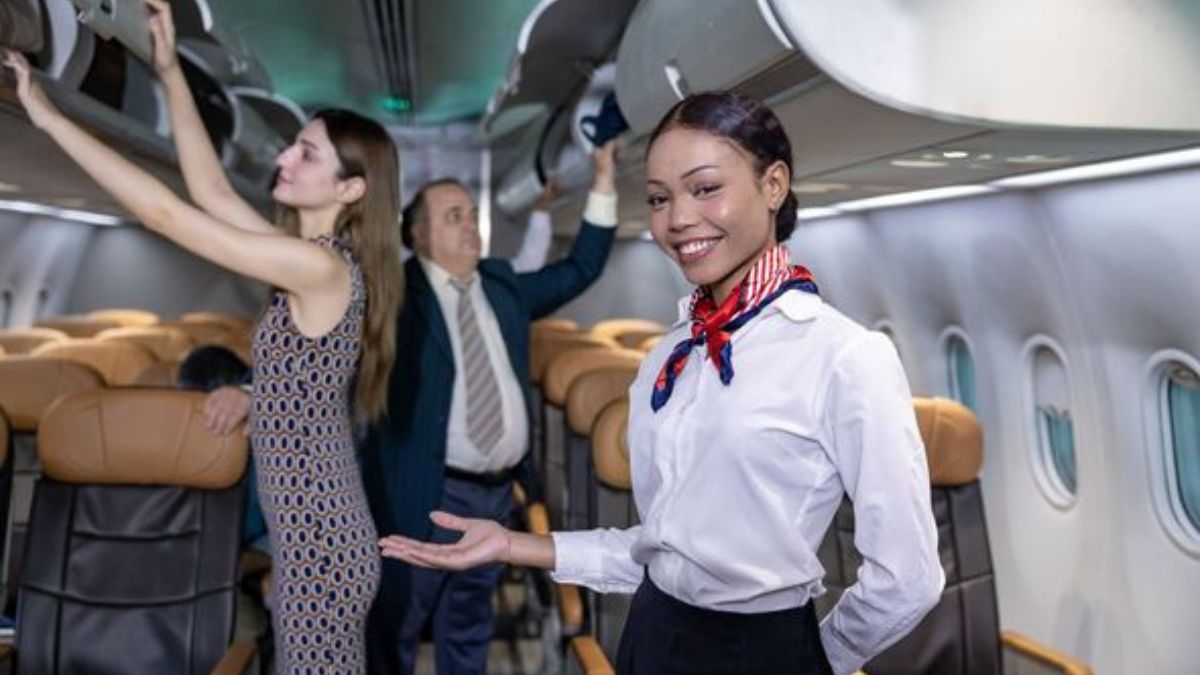
You’re standing at the gate, your coffee is lukewarm, your bag feels like it’s filled with lead bricks, and you’re looking at a line of 180 people who all seem to be auditioning for a role in a disaster movie. Your back hurts, your phone is at 4%, and you just want to be in your seat.
But here’s the thing: while you’re feeling the squeeze, the people in the blue vests—the flight attendants—are feeling it ten times harder. They aren’t just there to hand out tiny bags of pretzels; they are safety professionals operating in a high-stress, pressurized tin can. And lately, things have gotten… messy.
In 2021, the FAA saw a record-shattering 5,973 reports of unruly passengers. While that’s dipped a bit, we’re still seeing rates way higher than pre-pandemic levels. We’ve traded the “Golden Age” of the 60s—which, let’s be real, was mostly just expensive tickets and a cabin full of cigarette smoke—for a “Bus in the Sky” model that prioritizes efficiency over human dignity.
The Math of the “Cattle Car”
Before we get into the nitty-gritty, let’s look at the “why.” In the 1960s, you had about 35 inches of legroom. Today? You’re lucky to get 31, and if you’re on a budget carrier, you’re looking at a measly 28 inches. Meanwhile, the average adult weight has jumped from 155 lbs to 186 lbs. We are literally bigger people squeezed into smaller boxes.
Export to Sheets
With flights being 90% full, there’s zero “buffer space.” Every time you commit one of these 21 mistakes, you’re not just being a minor nuisance—you’re invading someone else’s survival space.
Why You Get So Cranky (It’s Just Biology)
You might be thinking, “I’m a rational person, why do I act like a toddler on a plane?” It’s not just the cramped seats; it’s the Hypobaric Hypoxia.
Inside that pressurized cabin, the air pressure is equivalent to being on top of an 8,000-foot mountain. This means there’s less oxygen entering your bloodstream. At this altitude, your arterial oxygen saturation falls to around 90%. The brain is the most oxygen-sensitive organ we have, and when it’s slightly starved, your “self-monitoring” skills go offline. You literally lose the ability to realize you’re being a jerk.
Add in the 10% humidity—drier than the Sahara—and you’re basically a dehydrated, slightly oxygen-deprived person trapped in a tiny chair. No wonder we’re all one spilled drink away from a meltdown.
1. Swarming the Gate (The “Gate Lice” Phenomenon)
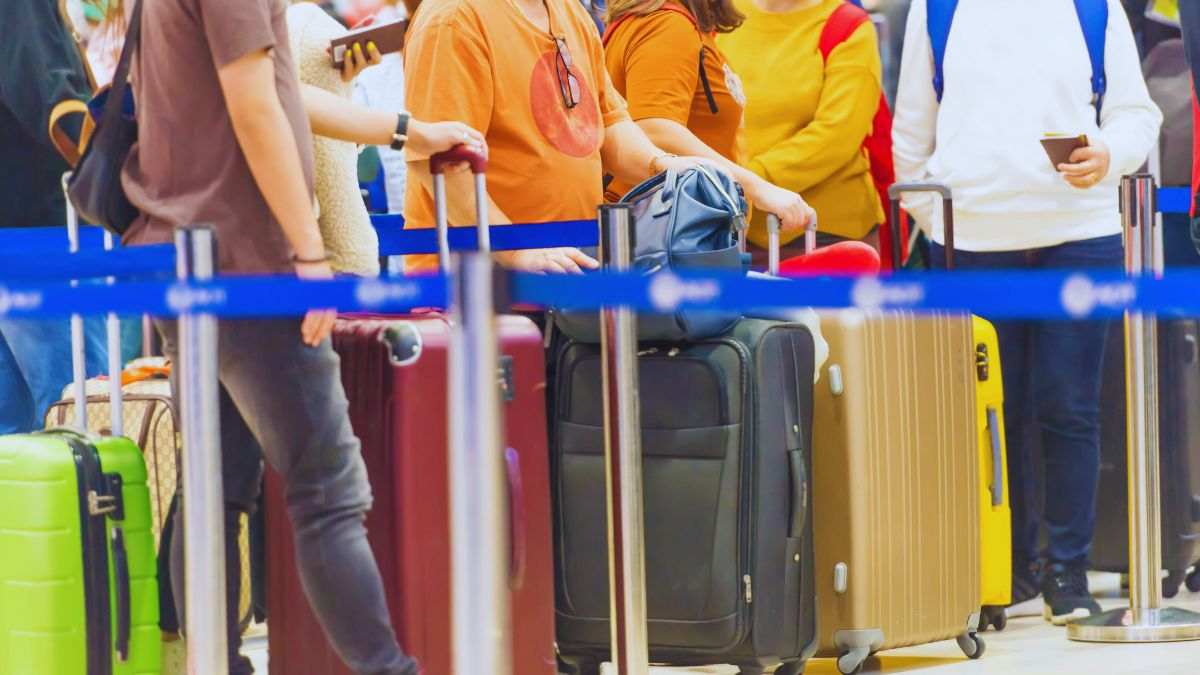
You know that moment when the agent hasn’t even picked up the microphone, but 50 people are already huddling around the boarding lane? Flight attendants call this “gate lice.” It’s driven by “bin anxiety”—the fear that if you aren’t the first one on, there won’t be room for your bag. But here’s the reality: by crowding the lane, you’re blocking people with wheelchairs or families with small children who actually have a legitimate need to board first.
It slows down the entire process and starts the flight on a note of high-octane stress. Honestly, if everyone just stayed in their seats until their zone was called, the lines would move faster for everyone and the gate agents wouldn’t have to play “crowd control” instead of doing their actual jobs.
2. The Boarding Selfie Bottleneck
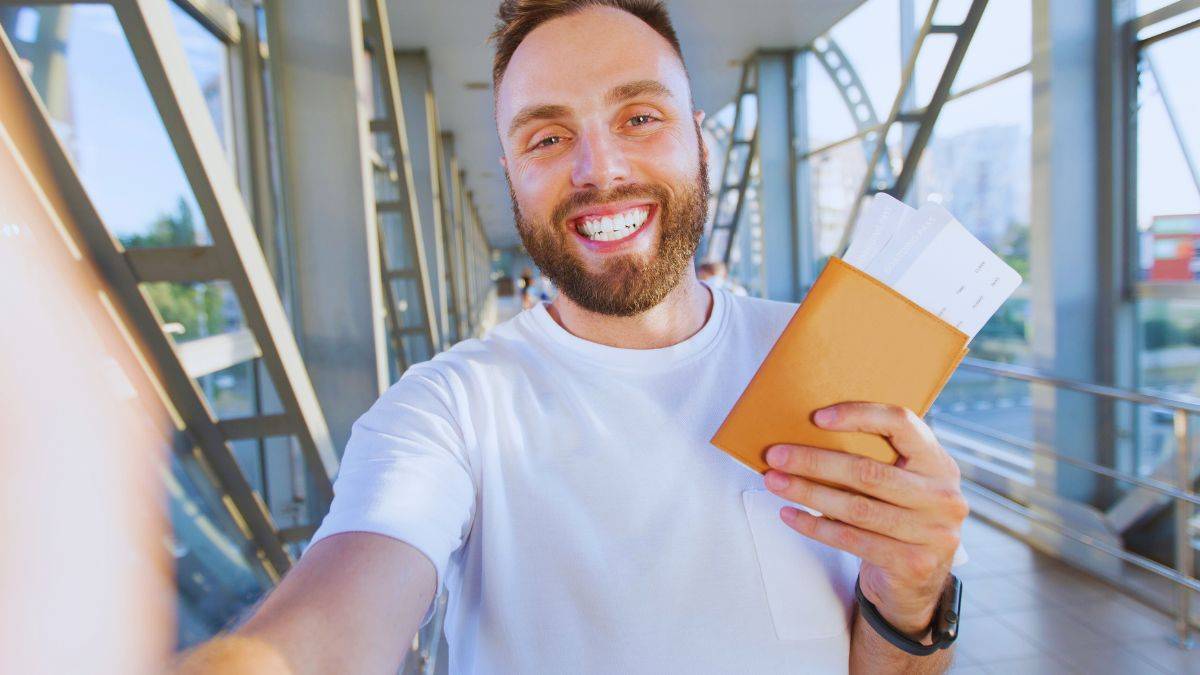
I get it, you’re excited for your vacation and you want to document the start. But stopping at the literal threshold of the airplane to take a selfie or record a TikTok is a massive mistake. You are the cork in the bottle. Behind you are 150 people trying to get settled and a crew that is literally not getting paid until the cabin door shuts.
Think about it: you’re holding up a line of people who just want to sit down, and you’re doing it for “the gram.” Take the photo once you’re in your seat, or better yet, wait until you land. Your followers can wait; the guy with the screaming toddler behind you cannot.
3. Dilly-Dallying in the Aisle
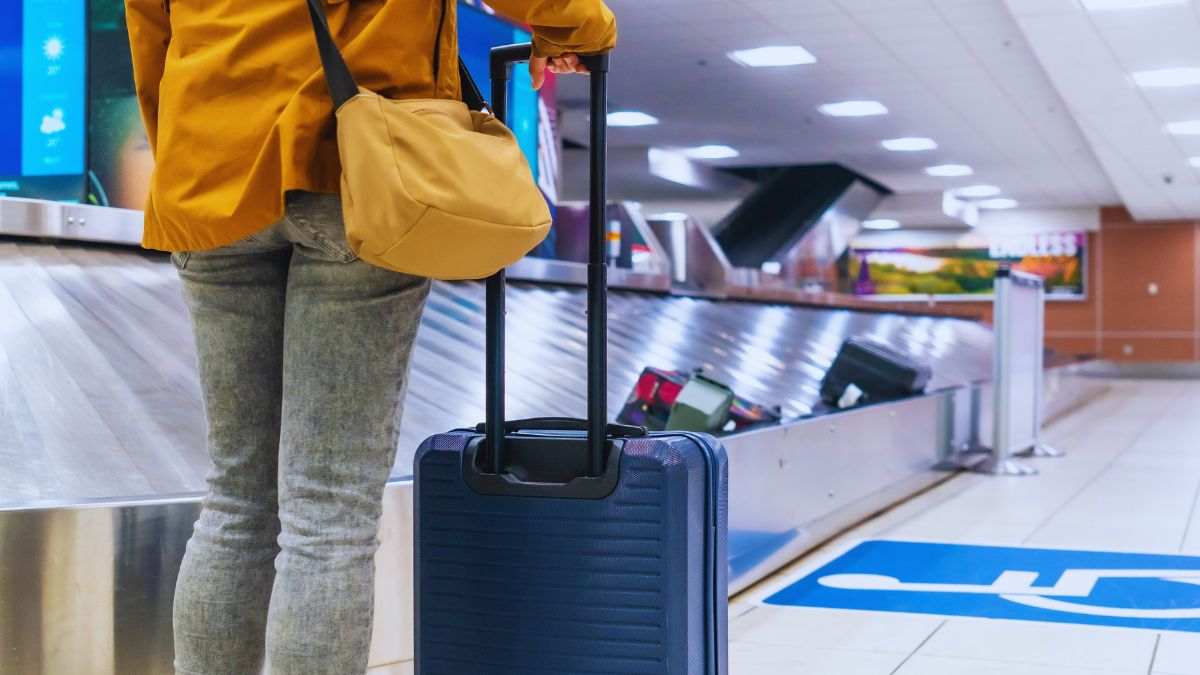
This is a big one. You find your row, and instead of stepping into it, you stand in the aisle to take off your jacket, find your headphones, and reorganize your snacks. Flight attendants are begging you: step into your row first. Let the people behind you pass. Every second you spend blocking the aisle is a second someone else spends standing in the jet bridge getting cranky.
Remember, the crew’s pay usually doesn’t start until that door is closed. By lingering in the aisle, you are quite literally keeping them at work for free while annoying every person behind you.
4. Space-Wasting in the Overhead Bins
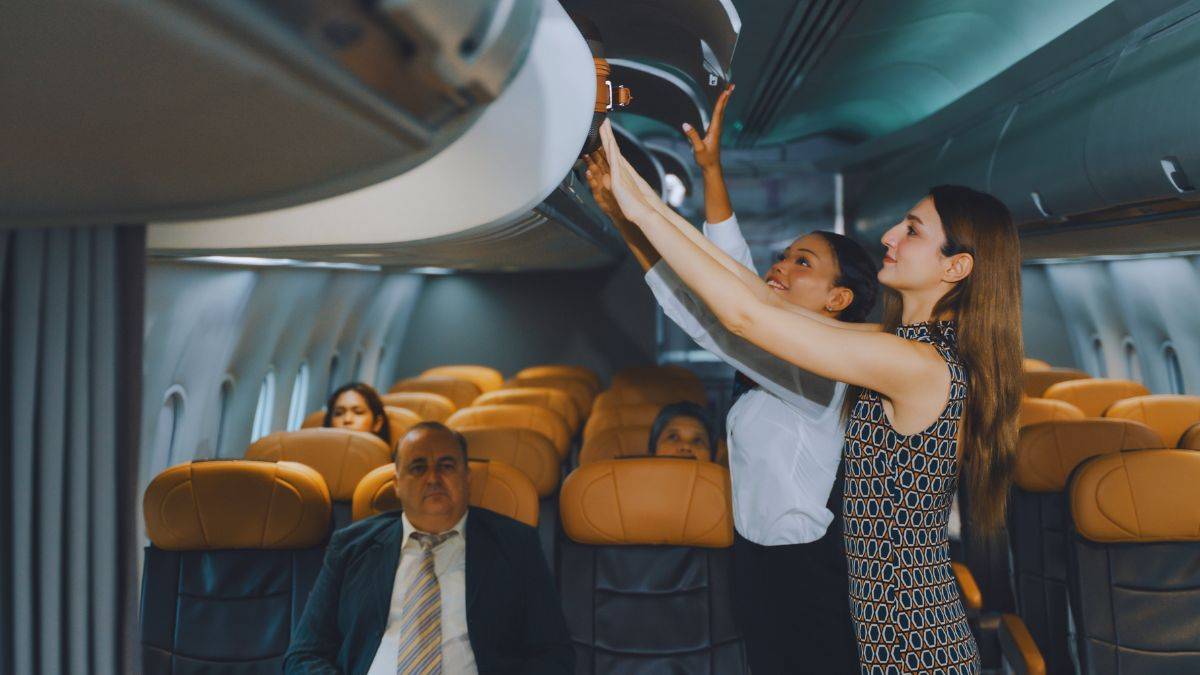
The overhead bin is shared real estate, not your personal locker. Putting your bag in sideways or “long-ways” takes up the space of two bags. Or worse, putting your tiny “personal item” (like a purse or a small backpack) up there when it could easily fit under the seat.
It’s called “bin greed,” and it’s the number one reason why the last 30 people to board are forced to gate-check their bags. If you’re one of those people who brings four bags and expects the crew to “find a space,” know that you’re the reason boarding takes twice as long as it should.
5. Front-Bin Hogging
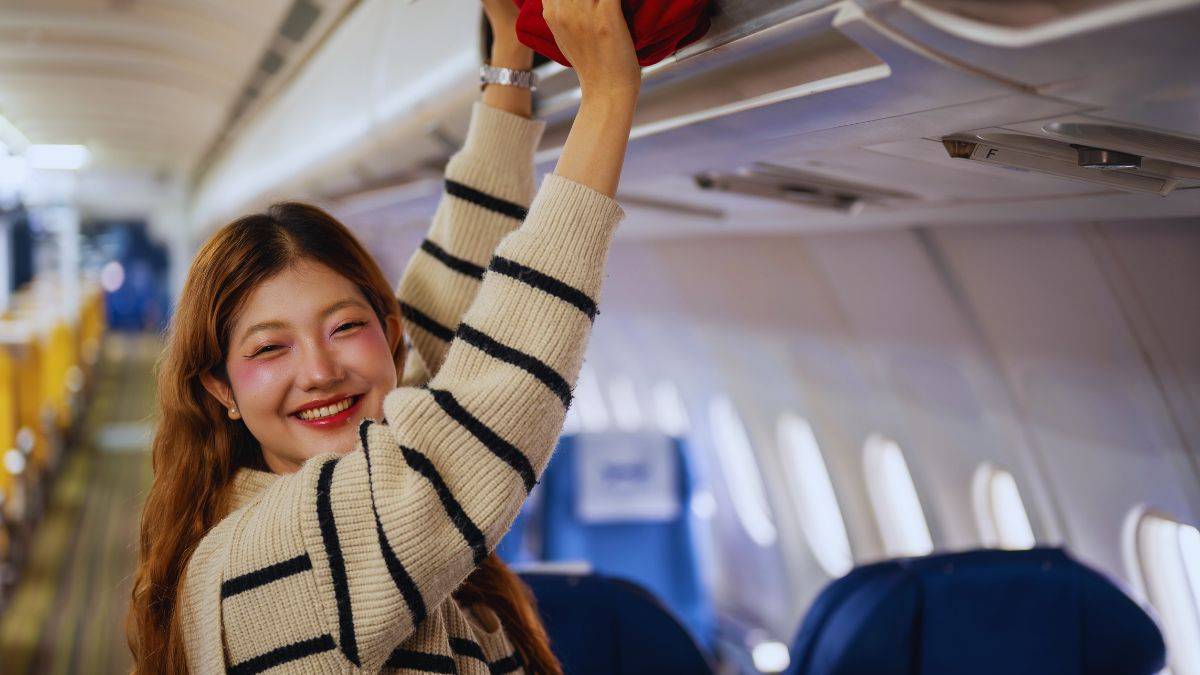
This is a classic “travel hack” that is actually a total jerk move. People sitting in Row 30 will put their bag in a bin at Row 5 so they don’t have to carry it the whole way. But when the people in Row 5 board, they have no space.
This causes a massive “domino effect” where the crew has to move bags backward, which then delays the deplaning process later because those front-row passengers have to swim upstream against a crowd of 150 people to get their luggage. It’s entitled, and it makes the crew’s job a logistical nightmare.
6. Making Personal Requests During the Boarding Rush
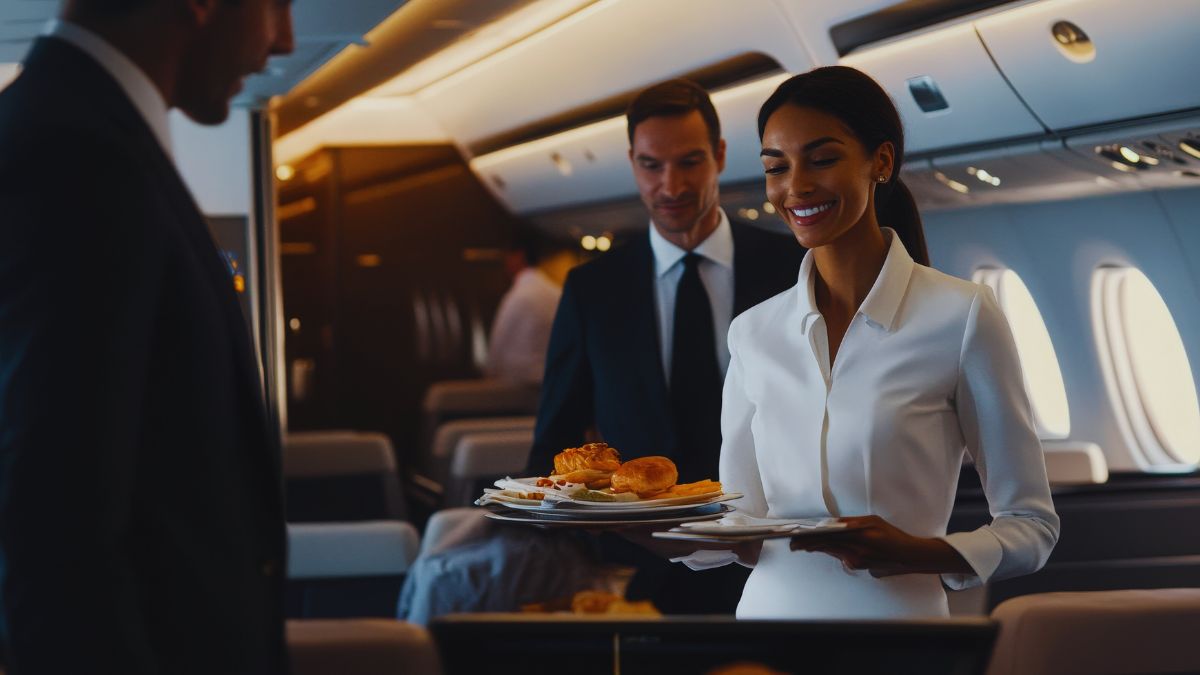
Asking a flight attendant for a cup of water, a headset, or a seat change while 150 people are still trying to board is a major distraction. Their primary job during boarding is safety—they’re looking for signs of illness, intoxication, or even human trafficking. “Immediately pressing” requests distract them from an on-time departure.
If it isn’t an actual emergency, wait until the seatbelt sign is off. Also, don’t ask for an upgrade just because you’re “dressed nicely.” That era ended decades ago; upgrades are handled by algorithms and gate agents now.
7. Ignoring the Safety Demo
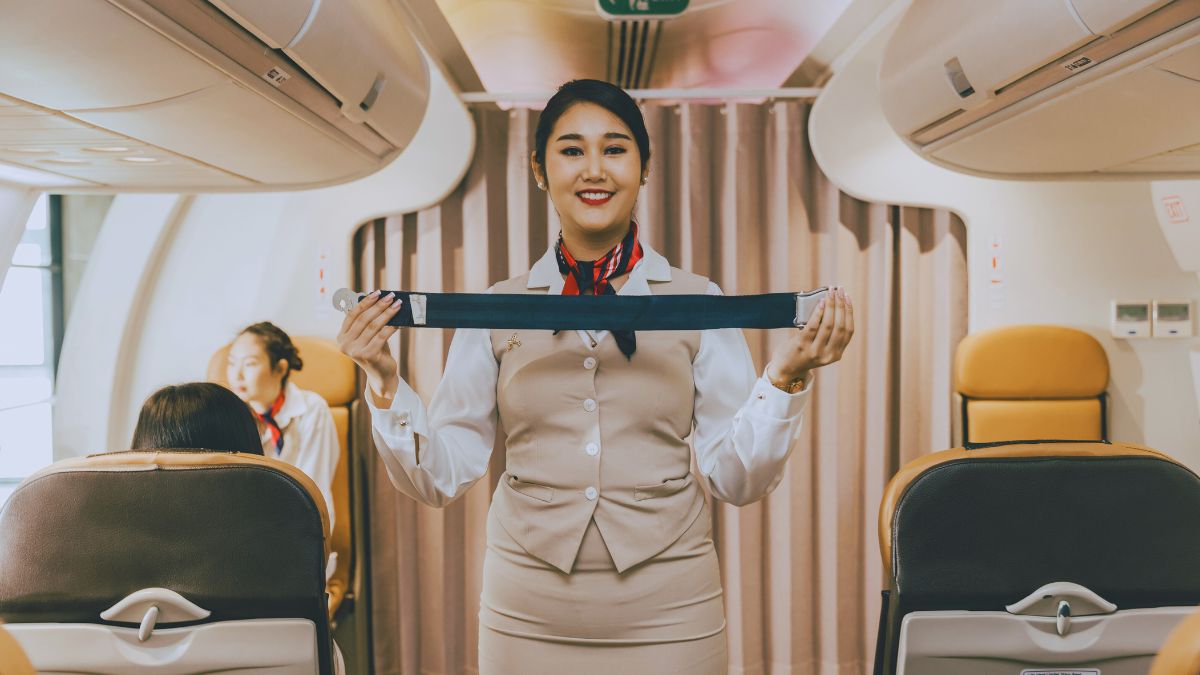
You’ve seen it a thousand times, right? “Yellow mask, pull towards you…” But the crew isn’t doing it for their health. They are legally required to give that briefing, and talking over it is incredibly disrespectful.
More importantly, every plane is different. In an actual emergency, you won’t have time to remember if the exit is four or six rows behind you—and in a smoke-filled cabin, you might have to count those rows by touch. Pay attention; it’s literally your life on the line.
8. Document Digging at the Checkpoint
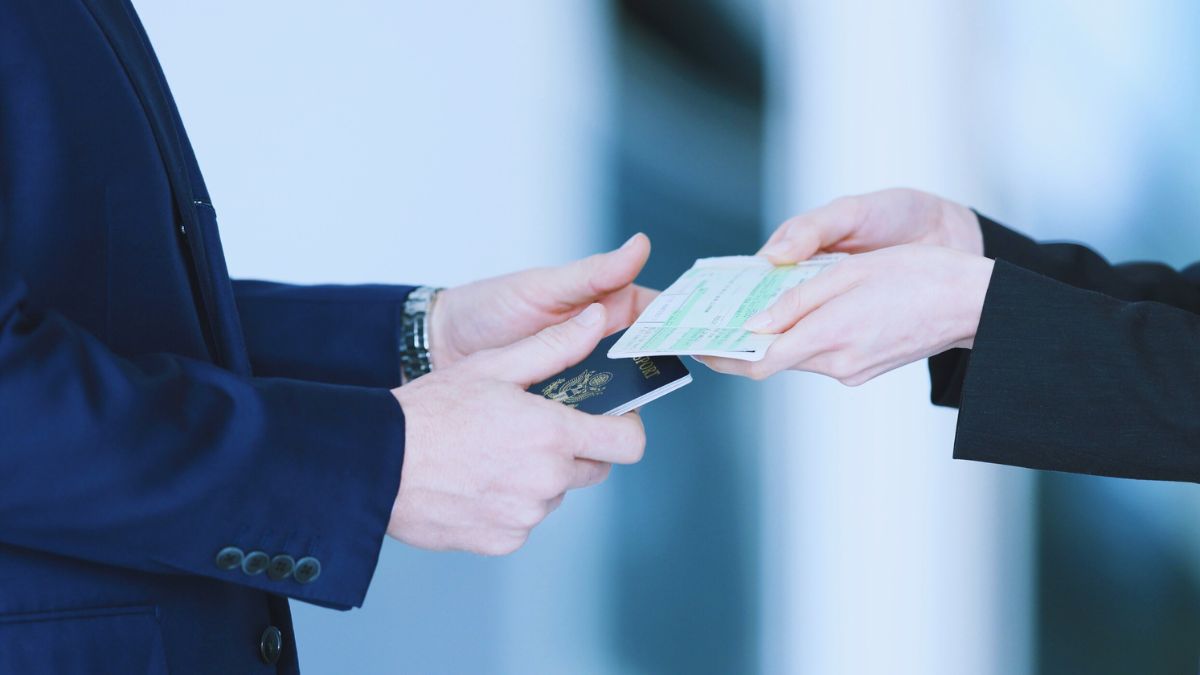
Don’t be the person who reaches the front of the security or customs line and then starts looking for their passport. It slows down the entire system. Experienced travelers recommend a dedicated travel wallet so your boarding pass and ID are always “at the ready.”
Think of it as a finely tuned magic trick—the smoother you are, the less stress for everyone. If you’re fumbling through a backpack for a crumpled piece of paper while 50 people wait behind you, you’re officially “that” passenger.
9. Non-Declaration of Items
Forgetting to declare that duty-free cheese or the fancy electronics you bought abroad isn’t just a mistake; it’s a way to get slapped with a massive fine or lose your Global Entry privileges forever. Travelers often forget they’re carrying restricted items, especially after a couple of weeks of vacation. Keep a packing list or use a digital reminder on your phone so you don’t “accidentally” smuggle restricted food or liquids across borders. Customs agents have zero sense of humor about this.
10. The Barefoot Bathroom Walk
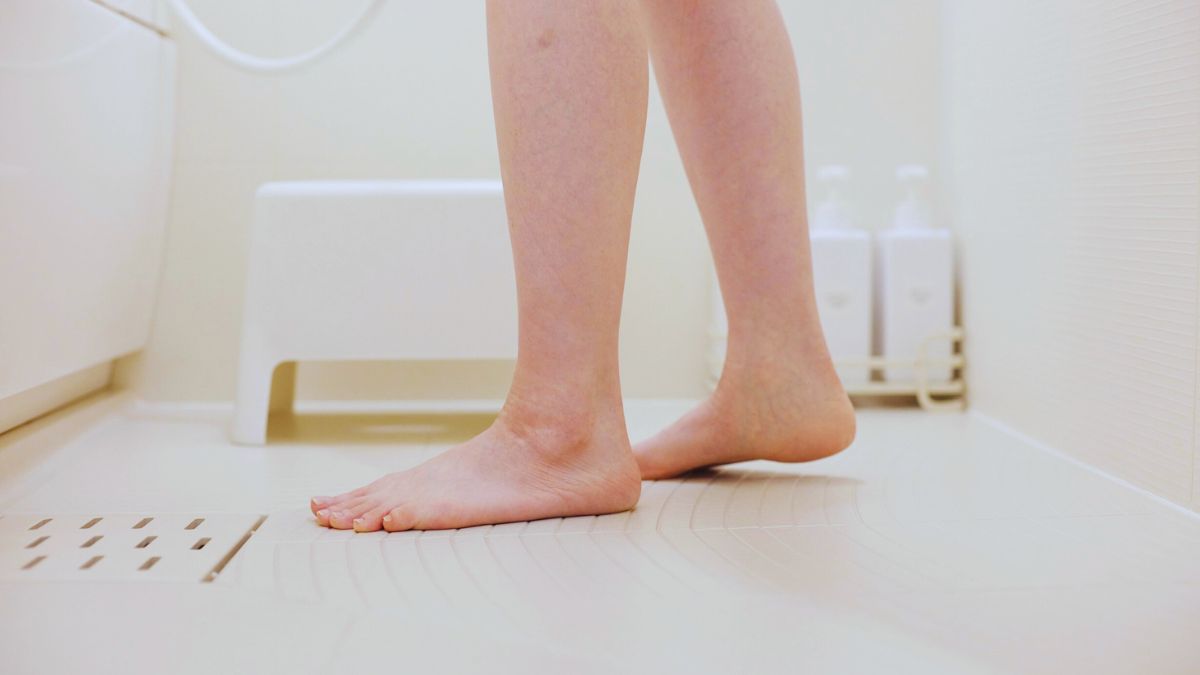
This is perhaps the most egregious hygiene mistake. Aircraft floors are never deep-cleaned between flights; they’re lucky to get a quick vacuum. And that liquid on the floor in the lavatory? Honestly, I’m not sure how to put this delicately, but it’s rarely just water. Walking in there in your socks or—heaven forbid—barefoot is a one-way ticket to a bacterial disaster. The floor is essentially a petri dish. Keep your shoes on. Really.
11. Diaper Changing on Tray Tables
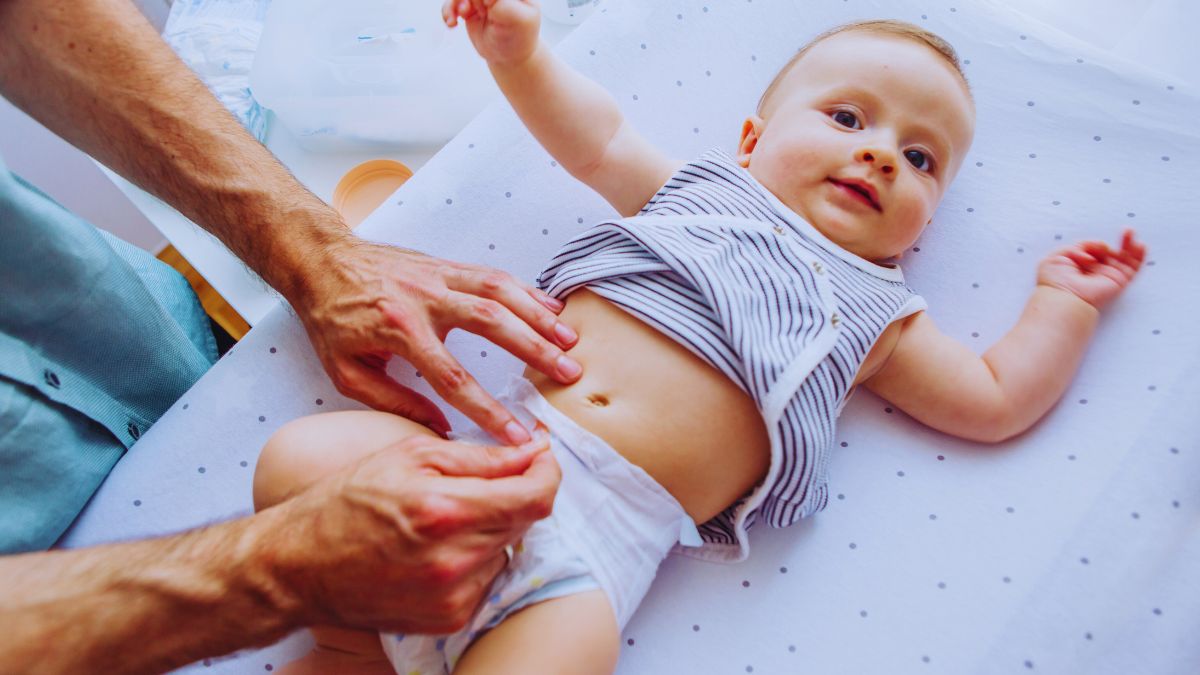
You would think this doesn’t need to be said, but flight attendants see it all the time. Tray tables are for food and laptops, not for changing a baby. They are rarely sanitized, and the passenger sitting there after you will be eating off that surface. One attendant noted that “bodily fluids” are a common discovery on seats and trays. Please, use the changing table in the lavatory. It’s there for a reason, and it’s much more hygienic for everyone involved.
12. “Headphone Deafness” during Service
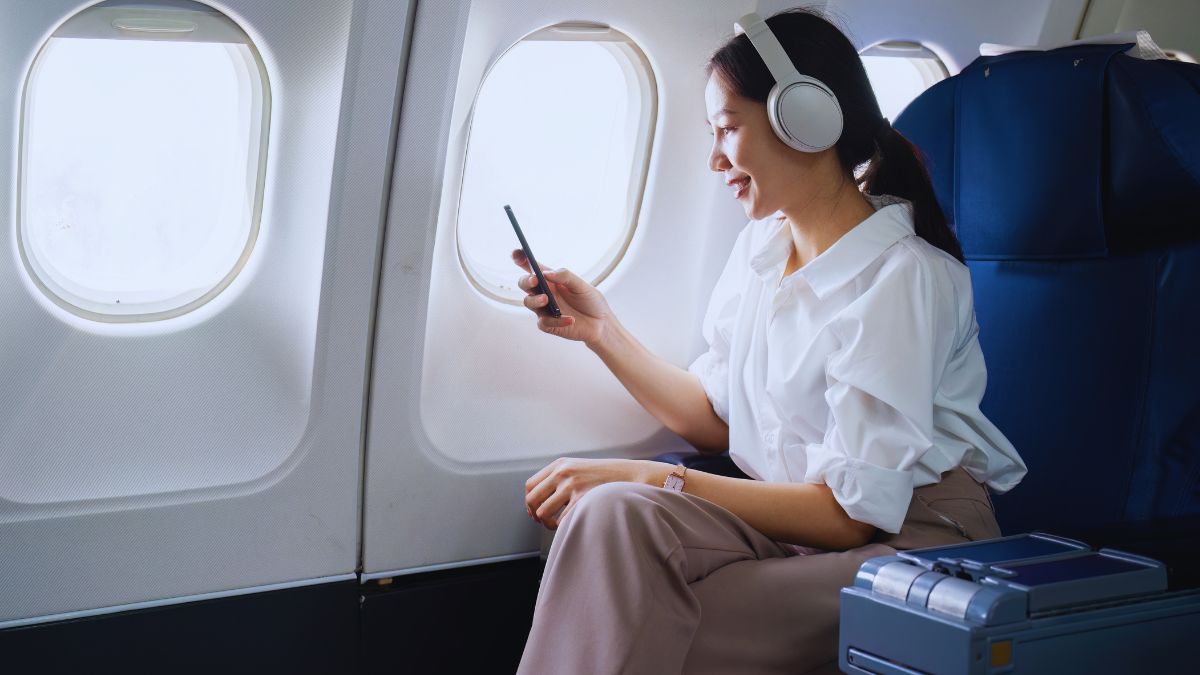
Flight attendants have to ask, “Cookie or pretzel?” and “What would you like to drink?” hundreds of times per flight. It is incredibly draining when they reach a passenger who can’t hear them because they have noise-canceling headphones on. Take them out when you see the cart coming. It’s a small courtesy that makes a massive difference in their energy levels. Don’t make them repeat the drink list five times because you couldn’t be bothered to pause your podcast.
13. Misusing the Call Bell
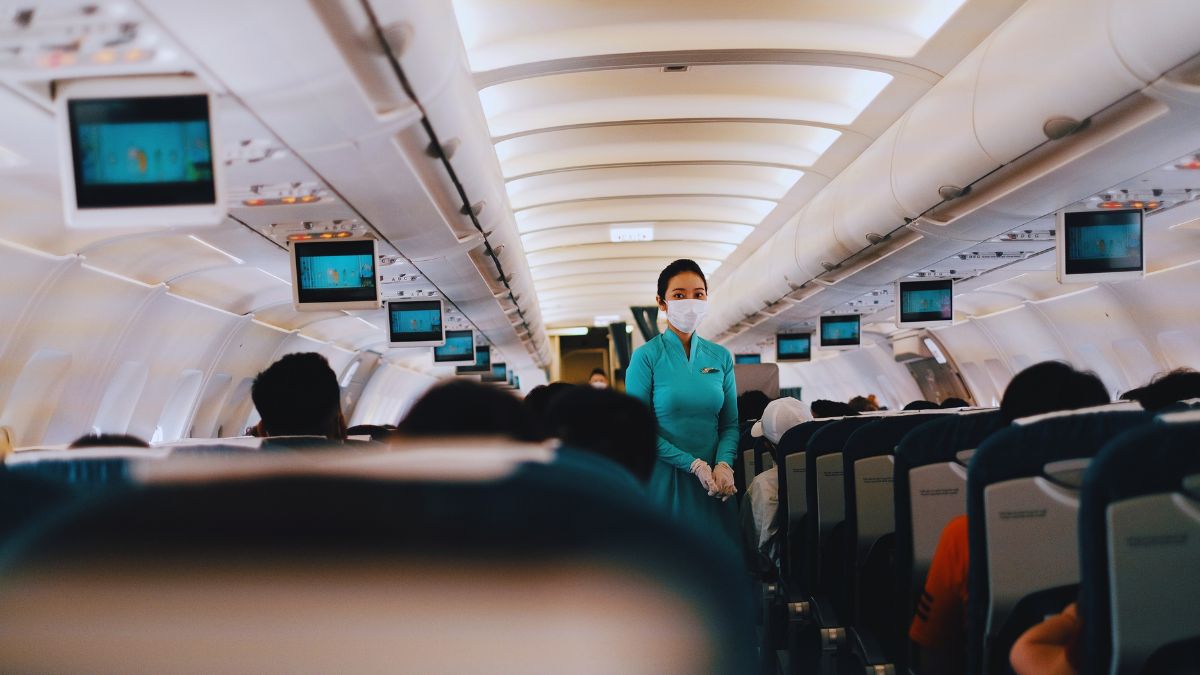
The call bell is for emergencies or when you genuinely need assistance that can’t wait. Using it for “trash” or to ask for a napkin during the middle of a busy meal service is a major faux pas. If the crew is in the aisle with the cart, they are already doing as much as they can. Don’t add a “ding” to their stress level for something that can wait five minutes. And never, ever touch or poke a flight attendant to get their attention—it’s dehumanizing and rude.
14. Spatial Incursion (The Hair and Leg Problem)
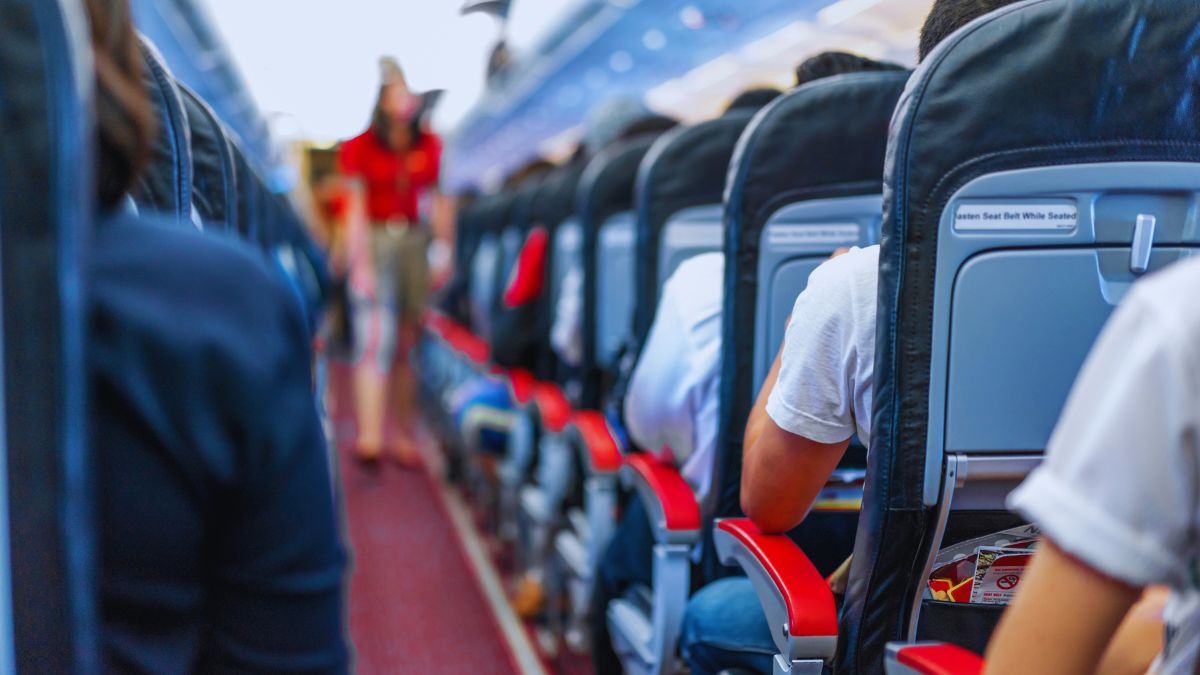
In a plane, your “personal space” is a very small bubble. Draping your long hair over the back of the seat (blocking someone’s TV screen) or letting your knees and elbows protrude into the aisle is a safety hazard. Flight attendants constantly trip over “aisle knees” or get caught in “seat hair.” Keep your limbs in your own little box. You can “upgrade your karma points” just by being aware of how your use of space affects the people around you.
15. Consuming Your Own Alcohol
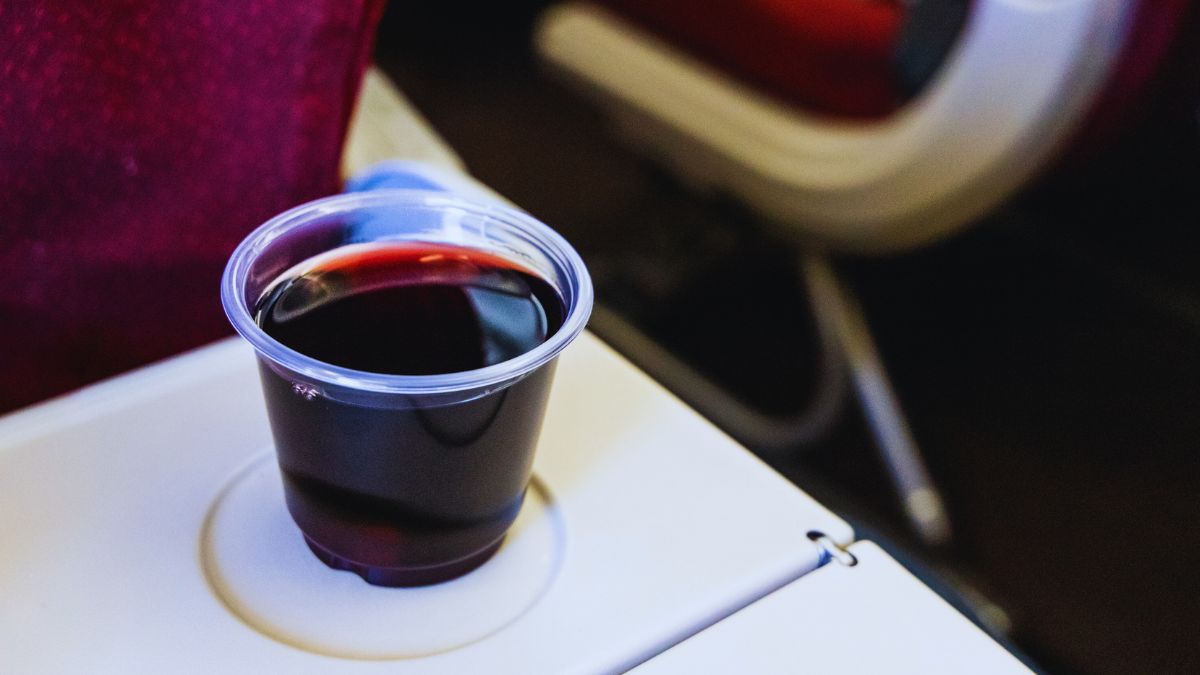
It is a federal violation to consume alcohol on an aircraft that wasn’t served to you by the crew. Why? Because flight attendants are legally responsible for monitoring your intoxication level. If you sneak-drink your own duty-free booze, they can’t tell when you’ve had too much, and that is a recipe for an “air rage” incident that ends with a flight diversion and you in handcuffs. The FAA has zero tolerance for this, and the fines are enough to pay for five more vacations.
16. Kicking the Seat
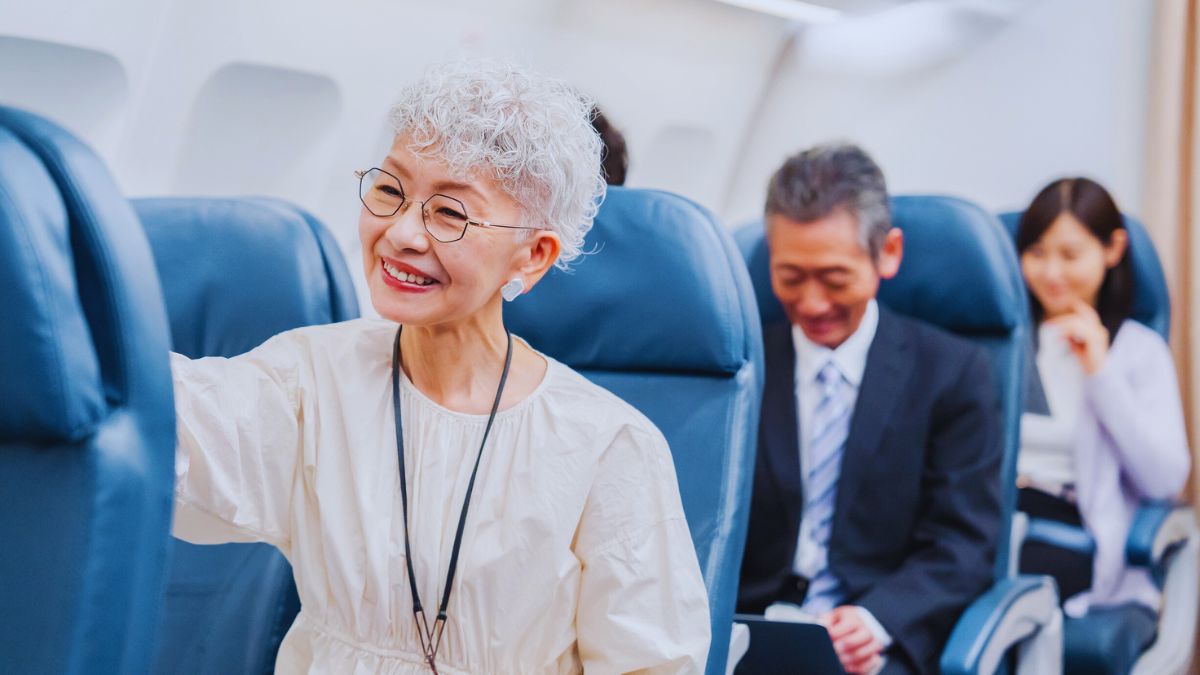
Of all the complaints flight attendants hear, this is the most common. Whether it’s a restless child or an adult who doesn’t realize their knees are digging into the back of the person in front of them, it’s a constant source of friction. If you’re a parent, please watch your kids—they aren’t at home on their couch. If you’re an adult, be aware that the person in front of you can feel every movement you make. It’s not a drum kit; it’s a chair.
17. Abrupt Seat Reclining
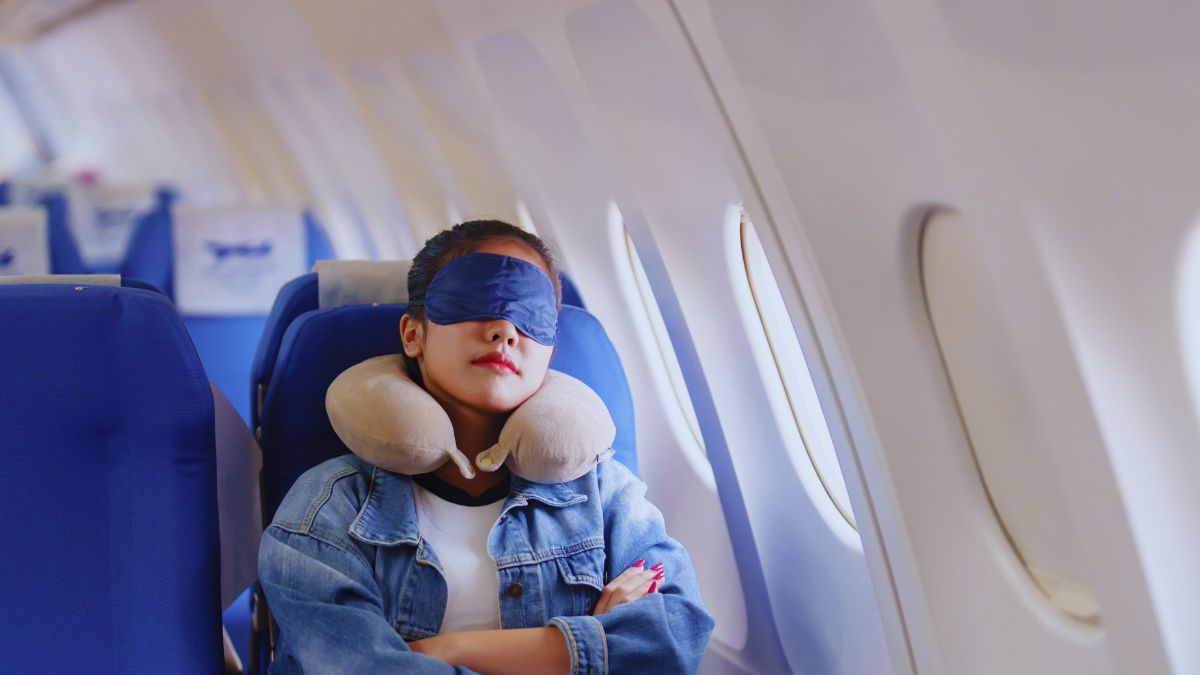
You have the right to recline, but how you do it matters. Slamming your seat back during meal service is a guaranteed way to spill someone’s hot coffee or crush their laptop. Always take a quick peek behind you first, or better yet, ease it back slowly so the person behind you has time to adjust. “We’re all trapped in a tin can hurtling through the sky,” as one flight attendant says—so let’s try to be neighborly about it.
18. Recording the Crew Without Consent
Most airlines have strict policies about recording crew members. They are at work, often in high-pressure situations, and they don’t want to be the star of your next viral “outrage” video. Secretly filming them is a breach of privacy and can actually lead to you being offloaded from the flight if it’s deemed a security risk. They aren’t public figures; they are safety professionals. Just put the phone away and talk to them like a human.
19. Neglecting Bored Children

Traveling with kids is hard, but coming unprepared is a mistake for everyone. A bored child is a disruptive child. Flight attendants often see parents “tune out” while their kids run wild or kick seats. Bring snacks, bring toys, and bring things to keep them occupied. Remember: their ears hurt more than yours because their Eustachian tubes are narrower and less developed, which is why they cry during pressure changes. A little preparation saves everyone’s sanity.
20. “Aisle Lice” (Standing Up Instantly)
The second the plane touches the tarmac, 50 people leap out of their seats and stand hunched over in the aisle. Why? You aren’t going anywhere. The door isn’t even open. All you’re doing is creating a bottleneck that makes it impossible for people with tight connections to get off the plane. Stay seated until it’s your row’s turn. As the saying goes, “Wait Your Turn!” It won’t actually get you to the terminal any faster, it just makes the aisle claustrophobic.
21. Opening Bins Before the Plane Stops
This is a genuine safety hazard. People will start opening the overhead bins while the plane is still taxiing to the gate. A sudden jerk or turn could cause a 40-pound suitcase to fall directly on a seated passenger’s head. Wait for the “ping” of the seatbelt sign. Those extra 30 seconds won’t kill you, but a falling bag might hurt someone else. It’s common courtesy and a basic safety rule that people ignore far too often.
The Wild World of “Air Rage”
It’s not just your imagination—people are getting wilder. While the rate of unruly passenger incidents has dropped by over 80% since the record-highs of early 2021, the numbers are still significantly higher than they were a decade ago. The FAA has a “Zero Tolerance” policy now, meaning no warnings—just immediate fines that can hit $37,000 per violation. If you assault a crew member, you could face up to 20 years in prison.
The Real Health Risk: DVT
The biggest risk on a long flight isn’t the engines failing—it’s Deep Vein Thrombosis (DVT). When you sit still for 8+ hours, your blood pools in your legs. Scientists found that thrombin (the stuff that makes blood clot) increases by 200% during a flight compared to just sitting on the ground. If a clot forms and travels to your lungs, it’s a medical emergency called a pulmonary embolism.
How to Not Get a Blood Clot:
- Move: Walk the aisle every hour if it’s safe.
- Hydrate: Drink 8oz of water per hour. Avoid the “airport pint” of beer, which just dehydrates you faster.
- Flex: Do heel lifts and ankle circles in your seat to keep the “muscle pump” working.
- Check Your Height: If you are under 5’3″ or over 6’3″, you are at higher risk because of how the seat edge presses against your legs.
A Few Truth Bombs to Lower Your Anxiety
- The Air is Clean: Most planes use HEPA filters (the same ones hospitals use) that refresh the air every 2-3 minutes. You’re more likely to catch a cold from the tray table than the air.
- The Door is Stuck: You physically cannot open the door at cruising altitude. There are thousands of pounds of pressure holding it shut like a giant plug.
- Engines Can Glide: If both engines fail (which is incredibly rare), a Boeing 747 can still glide for about 100 miles from 30,000 feet. You have time.
The Takeaway
Honestly, look at the person next to you. They’re probably just as tired, thirsty, and oxygen-deprived as you are. We’re all in this pressurized tin can together.
If you want a better flight, it’s simple: drink more water than you think you need, keep your shoes on, and maybe—just maybe—wait for your boarding group. A little empathy goes a long way when you’re hurtling through the sky at 500 miles per hour. Safe travels, and for the love of everything, stay off the tray tables.
Need More Help for a Smoother Journey? Look Into These Essentials
1. RFID-Blocking Travel Wallet

One of the most frequent causes of “security line stress” is fumbling for documents at the last second. A dedicated travel wallet keeps your passport, boarding pass, and ID in one shielded location, preventing both delays and potential digital theft. Experts recommend choosing a high-visibility color so you can easily spot it in a crowded carry-on.
2. Vapur Collapsible Reusable Water Bottle

To combat the severe dehydration caused by low cabin humidity, flight attendants suggest bringing an empty reusable bottle through security. Collapsible models like the Vapur “Anti-Bottle” are particularly efficient because they can be folded flat when empty, saving precious space in your personal item and ensuring you don’t have to wait for the drink cart to stay hydrated.
3. Vim & Vigr Graduated Compression Socks
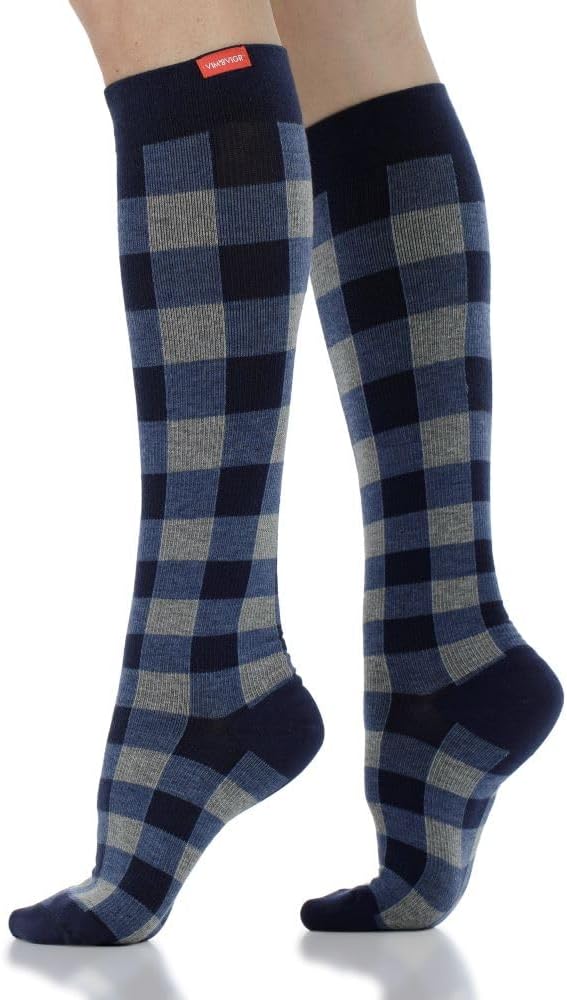
Sitting for long periods at altitude increases the risk of swelling and deep vein thrombosis (DVT). Graduated compression socks help promote blood flow and reduce leg fatigue during long-haul flights. Modern versions are made from breathable cotton or wool, offering a comfortable “hug” for your legs without the medicinal look of traditional flight socks.
4. Clorox “On the Go” Disinfecting Wipes

Since tray tables and armrests are among the most contaminated surfaces on an aircraft, carrying a small pack of disinfecting wipes is a critical hygiene move. These travel-sized packs are TSA-compliant and allow you to quickly sanitize your personal space before settling in, especially given that tray tables are frequently used for non-dining purposes.
5. Loop Quiet 2 Noise-Reducing Earplugs

High cabin noise levels contribute significantly to sensory overload and “grumpy passenger” syndrome. Unlike disposable foam, these reusable silicone earplugs are designed for long-wear comfort and can reduce ambient engine noise by up to 24 decibels. They are especially useful for concentrating or sleeping in a crowded cabin without the bulk of over-ear headphones.