Airline Pricing Analyst Exposes the 4 Days You Should Never Book Business Travel (And the 72-Hour Sweet Spot That Saves 40%)

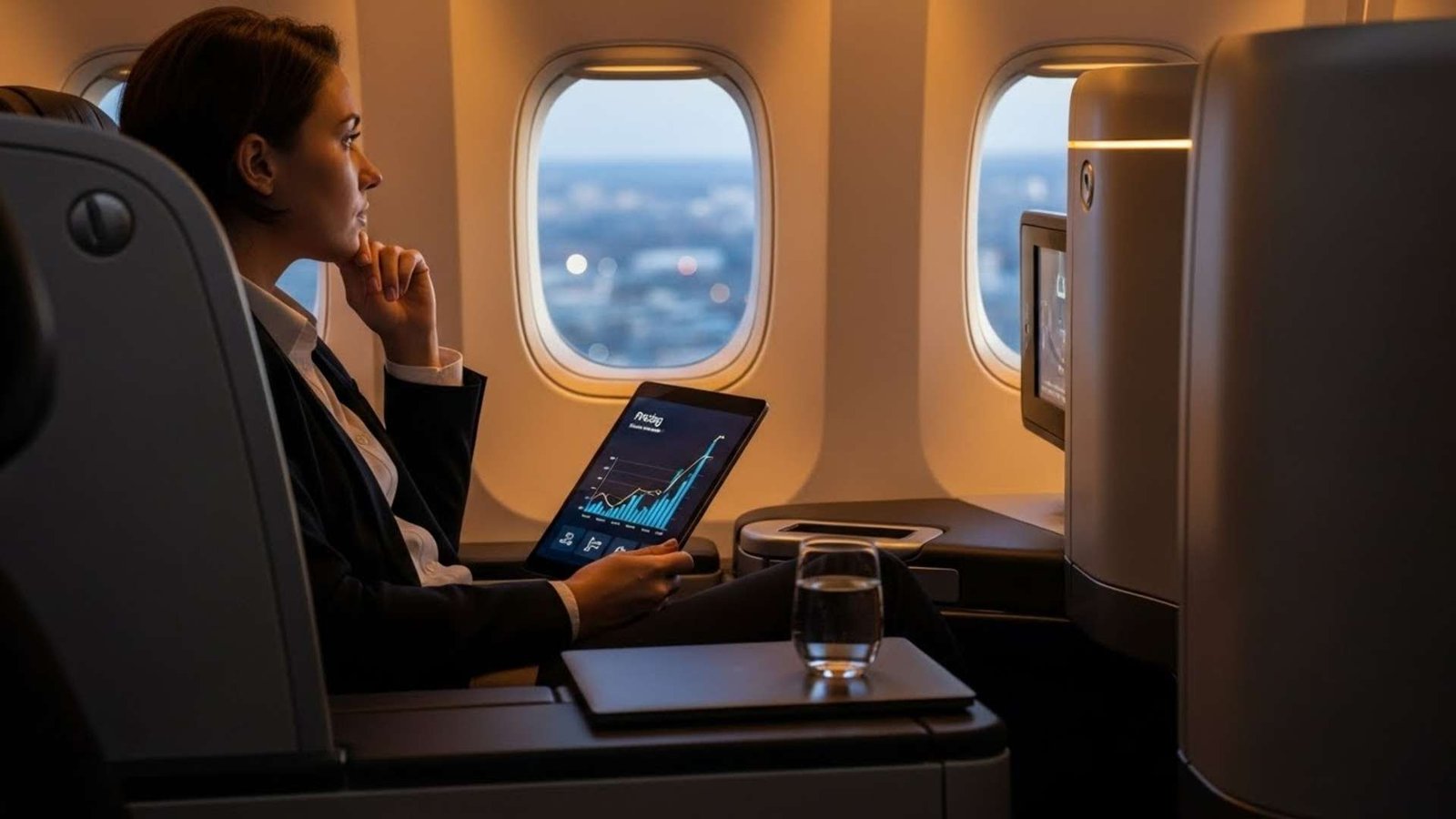
You know that moment. You’re sitting in seat 14B, your knees are pressed against the tray table, and you’re eating the same tiny bag of pretzels as the guy in 14A. You paid $682 for your ticket because you booked it three days ago. He paid $248 because he booked it three weeks ago.
It feels like bad luck, doesn’t it? Or maybe you think the airline just hates you personally.
But look, I’ve spent years analyzing how these systems work, and I need to tell you the truth: There is no luck involved. There is only a machine. A ruthless, hyper-rational, mathematical engine designed to do one thing—extract the maximum amount of money you are willing to part with.
On a standard flight—picture a Boeing 737 with about 150 seats—there isn’t just one price for a seat. There aren’t even three. At any given moment, there are roughly 100 to 120 different price points active for that single metal tube hurling through the sky.
Most people think the system is chaotic. It’s not. It’s actually predictable, if you know how the “Black Box” thinks.
So, let’s pull back the curtain. I’m going to show you the four days you absolutely need to avoid if you want to keep your budget intact, why the “Tuesday Midnight” trick is a total lie, and the 72-hour loophole that can actually save you serious cash.
The Bucket Theory 🪣
Goal: Never sell too cheap!
The “Oh No” Buckets 💸
Codes: Y, B (Full Fare)
Fully Refundable • Last Minute • For Desperate FlyersThe Cheap Buckets 🏖️
Codes: O, Q, N (Deep Economy)
Family Vacations • 6 Months Early • Non-RefundableBucket full? CLICK. Moves instantly to $180.
The EMSRb Algorithm
It’s a high-stakes poker player.
“Should I take $100 now, or gamble for a Whale 🐋 paying $800 next Tuesday?”
To beat the system, you have to stop thinking like a human and start thinking like a Revenue Management (RM) analyst.
Here’s the thing: The airline’s goal isn’t to fill every seat. If a plane takes off 100% full, the RM team probably gets yelled at. Why? Because it means they sold the seats too cheaply. They would rather fly with ten empty seats than sell them for $50 less than they could have gotten.
To explain how they do this, let’s forget about “Economy” and “Business” for a second. Imagine the plane is filled with invisible buckets.
- The Cheap Buckets (Deep Economy): These are at the bottom. They have codes like O, Q, N. This is the stuff you grab for a family vacation six months out.
- The “Oh No” Buckets (Full Fare): These are at the top, labeled Y or B. These are fully refundable, last-minute tickets.
The airline opens the cheap bucket first. Let’s say it holds 10 seats at $100. Once seat #10 is sold, click—that bucket locks. The computer instantly moves you to the next bucket, which is $180.
The seat didn’t change. The legroom didn’t change. The only thing that changed is that you were the 11th person to click “Buy.”
This is all run by an algorithm called EMSRb (Expected Marginal Seat Revenue-b). Think of it like a high-stakes poker player. It’s constantly asking: “Should I sell this seat to a student for $100 today, or should I gamble and save it for a desperate business consultant who might pay $800 next Tuesday?”
The machine is programmed to protect those seats for the high rollers. That’s why you see flights with 50 empty seats that still cost $600. The algorithm is stubbornly holding out for a “whale” that might never show up.
The 4 Days You Should Never, Ever Book Business Travel
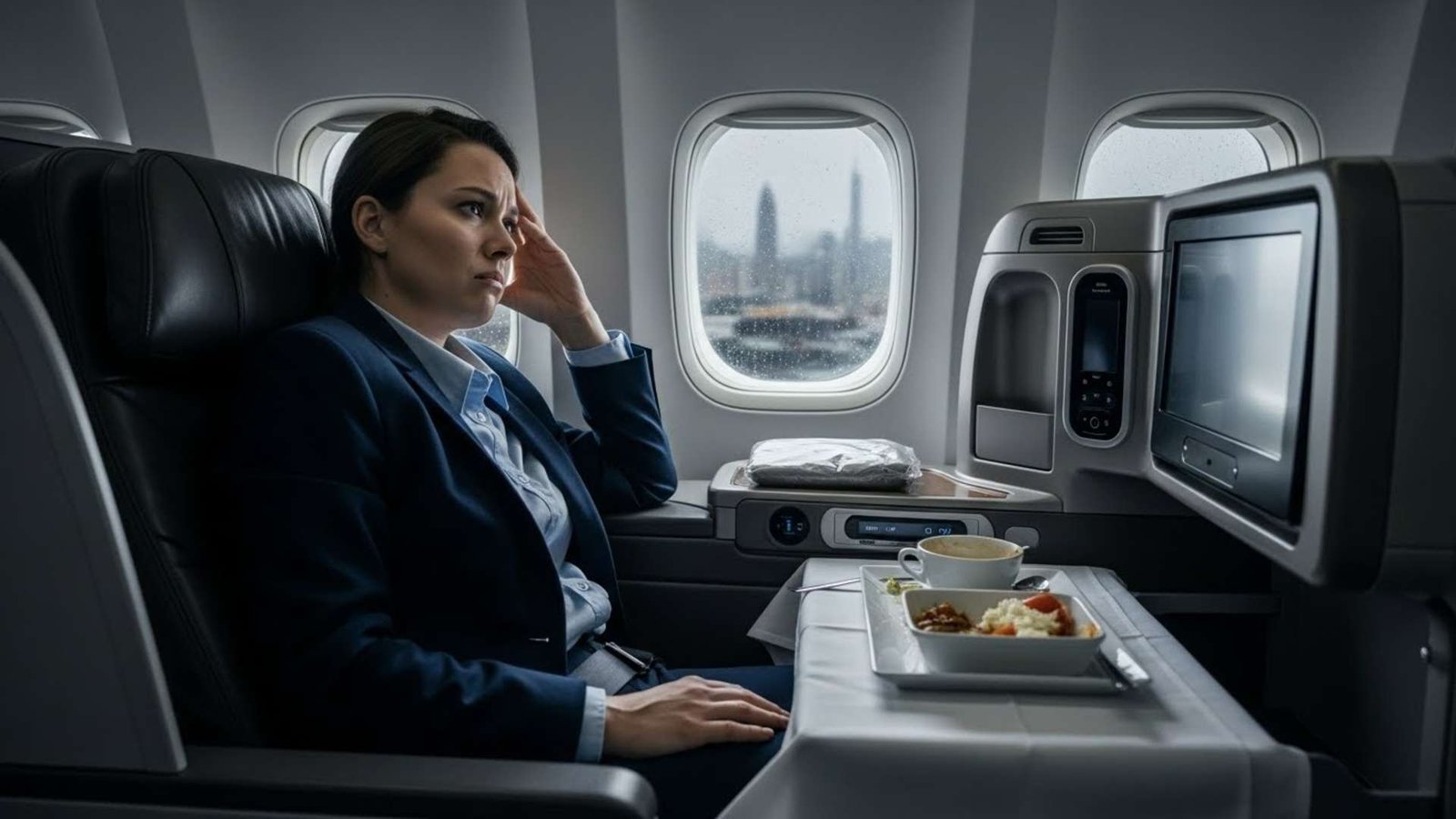
Okay, this is where it gets real. When I say “avoid these days,” I’m talking about the intersection of corporate desperation and algorithmic greed. If you fly on these days, you are walking right into a trap.
1. The Monday Morning “Consultant Rush”
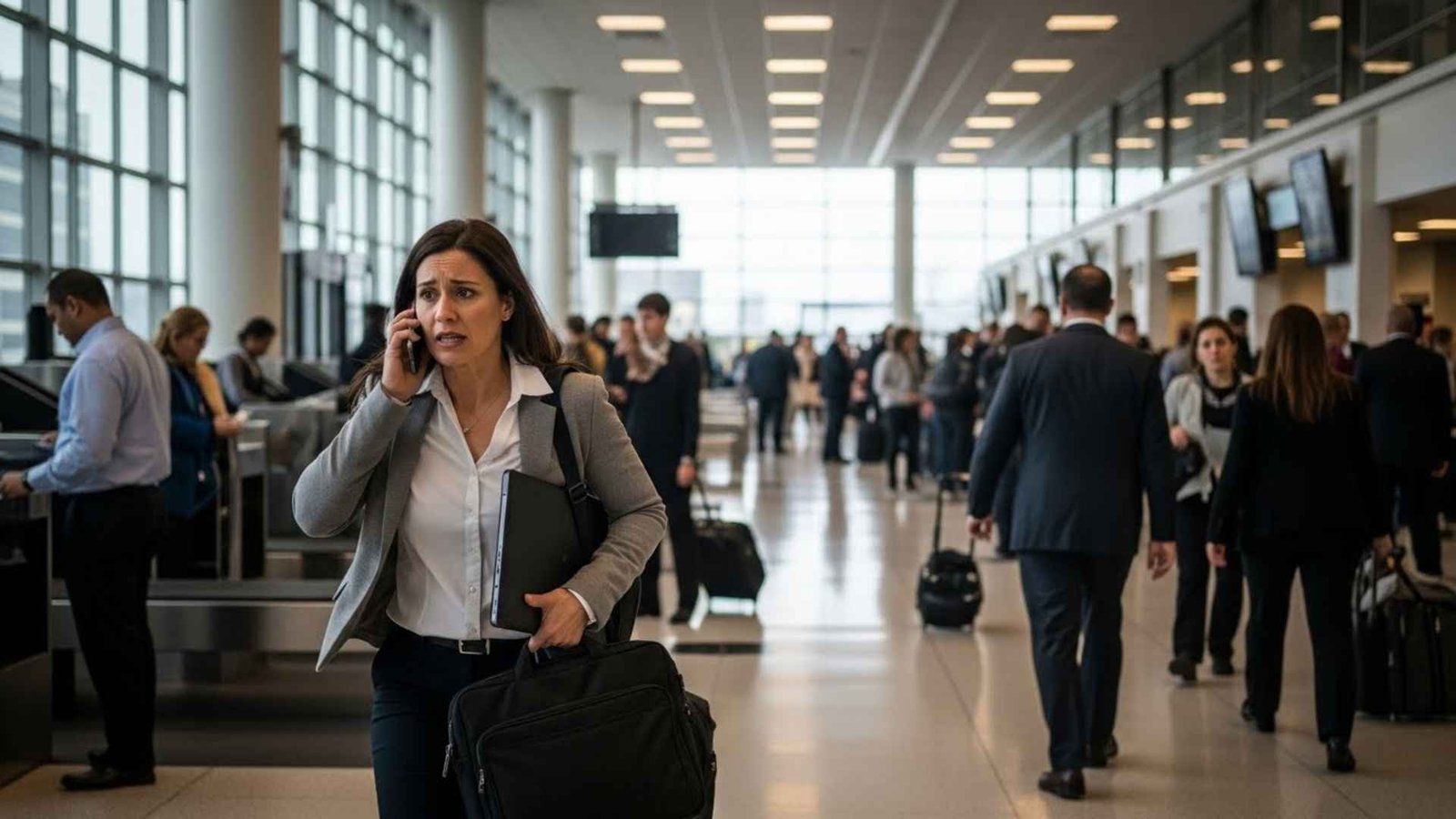
Monday morning is the kill zone. If you have a 9:00 AM meeting in Chicago, the airline knows you have to be there. You are what economists call “inelastic”—you have no choice.
- The Trap: Flights departing Monday morning (and Sunday night red-eyes) are priced 15-20% higher because they are filled with consultants and sales execs starting their week.
- The Fix: If you can, fly Sunday afternoon (before the red-eye bank) or wait until Tuesday morning.
2. The Thursday Afternoon “Homecoming”

This one surprises people. Thursday has basically replaced Friday as the end of the business week. Consultants fly home Thursday night to “work from home” on Friday.
- The Trap: Between 4:00 PM and 8:00 PM on a Thursday, you are competing with every Platinum Medallion road warrior who just wants to see their dog. Prices spike accordingly.
- The Fix: Fly Wednesday night if it’s a short trip, or—here’s the secret—fly Friday morning. The business travelers are gone, and the weekenders haven’t started yet. Friday morning flights are often ghost towns.
3. The Friday “Double Jeopardy”
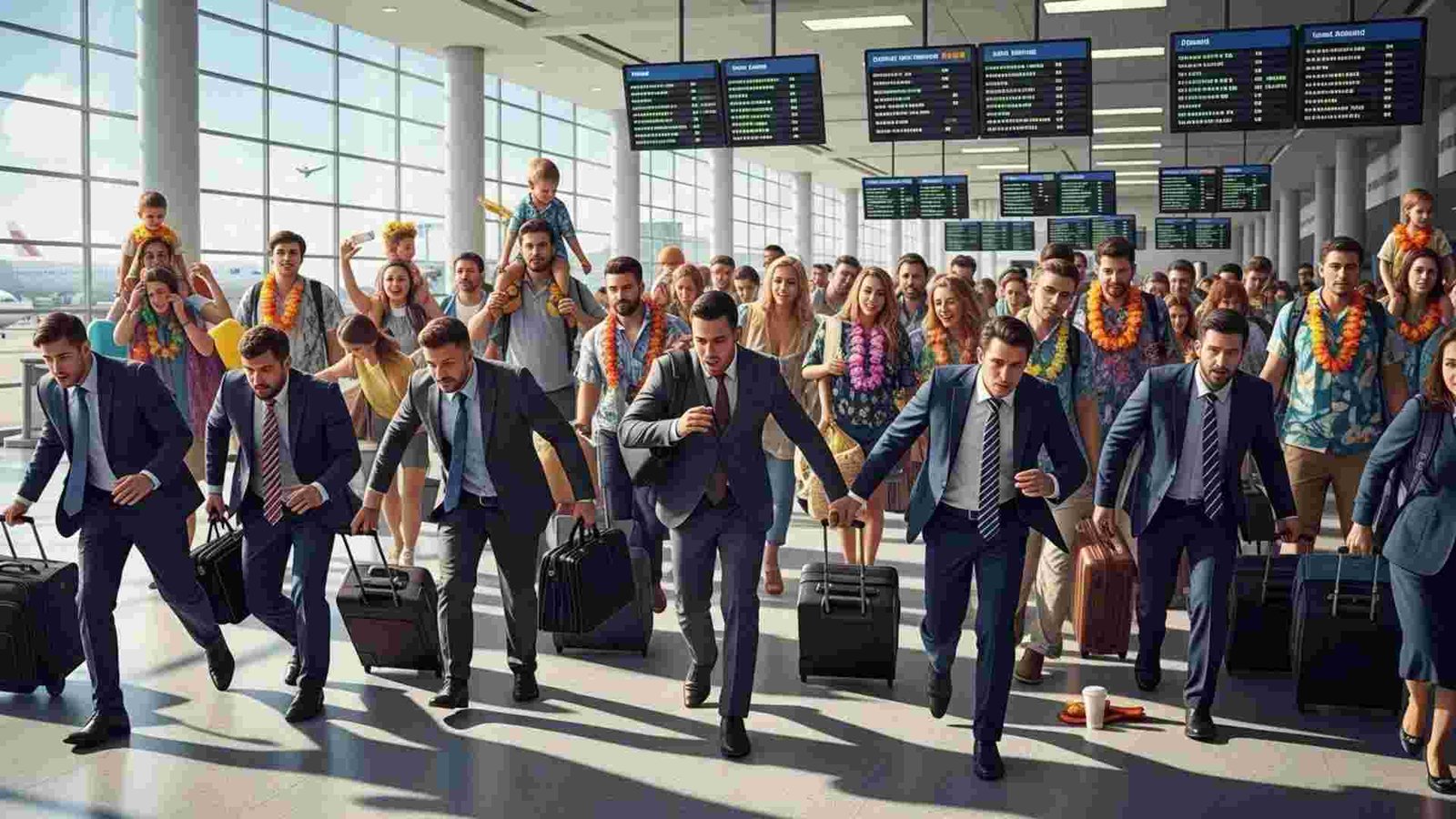
Friday is a mess because you have two huge groups crashing into each other: business travelers trying to get home and leisure travelers trying to start their vacation.
- The Trap: Not only is it expensive, but it’s statistically the worst day for delays. By Friday, every weather delay or crew timeout from the last four days has compounded. You’re paying premium prices for a premium headache.
- The Fix: Just don’t do it. Fly Saturday morning.
4. The Sunday “Positioning” Spike
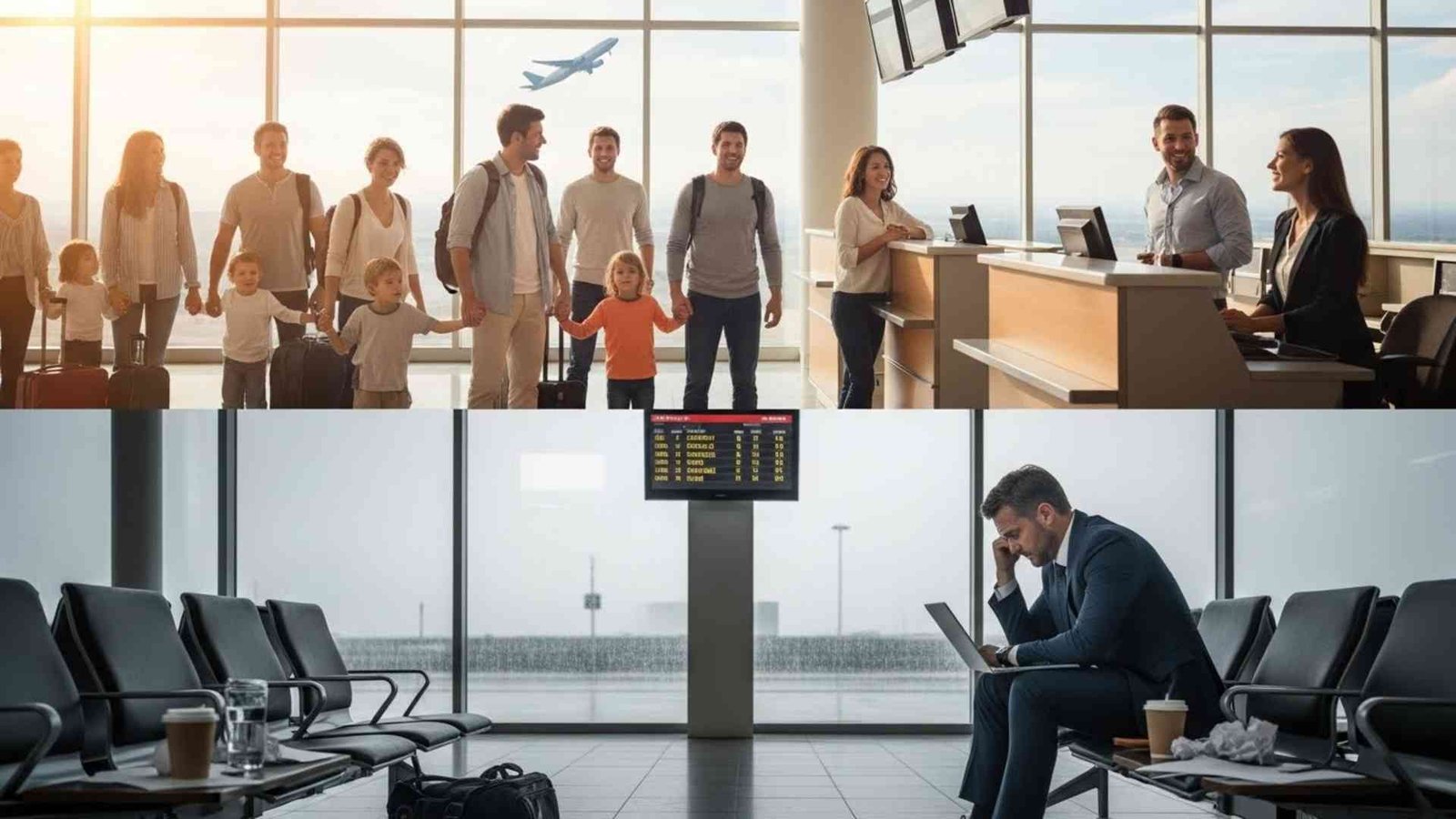
Sunday is a weird one. It’s a great day to buy a ticket (we’ll get to that), but a terrible day to fly for business.
- The Trap: Everyone is “positioning” for the week ahead. The algorithm sees high demand and shuts down the cheap buckets immediately.
- The Fix: Fly Saturday. Saturday is the dead zone of aviation. Nobody wants to fly Saturday night. If you’re willing to travel then, you can save 20-40%.
The 72-Hour
“Sweet Spot”
You’ve probably seen Tik Toks claiming you should wait until the last minute to book. Please do not do that. You will go broke.
But… there is a loophole. It’s called the 72-Hour Inventory Release.
Remember that poker-playing algorithm? Well, at exactly 72 hours (3 days) before the flight, it has a “reality check.” It looks at those 10 seats it was saving for CEOs and realizes, “Uh oh, nobody bought them.”
To save face (and money), the system dumps those seats.
- The Trick: It usually doesn’t lower the base price. Instead, it opens up Upgrade Inventory.
- How to Use It: Buy your economy ticket weeks in advance. Then, set an alarm for exactly 72 hours before your flight. Check the app. You will often see “Upgrade to First Class” offers drop by 40-50%. The airline is trying to get something for that seat rather than letting it fly empty.
When Should I Actually Book? (The Goldilocks Window)
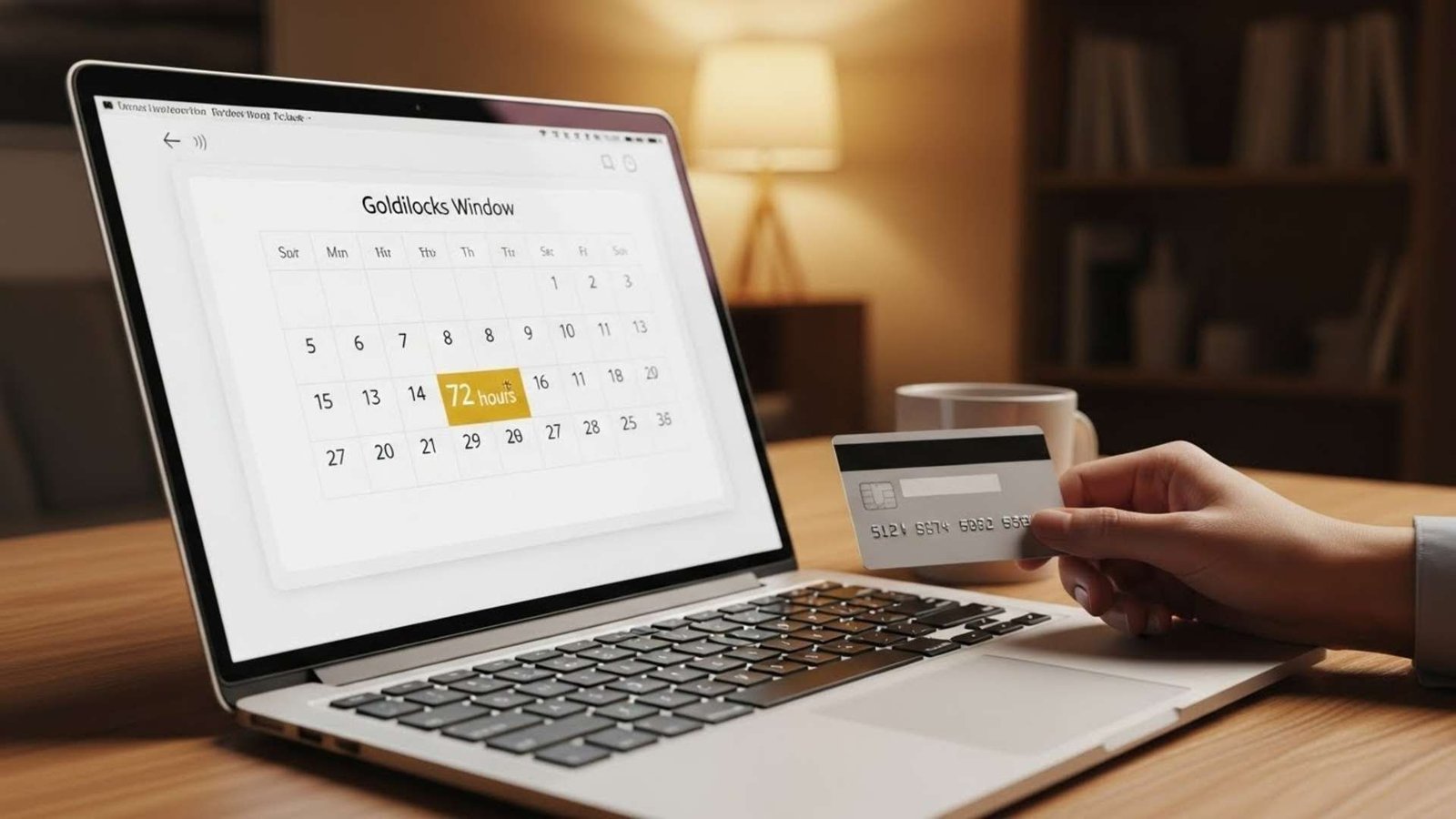
If 72 hours out is for upgrades, when do you buy the actual ticket? You need to aim for the “Goldilocks Window”—not too early, not too late.
Domestic Flights (USA)
- The Sweet Spot: 28 to 60 days out.
- The Cliff: Prices jump massively at 21 days, 14 days, and 7 days before the flight. These are hardcoded “cliffs” in the software. If you book 22 days out, you might pay $200. If you book 20 days out, you might pay $300.
- Don’t Book Too Early: If you book 6 months in advance for a domestic flight, you’re likely overpaying. The airline sets a high “placeholder” price because they haven’t actively started managing the flight yet.
International Flights
- The Sweet Spot: 2 to 6 months out.
- The Reality: Unlike domestic flights, international prices rarely drop at the last minute. The taxes and fuel surcharges are too high. If you see a good price to Paris 4 months out, grab it.
Let’s Kill Some Myths (Please Stop Doing This)

I have to address the “Tuesday Midnight” thing because it drives me crazy.
The Myth: “If you book at midnight on Tuesday, you get the cheapest price.” The Reality: This was true… in 1999. Back then, airlines manually uploaded their prices once a week. Now? It’s all dynamic. Prices change constantly. The best day to book now is actually Sunday. Data shows people who book on Sundays save about 5-15% because leisure travelers are browsing and airlines want to capture that volume.
The Myth: “The airline is tracking my cookies and raising the price!” The Reality: I promise you, you aren’t that special. Airlines are tracking aggregate demand, not your specific IP address. If the price went up, it’s usually because someone else bought the last seat in the cheap bucket while you were thinking about it. Clearing your cookies is a waste of time.
The Toolkit – Gear That Pays for Itself
We’ve talked about how to beat the pricing algorithms, but the battle doesn’t end when you click “buy.” The next challenge is avoiding the hidden fees (like the $100 overweight bag charge) and actually sleeping in that economy seat you just scored. I’ve tested a lot of gadgets, and frankly, most travel gear is useless junk. But these five items are the ones I never leave home without. They are designed to save you money on fees and keep you sane at 30,000 feet.
1. Travel Inspira Digital Luggage Scale

Nothing ruins a trip faster than getting hit with a surprise $75 fee at the check-in counter because your bag weighed 52 lbs instead of 50. This little tool costs less than an airport sandwich and saves you from the “shame shuffle” of unpacking your underwear in front of everyone. It’s accurate, tiny, and pays for itself in one trip.
2. Bose QuietComfort Ultra Headphones

If you are saving money by flying economy, you need to invest in your sanity. These are the gold standard for erasing engine drone and crying babies. I don’t care where I’m sitting; with these on, I’m in my own private suite. They are an investment, but for frequent flyers, they are non-negotiable.
3. Trtl Travel Pillow

Okay, it looks a little like a neck brace. I get it. But unlike those poofy donuts that push your head forward and offer zero support, this actually structures your neck so you can sleep upright. It’s the only way I catch Z’s in the middle seat without waking up on a stranger’s shoulder.
4. Cepitics Universal Travel Adapter
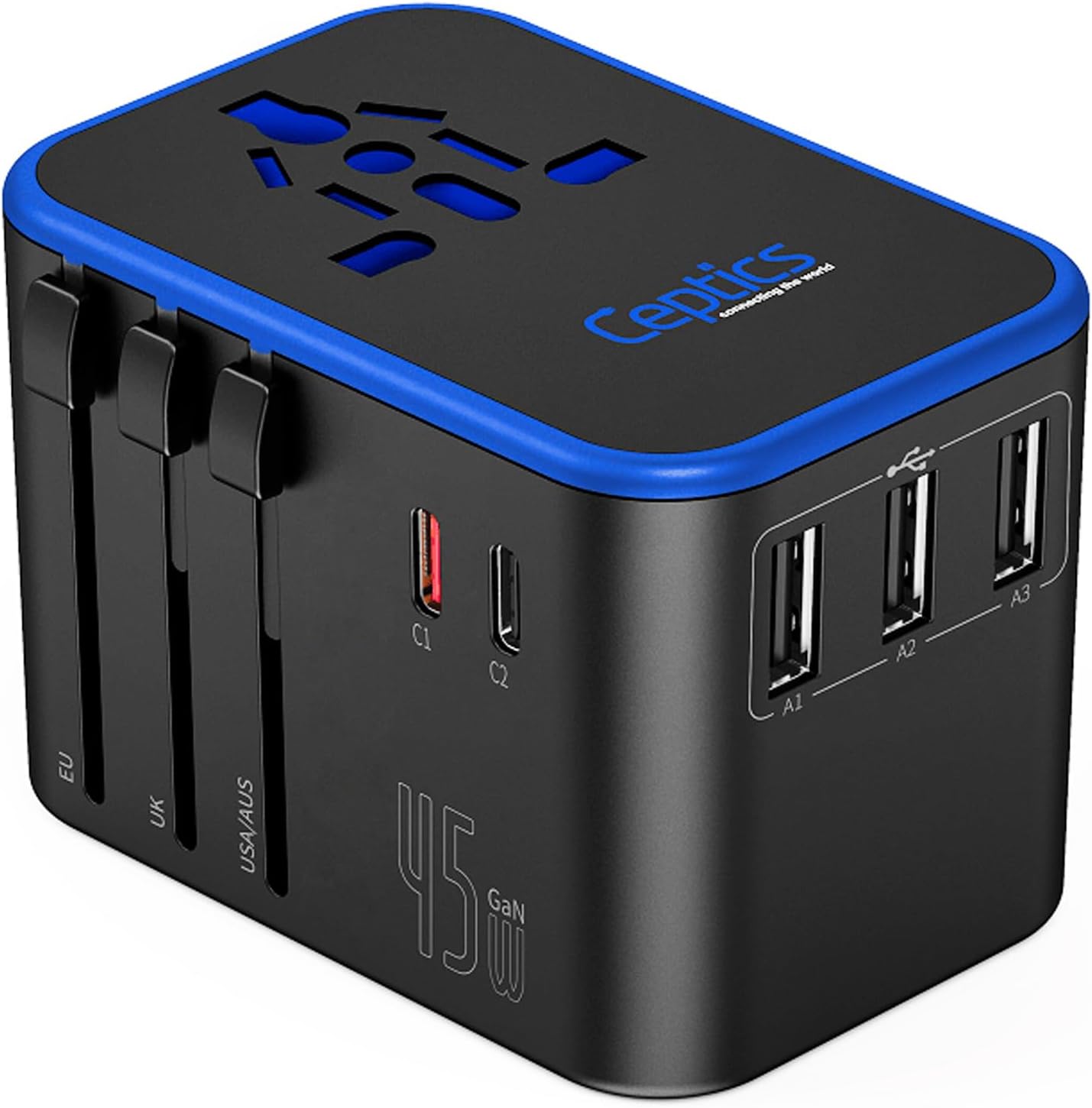
Don’t be the person buying a $40 adapter at the airport kiosk because you forgot the plugs are different in London. This compact block covers 150+ countries and has enough USB ports to charge your phone, watch, and laptop all at once. It’s the Swiss Army knife of charging.
5. Anker Portable Power Bank
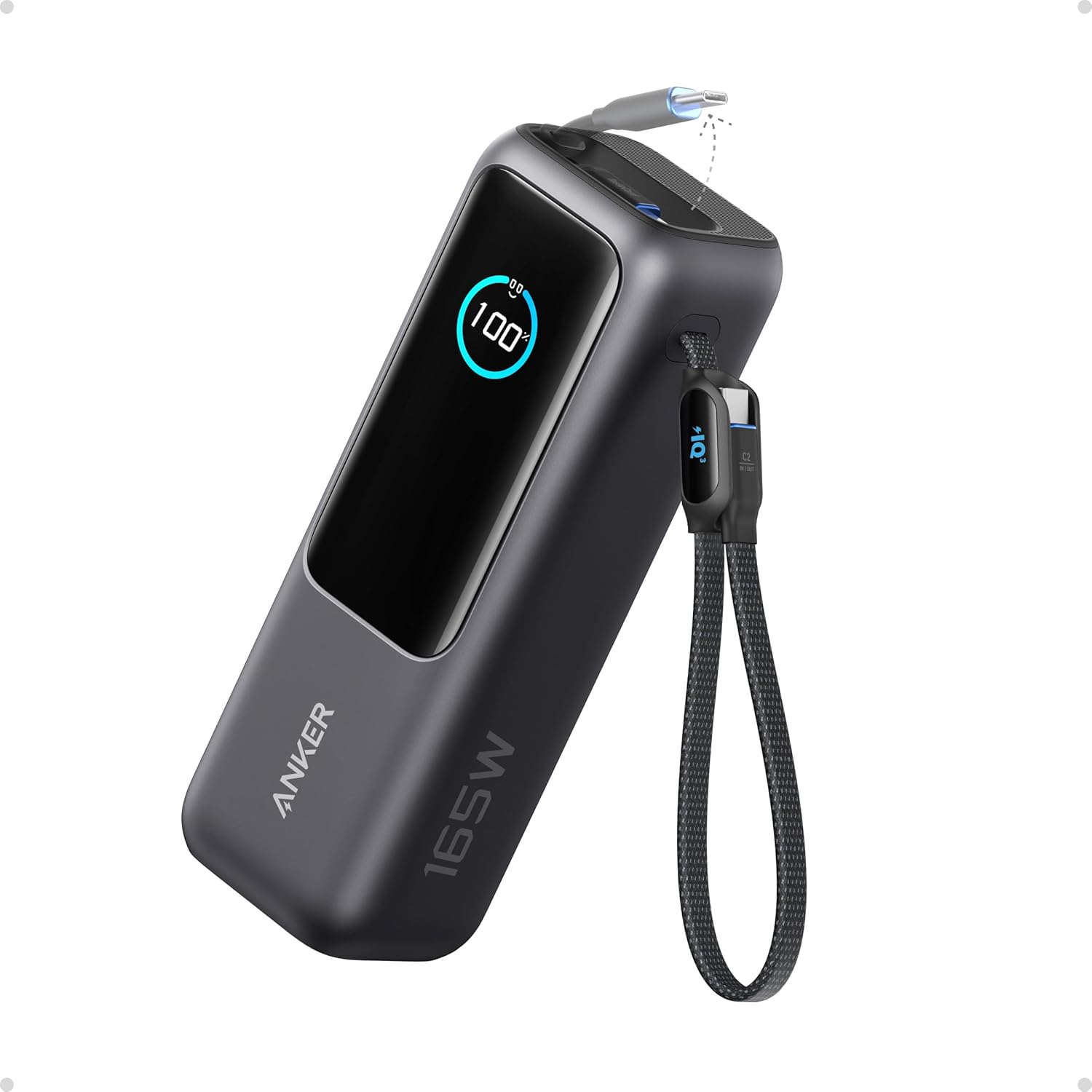
Remember the 72-hour upgrade trick? You can’t snag it if your phone is dead. Airports are getting better about outlets, but you can never rely on them (or trust them to work). This Anker charger is slim, powerful, and ensures you’re always ready to hit “confirm” on that deal or rebook when things go wrong.