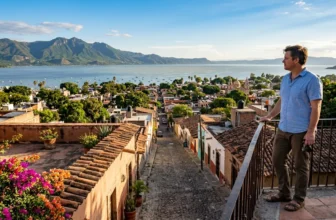
15 USA Towns With Free Land Programs Still Active in 2026 (How to Apply)

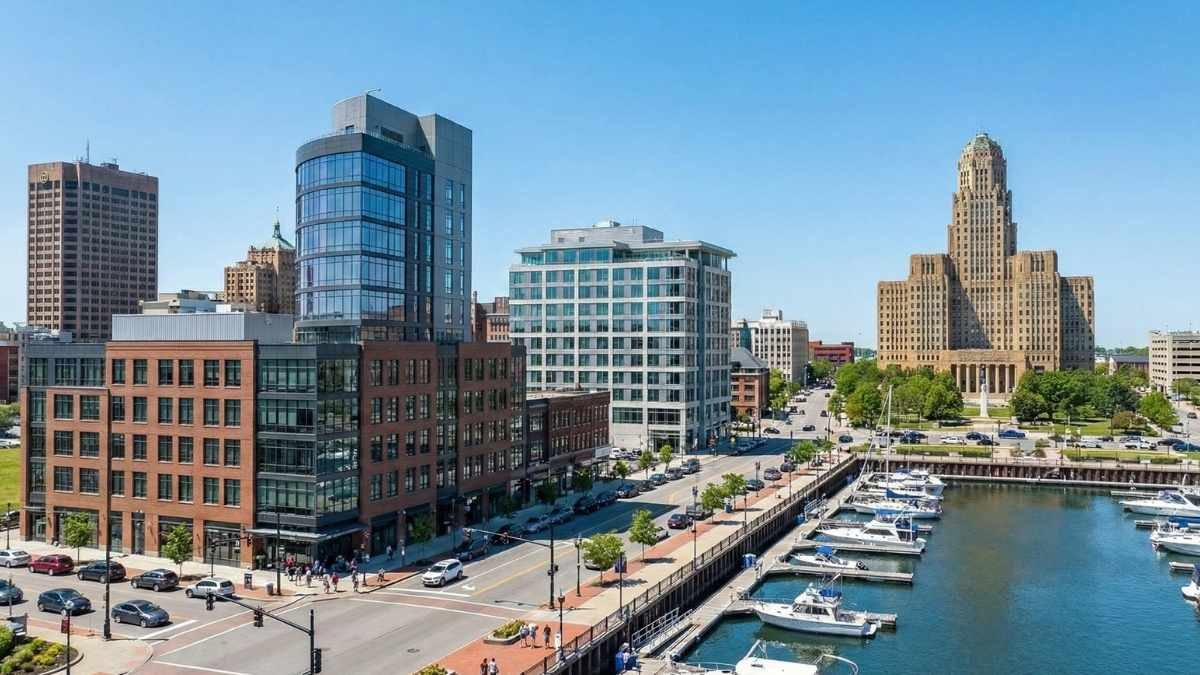
Owning land used to feel like a finish line reserved for people with perfect timing, perfect credit, and deep pockets. Lately, that idea has been quietly cracking. Across the country, overlooked communities are doing something bold—handing over land to people willing to show up, build, and stay.
Not gimmicks. Not giveaways with hidden traps. Real opportunities tied to real places that want a future. What makes this list compelling isn’t just the price tag of zero, but the variety of lifestyles hiding behind it: quiet resets, fresh starts, smart long-term bets. Stick around—some of these offers still feel almost unreal.
1. Marquette, Kansas
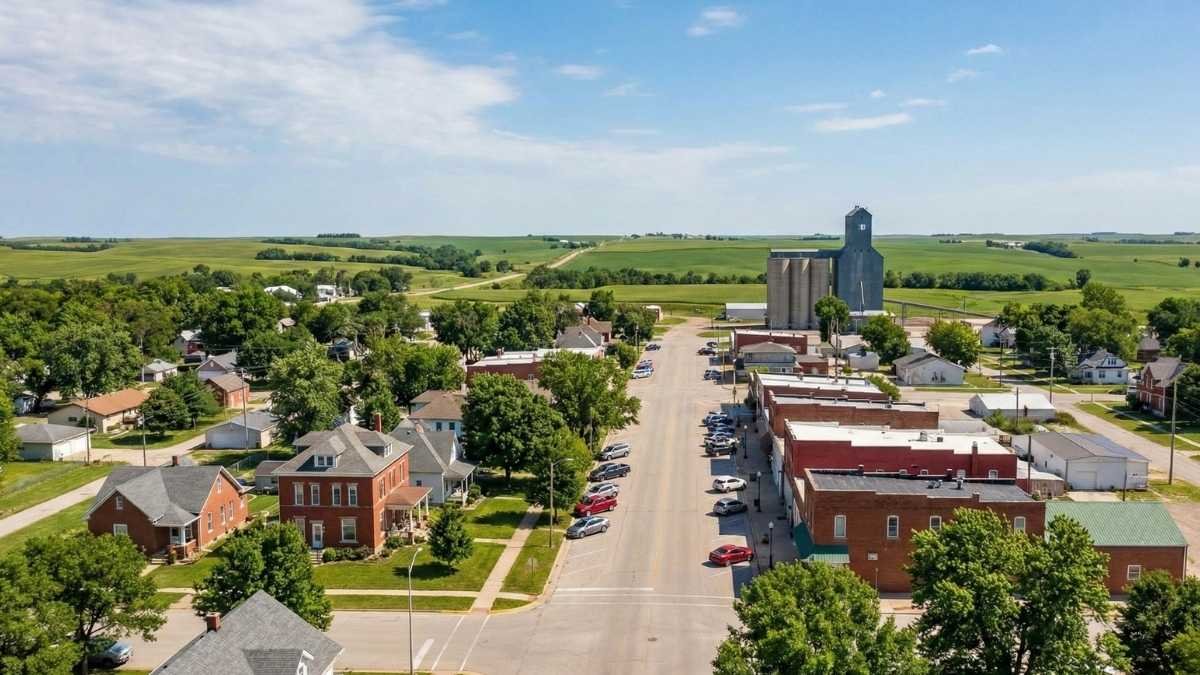
Marquette consistently earns the top spot because its free land program is straightforward, transparent, and genuinely welcoming. The town offers residential lots at no cost to people willing to build a primary home within a set timeframe. What makes Marquette stand out is how long this program has been running—it’s proven, not experimental, and locals are used to newcomers taking part.
Beyond the land itself, Marquette delivers a quiet, family-friendly lifestyle without feeling isolated. The town sits near scenic lakes and open prairie, making it ideal for people who want space, calm, and a slower rhythm without being completely cut off. Schools, basic healthcare, and community events keep daily life comfortable rather than bare-bones.
What really seals the deal is the supportive local government. Applications are handled directly through the city, rules are clearly outlined, and there’s no maze of confusing paperwork. If you’re serious about building a home instead of speculating, Marquette feels refreshingly honest.
Quick facts & useful details
- Best months to visit: April–June, September–October
- Who it’s best for: Families, retirees, remote workers
- Build requirement: Primary residence required within a deadline
- Cost beyond land: Utilities, permits, construction
- Vibe: Small-town, welcoming, low-pressure
2. Mankato, Kansas
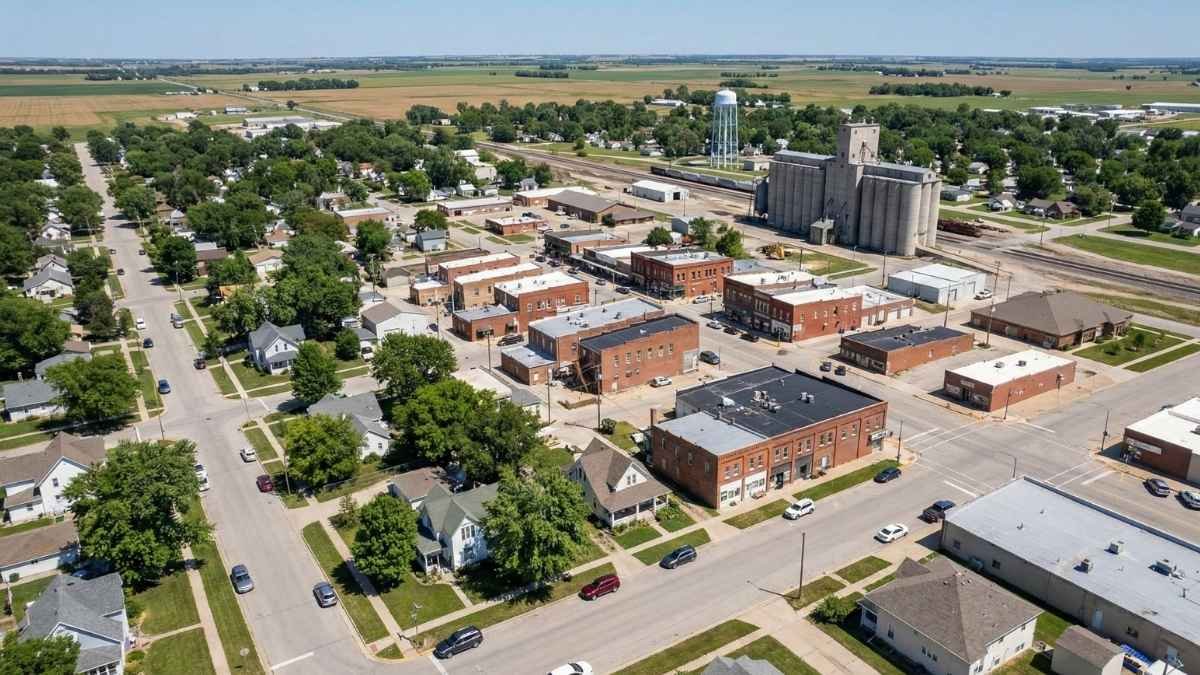
Mankato’s appeal lies in its larger lot sizes and flexible residential options. The town offers free lots to individuals who commit to building a home, and the plots are generous—something that’s increasingly rare even in rural America. If space matters to you, this town immediately feels like a win.
Life in Mankato is calm, predictable, and affordable. Housing costs remain low, property taxes are manageable, and everyday expenses don’t creep up unexpectedly. It’s the kind of place where neighbors still wave, and routines don’t feel rushed. That stability makes it attractive for people looking to settle long-term rather than flip property.
Another advantage is location practicality. Mankato isn’t remote to the point of inconvenience. You’re within reasonable driving distance of larger towns for shopping, healthcare, and work, which helps balance rural living with modern needs.
Quick facts & useful details
- Best months to visit: May–June, early October
- Who it’s best for: Builders wanting large lots, quiet living
- Build requirement: Residential construction timeline applies
- Cost beyond land: Site prep, utilities, building materials
- Vibe: Spacious, traditional, steady
3. Lincoln, Kansas
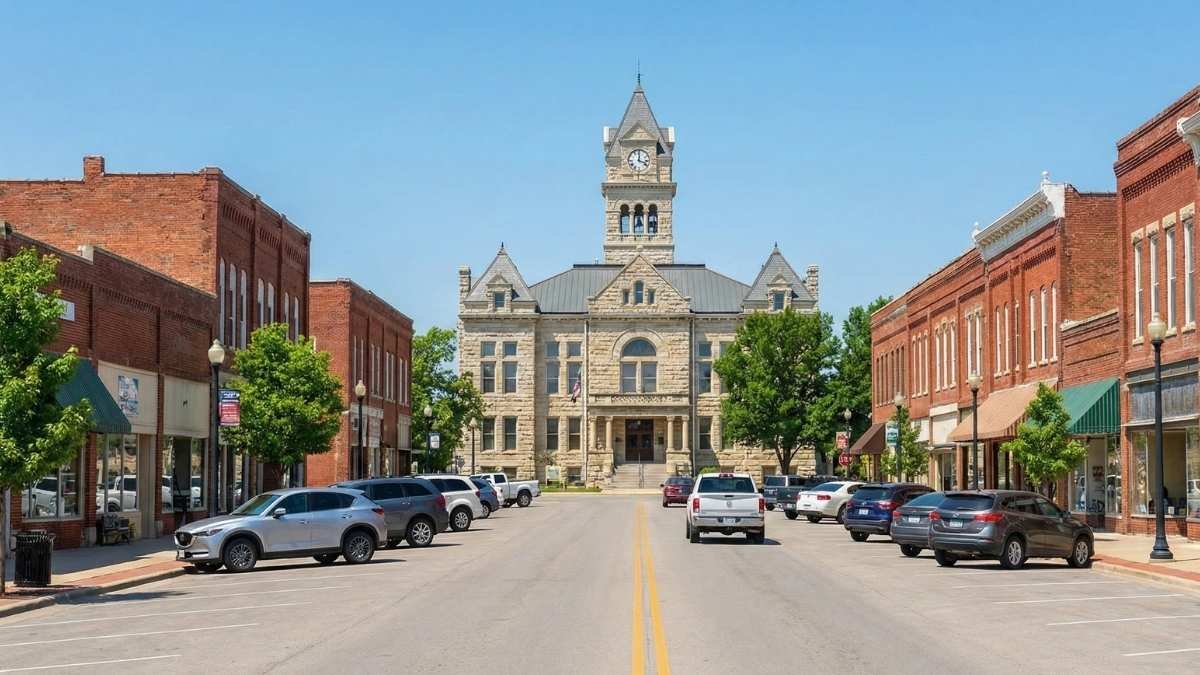
Lincoln offers free land through a structured development program that’s ideal for people who want clarity and predictability. The town sets clear building standards and timelines, which help avoid surprises later. For many applicants, that level of organization is reassuring rather than restrictive.
The town itself feels polished for its size. Lincoln has invested in parks, walking trails, and community infrastructure, giving it a more refined small-town atmosphere. It’s quiet without feeling sleepy, and the downtown area has enough activity to keep things from feeling stagnant.
Lincoln also works well for people transitioning from city life. You still get space and affordability, but without sacrificing access to schools, healthcare, and community amenities. It’s a softer landing for anyone nervous about going fully rural.
Quick facts & useful details
- Best months to visit: April–June, September
- Who it’s best for: First-time builders, downsizers
- Build requirement: Approved plans and completion timeline
- Cost beyond land: Construction, inspections, hookups
- Vibe: Organized, clean, quietly active
4. Elwood, Nebraska
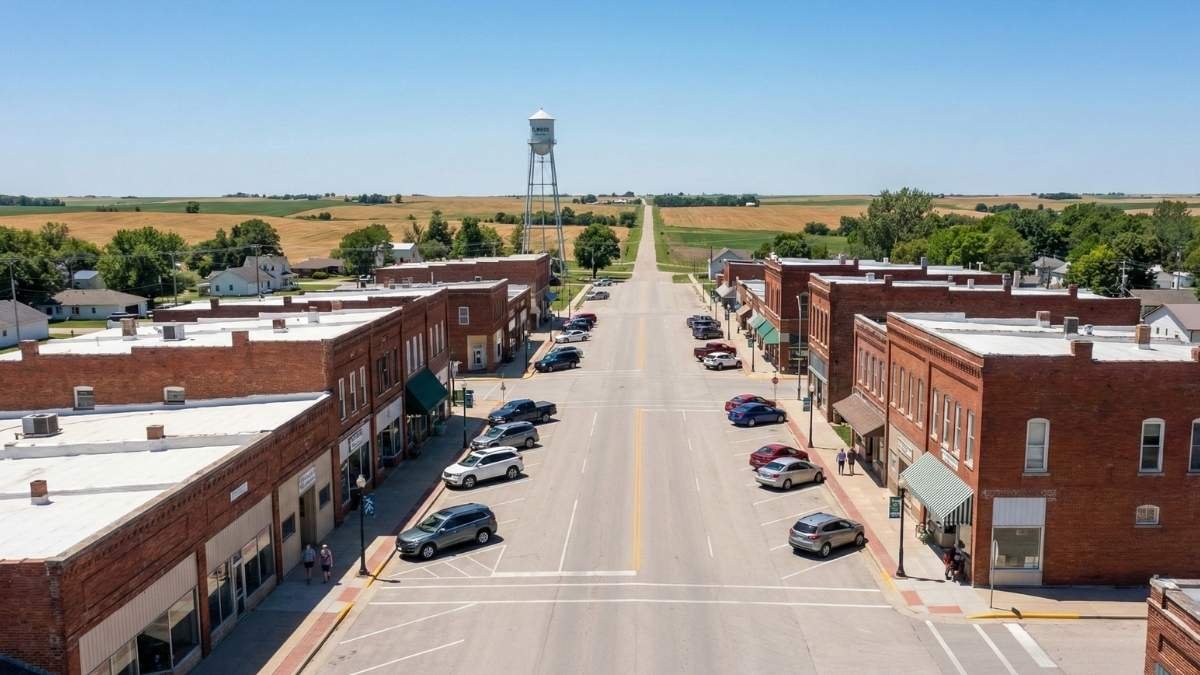
Elwood stands out because its free land program is paired with economic development incentives, not just housing goals. The town wants residents who plan to stay, contribute, and build roots—not just claim land. That mindset creates a more engaged community.
The pace of life here is slow in a good way. There’s a sense of balance between work, family, and downtime that’s hard to find in larger cities. Outdoor space is plentiful, and daily life feels uncluttered—both physically and mentally.
Another plus is Nebraska’s broader support for rural growth. Infrastructure, road access, and utilities are solid, which makes building less stressful than in some remote areas. Elwood feels like a place where planning actually pays off.
Quick facts & useful details
- Best months to visit: May–June, September
- Who it’s best for: Long-term settlers, small families
- Build requirement: Owner-occupied home required
- Cost beyond land: Utility connections, building costs
- Vibe: Grounded, practical, community-focused
5. Beatrice, Nebraska
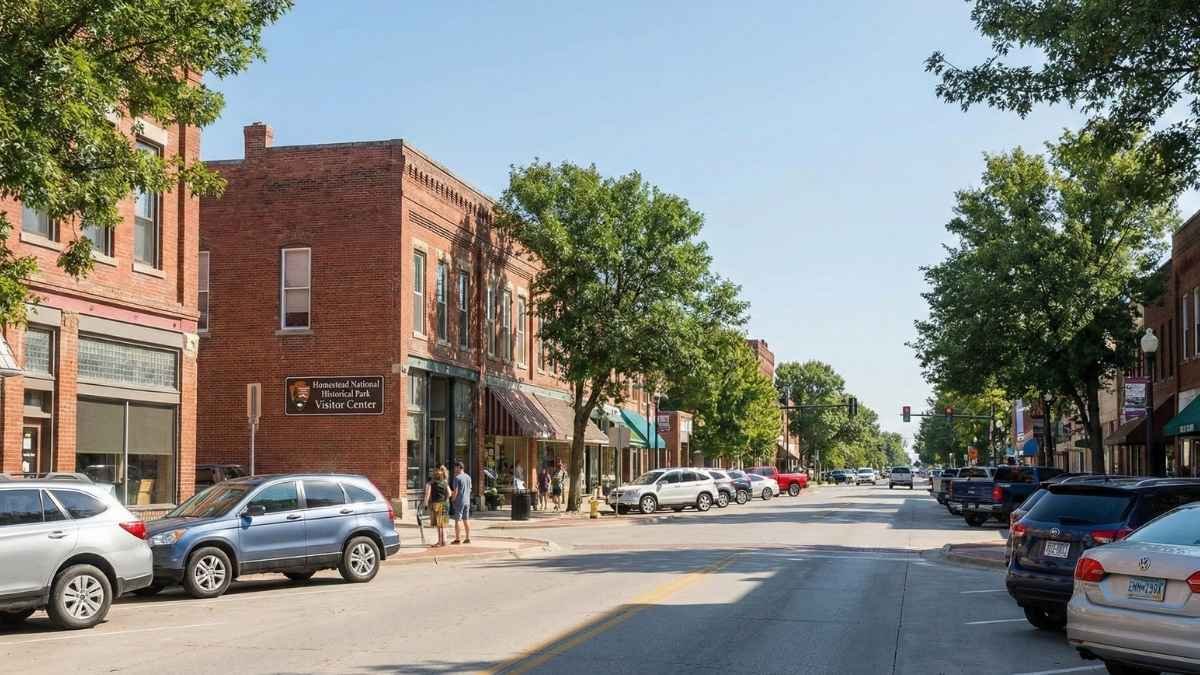
Beatrice offers free land as part of a broader push to revitalize residential neighborhoods. Compared to smaller towns, Beatrice feels more established, with better access to healthcare, schools, and retail. It’s a good middle ground for people who want incentives without giving up convenience.
The town has a strong sense of identity, shaped by history and civic pride. Community events, local businesses, and public spaces make it easier to feel connected rather than anonymous. That social fabric matters more than most people expect once they actually move.
Beatrice also benefits from being less risky for newcomers. The economy is more diversified, job options are broader, and resale potential is stronger than in tiny towns. It’s not just free land—it’s a safer long-term bet.
Quick facts & useful details
- Best months to visit: April–June, September–October
- Who it’s best for: Families, career-focused movers
- Build requirement: New construction in designated areas
- Cost beyond land: Permits, construction, utilities
- Vibe: Established, balanced, livable
6. Osborne, Kansas
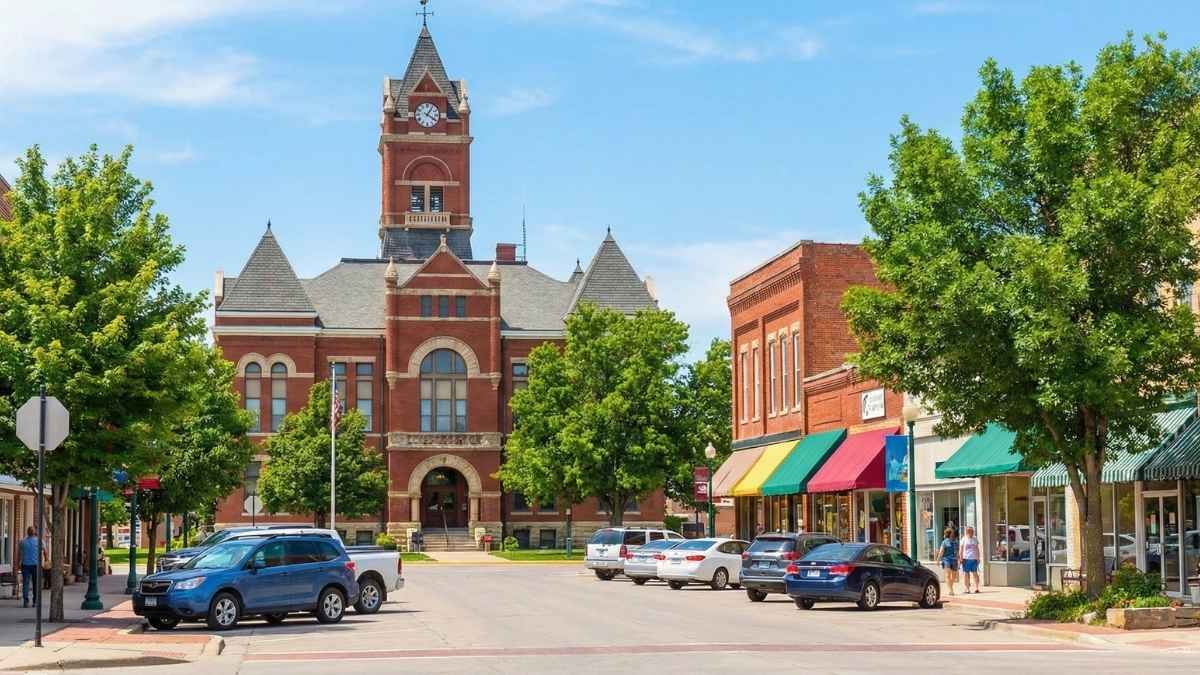
Osborne appeals to people who want structure without rigidity. Its free land program is tied to realistic and clearly communicated residential development goals. The town isn’t trying to rush growth—it’s aiming for steady, thoughtful expansion, which makes the experience less stressful for applicants.
The town itself feels grounded and lived-in. Local schools, parks, and everyday services are already in place, so newcomers aren’t arriving to a half-built environment. That stability matters when you’re committing to building a home rather than testing the waters.
Osborne also benefits from a strong sense of local pride. Residents are invested in the town’s future, which shows up in community events and well-maintained public spaces. It’s the kind of place where people notice when you arrive—and help you settle in.
Quick facts & useful details
- Best months to visit: April–June, September
- Who it’s best for: Families, long-term planners
- Build requirement: Owner-occupied home within a set timeline
- Cost beyond land: Construction, utility hookups
- Vibe: Stable, welcoming, quietly confident
7. Plainville, Kansas
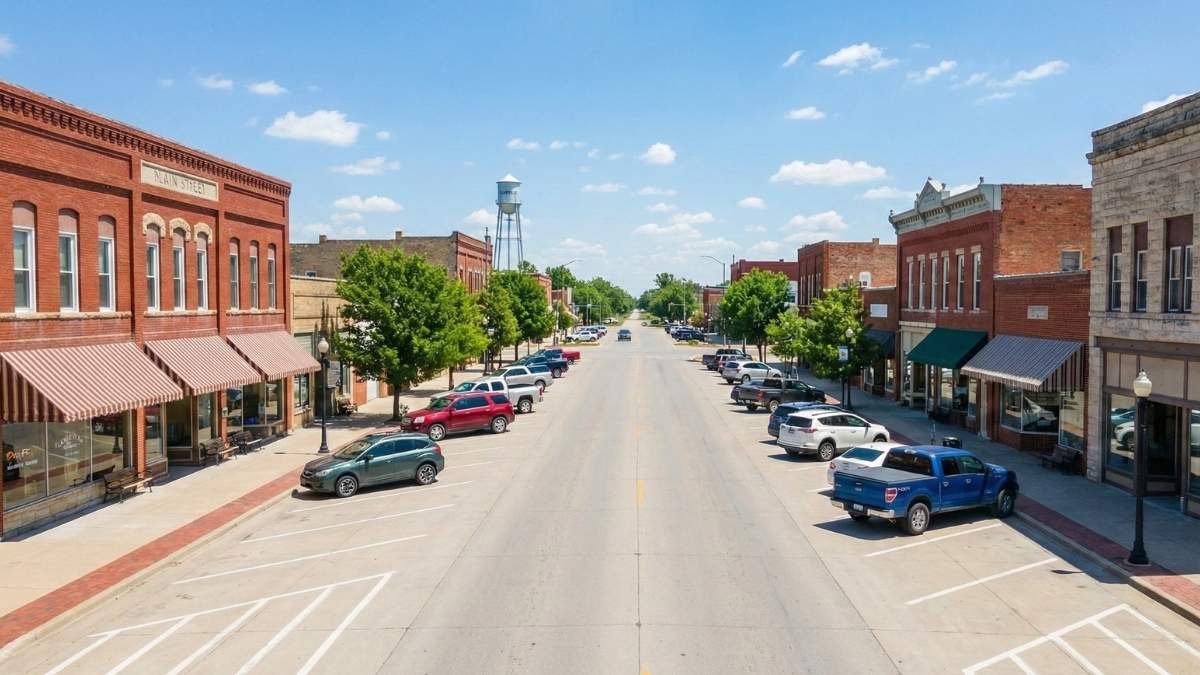
Plainville’s free land program works well for people who value simplicity and breathing room. The town offers residential lots designed for single-family homes, with clear expectations and minimal red tape. Nothing flashy—just a practical opportunity.
Daily life here feels refreshingly uncomplicated. Traffic is nonexistent, costs stay predictable, and routines aren’t constantly interrupted. That simplicity is exactly what draws people in, especially those stepping away from high-cost or high-pressure environments.
Another advantage is Plainville’s regional accessibility. While small, it’s connected well enough to nearby towns for work, healthcare, and shopping. You get the calm of rural living without feeling stranded.
Quick facts & useful details
- Best months to visit: May–June, early October
- Who it’s best for: Minimalists, retirees, remote workers
- Build requirement: Residential construction within the deadline
- Cost beyond land: Building, permits, utilities
- Vibe: Straightforward, quiet, low-friction
8. Curtis, Nebraska
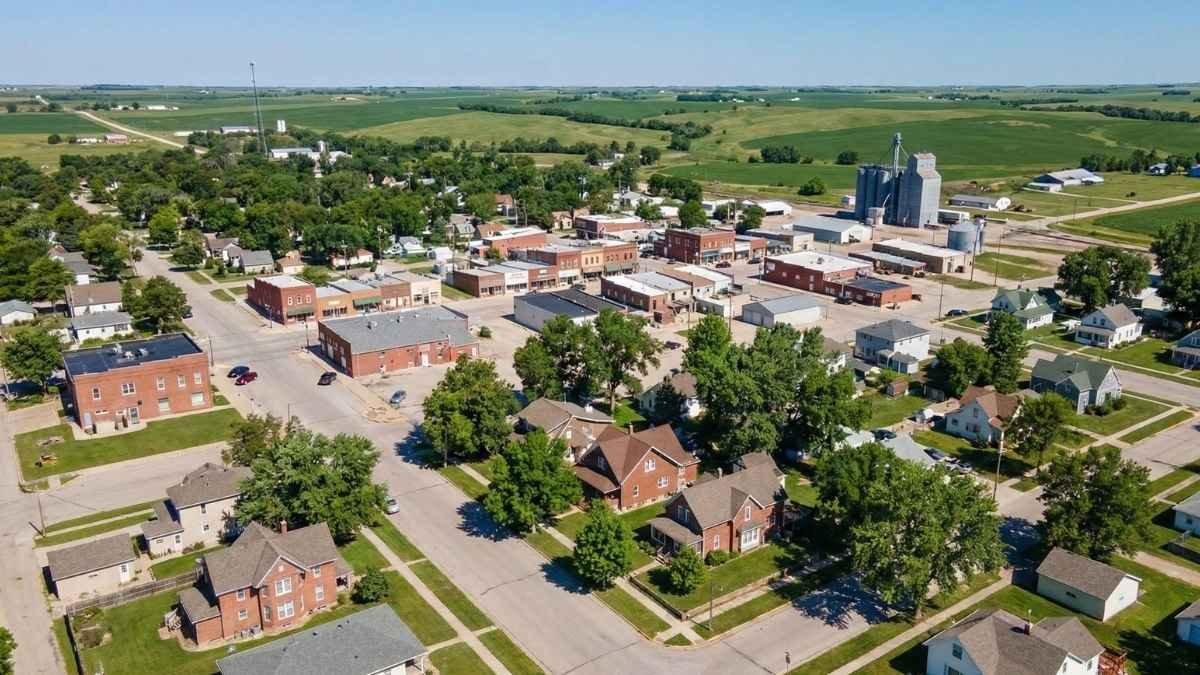
Curtis brings a slightly different energy thanks to its educational presence and local institutions. The free land program is part of a broader plan to attract residents who want to be active participants in the community, not just homeowners.
The town feels lively for its size. There’s a steady flow of activity, local events, and civic involvement that keeps Curtis from feeling stagnant. It’s a good fit for people who want rural affordability without a sleepy atmosphere.
Curtis also offers a strong infrastructure for a small town, which helps keep building projects on track. Roads, utilities, and municipal services are reliable—something that often gets overlooked until construction begins.
Quick facts & useful details
- Best months to visit: April–June, September
- Who it’s best for: Young families, community-oriented buyers
- Build requirement: Owner-occupied home required
- Cost beyond land: Site prep, construction
- Vibe: Active, connected, purposeful
9. Loup City, Nebraska
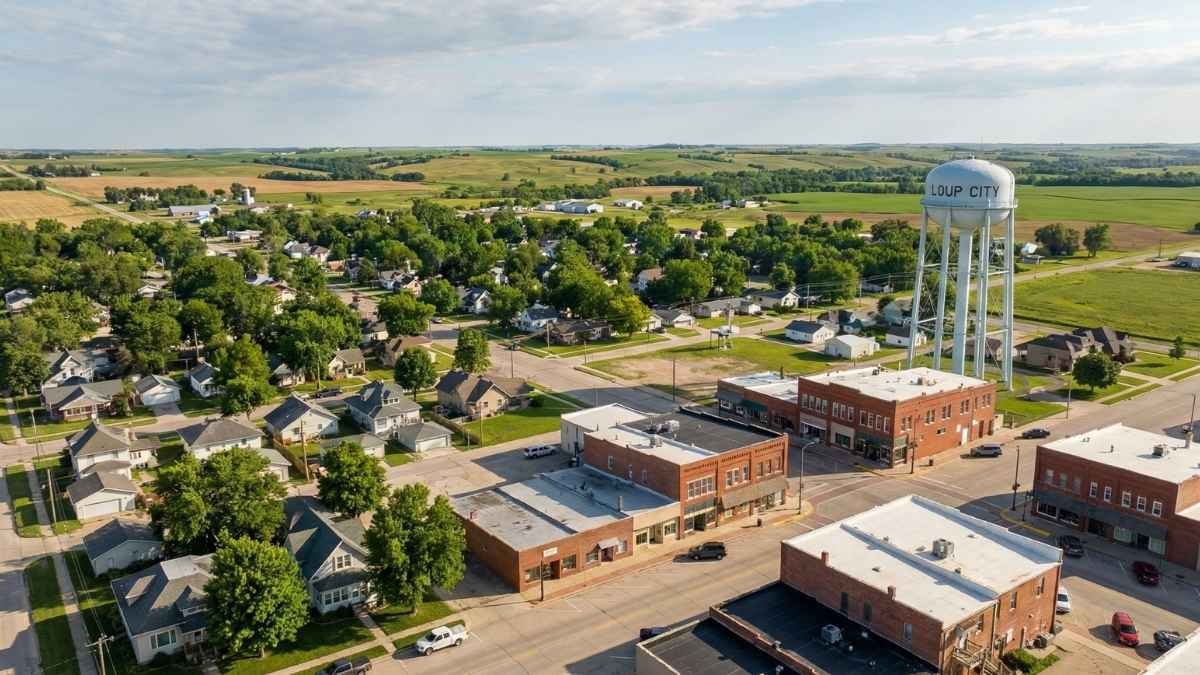
Loup City stands out for people drawn to nature-forward living. The town sits near outdoor recreation areas, trails, and open landscapes, making it appealing for those who want daily access to fresh air and wide horizons.
The free land program is aimed at strengthening residential neighborhoods, not rapid growth. That slower pace works in your favor—expect clear communication and reasonable expectations rather than rushed timelines.
Living here feels peaceful without being isolating. Community ties are strong, and new residents are quickly noticed and included. It’s the kind of town where routines settle in easily, and distractions stay minimal.
Quick facts & useful details
- Best months to visit: May–June, September
- Who it’s best for: Nature lovers, quiet-lifestyle seekers
- Build requirement: New home construction within a set period
- Cost beyond land: Utilities, materials, labor
- Vibe: Calm, scenic, grounded
10. New Richland, Minnesota
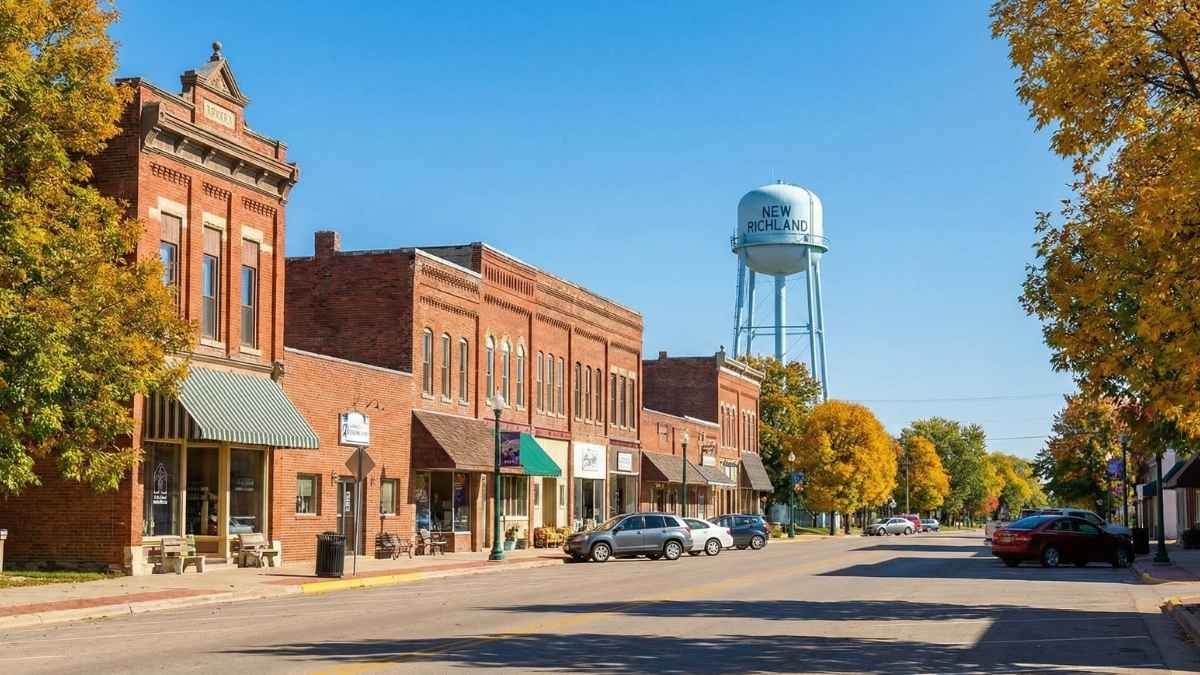
New Richland offers a compelling option for those who want free land paired with a more northern, four-season lifestyle. The town’s program focuses on encouraging permanent residents who are ready to commit to building and staying.
The town feels orderly and intentional. Streets are well-kept, neighborhoods are established, and public services run smoothly. It’s a place where planning matters—and where that planning pays off in daily comfort.
New Richland also benefits from Minnesota’s reputation for strong local governance and community investment. Schools, healthcare access, and civic services are reliable, which makes the transition easier for families and professionals alike.
Quick facts & useful details
- Best months to visit: June–August, early October
- Who it’s best for: Families, cold-climate lovers
- Build requirement: Primary residence construction required
- Cost beyond land: Construction, winterization considerations
- Vibe: Organized, steady, community-minded
11. Middle River, Minnesota
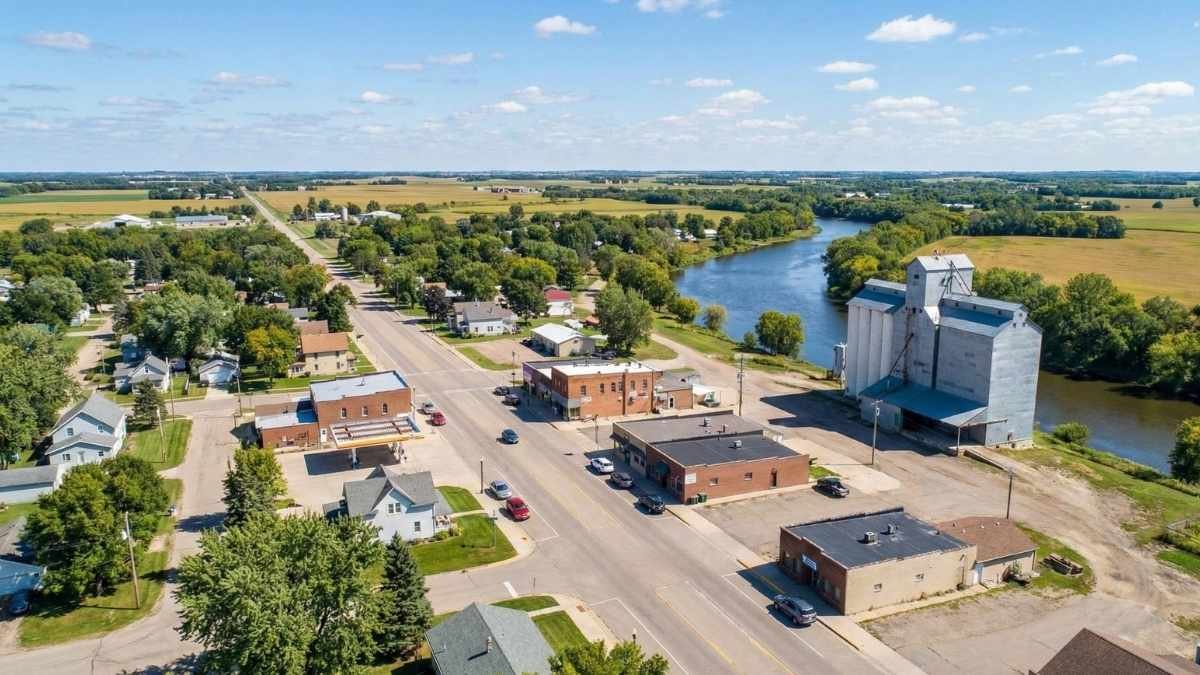
Middle River feels like a town that knows exactly who it’s for. The free land program is designed to attract people who are ready to commit, not just browse opportunities. Residential lots are offered with clear expectations, and the process tends to move smoothly for applicants who come prepared.
Life here leans heavily toward simplicity. The town is small, quiet, and shaped by agriculture and open land. That calm isn’t accidental—it’s the point. People who thrive here tend to value routine, space, and the absence of constant noise more than entertainment on every corner.
Despite its size, Middle River maintains essential services and a surprisingly tight-knit social fabric. New residents don’t stay “new” for long, which helps the town feel less like a project and more like a place to belong.
Quick facts & useful details
- Best months to visit: June–August
- Who it’s best for: Rural lifestyle seekers, long-term settlers
- Build requirement: Owner-occupied home within a set timeline
- Cost beyond land: Construction, utilities
- Vibe: Quiet, grounded, intentional
12. Claremont, Minnesota
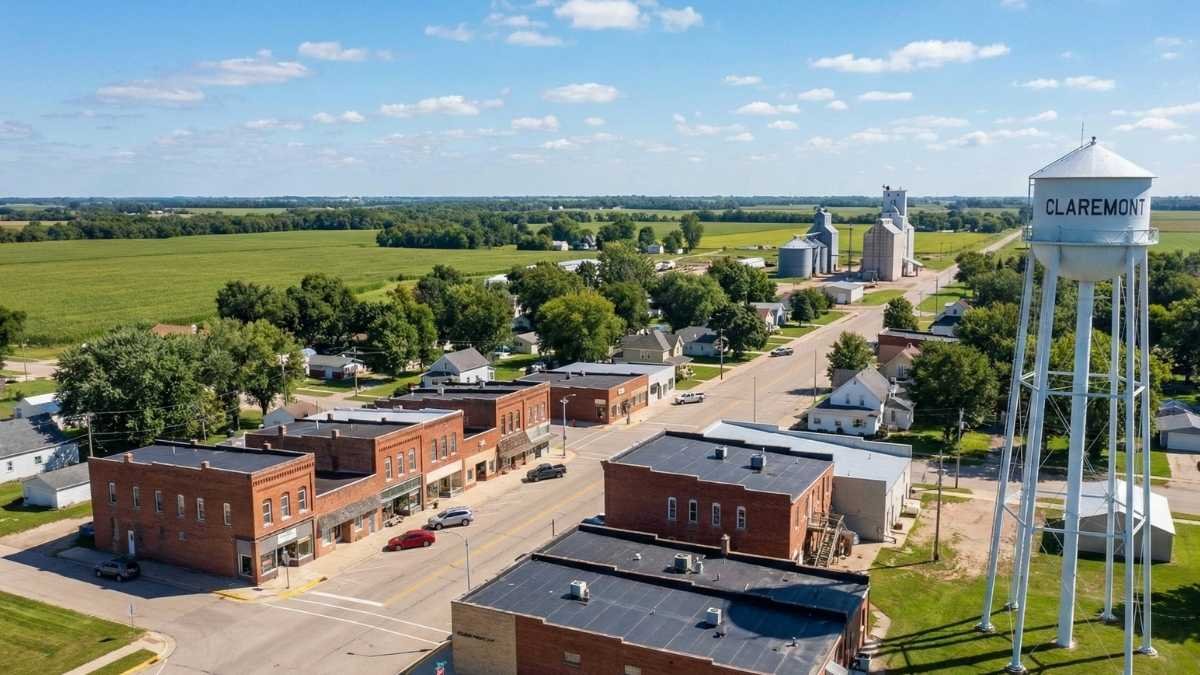
Claremont offers free land through a program focused on neighborhood infill and steady growth, not expansion for expansion’s sake. The town wants homes built, streets filled, and communities strengthened—an approach that feels thoughtful rather than rushed.
The town itself strikes a comfortable balance. It’s small, but not empty. Local schools, shops, and services give daily life enough structure without overwhelming it. For many people, Claremont feels manageable in the best way—easy to learn, easy to settle into.
What stands out most is how orderly and well-kept everything feels. From roads to public spaces, there’s a sense of care that makes the idea of building here feel like a safe, long-term choice rather than a gamble.
Quick facts & useful details
- Best months to visit: May–September
- Who it’s best for: Families, planners, downsizers
- Build requirement: New residential construction required
- Cost beyond land: Permits, building, utilities
- Vibe: Neat, practical, quietly welcoming
13. Manila, Iowa
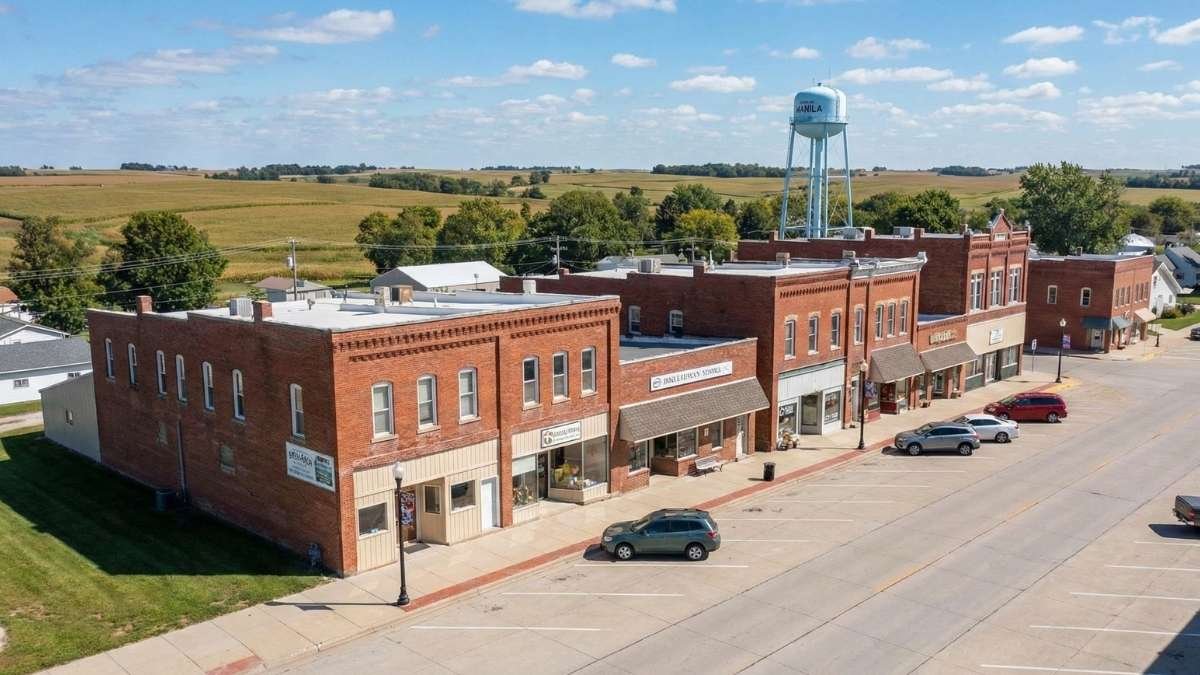
Manila’s free land program is part of a broader effort to revitalize residential neighborhoods, and it shows. The town has been intentional about attracting homeowners who plan to live there, not just build and move on.
There’s a comfortable familiarity to Manila. The town has history, established neighborhoods, and a pace that feels lived-in rather than slowed down. It’s not flashy, but it’s dependable—and that reliability makes a difference when you’re starting from scratch.
Another strength is affordability beyond the land itself. Construction, utilities, and property taxes remain reasonable, which helps keep long-term costs under control. For budget-conscious builders, that matters just as much as the free lot.
Quick facts & useful details
- Best months to visit: April–June, September
- Who it’s best for: Budget-focused builders, small families
- Build requirement: Owner-occupied home
- Cost beyond land: Building and infrastructure costs
- Vibe: Familiar, affordable, steady
14. Flagler, Colorado
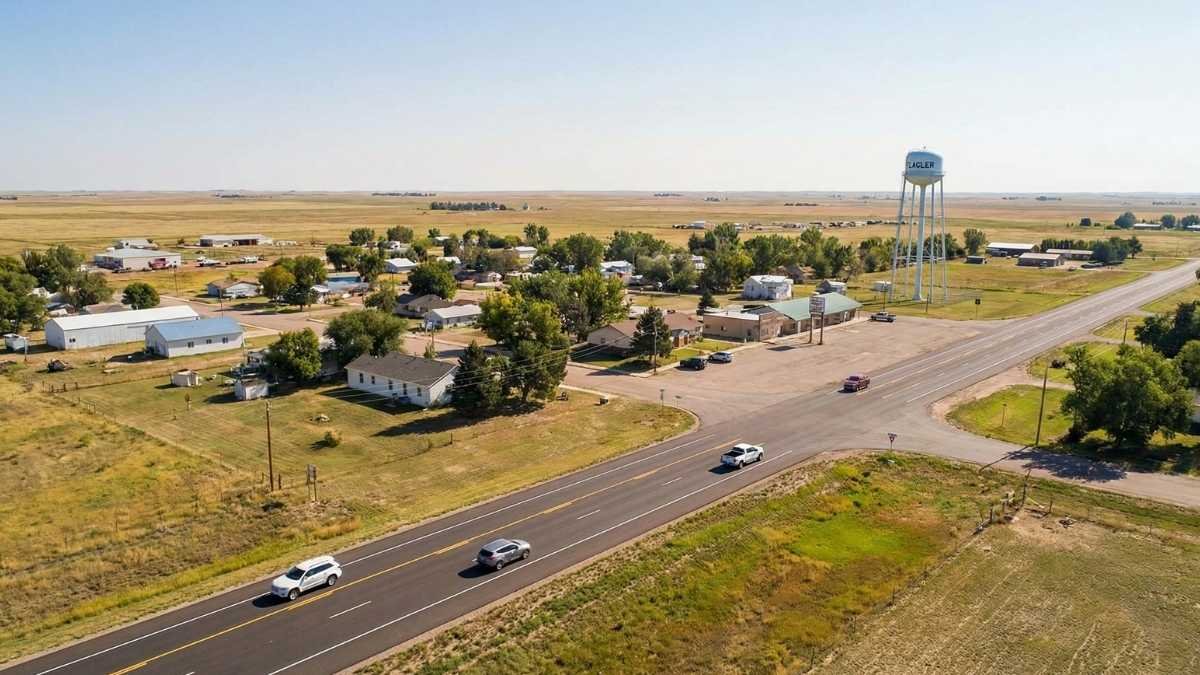
Flagler offers something a little different. While much of its free land program focuses on commercial and mixed-use development, residential opportunities still exist for those willing to align with the town’s long-term vision.
The setting is distinctly open and expansive. Wide skies, flat land, and a sense of distance define daily life here. For some, that’s a challenge. For others, it’s exactly the draw—space to think, build, and breathe without crowding.
Flagler is best suited for people who see opportunity where others see quiet. If you’re open to blending residential life with business potential, or you want room to grow beyond a traditional setup, this town offers unusual flexibility.
Quick facts & useful details
- Best months to visit: May–June, September
- Who it’s best for: Entrepreneurs, flexible planners
- Build requirement: Varies by parcel type
- Cost beyond land: Development, utilities, zoning compliance
- Vibe: Open, unconventional, opportunity-driven
15. Buffalo, New York
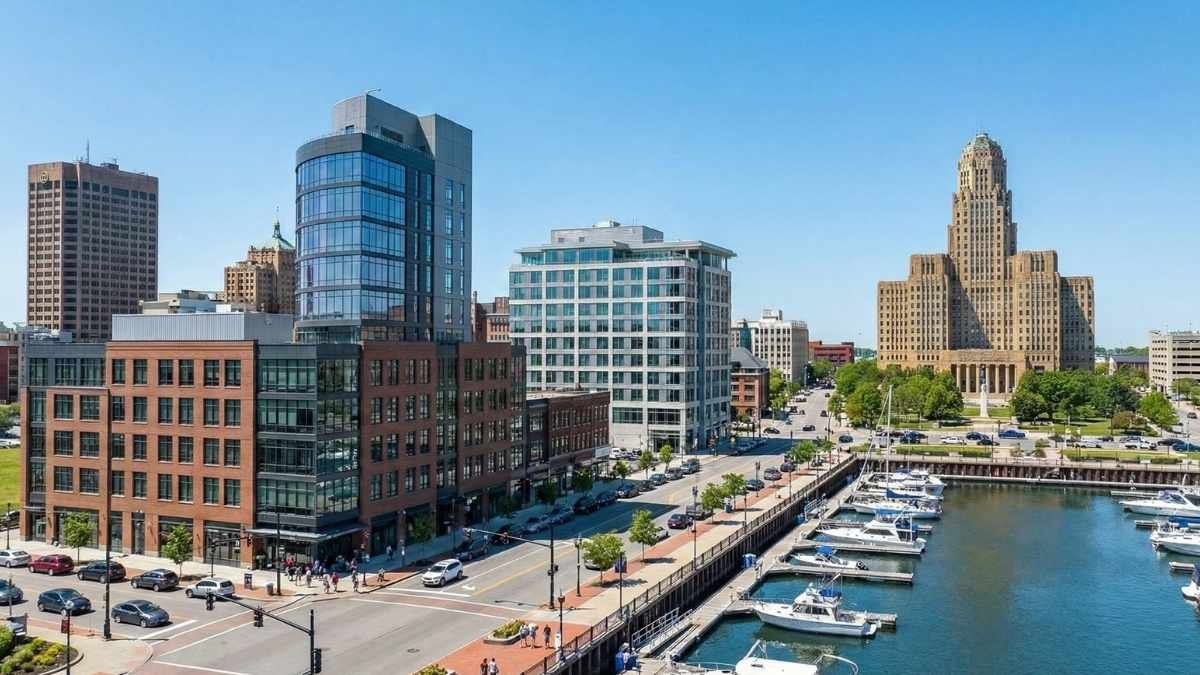
Buffalo rounds out the list as the most urban option, offering free or deeply discounted land through its Urban Homestead Program. Instead of raw lots, the focus is often on vacant city-owned properties meant for redevelopment.
This option isn’t for everyone. It comes with stricter requirements, renovation obligations, and tighter timelines. But for the right person, Buffalo offers something rare—free land in a city with established infrastructure, cultural depth, and economic momentum.
Buffalo feels like a comeback story still in motion. Neighborhood by neighborhood, investment is returning, and homeowners willing to put in the work can become part of that transformation rather than watching it from the sidelines.
Quick facts & useful details
- Best months to visit: May–September
- Who it’s best for: Urban renovators, experienced buyers
- Build requirement: Renovation or new construction mandated
- Cost beyond land: Rehab, permits, compliance
- Vibe: Urban, historic, revival-focused