15+ Camper Van Exteriors With Roof Decks and Awning Setups

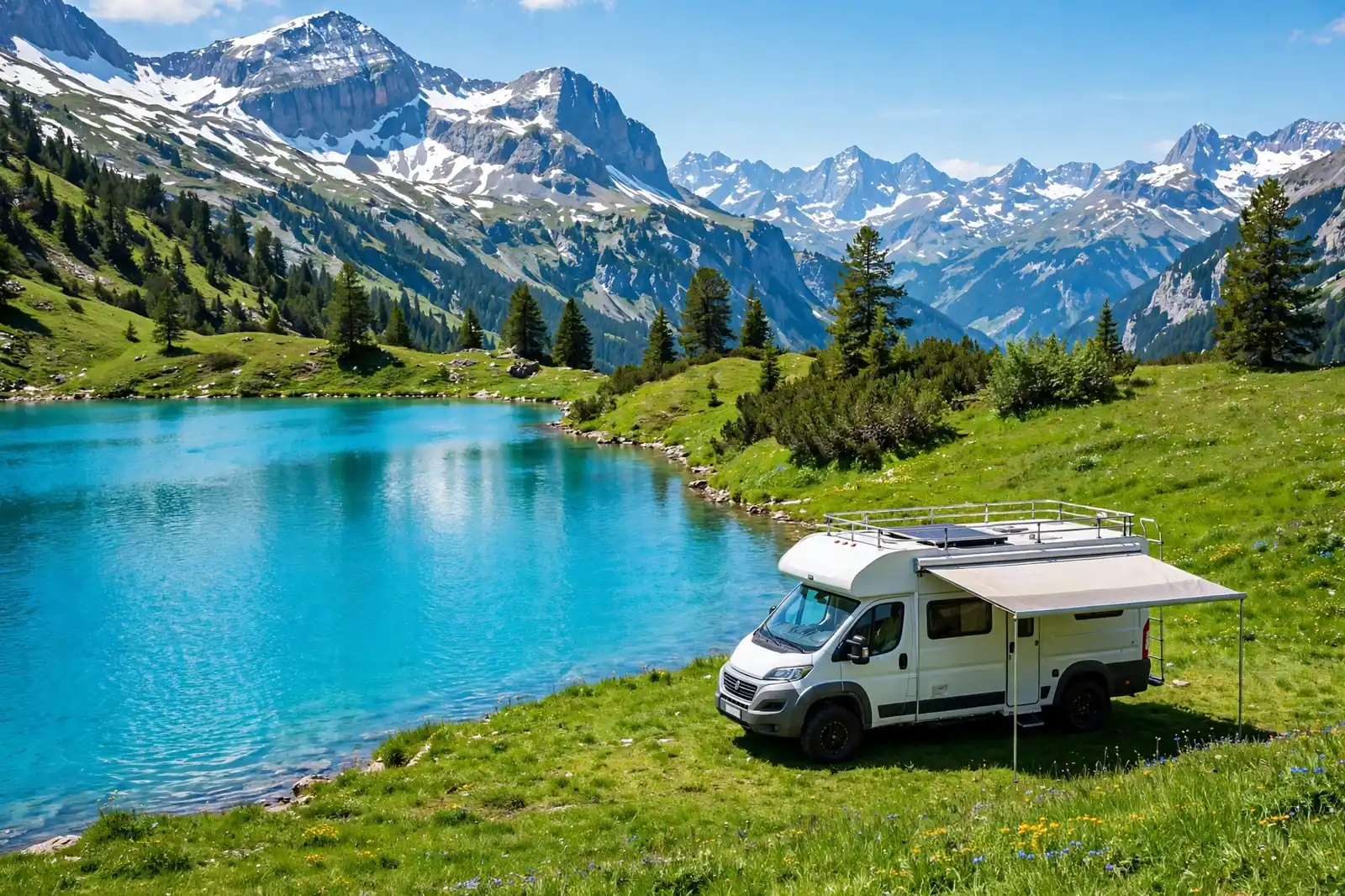
The roof is the most underused square footage on any camper van. It just sits there, catching sun, while you squeeze your whole life into the box below. A roof deck or a good awning setup changes that completely. Suddenly you have a second-story patio, a shady outdoor kitchen, or a bug-free dining room.
This collection gathers fifteen real-world builds that put the outside of the van to work. Some are full rooftop decks with railings and ladders. Others are clever awning rigs with kitchens, showers, and screen rooms. Every one is physically plausible, built on vans you can actually buy, and designed for the kind of camping most of us really do.
As you browse, keep one number in mind: your van’s roof weight rating. We will come back to it more than once.
1. Summit Rail Deck
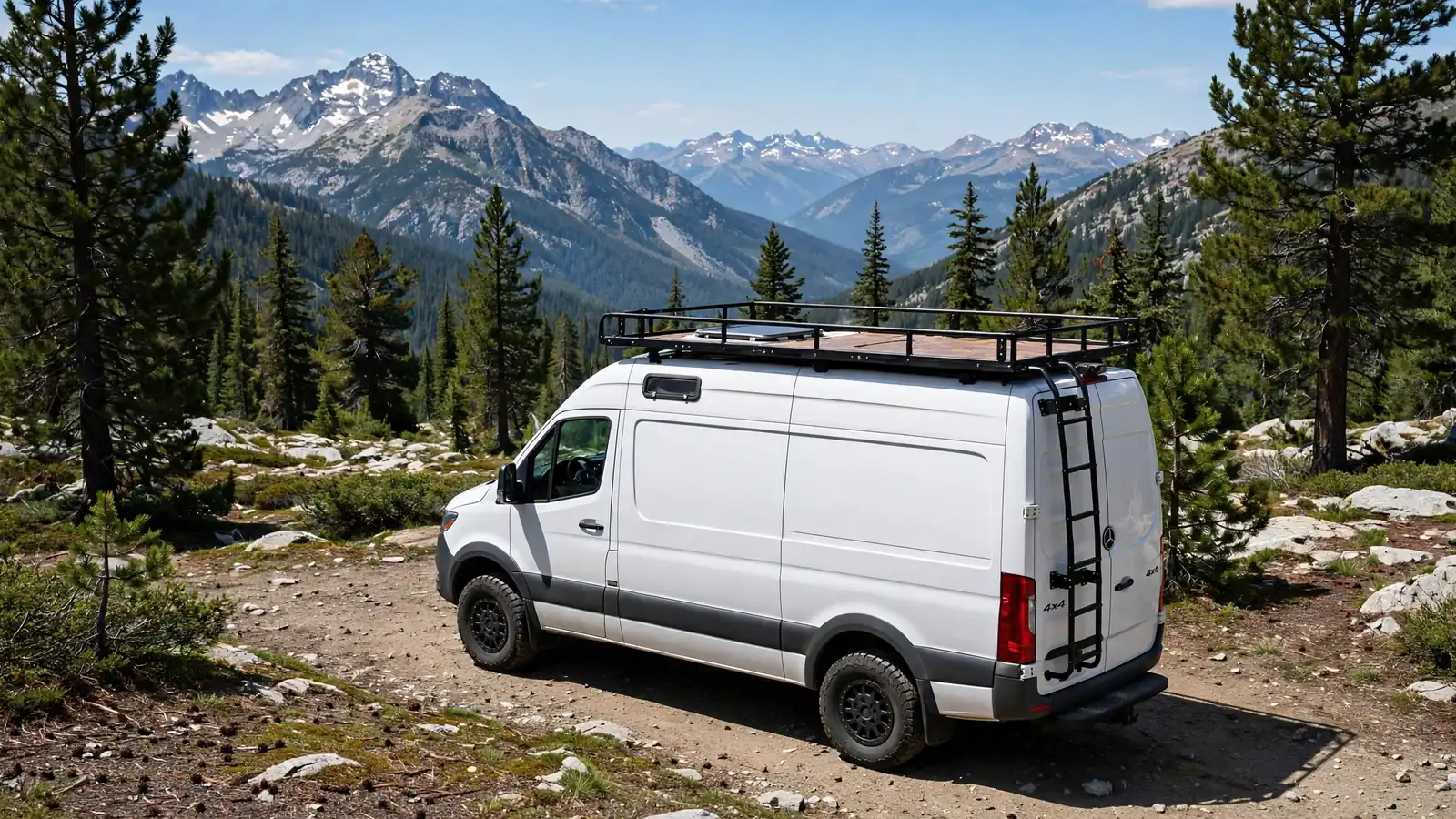
A full-length deck turns the biggest dead space on a Sprinter into a second-story patio. The black steel railing sits on a reinforced roof rack that spreads the load across the factory mounting points. Access comes from a bolt-on rear ladder plus a roof hatch, so you can climb up from inside or out.
Up top you get sunrise coffee above the treeline and a stargazing platform at night. Keep the deck flooring light. Aluminum slats or sealed marine plywood add far less weight than composite boards, and every pound up there counts twice.
This build suits mountain campers who chase views. If your favorite campsites are forest roads with big skies, a rail deck earns its keep every single evening.
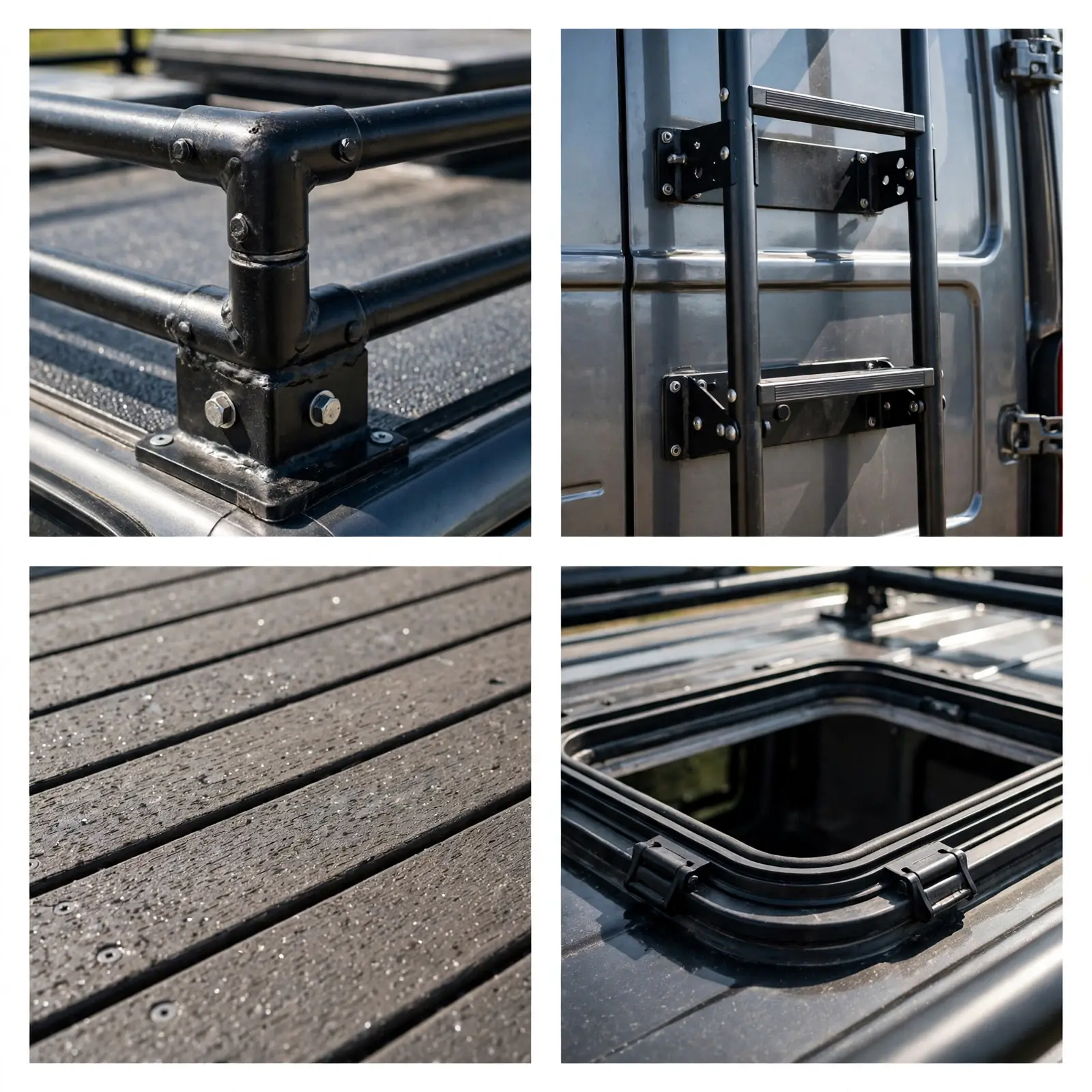
Check your van’s dynamic roof rating before you build. Most full-size vans are rated around 300 pounds while driving. That number covers the rack, the deck, and everything on it. Parked, the roof holds far more, but the driving number is what the manufacturer warranties.
2. Batwing 270
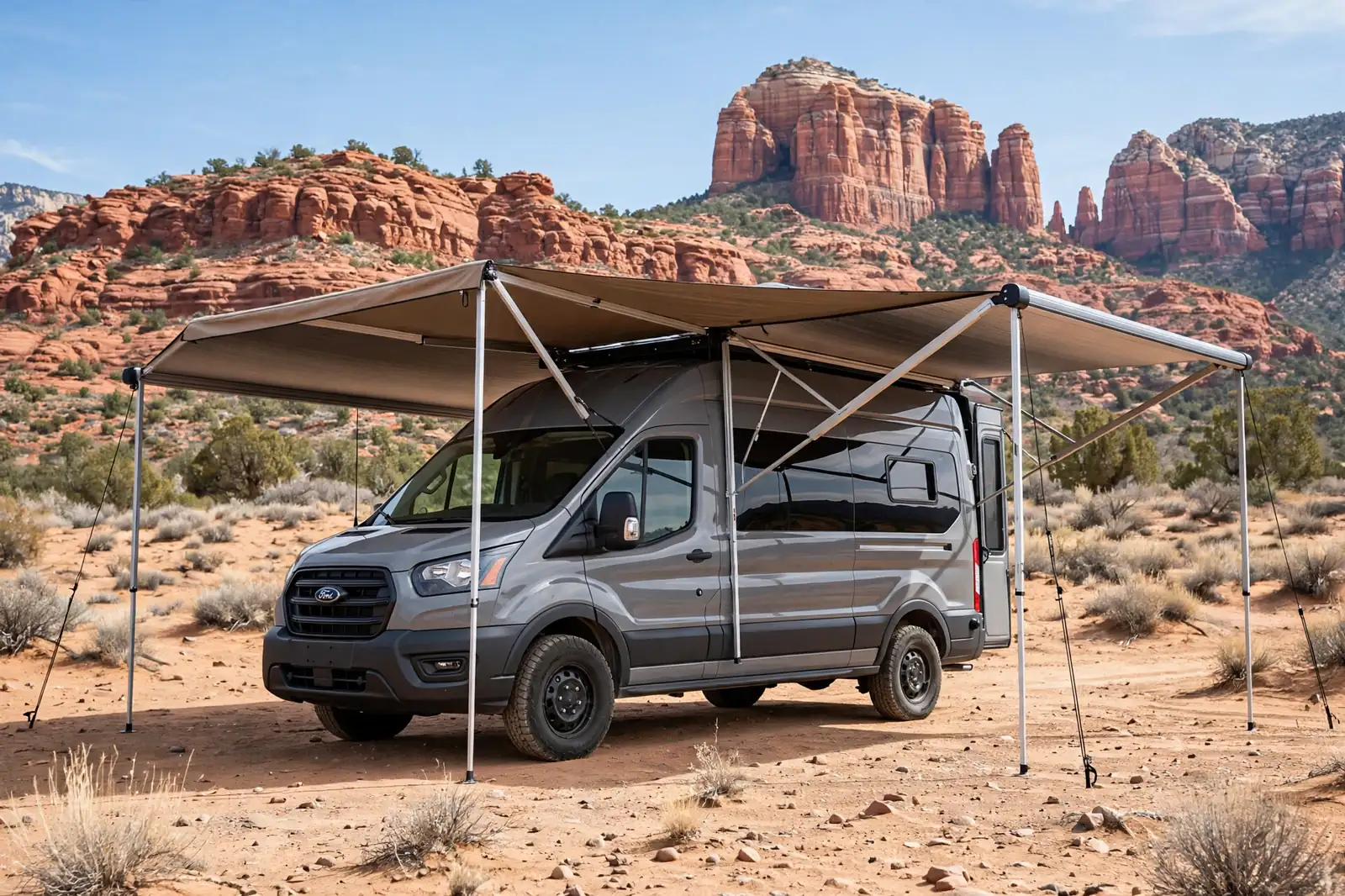
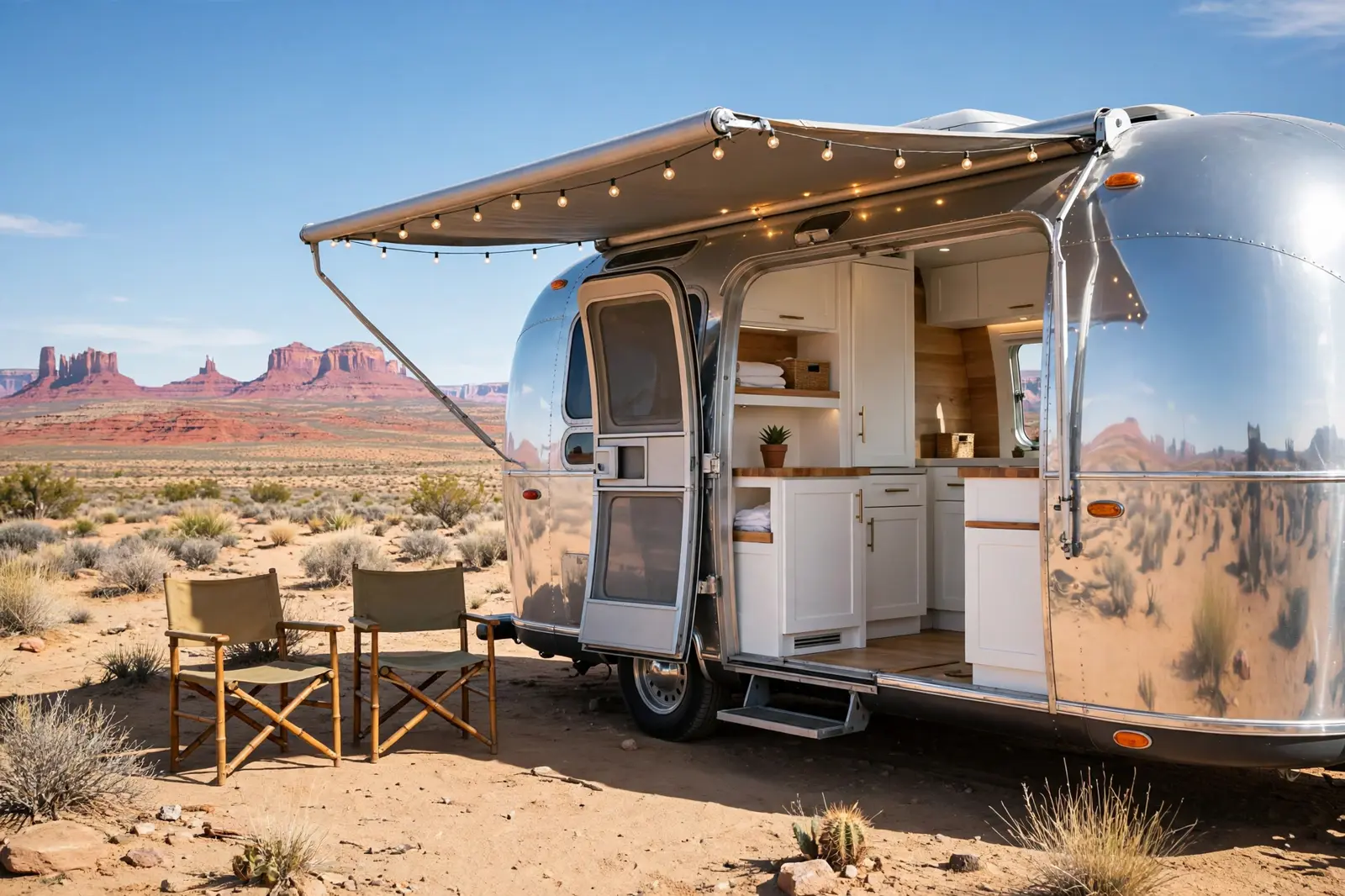
A 270-degree awning swings out from the rear corner and wraps along the side of the van. That is nearly three times the shade of a straight pull-out awning. The pivot arm bolts to the roof rack, and two or three telescoping legs stake into the ground.
Setup takes one person about five minutes once you have done it twice. In the desert, this is the difference between hiding inside at noon and cooking lunch in full shade. The wraparound shape also blocks the low-angle morning and evening sun that straight awnings miss.
Batwings cost more than basic awnings, but they replace a separate canopy tent. One piece of gear, one setup, shade all day.

Wind is the enemy of any big awning. A batwing catches air like a sail, so always stake every leg and add guy lines when the breeze picks up. Most makers rate their awnings to about 25 miles per hour. Above that, roll it in. A bent arm costs far more than one shady afternoon.
3. Cab-Over Sun Deck

A cab-over deck uses the roof above the driver’s seats, the one spot most builds leave empty. A low wooden platform with pergola-style rails gives you a lounging perch with a view over the dunes. A side ladder keeps access simple, and the main roof stays free for solar panels or a cargo box.
This layout shines on smaller vans where every square foot counts. The deck is best for sitting, not standing. Keep the rails at least knee height and never lean your full weight on them.
Beach campers love this one. You get a front-row seat for the sunset without unfolding a single chair.

Wood looks warm and beachy, but it needs love. Seal the boards with marine-grade finish once a year. Check the support struts each season for rust or loosening bolts. Salt air is brutal on cheap hardware, so spend a little more on stainless steel from the start.
4. Drive-Away Basecamp
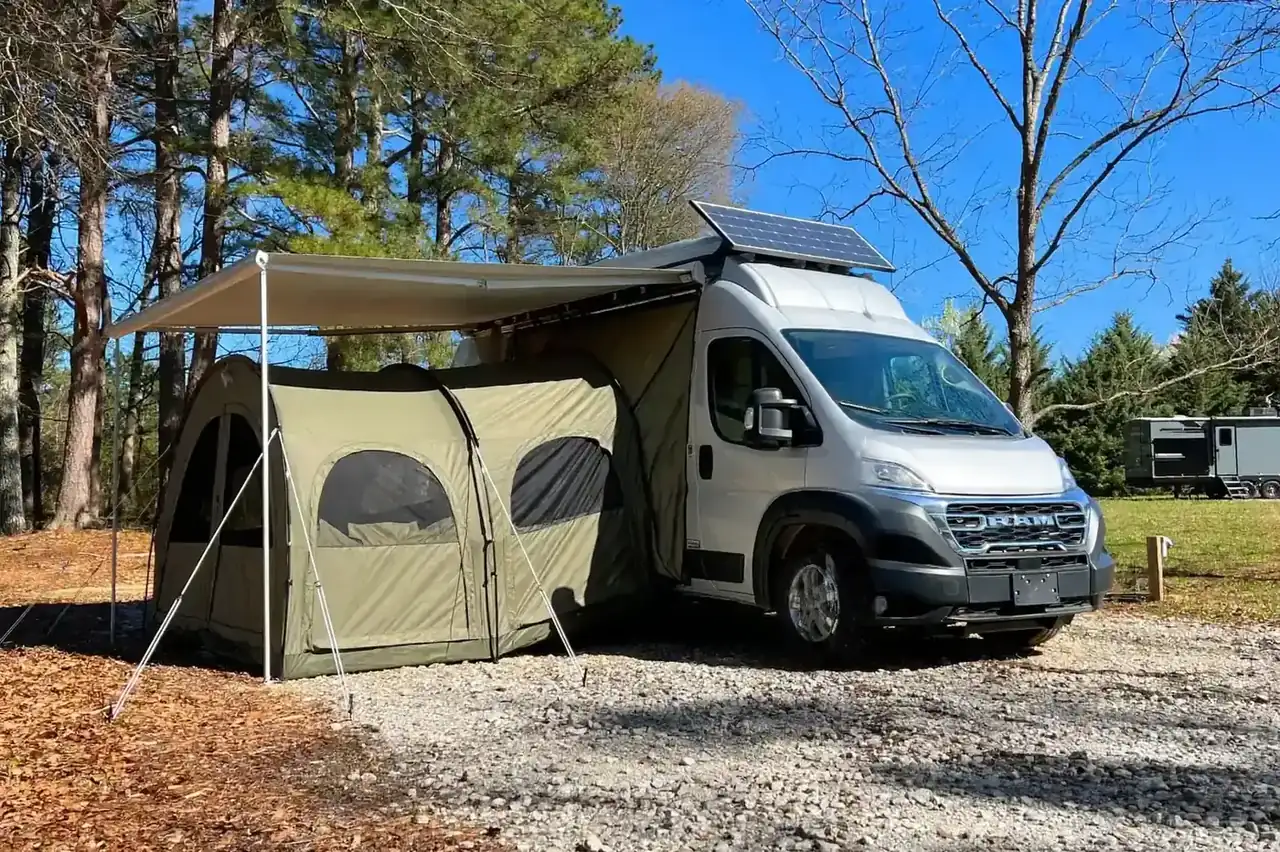
A drive-away awning solves the oldest van life dilemma. You want to leave camp for a supply run without losing your spot. The tall tunnel sleeve seals around the sliding door, so the tent stays standing while you drive away. When you return, you back in and reattach the sleeve.
The side canopy gives you a covered porch for chairs and a camp table. In a forest, this setup feels like a basecamp rather than a parking spot. It is ideal for longer stays where you still need the van mobile during the day.
Families especially like the extra enclosed space. Kids get a play area, gear gets a dry home, and the van stays uncluttered.

The trick is the seal. The sleeve needs to hug the van’s door frame with no big gaps, or rain and bugs find their way in. Most drive-away tents come with adjustable straps and a sewn-in groundsheet. Practice the attach and detach at home once. It is much easier to learn in your driveway than in the rain.
5. Solar Slat Deck
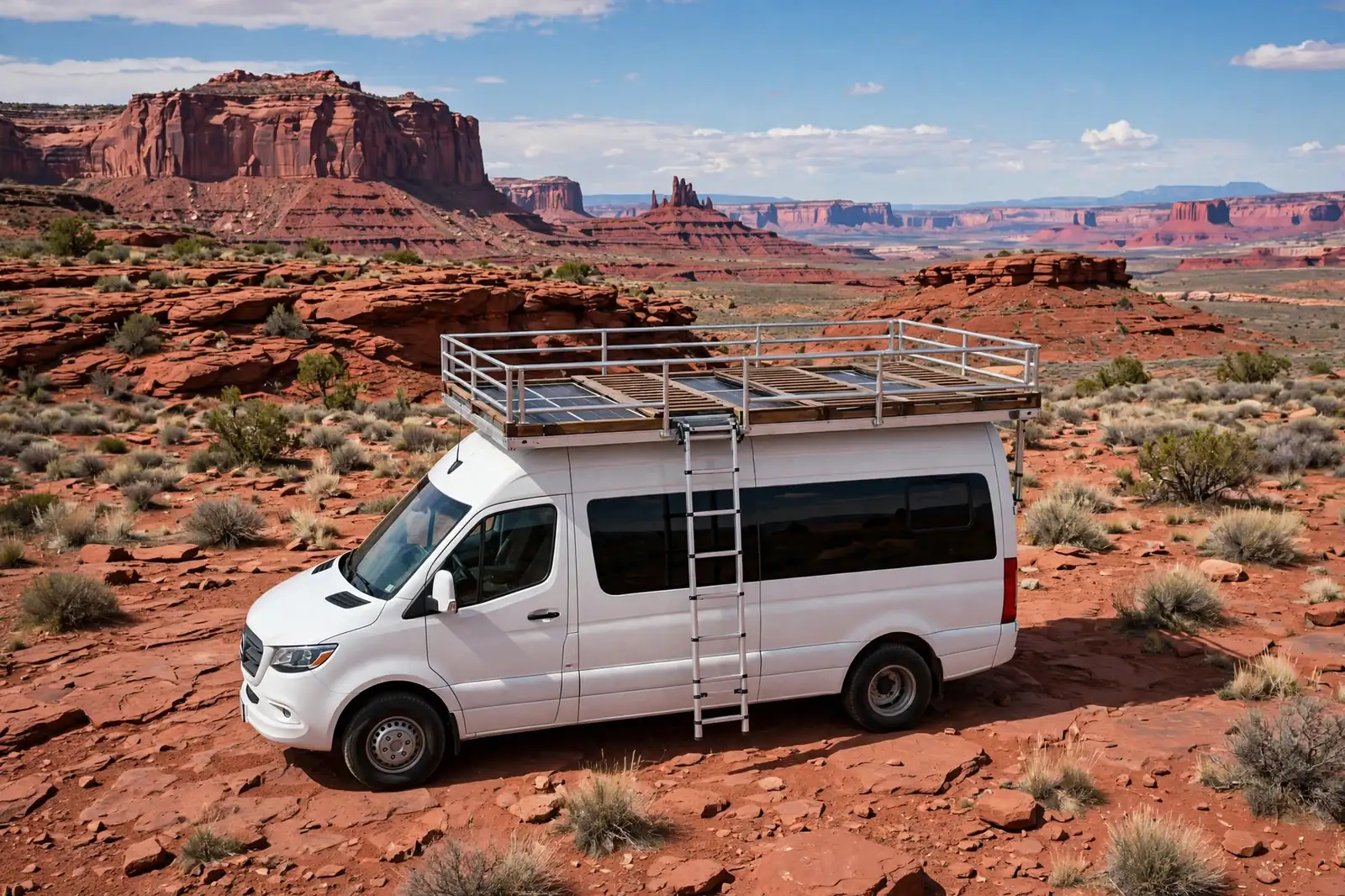
Here is a clever two-for-one. Solar panels live flat on the roof, and slatted deck flooring floats above them on low risers. You walk on the deck. The panels keep charging underneath. The gaps between slats let air flow, which helps panels run cooler and produce more power.
On a red rock plateau with zero shade, this build gives you both a viewing platform and a full day of solar harvest. Keep the risers low so the deck does not turn into a wind sail on the highway.
Boondockers who hate generators will appreciate this most. Silent power all day, stargazing deck all night.
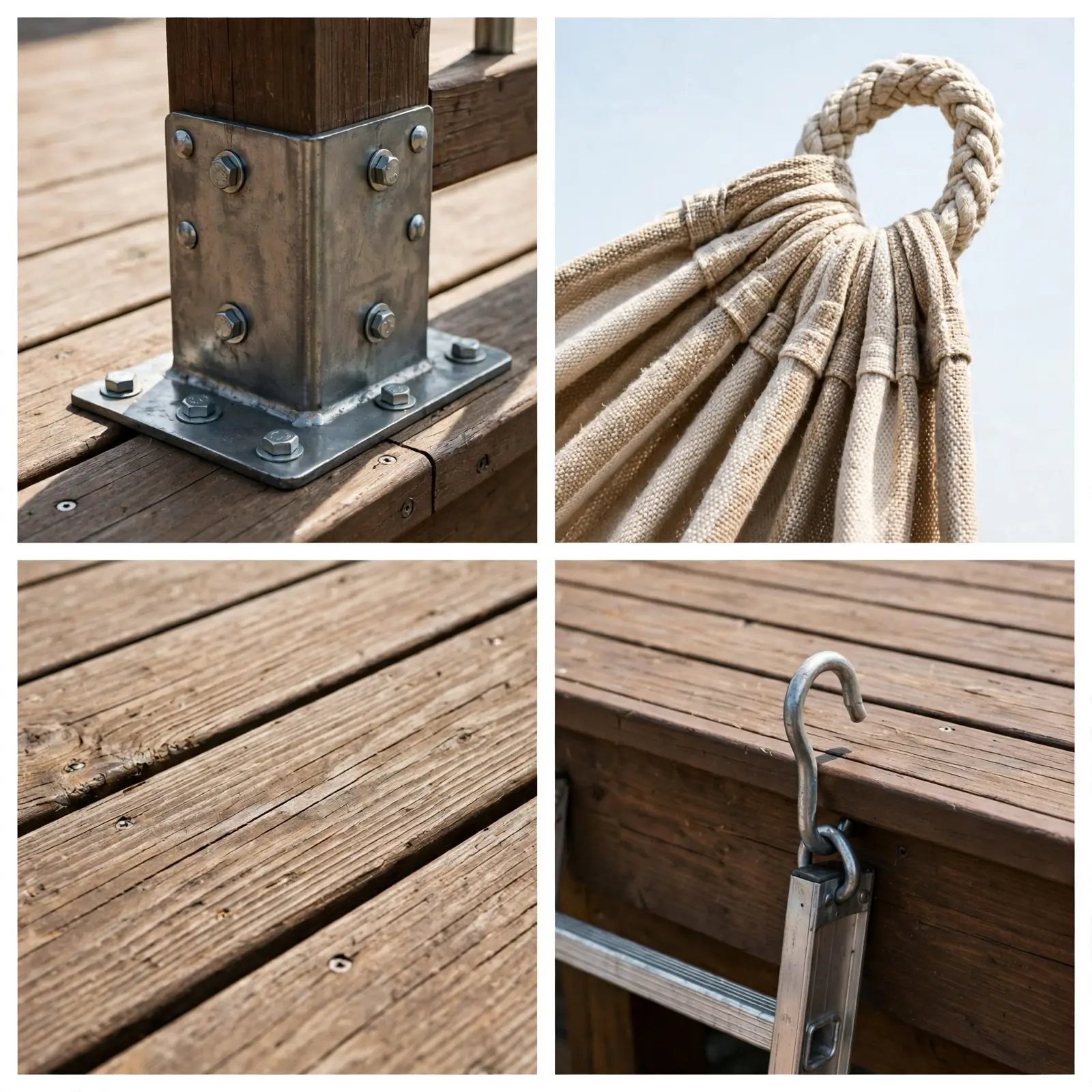
Mind the heat. Panels get hot, and trapped heat shortens their life. Leave at least two inches of air gap under the slats. Also remember that anything on the roof adds height. Measure your total clearance and write it on a sticky note on the dashboard. Low bridges do not forgive.
6. Lakeshore Kitchen Pod
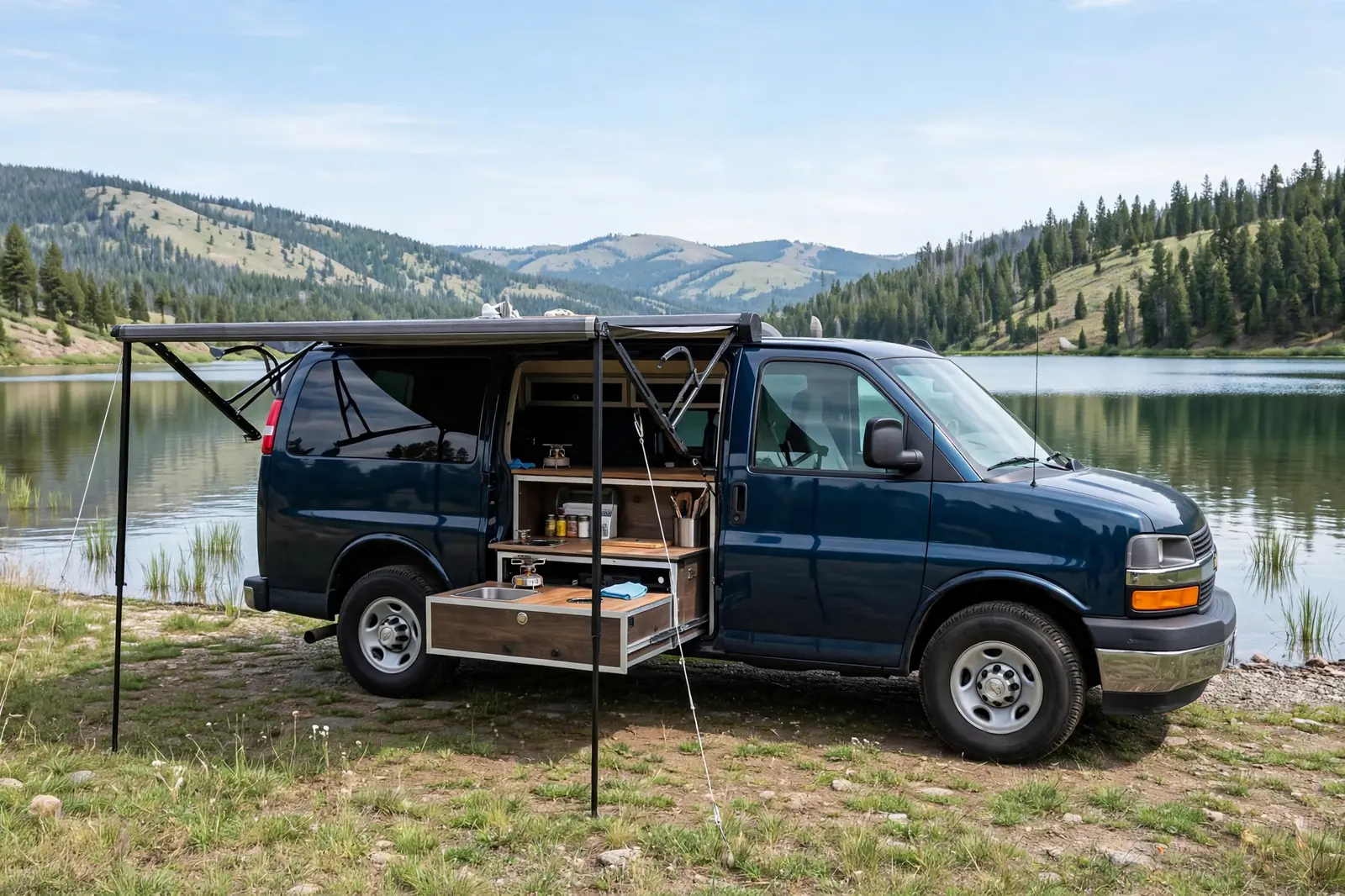
Cooking inside a van gets old fast. The smells linger and the heat builds up. A slide-out kitchen pod fixes that by moving the galley outside under the awning. The pod rides on heavy drawer slides rated for a few hundred pounds.
Pull it out, unfold the counter, and you have a sink and prep space in the open air. The awning above keeps the sun and drizzle off. By a lake in the evening light, this is the best seat in the house.
The pod also keeps the interior cleaner. All the splatter and steam stays outside where it belongs.
Water is the detail people forget. The pod needs a small freshwater tank and a grey water jug for the sink drain. Never let sink water run straight onto the ground at a campsite. A five-gallon jug under the counter handles a weekend of dishwashing easily.
7. Hammock Overlook Deck
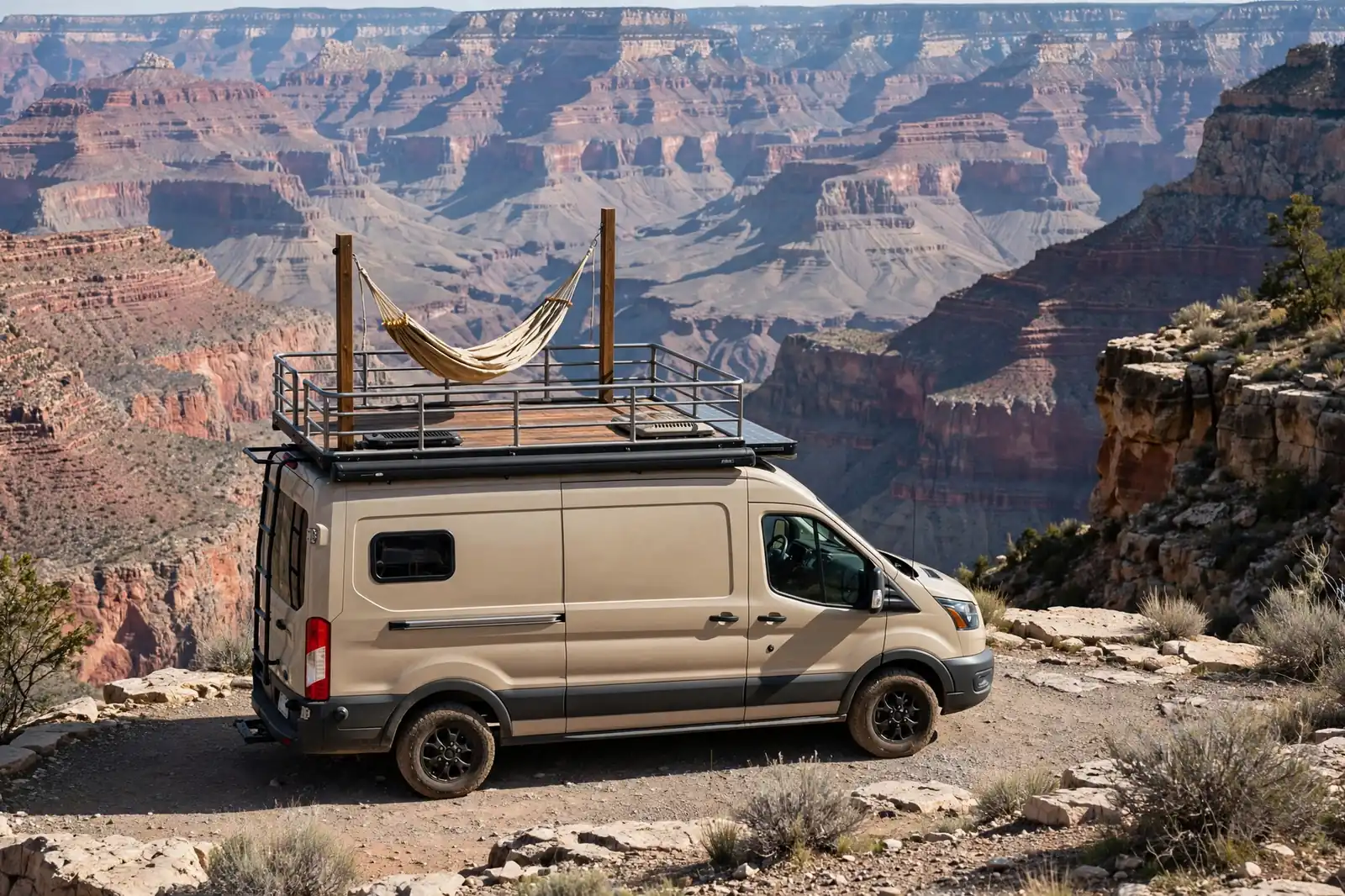
A rooftop hammock sounds like a gimmick until you try it. Two steel posts bolted through the deck frame hold a gathered fabric hammock above the canyon. The sway is gentle because the van’s suspension absorbs the movement.
A wooden deck floor keeps bare feet happy, and the rear ladder makes the climb easy. This is a lounging deck, not a party deck. One person at a time keeps the loads sane and the experience calm.
There is no better reading spot in the van world. Just bring the book up before you climb in.
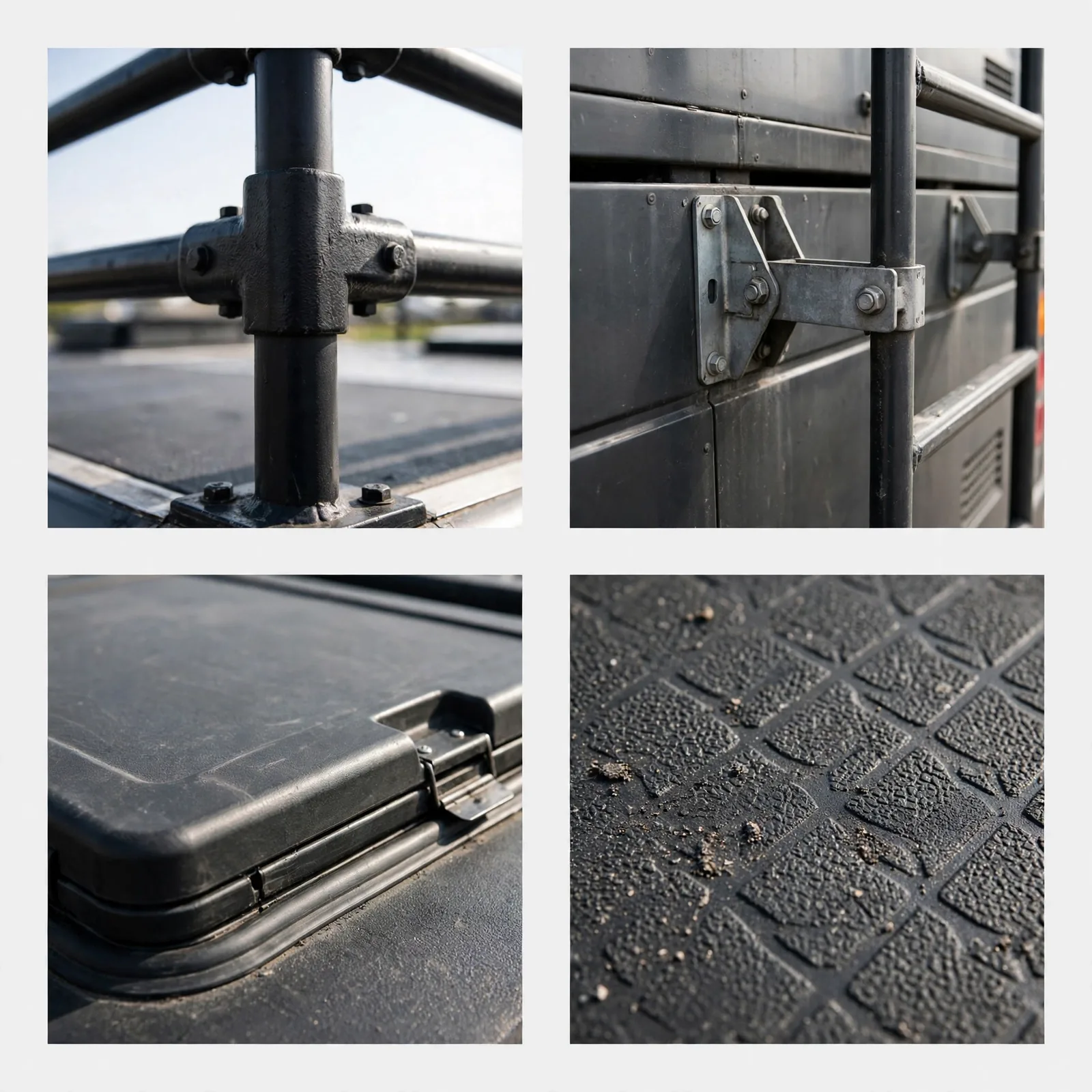
Hammock posts take sideways force, which is harder on mounts than straight-down weight. Through-bolt them to the deck’s structural frame, not just the flooring. Use wide backing plates underneath. Check the bolts every few months. A loose post is the one failure you never want at height.
8. Shower Wing
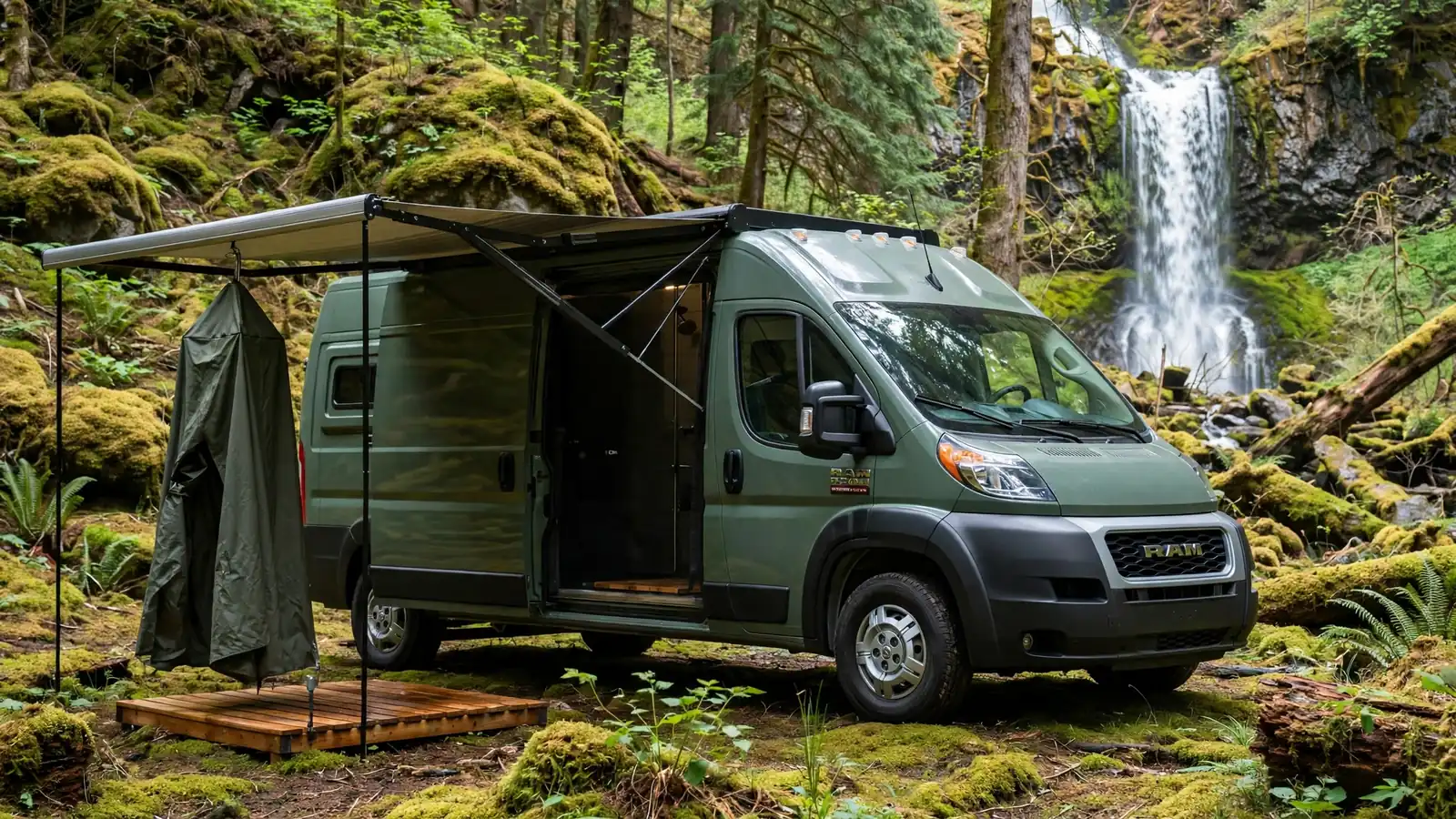
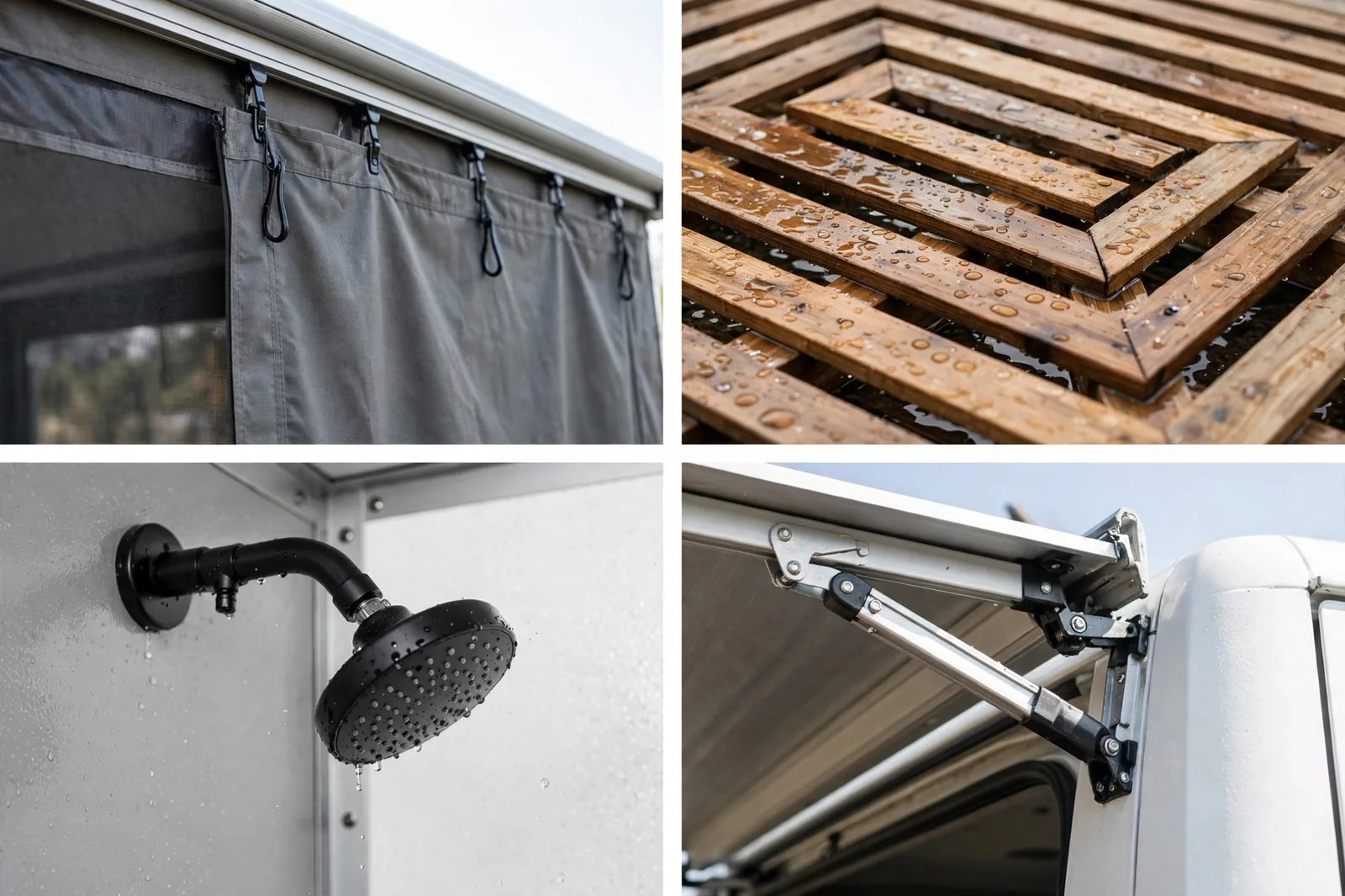
An outdoor shower is van life luxury, and a little privacy makes it usable anywhere. This build hangs a tall fabric enclosure from the awning’s edge rail. Inside, a wooden pallet keeps your feet out of the mud.
The shower head mounts on the van’s side wall and feeds from the onboard water tank. A small propane or 12-volt heater warms the water. In the woods, with a waterfall as your soundtrack, a hot shower feels downright indulgent.
It also keeps the interior dry. Anyone who has tried showering inside a small van knows exactly why that matters.
Privacy is only half the job. The other half is drainage. Use a portable grey water tank or a shower tent with a built-in floor that funnels to a jug. Many public lands require you to pack out grey water. Check the local rules before you let water hit the ground.
9. Full-Length Prairie Deck
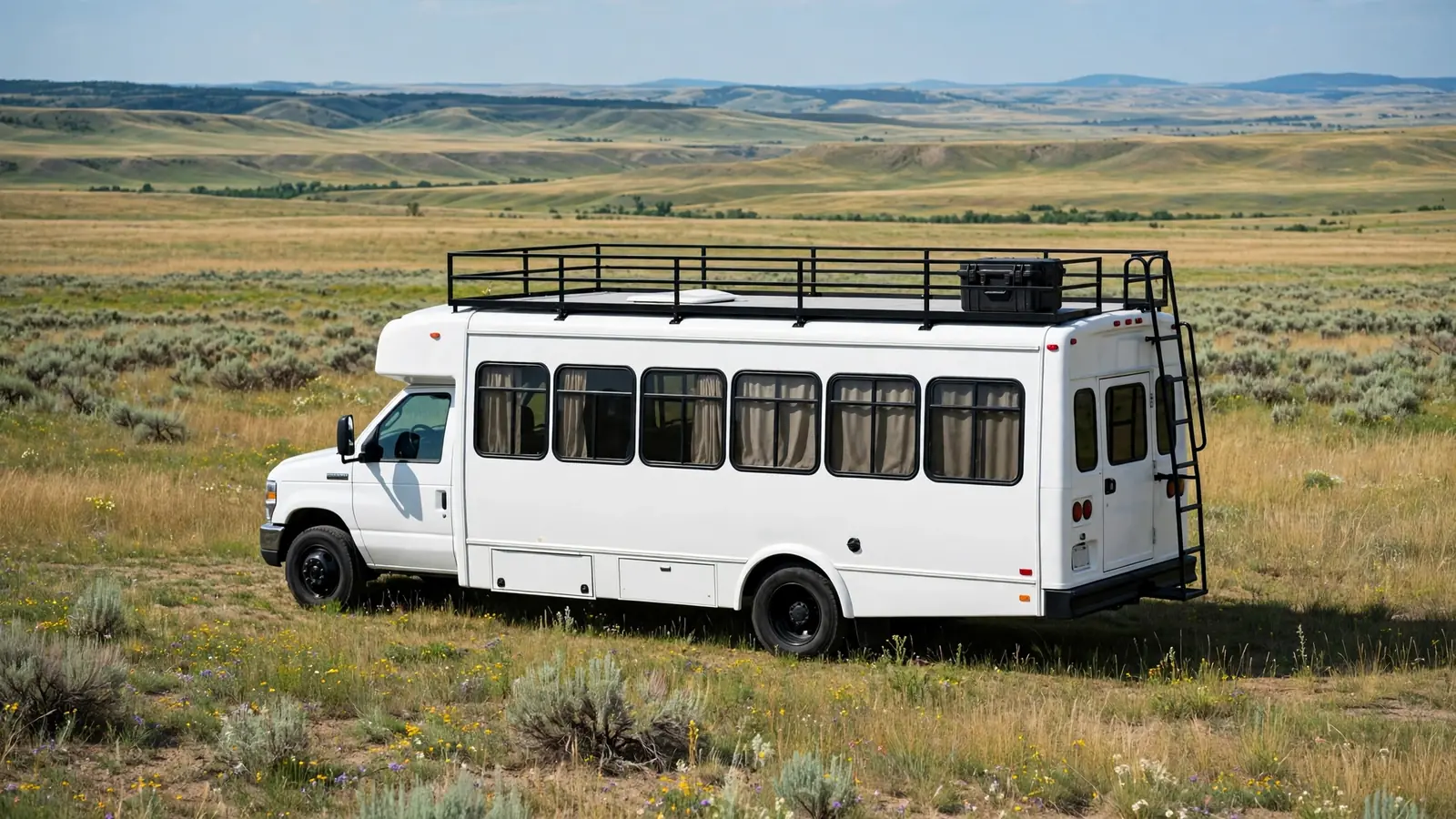
On a converted shuttle bus, the roof is enormous. A full-length deck turns it into a rooftop terrace with room for chairs, a storage box, and a walkway from front to back. The black metal railing runs the whole length, and a rear ladder gives access without climbing over the cab.
Out on the prairie, with grass waving to the horizon, the deck is the best wildlife-watching blind you will ever own. Keep the layout simple. A clear walkway matters more than extra furniture.
Bus conversions have the structure for this. The roof ribs on a shuttle bus were built for rollover strength, which is more than a deck will ever ask of them.
Big deck, big wind load. At highway speed, a full-length deck with railing acts like a spoiler. Keep the railing height modest and consider a wind deflector at the front edge. Fuel economy will dip a little. Budget an extra ten percent on long drives and you will not be surprised.
10. Dune Shade Sail
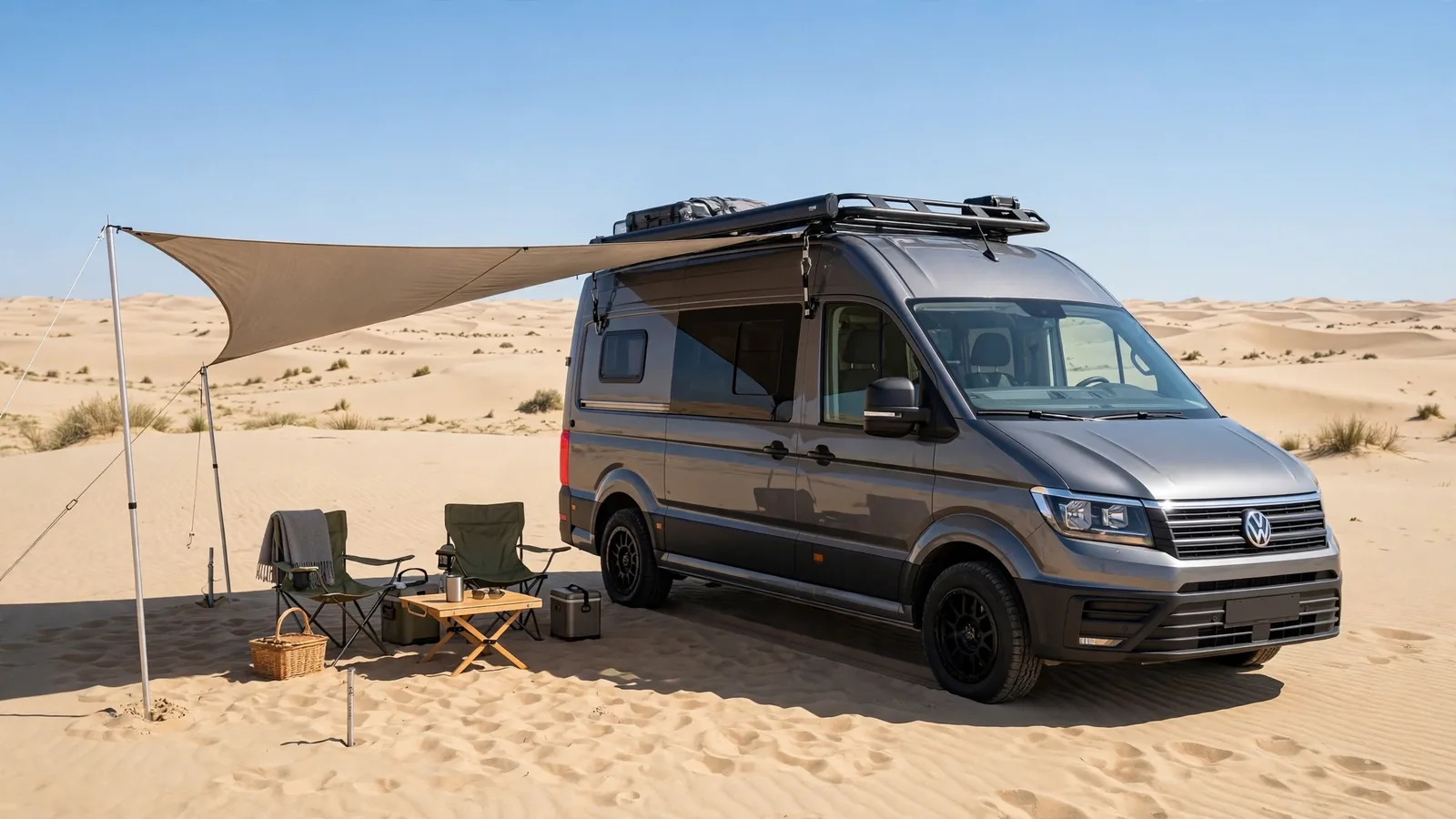
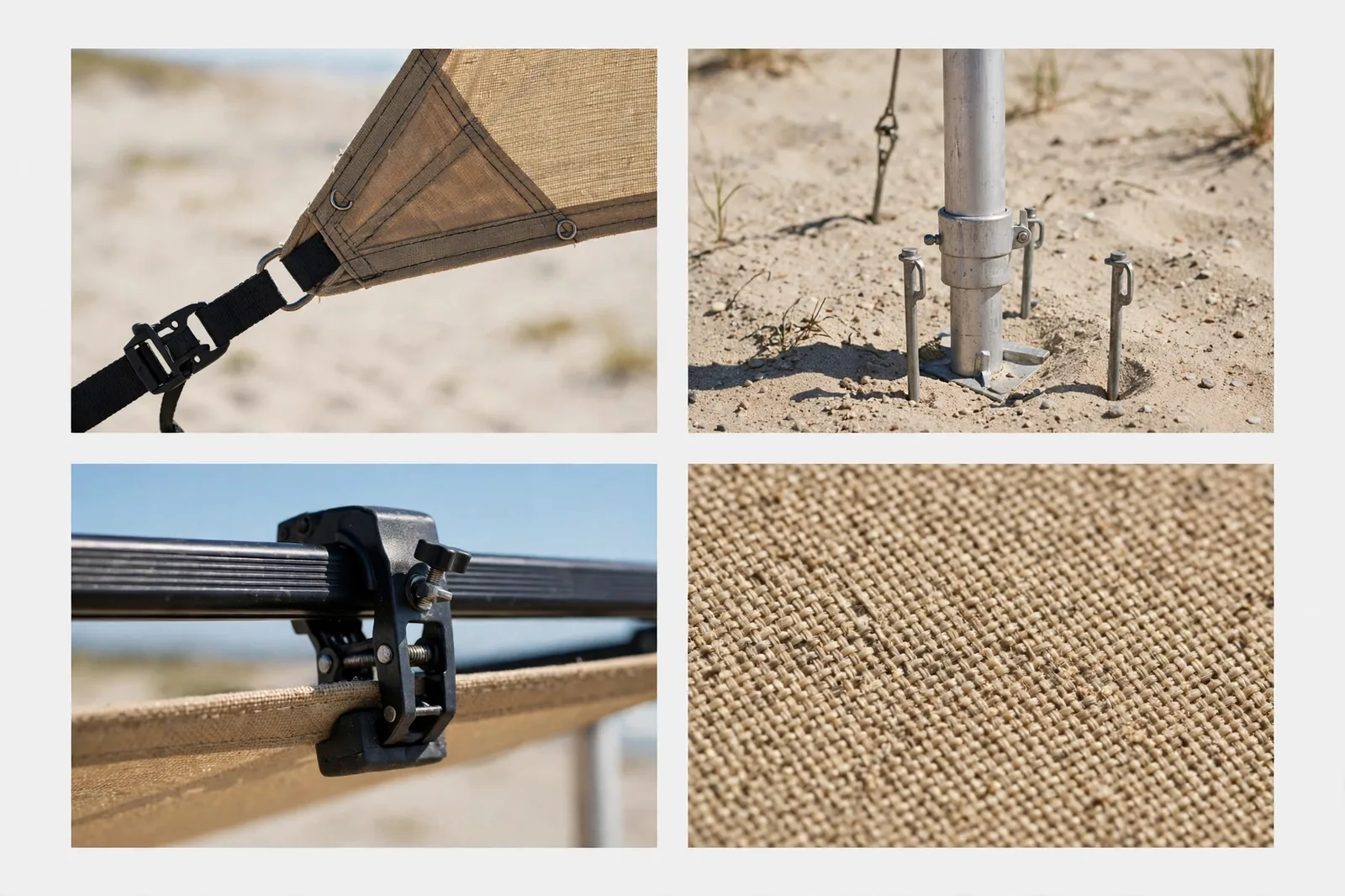
A shade sail is the minimalist’s awning. One triangular sail, two poles, and a few straps to the roof rack. It packs down to the size of a bedsheet and sets up in ten minutes.
In the dunes, where there is nothing to tie to, the poles stake deep into the sand with wide anchor plates. The sail’s curve sheds wind better than a flat awning. It will not survive a storm, but for a calm sunny day it is all the shade you need.
This is also the cheapest shade on this list by a wide margin. A good sail costs less than a tank of gas.
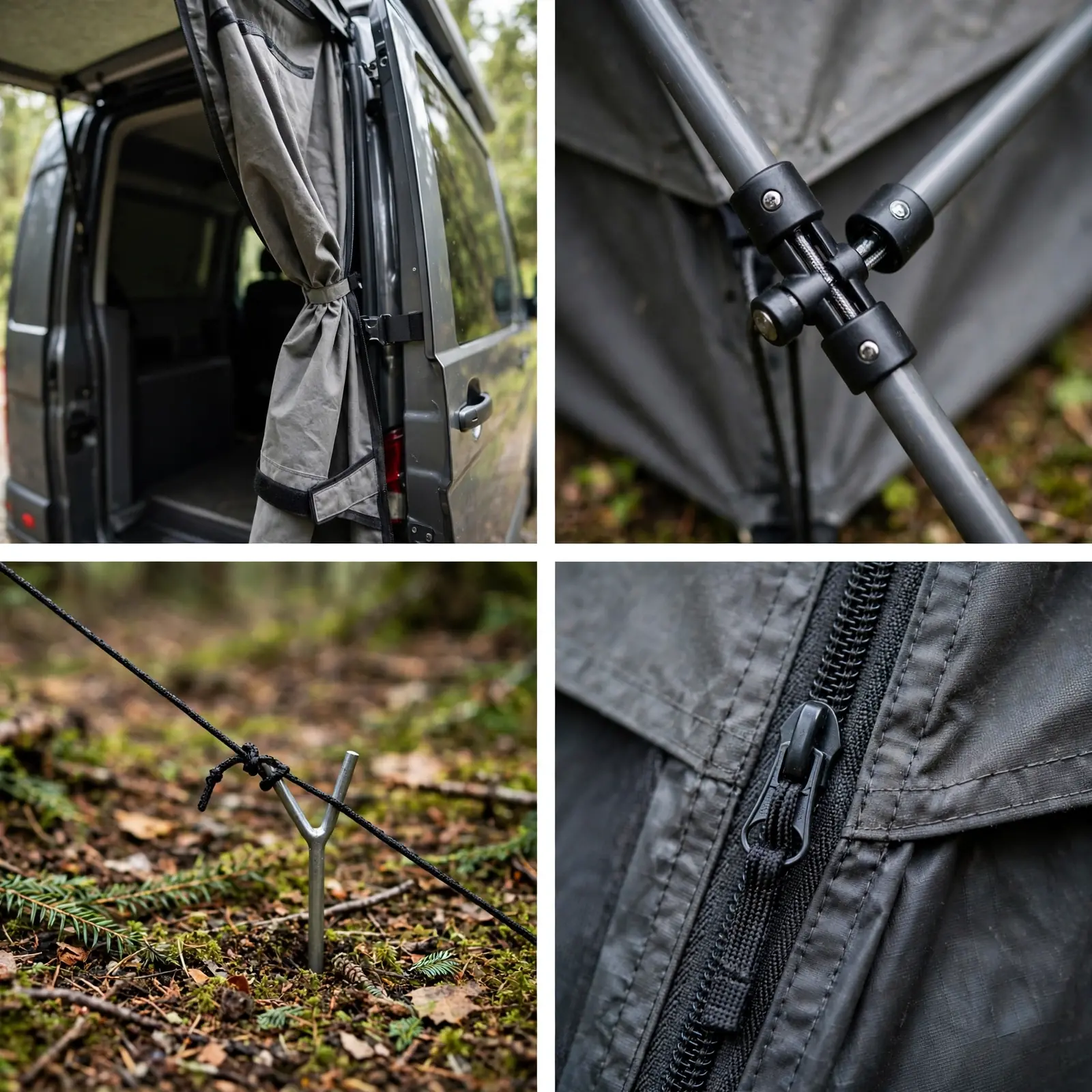
Sand anchors are the make-or-break detail. Regular tent stakes pull straight out of dry sand. Use wide sand anchors or bury bags filled with sand as deadmen. Set the sail with a slight tilt so any rare rain runs off one corner instead of pooling in the middle.
11. Cliffside Cab Deck
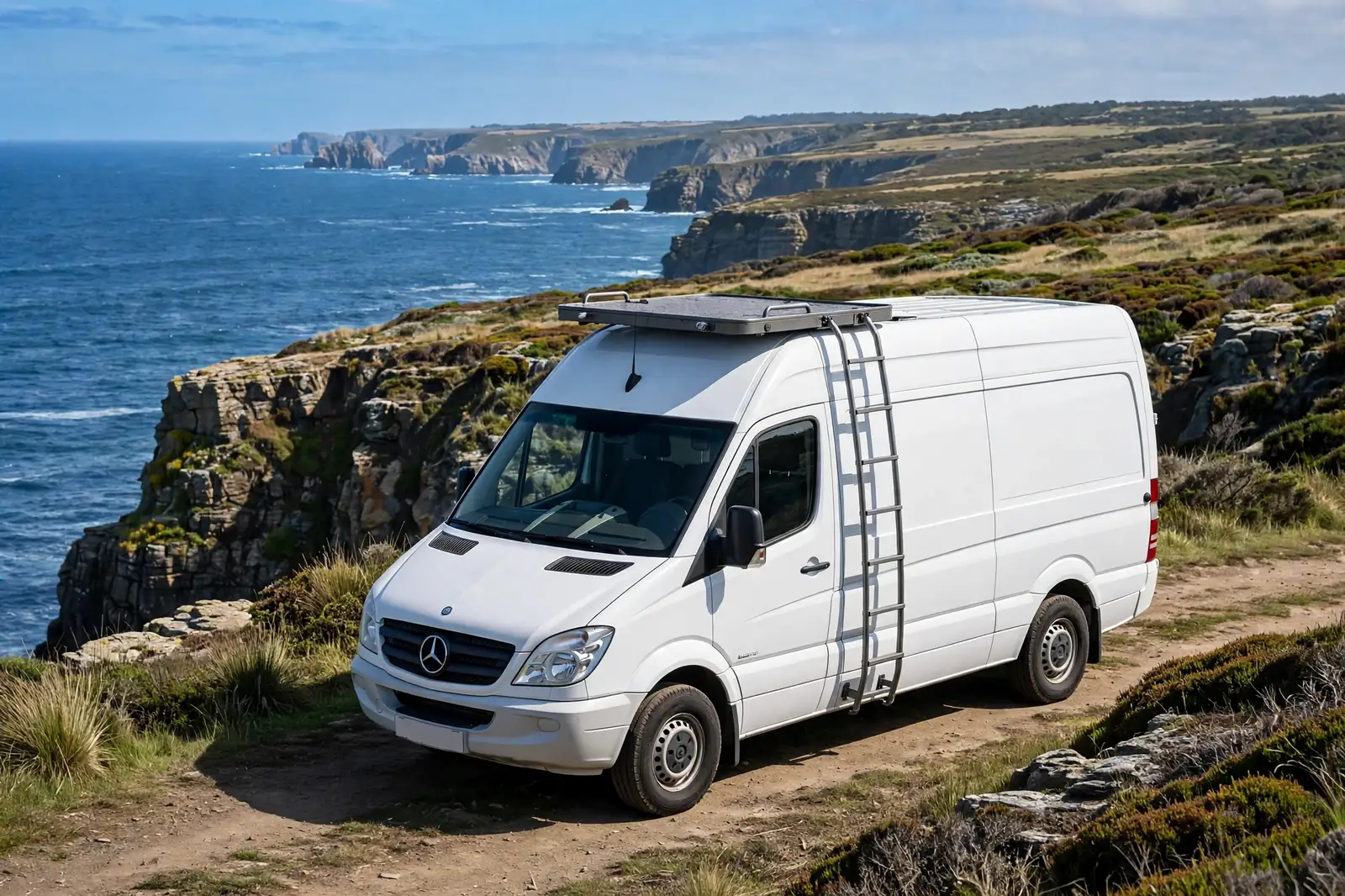
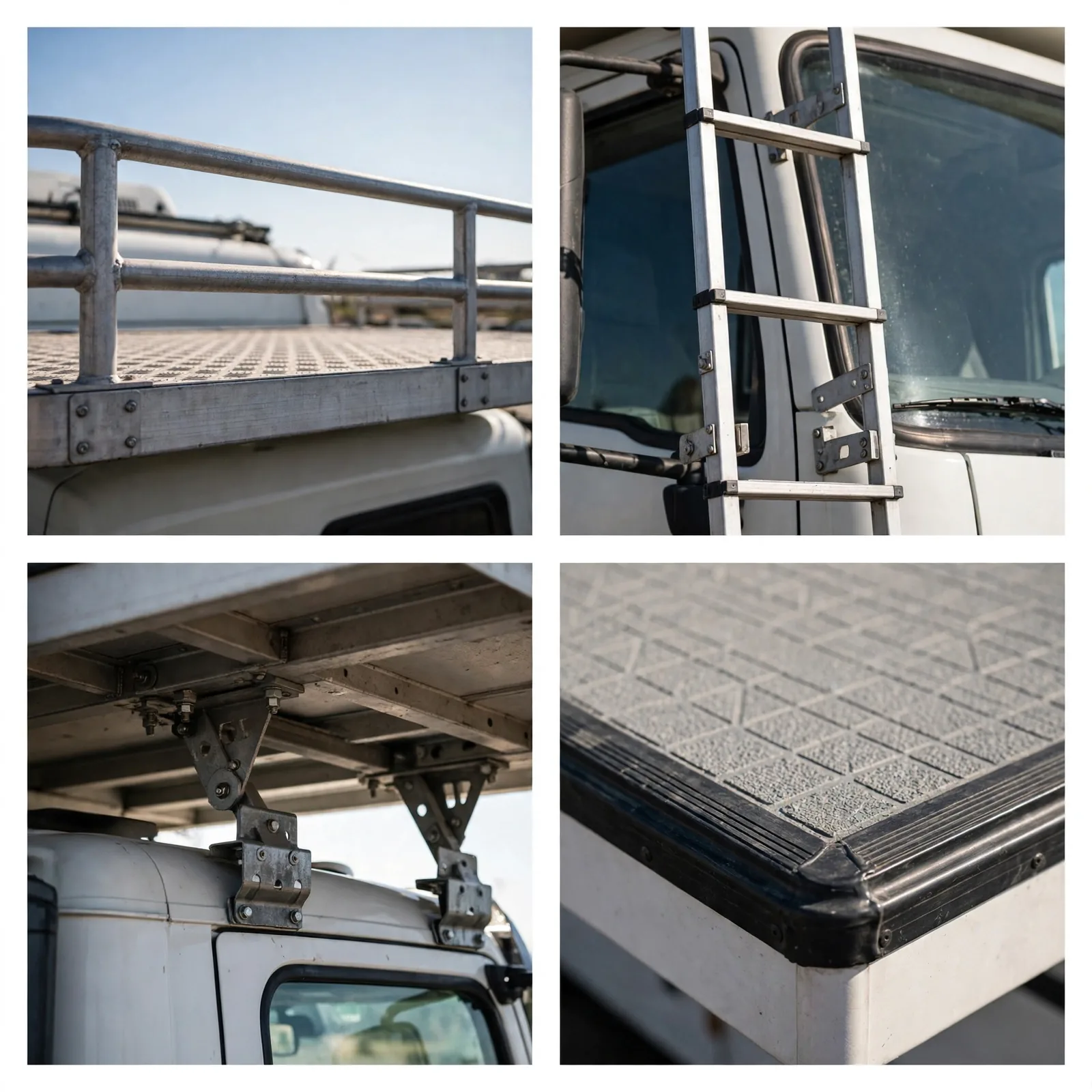
This compact deck sits over the cab, leaving the main roof untouched for solar or storage. Low safety rails ring the platform, and a short ladder by the windshield gives access. It is just big enough for two camp chairs and a cooler.
On coastal cliffs, that is all you need. You get a front-row seat over the ocean without giving up a single solar panel. The small size also keeps weight and wind drag minimal.
It is the least intimidating deck build here. A weekend project for anyone handy with a drill.
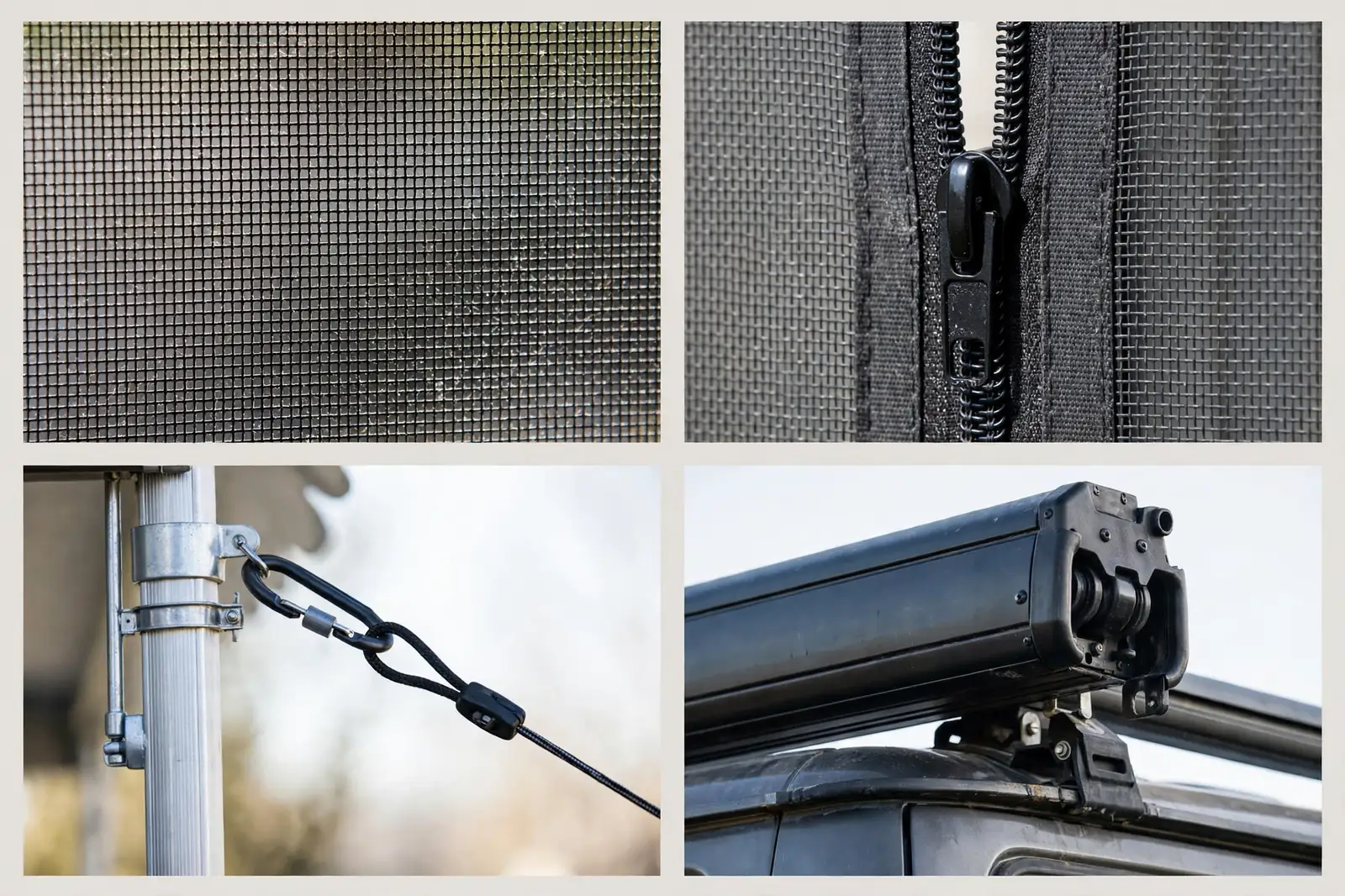
The cab roof is not as strong as the cargo roof on most vans. Check the factory rating for that specific section before you build. Spread the load with a full perimeter frame rather than four small feet. And never mount the deck to the windshield frame. That area flexes and will crack seals over time.
12. Meadow Screen Room
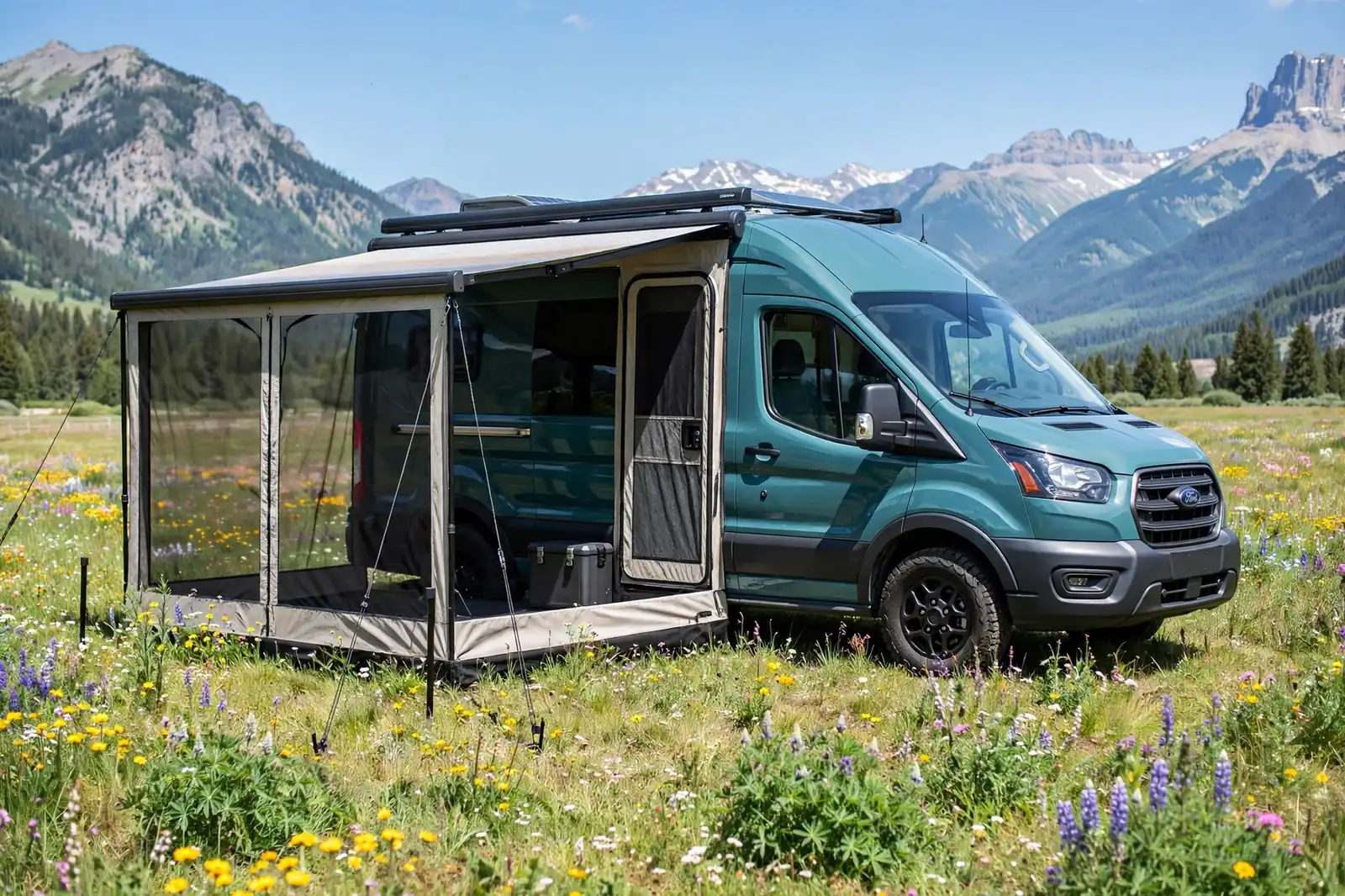
Bugs can ruin a perfect evening. A screen room awning fixes that with mesh walls that zip onto the awning’s edge. You get the breeze and the view with none of the mosquitoes.
The mesh panels store in a small bag and deploy in minutes. Guy lines stake the legs so the whole room stays taut. In a wildflower meadow at dusk, dinner inside the screen room feels like a secret garden.
This setup also doubles as a mudroom. Wet boots and damp gear live in the screen room, not in your bed.
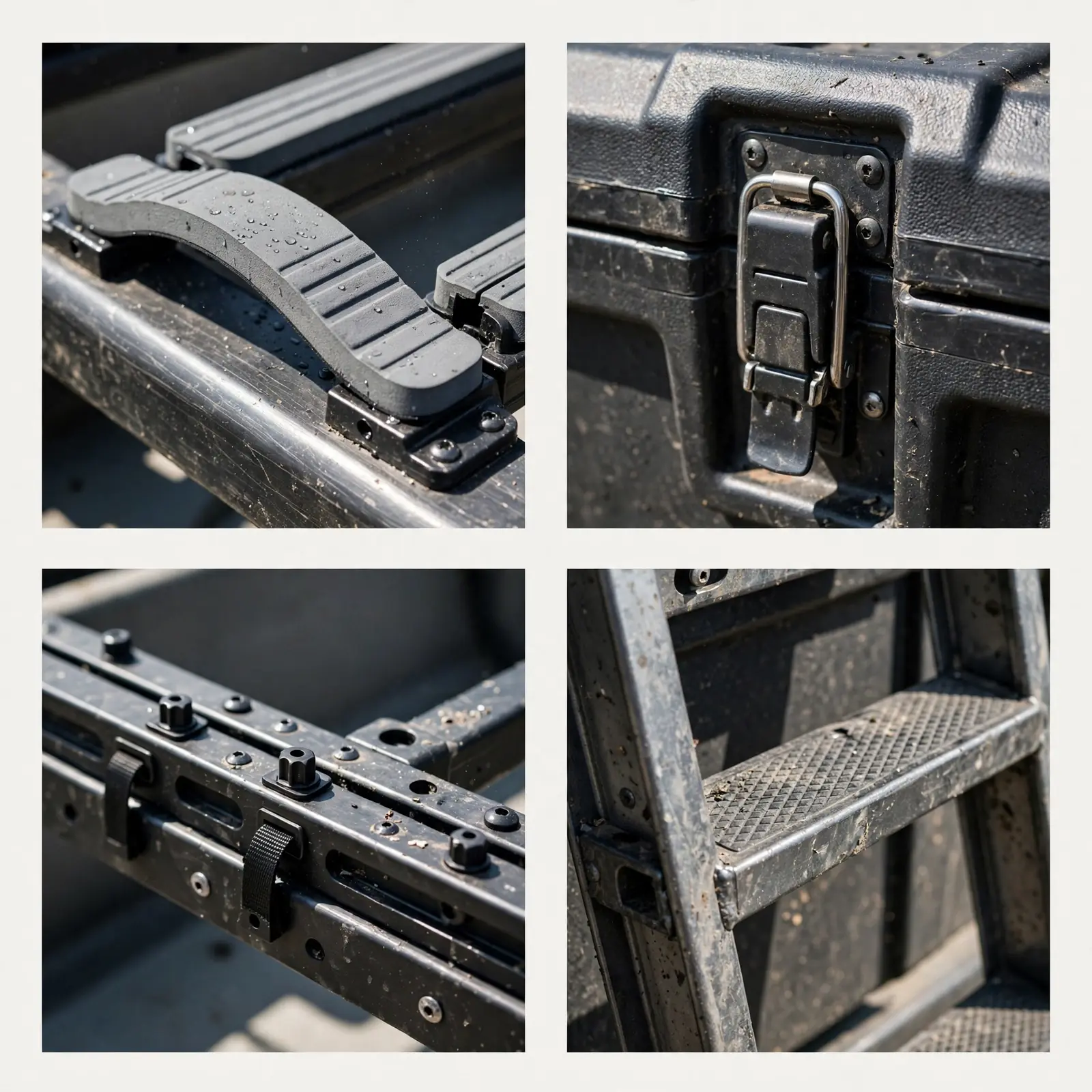
Mesh needs care. The fine weave tears if it snags on a zipper or a branch. Patch small holes with mesh repair tape right away. A tiny tear becomes a big one in one windy night. Store the panels dry. Mildew weakens the fibers and smells terrible.
13. Alpine Gear Deck
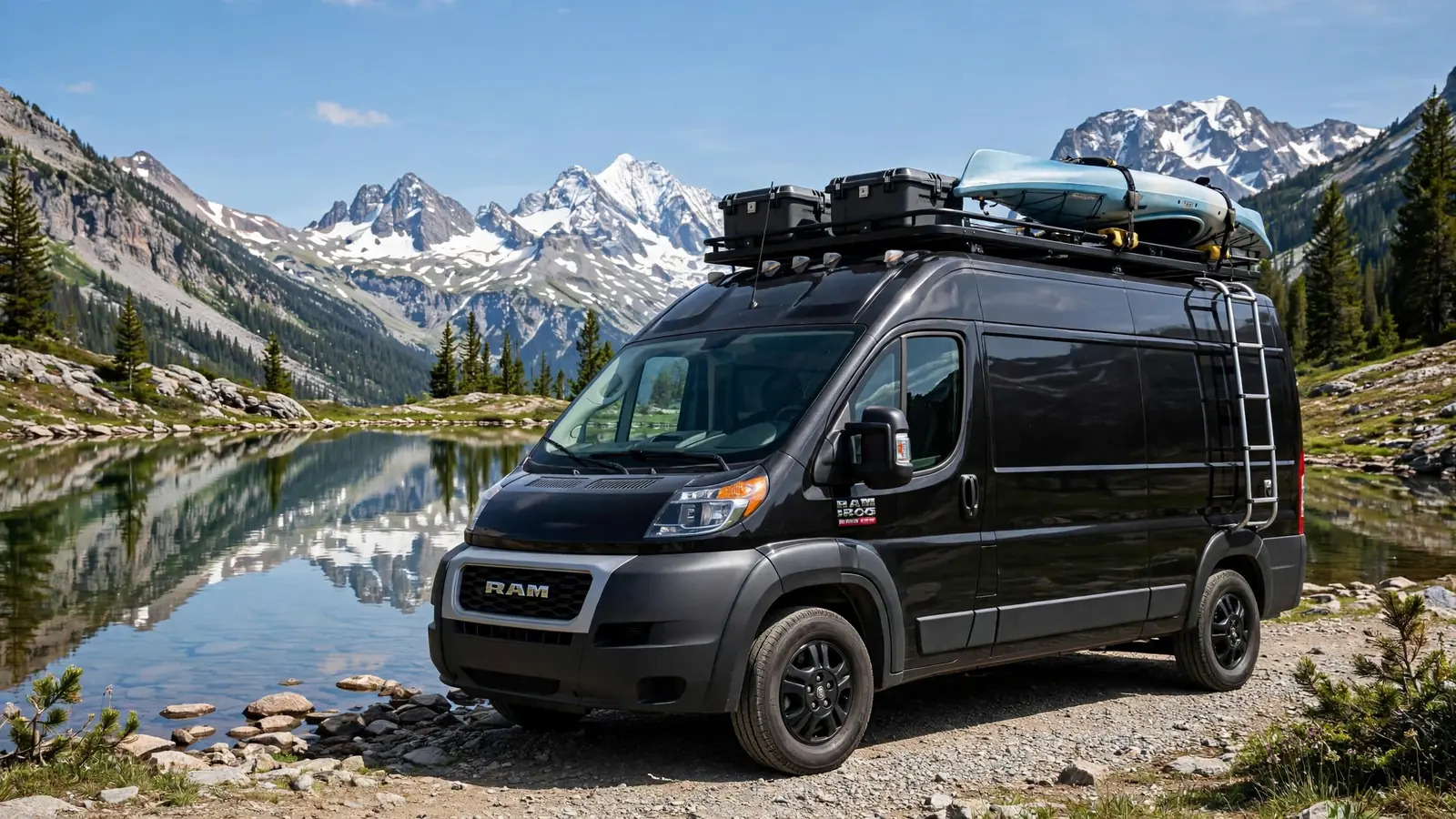
Some decks are for lounging. This one is for hauling. Two low cargo boxes swallow climbing gear and camp kitchen boxes, while padded cradles hold a kayak above it all. The railing doubles as tie-down points.
A side ladder makes loading the boat a one-person job. Beside an alpine lake, you can be on the water twenty minutes after parking. The trick is keeping the heavy stuff low. Boxes on the deck floor, light bulky items up top.
Paddlers and climbers get the most from this build. If your sports need big gear, the roof is the only place it fits without eating your living space.

Roof weight changes how the van drives. A loaded deck raises the center of gravity, so take corners slower and watch crosswinds on bridges. Load the heaviest gear inside the van, low and between the axles, and keep the roof for light bulky items. Your suspension will thank you.
14. Canyon Galley Awning

This is the outdoor kitchen taken to its logical end. A long awning shelters a pull-out counter with a real sink basin, a fold-down dining table on the van wall, and drawer storage in the pod. You can prep, cook, and eat for four without anyone stepping inside the van.
In canyon country, where the light turns the walls red at sunset, dinner happens outside every single night. The awning makes that possible even when the afternoon sun is still brutal.
Hosts love this layout. When friends stop by camp, the kitchen becomes the gathering spot.

An outdoor galley needs the same food safety habits as a home kitchen. Keep a covered trash bin hung from the awning arm, well away from the prep counter. Wipe the counter after every meal. In bear country, store all food and scented items inside the van’s hard-sided boxes at night, never in the pod.
15. Valley Wraparound Deck

The vintage step van gets the grandest deck of all. A wraparound platform with wooden railing runs around three sides of the big flat roof. The boxy shape that makes step vans awkward to drive makes them perfect for decks.
Huge flat roof, tall walls for the railing to bolt to, and a rear ladder that feels like it was always meant to be there. In a farm valley, with hills rolling to the horizon, it is a rooftop porch with the best view in the county.
Step vans are also cheap to buy compared to Sprinters. The savings can fund the whole deck build with money to spare.

Old vans need a structural check before any roof build. Have a shop inspect the roof ribs for rust, especially around the rain gutters. Step van roofs were built for light loads. Add new supports alongside the existing ribs if there is any doubt. A deck is only as strong as what it bolts to.
Whether you go for a full rooftop deck or a simple shade sail, the principle is the same. The outside of your van is living space waiting to happen. Start with your roof rating, build for the wind, and keep the heavy stuff low.
Pick the setup that matches how you actually camp. Weekend beach trips want the cab-over deck. Long desert stays want the batwing. Gear-heavy adventures want the hauler deck. Build for your real life, and the roof will pay you back every single trip.