15 European Villages Where One American Dollar Equals Three (Not Eastern Europe)

A strong dollar changes more than numbers on a receipt—it changes what feels possible. Morning coffee stops being a decision, long lunches feel normal again, and rent no longer controls every life choice.
In parts of Europe rarely talked about, daily living still runs on local rhythms instead of global price pressure. Groceries stay honest, neighbors linger, and time stretches in a way money usually doesn’t allow.
These places aren’t polished for outsiders or built to impress—they simply work. That quiet practicality is where value hides. What follows is a collection of villages where affordability isn’t a perk, it’s the foundation of everyday life.
1. Inland Alentejo Villages, Portugal
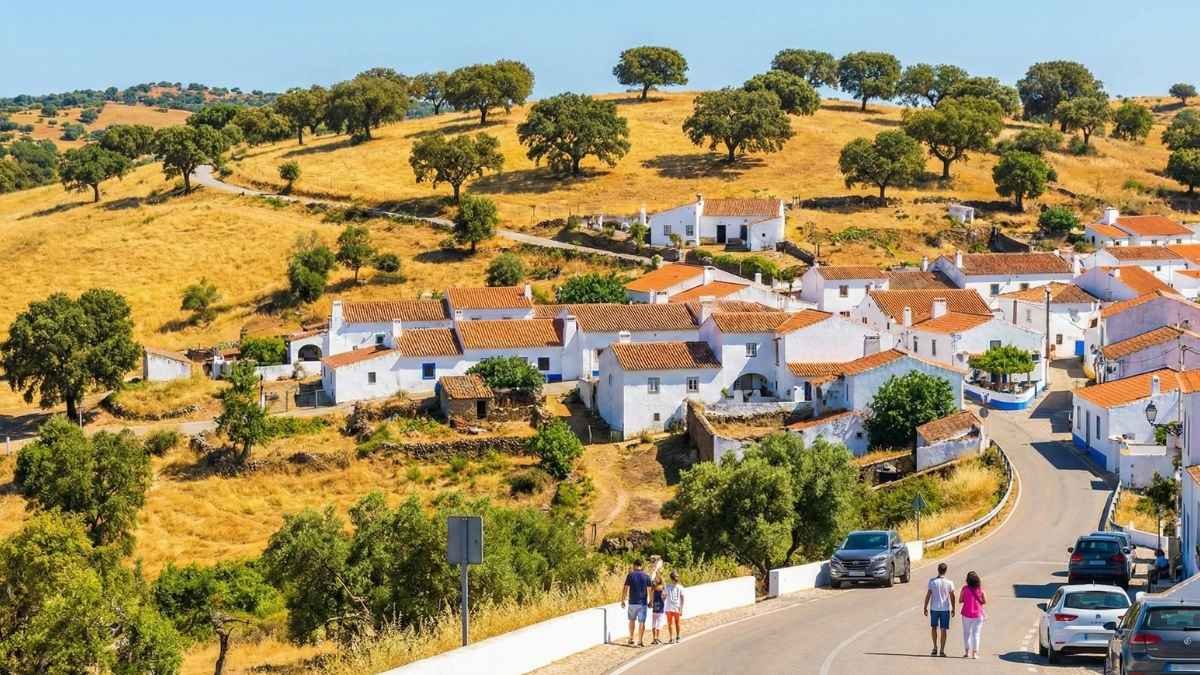
Life in Portugal’s inland Alentejo feels refreshingly unhurried, and that calm comes with serious affordability. Away from Lisbon and the coast, small villages offer local meals for the price of a coffee in Western capitals, fresh produce from family farms, and rents that feel frozen in time. The strong dollar stretches far here, especially for daily essentials like food, transport, and utilities.
What sets Alentejo apart is how complete daily life feels despite the low costs. Healthcare access remains solid, infrastructure is reliable, and locals are used to outsiders—without the over-tourism vibe. Cafés double as community hubs, and slow afternoons are normal, not a luxury.
There’s also a quiet confidence to the region. No flash, no hype—just vineyards, whitewashed homes, and a rhythm that rewards anyone who values simplicity over spectacle.
Quick facts
- Best months to visit: March–May, September–October
- Typical meal cost: €7–€10
- Rental value: Among the lowest in Western Europe
- Lifestyle vibe: Slow, rural, deeply local
- Bonus: Excellent road access to Spain
2. Trás-os-Montes Villages, Northern Portugal
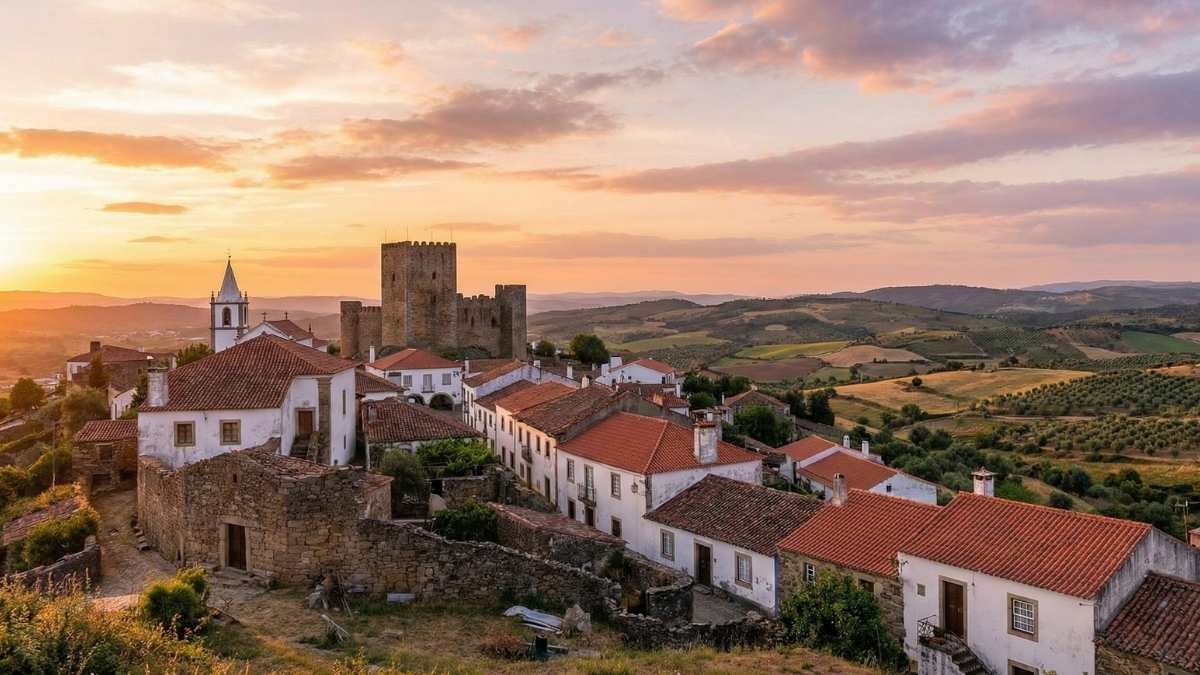
Trás-os-Montes sits quietly in Portugal’s northeast, largely untouched by mass tourism. Villages here feel genuinely lived-in, not curated for visitors. Prices reflect that reality—fresh bread, wine, and vegetables often cost less than bottled water elsewhere in Europe.
This is a region where traditional living still defines daily life. Markets run on trust, neighbors know each other, and seasonal food dominates tables. The dollar’s strength shows up fast in housing, groceries, and dining out.
While it’s not flashy, that’s exactly the appeal. If value is measured by how little stress daily life brings, Trás-os-Montes delivers more than expected.
Quick facts
- Best months to visit: April–June, September
- Cost of living: Extremely low by EU standards
- Climate: Hot summers, crisp winters
- Connectivity: Limited public transport; car recommended
- Best for: Long stays and slow living
3. Extremadura Villages, Spain
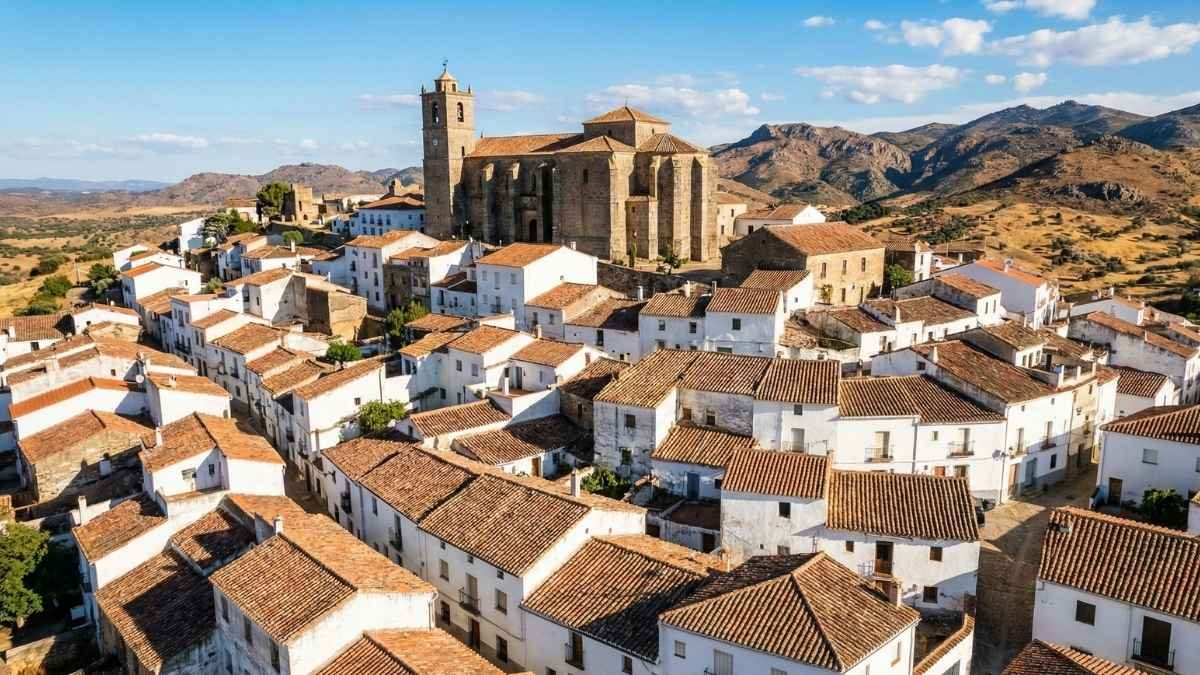
Extremadura is one of Spain’s best-kept secrets for affordability. Tucked between Madrid and Portugal, its villages offer historic streets, local wine, and hearty meals at prices that feel almost outdated. The dollar goes noticeably further here than in coastal Spain.
What makes Extremadura compelling is how rich the experience feels despite the low cost. Roman ruins, medieval towns, and national parks are part of everyday scenery—not ticketed attractions. Locals are welcoming but unhurried, and English is less common, which keeps prices grounded.
It’s ideal for those who want authentic Spanish culture without the pressure of tourist economies inflating costs.
Quick facts
- Best months to visit: March–May, October
- Dining costs: €6–€9 for local menus
- Tourism level: Low
- Housing: Excellent value rentals
- Known for: History, nature, food simplicity
4. Abruzzo Villages, Italy
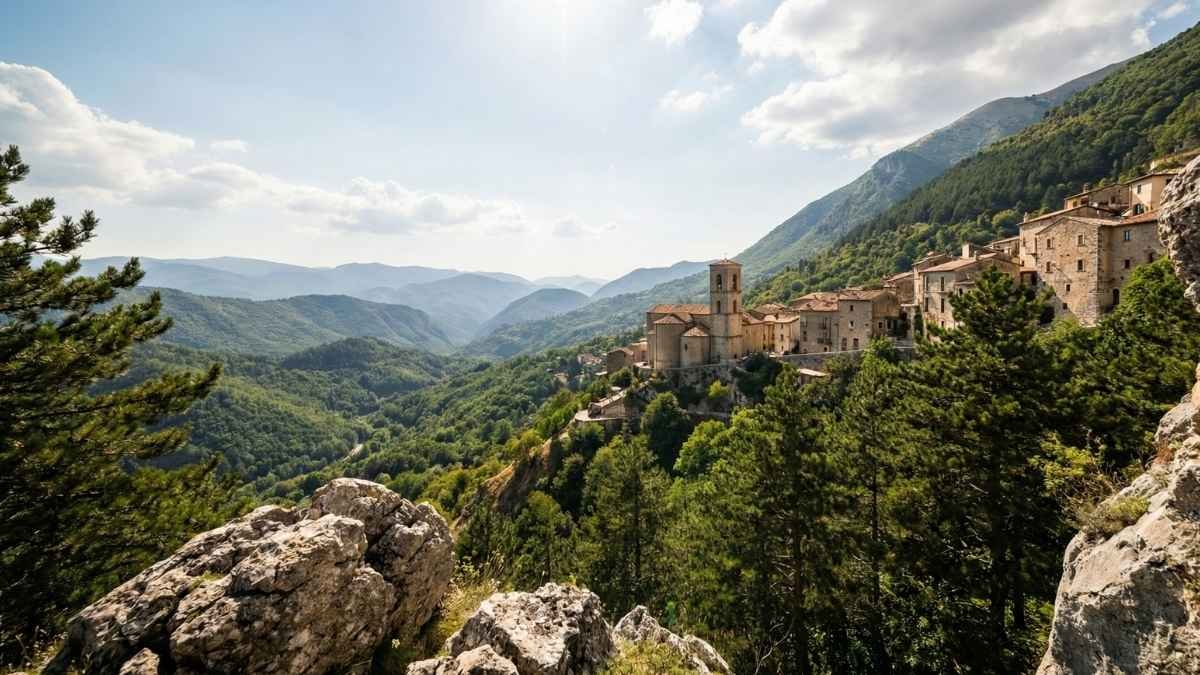
Abruzzo offers mountain villages where daily life feels deeply Italian—and surprisingly affordable. With many towns actively encouraging new residents, prices remain low while services stay functional. The dollar stretches across groceries, rent, and even property ownership.
Daily routines revolve around food, walking, and community. Meals are slow, local, and inexpensive, and the lack of tourism crowds keeps prices stable. Despite the rural setting, Rome is still reachable when needed.
Abruzzo proves that Italy doesn’t have to mean high costs or constant crowds—it can also mean balance.
Quick facts
- Best months to visit: May–June, September
- Housing: Some of Italy’s best-value villages
- Food culture: Strong, local, seasonal
- Landscape: Mountains, villages, Adriatic access
- Ideal for: Long-term stays
5. Sicilian Hill Towns (Interior Sicily)
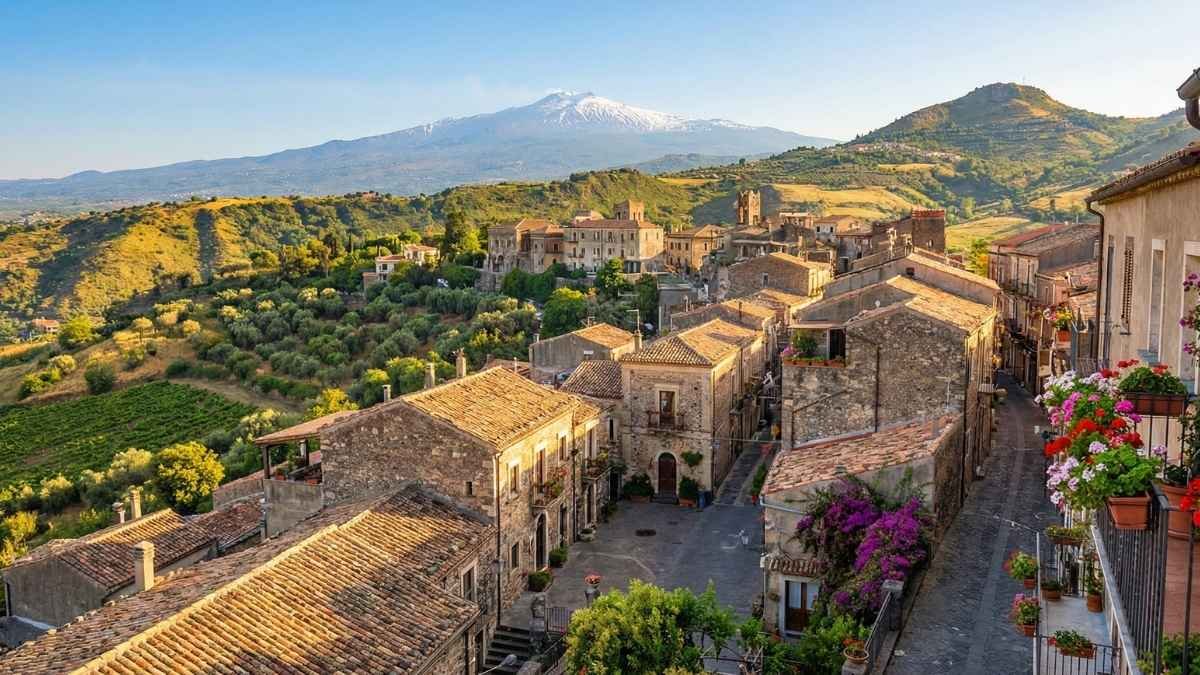
Interior Sicily offers hill towns where costs drop sharply compared to coastal hotspots. Daily expenses—especially food and rent—are among the lowest in Western Europe, and the strong dollar amplifies that advantage even further.
These towns aren’t polished resorts. They’re working communities with deep traditions, strong food culture, and a pace that hasn’t changed much in decades. Markets are affordable, restaurants cook for locals, and seasons—not tourists—set the rhythm.
For those willing to embrace slower systems and older infrastructure, the payoff is exceptional value paired with unmatched character.
Quick facts
- Best months to visit: April–June, September–October
- Cost of living: Very low
- Food prices: Among Europe’s cheapest
- Climate: Hot summers, mild winters
- Best for: Culture lovers on a budget
6. Calabria Interior Villages, Italy
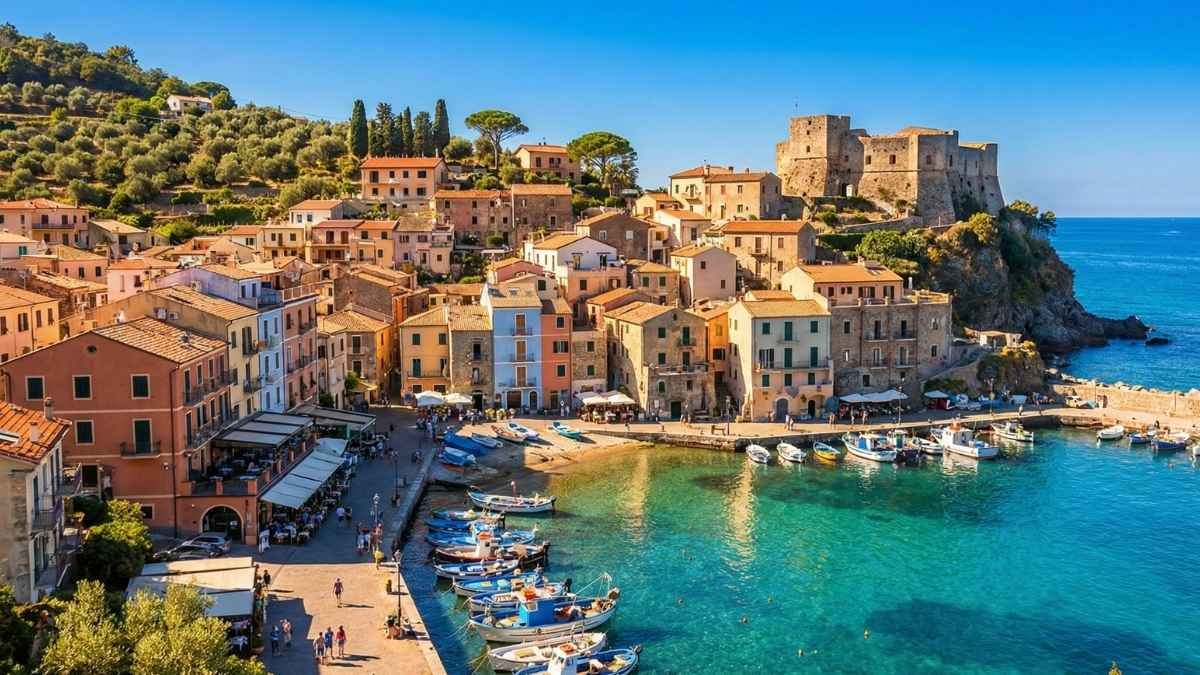
Calabria’s inland villages quietly deliver some of the lowest daily costs in Italy, especially once you step away from the coastline. Coffee prices barely nudge past a euro, produce comes straight from local farms, and rents often feel unreal compared to the rest of the country. The strong dollar turns everyday spending into a pleasant surprise.
What keeps Calabria compelling is how rooted life feels. Families stay for generations, traditions remain intact, and local businesses still serve locals first. There’s an authenticity here that money can’t manufacture—and it shows in how far even modest budgets go.
Infrastructure is simpler, but that’s part of the trade-off. If you’re comfortable with a slower pace and fewer conveniences, Calabria offers remarkable value with genuine character.
Quick facts
- Best months to visit: April–June, September
- Cost of living: Among Italy’s lowest
- Tourism pressure: Minimal inland
- Climate: Warm with mild winters
- Best for: Budget-minded long stays
7. Sardinian Interior Villages, Italy
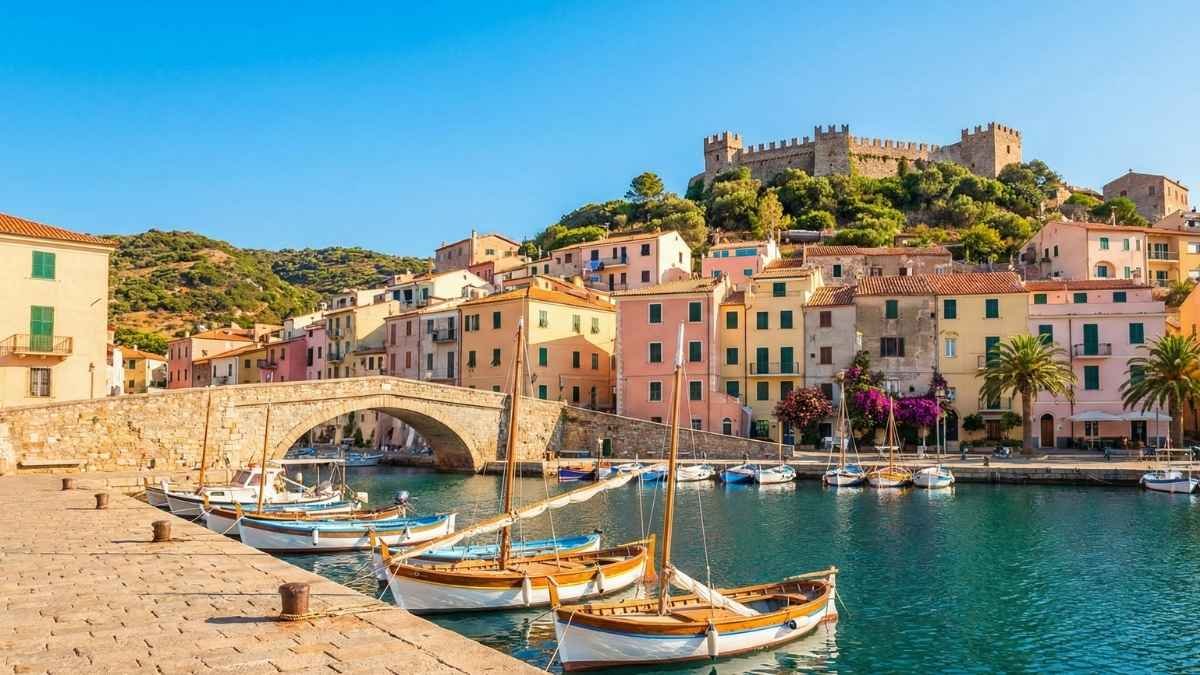
Away from Sardinia’s famous beaches, interior villages offer a completely different financial reality. Here, the dollar stretches comfortably across rent, groceries, and dining, while landscapes remain dramatic and untouched. Daily life costs far less than most people expect from an island destination.
These villages operate on deep-rooted traditions—long lunches, local wine, and a strong sense of community. Living expenses stay low because life stays local, not because corners are cut. That balance makes Sardinia’s interior unusually sustainable for extended stays.
It’s not nightlife-driven or fast-paced, but for those seeking affordability paired with nature and cultural continuity, it quietly excels.
Quick facts
- Best months to visit: May–June, September–October
- Food costs: Very affordable, locally sourced
- Transport: A car is useful but not essential everywhere
- Lifestyle: Calm, community-focused
- Bonus: Exceptional longevity culture
8. Galicia Inland Villages, Spain
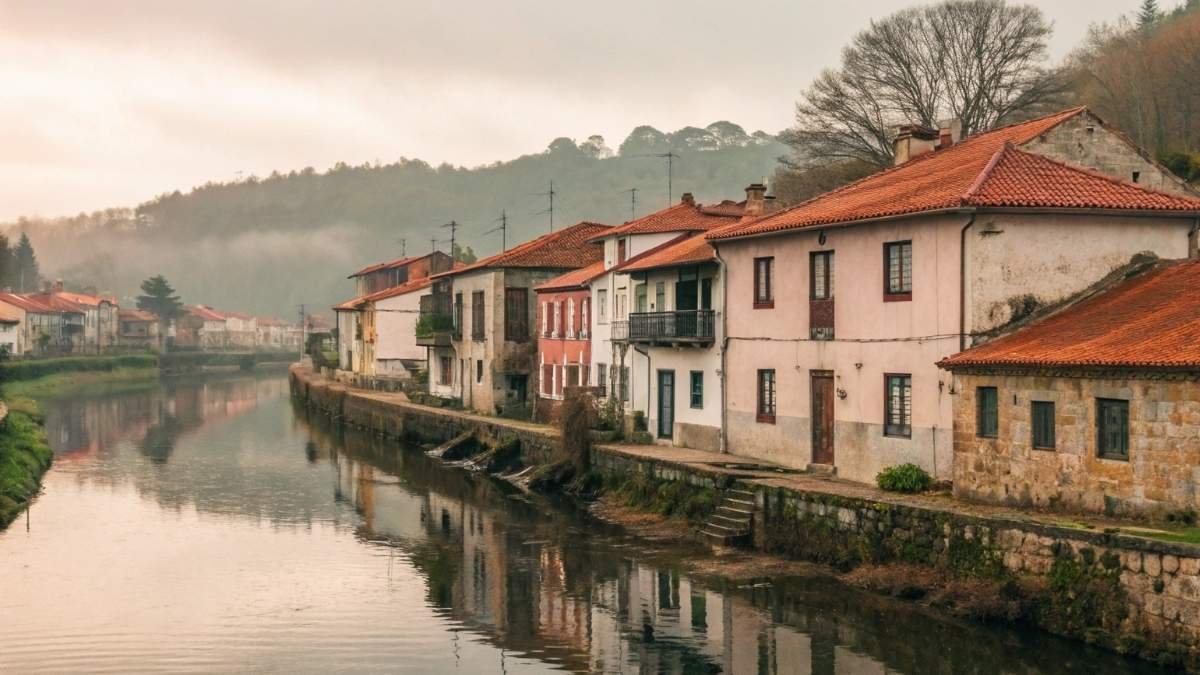
Galicia’s inland villages break the stereotype of expensive Western Europe. Prices here stay grounded thanks to low tourism and a strong agricultural base. The dollar goes further on food, housing, and everyday services than in most of Spain’s popular regions.
Life feels quietly rich rather than flashy. Local markets are plentiful, meals are filling and affordable, and social life revolves around cafés rather than attractions. Rainy days help keep prices low, but they also keep landscapes lush and communities intact.
Galicia works well for anyone who prefers moderation—weather, costs, and lifestyle all land comfortably in the middle.
Quick facts
- Best months to visit: May–July, September
- Climate: Mild, cooler than southern Spain
- Living costs: Low and consistent
- Food culture: Seafood, bread, local wine
- Best for: Year-round living
9. Pelion Mountain Villages, Greece
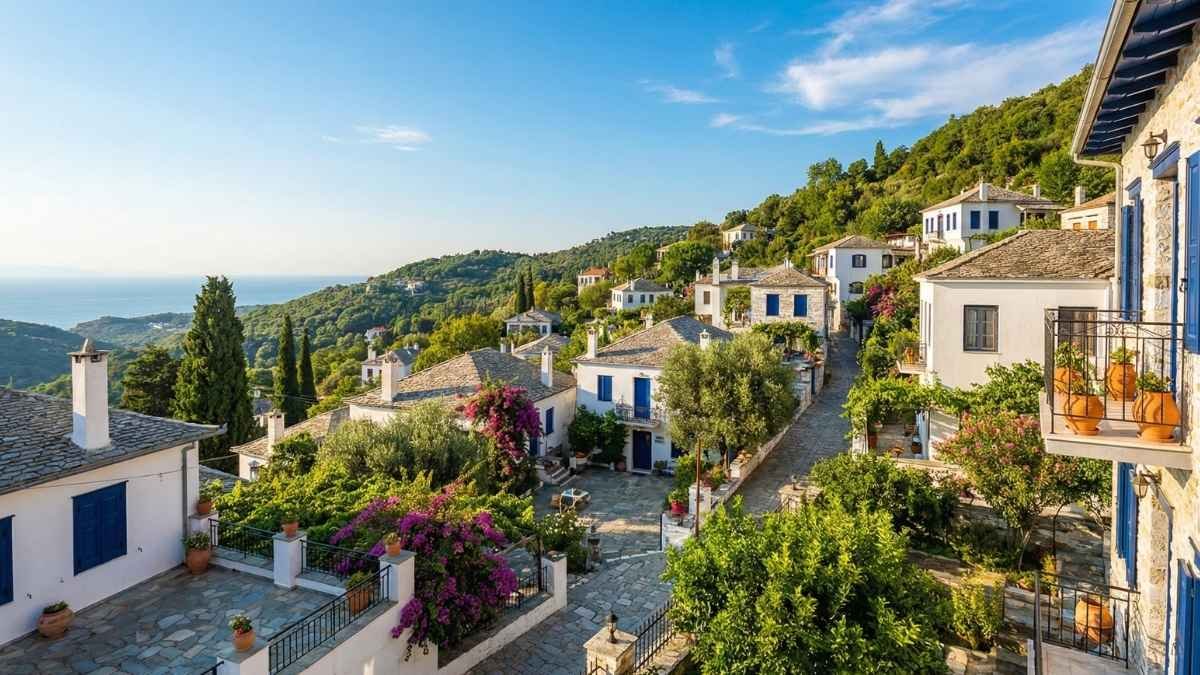
Pelion’s mountain villages offer Greece at a price point rarely associated with the country. Removed from island tourism, daily costs stay manageable—groceries, cafés, and local services remain affordable even during summer months.
These villages blend stone architecture, mountain views, and coastal access without the inflated pricing of better-known destinations. The dollar advantage shows most clearly in dining and rentals, where costs are far below national averages.
Life here balances nature and habit. Seasons matter, community matters, and spending stays practical rather than performative.
Quick facts
- Best months to visit: May–June, September
- Tourism: Seasonal, but manageable
- Food prices: Affordable traditional cuisine
- Climate: Cooler than most of Greece
- Best for: Balanced, scenic living
10. Crete Traditional Villages (Non-Touristy Areas), Greece
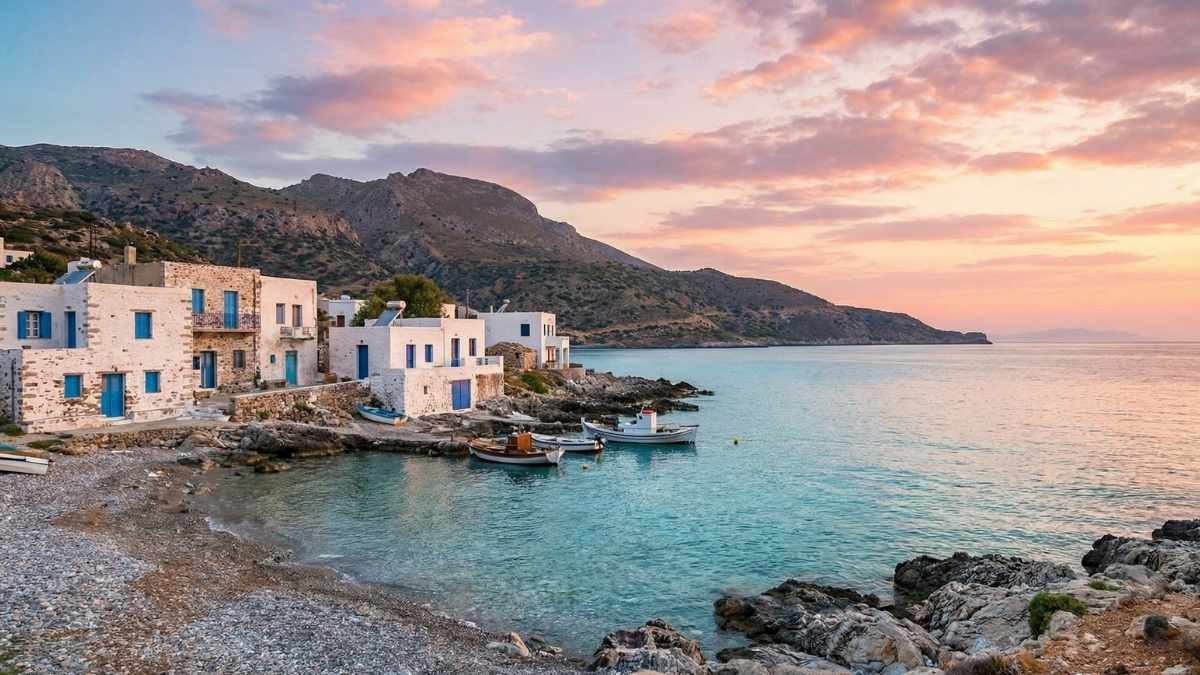
Crete’s lesser-known villages benefit from the island’s size and agricultural strength. Prices remain low because much of what’s consumed is produced locally. The dollar stretches easily across food, rent, and transport, especially away from coastal resorts.
Daily life revolves around markets, family-run tavernas, and routine rather than tourism cycles. Cost stability is one of Crete’s biggest strengths, making it easier to budget long-term without surprises.
Infrastructure is better here than many expect, offering a rare mix of affordability and functionality within Greece.
Quick facts
- Best months to visit: April–June, September–October
- Food costs: Very low due to local production
- Healthcare access: Strong for rural areas
- Lifestyle: Practical, community-oriented
- Ideal for: Extended stays on a budget
11. La Rioja Villages, Spain
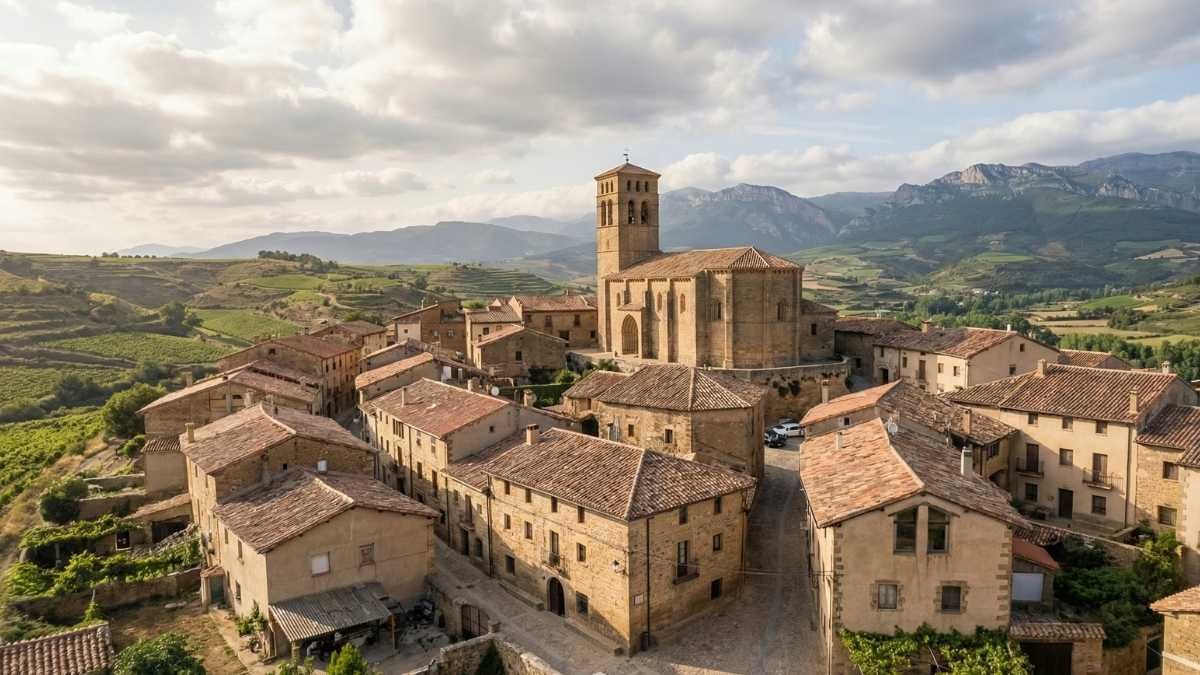
Life in La Rioja’s smaller villages moves at a gentle pace shaped by agriculture and tradition. Outside the tourist circuits, daily costs remain refreshingly low. Local meals are filling and affordable, and housing stays well below national averages. The dollar’s strength shows up in everyday living, not just occasional splurges.
What makes La Rioja unique is how refined life feels despite the modest prices. Village bakeries, neighborhood bars, and weekly markets create a sense of routine that doesn’t demand constant spending. Quality here comes from consistency, not luxury.
It’s an ideal place for those who appreciate structure, seasonality, and quiet social rhythms.
Quick facts
- Best months to visit: May–June, September
- Food culture: Local wine, simple regional dishes
- Cost level: Low to moderate
- Crowds: Minimal outside harvest season
- Best for: Calm, predictable living
12. Madeira Interior Villages, Portugal
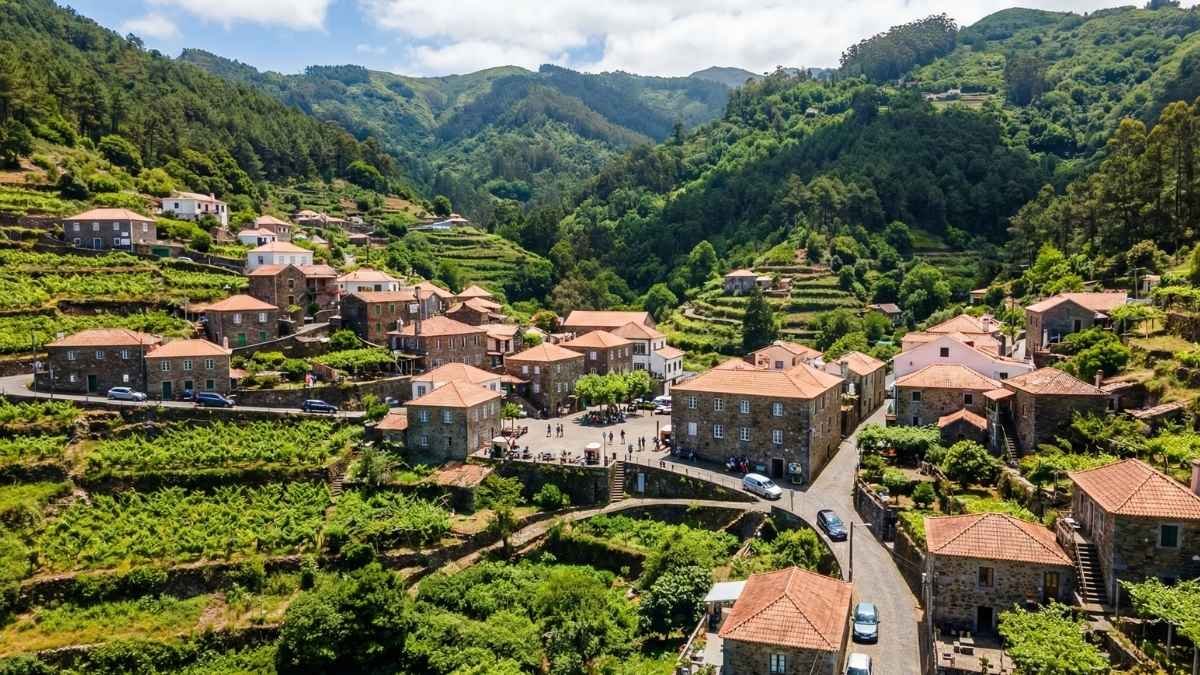
Step away from Madeira’s cruise ports and tourist zones, and the island tells a different story. Interior villages offer low daily costs, affordable produce, and a slower rhythm that keeps spending in check. The dollar stretches well here, especially for food and utilities.
Life unfolds vertically—terraced gardens, winding paths, and strong neighborhood ties. Prices stay reasonable because life stays local, not because quality is compromised. The climate removes seasonal cost spikes, making budgeting easier year-round.
For readers seeking mild weather and long-term value, Madeira’s interior quietly delivers.
Quick facts
- Best months to visit: April–June, September–November
- Climate: Mild year-round
- Cost of living: Lower than mainland expectations
- Transport: Public transit is available but limited
- Best for: Stability and climate comfort
13. Canary Islands Lesser-Known Villages, Spain
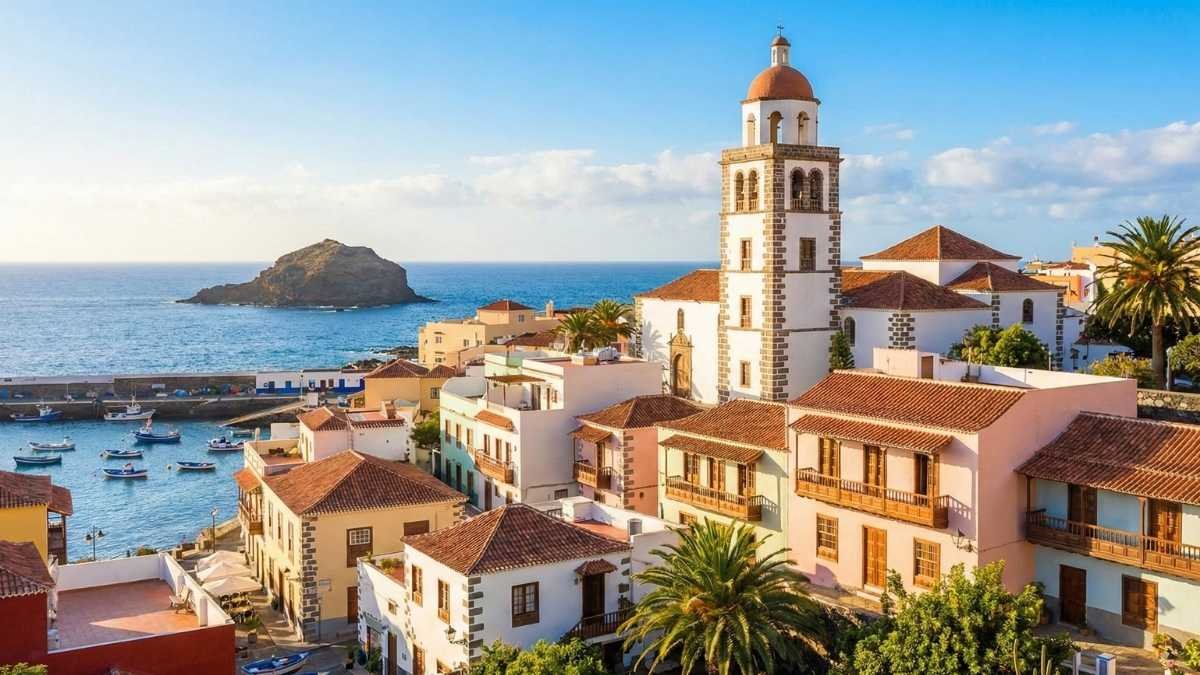
Beyond the resorts, smaller Canary Island villages maintain surprisingly low prices. Daily expenses—groceries, cafés, and local transport—benefit from tax advantages and local supply chains. The strong dollar goes noticeably further here than in mainland Spain.
The lifestyle feels easygoing without being isolated. Costs remain stable because tourism pressure is uneven, leaving many areas largely untouched. Life centers on routine rather than spectacle.
These villages suit those who want ocean air without the financial burden typically associated with island living.
Quick facts
- Best months to visit: February–May, October–November
- Tax benefits: Lower VAT than mainland Spain
- Food prices: Consistently affordable
- Climate: Warm, breezy, steady
- Ideal for: Long stays with mild winters
14. Central Portuguese Beira Villages
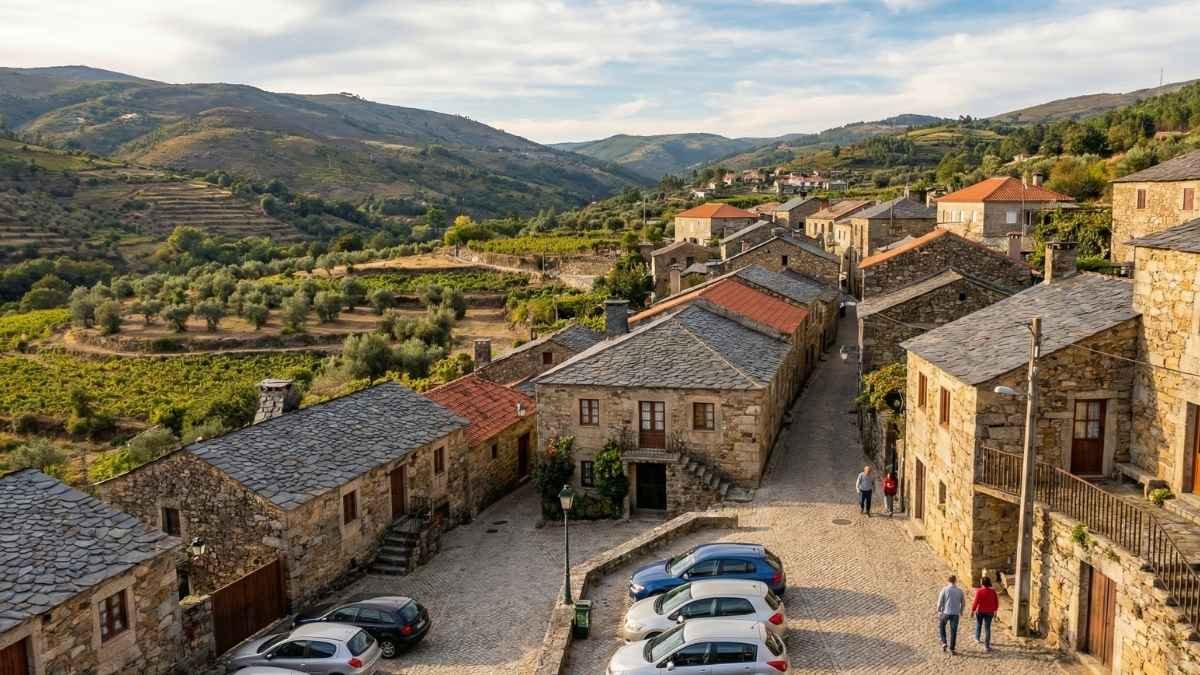
Beira’s villages sit between Portugal’s larger cities, often skipped entirely by visitors. That anonymity keeps prices down across the board. Rent, groceries, and services reflect local wages, not foreign demand—giving the dollar real leverage.
Life here is straightforward. Markets are local, communities are tight-knit, and daily routines don’t require much spending. Affordability stems from function, not sacrifice, which makes Beira an appealing option for practical long-term living.
It’s not flashy, but it is reliable—and that’s the appeal.
Quick facts
- Best months to visit: April–June, September
- Living costs: Very low
- Tourism: Minimal
- Landscape: Hills, forests, rivers
- Best for: Quiet, affordable routines
15. Rural Andalusian White Villages (Non-Touristy), Spain
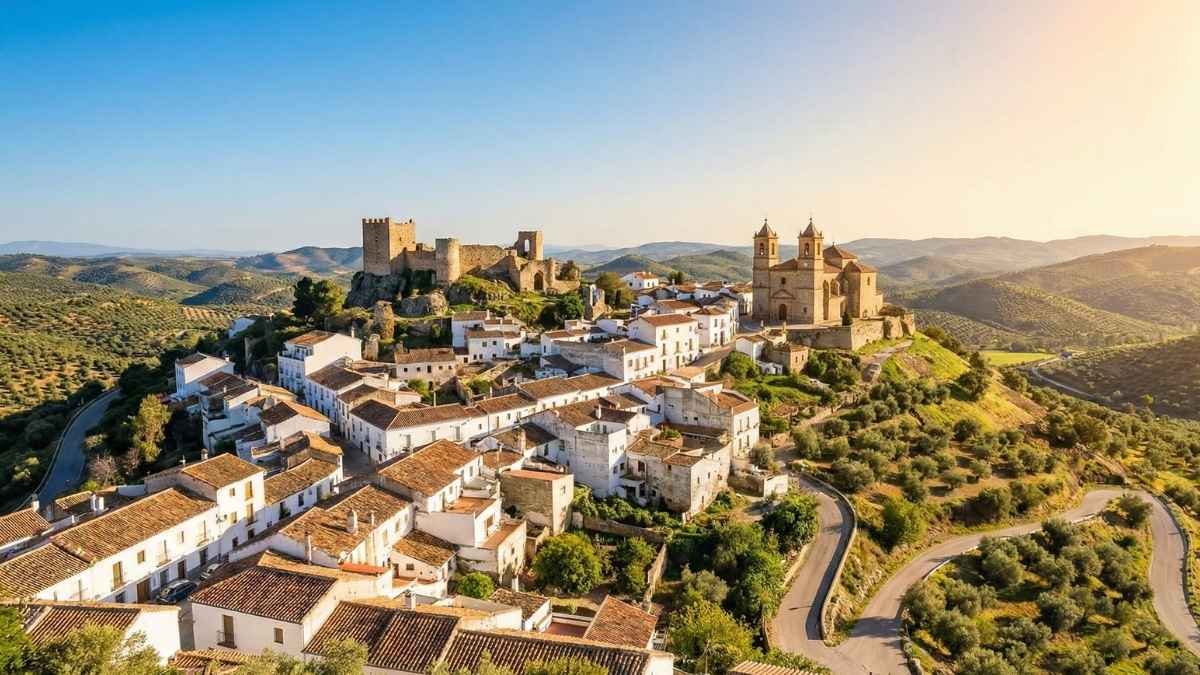
Away from postcard-famous spots, Andalusia’s smaller white villages offer daily life at remarkably low cost. Meals are inexpensive, produce is abundant, and rents stay reasonable thanks to year-round local populations.
These villages benefit from sunshine without tourist overload. The dollar advantage shows most in food and housing, where prices remain anchored to local life rather than visitor demand.
It’s a fitting close to the list—proof that even in well-known regions, real value still exists for those who look just beyond the obvious.
Quick facts
- Best months to visit: March–May, October
- Climate: Sunny, dry, warm
- Food culture: Tapas, local markets
- Crowds: Low outside peak summer
- Best for: Sun-loving budget travelers