13 Dying US Downtowns Where $50K Buys Entire Block (Next Asheville?)

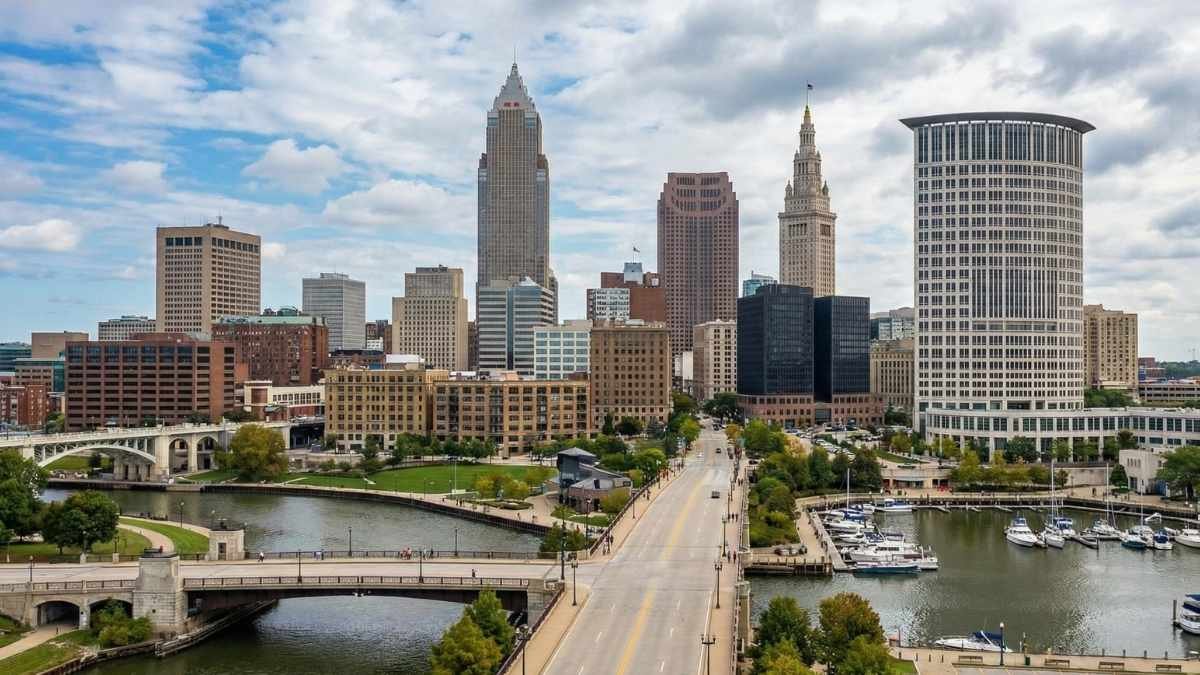
Cracked sidewalks whisper stories of ambition, grit, and the relentless passing of time. Empty storefronts and abandoned lots hold secrets of communities that once pulsed with life, now waiting for the next chapter.
For those willing to look closer, these streets offer a rare kind of magic: opportunities so bold, you could buy entire blocks for less than the cost of a suburban starter home. Every fading mural, every quiet square hints at potential that outsiders often overlook.
Urban decay and hidden promise collide here, inviting curiosity, courage, and the thrill of discovering what could rise again.
1) Detroit, Michigan – The Classic Rust Belt Giant Still Being Rewritten
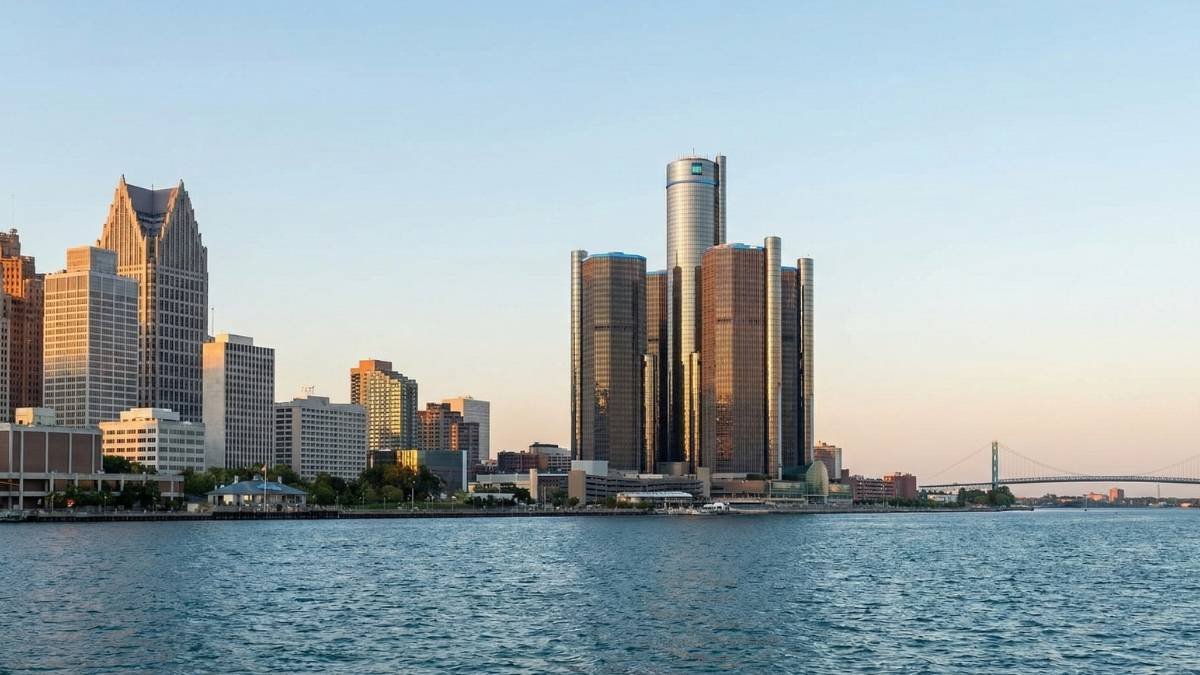
Detroit is the poster child for a downtown once defined by economic collapse and now defined by extreme opportunity — and extreme contrast. At its peak in the 1950s, Detroit was among the wealthiest cities in the U.S., powered by the auto industry. But decades of industrial decline, job losses, and population exodus left huge swaths of the city vacant, blighted, and shockingly affordable — with blocks of land or large properties sometimes effectively going for next‑to‑nothing relative to most U.S. metros. Alibaba
What makes Detroit fascinating for your article is the juxtaposition between the old and the new: downtown and Midtown have seen real investment and revitalization, with tech hubs and renovated historic skyscrapers coming back to life, while outlying neighborhoods still reflect deep economic distress. That means someone with a tight budget can find opportunities on the edges of town that just don’t exist in most cities. The Guardian
On the ground, it feels alive but worn — there are cool cultural pockets (restaurants, murals, museums) next to blocks of empty lots and crumbling façades. A visitor might spend a day exploring an up‑and‑coming neighborhood like Corktown, then drive just a few blocks to see abandoned storefronts and vacant lots. That duality is what makes Detroit such a compelling, if complex, case for “the next Asheville potential” — with a very long runway. Realtor
Quick Info
- Best months to visit: May–September — warmer weather brings street festivals, walking tours, and farm markets downtown.
- Vibe: Historic grit + emerging creative scenes.
- Property reality check: Downtown prices have risen from rock bottom, but fringe blocks and industrial parcels remain deeply undervalued. Realtor
- Things to do: Motown landmarks, Detroit Institute of Arts, Belle Isle Park.
- Watch out for: Longer stays in rougher neighborhoods can feel unsafe — planning ahead is key.
2) Youngstown, Ohio – Steel Ghost Town With Serious Land Value
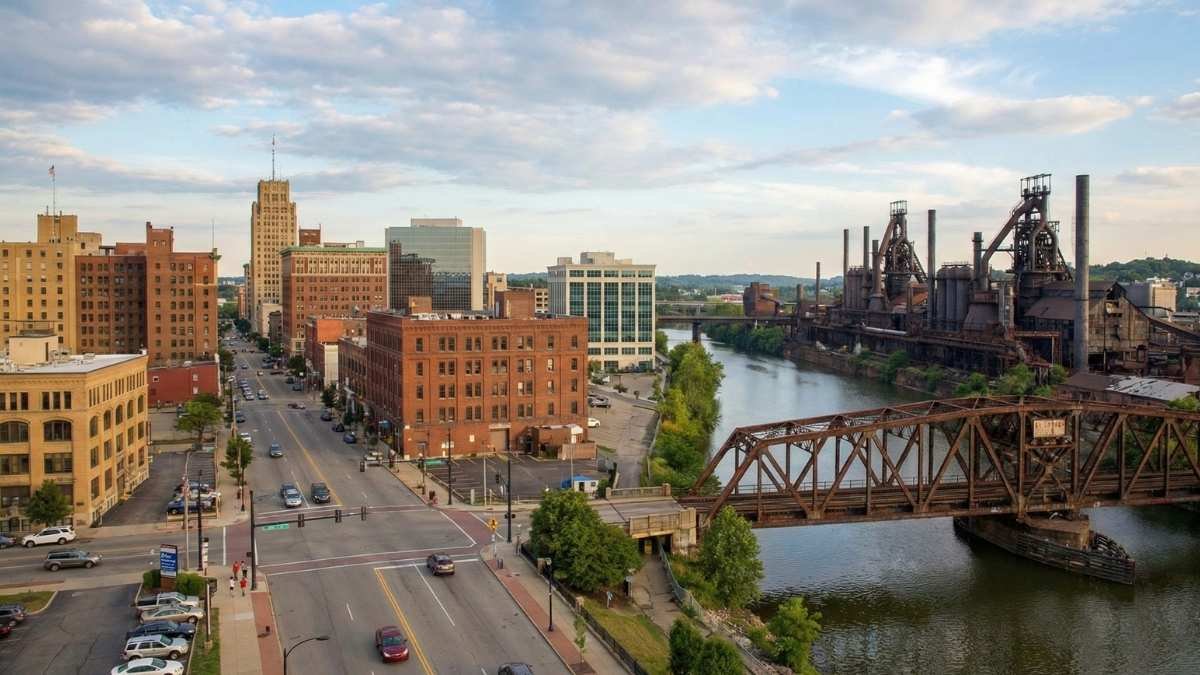
Youngstown has one of the most extreme downtown land value situations in the Midwest. Once a booming steel town, it lost much of its population over the decades, and today, large portions of the city are essentially hollow. There are reports of entire parcels selling for amounts where assembling a block for ~$50K may actually be realistic compared with most U.S. cities. YOUNGSTOWN FORWARD
The real story here is absolute economic decline: aging housing stock, massive vacancy rates, shrinking tax revenue, and an underfunded infrastructure all contribute to property values that are astonishingly low by national standards. That same lack of demand makes it possible to talk seriously about buying big chunks of downtown at deeply discounted prices. YOUNGSTOWN FORWARD
Walking through parts of downtown, you can get a very visceral sense of “before and after”: historic buildings stand empty or gutted, broad avenues are quiet for long stretches, and in some areas, the skyline feels paused in time. For an investor or creative looking for raw potential, Youngstown is bizarrely compelling — you just have to understand it’s currently much more abandoned than trendy. Greater Ohio Policy Center
Quick Info
- Best months to visit: Late spring to early fall (June–September) — milder weather and local festivals bring some life downtown.
- Vibe: Quiet, rugged, deeply affordable.
- Median home price: Often well below the national median — sometimes under $70K in distressed areas. Homes.com
- Things to do: Small museums, Steel Valley bowling, and local theaters.
- Watch out for: High poverty rates and job scarcity; due diligence is essential.
3) Flint, Michigan – Depressed Prices, Core Downtown Activity
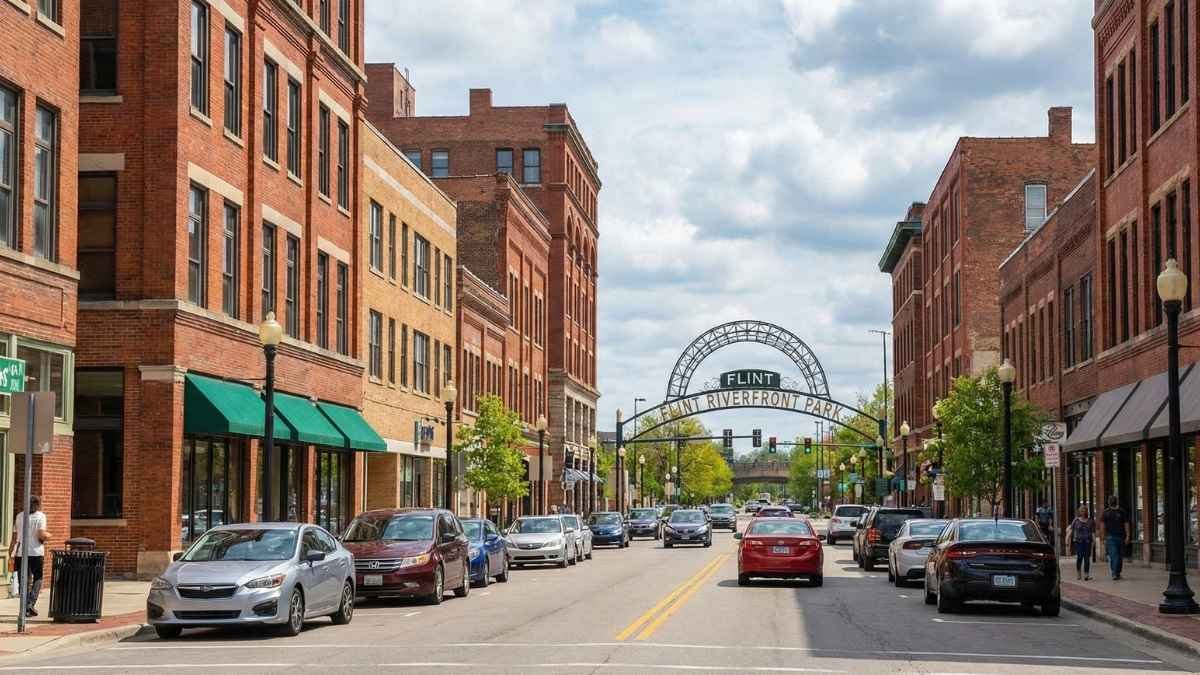
Flint’s downtown is a special twist compared to other dying downtowns: while the city has faced decades of economic challenge, particularly linked to manufacturing decline, there’s still an active core. The downtown commercial district has bars, restaurants, and community events that give it more of a heartbeat than some Rust Belt peers. Homes.com
What makes Flint interesting for your theme is that property values remain suppressed even as some parts of downtown feel lively. You can find deeply affordable land and buildings a short walk from cafes and a farmers’ market, which blends the feel of a struggling city with real pockets of life. Homes.com
Not everyone will walk away thinking Flint is the next big creative hub — it still faces crime and infrastructure challenges. But that same complexity is why a narrative about geographic arbitrage (cheap downtown real estate now for potential future value) resonates here. There’s a pulse tucked between the tension of decline and community spirit. Homes.com
Quick Info
- Best months to visit: May–October — farmers’ market, trail activities, and seasonal events.
- Vibe: Small downtown with hidden gems and old‑school charm.
- Median downtown home prices: Still low relative to national markets. Homes.com
- Things to do: Flint Farmers Market, jazz festivals, river trails.
- Watch out for: Some areas are higher crime — focus on core walkable districts.
4) Saginaw, Michigan – Quiet Decline With Cheap Blocks
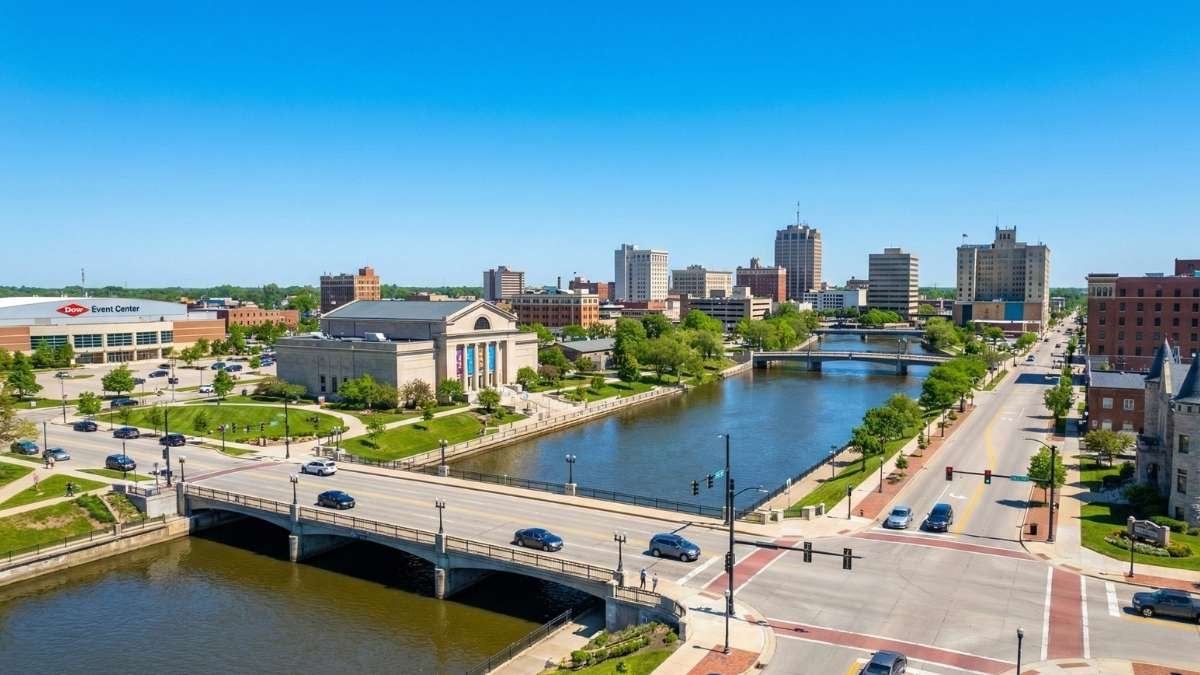
Saginaw’s story is quintessential Rust Belt: strong manufacturing base in the 20th century, then decades of job losses, population shrinkage, and stagnant investment. Downtown Saginaw is dotted with empty storefronts and low‑value residential stock that make neighborhood tracts astonishingly cheap by metropolitan standards. Wikipedia
It’s not flashy, and it certainly isn’t booming — which is exactly the reason someone could buy large property parcels here without breaking the bank. Historic Main Street and the adjacent riverfront offer one of the few walkable cores, but surrounding blocks can still feel like a time capsule from a more prosperous past. Wikipedia
For readers curious about speculative or redevelopment playbooks, Saginaw is a compelling case: its decline isn’t abrupt but deep and persistent, which means buyers aren’t just chasing a fading snapshot — they’re looking at a foundation that hasn’t yet attracted significant outside capital. Wikipedia
Quick Info
- Best months to visit: June–September — riverfront events and summer festivals.
- Vibe: Laid‑back, very affordable.
- Historic touchpoints: Saginaw Children’s Zoo, downtown riverwalk.
- Watch out for: Economic stagnation means redevelopment is slow.
5) Pine Bluff, Arkansas – Deep South Bargain With Surprising Nodes
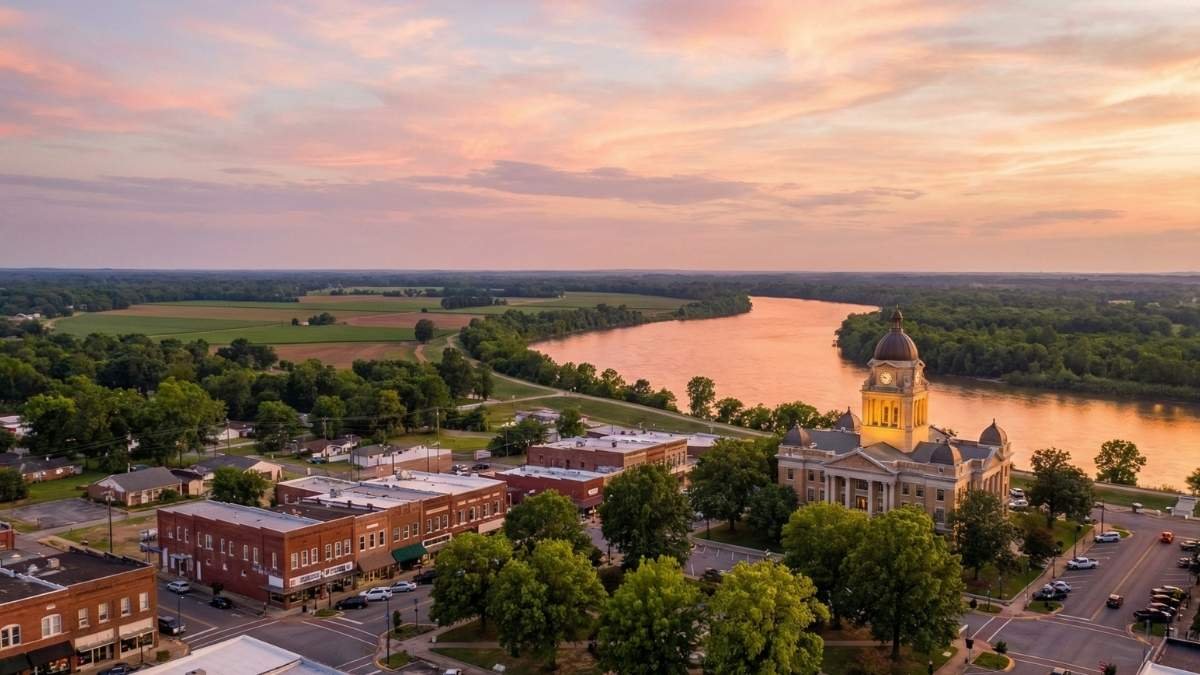
Pine Bluff ticks the box many people miss: it’s not a Rust Belt steel town, yet it shares the same structural decline that deflates land values. Home prices here are extremely low compared to state and national medians, and in some affordable ZIP codes, land and buildings go for prices that make block‑scale purchases conceivable. Realtor
This makes Pine Bluff an odd but powerful example for your article — a place where downtown decline is tied not just to old industry leaving but to broader regional economic shifts. There’s a slower tempo here: a small airport nearby, a small‑city feel, and local cultural attractions like the Arkansas Railroad Museum. Realtor
Walk through downtown and you’ll see a mix of historic structures, shuttered storefronts, and pockets of small business life. It’s the kind of town that feels grounded in community history even as the downtown core yawns with empty storefronts — a contrast that helps explain why blocks can be had so cheaply. Realtor
Quick Info
- Best months to visit: March–May or September–November — mild weather ideal for exploring.
- Vibe: Small city with Southern charm and deep affordability.
- Nearby attractions: Arkansas Railroad Museum and regional bayou outdoor activities.
- Watch out for: Crime rates and economic headwinds are real; treat this as a value with risk.
6) Baltimore, Maryland – Old City, New Questions
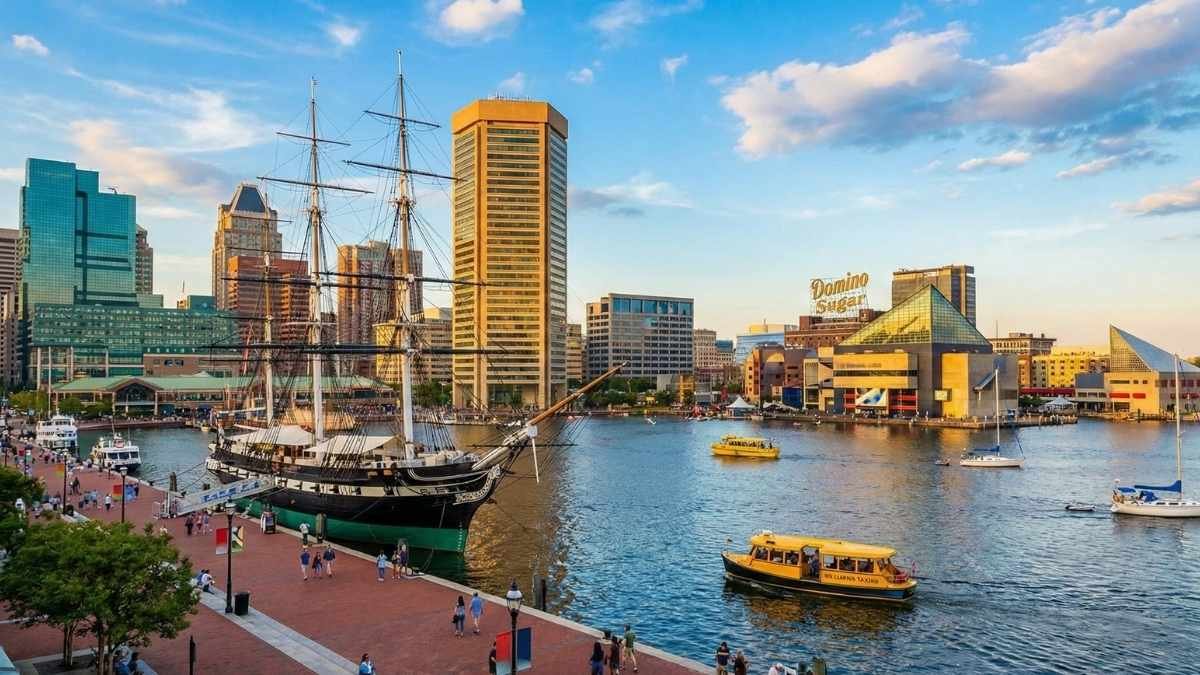
Baltimore’s downtown has a deep history and an even deeper affordability paradox. Once one of the busiest port cities in the U.S., its warehouse districts and waterfront blocks carry architectural beauty — but decades of economic stagnation, crime, and population loss have kept prices subdued compared to other East Coast urban cores. You can still find extremely cheap parcels of land and whole blocks in some of the less‑trafficked parts of downtown or adjacent neighborhoods that are shocking bargains by any big‑city standard.
Walk through older parts of downtown, and what strikes you most is how often you’ll see stately old buildings standing next to empty lots or boarded storefronts — a vivid real‑world example of how urban decline and latent potential coexist here. Baltimore’s appeal isn’t just affordability; it lies in the tension between historic grandeur and years of disinvestment that make real estate prices low enough to talk seriously about block‑scale buys.
That said, the city’s dynamics matter: some pockets are truly lively (Inner Harbor, Mount Vernon), while others are still struggling with safety and infrastructure issues. Baltimore is not a blank slate — it’s a patchwork city, and understanding that patchwork is exactly what makes it intriguing for redevelopment narratives. New York Post
Quick Info
- Best months to visit: May–October — festivals, waterfront events, and warm weather make downtown feel most inviting.
- Vibe: Historic grit meets opportunity — charming and flawed.
- Nearby perks: National Aquarium, Inner Harbor boardwalk, historic neighborhoods.
- Heads‑up: There are high‑crime areas; local guidance and research are essential.
7) Cleveland, Ohio – Affordable Rust Belt Resilience
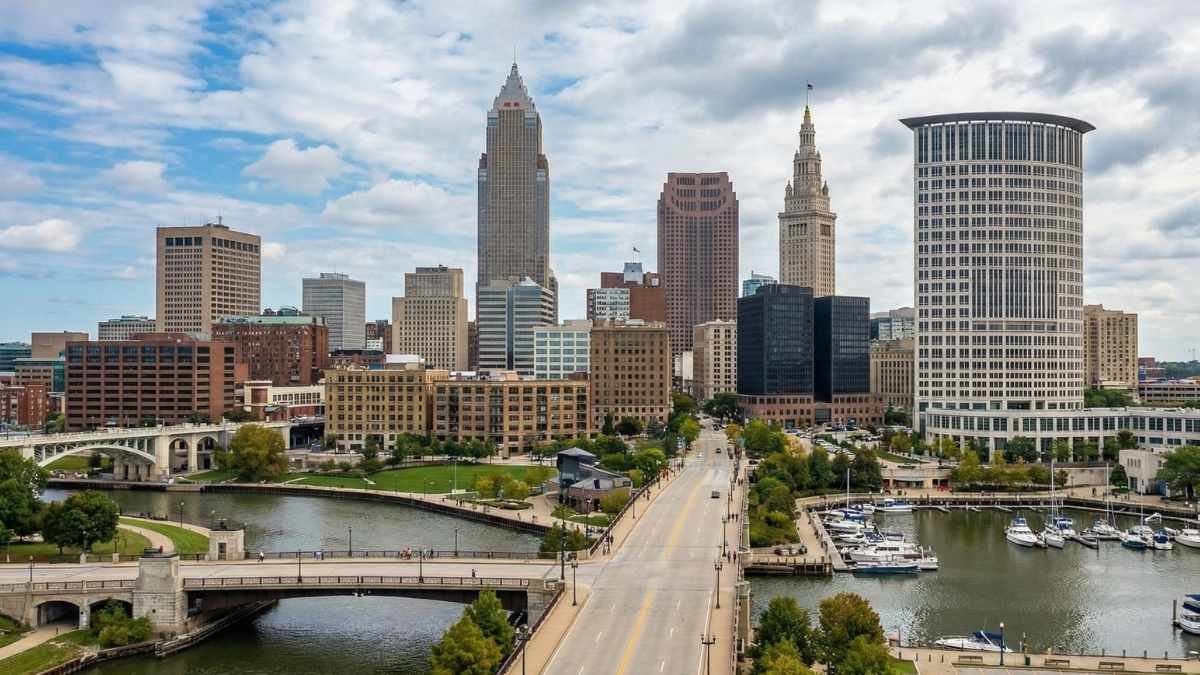
Cleveland often gets overlooked when people think of affordable cities, but its downtown and core neighborhoods still provide some of the lowest real estate prices among major metros — a classic Rust Belt story. With steady but slow price growth and a strong presence in housing affordability rankings, you’ll find blocks of older housing stock and even commercial parcels that have not caught mainstream attention yet. Zillow
What makes Cleveland interesting is that it’s not a dead city. There’s still cultural life (Playhouse Square, a vibrant food scene, lakefront parks), yet supply outstrips demand in certain downtown tracts, keeping values suppressed relative to most U.S. cities. That creates the rare combo of walkable amenities with pre‑gentrification pricing — a reader might liken it to “Asheville before Asheville got expensive.”
With its industrial roots and waves of suburban migration over the past decades, Cleveland’s core blocks show arches of promise and decline. You can stroll blocks by Lake Erie with renewed development nearby, then turn a corner and see historic buildings that haven’t been touched in decades. For opportunistic buyers, that contrast is exactly the terrain where low entry costs meet speculative upside. citiesmatcher.com
Quick Info
- Best months to visit: June–September — lake breezes and festivals make downtown engaging.
- Vibe: Affordable big‑city feel with cultural punches.
- Highlights: Lakefront, cultural institutions, food halls.
- Watch for: Some neighborhoods still need significant investment and community buy‑in.
8) Toledo, Ohio – The Glass City Quietly Affordable
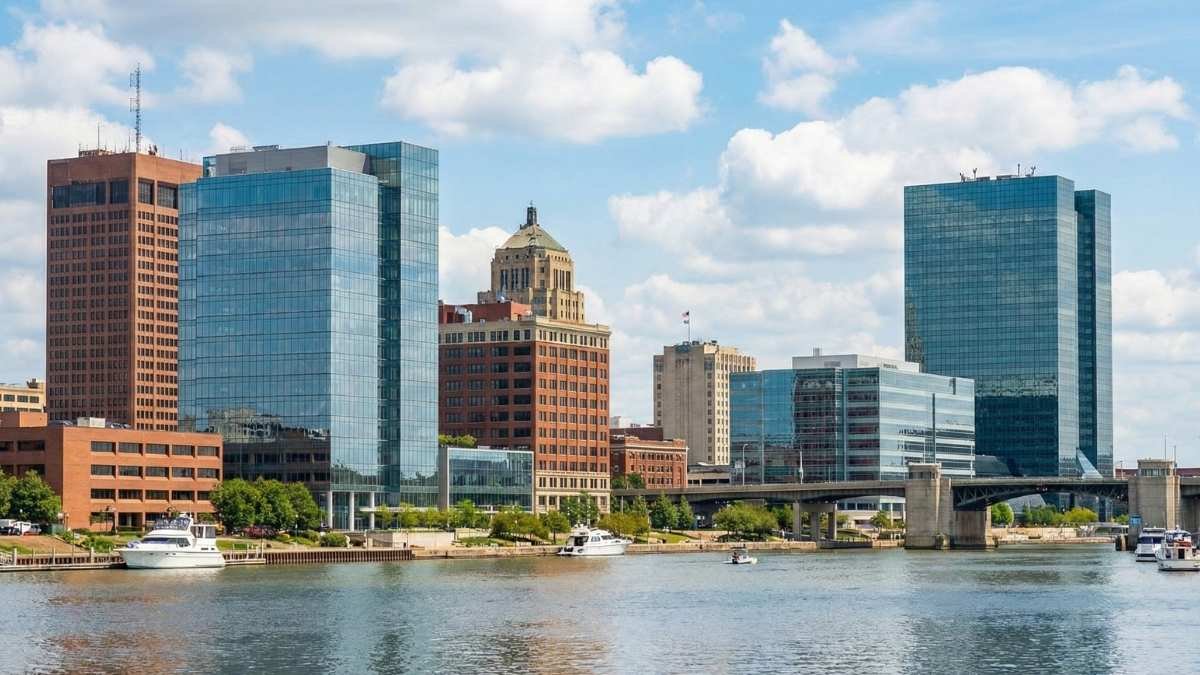
Toledo’s downtown doesn’t always make national headlines, but when it comes to affordable housing and surplus property, it’s one of the Midwest’s most intriguing cases. Traditionally a manufacturing hub, the city’s real estate has stayed remarkably cheap even as nearby markets (like Detroit) have begun to tick upward. New York Post
What sets Toledo apart from some other dying downtowns is that it’s not entirely dying — there’s a sense of stability in its arts community, riverfront trails, and local amenities that keep parts of downtown active. Yet in less trafficked blocks, you’ll still find low values that could make a bundled acquisition (multiple lots or properties) conceivable for developers or investors with creative plans. New York Post
It’s worth noting that affordability here isn’t purely about decline — it’s also about balanced opportunity. Toledo never got as expensive as many Sunbelt or coastal cities, and that means its cheap land is not just distressed property but simply undervalued relative to lifestyle offerings, which include walkable neighborhoods and a manageable urban scale. New York Post
Quick Info
- Best months to visit: May–October — comfortable temps, riverfront activities.
- Vibe: Small‑city with big potential and very affordable land.
- Nearby perks: Riverfront trails, museums, local breweries/arts.
- Watch for: Job market still evolving; investor interest is rising, so price dynamics may shift.
9) St. Louis, Missouri – Old City, New Bargains
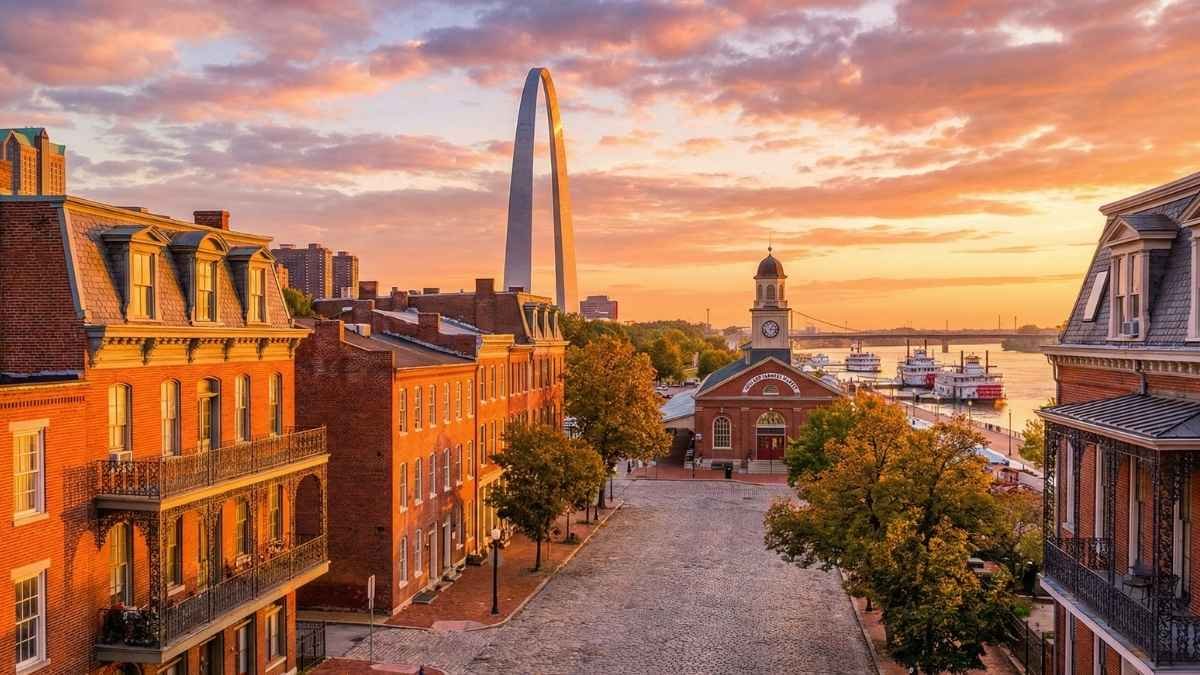
St. Louis is a city that holds layers of American urban history, and like Detroit or Baltimore, its downtown reflects periods of boom and bust. Portions of the core and surrounding older neighborhoods are riddled with cheap real estate that, on paper, could allow someone to assemble a block for very low money — a reality shaped by decades of white flight, industrial shifts, and uneven reinvestment.
Architectural gems meet empty lots and shuttered storefronts in St. Louis, giving the city a visual and economic contrast that often surprises first‑time visitors. While parts of downtown and nearby areas (like the Central West End) are seeing targeted growth, many blocks still haven’t felt the ripple of revitalization — and that’s exactly why you might talk about block‑scale opportunities.
St. Louis is also unique for its historic market buildings, expansive public parks, and riverfront heritage. Those positives give context to the cheap land — it’s not a city without assets, it’s a city where assets and liabilities sit right next to each other, making it a classic “value play” for readers curious about speculative urban transformation. New York Post
Quick Info
- Best months to visit: April–October — spring blooms, fair weather.
- Vibe: Historic and affordable, with strategic pockets of revival.
- Attractions: Gateway Arch, Forest Park, and cultural districts.
- Watch for: Some areas still struggle with disinvestment and safety.
10) Peoria, Illinois – Small City, Big Bargains
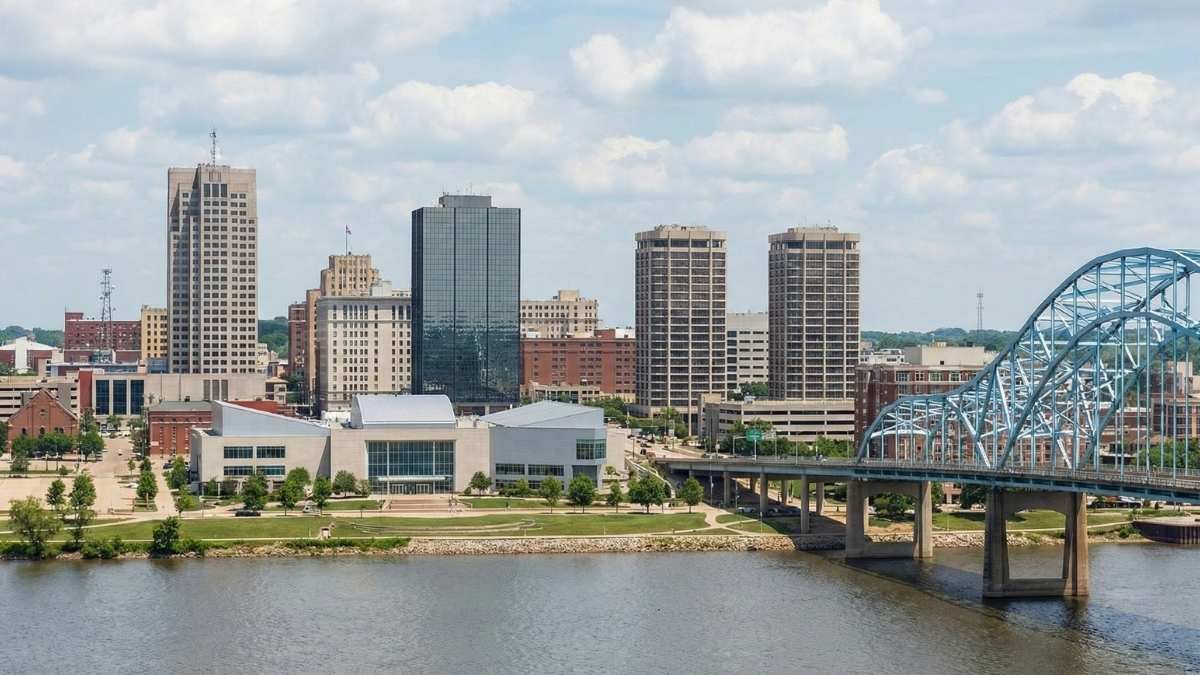
Peoria isn’t a huge urban core, but its downtown affordability is stunning, with median home prices often among the lowest in the state outside Chicago and the suburbs. The population has dipped over time, and like many Midwestern cities, that’s left pockets of under‑utilized property where multiple blocks could be acquired for far less than most metros. The Motley Fool
Peoria’s downtown is quieter than many in this list, but that makes it interesting because it’s closer to a blank slate than most post‑industrial cities. With civic efforts to attract small businesses and revitalize, there’s a modest buzz that could grow if paired with smart investments — exactly the kind of backdrop your readers will find compelling.
The contrast here isn’t about abandoned skyscrapers or dense historic cores; it’s about a manageable city with cheap land and slow momentum — a combination that can be appealing if you’re writing about potential future hotspots before everyone else catches on. The Motley Fool
Quick Info
- Best months to visit: May–September — warm weather is ideal for exploring on foot.
- Vibe: Small urban core with bargain land and relaxed pace.
- Local staples: Riverfront trails, small museums, and local eateries.
- Heads‑up: Economic growth is slower; opportunities require patience and vision.
11) Ivy City, Washington, D.C. – Industrial Fringe with Surprising Opportunity
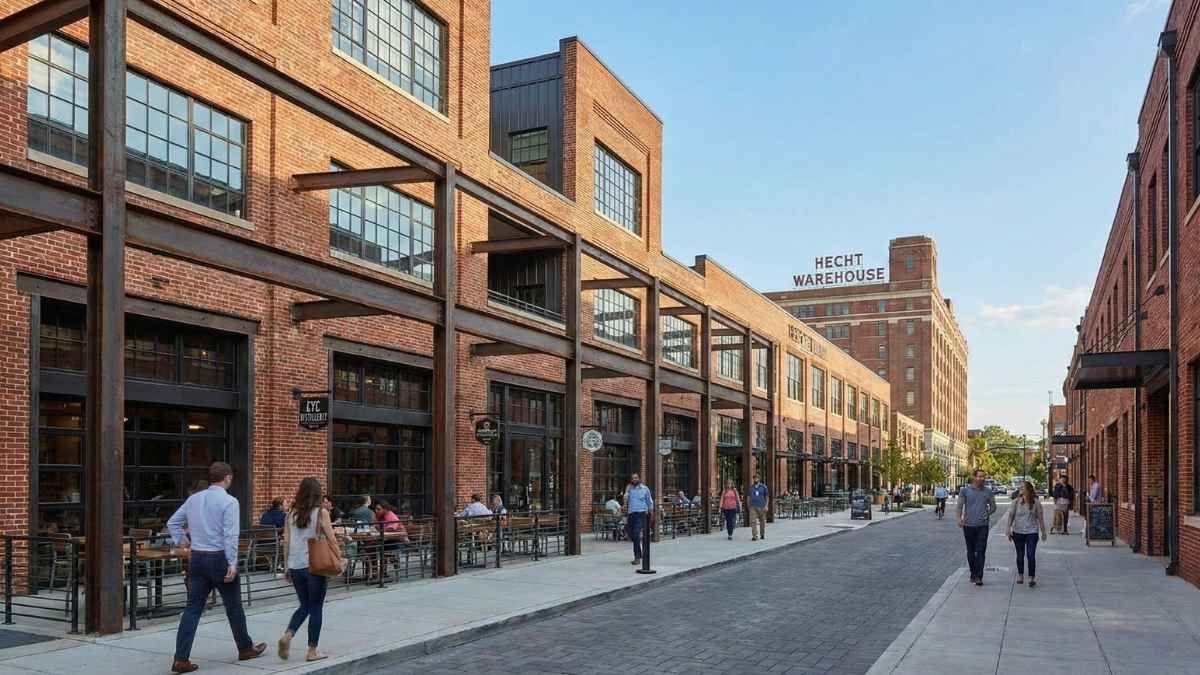
Ivy City is a corner of D.C. that feels like a city within a city. Once dominated by warehouses and light industrial operations, this neighborhood has long been overlooked by developers and investors, keeping property prices shockingly low for the nation’s capital. Entire blocks of industrial‑turned‑residential parcels, or even vacant lots, can be had for amounts that seem impossible for D.C., a city usually synonymous with sky‑high real estate.
Walking through Ivy City, the sense of history is palpable. Rusting factories sit shoulder to shoulder with newer creative ventures, craft breweries, and small restaurants. The tension between the gritty past and subtle resurgence gives the neighborhood a unique rhythm: it’s neither fully abandoned nor fully revitalized, but somewhere in that in‑between space lies opportunity. For anyone curious about “Asheville potential” in an unexpected context, Ivy City is a fascinating study of urban transformation.
The neighborhood is small enough to explore on foot yet has access to the broader D.C. metro amenities. That combination of scale, accessibility, and affordability is rare — and it gives the downtown edge a tangible sense of possibility. In short, Ivy City is where historic bones meet speculative opportunity, creating a story worth telling.
Quick Info
- Best months to visit: April–June and September–November — mild weather, fewer tourists.
- Vibe: Industrial grit meets creative resurgence.
- Nearby perks: Union Market, NoMa, quick access to downtown D.C.
- Watch out for: Some streets remain underdeveloped; safety can vary block by block.
12) Terre Haute, Indiana – Small City, Big Potential
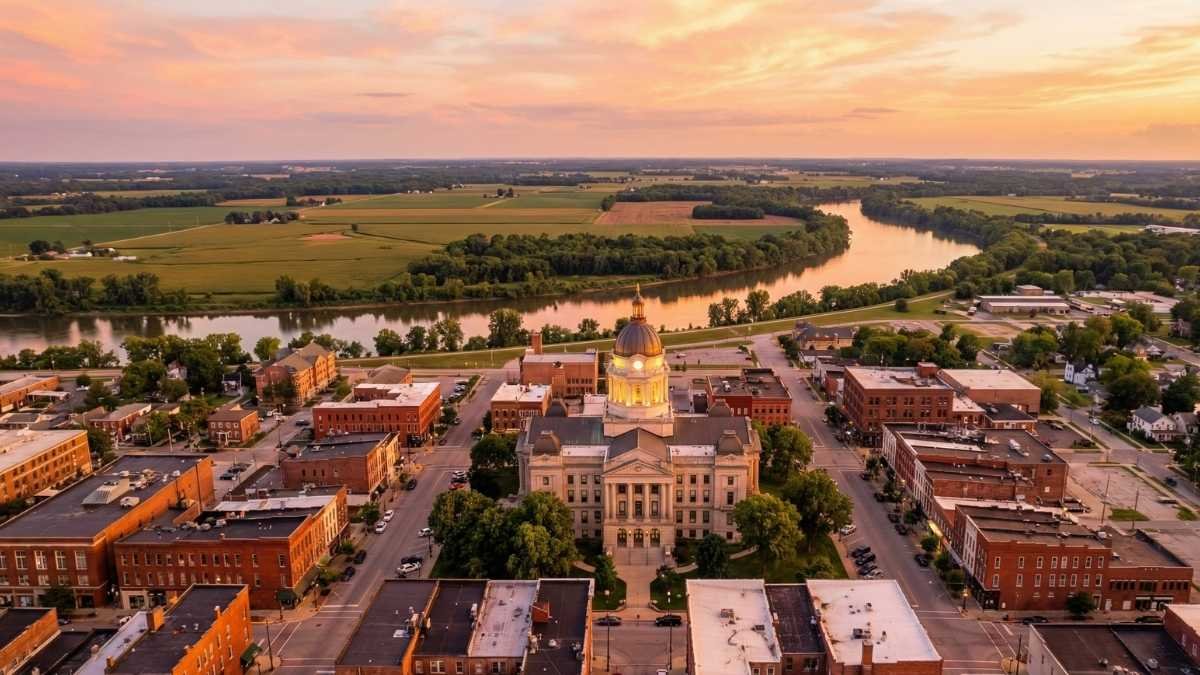
Terre Haute doesn’t grab headlines like Detroit or Baltimore, but that’s part of its charm. Its downtown core is modest, often overlooked, and priced accordingly — making block-scale property purchases plausible for a small investor or adventurous buyer. Once a hub of industry and culture, it’s now quiet and affordable, with a mix of historic architecture and open lots that feel like a canvas waiting for ideas.
Strolling downtown, you encounter a mix of familiar small-town energy and midwestern resilience. Old theaters, brick storefronts, and public spaces coexist with empty lots and low-value buildings, creating a patchwork that tells the story of a city in transition. It’s not flashy, but that’s exactly what makes it interesting: there’s room to experiment, invest, and a renewed downtown without paying city-center prices.
Terre Haute’s location adds another layer to the story. Close to larger hubs like Indianapolis, it benefits from regional access while remaining affordable. That combination — cheap land, slow but steady potential, and a sense of local identity — makes it one of the more subtle, yet compelling, entries on your list.
Quick Info
- Best months to visit: May–September — pleasant weather and outdoor community events.
- Vibe: Quiet, unassuming, yet full of untapped opportunity.
- Local highlights: Swope Art Museum, Terre Haute Action Track, and local theaters.
- Heads-up: The job market is limited, and revitalization is gradual; patience and vision are key.