15 USA Towns Where Everyone Knows Everyone (Population Under 500)

Whispers of life hum louder where streets are empty, and the world slows down to a pace that actually lets you notice people. In these towns, greetings aren’t polite formalities—they’re genuine acknowledgments, threaded with memory and familiarity.
Every door, every corner, every café carries a story you’ll quickly become part of. Time doesn’t race here; it stretches just enough for neighbors to matter, routines to feel meaningful, and every small interaction to count.
Exploring these places isn’t about sightseeing—it’s about stepping into a rhythm where community isn’t optional, it’s the heartbeat, and feeling what it’s like to belong.
1. Monowi, Nebraska
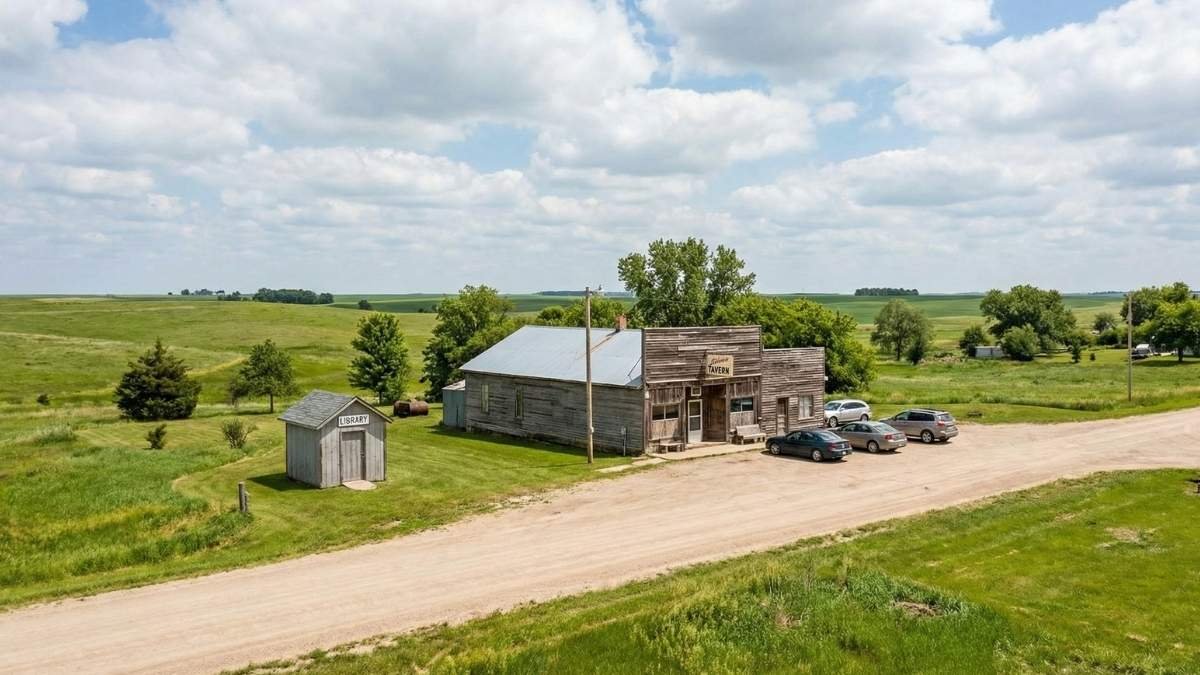
Monowi isn’t just small—it’s legendary. With one permanent resident, this town has become a symbol of extreme rural America, yet it doesn’t feel like a joke or a novelty once you understand it. The town still functions legally, meaning municipal paperwork gets done, taxes are filed, and yes, elections are held. All by the same person. That alone gives Monowi a strange kind of dignity.
What makes Monowi compelling isn’t the population number, but the sense of intentional staying. This is a place that didn’t fade quietly; it stayed alive because someone chose to keep it that way. Visitors often stop out of curiosity and leave with respect. The bar, the library, and the quiet plains around it feel less abandoned and more preserved.
Despite its size, Monowi represents something deeply American: holding ground even when the world moves on. It’s quiet, unhurried, and oddly grounding in a way that larger towns rarely are.
Quick facts
- Best months to visit: May–September
- Closest city: Norfolk, Nebraska
- Main draw: One-person town with a functioning bar
- Vibe: Ultra-quiet, reflective, oddly welcoming
- Good for: Road-trippers, writers, curiosity travelers
2. Buford, Wyoming
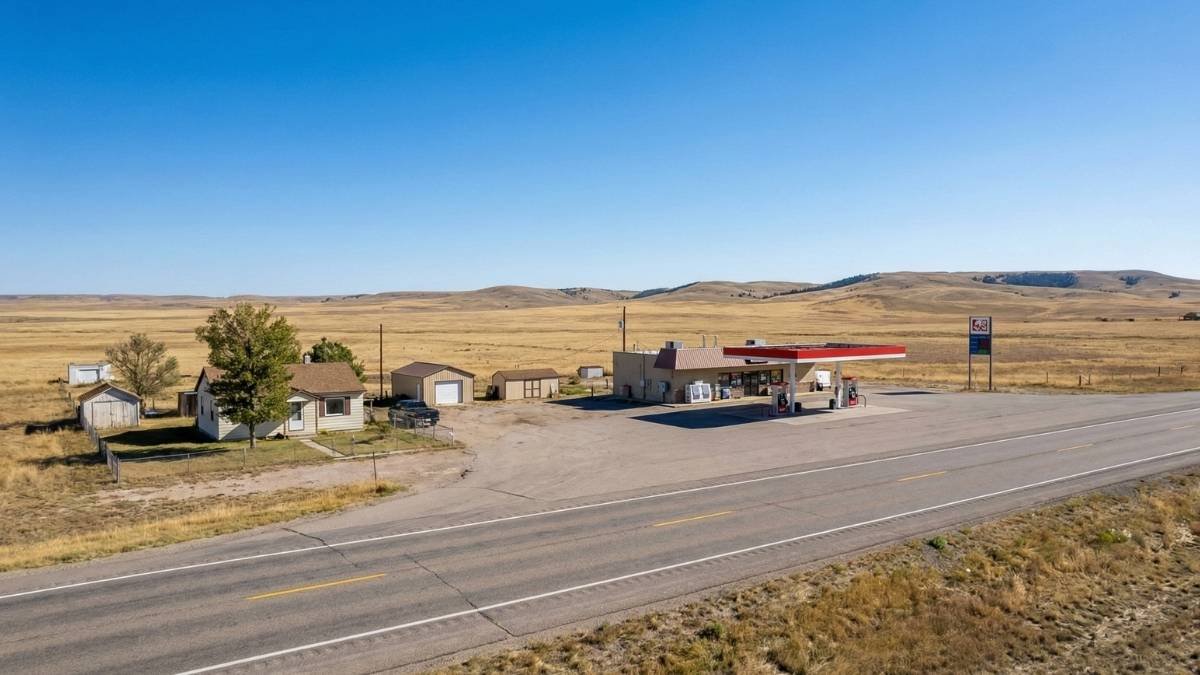
Buford sits right off Interstate 80, yet it feels worlds away from anywhere. For years, it was known as America’s smallest town, with a population that hovered at one. Even now, it remains tiny enough that everyone knows everyone—and that “everyone” fits in a single room.
What makes Buford fascinating is its contrast. Trucks fly past at highway speed, while the town itself moves at a pace that barely registers. The post office, the general store, and the open sky do most of the talking here. There’s a calm confidence to Buford, as if it knows it doesn’t need to grow to matter.
This town appeals to people who appreciate spaces between places. It’s not about attractions; it’s about standing still while everything else rushes by.
Quick facts
- Best months to visit: June–August
- Closest city: Laramie, Wyoming
- Main draw: Historic smallest-town status
- Vibe: Isolated, stark, quietly iconic
- Good for: Cross-country travelers, minimalists
3. Centralia, Pennsylvania
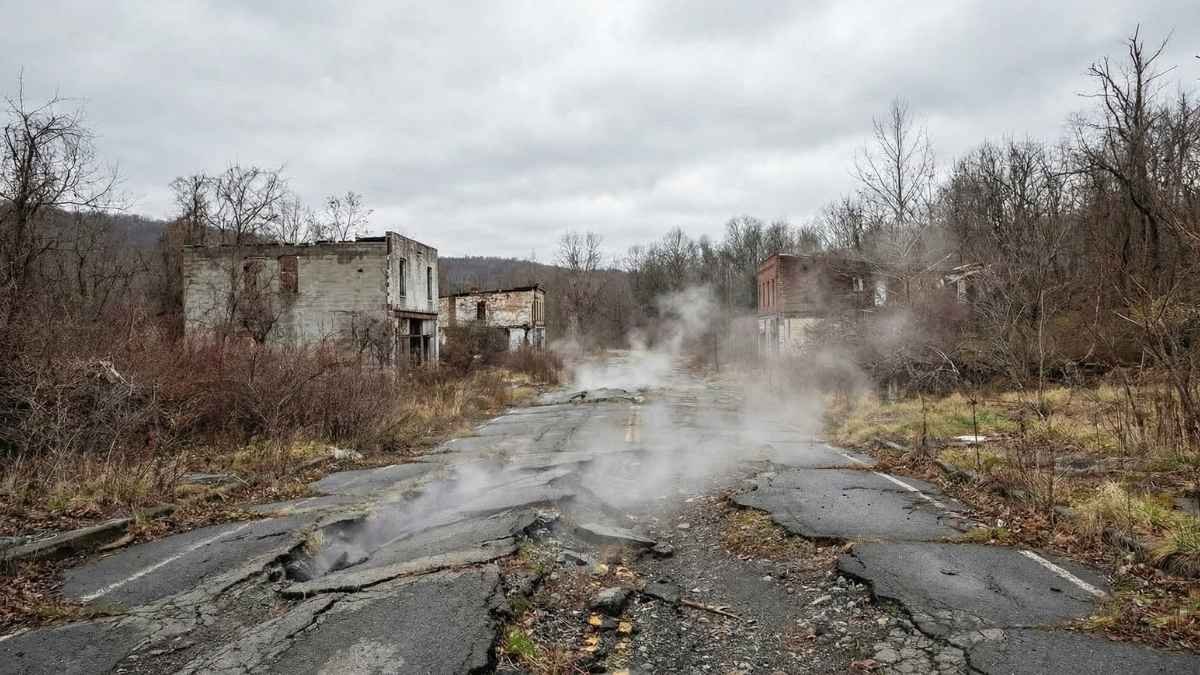
Centralia feels like a ghost story that never quite ends. Once a busy coal town, it now has single-digit population numbers due to an underground mine fire that’s been burning for decades. Streets lead to nowhere, lots are empty, and silence dominates—but the town still legally exists.
What’s striking about Centralia isn’t emptiness alone; it’s the persistence of presence. A few residents chose to stay despite everything, and that decision reshaped the town’s identity. It’s eerie, yes—but also deeply human. This isn’t abandonment; it’s defiance.
Walking through Centralia feels like stepping into a paused moment in time. It’s not a place you visit lightly, but it leaves an impression that’s hard to shake.
Quick facts
- Best months to visit: April–October
- Closest city: Harrisburg, Pennsylvania
- Main draw: Underground fire and near-ghost town status
- Vibe: Haunting, quiet, thought-provoking
- Good for: History lovers, photographers, urban explorers
4. Whittier, Alaska
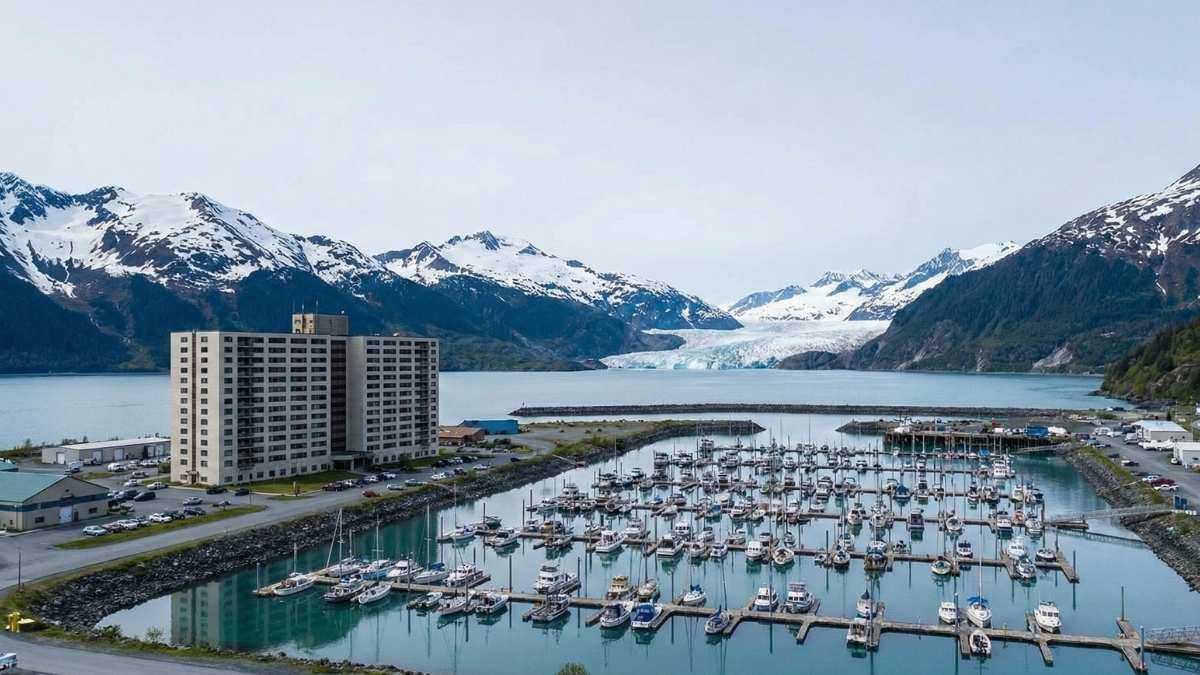
Whittier is small, remote, and unforgettable. Nearly the entire town lives in one massive building, originally built for military use. That single structure houses apartments, a grocery store, a school, and even the post office. When everyone lives under one roof, community isn’t optional—it’s built in.
This setup creates a rare kind of closeness. People don’t just recognize faces; they know schedules, habits, and stories. Add Alaska’s long winters and dramatic landscapes, and Whittier becomes a place where connection is essential, not just friendly.
Despite its isolation, Whittier feels alive. Boats come and go, wildlife surrounds the town, and the shared-building lifestyle creates a rhythm unlike anywhere else in the U.S.
Quick facts
- Best months to visit: June–August
- Closest city: Anchorage (via tunnel)
- Main draw: The entire town lives in one building
- Vibe: Tight-knit, rugged, quietly fascinating
- Good for: Adventure seekers, unique-living enthusiasts
5. McCarthy, Alaska
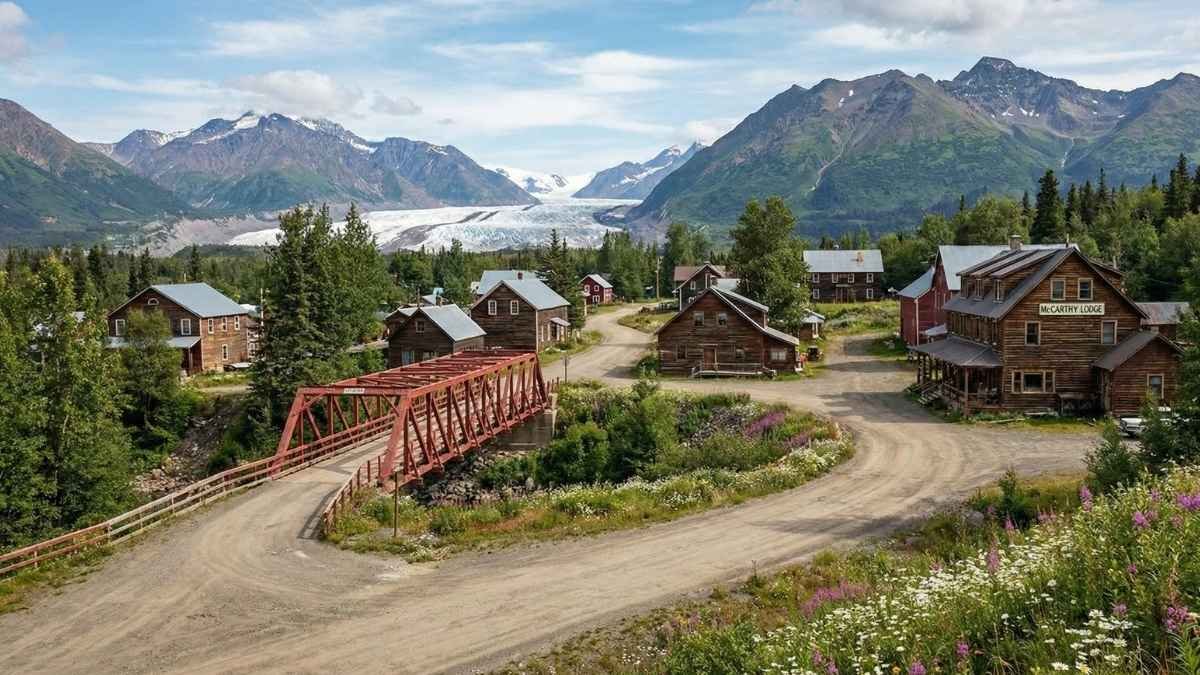
McCarthy sits deep in Alaska’s wilderness near the Wrangell–St. Elias Mountains. With fewer than 200 residents, it feels like a place where time bends a little. The town has roots in copper mining, but today it attracts artists, guides, and people who deliberately choose distance over convenience.
What sets McCarthy apart is how alive it feels despite the isolation. Summer brings activity, conversation, and an almost festival-like energy, while winter strips things down to pure survival and trust among neighbors. People rely on each other here in ways that feel rare elsewhere.
McCarthy isn’t polished or easy, and that’s the point. It’s a town for people who want authenticity over comfort and community over crowds.
Quick facts
- Best months to visit: June–September
- Closest city: Glennallen, Alaska
- Main draw: Remote wilderness town with strong community
- Vibe: Independent, artistic, rugged
- Good for: Off-grid travelers, hikers, slow living fans
6. Lost Springs, Wyoming
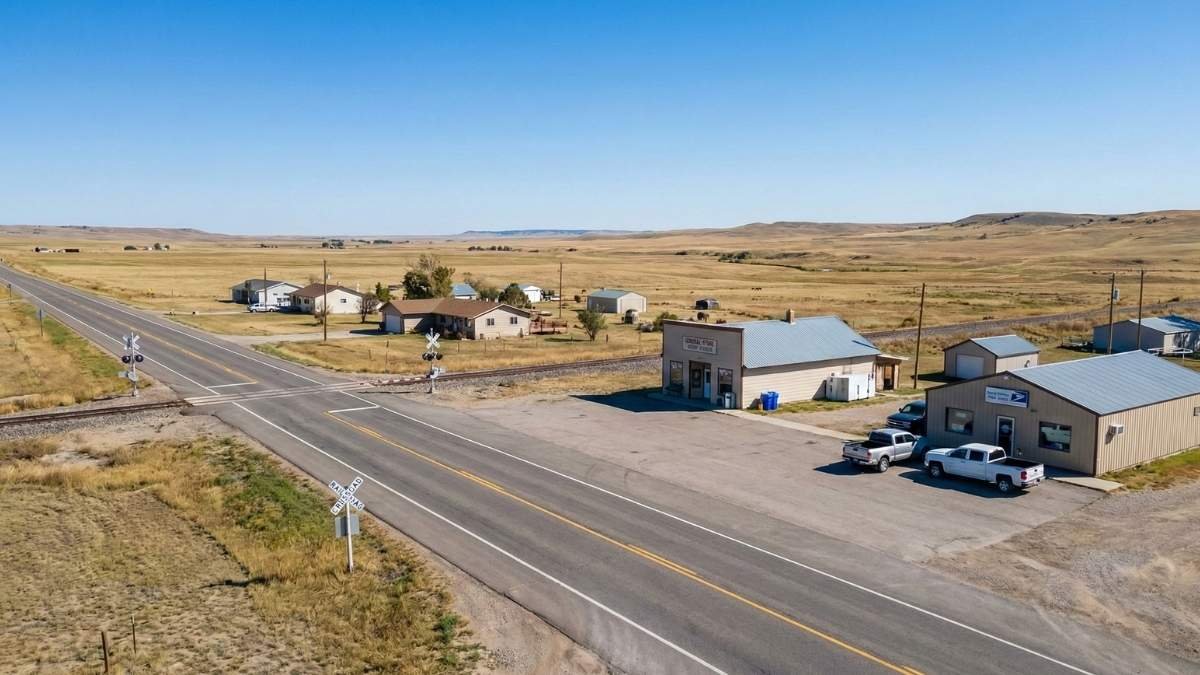
Lost Springs feels like a place that forgot to disappear. Officially one of the smallest towns in America, it consists of a handful of buildings surrounded by wide-open land that seems to stretch forever. There’s no rush here, no noise competing for attention—just a town that exists on its own terms.
What makes Lost Springs special is the unspoken familiarity among residents. When the population barely breaks double digits, interactions aren’t casual; they’re meaningful. People don’t wave out of habit—they wave because they know exactly who’s coming down the road.
Life here runs on self-reliance and mutual trust. It’s not romanticized hardship, but a quieter, steadier way of living that feels increasingly rare.
Quick facts
- Best months to visit: May–September
- Closest city: Douglas, Wyoming
- Main draw: One of the smallest incorporated towns in the U.S.
- Vibe: Remote, grounded, resilient
- Good for: Solitude seekers, backroad travelers
7. Tatitlek, Alaska
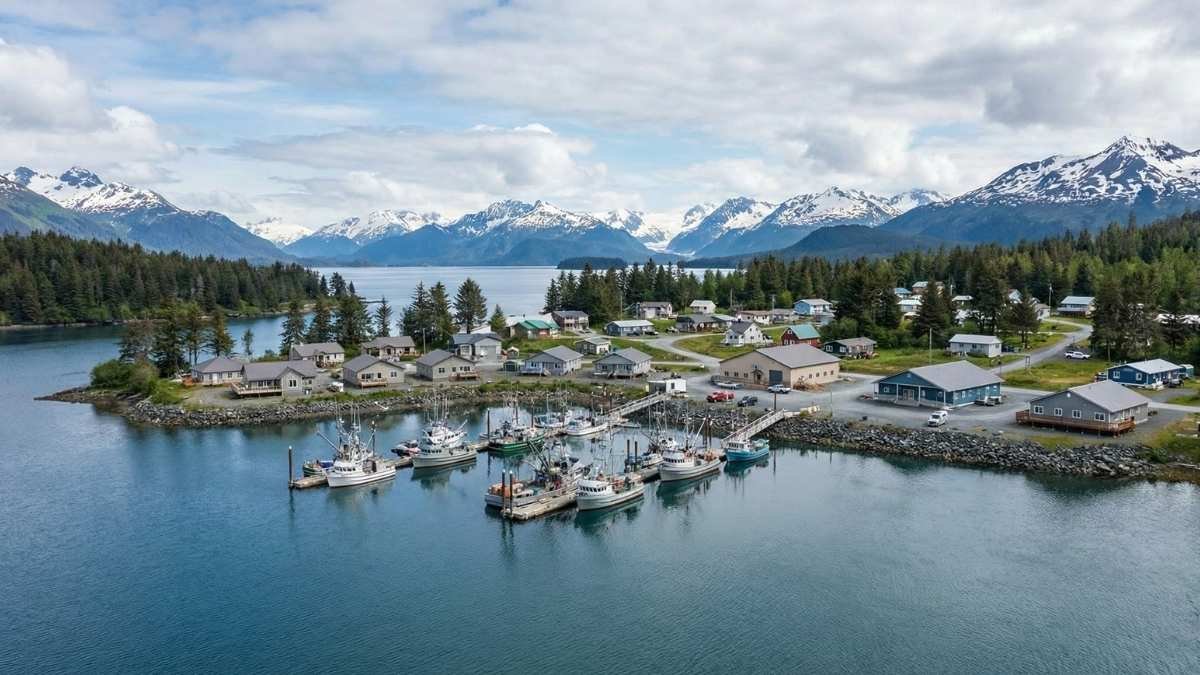
Tatitlek sits along Prince William Sound, accessible mostly by boat or plane. With a population well under 100, it’s the kind of place where family lines and shared history shape everyday life. This is an Alutiiq village first and foremost, and the sense of continuity runs deep.
The town doesn’t cater to outsiders, and that’s part of its strength. Daily life revolves around fishing, weather, and community gatherings rather than schedules and screens. People know one another not just by name, but by story.
Tatitlek offers a glimpse into a version of America that values collective memory over convenience, where belonging means participation, not visibility.
Quick facts
- Best months to visit: June–August
- Closest city: Valdez, Alaska
- Main draw: Traditional coastal village life
- Vibe: Cultural, quiet, deeply connected
- Good for: Cultural travelers, nature-focused trips
8. Gross, Nebraska
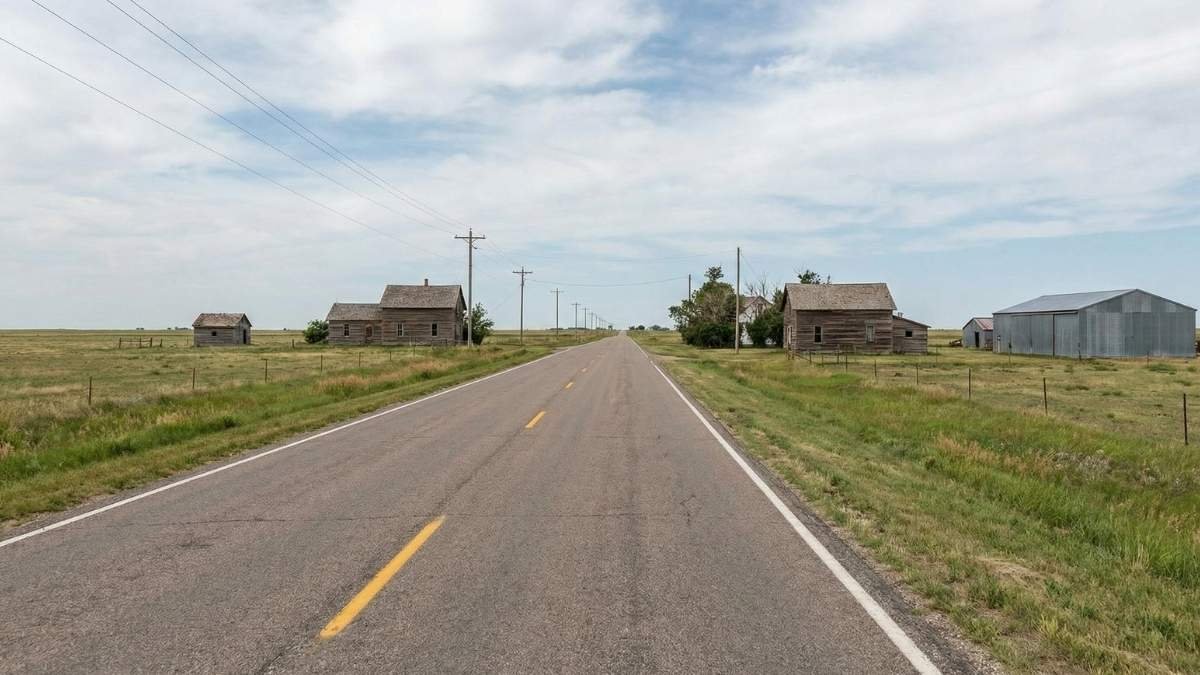
Gross is tiny even by rural standards, but it doesn’t feel forgotten. Set among farmland and open sky, this town functions with just a handful of residents who handle everything from maintenance to local decisions themselves. When something needs doing, there’s no committee—just neighbors.
What stands out in Gross is the practical closeness. People don’t socialize out of obligation; they do it because cooperation keeps things running. The simplicity is refreshing rather than limiting.
Gross represents small-town living in its most distilled form—no extras, no distractions, just a shared understanding of how things work.
Quick facts
- Best months to visit: April–October
- Closest city: Norfolk, Nebraska
- Main draw: Ultra-small farming community
- Vibe: Simple, functional, quietly steady
- Good for: Rural explorers, slow travel
9. Elkhorn, Montana
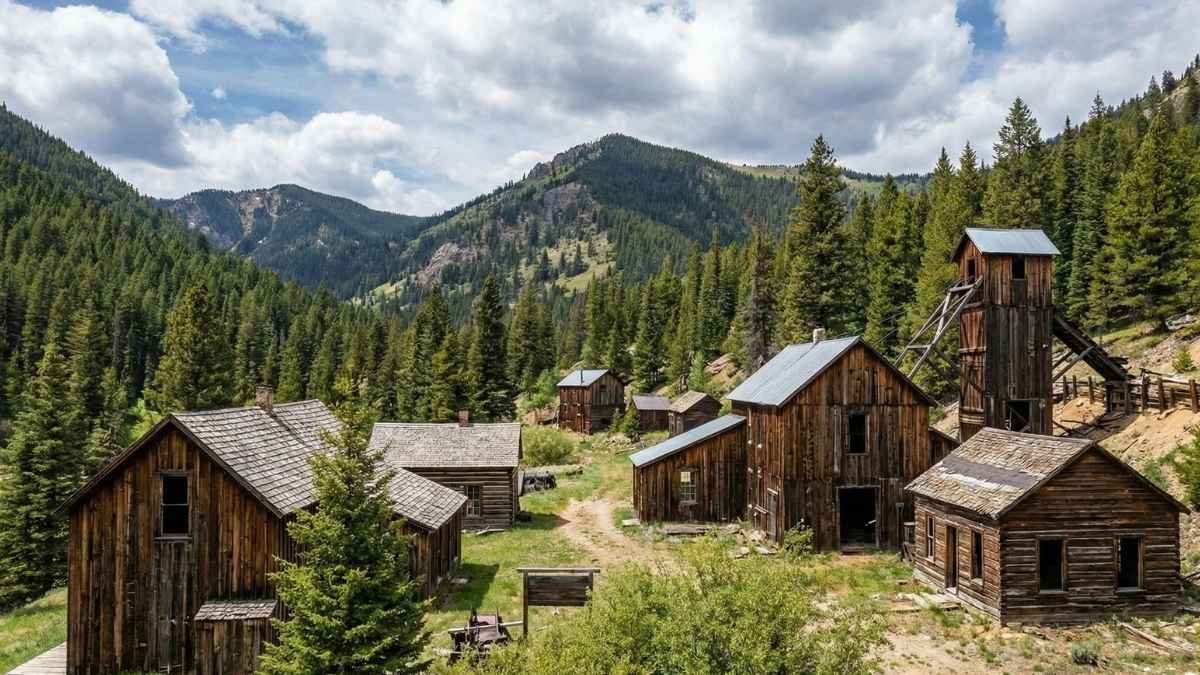
Elkhorn is a near-ghost town tucked into the mountains of Montana, with only a few residents keeping watch over its historic remains. Old buildings, weathered signs, and open land dominate the landscape, but the town is very much alive in spirit.
Residents here share a custodial relationship with the place. Living in Elkhorn means preserving it, respecting its past, and maintaining a balance between solitude and responsibility. Everyone knows who belongs and who’s just passing through.
It’s a town where silence feels intentional, not empty—a rare quality that draws people who value history and restraint over development.
Quick facts
- Best months to visit: June–September
- Closest city: Boulder, Montana
- Main draw: Historic ghost town with residents
- Vibe: Quiet, preserved, reflective
- Good for: History lovers, scenic drives
10. Jamestown, California
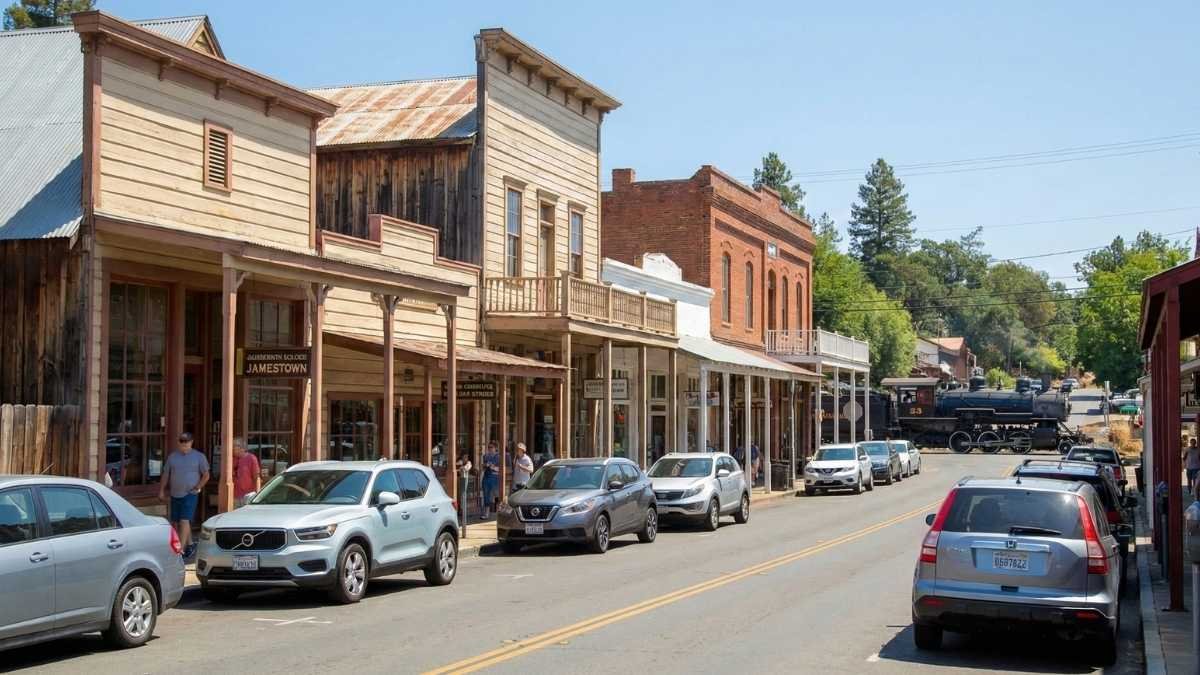
Jamestown may have a few more residents than others on this list, but it still fits the definition of a town where familiarity runs deep. Rooted in Gold Rush history, it blends preserved buildings with everyday life in a way that feels natural rather than staged.
Locals recognize faces quickly here. Cafés double as meeting spots, and conversations tend to continue where they left off last time. There’s a shared pride in keeping the town authentic without turning it into a museum.
Jamestown strikes a balance between livability and closeness—small enough to feel personal, yet active enough to feel lived in.
Quick facts
- Best months to visit: March–May, September–October
- Closest city: Sonora, California
- Main draw: Gold Rush-era charm with real residents
- Vibe: Friendly, historic, relaxed
- Good for: Weekend getaways, history walks
11. Olancha, California
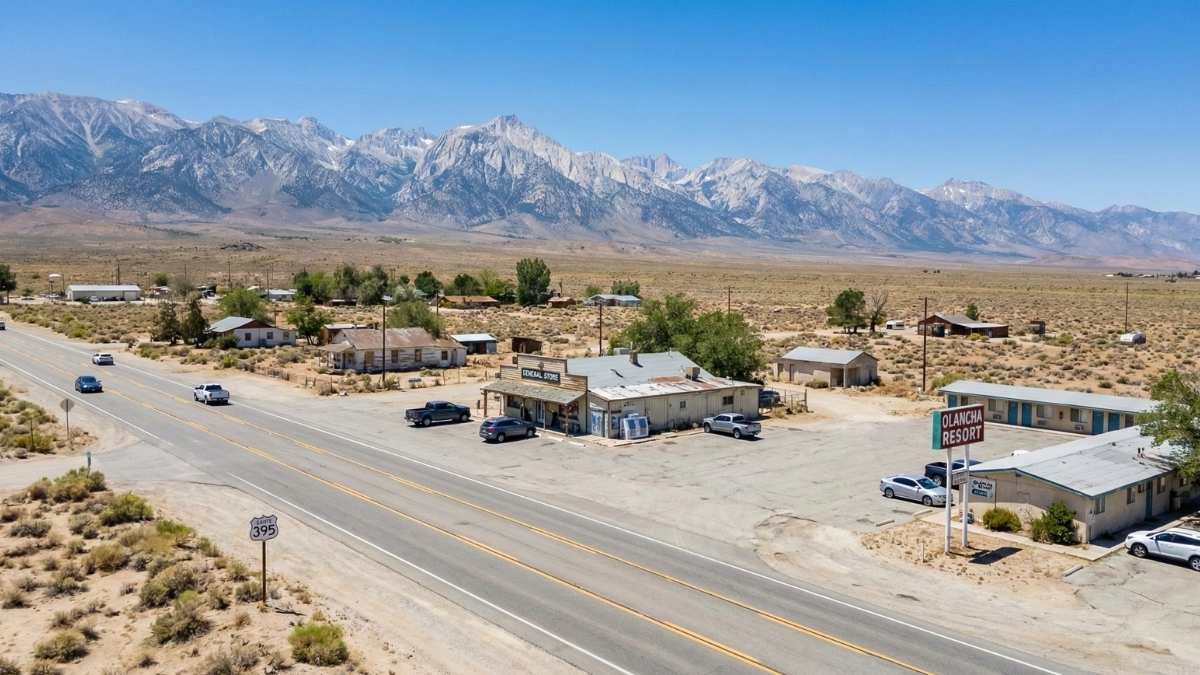
Olancha sits quietly along the edge of Owens Valley, with the Sierra Nevada rising dramatically nearby. It’s small enough that new faces stand out immediately, yet not so isolated that it feels cut off from the world. The town exists in a narrow strip between desert openness and mountain presence, which shapes daily life in subtle ways.
What keeps Olancha grounded is its everyday familiarity. People know who’s passing through and who belongs. Conversations tend to be practical, friendly, and unhurried. There’s no performance of small-town charm—it’s just how things operate when the population stays low.
The landscape does a lot of the talking here. Living in Olancha means accepting quiet mornings, wide skies, and a community that values steadiness over spectacle.
Quick facts
- Best months to visit: March–May, October–November
- Closest city: Ridgecrest, California
- Main draw: Desert–mountain setting with ultra-small-town feel
- Vibe: Calm, grounded, understated
- Good for: Scenic drives, low-key exploration
12. Ten Sleep, Wyoming
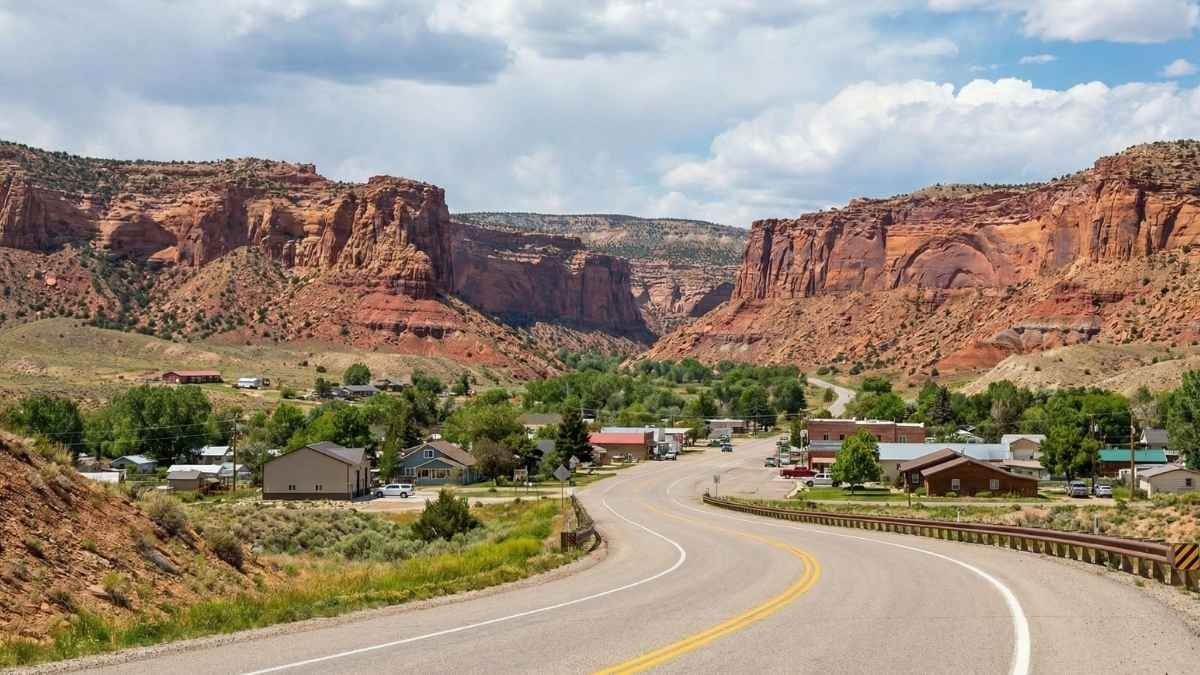
Ten Sleep feels personal almost immediately. Even with a population just under 300, it retains that rare quality where recognition comes fast and anonymity doesn’t last long. The town sits near a canyon and creek, giving it a sense of movement despite its size.
What makes Ten Sleep stand out is its mix of long-time locals and seasonal visitors, all operating within a tight social circle. The bakery, the bar, the post office—these places aren’t stops, they’re connection points. News travels efficiently, often face-to-face.
There’s energy here, but it’s contained and familiar. Ten Sleep proves that small towns don’t have to feel sleepy to feel close-knit.
Quick facts
- Best months to visit: June–September
- Closest city: Worland, Wyoming
- Main draw: Canyon access and a tight community
- Vibe: Friendly, active, quietly social
- Good for: Outdoor lovers, road trips
13. Brasher Falls, New York
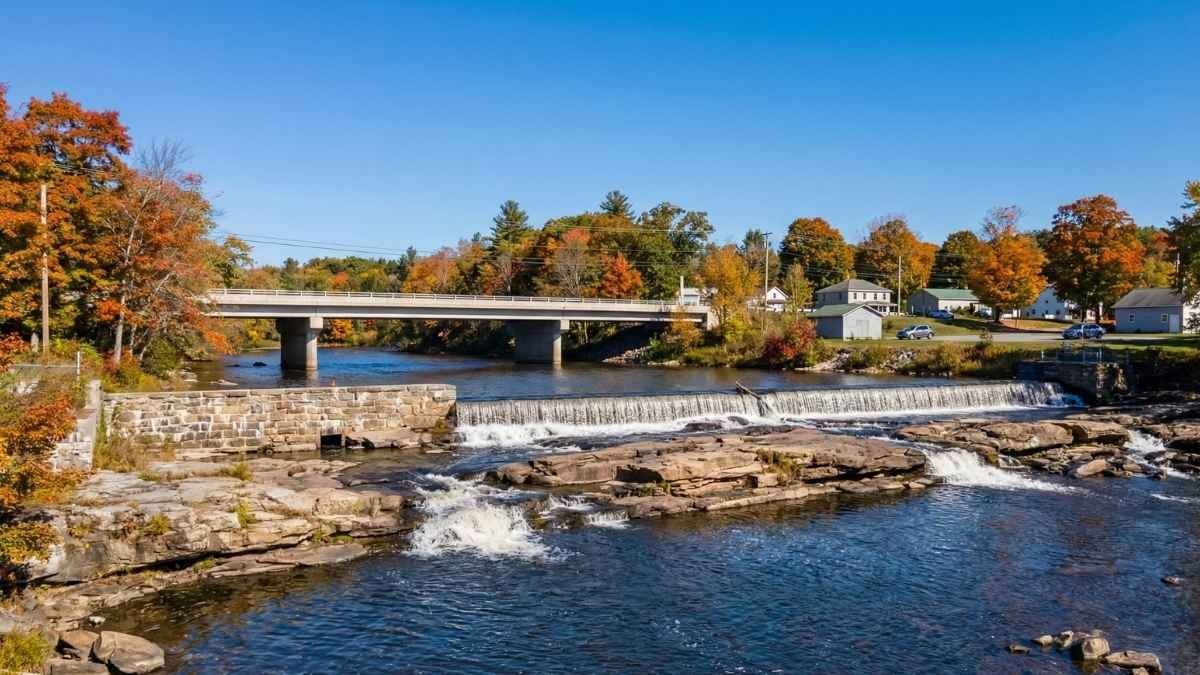
Brasher Falls offers a different kind of small-town closeness—one shaped by seasons. With long winters and short summers, community here isn’t optional; it’s practical. When weather limits movement, neighbors matter more.
The town feels steady rather than flashy. People recognize voices on the phone, not just faces in town. Local routines repeat themselves in comforting ways, creating a rhythm that makes newcomers noticeable and regulars indispensable.
Brasher Falls is about continuity. It’s a place where shared experience—weather, work, history—binds people together quietly but firmly.
Quick facts
- Best months to visit: June–September
- Closest city: Potsdam, New York
- Main draw: Strong year-round community
- Vibe: Stable, traditional, dependable
- Good for: Slow travel, seasonal scenery
14. Cayucos, California
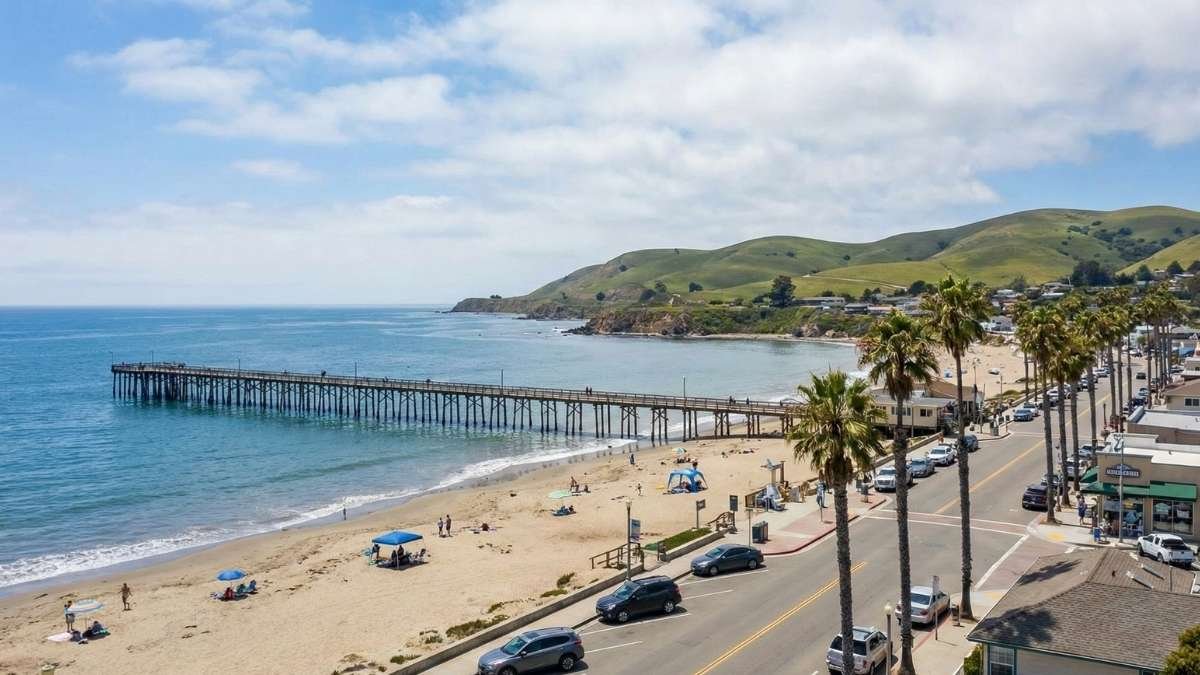
Cayucos may surprise readers with its inclusion, but its small population and strong local identity earn its place. While visitors come and go, the core community remains tight—and locals know exactly who’s who.
The town runs on routine. Morning walks, familiar cafés, sunset gatherings by the water. These repeated moments create natural closeness without effort. It’s coastal living without the detachment that often comes with beach towns.
Cayucos works because it hasn’t tried to outgrow itself. The result is a place where friendliness feels natural, not forced.
Quick facts
- Best months to visit: April–June, September–October
- Closest city: San Luis Obispo, California
- Main draw: Small-town beach community
- Vibe: Relaxed, neighborly, coastal
- Good for: Coastal escapes, walkable towns
15. Lubec, Maine
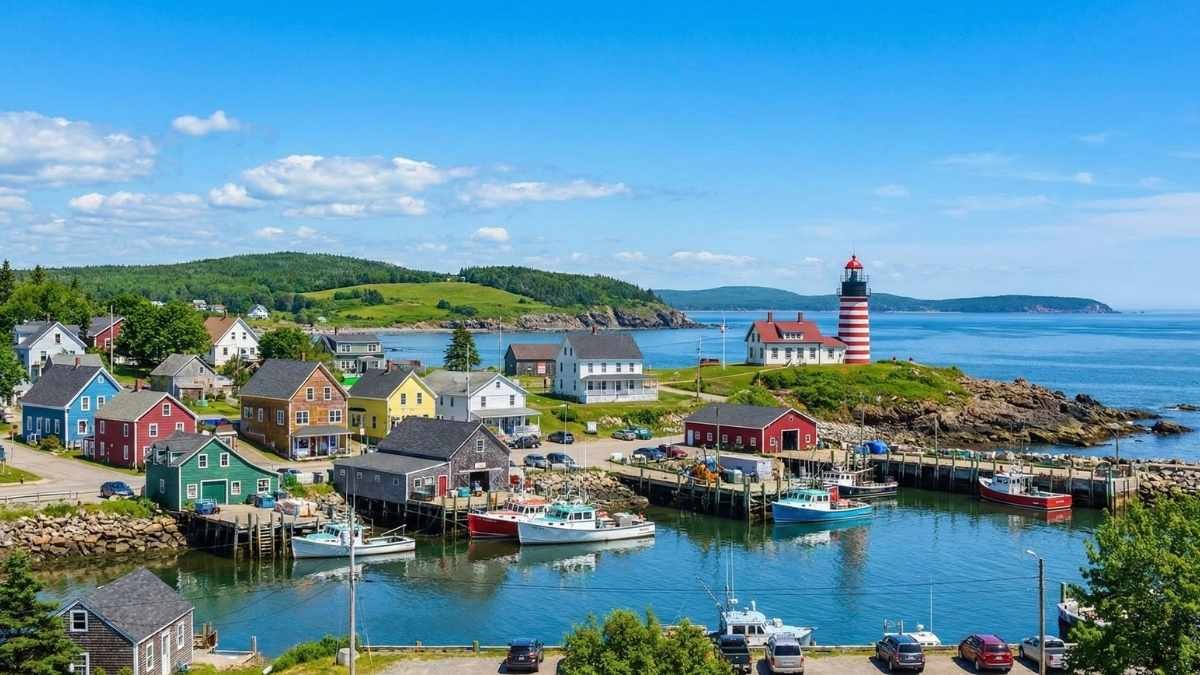
Lubec sits at the far eastern edge of the continental U.S., and that sense of edge defines it. Remote but not isolated, the town depends on shared awareness of weather, tides, and one another.
Life here is shaped by the ocean. Fishing schedules, foggy mornings, and seasonal shifts influence how people connect. When the population is under 1,300—and the core community far smaller—relationships deepen quickly.
Lubec feels honest. Conversations aren’t rushed, and familiarity builds naturally. It’s the kind of town where community isn’t advertised—it’s assumed.
Quick facts
- Best months to visit: June–September
- Closest city: Calais, Maine
- Main draw: Easternmost town with deep-rooted community
- Vibe: Maritime, reflective, close-knit
- Good for: Coastal scenery, quiet retreats