13 Small Towns Paying People $10,000+ to Move There (Real Programs)

Money talks—but only when it comes with a real chance at a better life. Across quiet streets and overlooked corners, communities are doing something bold: putting serious cash on the table to attract new residents who bring energy, skills, and long-term commitment.
These aren’t gimmicks or lottery-style offers; they’re structured programs designed to solve real problems on both sides. Lower housing costs, less competition, and breathing room collide with five-figure incentives that actually help people reset their lives.
Some places offer adventure, others stability, others a slower rhythm that feels overdue. Stick around—every option ahead answers a different kind of “what if.”
1. Cumberland, Maryland — Up to $20,000
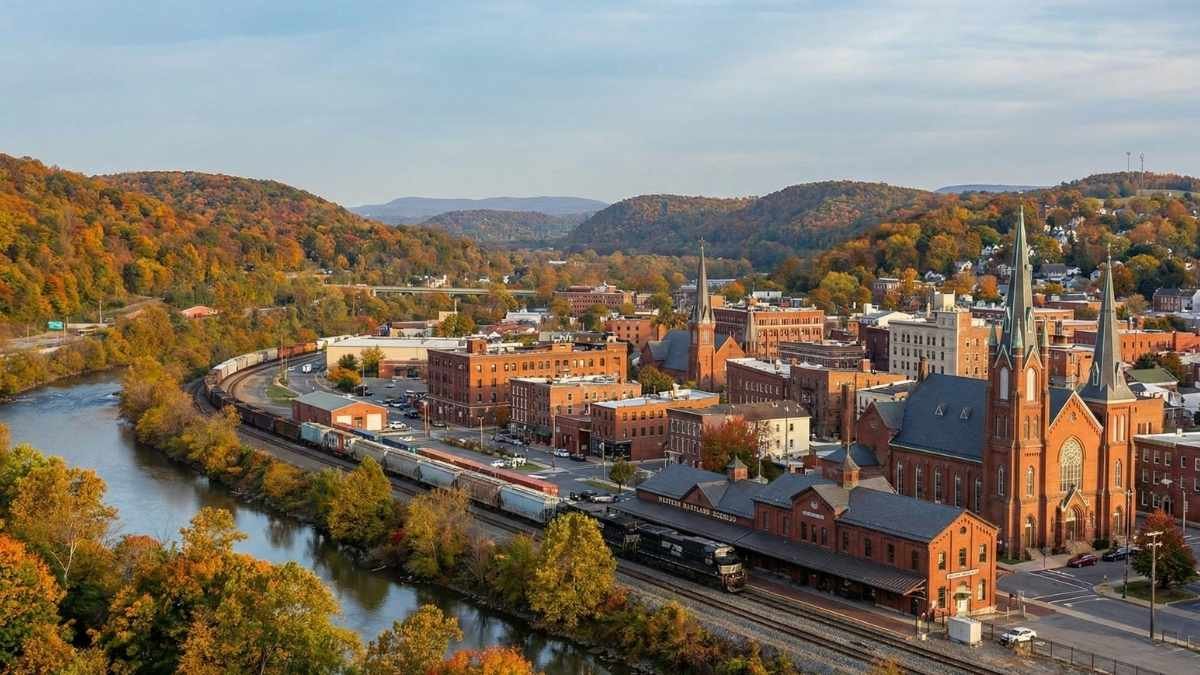
Cumberland doesn’t just offer cash — it offers a full relocation ecosystem. The program stacks incentives in a way few towns do, combining direct cash with housing support and lifestyle perks. The goal isn’t short-term moves; it’s long-term roots, and the structure reflects that.
What makes Cumberland stand out is how flexible the money is. Funds can go toward rent, a home purchase, or even renovation matching grants, which is rare among relocation programs. That flexibility quietly removes the biggest barrier most movers face: upfront costs. It’s especially appealing for remote workers who want affordability without giving up charm or outdoor access.
The town itself is historic but not sleepy. Brick storefronts, river views, and nearby mountains create a setting that feels established rather than experimental. The program feels less like a gimmick and more like a strategic bet on new residents who want to stay.
Other useful details:
- Best months to visit: May–October (fall foliage is a standout)
- Who qualifies: Remote workers, full-time employees, and some self-employed applicants
- Housing costs: Well below the national average
- Lifestyle bonus: Easy access to hiking, biking, and scenic rail trails
- Program vibe: Long-term community investment, not quick turnover
2. Albinen, Switzerland — $20,000+ per adult
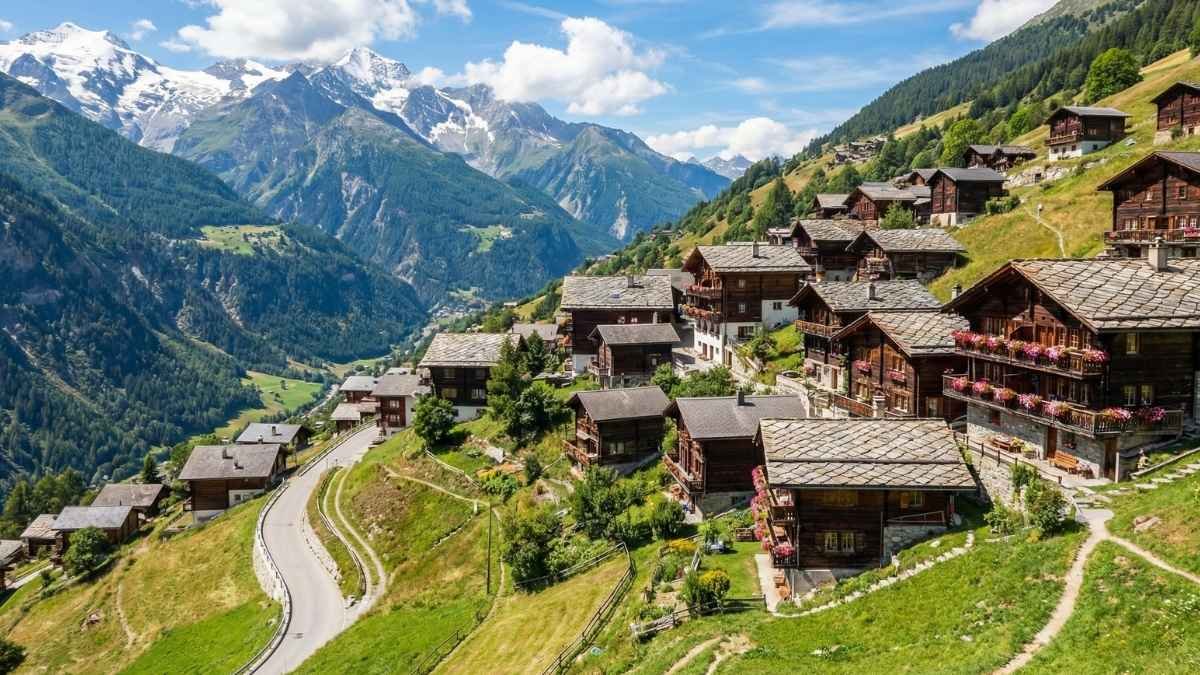
Albinen’s offer grabs attention because it’s bold — and unapologetically selective. This is a real Alpine village addressing population decline with a serious financial incentive. The payout increases for families, meaning couples and parents can qualify for significantly more than the headline number.
The catch isn’t hidden: participants must commit to long-term residency and integrate into village life. That requirement is exactly what keeps the program legitimate. Albinen isn’t looking for temporary residents; it’s recruiting future neighbors, school parents, and business owners.
Daily life here trades convenience for calm. Snow-covered winters, postcard views, and a slower rhythm define the experience. For those who value stability, safety, and natural beauty over nightlife, the incentive feels less like a bonus and more like a doorway into a different kind of life.
Other useful details:
- Best months to visit: June–September (winter is stunning but intense)
- Residency requirement: Long-term commitment required
- Family bonuses: Additional funds per child
- Cost of living: Higher than U.S. averages, offset by incentives
- Lifestyle note: Quiet, traditional, community-driven
3. Ascend West Virginia — $12,000 + perks

Ascend WV changed the game by bundling cash with lifestyle access. The program doesn’t stop at a check — it adds free outdoor recreation passes, coworking memberships, and community programming that helps newcomers connect quickly.
What makes it compelling is how intentional it feels. Participants are grouped into cohorts, which subtly removes the isolation many remote workers experience after relocating. It’s not just about moving somewhere cheaper; it’s about landing somewhere socially ready.
The towns involved vary, but they share dramatic landscapes, small-town affordability, and a growing remote-worker presence. The money arrives over time, reinforcing the program’s focus on retention rather than short stays.
Other useful details:
- Best months to visit: April–October
- Who qualifies: Full-time remote workers
- Outdoor focus: Hiking, climbing, and kayaking are included
- Community feel: Built-in social groups and events
- Hidden perk: Coworking access included
4. Tulsa, Oklahoma — $10,000
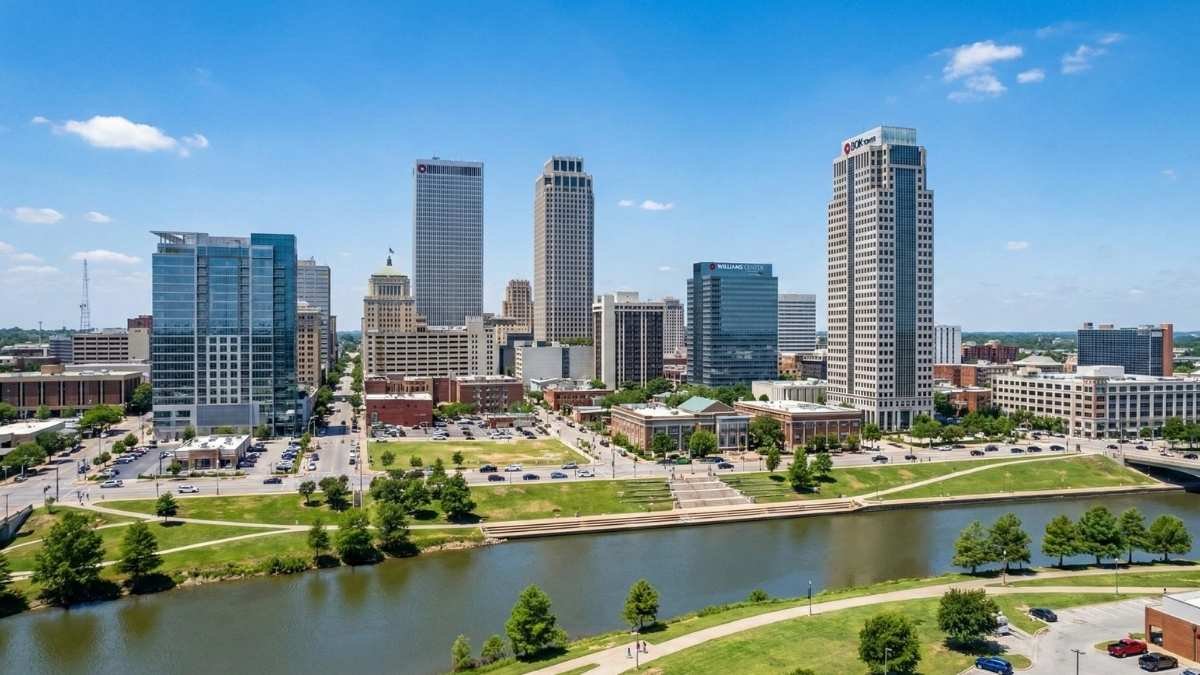
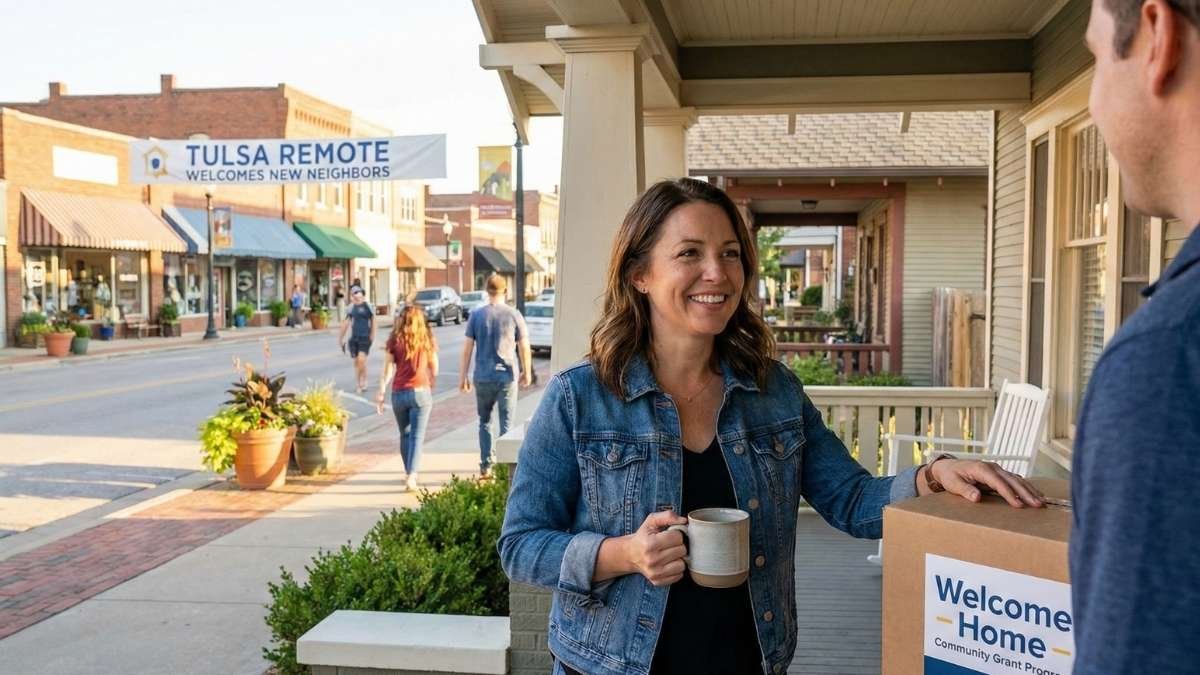
Tulsa Remote is often called the blueprint for modern relocation incentives — and for good reason. The program has been refined over multiple years, resulting in clear rules, strong support systems, and national credibility.
The $10,000 incentive is paired with relocation assistance, workspace options, and frequent networking events. The city itself balances affordability with cultural depth — live music, art deco architecture, and a growing tech scene keep things from feeling flat.
Tulsa doesn’t sell itself as a temporary experiment. The city positions newcomers as long-term contributors, and many participants stay well beyond the initial year — a quiet indicator of success that numbers alone don’t show.
Other useful details:
- Best months to visit: March–May and September–October
- Who qualifies: Remote workers living outside Oklahoma
- Housing market: Affordable but increasingly competitive
- Cultural bonus: Music, arts, and food scenes punch above their weight
- Program maturity: One of the most established in the U.S.
5. The Shoals, Alabama — $10,000
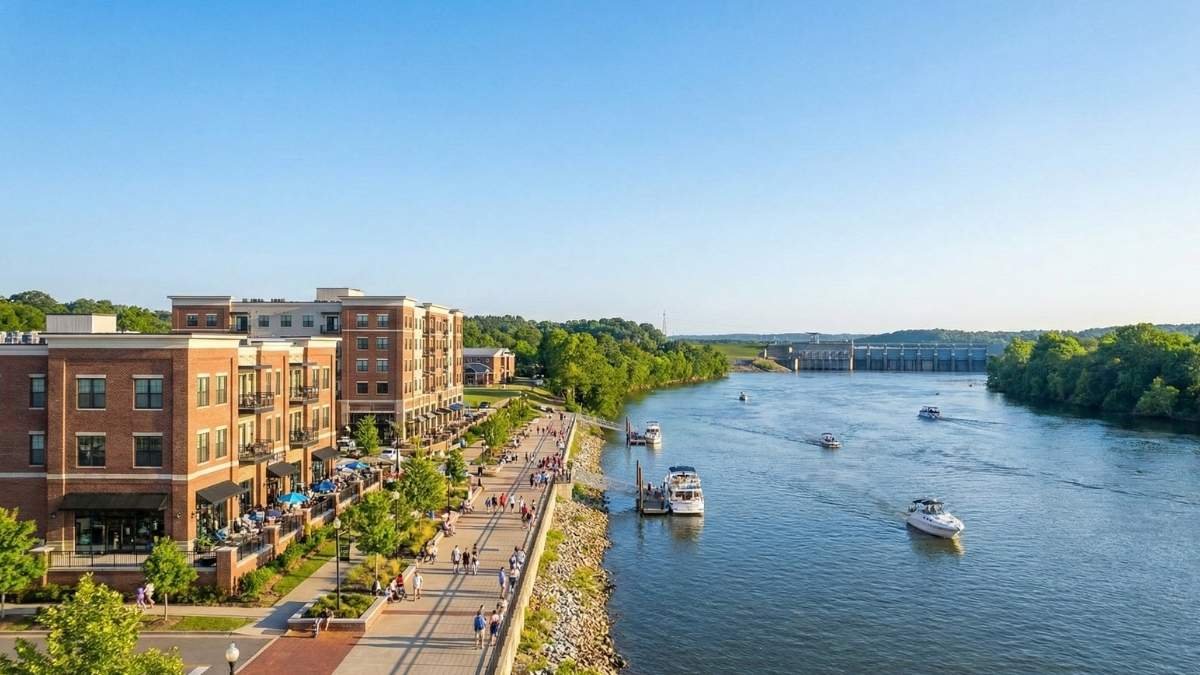
The Shoals takes a different approach — smaller scale, quieter tone, and a strong emphasis on quality of life. The incentive targets remote workers who want space, affordability, and a slower pace without total isolation.
Music history runs deep here, and that creative undercurrent still shapes the area. Combined with riverfront views and low housing costs, the program feels tailored to people who value calm productivity over constant stimulation.
The cash incentive is straightforward, but the real appeal is sustainability. Cost of living stays low, commutes are minimal, and the community is small enough that newcomers don’t feel anonymous for long.
Other useful details:
- Best months to visit: March–May and October
- Who qualifies: Remote workers earning above income thresholds
- Housing costs: Significantly below the national average
- Lifestyle note: Quiet, creative, community-oriented
- Unique angle: Deep music heritage and river access
6. Topeka, Kansas — Up to $15,000
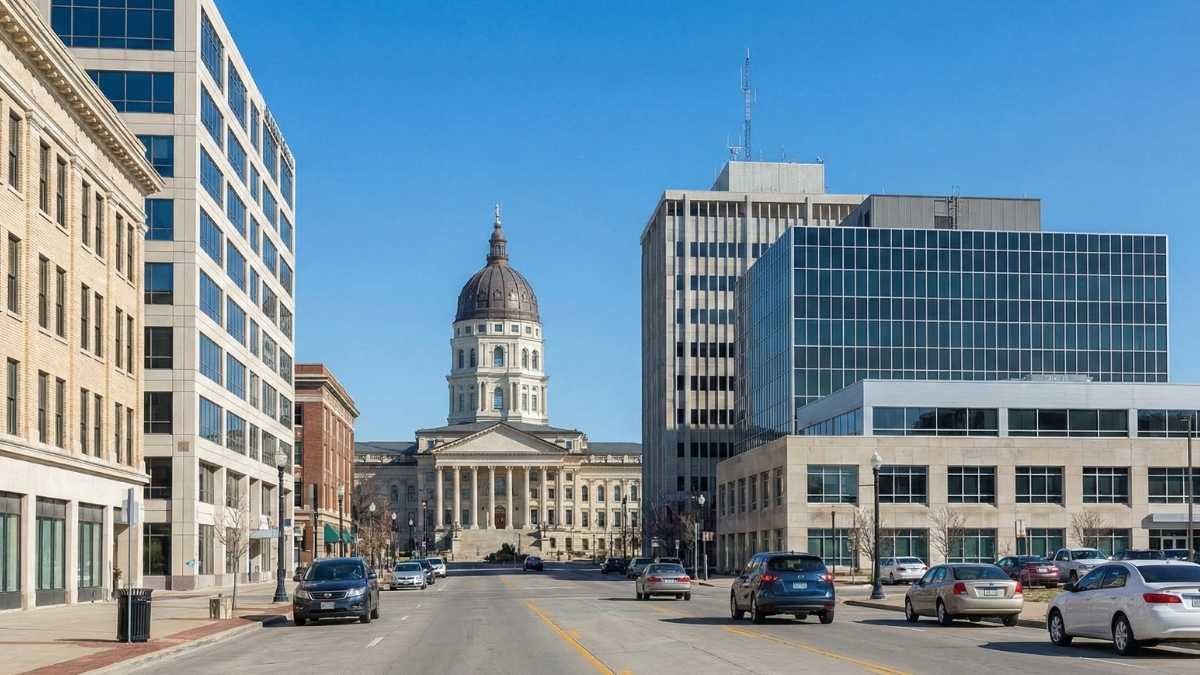
Topeka’s relocation program works because it tackles the biggest hurdle head-on: housing. Instead of offering a flat check and walking away, the city partners with employers and landlords to make the incentive practical, not symbolic. Renters and homebuyers both qualify, which immediately widens the appeal.
What often surprises people is how livable Topeka feels day to day. Commutes are short, neighborhoods are quiet, and essentials don’t eat up an entire paycheck. The program quietly favors people who want stability rather than trend-chasing — a refreshing change from hype-driven relocations.
The city also benefits from being overlooked. Cost of living remains low, competition for housing is manageable, and new residents aren’t treated like outsiders for long. It’s a place where settling in doesn’t feel like work.
Other useful details:
- Best months to visit: April–June and September
- Who qualifies: Remote workers or those relocating for local jobs
- Housing focus: Strong renter and buyer incentives
- Cost of living: Very low compared to the national average
- Program strength: Employer-backed funding increases reliability
7. Newton, Iowa — $10,000
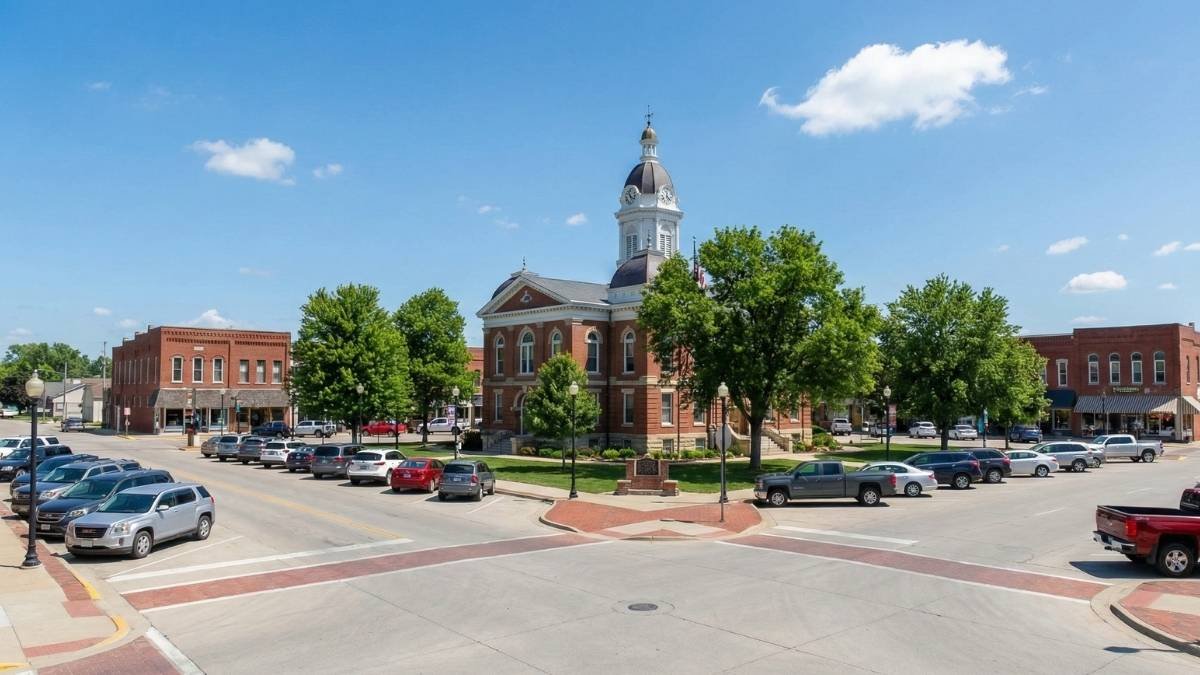
Newton’s program is simple, transparent, and refreshingly old-school. The incentive goes straight toward homeownership, making it ideal for people ready to plant roots rather than test-drive a location.
The town rebuilt itself after major job losses years ago, and that history shapes how welcoming it is to newcomers. There’s a strong sense that new residents aren’t just welcomed — they’re needed. That changes the tone of the entire relocation experience.
Life in Newton is steady and predictable in the best way. Schools, parks, and local services are well-supported, and housing prices remain within reach even for first-time buyers. The program feels designed for long-term confidence, not short-term excitement.
Other useful details:
- Best months to visit: May–September
- Who qualifies: Homebuyers meeting program requirements
- Housing prices: Significantly below U.S. median
- Community feel: Family-oriented and stable
- Best fit for: Buyers ready to commit, not renters
8. Morgantown, West Virginia — Up to $12,000
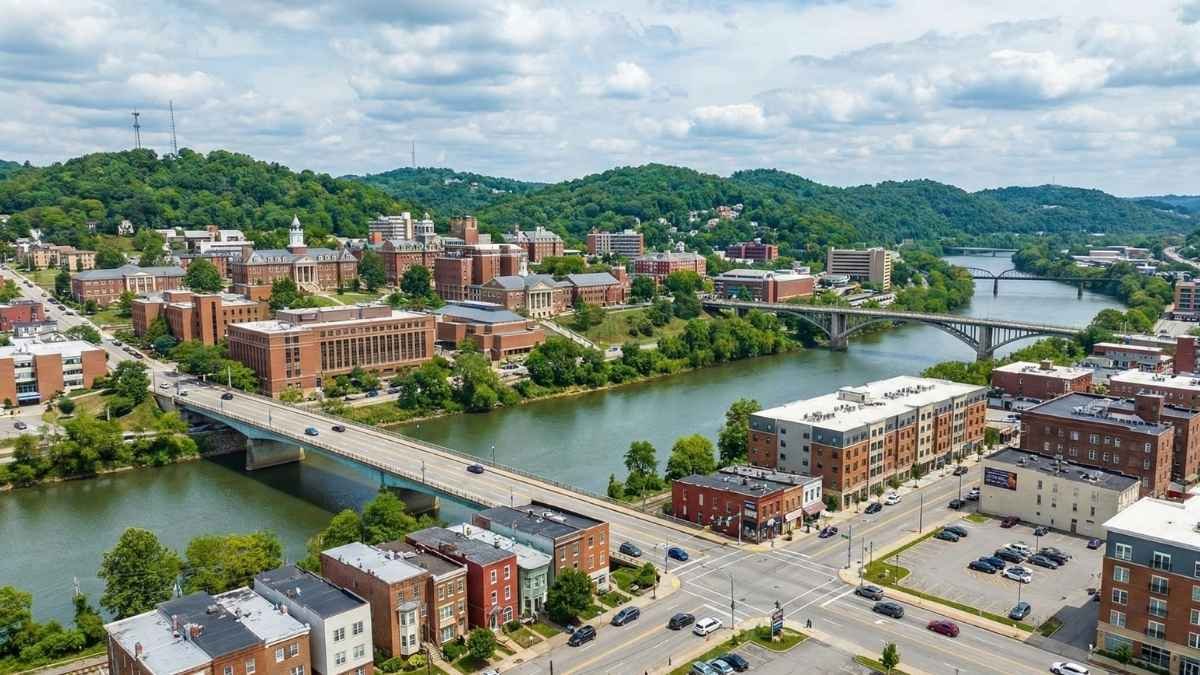
Morgantown combines college-town energy with natural scenery, giving it a different feel than many small-town incentive locations. The relocation money comes through the Ascend WV program, but Morgantown’s personality makes it stand out within that network.
There’s a steady flow of new people thanks to the university, which means restaurants, events, and cultural life stay active year-round. That activity matters — it keeps the town from feeling isolated while still delivering small-town affordability.
For remote workers who want mountains without remoteness, Morgantown hits a sweet spot. The program eases the transition financially, while the town itself handles the lifestyle side.
Other useful details:
- Best months to visit: April–October
- Who qualifies: Remote workers accepted into Ascend WV
- Vibe: Lively but manageable
- Outdoor access: Rivers, trails, and scenic overlooks nearby
- Bonus: College-town amenities without big-city costs
9. Greater Rochester, New York — Up to $10,000
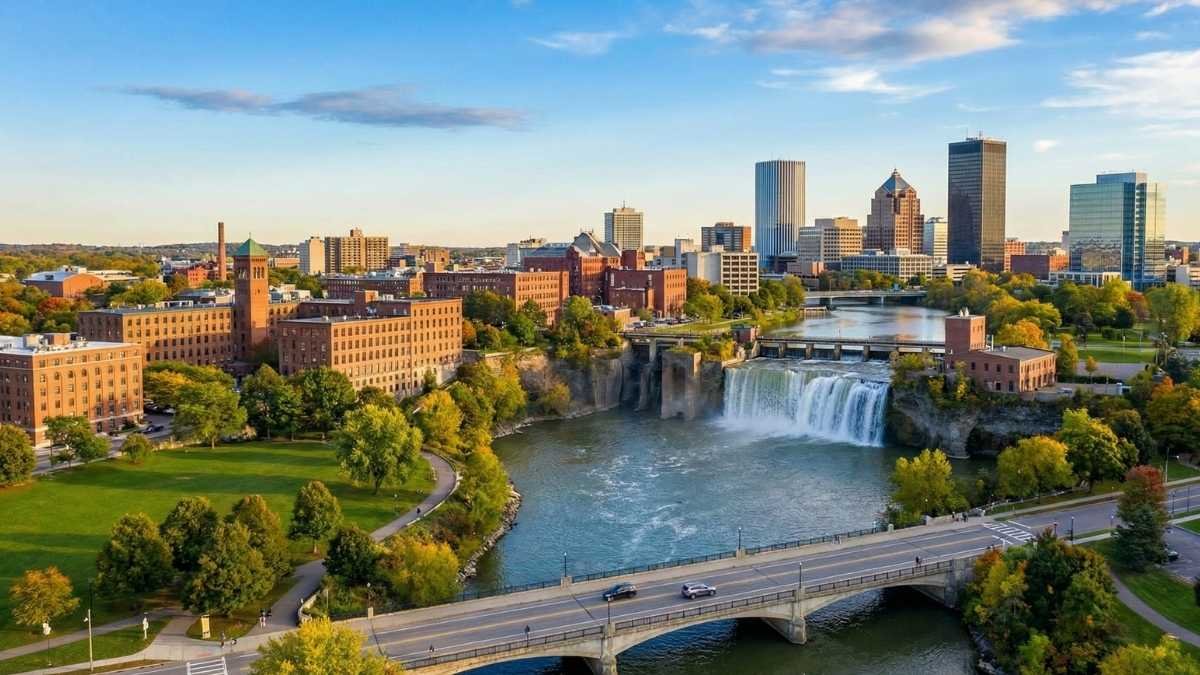
Rochester’s incentive program flies under the radar, but that’s part of its appeal. It targets remote workers who want real city infrastructure without major-city pricing. The relocation funds are paired with networking and community integration efforts rather than flashy perks.
What makes Rochester compelling is balance. Strong healthcare systems, reliable utilities, and established neighborhoods create a sense of permanence. Winters are real, but so are the benefits — housing remains affordable, and competition is reasonable.
This program suits people who value practicality over novelty. The money helps with the move, but the long-term value comes from livability and access to jobs, education, and culture.
Other useful details:
- Best months to visit: June–September
- Who qualifies: Remote workers meeting income criteria
- Housing market: Affordable with diverse options
- Climate note: Cold winters, mild summers
- Best fit for: Those wanting structure and stability
10. Indiana MakeMyMove Communities — $10,000
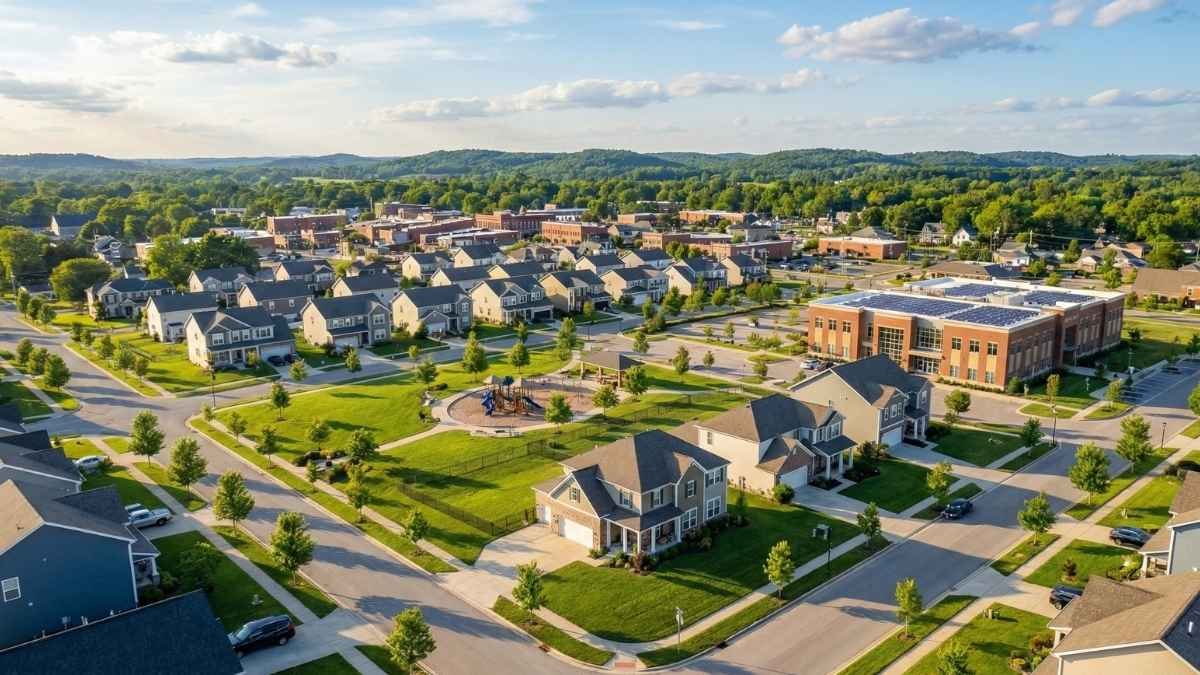
Indiana’s approach is unique because it isn’t tied to just one town. Through the MakeMyMove platform, multiple small communities compete for new residents, often bundling cash with perks like free land, coworking access, or childcare support.
This competition benefits movers. Incentives vary, but many exceed $10,000 when perks are included. It also allows people to choose a town that matches their lifestyle instead of forcing a one-size-fits-all move.
The programs emphasize affordability, short commutes, and family-friendly living. For people who want options — not just an offer — Indiana’s model stands out.
Other useful details:
- Best months to visit: May–October
- Who qualifies: Remote workers and relocating employees
- Flexibility: Multiple towns, multiple incentive structures
- Cost of living: Consistently low
- Unique advantage: Ability to compare offers before choosing
11. Switzerland County, Indiana — Up to $10,000+
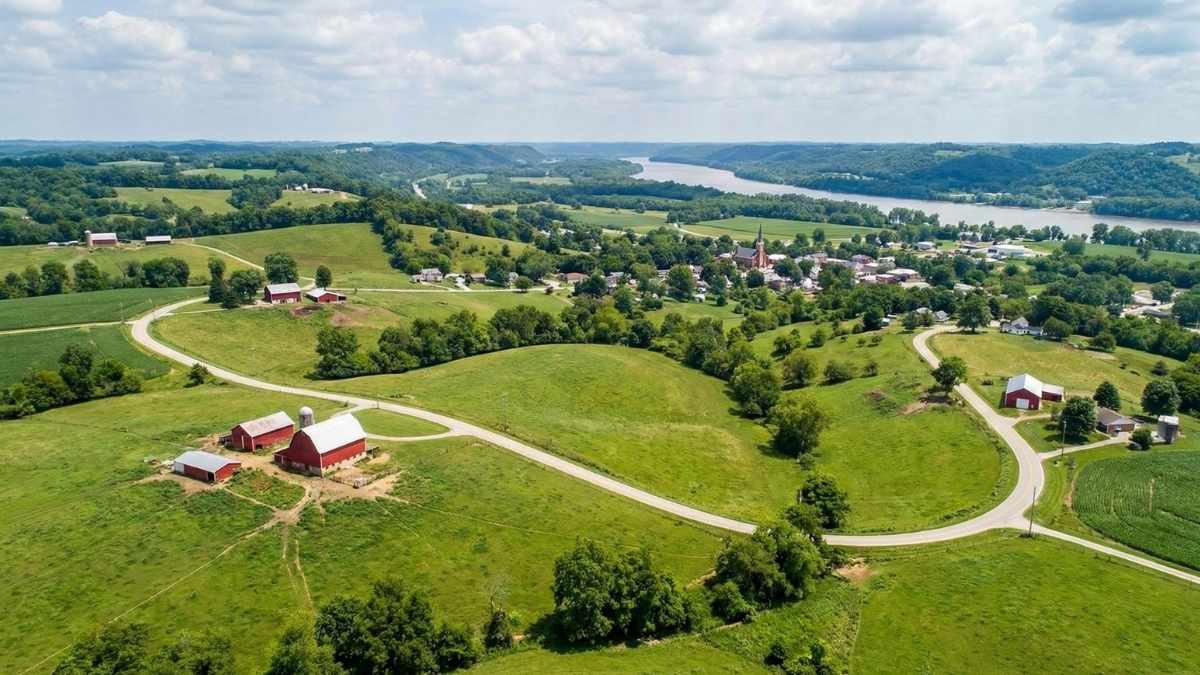
Switzerland County doesn’t try to dazzle with buzzwords. Instead, it leans into something far more persuasive: space, simplicity, and breathing room. Tucked along the Ohio River, this rural county offers relocation incentives aimed at people who want quieter days without disconnecting entirely.
The incentive package blends cash with lifestyle perks, often including help with housing, local memberships, or relocation costs. While the headline number hovers around the $10,000 mark, the real value shows up over time through low taxes, low housing prices, and almost nonexistent commutes.
This program fits best for people who already know what they want — fewer distractions, more control over their time, and a community where newcomers don’t get lost in the shuffle.
Other useful details:
- Best months to visit: April–October
- Who qualifies: Remote workers and relocating professionals
- Housing costs: Very low
- Pace of life: Slow, steady, predictable
- Best fit for: Quiet-focused movers and families
12. Elkins & New River Gorge Area, West Virginia — Up to $10,000+
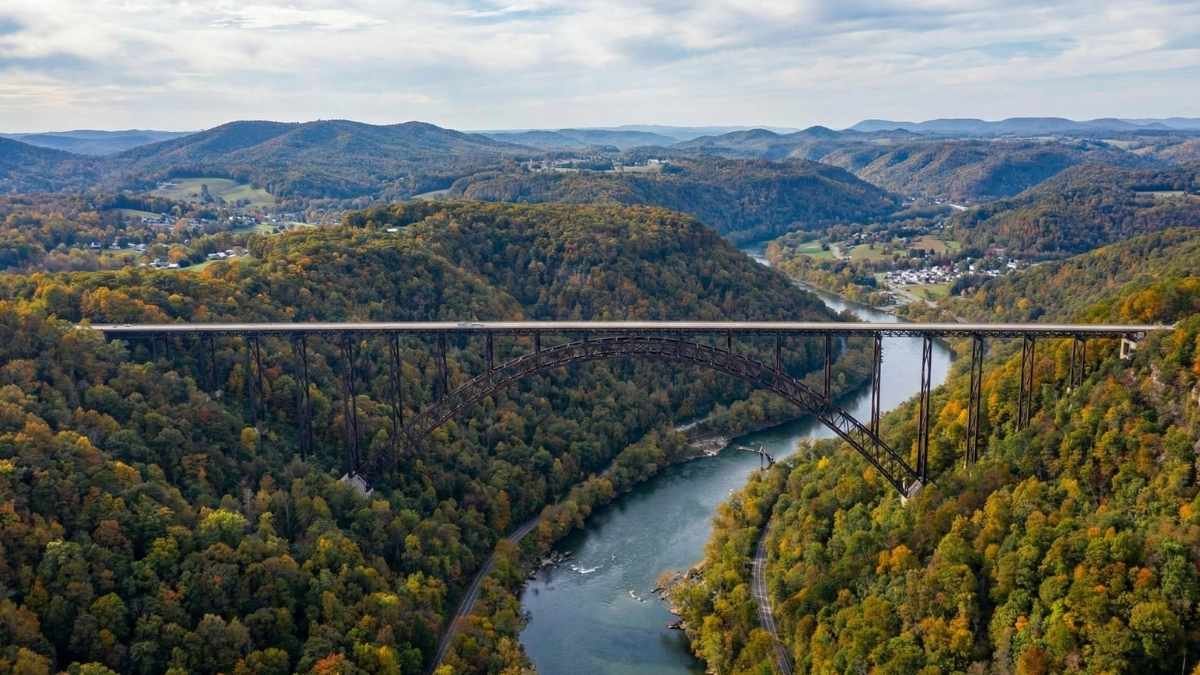
Not every relocation program centers around towns — some are built around landscapes. That’s the case here. Communities near the New River Gorge attract movers who prioritize outdoor access as a daily reality, not a weekend activity.
The incentives often come through state-backed programs, offering cash spread out over time alongside recreation perks. The towns themselves stay modest in size, which keeps living costs manageable and preserves a sense of closeness that’s hard to fake.
Life here revolves around rivers, trails, and seasons. For people who feel boxed in by cities or burned out by constant stimulation, this move feels less like relocation and more like recalibration.
Other useful details:
- Best months to visit: May–September
- Who qualifies: Full-time remote workers
- Outdoor focus: Hiking, rafting, climbing
- Community style: Small, outdoors-driven
- Trade-off: Limited nightlife, strong nature access
13. Small Towns in Sardinia & Tuscany, Italy — €15,000+
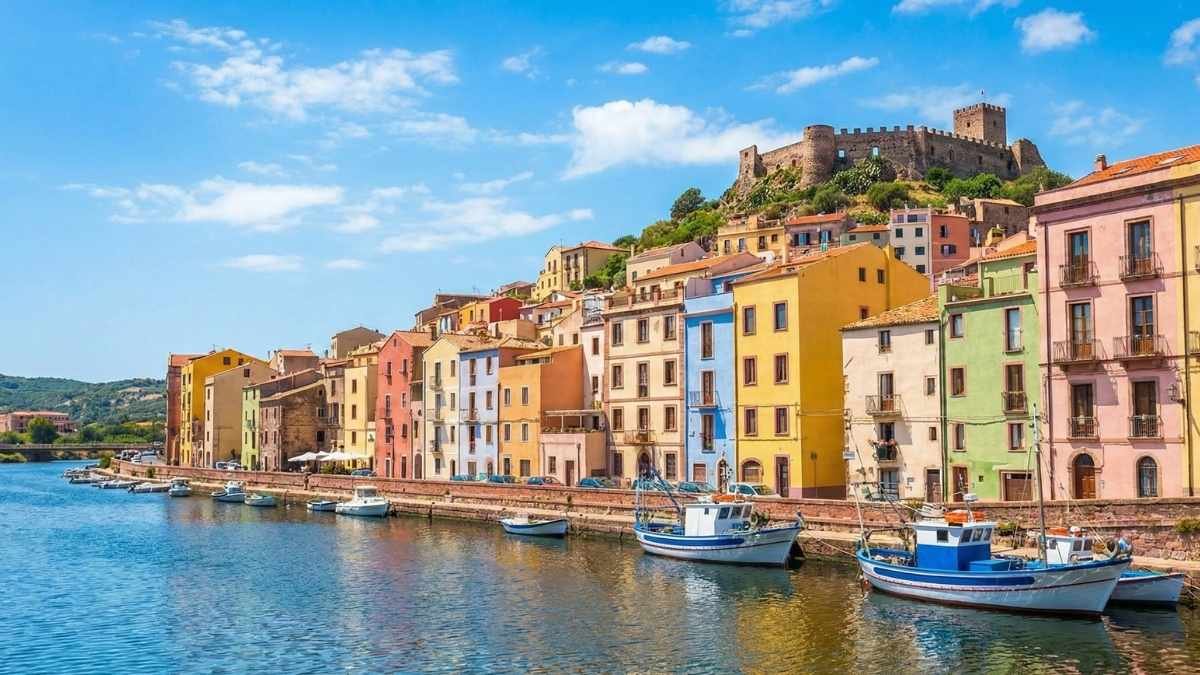
These programs don’t read like traditional relocation offers — and that’s intentional. Italian towns offering €15,000 or more are trying to revive places with centuries of history, not attract short-term residents chasing incentives.
The money often comes with conditions: purchasing or renovating a home, committing to residency, and contributing to the local economy. But for the right person, those conditions are part of the appeal. The payoff isn’t just financial — it’s cultural immersion, slower living, and deeply rooted communities.
Daily life looks different here. Shops close at midday. Neighbors know each other. Time stretches. For movers ready to exchange speed for substance, these programs offer something few others can.
Other useful details:
- Best months to visit: April–June and September
- Residency commitment: Required
- Housing condition: Renovation is often mandatory
- Lifestyle shift: Slower, community-centered
- Best fit for: Long-term international movers