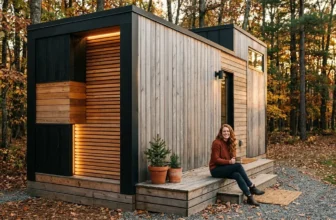
I Lived in a Tiny Home for a Year — Here’s What Nobody Warns You About

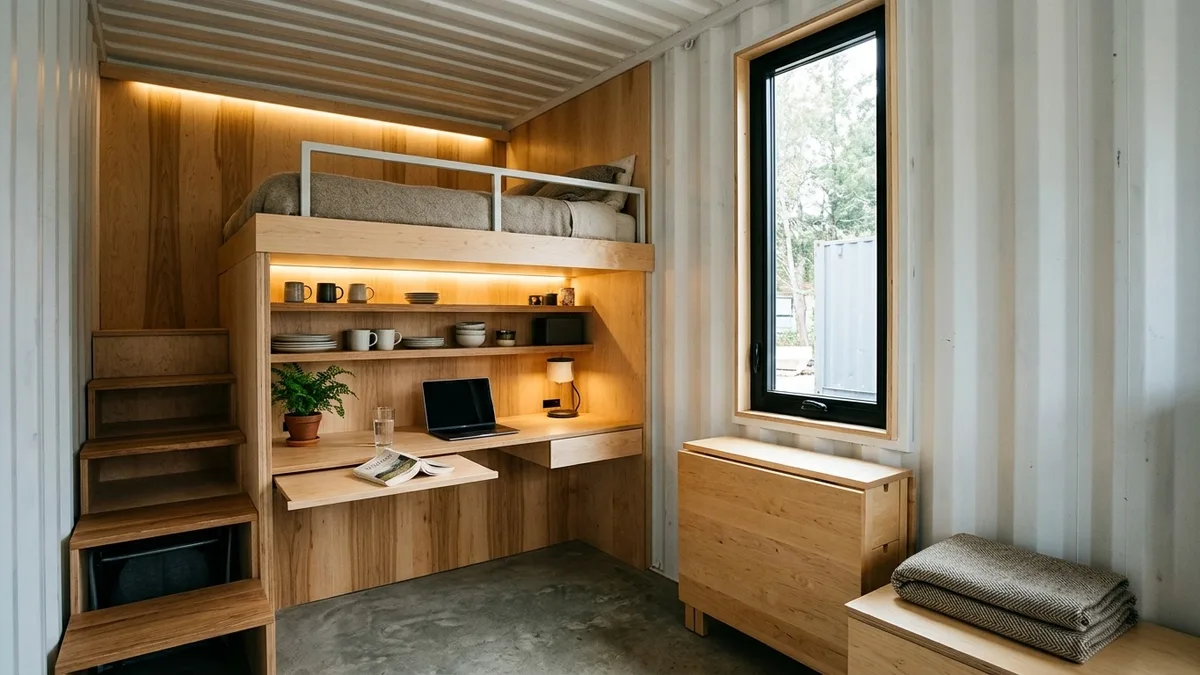
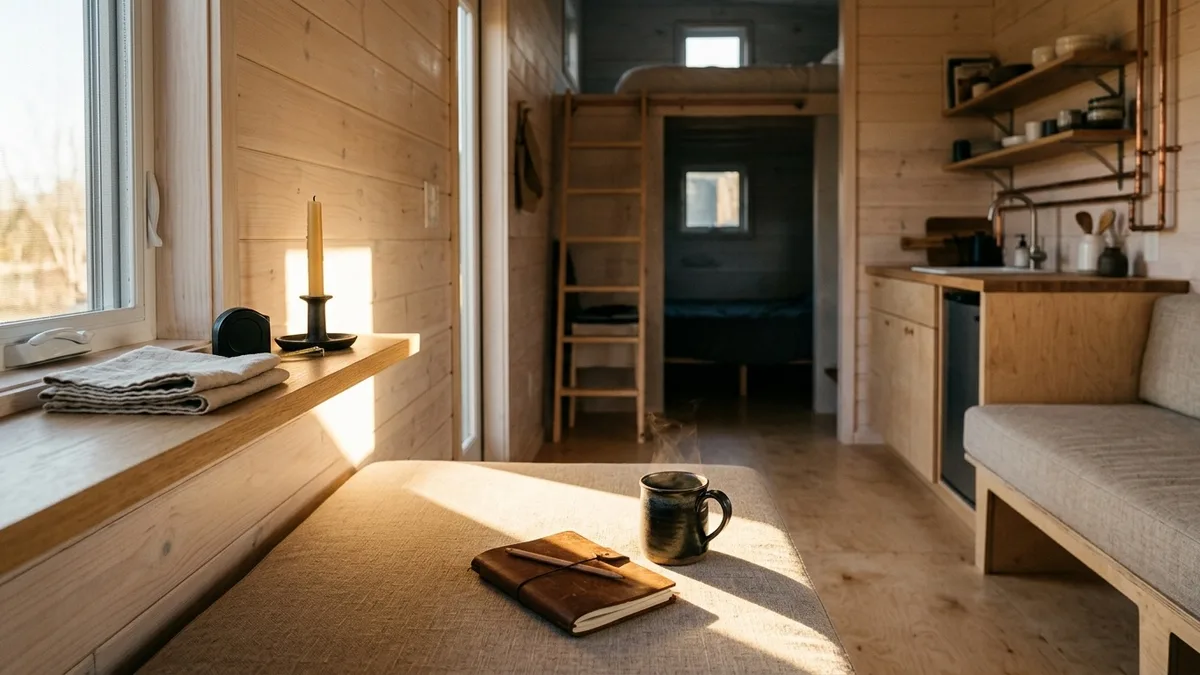
Condensation beads instantly along black aluminum window frames when morning coffee brews in a 160-square-foot footprint.
Choosing minimal square footage promises absolute freedom from debt and modern clutter, yet daily existence inside these compact walls exposes heavy physical demands.
You are standing in your own hallway right now, weighing whether a downsized footprint will save your savings account or break your patience over a twelve-month lease.
The breakdown below lays out the exact financial costs, moisture battles, and zoning rules you will face across four changing seasons so you can decide before signing a contract.
Quick Tips Before You Start
Measure Clearances
Verify your door swing paths before installing any folding furniture.
The One-In Rule
Commit to purging an existing item every time you bring a new object inside.
Air Circulation
Install a continuous humidity monitor near the cooking zone immediately.
Daily Functionality and Spatial Strain
Every single new item purchased requires purging an existing item to maintain basic livability, turning routine shopping into a stressful logistical exercise.
A single grocery run with bulk packaging instantly fills the limited counter space, leaving zero margin for error in storage allocation.
Physical storage reaches absolute saturation within the first month of occupancy.
Adopting a strict one-in-one-out rule stops the accumulation before horizontal surfaces disappear under everyday gear.
🎯 THE SHORT ANSWER
The Reality of Compact Living
Tiny home living demands rigorous physical discipline and constant compromise, trading expansive square footage for intense logistical management.
1. Clutter Accumulates Exponentially in Minimal Square Footage
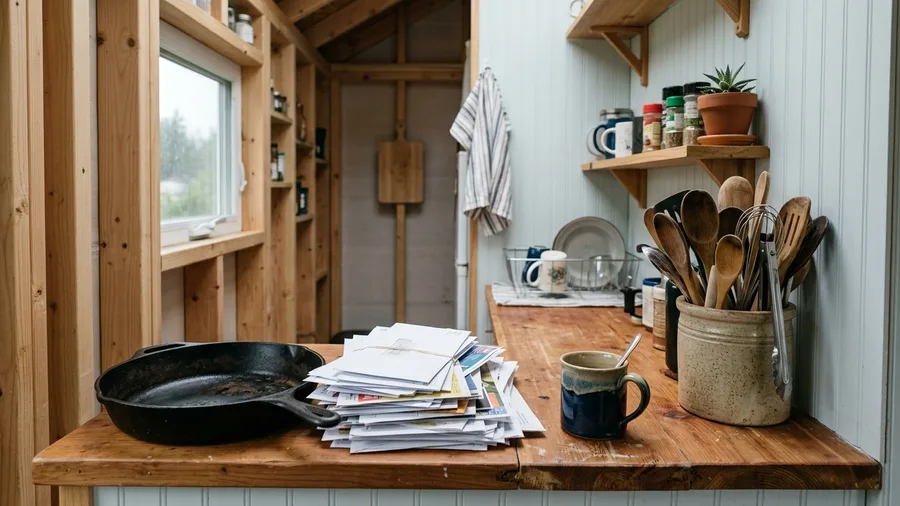
People assume tiny spaces stay clean automatically because there is simply nowhere to put the mess.
Every single new item purchased requires purging an existing item to maintain basic livability, turning routine shopping into a stressful logistical exercise.
When storage capacity caps out at a single hanging rod and four drawers, a newly acquired cast-iron skillet means an older pot must find a new home outside, and this endless negotiation forces you to examine every purchase through the lens of spatial subtraction.
💡 Tip: Use magnetic wall strips to keep knives off limited counter space.
Storage Capacity At a Glance
📦 Drawer Limit
4 drawers total
🧥 Hanging Rod
36 inches wide
🔄 Purge Cycle
Weekly rotation
The Rule
One item enters, one item leaves.
2. Complete Lack of Acoustic Privacy Strains Relationships

Noise fills every square inch of a tiny home within seconds.
Lightweight pine framing and thin wall panels offer zero acoustic dampening, meaning sound travels effortlessly through the entire structure without interruption.
A whispered conversation carries across the full length of the trailer, turning minor disagreements into inescapable friction that wears down patience over time.
If one partner needs to take a work call while the other rests, finding physical separation requires stepping outside into the weather.
⚠️ COMMON MISTAKE
Ignoring Acoustic Dead Zones
Do not skip adding acoustic insulation panels inside interior partition walls; untreated spaces bounce sound directly from kitchen to loft.
3. Constantly Converting Functional Zones Exhausts Daily Routine
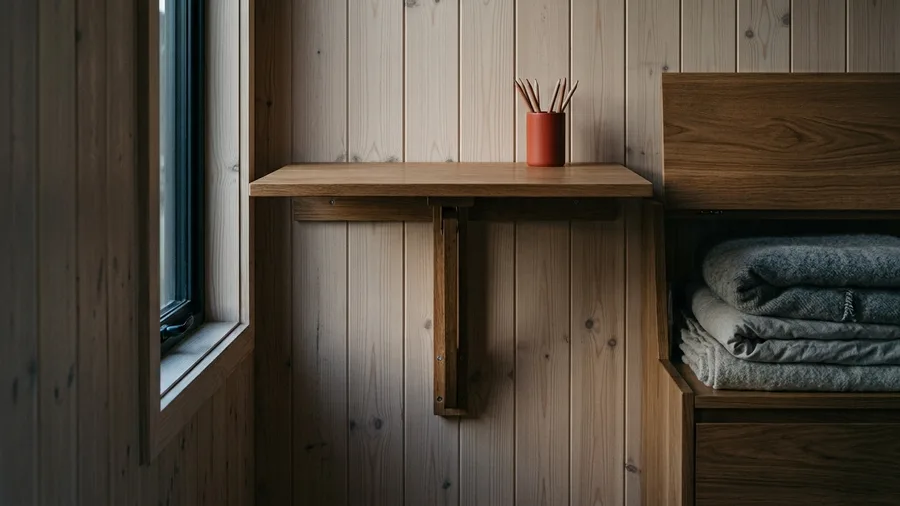
Endless physical exertion drains your daily energy when every single room must serve three competing purposes from dawn until dusk.
The morning ritual starts with collapsing the mattress platform, stowing heavy wool bedding into a custom bench compartment, and locking the narrow oak drop-leaf desk into working position.
By month six, this constant choreography turns genuinely exhausting.
You begin skipping proper meals at the wooden table, preferring to eat standing near the counter rather than deal with the tedious mechanical setup.
Physical fatigue from managing double-duty furniture ultimately erodes the simple joy of living in a custom architectural space.
Daily Conversion Routine
Environmental and Structural Realities
Physics operates relentlessly inside tight architectural boundaries.
Managing moisture, regulating extreme temperature shifts, and handling specialized waste systems dictate daily survival.
A single pot of boiling pasta on a small induction burner coats every window in heavy condensation within minutes.
Without running a heavy 50-pint compressor dehumidifier continuously, black mold spots bloom along the aluminum window frames by the end of the first week.
The minimal wall cavity insulation fails to block solar heat gain, turning the interior into an oven by midday while dropping below freezing within an hour of sunset.
Off-grid composting toilets demand strict daily monitoring of moisture ratios and manual sawdust additions to prevent severe odor buildup.
Keeping these mechanical systems functioning requires disciplined weekly maintenance routines rather than passive occupancy.
4. Moisture Management Becomes a Constant Daily Battle
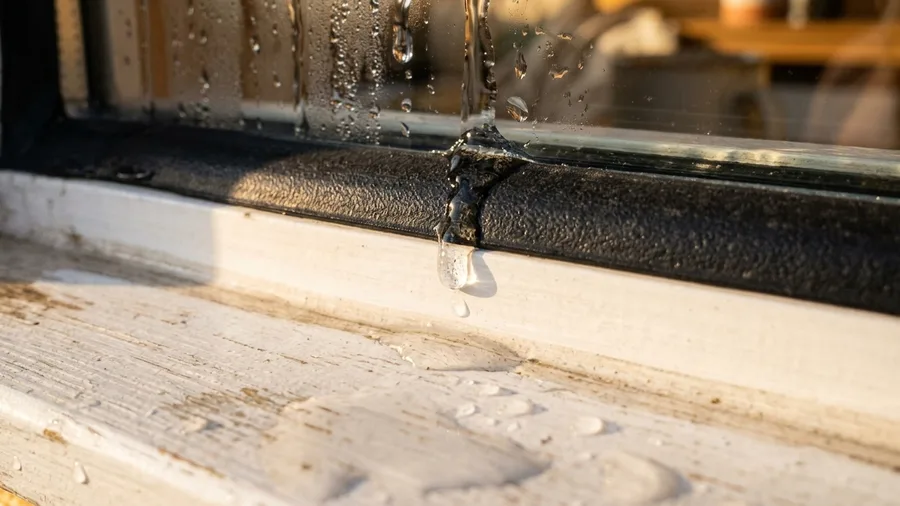
A standard 50-pint dehumidifier fills its tank twice a day during rainy autumn weeks.
Cooking and breathing in a sealed tiny space generates massive condensation, requiring aggressive ventilation and dehumidifiers to prevent mold growth.
Steam from boiling pasta or taking a five-minute shower settles immediately on cold exterior framing junctions.
Ignoring this cycle for just forty-eight hours results in black spots forming along silicone window seals and mattress bases.
Moisture Control Gear
5. Extreme Weather Makes Temperature Regulation Unpredictable
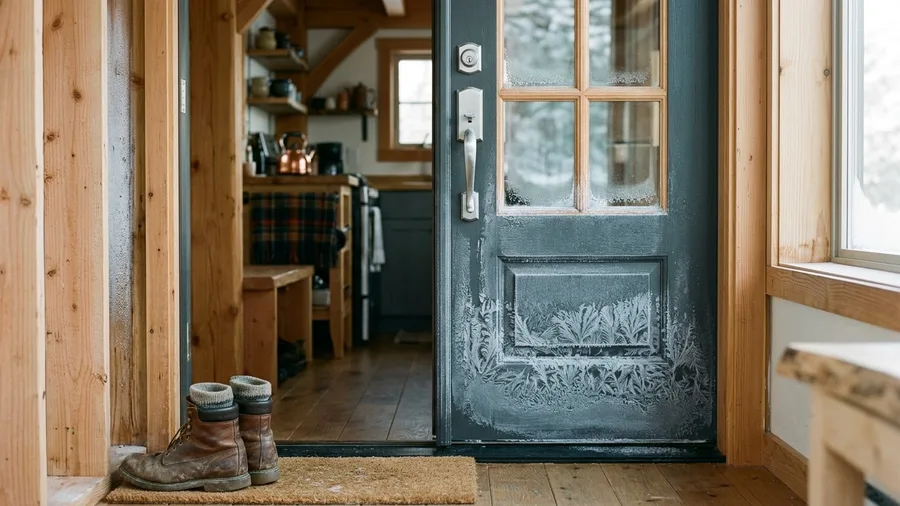
Morning frost coats the interior door handle when winter temperatures drop below freezing outside.
The small volume heats up instantly in summer and freezes rapidly in winter, driving reliance on climate control systems that overwhelm off-grid setups. Spray-foam insulation helps, but thermal bridging through metal trailer frames creates cold spots that defy standard heating strategies.
You find yourself constantly adjusting mini-split thermostats to combat drastic temperature swings within a thirty-minute window.
Temperature Realities
6. Plumbing and Waste Systems Demand Strict Maintenance
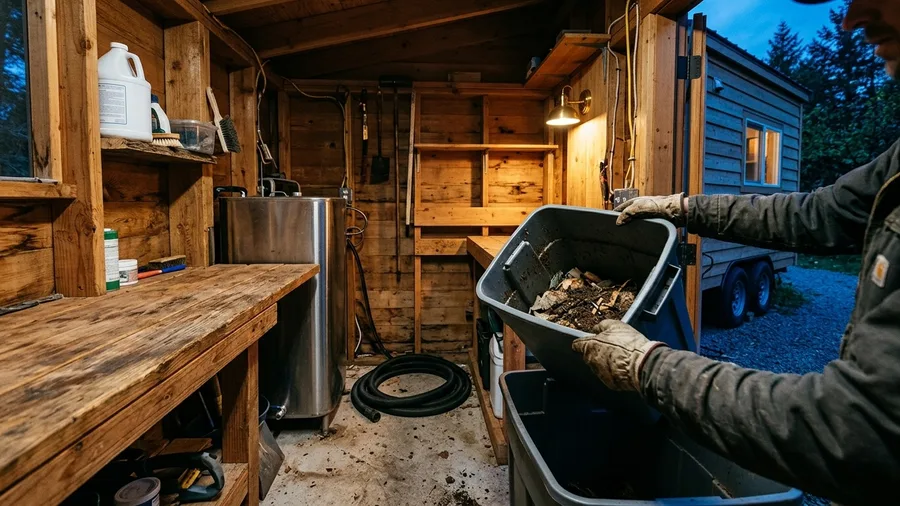
Unlike a suburban house connected to municipal sewer lines that flush problems away instantly, managing marine-grade holding tanks in a compact dwelling feels closer to RV camping than ordinary homeownership.
Composting toilets or specialized marine plumbing require daily monitoring, manual emptying, and strict chemical habits that traditional home dwellers never face in their daily lives.
A misjudged liquid level in the separating vault leads to immediate odor issues that permeate every single corner of a 200-square-foot room within minutes.
Gray water lines freeze much faster during winter freezes because drainage pipes run exposed beneath the metal chassis floor without standard ground insulation.
Maintaining functional sanitation requires strict daily discipline and a permanent tolerance for hands-on waste management that catches most first-time owners completely off guard.
💡 Tip: Add coconut coir daily to composting systems to control moisture and odors.
System Maintenance Breakdown
Percentage of routine hours spent on mechanical upkeep.
Social, Legal, and Financial Surprises
Municipal codes frequently prohibit permanent tiny home living on wheels, forcing unexpected relocations and expensive legal fees.
Local zoning boards often classify these structures as RVs rather than dwellings, banning long-term stays in residential zones.
That strict legal definition prevents owners from securing standard mortgages or homeowner insurance policies.
Budgeting an extra $500 monthly for legal parking fees or campground space prevents sudden eviction notices.
Keep backup storage rental receipts ready in case a local ordinance officer demands immediate removal from private land.
7. Zoning Laws and Parking Restrictions Constantly Threaten Stability
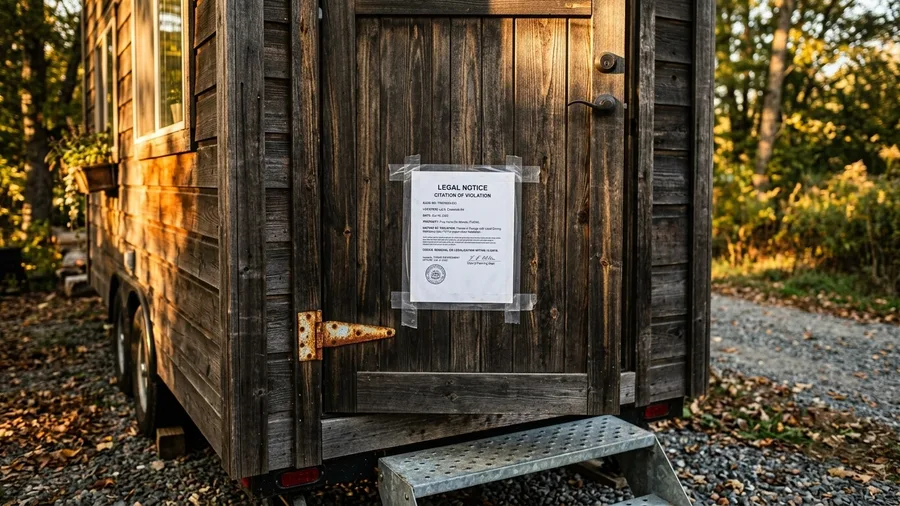
Municipal codes frequently prohibit permanent tiny home living on wheels, forcing unexpected relocations and expensive legal fees.
A friendly rural parking arrangement can end overnight when local code enforcement issues a citation for unauthorized permanent dwelling.
Securing legal land lease agreements requires navigating complex county ordinances that classify wheeled structures as temporary vehicles.
This constant legal vulnerability hangs over every month, preventing you from fully settling into a community.
8. Resale Value Depreciates Much Faster Than Traditional Homes
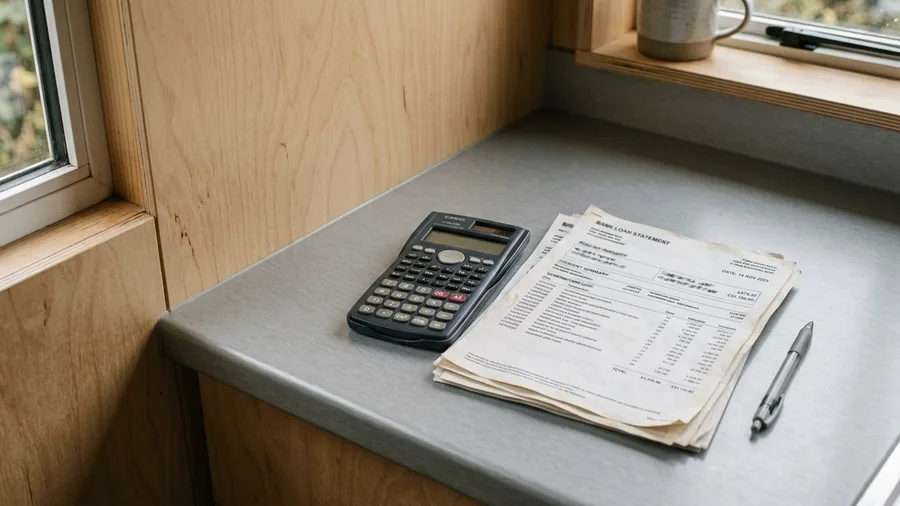
Traditional residential real estate steadily appreciates over years, while tiny mobile structures lose financial value quickly.
Custom builds on trailers wear down and depreciate like standard vehicles rather than appreciating land assets.
Most lenders treat mobile units as recreational vehicles instead of homes, requiring personal loans with high interest rates.
Selling your custom dwelling usually yields only a fraction of your initial cash investment.
9. Hosting Guests Becomes Socially Impractical

Social isolation creeps in quietly when your living room is also your hallway and bedroom.
When your floor space measures eight feet across, hosting a simple dinner party means guests sit on the bed while balancing plates on their knees.
This physical constraint makes entertaining more than one visitor at a time physically impossible.
Friends stop dropping by spontaneously when there is nowhere to sit comfortably.
Over a full year, this physical barrier cuts into your social network, requiring you to meet people outside your home rather than hosting within it.
Frequently Asked Questions
How much does a custom tiny home cost to build?
Quality builds typically range from 60,000 to 100,000 dollars depending on appliance grades, solar arrays, and trailer framing materials.
Can you legally live in a tiny home year-round?
Legality depends entirely on local municipal zoning codes. Many jurisdictions permit temporary occupancy but restrict permanent residency on wheels.
How do you handle laundry without a full washer?
Most tiny home dwellers rely on nearby laundromats or compact ventless combo washer-dryer units built into kitchen cabinetry.
Is off-grid solar power reliable in winter?
Winter solar generation drops significantly due to short daylight hours and low sun angles, usually requiring a backup propane generator.
Accepting the Pace of Small Living
You do not have to solve every spatial friction point or master off-grid plumbing overnight to find value in a simpler footprint.
Give yourself permission to scale down gradually, accepting that a year in tight quarters will challenge your habits rather than cure them.
Focus on mastering moisture control and daily decluttering first; the rest of the lifestyle will settle into place at its own pace.
Check Your Local Zoning Laws First
Before purchasing trailer frames or building materials, review municipal parking codes in your target county to protect your long-term stability.