How to Downsize Into a Tiny House Without Regretting It

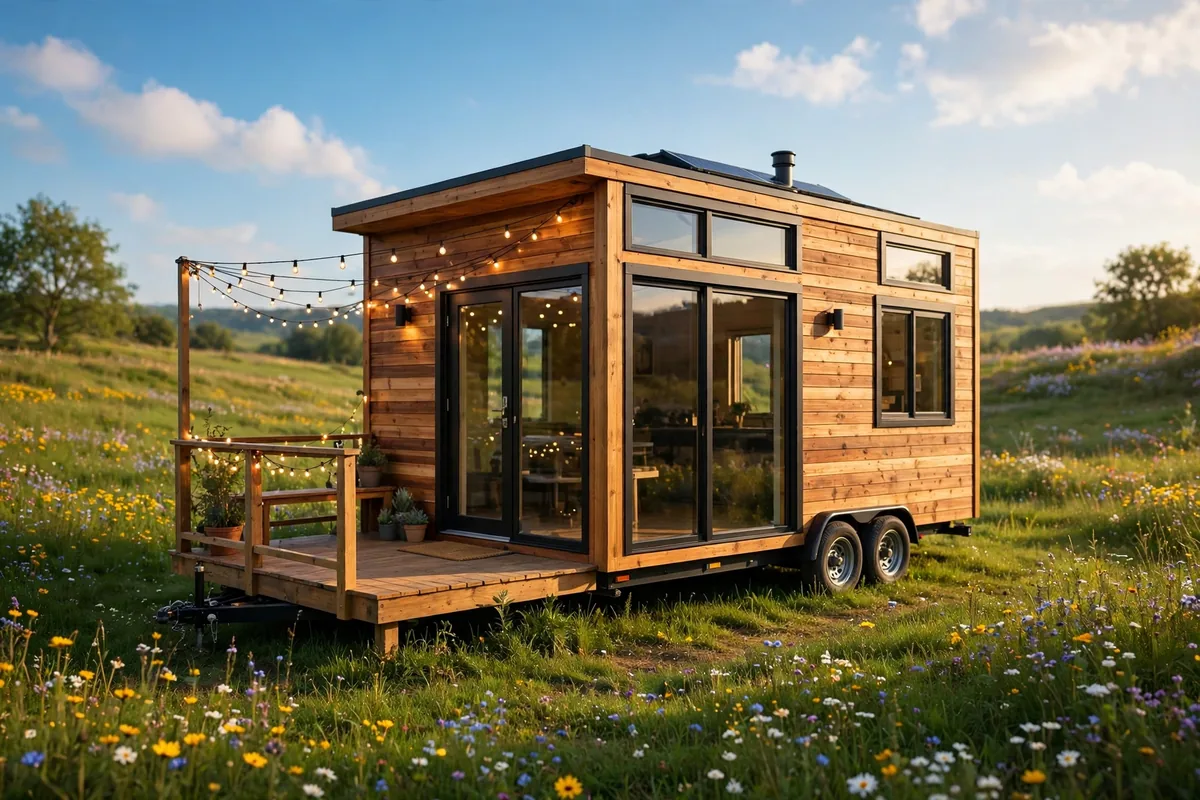
A tiny house looks simple from the outside. One small home, a few belongings, lower bills, and a life with less clutter.
The hard part is not the house. It is everything you own, every habit you have built over years, and every square foot you are used to spreading out in. Most people who regret downsizing do not regret the tiny house itself. They regret skipping the planning.
This guide walks through the steps that keep regret out of the picture. Work through them in order, give yourself enough time, and test the life before you commit to it. The goal is a smaller home that still feels like yours.
At a Glance: Downsizing Into a Tiny House
- Typical tiny home: under 400 square feet, most cost $30,000 to $70,000
- Realistic timeline: 3 to 6 months to downsize a 3 bedroom house properly
- What fits: a tiny home holds about 1,000 to 3,000 items, against about 300,000 in the average household
- Hidden costs: 53 percent of owners report unexpected major costs in the first year
- Storage trap: a 10 by 10 unit averages $119 to $134 a month, or $1,428 to $1,608 a year
- Golden rule: test the life with a real stay before you buy or build
1. Start With How You Actually Live, Not How You Wish You Lived
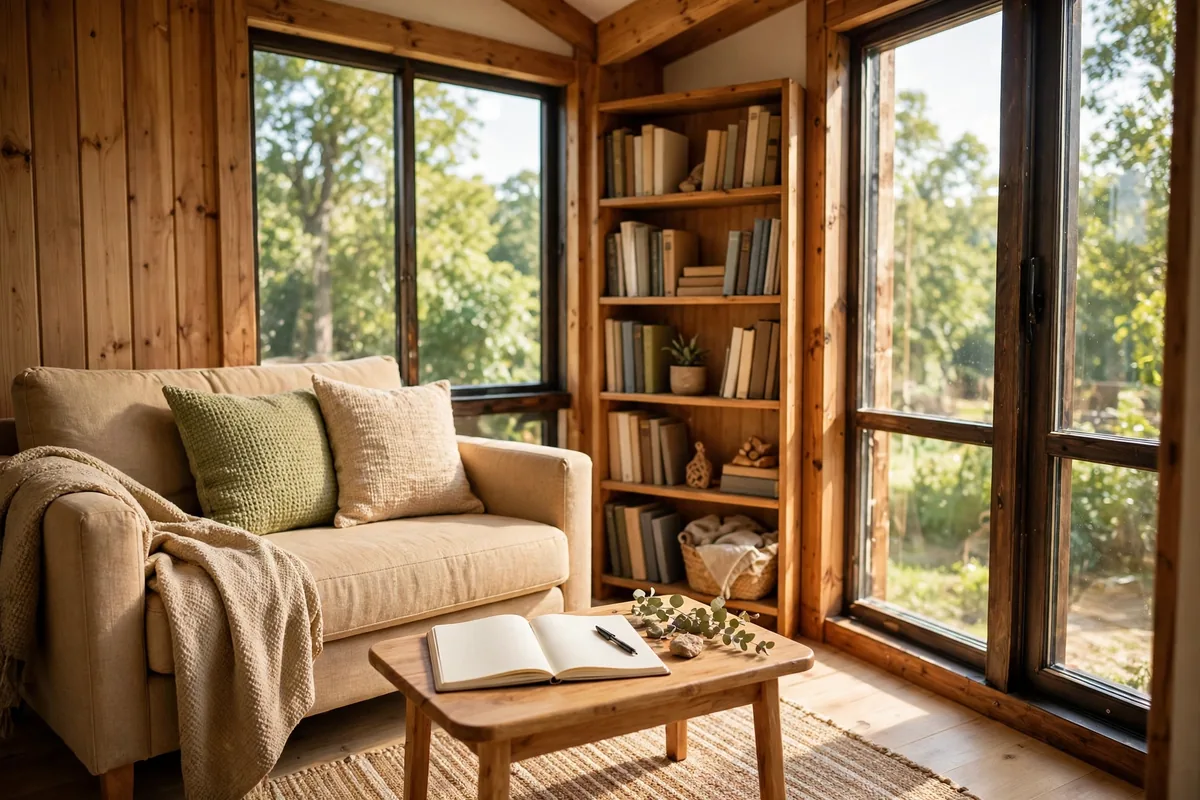
Walk through your current home with a notebook. Write down which rooms you sit in every day and which ones you only open for guests.
Most people find they live in three rooms and store things in the rest. That is useful news. It tells you how much space your real life needs.
Be honest about the habits that need room. If you cook big meals, you need a real kitchen. If you work from home, you need a desk that is not also the dining table.
A tiny home is usually under 400 square feet. That is roughly one tenth of the median new single family home, which the Census puts at 2,142 square feet for homes completed in 2025.
Your audit is the blueprint for everything that follows. Skip it, and you will design a home for a fantasy version of yourself.
2. Give Yourself a Real Timeline
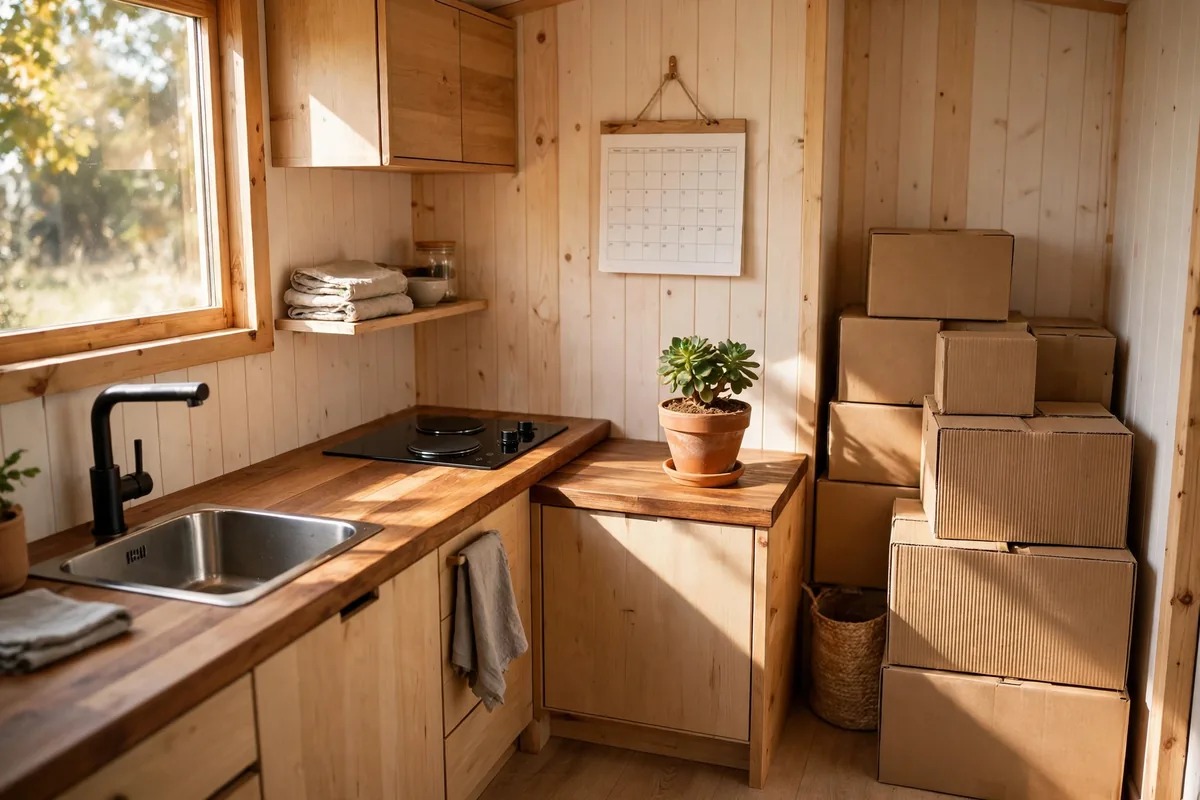
Downsizing a 3 bedroom house takes 3 to 6 months if you do it properly. Rushing it is how keepsakes end up in the trash and useful things end up forgotten in a storage unit.
Pick a move in date and work backward. Give the sorting phase the most time. That is where the real work lives.
Break the job into weekly chunks. One category per week beats one frantic room per day. Closets one week, the kitchen the next, paperwork after that.
Put the boring logistics on the calendar early too. Book movers or a transport company weeks ahead. A tiny house on wheels needs a licensed hauler, and good ones book up.
If your timeline feels tight, it probably is. Add a month. Nobody ever regretted finishing early.
3. Sort Everything With the Four-Box Method
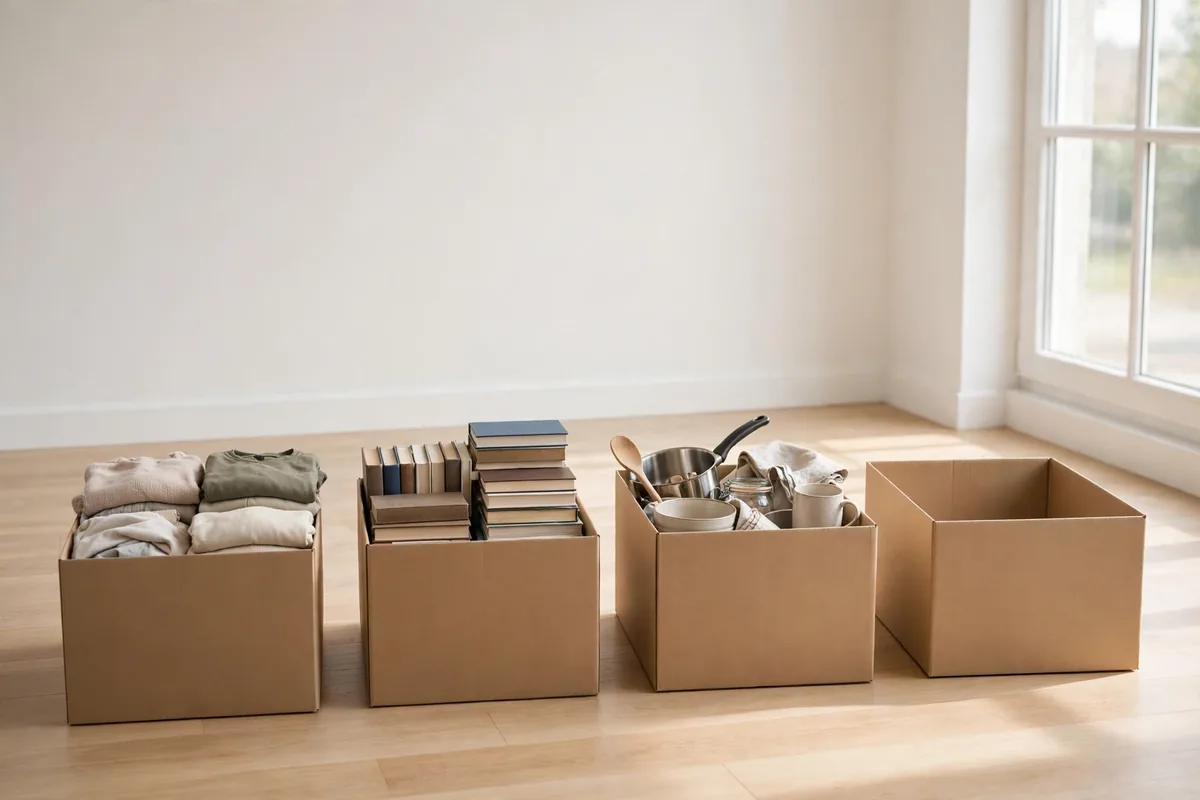
Get four big boxes and label them Keep, Sell, Donate, and Trash. Every single item you own goes into one of them. No fifth box. No maybe pile.
A UCLA study found the average American household holds about 300,000 items. A tiny home comfortably holds between 1,000 and 3,000, depending on size and storage design. The gap is the whole job.
Sort by category, not by room. Gather every book in the house before you decide which books stay. Do the same with clothes, kitchen tools, and cables.
Use the 12 month rule. If you have not used something in a year and it is not seasonal, it goes in Sell or Donate. Sentimental items get one small box, not a whole closet.
Selling takes time, so start it early. The average downsizer recovers $1,500 to $5,000 by selling unwanted items, according to the downsizing guide from Find a Tiny House. That money can pay for part of the move.
4. Measure Every Inch Before You Buy or Build
Most tiny homes on wheels range from 100 to 400 square feet. A typical 24 foot model has about 185 square feet of ground floor plus a 50 square foot sleeping loft.
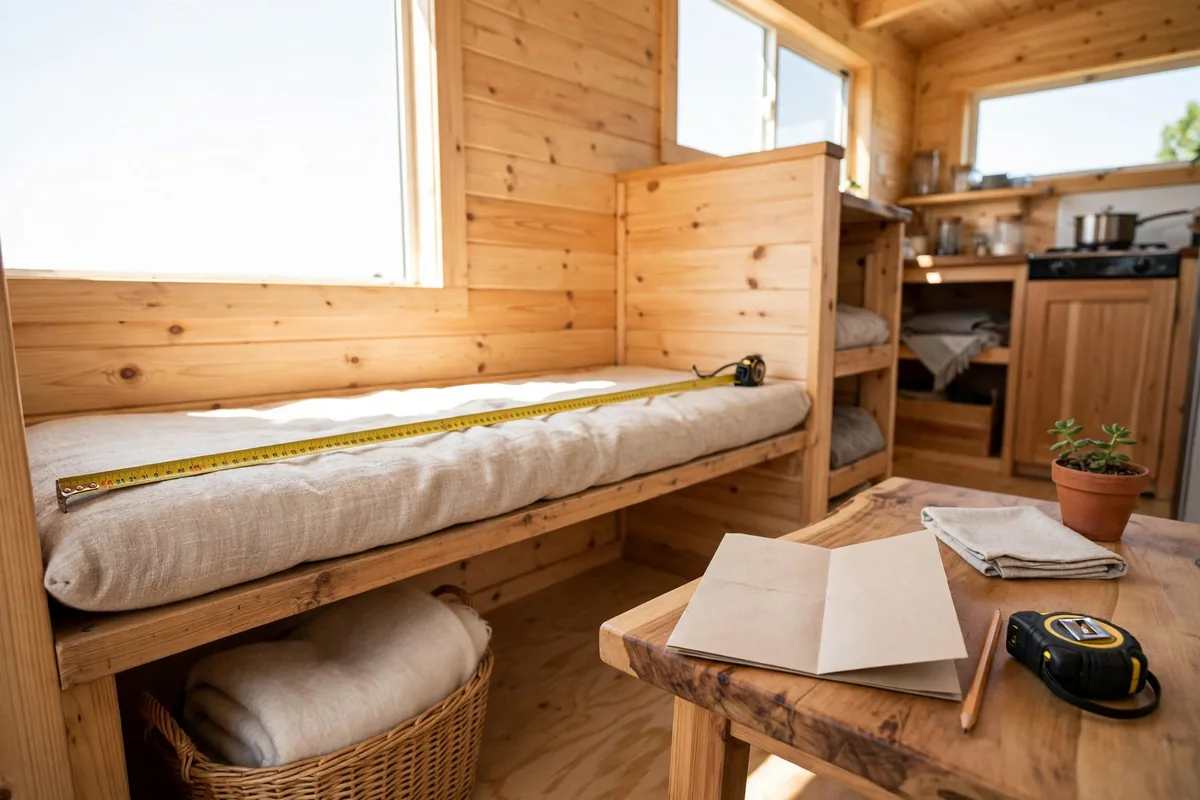
Get the floor plan from the builder, or go inside with a tape measure. Measure every closet, shelf, and cabinet. Write down doorway widths too. Most tiny home doors are 28 to 32 inches wide, against 36 inches in a standard house.
Sketch your furniture on graph paper, one square per foot. Place the bed, the couch, the desk, and the table before you buy any of them. If it does not fit on paper, it will not fit in the house.
Test the big items in person. Sit on the couch. Lie in the loft. Climb the stairs carrying laundry. A floor plan cannot tell you whether a loft ladder at midnight will drive you mad.
Keep a list of the things that must fit, with their measurements. Bring that list to every builder meeting and every furniture shop.
Downsizing by the Numbers
- 300,000 items: what the average American household holds, per a UCLA study
- 1,000 to 3,000 items: what a tiny home comfortably holds
- $30,000 to $70,000: the typical cost of a tiny home, per home contracting platform Angi
- $412,000: the median price of a traditional home for comparison
- $1,231 a year: what homes under 1,000 square feet spend on energy, against $2,809 for homes over 3,000 square feet, per the U.S. Energy Information Administration
- $2 to $5 per mile: the usual cost to transport a tiny house on wheels
- $500 to $3,000: typical utility hookup fees for water, electric, and sewer
5. Run the Full Math, Including the Hidden Costs
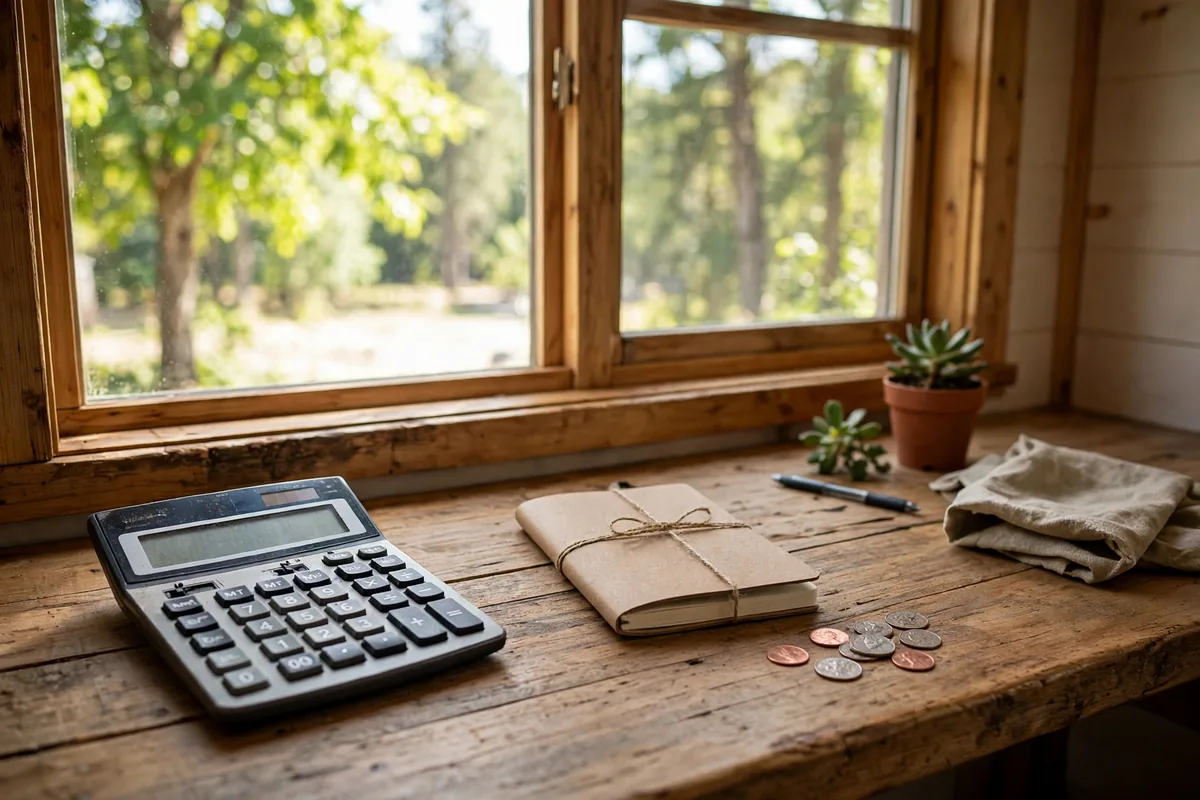
Most tiny homes cost between $30,000 and $70,000, according to home contracting platform Angi, as reported by Money. That sounds cheap next to a median home price above $412,000. It is still only part of the bill.
A 2022 survey by the National Association of Home Builders found 53 percent of tiny house owners had unexpected major costs in the first year. Land, permits, hookups, and transport are the usual surprises.
Transport for a tiny house on wheels runs $2 to $5 per mile. Utility hookups for water, electric, and sewer run $500 to $3,000. Neither shows up in the builder quote.
Storage is the quiet budget killer. A 10 by 10 unit averaged $119 a month without climate control and $134 with it in January 2026, or $1,428 to $1,608 a year, per Yardi Matrix data via SpareFoot. If you are still paying for storage a year after moving, you kept too much.
Write every cost down before you start. Include lot rent or land payments, insurance, and the smaller monthly bills. Then add a 15 percent buffer for surprises. The buffer is not pessimism. It keeps a surprise from becoming a regret.
6. Test-Drive Small Living Before You Commit
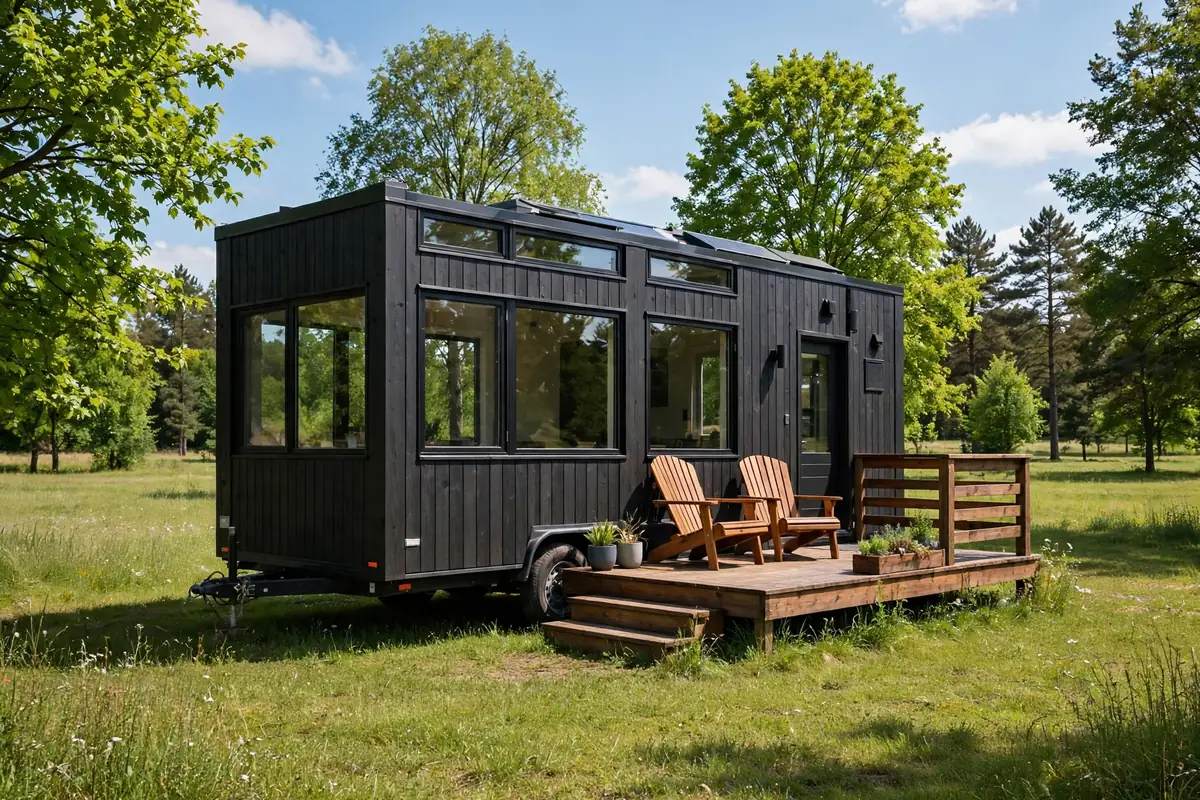
Nobody should buy a tiny house after only watching videos about one. Rent a small cabin or a tiny house for a week, or longer if you can. Live in it the way you would live in yours.
Cook real meals. Work a normal day. Do laundry. Host a friend for dinner. See how the space feels on day five, not just on day one.
Pay attention to the friction points. The loft stairs. The tiny shower. The sound of rain on a metal roof at 2 a.m. These small things decide whether you love the life or tolerate it.
If you are moving with a partner, test it together. Privacy is the complaint that shows up most in tiny house regret stories. There is no spare room to retreat to, so you need to know how you both handle that.
A test stay costs a few hundred dollars. A wrong purchase costs tens of thousands. It is the cheapest insurance in this whole process.
7. Design Storage Into Every Square Foot
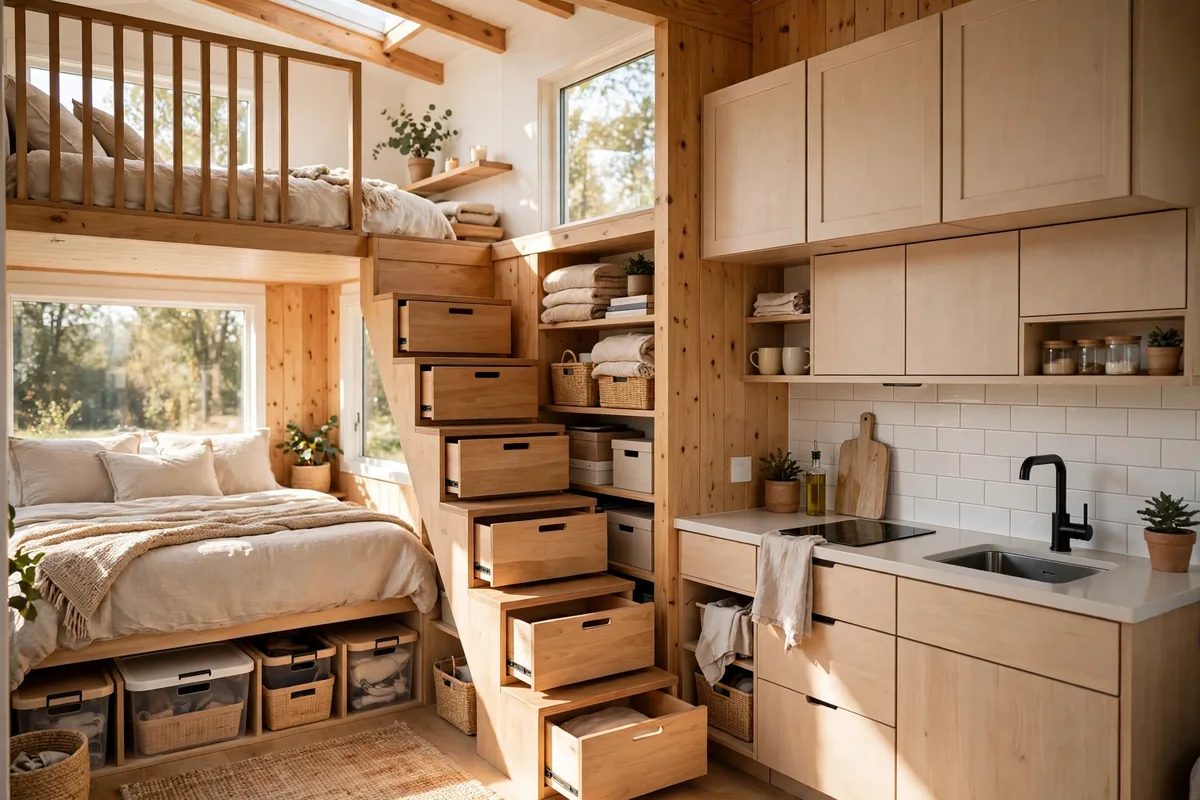
In a tiny home, storage is not an afterthought. It is the design. Every item needs a home, or it ends up on the counter, the floor, or the bed.
Stairs with pull out drawers are the classic win. So are beds with storage underneath, benches that open, and cabinets that reach the ceiling. Use the vertical space. The walls go up further than you think.
Give daily items the easy spots. The coffee, the keys, the phone charger, and the dog leash should live within arm’s reach of where you use them. Seasonal things can live high up or deep down.
Leave some storage empty on move in day. If every shelf is full on day one, you have nowhere to put the things life adds later. Aim for about 20 percent empty.
One rule keeps it working long term. When something new comes in, something old goes out. Tiny homes stay tidy through habits, not through bigger closets.
8. Plan for Privacy, Guests, and the Hard Days
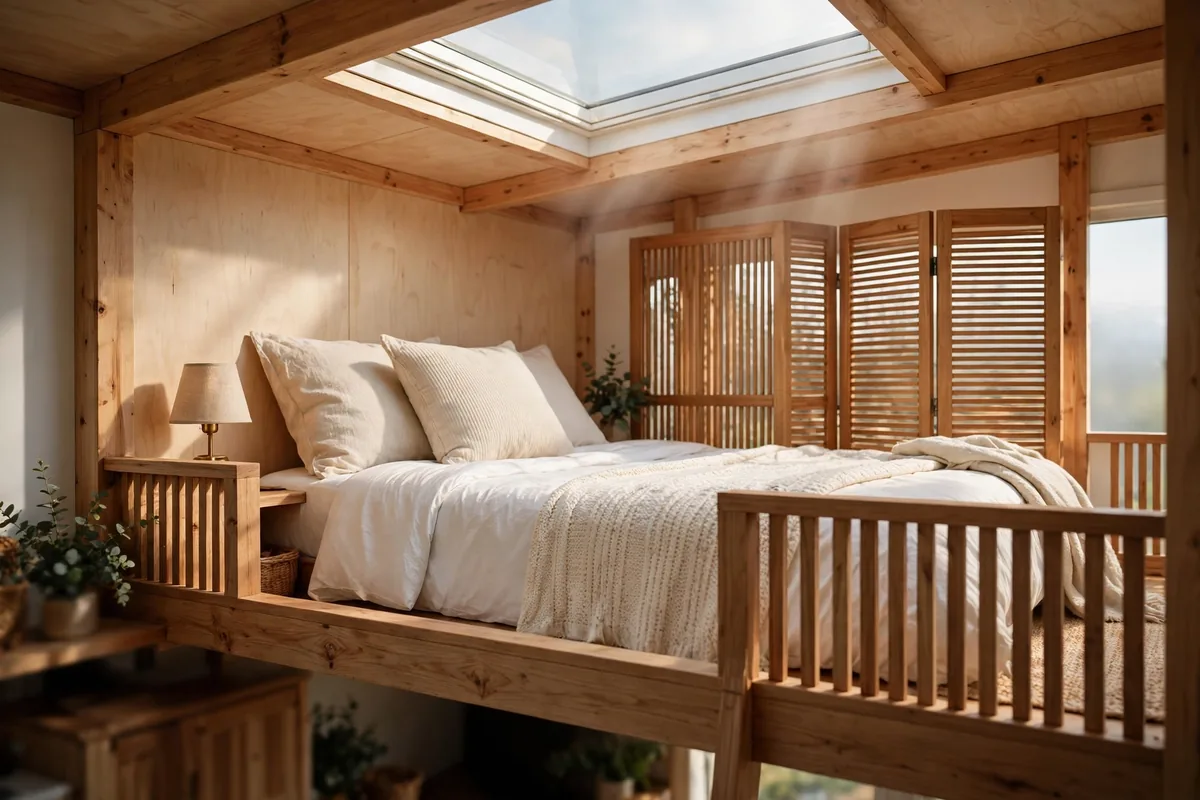
Tiny house life is wonderful on a sunny Saturday. The test comes on a rainy Tuesday when one person is sick, the other is on a work call, and the dog wants out.
Plan your privacy now. A curtain, a folding screen, or a loft that feels separate can save a relationship. Headphones help too. So does a routine that gets each person out of the house at different times.
Decide the guest rule before guests arrive. A fold out couch or an outdoor setup works for a night or two. Nobody wants to host a week long visit in 250 square feet, and saying so early avoids awkwardness.
Think about the seasons. Heat, cold, and humidity hit harder in a small space. Check the insulation, the heater, and the ventilation before you sign anything.
The people who love tiny living are not the ones with the fewest belongings. They are the ones who planned for the hard days as carefully as they planned for the good ones.
Before You Sign Anything: The Quick Checklist
- Walked your current home and listed the rooms you truly use daily
- Set a 3 to 6 month timeline with sorting time built in
- Sorted every item into Keep, Sell, Donate, or Trash
- Measured the floor plan, doorways, and every must keep item
- Budgeted land, transport, hookups, and insurance, plus a 15 percent buffer
- Checked local zoning and parking rules for where the home will sit
- Spent at least a few nights living small before committing
- Planned privacy, guests, and a storage system with room to spare
Downsizing is a trade. You give up space and stuff. You get lower bills, less cleaning, and more freedom with your time and money.
The trade only works if the small home fits the life you actually live. Do the audit. Run the numbers. Test the life. Then move in with confidence, not hope.
If you take one idea from this guide, take this one. The regret does not come from living small. It comes from rushing in without a plan.