Fibremaxxing: The Add-Don’t-Cut Food Trend Quietly Fixing Gut Health

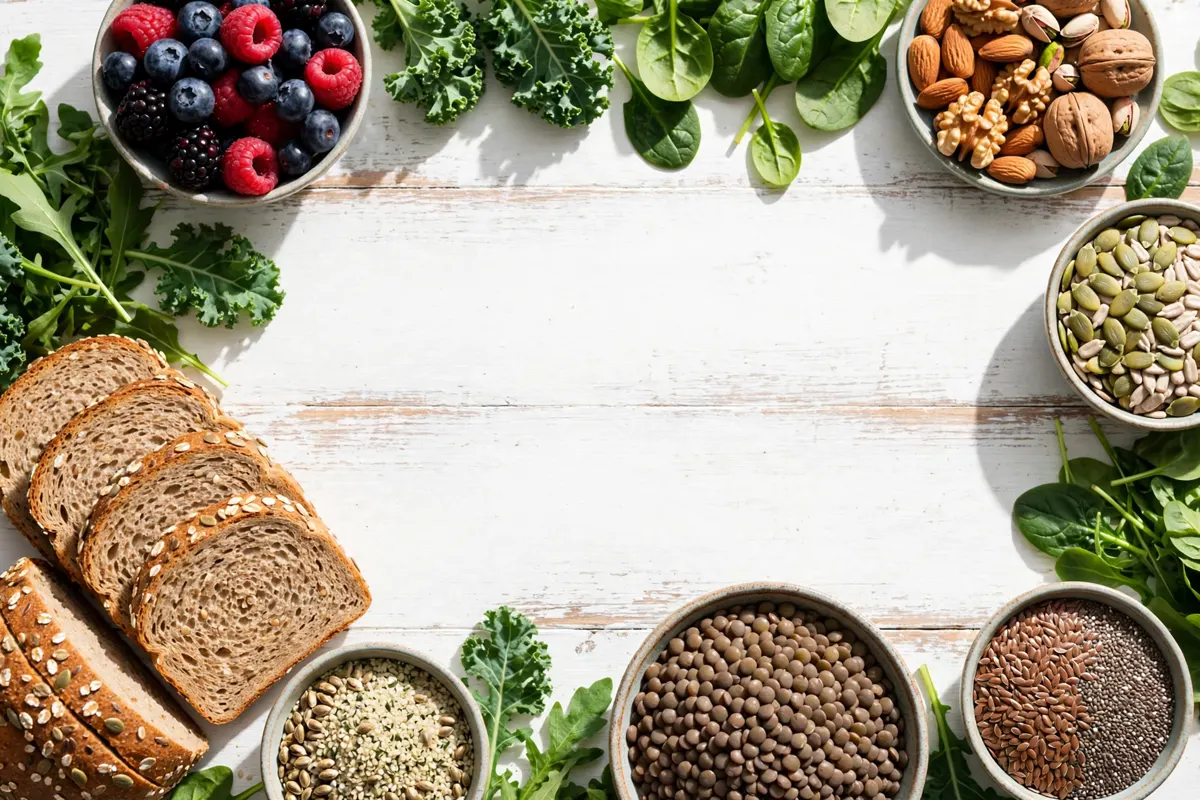
Scroll through food TikTok right now and you will see a new kind of flex. Not a smaller plate. Not a skipped meal. A bigger bowl, piled with oats, berries, seeds and beans, with a caption about hitting a fibre goal for the day.
The trend is called fibremaxxing, and in 2026 it has become one of the biggest food conversations on the internet. The hashtag #fibermaxxing has passed 2 billion views on TikTok, according to trend coverage of the first quarter of 2026, and Google searches for the term jumped 170% year on year at its peak in May, as reported by The Grocer.
The idea is simple, and that is the point. Fibremaxxing means deliberately building meals around fibre, the part of plant foods your body cannot digest, instead of treating it as an afterthought. Fruit, vegetables, legumes, whole grains, nuts and seeds all count. Nothing is banned. The whole pitch is addition, not restriction.
That flip is a big part of why it caught on. After years of diets built on cutting things out, a trend that says “eat more of the good stuff” feels like a relief. Commentators have started calling fibre “the new protein”, and Whole Foods named fibre a top food trend for 2026, as noted in coverage of the trend.
There is also a real gap behind the hype. Most people eat far less fibre than official guidelines suggest, and the shortfall is large on both sides of the Atlantic. This guide explains what fibremaxxing is, where it genuinely helps, where it goes too far, and how to try the calm version that dietitians actually recommend.
Part of the appeal is how ordinary the foods are. Nobody needs a special powder or a subscription box to try it. The heroes of the trend are lentils from a tin, oats from a supermarket shelf, apples, carrots, beans and bread. That ordinariness is also why dietitians are unusually warm toward it. Most viral food trends ask you to buy something new. This one mostly asks you to buy more vegetables. No app required, no detox promised, just more plants on the plate.
The Fibre Gap at a Glance
Guidelines in the United States suggest 25 grams of fibre a day for women and 38 grams for men.
The average American eats only about 16 grams a day, and only around 4% of adults met the adequate intake between 2013 and 2018.
In the UK, 96% of adults fall short of the recommended 30 grams a day, with average intake also around 16 grams.
What Fibremaxxing Actually Means

Fibremaxxing is social media shorthand for intentionally maximizing your daily fibre intake. Instead of treating fibre as a side note, you make it the starting point of every meal and snack. The name comes from internet “maxxing” slang, an exaggerated way of saying you are optimizing something, but the underlying goal is practical.
Mayo Clinic lead dietitian Tara M. Schmidt put it plainly: fibremaxxing is “essentially attempting to eat a ton of fiber to max out your daily fiber intake, at least meeting, but more likely exceeding, the recommendation for daily fiber intake.” That quote captures both the appeal and the warning in one sentence. Meeting the recommendation is the goal. Blowing far past it is not required.
Importantly, fibremaxxing is not a strict protocol. It has no phases, no branded products you must buy, and no forbidden foods. One popular version is the plant variety challenge, where creators try to eat 30 different plants in a week. The point is variety, not perfection. A bowl of oats with berries and chia seeds at breakfast, a lentil soup at lunch, and vegetables with whole grains at dinner already fits the pattern.
Lentils, Beans and the Pulses That Lead the Pack

If fibremaxxing had a starting lineup, pulses would be its captains. Pulses is the group name for lentils, chickpeas, beans and peas, and they pack more fibre per bite than almost any other everyday food. A single bowl of lentil soup can carry you a long way toward your daily target, and it costs very little.
This is where the trend meets a genuine public health gap. Research quoted from Boston University notes that only about 4% of American adults reached the adequate fibre intake between 2013 and 2018, with average intake around 16 grams a day. That means most people have real room to add more, without anything extreme.
Pulses also feed your gut microbiome, the community of trillions of microbes living in your digestive tract. These microbes ferment fibre, a process that produces compounds linked to digestion, immune function and steady energy. You do not need to understand the chemistry to benefit. You only need to eat the foods that feed them. Stir beans into a stew, add chickpeas to a salad, or swap half the meat in a chilli for lentils.
Whole Grains, Breads and Seeds

Whole grains are the second pillar of fibremaxxing, and the easiest swap most people can make. Choose wholemeal bread instead of white, brown rice instead of white rice, and oats or barley at breakfast. Each swap adds fibre without changing what you actually like to eat.
It helps to know the two kinds of fibre, because they do different jobs. Soluble fibre dissolves in water and forms a gel in your gut, and it is found in oats, barley, lentils, peas, beans and apples. Insoluble fibre does not dissolve, and it adds bulk that keeps things moving, and it is found in whole grains, vegetable skins, nuts and seeds. Most whole foods contain a mix of both, which is why whole foods beat isolated fibre powders.
Seeds are small but dense. A spoonful of chia, ground flax, pumpkin or sunflower seeds adds fibre, healthy fats and crunch to almost anything. Sprinkle them on porridge, yoghurt or salads. And the evidence behind eating more fibre is not new: a 2019 Lancet meta-analysis found continued benefits for fibre intake up to at least 30 grams a day, which is roughly where most guidelines sit.
Why Variety Beats a Single Superfood

The smartest part of fibremaxxing is not the total number. It is the variety. Different gut bacteria feed on different types of plant fibre, so eating a wide range of sources builds a richer, more resilient gut community. That is why the “30 different plants a week” challenge caught on. It turns variety into a game.
Think of a market stall as your template. Leafy greens, broccoli, carrots, peppers, beans and whole grains each bring a different fibre profile, plus different vitamins and plant compounds. Rotating what you buy each week matters more than eating the same “superfood” every day. A rut of only oats and only beans is better than nothing, but it misses the point.
The UK numbers show why variety needs a push. According to the M&S Food Health Trends Report 2026, only 4% of people in the UK reach the recommended 30 grams a day, with average intake at just 16 grams. Closing that gap does not need exotic ingredients. It needs more ordinary plant foods, more often, in more combinations.
Two Types of Fibre, Simply Explained
Soluble fibre: dissolves in water and forms a gel. It helps with fullness, blood sugar and cholesterol. Find it in oats, barley, lentils, beans, apples and chia seeds.
Insoluble fibre: does not dissolve. It adds bulk and keeps digestion moving. Find it in whole grains, vegetable skins, nuts and seeds.
Most whole plant foods contain both types. Eat a mix, and you cover both jobs.
Stocking a Fibre-Friendly Pantry

Fibremaxxing gets much easier when your kitchen defaults to fibre. Keep jars of oats, lentils, chickpeas, beans and mixed grains where you can see them, and they become the easy choice on a busy night. A pantry stocked this way turns the trend from a project into a habit.
You will also see a lot of talk about psyllium husk, a soluble fibre made from the seed husks of the Plantago ovata plant. It is sold as a powder or in capsules, and interest is clearly growing: the psyllium-based supplement market was valued at about 1.2 billion dollars in 2025 and is forecast to keep growing. Psyllium can be a useful top-up, but it is not a replacement for fibre-rich food. Start small and drink water with it.
Be sceptical of the other shortcut: processed snacks and drinks with isolated fibre injected into them. Food engineers can add inulin, a fibre extracted from chicory root, to a bar or a soda and market it as gut friendly. That product may hit a fibre number on the label, but it lacks the water, nutrients and food structure of whole foods. Real food first, supplements second, is the order dietitians keep repeating.
Snacks, Smoothies and the Slow Build

Snacks are where many people lose the fibre game, so they are also the easiest place to win it. A berry smoothie bowl topped with granola, banana and chia seeds is a good example. So is an apple eaten with the skin on, a handful of almonds, or raw vegetables with hummus. None of these feel like a diet. All of them add up.
The one rule that matters most is speed. Add fibre gradually, over a few weeks, not all at once. The Mayo Clinic advises increasing intake gradually and drinking plenty of fluids, because jumping too fast can cause gas, cramping and bloating. One Mayo-affiliated expert suggests adding about 3 grams per week and holding each new level for 7 to 10 days before going further.
Water is half the story. Some fibres work by absorbing water, so being well hydrated helps them do their job and helps prevent discomfort. The Academy of Nutrition and Dietetics makes the same point: increase fibre gradually and drink plenty of water to give your body time to adjust. If your gut grumbles, ease off and build back up more gently. That is not failure. That is the method working.
Where Fibremaxxing Goes Too Far

Every viral trend has an extreme edge, and fibremaxxing is no exception. Some online advocates push 50 to 100 grams of fibre a day, far beyond any official guideline. That level can crowd out other foods, and it raises the risk of bloating, gas and digestive discomfort, especially if you jump there fast.
People with sensitive guts have extra reason to be careful. Nutritionists quoted in recent coverage warn that a sudden fibre surge can trigger IBS flare-ups, which is the name for irritable bowel syndrome, a common gut condition that causes pain and irregular bowel habits. Anyone with a gut condition should treat the trend as background information, not a prescription, and check with a clinician before making big diet changes.
The sensible target is the guideline, not double it. Aim for around 25 grams a day if you are a woman and 38 grams if you are a man, following United States guidance, or around 30 grams a day under UK guidance, as shown in the Mayo Clinic chart of high-fibre foods. Fibre is a rare trend where the boring advice is the best advice: eat more plants, vary them, build up slowly, and drink water.
The Slow Build: A 4-Week Starter Plan
Week 1: make one swap, such as wholemeal bread instead of white, and add one fruit or vegetable to each meal.
Week 2: add a pulse to one meal a day, like lentils in soup or chickpeas in a salad.
Week 3: add a spoonful of seeds to breakfast and choose a whole grain at dinner.
Every week: drink plenty of water, and hold each new level for 7 to 10 days before adding more.
Fibremaxxing earned its moment because it reverses the usual diet logic. It does not ask you to eat less. It asks you to eat more of the foods that were always good for you, and to enjoy the process of finding new ones. That is a trend worth keeping, as long as you keep the calm version.
Start where you are. Pick one meal tomorrow and add one high-fibre food to it. A handful of berries on your oats, a scoop of lentils in your soup, a slice of wholemeal bread instead of white. Small additions, repeated daily, close a 10-gram gap faster than any dramatic overhaul, and they do it without the bloating that comes from rushing.
A simple day shows how painless it can be. Porridge with berries and seeds at breakfast, lentil soup with wholemeal bread at lunch, an apple and a handful of nuts in the afternoon, and a dinner built around vegetables, beans and brown rice. That day lands near the guideline without counting a single gram, and without giving anything up. It is a pattern you can repeat the next day without thinking about it.
That is the real lesson of fibremaxxing, and the reason it may outlast other trends. It does not sell you a shortcut. It points you back to foods people have eaten for centuries, and it gives you a simple rule for choosing more of them. Add, vary, and go slowly, and the rest mostly takes care of itself.
One plain note before you begin: this article is general information about a food trend, not medical advice and not a substitute for advice from a clinician. Fibre needs vary with age, health and medication, and anyone with a gut condition, or anyone considering a large diet change, should check with a clinician first. Your gut will thank you for the patience, and so will your meals.