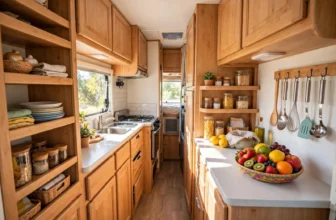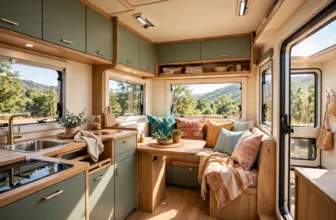
15+ Off-Road Camper Van Builds for Remote Boondocking

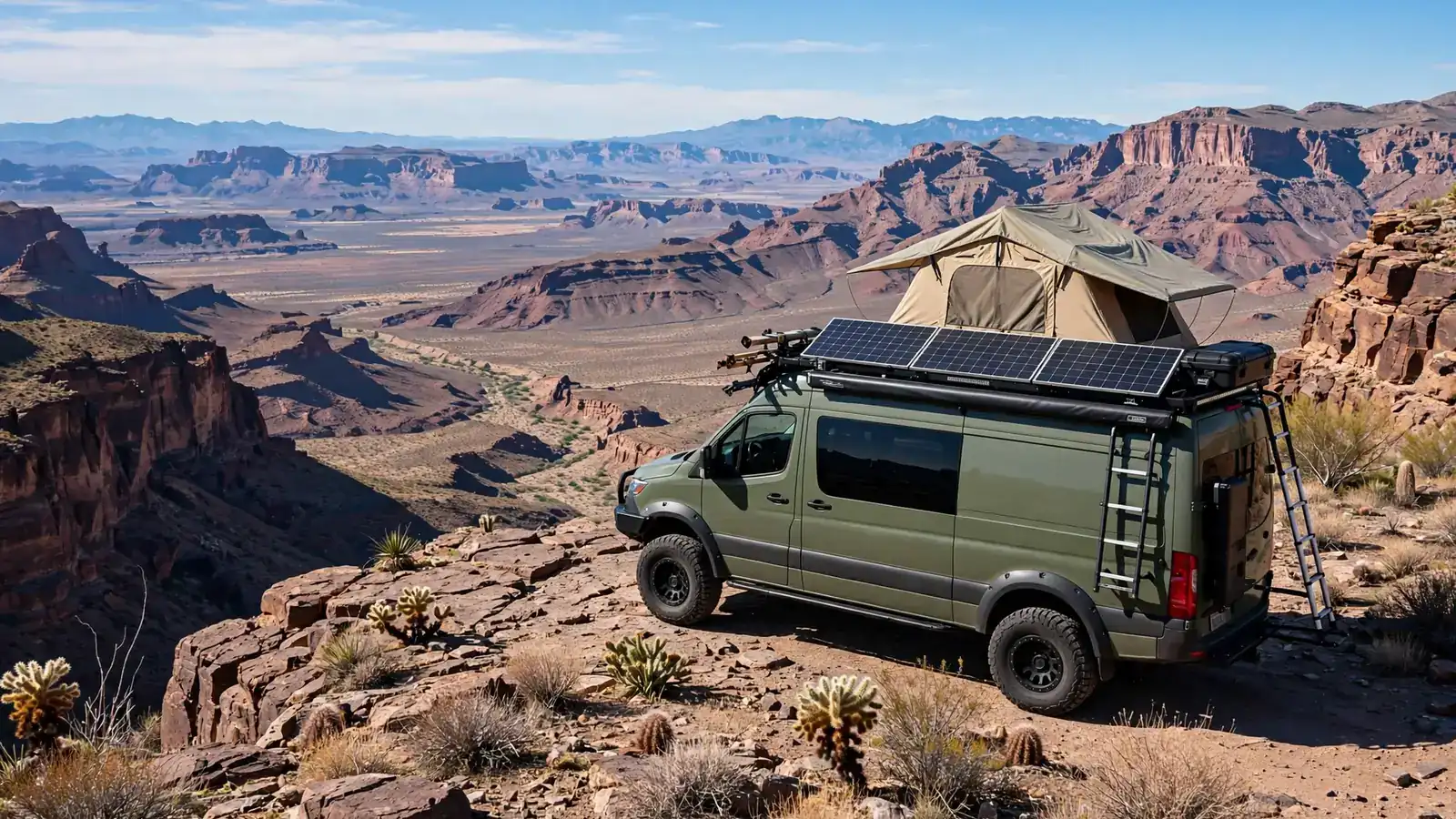
Boondocking means camping free, far from hookups and campgrounds. It means dirt roads, quiet mornings, and a sky full of stars. It also means your van has to do more than look good in a parking lot.
The builds in this list are made for that life. They carry their own power. They carry their own water. They clear rocks, sand, mud, and snow without drama.
Boondocking is also called dispersed camping. In plain terms, it is camping on public land where there are no services. You bring everything in. You take everything out. Your van is your house, your kitchen, and your power station in one.
Use this list as a starting point. Steal the layout ideas you love. Skip the gear you will never use. The best build is the one that fits how you actually camp.
Boondocking Basics at a Glance
Four things decide whether a boondocking trip feels easy or stressful: power, water, ground clearance, and respect for the land.
1. The Desert Fox Sprinter 4×4
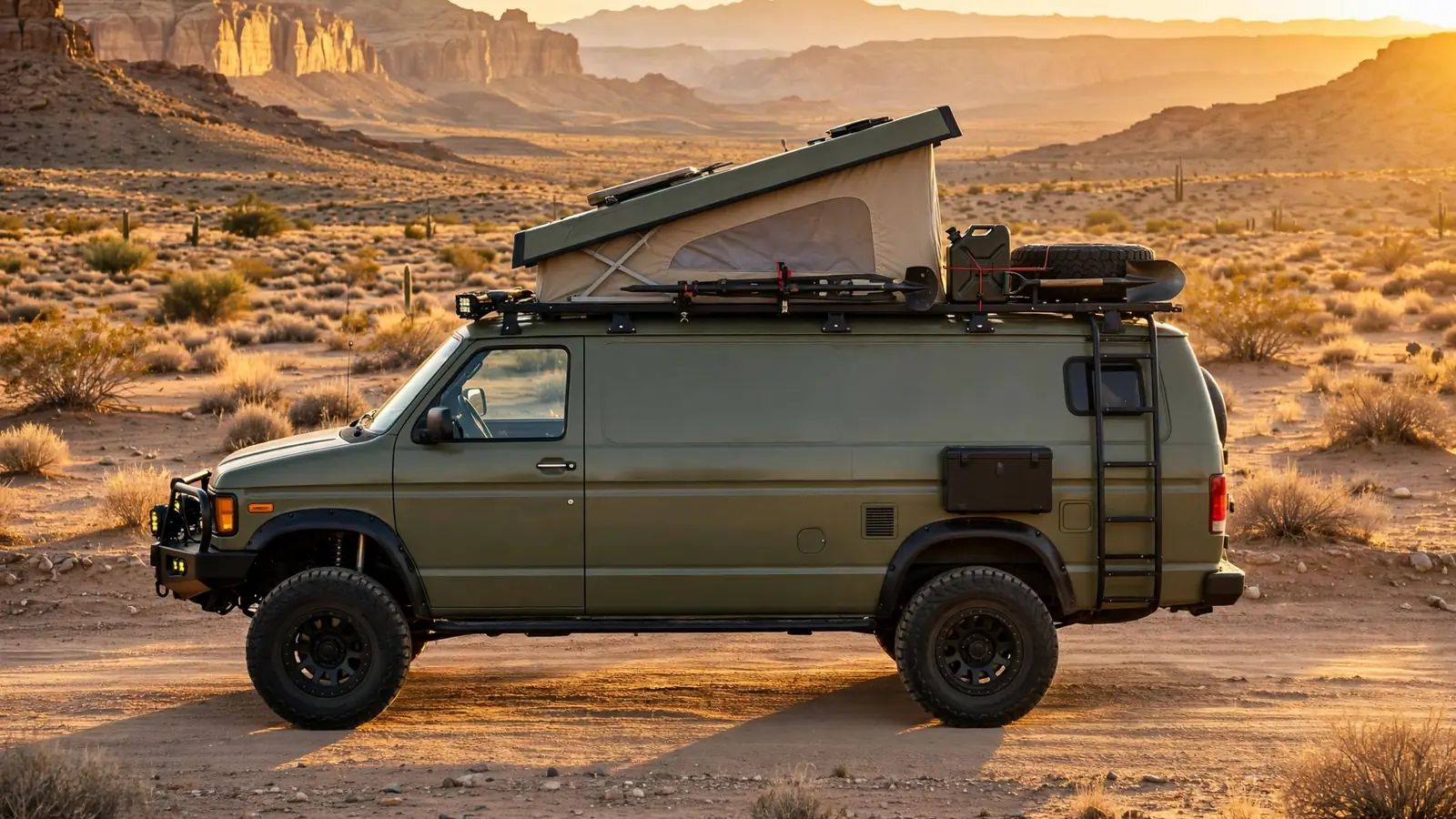
This van starts with a simple idea. Lift it, fit proper tires, and keep everything you need within reach.
The four wheel drive system sends power to all four wheels. That matters on loose sand and steep dirt. A standard van can spin its wheels in the same spot. This one keeps moving.
The roof rack holds recovery boards. Those are flat, grippy boards you place under a stuck tire. They give the tire something solid to bite. It is a small item that saves a long walk.
Inside, the bed platform sits high. Storage lives underneath. That split is the heart of a good van layout. Sleep up top. Gear down below. Nothing gets in the way of either job.
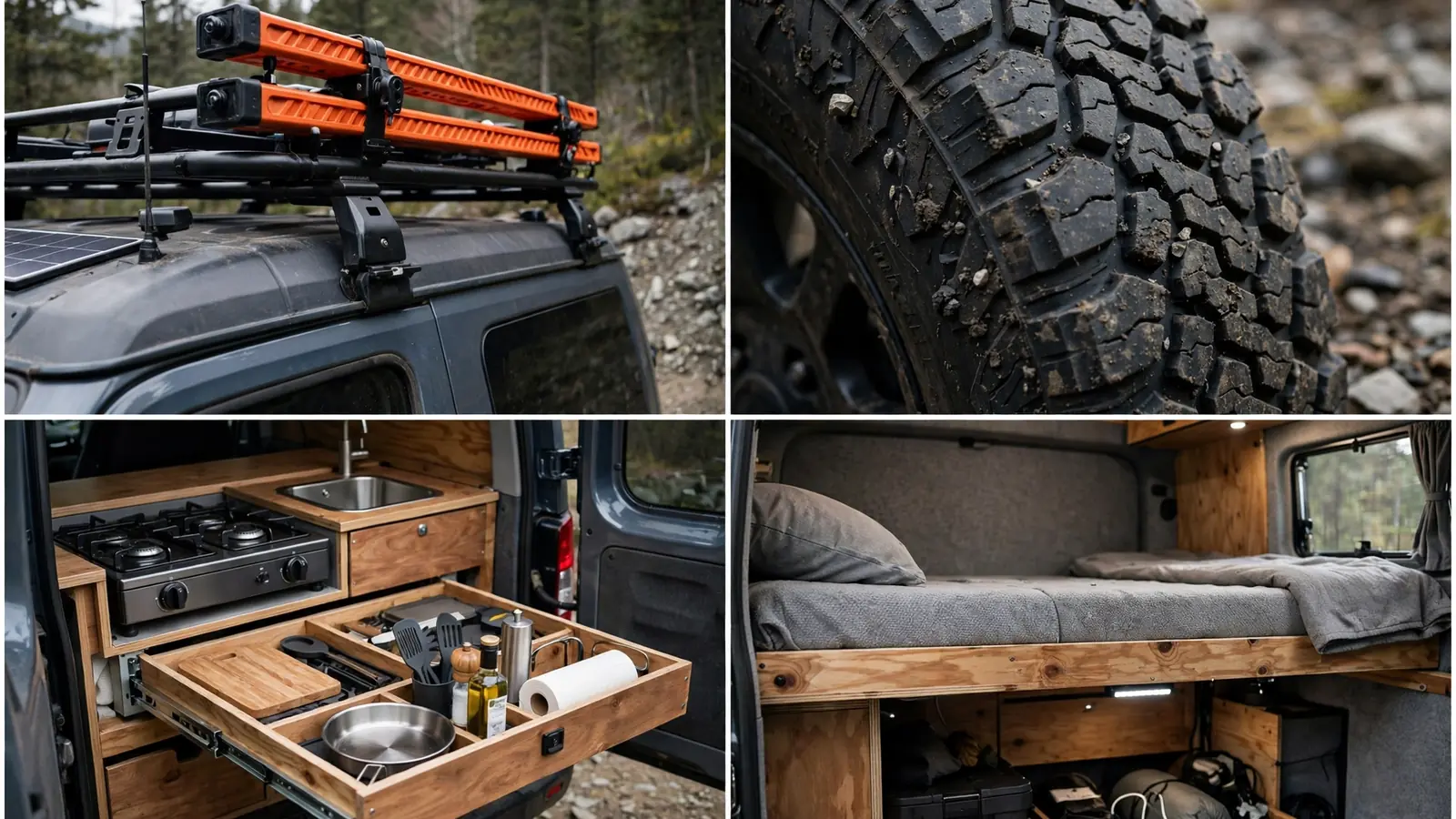
The side ladder looks like a small detail. It is not. It lets you reach the roof without climbing on a tire. It also keeps muddy boots off the seats.
For desert trips, carry extra water. A gallon per person per day is a safe baseline. Add more if you plan to cook and wash up.
2. The Timberline Transit
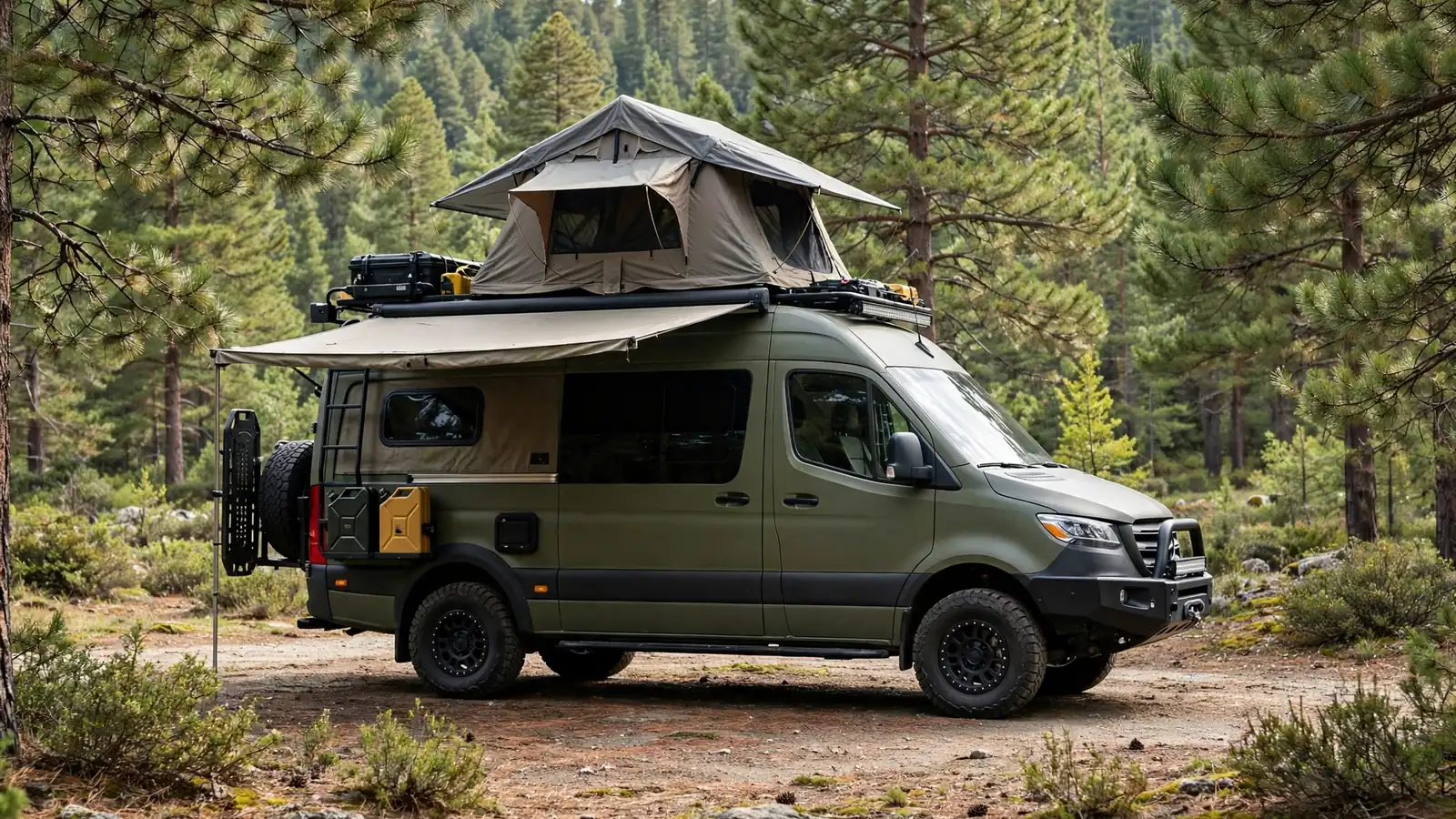
Some camps are found, not booked. A forest clearing at dusk is one of them. This Transit is built to reach those spots and stay quiet once it gets there.
The roof tent pops up in minutes. It keeps you off damp ground. It also keeps you away from bugs and small critters at night.
The awning is the second room. It gives shade on hot days. It gives shelter when rain rolls in fast. A camp chair under an awning feels like a porch.
Inside, the wood finish is warm but simple. Light wood makes a small space feel bigger. Dark trim hides scuffs from boots and gear.
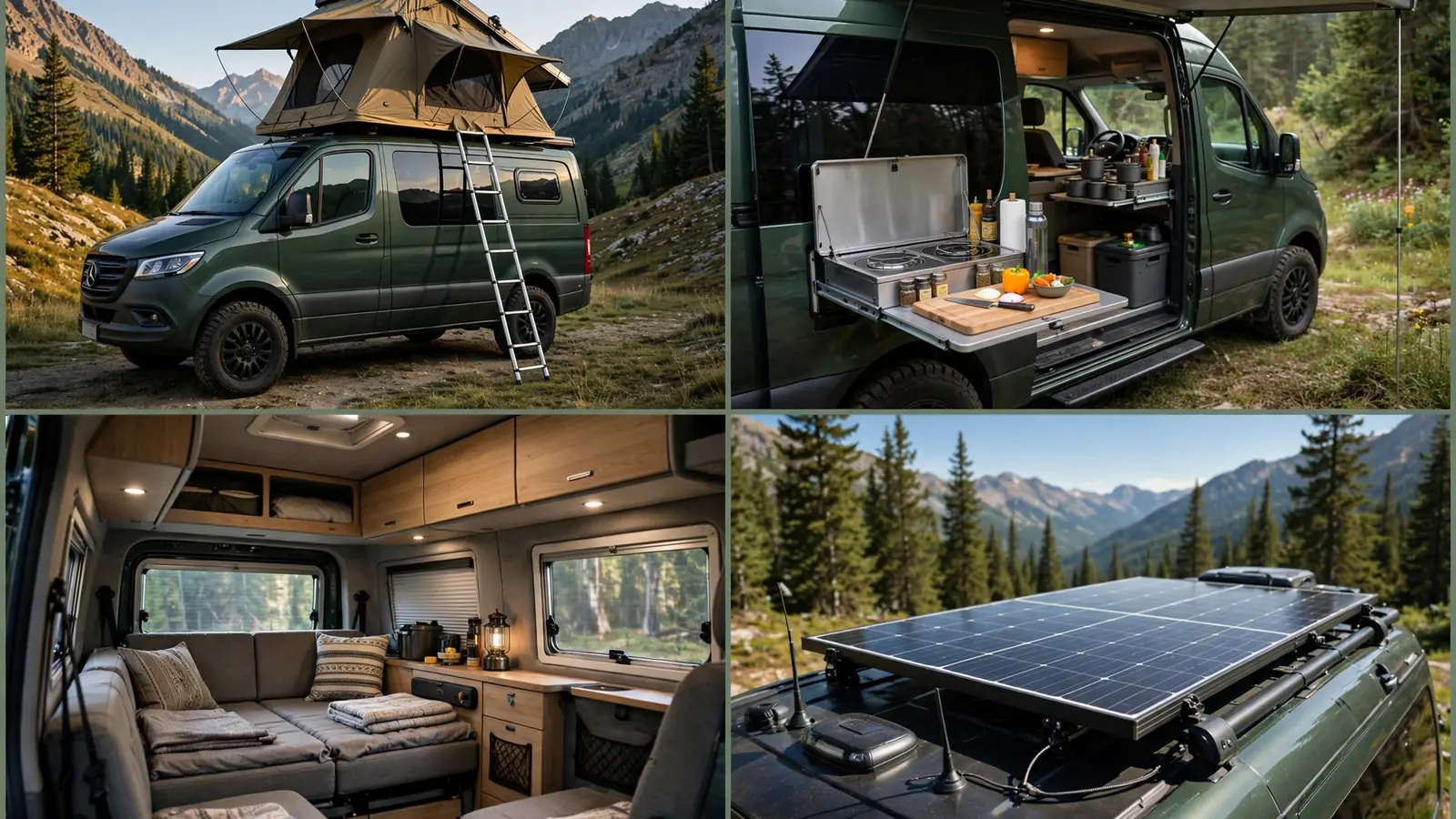
Solar on the roof tops up the battery while you hike. It is slow, steady power. It runs lights, phones, and a small fridge without a noisy generator.
Forest roads can be narrow. Keep mirrors folded in tight spots only when safe. Check your width before a tight turn, not during it.
3. The Canyon Runner ProMaster
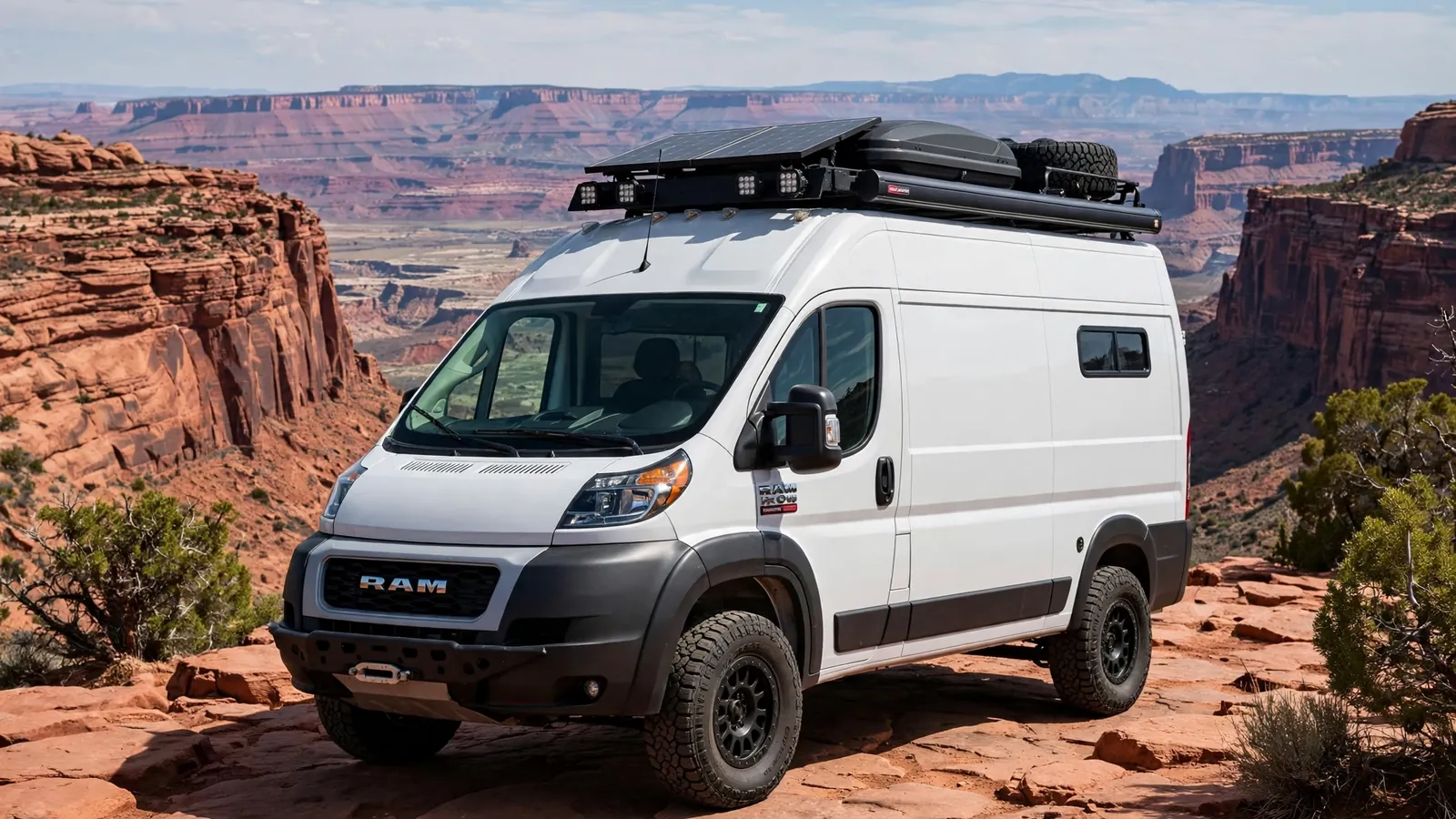
Red rock country is hard on vans. Sharp stones, steep grades, and washboard roads test every bolt. This ProMaster is built for that test.
Skid plates are metal shields under the van. They protect the oil pan and fuel tank. One good hit on a rock can end a trip without them.
Ground clearance is the space between the ground and the lowest part of the van. More clearance means fewer scrapes. It also means you can cross ruts without high centering.
Swivel seats turn the cab into living space. Spin the driver seat around. Now you have two extra chairs at the table. Small change, big difference.
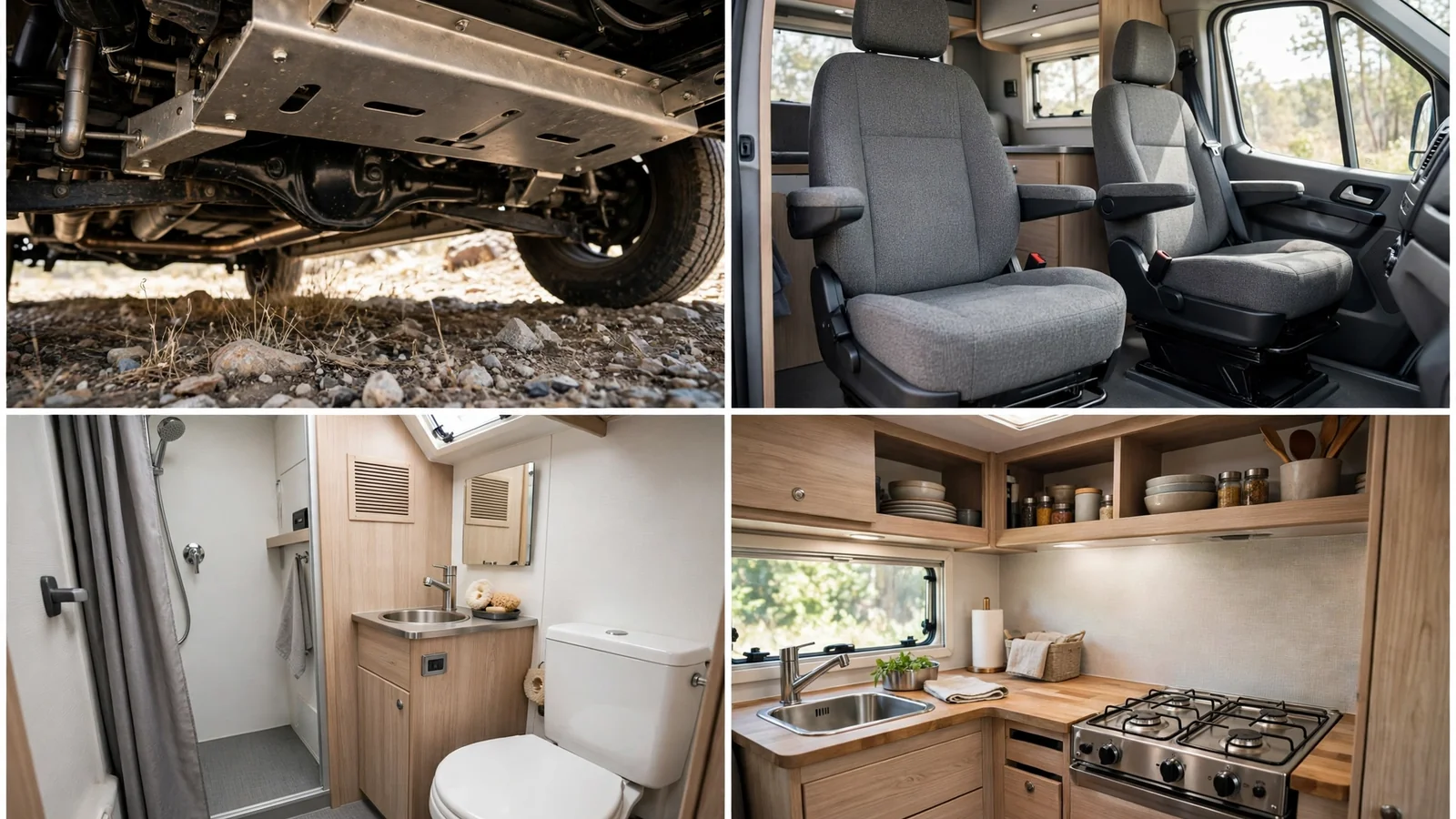
The compact bathroom is a bold choice. It takes space. It also gives freedom on long dirt stretches with no facilities. Decide based on how you camp, not how others camp.
Carry a tire repair kit in canyon country. A plug kit and a small compressor can fix a slow leak on the trail. It beats waiting for help that may be hours away.
4. The Mud Season AWD Transit
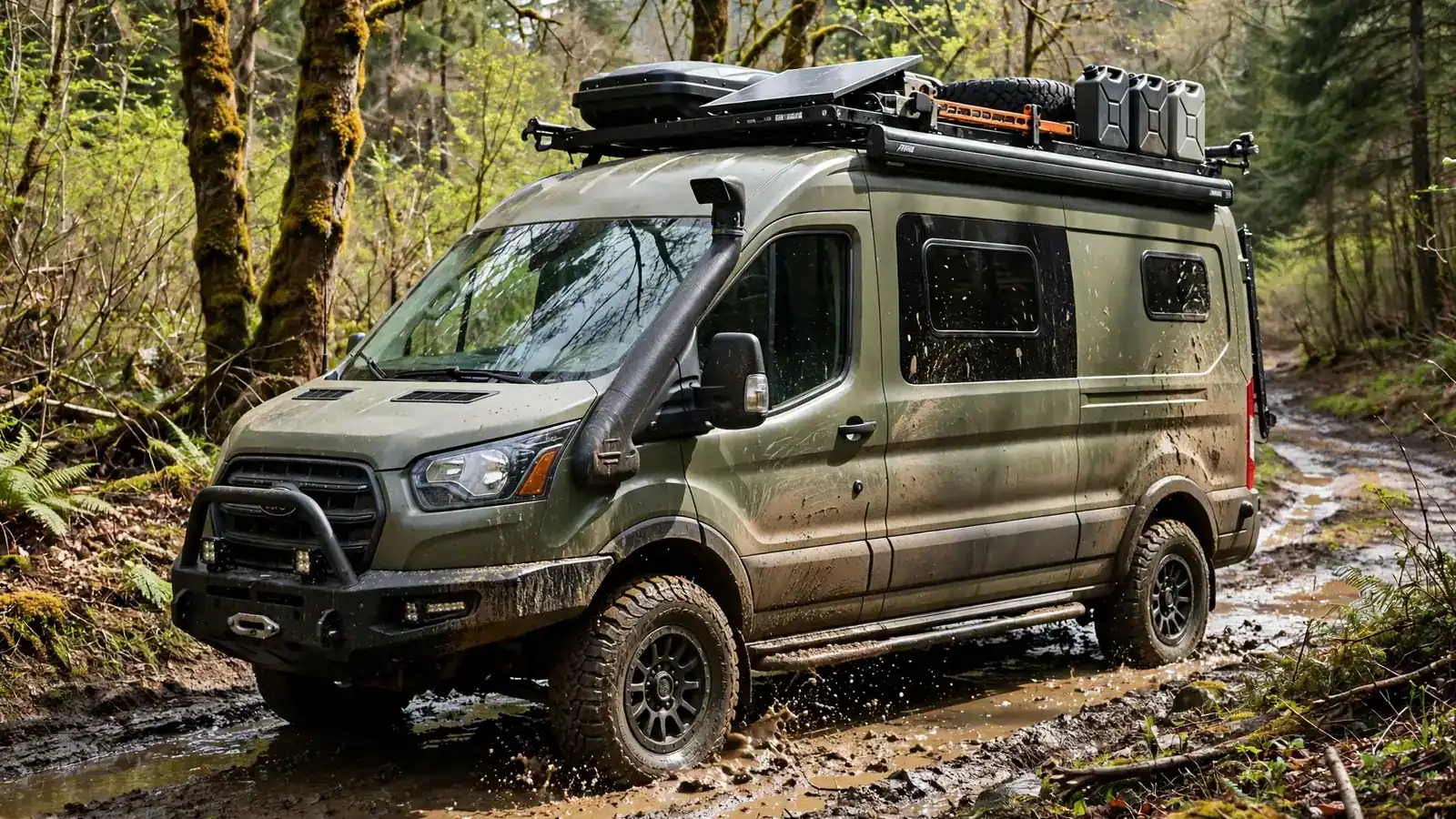
Mud season humbles every driver. Roads turn soft. Ruts fill with water. This Transit is built to keep going when the surface turns against you.
All wheel drive helps here. So do all terrain tires. Their tread is deeper than a road tire. Deeper tread clears mud as the wheel turns.
A snorkel raises the air intake. The engine needs clean air to run. In deep water, a low intake can suck in water. A snorkel keeps the intake high and dry.
Wet gear storage is a separate, wipeable zone. Muddy boots and wet jackets stay there. They do not soak the bed or the seats.
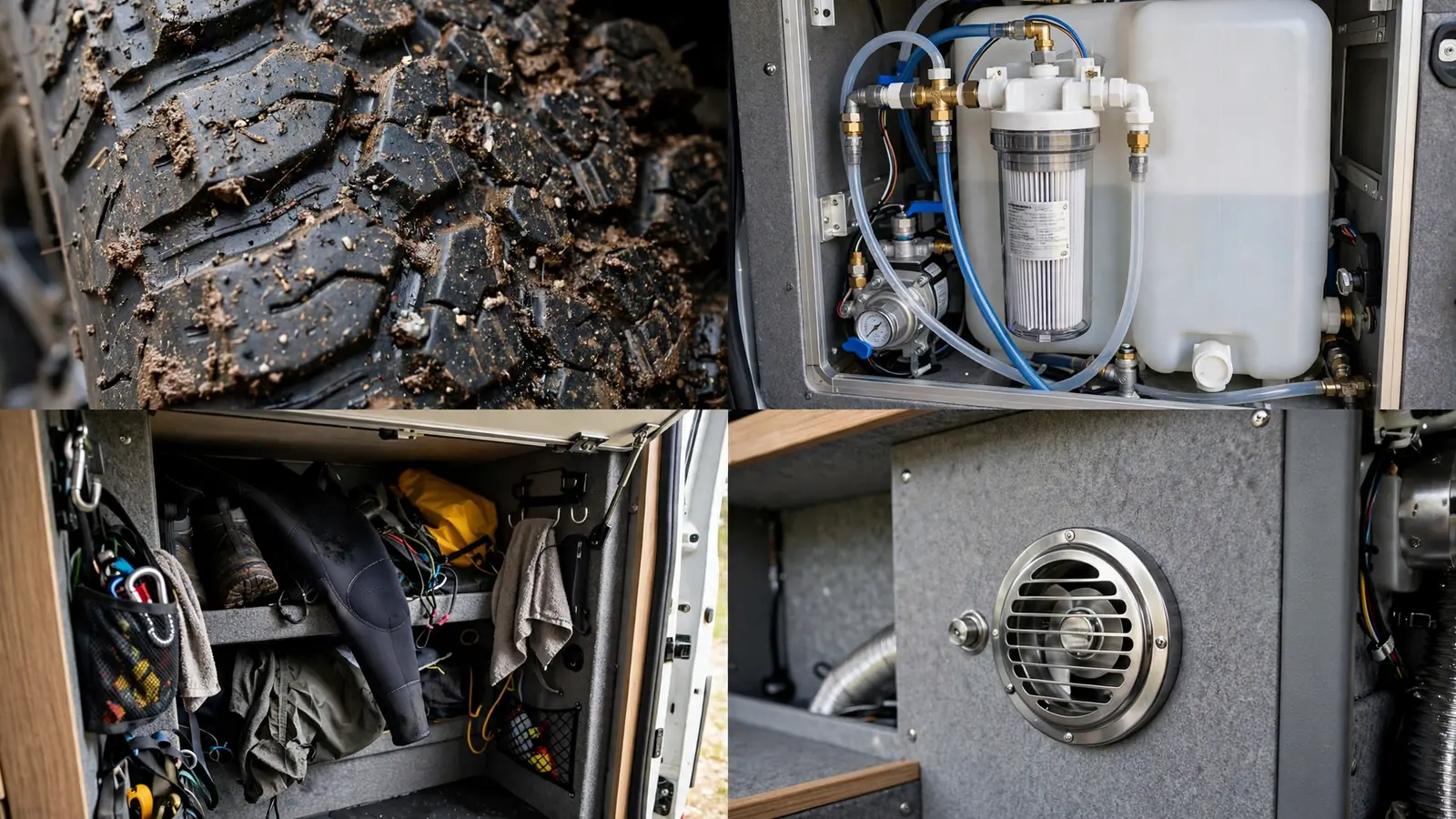
A diesel heater is a small furnace that runs on diesel fuel. It warms the van without idling the engine. It also dries damp air inside.
After mud, wash the underbody when you can. Dried mud hides leaks and rust. A quick rinse is cheap insurance.
5. The Dune Buggy Sprinter
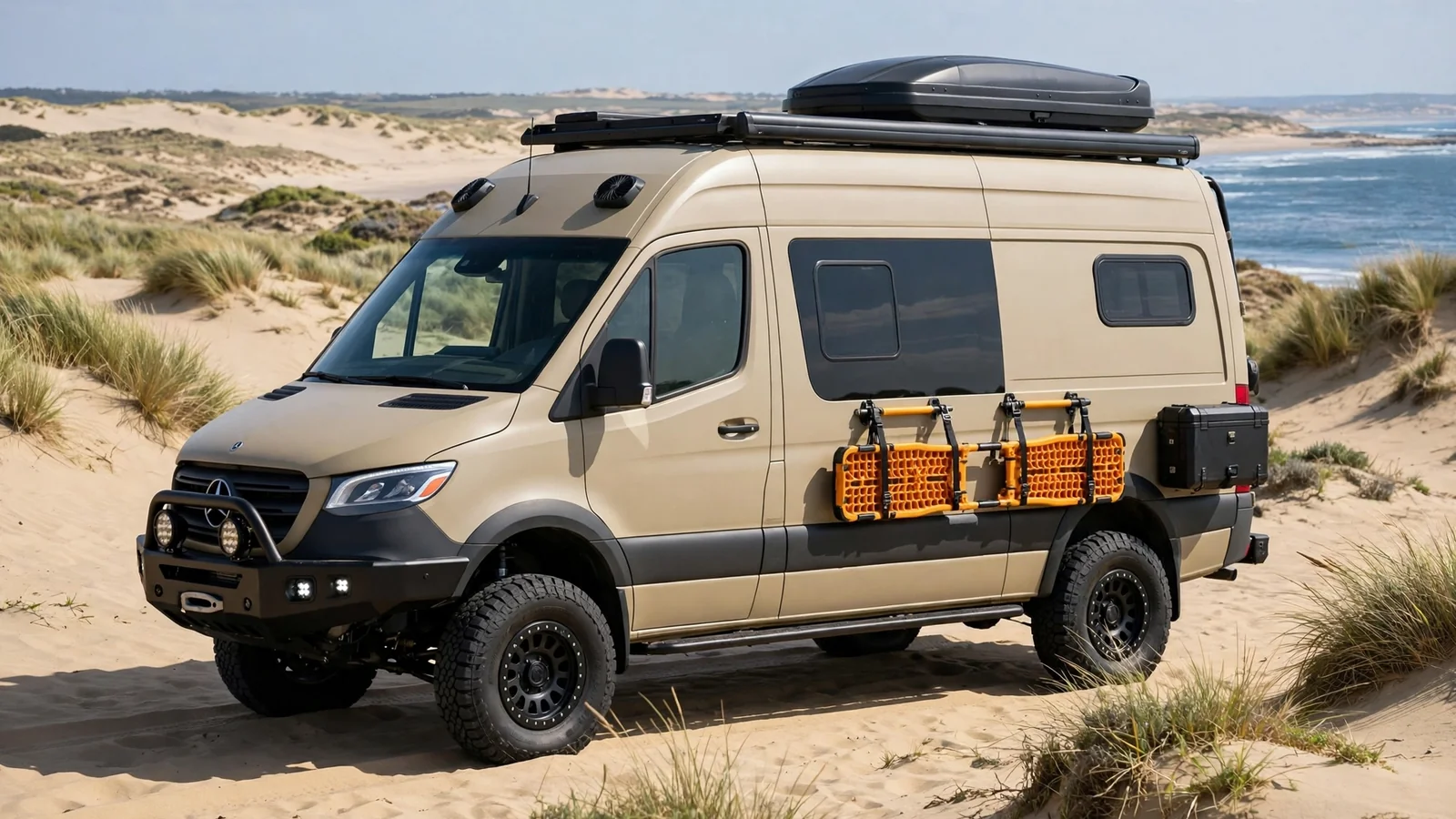
Sand driving is a skill. So is building a van for it. This Sprinter treats sand as a surface to respect, not a problem to fight.
Sand ladders work like recovery boards. You lay them flat in front of a stuck tire. The tire climbs onto them and finds grip.
Lower tire pressure helps on sand. A softer tire spreads out. It floats on top instead of digging down. Air back up before you hit pavement.
The outdoor shower is a simple hose and a privacy screen. It rinses sand off feet and gear. That keeps sand out of the bed, which is a gift at night.
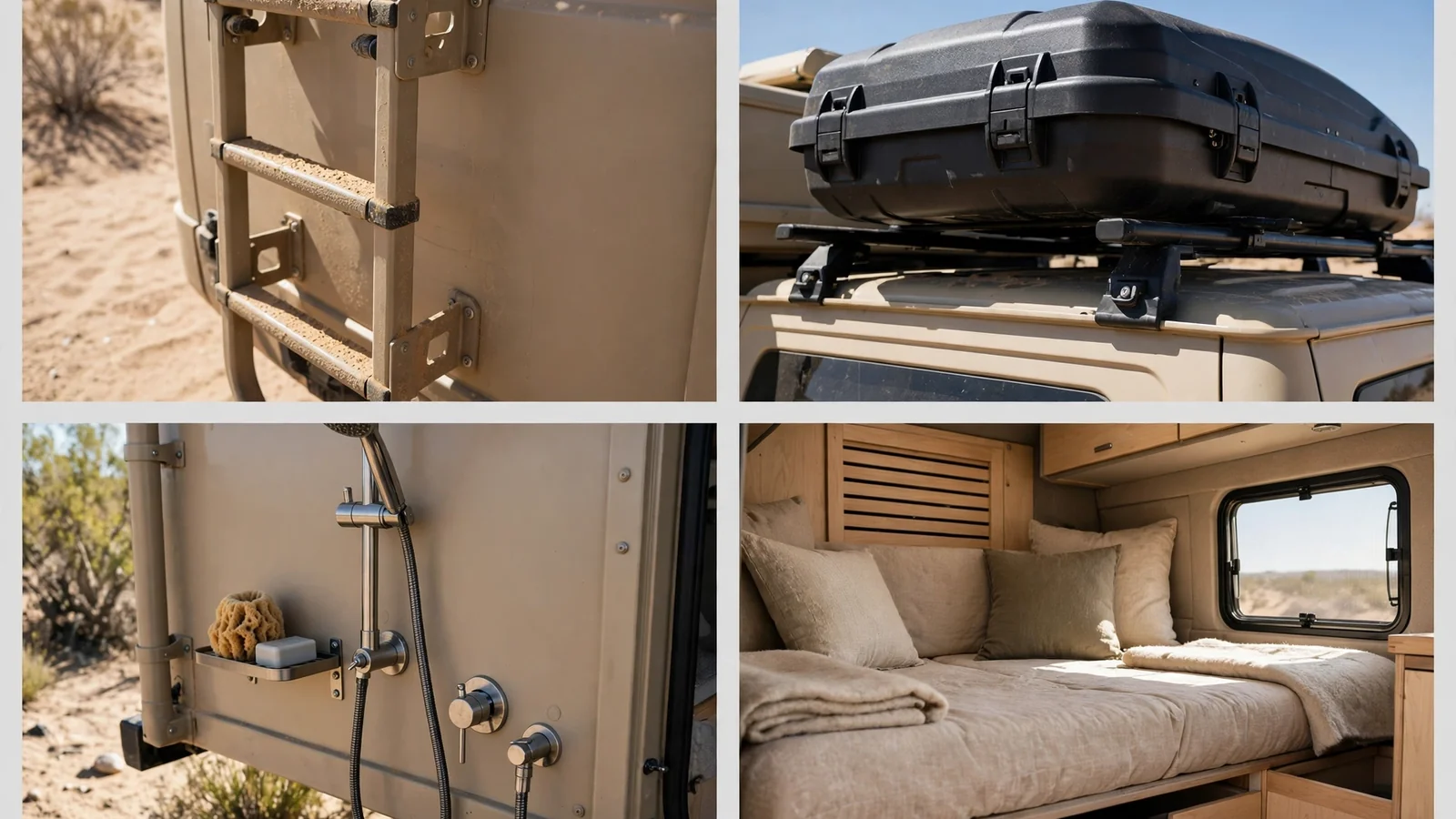
Coastal air is salty. Rinse metal parts after beach trips. Salt speeds up rust. A fresh water rinse slows it down a lot.
Check beach rules before you drive on sand. Some beaches allow it. Some do not. A fine ruins a good weekend fast.
6. The Ridgeline Overland Van
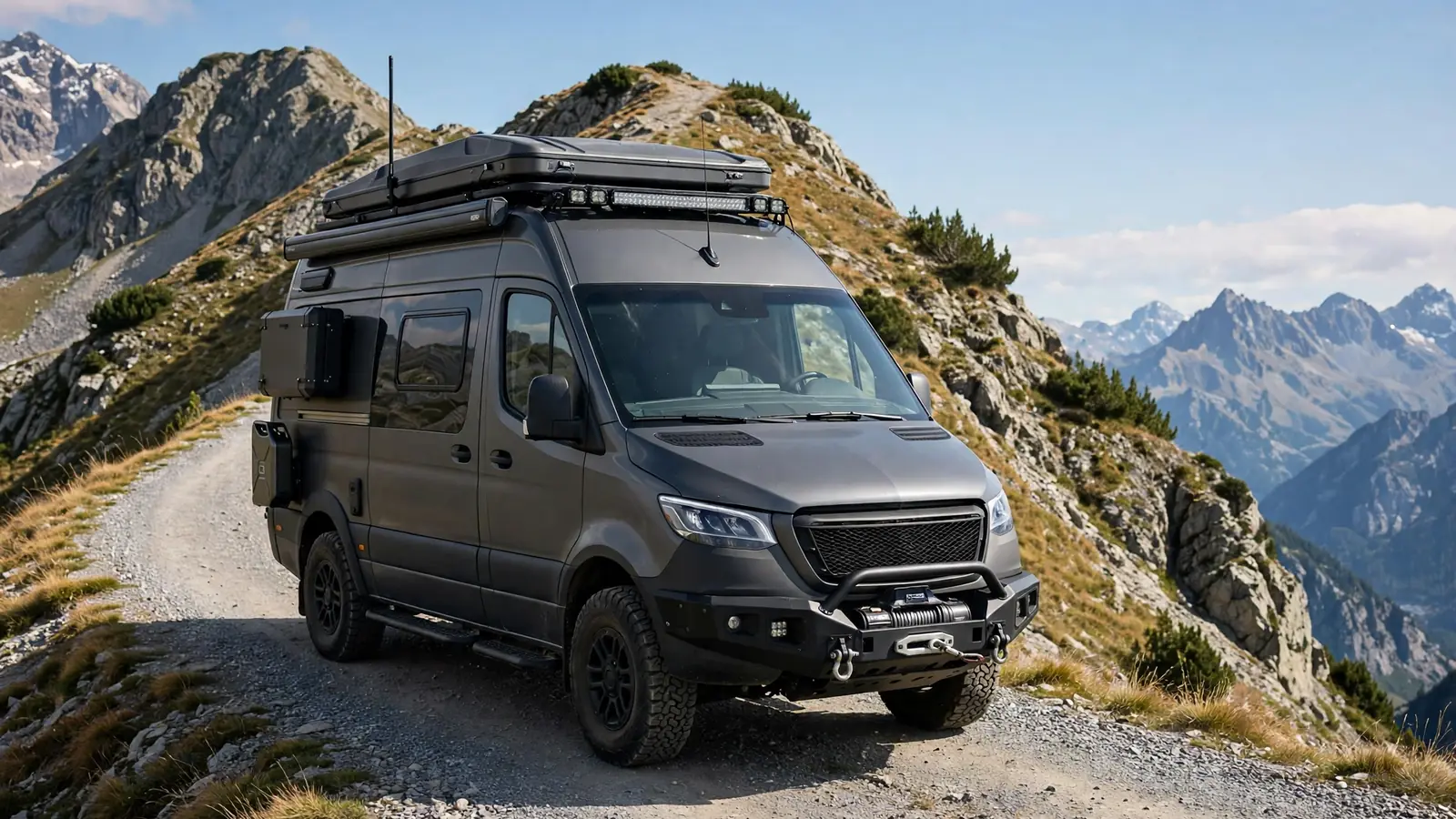
Overlanding means long travel over rough ground. It is not just camping. It is the journey itself. This van is built for long days on ridge roads.
The winch is a powered cable on the front bumper. It can pull the van out of a ditch. It can also pull a fallen branch off the road.
A light bar throws a wide beam at night. On dark back roads, that beam shows ruts and animals early. Use it only when no one is coming the other way.
Inside, a workstation changes the van. A solid desk, a good chair, and power for a laptop mean you can work from a ridge. You do not need a cafe to get things done.
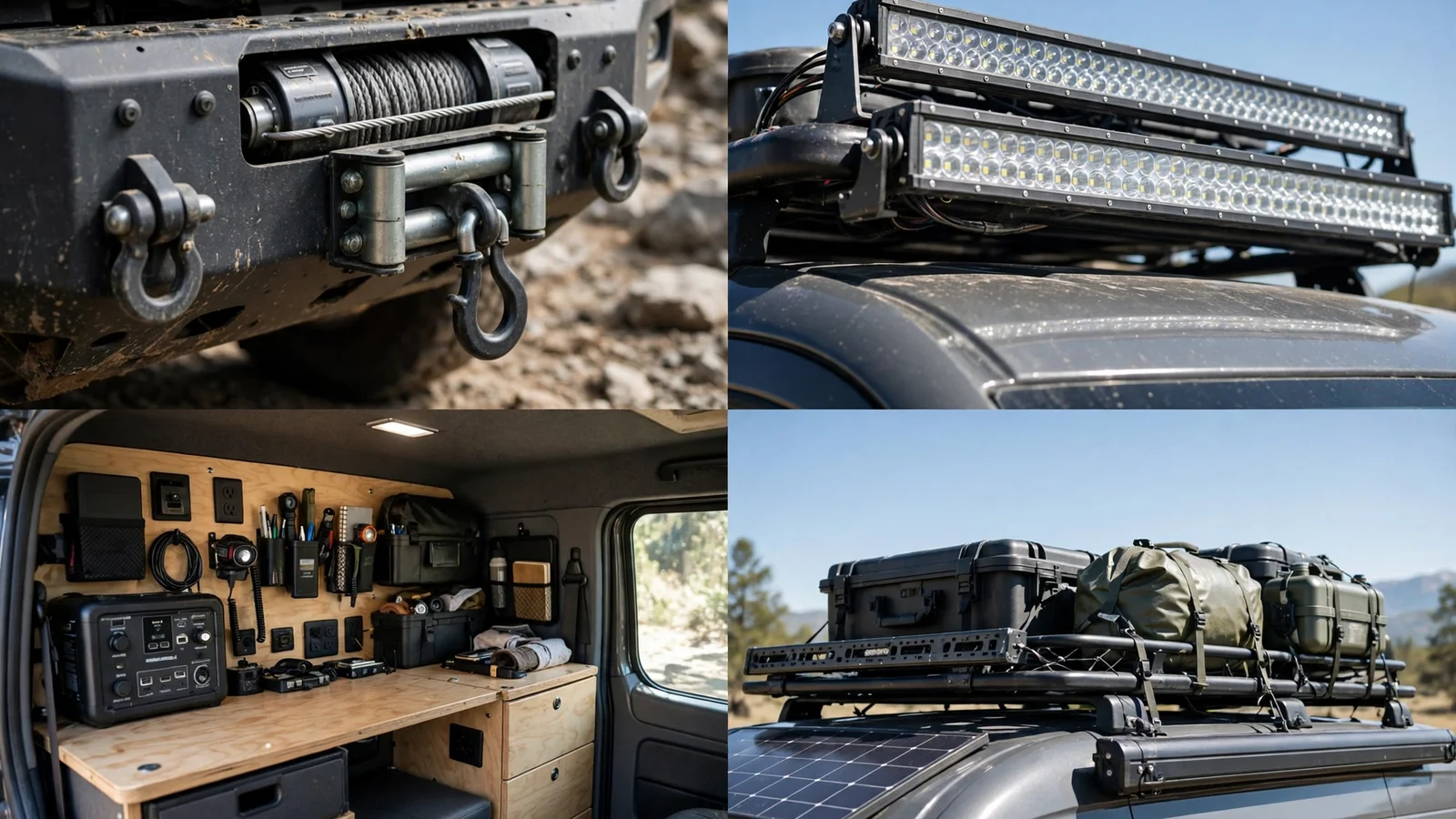
Roof storage holds bulky, light items. Sleeping bags, camp chairs, and tarps belong up there. Heavy items belong low, near the floor.
Weight balance matters on steep roads. Keep heavy gear centered and low. A top heavy van feels tippy on a side slope.
How Much Power Do You Really Need?
Start with lights and phones, then add one big item at a time. A fridge changes your battery size more than any small gadget will.
7. The Solitude Solar Sprinter
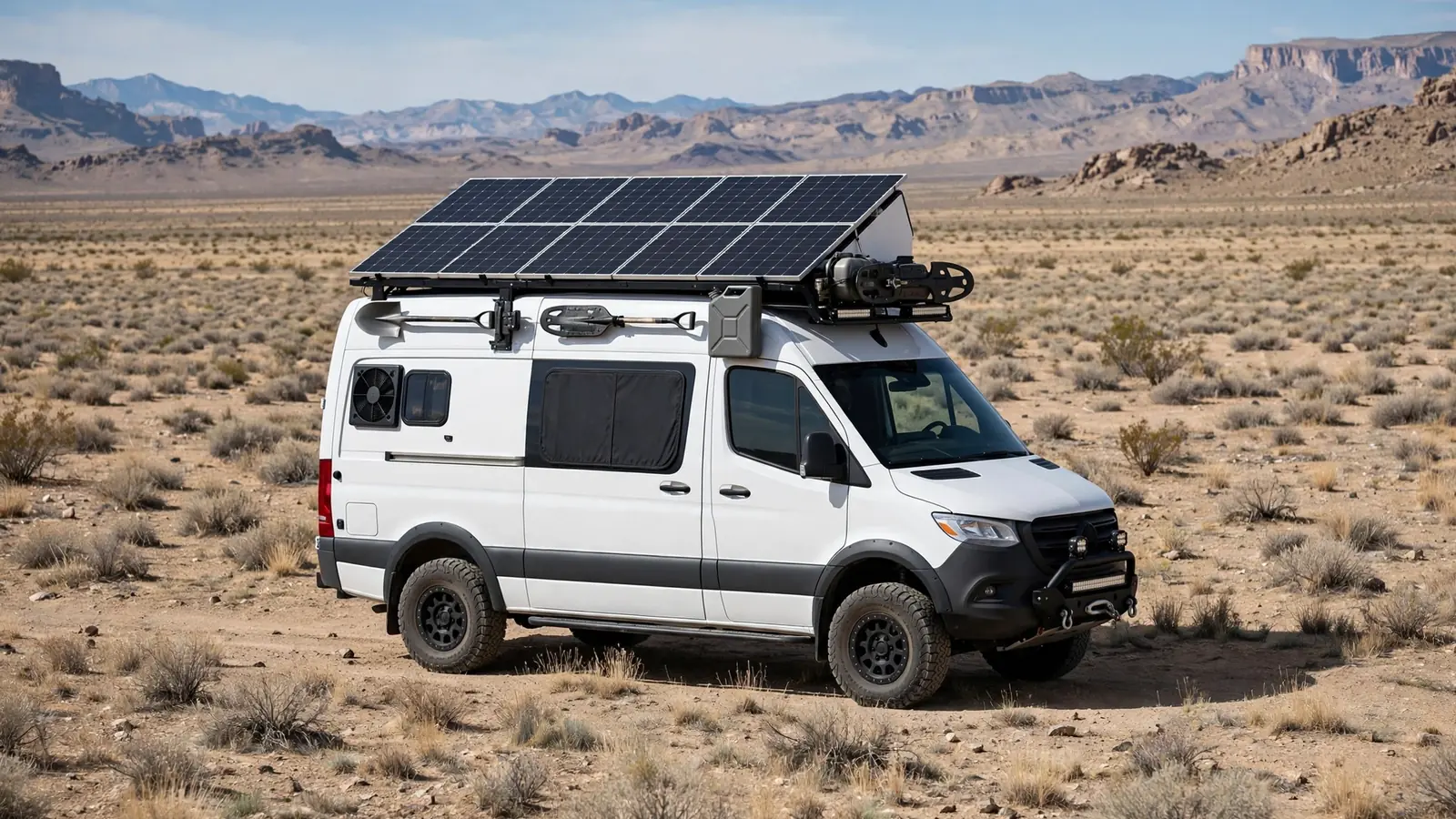
Some people camp to get away from noise. This Sprinter is built for that kind of quiet. No generator hum. No crowded sites. Just sun, wind, and space.
The roof array is large for a van. More panels mean more charge on cloudy days. They also mean you can stay put longer without driving to recharge.
A lithium battery bank stores that solar power. Lithium batteries are lighter than old lead acid types. They also give you more usable power from the same size box.
An inverter turns battery power into household power. That is how you charge a laptop or run a small blender. Size it for your biggest item, not your smallest.
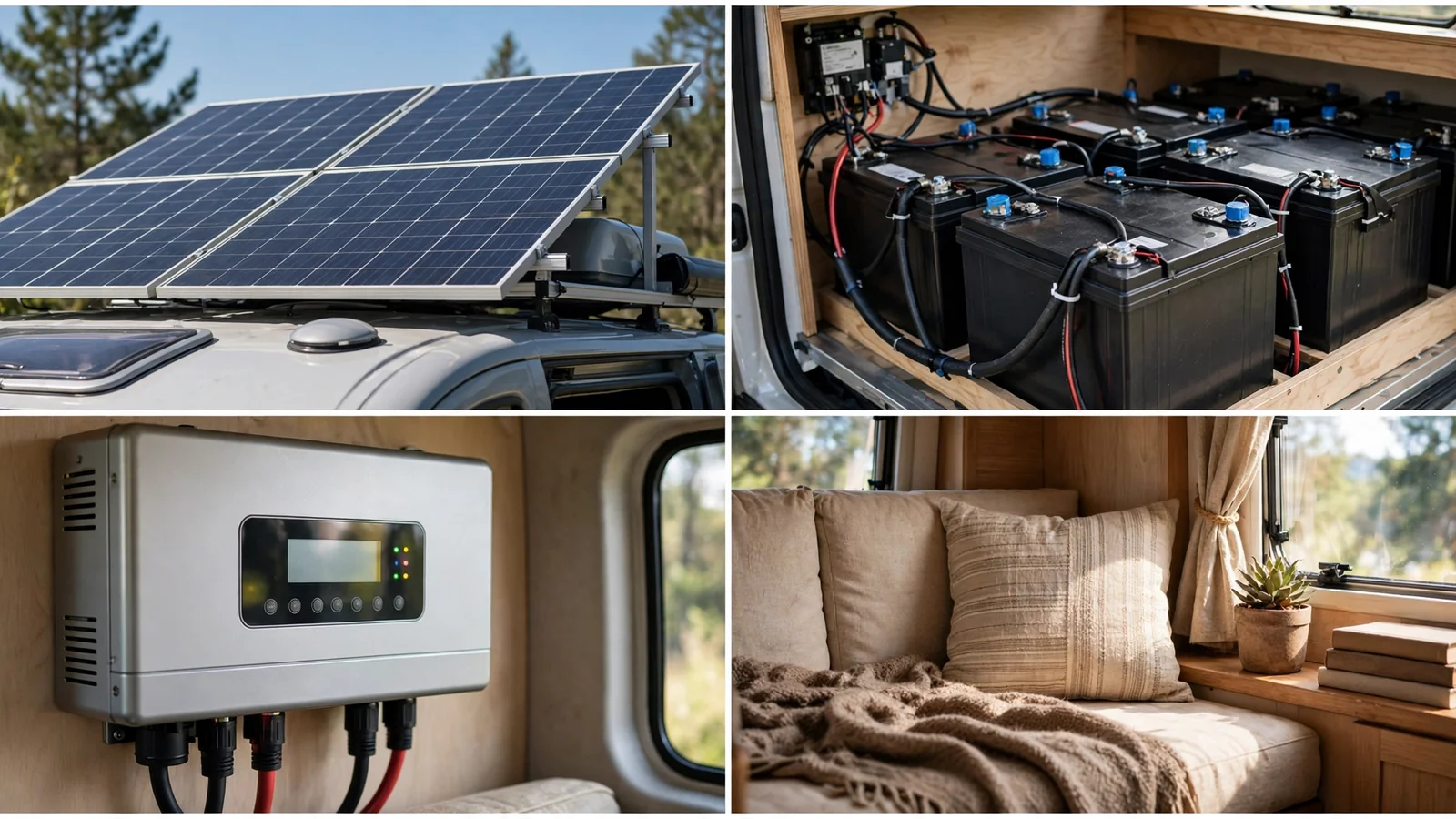
The reading nook is a small seat by a window. It sounds minor. On a rainy afternoon, it becomes the best seat in the house.
Solar works best with a clean panel. Dust cuts output. A quick wipe in the morning can add real charge by noon.
8. The Backcountry Kitchen Transit
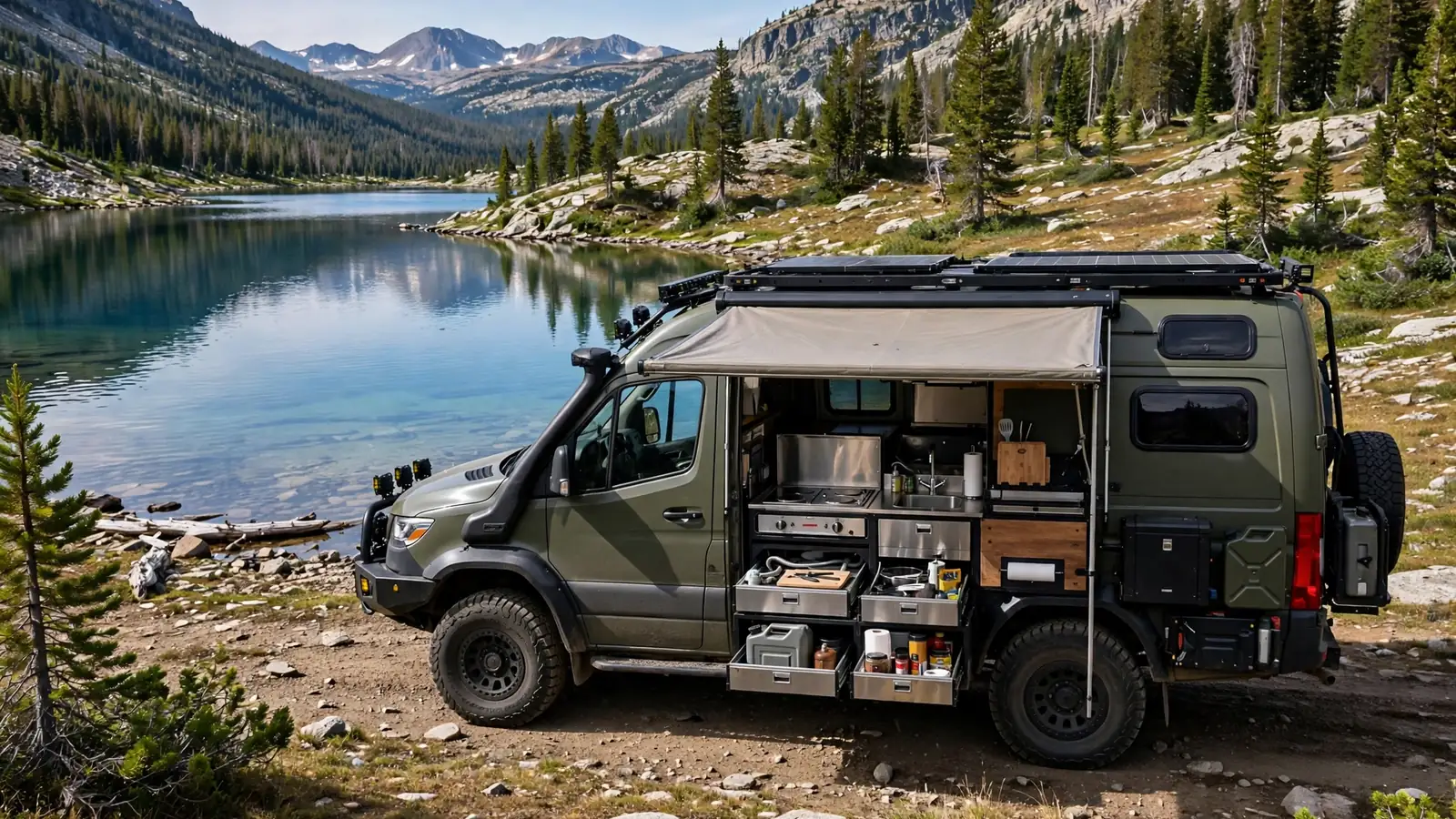
Cooking outside changes a trip. Smells stay outside. Space stays open inside. This Transit puts the kitchen where the view is.
The slide out stove pulls out from the side of the van. It locks in place. You cook standing up, with room to move and a breeze at your back.
A fridge drawer is easier than a top loading cooler. You pull it open. You see everything at once. No digging under ice for the butter.
Pantry storage needs to be deep and latched. Cans shift on dirt roads. A latch keeps them from flying when you hit a bump.
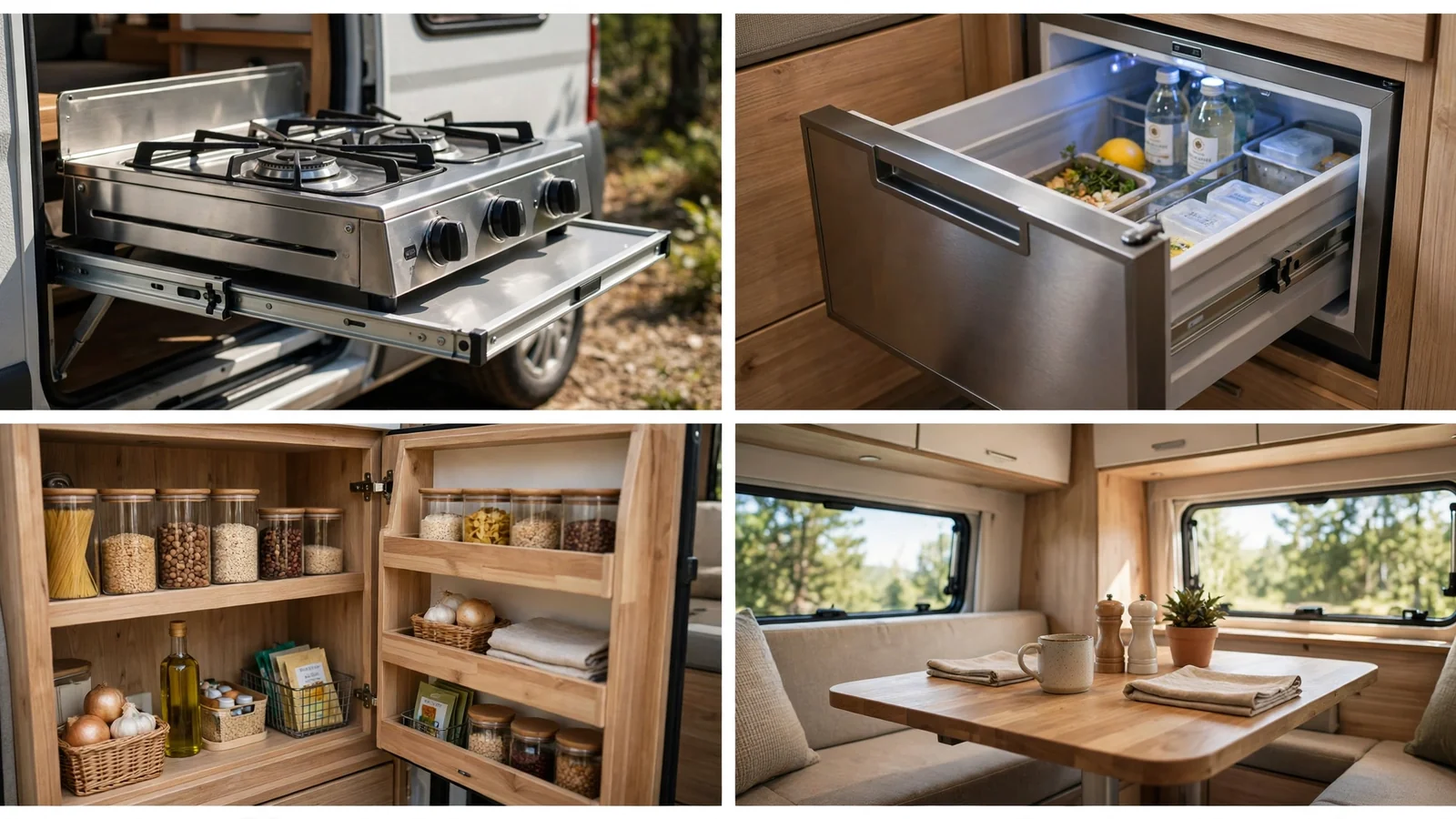
The dining table folds away when not in use. That matters in a small van. Every flat surface should earn its place, or fold out of the way.
Store food sealed and high at night in bear country. Check local rules. They change by area, and they exist for a good reason.
9. The Rock Hopper ProMaster
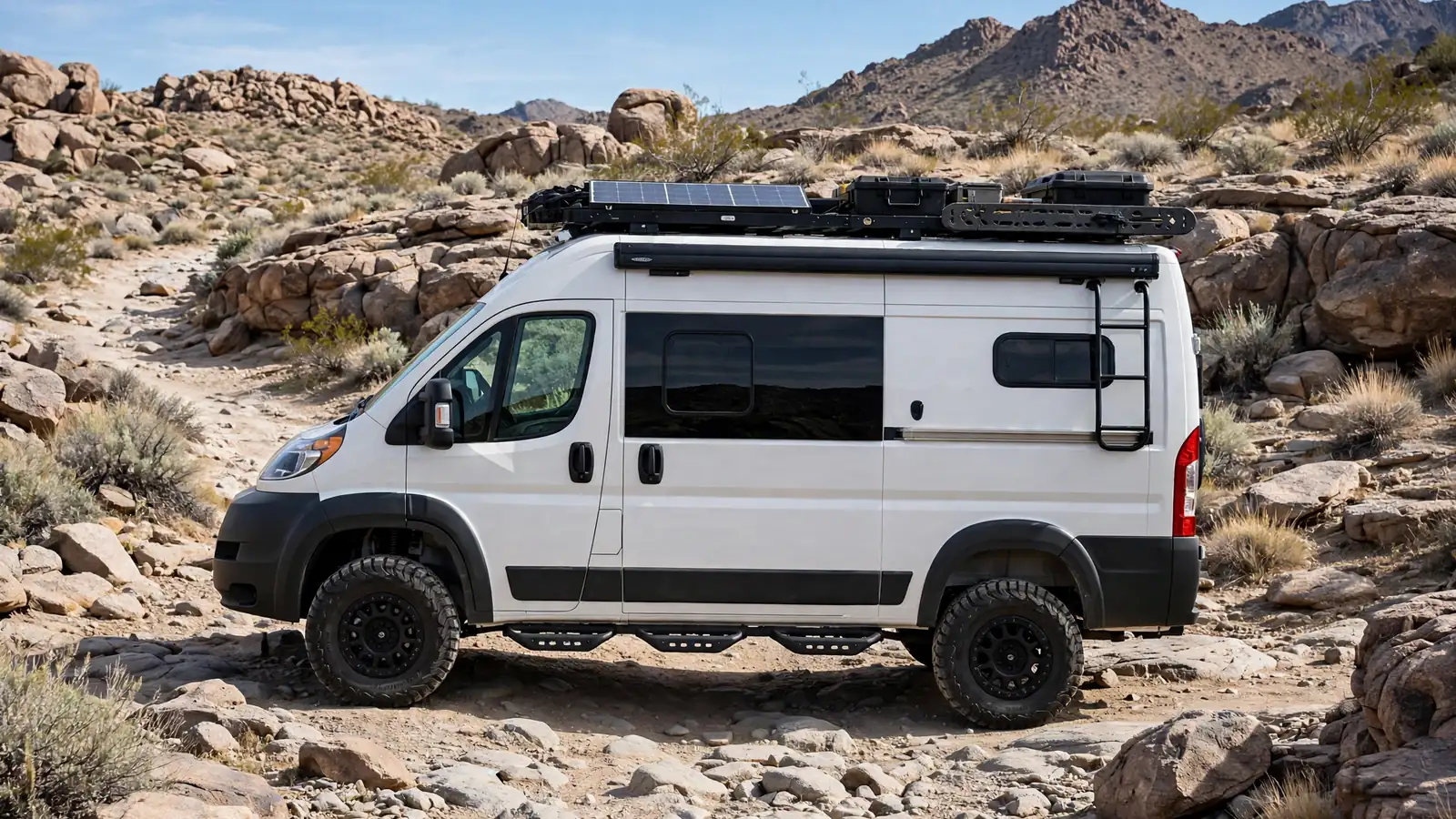
Rocky trails demand a different kind of toughness. This ProMaster protects its sides, carries its spare smartly, and keeps heavy gear low.
Rock sliders are strong bars along the lower sides. They take hits that would dent a body panel. They also work as a step in and out.
The rear spare carrier moves weight off the roof. A tire on the roof raises the center of gravity. A tire on the back keeps it lower.
Garage storage under the bed holds tools, recovery gear, and bulky items. It is the van version of a shed. Keep it organized or it becomes a junk drawer.
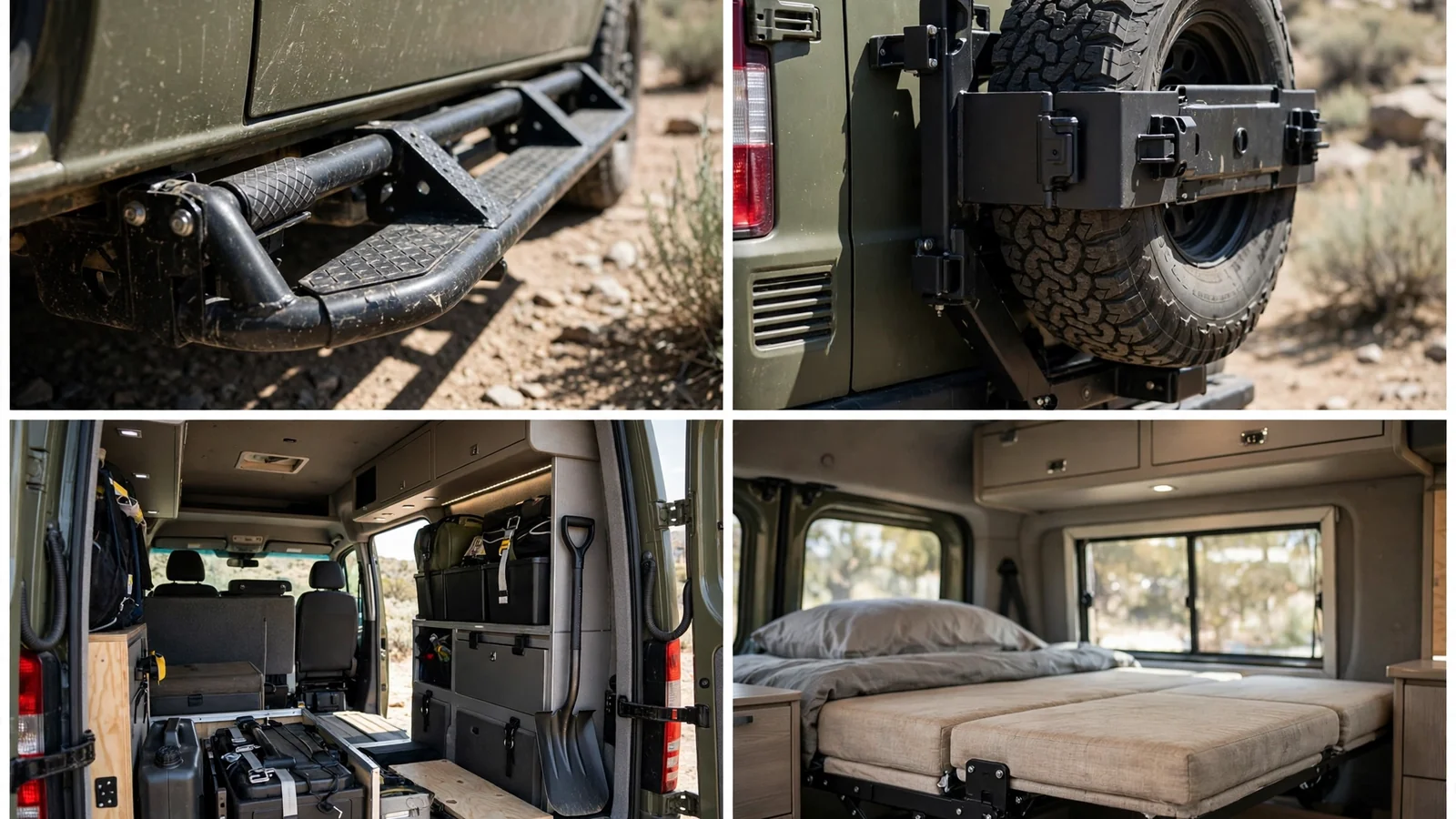
A fold down bed gives you options. Fold it up for a big cargo space. Fold it down for a full bed. One space, two jobs.
Walk a rocky section before you drive it. Your eyes see ruts your tires will feel. A two minute walk can save a damaged oil pan.
10. The Snowline Sprinter
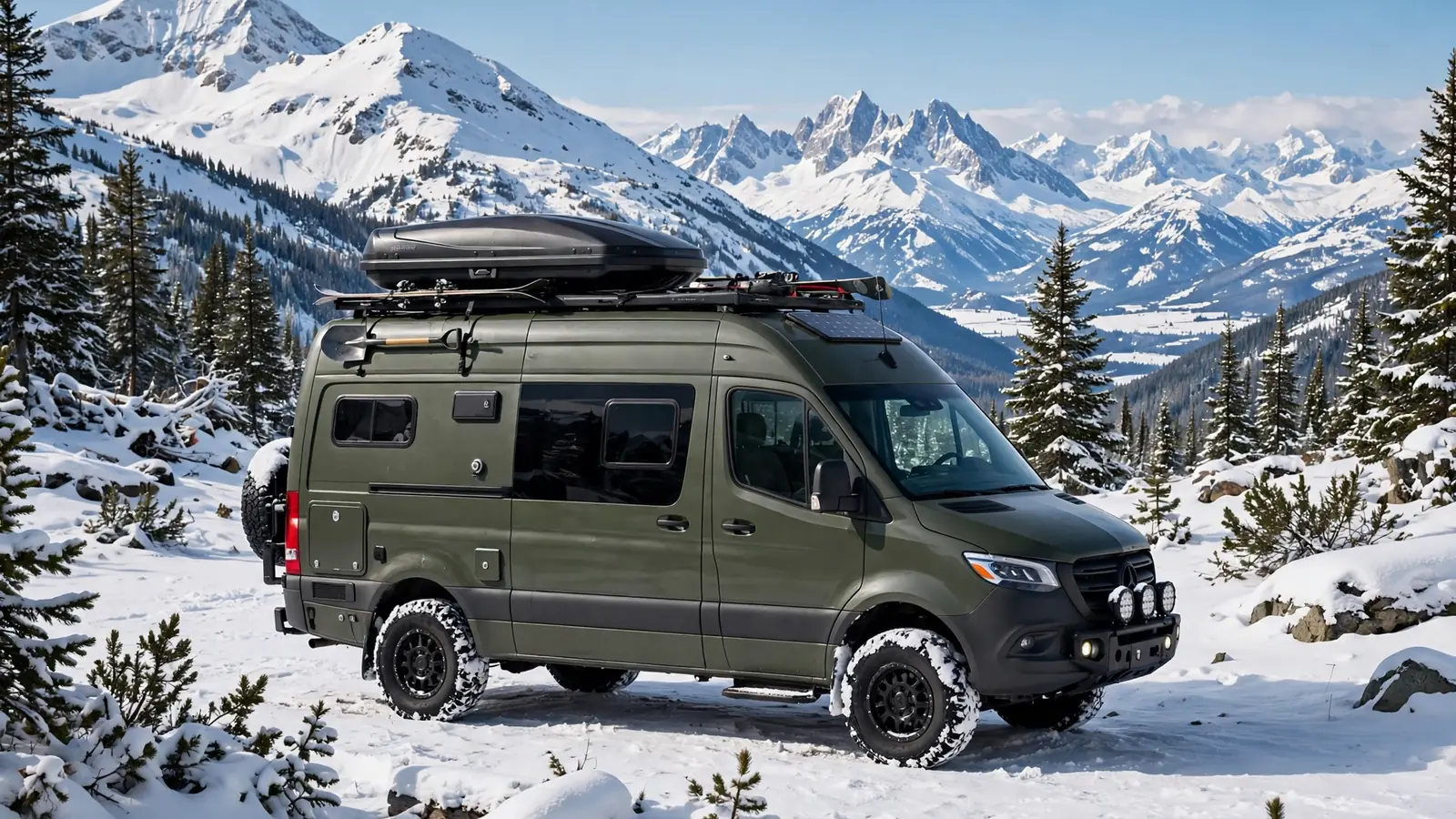
Winter boondocking is a different sport. Cold air, short days, and snow change every decision. This Sprinter is built to stay warm and safe in that world.
Insulation is the first layer. It slows heat loss through walls and roof. Good insulation means the heater runs less and the battery lasts longer.
Window covers add a second layer. Glass loses heat fast. A fitted cover traps a pocket of air and keeps drafts out.
Snow tires use softer rubber. Soft rubber stays grippy in cold weather. Hard summer rubber turns slick when the temperature drops.
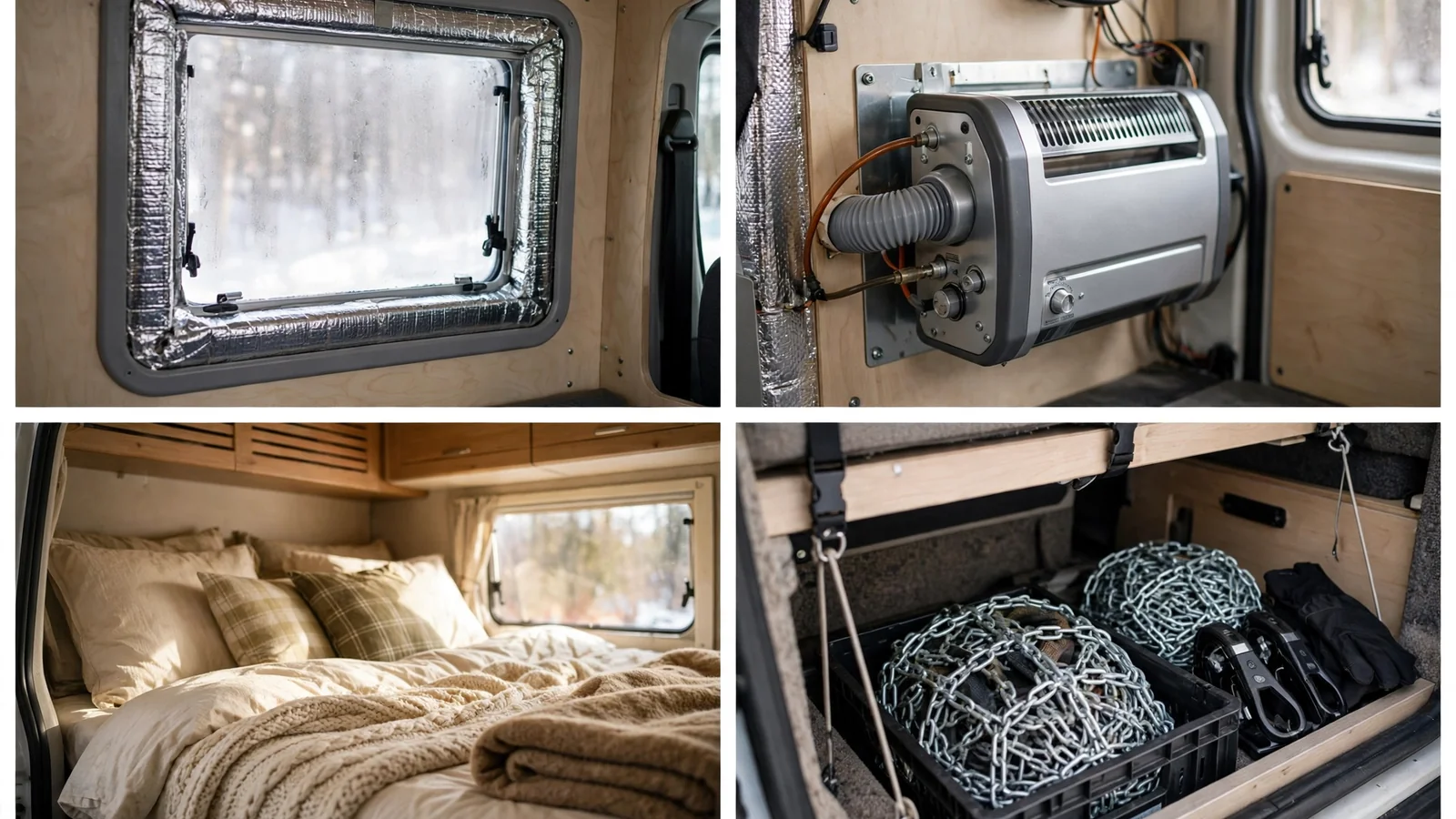
Chains are a backup, not a first choice. Practice fitting them once at home. Fitting them for the first time in a snowstorm is miserable.
Keep water lines from freezing. Insulate pipes, or drain them on very cold nights. A burst pipe is a messy repair in a small space.
11. The Riverbed Ram Van
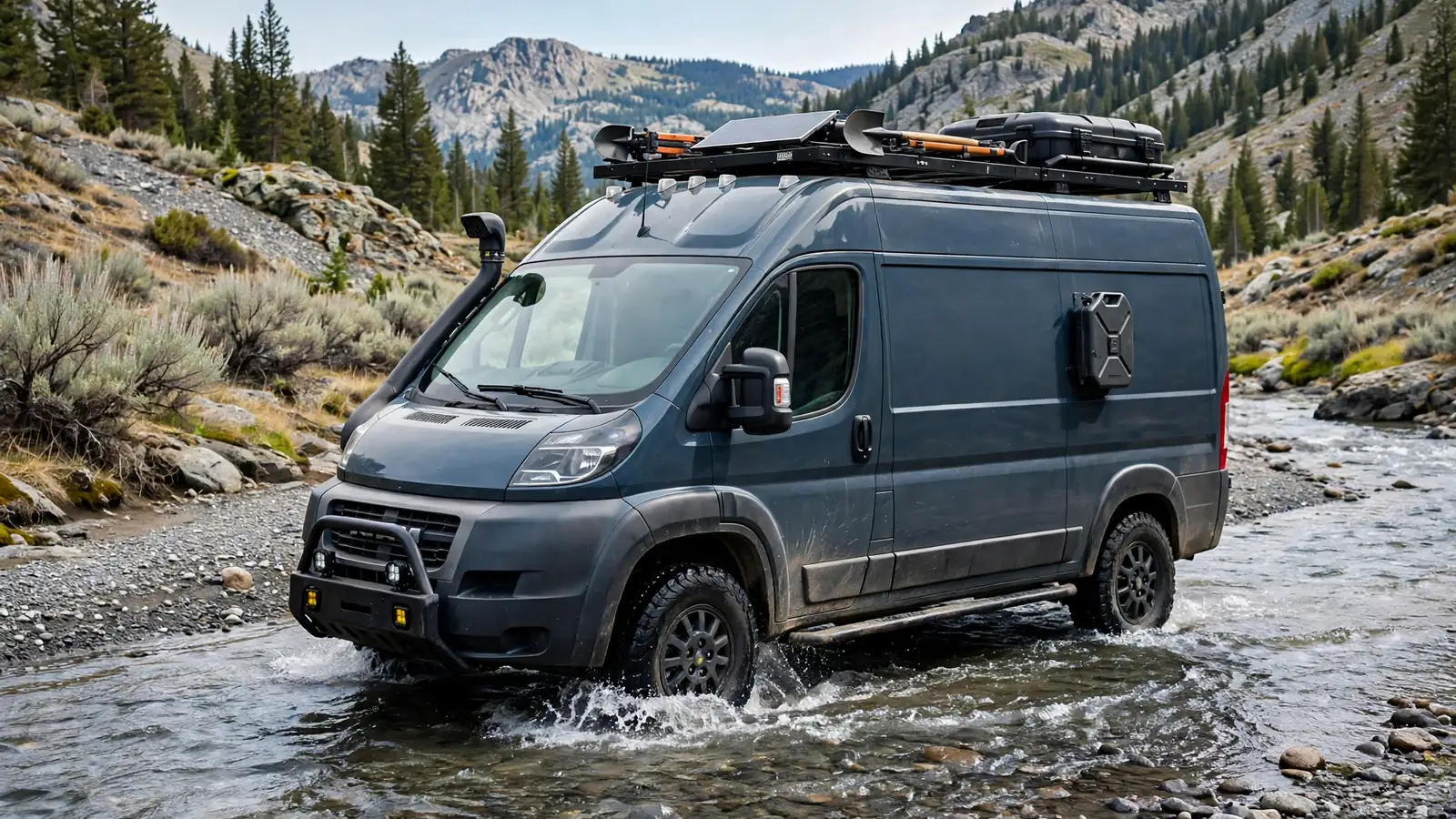
Water crossings look fun in photos. In real life, they need respect. This Ram van is built to cross shallow water with care, not confidence alone.
Depth is the first question. If you cannot see the bottom, do not cross. If the water is deeper than your hubs, turn around and find another route.
The snorkel helps, but it is not magic. It protects the air intake. It does not make deep water safe. Current speed matters just as much as depth.
Dry storage keeps clothes and bedding safe. Sealed boxes and high shelves beat hope every time. Wet bedding ruins a night fast.
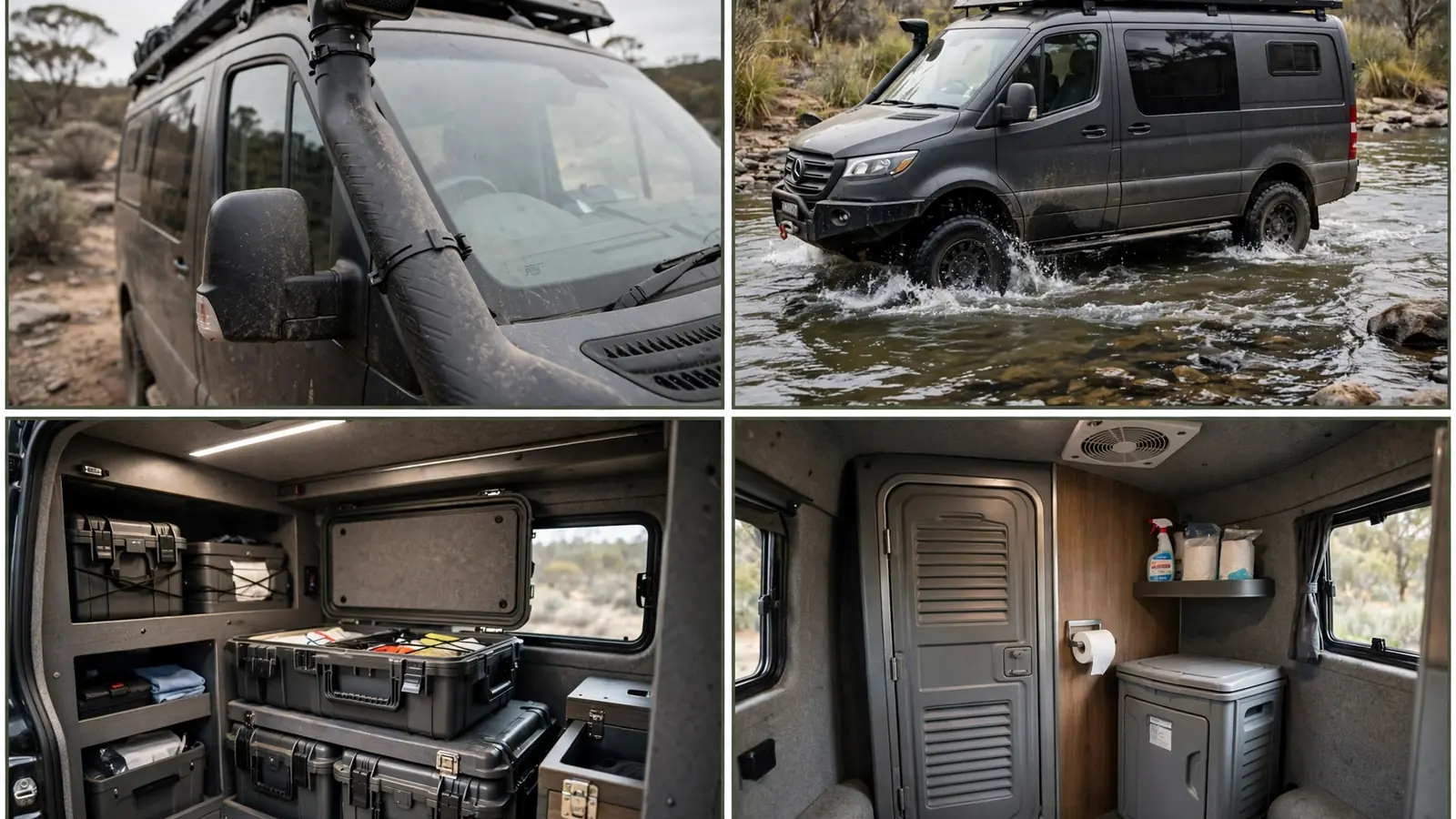
After a crossing, check brakes gently at low speed. Wet brakes stop slower at first. A few light stops dry them out.
Never cross alone if you can avoid it. A second vehicle, or at least a phone signal and a plan, is worth more than any gear.
12. The Starlight Roof-Tent Transit
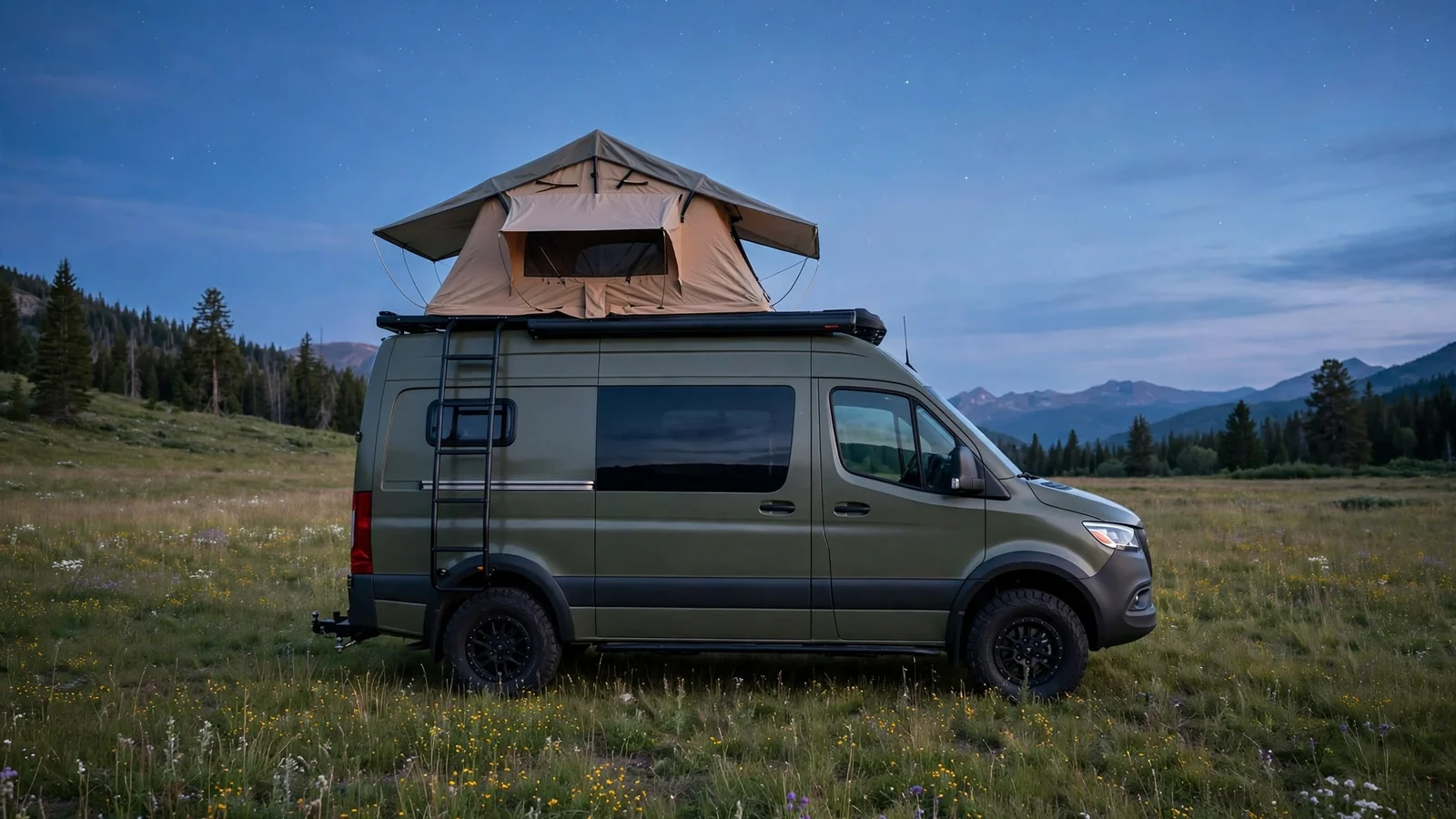
Some camps are about the night sky. This Transit is built to end the day looking up. The roof tent is the star of the show, in every sense.
Set up is fast. Unclip, lift, and lock the ladder. A good roof tent takes minutes, not half an hour. That leaves more time for dinner and stars.
A star view window is a clear panel in the tent roof. Lie back and watch the sky. It is a small feature with a big payoff on clear nights.
Camp lighting should be warm and low. Bright white light kills night vision. Warm light lets your eyes adjust and keeps the sky bright.
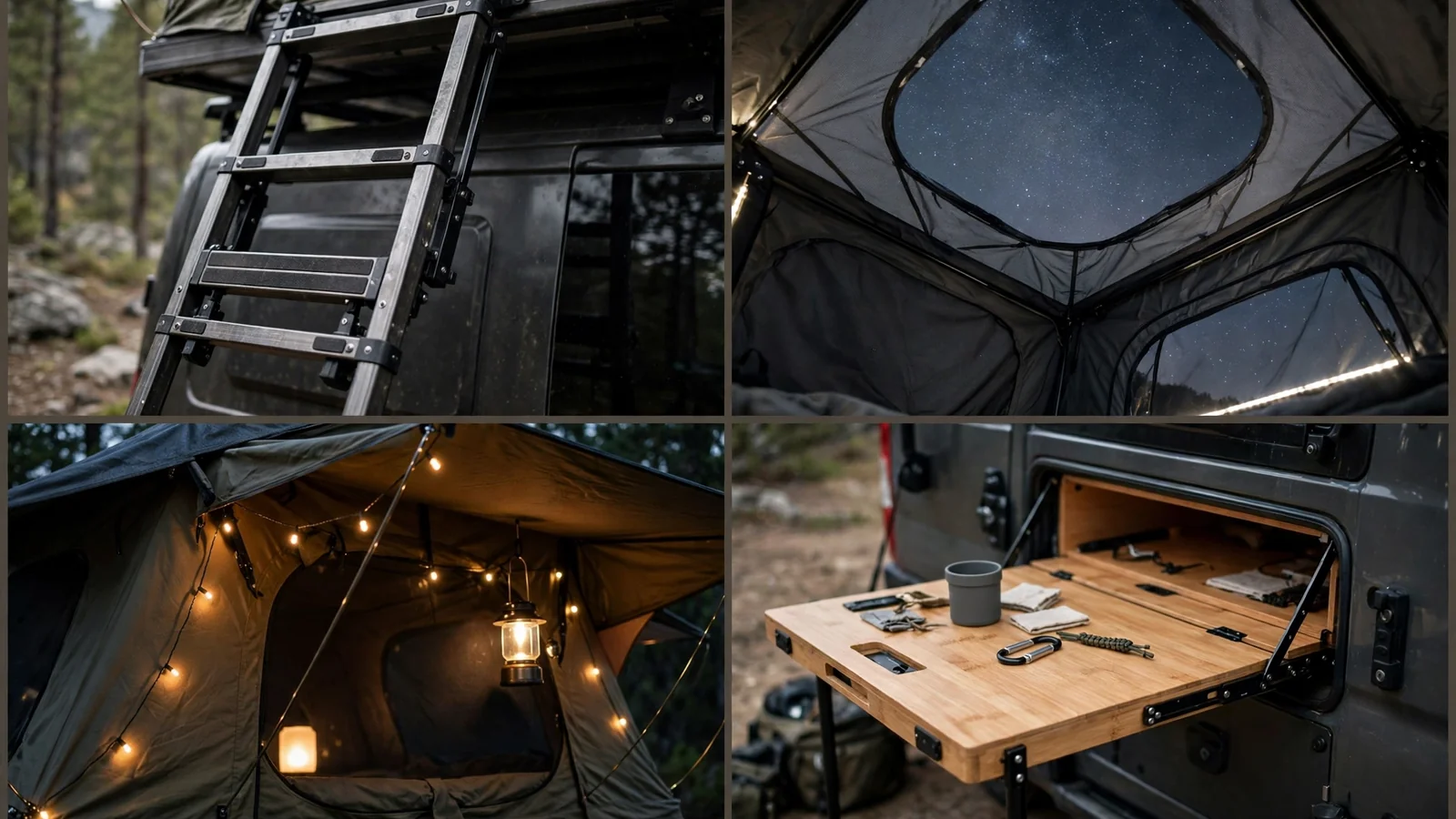
The fold out table is your evening base. Dinner, cards, and a map all fit on it. Pack it away and the site is clean in seconds.
Dark sky areas have their own etiquette. Keep lights low. Keep noise low. Let everyone enjoy the same sky.
13. The Long Haul Solar Sprinter
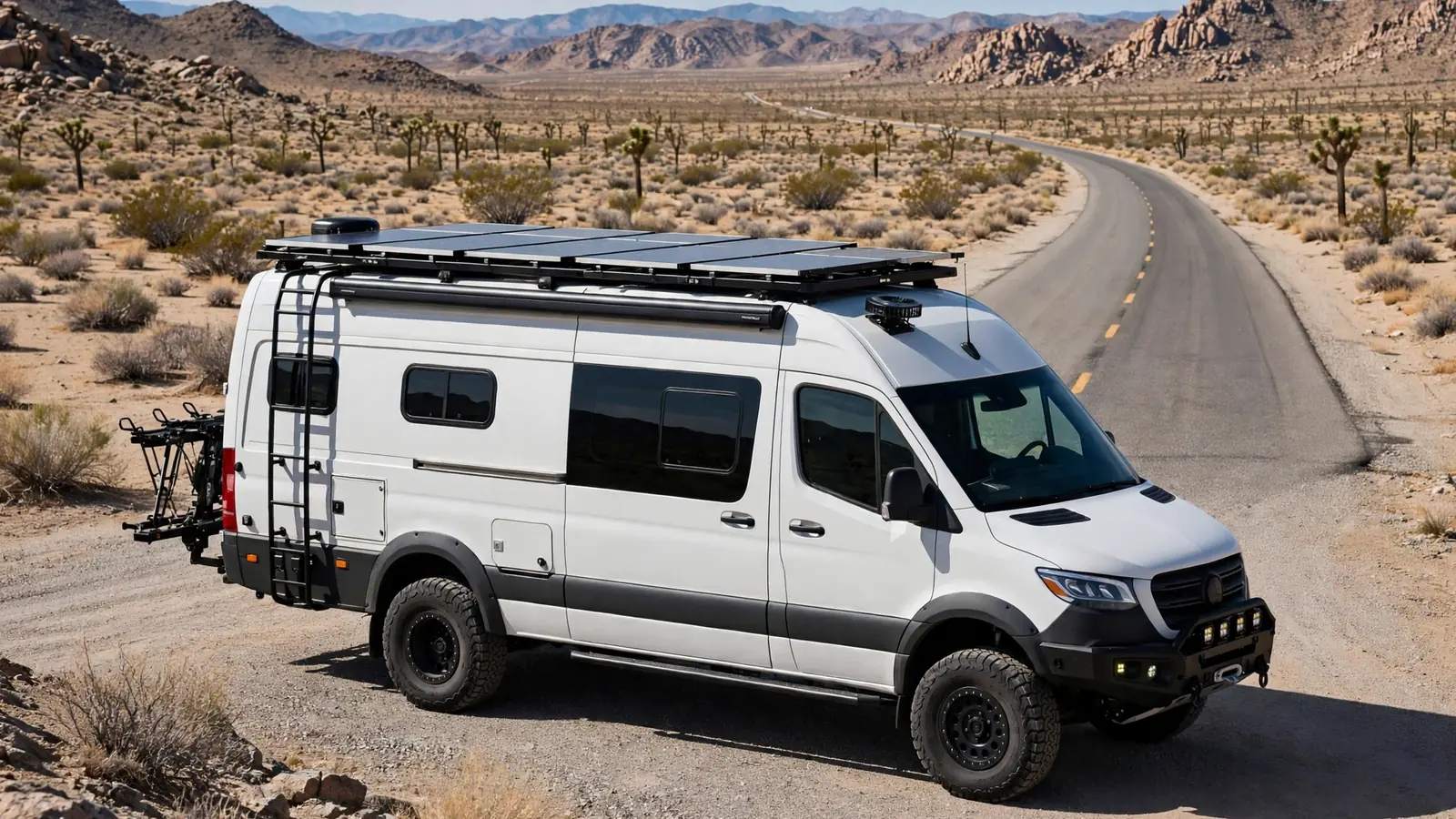
Long trips need range. Not just fuel range. Water range, power range, and patience range. This long wheelbase Sprinter stretches all three.
A longer van means more floor space. That space becomes a real office, a bigger water tank, and a garage that fits bikes without a fight.
Bikes on the rear rack change a trip. A camp near a trail becomes a base for rides. A town stop becomes easy without moving the van.
The office desk is not a luxury for remote workers. It is the difference between working well and working hunched over a bed. A good chair helps just as much.
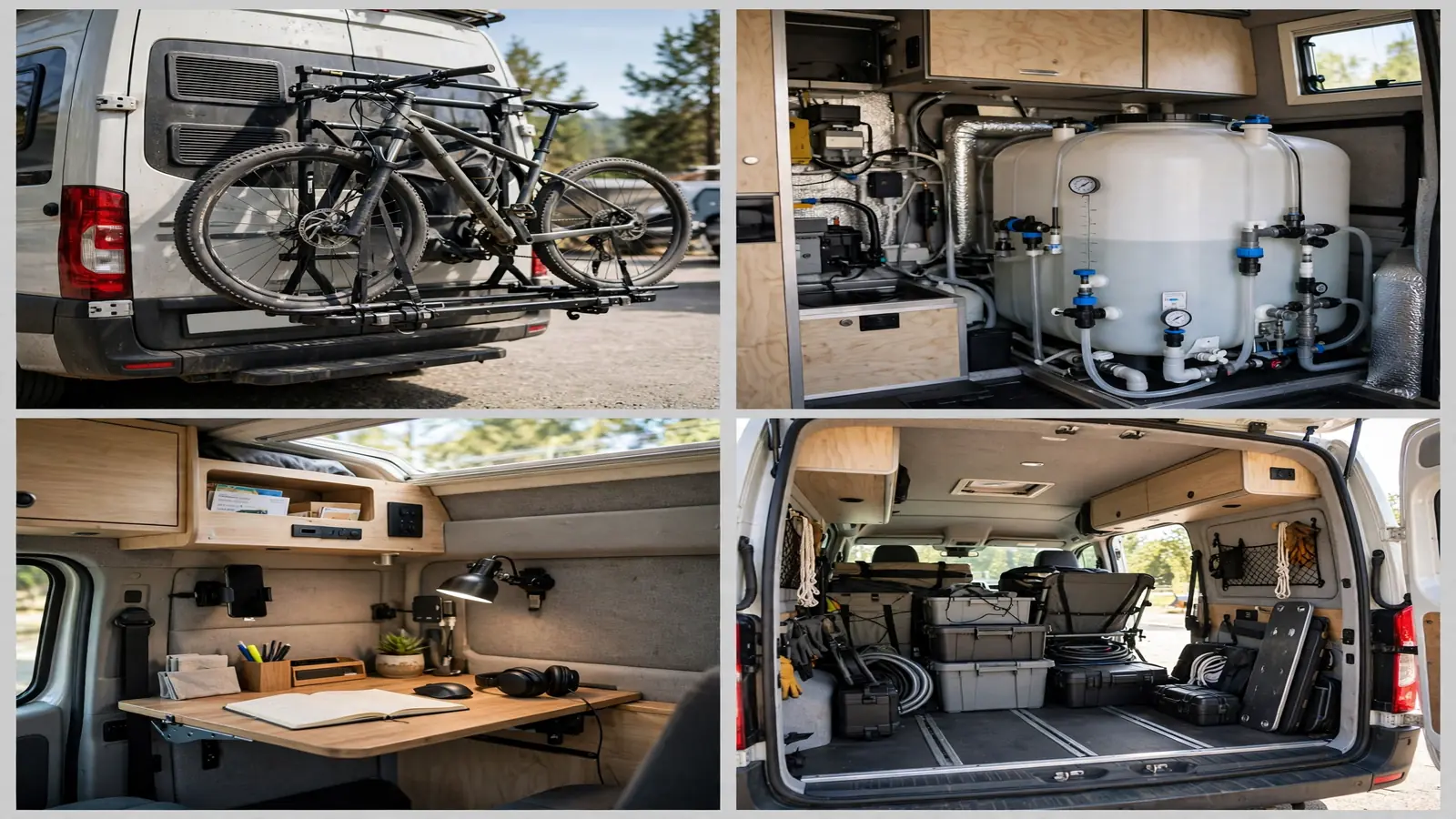
A bigger water tank means fewer fill stops. It also means more weight. Fill up near camp when you can, not at the start of a long dirt stretch.
Long vans need more turning room. Check U-turn space before you commit. A three point turn on a narrow road is slow but safe.
14. The Hidden Hollow ProMaster
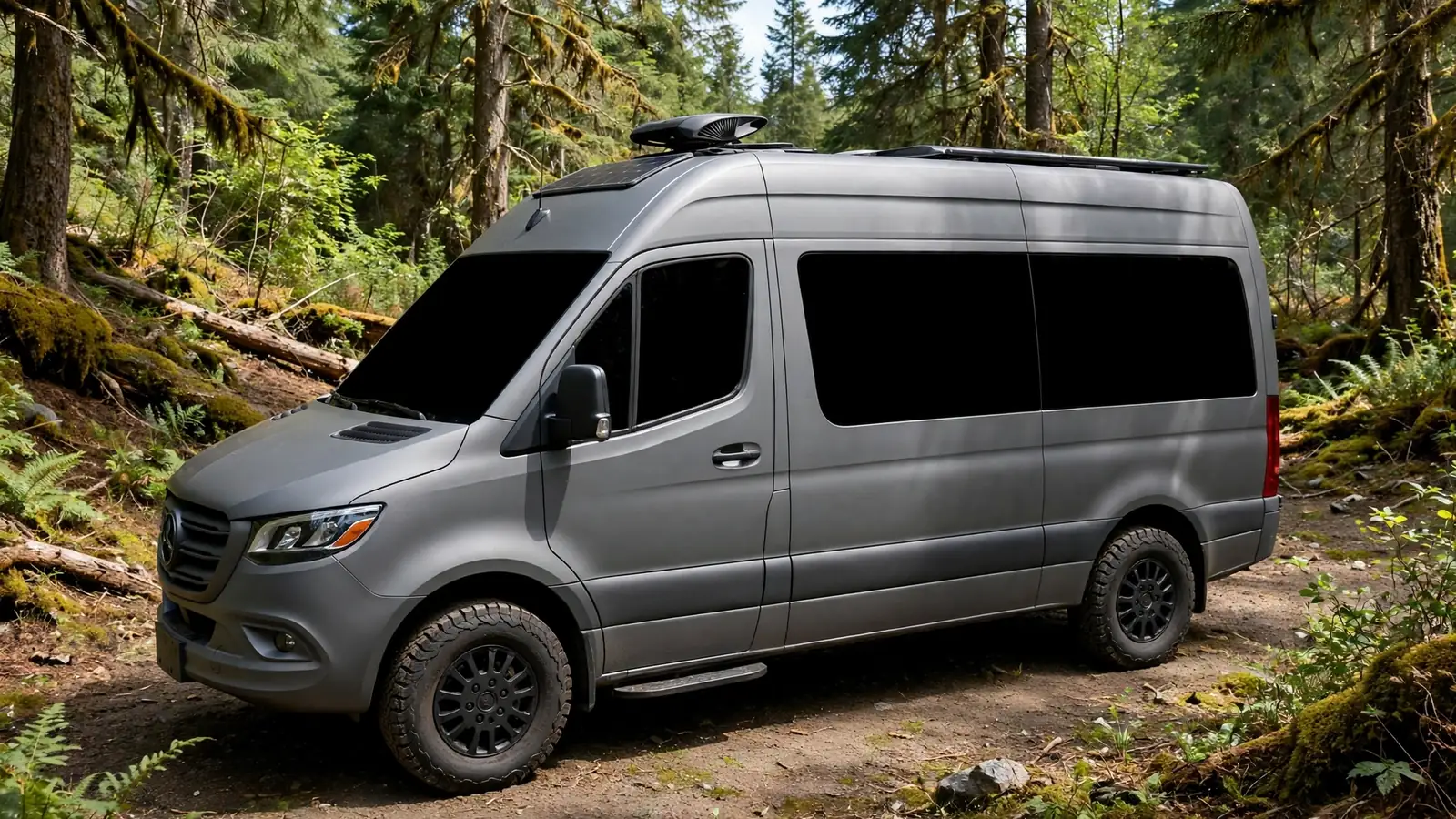
Stealth camping is about blending in. This ProMaster looks like a work van from the outside. Inside, it is a full home.
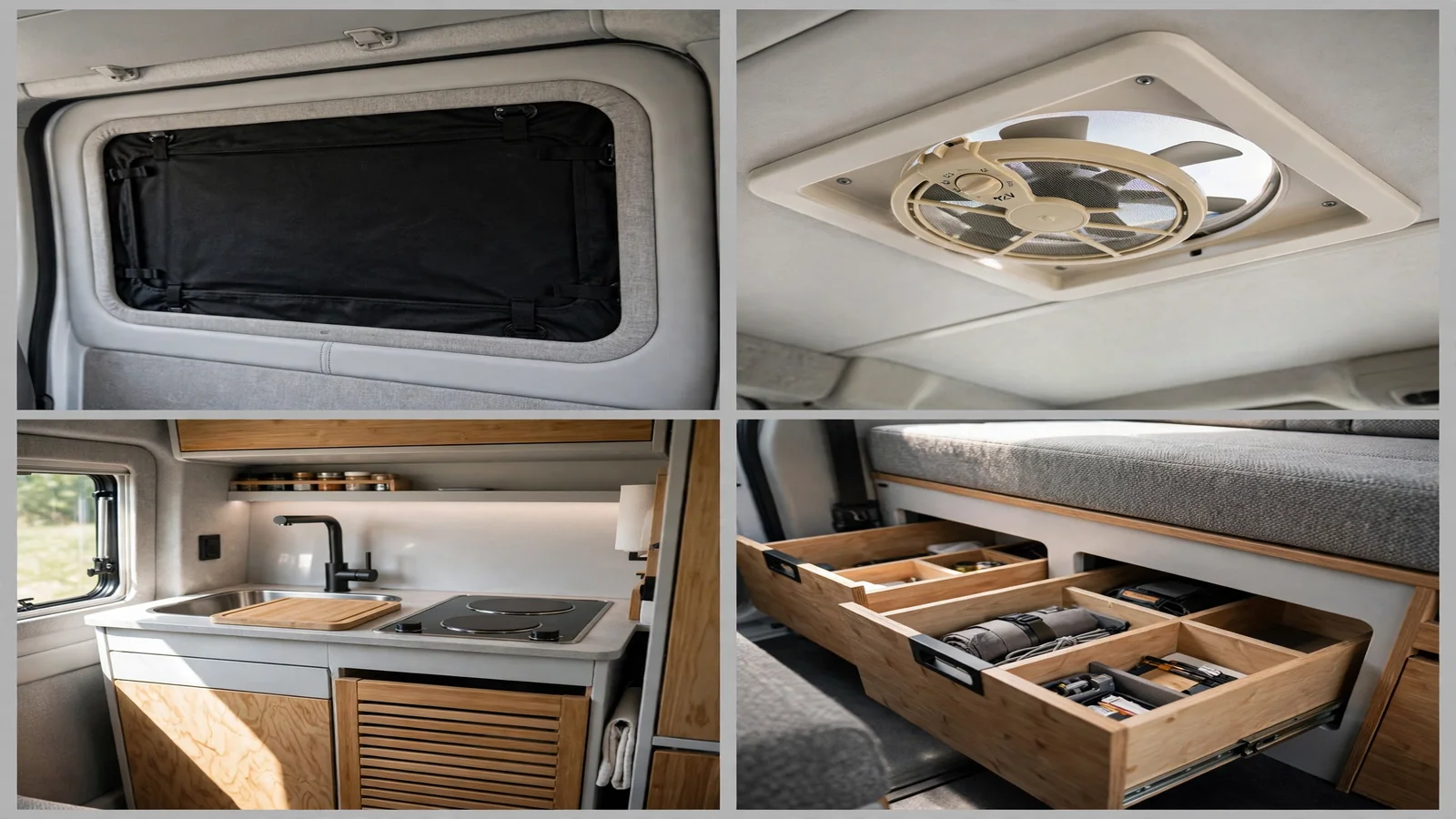
Blackout covers block light from inside. At night, a glowing window gives you away. A dark van draws no second look.
The roof vent fan moves air quietly. It pulls fresh air in and pushes warm air out. Good airflow stops condensation on cold nights.
Hidden drawers use dead space. Under beds, behind panels, and in steps, there is storage waiting. Use it, and the van stays tidy.
Stealth does not mean breaking rules. Camp where it is allowed. Move on in the morning. Leave the spot cleaner than you found it.
Keep the outside plain. Stickers and bright gear signal a camper. A plain van signals a work truck, and no one looks twice.
15. The Summit Seeker AWD Van
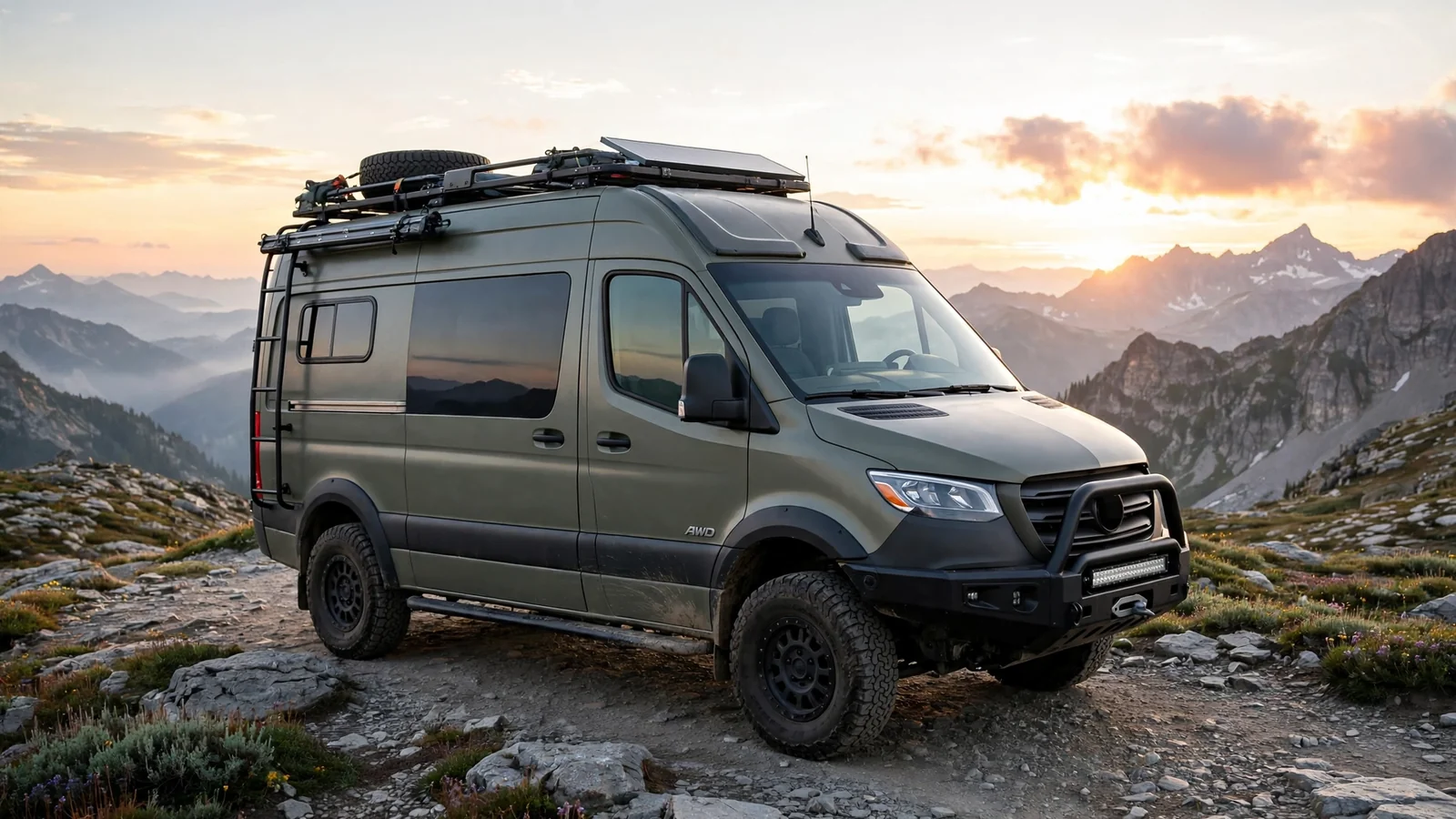
Trailheads at dawn are special. The air is cold. The lot is empty. This AWD van is built to get you there before the crowds.
All wheel drive plus good tires is the core combo. One without the other is half a solution. Together, they handle gravel, mud, and light snow.
The roof rack carries the gear that does not fit inside. Skis, boards, and a cargo box ride up top. Keep the weight balanced side to side.
Inside, the panoramic view matters on rest days. Big windows and a bright interior make a rainy day in the van feel open, not cramped.
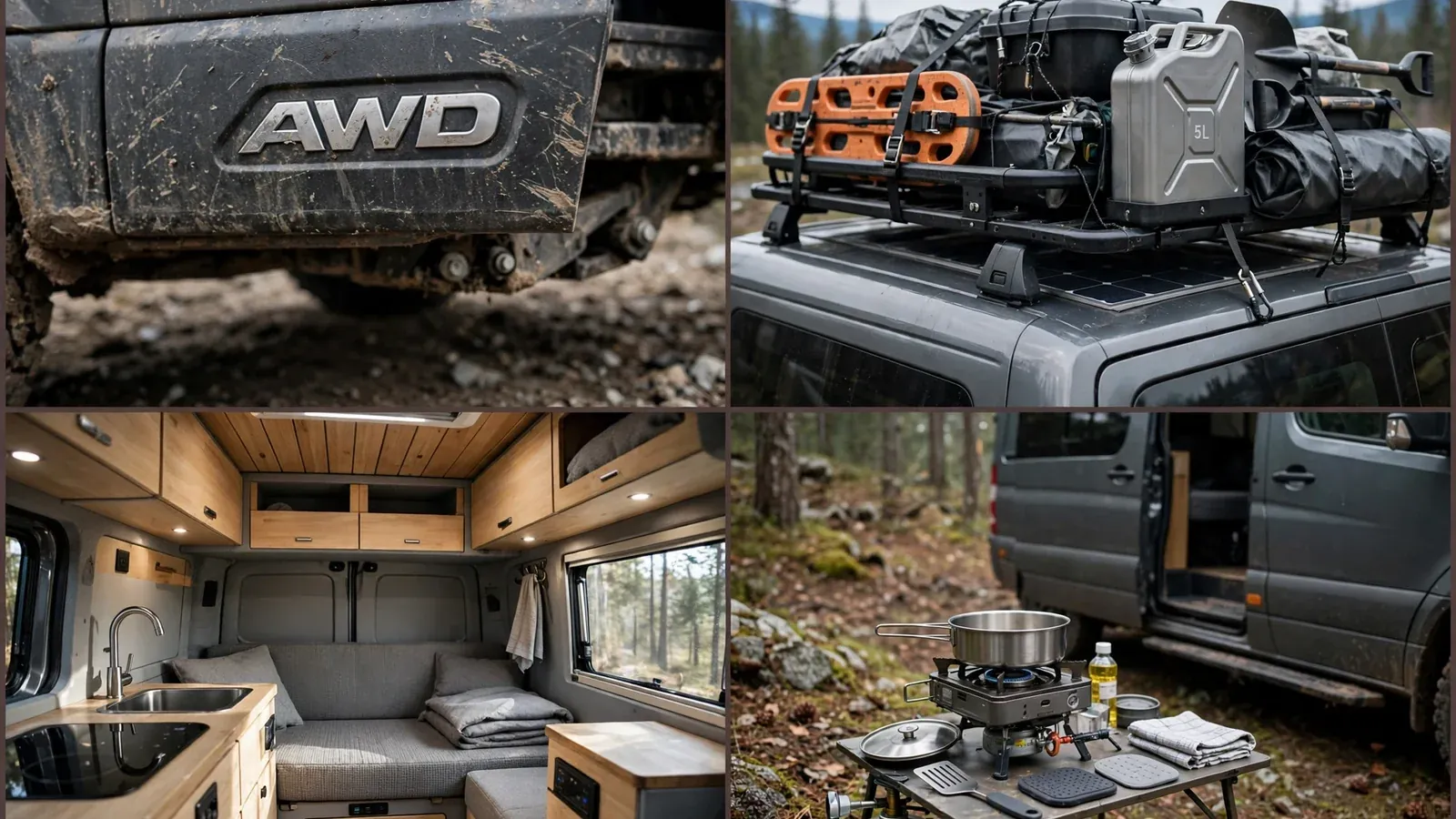
The camp stove setup is simple and safe. A stable surface, a wind screen, and a fire extinguisher nearby. Simple beats fancy when you are tired.
Start hikes early on summit days. Weather changes fast up high. A dawn start gives you a margin if the afternoon turns.
Your First Boondocking Checklist
Run this list before every dirt road. It takes five minutes, and it prevents most bad surprises.
So which build fits your trips? A desert Sprinter for open sand. A forest Transit for quiet trees. A snow ready van for winter peaks.
Pick the layout first. Pick the power system second. Pick the gear last. Gear is easy to change. Layout is not.
Then go find a dirt road. Park. Step outside. Listen to the quiet. That quiet is the whole point.
Happy boondocking. Travel light, tread lightly, and leave every camp better than you found it.