
Don’t Waste Your Money: 12 Cruise “Upgrades” That Are a Total Scam

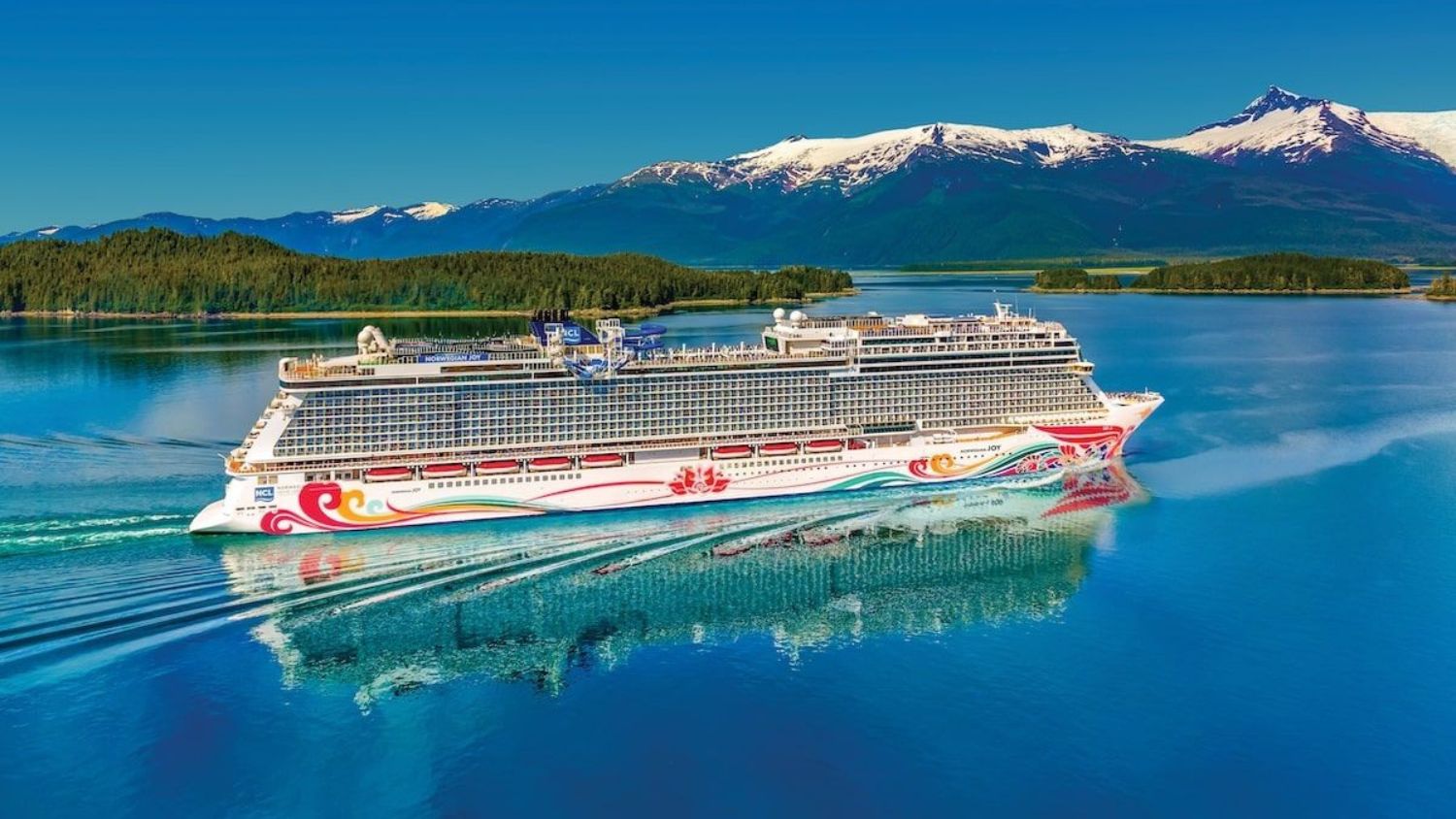
Forty years ago, cruising felt genuinely all-inclusive. You paid the fare, and that was pretty much it. Today? The low price is just the bait. It’s what gets you in the door, or, in this case, on the ship. Once you step aboard, the entire vessel is engineered to separate you from your wallet.
This isn’t a theory; it’s a financial strategy. Cruise lines depend on something called Ancillary Revenue Per Guest (ARPG). That’s the average amount they need you to spend after your base fare is paid. And how much is that number? It’s a jaw-dropping $104.89 per passenger cruise day.
Think about that. If you and your spouse are on a seven-day cruise, they need you to drop nearly $1,500 extra just to hit their profit targets. That ancillary revenue—those add-ons, packages, and impulse buys—makes up a critical 30–35% of their total income.
When you realize this, you understand why the sales tactics are so aggressive, and why every little convenience—from a shuttle into town to a decent cup of coffee—suddenly costs money. They need you to buy.
So, how do you fight back? You cruise smart. Here are the 12 most common “upgrades” that offer the least value and the most buyer’s regret.
The Costly Commitments—Packages That Control You
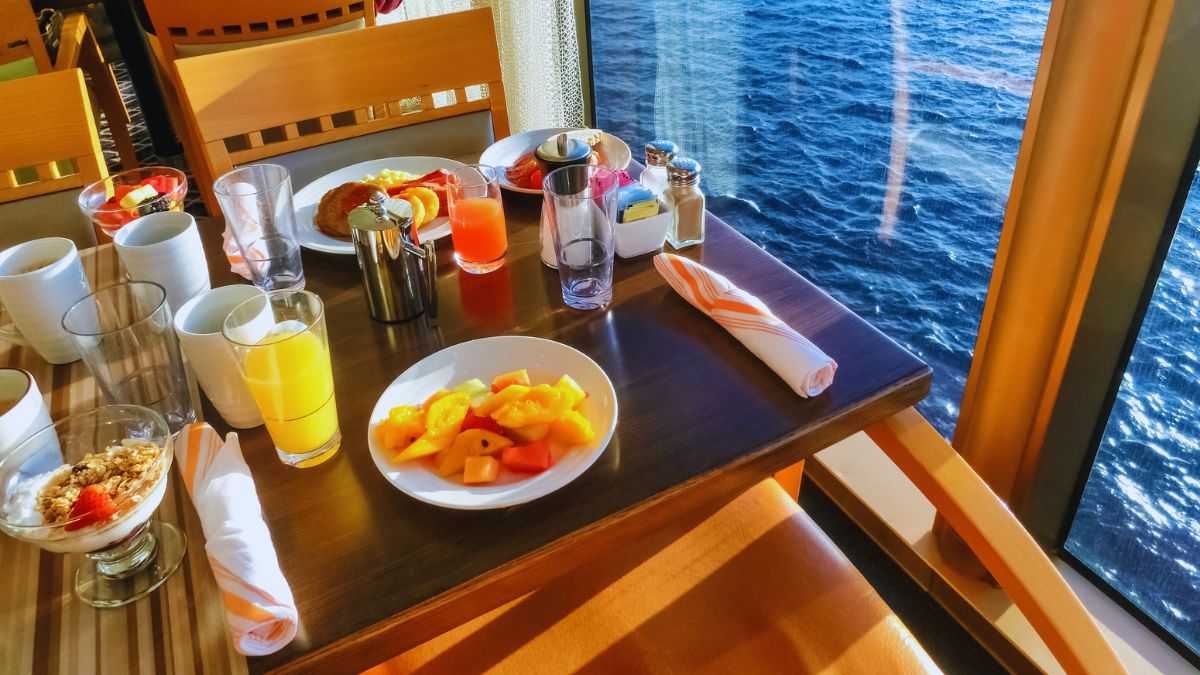
The biggest traps are the packages—the things that sound like a great deal when you buy them, but end up feeling like a math problem you have to solve every single day.
1. The Deluxe Beverage Package: The Calculus of Consumption
This is the king of cruise scams. It’s the highest-cost, highest-pressure product they sell, and it’s why your “fun splurge” turns into homework.
A premium package on a major line (like Royal Caribbean or NCL) can cost you between $76.70 and $130.80 per day, once that mandatory 18% gratuity is tacked on. Seriously, $130 a day just for drinks!
Here’s the catch: To actually break even, you have to drink an almost unrealistic amount. We’re talking about roughly 7 cocktails and 3 specialty coffees, or over 10 high-cost items, every single day. You have to treat drinking like a job, not a leisurely activity, just to avoid losing money.
But wait, it gets worse. Many lines, especially Royal Caribbean, have eliminated exceptions to the rule: if one adult in the cabin buys the deluxe package, all adults in the same cabin must buy it too. That means non-drinkers or moderate drinkers are forced to subsidize the one heavy drinker in the room.
If you don’t drink seven or eight pricey beverages daily, you are literally handing the cruise line a pure profit gift.
| Cruise Line (Example Daily Cost w/ Gratuity) | Total Daily Cost | Estimated Daily Consumption Needed to Break Even |
| Royal Caribbean (∼88 – $112) | $88 – $112 | ∼7 Cocktails ($14) & 3 Specialty Coffees ($5) |
| Celebrity ($107.99) | $107.99 | ∼9 Glasses of Wine ($10) & 2 Bottled Waters ($4) |
| NCL ($130.80) | $130.80 | ∼10 Beers ($8) & 5 Top-Shelf Cocktails ($14) |
The Better Move: Pay à la carte. Seriously. If you’re not consuming ten beverages a day, you will save money. And if you’re on a line like Virgin Voyages, use the loyalty perks like Bar Tab credits to maximize spending without the stress of daily consumption.
2. Specialty Dining Packages: The Marginal Improvement Markup
Yes, the specialty restaurants are usually a little better than the main dining room (MDR). The food is prepared to order, which is nice. But honestly, is that marginal difference in quality worth an extra $20 to $50 per person, per night?
Frequent cruisers will tell you the upgrade is “definitely not such a significant difference to pay such a high price”. Here’s the deal: The cost of your food is already built into your base fare. That additional $50 fee is almost pure, high-margin profit for the cruise line. They’ve already covered the ingredients.
And now they’re even adding sneaky fees. NCL, for example, is charging a $10 per person fee if you miss a specialty dining reservation without canceling two hours in advance. They’re monetizing forgetfulness.
The Better Move: Skip the packages. If you must splurge, pay à la carte for one, highly-vetted meal at a specific restaurant that has rave reviews, and fully enjoy the (free) included Main Dining Room every other night.
3. Premium Wi-Fi Packages: Paying for Land-Based Standards
Do you need Wi-Fi? Yes, of course, you do. It’s 2025. But they’ve structured the tiers to make anything less than the most expensive package useless.
You can buy the $18.70 “Social” plan, but you can only use social media—no email, no browsing. You want to check your email? You’re bumped to the $22.10 “Value” tier. But if you want the utility you expect from your daily life—streaming, stable video chat, Wi-Fi calling—you’re forced into the “Premium” or “Surf + Stream” package, which can cost up to $39.99 per device, per day on some lines, or require multi-device plans costing up to $84 per day on others.
Cruise lines love to boast about their Starlink technology, calling it “the fastest internet at sea”. This isn’t a gift; it’s a justification. The speed upgrade allows them to standardize the high price point and charge you a premium for a level of connectivity that is considered baseline standard on land.
The Better Move: Never buy onboard. Always purchase your package before sailing to get the best discounts, which often range from 10% to 30% off. Better still? Buy an international eSIM or a local SIM card when you’re in port. It’s often faster and much cheaper than the ship’s Wi-Fi.
The Mandatory Money Traps—Hidden Costs and False Value

These are the charges that sneak up on you or the services that promise security but deliver markups.
4. Automatic Gratuities: The Wage Subsidy Disguised as a Tip
This is probably the most ethically complex fee. The cruise line advertises a low base fare, but they expect you to pay the fare plus the daily gratuities, which can quickly add up. They use these automatic charges to claw back money and supplement crew wages to competitive industry rates. It’s a mechanism to shift the cost of labor from the corporation onto you, the consumer.
But here’s the tough part: The money isn’t just handed straight to your stateroom attendant. It’s often pooled and distributed based on guest survey results—a mechanism that ties crew income to your subjective satisfaction rating. Some crew members have even reported being required to turn in cash tips to management.
The Better Move: Recognize it for what it is—a forced operating cost. While you technically can remove the auto-gratuities and tip in cash, it’s practically impossible to fairly compensate the vast network of people (galley staff, laundry, maintenance) who contribute to your trip. The easiest, and arguably fairest, way is to leave the auto-gratuities on and supplement in cash for those who were exceptional.
5. Cruise Line Shore Excursions: The Convenience Tax
You buy the cruise line’s excursion because you need the guarantee that the ship won’t leave you behind, right?
That peace of mind comes with an excessive markup. They are commodifying control, pure and simple.
Here’s the thing: Reputable third-party companies know this game. They offer their own “guarantee you’ll get back to the ship on time,” neutralizing the cruise line’s main advantage. Independent tours through trusted aggregators often feature “smaller groups, more personal tours and prices that beat what the cruise lines charge”.
The Better Move: Book independently through sites like Viator or Shore Excursions Group. Or, just plan a self-guided experience using local resources like TripAdvisor while in port. You’ll save money and have a more authentic experience.
6. “Guaranteed” Cabin Fares: The Location Lottery
You see the lower price and think: “I saved $500 just by letting them pick the room!” That’s a “guaranteed” cabin.
And it’s tempting, but you are buying the cruise line’s leftovers. You’ve surrendered control, and they will use that booking to fill the most difficult inventory to sell. This is how you end up in the noisy, obstructed-view cabin directly above the disco, next to the anchor, or below the galley.
The potential reward—the “free upgrade”—is also a myth now. With most ships sailing well over 100% capacity (up to 104%), the chances of getting bumped to a suite for free are dramatically diminished.
The Better Move: If you are a light sleeper or sensitive to noise, that $500 is the best insurance money you can spend. Pay the extra fee, select a specific cabin far from public areas, and guarantee yourself a restful vacation.
7. Cruise Line Travel Insurance: The Coverage Deficiency
Travel insurance is essential, period. But don’t just click “yes” on the cruise line’s offer (like Princess Vacation Protection).
These policies typically cost between 4% and 8% of your total trip price but often offer inferior coverage compared to independent policies. For example, they might lack crucial protection against something like job loss or unexpected financial changes that force you to cancel. The protection offered for trip delays might also be low (e.g., up to $500 to $1,500 for certain expenses).
The Better Move: Research. A little bit of comparison shopping will get you superior, more comprehensive coverage for the same price or less. Look at independent sites like SquareMouth or InsureMyTrip, or call a specialty travel agent.
The Experiential Traps—Impulse Buys and Emotional Spending

The final category is built on capitalizing on convenience, impulse, or your emotional desire to capture memories.
8. Paid Spa Thermal Suite Passes: Overcrowded Luxury
The Thermal Suite—the area with heated stone loungers, saunas, and special pools—is marketed as an oasis of quiet luxury.
But when the ship is sailing full, that high daily fee can quickly become a “total waste of money” due to congestion. On older ships, you might only get “A half dozen stone loungers and a sauna and steamroom,” not the sprawling thermal paradise they show in the brochure. And if the relaxation area is filled with people waiting for paid massages, you can kiss tranquility goodbye.
The Better Move: If the spa is crucial, check YouTube or cruise forums for video walkthroughs of your specific ship’s thermal suite to verify the amenities. Otherwise, save your money and use the numerous free, spacious hot tubs and pools located on the upper decks. They often have better views anyway.
9. Paid Fitness Classes: Duplication of Free Amenities
I’m all for staying fit on vacation, but don’t fall for this one.
Every modern cruise ship has a free, state-of-the-art fitness center with cardio machines, free weights, and often an ocean-view jogging track. They’re fantastic.
Yet, the cruise line charges extra for specialty classes, often proprietary brands like Pure Barre or YogaSix. And here’s the kicker: The instructors are typically “jack-of-all-trades” staff who teach multiple disciplines (yoga, cycle, boot camp). That means the instruction often lacks the specialized, high-level expertise you’d get at a dedicated studio on land. You’re paying a premium for generalized instruction.
The Better Move: Stick to the complimentary, high-quality gym and the running track. If you want a specific class, download one onto your phone and use the free gym space.
10. Onboard Photo Packages: High Price, Low Resolution
They position photographers everywhere—at dinner, on the gangway, at the formal night. It’s a huge emotional hook. You want those beautiful vacation memories!
But the digital files you get are often inferior. Cruisers have reported the resolution is poor (e.g., 3000×2400), which is worse than a modest point-and-shoot camera and inadequate for printing high-quality large photos. The cruise line uses high-end cameras but delivers low-quality digital goods.
To make matters worse, despite getting a “copyright release,” the digital photos often come with hidden copyright watermarks that are difficult to remove, leaving you responsible for using advanced software to make your purchased pictures usable.
The Better Move: Use your modern smartphone or a dedicated camera. They deliver significantly higher resolution, and you can print them anywhere you like, for free.
11. The Onboard Art Auction: The Captive Audience Bait-and-Switch
Simply put: Avoid these entirely.
This high-pressure sales tactic, often run by third-party lessors, is designed to simulate a luxury investment environment, frequently targeting the elderly or financially unsophisticated with “false confidence”.
Purchases made here are frequently grossly overvalued relative to their true market price. You’re buying on impulse, convinced by the “duty-free” savings pitch, without any opportunity for independent critical appraisal. One appraiser, after reviewing purchases from these events, told the buyers, “You ladies have been raped.” That’s how bad the value is.
The Better Move: If you want art, consult an accredited land-based dealer who adheres to US ethical and moral standards.
12. Retail Traps: Sundries, Jewelry, and “Duty-Free” Alcohol
The onboard shops are the final layer of the captive audience model.
- Sundries: Forget to pack something simple like sunscreen, pain reliever, or Dramamine? The onboard shop has you covered—at a “hefty markup.” A few forgotten basics can easily cost you $50 to $100.
- Jewelry: The “duty-free” pitch is a scam. Experts are frank: there are “no deals” on cruise ship jewelry. The vendors use enormous initial markups, meaning even after a discount, you are still paying far above the true retail price.
- Alcohol: Even “duty-free” alcohol prices vary wildly. It can be 50% higher than what you’d find at a reputable duty-free store on land.
The Better Move: Pack an exhaustive checklist for all necessities. For high-value items, price check in port or stick to reputable internet suppliers who offer better warranties and consumer protection.
Conclusion: Your Smart Sailor’s Checklist
The modern cruise line needs you to spend that extra $100-plus per day. The best way to enjoy your vacation is to understand their strategy and refuse to play the game. You paid for the trip. You deserve to relax without feeling constantly sold to.
Save the money you would have spent on these traps and reallocate it to something with real value—a fantastic independent tour, a true luxury spa treatment you’ve researched, or just a few genuinely great cocktails, paid for one at a time. That’s how you reclaim control of your vacation budget.
Here’s your cheat sheet for the 12 most common financial pitfalls:
| The Financial Trap (Upgrade) | The True Critique | Your Smart Sailor’s Alternative |
| 1. Deluxe Beverage Package | Requires 10+ expensive drinks daily to break even; often mandatory for all adults in a cabin. | Pay à la carte; use loyalty credits; save hundreds. |
| 2. Specialty Dining Packages | Marginal quality upgrade at a high cost; pure profit for the line; risky cancellation fees now apply. | Embrace the (included) Main Dining Room; maybe treat yourself to one à la carte meal. |
| 3. Premium Wi-Fi Packages | Charges a premium for speed that is standard on land; cheaper tiers are functionally useless. | Buy discounted packages before sailing; use international eSIMs/local SIMs in port. |
| 4. Automatic Gratuities | Functions as a crew wage subsidy, letting the cruise line advertise a false low fare. | Keep the charge to compensate the vast staff network; supplement in cash for exceptional service. |
| 5. Cruise Line Shore Excursions | Massive convenience tax; independent tours offer the same security guarantees for less. | Book independently via reputable aggregators (Viator, Shore Excursions Group). |
| 6. “Guaranteed” Cabin Fares | You risk the worst, noisiest, most poorly located cabin; free upgrades are almost extinct. | Pay the extra fee to select a specific, quiet location far from public noise. |
| 7. Cruise Line Travel Insurance | Inferior, less comprehensive coverage than independent policies, despite the high cost. | Comparison shop using independent brokers (SquareMouth, InsureMyTrip) for superior protection. |
| 8. Paid Spa Thermal Suite Passes | High risk of overcrowding and minimal amenities on many ships; value is inconsistent. | Research your ship’s specific spa; utilize the numerous free, spacious upper-deck hot tubs. |
| 9. Paid Fitness Classes | Duplicates the free, state-of-the-art gym; paid classes are often taught by generalized instructors. | Use the complimentary gym equipment and running track; stream your own specialty classes. |
| 10. Onboard Photo Packages | Expensive package delivers low-resolution digital files with difficult-to-remove copyright marks. | Use your personal high-resolution camera or smartphone for superior photos. |
| 11. The Onboard Art Auction | Predatory, high-pressure sales tactics; items are almost always grossly overvalued. | Avoid entirely. If you want art, consult accredited land-based dealers. |
| 12. Retail Traps (Sundries/Jewelry) | Captive audience markup on necessities ($50-$100 easily spent); misleading “duty-free” pitch. | Pack an exhaustive checklist; price check all major purchases on land or in port. |
Need More Financial Control? Look Into These Simple Gear Upgrades
Okay, so we’ve talked about what not to buy on the ship. But sometimes the best defense is a good offense—meaning a few small, smart purchases before you even leave home. These five items solve the biggest onboard headaches—power, hydration, communication, and security—turning those high-profit centers back into free services for you. They’re essentially your little peace-of-mind insurance policies. Throw these in your carry-on, and you’ll find yourself laughing as you breeze past the crew trying to sell you the very thing you already solved.
Here are five simple, high-impact products to save you hundreds and maximize convenience:
1. Cruise-Compliant Power Hub

This is the non-negotiable must-have. You know those two frustrating outlets in your cabin? This hub is designed to be non-surge protected and plug directly into the wall, which means ship security won’t confiscate it at embarkation. It takes one outlet and gives you three standard AC plugs, two USB ports, and two USB-C ports, so your whole family can charge their phones, cameras, and watches simultaneously without waiting for an open plug.
2. High-Capacity Portable Power Bank

Don’t get caught in a foreign port with a dead phone and no map, forcing you into a panic-buy of the ship’s expensive emergency Wi-Fi. A power bank with roughly 20,000 mAh capacity is robust, offering multiple full charges for your devices. Pack it in your day bag when you leave the ship—it’s the best insurance against the anxiety that drives impulsive purchases in port.
3. Collapsible, Reusable Water Bottle

Paying $5 for bottled water every time you’re thirsty adds up fast, or worse, you feel compelled to buy the overpriced drinks package. This flexible, BPA-free bottle rolls up to almost nothing in your luggage, saving valuable space. Fill it with free ice and water from the ship’s stations, and you have instant, free hydration for your cabin and your hot excursions.
4. Universal Waterproof Phone Pouch / Dry Bag

If you’re heading to the beach, enjoying a waterfall, or snorkeling, you need to keep your phone, cash, and SeaPass card safe. This accessory completely protects your valuables from water damage while letting you use your phone to take photos underwater. Instead of stressing about who’s watching your stuff on the sand, wear it around your neck and jump in, saving you money on expensive lockers or replacing a water-damaged device.
5. Travel Inspira Digital Luggage Scale (Battery-Free)
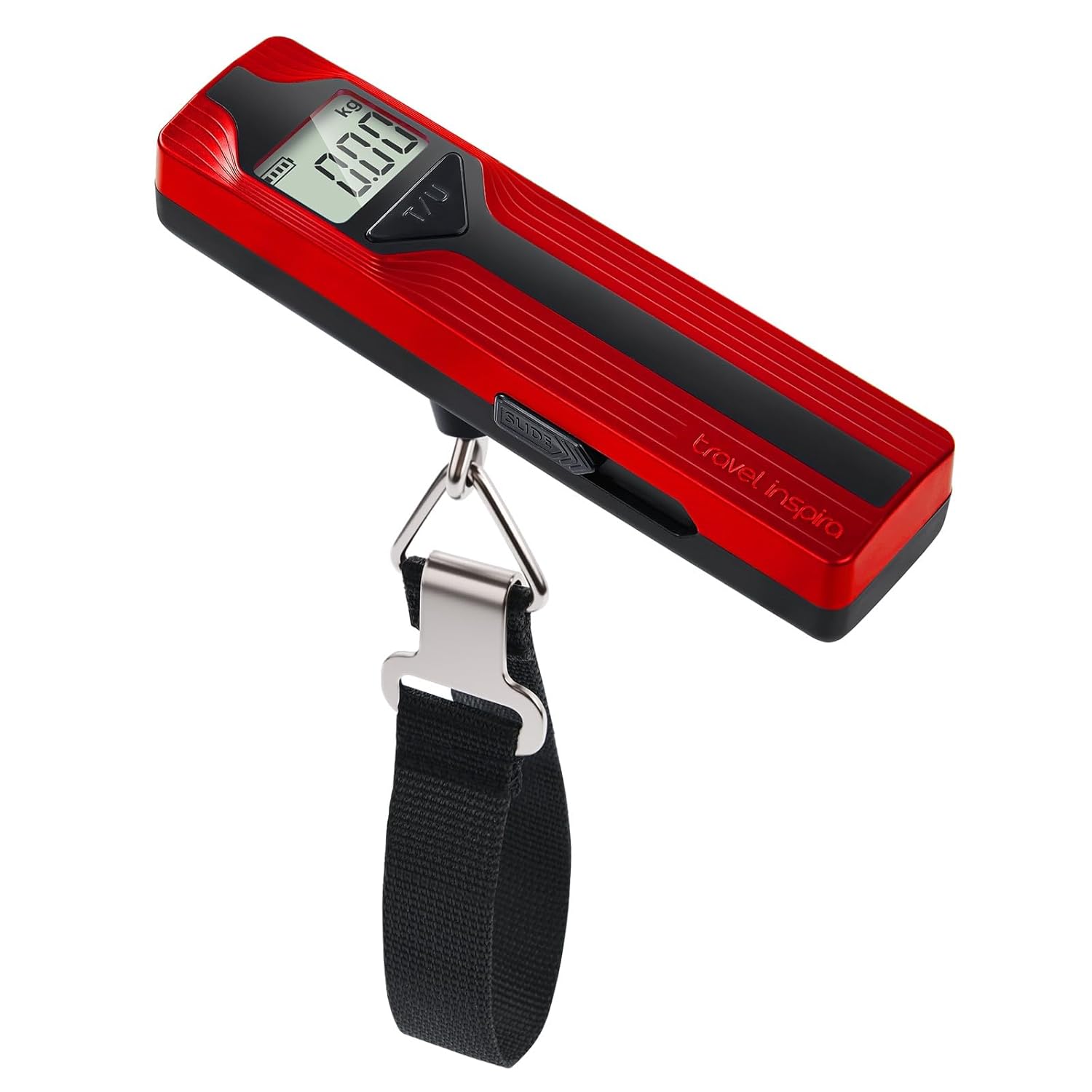
You saved money on drinks and Wi-Fi, don’t lose it all to the airline! The huge $50–$200 overweight baggage fee can instantly wipe out your cruise budget. This tiny scale runs on kinetic power (no dead batteries!) , so you can quickly weigh your bags before you leave the ship and redistribute the weight from those souvenirs, hassle-free.