
Former TSA Officer Admits: 19 Security Line Mistakes That Get You ‘Randomly’ Selected Every Tim

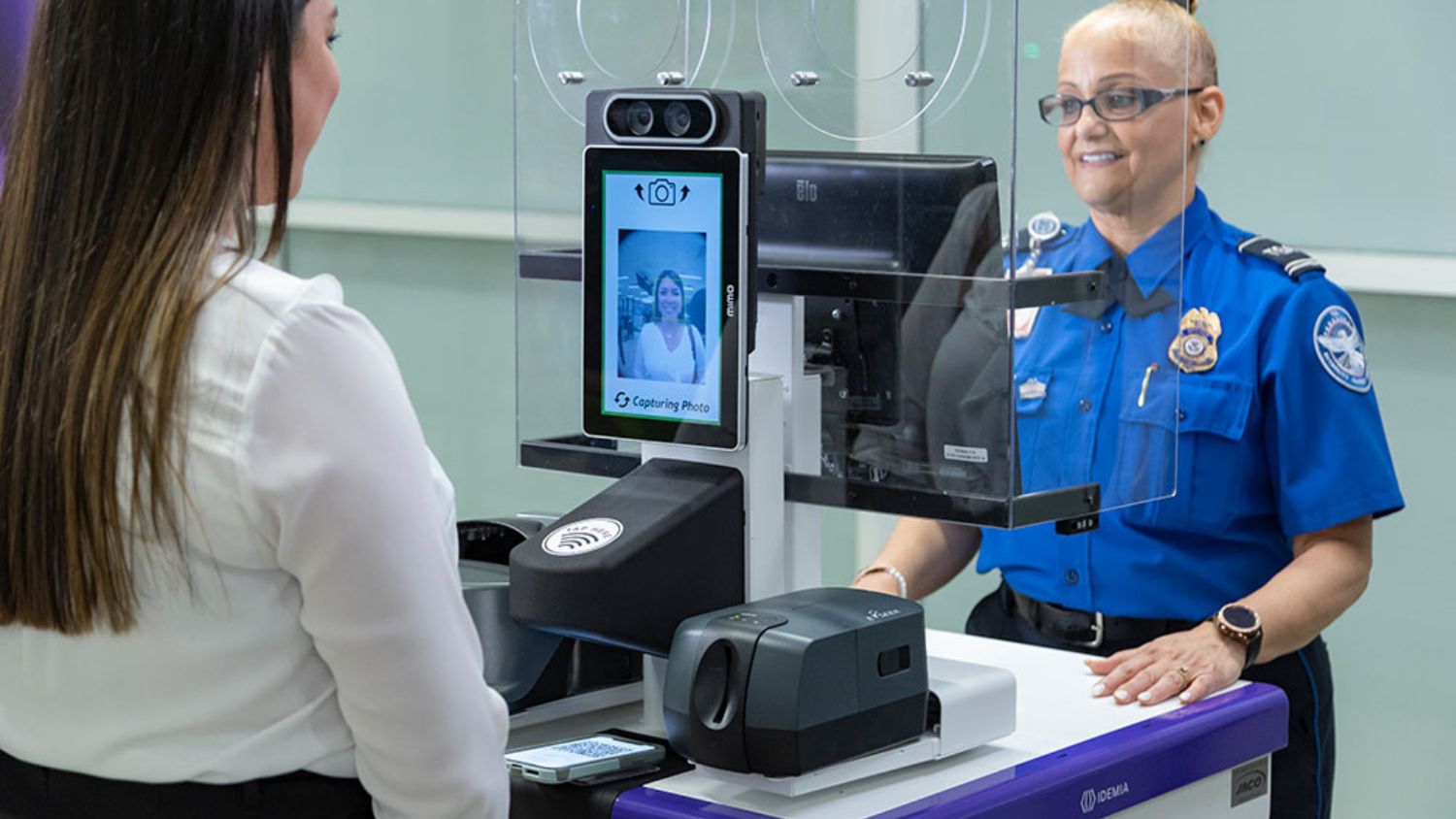
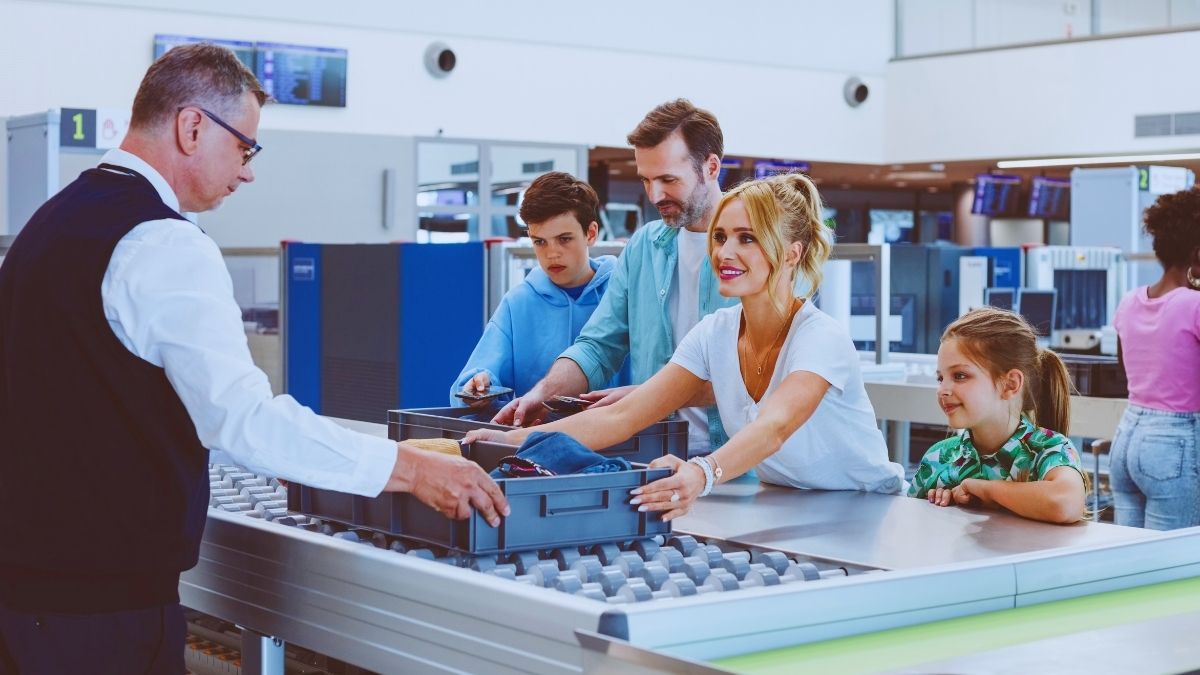
You’re standing in a line that feels like it’s moving at the speed of a tectonic plate, clutching a plastic bin like it’s a sacred relic, and trying to remember if you left a stray bottle of water in the deep, dark corners of your backpack. Then you see it: that blue-shirted officer gives you “the look,” or worse, you see those four dreaded letters—SSSS—stamped on your boarding pass. It feels personal, doesn’t it? Like the universe just decided you were the designated “random” choice for the day.
But honestly, it’s not just bad luck. Last year alone, the TSA screened over 904 million people. That is a staggering number. To put it in perspective, that’s about 5% more than the year before. With 2 billion carry-on items and nearly 500 million checked bags flowing through the system, the officers aren’t just looking for water bottles; they’re looking for patterns. And believe it or not, most of us are accidentally waving giant red flags without even realizing it.
Before we dive into the nitty-gritty of what’s getting you pulled aside, let’s look at the sheer scale of what these officers are dealing with. It might actually make you feel a little better about why they’re so jumpy.
The High Stakes of the Security Line
Think about that for a second. In 2024, they were catching about 18 guns a day, and nearly every single one was loaded. When those are the numbers you’re dealing with, “random” starts to look a lot more like “behavioral analysis.”
The 19 Mistakes That Get You Picked Every Time
1. Treating Instructions Like Suggestions
It sounds simple, but just not paying attention is the number one pet peeve for officers. When you’re scrolling on your phone or buried in your noise-canceling headphones, you’re missing the verbal cues that keep the line moving. Officers like Delgado have explicitly said that “people not paying attention” is the fastest way to get a second look because it forces them to repeat themselves, which wastes everyone’s time and creates a bottleneck.
If you ignore the sign to take your belt off or leave your change in your pocket, you aren’t just being “forgetful”—in their eyes, you’re being unpredictable. In a high-stress environment where speed is safety, being the one person who isn’t following the flow makes you a variable they have to solve. And they solve variables by pulling them out of the line for a chat.
2. The “Kind” Gesture That Looks Like a Bribe
You realize you have a full, expensive bottle of wine or a fresh latte that can’t go through, so you try to “gift” it to the officer. Stop right there. TSA employees are strictly forbidden from accepting anything of value. It’s not just about policy; every square inch of that checkpoint is covered by cameras, and an officer accepting a gift can be fired on the spot for appearing to take a bribe.
When you insist they “just take it,” you’re actually triggering a security protocol. They have to wonder why you’re so desperate to get on their good side or if you’re trying to distract them from something else in your bag. A simple “thank you” is great, but keep the gifts for your friends at the destination.
3. Losing Your Cool and Getting Belligerent
We get it—traveling is stressful. But yelling, cursing, or being nasty to an officer is a guaranteed ticket to a very long, very thorough secondary screening. Officers have the authority to hold you for a formal security review if you’re being disruptive, and they can—and will—make you miss your flight if they think your attitude represents a threat to the flight crew later on.
Aggression is a major behavioral red flag. Security personnel are trained to think: If this person is this volatile over a plastic bin, how will they act at 30,000 feet? It’s better to be the “boring” passenger than the one everyone remembers for the wrong reasons.
4. The “Chatty Cathy” Distraction Tactic
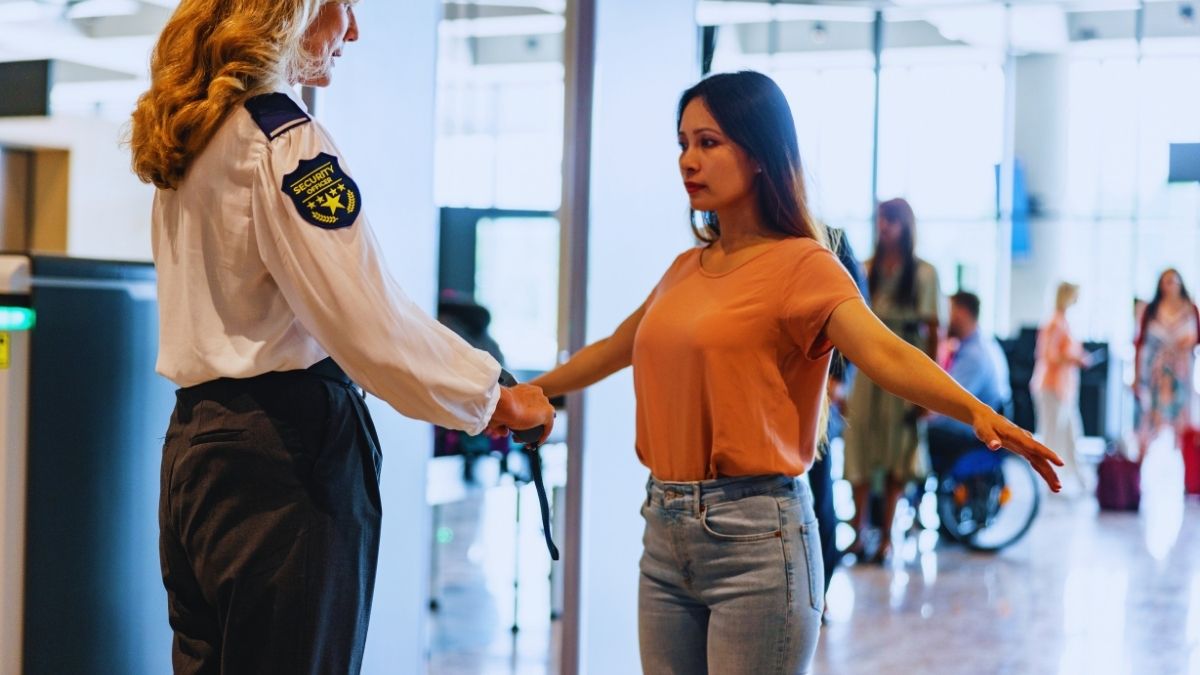
Being friendly is one thing, but being overly talkative or cracking constant jokes is a known tactic used by people trying to hide something. If you’re trying to “charm” the officer with personal questions or “break the ice” while they’re trying to look at your X-ray, you’re actually setting off alarms. Criminals often use humor and constant talking to distract an officer’s focus.
It’s all about finding a balance. A polite “hello” is fine, but if you start asking the officer where they went to high school or trying to distract them from your bag, they’re going to wonder what you’re so afraid of them finding.
5. Looking Like You’re Having a Panic Attack
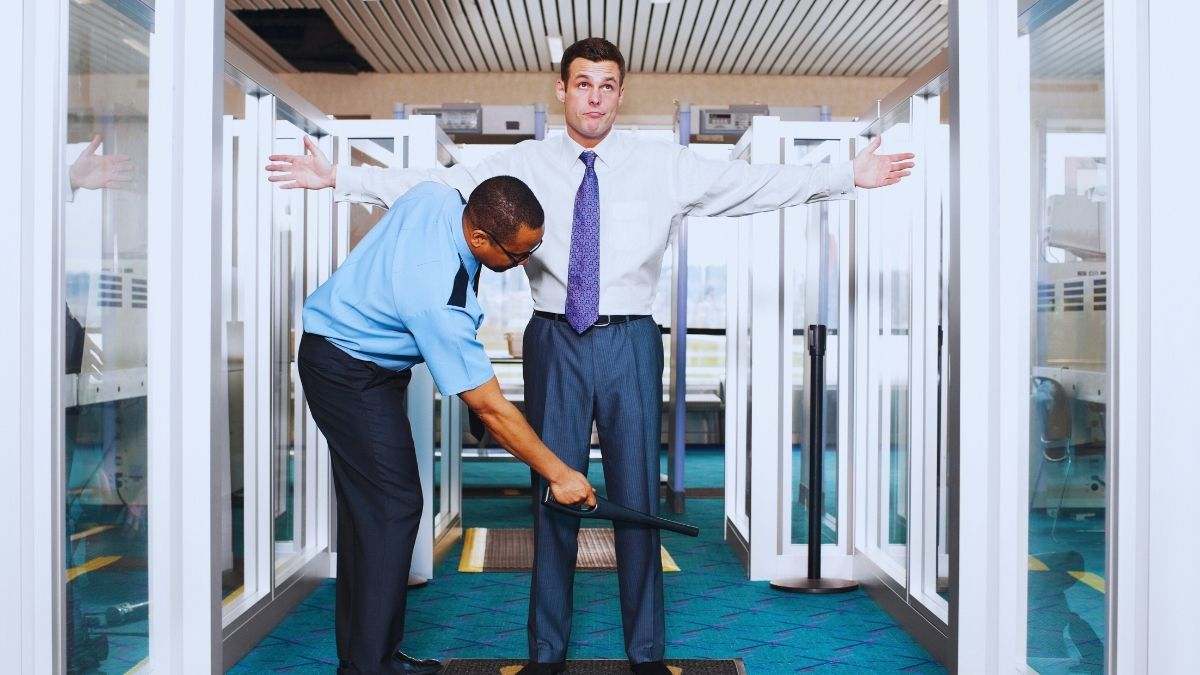
The TSA uses something called the SPOT program—Screening of Passengers by Observation Techniques. They are looking for “displacement activities,” which is just a fancy way of saying things people do when they’re lying or terrified. Heavy sweating, frequent throat clearing, darting eyes, or constant fidgeting can all make you look like you’re hiding more than just a tube of toothpaste.
I know, it’s a catch-22 for people who are just naturally nervous flyers. But try to breathe. If you look like you’re about to bolt, they have to assume there’s a reason for it, and they’ll take the extra time to find out exactly what that reason is.
6. Playing the “No Eye Contact” Game
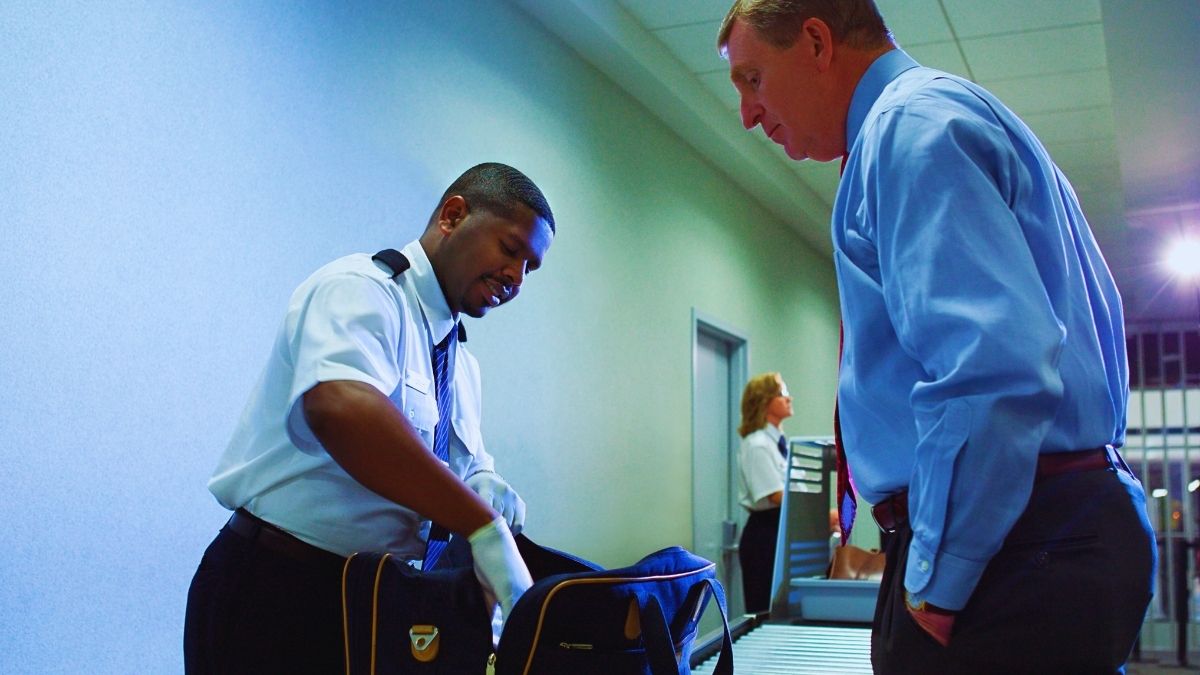
There’s something very telling about the way we look at people. If you can’t look an officer in the eye when they ask you standard questions, it signals that you’re avoiding or hiding something. Officers are trained to watch your gaze—if you’re scanning the room for cameras or watching other officers instead of focusing on the person in front of you, you’re marked as suspicious.
Think of it like this: an honest person usually has no reason to avoid the eyes of the person helping them. When you look everywhere but at the officer, you’re essentially telling them to look closer at you.
7. The “Wobble” of Intoxication
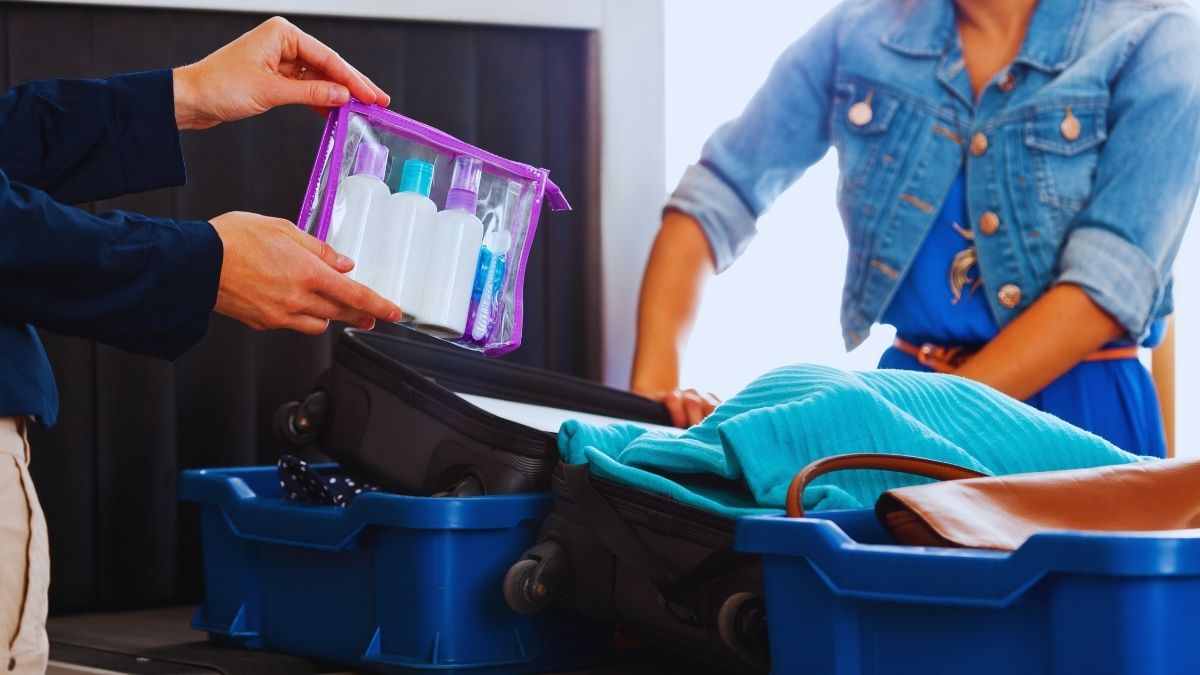
Whether it’s a few too many at the airport bar or something else, appearing intoxicated is a major safety issue. If you can’t maintain your balance, are slurring your words, or are “wobbling” in line, you’re going to be held for a wellness check. In many places, it’s actually illegal for an intoxicated person to board a plane.
The security checkpoint isn’t just for bombs; it’s the last line of defense for the flight crew. If an officer thinks you’re going to be a liability in the air, they’ll stop you right there at the gate.
8. Wearing the “Testosterone” Uniform
This one is a bit weird, but former officers have noted that men in tank tops often get watched more closely. It’s sometimes associated with aggressive personality types or “high testosterone” environments. While wearing a tank top isn’t a crime, it’s a specific look that can cause an officer to keep a closer eye on your interactions with others.
It’s better to dress a bit more neutrally. You don’t need a suit, but avoiding “aggressive” attire can help you blend into the background, which is exactly where you want to be in a security line.
9. The “Bulky Hoodie” Problem

We all love a comfy, oversized sweater for a long flight, but those layers are a nightmare for scanners. Bulky clothing, maxi skirts, and baggy hoodies can easily hide prohibited items, and the advanced imaging machines often can’t see through thick, bunched-up fabric. If the machine shows a “bulge,” the officer is legally required to do a physical pat-down.
If you want to stay cozy, pack the hoodie in your bag and put it on after you clear security. Wearing streamlined clothing is the fastest way to get through the machine without the “yellow box” appearing on the screen.
10. Shoes That Require a Degree to Remove
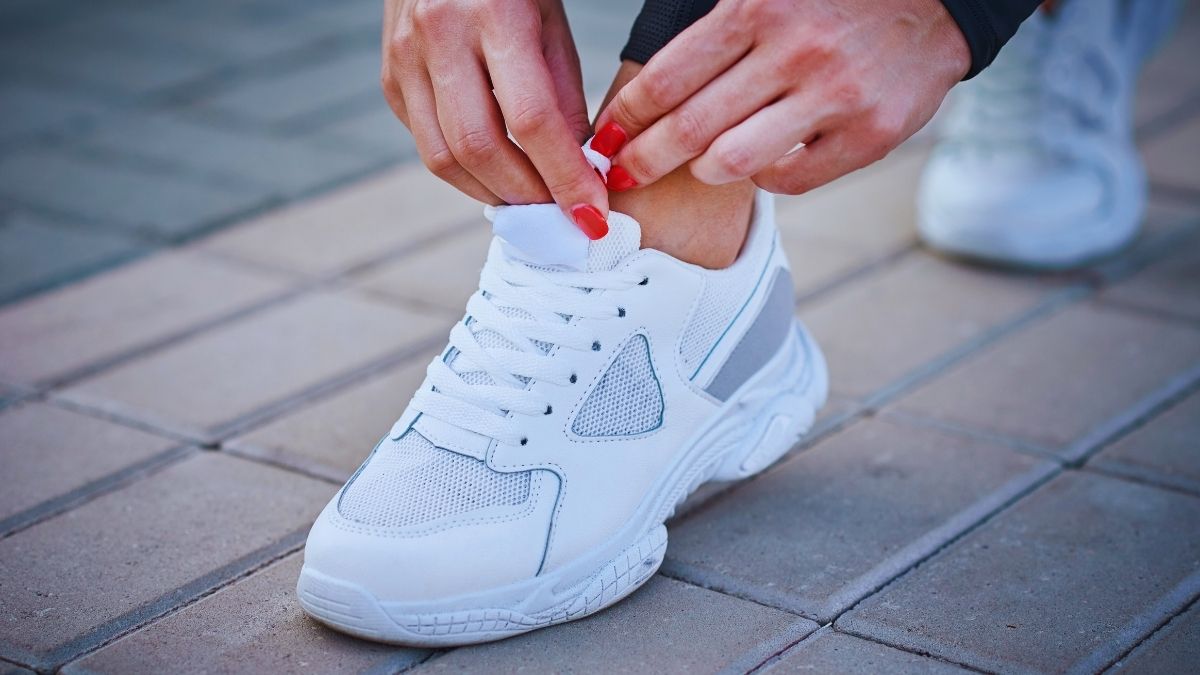
The requirement to take off your shoes started after Richard Reid’s 2001 shoe bomb attempt, and it’s not going away anytime soon. If you wear knee-high lace-up boots or shoes with complex buckles, you’re going to get flustered and slow down the line. That stress often leads to other nervous behaviors that trigger a secondary search.
Do yourself a favor and wear slip-ons. Being able to kick your shoes off and slide them back on without doing a balancing act keeps your stress levels low and the officers happy.
11. Walking Barefoot on the Dirty Floor

This isn’t just a hygiene nightmare; it’s a behavior trigger. People who realize they are barefoot often hop around or try to balance on one foot to avoid the floor, which can look like they’re trying to hide something in their feet or shoes. Plus, it just slows you down.
Always wear socks or bring those little disposable booties. It keeps you moving fast and keeps your feet away from whatever has been tracked onto that floor by the 904 million other people who walked there this year.
12. Carrying Too Much “Bling”

Metal jewelry is an X-ray’s worst enemy. Because the machine can’t see through dense metal, jewelry left inside a carry-on can block the view of everything else in the bag. This forces a manual search where they have to dump everything out to see what’s underneath your gold chains.
The pro move? Put your jewelry in a small, clear pouch inside your carry-on and pull it out to put in the bin separately. Or, better yet, just wait to put it on until you’re at the gate.
13. Using Bottles Without Clear Labels

The 3-1-1 rule isn’t just about the liquid; it’s about the container. If you have a big 8-ounce bottle that’s 90% empty, they’re still going to throw it away. Why? Because an officer can’t “eyeball” the volume, and they only consider the size of the bottle, not what’s inside.
Also, if your bottle doesn’t have the ounces clearly printed on it, they have the right to toss it. Stick to travel-sized bottles that have the labels intact so there’s no room for debate.
14. The One-Way Ticket Red Flag
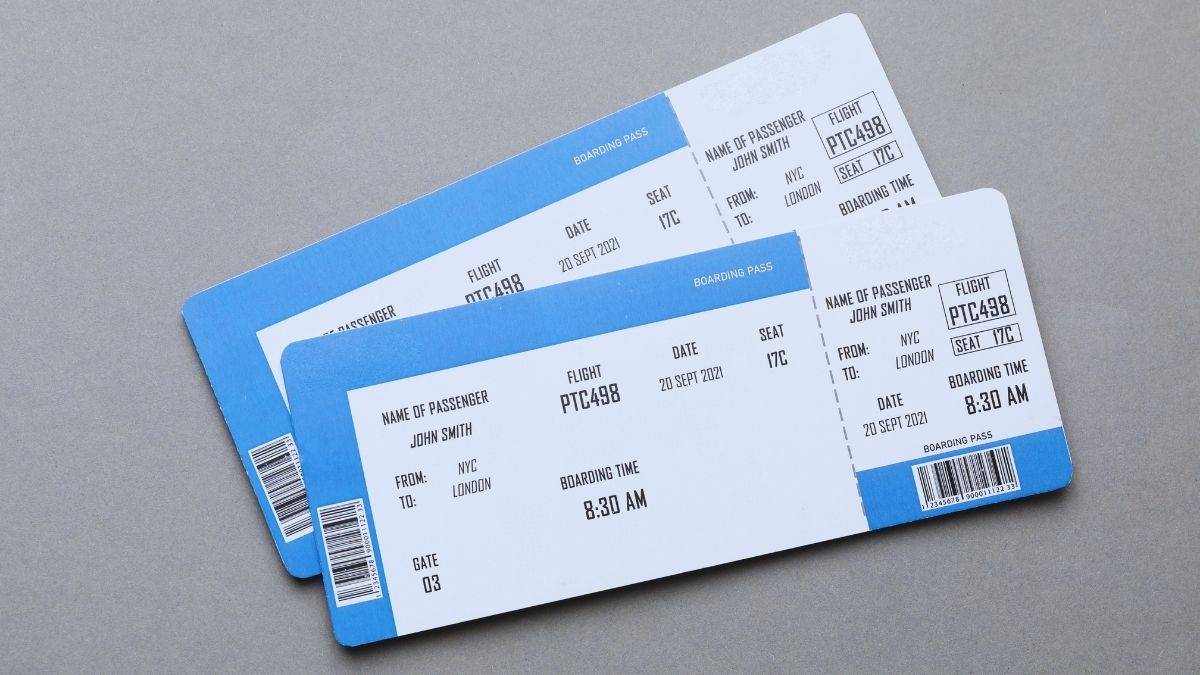
From an administrative side, the system is looking for weird travel patterns. Buying a one-way ticket, especially internationally, is a classic marker for people fleeing the country or planning something illegal. While you might just be moving or unsure of your return date, the algorithm doesn’t know that.
If you have a one-way ticket, expect that “SSSS” on your boarding pass. It doesn’t mean you’re a criminal, but it does mean they’re going to check your bags a lot more thoroughly.
15. Paying for Your Flight with Cold, Hard Cash
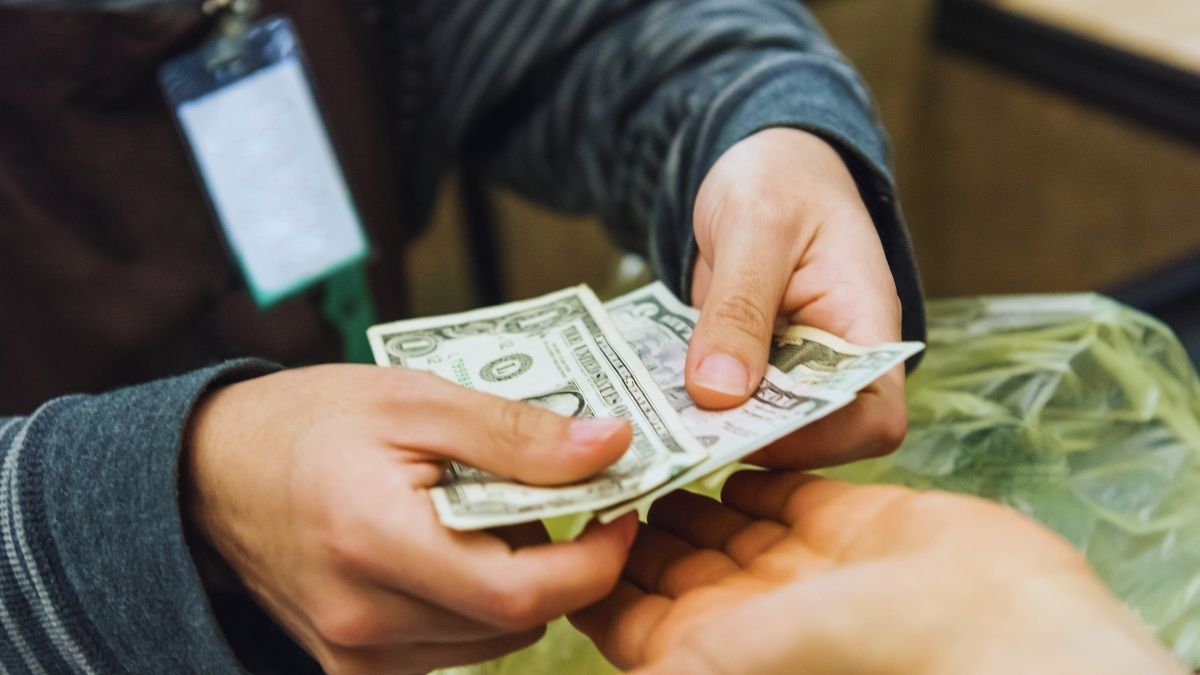
In the age of digital payments, paying cash for a plane ticket is extremely suspicious. Credit cards leave a paper trail that helps the government verify who you are. Cash is anonymous, and it’s been used historically by people trying to fly under the radar.
If you pay cash, especially for a last-minute flight, you are almost guaranteed a secondary screening. It’s one of the strongest “non-behavioral” triggers in the system.
16. Booking Your Flight at the Very Last Minute
Most of us book flights weeks or months in advance. Booking a flight within 24 hours of departure is viewed as “irregular” behavior. While business emergencies happen, this is also a pattern seen in criminal activity where someone needs to get out of town fast.
The system flags these bookings to ensure the traveler is vetted before they get anywhere near the plane. If you have to book last minute, just get to the airport extra early.
17. Having a Name That’s “Too Popular”
Sometimes, you’re selected simply because your name is similar to someone on a government watch list. This is a “mistake” of birth, not behavior, but it’s a real headache for people with common names. If this happens to you every time, you should apply for a “Redress Number” through the DHS.
This number helps the system distinguish you from the “other” John Smith. It’s a bit of paperwork, but it’s the only way to stop the “random” selection from happening every single time you fly.
18. Packing “Solid Masses” (Like Books and Protein Powder)

X-rays are great, but they can’t see through everything. A dense stack of books or a giant tub of protein powder looks like a solid, unidentifiable mass on the screen—the same way explosives do. Because the officer can’t see “through” the books, they have to open the bag.
Take your books and powders out of the bag and put them in their own bin. It feels like an extra step, but it prevents the officer from having to rip apart your neatly packed suitcase to see what’s at the bottom.
19. The “Rule of Ten” (Actually Random)
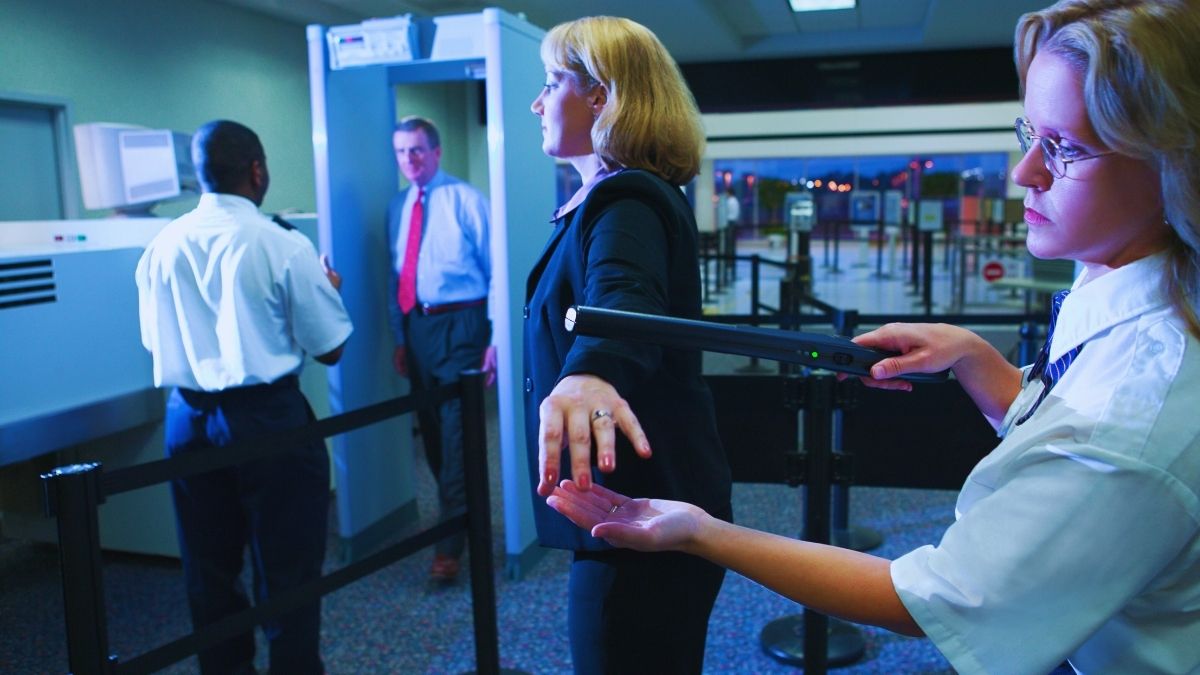
Finally, sometimes you really are just the “tenth person.” Most metal detectors and scanners are programmed to alarm for every tenth passenger, regardless of whether they have metal on them. This ensures that even “low-risk” people are checked, keeping the whole process unpredictable.
If the alarm goes off and you know you’re “clean,” don’t get offended. Just be humble, follow the instructions, and you’ll be on your way in a few minutes. Being “nice” is the ultimate hack for a fast screening.
The Science: Why You Aren’t Being “Zapped”
A lot of people are scared of those big booths, thinking they’re being hit with massive amounts of radiation. Here’s the truth: they use millimeter wave (mmWave) technology. These are just radio waves—the same kind your cell phone uses, but way weaker. In fact, the scanner uses 10,000 times less power than your phone.
Scanner Tech Showdown
And don’t worry about the “naked” thing. Since 2013, the TSA has only used Automated Target Recognition (ATR). The officer doesn’t see “you”—they see a generic grey outline that looks like a paper doll. If you have something in your pocket, a yellow box just pops up on that part of the doll. That’s it.
One Last Thing: The May 2025 Deadline
If you haven’t heard yet, mark May 7, 2025 on your calendar. That’s when the REAL ID requirement finally kicks in. You’ll need a license with a star in the corner (or a passport) to even get through the security line for a domestic flight. If you show up without it after that date, you might have to pay a $45 “ConfirmID” fee just to verify who you are, or worse, be turned away entirely.
So, honestly? Pack neat, wear socks, and just be the person who listens. Airport security is a massive “security theater” sometimes, but knowing the rules of the stage makes the whole performance a lot easier to get through.
I hope this helps your next trip feel a little less like an interrogation and a little more like a vacation. Safe travels!
Gear Up to Make Your Next Security Check Effortless
1. Squeezable Silicone Toiletry Bottle Set

Remember how we talked about bottles needing clear labels? These silicone sets are a lifesaver because they’re usually 3.4 ounces exactly, so there’s no room for the officer to “eyeball” it and guess wrong. Plus, they’re soft, meaning you can actually get that last bit of shampoo out, and they usually come in a sturdy, clear bag that’s way better than a kitchen Ziploc.
2. Skechers Go Walk Joy Slip-On Sneakers

If you want to win the “shoe removal race,” these are the gold standard. They don’t have laces, they’re incredibly light, and you can kick them off in about two seconds. Since they’re made of mesh, they don’t usually have the “hidden metal” issues that boots with buckles do. It keeps the line moving and keeps you from doing that awkward one-legged balancing act.
3. RFID Blocking Travel Document Organizer
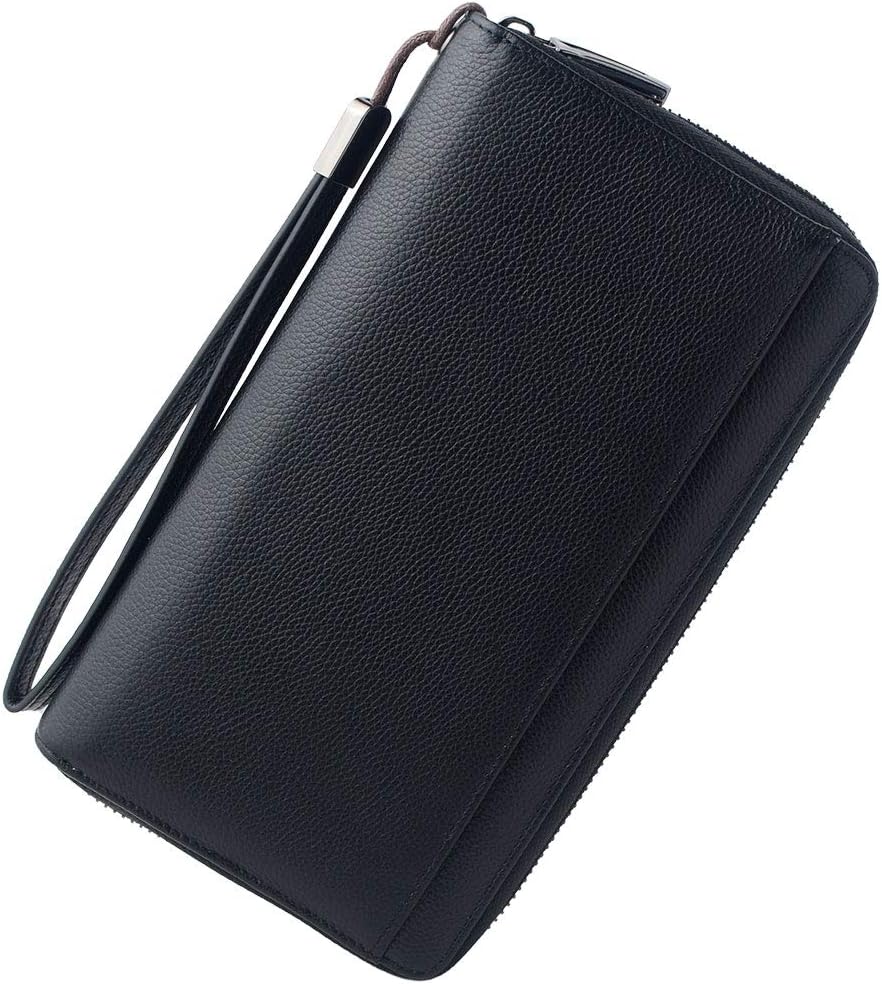
Fumbling for your passport or that new REAL ID at the last second is a classic way to look flustered and “suspicious.” A dedicated travel wallet keeps everything in one spot. This one is great because it’s RFID-blocking (protecting you from digital pickpockets) and big enough to hold your boarding pass without folding it into a thousand tiny pieces.
4. Swissgear ScanSmart Laptop Backpack

This is the “pro move” for tech lovers. It has a specific compartment that unzips and lays flat on the X-ray belt, which means at many airports, you don’t even have to take the laptop out of the bag. Even if you do, it’s in its own dedicated, easy-access slot so you aren’t digging through your dirty laundry to find your tablet.
5. Disposable Non-Slip Shoe Covers

If the idea of walking barefoot on a floor shared by millions of strangers makes your skin crawl, these are for you. They’re super cheap, and you’re allowed to wear them through the scanner. It prevents the “barefoot wobble” and keeps your socks clean. Just toss them in the bin on the other side and go about your day.