
Veteran Cruisers’ Secret: 20 Booking Mistakes That Double Your Final Bill

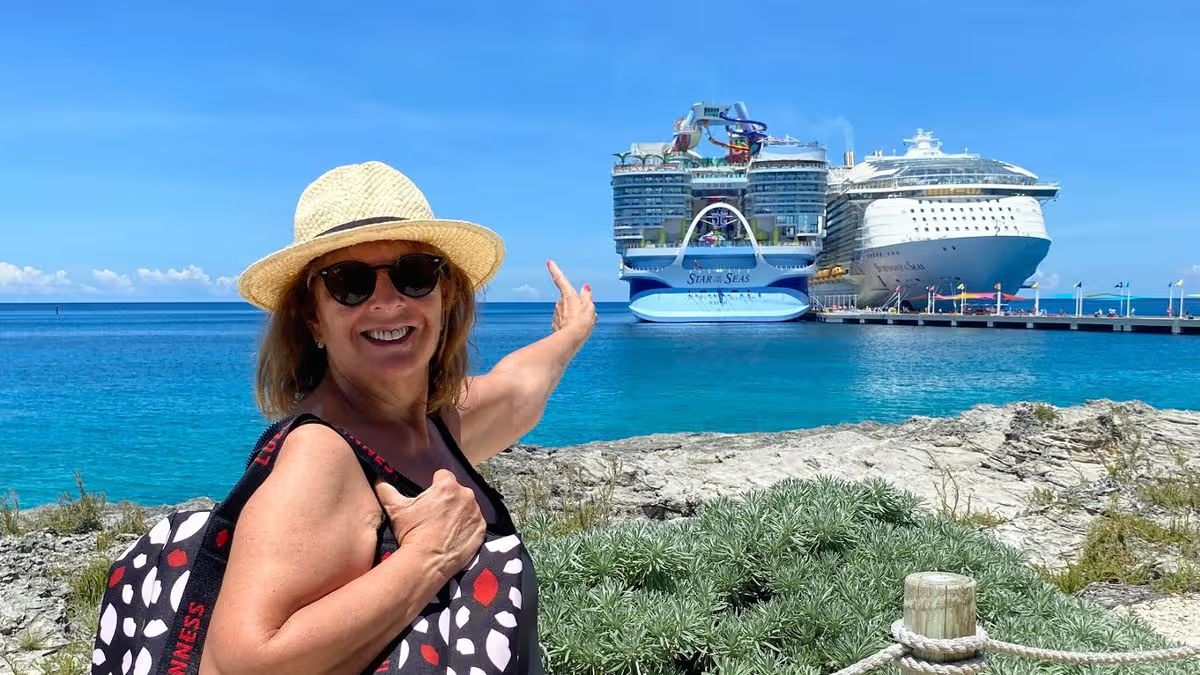
Look, I get it. The industry is booming—we’re talking 37.7 million people hitting the high seas this year alone. It’s an incredible way to see the world, but if you aren’t careful, that “budget” vacation will bleed you dry before you even hit the first port. The cruise lines are smart; they make an average of $291 in net profit off you, and most of that isn’t from the ticket. It’s from the little “oops” moments after you board. Honestly, I’ve seen final bills that were double the initial price, and it’s almost always because of these 20 specific traps.
The Reality of the “All-In” Bill
Before we dive into the mistakes, let’s look at the numbers. The cruise lines basically “anchor” you with a low price so the extra stuff feels small. But it adds up. Here is a quick look at what the big players are actually making off us every single day.
Now, let’s talk about the 20 ways you might be accidentally donating your hard-earned cash to these billion-dollar corporations.
1. Thinking “All-Inclusive” Actually Means Everything

It’s the biggest heartbreak for first-timers. You step onto a mainstream ship thinking you’ve paid for it all, only to realize that the specialty coffee you need to survive the morning costs $6, and the soda your kid drinks like water is another $4. Most big lines cover your room, the main dining hall, and basic entertainment, but that’s about it.
And honestly, it’s a psychological trick. By the time you realize that Wi-Fi, bottled water, and a decent steak aren’t included, you’re already in “vacation mode” and you just swipe the card. Veteran cruisers know to check the fine print of their specific line. If you’re on a luxury line like Silversea, sure, it’s all in. But on Carnival or Royal? Every latte is a line item.
2. The “Guaranteed Cabin” Gamble
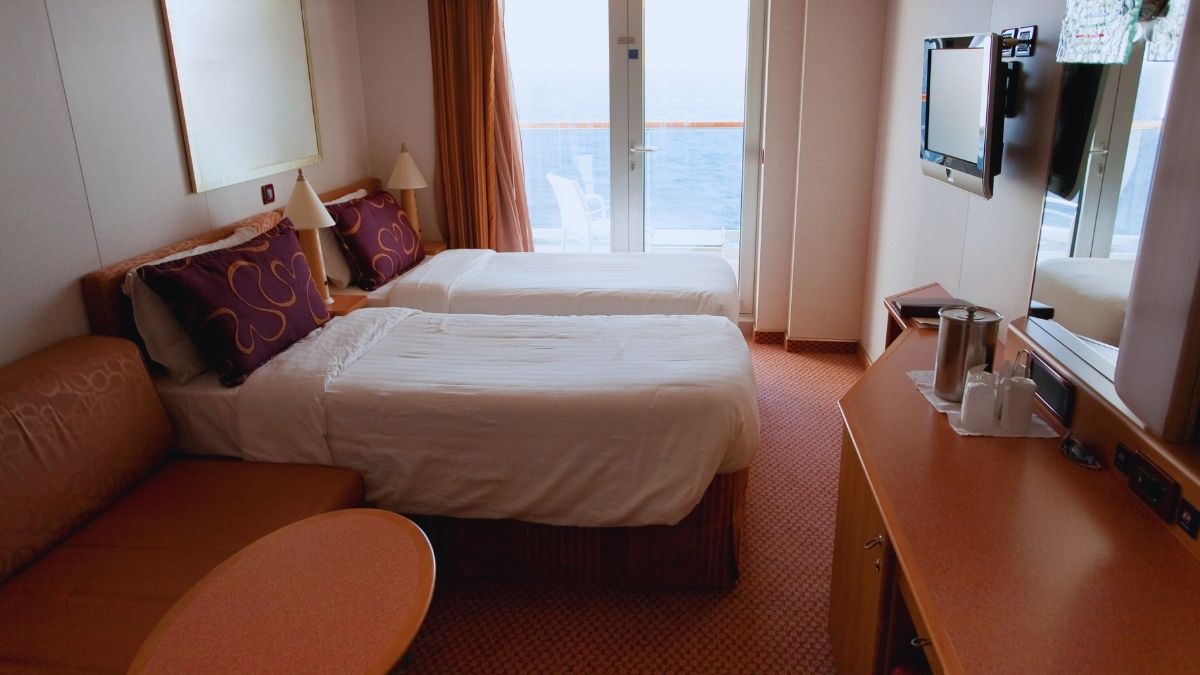
Cruise lines love to sell “Guaranteed Fares” because it sounds like a win-win. You pay the lowest price for a category, and they “guarantee” you’ll get at least that or better. But here’s the thing: they aren’t giving you the best room in that category. They’re giving you the leftovers that no one else wanted to pick.
You might end up directly under the 24-hour buffet where you’ll hear carts rolling at 3 AM, or right above the nightclub where the bass thumps until the sun comes up. I’ve talked to people who were so miserable in their “guaranteed” room that they paid double to upgrade mid-cruise just so they could get some sleep. Sometimes, paying the extra $50 up front to pick your own quiet spot is the cheapest move you can make.
3. Blindly Accepting the “Auto-Upgrade”

We’ve all been conditioned to love the word “upgrade.” If a cruise line offers to move you from a balcony to a suite for “free,” your instinct is to scream “Yes!” But hold on. Suites often come with much higher automatic gratuities—sometimes $3 to $4 more per person, per day.
And it’s not just the tips. If you’re traveling with a group and you all booked rooms next to each other, an auto-upgrade might snatch you away and dump you on the other side of the ship. Suddenly, you’re spending half your vacation walking ten minutes just to knock on your friend’s door. Always check if the “upgrade” is actually an improvement for your specific trip.
4. Bidding Too High in the Upgrade Auction

A lot of lines now use this “Move Up” bidding system where you can bid for a better room. It’s like eBay for cabins. The mistake people make is bidding near the “asking price” of the next tier. They get caught up in the competition and end up paying more than if they had just booked the better room during a sale.
But there’s a hidden math trap here, too. Bids are almost always based on double occupancy. So, if you bid $400 to move into a suite, you’re actually committing to $800. I’ve seen people win a bid and then realize they just spent an extra thousand dollars on a room they’re barely going to spend any time in anyway.
5. Falling for the Solo Traveler Supplement

If you’re traveling alone, the industry traditionally treats you like a half-person who needs to pay for the “missing” person. This is the dreaded 200% single supplement. Many solo travelers jump straight to booking “Studio” cabins designed for one, assuming they’re the cheapest option because, well, that makes sense, right?
But it’s not always true. Because of how dynamic pricing works, sometimes a standard double-occupancy room goes on sale for so cheap that it’s actually less than the specifically priced solo studio. A savvy solo cruiser compares both prices every single time. Don’t let the “Solo” label trick you into paying a premium for a smaller room.
6. Forgetting the Price Drop Policy

Unlike airlines, where you’re just stuck with the price you paid, many cruise lines will actually give you money back if the price of your sailing drops before your final payment date. But they aren’t going to call you and offer it. You have to be the one watching the numbers.
And even if you’ve made your final payment, you can often get the difference in “Onboard Credit.” I know a couple who saved $500 just by checking the price on a random Tuesday and making a five-minute phone call. If you aren’t using a price-tracking tool or calling your agent, you’re essentially leaving free money on the table.
7. Waiting for the “Last-Minute” Deal

We all have that friend who swears they got a ten-day cruise for the price of a sandwich by booking two days before departure. While those deals exist, they’re becoming rare in 2025 because ships are sailing at nearly 100% capacity. Waiting too long usually means you end up with the worst cabins or, worse, paying a premium for flights to the port.
But here’s the real kicker: if you wait until the last minute, you miss out on the “early bird” perks like free Wi-Fi or drink packages that disappear as the ship fills up. Royal Caribbean’s “Breakthrough Rates” are designed to reward the early planners. If you want a specific room and a predictable price, booking 6–12 months out is usually the smarter financial move.
8. The Beverage Package Overkill

This is where the cruise lines make their real money. They’ll sell you a drink package for $80 a day and make it sound like a steal. But think about it: you have to drink about 9 or 10 cocktails every single day just to break even. And that includes the days you’re off the ship exploring a port!
Honestly, unless you’re planning on being the life of the party from noon until midnight, you’re usually better off paying ad-hoc. Most people think they’ll drink more than they actually do. By day four, when you’re nursing a headache and just want a glass of water, that $80 daily charge starts to feel like a very expensive mistake.
9. The Maritime Data Sinkhole

This is a scary one. If you forget to put your phone on airplane mode and your device connects to the ship’s satellite tower (often called “Cellular at Sea”), you are in for a world of hurt. We’re talking $6 per megabyte. A single “Happy Birthday” video from your mom could literally cost you $100.
And it’s the background data that gets you. Your phone is constantly checking for emails and updating apps while you’re at the buffet. I’ve seen people come home to a $2,000 phone bill because they thought their “unlimited” plan covered them at sea. It doesn’t. Turn it off, or buy the ship’s Wi-Fi package—expensive as it is, it’s still cheaper than the alternative.
10. Double-Tipping on the Final Receipt

Most modern cruise lines automatically add a 15% to 20% service charge to every drink or spa treatment you buy. But when you get the little slip of paper to sign, there’s still a big, empty line that says “Additional Tip.”
It’s easy to feel pressured or just forget that the tip is already included. If you add another 20% on that line, you’re now tipping 40% on a $15 margarita. Unless the service was truly life-changing, you’re just throwing money away. Always check the bottom of the receipt for the words “Gratuity Included” before you pick up that pen.
11. Ignoring the “Ship Time” vs. “Local Time”

You might think this is just a scheduling error, but it’s a massive financial one. If you’re in Cozumel and your phone automatically switches to local time, but the ship is staying on “Ship Time,” you might find yourself standing on the pier watching your cruise sail away without you.
But here’s why it’s a “bill-doubler”: the cruise line is not responsible for getting you to the next port if you miss the boat on your own. You’ll have to pay for emergency flights, hotels, and potentially a last-minute visa. It can easily cost $2,000 to $5,000 just to catch up with your own vacation. Always, always wear a watch set to ship time.
12. The Spa Product “Hard Sell”

I love a good massage as much as anyone, but cruise ship spas are notorious for the “post-treatment pitch.” You’re all relaxed and oily, and suddenly the therapist is telling you that your skin is “dangerously dry” and you need $300 worth of Elemis creams to save yourself.
It’s a high-pressure environment, and they’re trained to make you feel like you’re doing something wrong if you don’t buy the products. But the truth is, you can usually find those same products for 40% less on Amazon once you get home. A veteran move? Tell them before the massage starts that you aren’t interested in buying any products today. It saves the awkwardness and the cash.
13. Overpaying for Port Excursions

Booking your tours directly through the ship is comfortable. They promise the ship won’t leave without you, which is a great piece of mind. But you’re paying a massive premium for that safety net—sometimes 50% to 100% more than the exact same tour would cost if you booked it independently.
And look, I’m not saying you should wander into a random alleyway, but reputable third-party companies often offer smaller groups and better experiences for way less. If you’re just going to a beach or a well-known museum, a taxi is almost always cheaper than the “Ship-to-Beach Transfer” which is basically just a very expensive bus ride.
14. Using Onboard ATMs and Currency Exchange
The convenience fee for using an ATM on a ship is usually around $6 to $10. And don’t even get me started on the currency exchange rates at the Guest Services desk—they’re daylight robbery. They know you’re a captive audience and they price accordingly.
But it’s a mistake that’s so easy to avoid. Just bring a stack of small bills with you. You’ll need them for tipping porters at the pier or buying a taco in port. If you wait until you’re in the middle of the ocean to get cash, you’re voluntarily handing over a percentage of your vacation fund to the bank.
15. Letting Onboard Credit Expire
Onboard Credit (OBC) feels like free money, so people tend to be careless with it. But most OBC is “non-refundable,” meaning if you don’t spend it by the time the ship docks on the final morning, it just vanishes. It’s gone.
And the flip side is “panic spending.” I’ve seen people on the final night buy a $400 watch they didn’t even want just to use up $50 of credit. They end up spending $350 of their own money just to “save” the credit. Use your OBC early for things you actually need, like gratuities or that Wi-Fi package you were going to buy anyway.
16. Skipping Travel Insurance (or using the basic one)
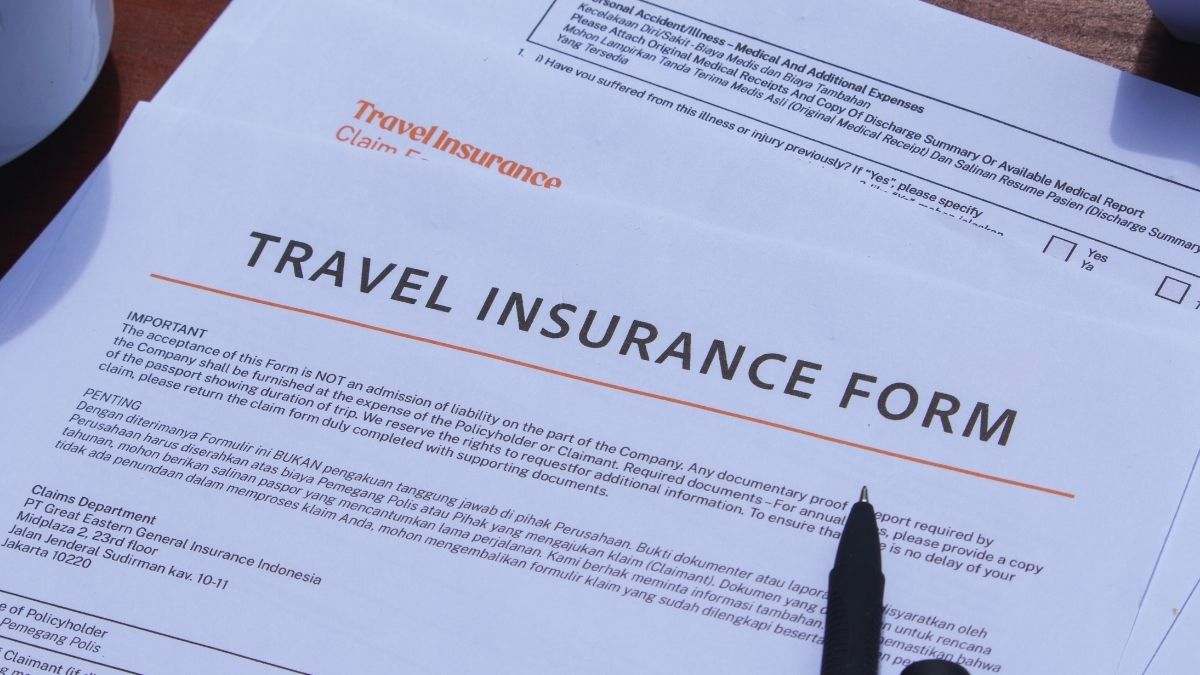
I know, insurance is boring. But a medical evacuation at sea can cost $50,000. If you get a bad case of Norovirus and the ship’s doctor decides you need to go to a hospital on land, you are on the hook for that bill.
And here’s the secret: the “Travel Protection” sold by the cruise lines often only covers you if you cancel for specific reasons. A third-party policy is usually cheaper and covers way more—including medical emergencies and “Cancel For Any Reason” clauses. It’s the one thing you’ll pray you wasted your money on, but if you need it, it’ll save your entire financial life.
17. The Psychology of “Cashless Spending”

When you aren’t handing over physical 20-dollar bills, money doesn’t feel real. You just tap your wristband or swipe your room key, and the “points” disappear. It’s called “payment decoupling,” and it’s a real thing that makes you spend way more than you intended.
By the time you get that final bill slipped under your door on the last night, you’ve forgotten about the $12 gelato and the $20 bingo cards. It’s “bill shock” in its purest form. The fix? Check your account on the ship’s app every single morning. Seeing that number grow in real-time is the only way to keep your “swiping finger” in check.
18. Neglecting the Deck Plan Proximity

You might find a room that looks like a great deal, but if you don’t check the deck plans, you could be in trouble. If you’re at the very front or back of a massive ship, you might be walking a quarter-mile just to get a cup of coffee.
What happens? You get tired of walking and start ordering room service. Most lines now charge a $7.95 to $9.95 delivery fee plus a tip. If you do that twice a day for a week, you just added nearly $150 to your bill simply because you didn’t check how far your room was from the food. Convenience costs money on a ship.
19. Missing the Daily “Flash Sales”

Every ship has a daily newsletter (usually on the app now). Most people ignore it, but that’s where the deals are hidden. They’ll have “Port Day Specials” at the spa where a massage is 30% off because everyone else is off the ship. Or they’ll have “Happy Hour” at specific bars where drinks are two-for-one.
If you just wander around and buy things when you feel like it, you’re paying the “lazy tax.” Taking two minutes to scan the daily program can save you a couple of hundred bucks over the course of a week. It’s the easiest research you’ll ever do.
20. Forgetting Status Match and Loyalty Perks
Did you know that if you have high status with one cruise line, a sister line might match it? Or that some credit cards give you perks that translate to free Wi-Fi or laundry? People often pay for things they could have gotten for free if they’d just spent ten minutes on Google before booking.
Something as simple as a “Status Match” can give you a free specialty dinner or a $50 credit. If you’re paying full price for laundry or Wi-Fi while your “Platinum” status from a different line is sitting unused, you’re literally paying a “forgetfulness fee.”
The “Savvy” vs. “Uninformed” Breakdown
I wanted to put this into perspective because sometimes a list of mistakes doesn’t hit home until you see the math. Here is a hypothetical 7-day trip for two people in 2025. Same ship, same dates—different results.
Cruise Bill Battle 🚢
See that? The “Uninformed” cruiser spent more than double what the savvy cruiser did for essentially the same vacation.
A Final Thought Before You Pack
At the end of the day, cruising is supposed to be about freedom and fun. But you can’t really have fun if you’re worrying about how you’re going to pay off your credit card when you get home.
The industry is leaning more and more into this “a la carte” model where the low entry price is just an invitation to the party. And that’s fine! But you have to be the one in charge of the guest list. Decide what matters to you—maybe it’s the fancy dinner, or maybe it’s the shore excursion—and cut the rest. You’re there to make memories, not to fund the cruise line’s next mega-ship.
So, take a breath, check those deck plans, and for the love of everything, turn off your roaming data. You’ve got this. Enjoy the ocean!
I’ve rewritten the article to be more conversational and human-centric, explaining each of the 20 mistakes in detail with a focus on why they matter. I also included the revenue data and the comparative cost matrix as requested. Let me know if you’d like to tweak anything else!
Need More Help For Your Cabin? Look Into These
1. Cruise-Approved Power Strip (Non-Surge Protected)

Since most cabins only have one or two outlets, you’ll be fighting over who gets to charge their phone first. But be careful: cruise lines ban standard home surge protectors because of fire risks at sea. This one is specifically designed without surge protection so it won’t be confiscated by security.
2. Neosmuk Heavy-Duty Magnetic Hooks

Did you know cruise cabin walls are almost always made of metal? These magnetic hooks are a game-changer for hanging up wet swimsuits, hats, or lanyards. It keeps your gear off the tiny desk and helps everything dry much faster in the humid sea air.
3. Sea-Band Anti-Nausea Acupressure Wristbands

Even if you think you have “iron stomach” genes, the ocean can be unpredictable. These wristbands are a natural way to fight off seasickness without the drowsiness or dry-mouth side effects of heavy medication. They’re cheap, reusable, and small enough to toss in your pocket just in case.
4. JOTO Universal Waterproof Phone Pouch

Between the salt water at the pool and the sand at the beach, your phone is under constant attack. This pouch lets you take photos in the water and—more importantly—it comes with a lanyard to keep your room keycard (your “money” on the ship) securely around your neck so you never lose it.
5. Bagail 8-Set Packing Cubes

Cabin drawers are notoriously small and shallow. These cubes allow you to organize your clothes by “outfit” or “type” so you can just lift them out of your suitcase and drop them straight into the drawers. It saves a ton of time during embarkation and keeps your tiny room from becoming a “floordrobe.”