Seasoned Cruisers Are Laughing at You: 15 Buffet Mistakes That Scream ‘First Timer

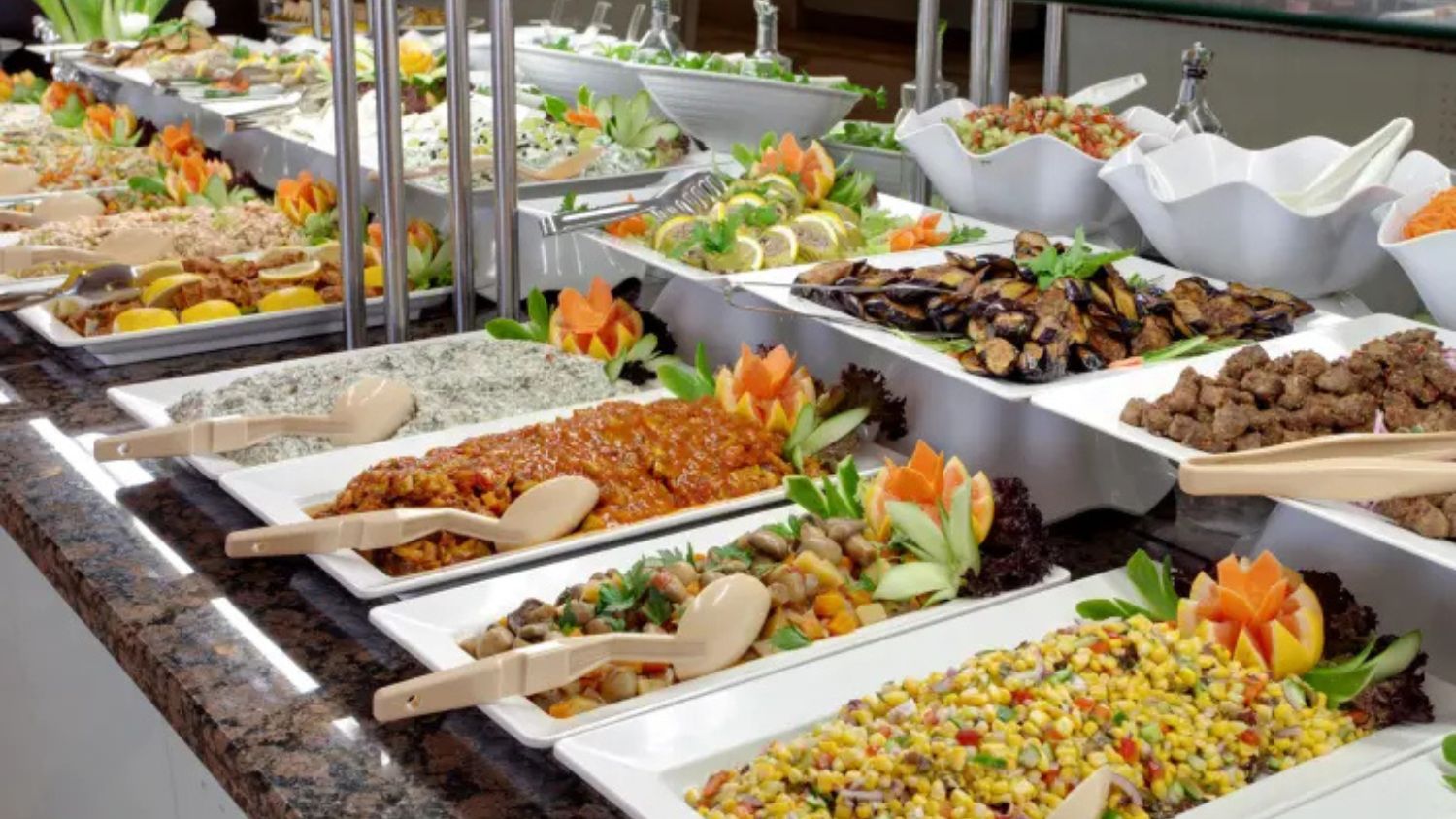
You’ve finally dropped your carry-on in the corner of your cabin, your “SeaPass” card is burning a hole in your pocket, and your stomach is growling louder than the ship’s horn. You follow the smell of toasted bread and grilled steak up to the top deck, and suddenly, you’re standing at the entrance of the Lido buffet. It’s a sensory explosion—a city-sized marketplace of everything you’ve ever wanted to eat, and it’s all “free.”
But here’s the thing: while you’re staring wide-eyed at a mountain of shrimp, there’s a guy in a faded Tommy Bahama shirt nearby who’s been on thirty cruises, and he’s quietly chuckling. He knows something you don’t. He knows that the buffet isn’t just a place to eat; it’s a high-stakes ecosystem with its own unwritten laws, biological traps, and logistical marvels. If you want to stop feeling like a “newbie” and start dining like a seasoned pro, we need to talk about the mistakes that are basically neon signs screaming “first timer.”
The Industrial Miracle: What it Takes to Feed You
Before we dive into the pitfalls, I want you to realize the sheer scale of what’s happening behind those swinging kitchen doors. When you see a ship like the Symphony of the Seas, you’re looking at a floating city that has to prep over 30,000 meals every single day. The logistics would make a military general sweat. The inventory manager is working with a weekly grocery budget of about $1 million. Honestly, it’s a miracle they don’t run out of eggs by Tuesday.
To give you a better idea of what we’re dealing with, check out this “grocery list” for a typical seven-day sailing on a mega-ship. It’s kind of mind-blowing when you see the raw numbers.
The 15 Mistakes That Give You Away
1. The Embarkation Day Buffet Stampede
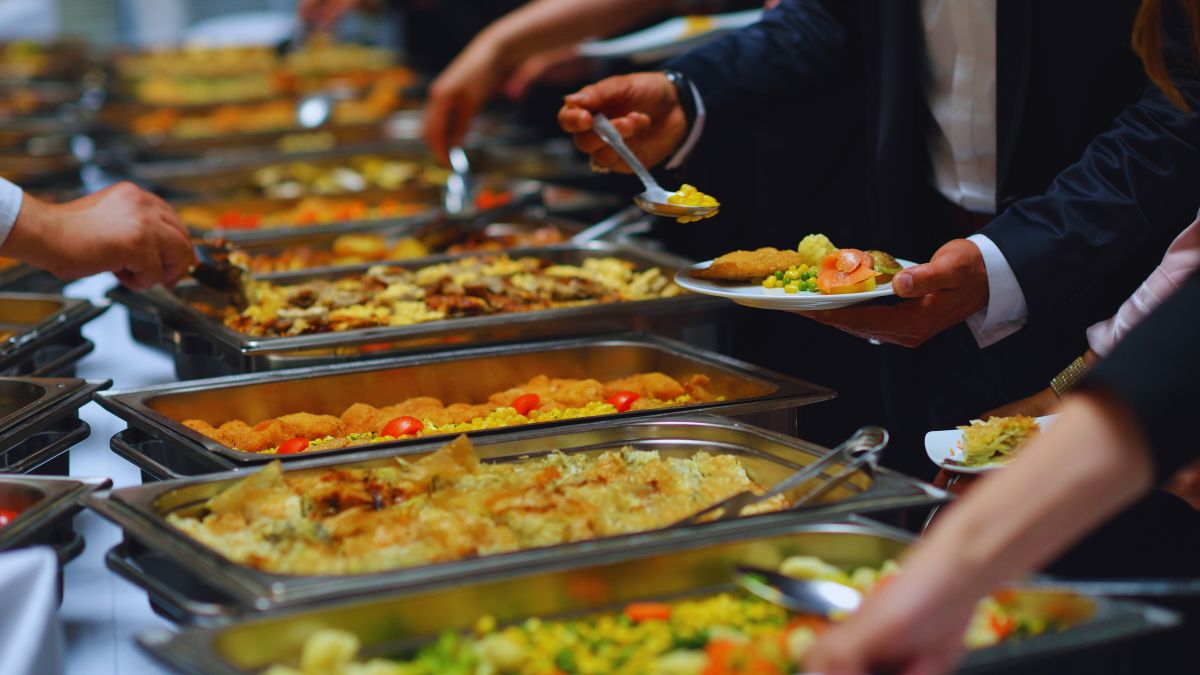
The second you board, your instinct says “Go to the buffet!” Everyone else has the same instinct. Because most cabins aren’t ready until the afternoon, thousands of people—all carrying backpacks and dragging tired kids—funnel into one single room. It’s a chaotic mosh pit of luggage and “where’s the ketchup?” and honestly, it’s a miserable way to start a vacation.
Seasoned cruisers? They’re nowhere near that deck. They know that the Main Dining Room is often open for a quiet, seated lunch that most people don’t even realize is an option. Or they find a smaller, specialty grill by the pool that isn’t overwhelmed yet. If you want to feel like a VIP from minute one, skip the stampede and find the quiet corner everyone else missed.
2. Dining During the “Peak Hour” Gridlock
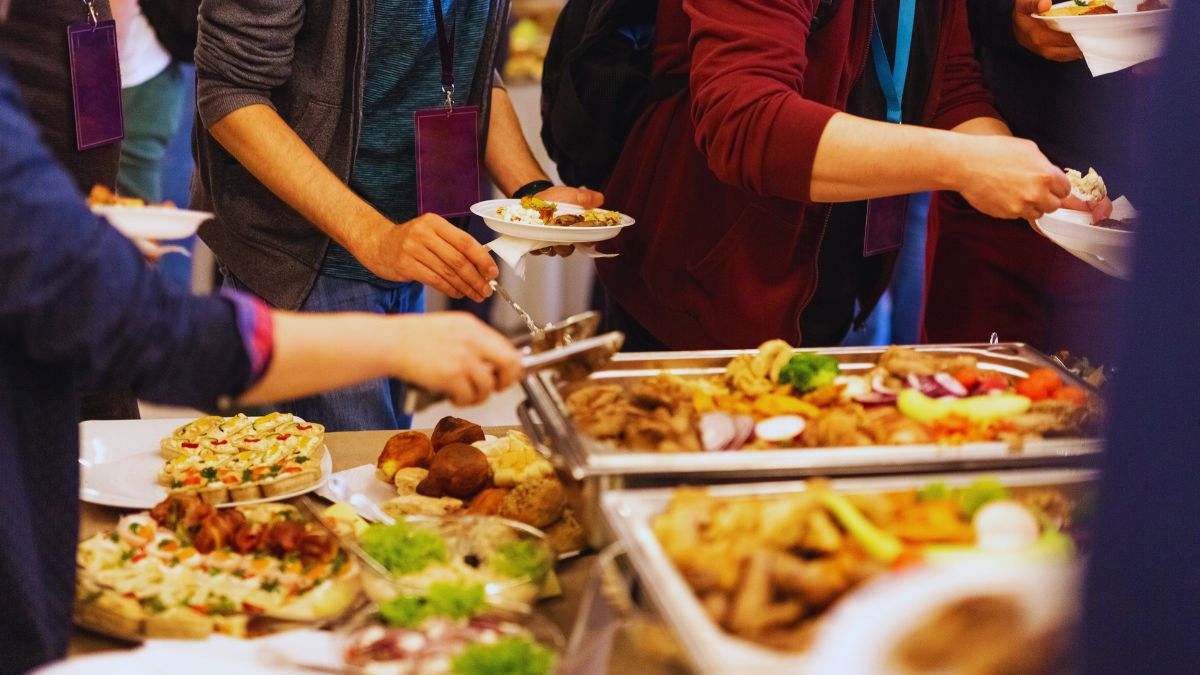
The buffet has a rhythm, just like the tides. There’s a “rush hour” right before the ship hits a port (everyone trying to fuel up for excursions) and another one right around 12:30 PM on sea days. If you go then, you’re going to be wandering around with a steaming plate of food for ten minutes just looking for a chair. It’s stressful, and it usually results in you eating a cold burger in a high-traffic walkway.
Think about it this way: the “Golden Window” for lunch is usually 11:30 AM or after 2:00 PM. By shifting your schedule by just thirty minutes, the lines vanish and the staff has time to actually breathe. You get your pick of the best tables by the windows, and you aren’t fighting a stranger for the last slice of pepperoni pizza.
3. The “First Station” Trap
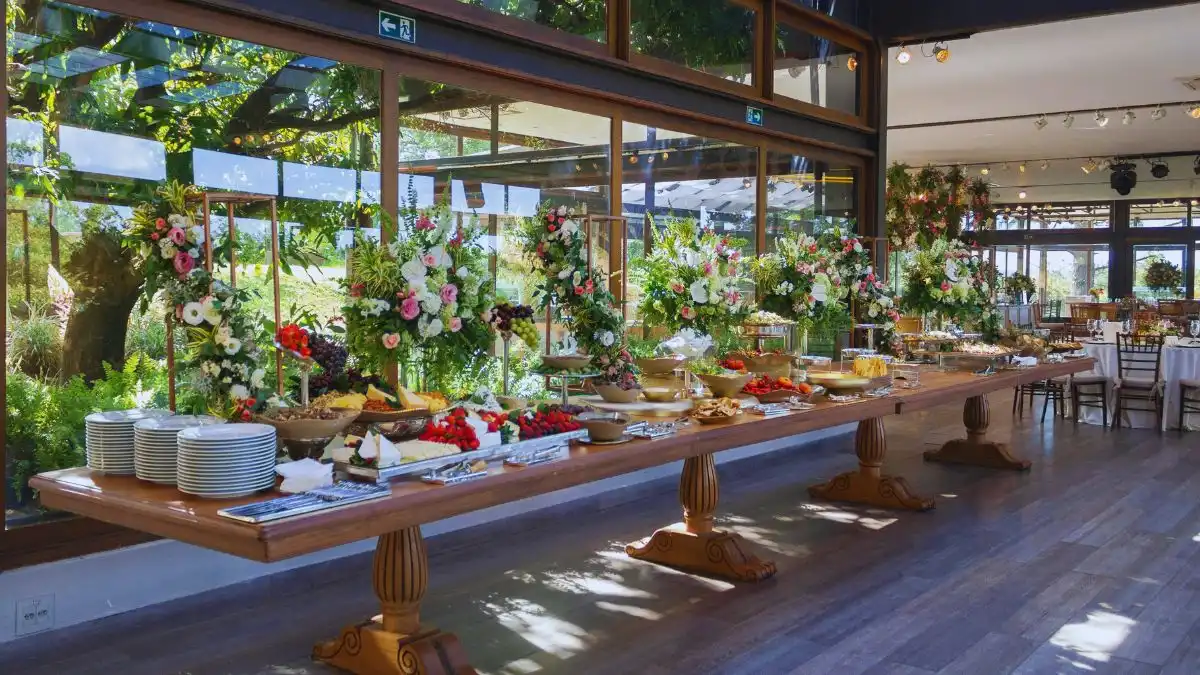
I see this every single time. A first-timer walks in, sees the very first tray of pasta or salad, and immediately starts loading up. They fill their plate within the first ten feet of the buffet line. Then, three minutes later, they walk further down and realize there’s a custom sushi station or a carved-to-order prime rib they would have much rather had. But their plate is already full.
Smart cruisers follow the “Full Circuit” rule. You walk the entire length of the marketplace—scout it out like a pro—before you even touch a serving spoon. You check the daily specials, see what looks freshest, and then decide on your strategy. It prevents “plate regret” and ensures you’re eating what you actually want, not just what you saw first.
4. The Navigation Paradox: Losing Your Table
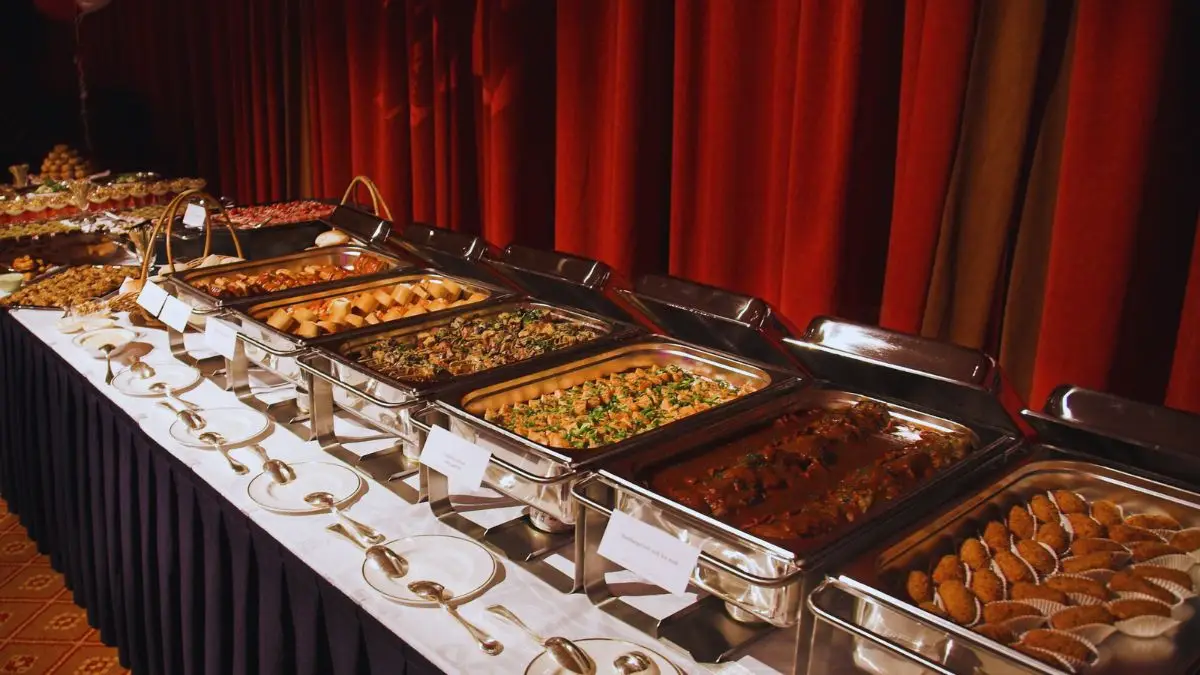
These buffet areas are massive, sometimes spanning the entire width and a huge chunk of the length of the ship. First-timers grab a table, put their stuff down, go get food, and then spend five minutes wandering around looking confused because every section looks identical. By the time they find their family, their food is lukewarm and they’re frustrated.
It sounds simple, but you need to find a landmark. Look for a specific piece of art, a numbered pillar, or even a view of a particular pool slide. Give yourself a mental anchor. “I’m at the table next to the giant glass fish.” It’ll save you the “walk of shame” where you’re holding a tray and spinning in circles while people watch.
5. Table Hogging and “Territory Marking”

There’s a special kind of etiquette breach that involves leaving a single flip-flop or a cheap pair of sunglasses on a prime window table to “save” it while you spend twenty minutes in line. It’s kind of rude, honestly, especially when the place is packed. Plus, it’s a great way to lose your stuff—staff are trained to clear abandoned items to make room for waiting guests.
Instead of marking territory like a stray cat, try the “find-after-fill” method. Or, if you’re with a group, have one person stay at the table to read or relax while the others go get food in shifts. This keeps the flow moving and ensures no one is glaring at your lonely hat while they’re standing with a heavy tray of desserts.
6. The “Last Supper” Plate Overload
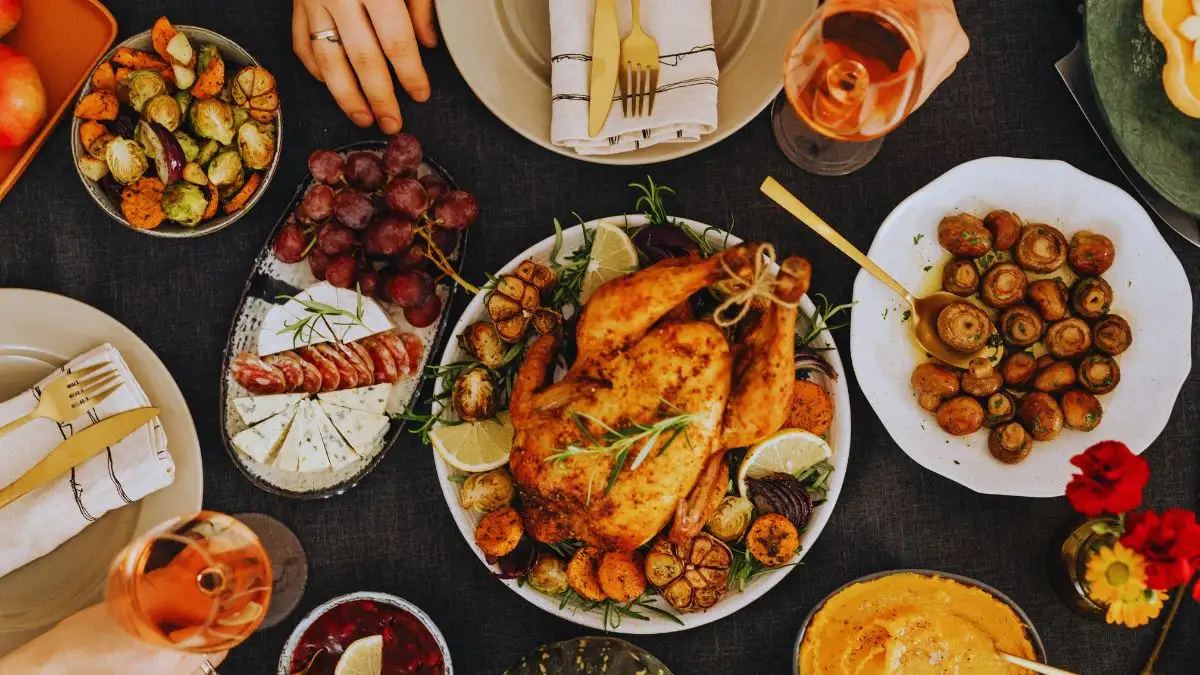
We’ve all seen it: the person with a plate piled so high it looks like a game of Jenga. You’ve got spaghetti touching your sushi, and maple syrup from a rogue pancake leaking into your Caesar salad. It’s a mess. Not only does it make the food taste weird because the flavors are bleeding together, but it’s the number one cause of the massive food waste cruise lines are trying to fight.
Seasoned travelers know that the buffet isn’t going anywhere. They take small, curated portions—maybe just two or three things that actually go together—and then they go back for fresh, hot seconds later. It’s more sophisticated, your food stays the right temperature, and you don’t end up throwing away half a pound of “experiment gone wrong.”
7. Settling for the Steam Table “Mush”
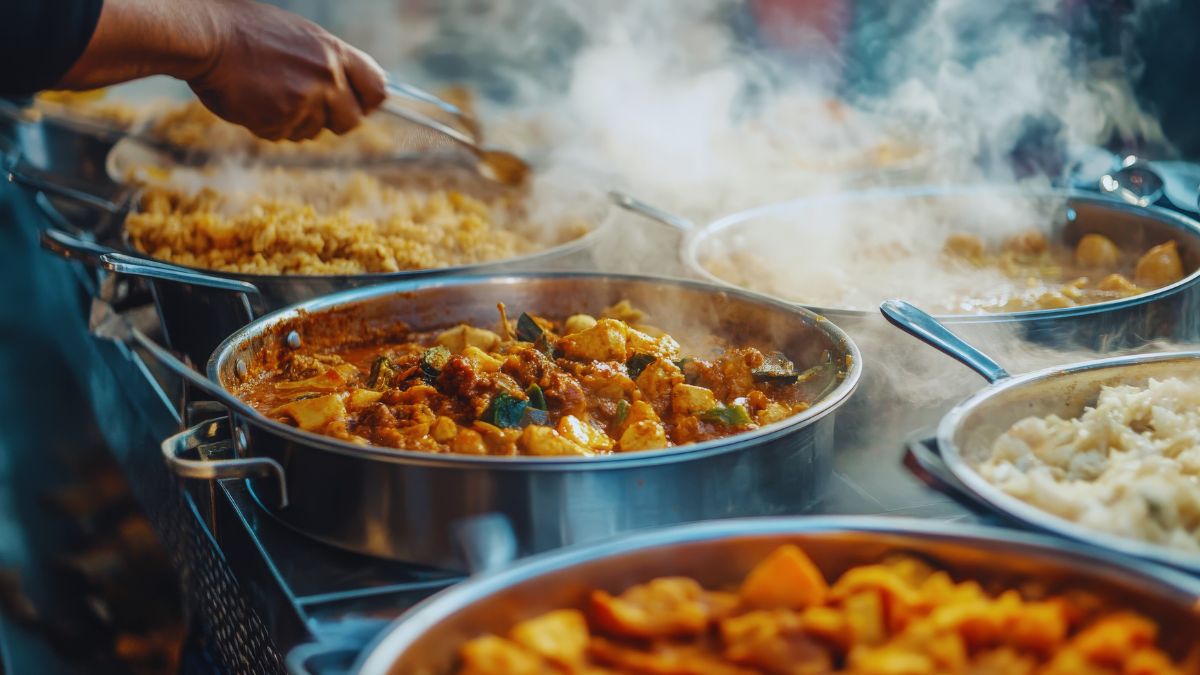
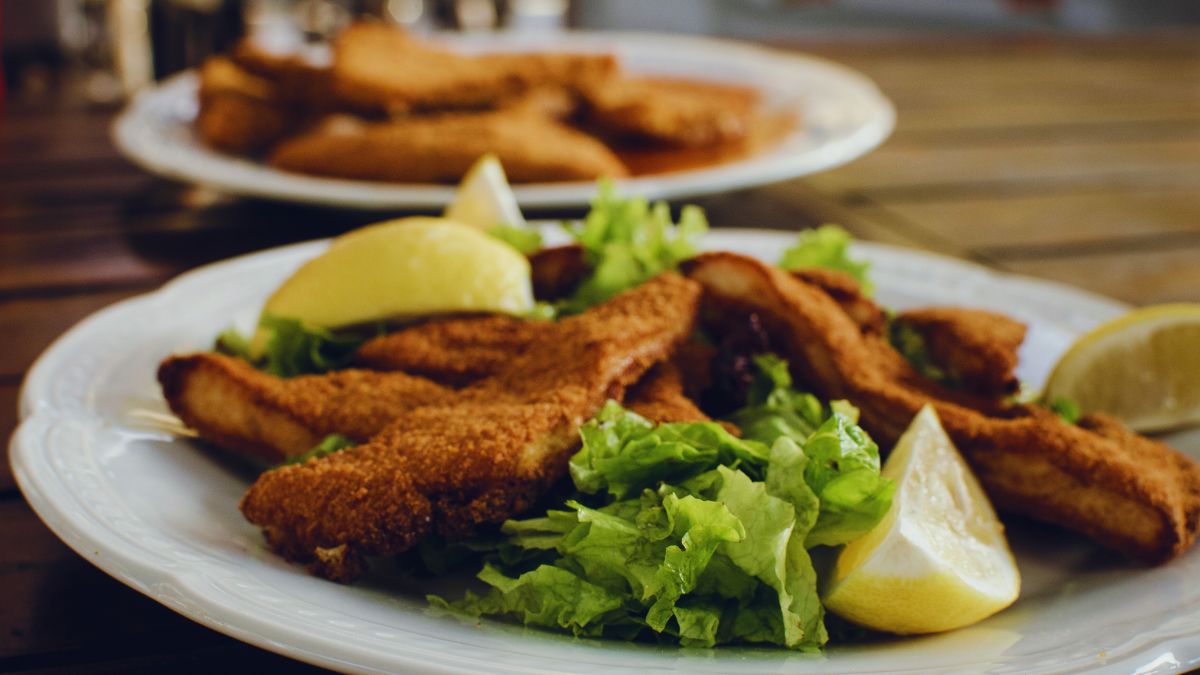
The fastest option is usually the big vat of pre-made scrambled eggs or the pile of fried fish sitting under a heat lamp. First-timers grab these because they’re right there. But after twenty minutes under a lamp, those eggs get watery and that fish gets rubbery. You’re paying for a premium vacation; why settle for school-cafeteria-quality textures?
The “pro” move is to look for the “Made-to-Order” stations. Seek out the omelet bar, the stir-fry wok, or the custom pasta station. Yes, you might have to wait five minutes, but the difference in quality is night and day. You get food that’s actually fresh, seasoned to your liking, and piping hot. It’s the difference between “fueling up” and actually having a meal.
8. Dessert Deprivation and the Psychological Crash
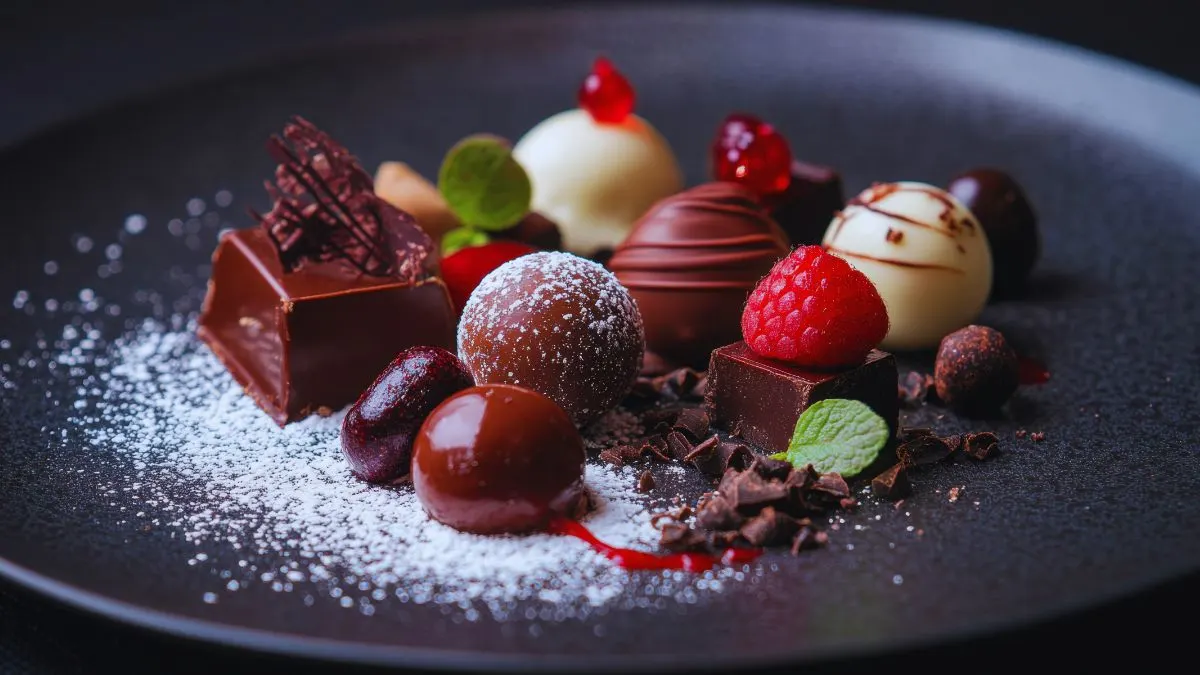
A lot of people think they’re being “good” by skipping the pastry station entirely. But then, an hour later, they’re starving and end up eating three slices of late-night pizza. They ignore the fact that cruise pastry chefs are often some of the most talented people on the ship. By depriving yourself of that “wow” moment, you’re missing out on a huge part of the experience.
Honestly, just take a small bite. Most cruise buffets have “taster” sized portions of their best desserts. Try the homemade churros or the flourless chocolate cake. Using a small dessert as a “signal” to your brain that the meal is over actually helps prevent overeating later. It satisfies that reward pathway in your brain so you can walk away happy.
9. The Beverage Sequence Error
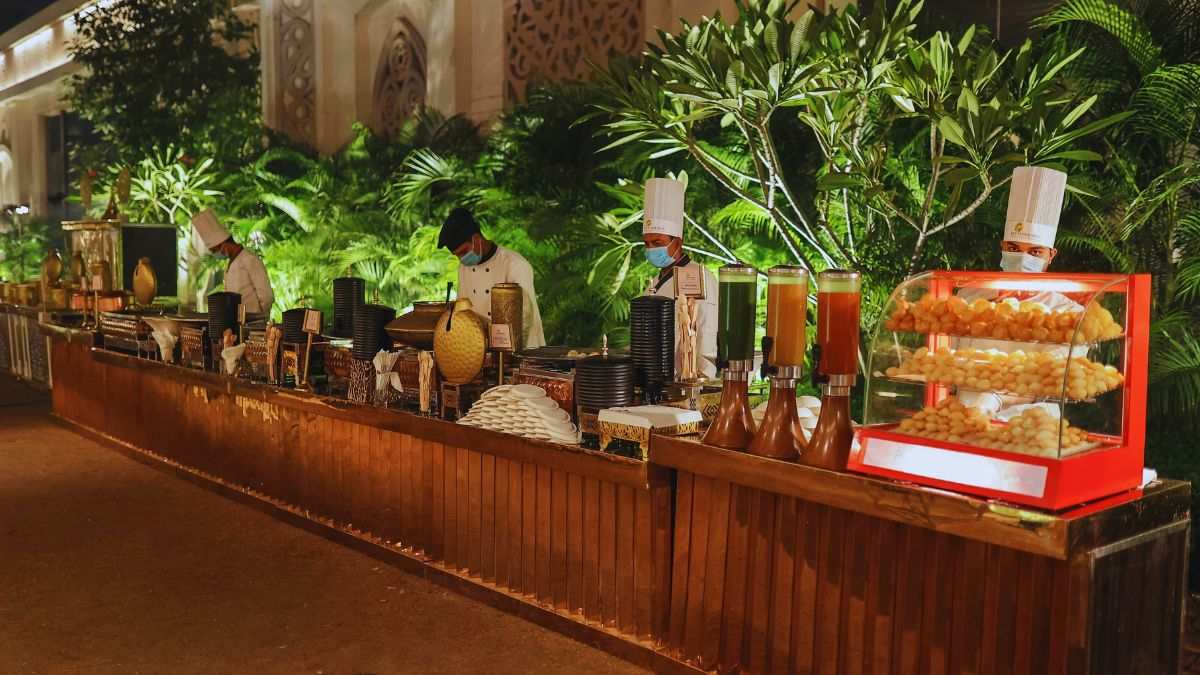
This is a classic rookie move: you spend ten minutes perfectly curating a plate of hot food, and then you go stand in a line at the beverage station to get a coffee or a lemonade. By the time you get back to your table, your steak is cold and your fries are sad.
Reverse the order. Get your drinks first—especially if you have to wait for a bar server or a specialty coffee machine. Once the drinks are settled at your table, then go for the food. It ensures that when you finally sit down to eat, you can actually enjoy your meal while it’s at its peak temperature.
10. Speed Eating and the “Variety Trap”

There’s a scientific reason you feel like you can keep eating forever at a buffet, even when you’re full. It’s called “Sensory-Specific Satiety.” Basically, your brain gets bored of one flavor (like salty fries), but when it sees a new flavor (like sweet cake), it “resets” and makes you feel hungry again. First-timers fall for this and eat way too fast, overriding their body’s “full” signals.
Smart cruisers slow down. They treat the buffet like a multi-course dinner. They take a break between plates to enjoy the view—and honestly, the views from the high-deck buffets are usually the best on the ship. By slowing your “oral transit time” (the time food spends in your mouth), you give your brain a chance to realize you’re actually full before you reach the “uncomfortably bloated” stage.
11. Reusing Your Plate for Seconds (The “Hygiene Sin”)
I know you think you’re being helpful. “I’ll save the ship some water by using the same plate for my second round!” Please, don’t. It’s actually one of the biggest health risks on the ship. When you bring a used plate (which has been near your mouth) back to the line and touch the communal serving tongs to it, you’re potentially spreading germs to every other person on the ship.
This is how norovirus spreads, and it’s why there are signs everywhere telling you to use a fresh plate. The ship has massive, industrial-grade dishwashers that can handle thousands of plates an hour. They want you to take a clean one. It’s the single most important rule of buffet etiquette—always, always start fresh.
12. Keeping Your Allergies a Secret
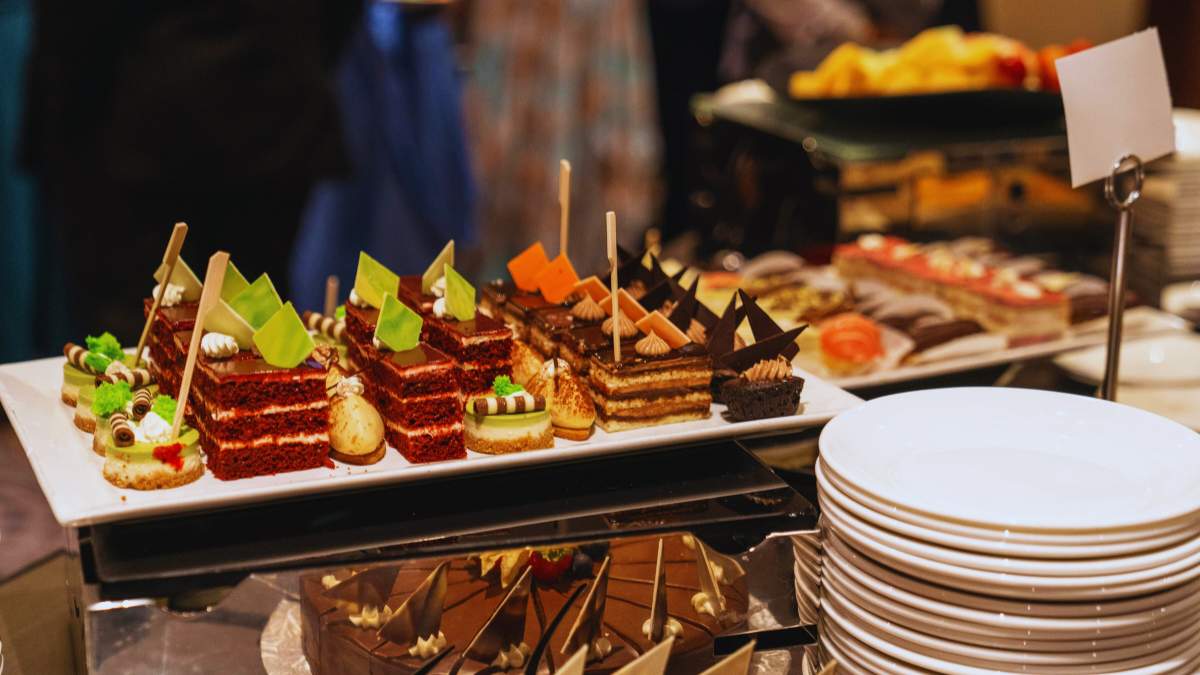
A lot of first-timers assume that if a dish doesn’t look like it has peanuts or gluten, it’s safe. But cross-contamination is a real thing in a self-service environment. Someone might use the same tongs for the shrimp and the chicken, and if you have a shellfish allergy, that’s a dangerous gamble.
Don’t be shy about this. Find a supervisor or a chef (usually wearing a tall white hat) and tell them your restrictions. They will often go into the back kitchen and prepare a fresh, safe plate for you that hasn’t been exposed to the buffet line. They want you to be safe, but they can’t help if you don’t speak up.
13. The “Lido Dress Code” Breach
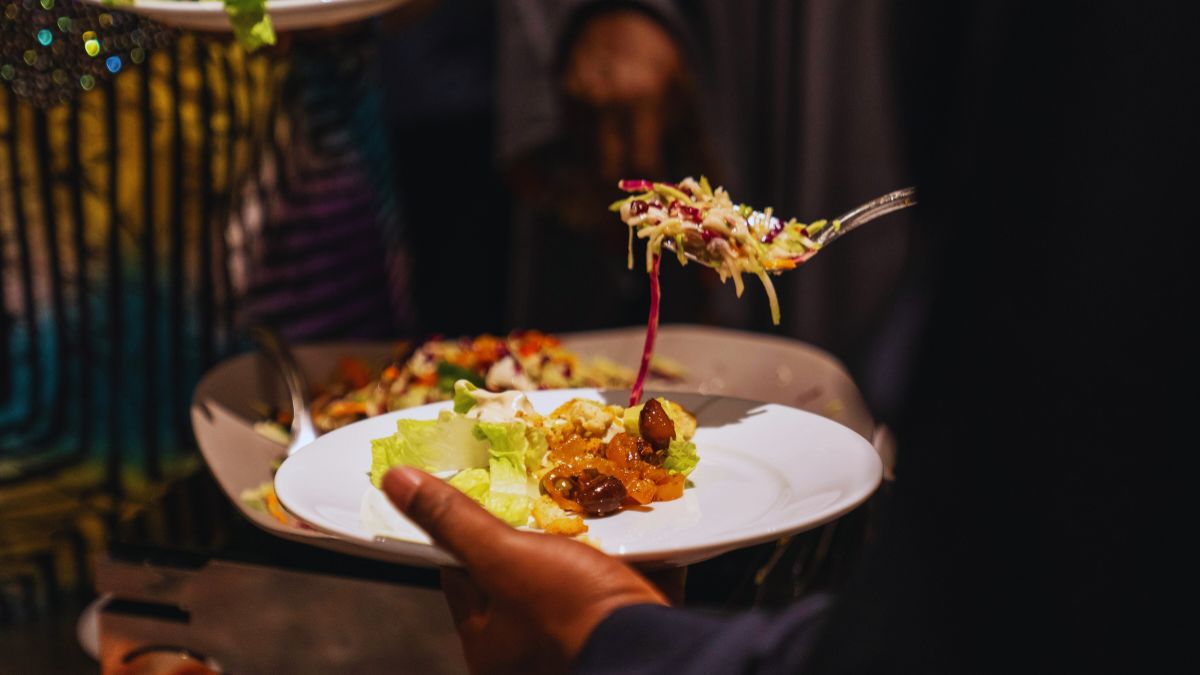
You see it every afternoon: someone walks straight from the pool into the buffet, dripping wet, in a swimsuit and bare feet. Not only is this a slip hazard (puddles on tile floors are bad news), but it’s usually against the rules and, let’s be honest, a bit “ick” for the people sitting near you.
Keep a dry cover-up and a pair of flip-flops by your lounge chair. It takes ten seconds to throw them on, and it makes the dining environment much nicer for everyone. Plus, it saves you from the awkward moment when a staff member has to ask you to leave and put on some shoes.
14. Violating the “One-Way” Flow
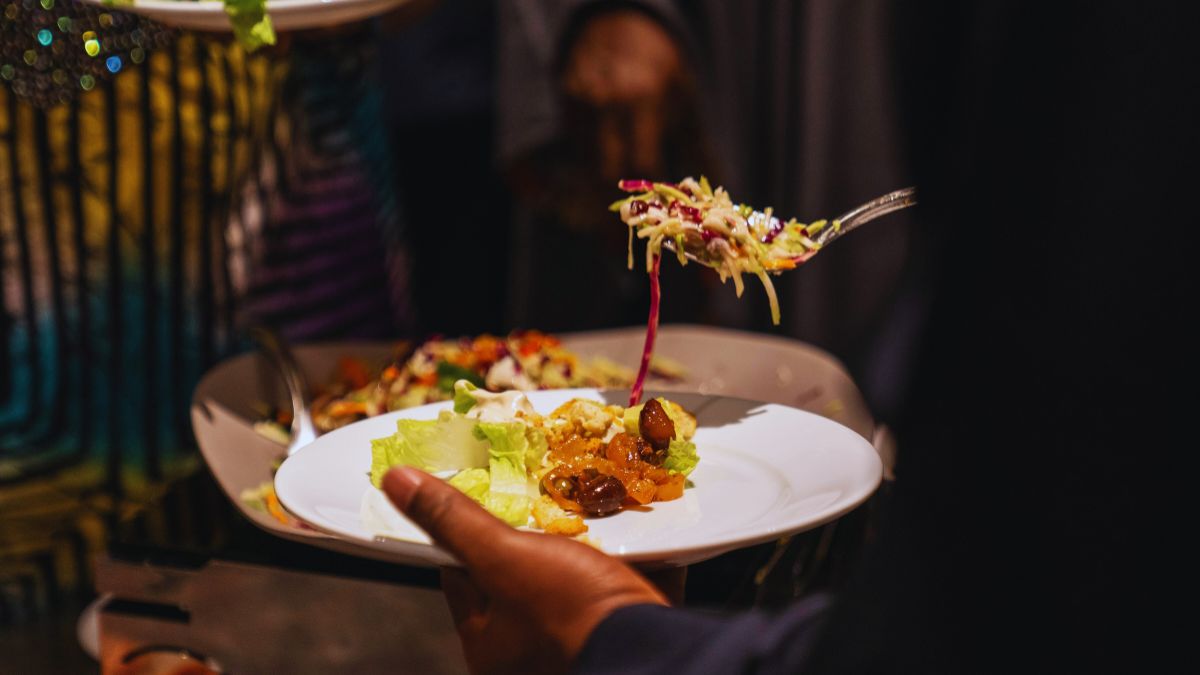
Buffets generally have a “flow”—a direction that everyone is moving in. First-timers often try to “duck in” from the wrong side to grab one quick item, which creates a human traffic jam. It’s like driving the wrong way down a one-way street. It frustrates everyone who has been waiting patiently in line.
Wait your turn, follow the line, and if you realize you missed something at the start, just do another lap. It’s a great way to get a few extra steps in anyway. Also, never use your fingers to grab a “quick” bread roll. Use the tongs. Every single time. Even if you think no one is looking, the “stink-eye” from seasoned cruisers is real.
15. Treating the Staff Like Background Characters
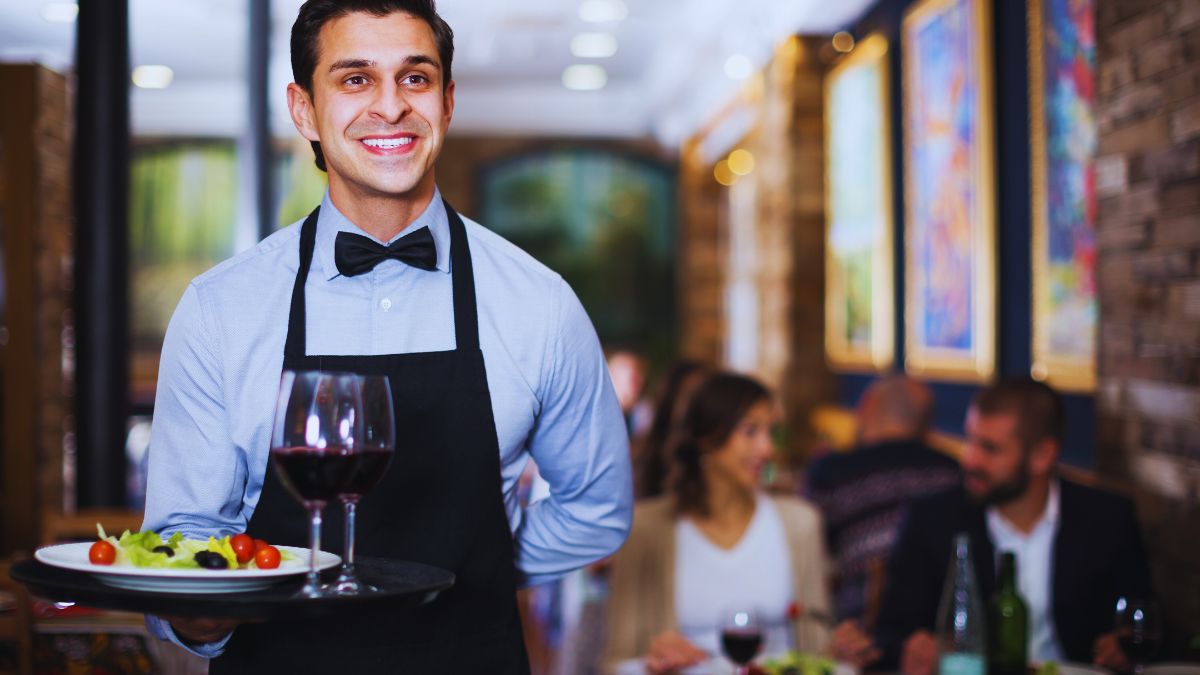
The men and women working the buffet are some of the hardest-working people you’ll ever meet. They’re working 12-hour shifts, seven days a week, thousands of miles from their families. A lot of rookies treat them as transactional—just “the person who clears my plate.”
Here’s a secret: a genuine “thank you” or a smile goes a long way. These crew members have long memories. If you’re kind to them, they’ll remember you. They might point out when a fresh tray of your favorite dish is coming out, or they’ll be much quicker to clear your table and find you a refill. Kindness is the best “dining hack” there is.
The Science of Why You’re Still “Hungry”
Have you ever wondered why you can feel absolutely stuffed after dinner, but then the dessert cart comes around and suddenly you have “room”? That’s the biological trickery we mentioned earlier. Your brain’s reward center—the orbitofrontal cortex—literally shuts down for flavors it’s already had.
If you want to manage your appetite like a pro, you have to understand what satisfies you versus what just keeps the hunger loop going. Check out this breakdown:
Food Variety
Novel flavors “reset” your brain’s hunger signals, making you want to eat more.
Protein Content
High-protein foods send the strongest “I’m full” signals directly to your brain.
Eating Speed
The brain needs 20 minutes to register fullness—fast eating bypasses this limit.
Crunchy Texture
Longer chewing time leads to faster sensory satisfaction and earlier fullness.
Food Appearance
Beautifully plated food triggers reward pathways, overriding your physical hunger status.
Closing Thoughts: The Professional Path
At the end of the day, the buffet is a luxury. It’s an incredible feat of human engineering that allows you to sample the flavors of the world while looking out over the deep blue sea. The “laughter” from seasoned cruisers isn’t meant to be mean—it’s just the recognition of someone who hasn’t yet learned how to navigate this unique world.
By avoiding these 15 mistakes, you aren’t just “looking like a pro”—you’re actually having a better vacation. You’re eating better food, staying healthier, and respecting the hard work of the crew. So, next time you walk into that maritime marketplace, take a breath, do a lap, and grab a fresh plate. You’ve got this. Happy cruising, and honestly? Go get that extra slice of cake.
Need More Help To Master The High Seas? Look Into These
1. Strong Magnetic Hooks

You know how I mentioned the walls are metal? These hooks are the ultimate organization hack. Instead of letting your lanyards, hats, and day-bags clutter up that tiny desk (the “vanity”), you just slap these on the ceiling or walls. They’re perfect for hanging up your “Lido attire” so it’s ready for your next buffet run.
2. Insulated Reusable Water Bottle (Owala or Hydro Flask)
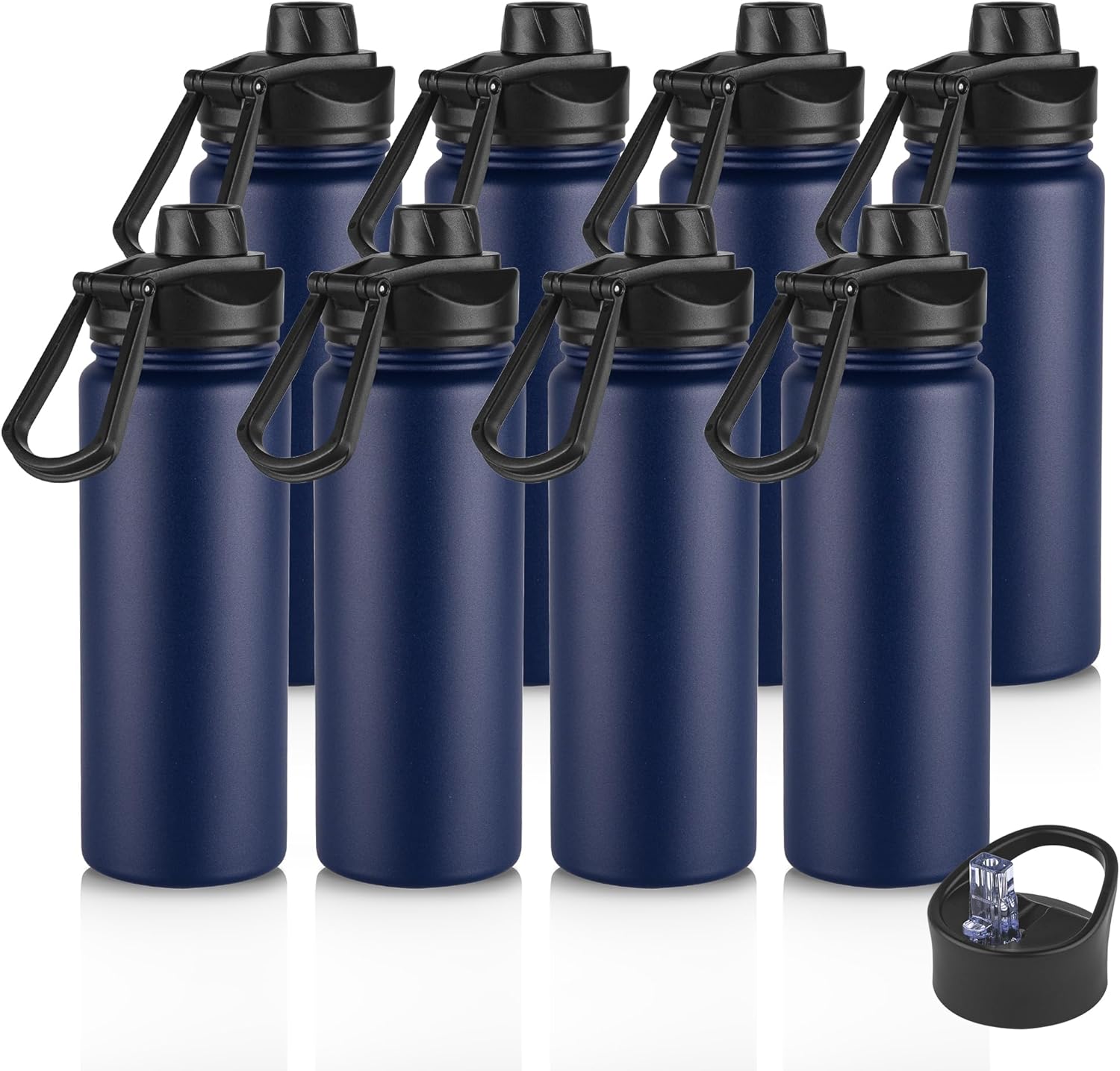
This is a big one. Those tiny cups at the beverage station are a joke. Bring a wide-mouth insulated bottle and fill it with ice and water (or iced tea) at the buffet. It stays cold for 24 hours even in the Caribbean sun. Just remember the pro-tip: pour the water from a buffet glass into your bottle to keep things hygienic.
3. Cruise-Approved (Non-Surge) Power Strip

Standard power strips are actually banned on ships because they’re a fire hazard, but a “non-surge” version is totally legal and a life-saver. It turns that one lonely outlet into a charging hub for your phone, watch, and camera, so you’re never stuck choosing between a dead battery and a morning coffee.
4. Motion Sickness Relief (Bonine or Sea-Bands)

Even if you have an iron stomach, a “heavy” buffet meal followed by a rocky night at sea can make anyone feel a bit iffy. Bonine (meclizine) is the “less-drowsy” favorite of pros, but acupressure Sea-Bands are a great drug-free backup to keep your “second stomach” happy for dessert.
5. Noro-Effective Disinfecting Wipes
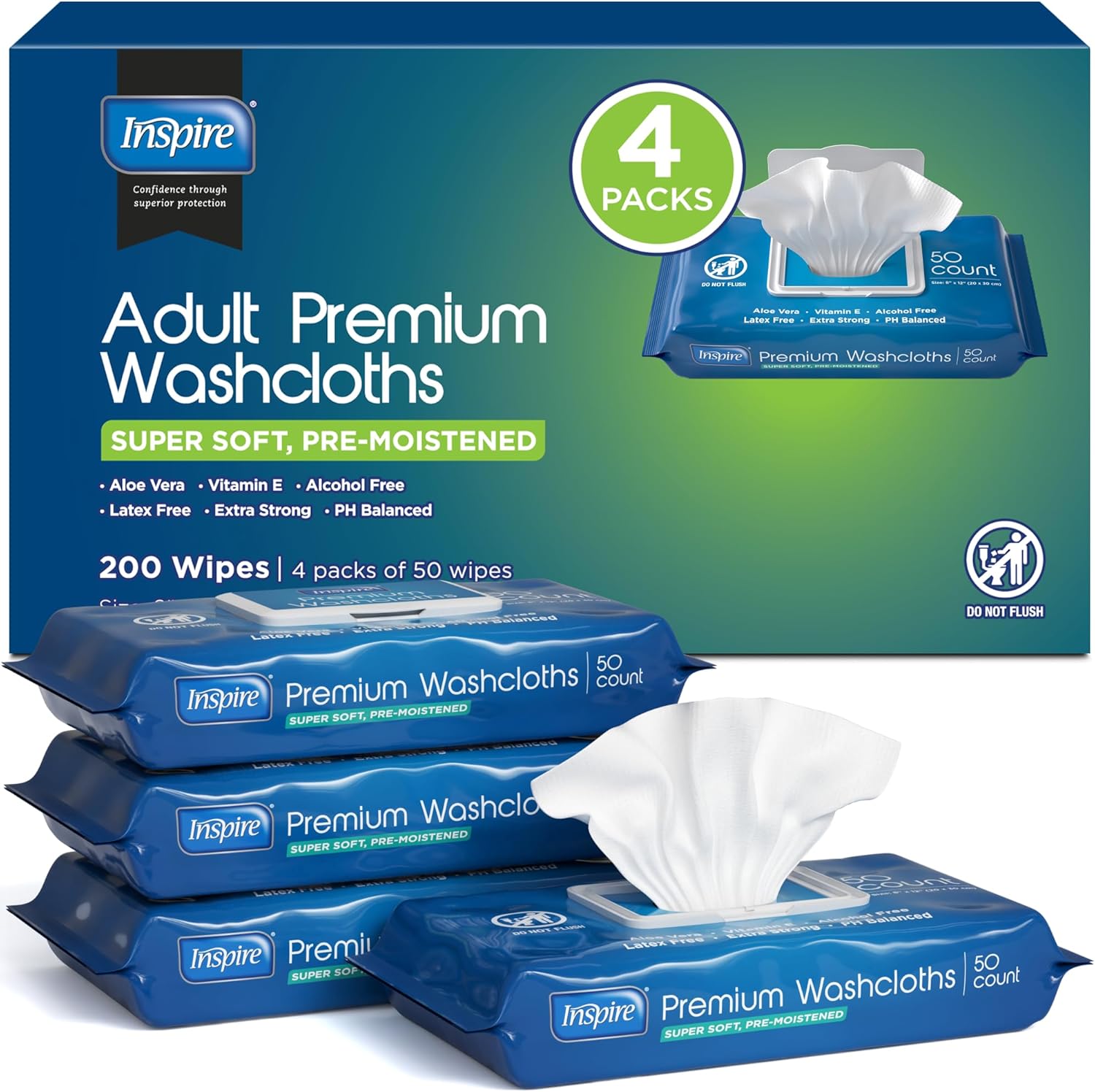
Since we talked about the “Hygiene Sin” and why hand washing is king, these are your best “on-the-go” backup. Look for wipes that specifically mention being effective against viruses (like Clorox Healthcare or specific Germstar sprays). They’re perfect for a quick wipe of your buffet table or that high-touch ice cream lever before you dig in.