12 National Park Towns Where Locals Love Tourists Most (And How to Win Them Over)

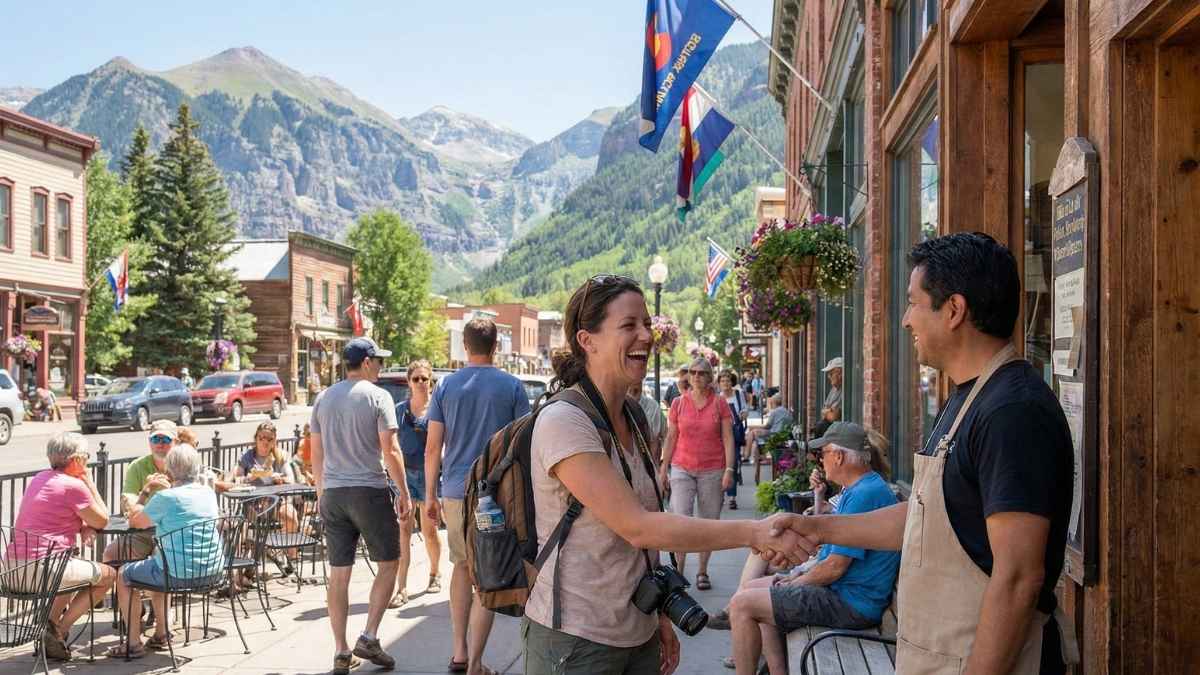
Crowded trails don’t ruin trips—unwelcome energy does. Anyone who’s traveled enough knows the difference between being tolerated and being truly welcomed. Some park towns smile politely while counting the days until peak season ends.
Others open up, share shortcuts, offer real advice, and make visitors feel like part of the rhythm instead of an interruption. That difference changes everything. The best experiences happen where respect runs both ways, where tourism supports daily life instead of overwhelming it.
This guide isn’t about avoiding crowds—it’s about finding places where curiosity is appreciated, effort is noticed, and travelers who show up right are met with warmth that lasts long after the hike ends.
1. Moab, Utah (Arches & Canyonlands National Parks)
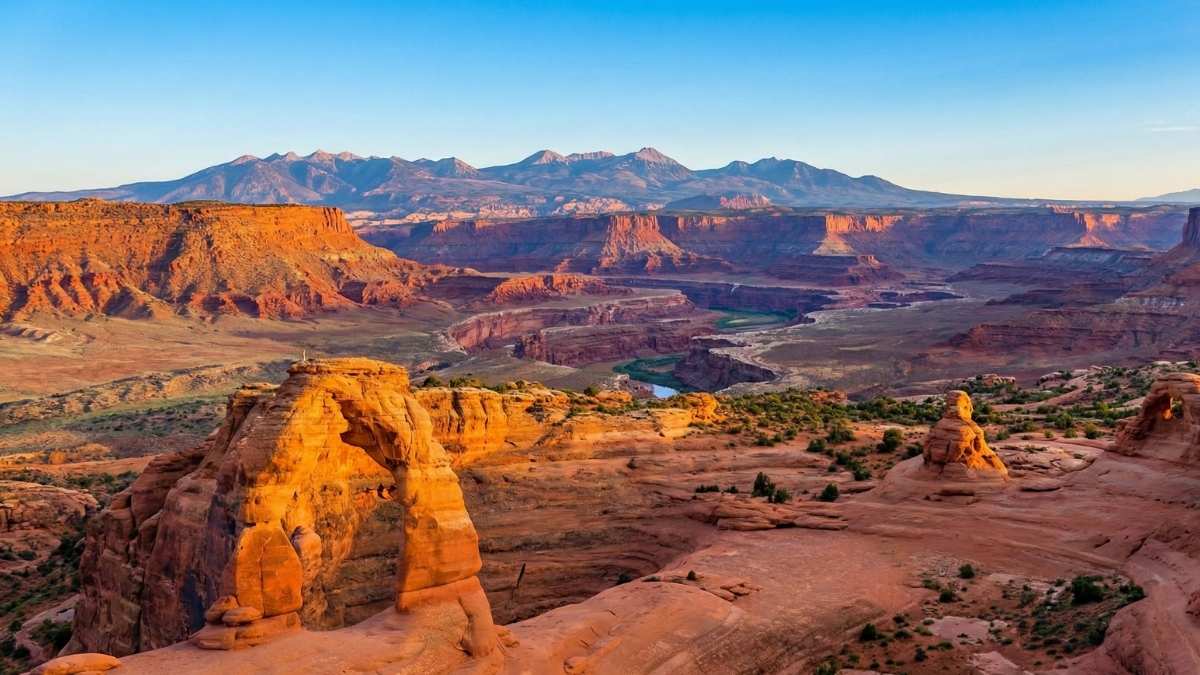
Moab stands out because tourism isn’t just tolerated—it’s woven into daily life. Many locals work as guides, shop owners, outfitters, or seasonal rangers, so visitors are viewed less as outsiders and more as fuel for a shared lifestyle. When tourists respect trail rules and town rhythms, the welcome feels genuine and unforced.
What really sets Moab apart is how outdoor culture replaces tourist tension. Whether grabbing coffee or refueling after a long hike, conversations often revolve around weather, trail conditions, or stargazing—not complaints about crowds. Visitors who show curiosity rather than entitlement blend in quickly.
Winning locals over here is simple: treat the desert with respect. Stay on trails, avoid off-road damage, and support local businesses instead of rushing back to chain hotels. That small effort signals understanding—and Moab responds warmly.
Helpful Info
- Best Months: April–May, September–October
- Local Tip: Book tours with Moab-based guides
- Crowd Level: Busy but well-managed
- Why Locals Stay Friendly: Tourism sustains the entire community
2. Sedona, Arizona (Red Rock Country)
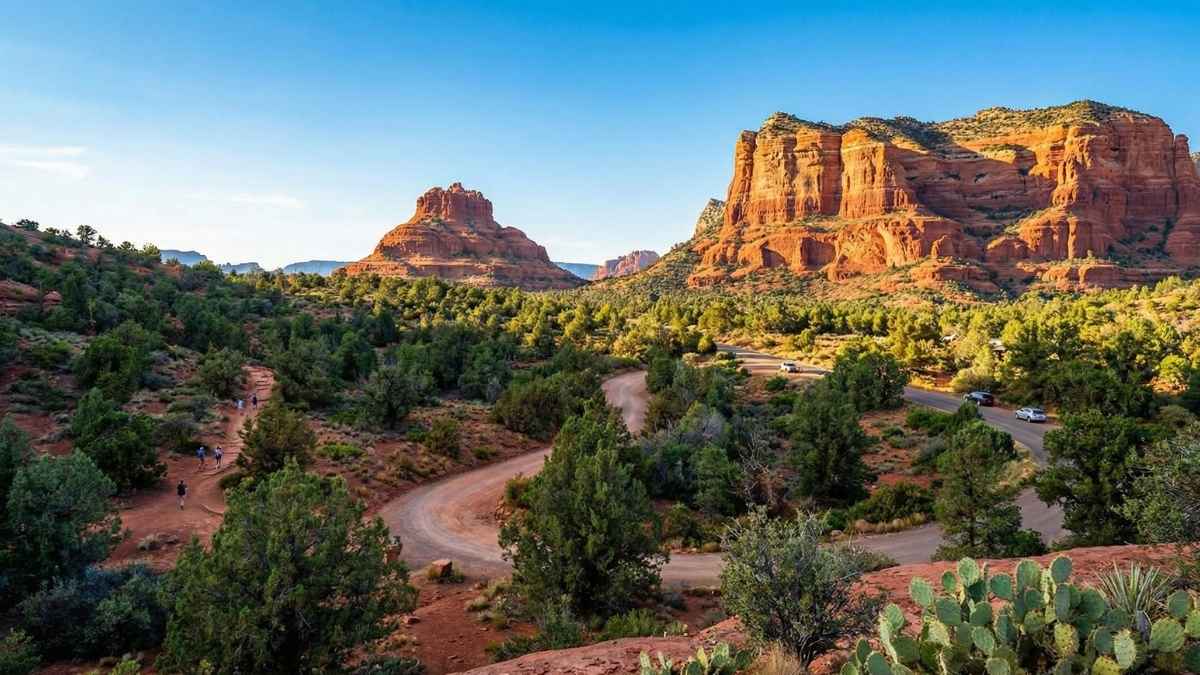
Sedona’s relationship with tourists works because visitors tend to arrive with an intention. Many come seeking nature, wellness, or creative inspiration rather than a fast-paced sightseeing experience. Locals notice that difference—and respond accordingly. When guests move at a calmer pace, the town does too.
The town thrives on mutual respect and shared appreciation. Locals are proud of Sedona’s landscapes and value those who treat the red rocks as sacred spaces rather than photo props. Simple actions—like yielding on trails or keeping noise down—go a long way.
Sedona rewards visitors who slow down. Those who explore early mornings, dine locally, and ask questions instead of rushing through often find doors opening naturally—sometimes literally, in galleries and community spaces.
Helpful Info
- Best Months: March–May, October–November
- Local Tip: Sunrise hikes are appreciated and quieter
- Crowd Level: Moderate, peaks on weekends
- Why Locals Stay Friendly: Visitors align with the town’s mindset
3. Jackson, Wyoming (Grand Teton & Yellowstone Gateway)
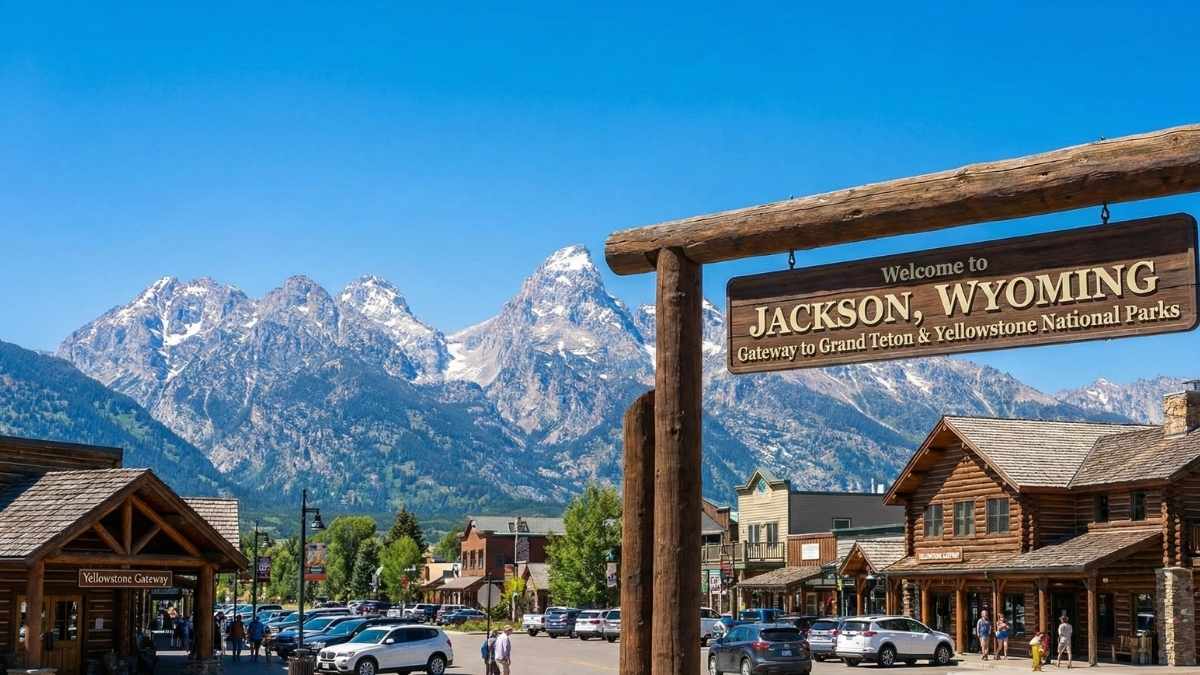
Jackson balances rugged Western identity with global tourism better than most mountain towns. Locals expect visitors, but they also expect courtesy. When those expectations are met, the welcome is sincere and often surprisingly warm.
The town’s culture revolves around shared responsibility for wild spaces. Visitors who understand wildlife safety, weather risks, and park etiquette are quickly seen as allies rather than burdens. That awareness earns respect fast.
Jackson locals respond best to curiosity about the region—not just the parks, but the history, seasons, and realities of mountain living. Tourists who ask thoughtful questions instead of demanding conveniences often leave with better experiences and better stories.
Helpful Info
- Best Months: June–September
- Local Tip: Respect wildlife distance rules—locals take this seriously
- Crowd Level: High in summer
- Why Locals Stay Friendly: Tourism supports conservation-focused jobs
4. St. George, Utah (Zion National Park)
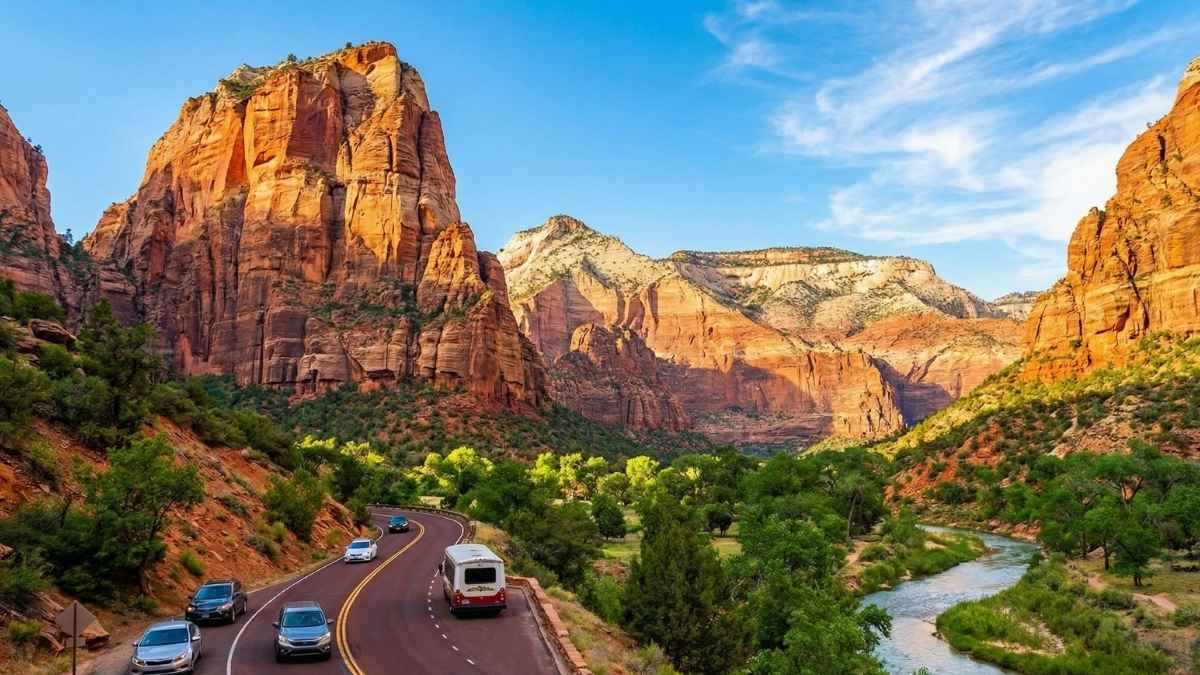
St. George benefits from being slightly removed from Zion’s most intense crowds. That distance creates a calmer dynamic between locals and visitors, especially those who choose to stay in town rather than right outside park gates.
Locals appreciate tourists who use St. George as more than just a stopover. Dining locally, exploring town trails, or visiting cultural sites signals genuine interest, and the response is noticeably warmer.
Because many residents live here year-round, there’s a strong sense of community pride. Visitors who respect quiet neighborhoods and desert conditions are seen as guests—not disruptions.
Helpful Info
- Best Months: March–April, October–November
- Local Tip: Explore Snow Canyon State Park, too
- Crowd Level: Moderate
- Why Locals Stay Friendly: Tourism is spread out and manageable
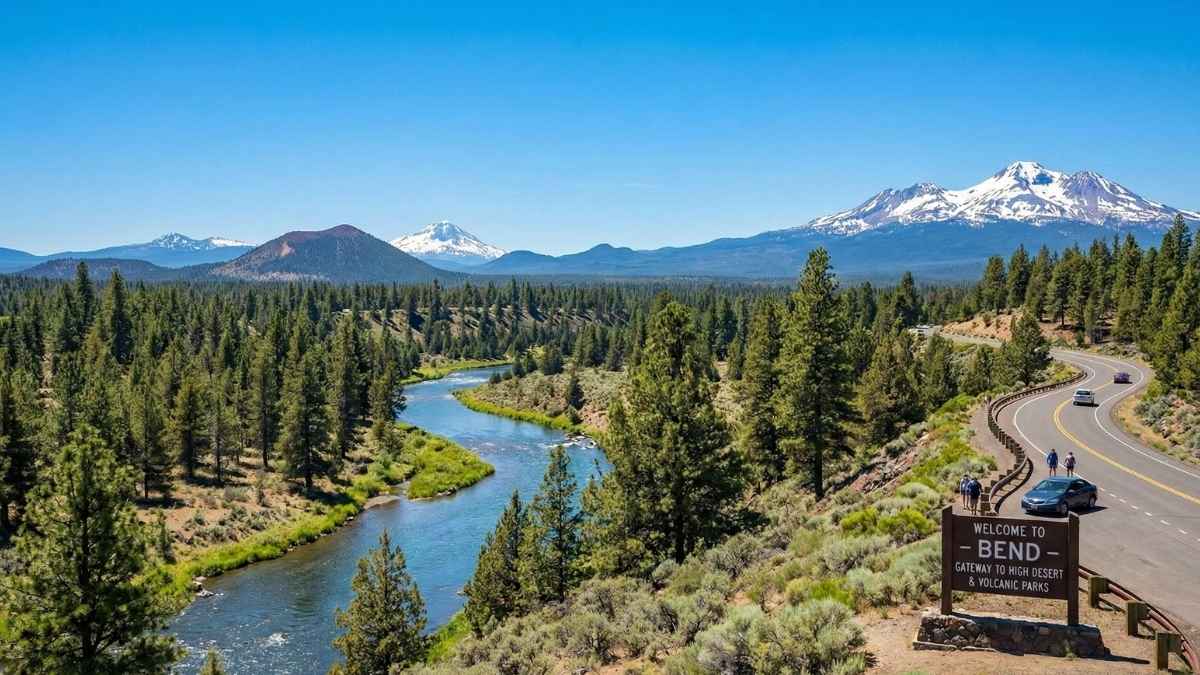
5. Bend, Oregon (Gateway to High Desert & Volcanic Parks)
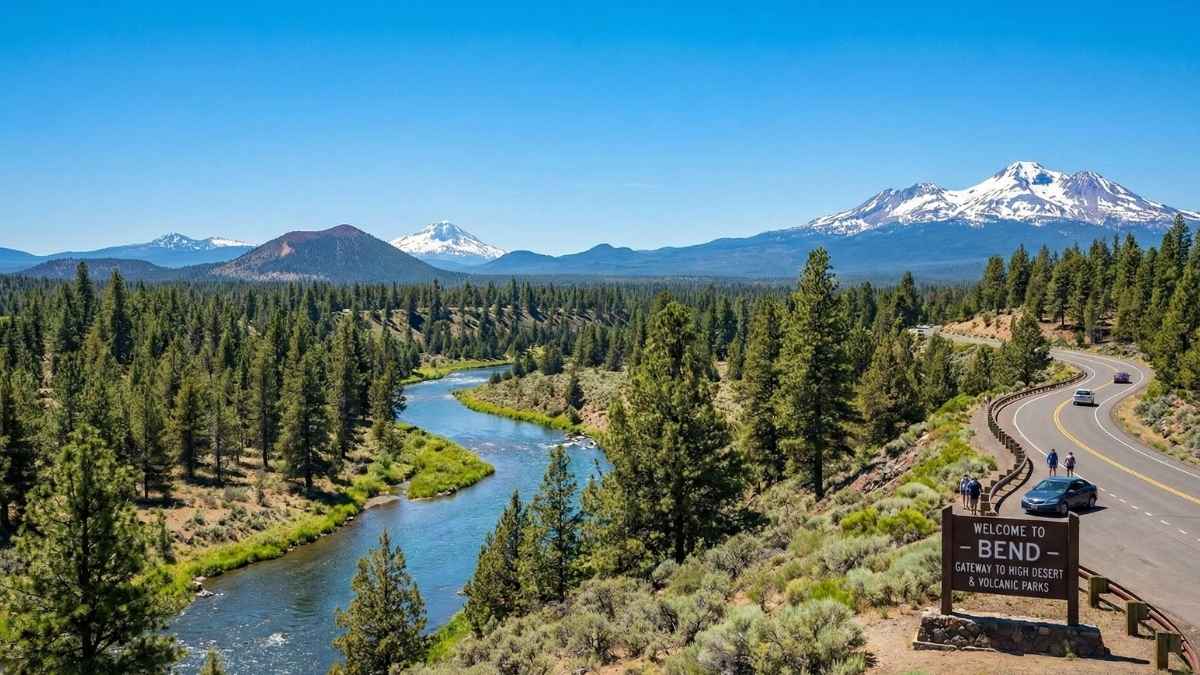
Bend thrives on balance. Tourism exists, but it doesn’t overpower daily life, and that makes locals more relaxed about sharing their town. Visitors who match Bend’s laid-back energy fit right in.
Outdoor etiquette matters here. Locals appreciate tourists who respect shared trails, leash their dogs, and follow leave-no-trace principles. When that happens, interactions feel friendly rather than transactional.
Bend also rewards those who stay curious. From local breweries to lesser-known hiking spots, visitors who ask instead of assume often receive better recommendations—and better service.
Helpful Info
- Best Months: June–September, late September for fewer crowds
- Local Tip: Weekday adventures earn the best interactions
- Crowd Level: Moderate, seasonal spikes
- Why Locals Stay Friendly: Tourism complements the local lifestyle
6. Bar Harbor, Maine (Acadia National Park)
Bar Harbor works because locals expect visitors and plan for them. Tourism has been part of the town’s identity for generations, which creates a rhythm that rarely feels strained. When tourists follow that rhythm—early mornings, relaxed meals, respect for working waterfronts—the welcome feels natural.
There’s a strong sense of pride here, especially around protecting Acadia’s fragile coastal environment. Visitors who stay on trails, respect tides, and avoid crowding wildlife are quickly appreciated. Courtesy matters, and it’s noticed.
Locals respond well to visitors who linger rather than rush. Spending time in local cafés, walking the Shore Path, or asking about seasonal changes builds goodwill without effort.
Helpful Info
- Best Months: June–September
- Local Tip: Early mornings in Acadia are highly respected
- Crowd Level: High in summer, calm in shoulder season
- Why Locals Stay Friendly: Tourism is long-established and organized
7. Gatlinburg, Tennessee (Great Smoky Mountains National Park)
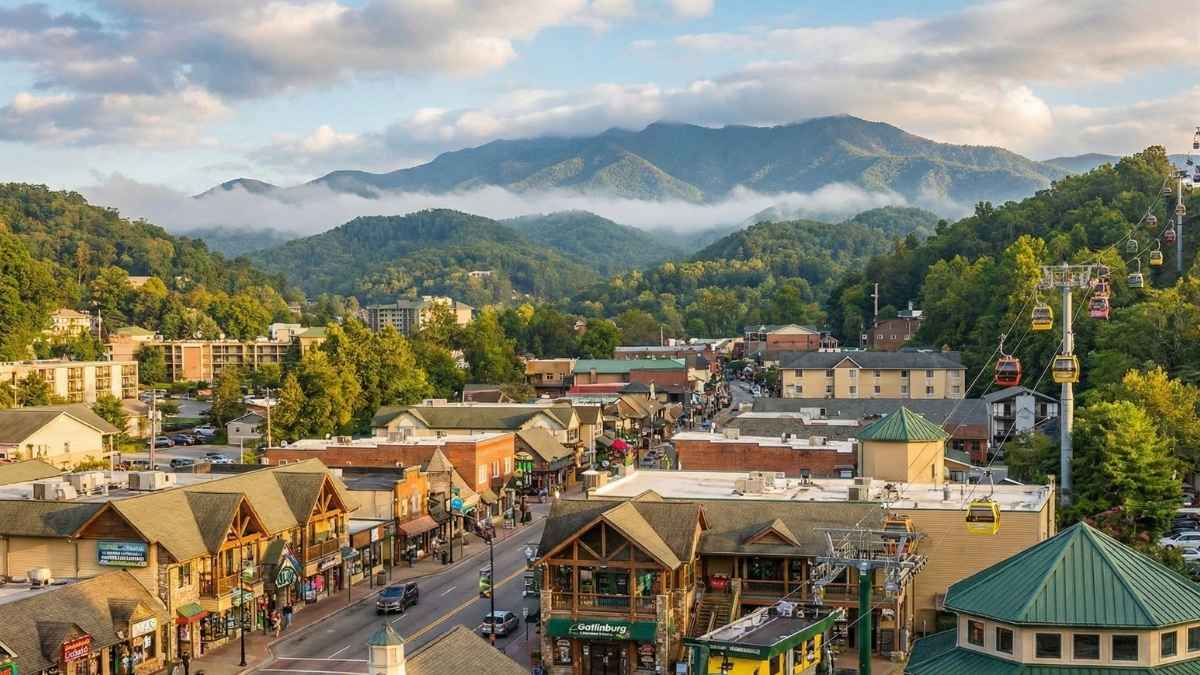
Gatlinburg thrives on friendliness—it’s built into the culture. Many locals work directly with visitors, and genuine Southern hospitality still plays a real role. When tourists show patience and kindness, the response feels effortless.
The key here is understanding the difference between the park and the town. Locals appreciate visitors who enjoy the attractions but also treat the Smokies with care. Respect for trails, wildlife, and quiet backroads goes a long way.
Visitors who explore beyond the main strip often experience the warmest interactions. Locals tend to open up when they see curiosity extending past the obvious.
Helpful Info
- Best Months: April–June, September–October
- Local Tip: Weekdays feel dramatically different than weekends
- Crowd Level: Very high in peak seasons
- Why Locals Stay Friendly: Tourism fuels nearly every local business
8. Mammoth Lakes, California (Yosemite Region)
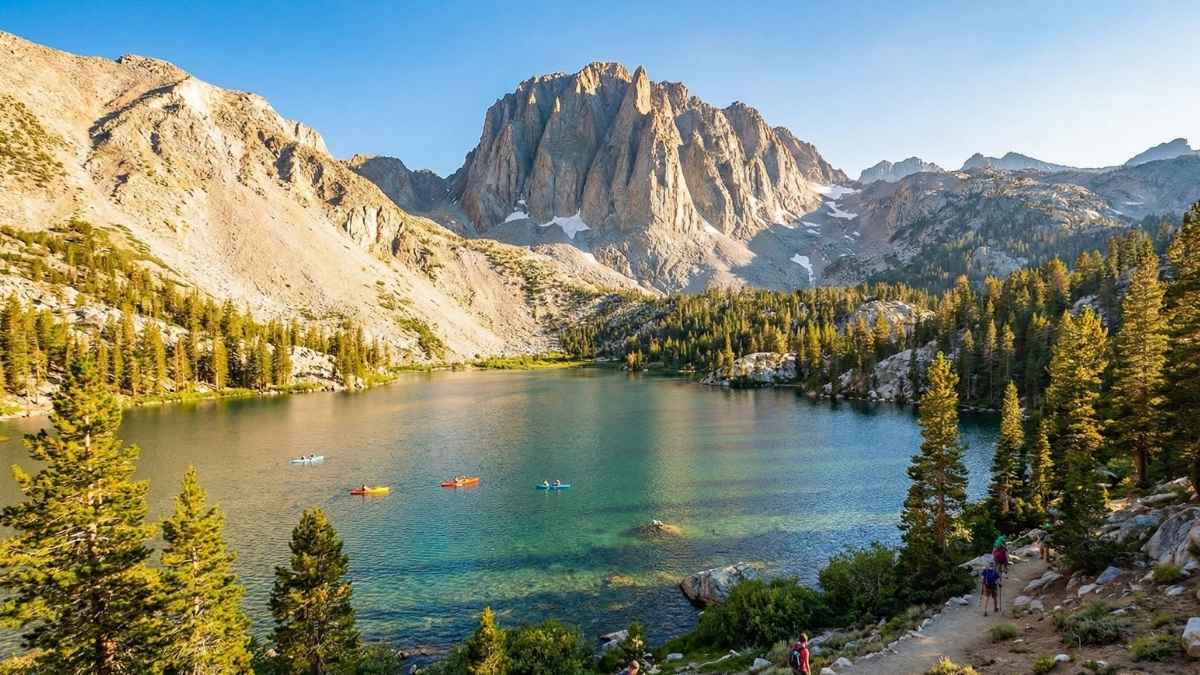
Mammoth Lakes attracts outdoor-focused travelers, and locals appreciate that shared mindset. Visitors often arrive prepared, respectful of weather changes, and aware of mountain realities—qualities locals value deeply.
This is a town where preparedness equals respect. Visitors who understand altitude, snow conditions, and seasonal closures earn instant credibility. Locals notice who does their homework.
Tourists who spread out their activities—skiing, hiking, dining locally—help ease pressure on peak spots and are met with noticeably better interactions.
Helpful Info
- Best Months: July–September (summer), December–March (winter sports)
- Local Tip: Ask locals about conditions before heading out
- Crowd Level: Seasonal surges
- Why Locals Stay Friendly: Visitors tend to be experienced outdoorspeople
9. Bozeman, Montana (Yellowstone Gateway)
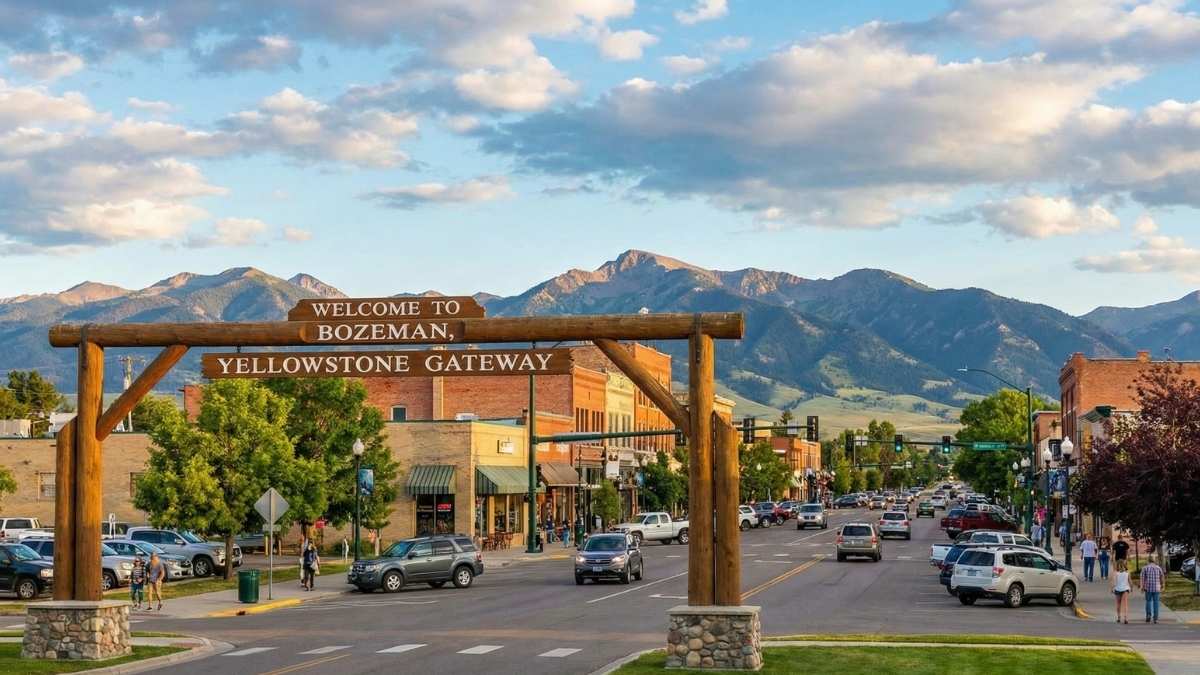
Bozeman blends college-town energy with outdoor adventure, creating a welcoming but discerning local culture. Locals don’t mind tourists—they mind carelessness. Visitors who respect that balance fit in quickly.
The town values authentic interest over surface-level tourism. Locals appreciate questions about trails, seasons, or local history far more than complaints about distance or weather.
Tourists who treat Bozeman as a destination rather than just a Yellowstone pit stop are rewarded with better service, better recommendations, and better conversations.
Helpful Info
- Best Months: June–September
- Local Tip: Support locally owned outfitters
- Crowd Level: Moderate to high in summer
- Why Locals Stay Friendly: Tourism aligns with local outdoor values
10. Estes Park, Colorado (Rocky Mountain National Park)
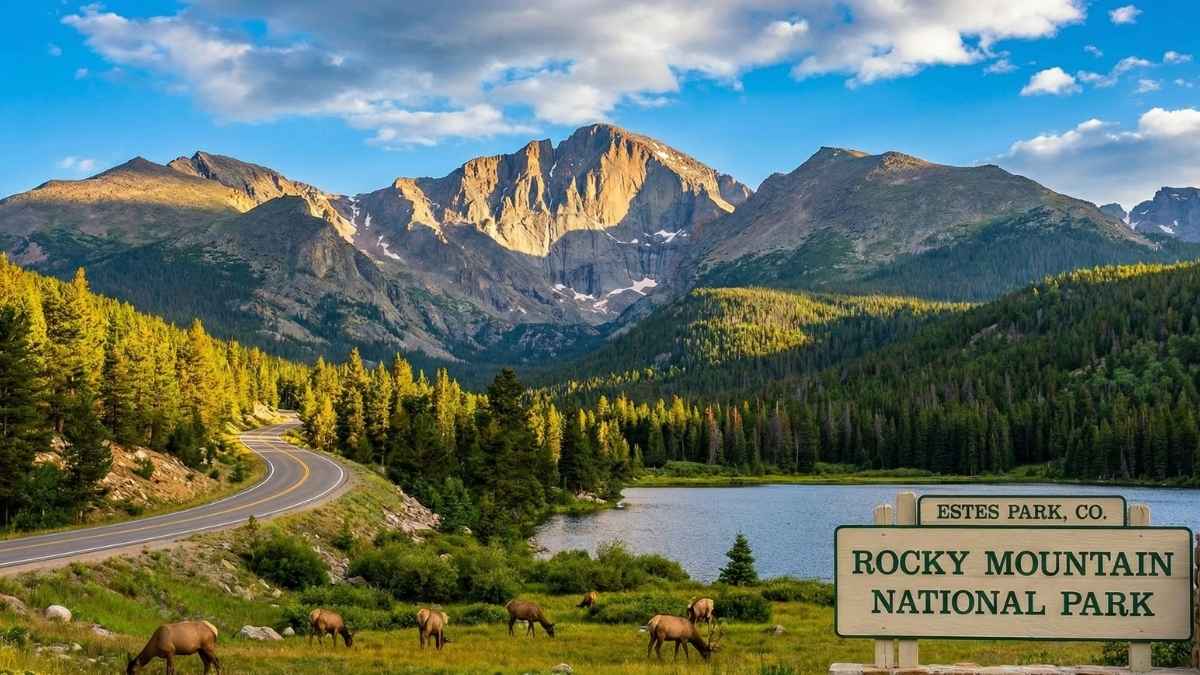
Estes Park benefits from clarity—locals know tourists are coming, and tourists know why they’re there. That shared understanding reduces friction and keeps interactions polite and positive.
Locals respond best to visitors who respect altitude, wildlife, and park rules. Elk encounters, sudden weather shifts, and narrow roads are taken seriously here, and awareness earns respect.
Tourists who explore town trails, dine locally, and avoid peak-hour congestion tend to experience Estes Park at its best—and locals notice that effort.
Helpful Info
- Best Months: June–September
- Local Tip: Sunrise Park entry avoids tension and traffic
- Crowd Level: High in summer
- Why Locals Stay Friendly: Tourism is predictable and well-managed
11. Teton Village, Wyoming (Grand Teton National Park)
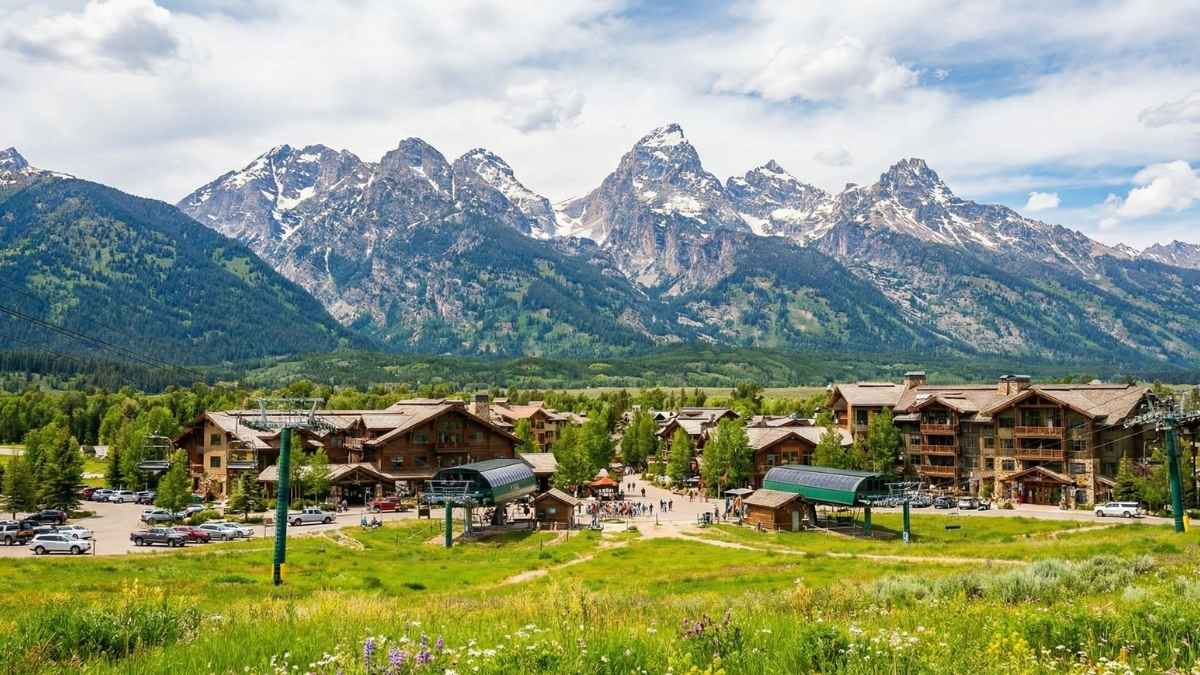
Teton Village operates on a different wavelength than most park towns. Compact, polished, and purpose-built, it attracts visitors who already understand mountain etiquette. That shared baseline removes much of the usual friction between locals and tourists.
What locals respond to most is quiet awareness. Visitors who understand lift lines, trail courtesy, and wildlife safety blend in almost immediately. Loud behavior or rushed expectations stand out—and not in a good way.
Because the village is small, interactions feel personal. Visitors who respect space, tip fairly, and move with intention tend to receive equally thoughtful service in return.
Helpful Info
- Best Months: June–September, December–March
- Local Tip: Early lifts and late hikes feel most authentic
- Crowd Level: Moderate, concentrated
- Why Locals Stay Friendly: Visitors arrive informed and prepared
12. Mariposa, California (Yosemite Gateway)
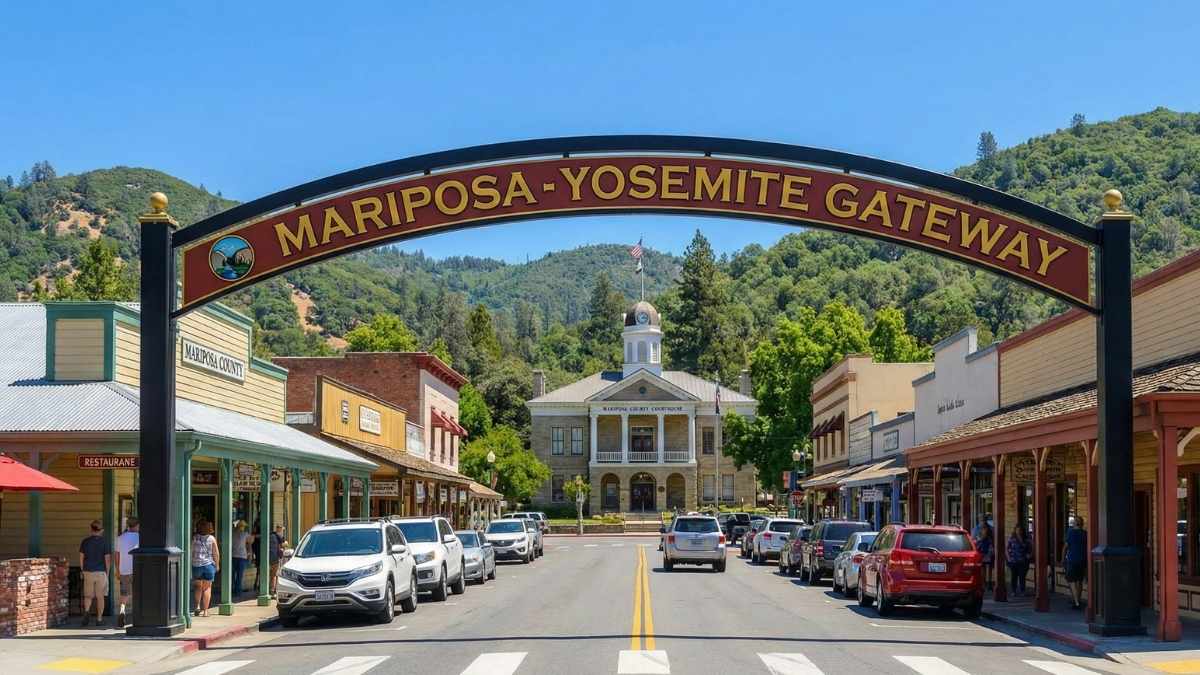
Mariposa doesn’t rush to impress, and that’s exactly its strength. As one of Yosemite’s quieter gateways, it attracts visitors willing to trade convenience for calm. Locals notice—and appreciate—that choice.
There’s a strong sense of town before tourism here. Visitors who respect that pace, drive carefully, and engage with local shops rather than bypassing them earn genuine goodwill.
Mariposa rewards patience. Those who linger for dinner, ask about backroads, or visit during off-peak hours often leave with a deeper connection than expected—and locals are happy to share when respect is shown first.
Helpful Info
- Best Months: April–June, September–October
- Local Tip: Stay overnight instead of day-tripping
- Crowd Level: Low to moderate
- Why Locals Stay Friendly: Tourism remains personal, not overwhelming