10 European Castles You Can Actually Buy for Less Than a US Condo

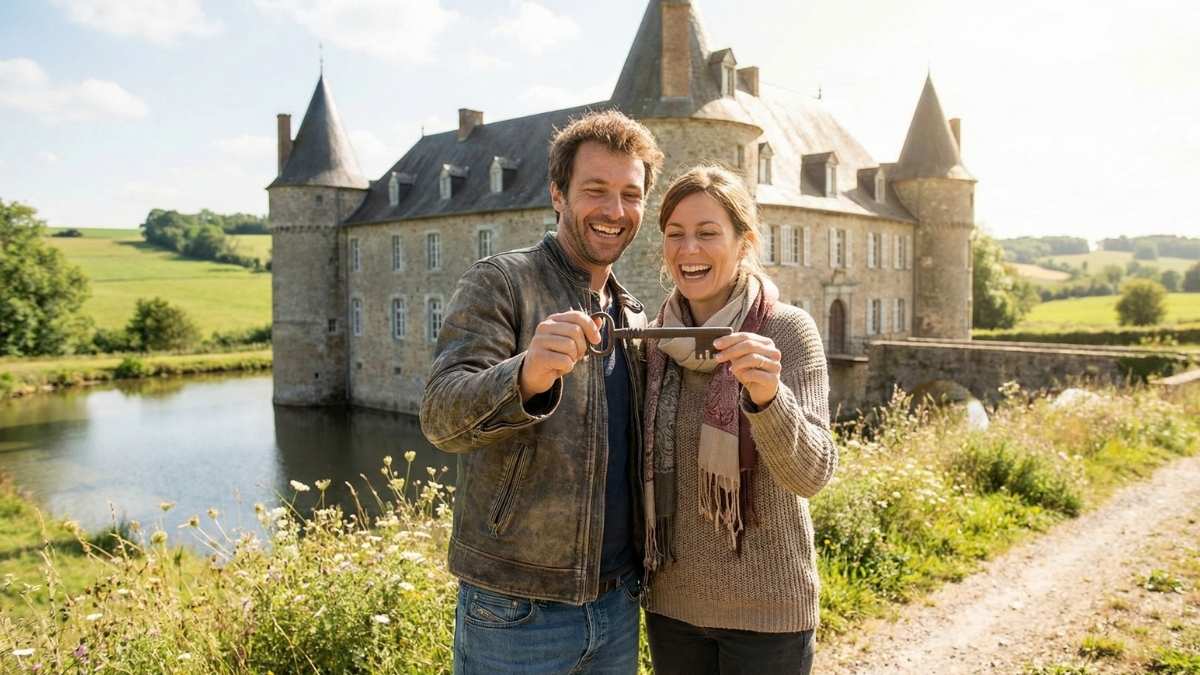
Stone walls older than entire nations. Windows that have watched centuries come and go. While the idea of owning a castle sounds like something reserved for royalty or movie villains, the reality is far more surprising.
Across Europe, historic estates are quietly selling for less than what many Americans pay for a compact condo with shared walls and HOA rules. These places come with stories baked into the stone, spaces that actually breathe, and a sense of permanence modern buildings rarely offer.
The price tags feel almost wrong—and that’s exactly why they’re worth paying attention to. What follows might seriously reset how “affordable luxury” is defined.
1. 13th-Century Stone Castle, Central France
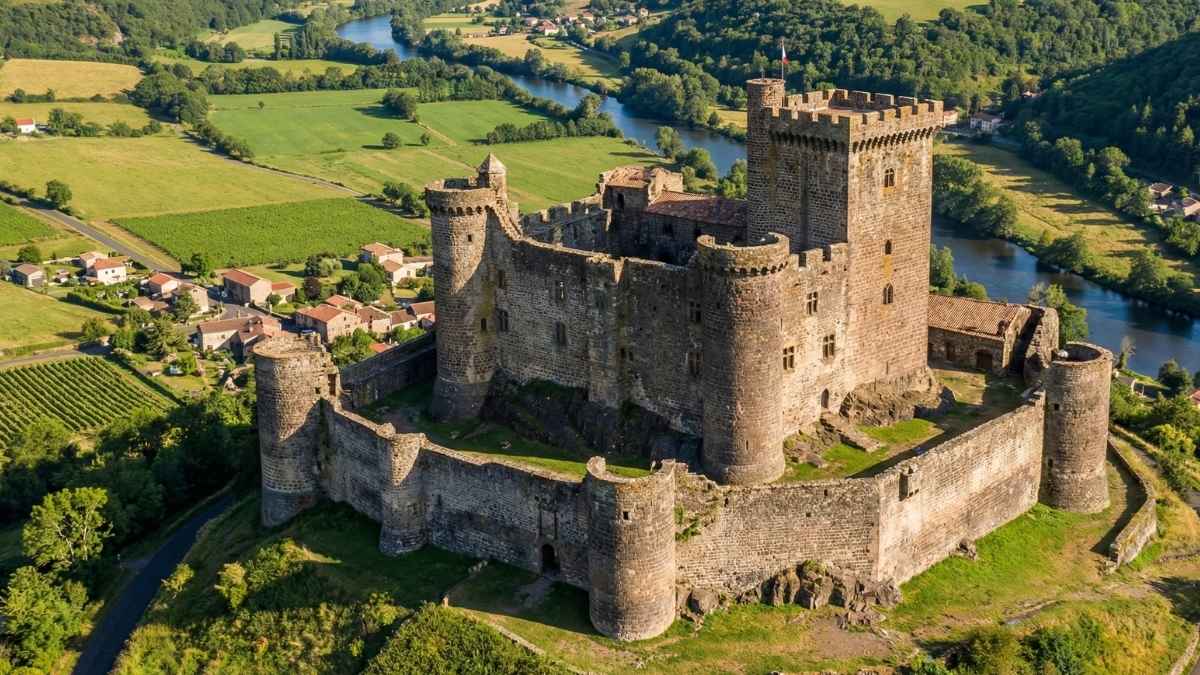
This kind of castle feels like the blueprint for every medieval story ever told. Thick stone walls, original towers, and a layout that still follows its defensive roots make it deeply authentic rather than “Disney-styled.” What makes it especially compelling is how much of the original structure remains intact, even though the price sits well below what many Americans pay for a modest condo.
Despite its age, the castle isn’t frozen in time. Many examples in this category already have partial modern updates, such as reinforced roofs or livable wings, allowing owners to restore gradually instead of facing a full gut renovation on day one. That flexibility is a huge reason these properties attract international buyers.
Castles like this also sit in regions where restoration grants and tax incentives are common. Local governments often prefer preservation over abandonment, which quietly works in the buyer’s favor.
Other useful details
- Best months to visit: May–June, September
- Typical condition: Structurally sound, cosmetic restoration needed
- Ideal for: Boutique hotel, family retreat, heritage restoration
- Estimated upkeep: Moderate by castle standards
- Nearby amenities: Small towns, vineyards, regional rail access
2. Small Château Near Thiers, France
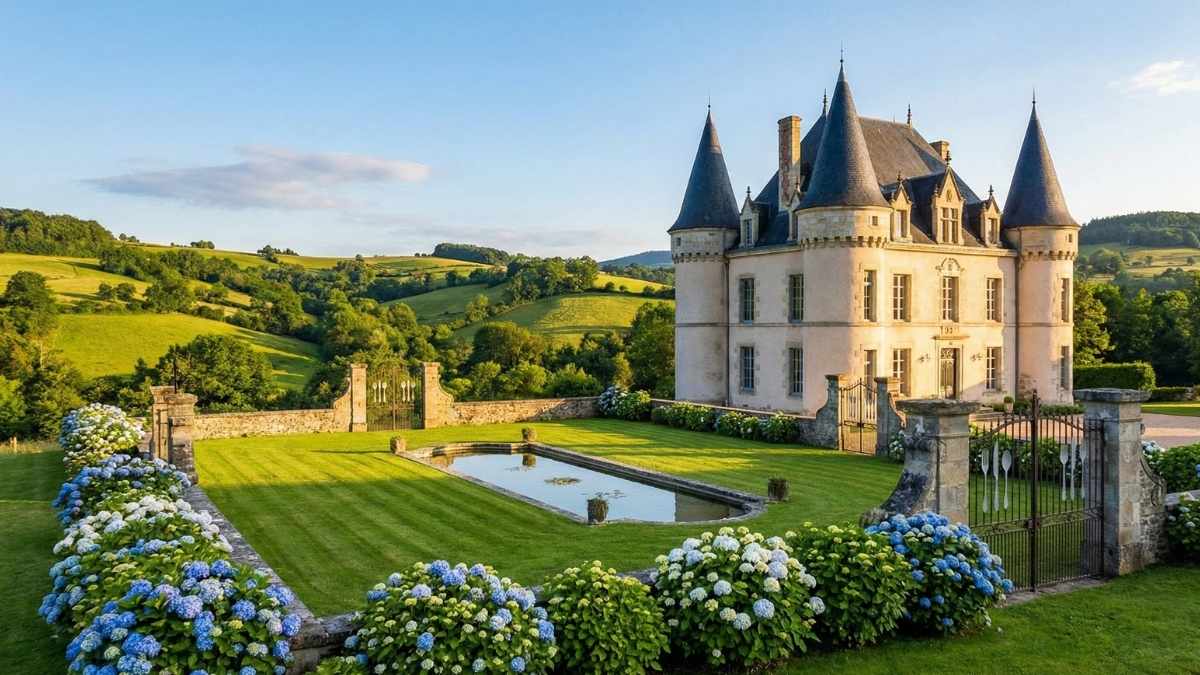
This château strikes a rare balance between romance and realism. It’s smaller, more manageable, and often surrounded by rolling countryside rather than isolated wilderness. That alone makes daily life feel less like a fantasy experiment and more like an actual lifestyle.
Properties like this usually come with formal gardens, stone staircases, and tall windows, but without the overwhelming scale of a fortress. Many buyers find this type ideal because it feels grand without being intimidating.
Another advantage is location. These château listings tend to sit within reasonable driving distance of cities, markets, and healthcare, which quietly matters more than most people expect after the novelty wears off.
Other useful details
- Best months to visit: April–June, early October
- Typical condition: Move-in ready with dated interiors
- Ideal for: Private residence, event venue
- Estimated upkeep: Lower than that of large castles
- Nearby amenities: Cafés, schools, regional highways
3. Former Prussian Manor, Dobrowo, Poland
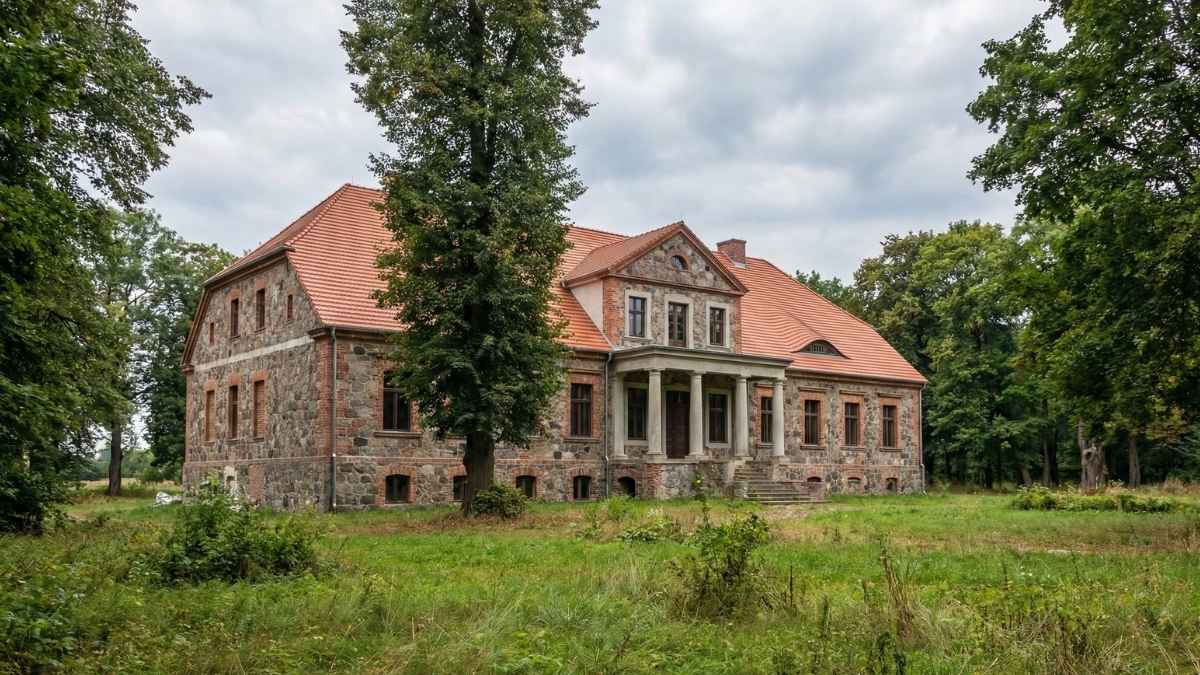
This manor proves that price doesn’t equal presence. While technically a manor, its scale, symmetry, and historic gravitas put it squarely in “castle territory.” The purchase price is shockingly low, often less than the cost of a parking spot in major US cities.
Eastern European properties like this benefit from lower labor costs, making restoration far more affordable than in Western Europe. That’s a quiet advantage many buyers overlook until they start running the numbers.
There’s also cultural momentum behind preserving heritage estates in this region. Local pride and community interest often turn ownership into a collaborative effort rather than a lonely restoration battle.
Other useful details
- Best months to visit: May–September
- Typical condition: Heavy renovation required
- Ideal for: Restoration project, cultural center
- Estimated upkeep: Low labor, higher structural planning
- Nearby amenities: Small towns, regional airports
4. Ozolu Manor, Courland Region, Latvia
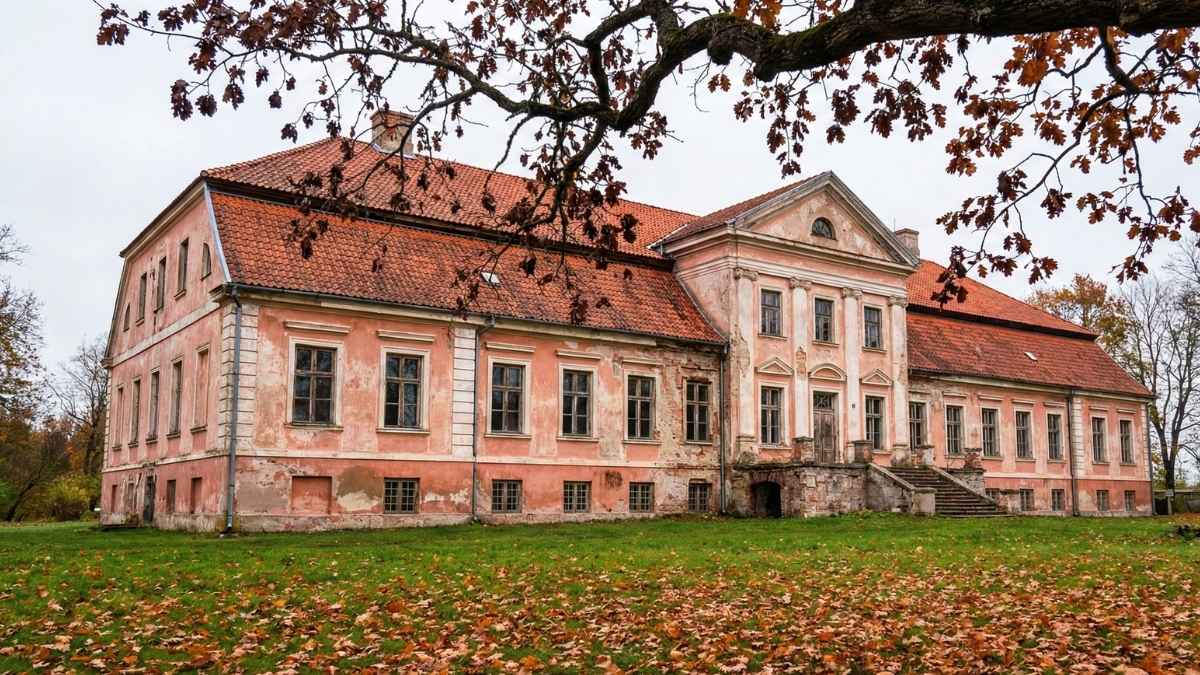
This manor feels almost cinematic—long façades, balanced proportions, and surrounding greenery that changes mood with every season. It’s the kind of place that feels peaceful rather than imposing, which makes long stays surprisingly comfortable.
One standout feature is the generous interior volume. Rooms are large, ceilings are high, and layouts allow for flexible reuse without destroying historical integrity. That makes it appealing for modern living or hospitality projects.
Latvia also offers favorable property taxes compared to Western Europe, which quietly reduces long-term ownership costs.
Other useful details
- Best months to visit: June–August
- Typical condition: Structurally solid, interior updates needed
- Ideal for: Retreat center, guesthouse
- Estimated upkeep: Reasonable with seasonal planning
- Nearby amenities: Nature parks, regional roads
5. Small Manor House, Gulbene, Latvia
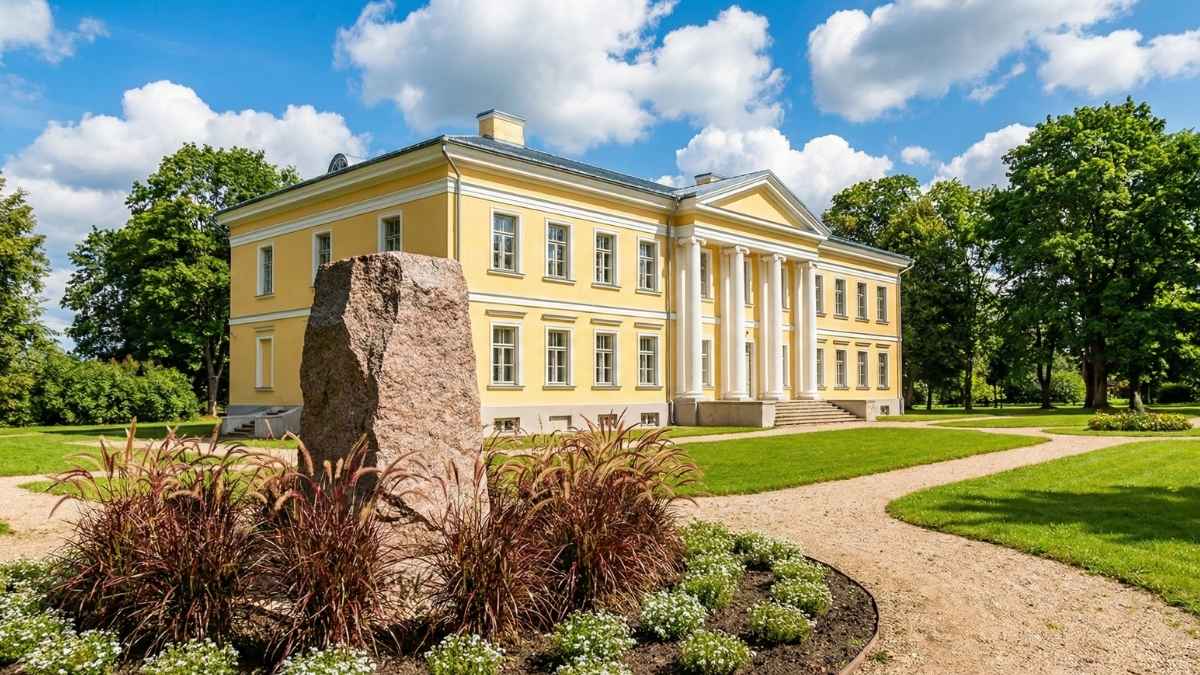
This is the most approachable entry point into castle-style ownership. A smaller footprint, simpler layout, and fewer structural headaches make it far less intimidating for first-time buyers of historic properties.
The charm lies in its restraint. Rather than overwhelming with scale, it offers quiet elegance, making it easier to modernize while preserving character. Heating, roofing, and utilities are usually more straightforward here than in larger estates.
It’s also ideal for buyers who want ownership without turning life into a full-time restoration job.
Other useful details
- Best months to visit: May–August
- Typical condition: Partial renovation required
- Ideal for: Private residence, long-term stay
- Estimated upkeep: Low to moderate
- Nearby amenities: Town centers, local services
6. Renovation Castle Project, Rural Hungary
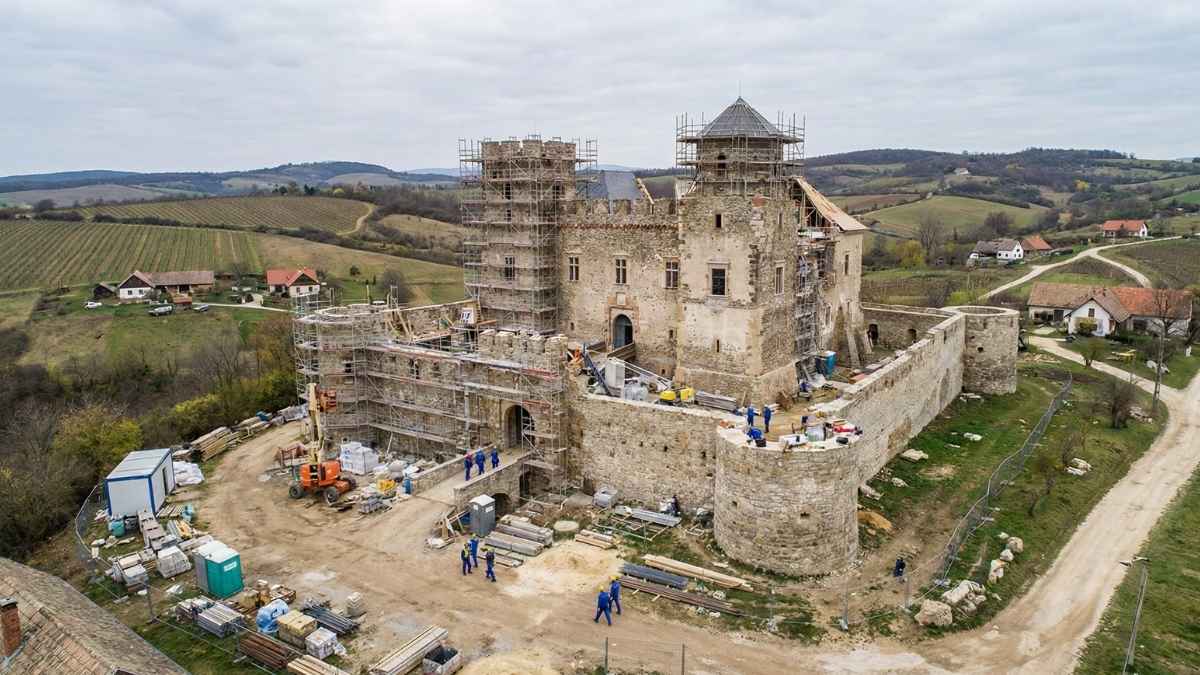
Some castles don’t whisper history—they leave it scattered across cracked plaster, worn staircases, and echoing halls. That’s the case here. What you’re buying isn’t polish; it’s scale, authenticity, and raw potential. These properties often sit on generous land parcels, offering privacy that feels rare in modern Europe.
Hungary’s appeal comes from practicality. Restoration costs are significantly lower than in Western Europe, and skilled craftsmen familiar with historical materials are still widely available. That changes the math in a very real way.
For buyers who want control over the final result rather than inheriting someone else’s design decisions, this type of castle offers a blank slate without the blank-check price tag.
Other useful details
- Best months to visit: April–June, September
- Typical condition: Major renovation required
- Ideal for: Vision-driven restoration, hospitality project
- Estimated upkeep: Low labor costs, phased restoration
- Nearby amenities: Villages, thermal baths, regional rail
7. Castle Restoration Opportunity, Slovakia
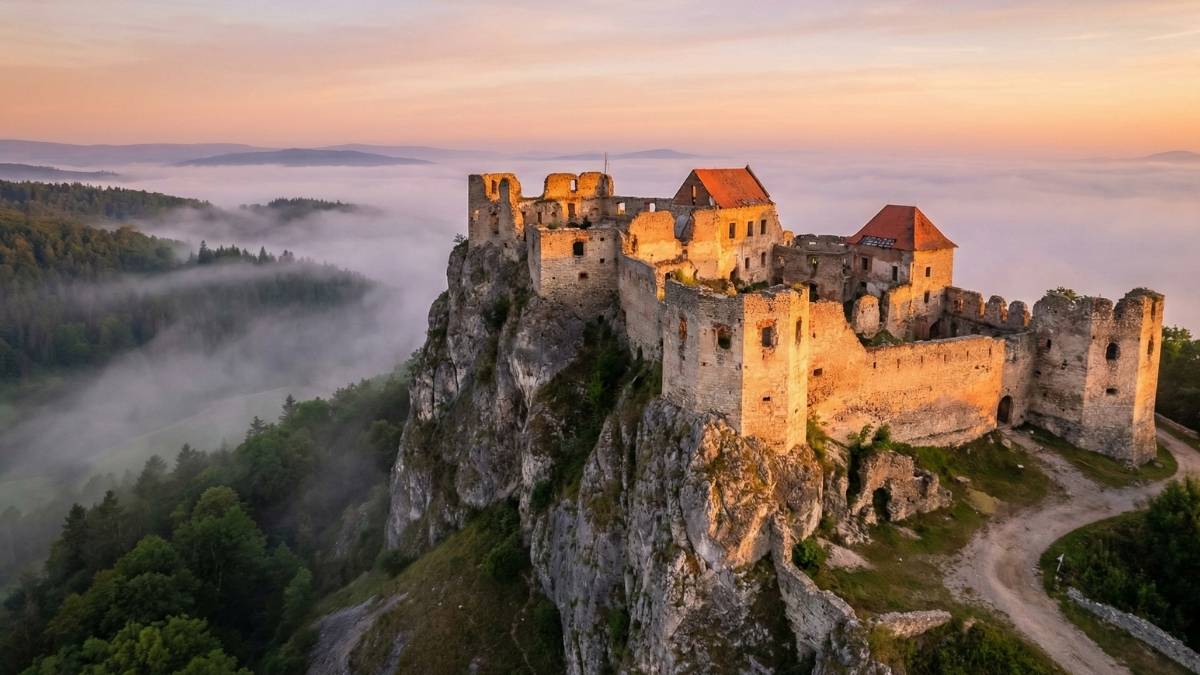
These castles tend to feel quietly dramatic. Set against hills or forest edges, they don’t announce themselves loudly—but once inside, the architectural bones do all the talking. Expect stone vaults, formal symmetry, and layouts designed long before modern living norms existed.
What works in the buyer’s favor is the government’s openness to preservation projects. In many cases, owners can collaborate with heritage authorities instead of fighting them, which helps streamline restoration planning.
There’s also a sense of discovery here. These properties are less exposed to international hype, meaning prices remain grounded even as interest grows.
Other useful details
- Best months to visit: May–September
- Typical condition: Structurally intact, interiors unfinished
- Ideal for: Heritage conservation, private estate
- Estimated upkeep: Moderate with local support
- Nearby amenities: Small towns, cross-border access
8. Affordable Castle Wing or Fortified Property, England
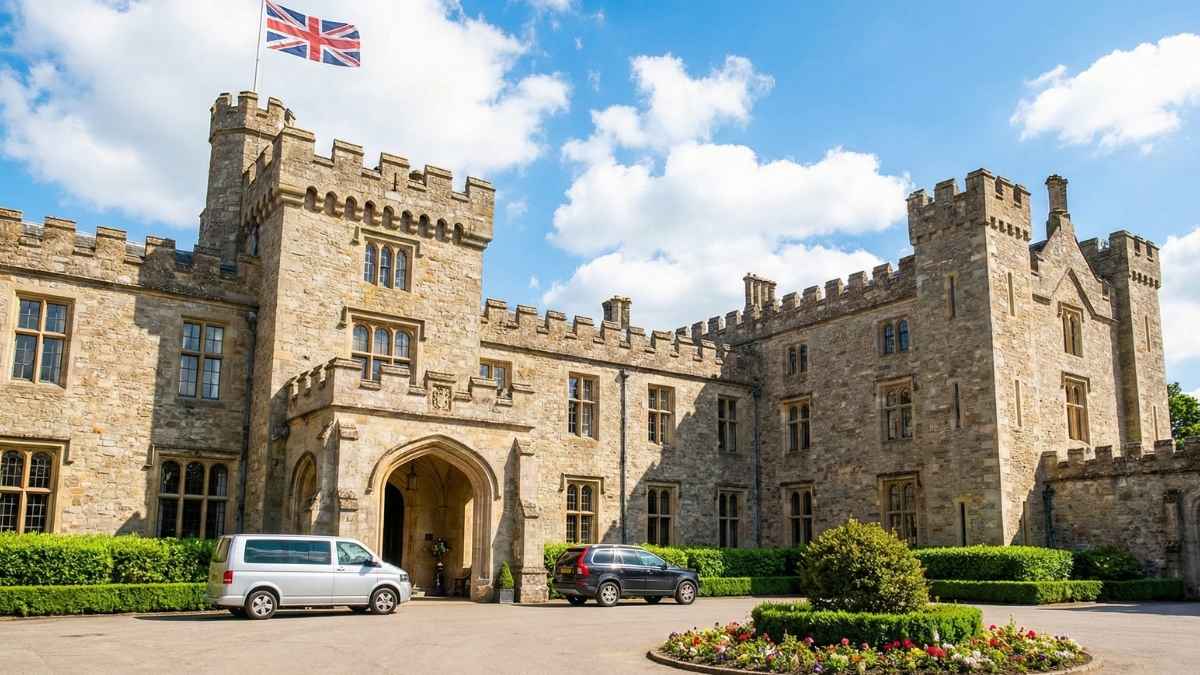
Not every castle in England comes with a seven-figure price tag. Some listings include wings, gatehouses, or fortified sections, offering authentic castle living without the overwhelming footprint.
These properties feel distinctly lived-in. Thick walls regulate temperature naturally, layouts are more practical, and utilities are often already modernized. It’s heritage without hardship.
Planning rules can be strict, but the payoff is stability. Once approved, changes tend to hold their value exceptionally well.
Other useful details
- Best months to visit: May–July
- Typical condition: Well-maintained, regulated updates
- Ideal for: Full-time residence, historical lifestyle
- Estimated upkeep: Predictable but regulated
- Nearby amenities: Villages, rail lines, healthcare
9. Smaller Castle Estate, Ireland
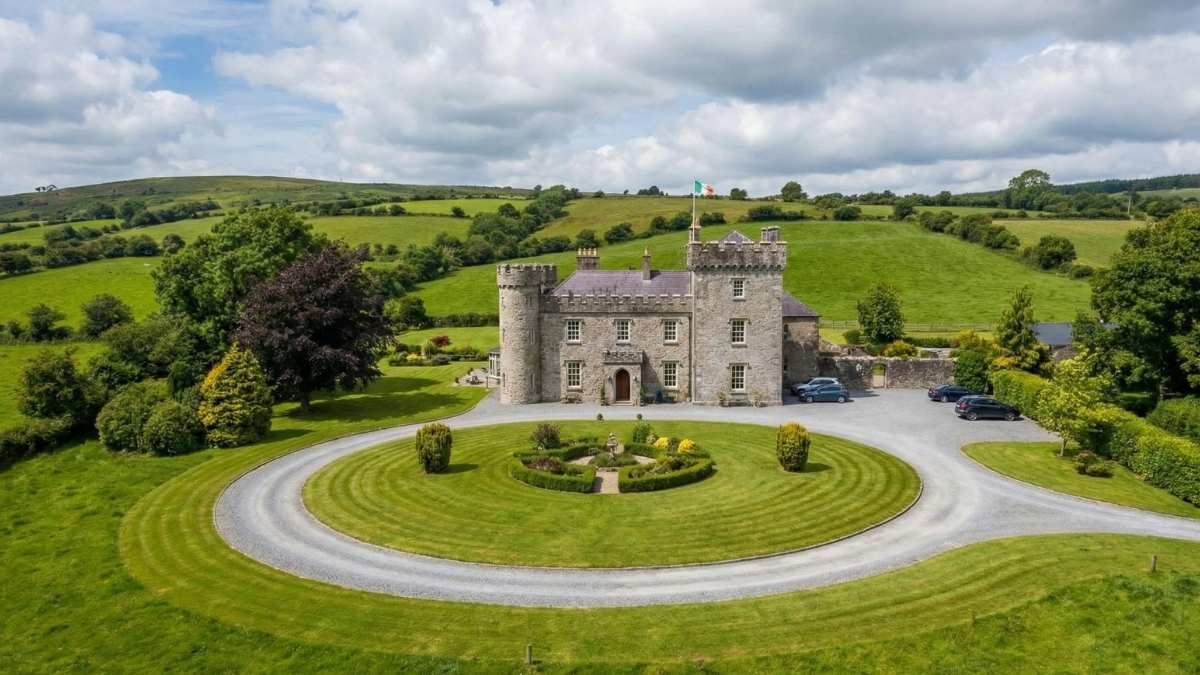
Irish castles have a rhythm of their own—weathered stone, compact layouts, and a sense of warmth that defies their age. These smaller estates often feel more personal than grand, making them easier to settle into.
Another advantage is cultural openness. Castle ownership here doesn’t feel isolated or elitist. Locals are often invested in the preservation of nearby heritage, creating a sense of shared stewardship.
Rain is part of the equation, but so is lush scenery and strong tourism appeal, especially for short stays or events.
Other useful details
- Best months to visit: June–August
- Typical condition: Habitable with gradual upgrades
- Ideal for: Private residence, guest stays
- Estimated upkeep: Moderate, climate-aware
- Nearby amenities: Coastal towns, airports
10. Entry-Level Castle Listings, Central & Eastern Europe
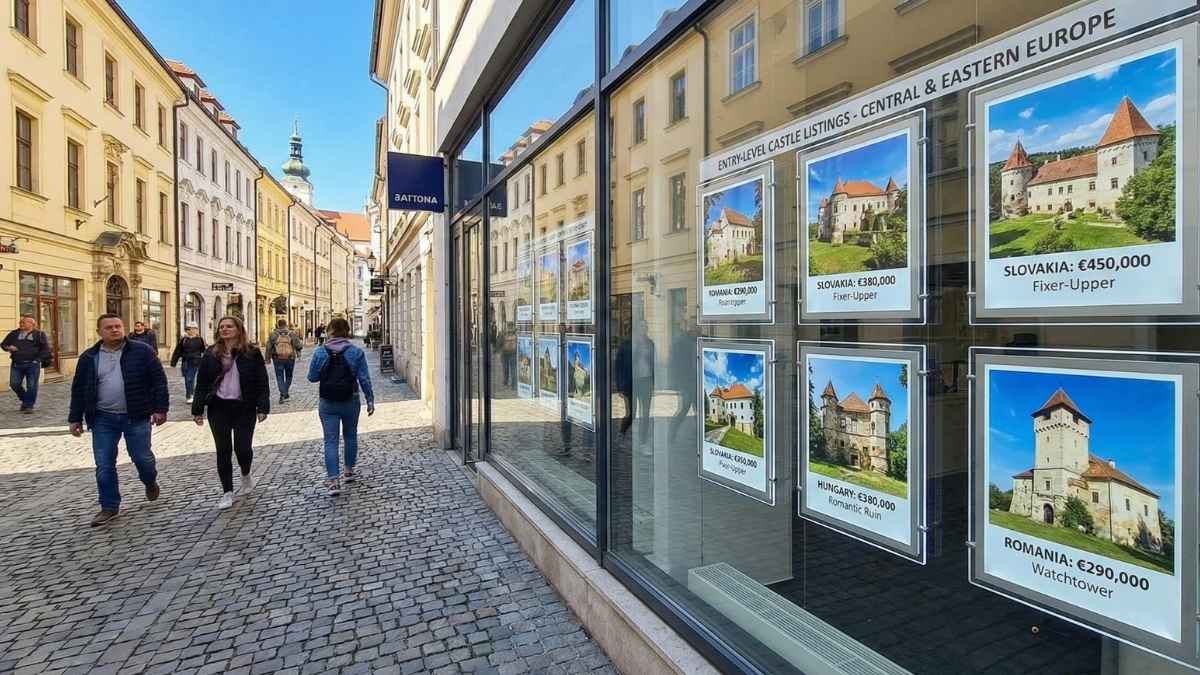
These are the wildcard properties—the ones that don’t always look perfect online but make sense once seen in person. Prices are often shockingly low, largely because they fall outside tourist corridors or require imagination.
What they lack in polish, they make up for in freedom. Fewer restrictions, more land, and greater flexibility to adapt spaces for modern use.
For buyers willing to trade convenience for opportunity, these castles offer a way in that simply doesn’t exist elsewhere in Europe.
Other useful details
- Best months to visit: Late spring to early fall
- Typical condition: Varies widely
- Ideal for: Budget-conscious buyers, long-term projects
- Estimated upkeep: Highly flexible
- Nearby amenities: Rural access, regional hubs