12 US Ghost Towns Being Secretly Bought by Tech Billionaires (Creating Private Utopias)

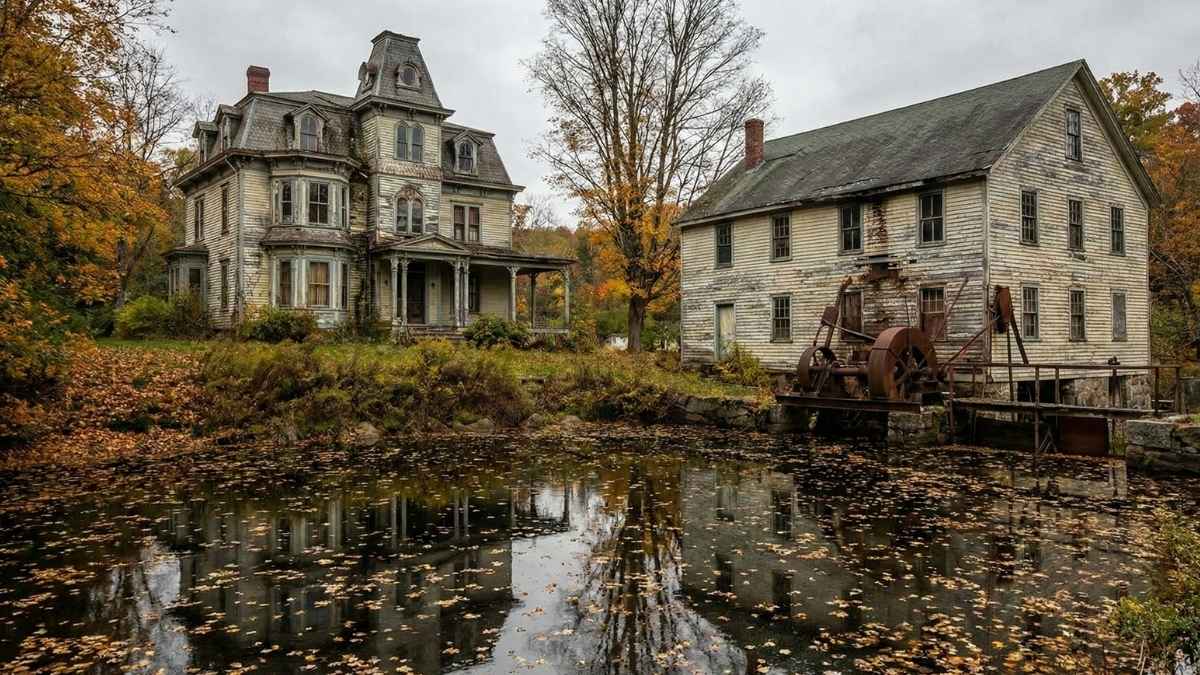
Empty streets don’t always mean abandonment — sometimes they mean opportunity. Across the U.S., forgotten towns are quietly changing hands, not through public auctions or flashy announcements, but through discreet deals backed by serious money.
What looks like decay to most people feels like freedom to a certain class of buyer: total control, no neighbors, no noise, no legacy systems to fight. These places offer something modern cities can’t — a clean slate with history baked in.
As housing gets tighter and cities louder, the idea of starting over from zero feels less extreme and more inevitable. And once you see what’s happening, it’s hard to unsee it.
1. Mustang, Texas
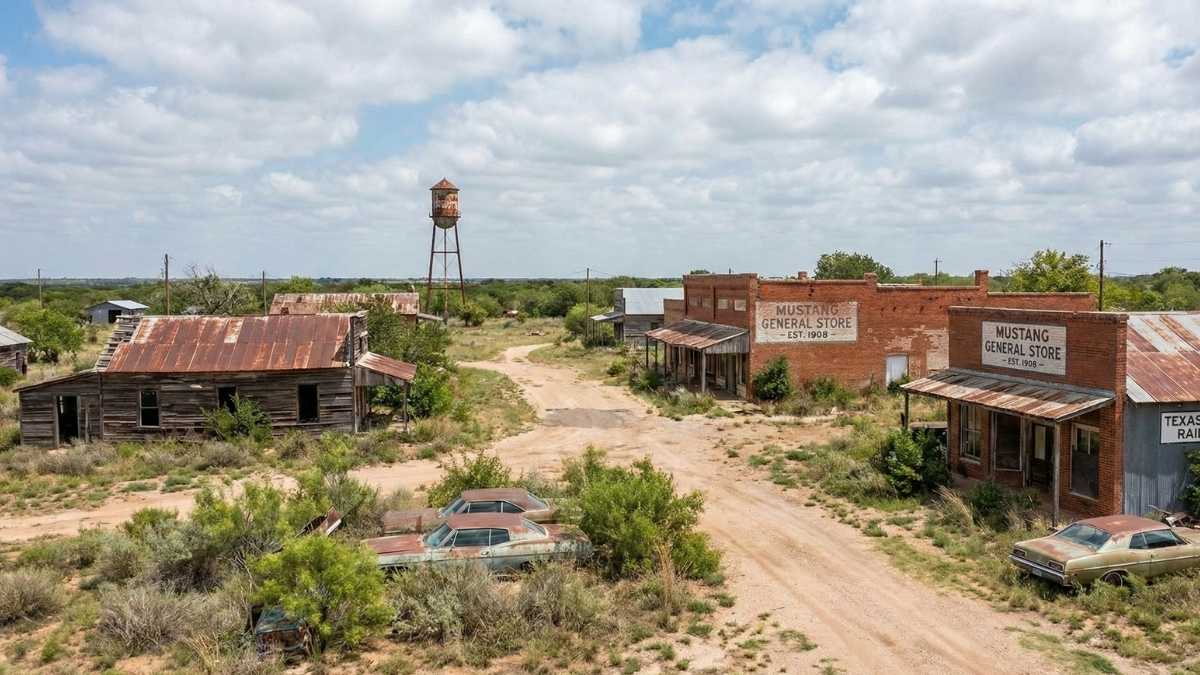
Mustang isn’t just a ghost town — it’s a statement. When Mark Cuban quietly purchased the entire town, it instantly shifted from a forgotten railroad stop to one of the most talked-about private land experiments in America. What makes Mustang compelling is its scale: the town is small, controlled, and isolated enough to function as a self-contained testing ground for ideas most cities can’t risk.
The location plays a major role in its appeal. Sitting between Dallas and Fort Worth, Mustang has access to major infrastructure while still being legally classified as a town with virtually no population. That combination makes it perfect for controlled redevelopment, whether that’s smart infrastructure, experimental zoning, or ultra-private community concepts.
What truly elevates Mustang is how little has been publicly revealed. The absence of press tours, flashy announcements, or development timelines fuels speculation — and that mystery aligns perfectly with the idea of a private billionaire utopia, not a public-facing project.
Other useful details:
- Best months to visit: March–May, October–November
- Climate: Hot summers, mild winters
- Current access: Privately owned, not open to the public
- Why it stands out: Proximity to major cities with total ownership control
2. Cerro Gordo, California
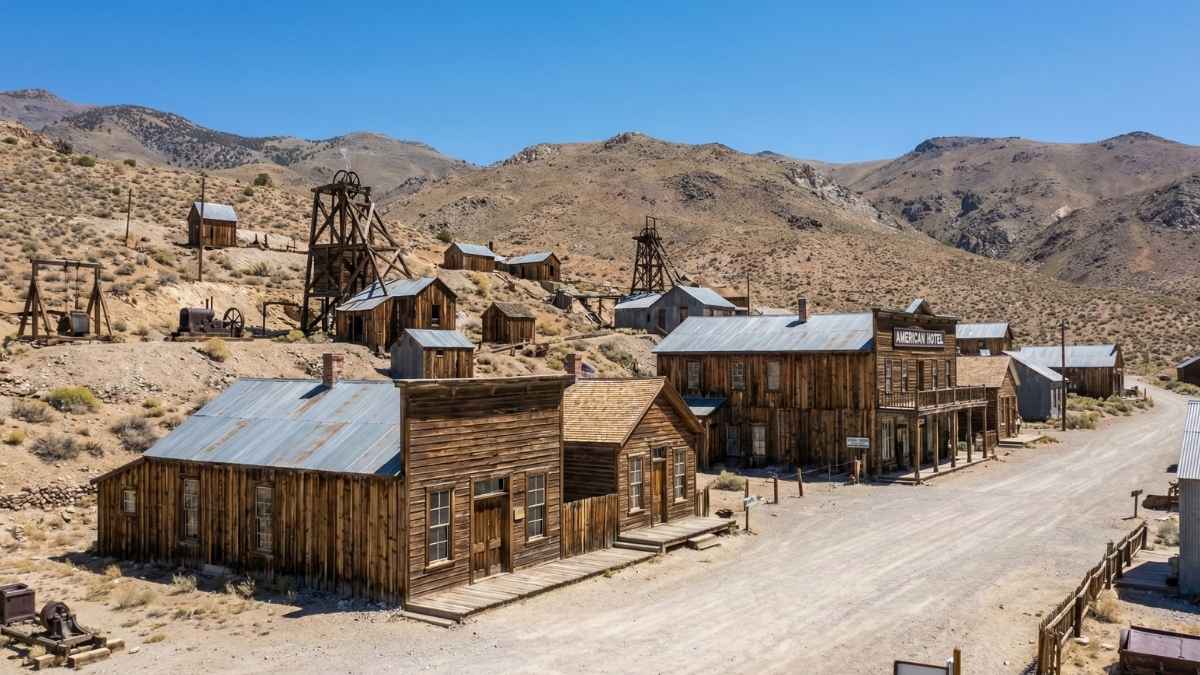
High in the Inyo Mountains, Cerro Gordo feels like a place time forgot — until it didn’t. The former silver-mining town gained new life after being purchased by a tech-adjacent investor with a long-term vision rather than a quick flip. What makes Cerro Gordo unique is its blend of extreme isolation and cultural relevance, sitting above Death Valley yet constantly pulling attention online.
Unlike typical ghost town restorations, Cerro Gordo is being revived with an eye toward sustainability, historical preservation, and selective access. Solar power, water logistics, and remote connectivity are all part of the plan — subtle indicators of how tech wealth approaches old-world infrastructure.
The location itself does half the storytelling. At over 8,000 feet in elevation, surrounded by harsh desert terrain, Cerro Gordo naturally filters out casual visitors. That physical barrier reinforces the idea of a curated, intentional community, not a tourist trap.
Other useful details:
- Best months to visit: May–June, September
- Climate: Cold winters, mild summers at elevation
- Accessibility: Limited road access, seasonal conditions
- Why it stands out: High-altitude isolation + modern infrastructure vision
3. Nipton, California
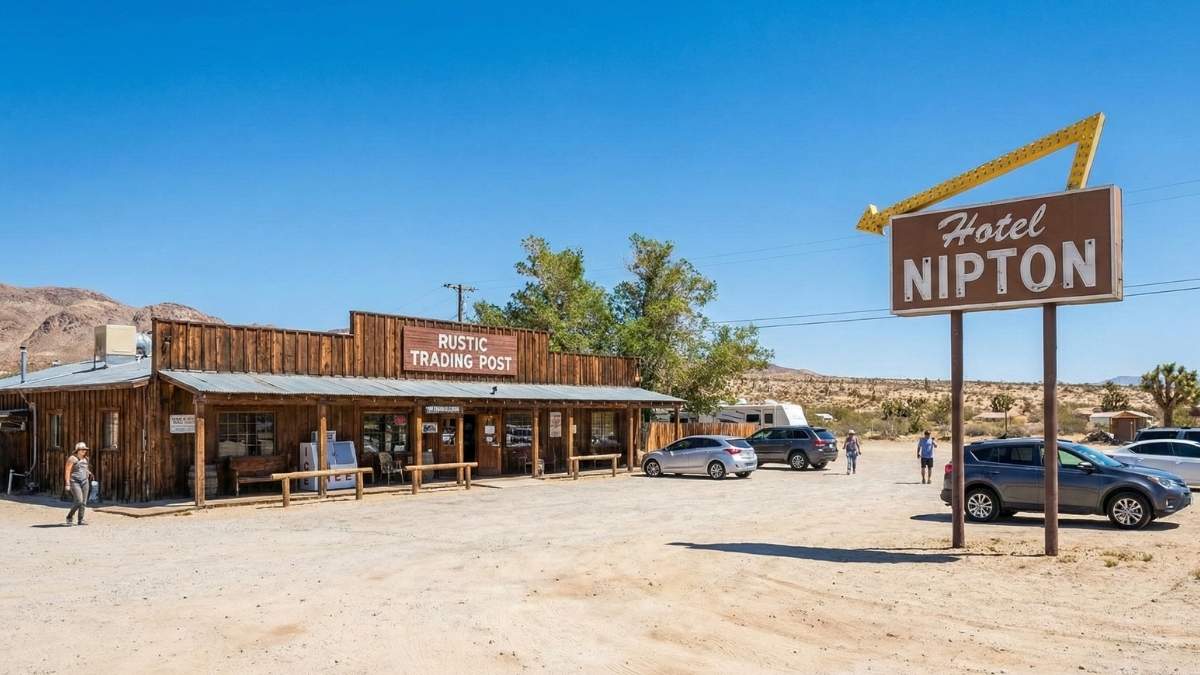
Nipton is small, remote, and unapologetically strange — which is exactly why it attracts unconventional buyers. Once nearly abandoned, the town was purchased to create a wellness-focused, off-grid micro-community, blending desert solitude with curated living.
The appeal here isn’t luxury in the traditional sense. It’s about intentional minimalism — limited residents, controlled development, and a focus on experiences rather than expansion. For tech billionaires tired of urban overload, Nipton represents a reset button rather than a showcase.
Its proximity to Las Vegas adds an interesting contrast. Less than an hour from neon chaos, Nipton sits in complete silence. That sharp divide makes it ideal for a private retreat model, where access is selective and purpose-driven.
Other useful details:
- Best months to visit: February–April, October
- Climate: Extreme desert temperatures
- Current status: Privately owned, limited public access
- Why it stands out: Wellness-driven redevelopment concept
4. Holy City, California
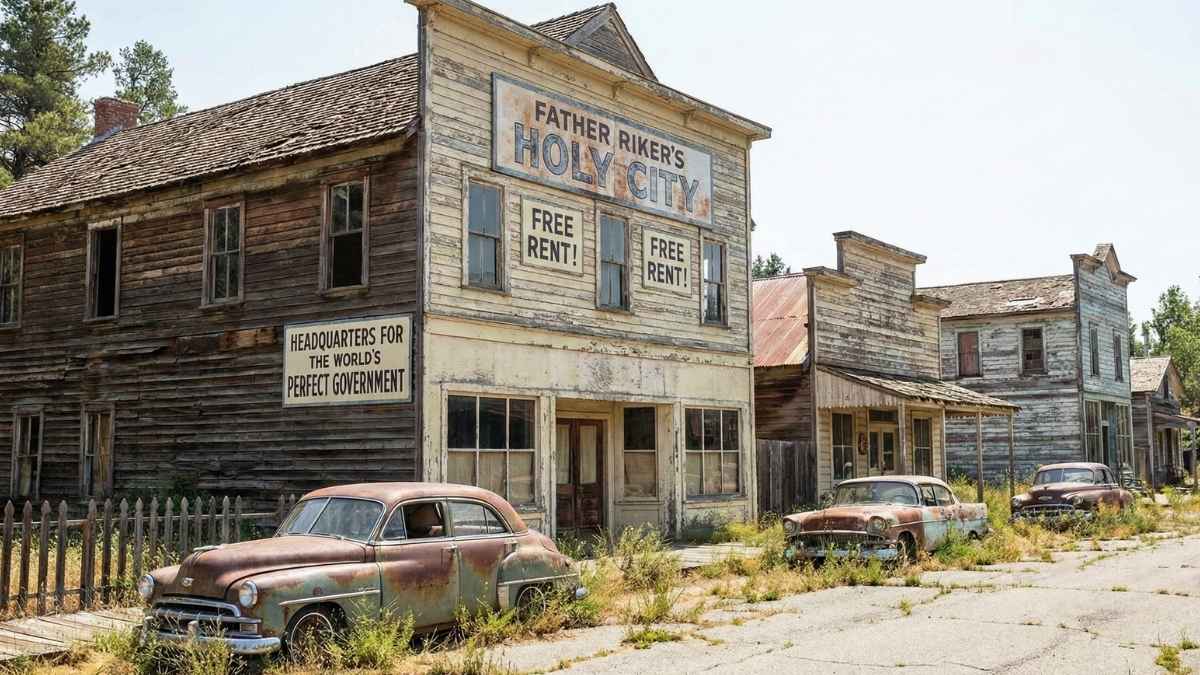
Holy City’s history is unusual even by ghost town standards. Originally founded as a roadside attraction with cult-like overtones, it later fell into decay before being purchased by a billionaire with deep ties to technology and pharmaceuticals. That alone makes it one of the most intriguing entries on this list.
What separates Holy City from other ghost towns is its strategic location — just outside Silicon Valley. Land in this region is extraordinarily expensive, acquiring an entire town, even a failed one, a rare opportunity for long-term influence.
Rather than redevelopment for tourism, the Holy City appears positioned for private, institutional use. Whether that becomes a research campus, private retreat, or controlled residential enclave remains unclear — and that uncertainty only adds to its mystique.
Other useful details:
- Best months to visit: April–October
- Climate: Mild coastal California weather
- Current access: Restricted, private ownership
- Why it stands out: Silicon Valley adjacency with total land control
5. Eagle Mountain, California
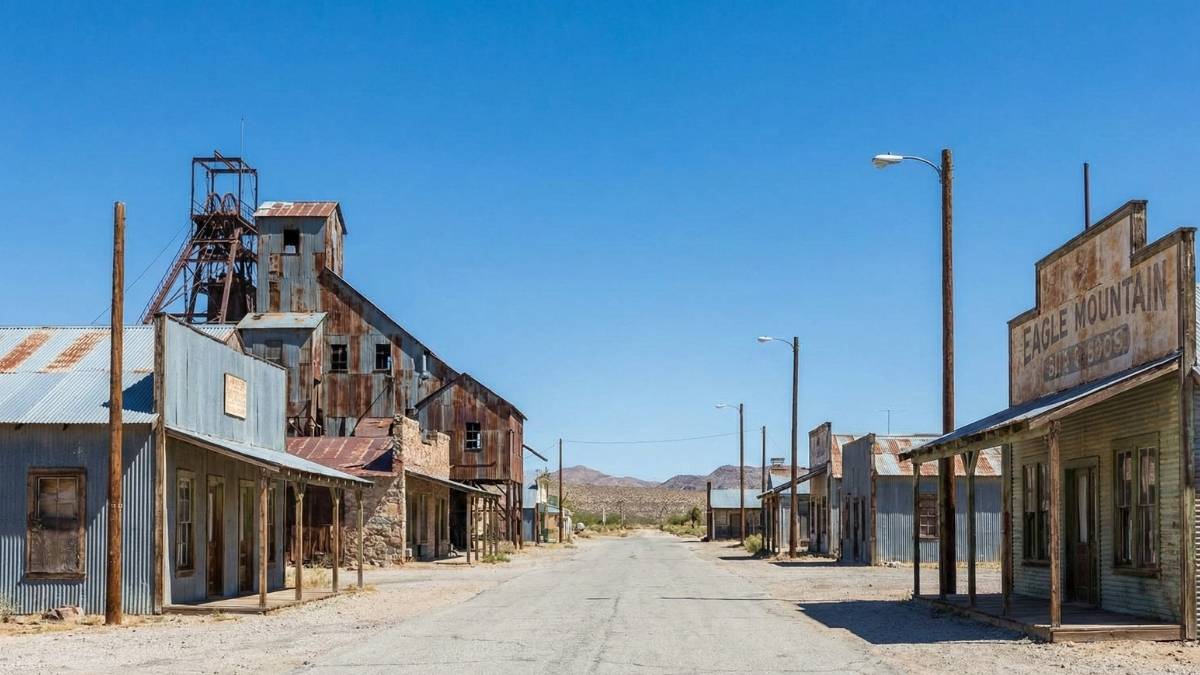
Eagle Mountain feels like the blueprint for a future private city. Once a mining town supporting thousands of residents, it still has streets, foundations, and utilities — a rare advantage among ghost towns. When wealthy investors quietly acquired the land, speculation followed immediately.
Unlike smaller ghost towns, Eagle Mountain was built at scale. That makes it ideal for full-system redevelopment, including housing, energy grids, and internal transportation. It’s the kind of place where a billionaire doesn’t need to start from scratch — just reprogram what already exists.
Its location near Joshua Tree and Palm Springs adds long-term value. Remote enough for privacy, close enough for access, Eagle Mountain sits in the sweet spot for a closed-loop experimental community designed to operate independently from surrounding cities.
Other useful details:
- Best months to visit: November–March
- Climate: Hot desert summers, mild winters
- Development potential: Extremely high due to existing infrastructure
- Why it stands out: Scale + readiness for transformation
6. Duquesne, Arizona
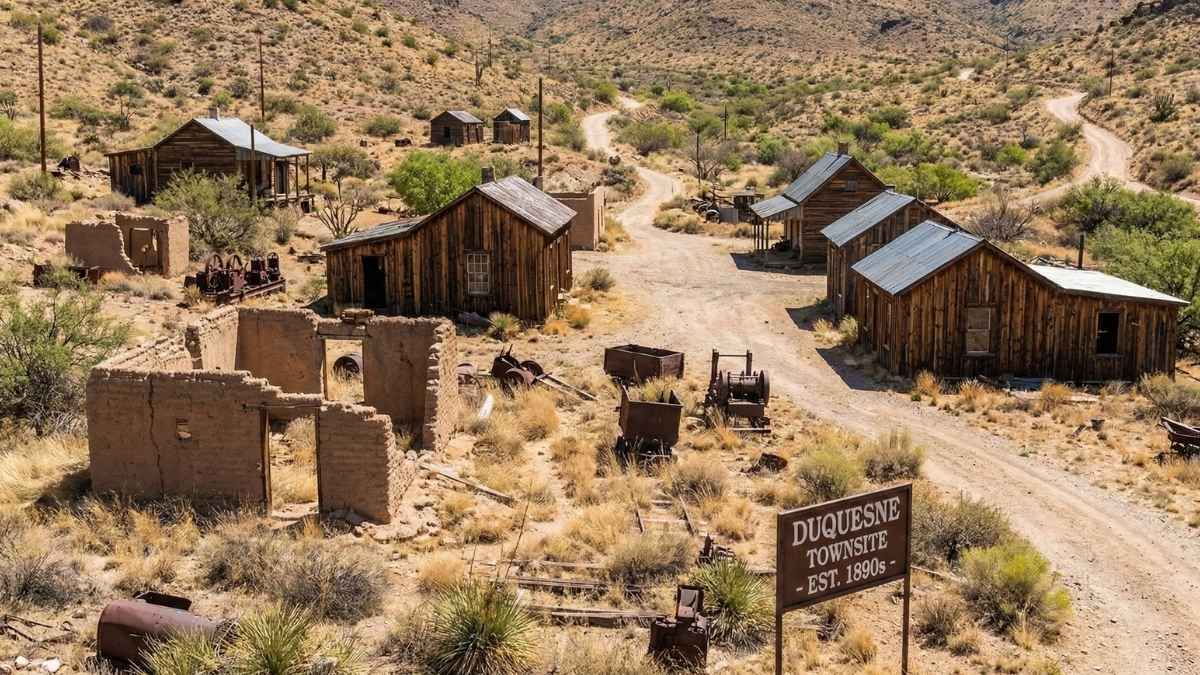
Duquesne sits quietly near the Mexican border, almost hidden by time and geography. Once a thriving mining settlement, it’s now privately owned land with just enough remaining structures to hint at its former life. What draws wealthy buyers here isn’t nostalgia — it’s control through remoteness.
The town’s isolation is extreme by modern standards, which makes it attractive to investors interested in privacy-first development. No nearby suburbs, no tourism pressure, and minimal government oversight compared to larger municipalities. That kind of environment allows experimentation without constant scrutiny.
Duquesne also benefits from Arizona’s broader appeal to tech wealth: favorable regulations, abundant land, and solar potential. It’s the kind of place that doesn’t announce itself — it simply waits for the right owner with a long horizon.
Other useful details:
- Best months to visit: March–April, October–November
- Climate: Hot summers, mild winters
- Accessibility: Remote, limited services nearby
- Why it stands out: Borderland isolation with minimal interference
7. Johnsonville, Connecticut
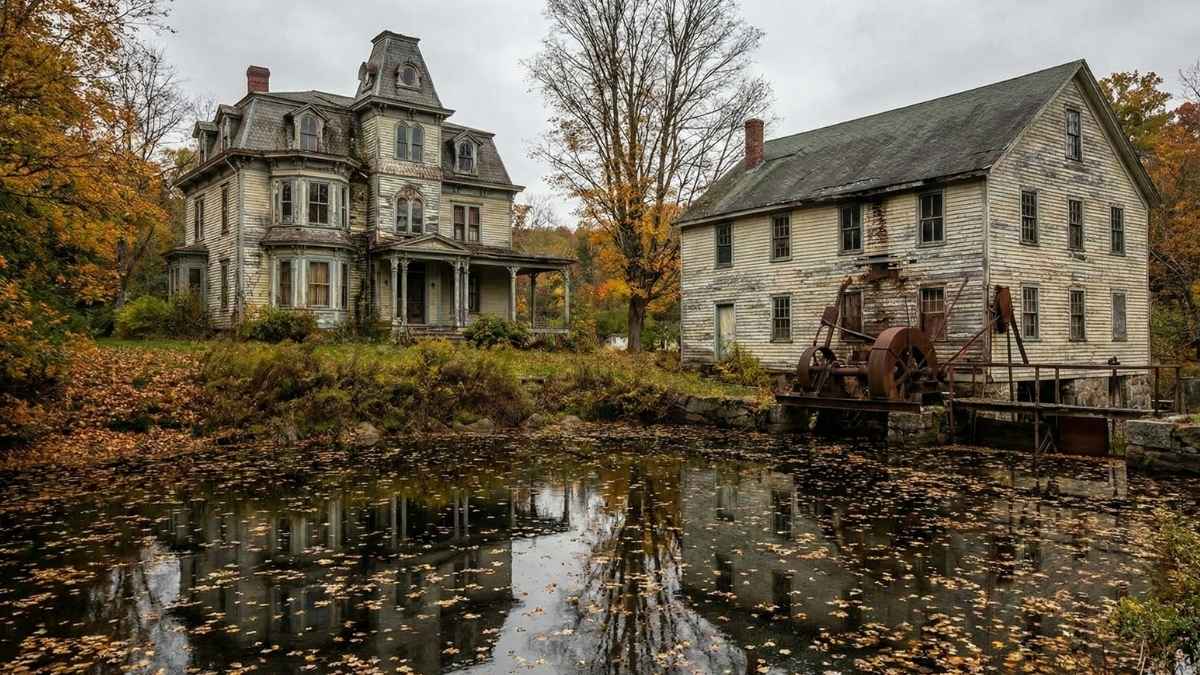
Johnsonville feels like a movie set frozen in time — and in many ways, it is. Once a factory town, it was later acquired by a well-funded private organization that restored buildings without opening them to public use. The result is a fully preserved town with almost no residents.
What makes Johnsonville fascinating is its completeness. Roads, homes, churches, and industrial buildings still stand, creating a ready-made environment for controlled community concepts or institutional use. Unlike decayed ghost towns, this one doesn’t need rebuilding — just reactivation.
Its New England location adds another layer of intrigue. Land scarcity in the region makes whole-town ownership rare, and this rarity is exactly what appeals to ultra-wealthy buyers seeking something unique and unrepeatable.
Other useful details:
- Best months to visit: May–October
- Climate: Cold winters, mild summers
- Current access: Closed to the public
- Why it stands out: Fully intact town with zero population
8. Scenic, South Dakota
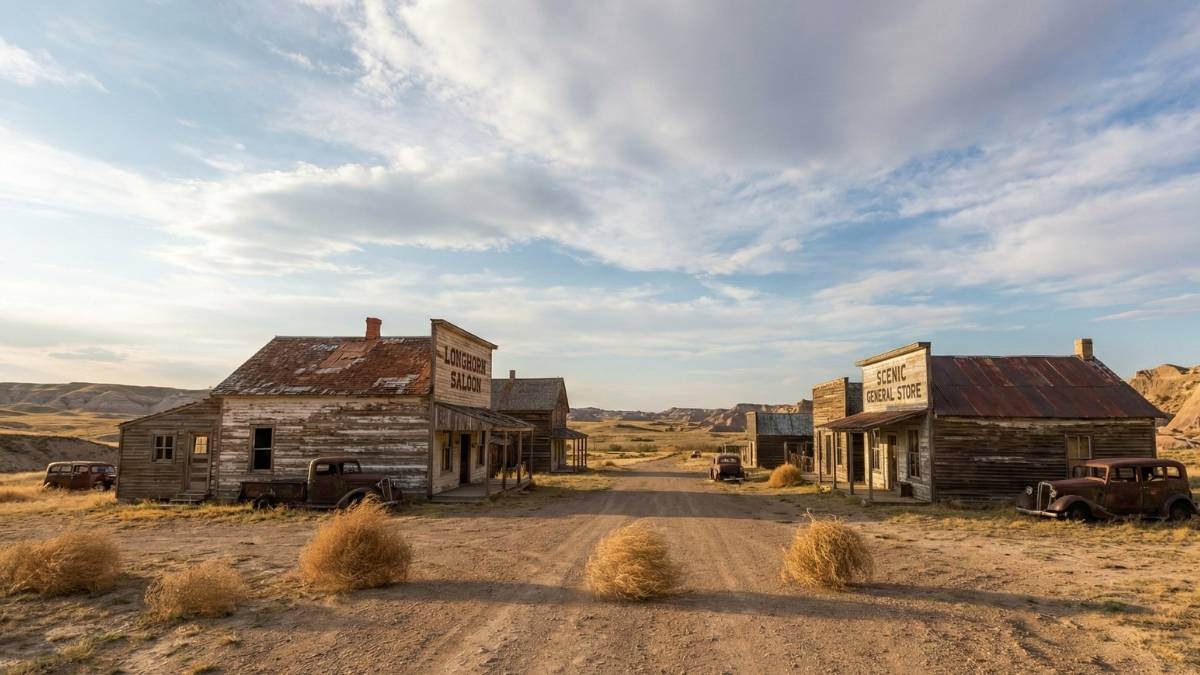
Scenic lives up to its name — wide-open prairie, endless sky, and a feeling of total separation from modern noise. Once a small railroad town, it was later purchased by a private group with the funds to maintain ownership without needing public revenue. That alone signals long-term intent.
The appeal here lies in scale without density. Scenic isn’t cramped or mountainous; it’s open, flat, and expandable. For tech-backed buyers thinking about experimental agriculture, autonomous systems, or self-sufficient living, this kind of land is incredibly versatile.
There’s also a psychological element. Places like Scenic offer a reset from hyper-connected urban life while still allowing modern infrastructure to be layered on quietly. That balance makes it ideal for low-profile utopian planning.
Other useful details:
- Best months to visit: June–September
- Climate: Harsh winters, warm summers
- Development style: Low-density, spread-out layouts
- Why it stands out: Vast land with minimal population pressure
9. Bankersmith (Bikinis), Texas
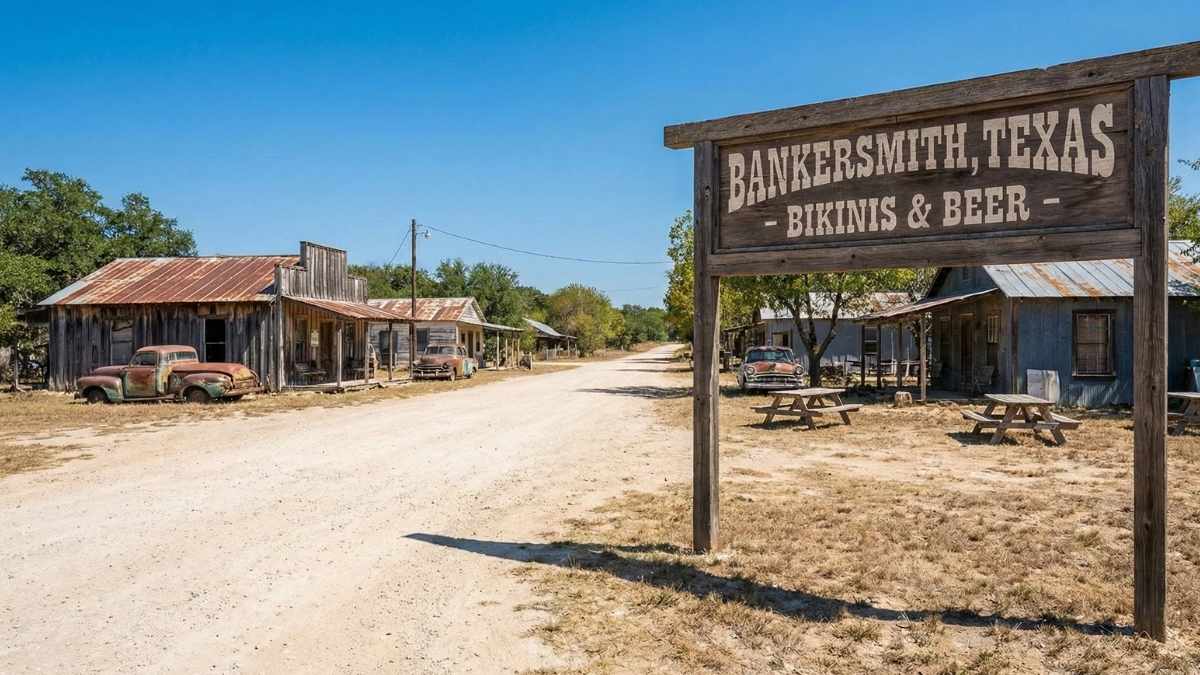
Bankersmith is proof that ghost towns don’t have to stay forgotten — they just need capital and intent. Bought by a private brand group, the town was transformed into a controlled venue rather than a public municipality. While not traditionally “tech,” the ownership model mirrors how tech wealth thinks: own the system, not just the property.
The town’s small footprint makes it easy to manage, curate, and repurpose. Everything that happens there is intentional, scheduled, and controlled — a structure that aligns perfectly with private-utopia thinking, even if the use case differs from housing.
Its Hill Country location adds value. Close enough to Austin for access, far enough to avoid interference, Bankersmith represents the prototype phase of private-town ownership.
Other useful details:
- Best months to visit: March–May, October
- Climate: Hot summers, mild winters
- Current use: Private events and controlled access
- Why it stands out: Fully curated, brand-driven town model
10. Empire, Nevada
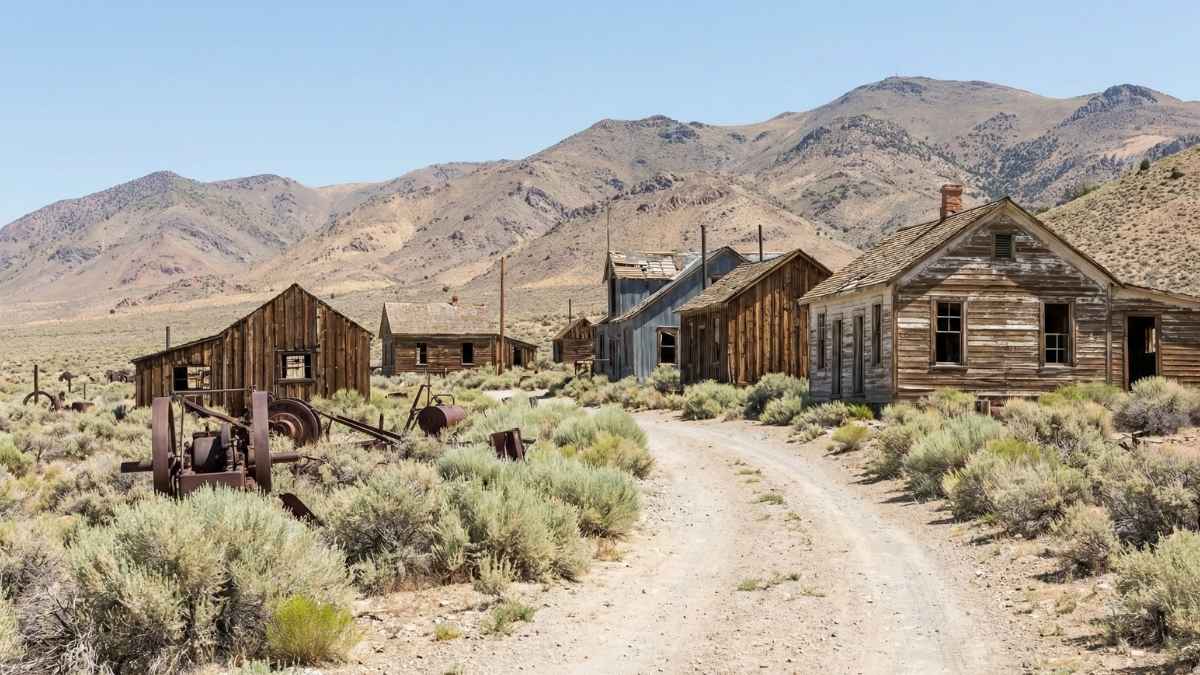
Empire isn’t ancient — it’s modern abandonment. Once a company town supporting a major industrial operation, it collapsed almost overnight when the primary employer shut down. That sudden emptiness left behind something rare: a fully modern town with no residents.
For wealthy investors, Empire is a dream scenario. Streets, utilities, housing, and civic layouts already exist. No historic preservation battles, no fragile ruins — just a blank slate built to contemporary standards.
Nevada’s regulatory environment only sweetens the deal. Low taxes, flexible zoning, and vast surrounding land make Empire a strong candidate for private-city experiments that don’t need outside approval to function.
Other useful details:
- Best months to visit: April–June, September–October
- Climate: High desert extremes
- Infrastructure: Modern, pre-existing
- Why it stands out: Turnkey town ready for reinvention
11. Terraville, South Dakota
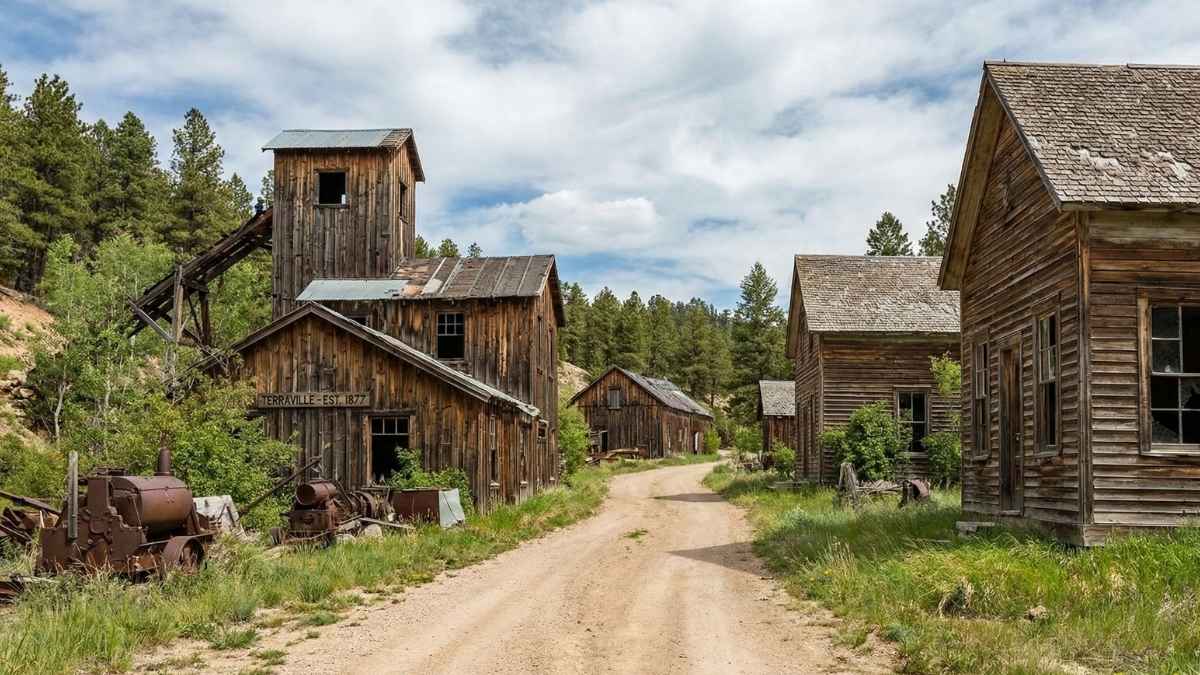
Terraville doesn’t announce itself. There are no dramatic ruins, no viral photos circulating online — and that’s exactly its appeal. Tucked into the Black Hills, this former gold-mining settlement has slowly faded into near invisibility, making it attractive to buyers who prefer quiet control over attention.
What makes Terraville interesting isn’t what’s there, but what isn’t. No tourism economy. No preservation spotlight. No expectation of public access. For wealthy investors thinking long-term, that absence creates room for deliberate, low-noise redevelopment without outside pressure or cultural resistance.
The surrounding landscape adds to its potential. Forested land, rolling terrain, and distance from major metros give Terraville a natural buffer. It’s the kind of place where a private community could exist comfortably under the radar — functional, self-contained, and intentionally disconnected from trend cycles.
Other useful details:
- Best months to visit: June–September
- Climate: Cold winters, mild summers
- Visibility: Extremely low public profile
- Why it stands out: Near-total obscurity with long-term land value
12. Utopia, Ohio
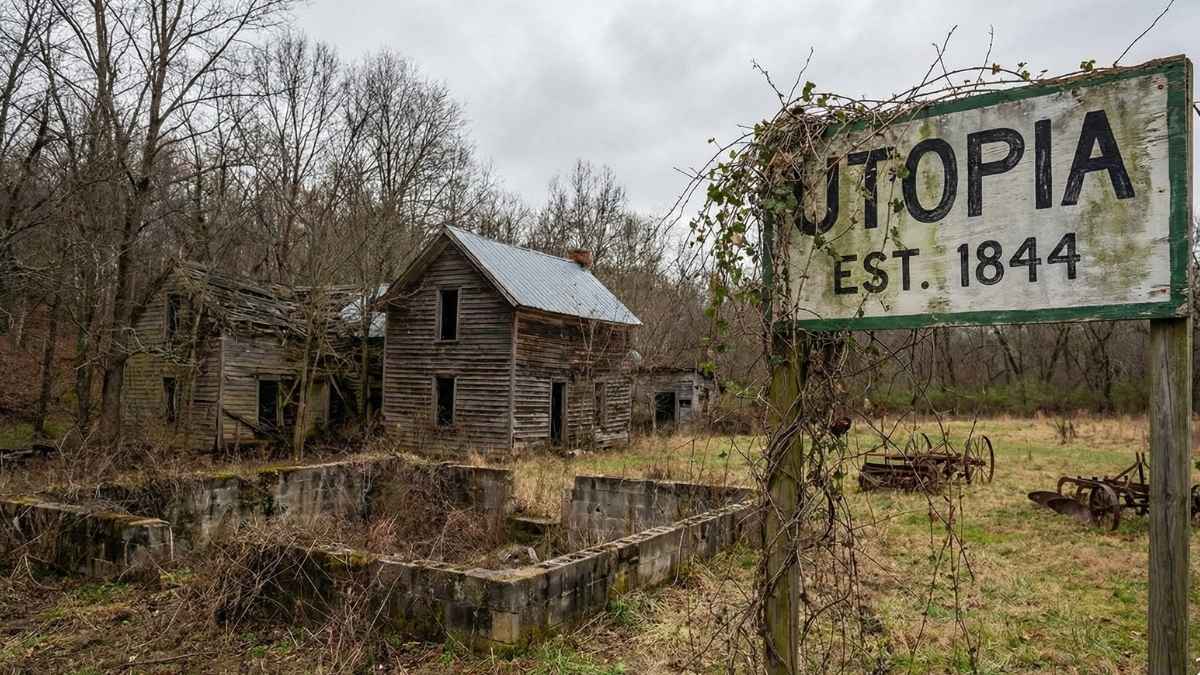
The name alone sets expectations — and the irony is hard to miss. Utopia began as a 19th-century experiment in communal living, driven by idealism rather than capital. Today, what remains is a near-ghost settlement that quietly attracts interest for a very different reason: the chance to rewrite the concept with modern tools.
Unlike desert or mountain ghost towns, Utopia sits in a green, river-adjacent landscape with fertile land and a gentler climate. That makes it appealing for investors focused on sustainable living models, agriculture-backed communities, or small-scale experimental towns that don’t rely on isolation for privacy.
There’s also a narrative advantage here. Tech wealth often gravitates toward places with a story — not for nostalgia, but for symbolism. Rebuilding a place literally called Utopia carries a subtle message: this isn’t about escape, it’s about controlled reinvention.
Other useful details:
- Best months to visit: May–October
- Climate: Four-season, moderate extremes
- Development style: Small-scale, community-oriented
- Why it stands out: Historical utopian roots with modern potential