13 Dying US Desert Towns Where Artists Are Building Off-Grid Paradises (Land Under $5K/Acre)

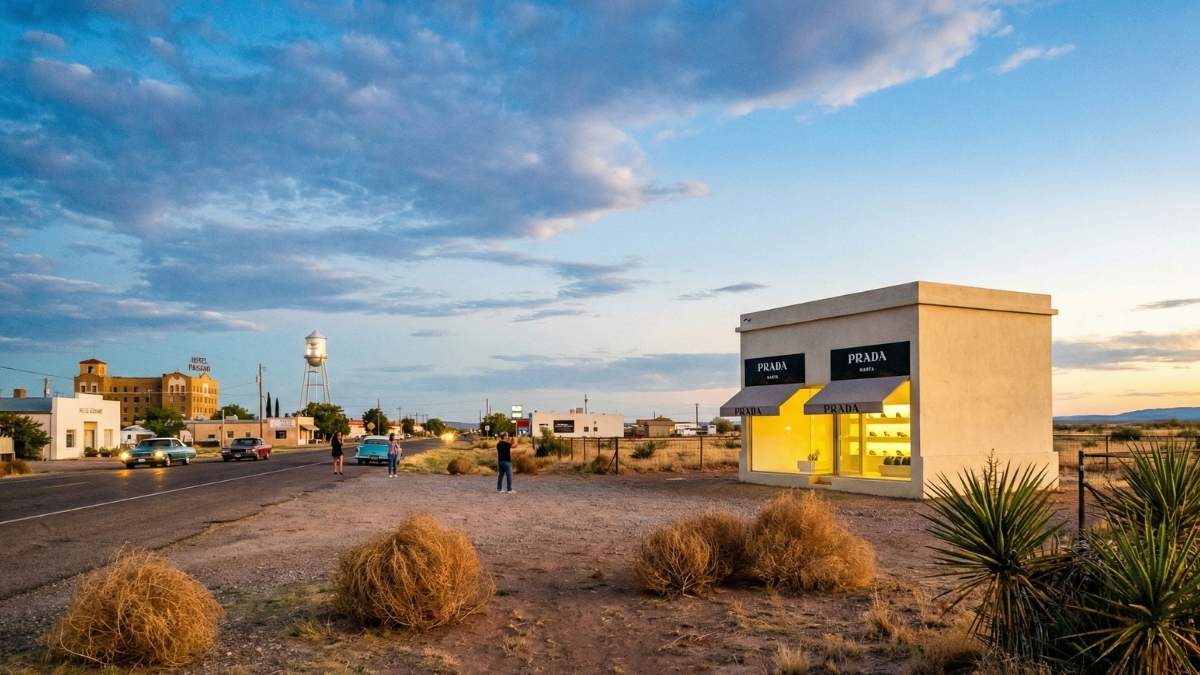
Silence hits differently when it’s earned. Out here, failure didn’t end these towns—it made room for reinvention. Empty roads, collapsing buildings, and wide-open desert became blank canvases for people who wanted out of noise, rules, and overdesigned lives.
What looks abandoned at first glance often hides solar panels, hand-built studios, and communities running on grit and creativity instead of grids and permits. Land is cheap, freedom is expensive in a different way, and every decision matters.
Each place in this list proves the same quiet truth: when nothing is left to lose, something entirely new gets built.
1. Slab City, California
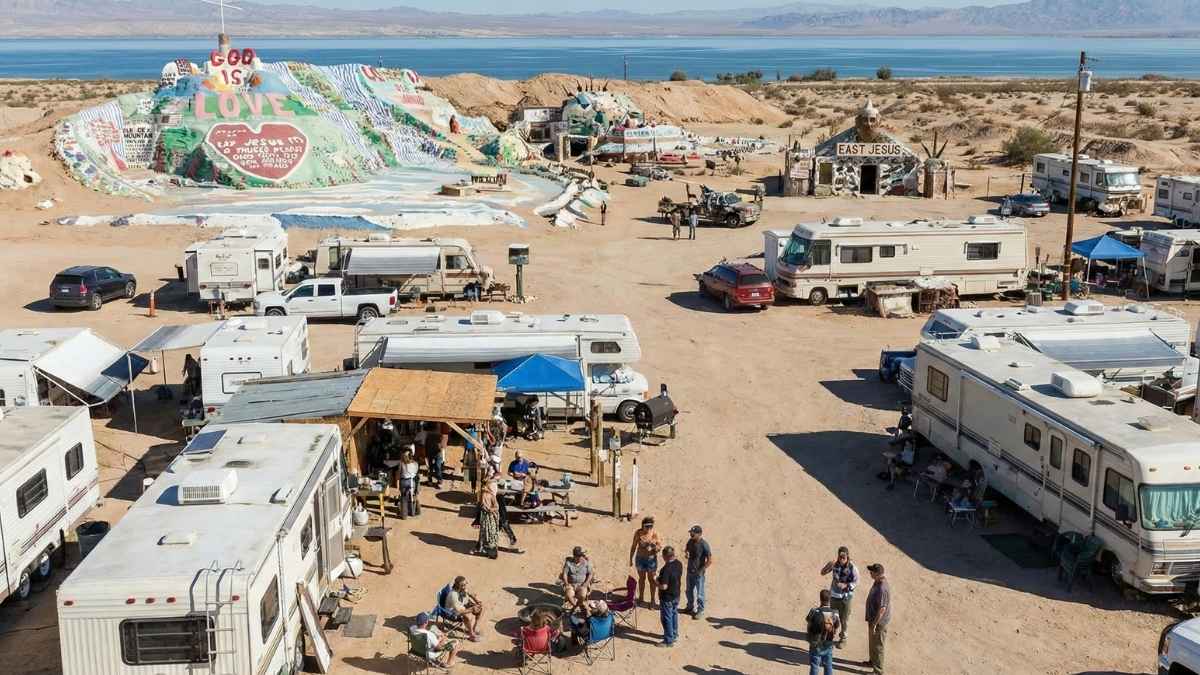
Often called America’s last free place, Slab City isn’t just a dying desert town—it’s a radical experiment in what happens when artists remove nearly every modern constraint. Built on the remnants of a WWII military base near the Salton Sea, this community runs without utilities, taxes, or formal governance. What remains is raw creativity mixed with survival-level off-grid living.
Artists come here because nothing about Slab City asks for permission. Sculptures rise from sand, salvaged buses turn into homes, and entire galleries exist under open skies. The absence of zoning laws allows total freedom, which is rare in the U.S. desert today. It’s chaotic at times, but that chaos fuels constant reinvention.
Despite its reputation, many residents take sustainability seriously—solar rigs, water hauling systems, composting setups, and community-shared resources are common. Land itself is technically public, but nearby private desert parcels can still be found extremely cheaply, making it a magnet for those testing an off-grid lifestyle before committing long-term.
Quick facts
- Best months to visit: November–March
- Climate: Extreme heat in summer, mild winters
- Off-grid friendly: Solar, water hauling, compost toilets
- Vibe: Radical freedom, experimental, unfiltered
- Nearby supplies: Niland, CA (30 minutes)
2. Bombay Beach, California
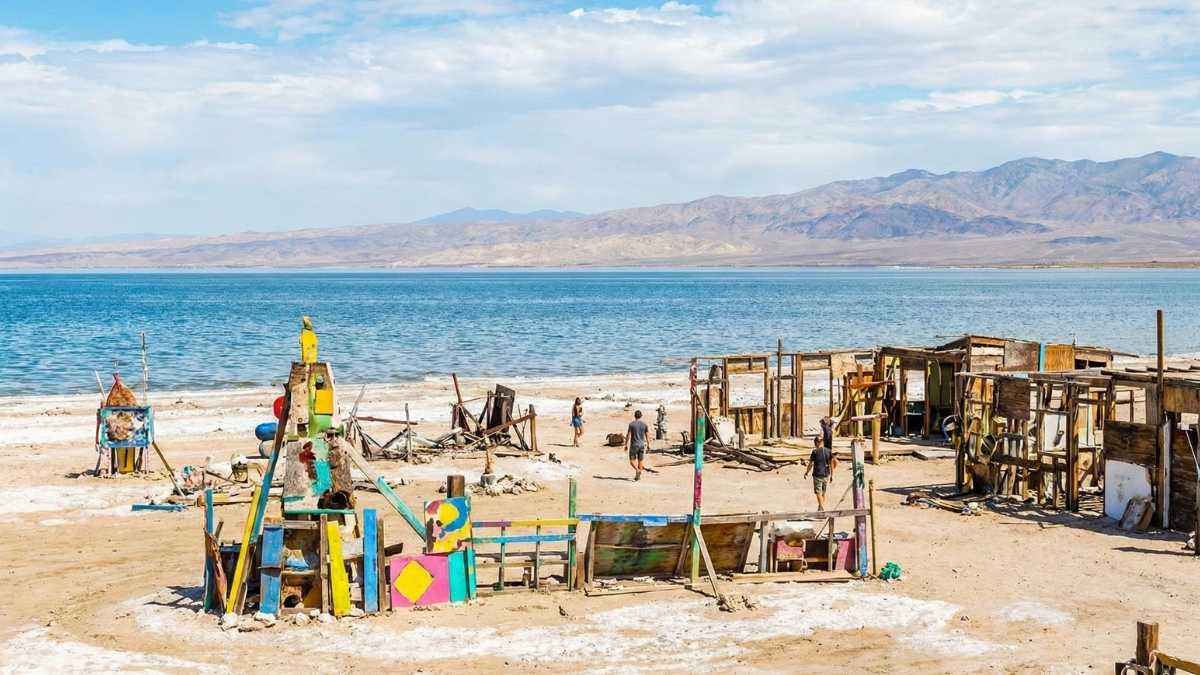
Bombay Beach should have vanished decades ago when the Salton Sea began collapsing—but artists changed the narrative. What was once a forgotten shoreline town is now an evolving open-air art environment where abandoned buildings double as installations and decay is treated as part of the aesthetic.
Creative energy here feels intentional. Artists arrive knowing the town’s fragility and lean into it, turning rust, rot, and silence into expression. The annual art events put Bombay Beach on the cultural map, but many creators stay year-round, quietly building studios, desert cabins, and solar-powered retreats on surrounding land.
What makes Bombay Beach compelling is the contrast. You’ll see brightly painted art cars parked next to collapsing homes, or poetry nailed to walls slowly eroding in salt air. Land in the surrounding area remains remarkably affordable, especially for those willing to live off-grid and embrace the environment rather than fight it.
Quick facts
- Best months to visit: December–April
- Climate: Hot desert with salty air
- Off-grid friendly: Solar essential, water delivery common
- Vibe: Surreal, artistic, quietly defiant
- Nearby supplies: Brawley, CA (25 minutes)
3. Terlingua, Texas
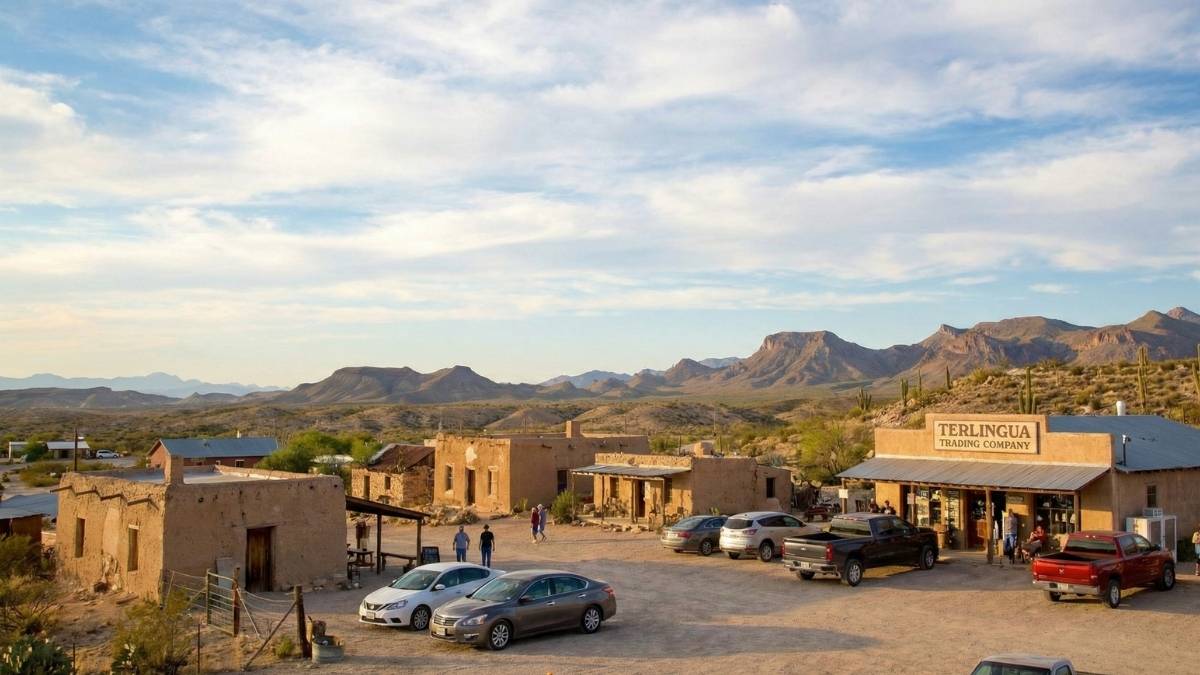
Terlingua sits near Big Bend National Park, where the desert feels vast enough to reset your nervous system. Once a mercury mining town, it nearly disappeared before artists, musicians, and desert minimalists began settling among its ruins.
Unlike many art towns, Terlingua blends creativity with practicality. Off-grid living is the norm, not the exception, and the community is built around shared knowledge—how to manage water, protect solar systems from heat, and live comfortably with minimal infrastructure. Land around Terlingua remains some of the most affordable in the Southwest.
The town has a strong identity without feeling curated. You’ll find handmade homes, desert studios, and open land where creativity isn’t boxed into galleries. It attracts people who want isolation but not loneliness—a subtle but important distinction.
Quick facts
- Best months to visit: October–March
- Climate: Hot summers, cool desert nights
- Off-grid friendly: Solar, rain catchment, septic
- Vibe: Rugged, creative, quietly social
- Nearby supplies: Study Butte (10 minutes)
4. Joshua Tree / Wonder Valley, California
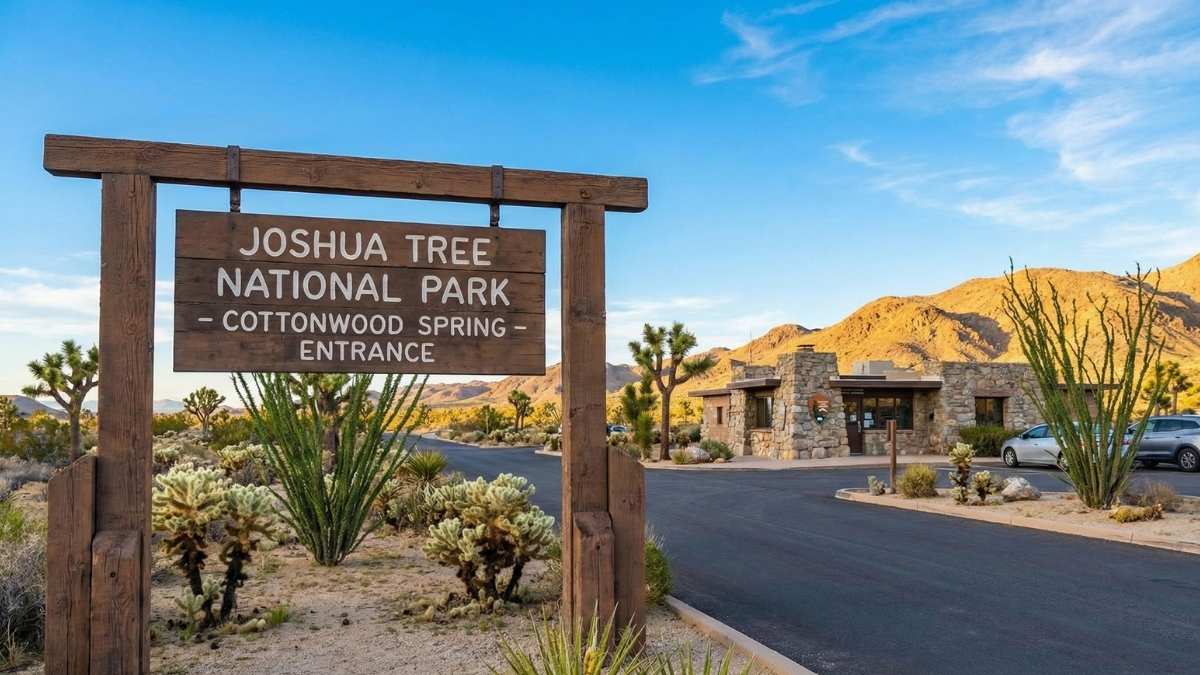
While Joshua Tree itself has become well-known, Wonder Valley—just to the east—remains where serious off-grid artists still find space and affordability. This high-desert area is dotted with homestead cabins, many abandoned decades ago and now being revived by creatives.
Artists are drawn here for the light, silence, and proximity to a larger creative ecosystem without the price tag. You’ll find minimalist studios, desert-modern homes, and experimental architecture powered almost entirely by solar. Land under $5K an acre still exists if you’re willing to be remote and self-sufficient.
What separates Wonder Valley from trendier desert towns is commitment. People don’t come here for weekends—they come to build something lasting, often restoring structures by hand and living simply to fund creative work.
Quick facts
- Best months to visit: November–April
- Climate: High-desert, wide temperature swings
- Off-grid friendly: Solar, battery storage essential
- Vibe: Minimalist, intentional, quietly innovative
- Nearby supplies: Yucca Valley (30 minutes)
5. Amboy, California
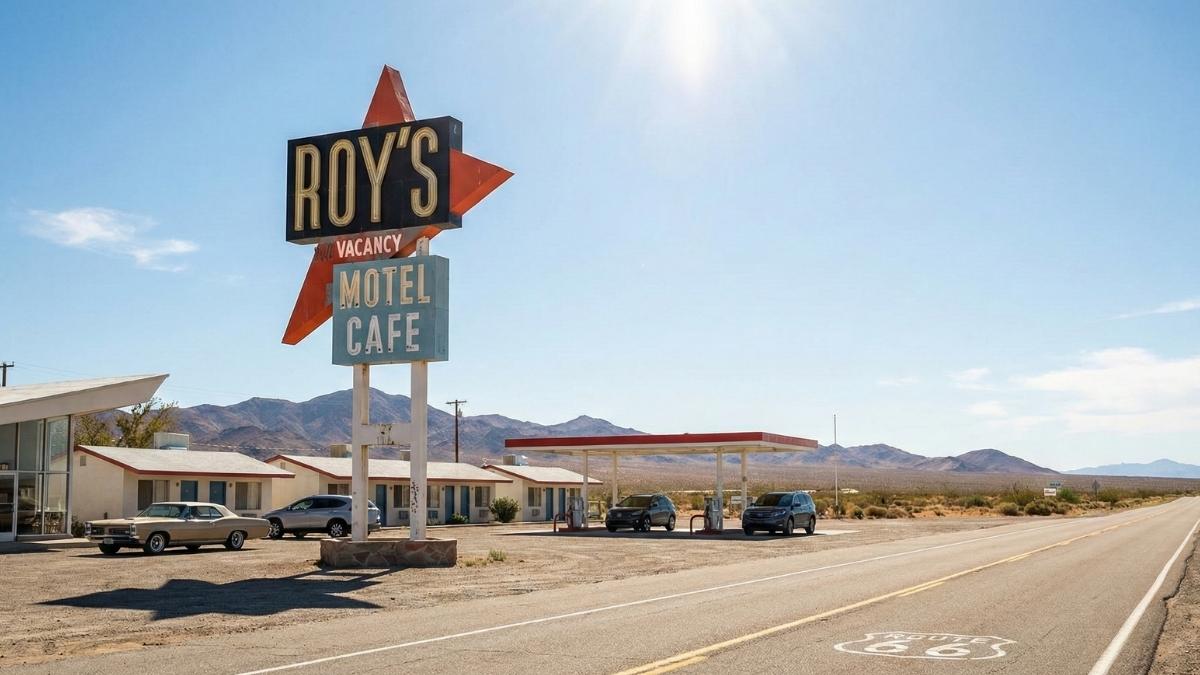
Amboy is the definition of a desert town frozen in time. Once a bustling Route 66 stop, it now sits nearly empty beneath volcanic hills, anchored by the iconic Roy’s Motel & Café sign. For artists, that stillness is the appeal.
The area attracts creators who work with large-scale installations, land art, and long-form projects that need space and solitude. There’s no rush here, no scene to perform for—just open desert and the freedom to build slowly. Surrounding land remains extremely inexpensive, especially compared to other parts of California.
Living here requires planning, but that’s part of the draw. Artists who settle near Amboy tend to be deeply intentional, designing off-grid systems that support long stretches of isolation while allowing creative focus without interruption.
Quick facts
- Best months to visit: October–March
- Climate: Extremely hot summers, dry year-round
- Off-grid friendly: Solar mandatory, water hauling
- Vibe: Stark, cinematic, deeply quiet
- Nearby supplies: Needles, CA (45 minutes)
6. Marfa, Texas
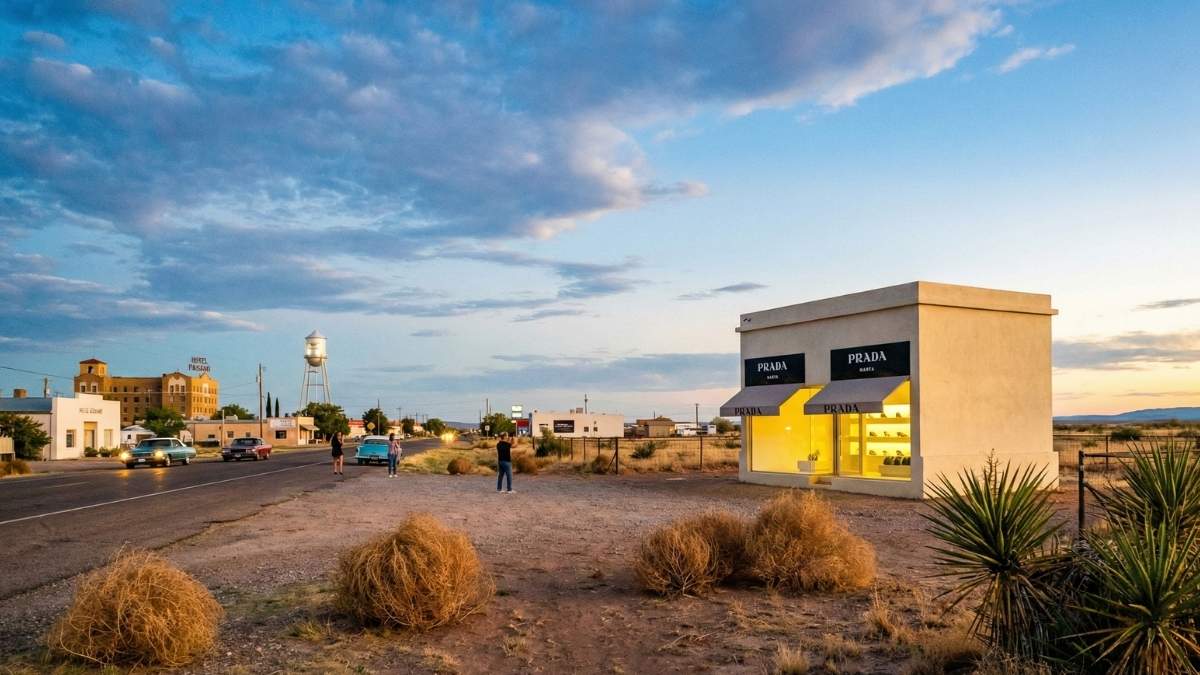
Marfa may be small, but its influence on desert art culture is massive. What began as a minimalist art outpost quietly evolved into a global reference point for creative isolation. While the town itself has become more expensive, the surrounding desert communities remain surprisingly accessible, especially for off-grid builders willing to live just beyond town limits.
Artists are drawn here for the mental clarity that comes from scale—big sky, long horizons, and uninterrupted quiet. Unlike flashier art towns, Marfa’s creative energy feels restrained and deliberate. Projects unfold slowly, often blending architecture, landscape, and conceptual art into a single experience.
Off-grid living outside Marfa is common, and many creatives choose it intentionally to avoid overdevelopment. Solar power, rain capture, and desert-adapted construction dominate. The result is a place where art and environment feel inseparable, not staged.
Quick facts
- Best months to visit: October–March
- Climate: Hot summers, mild winters
- Off-grid friendly: Very, especially outside town
- Vibe: Minimalist, intellectual, quietly prestigious
- Nearby supplies: Alpine, TX (30 minutes)
7. Hudspeth County, Texas
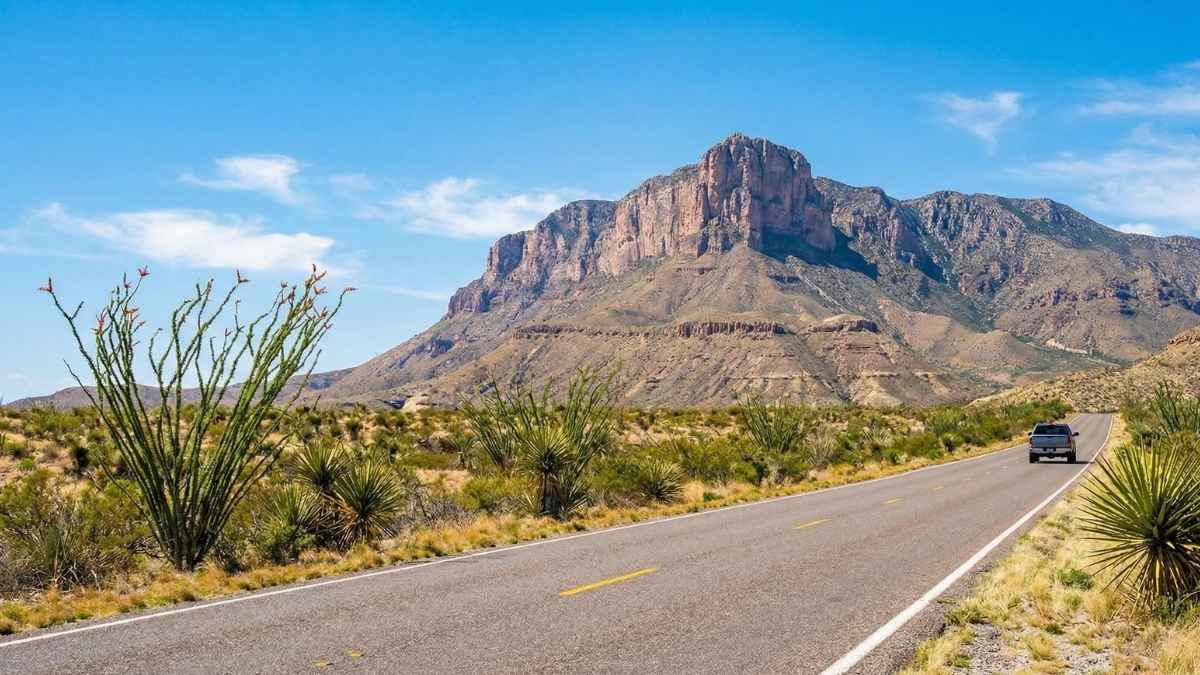
Hudspeth County doesn’t pretend to be anything it’s not—and that honesty attracts artists who want room to experiment without pressure. This vast desert region east of El Paso offers some of the cheapest land in Texas, often well under the $5K-per-acre mark.
There’s no centralized art scene here, which is exactly the appeal. Creators come to build self-contained worlds—studios, sculptural homes, and off-grid compounds where productivity isn’t interrupted by trends or tourism. The landscape is stark, open, and deeply quiet.
Living here requires preparation, but the payoff is autonomy. No crowds, no rules-heavy zoning, and no competition for space. For artists focused on long-term work rather than visibility, Hudspeth County offers a rare kind of freedom.
Quick facts
- Best months to visit: November–March
- Climate: Desert, intense summer heat
- Off-grid friendly: Excellent for solar and wind
- Vibe: Isolated, raw, self-directed
- Nearby supplies: Sierra Blanca, TX (varies by parcel)
8. Luna County, New Mexico (Deming Area)
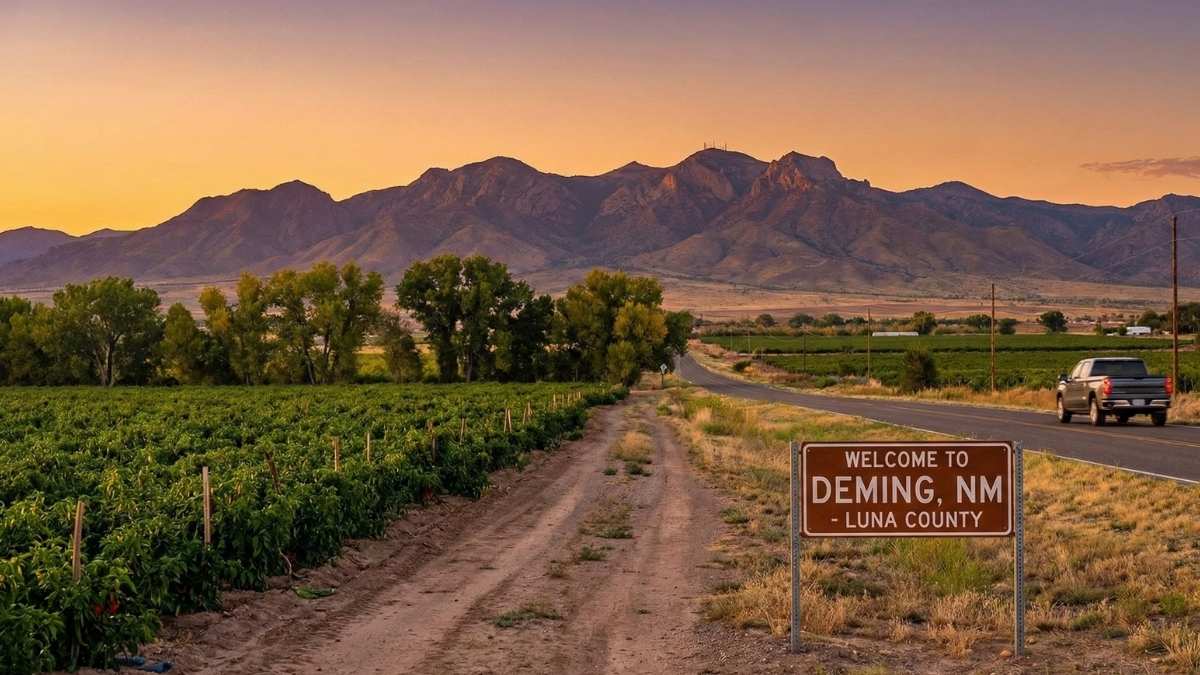
Luna County often flies under the radar, which keeps it affordable and appealing to off-grid creatives. The desert around Deming is open, flat, and sun-rich—ideal for solar-powered living and large-scale outdoor work.
Artists here tend to focus on function first. Homes are simple, efficient, and built to withstand heat and wind. The lack of hype allows for experimentation without external expectations. Land prices remain extremely low, making it accessible for those starting from scratch.
There’s also a practical advantage: Deming provides essential services without encroaching on solitude. That balance—remote living paired with logistical support—makes Luna County quietly attractive to artists who want sustainability without total isolation.
Quick facts
- Best months to visit: October–April
- Climate: High-desert, dry and windy
- Off-grid friendly: Solar, septic, well, or hauled water
- Vibe: Practical, spacious, quietly creative
- Nearby supplies: Deming, NM (10–20 minutes)
9. Apache County, Arizona
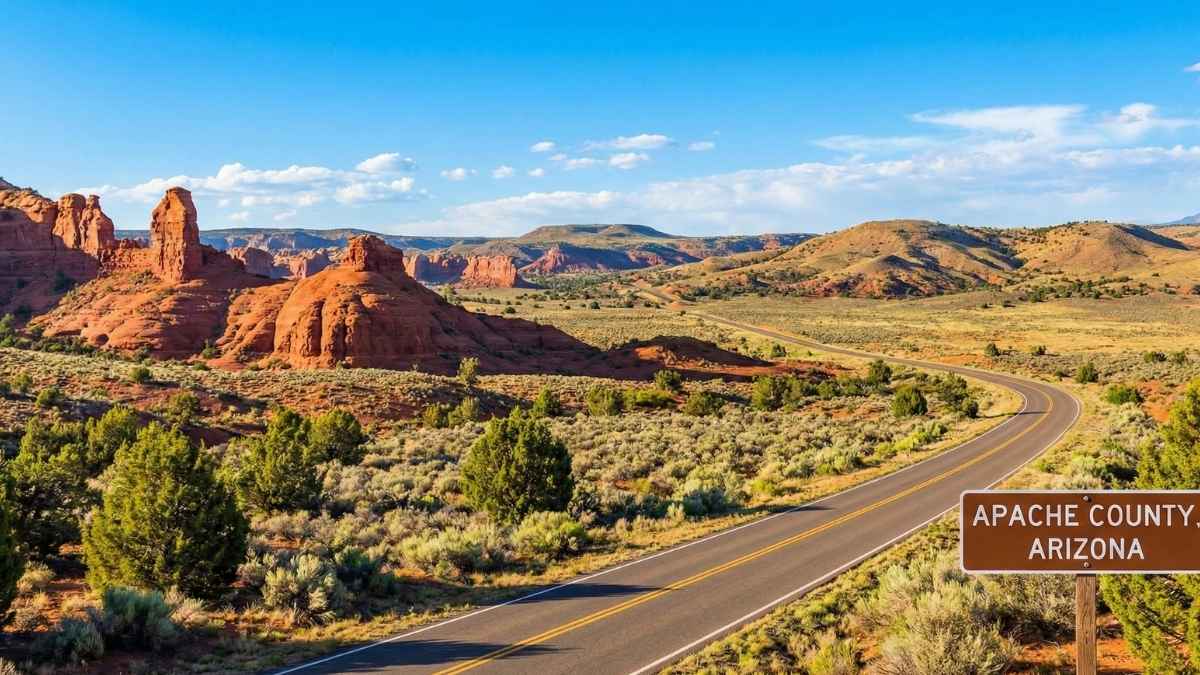
Apache County offers a wide-open high desert where time feels slower, and land feels endless. Artists are increasingly drawn here for the combination of affordability and scale, especially those working with land art, ceramics, or architecture-based projects.
The terrain varies from open plains to dramatic mesas, creating natural separation between neighbors. That space allows for deep focus and long-term builds. Off-grid systems thrive here thanks to abundant sun and low population density.
While winters can be cold, the tradeoff is privacy and cost. For artists who prefer silence over scenery-packed tourist towns, Apache County delivers a stripped-down environment that supports both creativity and independence.
Quick facts
- Best months to visit: April–June, September–October
- Climate: High-desert with cold winters
- Off-grid friendly: Solar and propane are common
- Vibe: Quiet, expansive, no-frills
- Nearby supplies: St. Johns or Springerville
10. Mohave County, Arizona
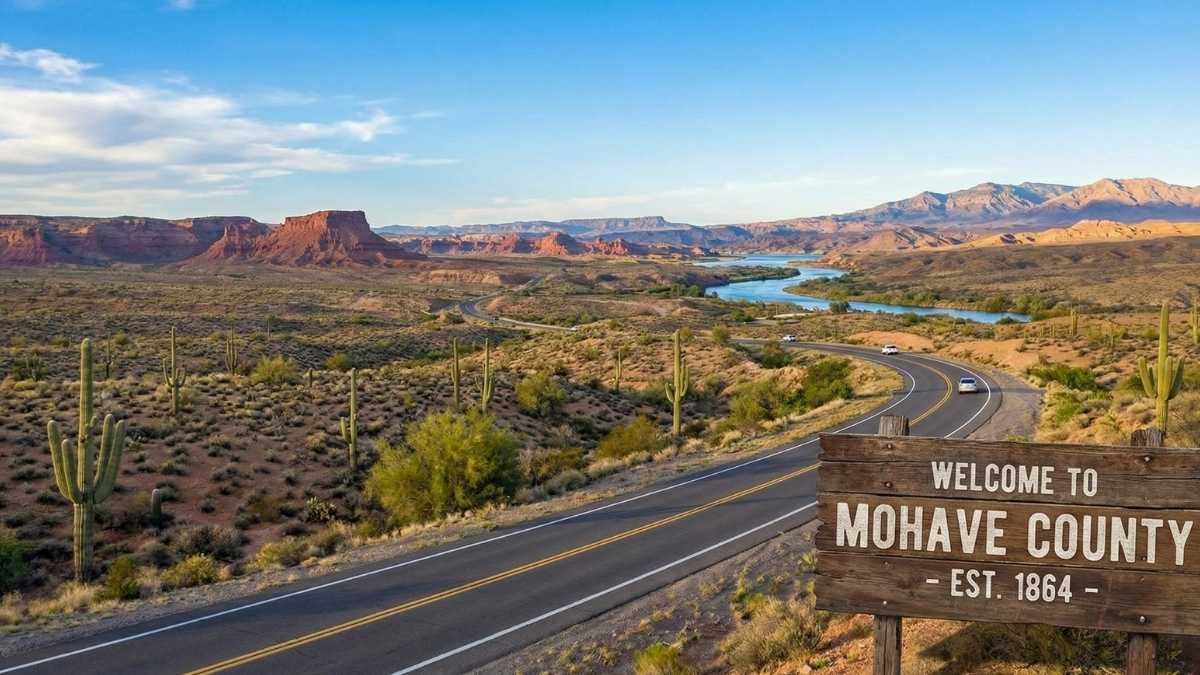
Mohave County has long attracted off-grid builders, but artists are now joining homesteaders in shaping its future. Areas near Yucca, Golden Valley, and remote pockets outside Kingman offer cheap desert acreage with minimal restrictions.
The appeal lies in accessibility. You can live off-grid while still being within reach of major highways and supply towns. Artists here often blend practicality with creativity—functional desert homes that double as studios, workshops, or galleries.
The landscape supports experimentation. Open land, distant horizons, and flexible building rules allow creators to design without compromise. Mohave County isn’t flashy, but it’s reliable—and that stability matters when building something meant to last.
Quick facts
- Best months to visit: October–April
- Climate: Hot summers, mild winters
- Off-grid friendly: Very common and accepted
- Vibe: Practical, independent, quietly evolving
- Nearby supplies: Kingman, AZ (varies by location)
11. Sanderson, Texas
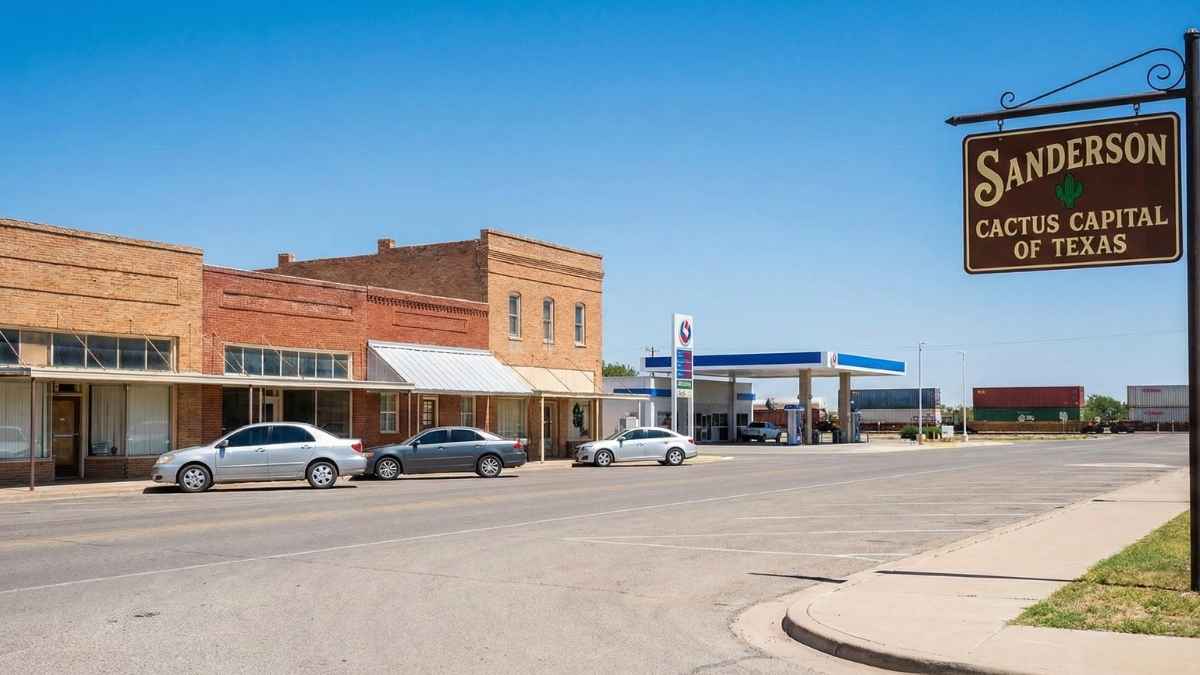
Sanderson doesn’t try to win people over—and that’s exactly why certain artists stay. Sitting along the edge of the Chihuahuan Desert, this small, shrinking town feels more like a pause than a destination. Days move slowly here. Conversations are brief but sincere. The desert does most of the talking.
For creatives, Sanderson offers space without spectacle. No curated art walks. No hype cycles. Just land, sky, and the ability to work uninterrupted. Surrounding acreage remains affordable, especially for those willing to live a few miles outside town and build off-grid from the ground up.
What emerges here isn’t flashy art—it’s focused work. Writing retreats, sculptural experiments, and long-term projects that need quiet instead of feedback. Sanderson suits artists who value discipline over distraction.
Quick facts
- Best months to visit: October–March
- Climate: Hot, dry summers; cool nights
- Off-grid friendly: Solar and hauled water are common
- Vibe: Low-key, disciplined, deeply quiet
- Nearby supplies: Sanderson (limited), Marathon (45 minutes)
12. Fort Davis Region, Texas
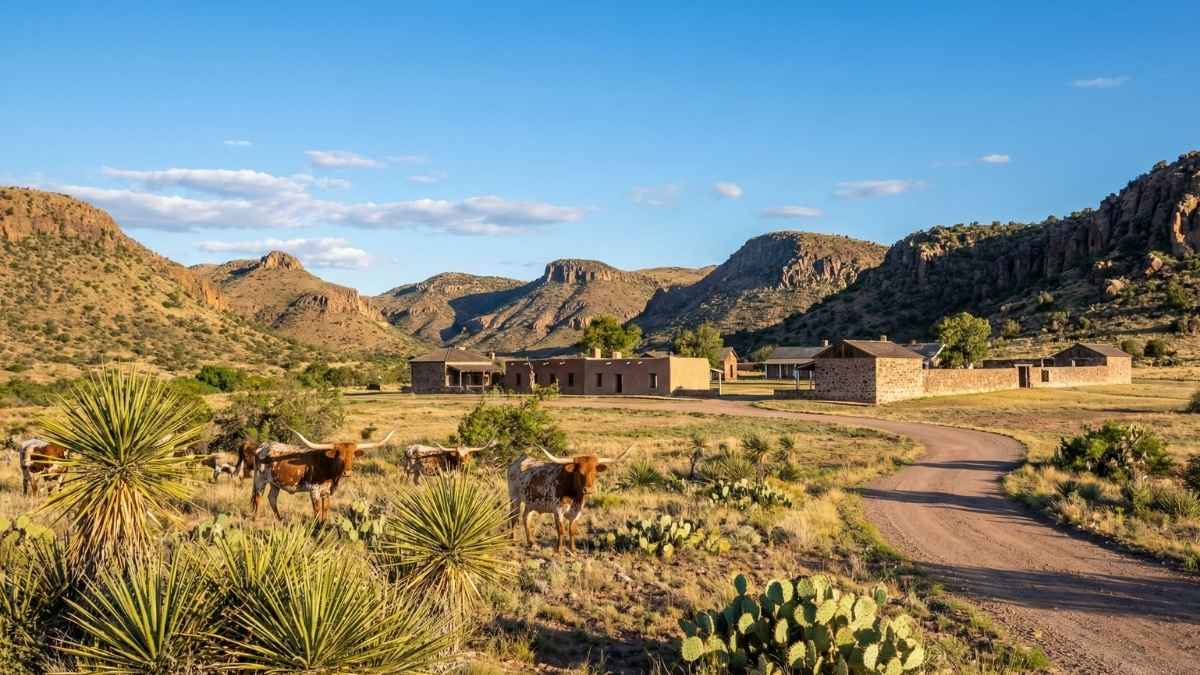
Fort Davis sits higher than much of the surrounding desert, and that elevation changes everything. Cooler temperatures, mountain backdrops, and darker night skies give the area a calmer, more reflective feel. While the town itself is small, artists tend to settle just beyond it, where land opens up, and prices drop.
This region attracts creatives who want desert living without the harshest extremes. Off-grid homes here often blend into the landscape—earth-toned cabins, solar arrays tucked out of sight, studios designed to follow the sun rather than fight it.
There’s also a sense of balance. Enough community to feel grounded, enough distance to stay focused. For artists aging into sustainability or simply seeking longevity, Fort Davis offers a desert life that feels livable year after year.
Quick facts
- Best months to visit: April–June, September–October
- Climate: Mild compared to the lower desert
- Off-grid friendly: Excellent with solar and propane
- Vibe: Calm, grounded, quietly scenic
- Nearby supplies: Fort Davis, Alpine (30 minutes)
13. Remote Utah Desert Ghost Towns (Paria, Grafton Region)
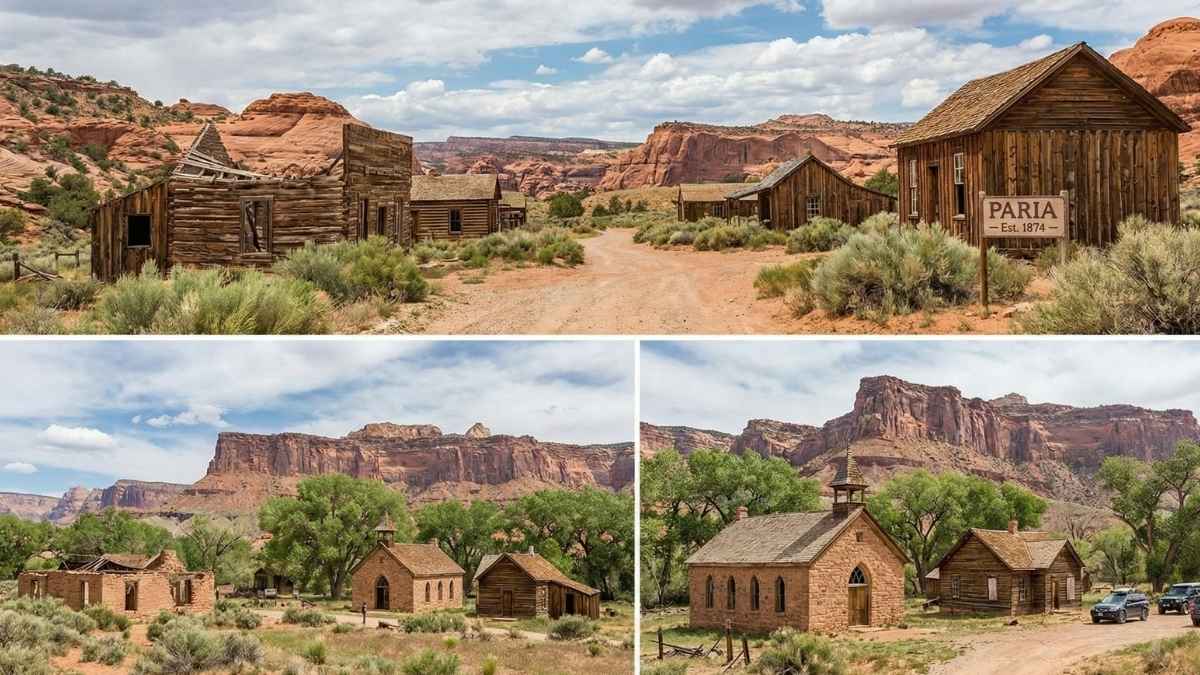
These places don’t really function as towns anymore—and that’s the point. Scattered across southern Utah are desert ghost towns where infrastructure faded, but the land remained. Artists drawn here aren’t looking for community in the traditional sense; they’re looking for time, silence, and geological drama.
Work created in these areas often responds directly to the landscape—stone, wind, erosion, light. Living off-grid is a necessity, not a lifestyle choice, and that filters out anyone not fully committed. Nearby private parcels can still be found cheaply, especially away from tourist corridors.
What these locations offer is distance from noise, from trends, from urgency. They close the list not with energy, but with depth. A reminder that sometimes the most powerful creative environments are the ones that barely exist at all.
Quick facts
- Best months to visit: April–May, September–October
- Climate: High-desert with cold winters
- Off-grid friendly: Mandatory, not optional
- Vibe: Stark, timeless, deeply introspective
- Nearby supplies: Kanab or Hurricane (varies widely)