15 US Island Communities Only Accessible by Boat (Where Mainlanders Aren’t Welcome)

Ferries pull away, engines quiet down, and something subtle shifts when land is no longer guaranteed. These places weren’t built for convenience, crowds, or curiosity seekers with weekend plans.
Access is earned, not assumed. Life unfolds more slowly when tides decide schedules and neighbors recognize outsiders instantly. Privacy isn’t advertised here — it’s protected by water, weather, and generations of quiet agreement.
The appeal isn’t luxury or escape; it’s separation with intention. Each stop on this list exists slightly out of reach, where community matters more than visitors and boundaries are part of the landscape. Keep reading — every crossing tells a different story.
1. Tangier Island, Virginia
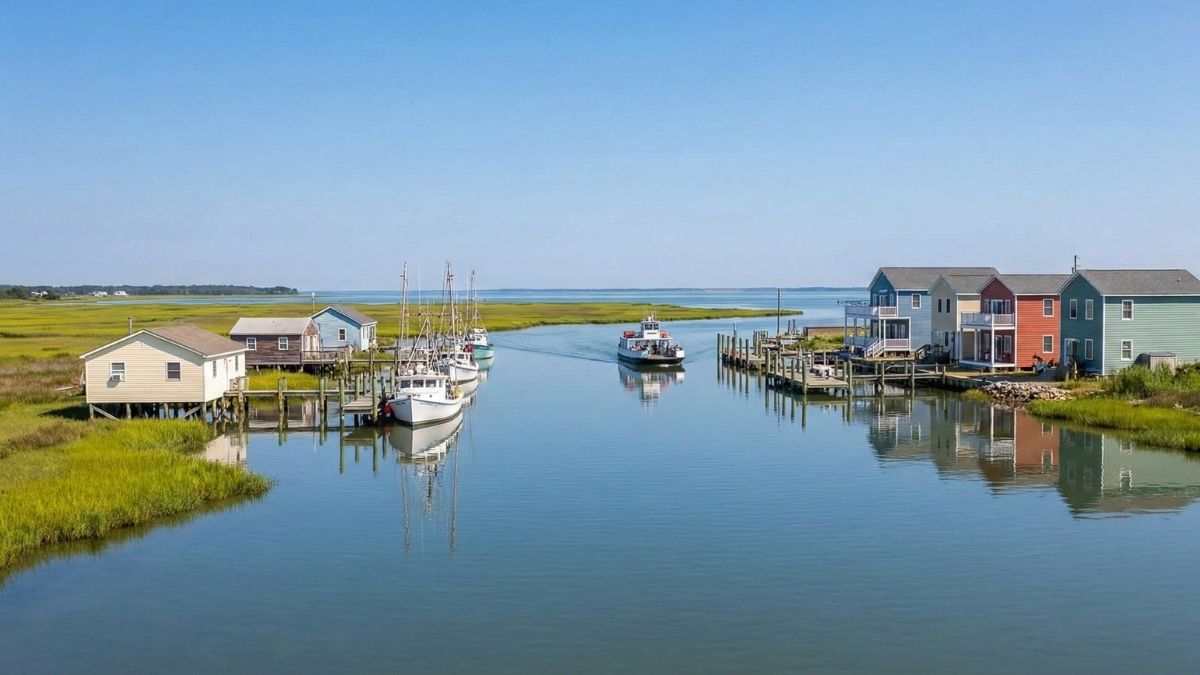
Tangier Island feels less like a destination and more like a living time capsule floating in the Chesapeake Bay. The community has existed in near-isolation for centuries, shaped by watermen, storms, and traditions that outsiders rarely understand. Arriving by boat, the silence is noticeable first — no traffic, no crowds, no hurry. It’s a place where daily life still revolves around tides and weather, not schedules.
What makes Tangier especially unwelcoming to mainlanders isn’t hostility — it’s cultural self-containment. The island has its own dialect, values, and pace that haven’t bent much to modern trends. Visitors are tolerated, even treated kindly, but it’s clear who belongs and who doesn’t. The island doesn’t adapt to outsiders; outsiders adapt to it.
Life here feels fragile yet stubbornly persistent. Rising waters threaten its future, but that vulnerability has only strengthened local identity. Tangier isn’t trying to attract newcomers or reinvent itself — it’s trying to survive on its own terms, which gives the island a rare emotional weight you don’t forget quickly.
Other useful details:
- Best months to visit: May–September
- Access: Passenger ferry or private boat only
- Vibe: Deeply traditional, insular, slow
- Population: ~400 residents
- Good to know: Overnight options are extremely limited
2. Daufuskie Island, South Carolina
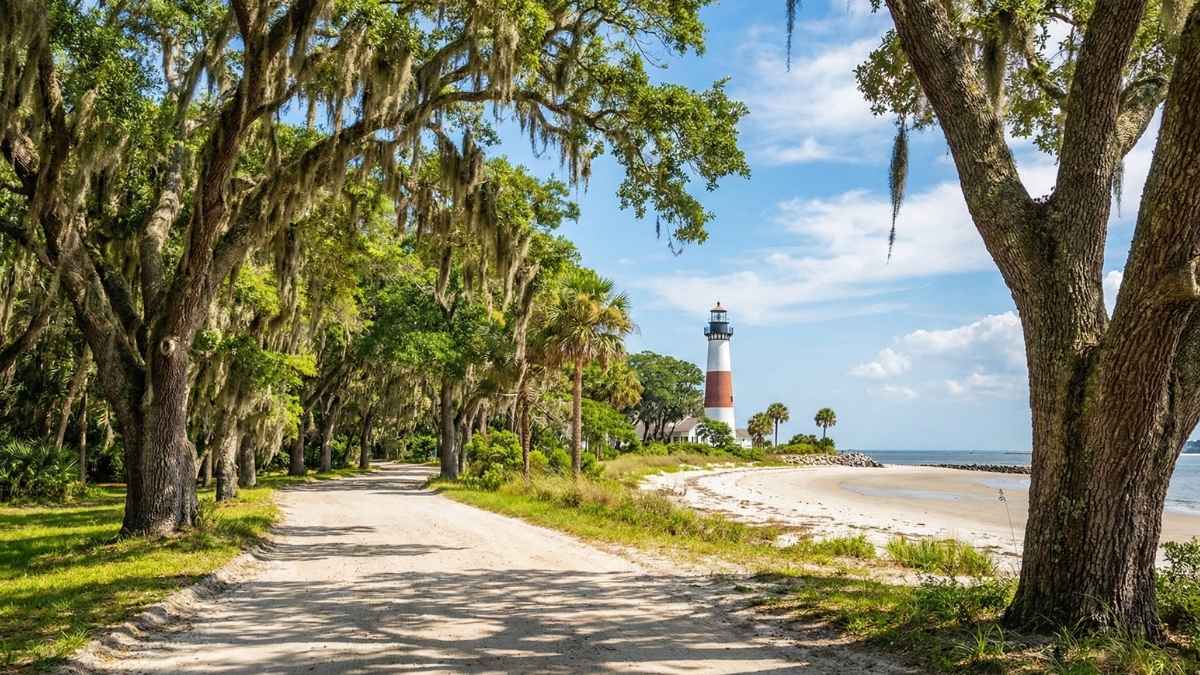
Daufuskie Island sits just across the water from luxury resorts, yet feels worlds apart. No bridge connects it to the mainland, and once you step off the boat, the contrast becomes clear — dirt roads, golf carts, quiet beaches, and a community that values privacy above convenience.
The island’s Gullah Geechee heritage runs deep, and while modern development has arrived in pockets, locals remain protective of their way of life. Outsiders often underestimate how quickly they’ll stand out. Daufuskie doesn’t perform for visitors; it expects them to respect its rhythm or move along.
What keeps mainlanders at bay isn’t rules, but friction. Everything requires planning — groceries, supplies, transportation. That friction filters out casual interest and preserves the island’s calm. Those who stay long enough tend to either fall in love with the isolation or quietly leave.
Other useful details:
- Best months to visit: March–May, October
- Access: Ferry or private boat only
- Vibe: Quiet, culturally rooted, lightly guarded
- Population: ~400 full-time residents
- Good to know: Golf carts are the primary transportation
3. Sapelo Island, Georgia
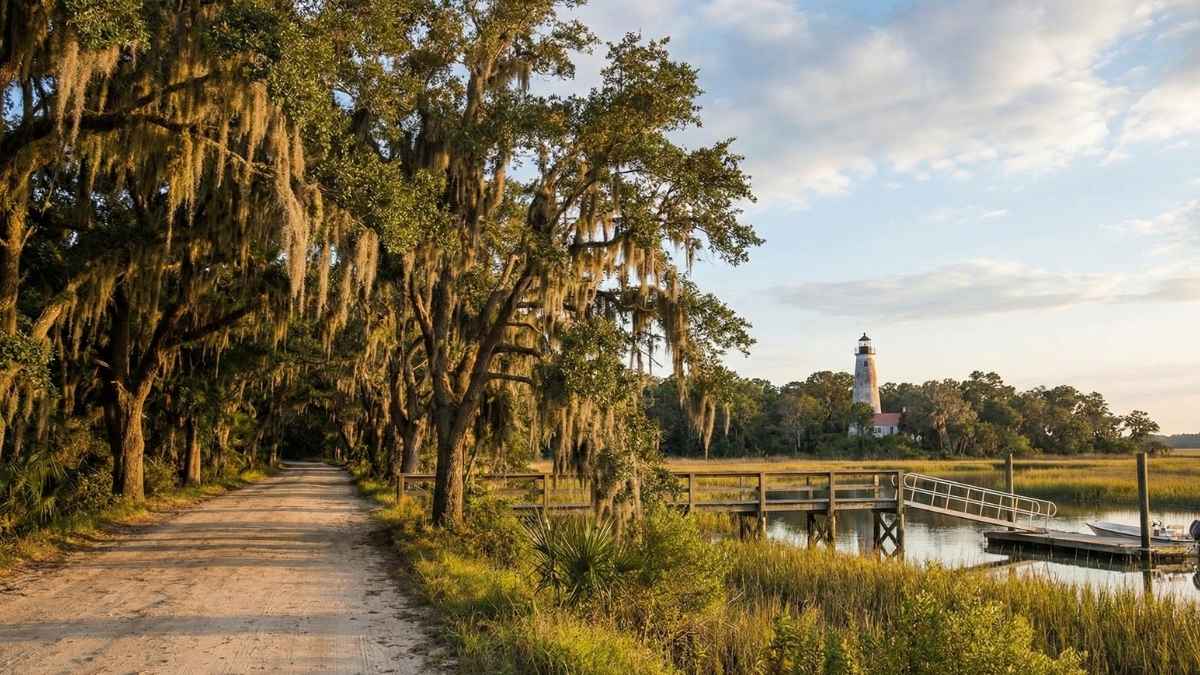
Sapelo Island feels intentionally distant from the modern world. Managed partly by the state and partly by a tight-knit community, access is controlled and limited, which immediately sets a tone. You don’t just show up — you plan, request, and wait.
The island is home to one of the last intact Gullah Geechee communities in the U.S., and that history isn’t packaged for easy consumption. Residents are welcoming in a measured way, but there’s a clear boundary between observing and belonging. The island’s isolation has preserved not only land, but memory.
Sapelo’s beaches are wild, empty, and unpolished. No commercial strip, no flashy infrastructure. That absence is deliberate. The island isn’t interested in becoming easier to reach or easier to understand — and that quiet resistance is exactly what makes it special.
Other useful details:
- Best months to visit: April–June, September
- Access: State-run ferry only
- Vibe: Historic, protected, intentionally remote
- Population: ~70 full-time residents
- Good to know: reservations are required
4. Bald Head Island, North Carolina
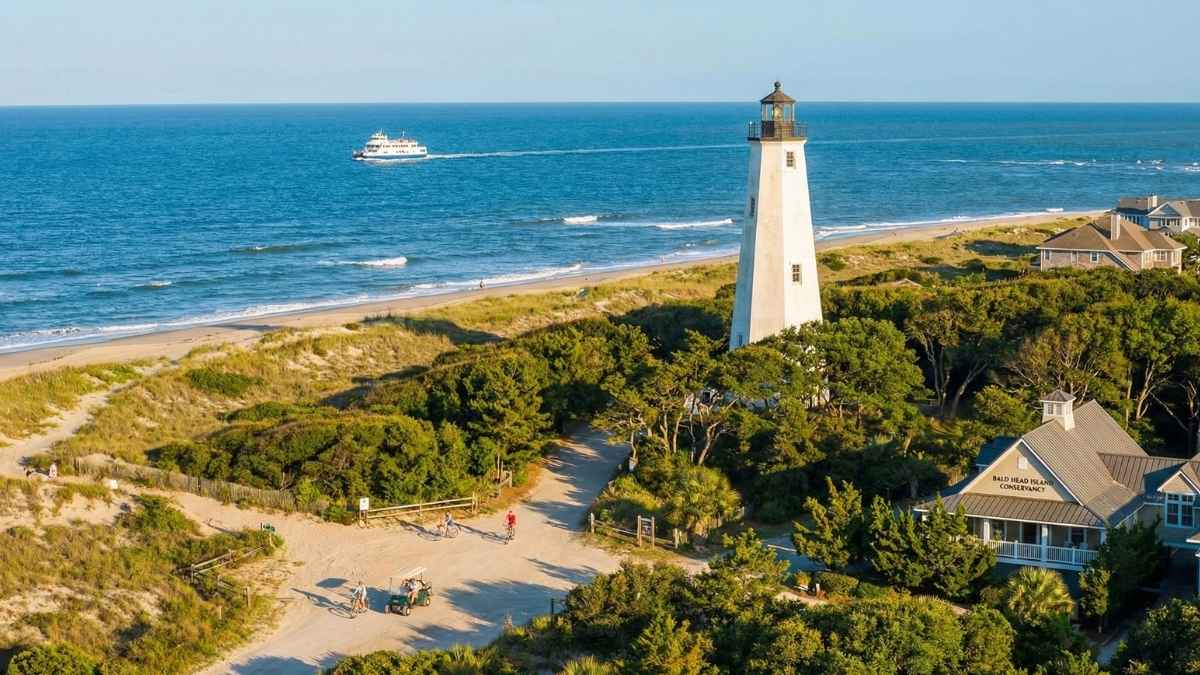
Bald Head Island is polished, but not public in the usual sense. No bridges, no private cars, and no rush to accommodate mainland expectations. You arrive by ferry, switch to golf carts, and immediately feel how controlled the environment is.
While it has upscale homes and vacation rentals, the island operates under strict rules designed to preserve tranquility and nature. Visitors are welcome, but only within the system. The absence of cars isn’t a novelty — it’s a filter that keeps the island from becoming chaotic or overrun.
Despite its refined appearance, Bald Head Island values restraint. Development is tightly managed, noise is discouraged, and privacy is respected. It’s not unfriendly — it’s selective, which is exactly how residents prefer it.
Other useful details:
- Best months to visit: April–June, September–October
- Access: Passenger ferry only
- Vibe: Refined, controlled, nature-focused
- Population: ~300 full-time residents
- Good to know: No personal vehicles allowed
5. Little St. Simons Island, Georgia
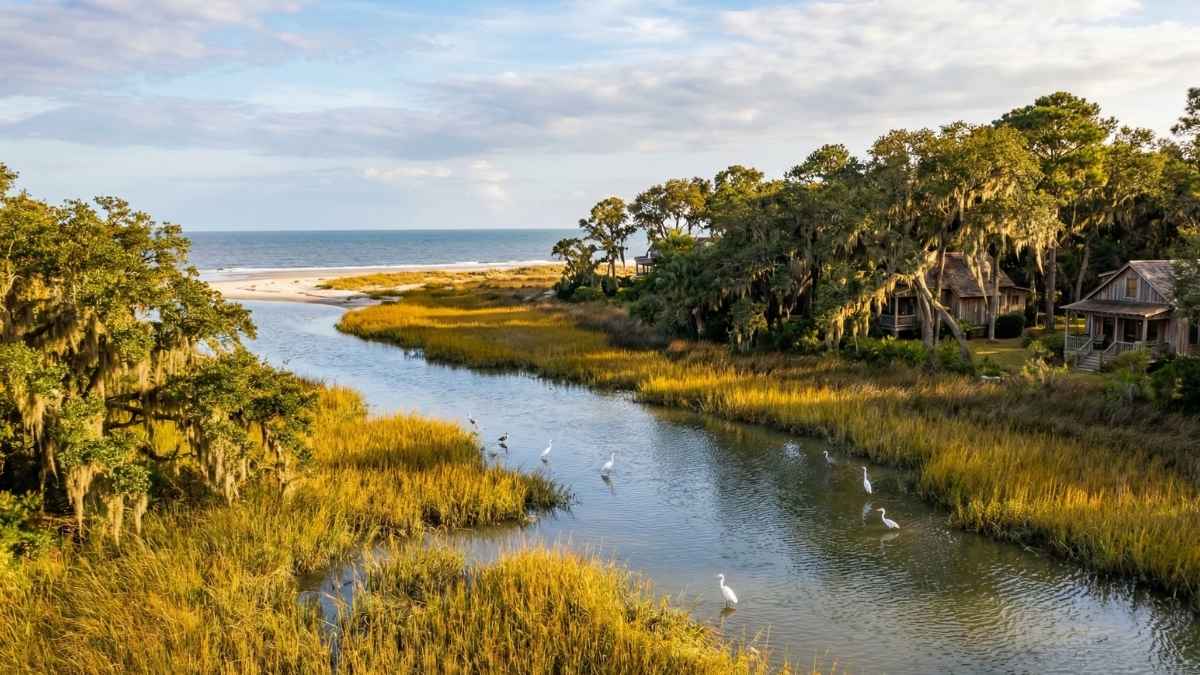
Little St. Simons Island takes exclusivity to another level. Privately owned and carefully preserved, the island limits visitors by design. If you’re not invited or booked, you’re not arriving — simple as that.
There are no crowds, no public access points, and no casual tourism. The island functions more like a conservation retreat than a community, with strict caps on guests and a strong emphasis on environmental protection. That intentional scarcity keeps the island calm, pristine, and fiercely guarded.
What makes it stand out isn’t luxury, but control. Every aspect of access is curated, from arrival times to activities. Mainland life doesn’t spill over here, and that separation is exactly the point.
Other useful details:
- Best months to visit: March–May, October
- Access: Private boat transfer only
- Vibe: Ultra-exclusive, preserved, quiet
- Population: No permanent public residents
- Good to know: Guest numbers are strictly limited
6. Smith Island, Maryland
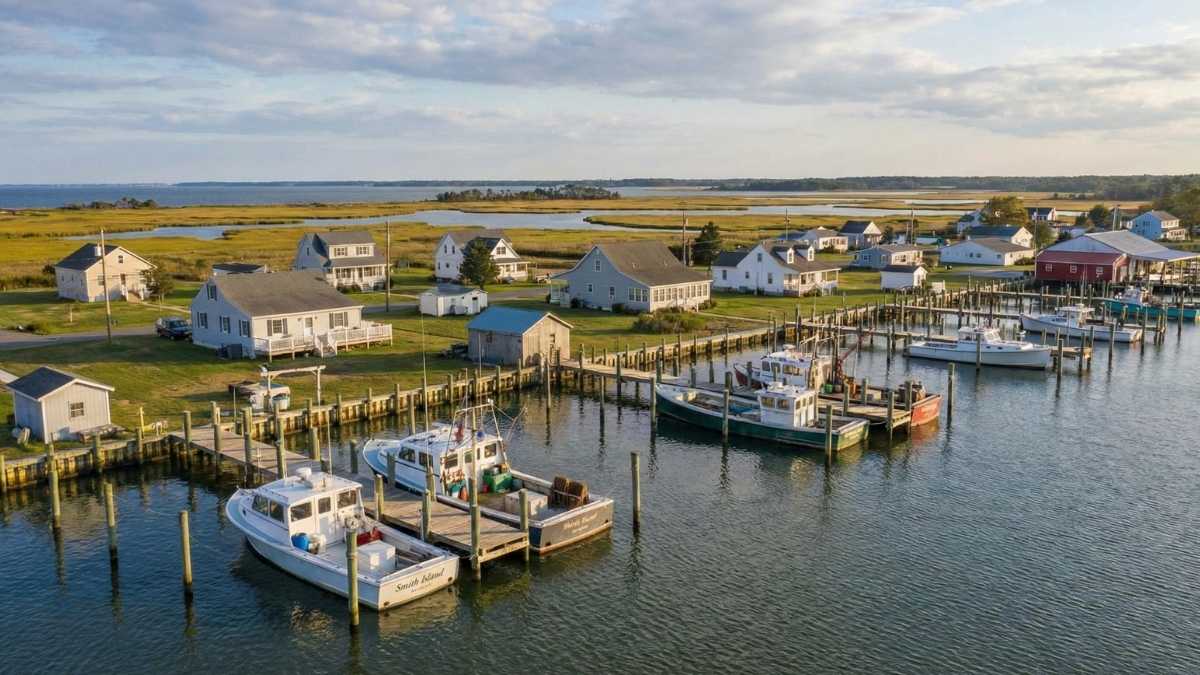
Smith Island sits low and exposed in the Chesapeake Bay, and life here has never been easy — by choice or by geography. The island is only reachable by boat, and that separation has preserved a culture that feels entirely its own. Fishing and crabbing still define daily life, and conversations revolve around tides more than trends.
Visitors often sense the distance immediately. Not physical distance — emotional distance. Locals are polite but reserved, shaped by generations of self-reliance and a long history of being misunderstood or overlooked by the mainland. You’re welcome to observe, but not to interfere or romanticize.
Smith Island doesn’t cater to curiosity. Services are limited, infrastructure is minimal, and the island has no interest in expanding access. That resistance isn’t accidental — it’s a form of preservation, and it’s worked remarkably well.
Other useful details:
- Best months to visit: May–September
- Access: Passenger ferry or private boat
- Vibe: Stoic, working-class, deeply insular
- Population: ~300 residents
- Good to know: Cash is useful; options are limited
7. Keewaydin Island, Florida
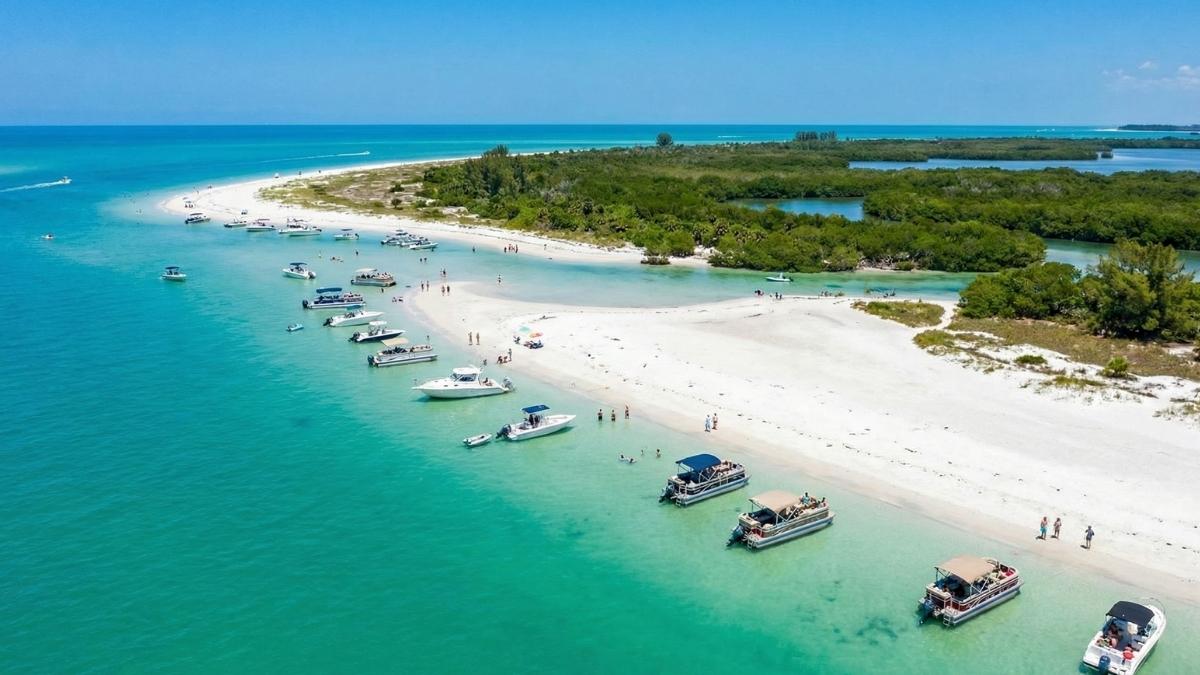
Keewaydin Island feels wild in a way that surprises people familiar with coastal Florida. No bridges, no utilities, no public development — just long stretches of sand, stilted homes, and a community that values privacy over comfort.
There’s no electricity grid, no running water infrastructure, and no expectation that outsiders should be accommodated. Homes rely on generators, rainwater systems, and careful planning. That alone keeps casual mainlanders away.
Keewaydin isn’t unfriendly — it’s indifferent. The island doesn’t advertise itself, explain itself, or adapt. If you arrive unprepared, the island quietly reminds you that convenience was never part of the deal.
Other useful details:
- Best months to visit: November–April
- Access: Private boat only
- Vibe: Raw, self-sufficient, unplugged
- Population: Seasonal, very small
- Good to know: No stores, no services, no safety net
8. Dewees Island, South Carolina
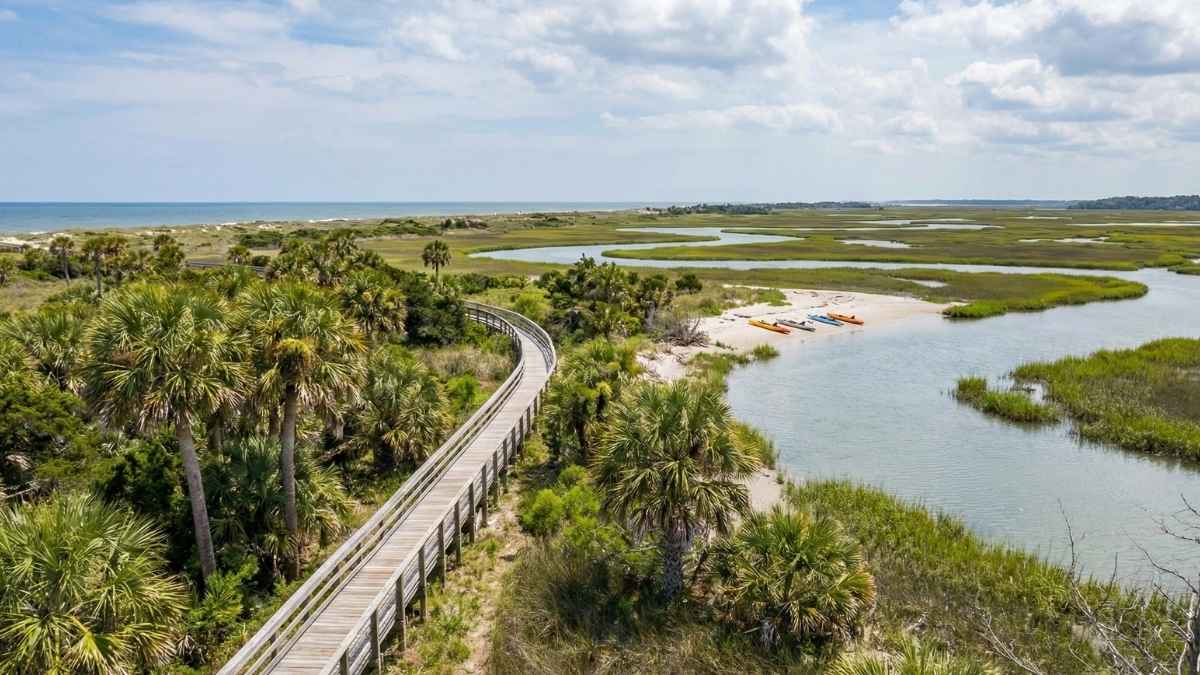
Dewees Island operates on a philosophy that most places abandoned long ago: fewer people, fewer problems. No bridge connects it to the mainland, and access is tightly managed through private ferries and property ownership.
The island enforces strict environmental rules, limiting development, traffic, and noise. Golf carts replace cars, and community expectations are clearly defined. Visitors are allowed — disruption is not.
What keeps mainlanders from settling in easily isn’t cost alone, but culture. Dewees expects residents and guests to conform to the island, not the other way around. That quiet discipline gives the island a calm that feels deliberate, not accidental.
Other useful details:
- Best months to visit: April–June, September
- Access: Private ferry only
- Vibe: Controlled, conservation-focused, orderly
- Population: ~100 residents
- Good to know: Rules are strictly enforced
9. Cliff Island, Maine
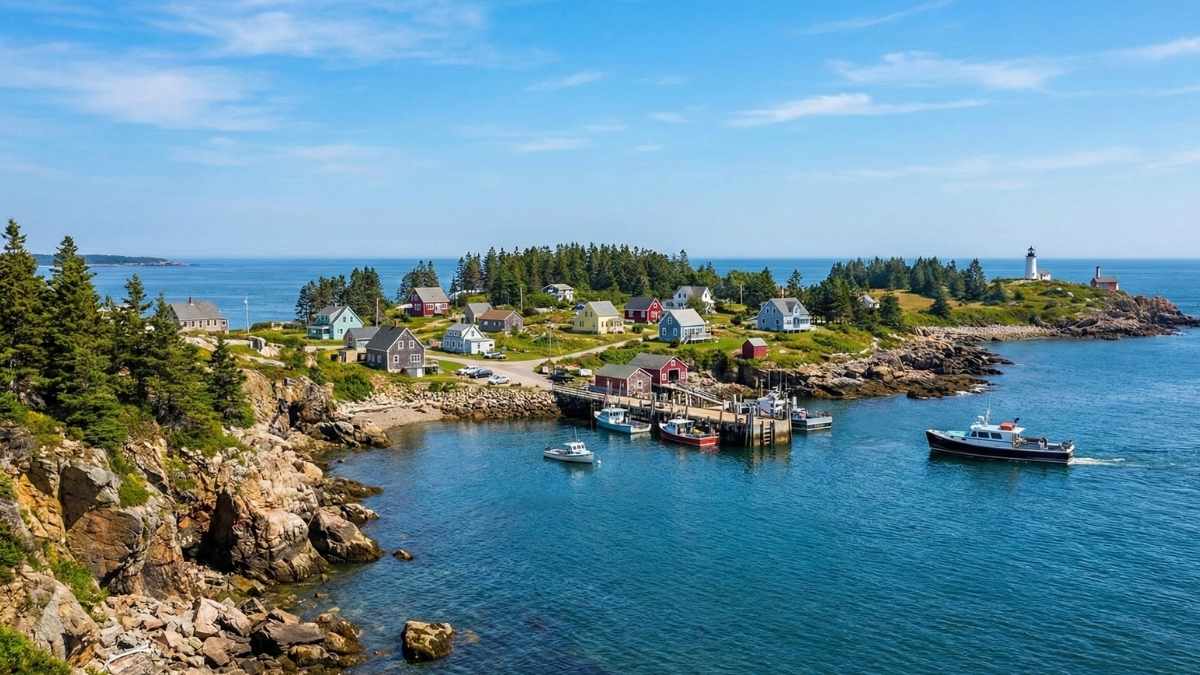
Cliff Island lies at the edge of Casco Bay, where the Atlantic shapes everything — weather, schedules, and social boundaries. Reached only by ferry or private boat, the island has resisted becoming a tourist playground despite its proximity to Portland.
Life here is quiet and deliberately uneventful. There are no flashy attractions, no nightlife, and no tolerance for disruption. Locals know one another, and newcomers are noticed immediately.
Cliff Island’s isolation isn’t dramatic — it’s subtle. The lack of amenities, limited transportation, and unpredictable weather quietly discourage outsiders from overstaying their welcome. The island remains peaceful because it requires patience that most people don’t have.
Other useful details:
- Best months to visit: June–August
- Access: Ferry or private boat
- Vibe: Quiet, weathered, community-first
- Population: ~50 year-round residents
- Good to know: Winter access is unreliable
10. House Island, Maine
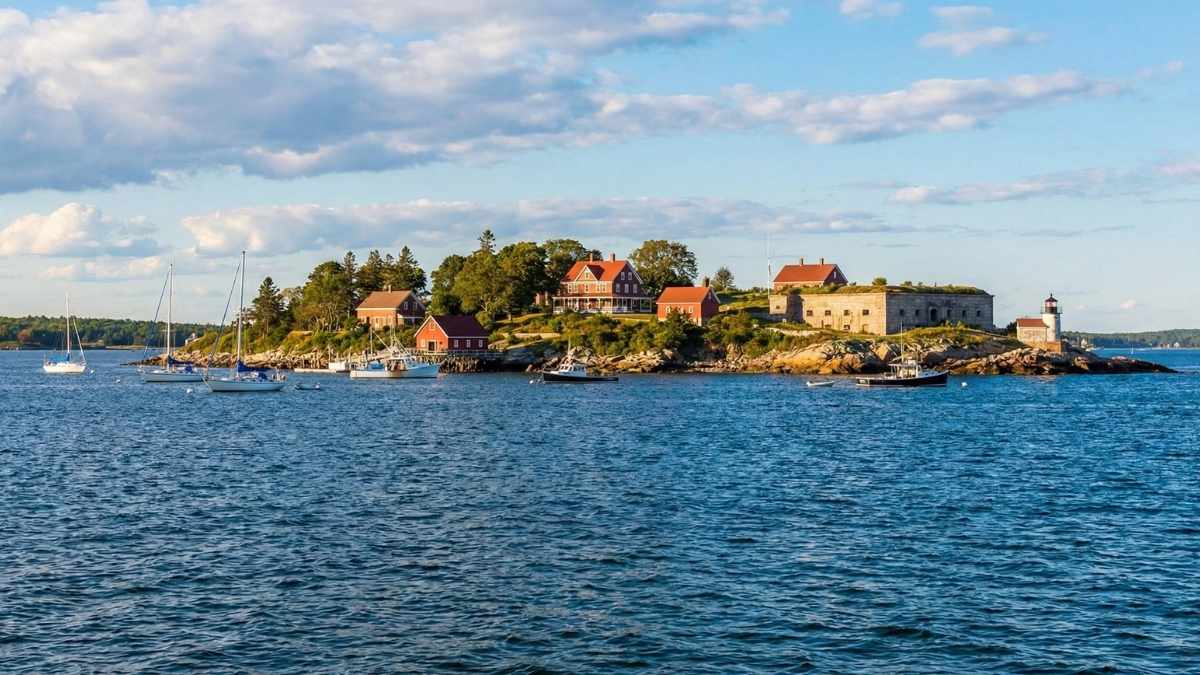
House Island sits just offshore from Portland, yet feels completely detached from it. There’s no ferry service, no dock infrastructure for visitors, and no public push to change that. You get there only if you’re invited — or you don’t get there at all.
The island is privately owned and used sparingly, mostly for preservation and limited seasonal activity. Its emptiness is intentional. There’s a strong sense that the island exists to be left alone, not explored.
Mainlanders often overlook House Island because it doesn’t try to be known. That quiet anonymity protects it better than any gate or guard ever could.
Other useful details:
- Best months to visit: June–September
- Access: Private boat only
- Vibe: Silent, private, untouched
- Population: None permanent
- Good to know: No public access permitted
11. Ocracoke Island, North Carolina
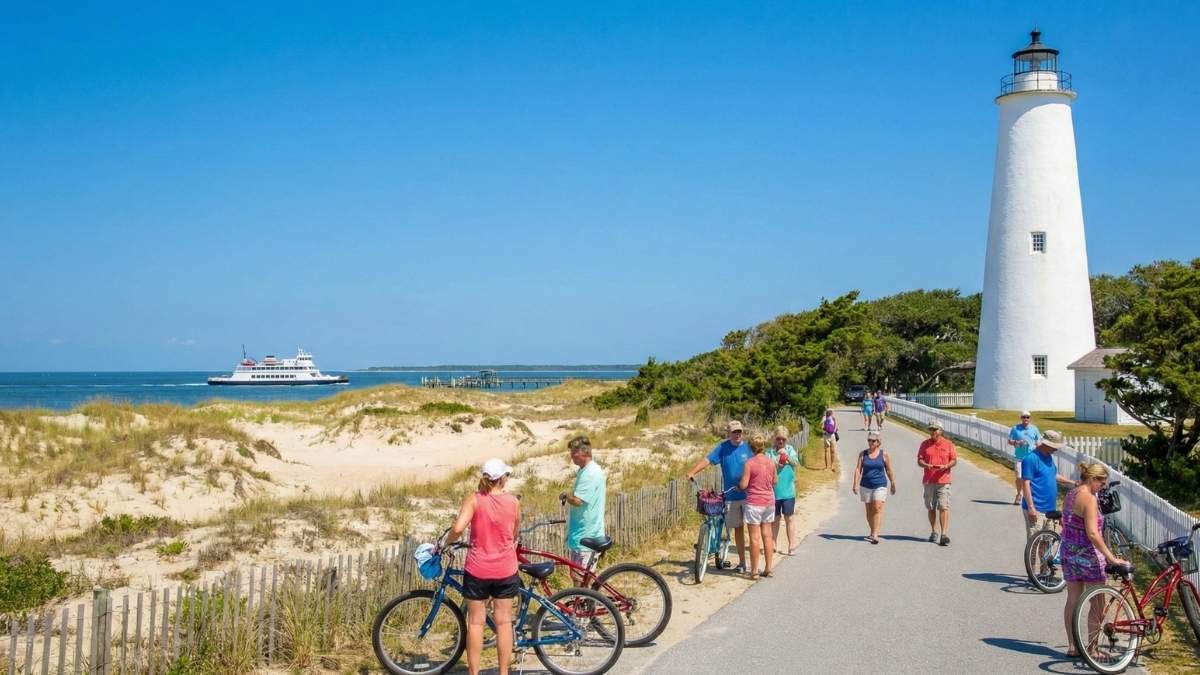
Ocracoke sits far enough out in the Outer Banks that reaching it already feels like a decision, not a detour. Ferries are the only way in, and weather often has the final say. That natural gatekeeping has shaped an island culture that doesn’t rush to explain itself to outsiders.
The village is friendly, but not performative. Longtime residents recognize each other instantly, and transient energy fades quickly once summer ends. Off-season Ocracoke is quiet, wind-shaped, and unapologetically local.
What keeps mainlanders from overstaying isn’t hostility — it’s reality. Limited access, unpredictable conditions, and a strong sense of local identity quietly maintain boundaries.
Other useful details:
- Best months to visit: May–June, September
- Access: State ferry only
- Vibe: Windy, resilient, quietly independent
- Population: ~700 year-round residents
- Good to know: Ferry schedules change often
12. Sunset Key, Florida
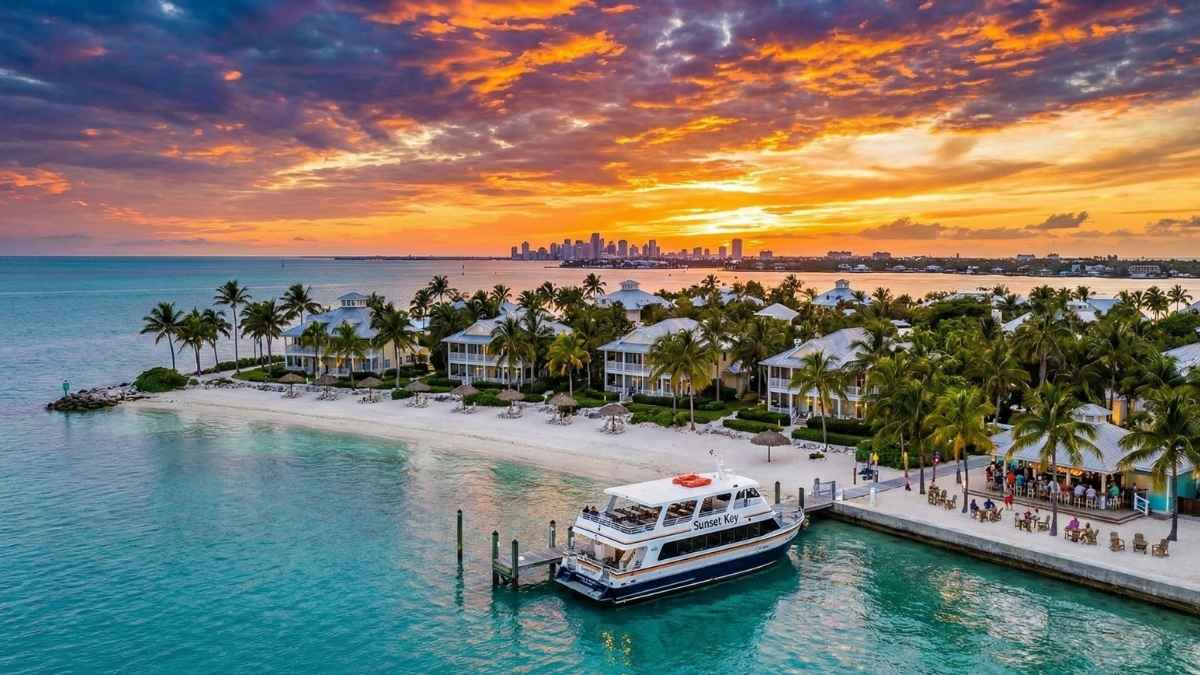
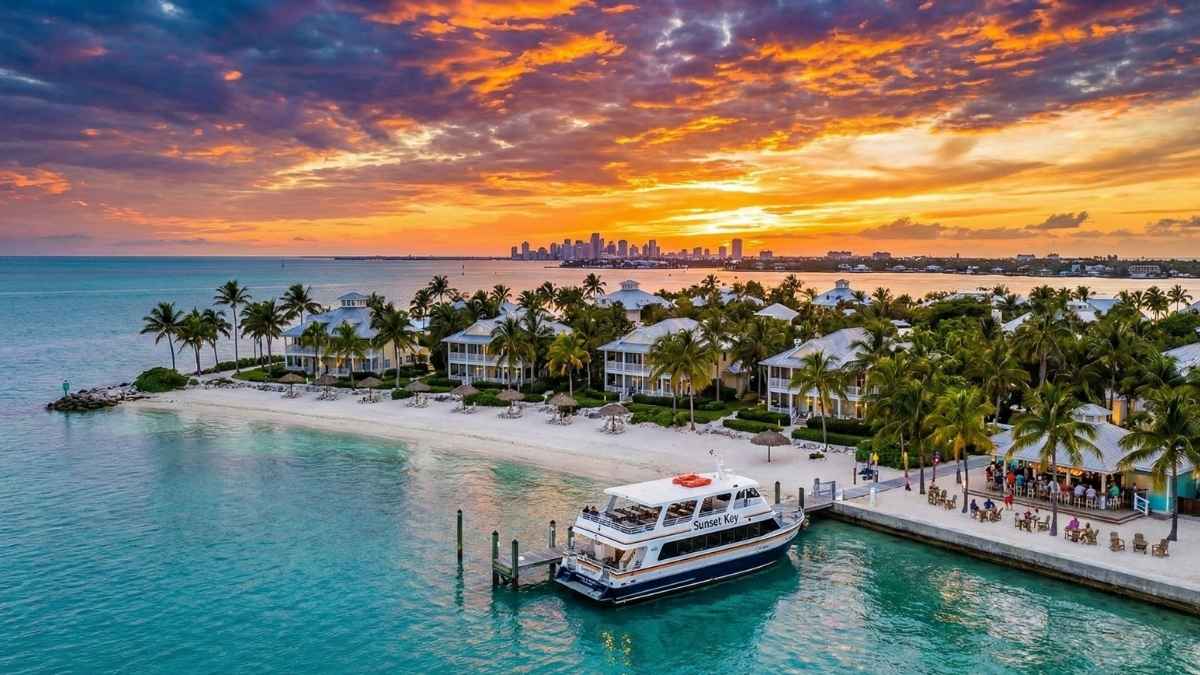
Sunset Key exists just offshore from Key West, yet feels removed from its energy. The island is private, polished, and intentionally small. You arrive by boat, step onto manicured paths, and immediately sense the controlled calm.
Residency here comes with expectations — privacy, discretion, and respect for boundaries. Visitors are allowed, but only within specific parameters. There’s no wandering, no blending in, no accidental exploration.
Despite its luxury, Sunset Key’s real separation comes from structure. Access is monitored, space is limited, and the island doesn’t soften those rules for convenience.
Other useful details:
- Best months to visit: December–April
- Access: Private boat or resort ferry
- Vibe: Refined, restricted, orderly
- Population: Very small, mostly seasonal
- Good to know: Much of the island is privately controlled
13. Lovango Cay, U.S. Virgin Islands
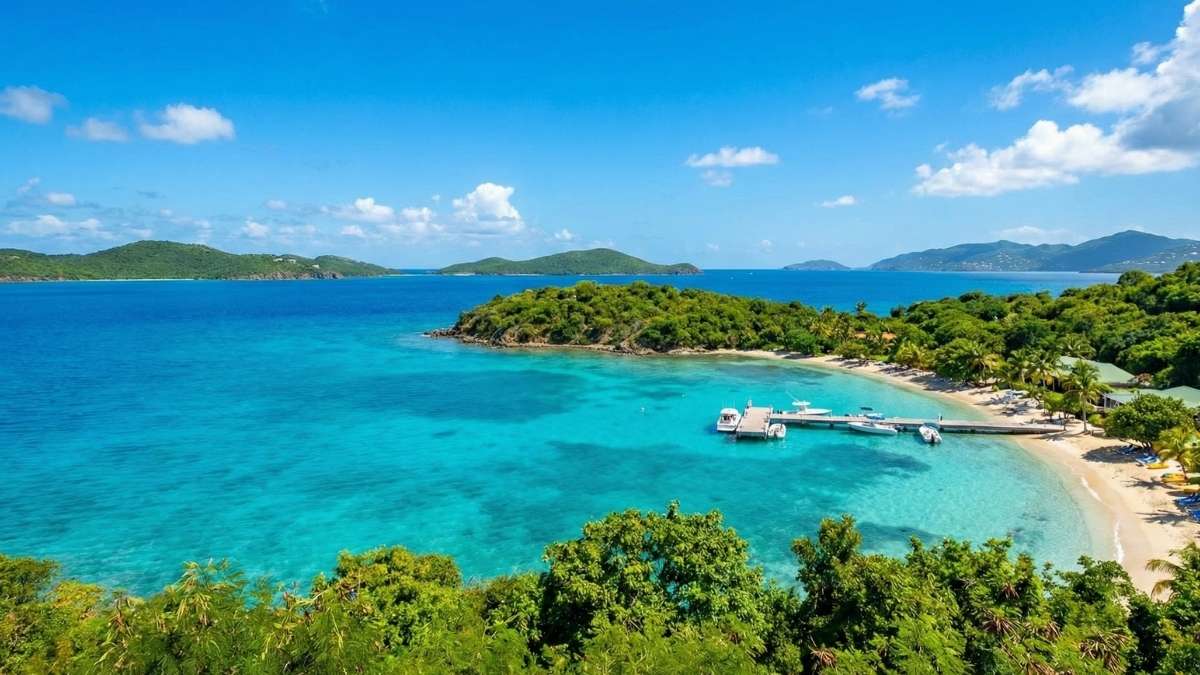
Lovango Cay doesn’t pretend to be for everyone. Tucked between St. John and St. Thomas, the island remains accessible only by boat, and access is largely tied to private property or resort arrangements.
While development exists, it’s carefully contained. Large sections of the island remain untouched, and movement is limited. That balance keeps the island from becoming just another Caribbean stopover.
Mainlanders often underestimate how intentional the separation feels here. Lovango doesn’t open itself — it allows entry, and only on its terms.
Other useful details:
- Best months to visit: January–April
- Access: Private boat transfer only
- Vibe: Curated, tropical, quietly exclusive
- Population: Minimal permanent residents
- Good to know: Most access is pre-arranged
14. Sucia Island, Washington
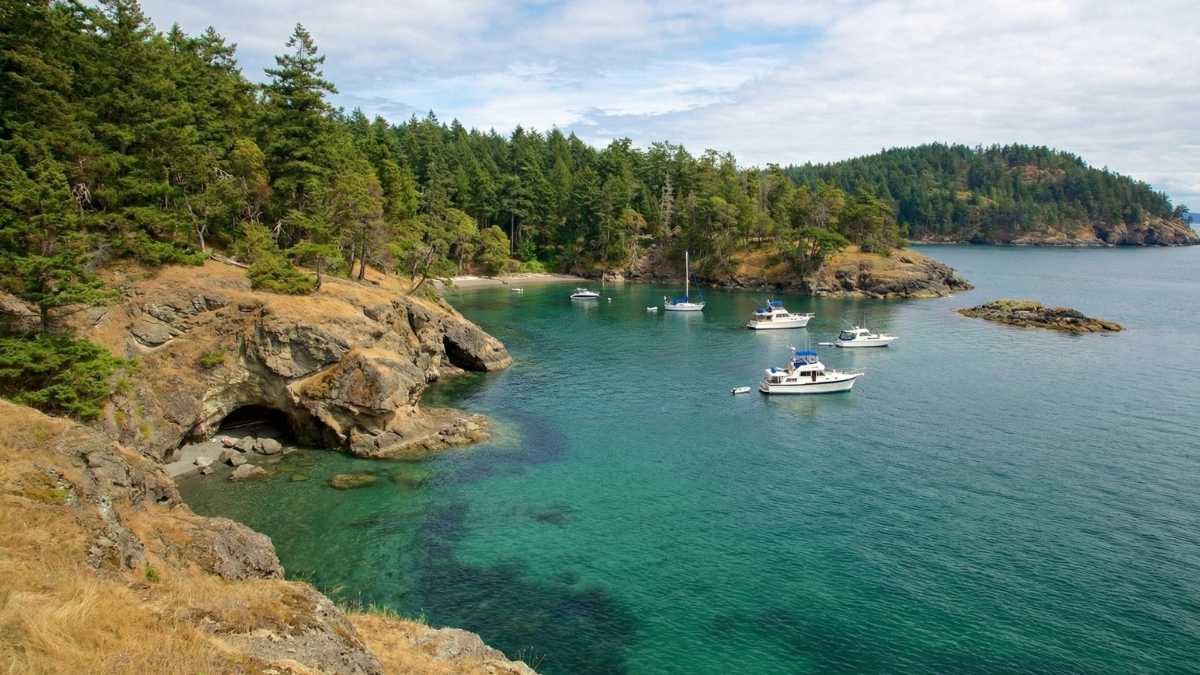
Sucia Island feels shaped by water and silence more than by people. Part of the San Juan Islands, it has no permanent residents and no road access — only docks for those who arrive by boat.
The island is protected land, and that status defines everything. No development, no commerce, no accommodation for convenience. Visitors come prepared or leave early.
What keeps mainland life from intruding is simplicity. There’s nothing to conquer here, nothing to build, nothing to claim. Sucia remains empty by design, and that emptiness is the experience.
Other useful details:
- Best months to visit: July–September
- Access: Private boat only
- Vibe: Pristine, quiet, elemental
- Population: None
- Good to know: No services or supplies available