13 Pacific Islands Leasing Land to Americans for 99 Years (Under $100/Month)

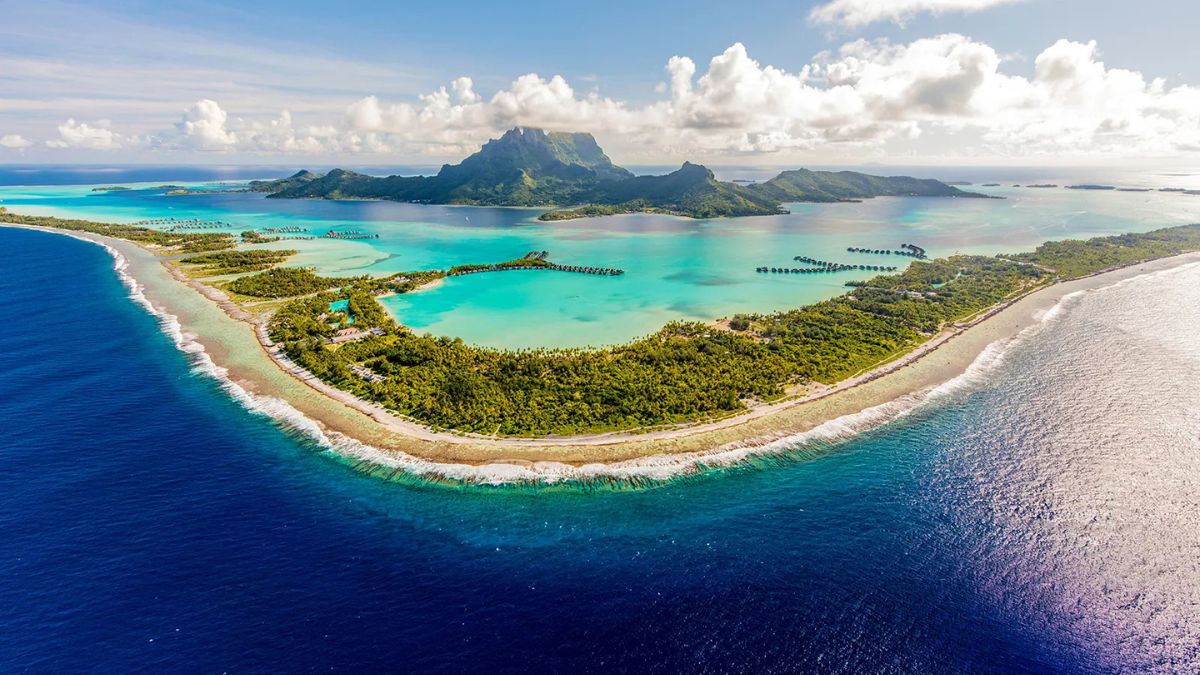
A quiet shift is happening far from crowded cities and skyrocketing rent charts. Long-term land leases—real ones, backed by law—are opening doors most people assume were closed decades ago. Not ownership in the traditional sense, but something arguably more powerful: time.
Time to build slowly, live, and stop chasing the next move. Monthly costs that barely register, agreements that stretch across lifetimes, and places where the ocean sets the pace instead of deadlines.
What follows isn’t fantasy or influencer bait—it’s a collection of real options hiding in plain sight, each proving that lasting island life doesn’t require a fortune, just the right doorway.
1. Hunga Island, Vava’u (Tonga)
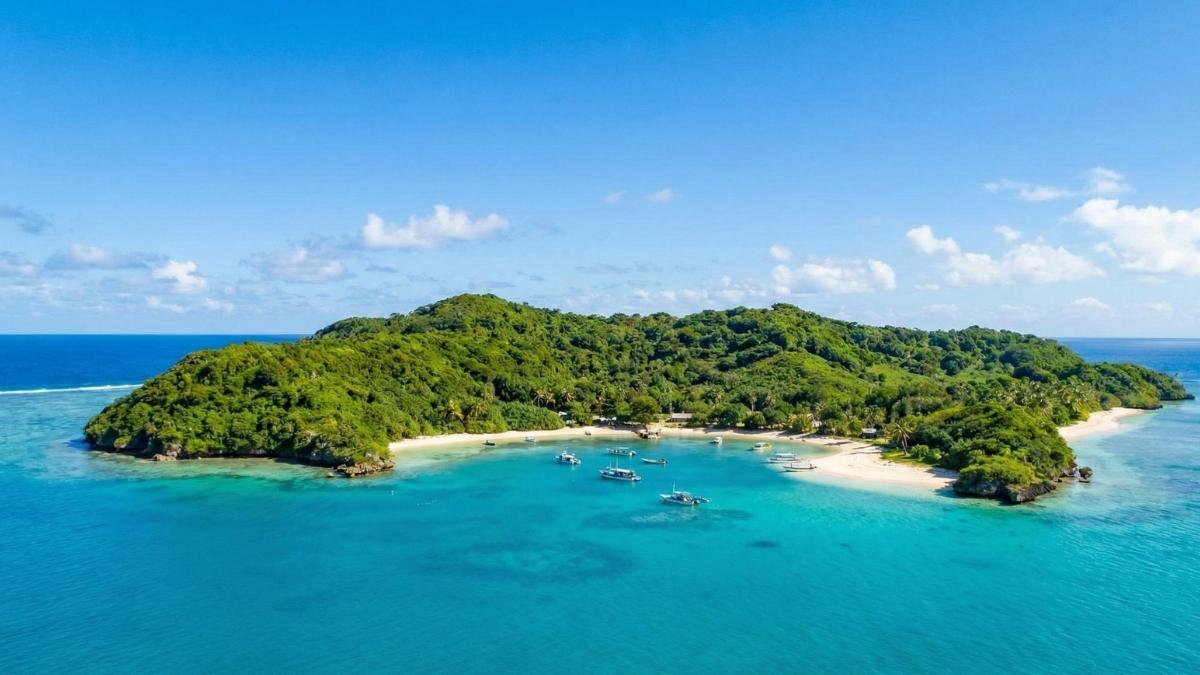
Hunga Island sits in the Vava’u island group, an area long known among sailors and long-term expats for its calm waters and unusually foreign-friendly lease system. Land here is leased, not sold, but the 99-year term makes it feel close to permanent—long enough to build, settle in, and even pass usage rights to the next generation. Monthly lease costs can fall well under $100, especially for undeveloped or semi-developed lots.
What makes Hunga stand out is the balance between isolation and access. You’re not stranded on a forgotten speck of land; Neiafu town is nearby for groceries, healthcare basics, fuel, and internet. That combination is rare in the Pacific—quiet living without total disconnection. Locals are accustomed to foreign lessees, which smooths the approval process and day-to-day interactions.
There’s also a slow, steady rhythm to life here that appeals to long-term planners. Construction costs remain reasonable by island standards, and many lessees start small—solar systems, rainwater catchment, and simple structures—before expanding. It’s not flashy, but it’s stable, legal, and surprisingly attainable.
Quick facts & planning notes
- Best months to visit: May–October (drier, cooler)
- Lease length: Up to 99 years
- Monthly lease range: Often $30–$80
- Internet: Available via mobile data and satellite
- Lifestyle fit: Quiet, low-key, long-term island living
2. Vava’u Lagoon Lease Lots (Tonga)
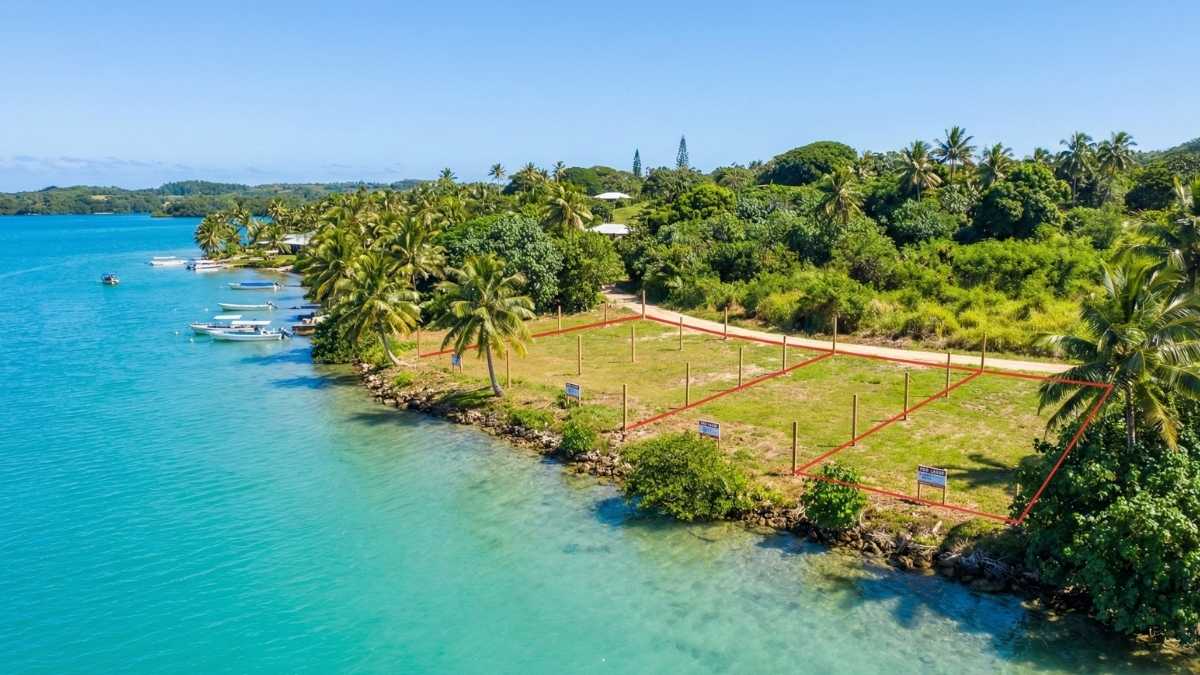
The lagoon area around Vava’u is where Tonga quietly shows off. Sheltered waters, consistent breezes, and clear anchorages have made this region popular with cruisers who never planned on staying—but did. Lagoon-front lease lots are especially appealing because they combine water access with natural storm protection, something open-ocean islands can’t always offer.
These leases are typically arranged through local landholders with government-recognized contracts. Costs remain modest by Pacific standards, and in some cases, monthly lease payments stay below $100, depending on proximity to the water and the level of development. The appeal here isn’t luxury—it’s location. Calm water changes daily life, from swimming to small-boat transport.
What keeps people here long-term is the livability factor. The lagoon moderates heat, reduces wind stress on buildings, and supports fishing year-round. For anyone considering semi-off-grid living without extreme isolation, this area consistently ranks near the top.
Quick facts & planning notes
- Best months to visit: June–September
- Lease length: Commonly 50–99 years
- Monthly lease range: ~$40–$100
- Ideal for: Kayaking, sailing, lagoon fishing
- Infrastructure: Roads, clinics, and schools nearby
3. Neiafu Waterfront Lease Parcels (Tonga)
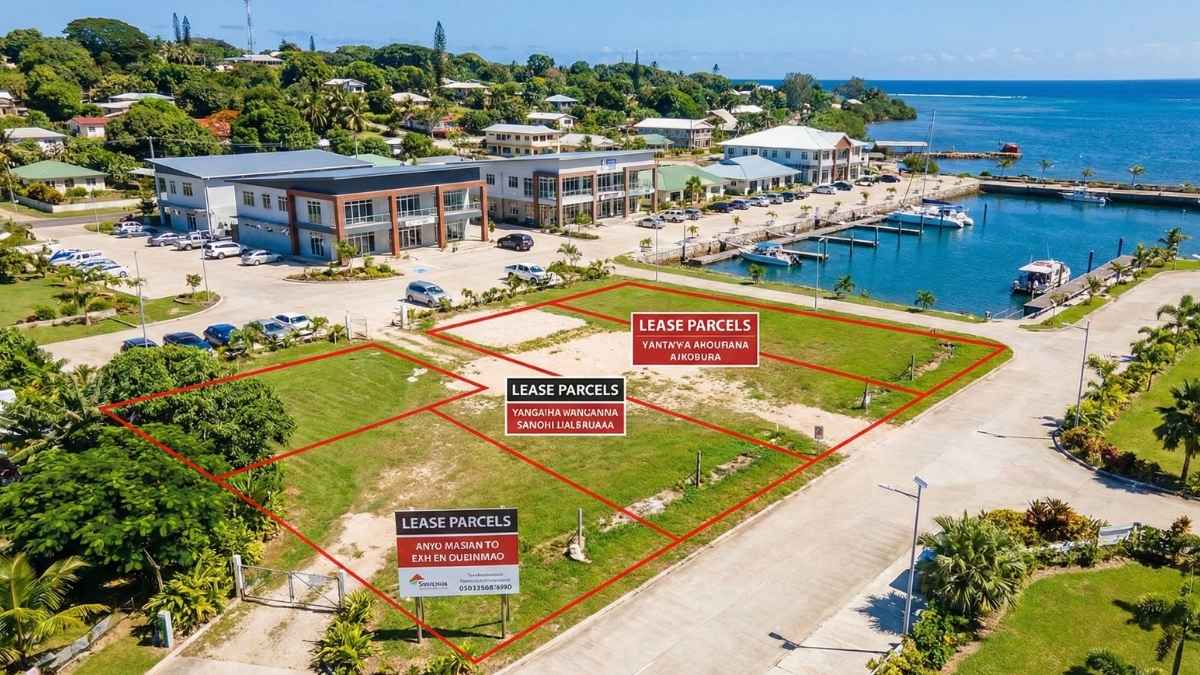
Neiafu is the practical heart of Vava’u, and waterfront lease parcels here offer something rare: walkable access to services while still feeling unmistakably island-based. These leases appeal to people who want long-term security without committing to full isolation or constant travel for essentials.
Lease prices can vary widely, but smaller waterfront or near-water parcels often stay within reach, especially when leased directly from local families. The 99-year structure gives lessees confidence to build proper homes rather than temporary shelters, and zoning is generally more flexible than in larger Pacific nations.
What stands out is how livable this option is over time. Power hookups, consistent mobile coverage, and regular ferry and air connections make Neiafu one of the easiest Pacific island towns to settle into legally and practically—without the high price tags seen elsewhere.
Quick facts & planning notes
- Best months to visit: May–October
- Lease length: Up to 99 years
- Monthly lease range: ~$60–$100
- Healthcare access: Best in the Vava’u region
- Good fit for: First-time island relocators
4. Euakafa Island Leasehold (Tonga)
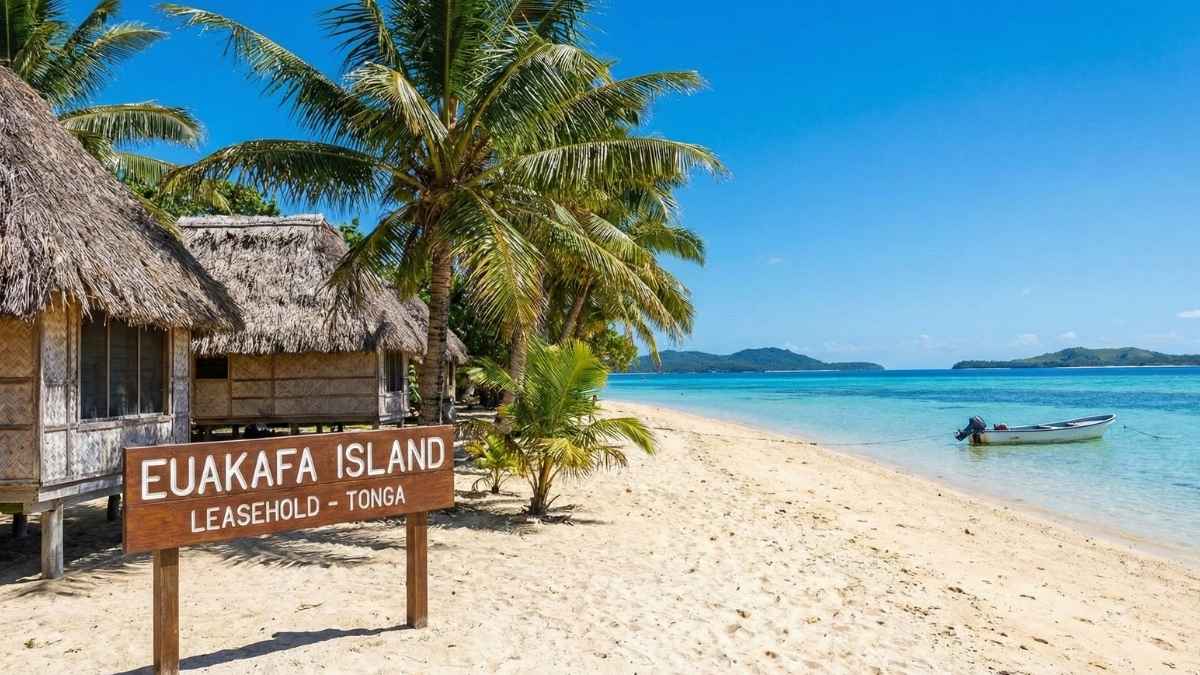
Euakafa Island offers a more secluded option while still benefiting from Tonga’s established lease framework. It’s smaller, quieter, and less developed, which is exactly the point. Leaseholders here tend to be people looking for privacy, self-sufficiency, and long-term simplicity rather than convenience.
Monthly lease costs can be exceptionally low for undeveloped land, sometimes falling well below $100 when negotiated directly. The trade-off is infrastructure—you’ll need to plan for solar power, water storage, and boat access. For many, that’s part of the appeal rather than a drawback.
Euakafa works best for those thinking in decades, not months. The legal structure allows foreigners to invest time and resources without the uncertainty found in other Pacific nations, where rules change frequently.
Quick facts & planning notes
- Best months to visit: June–September
- Lease length: Typically 99 years
- Monthly lease range: ~$25–$70
- Access: Boat-only
- Best for: Off-grid living and privacy seekers
5. Palau Coastal 99-Year Leasehold Plots
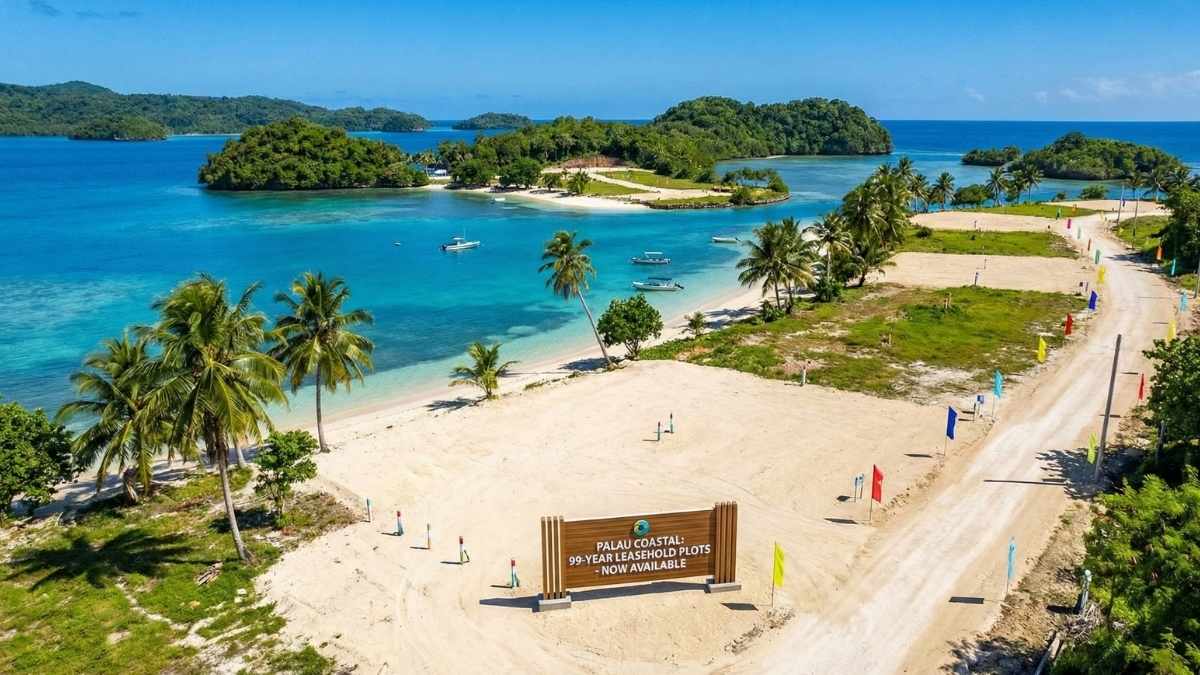
Palau operates differently from Tonga, but it still offers long-term leasehold options up to 99 years, particularly for coastal and peninsula land. While Palau is generally more expensive, certain rural or non-tourist areas can still fall near the under-$100/month range when amortized over long lease terms.
What makes Palau compelling is its stability and environmental protections. Building regulations are stricter, but that also preserves land value and natural beauty. English is widely spoken, the legal system is familiar to Americans, and long-term foreign residents are common.
These leases tend to attract people with a conservation mindset—low-impact homes, minimal land disturbance, and long-term planning. It’s less about bargain hunting and more about secure access in a well-regulated Pacific nation.
Quick facts & planning notes
- Best months to visit: December–April
- Lease length: Up to 99 years
- Monthly lease range: ~$70–$100 (location dependent)
- Language: English is widely spoken
- Ideal for: Eco-focused long-term residents
6. Tahifehifa Island (Vava’u, Tonga)
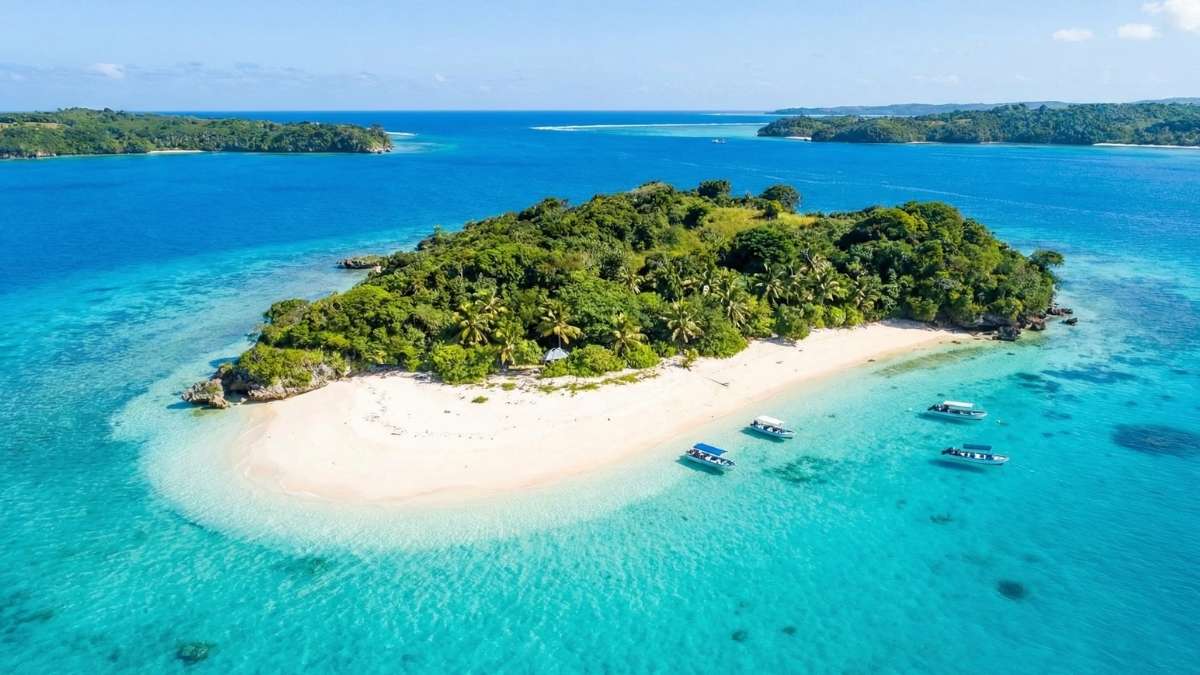
Tahifehifa Island sits quietly within the Vava’u group, known more by locals and long-term sailors than tourists. It’s not overdeveloped, and that’s exactly why long-term lease opportunities still exist at very low monthly rates, sometimes comfortably under $100/month depending on land size and access. Like most of Tonga, foreigners can’t own land—but 99-year leases are legally protected and widely used.
What sets Tahifehifa apart is the natural balance. The island offers elevated areas for safer building, protected shoreline zones, and fertile land for small-scale growing. Many leaseholders start with modest structures and expand over time, creating homes that blend naturally into the landscape rather than dominating it.
Living here feels intentional. Supplies require planning, but Neiafu remains accessible by boat. For people who value calm, routine, and long-term stability over convenience, Tahifehifa quietly delivers.
Quick facts & planning notes
- Best months to visit: May–October
- Lease length: Up to 99 years
- Monthly lease range: ~$30–$80
- Access: Boat from Neiafu
- Good fit for: Long-term, low-impact living
7. Ocean-View Lease Lots Near Neiafu (Tonga)
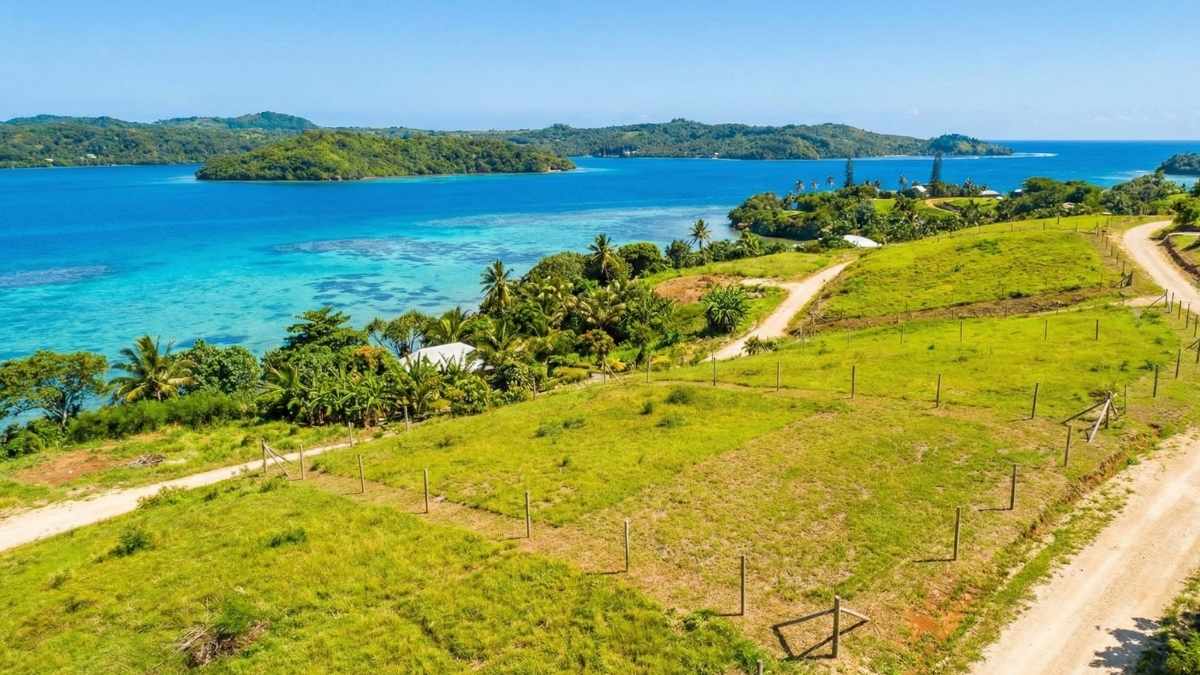
Not everyone wants to live directly on the waterfront. Elevated ocean-view lease lots near Neiafu offer a smart alternative—better airflow, cooler temperatures, and added storm safety, often at a lower monthly cost than beachfront parcels.
These lots are popular among experienced expats who understand island weather patterns. The elevation reduces humidity issues and long-term maintenance costs, while still delivering sweeping views and easy access to town. Lease terms remain generous, with 99-year agreements common and pricing that can stay under $100/month for smaller parcels.
It’s a practical choice that rewards patience. Build slowly, use durable materials, and you end up with a home that’s easier to maintain and more comfortable year-round.
Quick facts & planning notes
- Best months to visit: June–September
- Lease length: 50–99 years
- Monthly lease range: ~$40–$90
- Road access: Often available
- Best for: Long-term comfort and lower upkeep
8. Palau Peninsula Leasehold Property (Rural Areas)
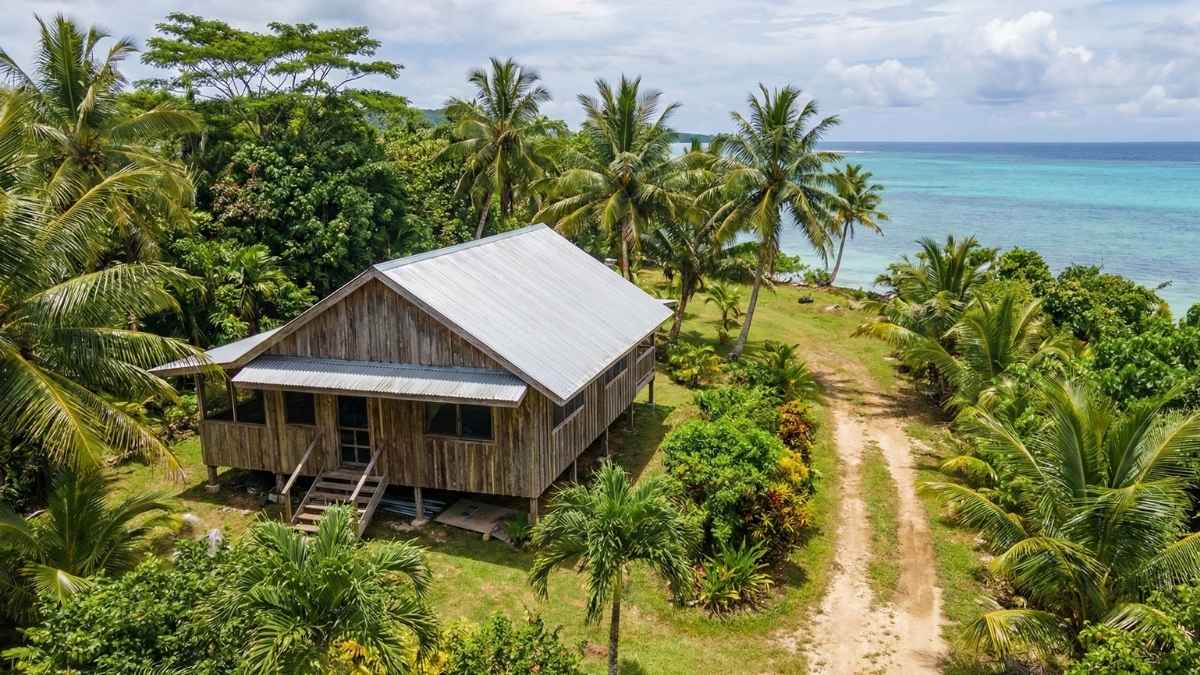
Outside Palau’s main tourist zones, peninsula leasehold properties offer a quieter, more affordable entry point into the country. While Palau isn’t known for bargain living, rural 99-year leases can still fall near your target range when spread over time—especially for undeveloped land.
These areas attract people who value legal clarity and environmental protection. The lease process is structured, contracts are enforceable, and residency options are clearer than in many Pacific nations. That predictability matters when planning decades.
Daily life here leans toward self-sufficiency, but roads, clinics, and supplies are usually within reach. It’s not remote survival—it’s intentional simplicity within a well-regulated system.
Quick facts & planning notes
- Best months to visit: December–April
- Lease length: Up to 99 years
- Monthly lease equivalent: ~$80–$100
- Language: English is widely used
- Ideal for: Legal stability and eco-conscious living
9. Remote Pacific Private Lease Plots (Outer Tonga Islands)
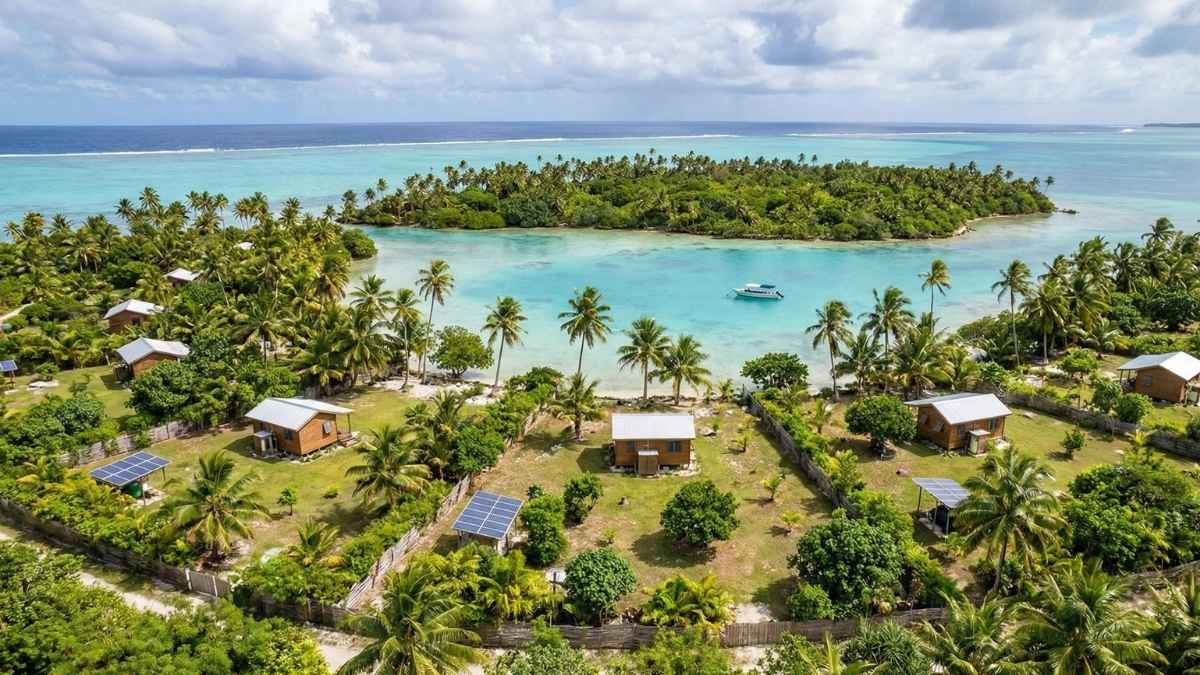
Beyond Vava’u, Tonga’s lesser-known outer islands still offer custom long-term lease arrangements that don’t appear on mainstream listings. These deals often come directly from local landholders and remain surprisingly affordable, especially for undeveloped plots.
Monthly lease costs can drop dramatically when amenities are limited. That’s the trade-off—and for many, the reward. These islands appeal to people who want control over their environment and are comfortable building systems from scratch.
The key here is patience. Negotiations take time, and nothing moves fast. But once established, leaseholders often enjoy some of the lowest long-term living costs in the Pacific.
Quick facts & planning notes
- Best months to visit: June–September
- Lease length: Often 75–99 years
- Monthly lease range: ~$25–$60
- Infrastructure: Minimal
- Best for: Self-reliant, off-grid lifestyles
10. Coastal Lease Parcels in Outer Pacific Atolls
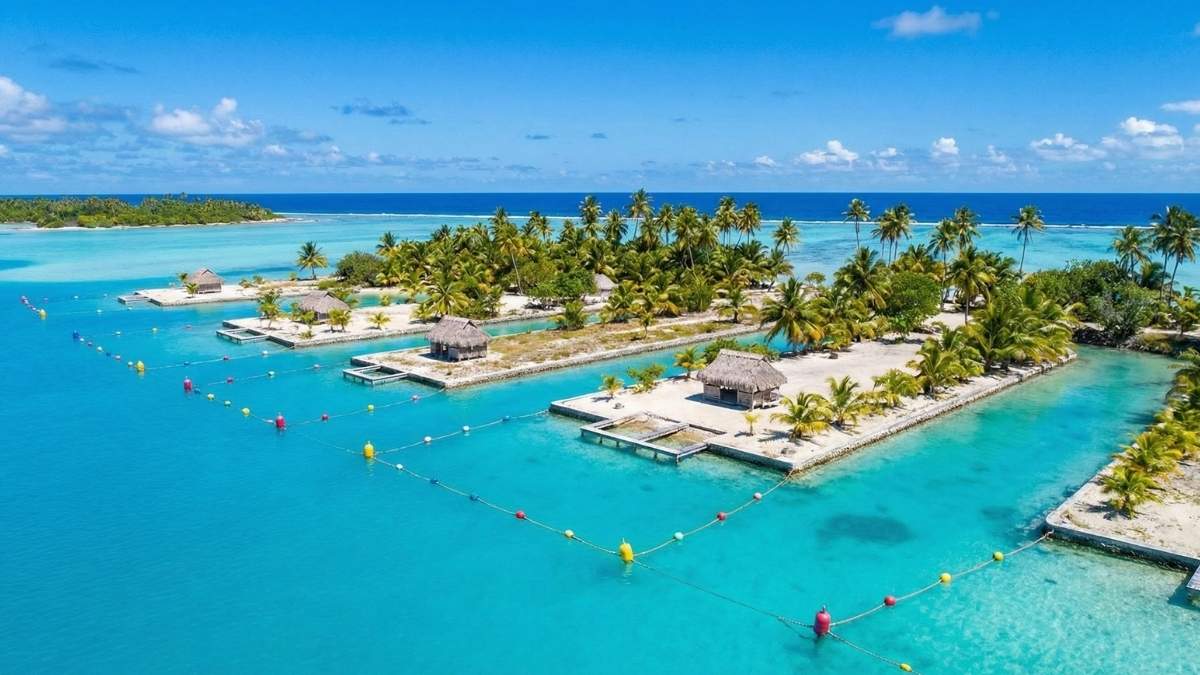
Certain outer atolls across the Pacific—particularly in lease-friendly nations—still allow long-term coastal leases structured to encourage development without foreign ownership. These parcels tend to be overlooked due to distance and limited services, keeping costs low.
What makes these leases appealing is scale. Land sizes are often generous, and monthly lease costs stay low because development is gradual. With smart planning, many lessees create sustainable setups that require little ongoing expense.
These atolls aren’t for everyone, but for those willing to commit, they offer something increasingly rare: space, time, and long-term security at a minimal monthly cost.
Quick facts & planning notes
- Best months to visit: Region-dependent, often the dry season
- Lease length: 50–99 years
- Monthly lease range: ~$30–$90
- Access: Limited flights or boats
- Ideal for: Long-term planners and minimalist living
11. Small Island Leaseholds Near Established Pacific Communities
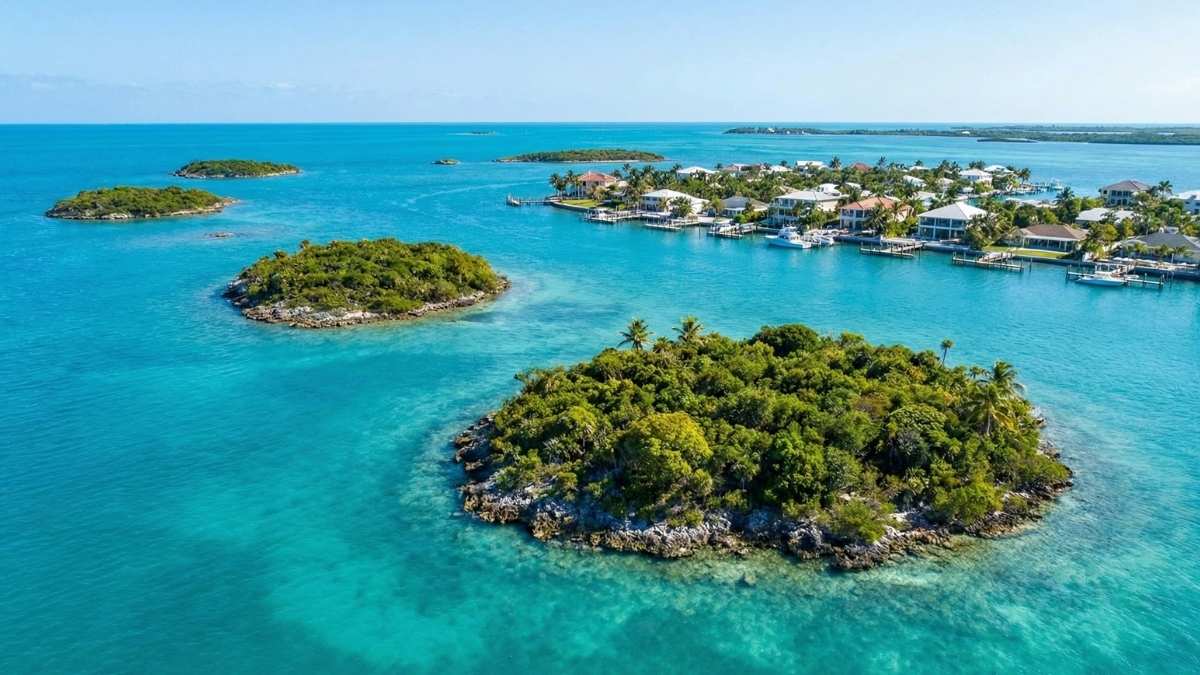
Some of the most workable long-term leases aren’t tied to famous islands at all. They sit just offshore from established Pacific communities—close enough to feel connected, far enough to stay affordable. These small island leaseholds often come through local family agreements that have existed for generations and are now formalized into long-term contracts, sometimes stretching to 99 years.
What draws people in is the middle ground. You get separation without isolation, privacy without logistical headaches. Boat access is usually short and predictable, which matters more than people expect once daily life settles in. Monthly lease costs tend to stay low because the land isn’t marketed internationally or bundled with development promises.
For readers who want island living to feel sustainable rather than extreme, this option quietly checks a lot of boxes.
Quick facts & planning notes
- Best months to visit: Dry season (varies by region)
- Lease length: 50–99 years
- Monthly lease range: ~$40–$90
- Access: Short boat ride to town
- Good fit for: Balanced island living
12. Tropical Reef-Front Lease Plots (Low-Profile Pacific Islands)
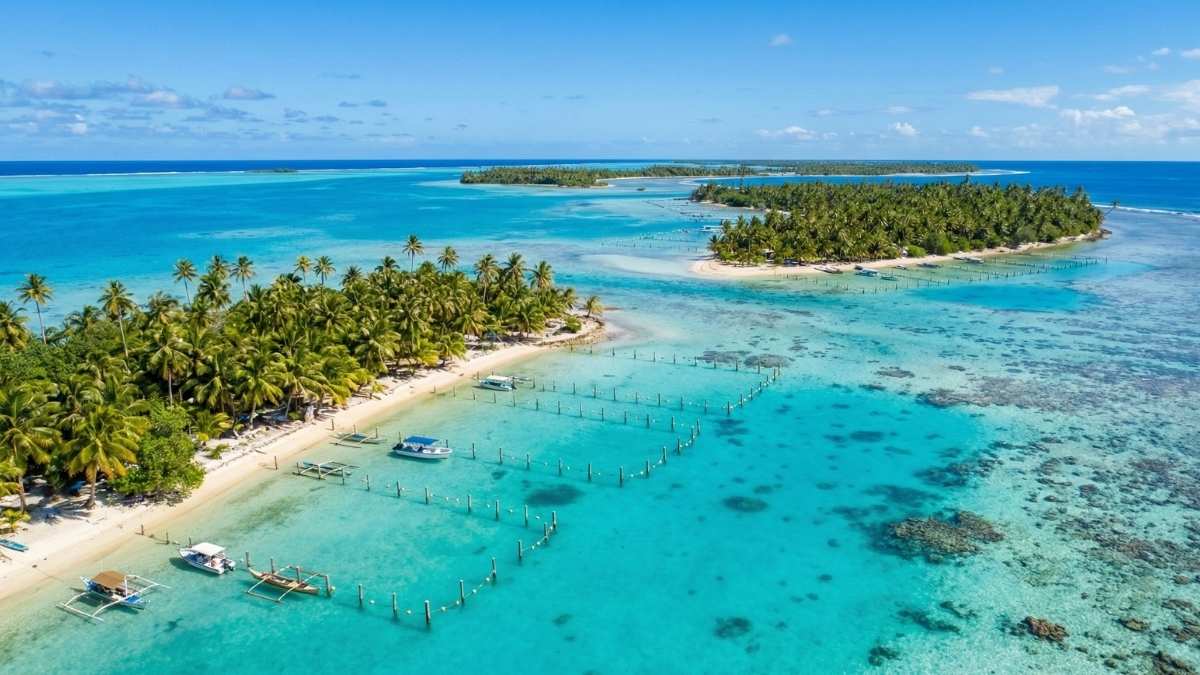
Reef-front land carries a certain pull, but not all reef-front leases come with luxury price tags. On lower-profile Pacific islands, long-term lease plots still exist where development pressure remains low, and expectations are realistic. These leases are usually structured for light, low-impact use, which helps keep monthly costs within reach.
Living reef-front changes how days unfold. Tides dictate schedules, fishing becomes routine rather than recreational, and the environment shapes decisions in subtle ways. Leaseholders here tend to build modestly and thoughtfully, understanding that long-term comfort matters more than short-term impressiveness.
These plots appeal to readers who value connection to the sea and are willing to work within nature’s boundaries rather than against them.
Quick facts & planning notes
- Best months to visit: Region-specific dry season
- Lease length: Up to 99 years
- Monthly lease range: ~$50–$100
- Environmental rules: Common and enforced
- Best for: Reef access and marine-based living
13. Custom Long-Term Lease Arrangements in Remote Pacific Regions
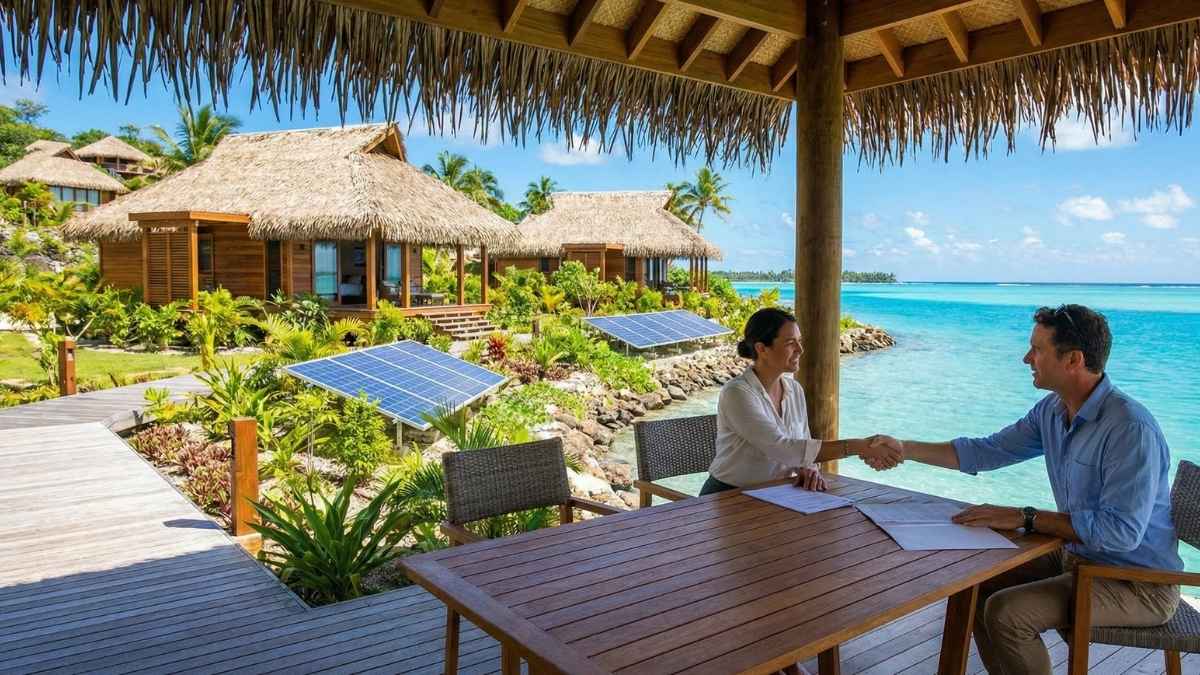
The final category doesn’t fit neatly into a brochure—and that’s its strength. Across remote Pacific regions, custom long-term lease arrangements are still negotiated directly with landholding families or local councils. These agreements are tailored, flexible, and often far more affordable than standardized listings.
Nothing here is instant. Trust is built over time, paperwork moves slowly, and expectations must stay realistic. In return, leaseholders often secure generous land use rights at very low monthly costs, sometimes well under $100 when averaged long-term.
This path suits readers who are patient, respectful of local systems, and planning far ahead. It’s less about convenience and more about earning access to a place most people never consider staying long-term.
Quick facts & planning notes
- Best months to visit: Dry season preferred
- Lease length: Negotiable, often 75–99 years
- Monthly lease range: ~$25–$80
- Process: Relationship-based
- Ideal for: Long-horizon planners and cultural integration