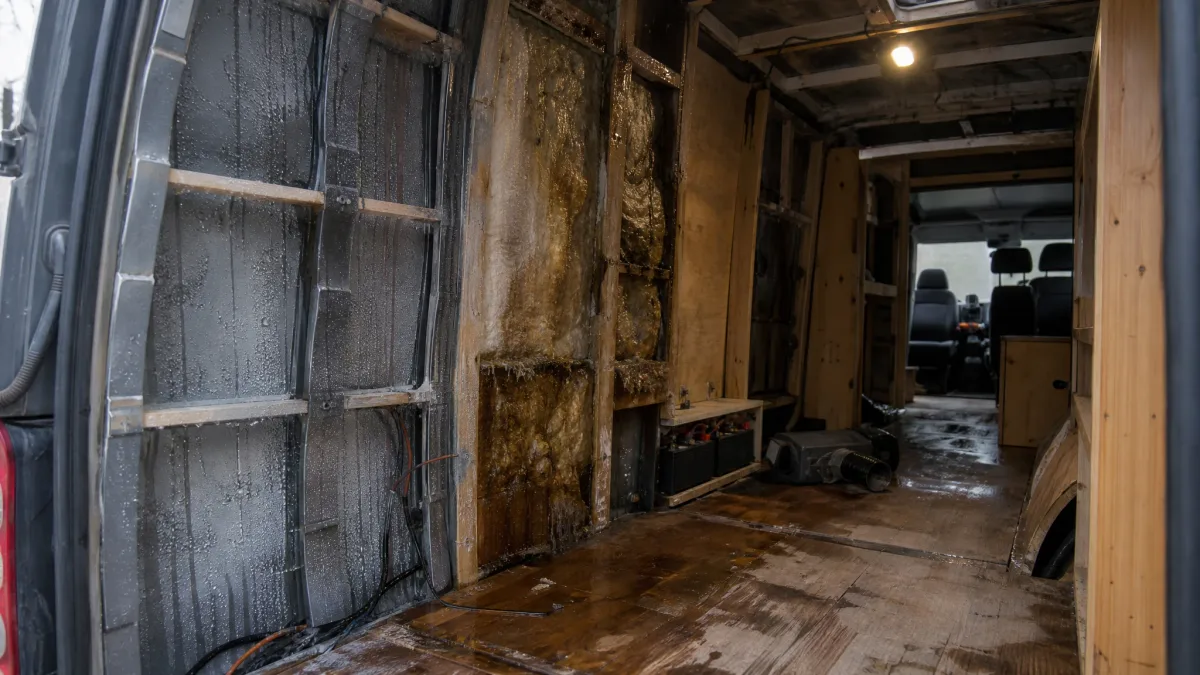
I Lived in a Motorhome for 3 Years — 9 Things I’d Do Differently

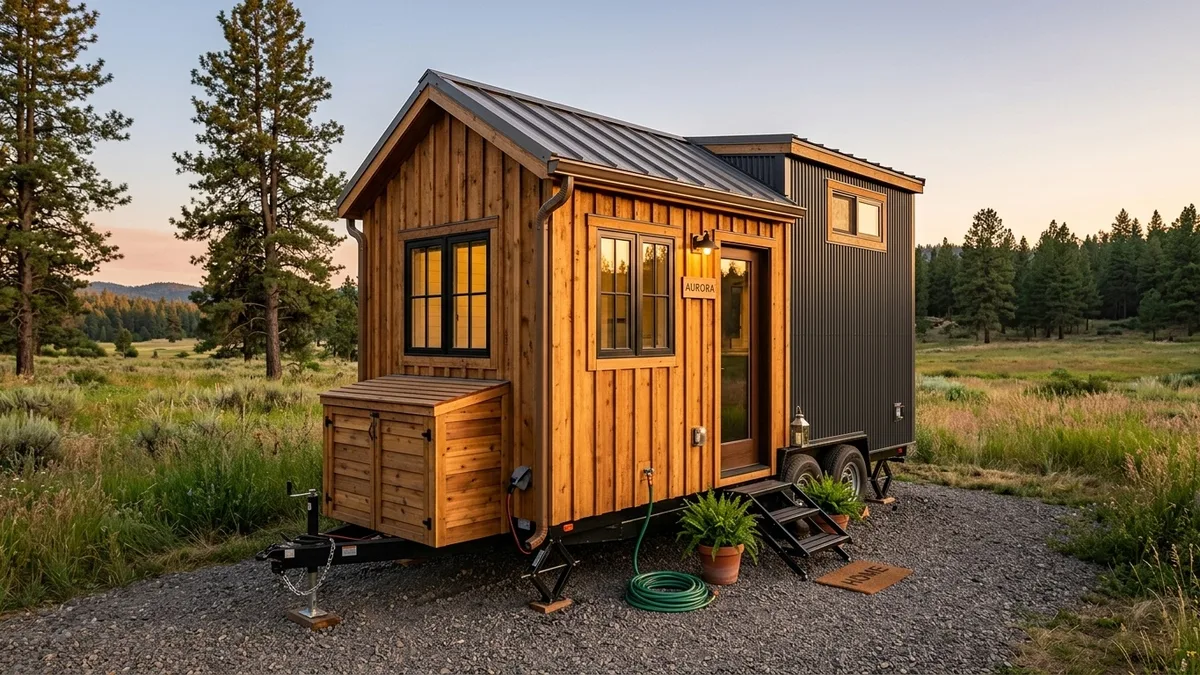
Three full years living inside a 32-foot Class A motorhome teach you very quickly what actually works and what falls apart under constant transit.
Stepping into that mobile cabin carrying a strict 3,500-pound payload limit meant leaving behind the illusion that standard residential decor would ever survive highway vibrations.
Heavy household items quickly cracked, warped, and strained suspension systems within months of cross-country driving.
Proper interior design in a mobile space requires engineering every single surface specifically for weight limits, high vibrations, and moisture control.
Equip yourself to select materials and layouts that prevent structural wear and weight overloads by choosing utility and longevity over decorative excess.
At a Glance
1. Heavy Hardwood Furniture Destroys Suspension Limits
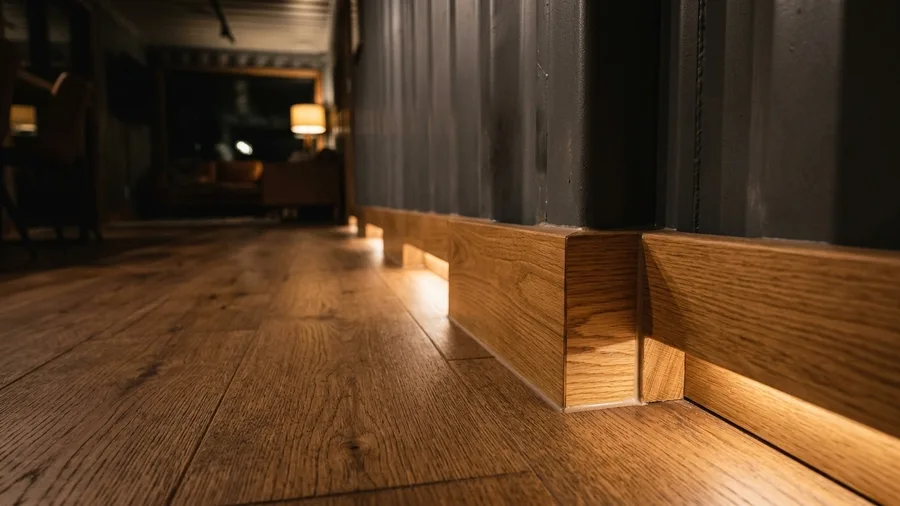
Unloading boxes of solid oak shelving into my 32-foot Class A motorhome on a rainy Tuesday morning felt like a proper interior upgrade until the vehicle’s rear end noticeably dropped.
Solid wood cabinetry adds hundreds of pounds of dead weight that crushes suspension limits.
My $4,500 interior renovation budget was nearly wasted on oak shelving that sagged under highway vibrations during the first month across state lines.
The weight penalty of solid wood exceeds payload limits instantly within a rigid 3,500-pound ceiling.
This suspension impact causes severe alignment issues that wear down tires prematurely.
Use lightweight veneer alternatives to protect payload capacity and keep the chassis stable.
Payload Impact Breakdown
Comparing material weights against our 3,500-pound ceiling
Replacing solid wood with veneer saved crucial axle capacity.
2. Standard Area Rugs Trap Moisture and Hidden Mold
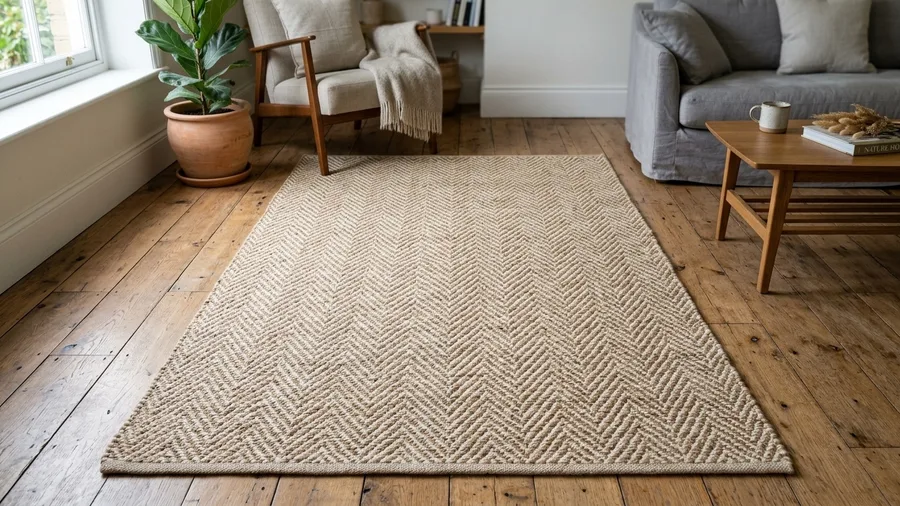
While a thick wool floor covering feels plush in a stationary apartment, laying one down in a confined motorhome cabin creates a totally different set of climate challenges.
Traditional carpets absorb up to 80 gallons of ambient humidity and condensation from daily living, trapping moisture right against the structural subfloor.
My small bathroom accent rug trapped escaping pet hair and shower humidity, causing hidden subfloor rot that required a messy tear-out within six months.
These humidity retention issues rapidly ruin wooden subfloors, and cleaning heavy textiles becomes nearly impossible inside a compact 32-foot floor plan.
Install durable marine-grade vinyl instead to completely stop moisture absorption and keep your subfloor dry.
💡 Tip: Choose woven vinyl mats that shake out easily and dry in minutes.
⚠️ COMMON MISTAKE
Ignoring Hidden Humidity Traps
Plush rugs in mobile spaces act like sponges for daily cooking steam and shower vapor, leading straight to costly subfloor replacements.
3. Standard Residential Mattresses Trap Body Heat

Tossing and turning on a heavy factory mattress that weighed over 80 pounds left me drenched in sweat against the tight fiberglass rear wall.
My original spring mattress absorbed body moisture and added unnecessary pounds straight into the precious 3,500-pound payload limit.
Swapping to a lighter setup brings significant weight reduction benefits that improve overall fuel efficiency on long cross-country hauls.
Proper air circulation beneath the berth is critical to prevent mold growth against cold outer walls during chilly nights on the road.
Install custom lightweight foam mattresses to ensure proper airflow, superior comfort, and a remarkably low weight footprint.
4. Unsecured Decor Items Smash During Travel
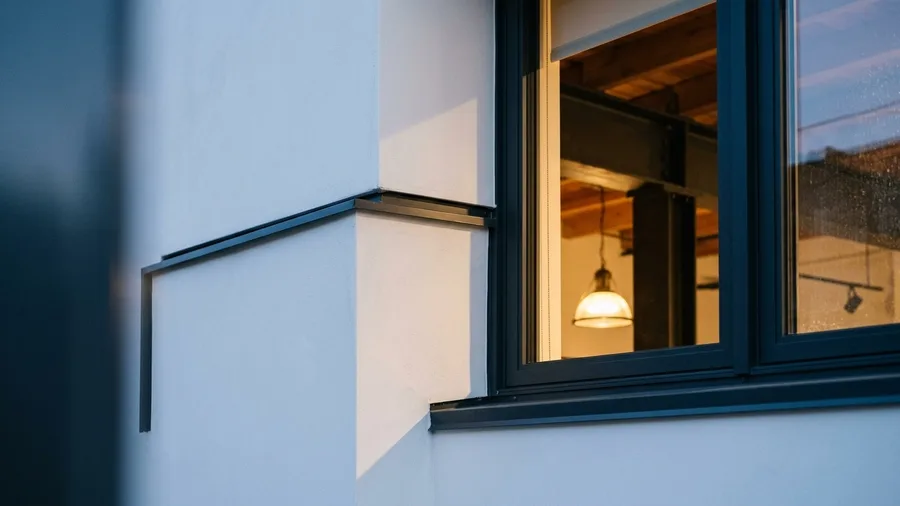
Leaving the sleeping quarters behind, everyday items resting on flat surfaces become dangerous projectiles the moment the vehicle starts moving.
Constant highway vibrations send knick-knacks sliding off wooden ledges during transit.
During a trip through rural Nevada, a set of matte black ceramic bud vases bounced right off the overhead ledge and shattered into jagged shards across the vinyl flooring after hitting an unexpected pothole at 65 miles per hour.
Preventing these mid-route disasters requires diligent travel preparation steps to secure every loose surface before shifting gears.
Applying a small amount of pliable museum putty beneath every vase and decorative bowl locks them tightly in place, absorbing the relentless road shocks and stopping breakage risks dead in their tracks.
🌱 GROWING TIP
Mastering Surface Security
Apply clear museum wax beneath every accent piece to keep your shelves styled without risking shattered glass on travel days.
5. Standard Ceramic Dishware Chips and Strains Limits
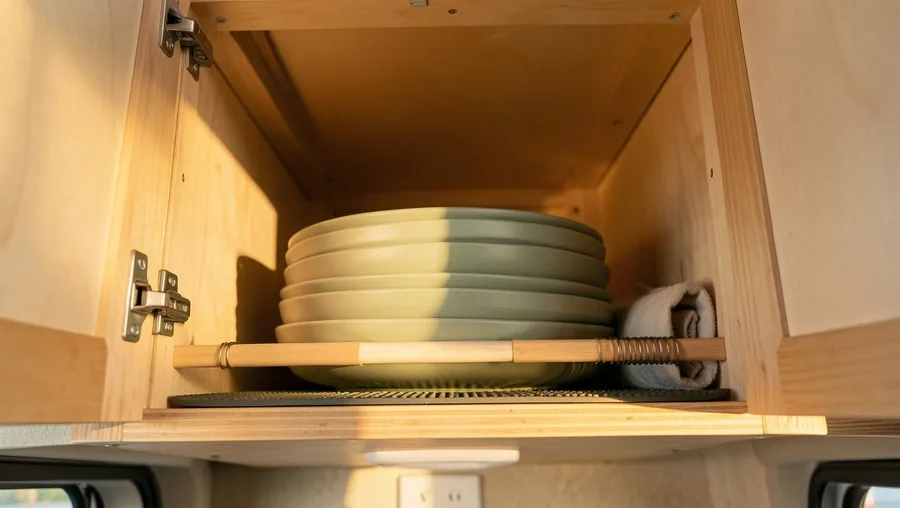
Most newcomers assume everyday kitchenware from a sticks-and-bricks house will transfer over without issue, but standard porcelain plates cannot handle mobile vibrations.
Heavy ceramic dinnerware cracks easily under minor road shifts while adding dead weight to overhead cabinetry.
My own white porcelain set shattered entirely during a sharp turn on a winding grade in Utah, leaving me with a dangerous mess of shards and wasting valuable travel time on cleanup.
Staying well under the strict 3,500-pound payload ceiling of a 32-foot chassis requires paying close attention to every single pound stored in upper compartments.
Swapping out breakable stoneware for durable melamine dinnerware or flexible silicone plates completely eliminates shatter hazards and lightens the load overhead.
Kitchenware Audit Scorecard
6. Dark Window Fabrics Trap Intense Solar Heat
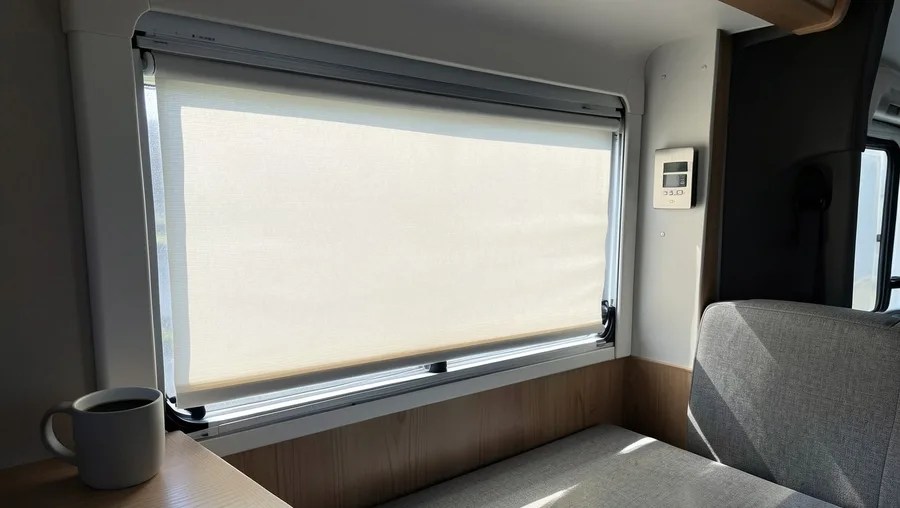
Failing to manage window coverings properly during hot weather turns a compact living space into an oven.
Heavy dark window drapes bake the interior during summer travel by trapping intense solar radiation directly against the glass.
On a scorching afternoon in Arizona, my dark velvet curtains trapped so much thermal energy that interior temperatures surged past 95 degrees, completely overwhelming the small air conditioning unit.
Beating this solar heat gain requires upgrading to modern technical insulation barriers that reflect sunlight away from the cabin.
Installing reflective cellular blackout shades keeps ambient temperatures manageable and protects the interior climate during long summer drives.
💡 PRO TIP
Reflective Window Shielding
Combine dual-cell shades with exterior silver reflective film to block radiant heat before it ever touches your interior glass.
7. Standard Household Lamps Pull Too Much DC Power
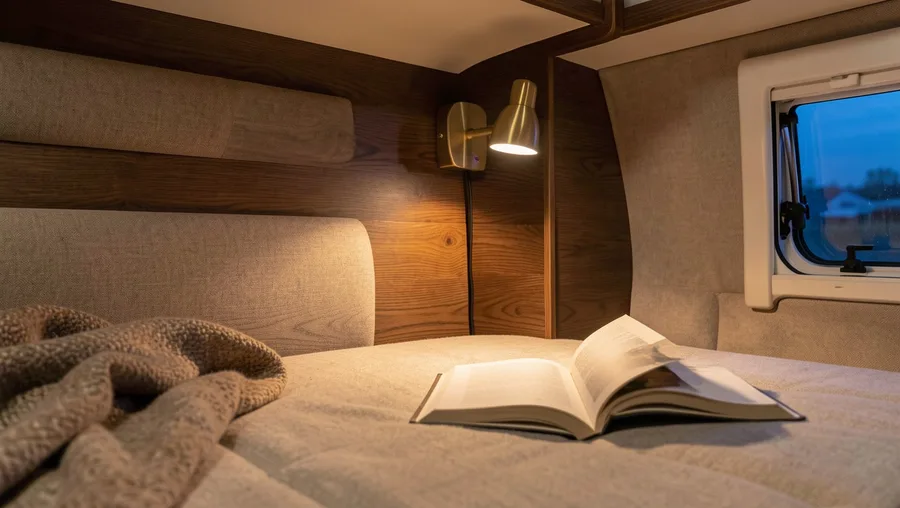
Controlling solar gain at the windows shifts attention directly to the fragile electrical circuits powering the living space. Standard table lamps meant for stationary homes fail rapidly under the constant rigors of highway travel.
Regular household light fixtures burn out quickly from generator surges and high vibration frequencies shaking the chassis. My standard bedside lamp filament snapped during week two from highway jolts on rural asphalt.
Vibration hazards shatter glass lamp shades easily when hitting deep ruts at cruising speed. Glass shards scatter across the berth within seconds, creating an immediate safety hazard inside the cabin.
Electrical draw limits drain the battery bank rapidly when running mismatched residential fixtures on inverter power. Standard bulbs pull too much DC power, forcing constant generator runs just to keep reading lights active.
Install dedicated 12V LED fixtures to maintain stable, low-draw lighting that withstands road vibrations effortlessly. These low-profile units mount securely to wooden bulkheads without draining the auxiliary battery bank prematurely.
Quick Tips Before You Start
Weigh Everything
Always check item weights before loading upper cabinets to protect suspension limits.
Control Humidity
Ventilate daily to prevent ambient moisture from turning into hidden subfloor rot.
Secure Surfaces
Use museum putty and latches on all decor items before shifting gears on the highway.
8. Deep Pantry Baskets Cause Hidden Food Spoilage
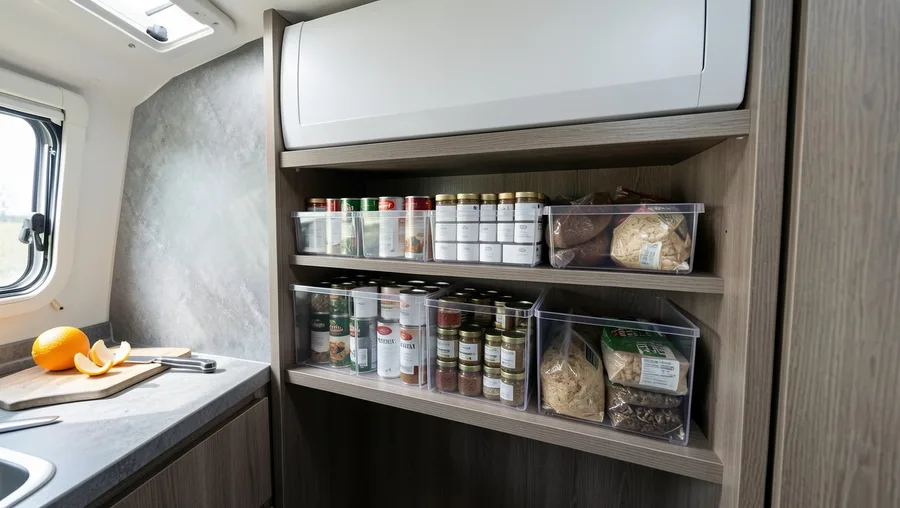
Three months into full-time travel, my unorganized pantry cans dented each other and spoiled hidden food items out of sight. Deep kitchen cabinets left unchecked turn every highway turn into a noisy disaster.
Unorganized deep cabinets let canned goods slam together on turns, creating unbearable noise that echoes through the fiberglass cabin. Noise control is essential during highway cruising to keep the mobile environment peaceful.
Inventory visibility prevents duplicate purchases and weight bloat inside a strict 3,500-pound payload limit. When items slide into dark corners, duplicate groceries pile up and add unnecessary dead weight.
Install clear locking bins and dividers to keep provisions secure and visible during transit. Clear acrylic containers lock the contents in place, eliminating rattles while letting you check spice and canned goods inventory instantly.
9. Fabric Couch Upholstery Absorbs Cooking Odors
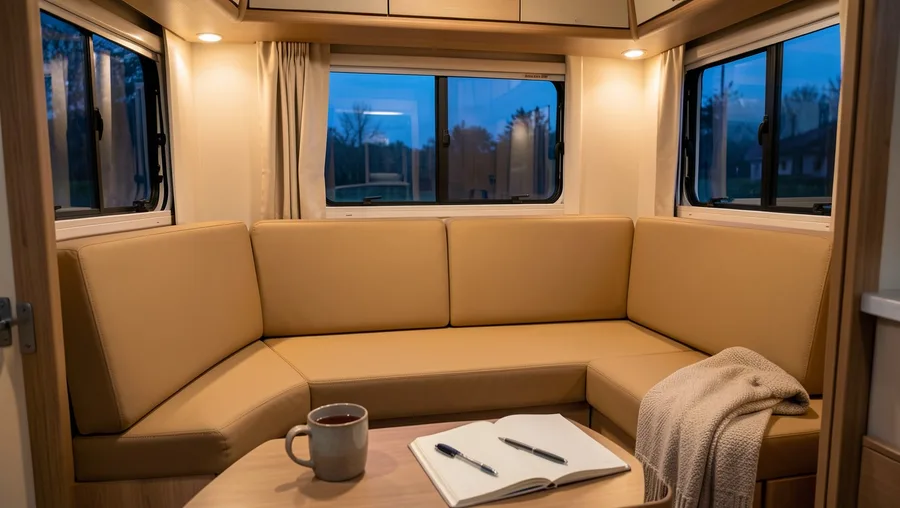
Every evening after cooking dinner, the living area exposes the limits of traditional furnishing fabrics. Standard cloth sofas hold onto cooking grease, moisture, and pet odors permanently within the tight floor plan.
My fabric couch absorbed three years of cooking oils that regular vacuuming could never remove. The woven fibers trapped airborne grease from stovetop meals, leaving a persistent stale smell throughout the 32-foot cabin.
Odor retention lingers permanently in compact mobile spaces where ventilation is limited during cold weather. Cooking smells settle deep into foam cushions and fabric threads without an easy way to escape.
Cleaning challenges multiply with active road travel and limited water supplies for deep steam cleaning. Scrubbing upholstery manually inside a tight aisle becomes an exhausting chore after every long driving leg.
Use wipeable faux leather covers to maintain a fresh, low-maintenance interior that shrugs off spills and cooking oils. A quick wipe with a damp microfiber cloth removes grease and dust instantly before heading down the highway.
Frequently Asked Questions
How do I keep my motorhome within weight limits?
Prioritize lightweight materials like wood veneers and melamine instead of solid wood and ceramics. Always monitor your total payload against the 3,500-pound limit before embarking on long trips.
What flooring works best to prevent mold in an RV?
Marine-grade vinyl is the top choice because it does not absorb ambient humidity or condensation like traditional carpets, protecting your subfloor from hidden rot.
How can I stop decor items from breaking while driving?
Secure all surface items with museum putty or wax before shifting gears. Avoid placing heavy ceramic pieces on open shelves where highway vibrations can shake them loose.
What type of mattress is best for a mobile berth?
Custom lightweight foam mattresses provide the necessary airflow to prevent mold beneath the bed while shedding dozens of pounds compared to traditional spring mattresses.
Prioritizing Weight and Durability in Your Mobile Home
Prioritizing weight reduction over cosmetic luxury protects your 32-foot motorhome chassis from structural failure and costly repairs.
Remember stepping into that mobile home for the first time expecting traditional residential luxury instead of strict engineering constraints.
Every pound saved and material chosen determines whether your motorhome remains a comfortable haven or becomes a rolling maintenance disaster after three full years on the road.