17+ Container Home Cladding Ideas — Wood, Corten, Stucco and More

Cladding is the outfit your container home wears. It protects the steel box from rain and sun, adds insulation, and decides whether the whole place reads as a cabin, a beach house, or a modern gallery.
Bare shipping containers rust, bake in summer, and freeze in winter. A good cladding system fixes all three at once. It sits off the steel on battens, so air flows behind it and moisture escapes. That air gap is the quiet secret behind every design below.
We gathered 17 cladding ideas that real builders use on container homes. Each one covers what it costs, how long it lasts, and how much care it needs. Find the look you love, then check the upkeep you can live with.
Costs are installed prices per square foot, typical US range.
1. Cedar Timber Wrap
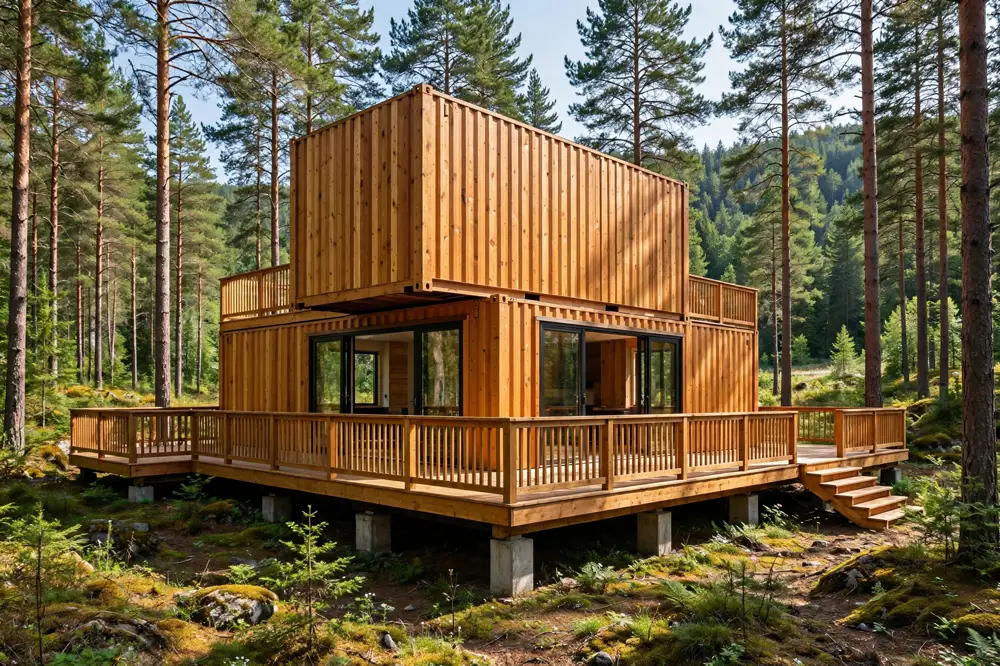
Vertical cedar boards turn a steel box into a warm cabin. Western red cedar weathers to a soft silver grey if you leave it alone, or keeps its honey color with a coat of oil every few years. It is light, easy to cut on site, and naturally resists rot and insects.
Install runs about $8 to $14 per square foot with labor. Expect 25 to 40 years of life. The boards fix to vertical battens, which creates the air gap your container needs to stay dry behind the wood.

Cedar pairs well with big glass. The warm wood softens the hard steel edges. In forest settings it almost disappears into the trees.
Budget a weekend each spring to check for loose boards after winter storms.
2. Rust and Rise Corten
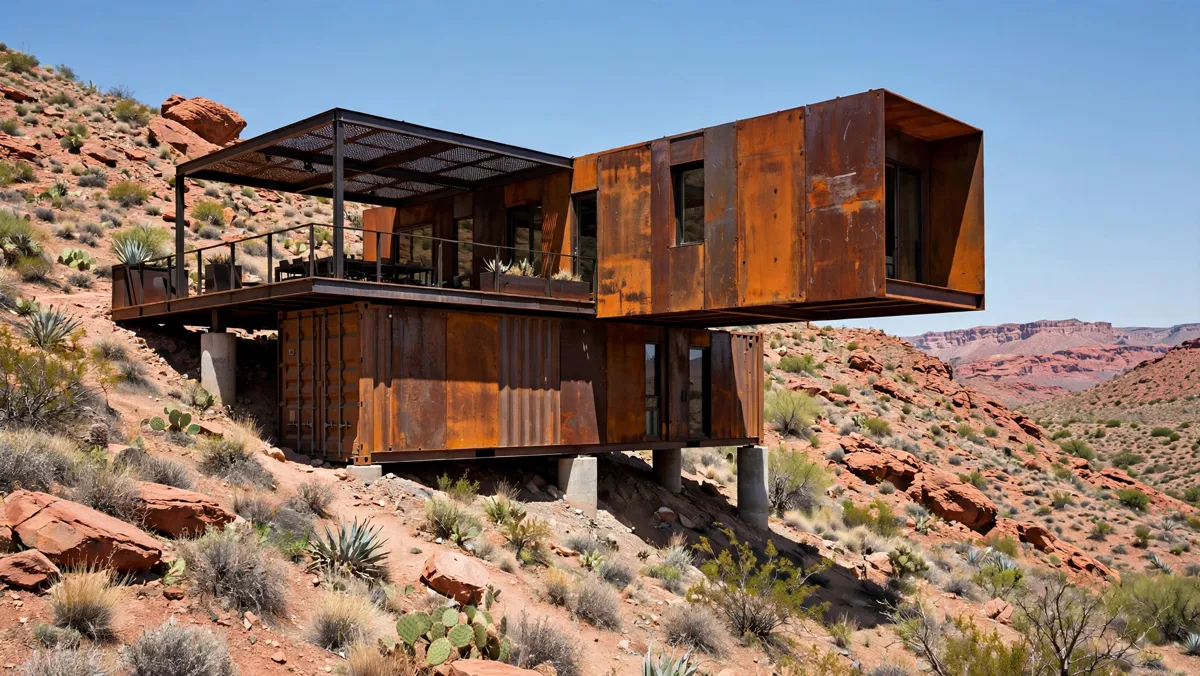
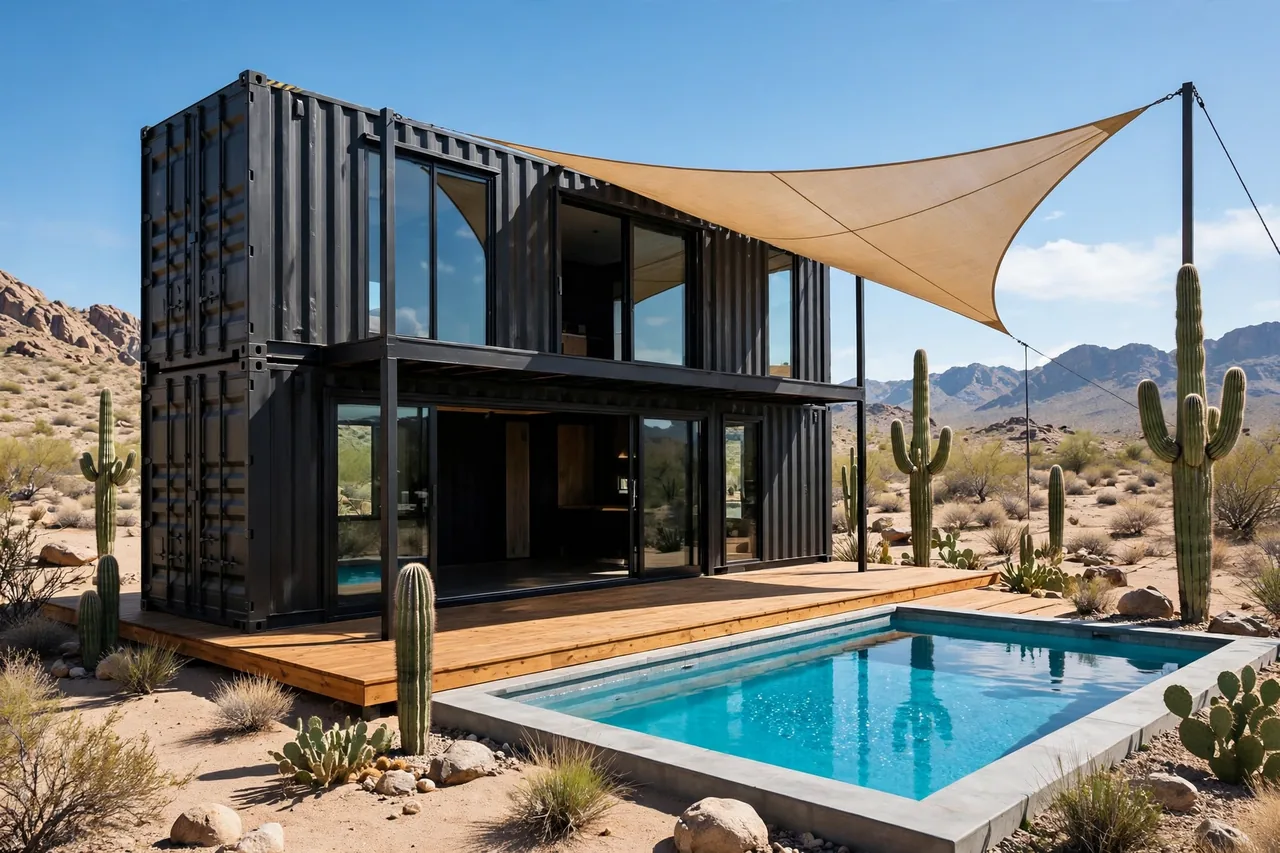
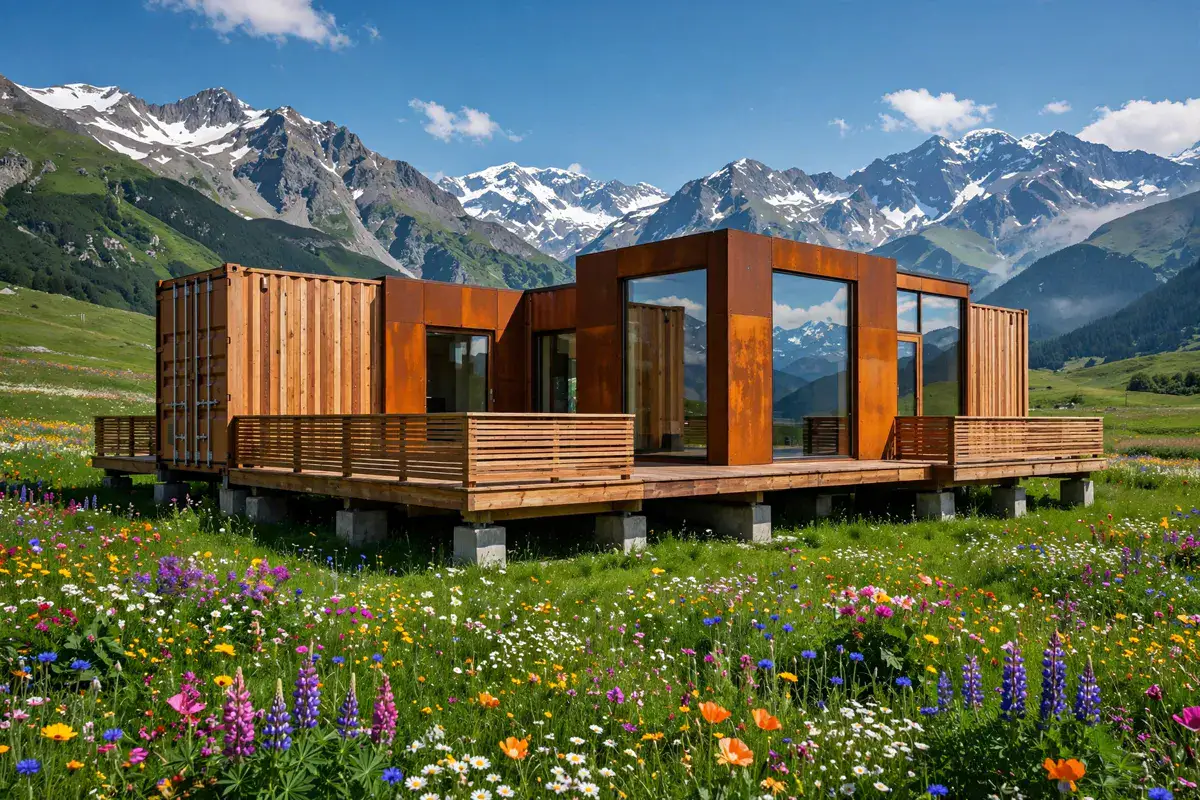
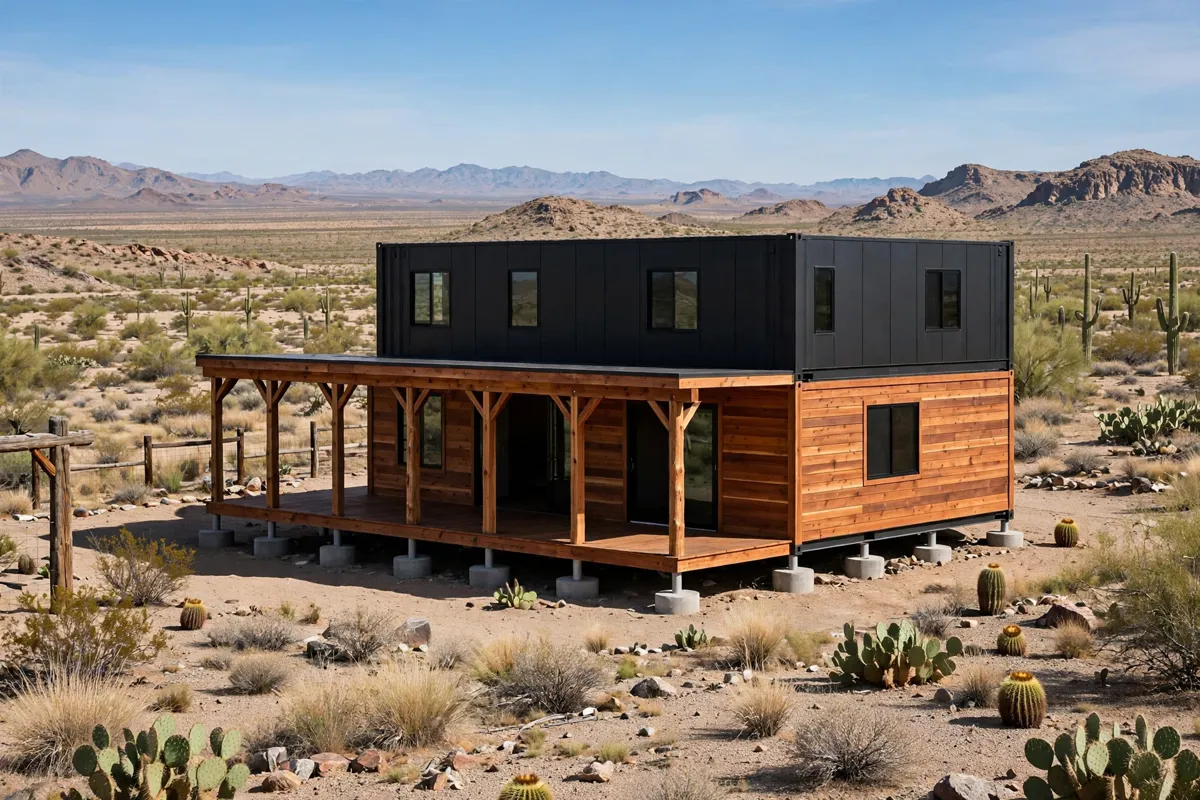
Corten is weathering steel. It rusts on purpose. The rust forms a tight skin that stops deeper corrosion, so the panels need no paint and almost no care. On a container home the orange-brown patina looks bold against desert rock and pale sand.
Panels cost $12 to $20 per square foot installed. The patina keeps developing for 3 to 5 years, then settles. Runoff can stain concrete and light paving, so plan drip edges and gravel beds below the walls.

Corten suits hot dry climates best. It loves sun and hates constant damp. Pair it with dark window frames and a simple steel deck.
The look is industrial, warm, and very hard to get wrong.
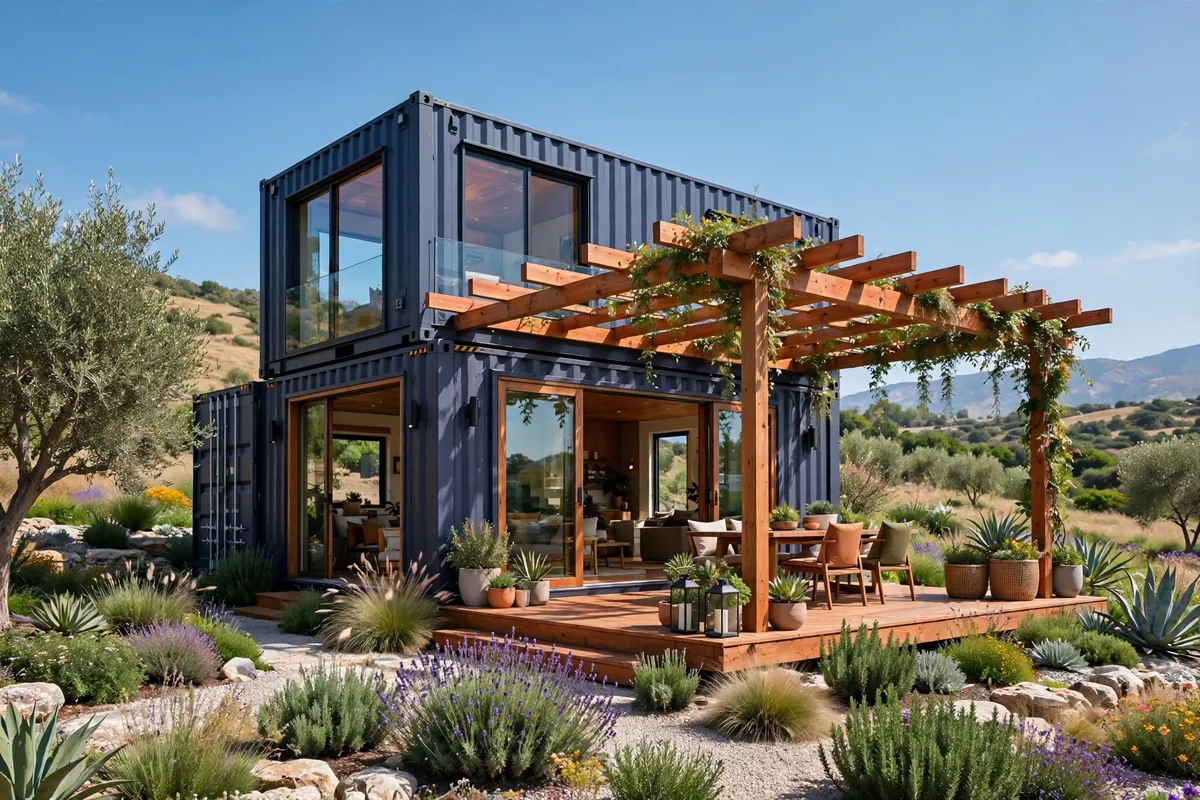
3. Soft Lime Stucco
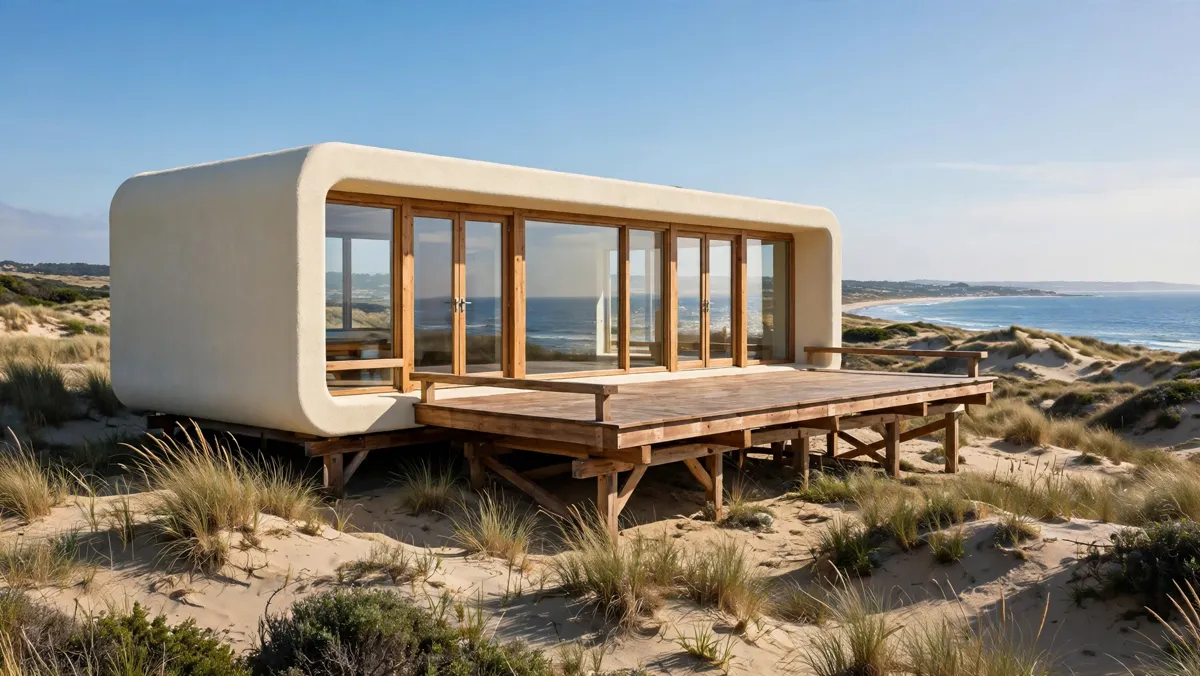
Lime stucco gives a container home the soft look of a Mediterranean cottage. The render goes over a metal lath fixed to battens, which keeps the rain screen gap intact. Lime is breathable, so trapped moisture can escape instead of rotting the wall.
Expect $9 to $15 per square foot. Lime render lasts decades and can be patched invisibly, unlike cement stucco. It flexes slightly with the building, which matters because steel expands in heat.
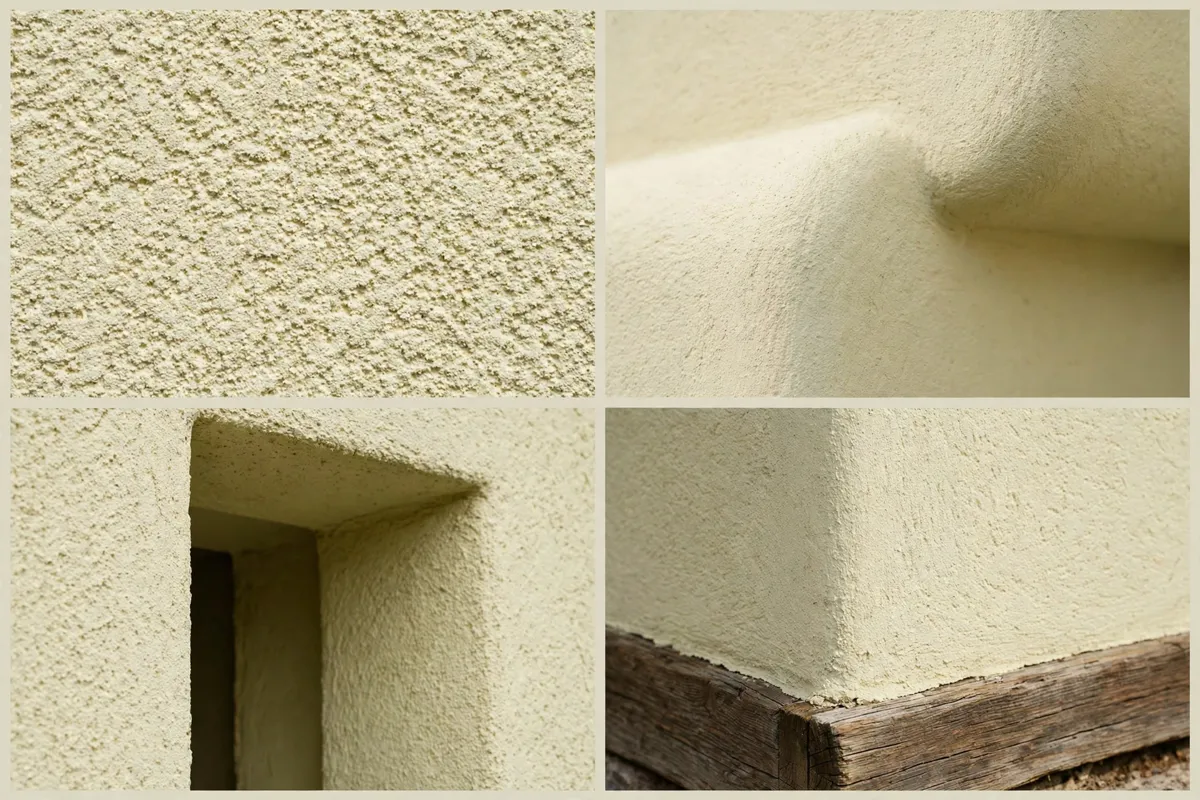
White lime render glows in coastal light. It pairs beautifully with timber decks and soft planting. Rewash every few years and touch up cracks wider than a hairline.
Avoid dark colors in hot sun. They show every patch.
4. Ember Black Shou Sugi Ban
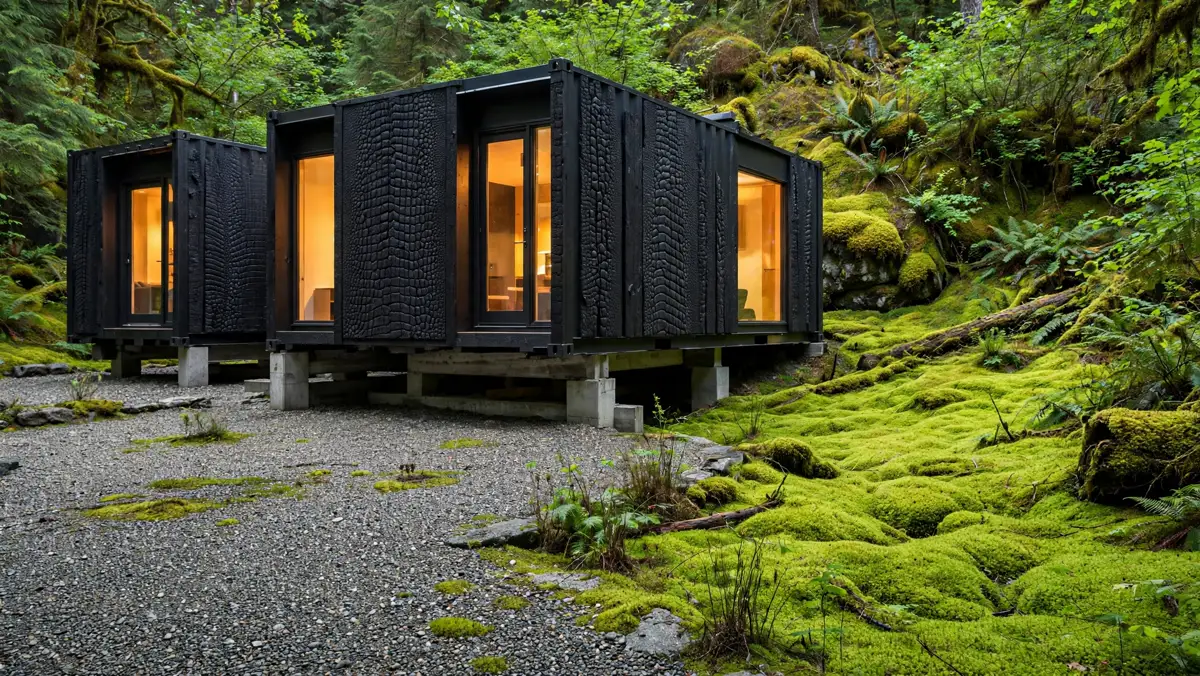
Shou sugi ban is charred cedar, an old Japanese technique. The surface is burned, brushed, and oiled, leaving a deep black finish with a crocodile-skin texture. The char layer resists fire, rot, and insects without chemicals.
Boards cost $10 to $18 per square foot. The finish lasts 30-plus years with an oil refresh every 4 to 6 years. Handle the boards with gloves on site. The char rubs off on skin and light clothing until it is sealed.

Black cladding makes greenery pop. Set it against moss, ferns, or a bright lawn. It also hides the container’s industrial lines completely.
Use warm interior lighting so the dark shell feels cozy, not cave-like.
5. Corrugated Barn Metal

Corrugated metal is the honest choice. It nods to the container’s industrial roots while adding color and rhythm. Galvanized steel sheets are cheap, fast to install, and shrug off hail and wind. Powder-coated colors hold up for decades.
Budget $6 to $11 per square foot installed. That makes it one of the cheapest options here. Life runs 30 to 45 years. Fix sheets to horizontal battens with neoprene washers so every screw hole stays watertight.
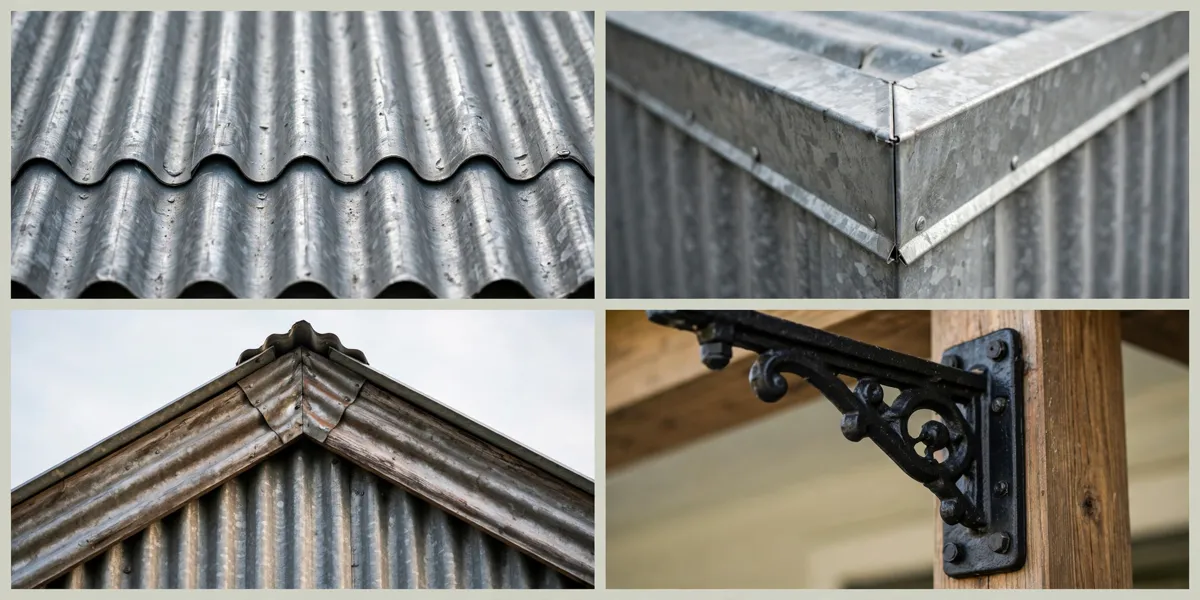
Keep the color simple. Silver, charcoal, or deep green all work on a farm. Corrugated metal can drum in heavy rain, so add insulation and a solid interior liner.
The result feels like a modern barn, in the best way.
6. Slim Fiber-Cement Panels
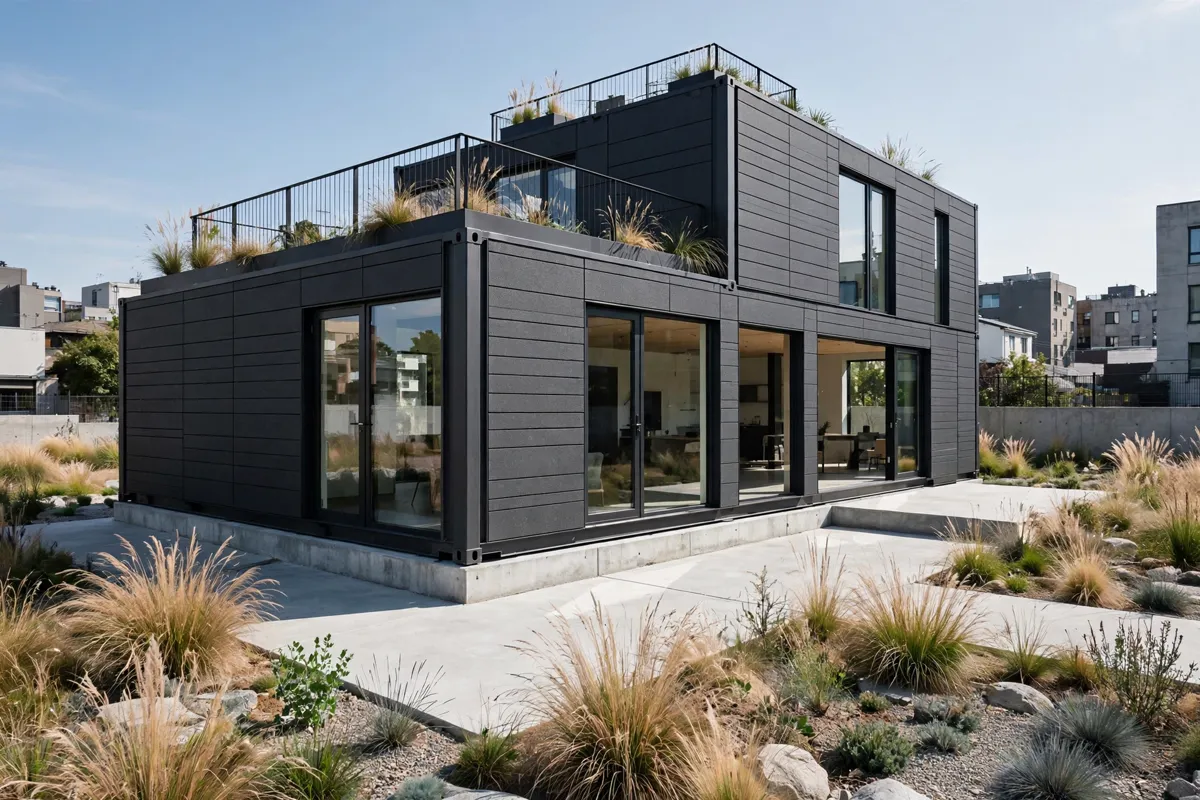
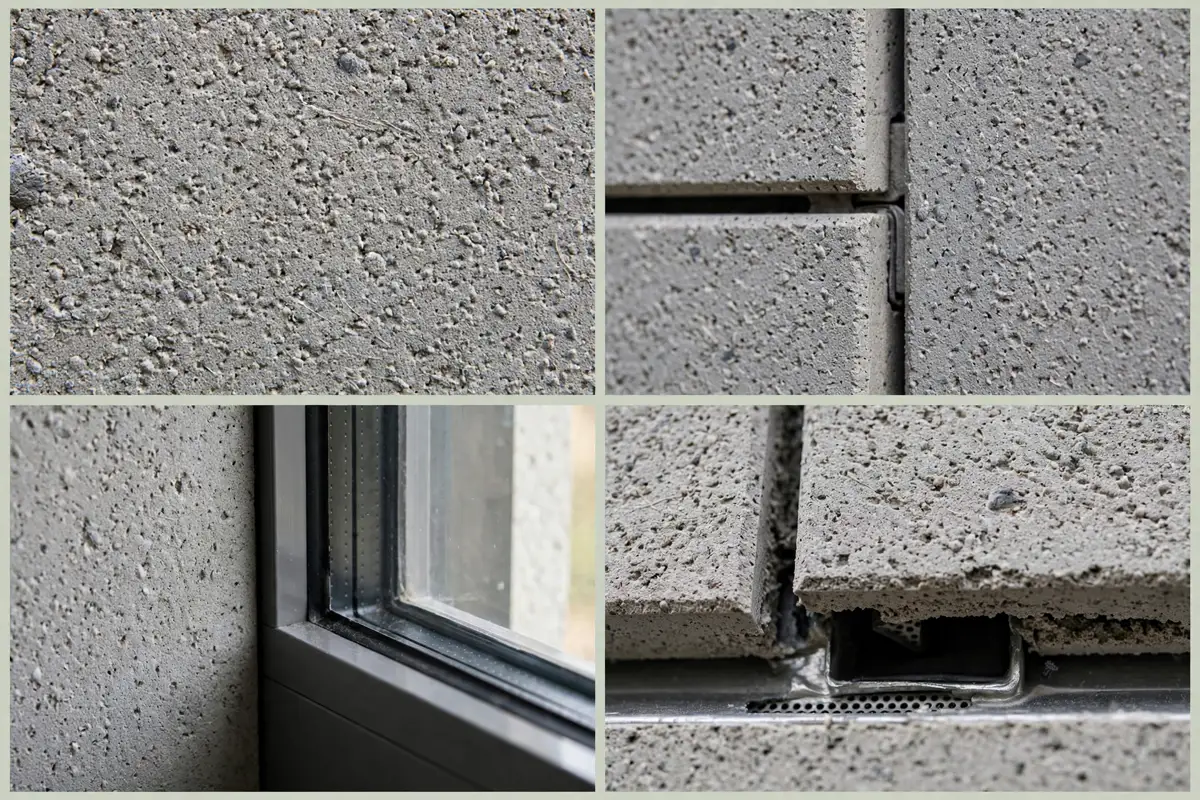
Fiber-cement panels give a crisp, gallery-like finish. Large slim sheets with hidden fasteners read as one smooth surface. The material is cement, sand, and cellulose fiber. It will not rot, burn, or feed termites.
Installed cost runs $10 to $17 per square foot. Panels last 50 years or more. Paint lasts 15 before a recoat. Cut sheets outdoors with a dust mask. The silica dust is the one real hazard of this material.
This is the cladding for tight urban lots. The flat surface suits minimalist design and rooftop decks. Choose panel sizes that match your container’s 8-foot module to cut waste.
Dark colors absorb heat, so insulate well behind them.
7. Brick Slip Cottage

Brick slips are thin slices of real brick, about half an inch thick. They give you the full look of a brick cottage at a fraction of the weight. That matters on a container, where every extra pound counts on the foundation.
Installed cost is $14 to $22 per square foot. The slips glue and grout onto a backer board over battens. They last as long as the building. Repoint any cracked mortar every decade or so.

Brick warms up a steel box instantly. It suits gardens, patios, and pitched roof canopies. Use handmade-look slips for character.
They catch light and shadow in a way flat brick never does.
8. Stacked Stone Retreat
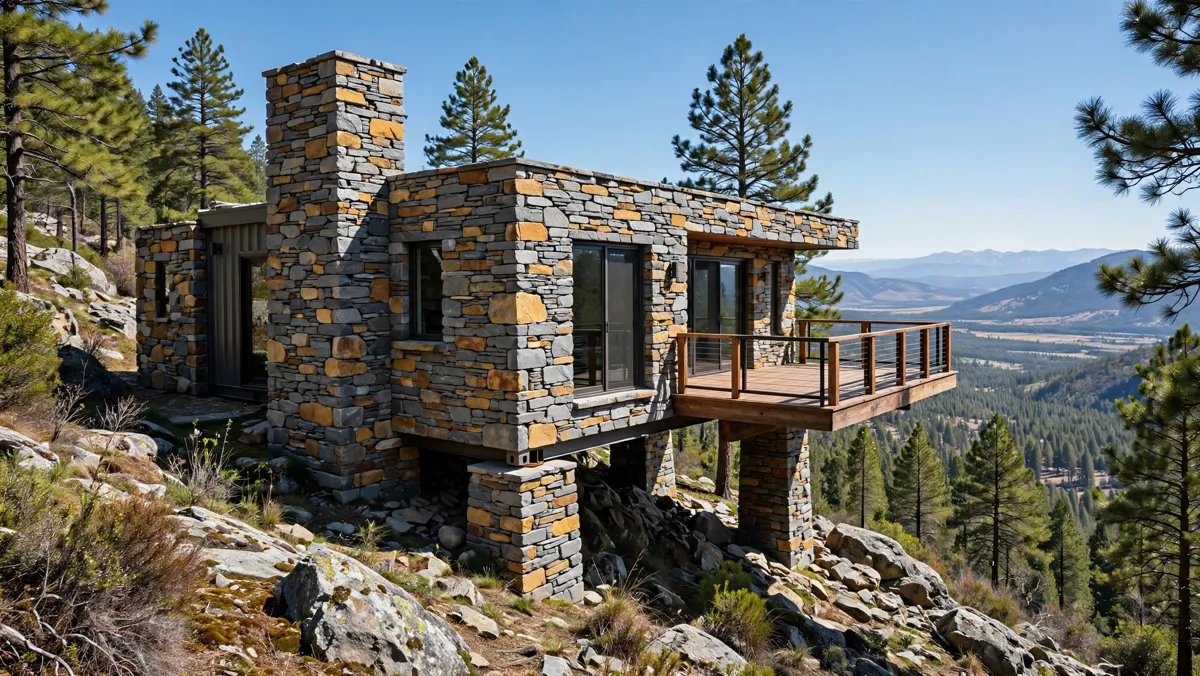
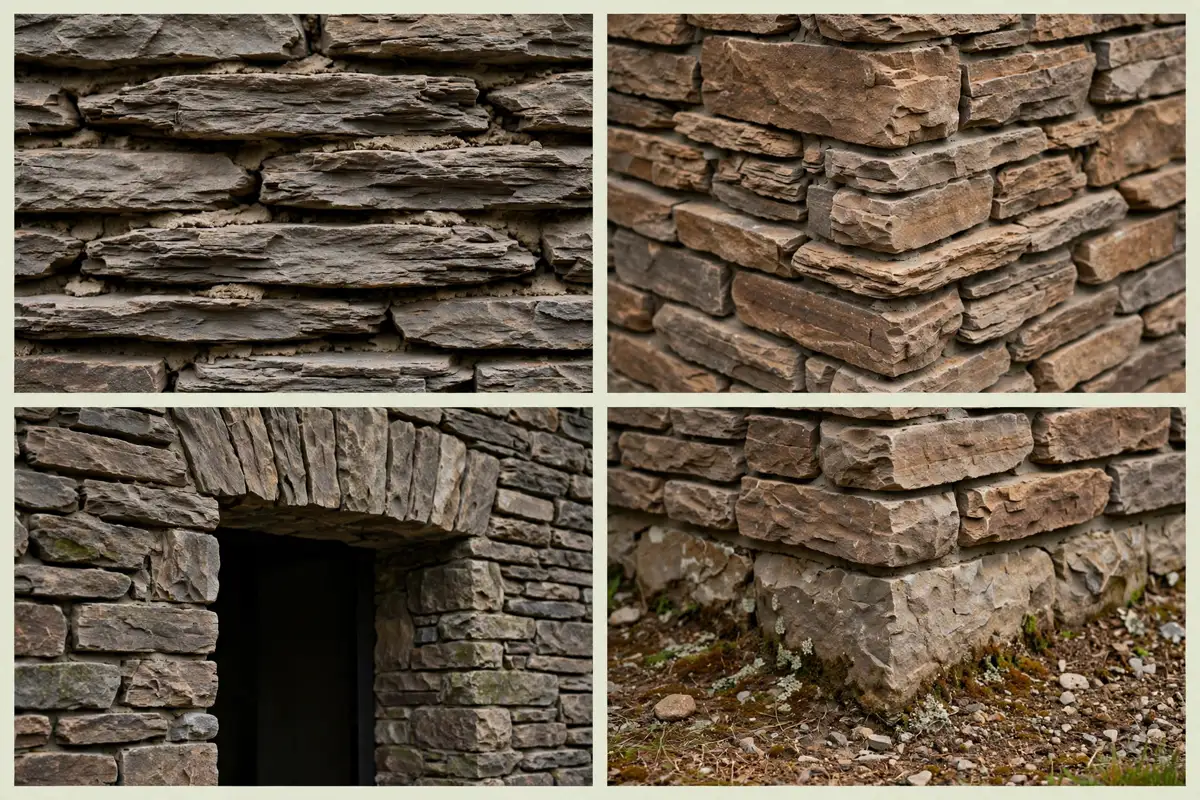
Stone veneer turns a container into a mountain lodge. Manufactured stone panels weigh far less than real stone and cost half as much. From ten feet away, even builders struggle to tell the difference.
Budget $13 to $21 per square foot installed. Veneer lasts 50-plus years with almost no care. Install over a drainage mat so water runs out behind the stone. Flash every window and door carefully. Stone forgives nothing at the edges.
Stone anchors a home to its site. It looks right on hillsides and rocky ground. Balance the heavy base with light upper walls or big glass.
Too much stone on all four sides can feel like a bunker.
9. Cedar Batten Screen

A batten screen is a second skin of slim vertical cedar strips over dark backing boards. The gaps between battens cast shifting shadow lines through the day. It shades the wall behind it, which cuts cooling loads in summer.
Cost runs $9 to $16 per square foot. The screen also hides vents, pipes, and the container’s corner castings. Space battens evenly and sight down the wall as you work. A wavy batten line ruins the effect.
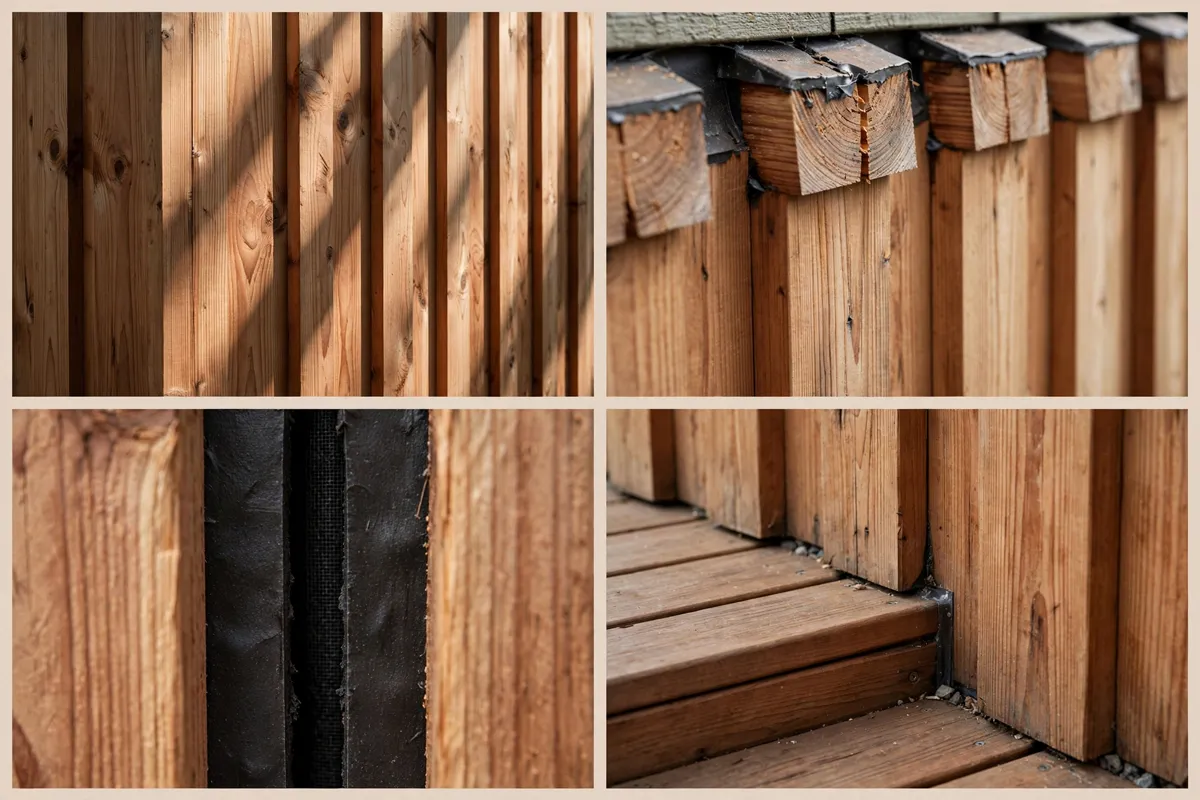
This design loves water and sky. Lakeside homes look stunning with the rhythm of battens reflected below. Oil the battens every 3 years to keep the color even.
Let them silver for a softer, low-care finish.
Air flows up behind the cladding and carries moisture out. That gap is what keeps a steel box dry.
10. Alpine Larch Lines
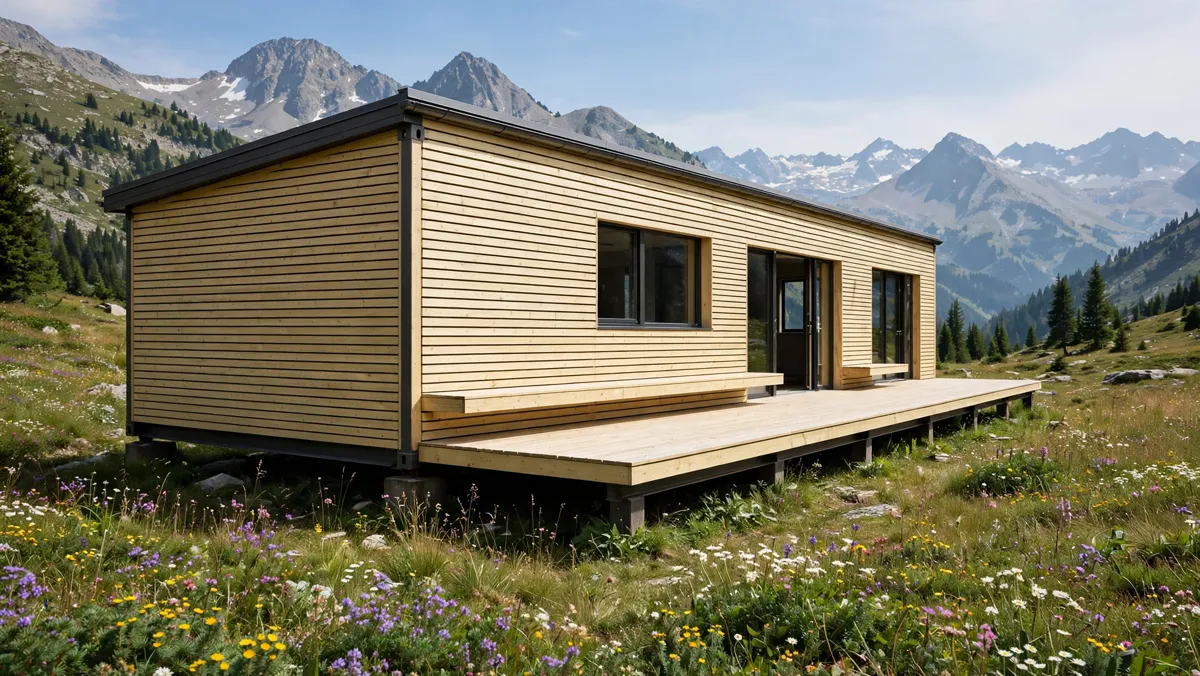
Horizontal larch boards stretch a container home wide and low. Siberian larch is dense, resinous, and weathers to an elegant silver without treatment. It is the set-and-forget wood cladding.
Installed cost is $8 to $13 per square foot. Untreated larch lasts 30 to 50 years. Keep the boards 6 inches clear of soil and mulch. Ground contact is the one thing that shortens its life.

Larch suits open landscapes and mountain views. The horizontal lines pull the eye along the building, which flatters long multi-container homes.
Pair with a simple shed roof and a long bench deck. Nothing fussy needed.
11. Timber Meets Steel
Why pick one material when two do the job better? Cedar below and blackened steel above is a classic pairing. The wood warms the entry level where people touch it. The steel crowns the building and needs zero care up high.
Combined cost lands around $10 to $18 per square foot. Detail the flashing where wood meets metal with real care. That joint sees the most water. A simple Z-flashing keeps it dry for decades.

Mixed cladding breaks a long container into readable parts. It stops a 40-foot wall from feeling like a tunnel. Keep the palette to two materials and one trim color.
Three materials is the maximum before it gets busy.
12. Living Green Wall

A living wall grows plants over your cladding. Ferns, sedums, and trailing vines root in felt pockets or modular trays fixed to battens. The plants cool the wall, muffle street noise, and turn a small courtyard into a garden.
Systems cost $25 to $45 per square foot installed, the priciest option here. Add drip irrigation on a timer. Plants die fast without water in summer. Choose species for your exact sun exposure and hardiness zone.
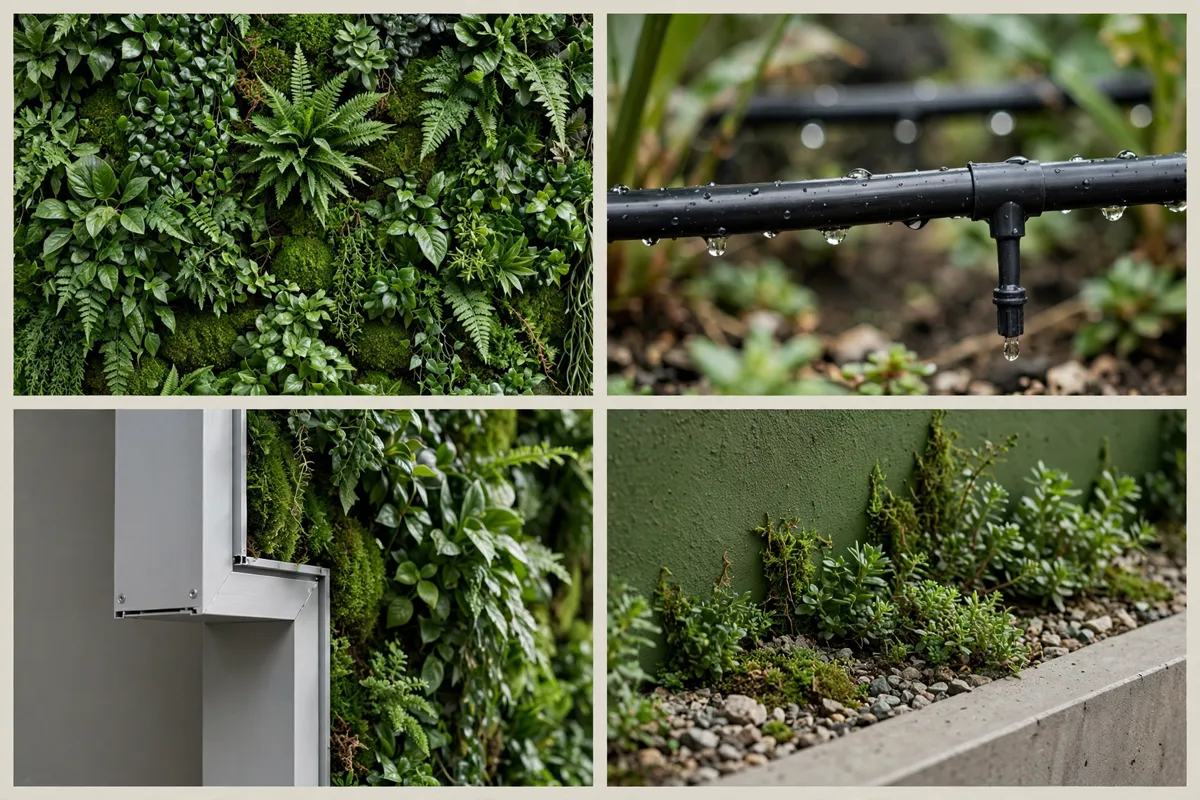
Green walls suit cities where ground planting is impossible. They need feeding and trimming like any garden. Start with one wall, not four.
If you love the upkeep after a year, expand.
13. Bronze Standing Seam
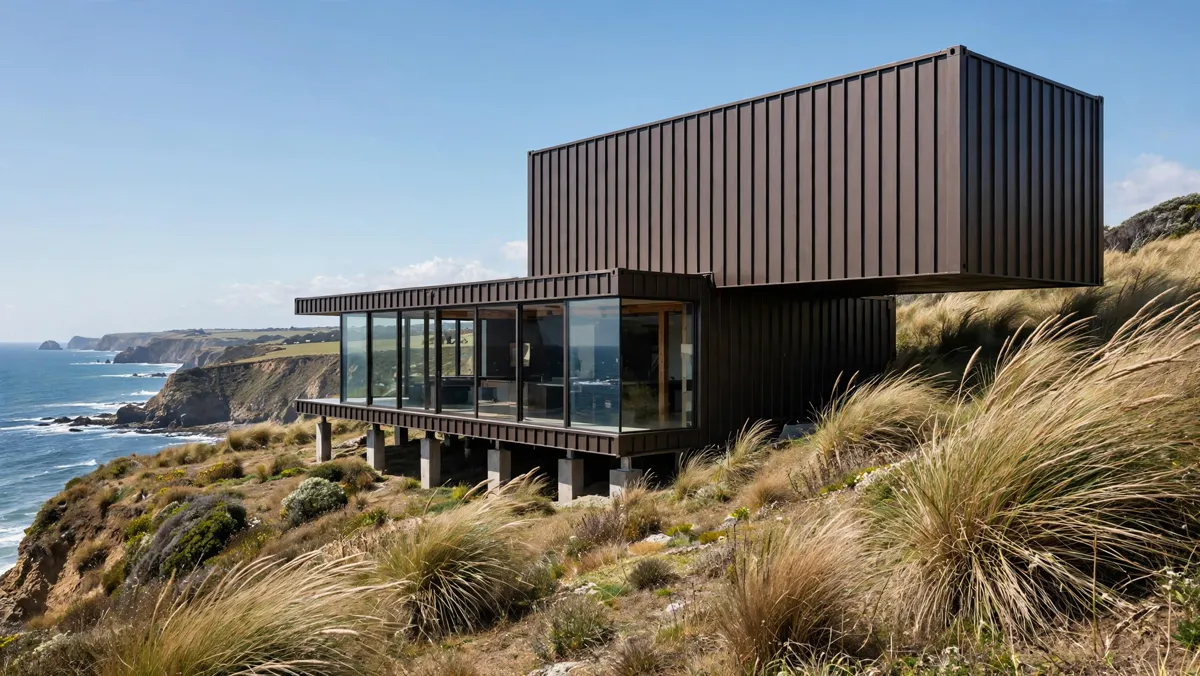
Standing-seam metal runs in crisp vertical ribs from eave to base. In dark bronze it looks rich against sea grass and grey sky. The concealed clips let panels expand and contract silently, which is ideal on a steel building that moves with temperature.
Installed cost is $14 to $22 per square foot. The finish carries 30-year warranties and the panels last 50-plus. Seams shed wind-driven rain better than almost any other cladding.

Vertical seams make a low container feel taller. This is a strong pick for coastal sites where salt air eats lesser metals. Rinse the panels yearly to clear salt.
Match the trim and gutters to the panel color for a seamless look.
14. White Board and Batten

White board-and-batten is pure farmhouse. Wide boards with slim battens over the joints create a tailored, timeless look. Painted pine or fiber-cement boards both work. The white reflects summer heat, which keeps cooling bills down.
Cost is $7 to $13 per square foot. Repaint every 7 to 10 years. White shows dirt and mildew, so plan a soft wash each spring. In shaded damp spots, choose boards with a mold-resistant primer.
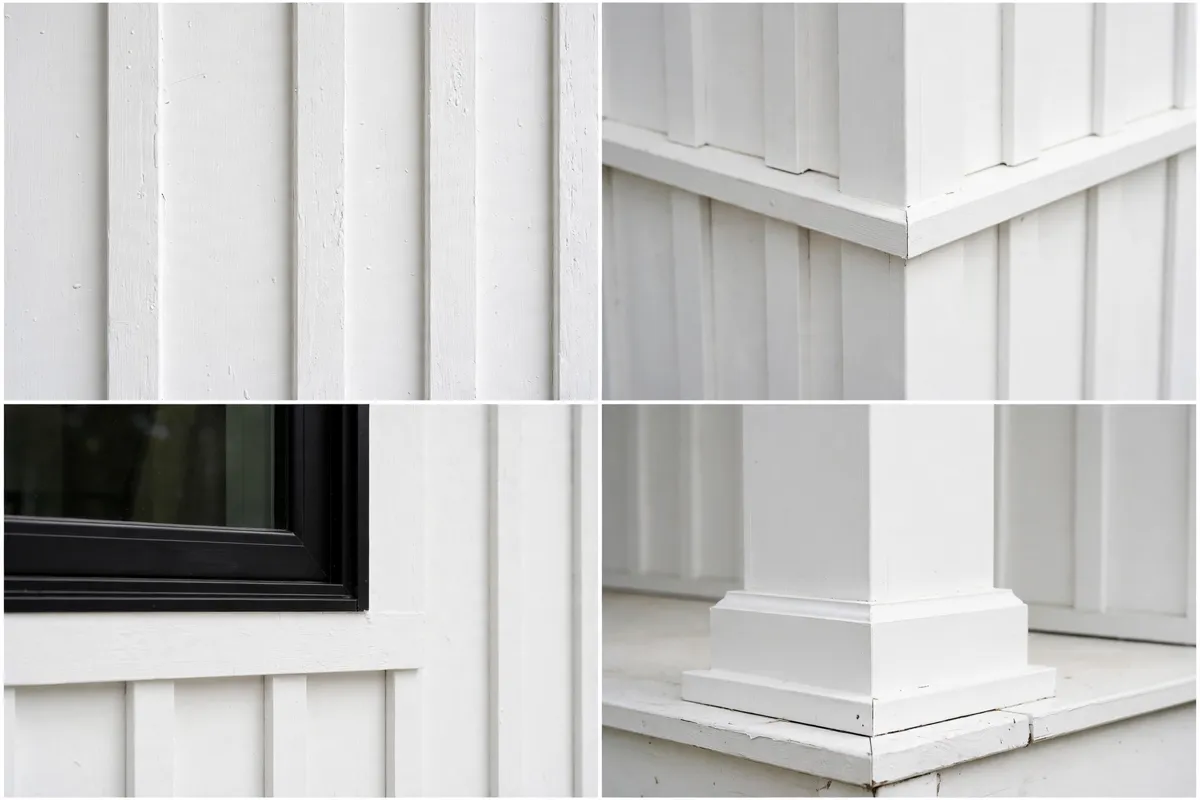
This cladding photographs beautifully, which matters if you ever list the home. Pair it with black window frames for crisp contrast. Add a deep porch.
The shade it casts is half the charm on a hot afternoon.
15. Reclaimed Rough-Sawn

Reclaimed timber carries saw marks, nail holes, and a century of patina. No new cladding looks like it. Sourcing takes effort. Check demolition yards, barn tear-downs, and reclaimed lumber dealers for sound stock.
Cost varies wildly, $6 to $16 per square foot depending on the source. Inspect every board for rot and old fasteners. Denail and plane the worst faces. Treat with borate for insects before installing.

Reclaimed wood suits rural sites and relaxed interiors. Each board tells a story, so keep the layout simple and let the wood talk. Seal with a matte exterior oil.
Gloss would fight the rustic character.
16. Black Timber and Cedar Deck

Blackened timber walls with a warm cedar deck is a study in contrast. The dark shell recedes into shade and trees. The pale deck pulls the eye outward to the view. Together they make a small home feel designed, not improvised.
Cladding cost is $9 to $15 per square foot, plus the deck build. Black finishes absorb heat, so this pairing suits mild or shaded sites over blazing deserts. Ventilate the rain screen generously.

Keep the deck the hero. Furnish it simply and let the view do the work. Outdoor steps in the same cedar tie the levels together.
At dusk, warm interior light against black walls is pure magic.
17. White Render, Cedar Accents
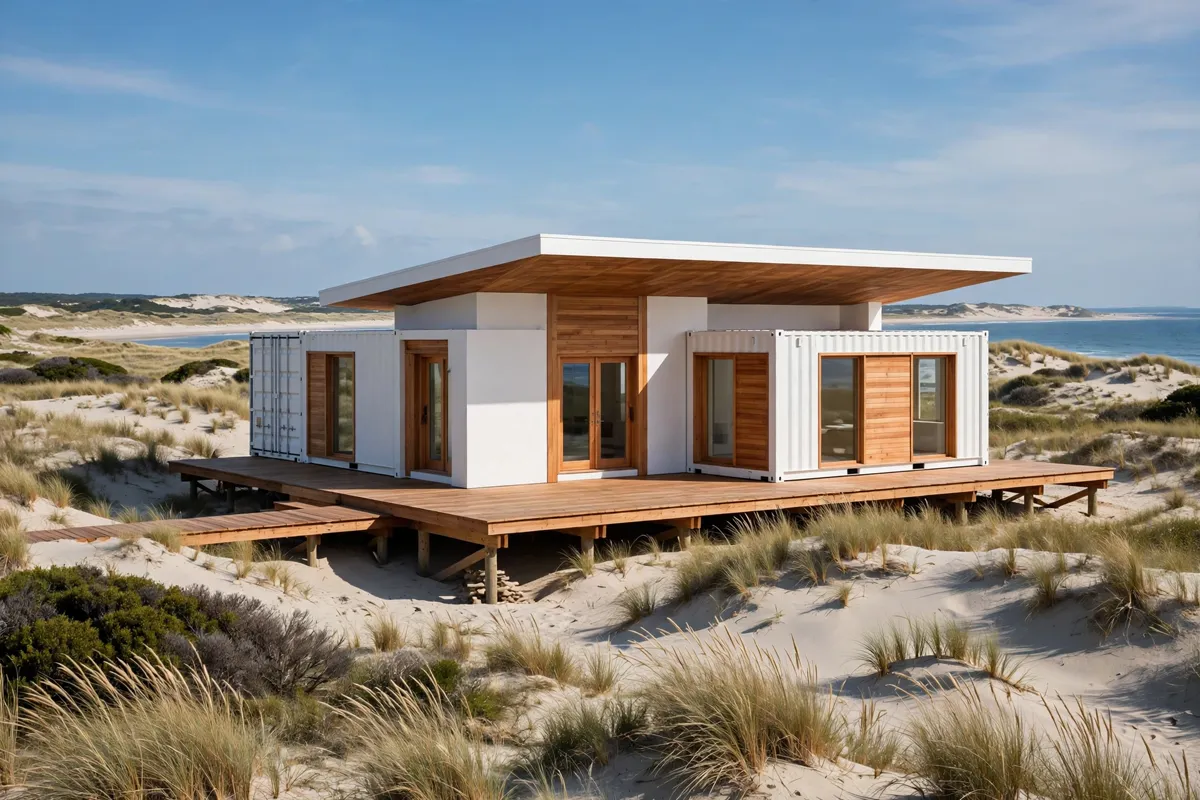
Smooth white render with cedar accent panels is the coastal classic. The white keeps the home bright and cool. Cedar frames the entry and window bays like a picture frame, adding warmth exactly where the eye lands.
Combined cost is $10 to $16 per square foot. Keep cedar accents to 20 percent of the facade or less. More than that and the “accent” becomes a second cladding. Oil the cedar yearly where sun hits it hardest.

This pairing suits dunes, beaches, and bright light. The render reflects glare, so add a deep roof overhang for shade. A boardwalk deck in matching cedar completes the picture.
Simple, fresh, and hard to date.
Thirty minutes a season keeps any cladding looking new.
Every cladding here works on a real container home. The differences come down to budget, climate, and how much maintenance you enjoy. Wood asks for oil and attention. Metal and fiber-cement ask for almost nothing. Masonry asks for money up front and then disappears for decades.
Start with your climate. Hot sun favors light colors and ventilated screens. Wet climates favor rain screens with generous overhangs. Cold climates favor thick insulation behind the cladding, whatever the finish.
Then pick the look that makes you smile when you pull into the driveway. You will see it every day. Choose well, detail the flashings, and your container home will outlast the trends.