The Real Cost of Going Off-Grid in 2026

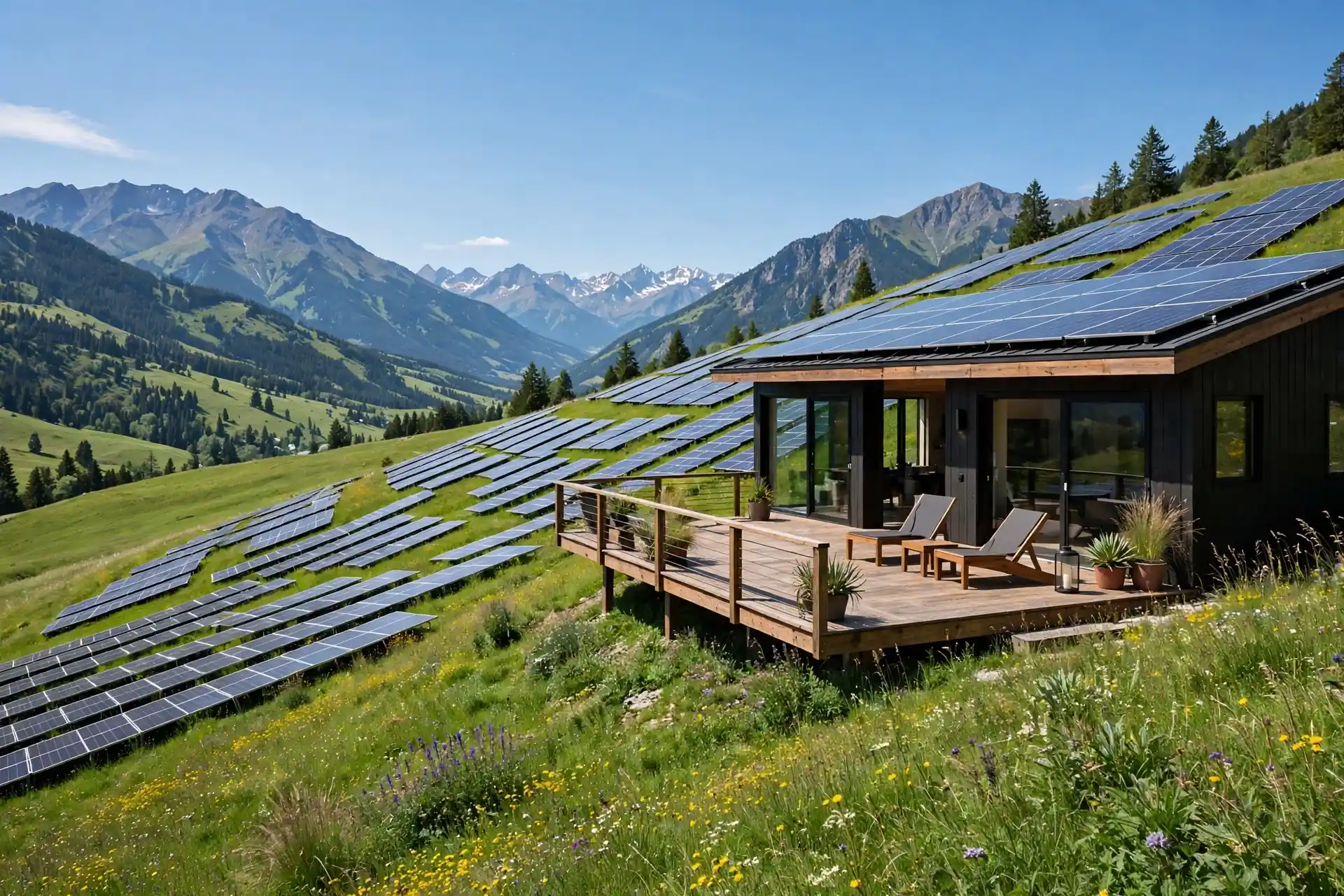
Going off grid sounds like freedom. No power bill. No water bill. No utility company telling you what to do. The dream is real, but the price tag is bigger than most videos and blog posts admit.
The honest total for a full time off grid home usually lands between $50,000 and $120,000 for the systems alone. That is on top of the land and the house itself. A small weekend cabin can come in far lower. A large family home with normal comforts lands at the top of the range or beyond it.
This guide breaks down where every dollar goes. Power, water, waste, heating, land, permits, and the replacement costs nobody mentions in the brochure. Use it to build a budget that survives contact with reality.
The Headline Number: What Off-Grid Really Costs
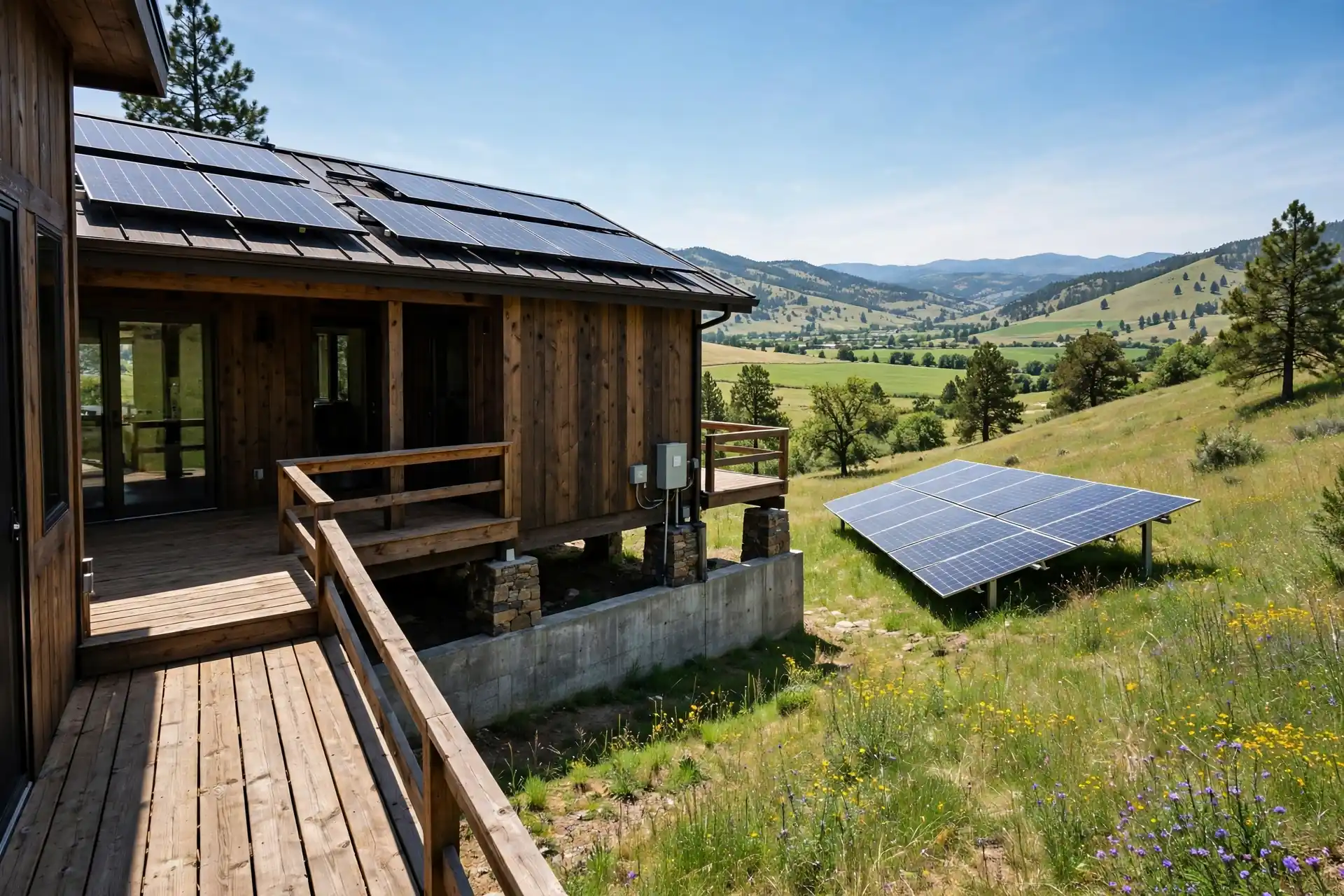
Start with the big picture. A complete off grid setup for a modest full time home typically costs $50,000 to $120,000. A small cabin setup can run $25,000 to $45,000. A large home with electric heating, a big family, and high power use can pass $120,000.
Why such a wide range? Because off grid is not one purchase. It is five or six systems stacked together. Solar panels, batteries, an inverter, a well or water system, a septic system, and a backup generator. Each one has its own price, and each one scales with your lifestyle.
The cheapest way to cut the total is to use less. Every kilowatt hour you do not need is panels and batteries you do not have to buy. Efficient appliances, LED lighting, and a wood stove for heat can shrink the system by tens of thousands of dollars.
Keep one rule in mind through this whole guide. Size the system for your worst week, not your best day. A system that works beautifully in July can leave you in the dark in January.
Off-Grid Budget at a Glance
Power: Solar Panels, Batteries, and the Inverter
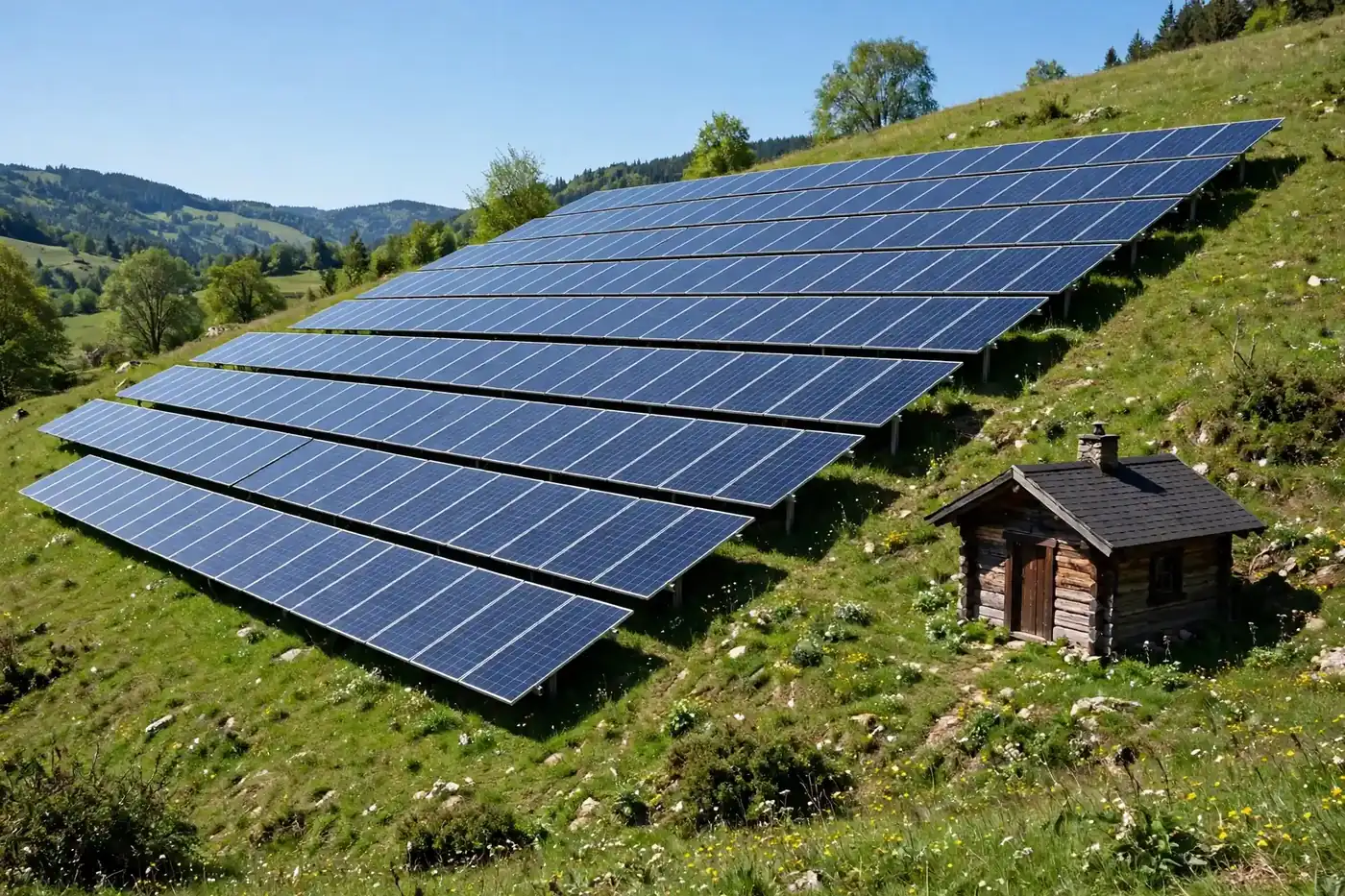
Power is the biggest line item, and batteries are the reason why. Panels have gotten cheap. Storage has not. A genuinely off grid solar plus battery system runs $28,000 to $122,000 installed, depending on home size, according to a 2026 off-grid solar price report.
A small cabin with a 3 kilowatt array and 10 kilowatt hours of storage lands around $28,000 to $46,000. A mid size home with an 8 kilowatt array and 20 kilowatt hours of storage runs about $47,000 to $75,000. A large or high demand home with 15 kilowatts and 40 kilowatt hours of storage can reach $80,000 to $122,000.
What do those terms mean? Kilowatts measure power, how much electricity you use at one moment. Kilowatt hours measure energy, how much you store and use over time. Your battery bank is sized for cloudy stretches, not sunny afternoons.
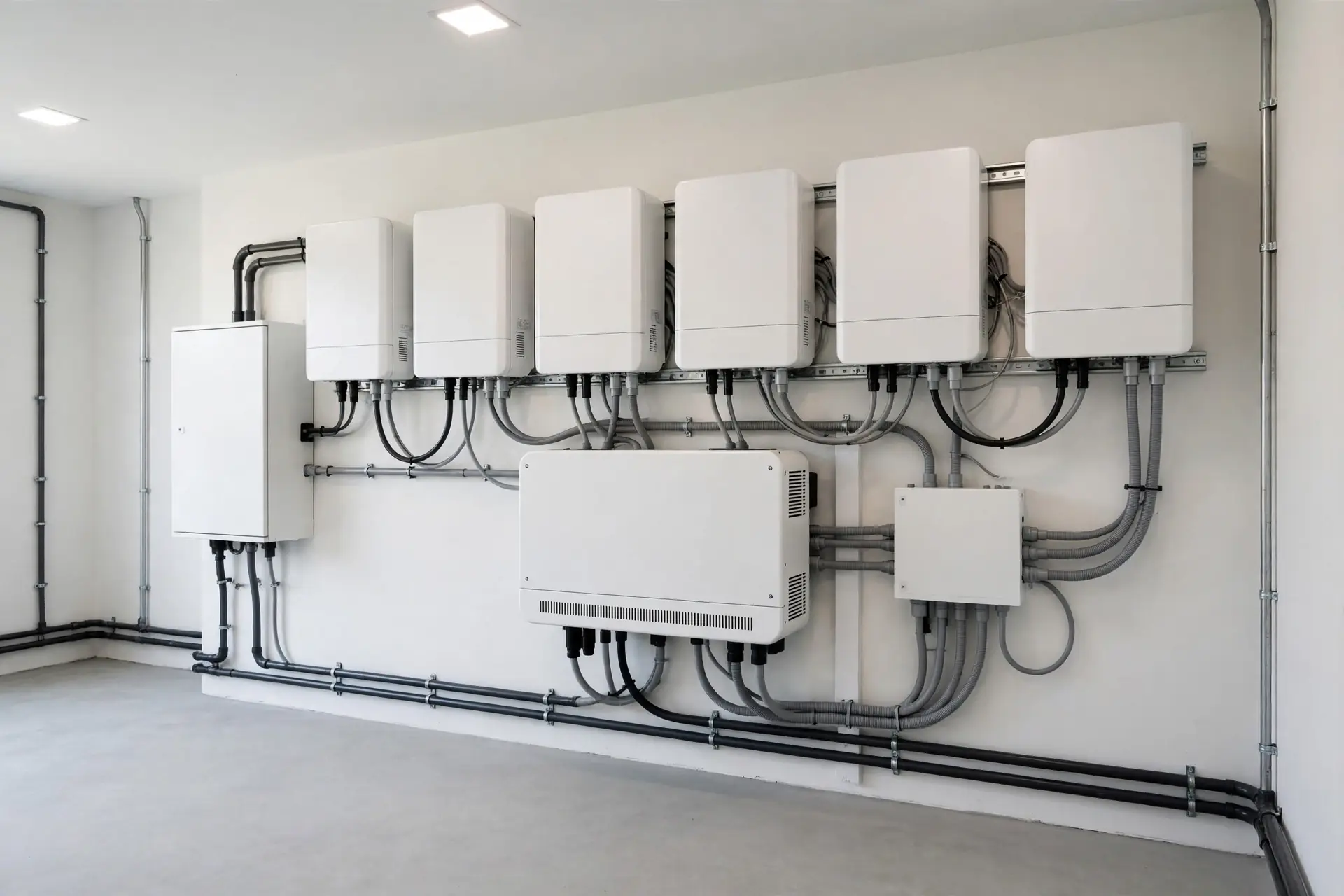
The inverter is the box that turns the direct current from your panels and batteries into the alternating current your home runs on. Budget $4,000 to $6,000 for the inverter and charge controller on a mid size system. A backup generator, $8,000 to $18,000 installed, is still wise for the worst week of the year.
Water: Wells, Rainwater, and Filtration
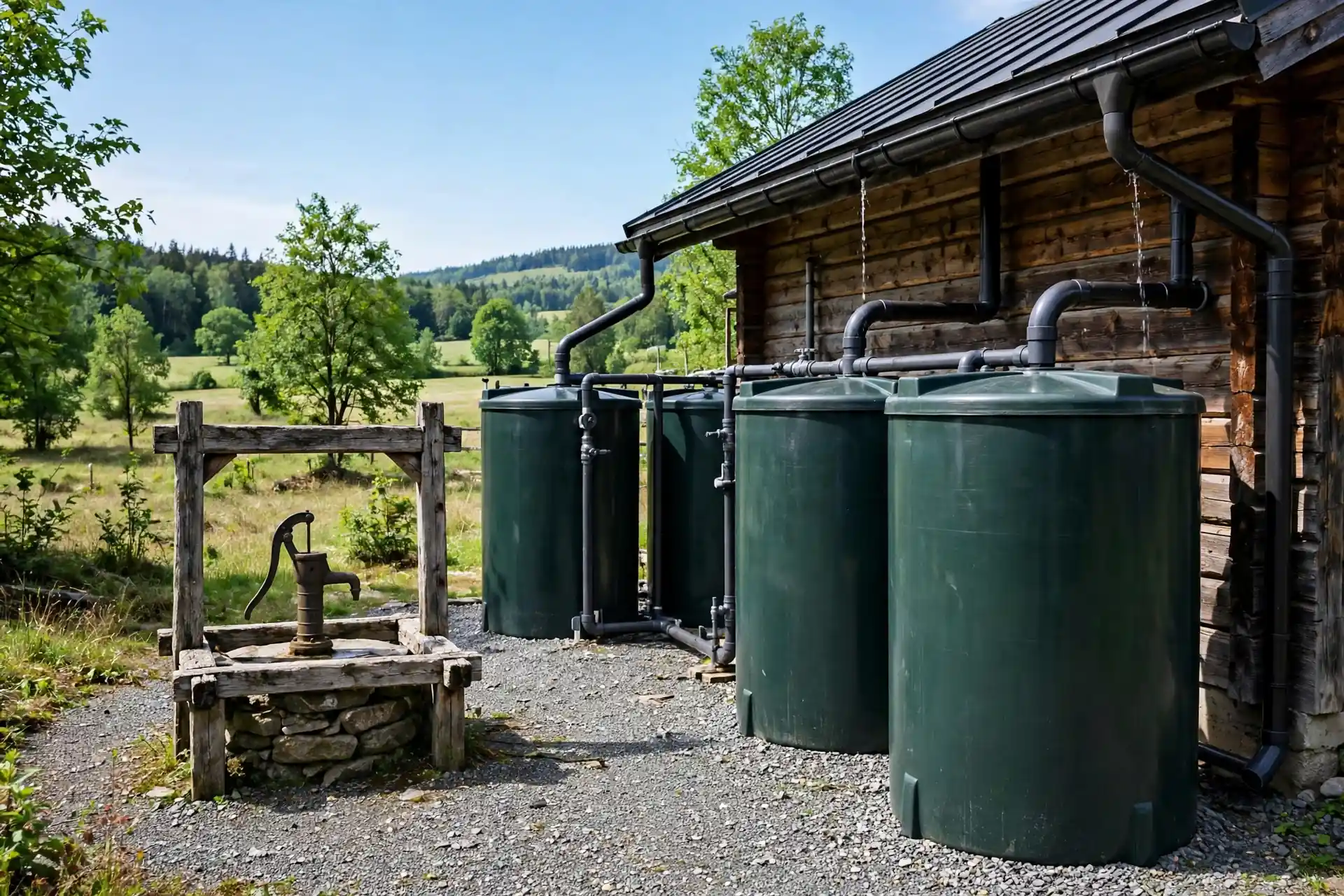
Water is the second system, and it surprises a lot of buyers. A drilled well costs $5,000 to $30,000 or more, depending on depth and terrain, according to a 2026 guide to off-grid water systems. Deep wells in rocky ground cost the most. You pay for drilling whether or not the driller hits good water.
Rainwater harvesting is the cheaper entry point. A full setup with roof catchment, a first flush diverter, storage tanks, and filtration runs $2,500 to $9,000. The catch is rainfall. Rainwater is a great primary source in wet regions and a risky one in dry ones.
Either way, budget for treatment. Raw rainwater is not safe to drink without filtration and disinfection, usually with a UV light unit. A household of four typically needs 1,200 to 2,400 gallons per month, plus a buffer of 20 to 50 percent for dry spells.
Do the roof math before you buy tanks. Multiply your roof area in square feet by your annual rainfall in inches, then multiply by 0.623. That gives you roughly how many gallons you can harvest in a year.
Waste: Septic, Composting, and Greywater
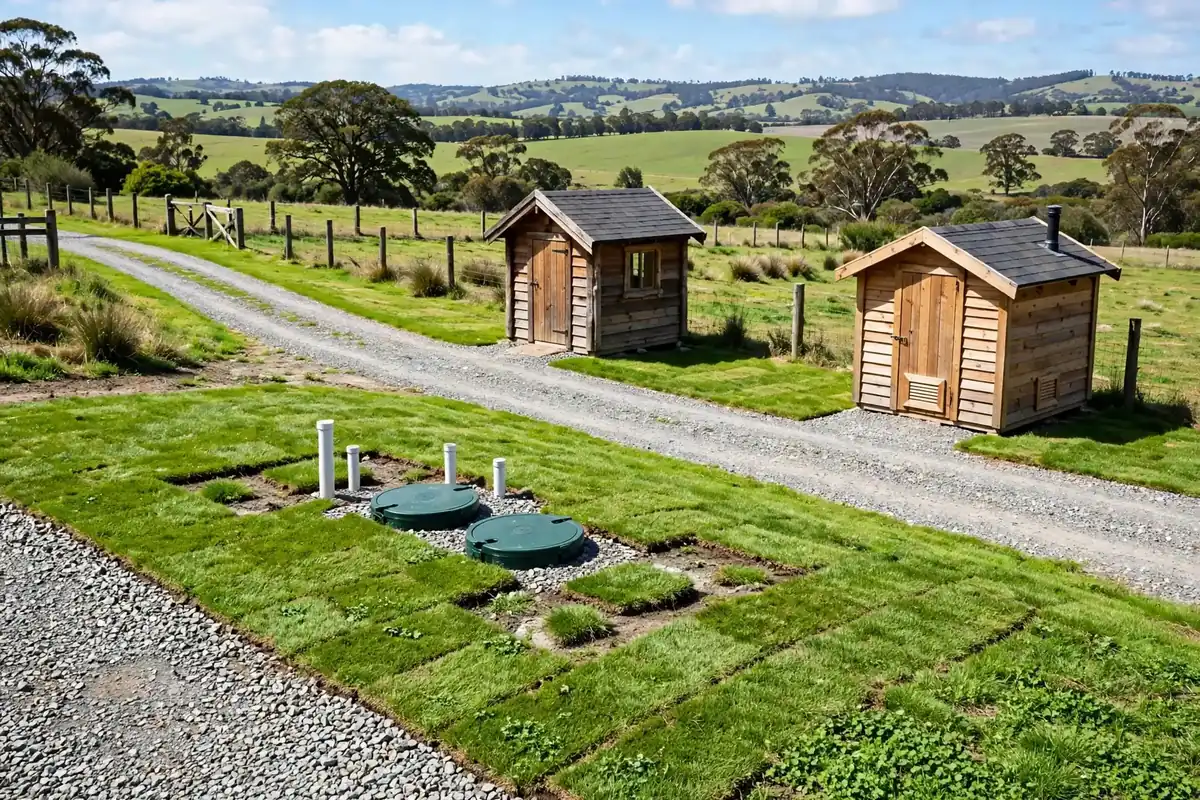
Waste is the least glamorous system and one of the easiest to underestimate. A conventional septic system with a tank and drain field typically costs $10,000 to $30,000 installed. The price climbs with poor soil, high water tables, and engineered systems that some counties now require.
A perc test comes first. Short for percolation test, it measures how fast your soil absorbs water. Fail it, and your septic options get more expensive or your building site may need to move. Get the test done before you close on land, not after.
Composting toilets are a real alternative, not just a camping gimmick. A good unit costs $1,000 to $3,000, uses almost no water, and can cut your septic size. But check local rules first. Some counties allow them only with an approved greywater plan.
Greywater is the used water from sinks, showers, and laundry. Reusing it for irrigation saves water, but most states regulate it. A simple legal setup adds a few hundred to a few thousand dollars. An illegal one can stall your permit.
Heating, Cooling, and Cooking Without the Grid

Heating is where off grid budgets quietly explode. Electric resistance heat, the kind in baseboard heaters, eats batteries alive. Almost nobody heats a serious off grid home that way. Wood, propane, and heat pumps do the heavy lifting instead.
A good wood stove costs $2,000 to $5,000 installed and heats a small to mid size home well, if you have a wood supply and the willingness to feed it. A propane furnace or boiler runs $3,000 to $8,000 plus the tank and fuel deliveries. An air source heat pump, which moves heat instead of making it, costs around $12,000 installed on average for off gas grid homes, and it also cools in summer.
Cooking follows the same logic. A propane range is the standard off grid choice. It is cheap to run and does not touch your battery bank. An induction cooktop is lovely, but it is a power hog.
Cooling is simpler in most climates. Shade, ventilation, and a small efficient mini split cover most needs. In hot humid regions, budget for a larger array, because cooling loads peak exactly when you need the system most.
Pick the Right Heat Source for Your Climate
The Land and Permits Nobody Budgets For
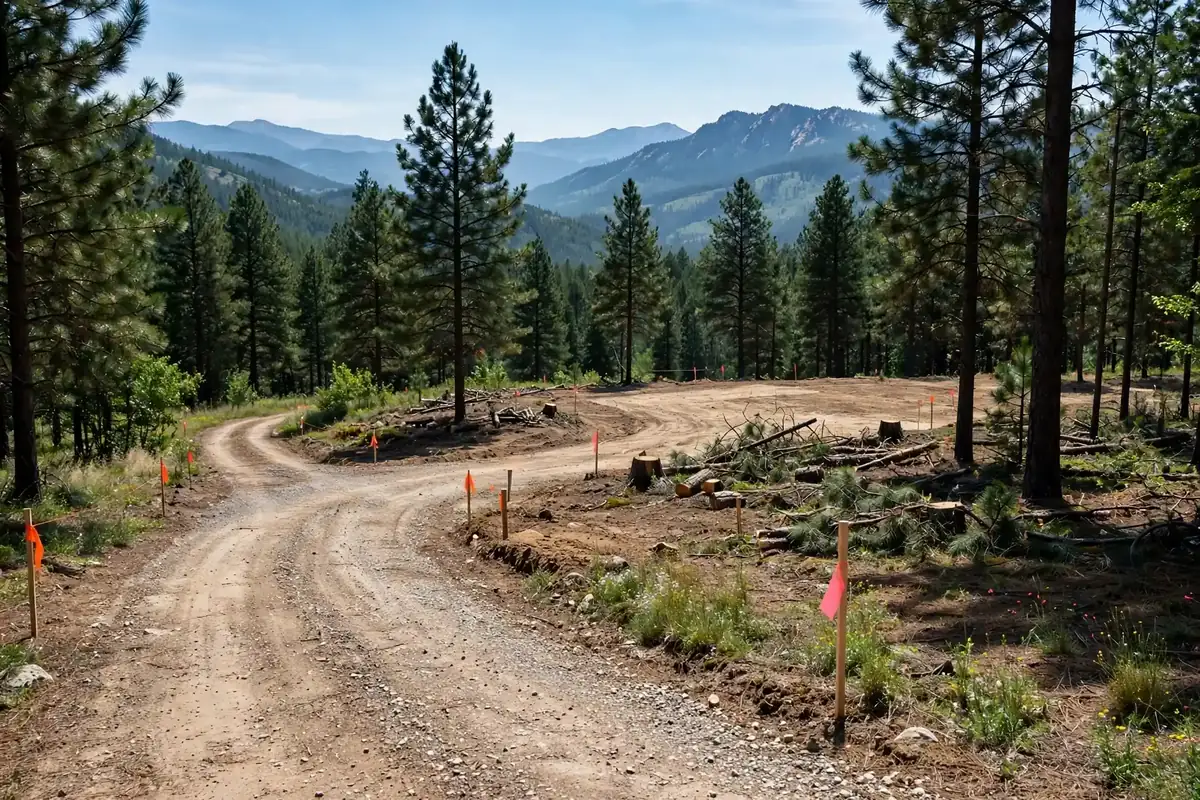
Cheap land is often cheap for a reason. The distance from the nearest power line, road, and water source decides thousands of dollars in costs before you build anything. Get quotes for the land work before you fall in love with the view.
Start with the grid comparison, because it frames everything. Extending overhead power commonly costs $10 to $50 per foot beyond the utility’s free allowance, and a quarter mile run can reach $13,000 to $66,000, according to a 2026 rural utility cost guide. Many utilities build the first few hundred feet free, so ask for the exact allowance in writing.
Then add the site work. A gravel driveway runs $15 to $60 per foot. Clearing, grading, and a foundation add thousands more. Permits, perc tests, surveys, and inspections commonly add $2,000 to $10,000. Some counties restrict off grid living outright, or require a grid connection for a certificate of occupancy, so check the rules before you buy.
Internet deserves a line in the budget too. Satellite service now covers most rural areas, but the hardware and monthly fee add up. If you work from home, test the actual speeds at the property before committing.
The Hidden Yearly Costs: Replacements and Maintenance
The upfront total is only half the story. Off grid systems have parts that wear out, and the replacement cycle is the cost most newcomers miss. Plan for it from day one, or it will ambush you in year eight.
Batteries are the big one. Lithium batteries last roughly 8 to 12 years in heavy off grid use, and a replacement bank can cost $4,000 to $7,000 for a partial top up or far more for a full bank. Inverters typically last 10 to 15 years. Budget for one inverter replacement over the life of the home.
Generators need fuel, oil changes, and servicing. A standby generator that runs during cloudy weeks can burn hundreds of dollars in propane a year. Solar panels themselves are the quiet heroes. They carry 25 year warranties and need little more than an occasional cleaning.
Set aside a maintenance fund of $1,000 to $2,000 a year for a full time off grid home. Filters, pump parts, generator service, and small repairs add up. Homes that budget for maintenance stay comfortable. Homes that do not end up rationing power in February.
Is It Cheaper Than a Grid Connection? The Honest Math
Here is the question that matters. Compare the full off grid total against the grid extension quote for your exact parcel, not a national average. The answer flips with distance.
If the nearest power line is at your boundary and the hookup costs a few thousand dollars, the grid wins on price almost every time. You pay a monthly bill, but you avoid $50,000 or more in equipment.
If the line is a quarter mile or more away, the math changes. A $30,000 to $66,000 extension buys a lot of solar and batteries, with no monthly bill after that. At a half mile or beyond, off grid often wins outright.
Run the 20 year comparison, not the first year one. Add the grid’s monthly bills over two decades, and add the off grid system’s battery and inverter replacements.
Whatever you choose, get three quotes for every major system and keep a contingency of 15 percent. Off grid living rewards people who plan for the hard week.
The 20 Year Test: Off-Grid vs Grid Extension
The cheaper option depends on your distance from the line. Price both for your parcel before deciding.
Off grid living is not free. It is a trade: you pay upfront for systems, and in attention for years after. Budget honestly, and the freedom is real.