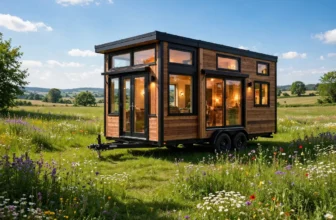
9 Off-Grid Mistakes That Send People Back to the City

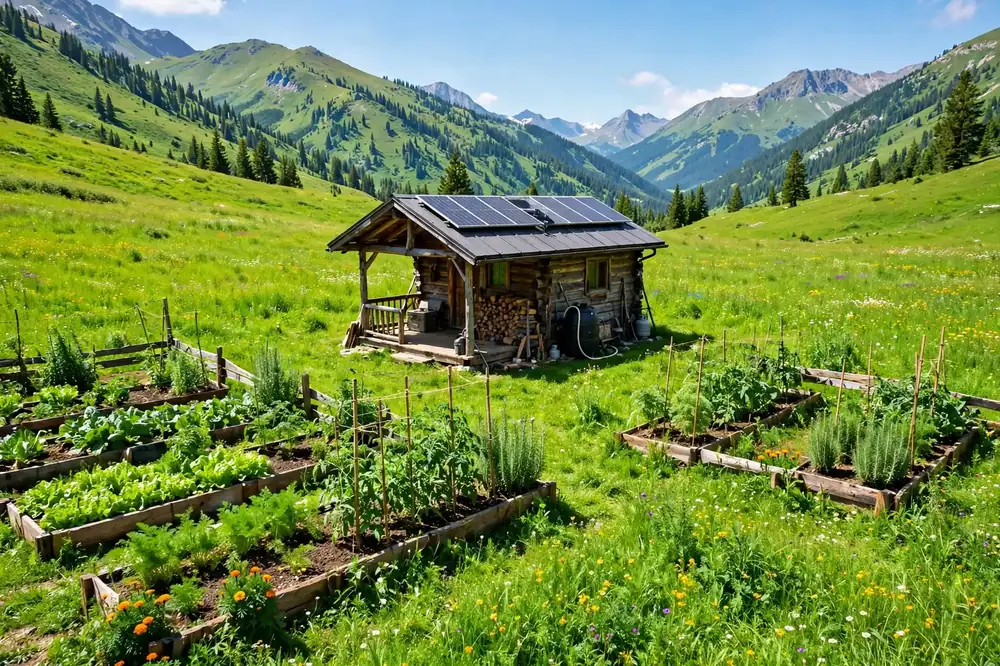
Off grid living looks peaceful in photos. A cabin in the trees. Solar panels on the roof. A garden out front. It can be a wonderful life, and many people make it work for years.
But the move back to the city usually does not happen because of one dramatic disaster. It happens because of small problems that pile up. Power runs short on cloudy weeks. Water runs low in late summer. A simple repair turns into a long drive and a long wait.
The good news is that most of these mistakes are easy to spot before you buy land or build. This list walks through nine of the most common ones, and what to do instead, so your off grid home stays a home and not a short experiment.
The First Year Reality Check
Plan for the worst week, not the best day. A system that only works in perfect sunshine will let you down when you need it most.
1. Undersizing Your Solar and Battery System
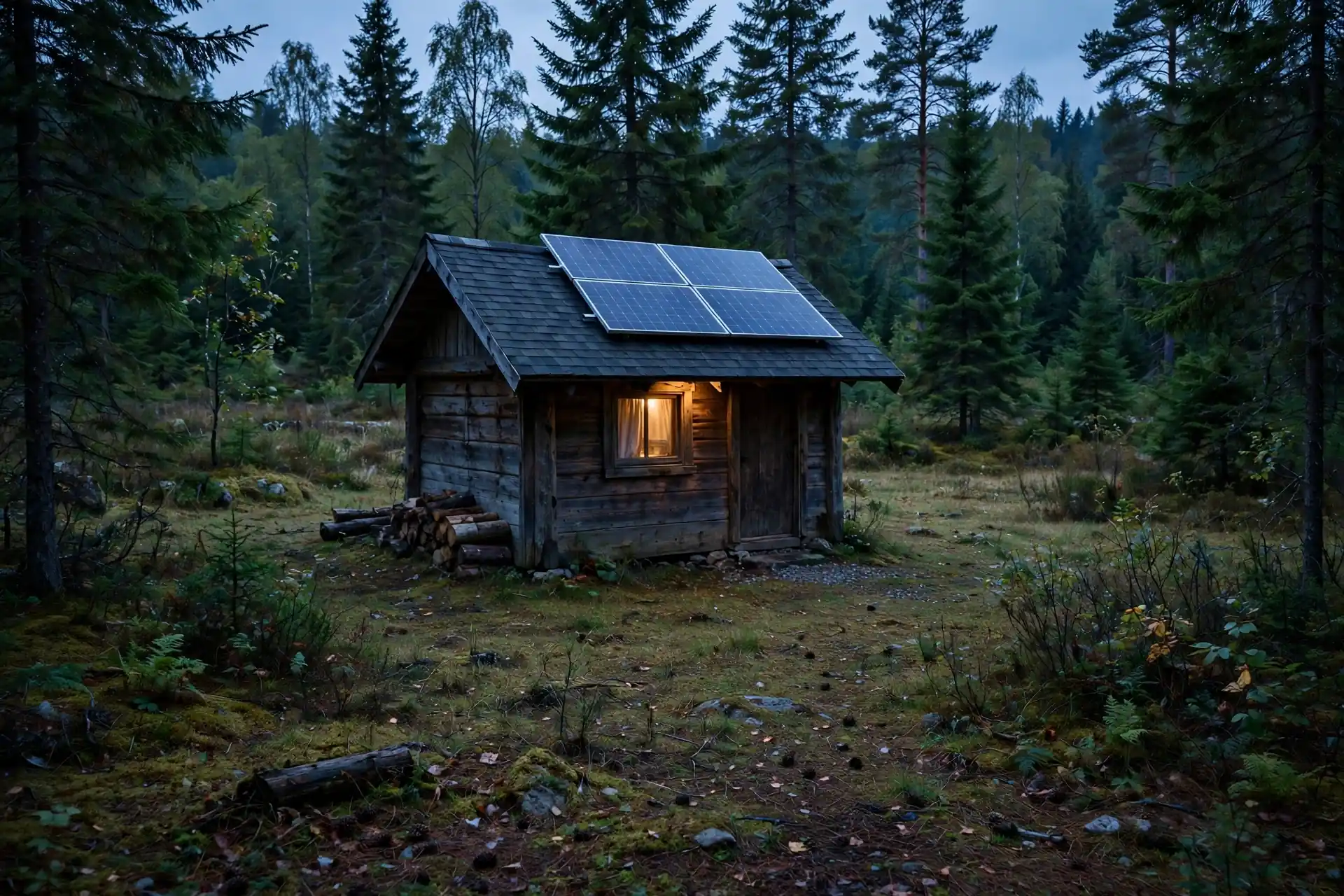
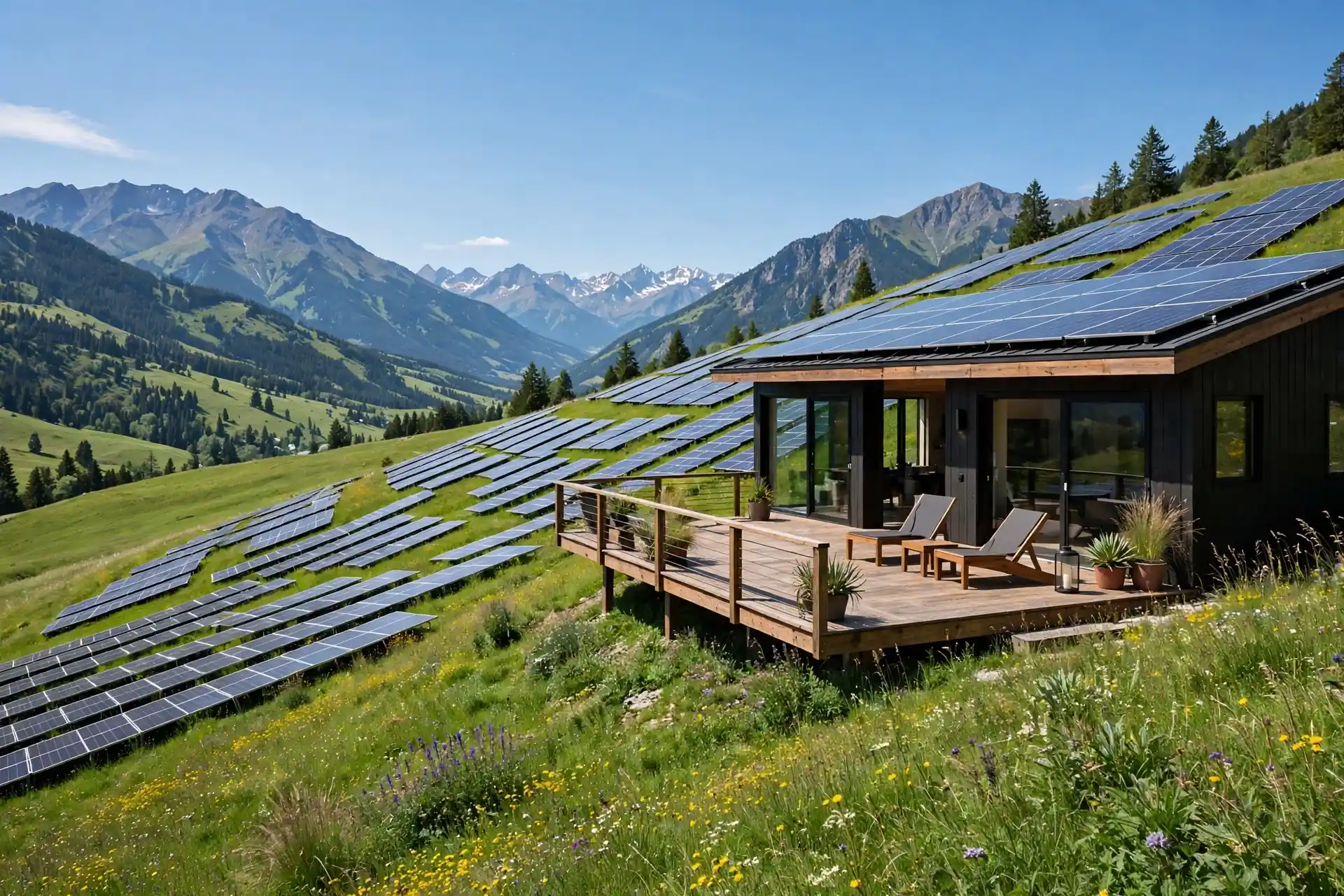
Many new off grid homes start with a solar setup sized for a sunny summer day. The panels look impressive on the roof. The battery bank looks solid. Then winter arrives, and the whole picture changes.
Short days, low sun, and cloudy weeks cut power fast. A fridge, a water pump, lights, and a laptop add up quicker than most people expect. If the battery bank is too small, you run out of power by evening, night after night.
Size your system for winter, not summer. List every appliance you will actually use, including the small ones. Add a safety margin of at least 30 percent. Ask a solar installer to run the numbers for your darkest month, and keep the receipts for that math.
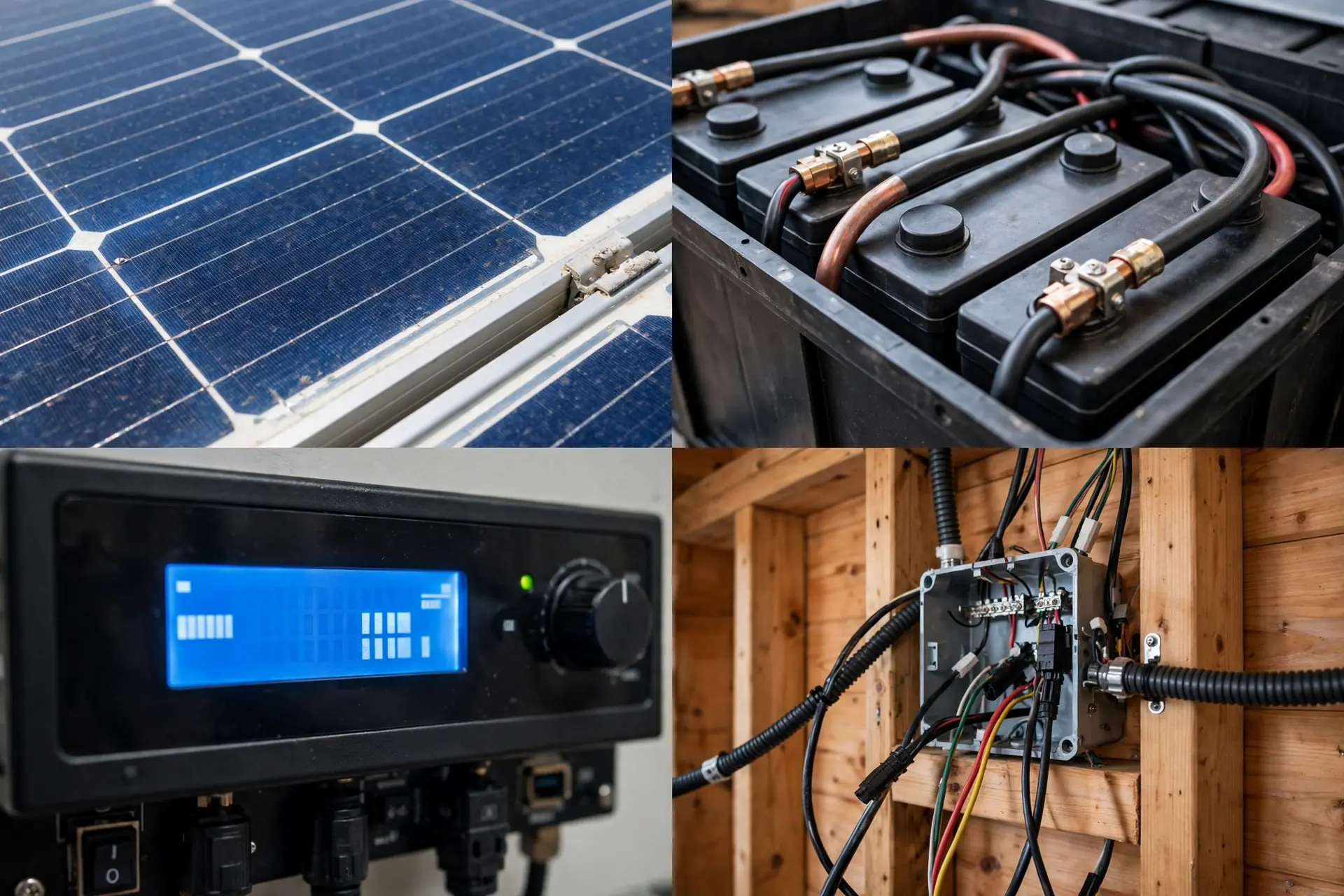
Think of batteries as your fuel tank. A bigger tank means fewer stressful evenings. It also means your batteries last longer, because they are not drained to empty every day.
Start with honest numbers, not hopeful ones. Your future self will be glad you did.
2. Having No Reliable Year Round Water Source
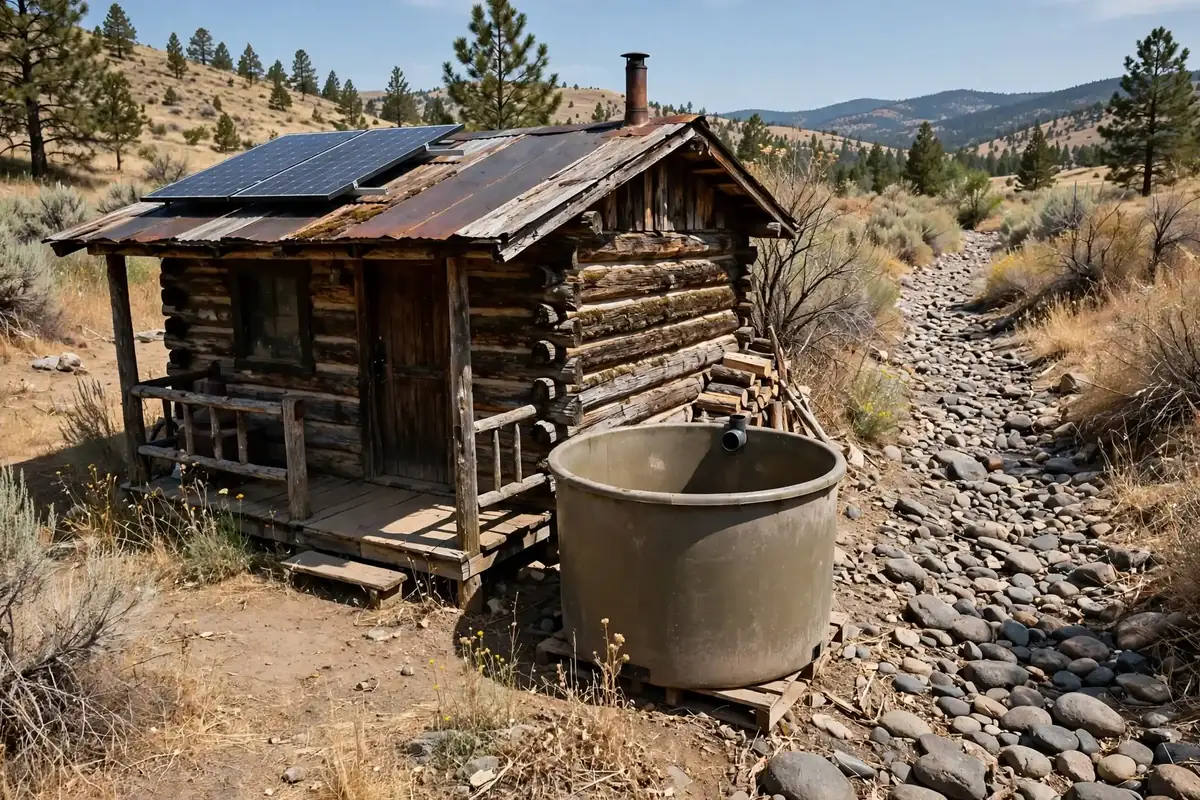
Water is the quiet deal breaker. A pretty stream in spring can slow to a trickle by August. A rainwater tank that fills in a storm can sit empty after three dry weeks.
Many buyers check water once, on a good day, and assume the job is done. That is a risky way to plan a home. You need water for drinking, cooking, washing, and often for a garden too. A family can use far more than a single person expects.
Test your source through different seasons if you can. Ask neighbors about dry years, not just average years. A drilled well, often called a borehole, is a deep hole drilled into underground water. It costs money up front, but it gives a steadier supply than a shallow source.
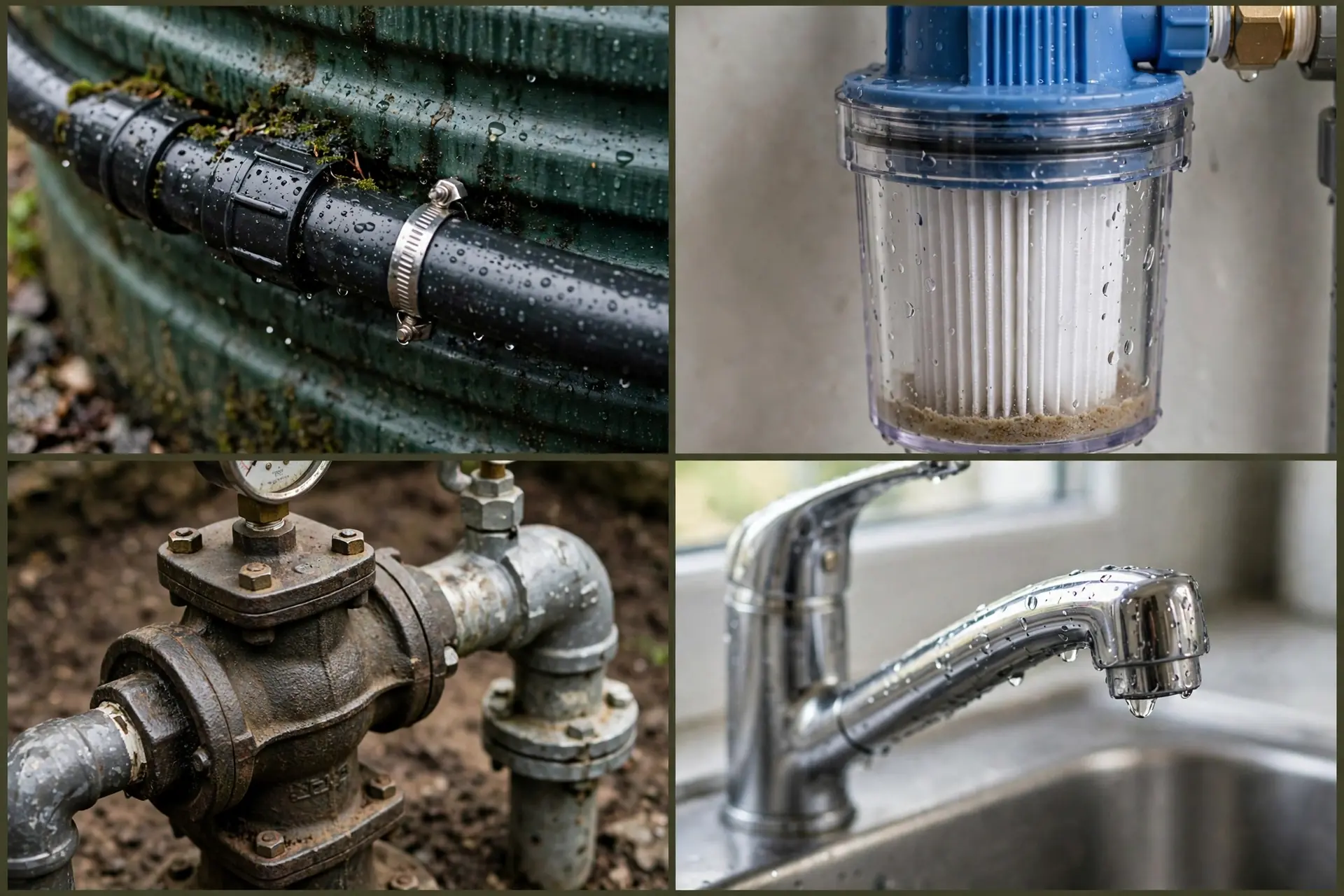
Always have a backup. A second tank, a stored supply, or a nearby fill point can carry you through a dry spell. Filter and test your water often, and keep spare filters on the shelf.
No water means no home, no matter how nice the cabin looks.
3. Underestimating Winter Heating
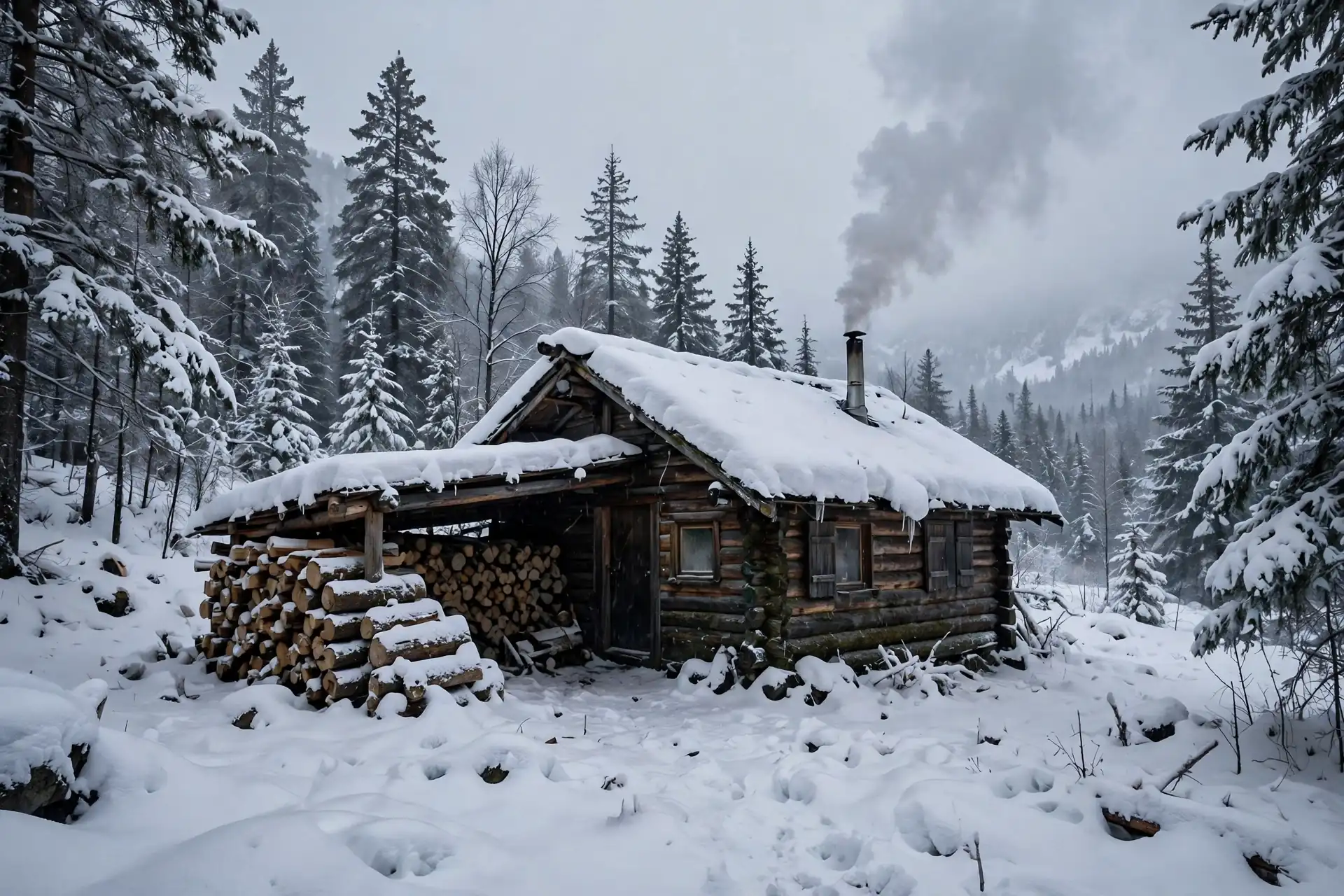
Winter off grid is a different job from summer off grid. Cold seeps through thin walls, single pane windows, and gaps around doors. A small stove that feels cozy in October can struggle in January.
Heating takes fuel, time, and planning. Wood must be cut, split, stacked, and dried well before you need it. Wet wood burns poorly and clogs a stove with tar like buildup. Propane and diesel need deliveries, and deliveries need a road that stays open.
Insulation matters more than a bigger heater. Seal gaps, insulate the floor and roof, and use thick curtains at night. A well insulated cabin stays warm with far less fuel, and far less work.
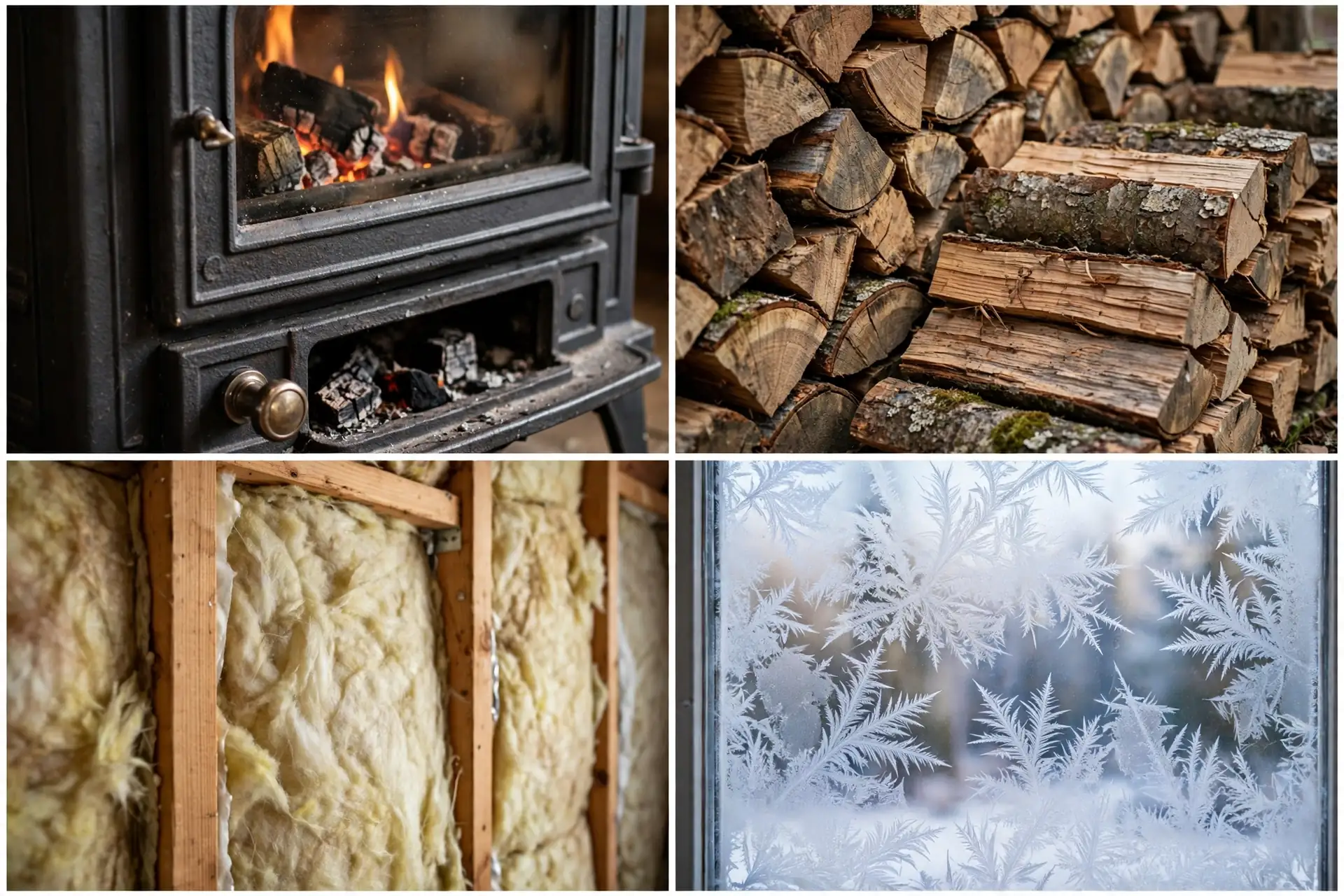
Keep a backup heat source too. If your main stove fails on a freezing night, a second heater is not a luxury. It is safety.
Plan your first winter like a test. If you can stay warm and comfortable then, the rest of the year feels easy.
4. Skipping a Backup Power Plan
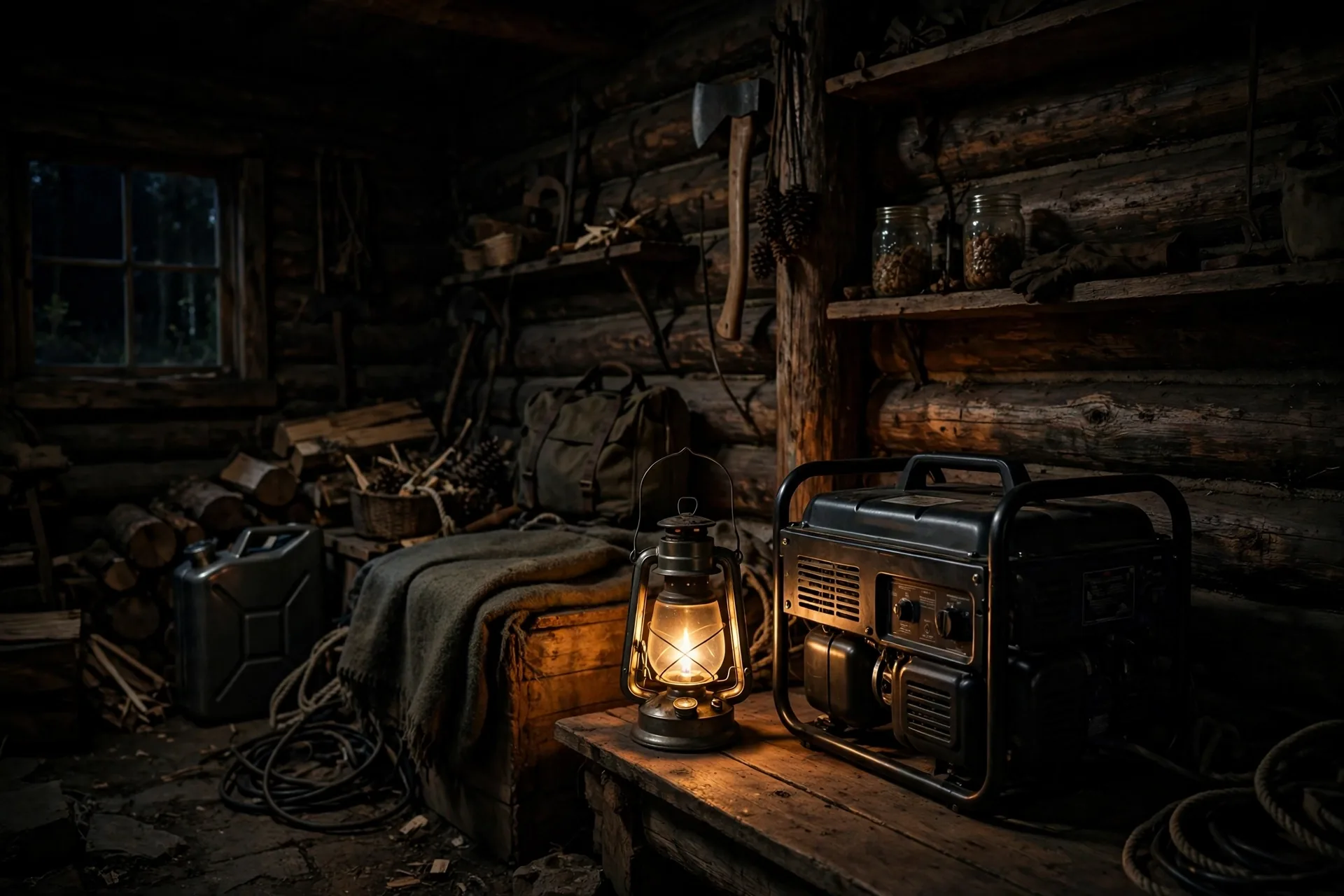
Every power system fails at some point. An inverter breaks. A storm damages a panel. A battery reaches the end of its life sooner than planned. The question is not if it happens, but when.
Without a backup, a small fault becomes a crisis. Food in the fridge starts to warm. The water pump stops. Phones go dead. In a remote home, a repair visit can take days, not hours.
A backup plan does not need to be fancy. A small generator, a spare inverter part, and a basic set of tools cover most emergencies. Keep fuel stored safely, and run the generator now and then so you know it starts.
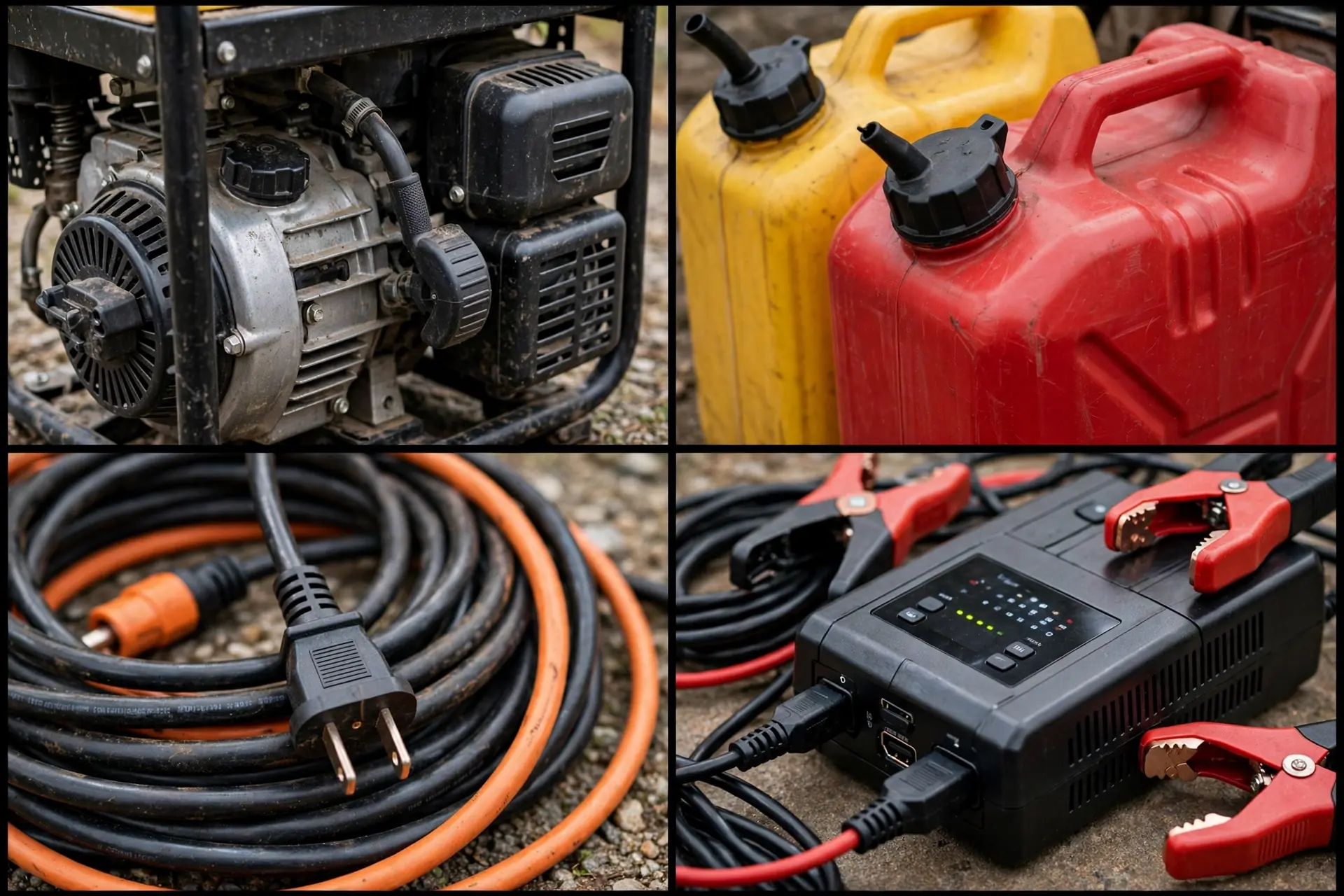
Write down your backup steps before trouble hits. Who do you call? What do you switch off first? Where are the spare parts? Clear steps turn panic into a simple checklist.
Redundancy is boring until the day it saves your week.
Off Grid Readiness Scorecard
Give yourself one point for each system with a tested backup. A score below three means your next project is already clear.
5. Buying Land You Cannot Reach in Bad Weather
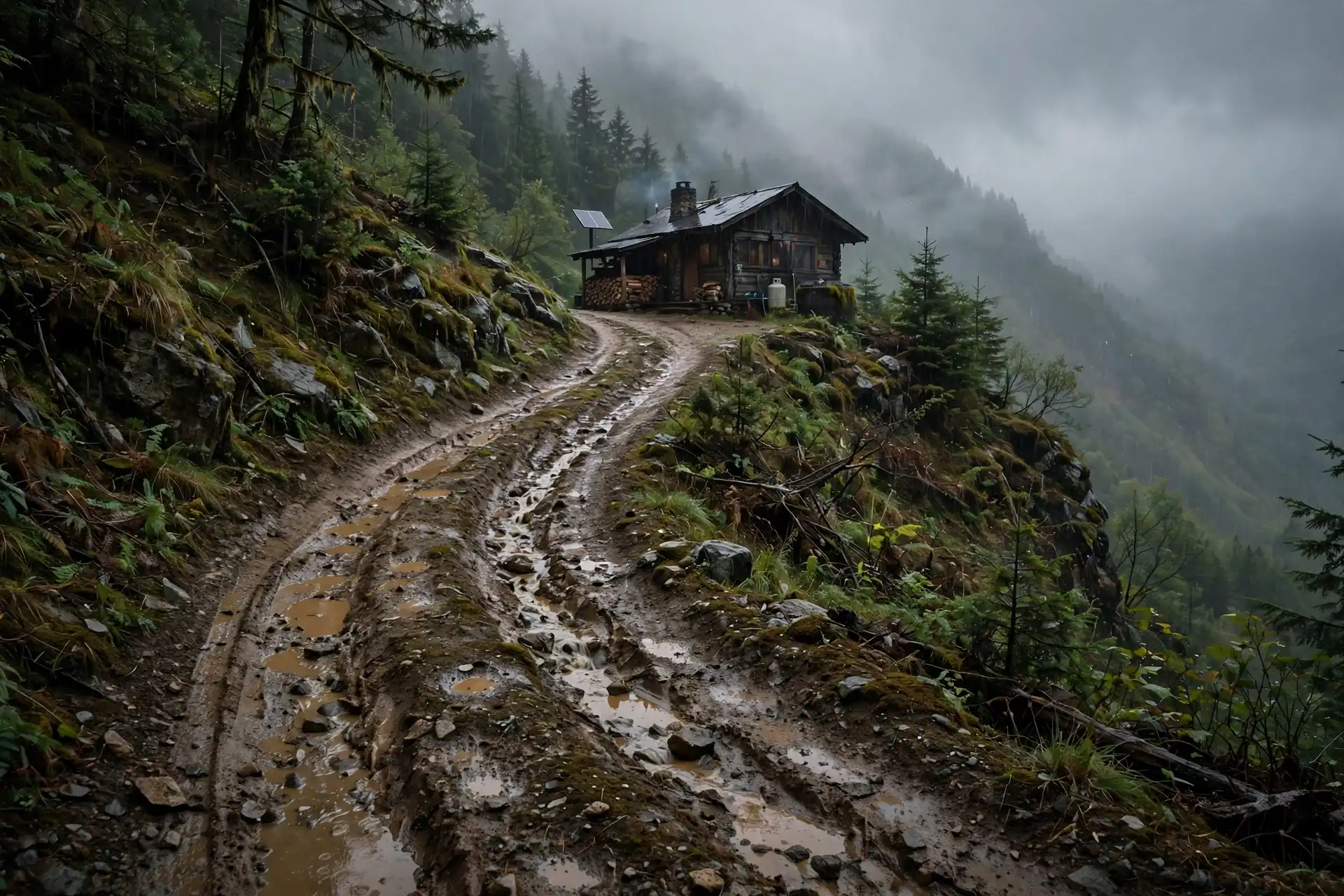
A remote plot can feel like freedom on a sunny viewing day. The drive in is an adventure. The views are stunning. Then rain turns the track to mud, or snow blocks the last mile.
Access affects everything. Fuel deliveries, food shopping, medical care, and visitors all depend on that road. If a normal car cannot use it in winter, your life gets much harder for months each year.
Visit the land in bad weather before you buy, if at all possible. Drive the route after rain. Ask locals how often the road closes. Check who maintains it, and what that maintenance costs each year.
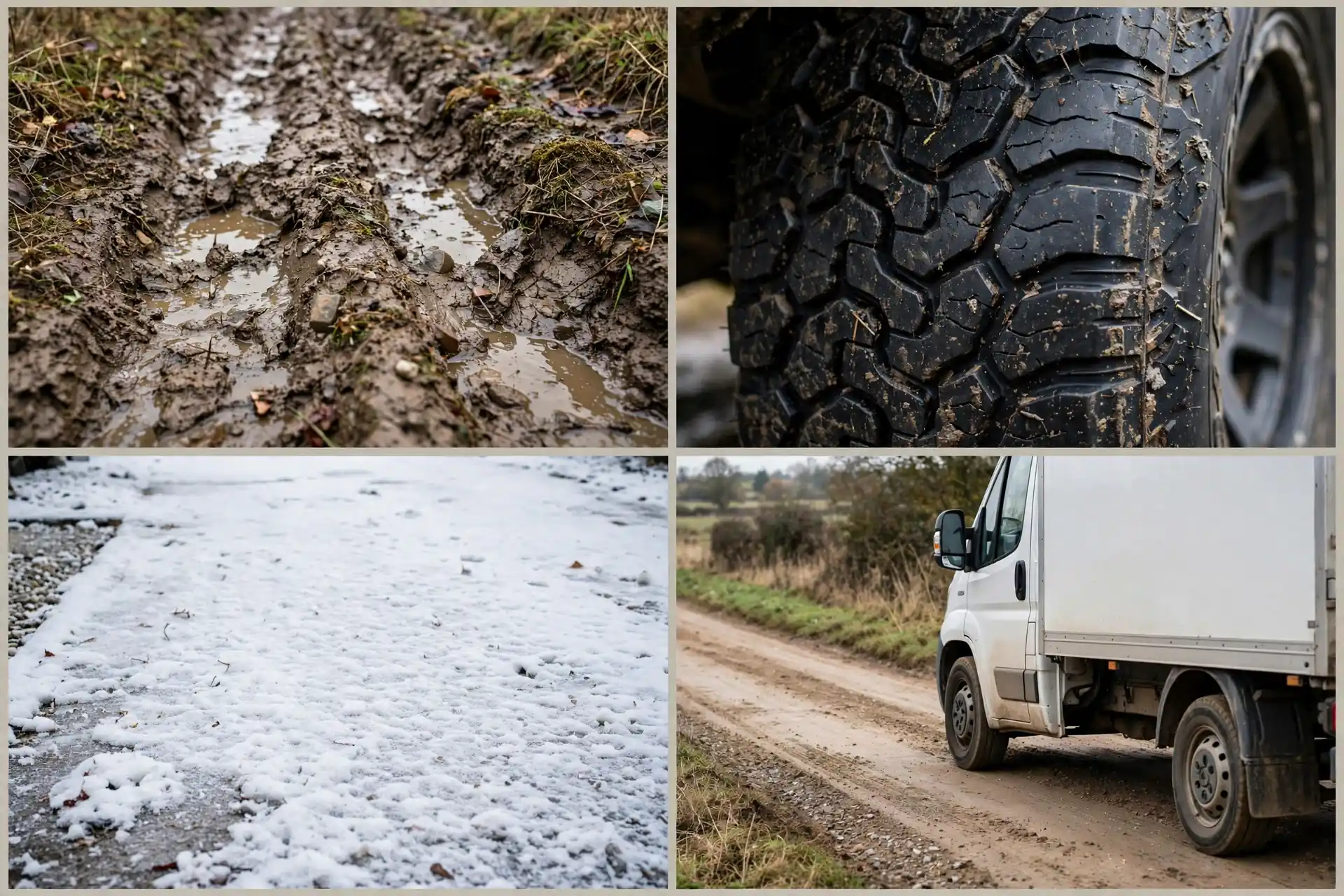
Budget for road work from the start. Gravel, drainage ditches, and a sturdy vehicle are part of the true cost of remote land. They are not extras you can skip forever.
Beautiful land you cannot reach is not a home. It is a storage problem with a view.
6. Ignoring Septic and Waste Rules
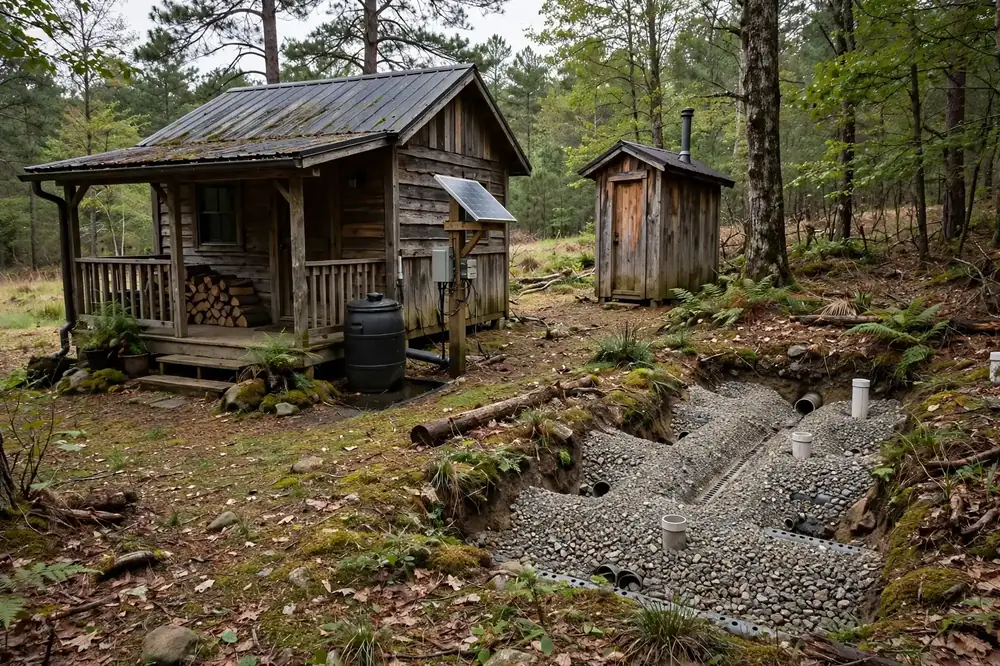
Waste is the topic nobody wants to discuss, and the one that causes the most trouble. Septic systems, composting toilets, and grey water all have rules, and those rules vary by area.
Grey water is used water from sinks, showers, and washing machines. It cannot just be poured onto the ground everywhere. A system that works on one property can be illegal or unsafe on another, especially near wells and streams.
Check the rules before you build, not after. Talk to the local authority. Get soil tests done. A proper septic design protects your water supply and your neighbors, and it protects the value of your home.
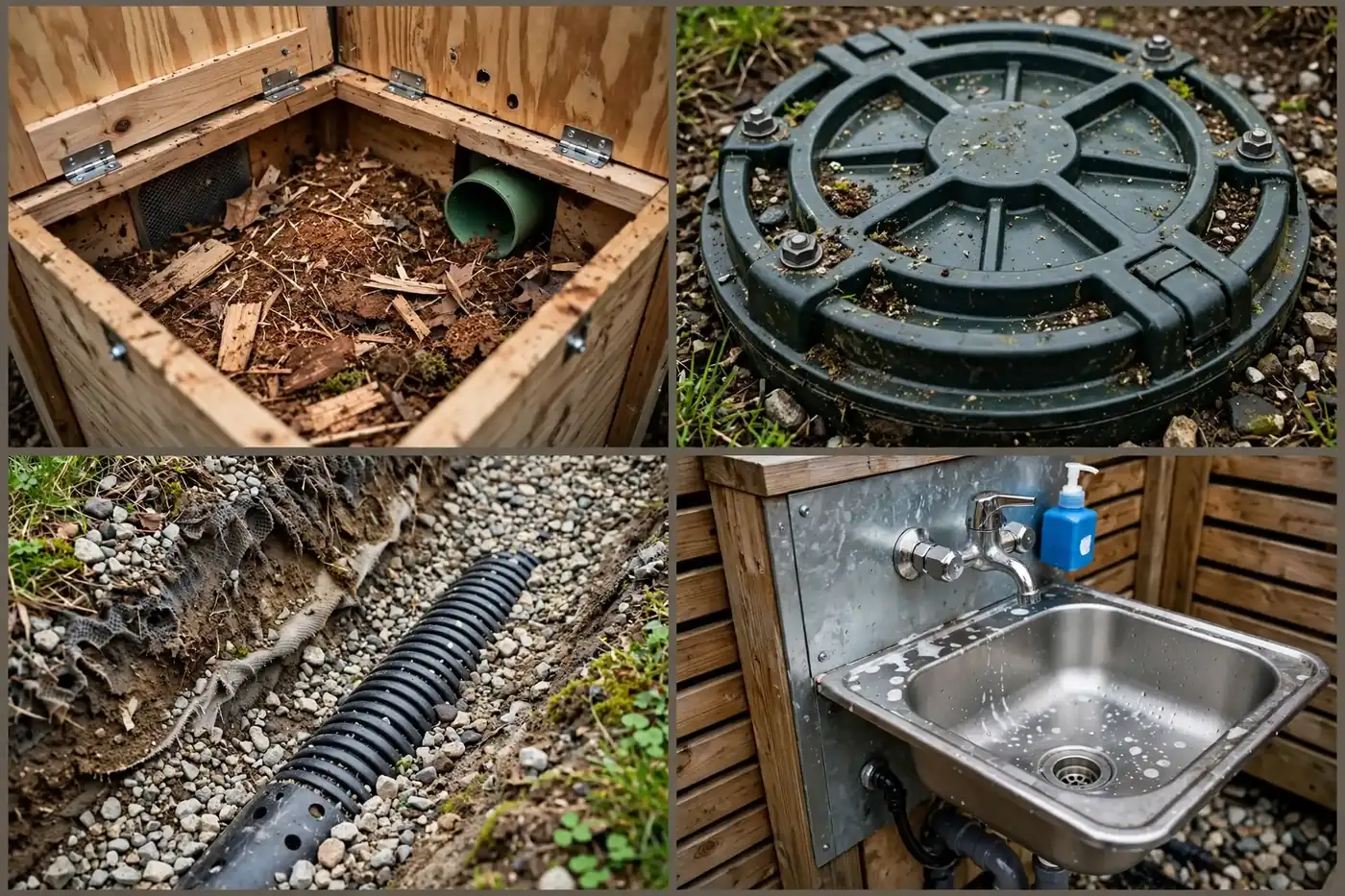
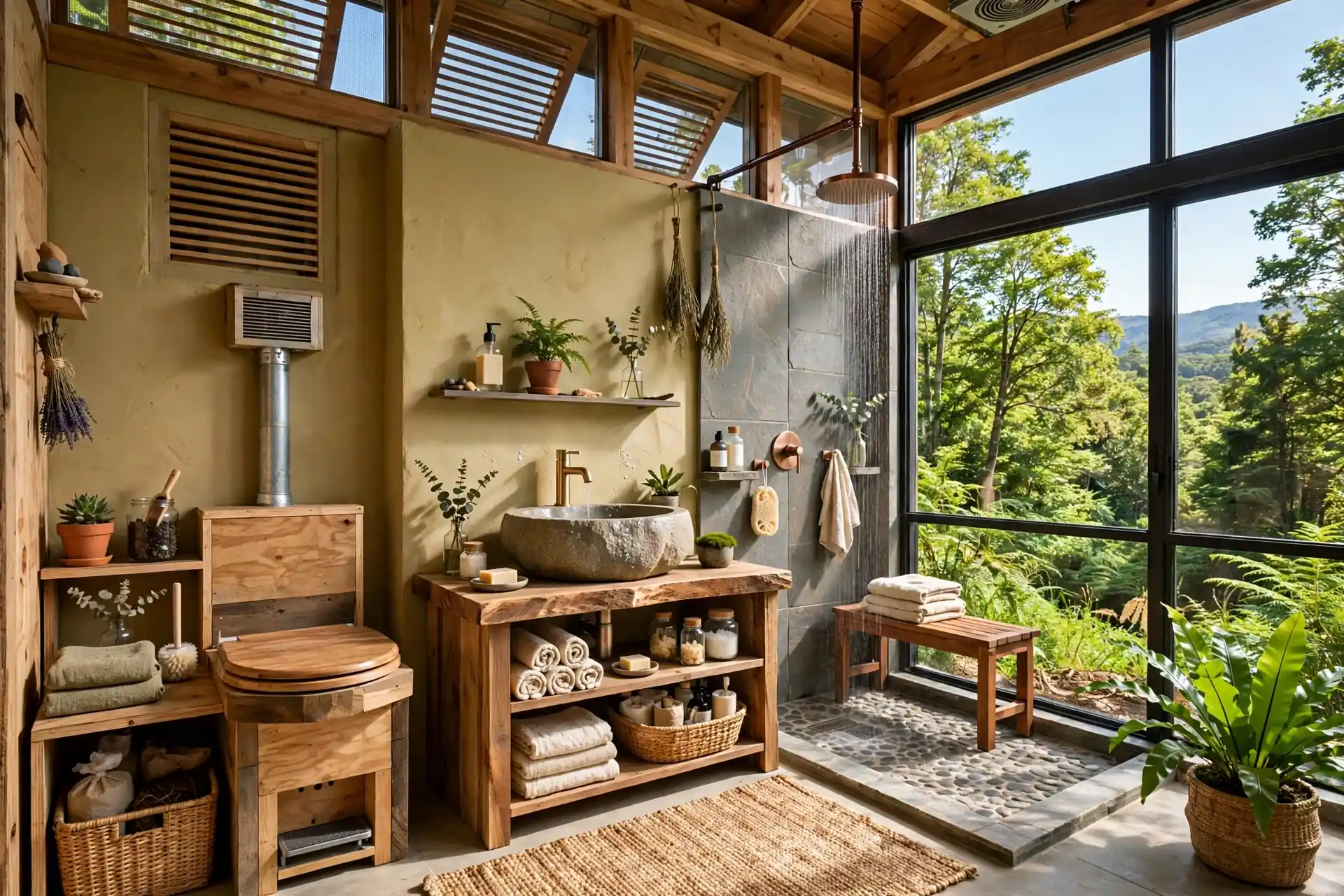
Plan for maintenance too. Tanks need emptying. Filters need cleaning. A composting toilet needs care to work well and stay odor free. These jobs are simple when planned, and miserable when ignored.
Sort waste early, and it stays a background chore. Ignore it, and it can force a costly rebuild.
7. Assuming the Internet Will Just Work
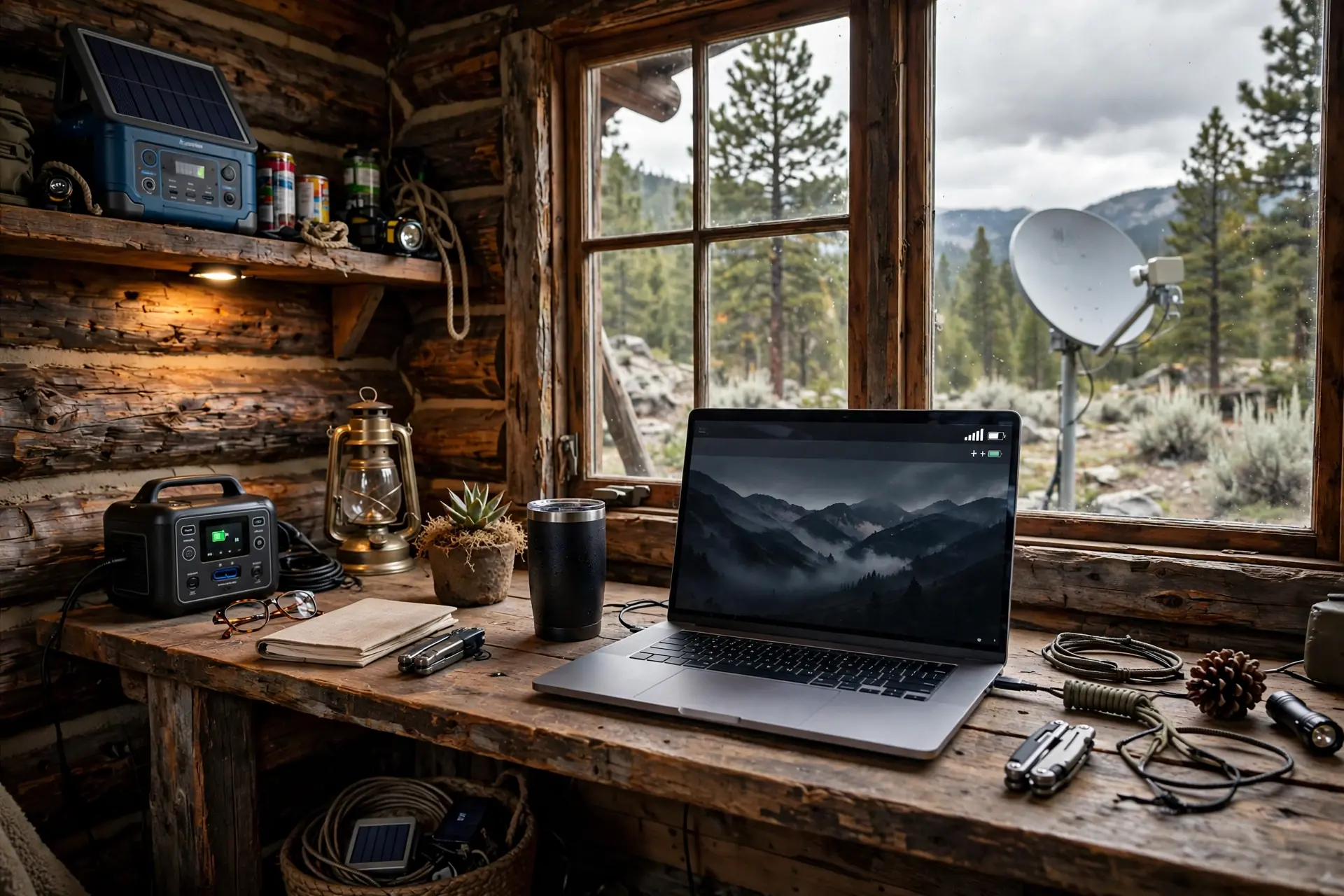
Many people move off grid and keep a city job online. That plan only works if the connection holds. Rural internet can be slow, patchy, or simply absent, even a short drive from a town.
Phone signal maps can mislead. A strong signal on a hilltop does not mean a strong signal inside a cabin with thick walls. Trees, valleys, and weather can all weaken the link.
Test the connection from the actual building site, on a workday, with a video call. Try satellite internet if it suits your area, and check its costs and limits. Keep a second option, such as a signal booster or a nearby coworking spot, for important meetings.
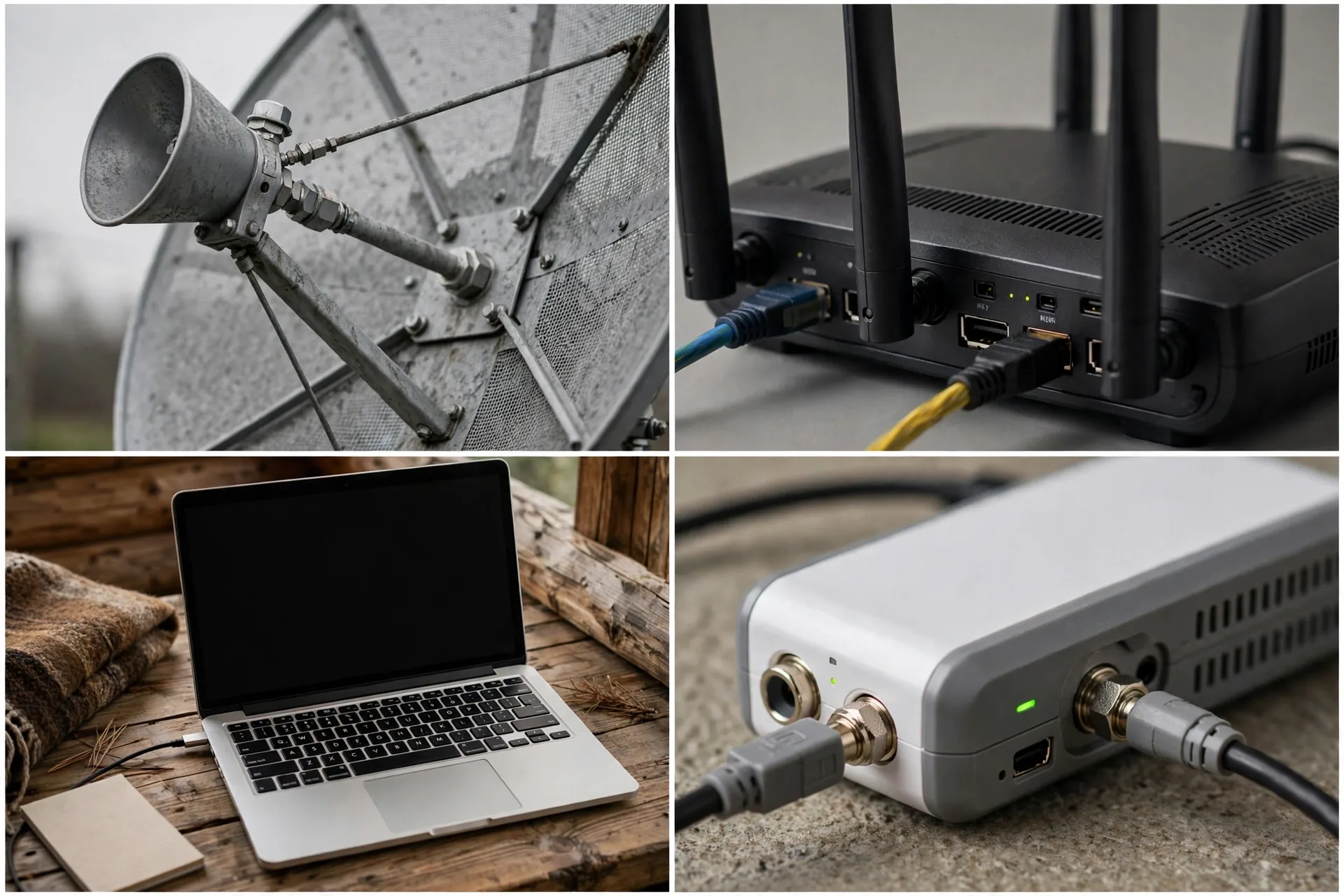
Talk to neighbors about what really works. They have already tested the options you are considering. Their honest answers can save you months of frustration.
A dream home with no connection can quickly become a commute back to town every workday.
8. Underestimating the Daily Workload
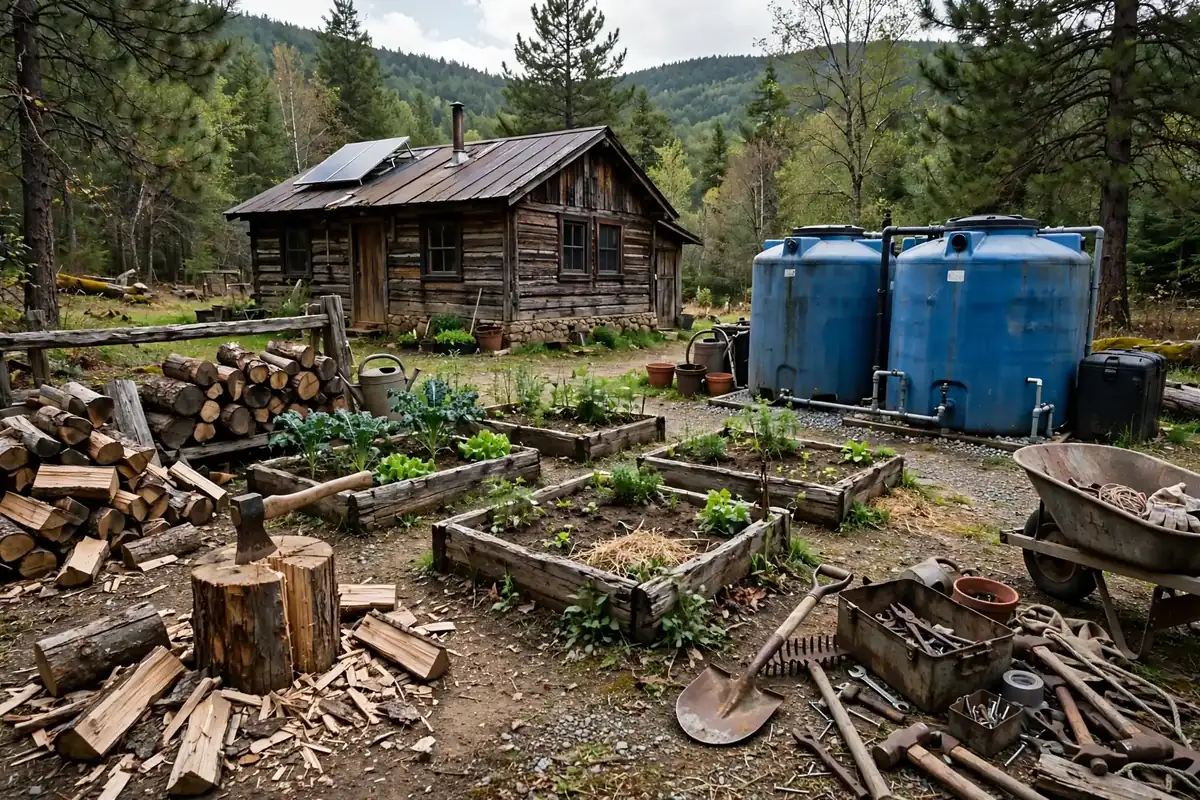
Off grid living is hands on. There is wood to move, water to check, filters to clean, and small repairs that never seem to end. None of these jobs are hard alone. Together, they fill a day.
Newcomers often picture quiet mornings and long evenings. The reality includes frozen pipes, a pump that needs priming, and a garden that needs watering in a heatwave. It is rewarding work, but it is still work.
Be honest about your time and your skills. Can you fix a leak? Can you safely use a chainsaw? Are you happy spending weekends on maintenance instead of relaxing? If not, budget to hire help, or choose simpler systems.
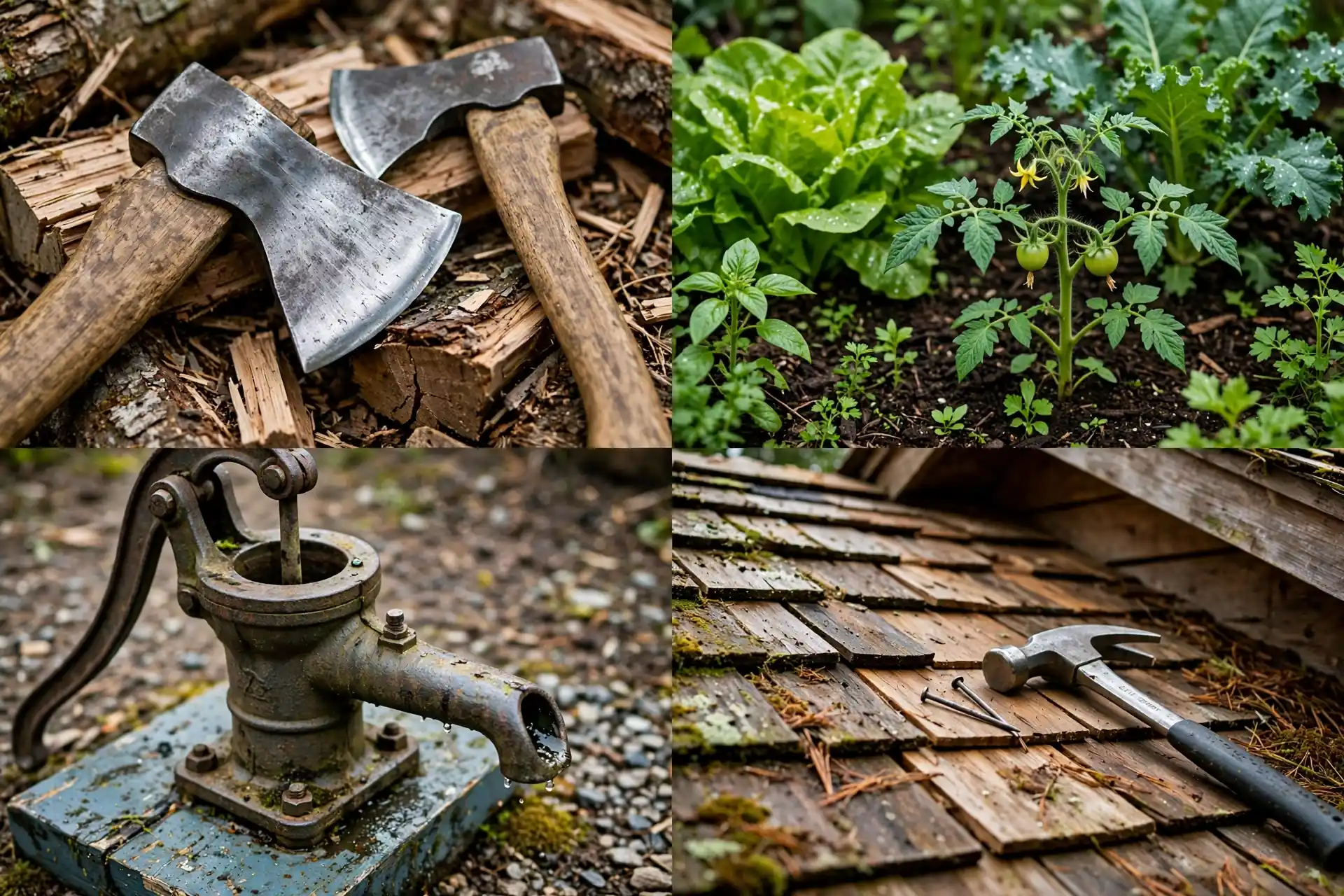
Simplify where you can. Fewer gadgets mean fewer things to break. Good design, such as easy access to pumps and filters, turns a chore into a five minute job.
Love the work, or plan around it. Pretending it does not exist is what burns people out.
9. Running Out of Money Before the System Is Finished

Off grid builds almost always cost more than the first estimate. Rock under the soil adds drilling costs. A longer driveway adds gravel costs. A failed part adds a rush delivery fee.
Many people spend their full budget on the cabin itself, and leave nothing for the systems that make it livable. Solar, water, waste, and heating are not finishing touches. They are the home.
Keep a contingency fund of at least 20 percent on top of your build estimate. Price the full system before you start, including installation, permits, and spare parts. Track spending weekly, so surprises show up early while you can still adjust.
Consider building in stages. A smaller finished home with working systems beats a large half finished shell every time. You can extend later, once the basics are solid and paid for.
Money stress turns small problems into reasons to leave. A buffer turns them into stories you laugh about later.
Before You Move: The Five Point Check
If any box is unchecked, fix that item first. It is cheaper to fix on paper than after you have moved in.
Off grid living rewards planning more than toughness. The people who stay are rarely the hardest working. They are the best prepared.
Take this list to your land viewing, your installer meeting, and your budget spreadsheet. Fix the weak spots one by one, and your cabin has a far better chance of being a long term home.
What mistake worries you most? Start there. One solid fix this month can change your whole first year.