221,000 People Proved It: 7 Types of Movement That Actually Lower Chronic Pain


Pain that never quite leaves changes everything. It changes how you sleep, how you work, and how much of your life you actually get to enjoy.
So when researchers in Australia set out to answer one simple question, does exercise really ease pain, they did not run one more small trial. They gathered every serious review they could find and stacked them together.
The result is the most complete picture we have ever had. The team at Adelaide University pooled 157 systematic reviews covering 2,736 randomized controlled trials and 221,279 participants. A randomized controlled trial is a study where people are assigned by chance to either try the treatment or act as a comparison group, so the result is harder to explain away.
On a pain scale of 0 to 10, exercise cut pain by about 1.1 points on average. That may sound small on paper. In real life, it is the gap between a day you cancel and a day you manage.
The review covered lower back and neck pain, osteoarthritis, fibromyalgia, rheumatoid arthritis, migraines and headaches, cancer related pain, pain during pregnancy, menstrual pain, and pain linked to osteoporosis. It also found something unexpected. Gentler programs often beat harder ones. Shorter programs often beat longer ones. Less than two hours a week was enough to see real benefit.
This article walks through seven types of movement the evidence supports. None of them needs a gym membership or special talent. Each one can start small. One clear warning belongs up front: exercise is not a replacement for medical care. If your pain is new, severe, or getting worse, talk to a doctor before you start.
1. Walking

Walking is the easiest place to start, and the evidence backs it up. It showed up again and again in the trials the review pooled, especially for lower back pain and osteoarthritis of the knee and hip.
It works because it is gentle and rhythmic. Your joints move through their normal range without pounding. Blood flow improves. Muscles that guard a sore area start to relax a little. You do not need speed for any of that to happen.
Start with ten minutes on flat ground. Wear shoes that fit well and feel steady. Walk at a pace where you can still hold a conversation. If ten minutes feels fine for a few days, add five more.
Short walks count. Two ten minute walks give you the same total as one twenty minute walk. That matters on a bad pain day, when one long outing feels impossible and two short ones feel doable.
Pick a route you enjoy. A park path, a quiet street, or laps around a shopping center all work. The best walking plan is the one you will actually repeat tomorrow.
2. Strength Training

Stronger muscles take load off sore joints. That is the simple idea behind strength training, and it is one reason it helped people with osteoarthritis and long term back pain in the trials.
You do not need heavy weights. Light dumbbells, resistance bands, or your own body weight are enough to begin. A band looped around your legs for gentle side steps, or a slow sit to stand from a chair, both count as strength work.
Two short sessions a week is a solid target. Give yourself a rest day between them. Muscles rebuild on rest days, not during the workout itself.
Form matters more than weight. Move slowly. Breathe out as you push or lift. Stop if a movement causes sharp pain. Mild muscle effort is normal. A stabbing or catching feeling is a signal to back off.
If you are unsure where to start, one or two sessions with a physical therapist can set you up. A physical therapist is a licensed professional who teaches safe movement and exercise for injuries and pain. They can check your form and build a short routine around your specific problem.
3. Yoga

Yoga pairs gentle stretching with slow breathing, and that combination showed real benefits in the review. It appeared in trials for back pain, fibromyalgia, and arthritis, and for headaches too.
Fibromyalgia is a long term condition that causes widespread pain, tiredness, and tender spots across the body. People living with it often find that hard exercise flares their symptoms. Yoga offers a softer way in, because you control the depth of every stretch.
Look for gentle, restorative, or chair based classes rather than fast paced power yoga. A good teacher will offer props like blocks and blankets, and will never push you into a pose that hurts.
Breathing is half the point. Slow breaths calm the nervous system, which is the network of nerves that carries pain signals. When that system quiets down, pain often feels less loud.
Ten to fifteen minutes at home is enough to start. A few slow stretches in the morning can loosen stiff joints before the day begins. Keep it regular, keep it gentle, and let the benefits build over weeks.
4. Water Exercise

Water is kind to sore joints. When you stand chest deep in a pool, the water carries much of your weight. Movement that hurts on land often feels possible in the water.
That is why water exercise kept showing up in the trials for osteoarthritis, rheumatoid arthritis, and fibromyalgia. Rheumatoid arthritis is an autoimmune condition, which means the immune system attacks the joints by mistake, causing swelling and pain. Gentle movement in warm water can ease stiffness without adding stress.
You do not need to swim laps. Walking back and forth across the shallow end counts. Marching in place or slow arm circles while you hold the pool edge work too.
Warm water helps most. Many community pools run warm water classes built for arthritis, so ask staff about times before you go.
Water exercise is also a smart choice for flare days. On a morning when everything aches, a slow pool walk may be the only movement that feels kind. That still counts, and it still helps.
5. Tai Chi

Tai chi looks slow, and that is exactly the point. It is a series of flowing movements done at a calm pace, with steady breathing and full attention on balance.
The review found tai chi among the exercise types that eased pain, and it has a long track record in research on arthritis and older adults. The slow weight shifts strengthen legs and improve balance, which lowers the risk of falls.
Many people with chronic pain tense up without noticing it. Shoulders creep toward ears. Jaws clench. Tai chi trains the opposite habit. You learn to move while staying soft, which is a skill that carries into daily life.
Classes are common at community centers, senior centers, and parks. Many are free or low cost. A short online video made for beginners works too, as long as you have a clear space and something sturdy nearby to hold if you wobble.
Start with ten minutes. Focus on smooth movement, not perfection. The form matters less than the feeling of moving slowly and breathing easily.
6. Cycling
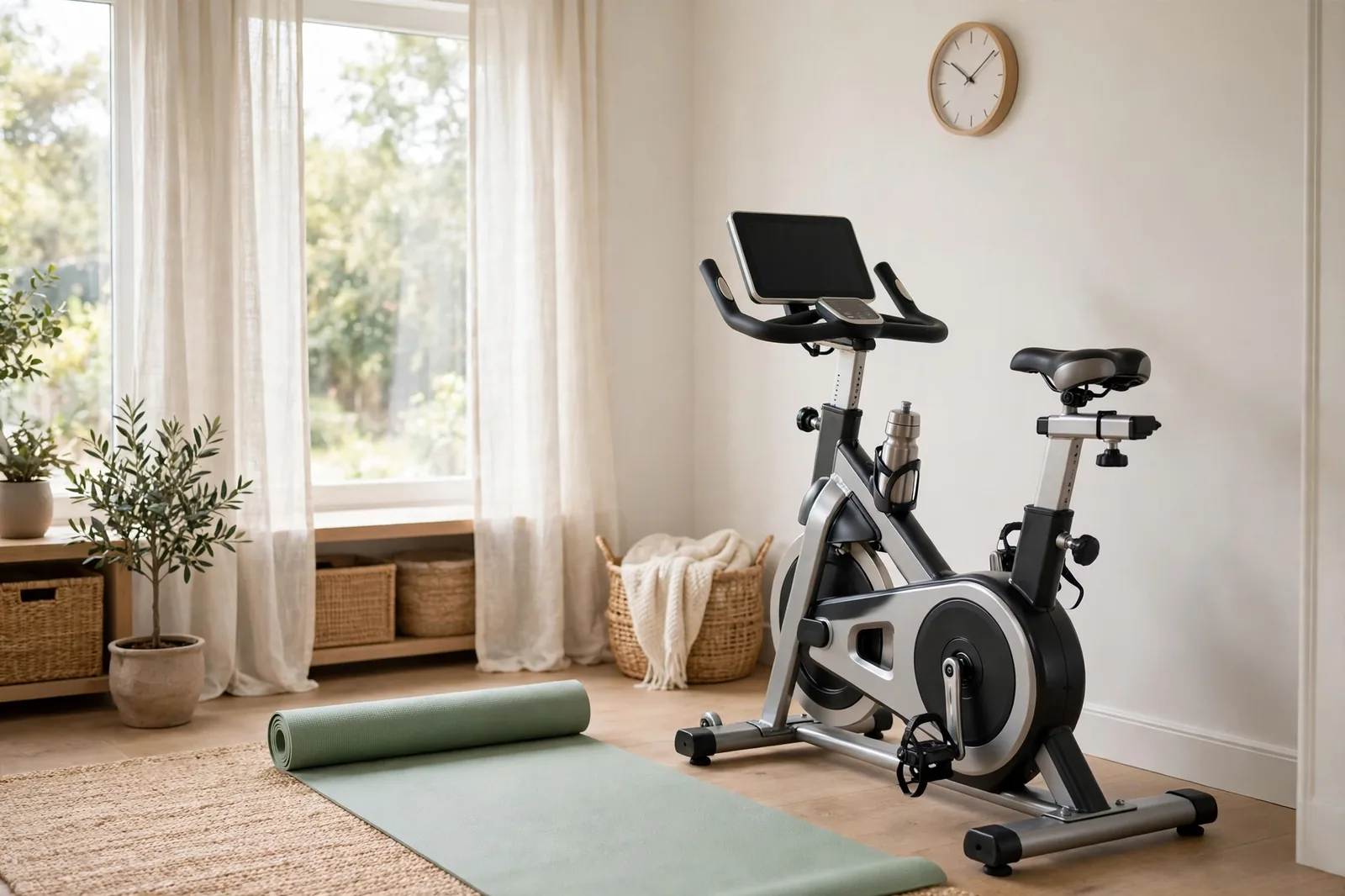
Cycling is aerobic exercise, which means it raises your heart rate and breathing for a sustained period. It was one of the main exercise types in the review, and it is a strong choice for sore knees and hips because it does not pound the joints.
A stationary bike gives you full control. You set the resistance low, you set the pace, and you can stop the moment something feels wrong. That control makes it a good option for people who feel nervous about starting to move again.
Begin with ten easy minutes. Keep the resistance light enough that your legs feel warm but not strained. If ten minutes goes well for a week, add a few minutes at a time.
Outdoor cycling works too, on flat paths and quiet trails. Hills can wait. So can speed. The goal is steady, comfortable movement, not a race.
Here the review offers real encouragement. Programs under two hours a week still showed strong benefits. A few short rides can add up to real relief, even if you never ride for an hour at a time.
7. Everyday Movement That Counts
Not all helpful movement looks like exercise. Gardening, dancing in the kitchen, taking the stairs, or carrying groceries all move your body through its normal ranges. The review studied structured programs, but the same principle applies. Regular movement, in any form, beats long hours of sitting still.
This is good news for people whose pain makes formal workouts feel out of reach. A ten minute tidy up or a slow walk to the mailbox still counts toward your weekly total.
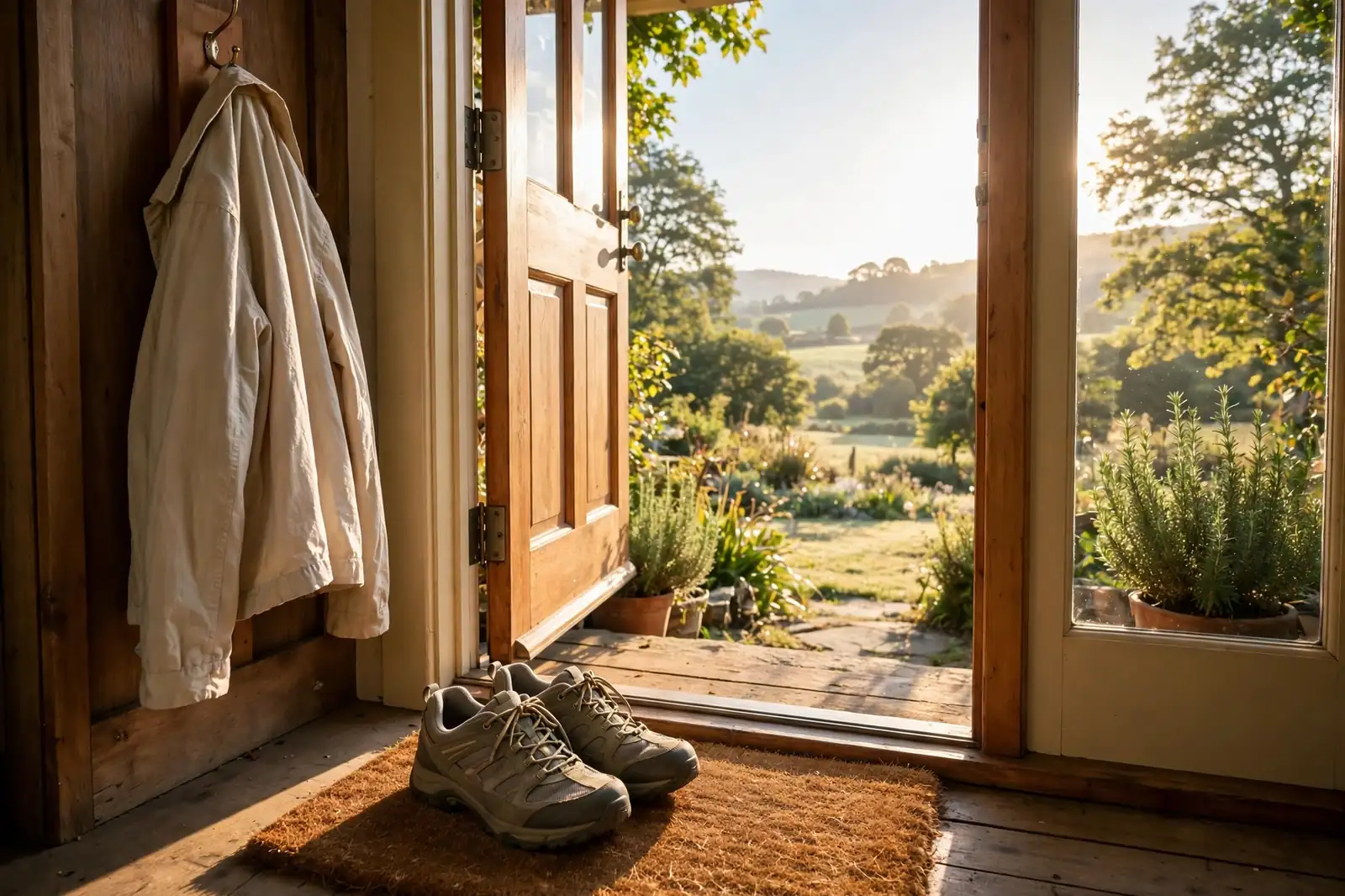
The trick is to make movement easy to start. Keep your walking shoes by the door. Put the yoga mat where you can see it. Lay out your exercise clothes the night before. Small cues remove the hardest part, which is getting started.
Pair movement with something you already do. Stretch while the kettle boils. Walk after lunch. Do five slow sit to stands during a TV ad break. When movement rides on an existing habit, it sticks.
Track what you do, not what you miss. A simple note on the fridge, three walks this week, two stretch sessions, is enough. Seeing your own progress is one of the strongest motivators there is.
The honest picture matters as much as the hopeful one. The researchers rated the overall certainty of the evidence as moderate, not high. Many of the reviews they pooled were low or very low in quality, and there were signs of publication bias, which means studies with positive results may have been more likely to get published. Even after the team adjusted for that bias, the benefit stayed meaningful.
There are other limits worth knowing. Most trials did not follow people for long, so we do not know how long the relief lasts after a program ends. Some of the largest effects, for menstrual pain and migraines, each came from a single review and still need confirmation. And the comparison with pain medicines was not a head to head test. No specific drugs were named, and nobody was randomly assigned to exercise or a pill to compare them directly.
None of that erases the core finding. Across 221,279 people, in study after study, moving helped. The effect held for acute pain and chronic pain alike. It held across ages from 20 to 79. It held for backs, knees, joints, heads, and whole body conditions like fibromyalgia.
That is why the lead researcher, Dr Ben Singh of Adelaide University, calls exercise underused as a pain treatment. Senior researcher Professor Carol Maher has urged clinicians to make exercise a core part of pain care, not an afterthought. Chronic pain affects about one in five adults around the world, and most of them are still offered pills before movement.
If you live with pain, pick one type from this list and try it this week. Ten minutes of walking. A few gentle stretches. A slow pool walk. Keep it easy, keep it regular, and pay attention to how you feel the next day.
Talk to your doctor first if anything about your pain worries you, especially if it started suddenly, came with an injury, or keeps getting worse. Exercise can be a powerful tool, but it works best as part of proper care, not as a substitute for it.
Movement will not fix every kind of pain. It will not erase a serious condition or replace the treatment you need. What the largest review ever done tells us is simpler and more hopeful than that. Moving a little, gently, and often can lower pain in a way you can actually feel. For millions of people living with pain every day, that is a result worth acting on.