The Same 30 Minutes Can Cut Your Death Risk 20% or Raise It 20%: What a 68,995-Person Study Found


Thirty minutes is not much. It is one episode of a show, one long scroll through your phone, one snooze cycle too many. But a new study of 68,995 adults says those 30 minutes can move your risk of death in either direction, depending on where they come from and where they go.
The researchers tracked sleep, sitting, standing, light movement and harder exercise with wrist devices, then followed the group for an average of 8.0 years. During that time, 2,668 people died. The team then asked a simple question. What happens to risk when you take 30 minutes from one part of the day and give it to another?
The answer depends on one thing above all else: how much you already sleep. If you get enough sleep, trading 30 minutes of it for brisk movement was linked with a 20% lower risk of death from any cause. If you sleep too little, giving up 30 minutes of sleep was linked with an 18% to 20% higher risk of death from heart disease. Same 30 minutes, opposite result.
This is not a license to sleep less. It is the opposite. The study, published online on 7 October 2026 in the American Journal of Epidemiology, is really a map of trade offs. Once you know which side of the sleep line you sit on, the right move becomes obvious. Here is what the numbers say, and the one change worth making.
What 30 Swapped Minutes Were Linked With
Among adults who already met sleep guidelines, moving 30 minutes a day from sleep into activity was linked with a lower risk of death from any cause.
Bian and colleagues, UK Biobank, 68,995 adults, 8.0 years of follow up. These are links, not proof of cause.
1. The 68,995-Person Study in Plain English

The study drew on the UK Biobank, a huge health project in the United Kingdom. It included 68,995 adults. Each person wore a wrist accelerometer, a small device that records movement, for about one week. That week of data let researchers measure how each person split their day between sleep, sitting, standing, light activity and moderate to vigorous exercise. Brisk walking counts as moderate. Running and fast cycling count as vigorous.
The team, led by first author W. Bian with senior author Emmanuel Stamatakis of the University of Sydney, used a method called compositional analysis. That is a plain idea with a fancy name. Your day is a fixed 24 hours. Any minute you add to one behaviour has to come out of another. You cannot add 30 minutes of exercise without taking 30 minutes from sleep, sitting or something else.
That framing is what makes the study useful. Instead of asking whether exercise is good in general, it asks what happens when you swap one thing for another. The group was followed for a mean of 8.0 years, and 2,668 deaths were recorded in that time. The results below are all built on those swaps.
2. If You Already Sleep Enough, Movement Pays Off Fast
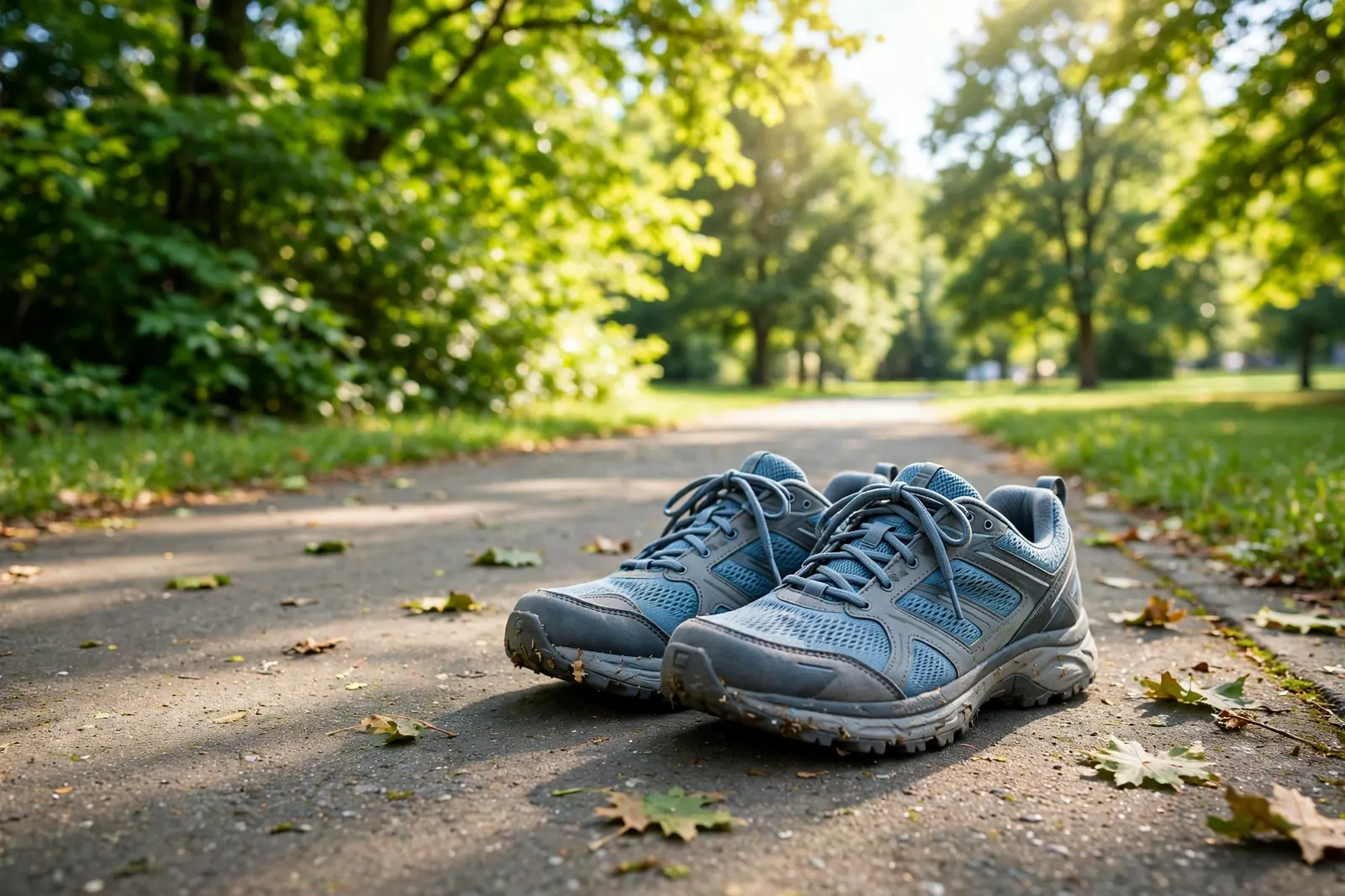
First, the good news, and it applies to a lot of people. Among adults who met sleep duration guidelines, swapping 30 minutes a day from sleep into moderate to vigorous exercise was linked with a 20% lower risk of death from any cause. That is the biggest benefit the study found. Brisk movement is the strongest trade on the table.
The smaller trades still helped. Moving those same 30 minutes into light activity, such as gentle walking around the house or slow strolling, was linked with a 13% lower risk of death. Moving them into standing was linked with a 15% lower risk. So even the gentlest upgrade beat doing nothing, as long as sleep was already in good shape.
Adults are advised to sleep 7 or more hours a night, under guidance from the American Academy of Sleep Medicine and the Sleep Research Society. If you already clear that bar, you have room to trade. The World Health Organization advises 150 to 300 minutes of moderate activity a week, or 75 to 150 minutes of vigorous activity. A daily 30 minute walk adds up to 210 minutes a week, which sits inside that range.
3. If You Sleep Too Little, the Same Trade Backfires
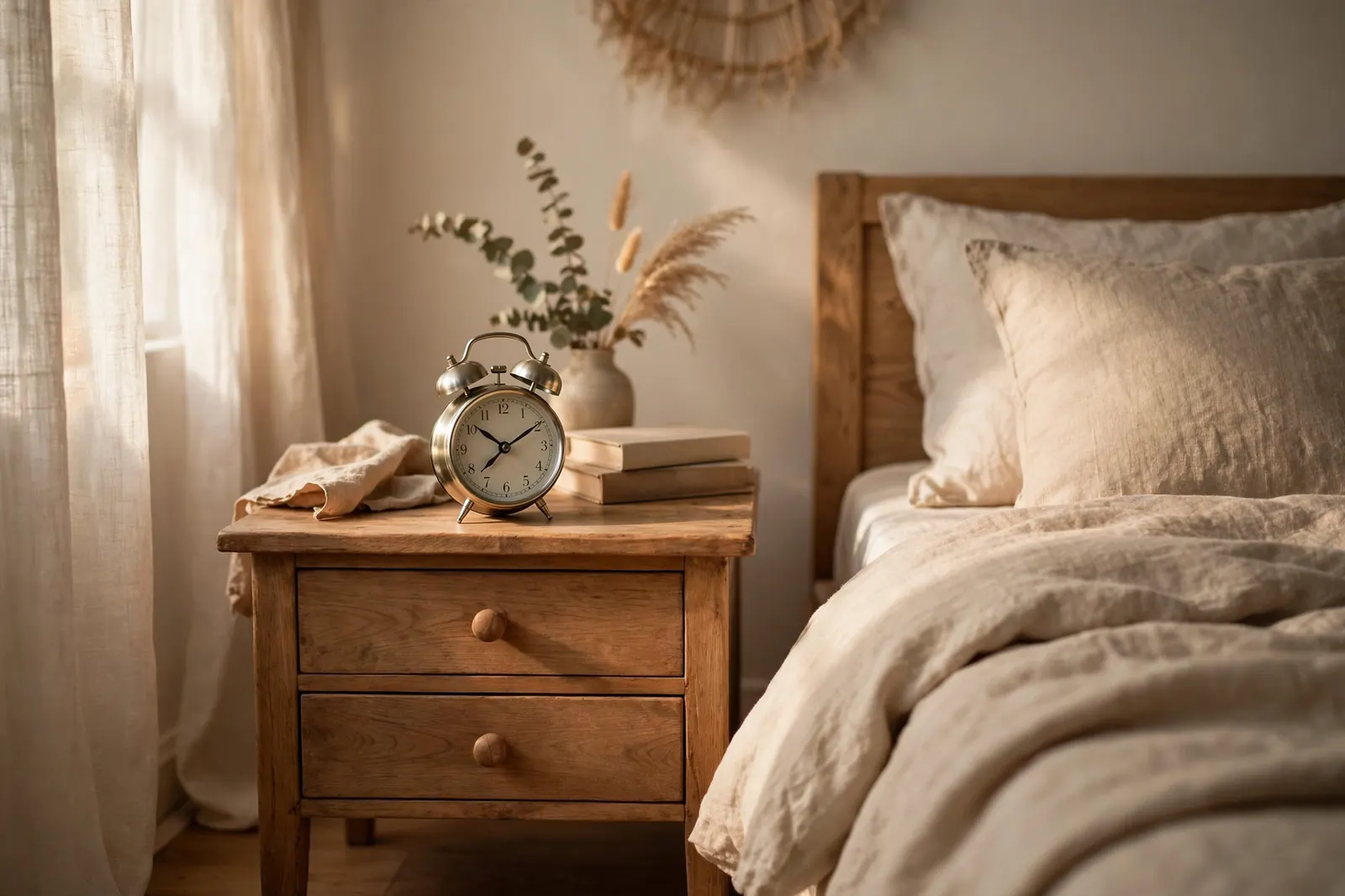
Now the warning, and it matters just as much. Among short sleepers, people getting less than the advised amount, losing 30 minutes of sleep to sitting, standing or light activity was linked with an 18% to 20% higher risk of death from cardiovascular disease. That covers heart disease and stroke. The same 30 minutes that helped good sleepers hurt short sleepers.
The reason is simple. Sleep is not wasted time. It is when your body repairs tissue, steadies blood pressure and clears the strain of the day. Cutting it short to sit longer, or even to stand longer, takes away recovery and gives nothing back. Light activity cannot repay a sleep debt either, at least not in this study.
There is a hopeful flip side. Moving time from sitting into sleep was linked with benefits in both regular and irregular sleepers. If you sleep too little, the best 30 minute trade is not exercise. It is bed. Go to bed 30 minutes earlier, or trade half an hour of late night sitting for sleep, and you are moving in the direction the data supports.
Sleep First or Move First?
One honest question decides your best 30 minute trade. Answer it before you change anything.
The one change to make: find one 30 minute block of sitting and give it to what you are short on.
4. Why Standing Is Not the Shortcut

Standing desks are popular, and the new study gives standing a fair hearing. Among good sleepers, swapping 30 minutes of sleep for standing was linked with a 15% lower risk of death. That sounds like a win for standing. But a second study shows why standing alone is not the answer.
That study, by Ahmadi and colleagues in 2024, followed 83,013 UK Biobank adults for about 7 years. It found that sitting more than 10 hours a day was linked with a higher risk of heart disease, stroke and heart failure. Standing time, by contrast, was not linked with that risk either way. It neither raised nor lowered it.
Standing more than 2 hours a day did carry its own problem. It was linked with a higher risk of circulatory problems such as varicose veins. So standing breaks up sitting, and that is good. But standing still is not movement. It does not raise your heart rate the way a brisk walk does. Use standing as a break from the chair, not as a replacement for the walk.
5. The 30-Minute Trade That Works for Almost Everyone

Here is the practical heart of the study. Almost everyone sits for at least one 30 minute block they do not need. A long stretch of television. A scroll through the phone after dinner. A meeting that could have been a walk. That block is the raw material for the trade.
If you sleep under 7 hours, give that block to sleep. Go to bed 30 minutes earlier and protect it. The study links sitting into sleep with benefits for regular and irregular sleepers alike, so even people with messy sleep patterns stand to gain. If you already sleep 7 hours or more, give that block to movement. A 30 minute brisk walk is the single strongest swap in the data.
The weekly math is encouraging. A daily 30 minute walk adds up to 210 minutes a week. That sits comfortably inside the World Health Organization range of 150 to 300 minutes of moderate activity a week. You do not need a gym, a class or special gear. You need one block of sitting, moved to the thing you are short on, every day.
6. How to Find Your 30 Minutes Without Changing Your Life
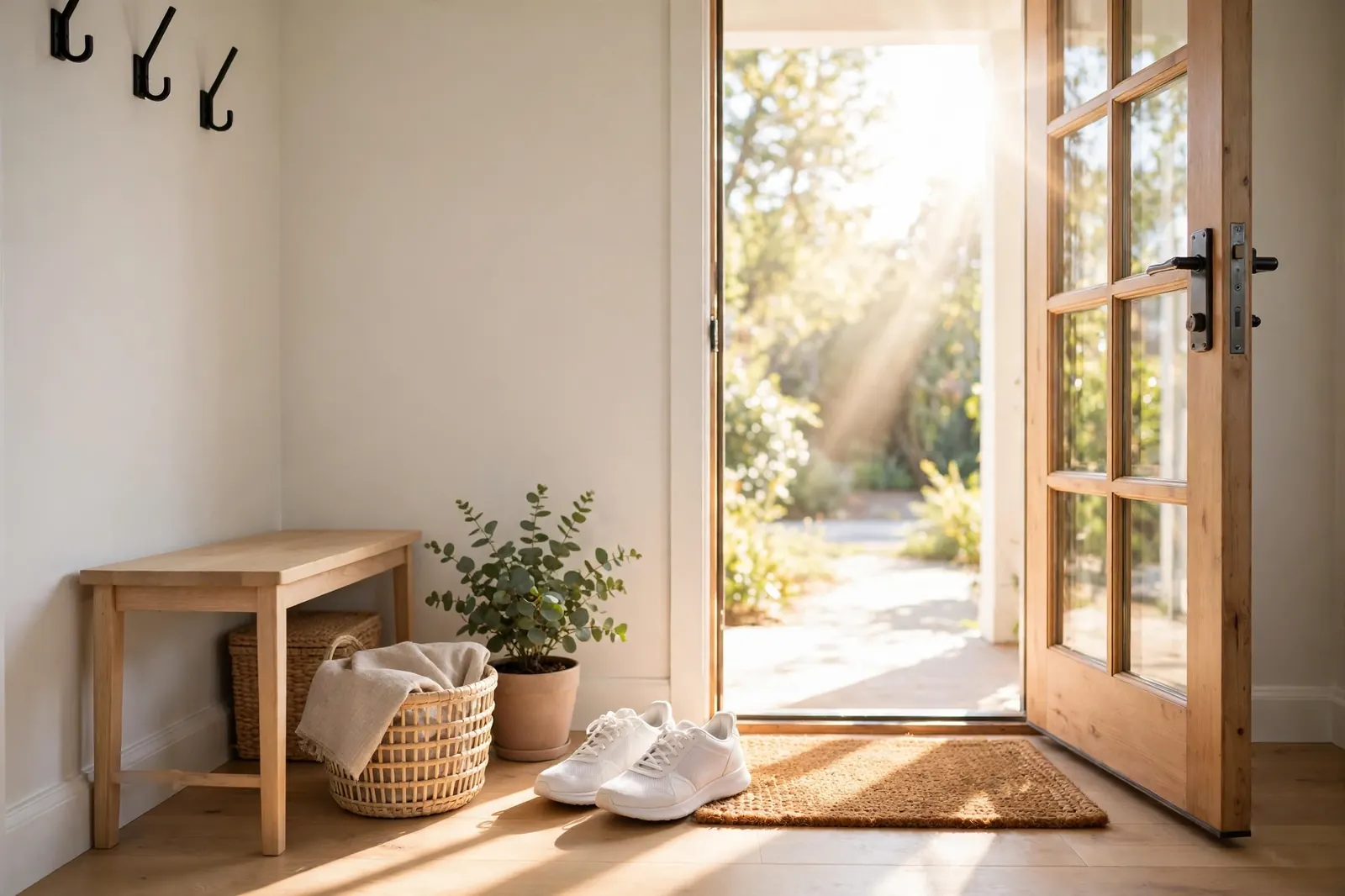
Start by looking at your evening, because that is where most spare sitting hides. Pick one show, one scroll or one late snack, and cut it by 30 minutes. If you are short on sleep, that half hour goes to bed. Set a bedtime alarm, not just a morning one, and treat it as seriously as a meeting.
If you already sleep enough, attach the walk to something you already do. Walk after lunch or dinner. Take phone calls on foot. Get off the bus one stop early. Walk to the shop instead of driving for small errands. None of these need willpower the way a new workout plan does. They just move an existing habit outdoors.
Keep the pace honest. Brisk means you can talk but you cannot sing. If you can chat easily without breathing harder, speed up a little. If you are gasping, slow down. The goal is a pace that raises your breathing and warms you up, held for 30 minutes. Do it most days, and the weekly total takes care of itself.
7. What This Study Cannot Prove

Good science comes with honest limits, and this study has three worth knowing. First, it is observational, which means it watches what people do and looks for links. It cannot prove that moving minutes from one behaviour to another changes risk. People who exercise more may also eat better, smoke less or see doctors more often. The study accounts for many of those factors, but it cannot account for all of them.
Second, UK Biobank volunteers are older and healthier than the general population. They signed up for a long health project, which already says something about them. The results may not apply in the same way to younger adults, to people with serious illness, or to groups the Biobank underrepresents. Treat the numbers as a guide for most healthy adults, not a promise for everyone.
Third, the wrist device covered about one week per person. One week is a snapshot, not a biography. Sleep and activity change with seasons, jobs, illness and age. A single week can misread a person who had a strange week. The study is large enough that the patterns still matter, but they are patterns, not personal guarantees.
Your 210 Minute Week
One 30 minute walk a day adds up to 210 minutes a week, inside the WHO range of 150 to 300 minutes.
Total: 210 minutes. Short on sleep? Swap the walk for 30 extra minutes in bed until your sleep is back above 7 hours.
The headline is not sleep less. It is trade wisely. The same 30 minutes can cut your risk or raise it, and the difference is knowing what you are short on. If you sleep under 7 hours, your 30 minutes belong to sleep. If you already sleep enough, they belong to movement.
Start tonight, not next month. Look at your evening, find one 30 minute block of sitting, and give it away. Then do it again tomorrow. Small trades, repeated daily, are exactly what this study measured. If you struggle with sleep night after night, or you feel breathless, dizzy or unwell when you exercise, talk to a clinician before changing your routine. A plain English summary of the study is available at OWaves, and the study itself is listed on PubMed.