15+ Tiny House Flooring Ideas That Hold Up to Real Life

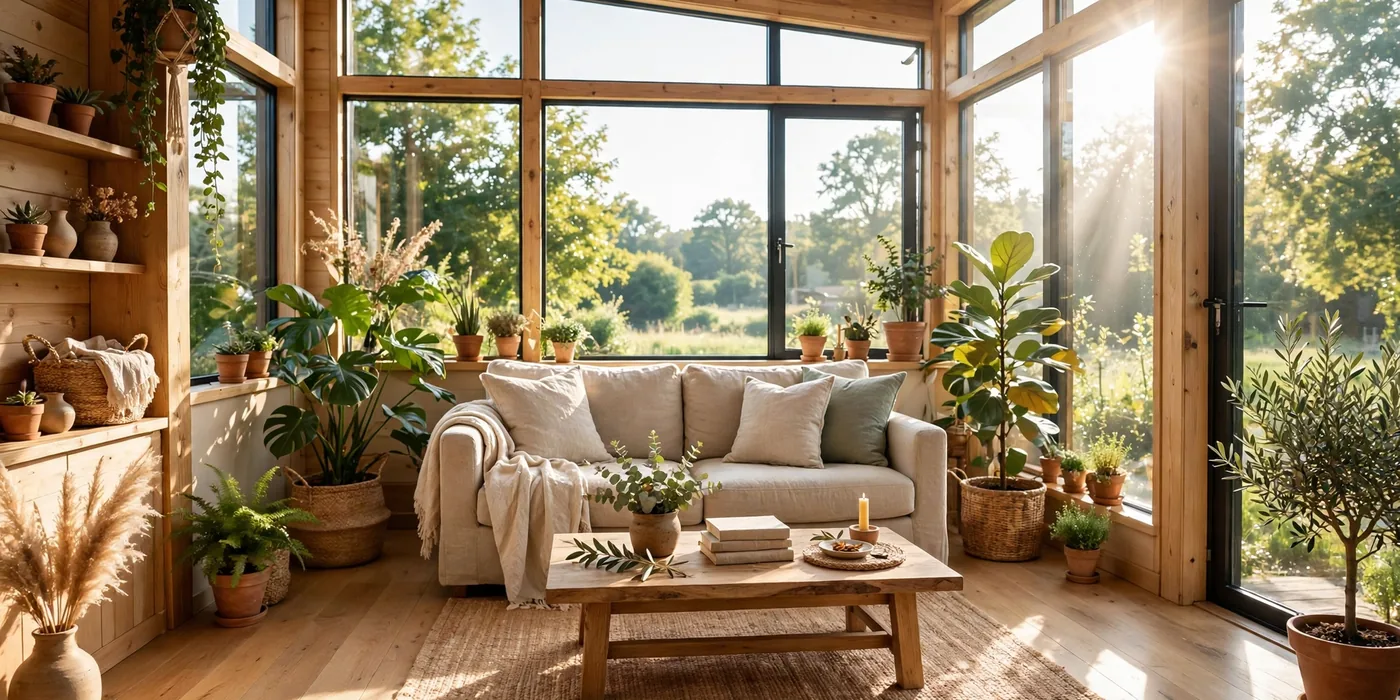
In a tiny house, the floor takes more punishment than any other surface. It carries every step, every dropped pan, every muddy boot and every pet claw. It also sets the tone for the whole room, because in 200 square feet you are always looking at it.
That is why flooring deserves more thought than a quick trip to the hardware store. The wrong floor shows every scratch, feels cold under bare feet, or swells the first time a kettle boils over. The right floor forgives real life and still looks good five years later.
These 15 ideas all work in real tiny homes, from DIY builds on wheels to factory made houses on a foundation. Some cost very little. Some cost more up front and save money later. All of them hold up to daily life in a small space.
5 Questions Before You Pick a Floor
If a floor passes all five questions, it will survive tiny house life. If it fails two or more, keep looking.
1. Wide-Plank White Oak
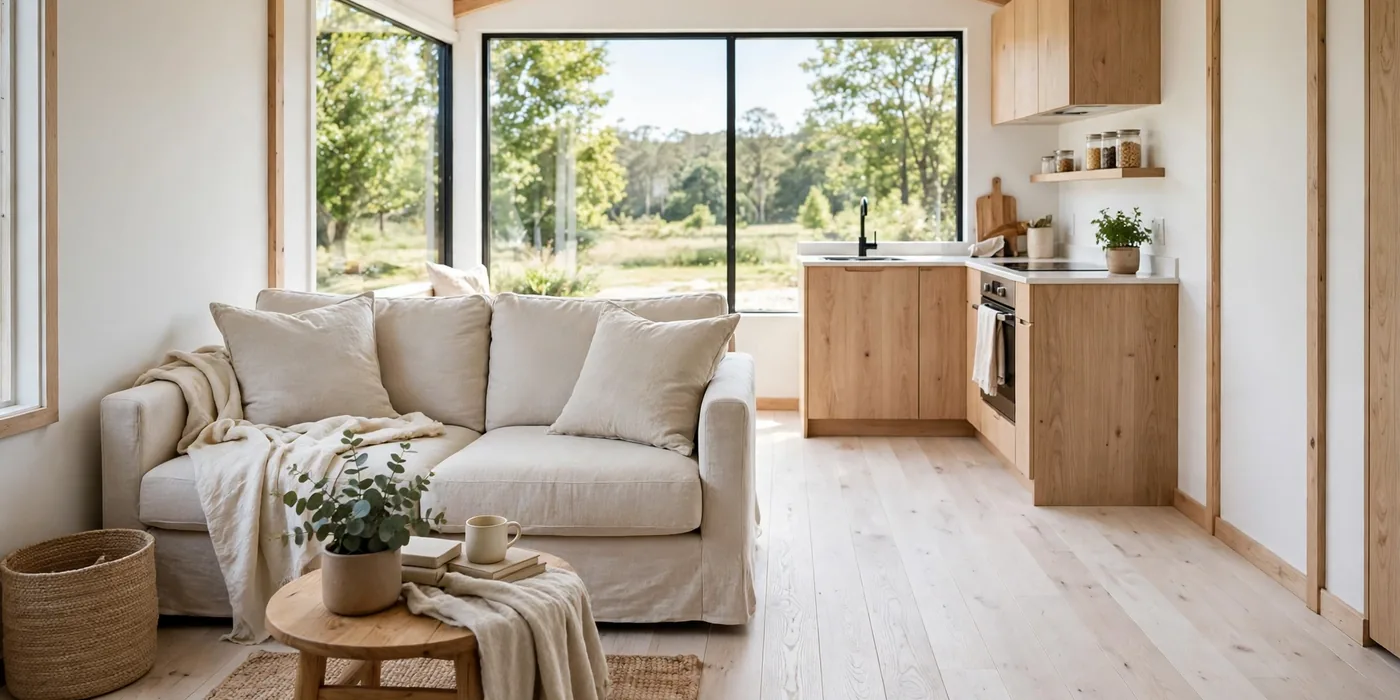
Wide-plank white oak is the floor most people picture when they imagine a tiny house. The planks are broad, usually six inches or wider, so the floor has fewer seams. Fewer seams means the room looks calmer.
White oak has a soft, pale grain that works with almost any style. It suits a modern build with white walls, and it suits a cabin build with wood beams. The color stays light, which matters in a small room that needs every bit of brightness it can get.
Real white oak is not the cheapest option, and it needs a good finish to survive spills. A hardwax oil or a matte polyurethane coat protects the surface without making it look shiny or plastic. Refinish it every few years and it ages gracefully.
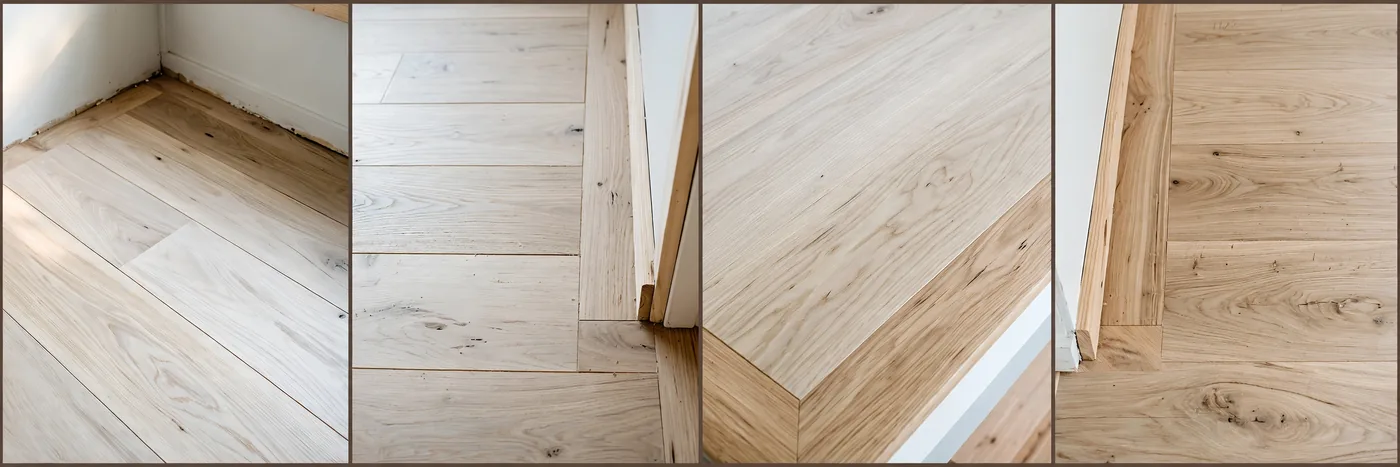
Wide planks also hide small gaps better than narrow strips. Wood moves with humidity, and tiny houses swing between damp winters and dry summers. Broad planks with a proper gap at the walls handle that movement without buckling.
Choose engineered white oak if weight or moisture worries you. It has a real oak top layer over a stable base, so it moves less. It looks the same underfoot and costs less than solid planks.
2. Luxury Vinyl Plank That Looks Like Real Wood
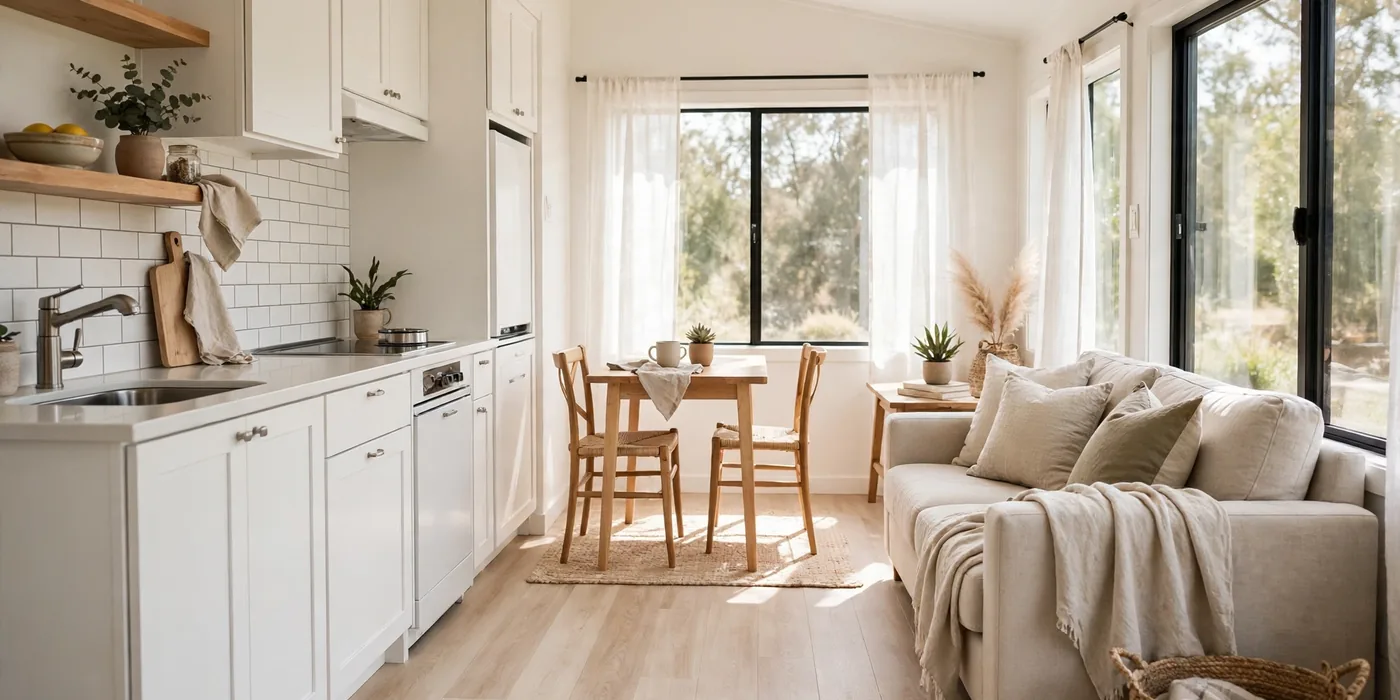
Luxury vinyl plank, often shortened to LVP, is the practical favorite in tiny houses. It clicks together like laminate, but the core is waterproof. A spilled kettle or a wet dog shakes off without swelling the boards.
The best versions look convincingly like wood. The grain is printed in high detail, and the planks have a slight texture you can feel. Guests usually cannot tell it is vinyl until you tell them. The giveaway is the price, which is far lower than real hardwood.
LVP is also quiet and forgiving underfoot. It has a little give, so dropped plates bounce more often than they shatter. That softness makes it kind to knees and paws too.

Look for a thick wear layer, at least 20 mil, if you want it to last. The wear layer is the clear top coat that takes the scratches. Thin wear layers look fine at first and show wear within a year.
One warning: cheap vinyl can look cheap. Buy a single box first and lay a few planks in daylight before committing. If the grain repeats too obviously, pick another color.
3. Polished Concrete with a Soft Matte Seal

Polished concrete sounds industrial, but in a tiny house it can feel calm and warm. The slab is ground smooth, then sealed with a matte finish that softens the shine. The result is a floor with almost no seams at all.
No seams means no dirt traps and no grout to scrub. A quick sweep and a damp mop is the whole cleaning routine. That matters when the kitchen, living room and hallway are really one room.
Concrete is heavy, so this idea suits tiny houses on a foundation rather than on wheels. Check the trailer weight first if your house moves. On a fixed base, though, the slab doubles as thermal mass. It soaks up daytime warmth and releases it slowly at night.
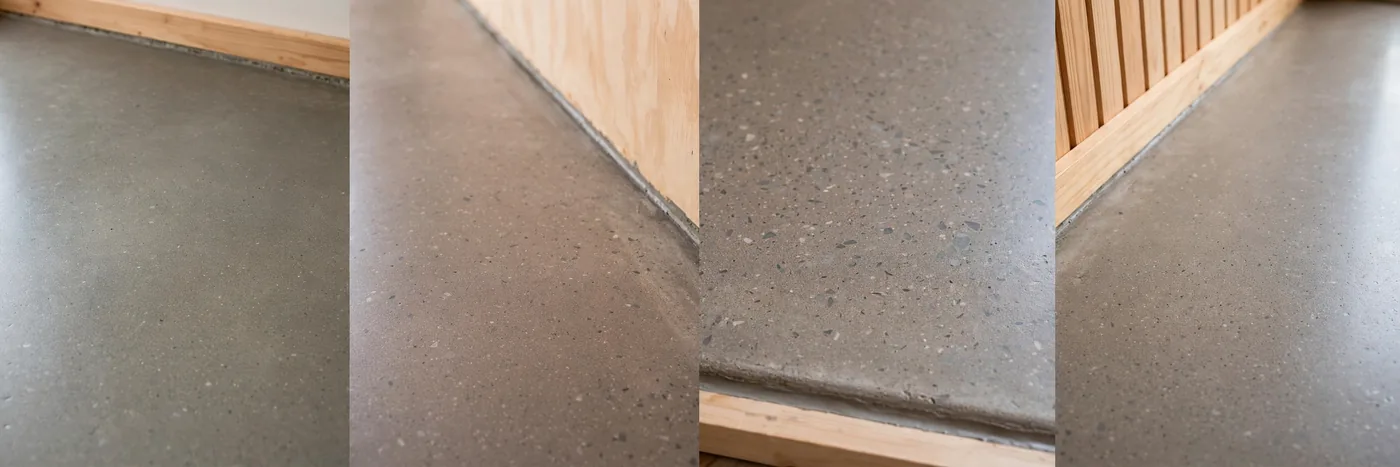
Bare concrete feels cold underfoot in winter. A rug in the living zone and slippers by the door fix most of that. Radiant heat tubes in the slab fix all of it, if you are building from scratch.
Stains are the main risk. Seal the floor properly and wipe spills quickly. A good sealer also stops the dusty feeling that unsealed concrete can have.
4. Cork Flooring, Warm Underfoot
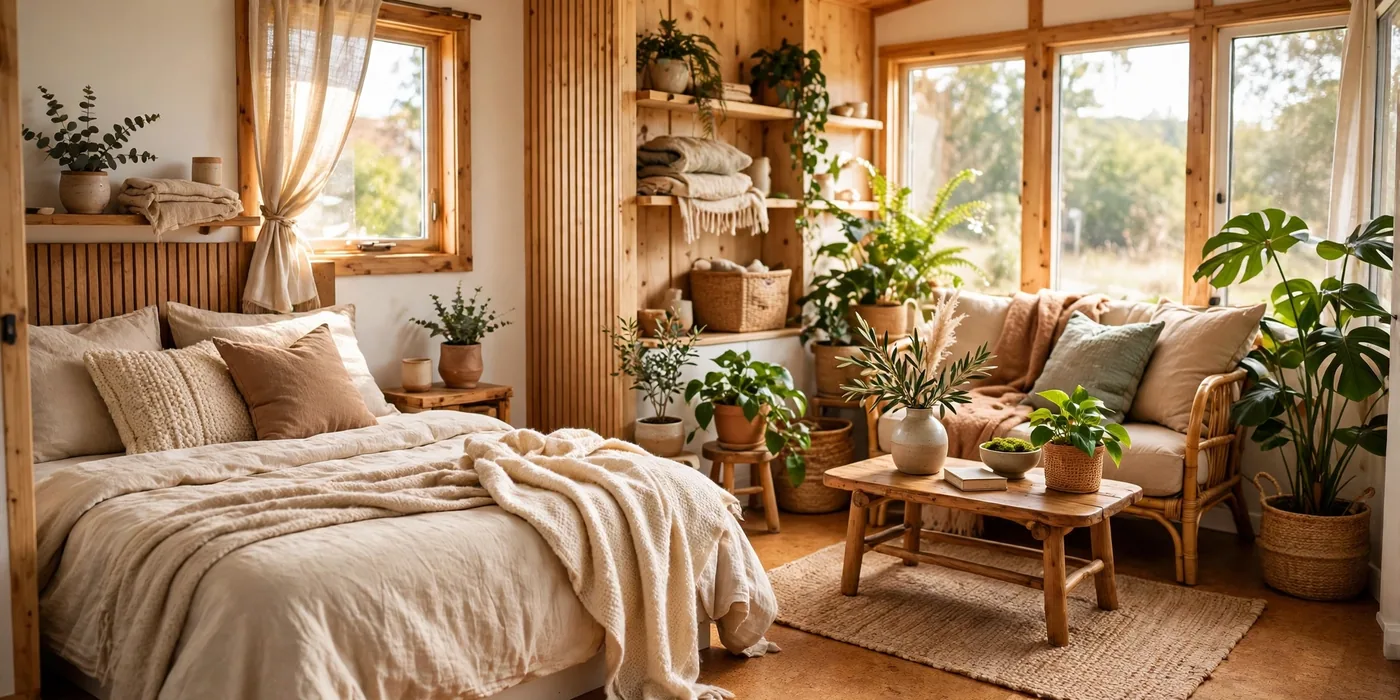
Cork is the warmest floor on this list, and not just in looks. It is naturally insulating, so it stays comfortable on cold mornings when tile or concrete would sting bare feet. It also gives slightly underfoot, which tired legs notice by evening.
Cork comes from the bark of cork oak trees, and the bark grows back. That makes it one of the most sustainable choices here. Tiles or planks click together, and many tiny house owners install it themselves in a single day.
The texture is soft and slightly bouncy. Dropped glasses often survive, and the floor is quiet. Footsteps barely carry, which helps when someone is sleeping in the loft above.
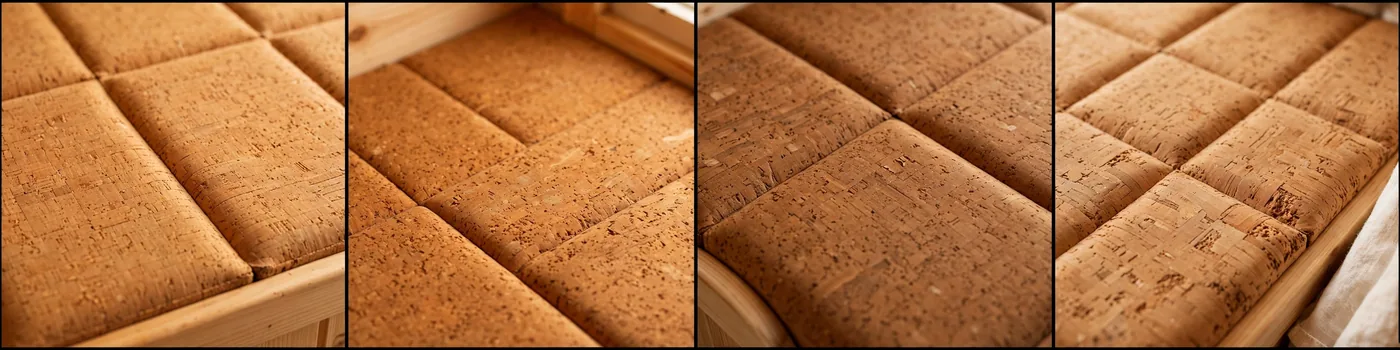
Cork does need sealing, especially near the kitchen and bathroom. Unsealed cork soaks up water and stains. Two or three coats of water based polyurethane keep it safe, and a fresh coat every few years keeps it looking new.
Sharp claws and high heels can dent cork, so it suits calmer households best. If your dog is large and excitable, put a rug over the main traffic path.
5. Herringbone Engineered Hardwood
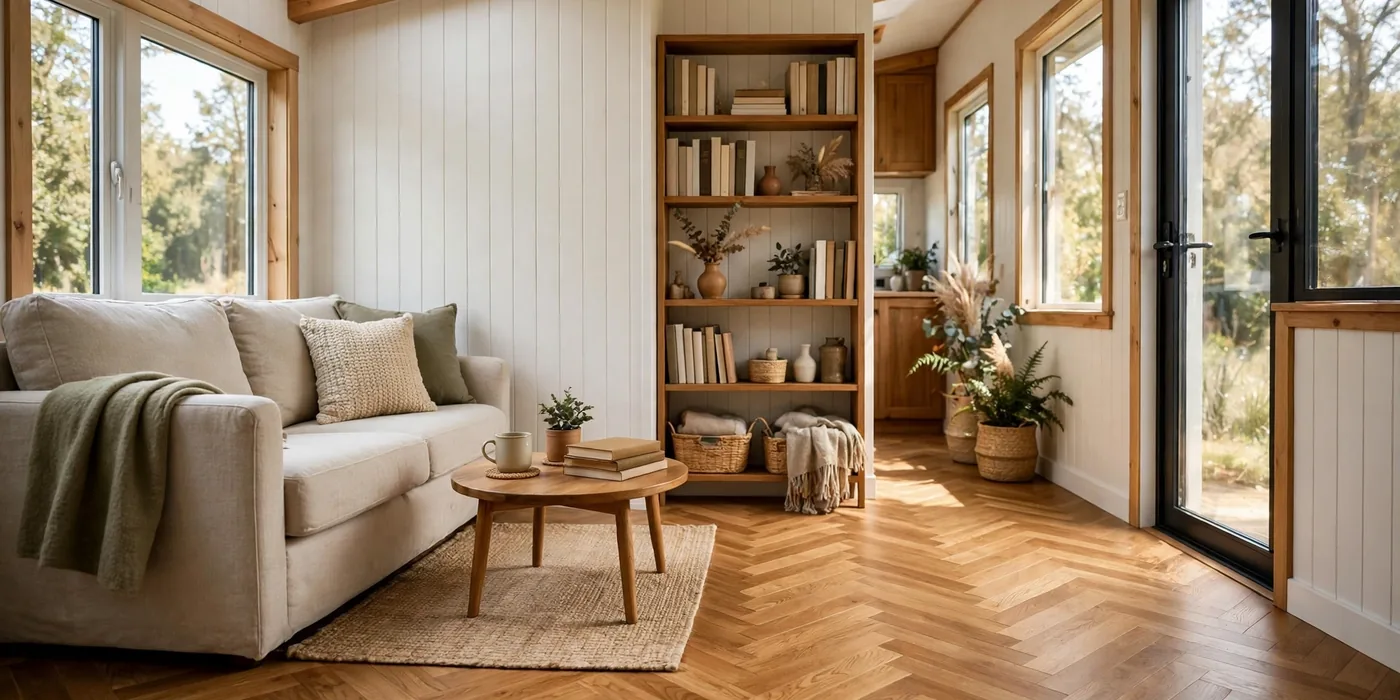
Herringbone is a zigzag pattern made from short rectangular planks. It has been used in grand European homes for centuries, and it brings that same sense of craft into a tiny house.
Engineered hardwood is the sensible version for a tiny house. Each plank has a real wood top over layers of plywood, so it stays stable when humidity changes. Solid herringbone can gap and cup in a house that heats up fast and cools down fast. Engineered planks hold their shape.
The pattern does take longer to install than straight planks. Every piece must be placed at the right angle, and the cuts around the edges need care. Budget an extra day if you are doing it yourself.
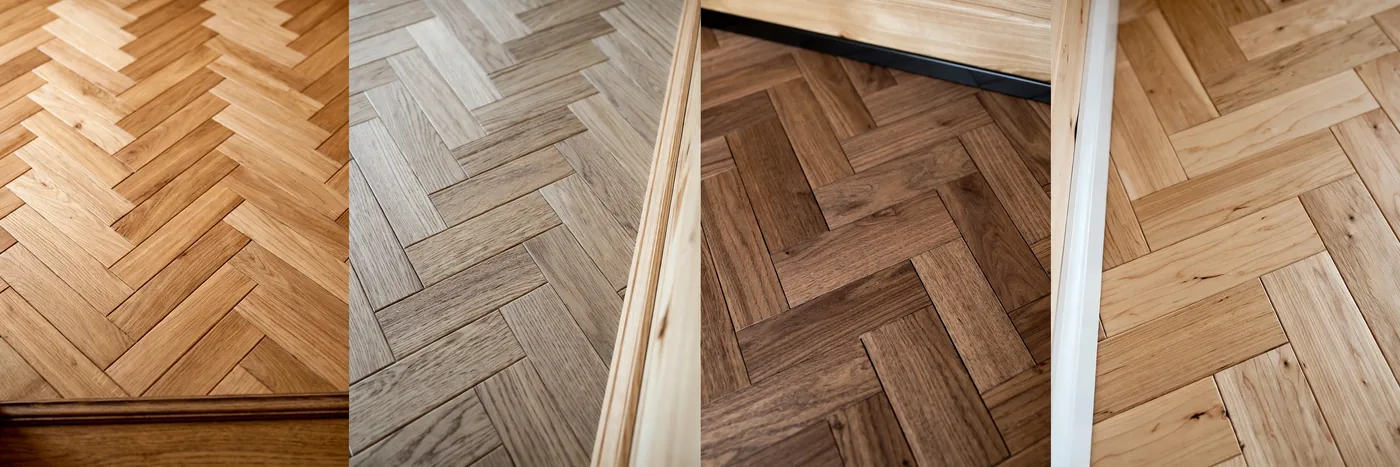
Keep the rest of the room simple. Herringbone is already busy, so plain walls and simple furniture let the floor be the star. A pale oak keeps the room bright. A darker walnut makes it feel rich and moody.
This floor costs more than straight planks, mostly because of the extra labor and waste. Expect to order about 15 percent extra material for cuts. The result, though, is a floor people notice the moment they step inside.
6. Large-Format Porcelain Tile That Looks Like Stone
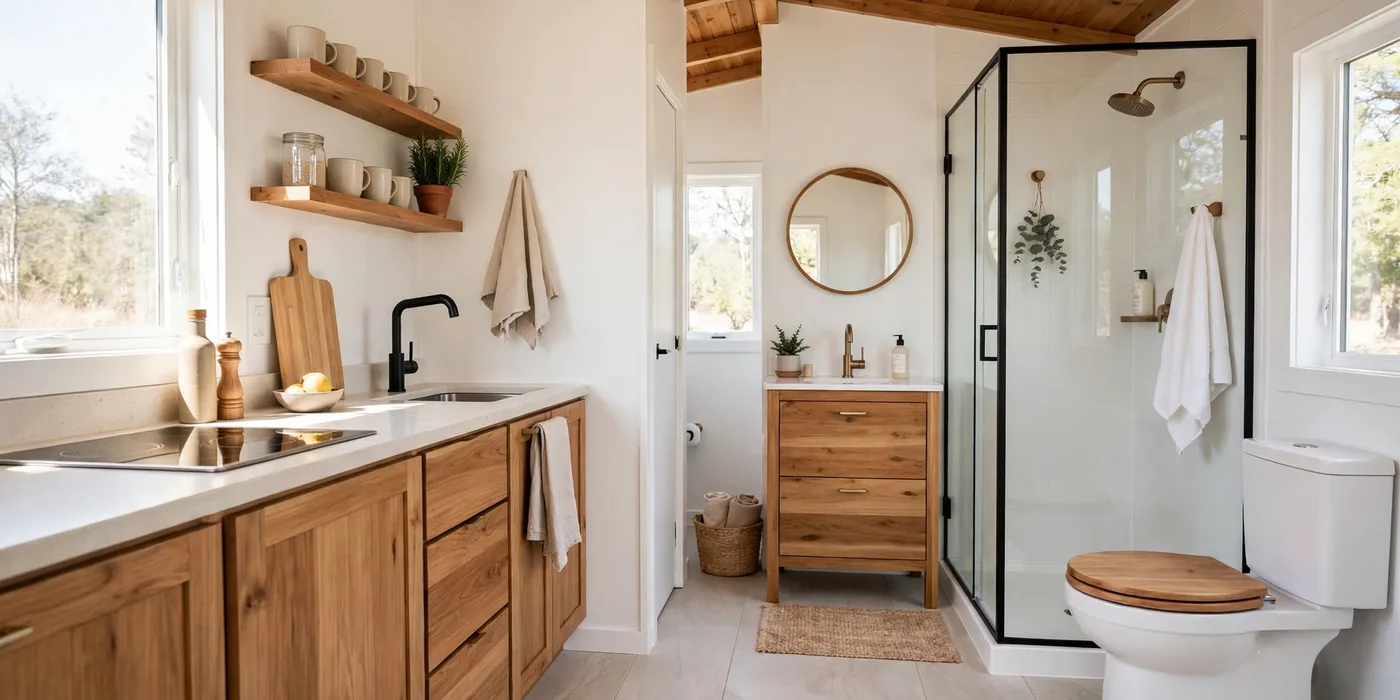
Large-format porcelain tiles, usually 24 inches or bigger, make a small room feel larger. Fewer grout lines mean fewer visual breaks, so the eye glides across the floor instead of stopping every few inches. In a tiny bathroom or kitchen, that trick is worth real money.
Modern porcelain can imitate stone so well that even builders do a double take. The veining runs through the tile, not just on the surface, so chips barely show. It is also nearly waterproof and shrugs off stains.
Porcelain is heavy and hard. That makes it a better pick for tiny houses on foundations, or for a small wet zone on a trailer rather than the whole floor. A tiled entry or bathroom gives you the durability where it counts without overloading the trailer.
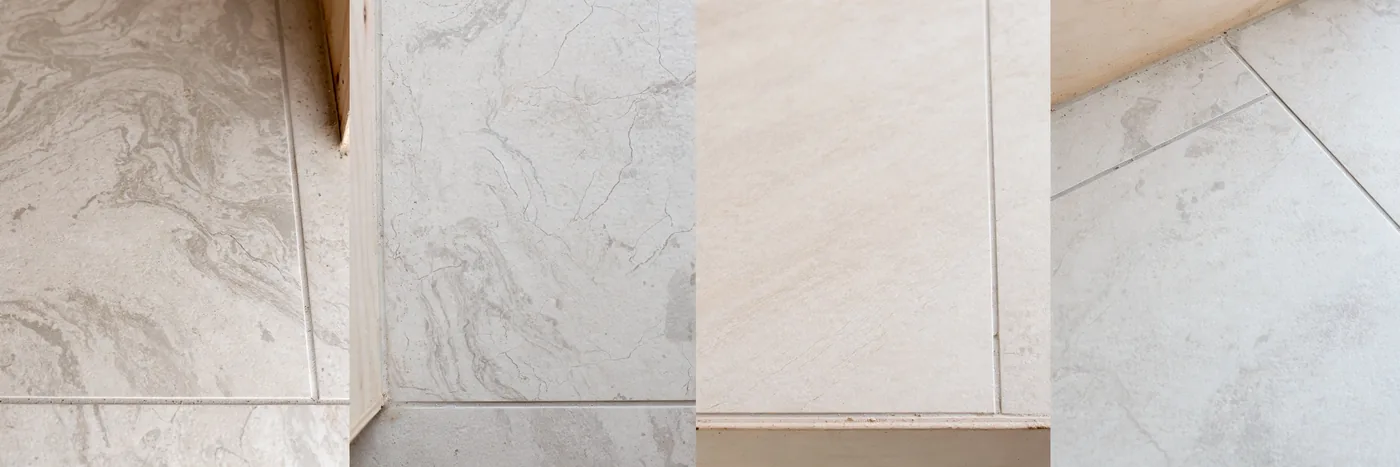
Cold feet are the trade-off. Tile holds the cold in winter, so pair it with a rug or a small heated mat in the bathroom. Underfloor heating is the luxury fix if your build allows it.
Use a grout color close to the tile. It hides dirt and makes the tiles look even bigger. Seal the grout once a year in wet areas and it will stay clean.
7. Reclaimed Barn Wood Planks
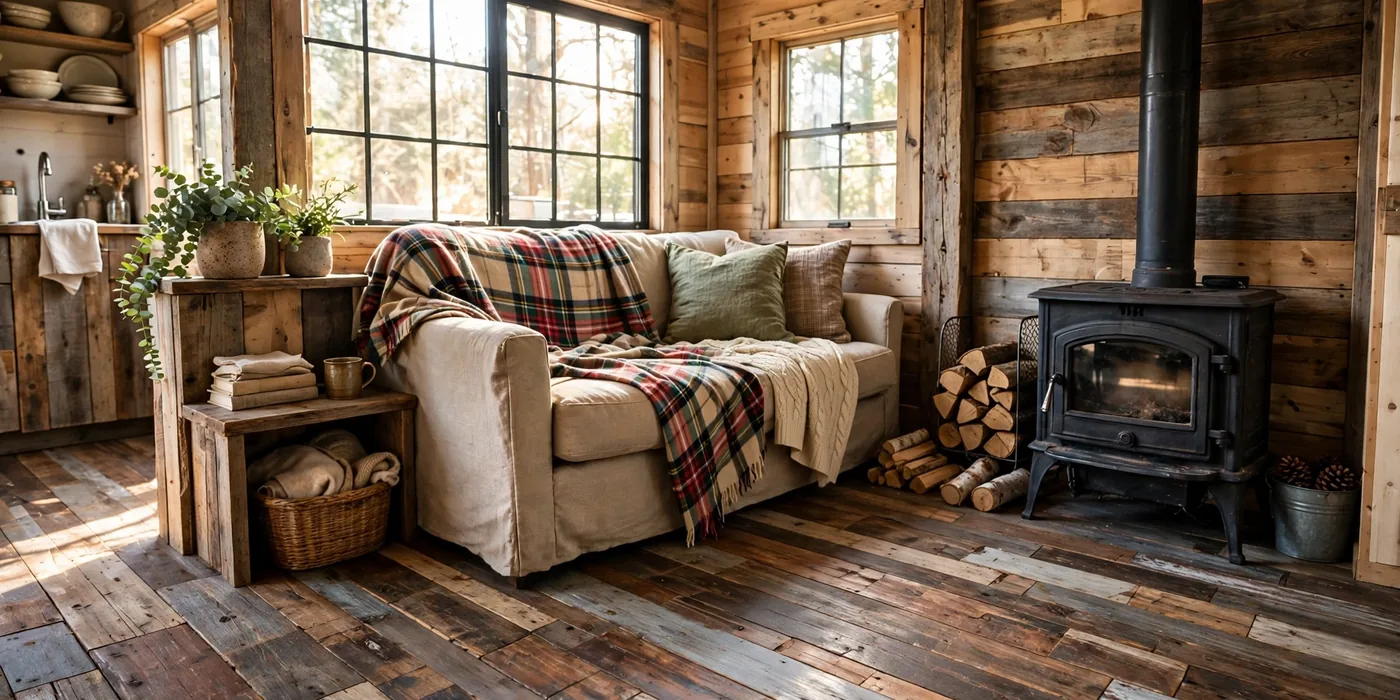
Reclaimed barn wood brings a story into the room. Each plank carries nail holes, saw marks and a color that only decades of weather can make. No two floors look alike, which is exactly the point.
This is a green choice too. The wood already exists, so no new trees are cut. Salvage yards, demolition firms and online marketplaces all sell it, often cheaper than new hardwood of the same character.
The rustic look hides wear beautifully. A scratch on a perfect white oak floor stands out. A scratch on old barn wood just joins the history. That makes it a forgiving floor for families, pets and clumsy cooks.
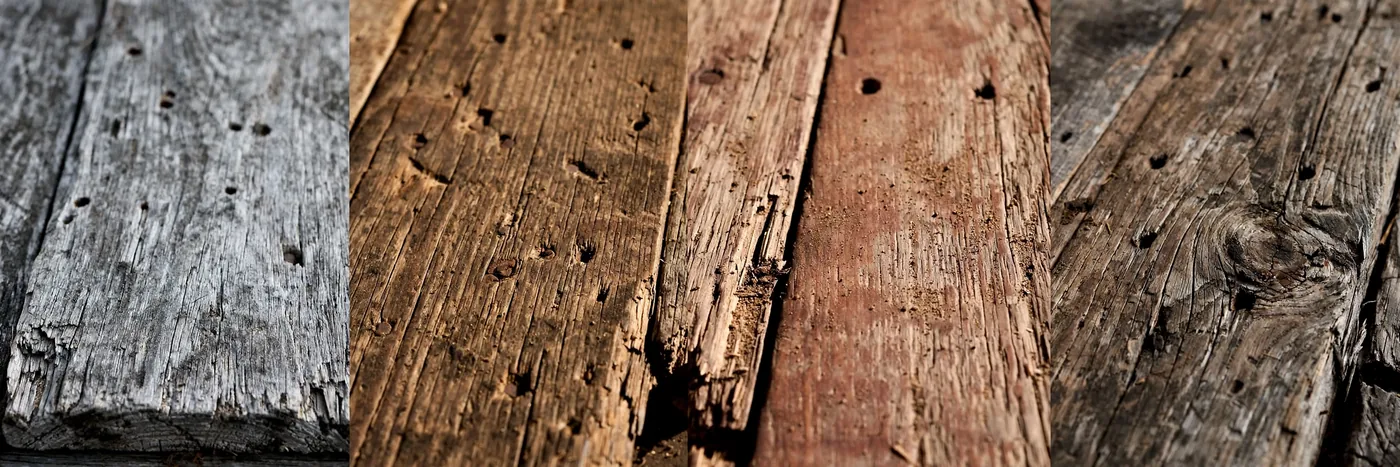
Reclaimed wood needs real preparation before it goes down. Old nails must come out, and every plank needs cleaning and checking for insects or rot. A metal detector is worth borrowing for this job. A missed nail can destroy a saw blade or a planer.
Seal the finished floor well. Old wood is thirsty, and an unsealed surface will soak up every spill. A matte oil finish keeps the character while protecting the wood.
8. Seamless Sheet Vinyl in One Continuous Run
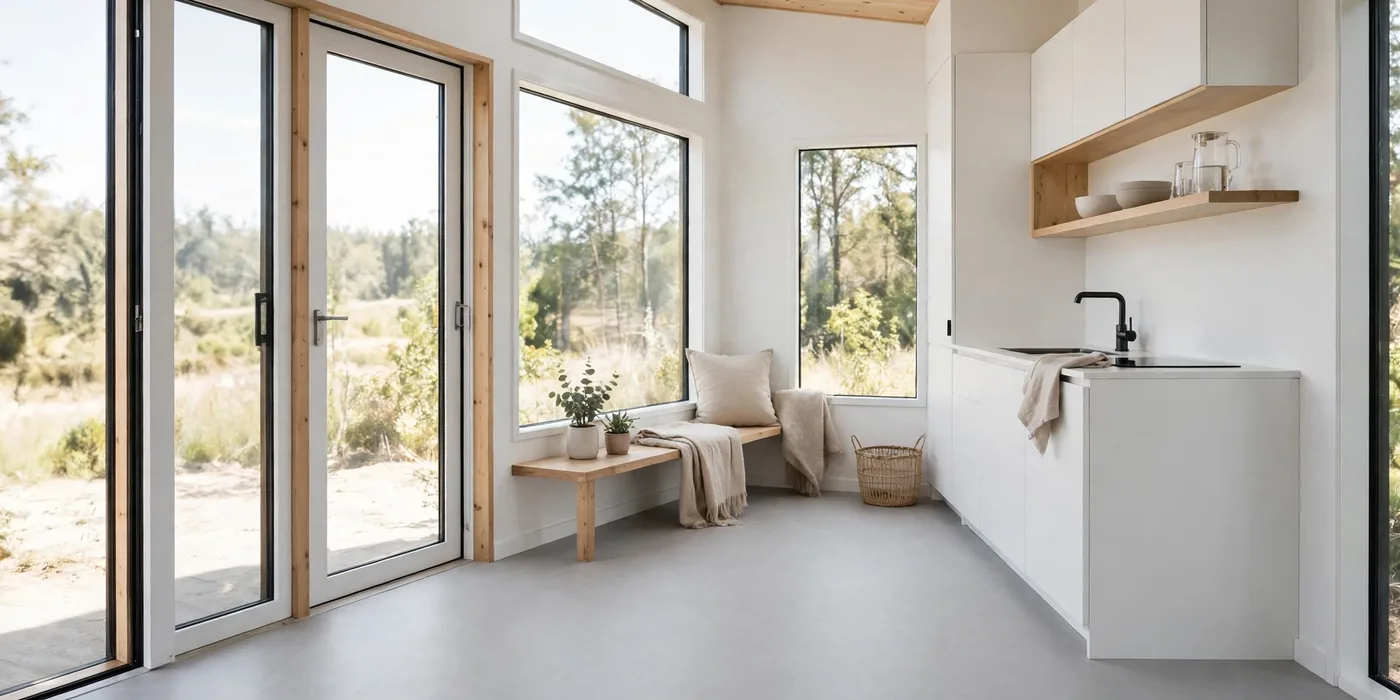
Sheet vinyl is the quiet workhorse of tiny house flooring. It comes in one big roll and is cut to fit the whole floor, so a small house often needs no seams at all. Water has nowhere to sneak in, and dirt has nowhere to hide.
Modern sheet vinyl looks nothing like the lino your grandmother had. It comes in wood looks, stone looks and soft concrete tones, all with realistic texture. It is also one of the cheapest floors on this list, which leaves budget for the things you touch every day.
Installation is fast. A confident DIYer can measure, cut and lay a tiny house floor in an afternoon. The material is light, so it suits houses on wheels, and it is soft enough to be kind on knees.
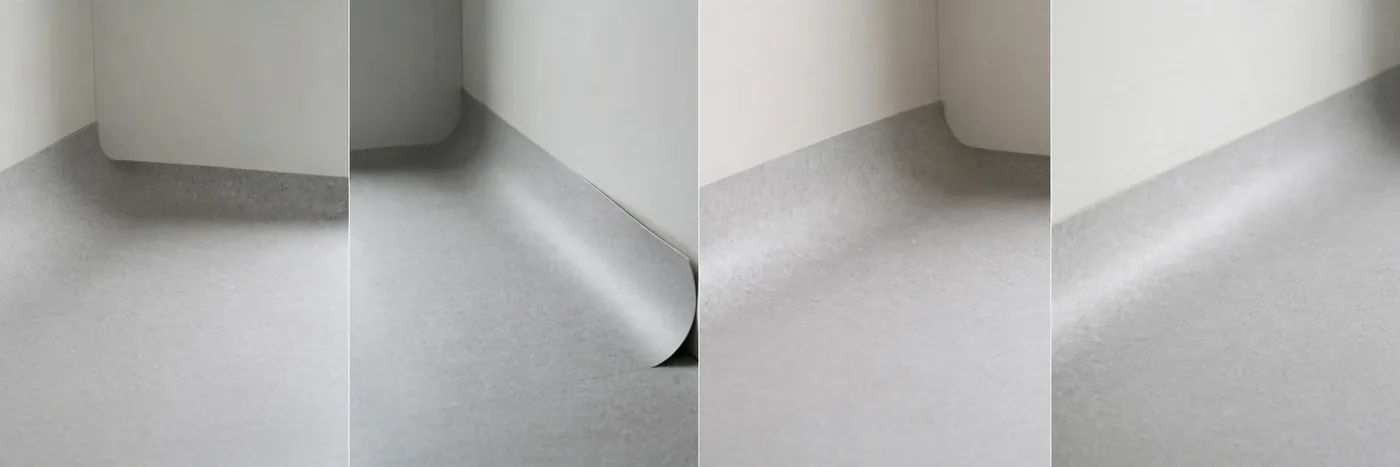
The weak point is damage. A deep cut or a burn mark cannot be patched invisibly the way a single plank can be swapped. Keep offcuts for repairs, and use felt pads under furniture so chairs never drag.
Choose a thicker commercial grade if you can. Thin domestic sheet vinyl dents under heavy furniture and shows every bump in the subfloor. A smooth, level base is essential, so spend time on the prep.
Rough Cost and Toughness at a Glance
Typical material cost per square foot in the US, plus how each floor handles daily wear. Labor and local prices vary, so treat these as a guide.
The cheapest floor is rarely the cheapest over ten years. A floor you replace twice costs more than a good floor fitted once.
9. Strand-Woven Bamboo

Strand-woven bamboo is one of the hardest floors you can buy. The bamboo fibers are shredded, pressed with resin and baked into planks. The result is harder than most oak, which makes it a strong pick for a floor that sees boots, claws and furniture every day.
Bamboo grows fast, reaching full height in a few years, so it is a renewable choice. The warm caramel color suits tiny houses well. It glows in daylight and pairs nicely with white walls and natural linen.
Most strand-woven bamboo clicks together, so installation is a weekend job for a careful DIYer. The planks are stable, but they still need a small expansion gap around the edges. Bamboo moves with humidity just like wood does.

Water is the enemy here. Bamboo swells if it stays wet, so wipe spills quickly and keep it out of the bathroom. A good seal on the surface helps, but it is not a waterproof floor.
Color varies between batches, so order all your boxes at once and mix planks from different boxes as you lay them. That blends any variation into a natural look instead of a visible patch.
10. Terracotta Tile in the Kitchen Zone
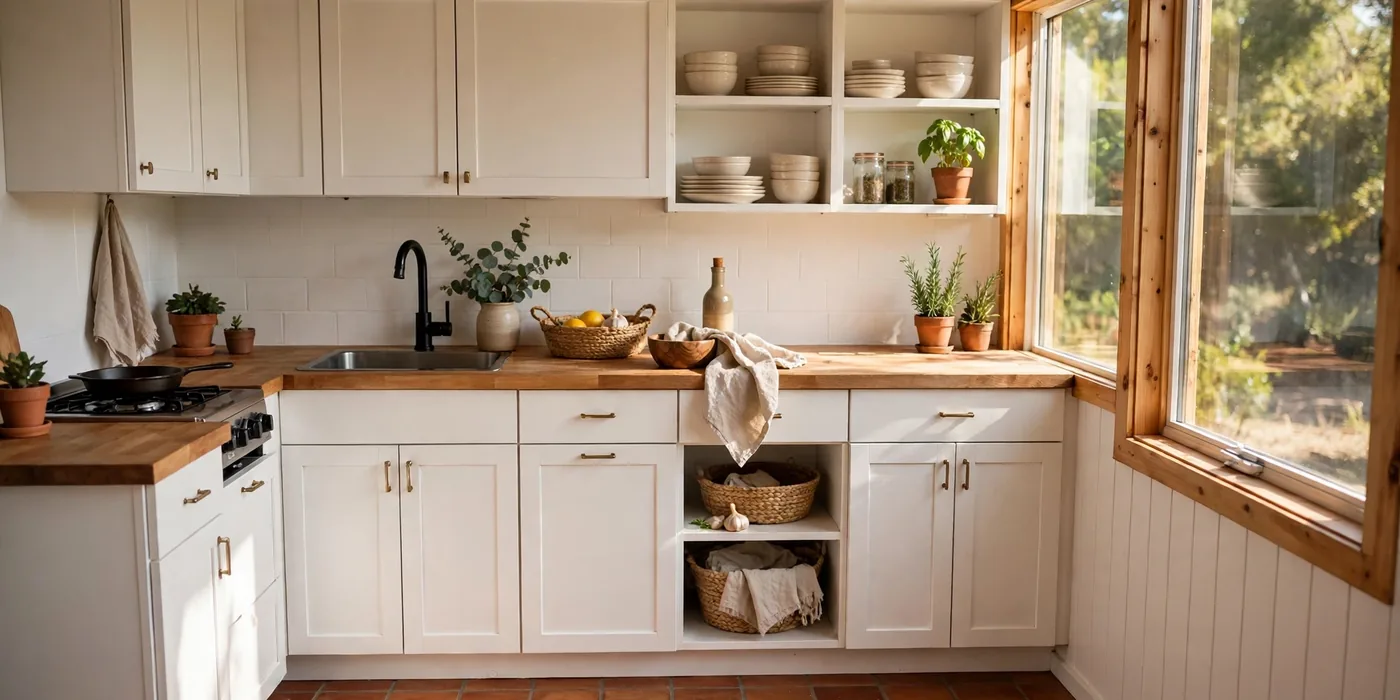
Terracotta tiles bring instant warmth to a tiny kitchen. Their orange and rust tones glow in sunlight and make white cabinets look crisp. A small zone of terracotta is enough to change the whole feel of the room.
Use it as a zone, not a whole-house floor. A terracotta kitchen area next to wood flooring in the living space marks the boundary between cooking and relaxing. It also puts the toughest, most waterproof surface exactly where the spills happen.
Real terracotta is porous, so it must be sealed. Unsealed tiles stain with the first splash of tomato sauce. Two coats of sealer before grouting, and one more after, keep the color rich and the surface easy to clean.
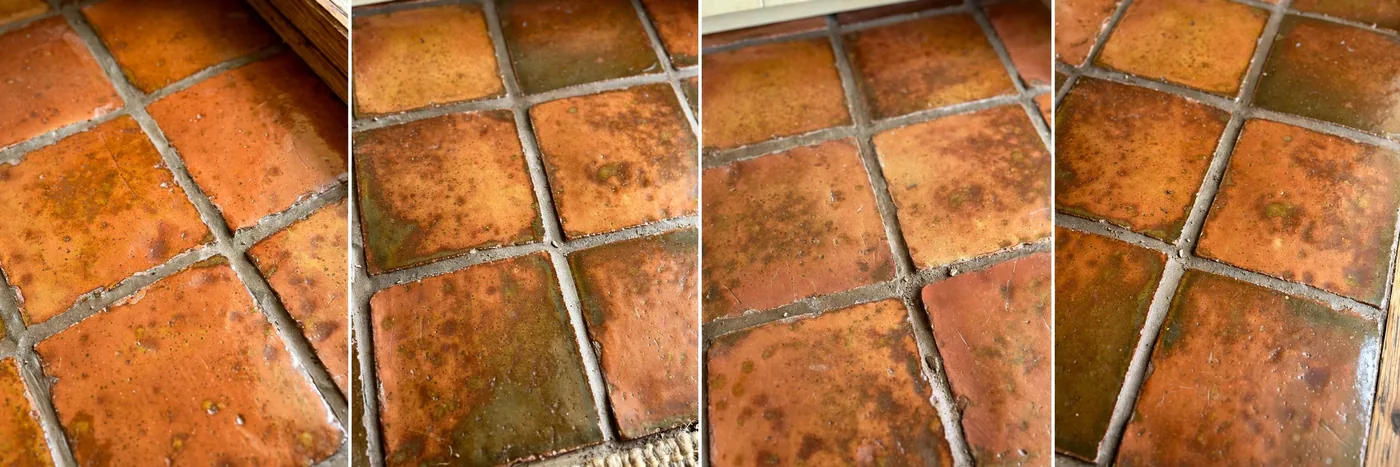
Terracotta is heavy and it is cold underfoot in winter. A rug by the sink and thick socks solve the cold. The weight means it suits a small zone on a trailer better than a full floor.
Handmade tiles vary in size and shade, and that is part of their charm. Sort the tiles before laying them and spread the lightest and darkest ones evenly. The floor will look intentional instead of patchy.
11. Painted Plywood Floors
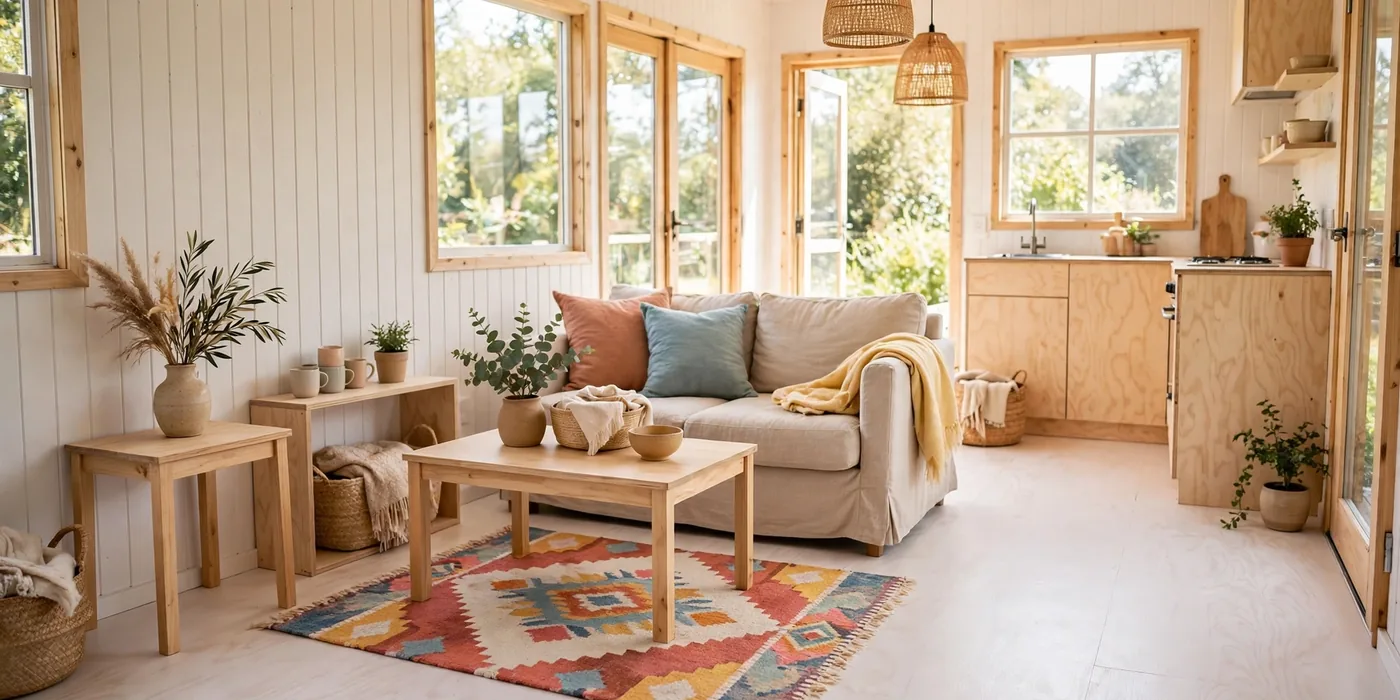
Painted plywood is the budget hero of tiny house flooring. A good plywood subfloor, sanded smooth and painted, can look surprisingly smart. It costs a fraction of hardwood and takes only a weekend to finish.
The trick is in the prep. Fill every screw hole, sand the seams flat and prime properly. A rough base will show through every coat of paint, so the sanding matters more than the paint itself.
Paint opens up design options that other floors cannot match. A soft white makes a dark room brighter. A stenciled pattern turns a plain floor into a feature. A deep green or navy can ground a pale room beautifully.
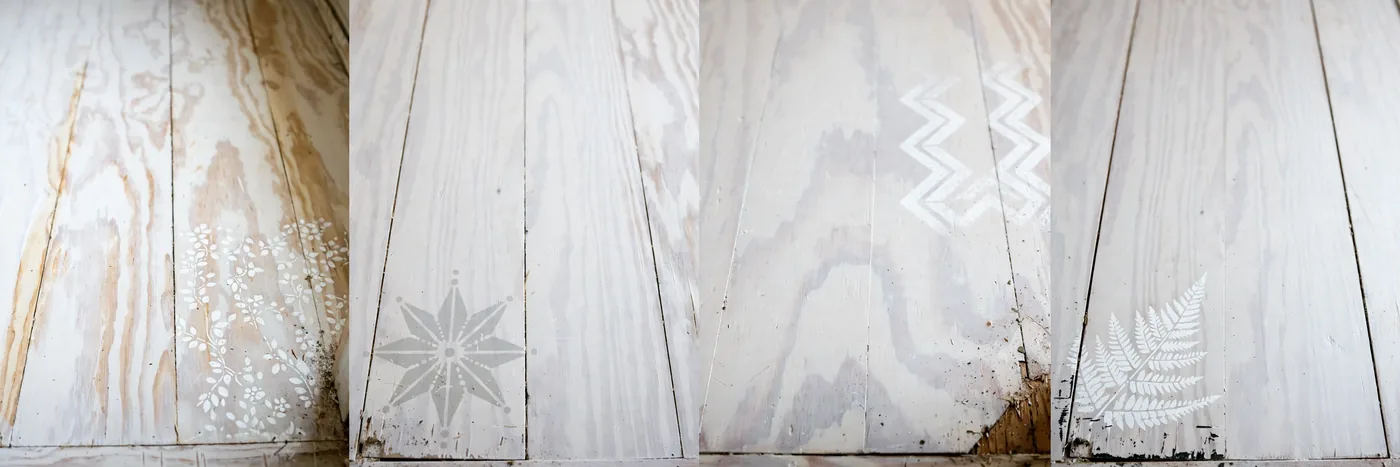
Durability is the trade-off. Paint scuffs and chips, especially in the main traffic path. Use a tough floor paint, not wall paint, and add two coats of clear polyurethane on top. Keep a small pot of the paint for touch-ups.
This floor suits a first build or a tight budget. It also suits renters and experimenters, since a new color is only a weekend away. If it wears out in a few years, you have lost very little.
12. Checkerboard Vinyl Tile

Checkerboard floors have been charming kitchens for a hundred years, and they still work. Black and white squares add energy to a small room without adding clutter. The pattern is simple, bold and forgiving.
Vinyl tiles are the practical way to get the look. They are cheap, light, waterproof and easy to replace one at a time. A damaged tile peels up and a new one sticks down, which is a repair anyone can do in ten minutes.
The classic black and white suits a retro or farmhouse kitchen. Softer versions exist too. Cream and sage, or grey and white, give the same pattern with a calmer feel. Pick the version that matches your cabinets.
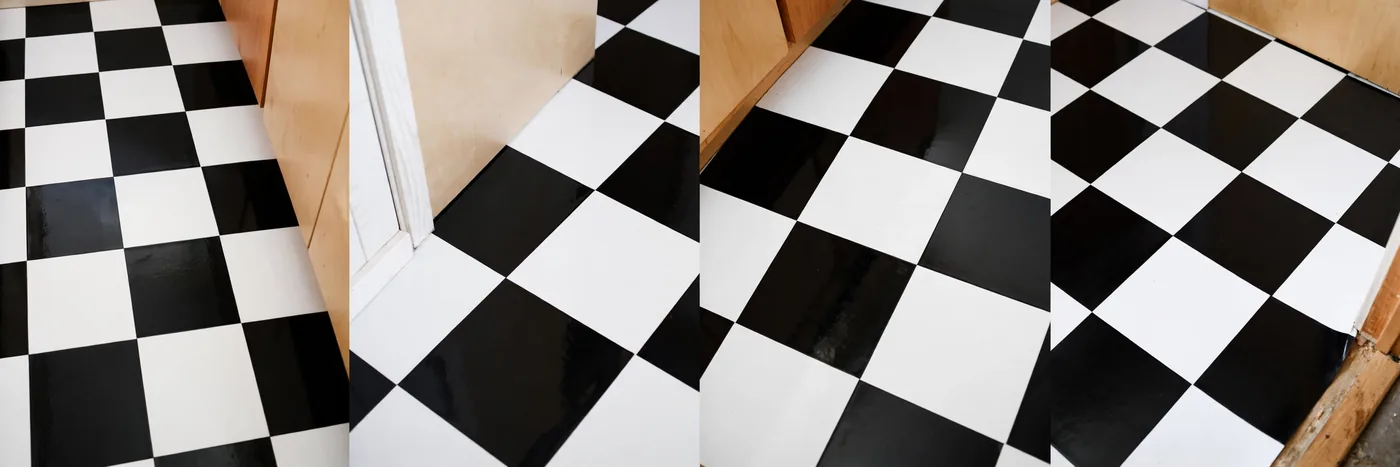
Layout matters more than the tiles themselves. Start from the center of the room so the cut tiles at the edges are even on both sides. A lopsided checkerboard is obvious the moment you walk in.
Keep spare tiles from the same batch. Colors drift slightly between production runs, and a replacement tile from a new batch can stand out. A box in the cupboard saves a headache later.
13. Dark Walnut Planks
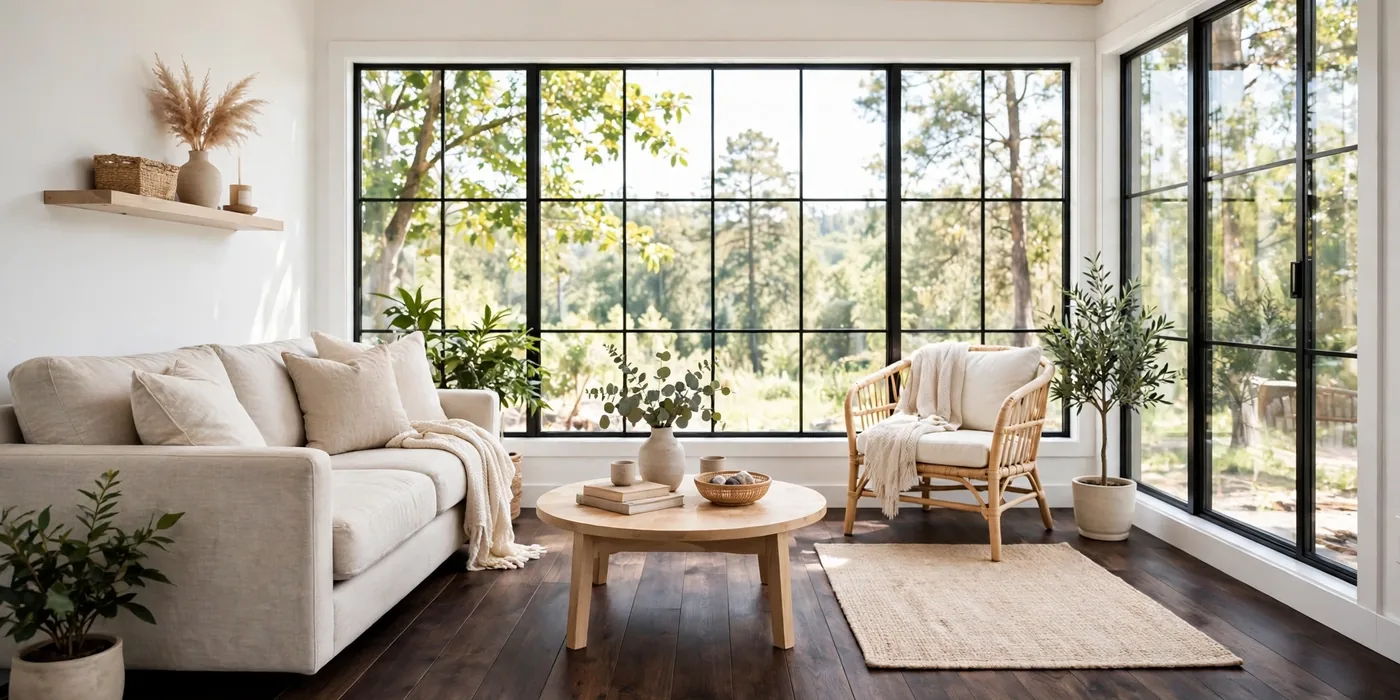
Dark walnut is the dramatic choice. The deep brown grain makes white walls look brighter and light furniture look softer. In a tiny house it adds a sense of richness that pale floors cannot match.
Dark floors also hide dirt better than pale ones. Dust and crumbs show quickly on white oak. On walnut they blend in until the next sweep. That is a small daily win in a house where the floor is always in view.
The risk is darkness. A small room with a dark floor and dark walls can feel like a cave. Keep the walls pale, add good lighting and let the windows do their work. The contrast is what makes this floor shine.
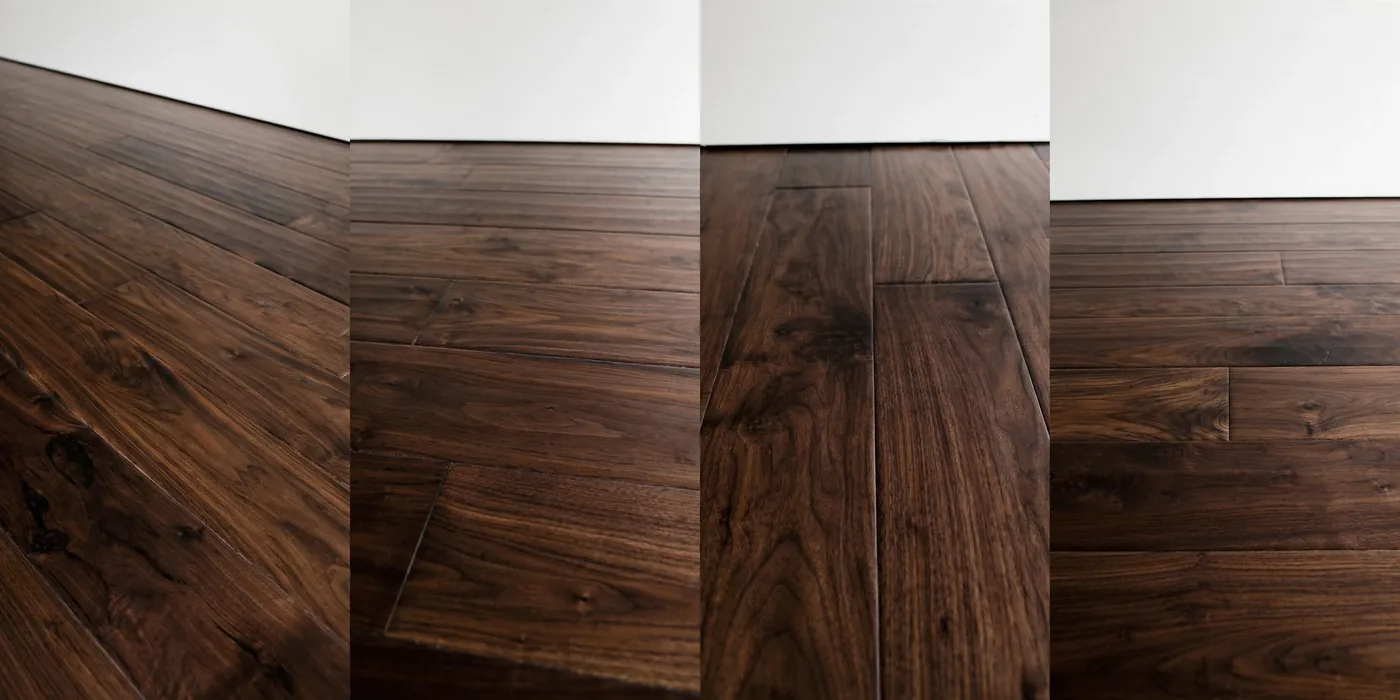
Walnut is a premium wood, so engineered planks are the smart buy. They give you the real walnut surface at a lower price and with better stability. Solid walnut is beautiful but it moves more with humidity.
Satin is the best finish for dark wood. A high gloss shows every footprint and scratch. A satin or matte finish hides wear and keeps the floor looking calm.
14. Waterproof Laminate for Wet Zones

Modern waterproof laminate is not the laminate of twenty years ago. Newer boards have a sealed core and tight click joints that resist standing water for hours, not minutes. That makes them a real option for entries, kitchens and laundry corners.
The wood looks have improved too. The grain is printed in high resolution and the surface has a texture that follows the pattern. At a glance it reads as wood, and it costs far less than the real thing.
Laminate is light and easy to install, which suits houses on wheels. It floats over the subfloor without glue, so one person can lay a tiny house floor in a day. Damaged boards can be unclicked and swapped, though reaching a board in the middle takes patience.
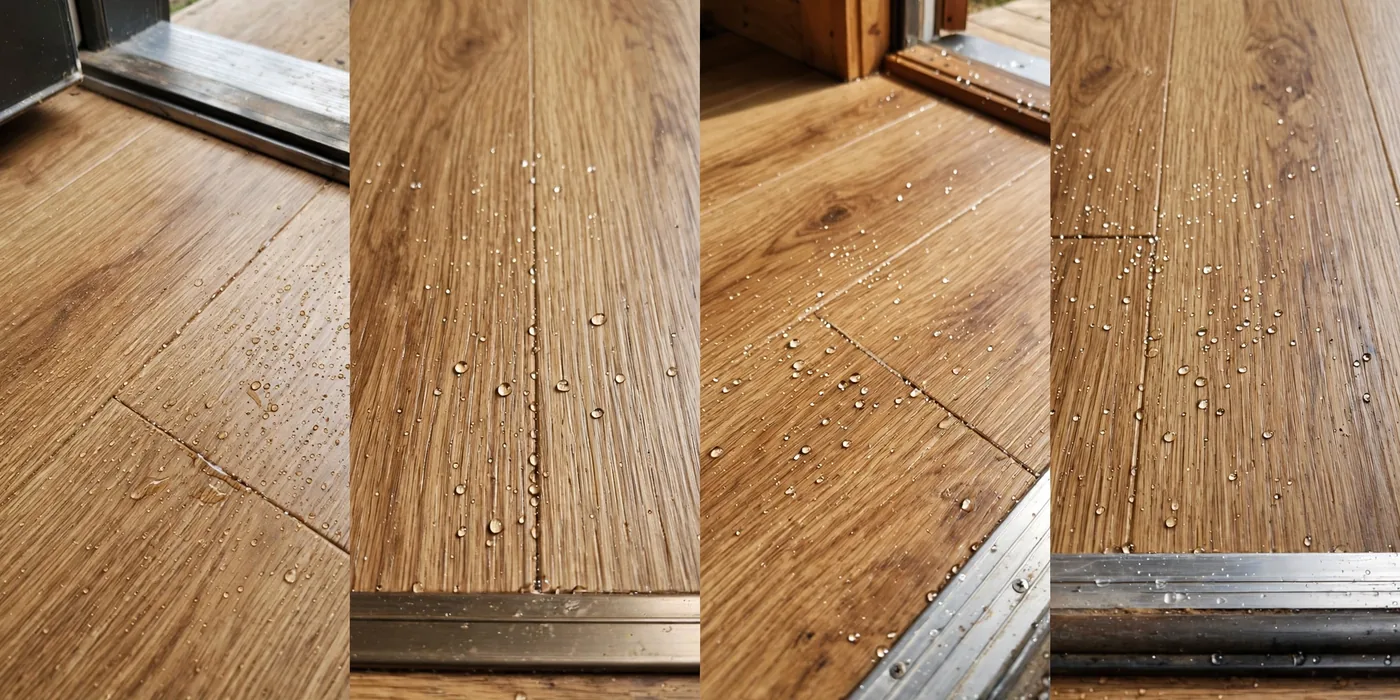
Read the label carefully. Not all laminate is waterproof. Standard laminate swells badly if water sits on it. Look for boards rated waterproof, and check the warranty wording before you buy.
Watch the edges near the door and the shower. Water finds the weakest point, and the edges are usually it. A bead of silicone at the thresholds adds cheap insurance.
15. Mixed-Material Zoning: Wood Meets Tile

The smartest tiny house floors often use two materials, not one. Wood in the living and sleeping areas feels warm underfoot. Tile in the kitchen and bathroom handles water without worry. A clean line between them marks each zone.
Zoning also helps a small open plan feel organized. Without walls, one big floor can blur into a single space. A change of material says, this is where you cook, and this is where you rest. The room feels bigger because each part has a clear job.
The transition between materials is the detail that makes or breaks this idea. A metal strip or a flush wood threshold gives a neat edge. An uneven join trips bare feet and collects dirt. Ask your installer to make the two surfaces sit at the same height.
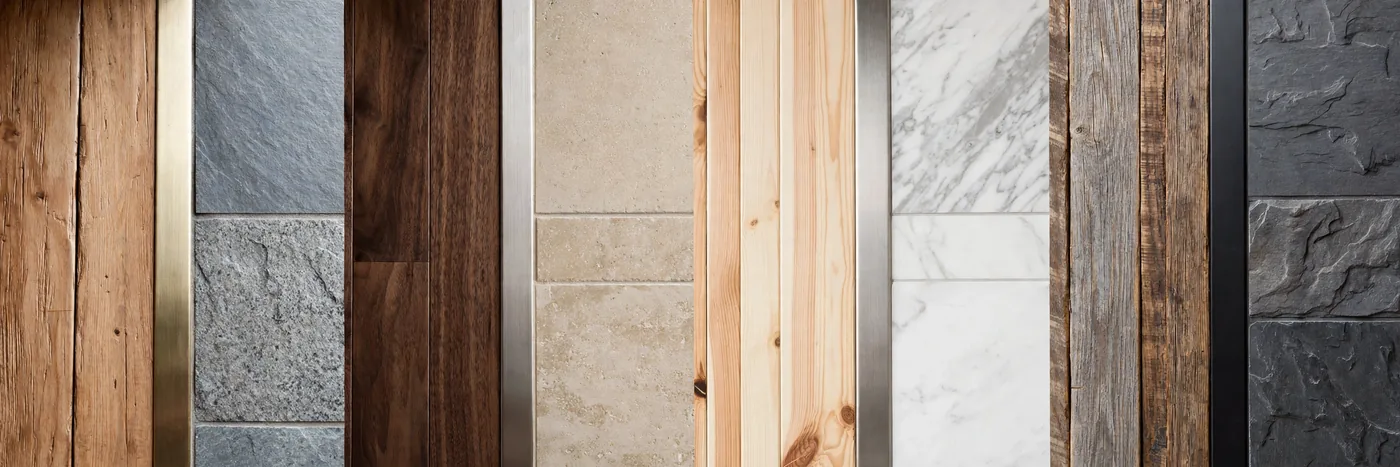
Pick materials with similar tones so the change feels calm, not jarring. Warm wood with warm stone tile works. Pale wood with pale terracotta works too. Two clashing colors will fight each other all day.
This idea costs a little more in labor, since two floors mean two installs. But you get the best of both worlds, and you only pay for expensive tile where you actually need it.
Tiny House Flooring Care Cheat Sheet
Most flooring failures are care failures. A floor looked after lasts twice as long as the same floor ignored.
The best tiny house floor is the one that fits your life, not the one that photographs best. A household with two dogs needs a different floor than a household with a home office and a no-shoes rule.
Start with the five questions at the top of this article. Shortlist two or three floors that pass them, then order samples and live with them for a week. Walk on them barefoot. Spill coffee on them. Drop something heavy. The right floor will still look good after the test.
And remember that a floor is not forever. In a house this small, a new floor is a weekend job, not a renovation. Pick the floor that suits your life right now, and change it when your life changes.