
Walking and Weights Are Not Saving Your Bones: 7 High-Impact Moves a 24-Study Review Says Work Better


You walk every day. You lift weights twice a week. You do everything you are told to do for your bones. So here is the uncomfortable question a new review just raised: is any of it actually building bone?
Researchers at Semmelweis University in Hungary pooled 24 clinical trials with 1,238 healthy adults. Their goal was simple. They wanted to know which kind of exercise really switches on bone formation. The answer surprised even them.
Fast, stop-start sports like recreational football and handball produced the strongest bone-building signals, with markers rising by up to 45 to 46 percent in some studies. Walking, jogging, step aerobics and standard gym resistance training showed smaller effects, or none at all, in the markers the team measured.
Before you lace up for a sprint or cancel your gym membership, read the fine print. This study measured early blood markers of bone formation, not bone density and not fractures, so it does not prove that intense exercise prevents osteoporosis. What it does offer is a sharper picture of how bones respond to movement, and a reason to add a little speed and surprise to your week.
The Study at a Glance
Barna et al., Sports Medicine – Open, published June 2, 2026. The review tracked blood markers of bone formation, not bone density scans or fracture rates.
The 24-Study Review That Rewrote the Bone Rulebook

This was not one small experiment. It was a systematic review and meta-analysis, which means the researchers gathered the results of many earlier trials and analyzed them together. They started with 16,434 records and kept only randomized controlled trials of training programs lasting more than two weeks.
Every trial in the final set involved healthy adults with no medical conditions, medication or supplements that could skew the results. The team then sorted the training programs by type and by intensity. They looked at endurance work, power work and mixed programs, and they separated each group by how hard people were working, measured as a share of maximum heart rate.
The paper was published on June 2, 2026, in Sports Medicine – Open, and the findings made headlines in mid-November 2026 when ScienceDaily covered the release under the headline “Walking and weight training may not be enough to keep your bones strong.”
Senior author Dr. Peter Ferdinandy explained what made the review different. His team examined not only the type of exercise but also its intensity, frequency and duration. The strongest responses came from activities that paired high intensity with quick, dynamic movement.
The review also carried a clear limit. The authors rated the certainty of the main finding as moderate to low, and the trials were small and varied widely in how people trained. Keep that in mind as you read the numbers below. They are promising, not settled.
Osteocalcin: The Early Signal Your Bones Are Building
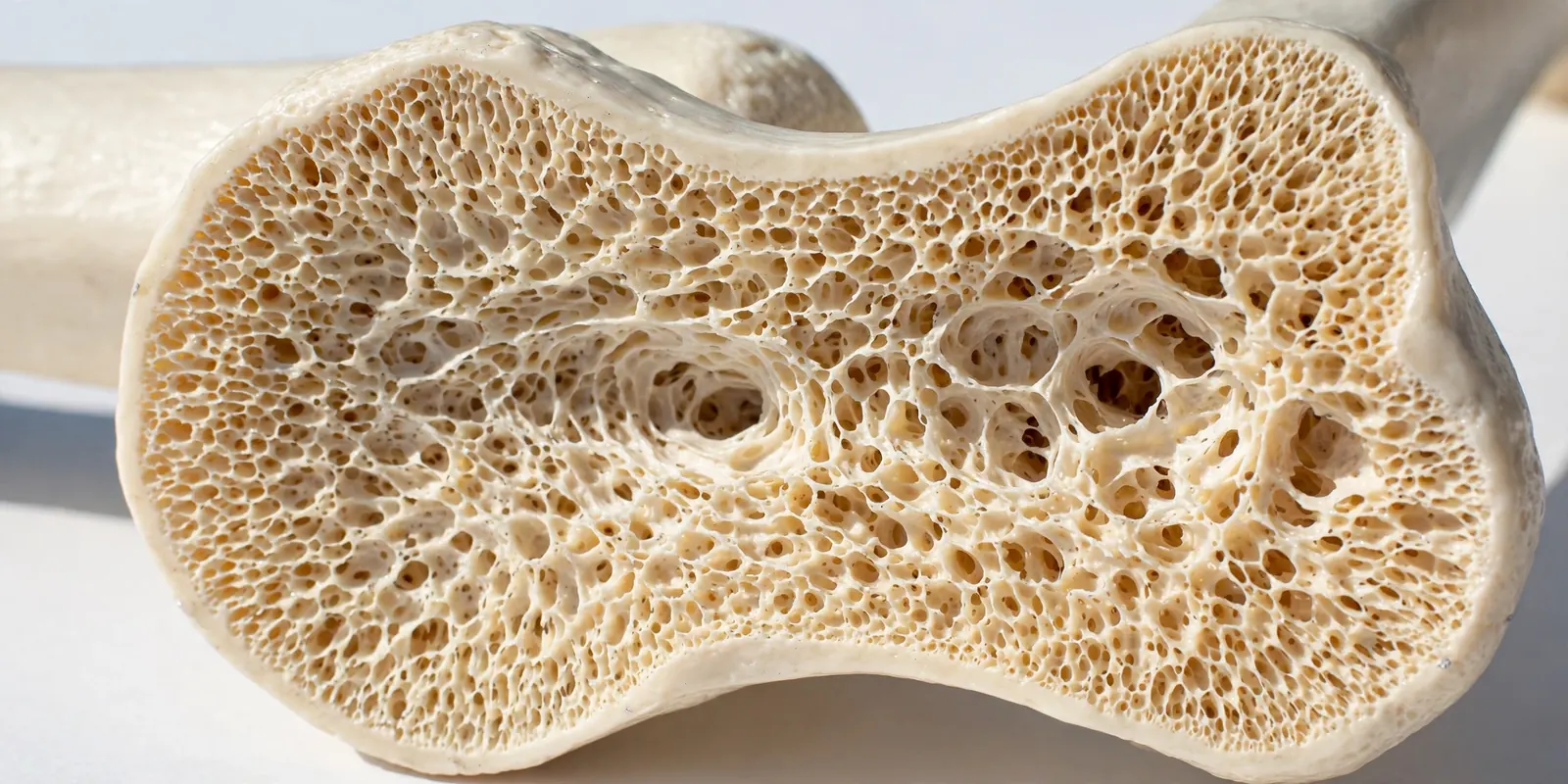
Your bones are not solid and still. They are living tissue in a constant cycle of renewal, a process scientists call bone remodeling. Old bone is broken down by cells called osteoclasts, and new bone is laid down by cells called osteoblasts.
The review tracked this process through blood markers, and the main one was osteocalcin. Osteocalcin is a protein made by bone-building cells, and it is one of the main proteins found in bone itself. When osteocalcin rises in the blood, it suggests bone-building activity has picked up. The team also measured bone alkaline phosphatase, an enzyme those same cells use while laying down new bone.
Markers have one big advantage over bone density scans. They can shift within weeks of a change in training, while a scan can take many months to show a change. That speed is also the catch. A rising marker is an early signal, not proof of denser bones or fewer fractures.
Here is the headline number. High-intensity training raised osteocalcin significantly, with an average difference of 6.88 and a 95 percent confidence interval of 0.37 to 13.38. That interval is wide, and its lower end sits close to zero, so the effect looks real but its size is uncertain.
Just as important is what did not move. Bone mineral density showed no significant change after endurance or power training in the trials that measured it. So this review tells us which exercises wake up bone-building signals, not which ones build measurably denser bones over years.
Why Football and Handball Lit Up the Markers

The high-intensity group was small but striking. It covered six trials with 193 participants, who kept their heart rate above 85 percent of maximum through sessions of 50 to 60 minutes, one to three times a week. The activities were recreational team handball, recreational football, which Americans call soccer, and in one trial, high-intensity interval cycling.
These sports share a pattern. Players accelerate, stop hard, pivot, turn and jump, often in the same few seconds. Bone responds to mechanical load, and team sports pile load, intensity and sudden changes of direction into every sprint and tackle.
The biggest numbers came from individual studies of football and handball. In those studies, bone formation markers rose by up to 45 to 46 percent. Read that carefully. The 45 to 46 percent figure describes the top results in single studies, not a pooled average across everyone in the review. The pooled result for the whole high-intensity group was the significant osteocalcin rise described above.
Co-author Dr. Nora Sydo, a clinical specialist at Semmelweis, put it this way: high-intensity exercise may trigger early beneficial changes in bone formation that could help slow bone loss and support healthy aging.
Why do these sports beat a steady run? Running loads the skeleton in one straight line, rep after rep. Football and handball load it from many angles, at many speeds, with little warning. Bones seem to notice novelty. When the force is always the same, the skeleton adapts and the signal fades.
How Each Type of Training Scored on Osteocalcin
Bars show the direction of the result, not exact values. Only the high-intensity group showed a statistically significant rise in osteocalcin, the main bone-formation marker. Source: Barna et al., Sports Medicine – Open, 2026.
The Weight Training Result Nobody Saw Coming
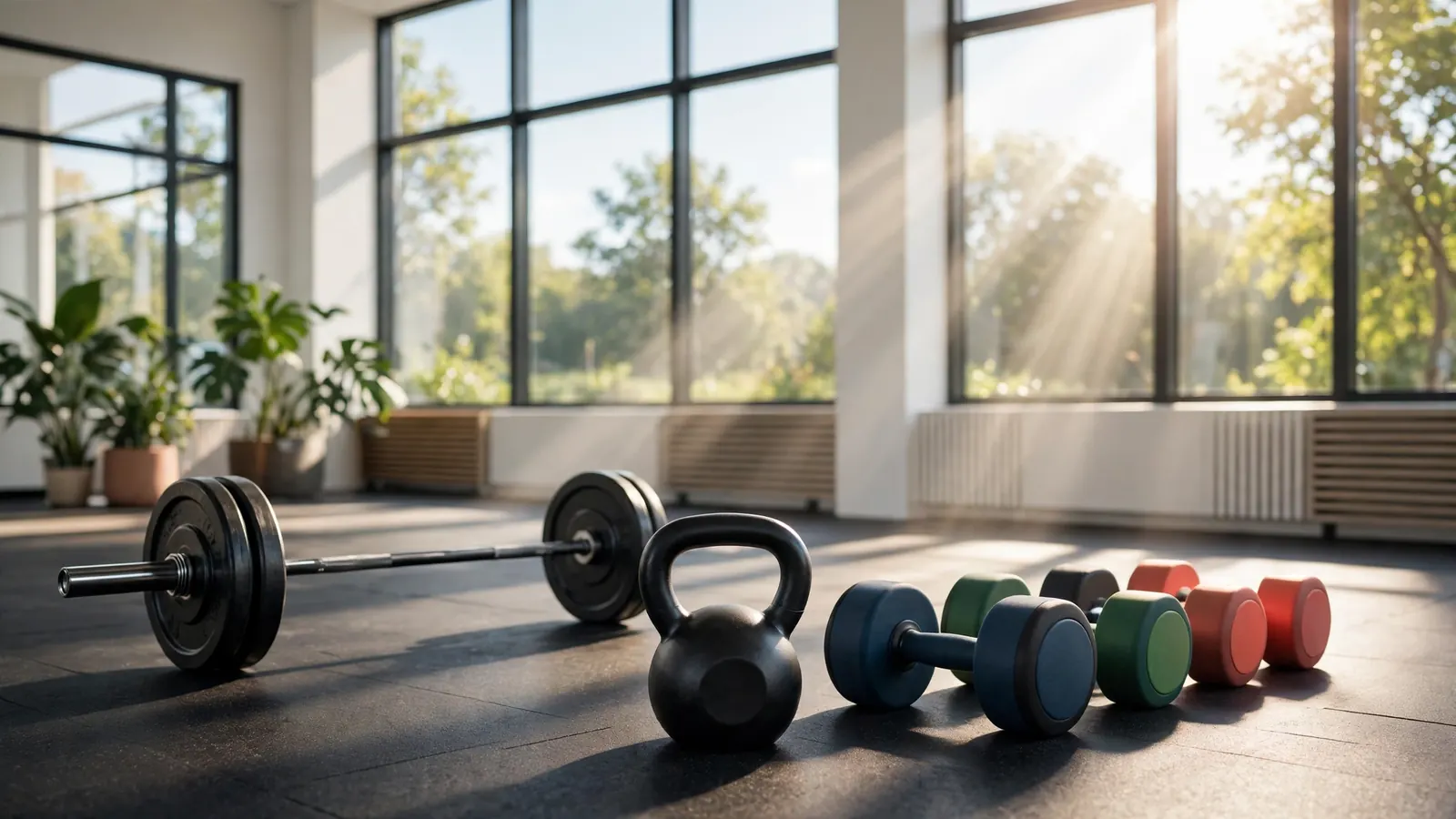
First author Viktoria Barna called the resistance training result the most surprising finding of the whole review. Several professional guidelines recommend strength training to maintain bone health. Yet in this analysis, it did not produce a significant effect on the measured markers of bone metabolism.
The power training group covered five small trials with 131 participants in total, running power training, progressive resistance power training and plyometric jumping. None of them moved osteocalcin in a meaningful way, and mixed programs that combined endurance and strength work showed no comparable change either.
Before anyone un-racks the barbell for good, hear what the researchers actually said. They stressed that the results do not mean strength training is useless for the skeleton. The review measured blood markers, not every possible effect exercise has on the body. A marker that stays flat is not the same as a workout that does nothing.
Strength training still builds muscle, and muscle is bone’s best bodyguard. Stronger legs mean better balance, fewer falls and fewer fractures. Lifting also loads the skeleton in ways that may matter over longer periods than these trials ran, since most programs lasted weeks, not years.
There is another angle. Standard gym routines are controlled and predictable. You lift the same weight, in the same plane, at the same tempo. That may simply be too steady a signal for bone-building cells, which seem to respond best to varied, sudden forces. The lesson is not to quit lifting. It is to add something less predictable alongside it.
Why Walking Still Earns Its Keep

Now the part that matters most. Keep walking. The researchers said so themselves, and the coverage that followed the study said it too. Walking did not move the bone markers in this review, but walking was never only about bones.
A daily walk protects your heart, steadies your blood sugar, lifts your mood and keeps your joints moving. It burns calories without beating up your knees, and for many people it is the one form of exercise they will actually do every day. No bone study changes any of that.
What walking does not do, according to this review, is jolt your bones hard enough to switch on a strong building signal. The load is gentle, rhythmic and familiar. Your skeleton has seen it a thousand times, and it has already adapted to it. That is why the same walk that keeps your heart healthy can leave your bone markers flat.
Think of it like a conversation. Walking is a polite hello your bones have heard before. A sprint, a jump or a sudden pivot is a shout they cannot ignore.
So do not trade your walk for a workout you hate. Add short bursts of harder movement to the routine you already keep. The review points to a supplement, not a replacement. Your morning walk stays. It just gets a little company.
Seven High-Impact Moves to Add to Your Week
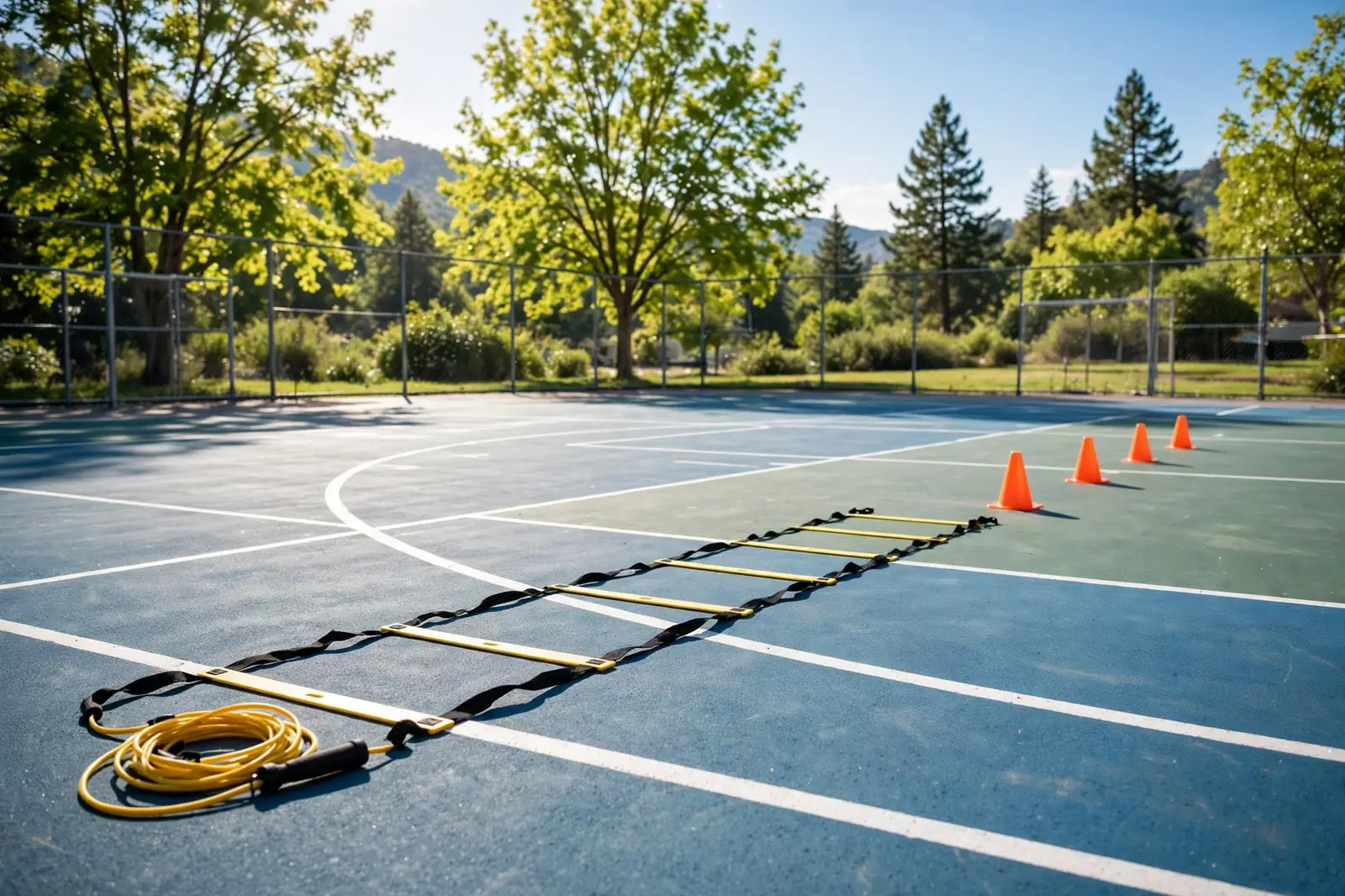
These seven moves borrow the pattern that lit up the markers in the review: short bursts, quick changes of direction and light jumping. They are not a prescription, and they are not proven to prevent fractures. They are practical ways to add the kind of varied, high-impact loading the study linked to stronger bone-building signals.
Start small. Pick two or three moves, try them twice a week, and build up slowly. Use a soft surface like grass or a court, wear supportive shoes, and stop if anything hurts.
1. Short sprint intervals. Run hard for 20 to 30 seconds on grass, then walk for a minute, and repeat four to six times. The sudden acceleration and braking are what your bones notice.
2. Jump rope. Two or three one-minute rounds with rest in between. Every landing sends a quick jolt up through your legs and spine. Keep the jumps low and springy.
3. Side-to-side shuffles. Shuffle quickly five steps to the right, plant, then shuffle back left. Ten rounds make a set. The lateral push is the opposite of straight-line walking.
4. Low box step jumps. Step or hop up onto a low, sturdy platform no higher than your shin, then step down with control. Ten reps are plenty.
5. Multidirectional hops. Hop forward, then sideways, then backward, landing softly on both feet each time. The changing directions load your bones from new angles.
6. A pickup game. Join a casual football or handball game once a week. This is the closest match to what the study actually tested.
7. Agility ladder drills. Run through a ladder with quick feet, changing direction at the end of each pass. Even a chalk-drawn ladder on a driveway works. Fast feet and sharp turns are the whole point.
Two sessions a week is a sensible start. The high-intensity trials in the review ran one to three times a week, with sessions of 50 to 60 minutes. You do not need to copy that volume on day one.
Check With Your Doctor Before You Go Hard

High-impact exercise is not for everyone, and the researchers were clear about that. People with osteoporosis, heart conditions or musculoskeletal problems should get medical advice before ramping up intensity. The same goes for anyone with a metabolic condition, a history of falls or a long stretch away from exercise.
This matters because the review studied healthy adults only. Its findings say nothing direct about people who already have low bone density or fragile bones. For someone with osteoporosis, a hard landing or a sudden twist carries a real risk of fracture. That is a conversation to have with a doctor, not a decision to make from an article.
Ask your doctor about a bone density scan if you have never had one, especially if you are over 50 or have a family history of fractures. Ask which of the seven moves fit your joints, your balance and your heart.
Watch for warning signs as you add intensity. Sharp joint pain, chest pain, dizziness or swelling are reasons to stop and get checked. Muscle soreness the day after a new workout is normal. Pain inside a joint is not.
This article is general information, not medical advice. Your doctor knows your history, your bones and your heart. Let them set the pace, and use this research as a starting point for that conversation.
Before You Go Harder: A Quick Safety Check
- Talk to your doctor first if you have osteoporosis, a heart condition, joint problems or a metabolic condition.
- Get a bone density scan if you are over 50, or if fractures run in your family.
- Start on soft ground. Grass or a sports court beats concrete for jumps and sprints.
- Build up slowly. Two short sessions a week is enough to begin.
- Stop for sharp pain, chest pain or dizziness and get checked promptly.
- Keep walking and lifting. New moves add to your routine, they do not replace it.
Source: guidance from the study authors and ScienceDaily’s coverage of the Semmelweis University review.
The big picture is simpler than the headlines suggest. Your bones respond to surprise and force, not just to time on your feet. A brisk walk keeps your heart and mood in good shape, and lifting keeps your muscles strong. But to wake up the cells that build bone, the evidence points to short, sharp, multidirectional movement.
That evidence is still early. It rests on blood markers in healthy adults, with modest certainty and no proof yet that denser bones or fewer fractures follow. Until then, the sensible move is to add a little intensity to a routine you already enjoy, with your doctor in the loop.
Pick one move from the list and try it this week. A few jump rope rounds, a short sprint on grass, or a casual game with friends. Your walk stays, your weights stay, and your bones get something new to react to.